Scandinavian Furniture Art
Minimalist Nordic design with light woods, clean lines, soft neutrals, and hygge comfort in furniture and interiors.
Instantly rendered in Scandinavian Furniture — or transform a photo

Scandinavian Furniture Gallery
Tap any artwork to explore it

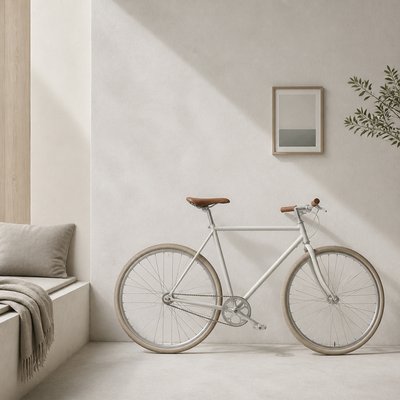
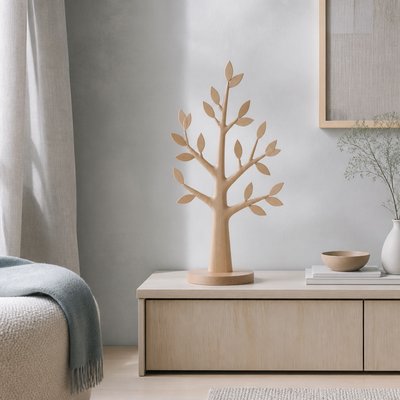
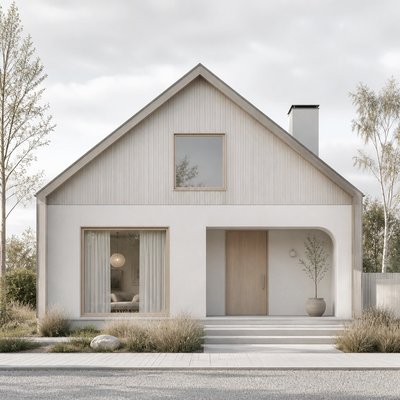
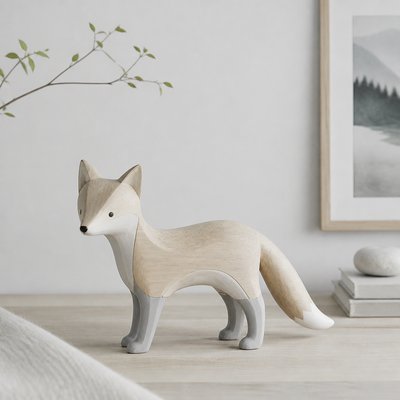
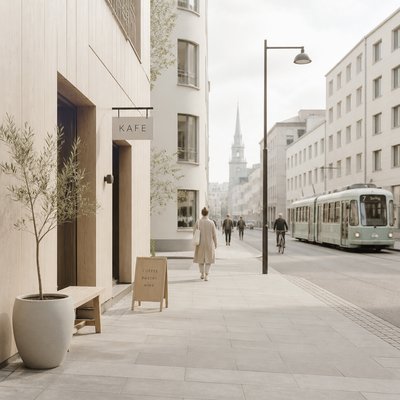
What is Scandinavian Furniture Art?
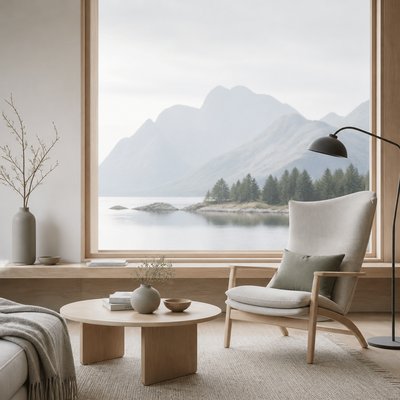
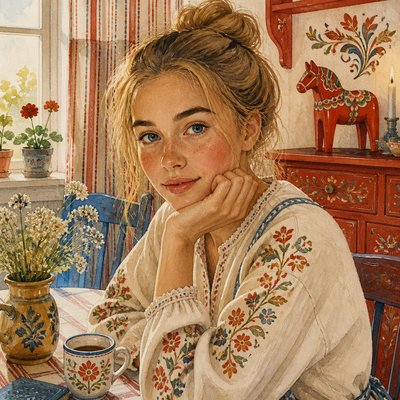
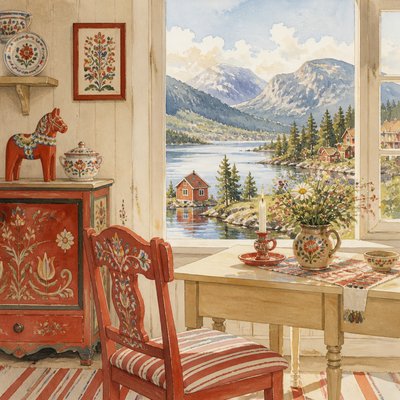
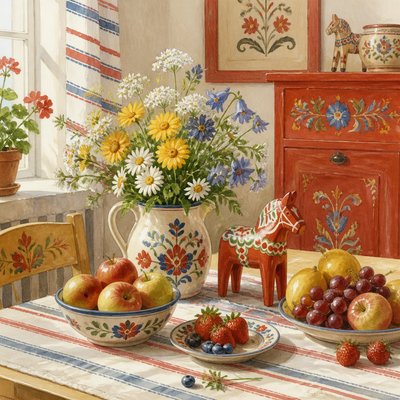
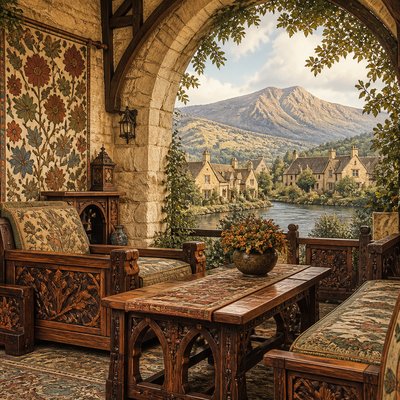
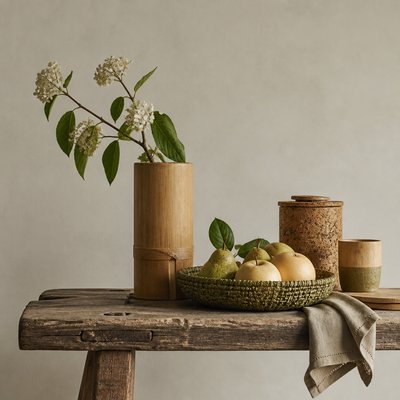
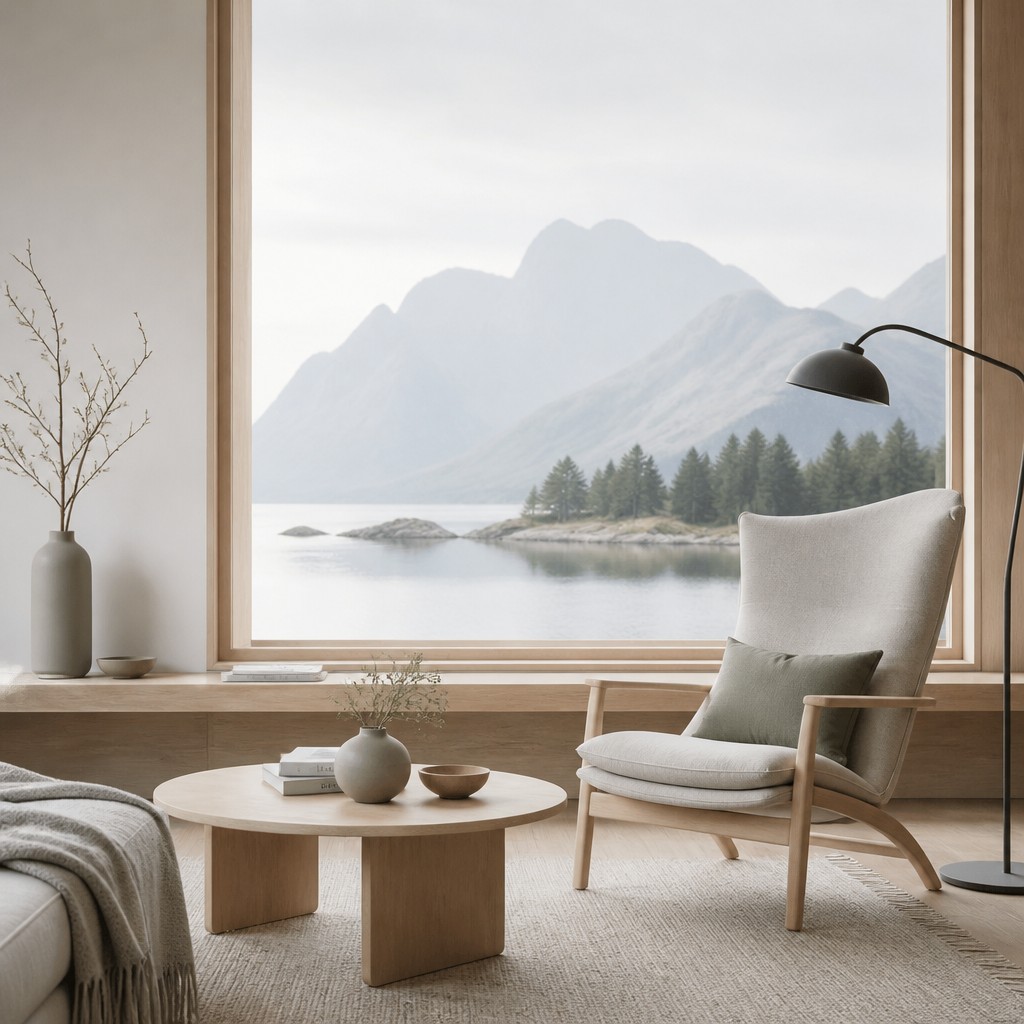
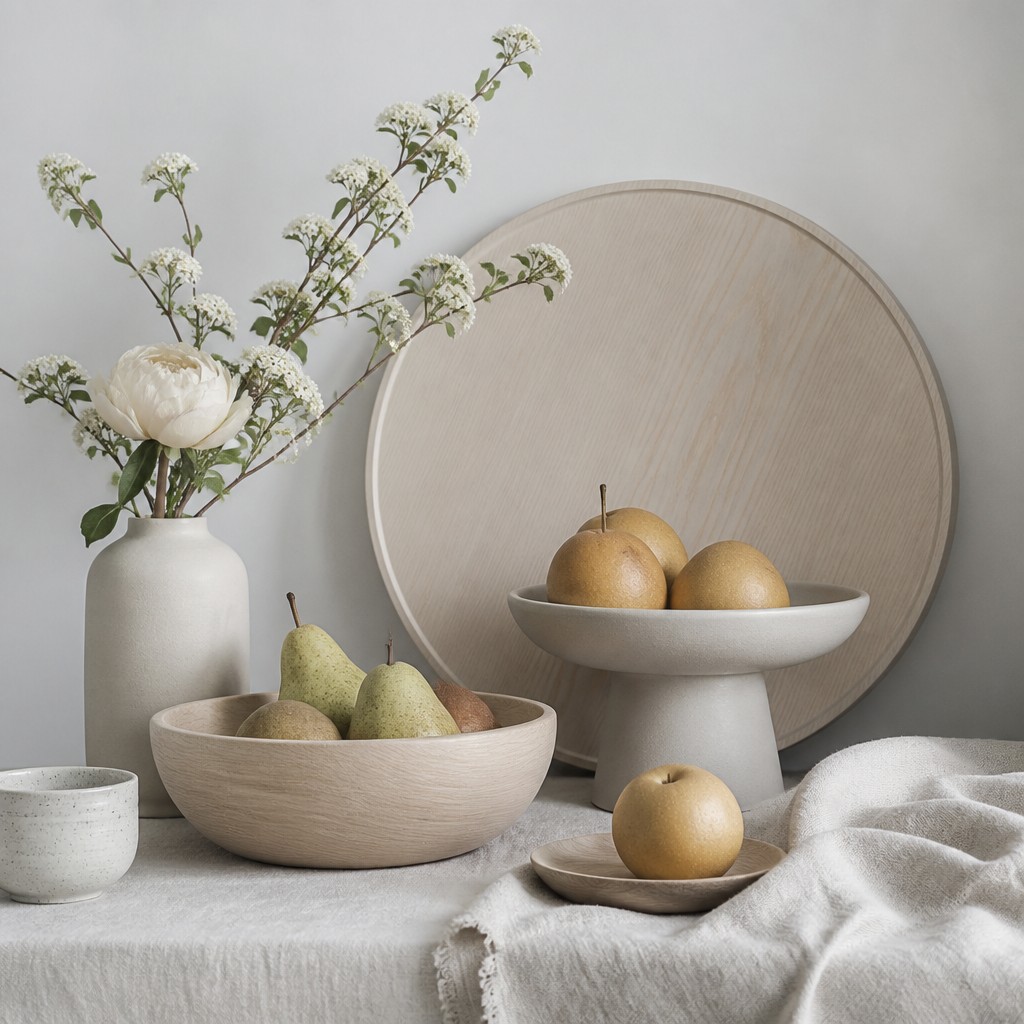
Scandinavian Furniture Art refers to the visual language of Nordic furniture and interior design centered on simplicity, utility, and quiet warmth. It is defined by clean silhouettes, refined proportions, pale woods such as birch and ash, and a restrained palette of whites, grays, beiges, and muted accent colors. The style values clarity over ornament, but it avoids sterility through visible natural textures, soft curves, and an emphasis on livable comfort.
Its look comes from a design philosophy in which furniture is meant to be useful, durable, and visually calm in bright or dim northern interiors. Large areas of negative space, diffused light, and honest materials help create an atmosphere associated with hygge: comfort, calm, and domestic ease. In images, the style often feels airy and balanced, with objects grounded in practical function yet composed with careful attention to proportion and material presence.

Try It On Your Photos
Upload any photo and convert it into Scandinavian Furniture Art — drag the sliders to compare before and after.


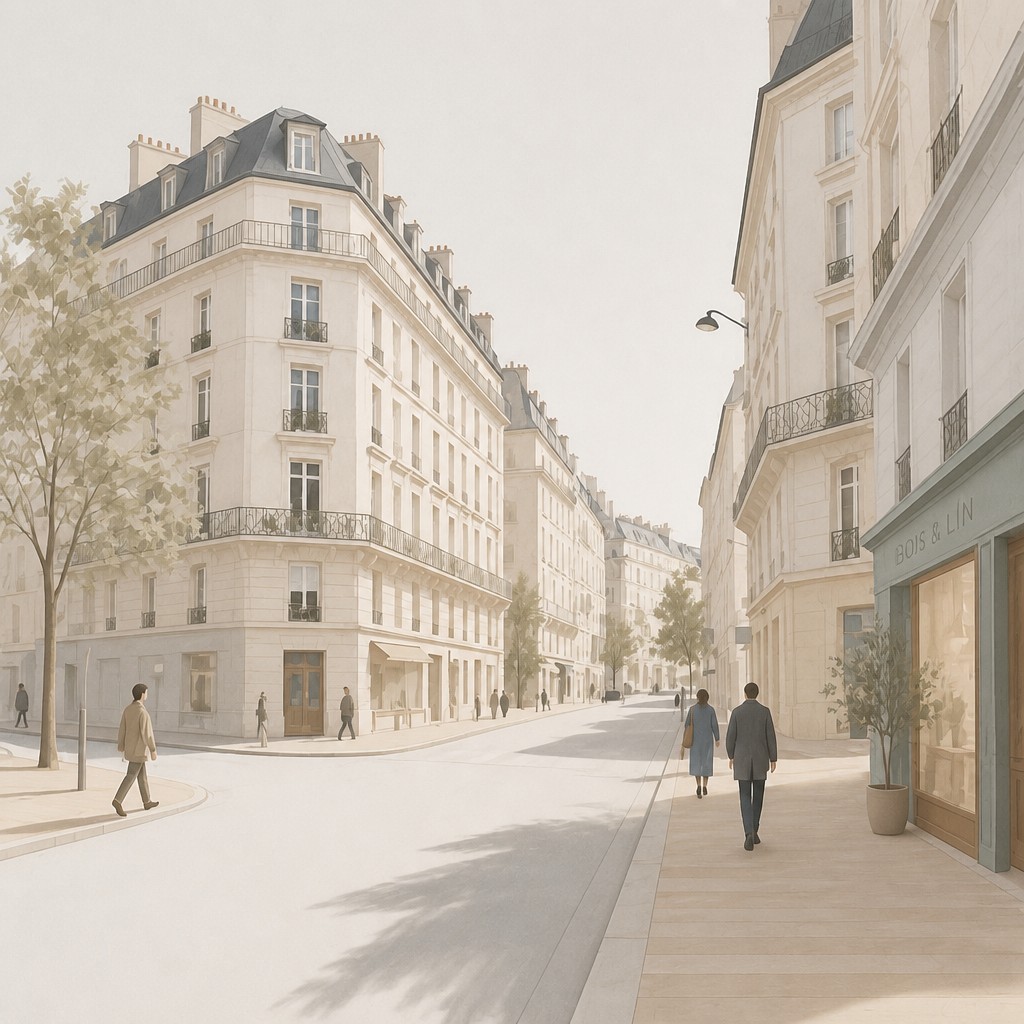

What Defines Scandinavian Furniture Art
The signature details, up close
Clean functional forms
Furniture is reduced to essential structure: straight legs, simple seats, slender frames, and carefully considered curves. Ornament is minimized so the object’s use and proportions remain legible.
Light natural woods
Birch, ash, oak, and similar pale timbers are common, often left with a matte or lightly finished surface. The wood grain is usually visible and treated as an active part of the design.
Soft neutral palette
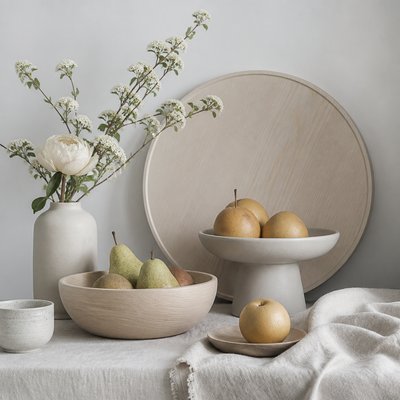
White, off-white, warm gray, beige, and pale taupe dominate, with occasional muted sage, dusty blue, or desaturated ochre accents. The overall effect is calm and understated rather than high contrast.
Gentle organic curves
Although the style is minimalist, many pieces soften geometry with rounded corners, tapered edges, or sculpted armrests. These curves prevent the work from feeling rigid or severe.
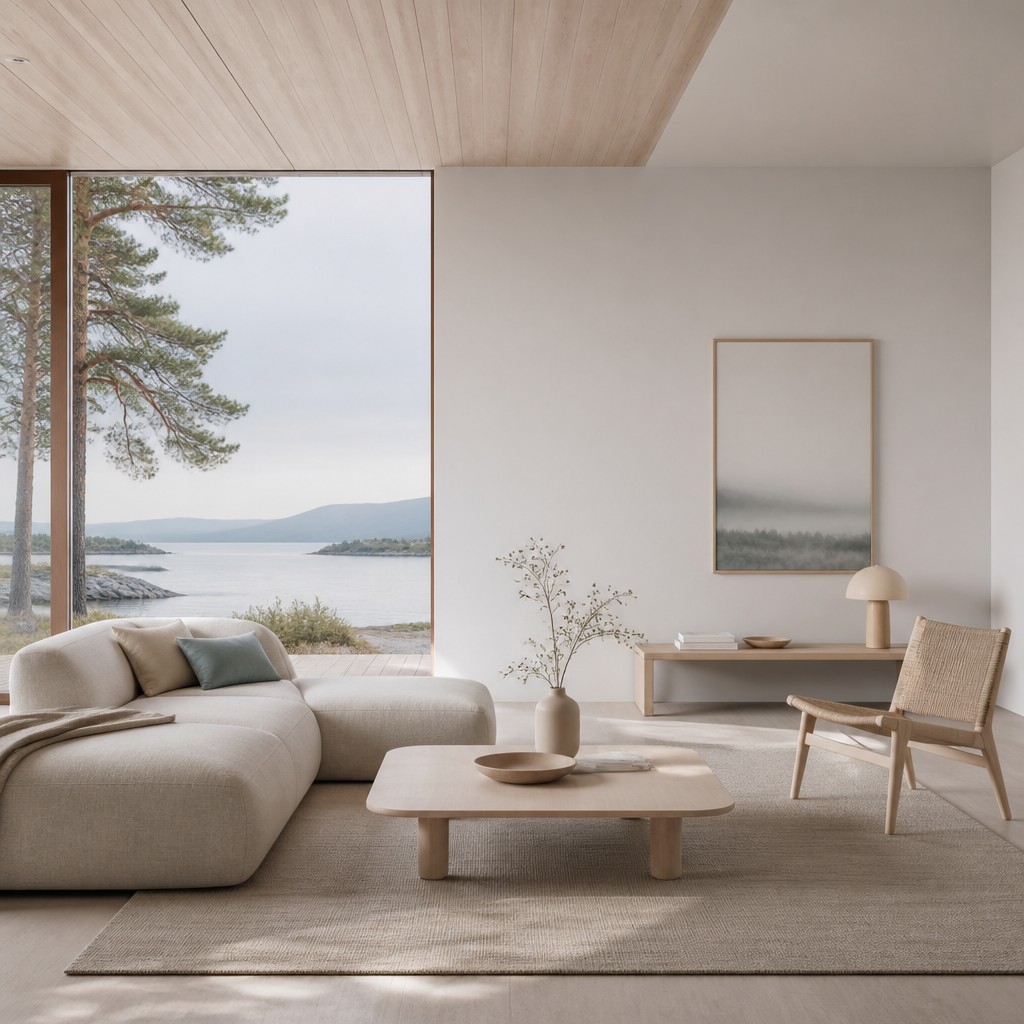
Visible material honesty
Linen, wool, leather, felt, and raw or lightly finished wood are favored for their tactile qualities. Construction is often displayed rather than hidden, reinforcing a sense of sincerity and craftsmanship.
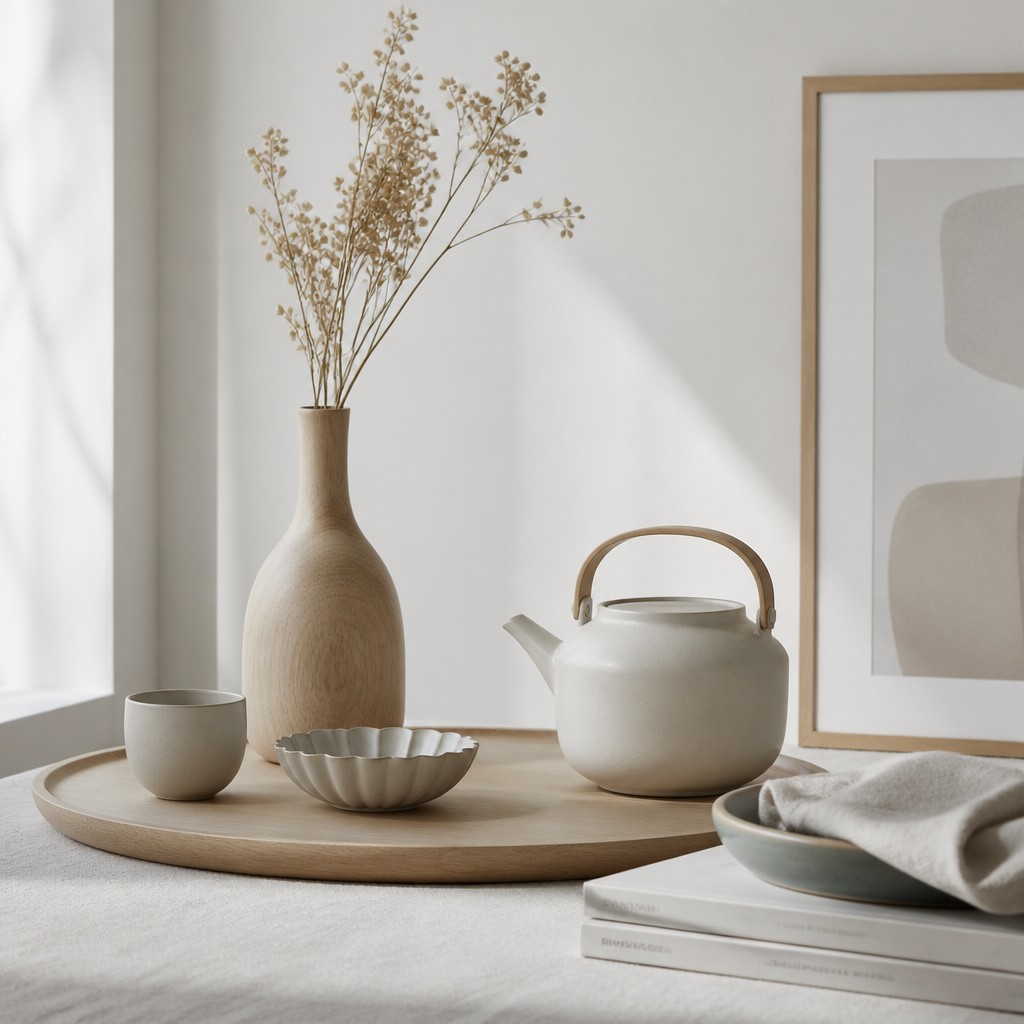
Atmospheric simplicity
Images often use generous negative space and diffused northern light to create low-contrast shadows. The composition is quiet, uncluttered, and balanced, with few competing elements.
Try It
Create Videos in Scandinavian Furniture Art
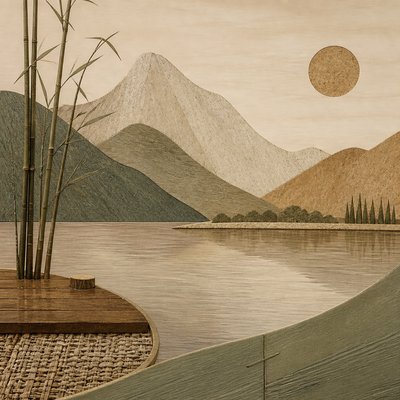
Styles aren't just for stills — describe a scene or animate an image and get a short video rendered in Scandinavian Furniture. Press play to see this pond come to life.
Make a VideoScandinavian Furniture Prompt Ideas
Start from an idea — each one opens the generator with the style ready to go. See all 40 Scandinavian Furniture prompts →

“close-up portrait of an elderly person with expressive weathered features”
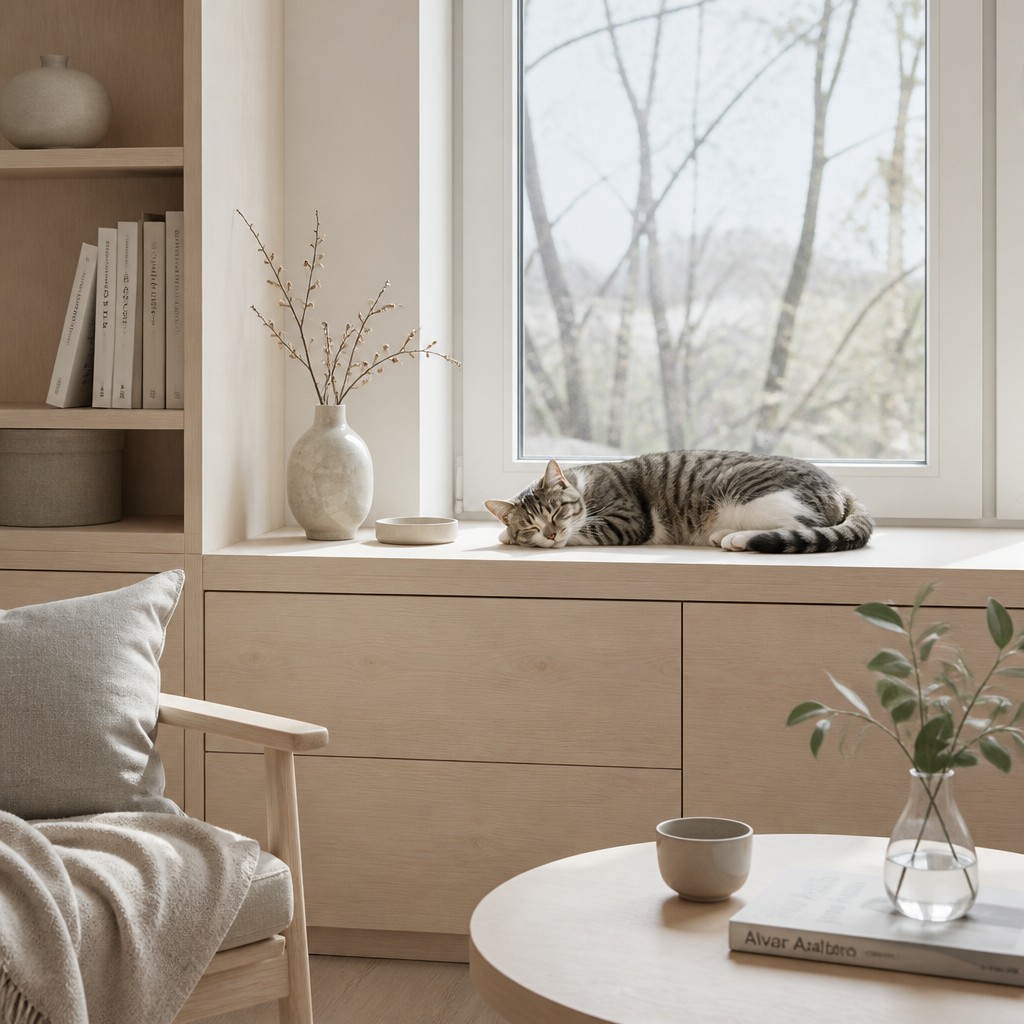
“a cat lounging in a sunlit window”
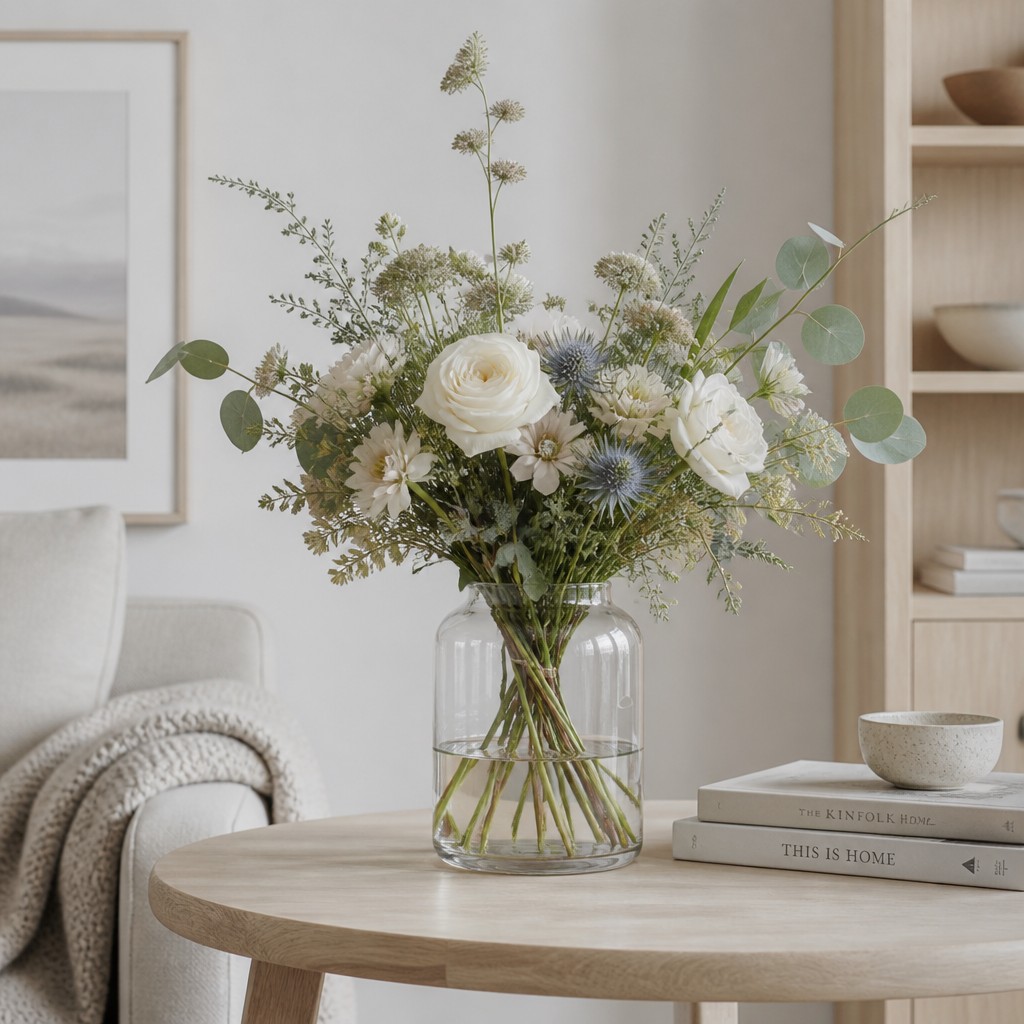
“bouquet of flowers in a glass vase”
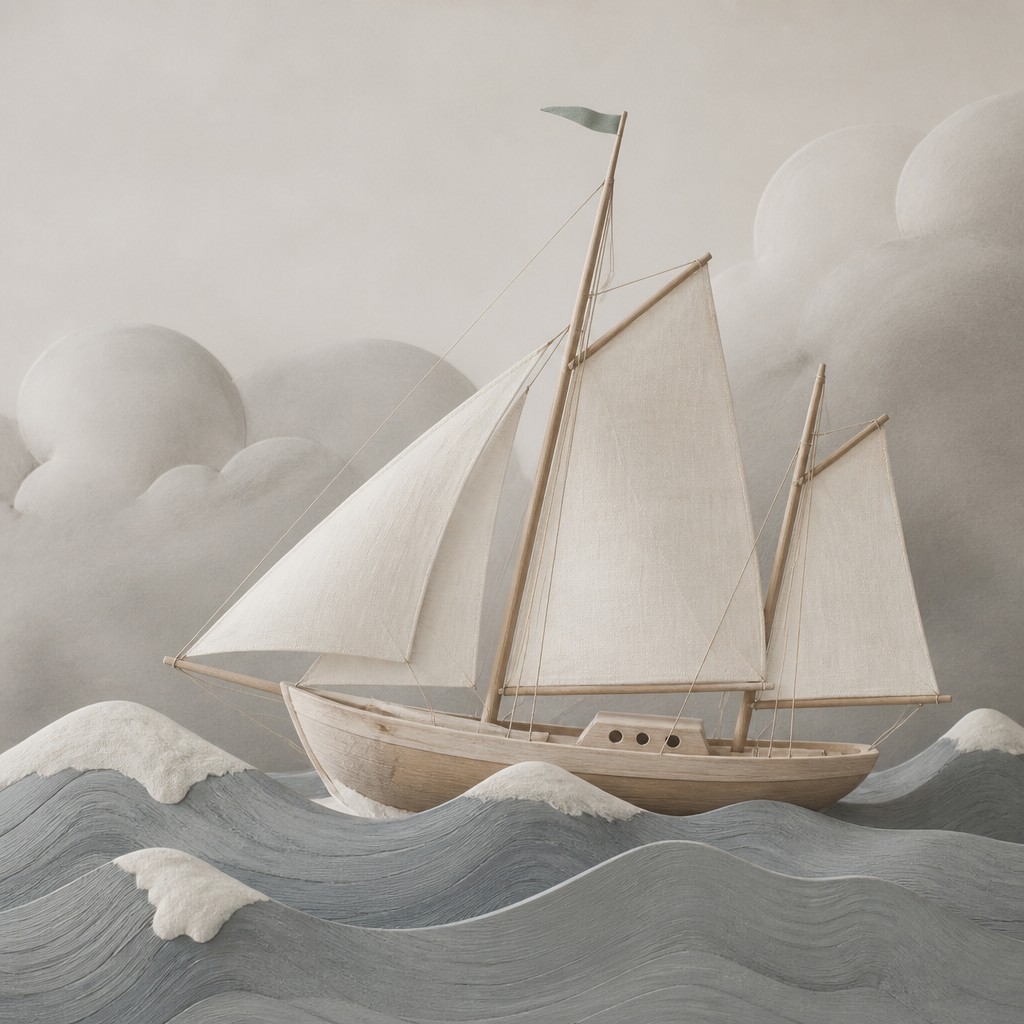
“sailing ship on a stormy sea”
How to Create Scandinavian Furniture Art
Master the craft step by step — or skip straight to creating. Read the full guide →
- 1
Choose a restrained furniture silhouette
Start with an object whose structure can be read at a glance, such as a chair, side table, sofa, or shelving unit. Keep the geometry simple and functional, then soften the design with tapered legs, rounded edges, or subtle joins.
- 2
Use pale woods and natural finishes
When working traditionally, emphasize birch, ash, or light oak tones with matte surfaces rather than glossy varnish. In digital work, make the wood grain visible but understated so the material feels real without dominating the scene.
- 3
Build the palette around quiet neutrals
Limit the composition to warm whites, soft grays, beige, and one muted accent color if needed. Avoid saturated or high-contrast color blocking unless the goal is to contrast against the usual Nordic restraint.
- 4
Light the scene like a northern interior
Use diffused daylight, soft shadows, and a bright but not blown-out background to suggest calm domestic space. In photography or rendering, side light through a window can help reveal texture without harshness.
- 5
Prioritize texture and spacing over decoration
Let linen weave, wool nap, and wood grain carry the visual interest rather than pattern or ornament. Give the subject room to breathe so the composition feels airy and orderly.
- 6
Prompt with material and mood cues
If generating digitally, specify clean simple geometry, pale woods, matte whites, soft grays, natural textures, and generous negative space. Add a context like a serene living room or reading nook to anchor the furniture in a believable Nordic domestic setting.
The Story
History & Origins of Scandinavian Furniture
Scandinavian Furniture Art is rooted in modern Nordic design traditions that developed in the early to mid-20th century in Denmark, Sweden, Norway, Finland, and Iceland. It is closely associated with functionalism and with a broader democratic design ideal: well-made, beautiful everyday objects should be accessible and usable rather than purely decorative. The postwar period, especially the 1940s through 1960s, saw international recognition of Scandinavian furniture through exhibitions, magazines, and domestic interiors that emphasized craft, light wood, and humane modernism.
Its aesthetic lineage draws from European modernism, Arts and Crafts values of honest making, and regional responses to climate and domestic life in the North. Instead of heavy materials and visual excess, the tradition favored clean joinery, ergonomic forms, and natural finishes suited to compact rooms and limited winter light. Over time, the style became a lasting shorthand for calm modern living, influencing contemporary interior design, product design, and visual staging in photography.
Influences: This style is closely related to Scandinavian modern design and mid-century modern furniture, especially the work of leading Danish and Finnish designers associated with bentwood innovation, sculptural seating, and refined functionalism. It also reflects broader functionalist design, Arts and Crafts ideas of honest materials and craftsmanship, and Japanese-influenced appreciation for simplicity, restraint, and natural texture that later became common in design discourse.

Frequently Asked Questions
What defines Scandinavian Furniture Art?
It is defined by minimalist forms, pale woods, neutral colors, and a focus on function and comfort. The style is visually quiet but not empty: texture, proportion, and craftsmanship do much of the work.
How is it different from generic minimalist design?
Generic minimalism can be cool, abstract, or severe, while Scandinavian furniture design usually feels warmer and more domestic. It tends to emphasize natural materials, human-scaled proportions, and a lived-in sense of comfort.
Is this the same as mid-century modern?
They overlap, but they are not identical. Scandinavian furniture art is a regional branch of modern design that shares some mid-century principles while placing more emphasis on light woods, softness, and everyday livability.
What materials are most common in this style?
Light woods such as birch, ash, and oak are central, along with linen, wool, leather, felt, and matte painted surfaces. Materials are usually chosen for tactile quality and a natural, honest finish.
Where is this style commonly used?
It appears in furniture design, interior staging, product photography, editorial illustration, and contemporary home decor. It is especially common in living rooms, dining areas, bedrooms, and compact urban interiors.
How can I make an image feel authentically Scandinavian?
Keep the composition uncluttered, use pale woods and soft neutrals, and light the scene with diffused daylight. Focus on practical furniture forms and visible material texture rather than decorative embellishment.
Create your first Scandinavian Furniture artwork
Describe anything — or upload a photo — and see it in Scandinavian Furniture Art in seconds.
Make Something with Scandinavian Furniture
Compare Scandinavian Furniture
Related Styles
Discover similar art styles