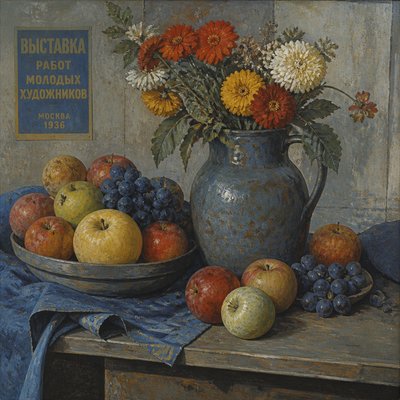
Industrial Furniture Art
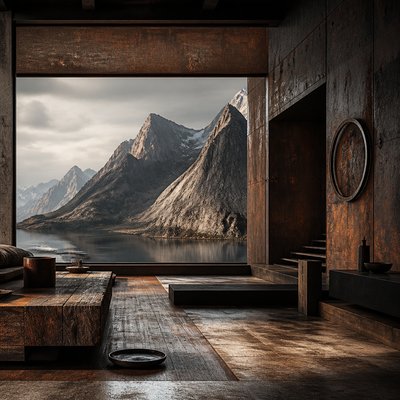
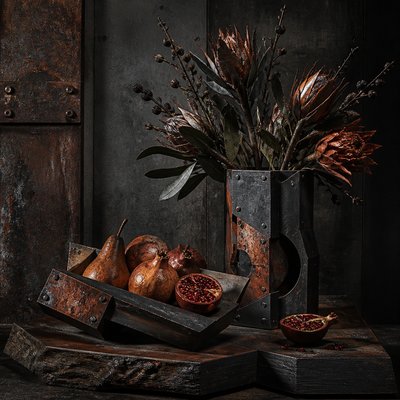
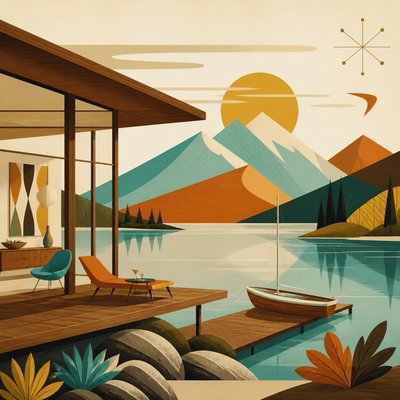
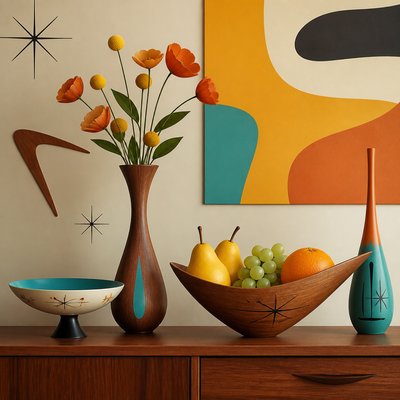
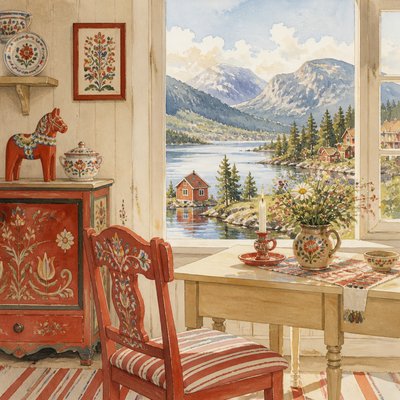
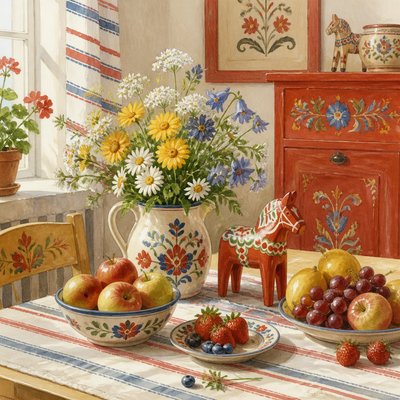
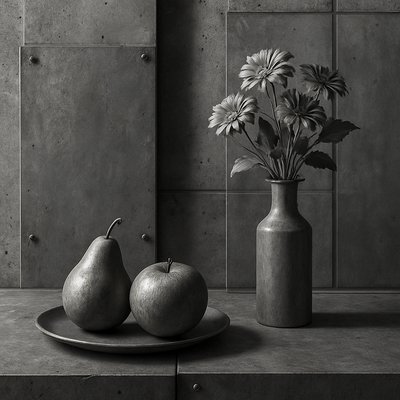
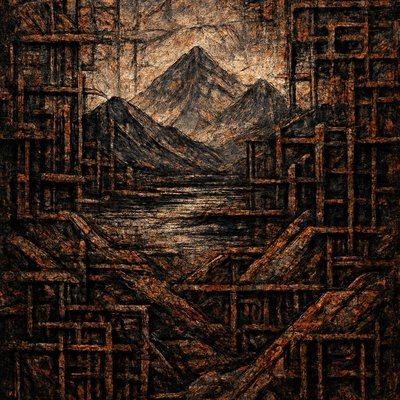
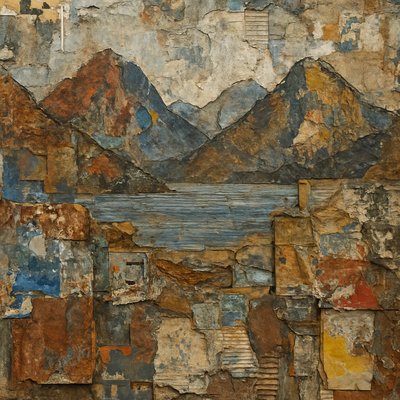
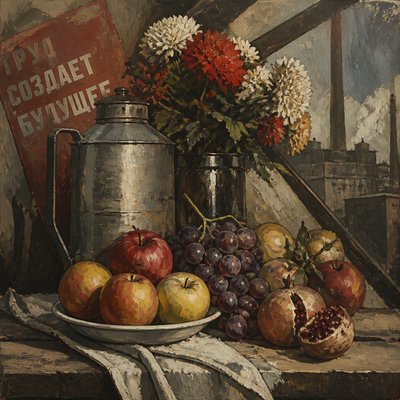
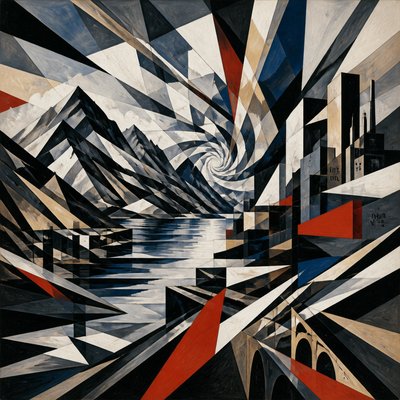
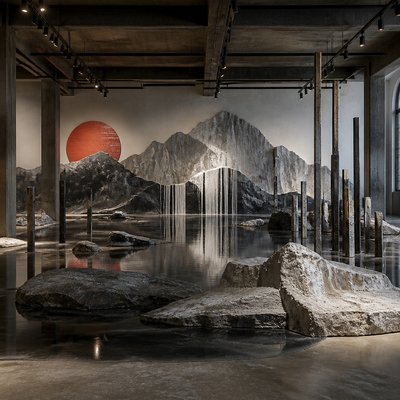
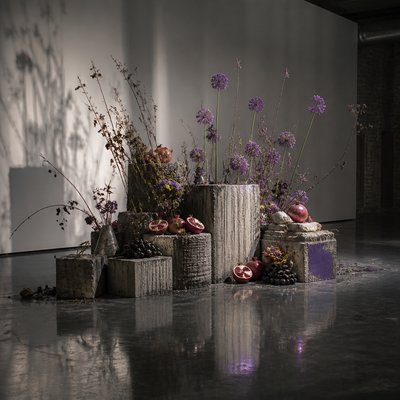
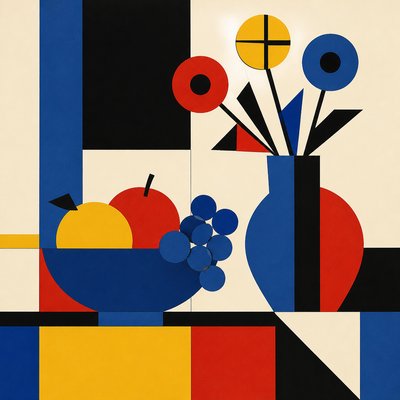
Raw metal-and-wood design with exposed hardware, warehouse mood, and utilitarian forms shaped by industrial loft aesthetics.
Instantly rendered in Industrial Furniture — or transform a photo

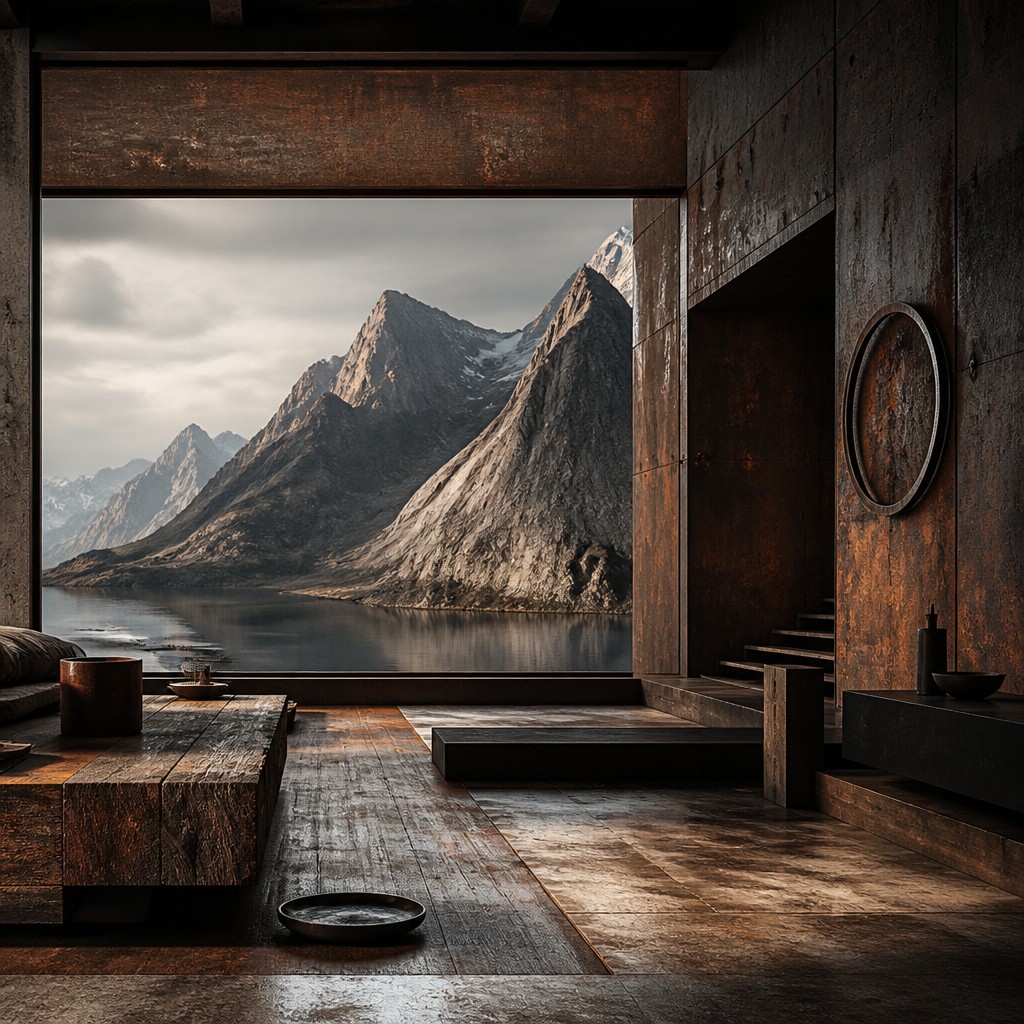
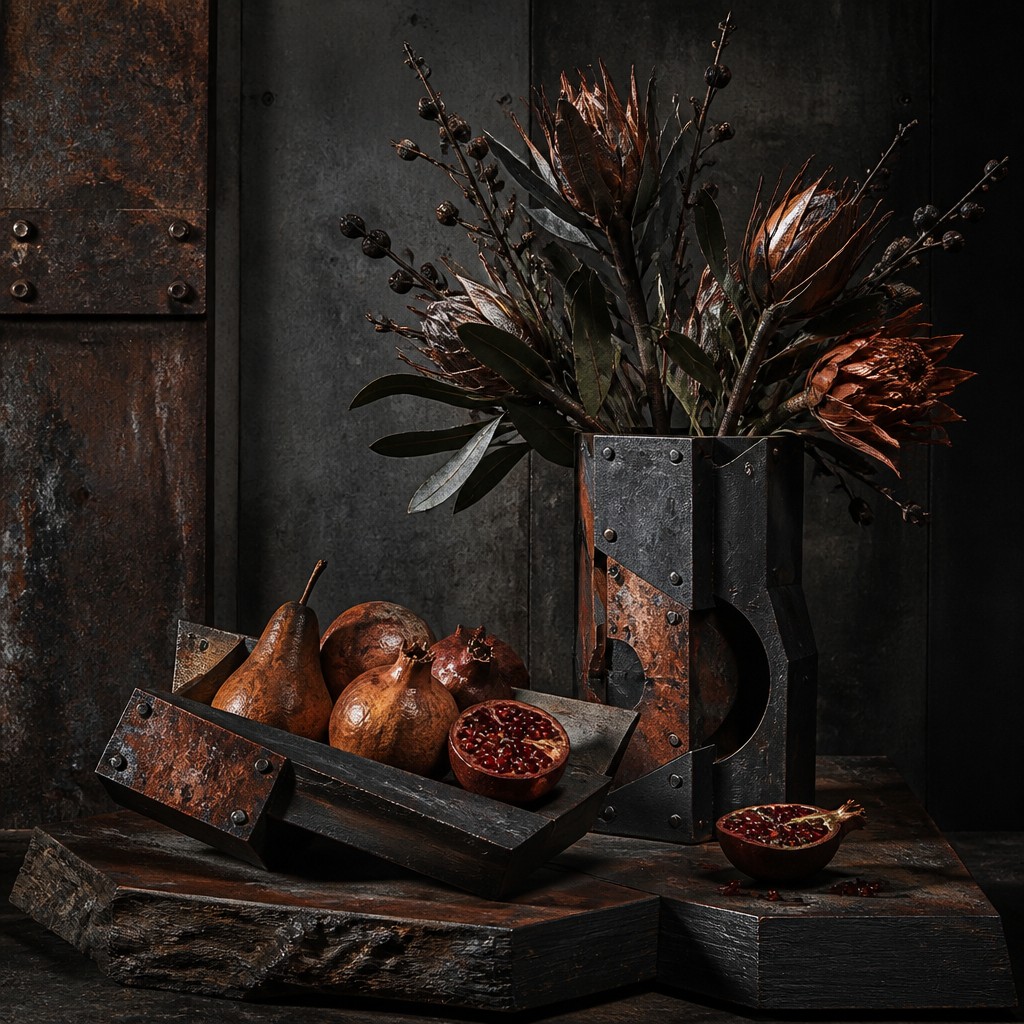
Industrial Furniture Gallery
Tap any artwork to explore it
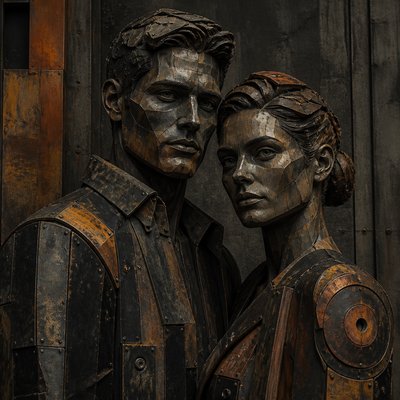

What is Industrial Furniture Art?
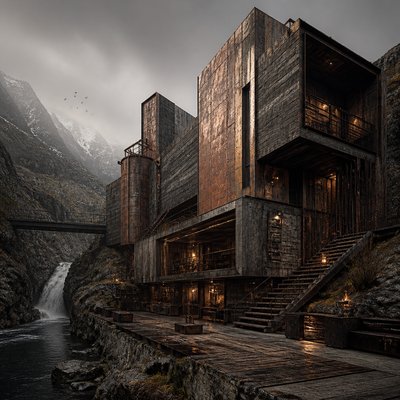
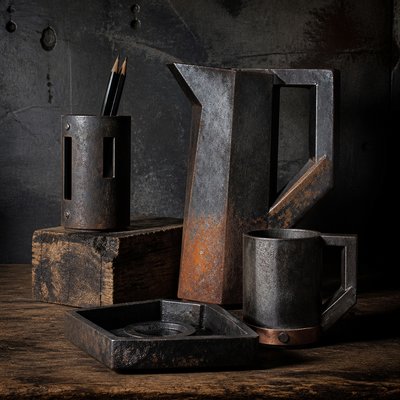
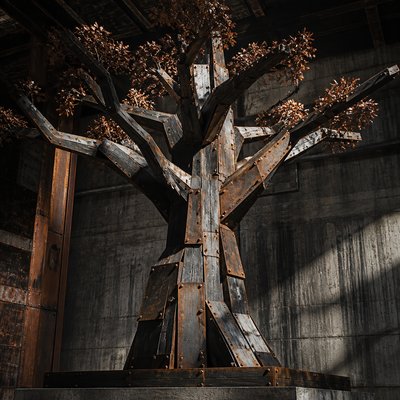
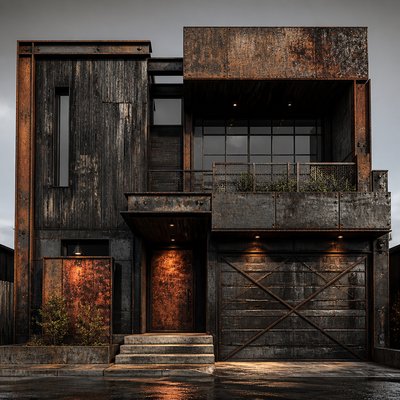
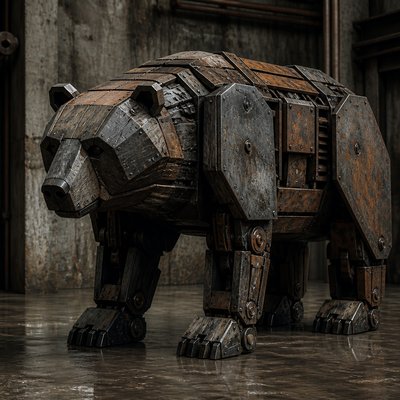
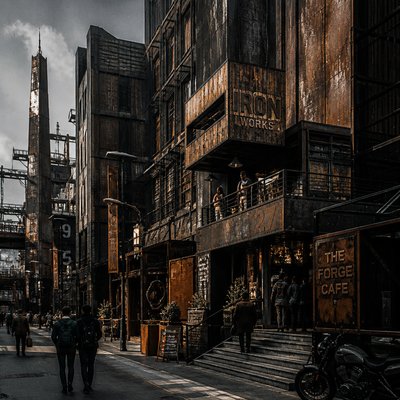
Industrial Furniture Art is a utilitarian design language built from the visual vocabulary of factories, workshops, and urban warehouses. It combines metal frames, reclaimed wood, exposed fasteners, and visibly engineered joints into objects that look structurally honest rather than decorative. The appeal lies in making function legible: supports, braces, welds, bolts, and joinery become part of the visual character.
The style is defined by material contrast and purposeful restraint. Surfaces often show rust, patina, saw marks, dents, or grain, while forms tend to be bold, angular, and heavy enough to suggest durability. Lighting and composition in images of this style often emphasize hard edges and shadow, reinforcing a mood of toughness, practicality, and material authenticity.
Try It On Your Photos
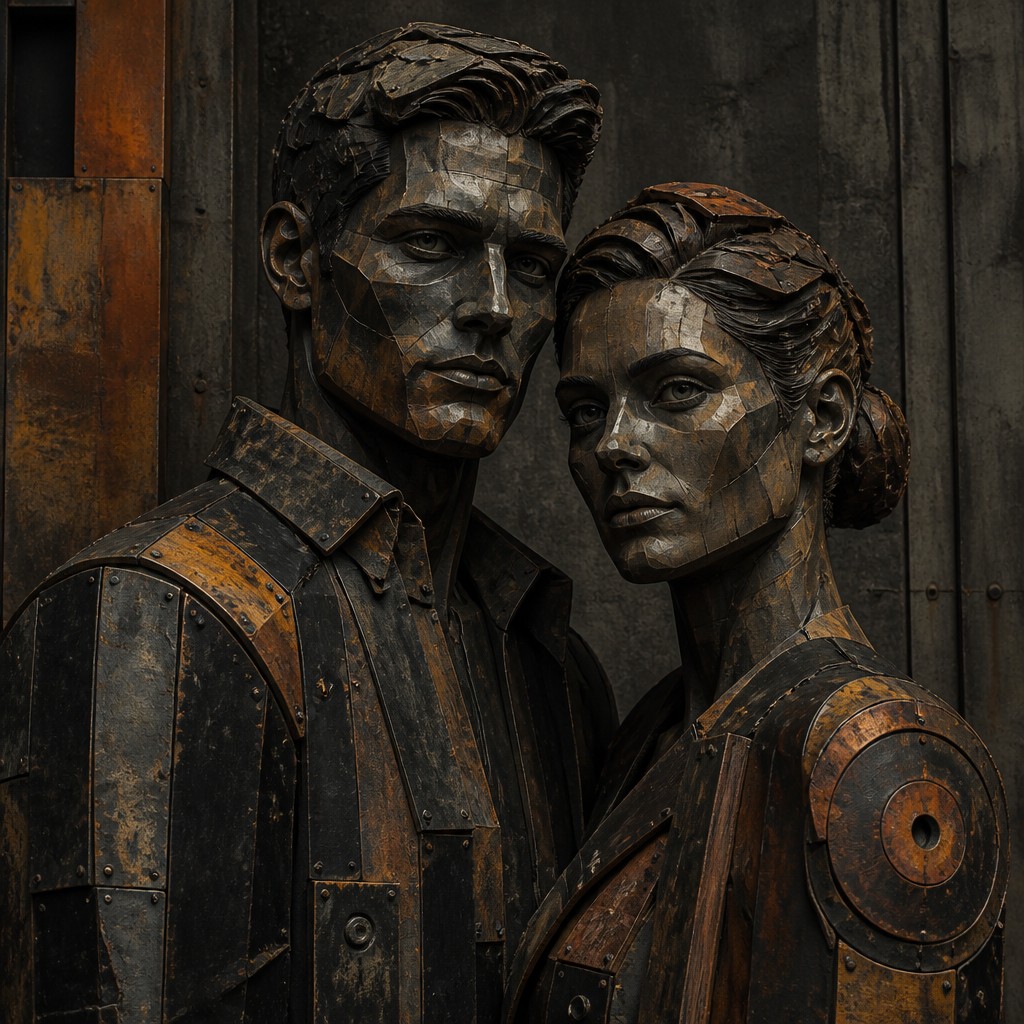
Upload any photo and convert it into Industrial Furniture Art — drag the sliders to compare before and after.



What Defines Industrial Furniture Art
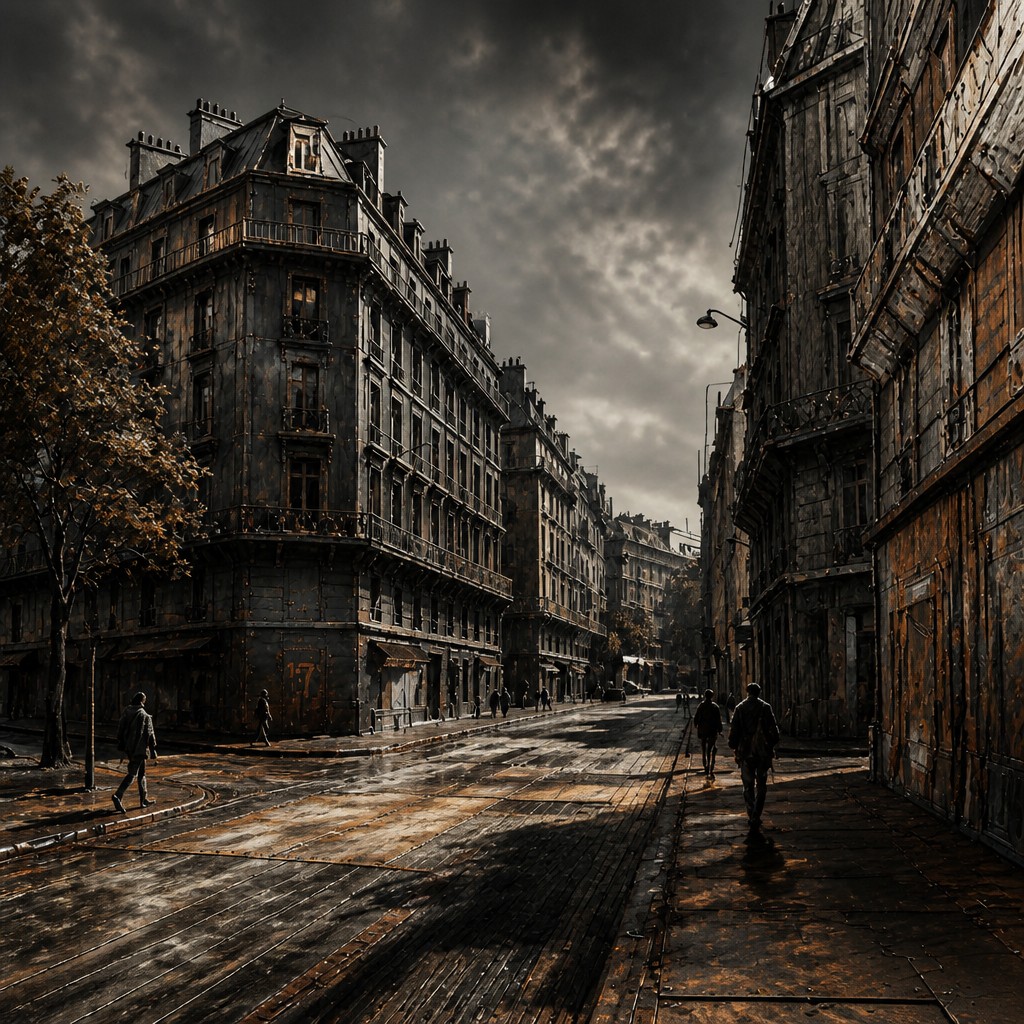
The signature details, up close
Metal-and-wood construction
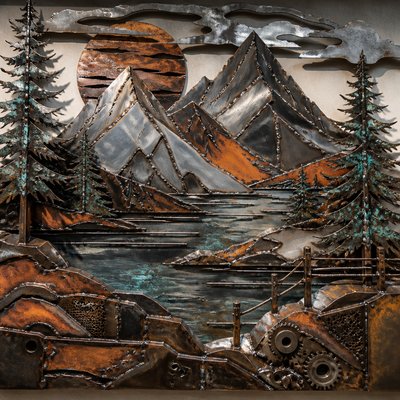
The core visual formula pairs steel, iron, or blackened metal with reclaimed or distressed wood. The contrast between cold structure and warm organic grain is central to the style.
Exposed hardware
Bolts, rivets, brackets, welds, screws, and pipe fittings are intentionally visible. These elements are not hidden; they are treated as part of the design language.
Weathered surfaces
Patina, rust, scuffs, burnishing, and uneven finish suggest use and age. Even newly made pieces often imitate the look of material history.
Functional geometry
Forms are typically rectilinear, braced, and modular, with clear support systems and structural logic. Ornament is replaced by visible engineering.
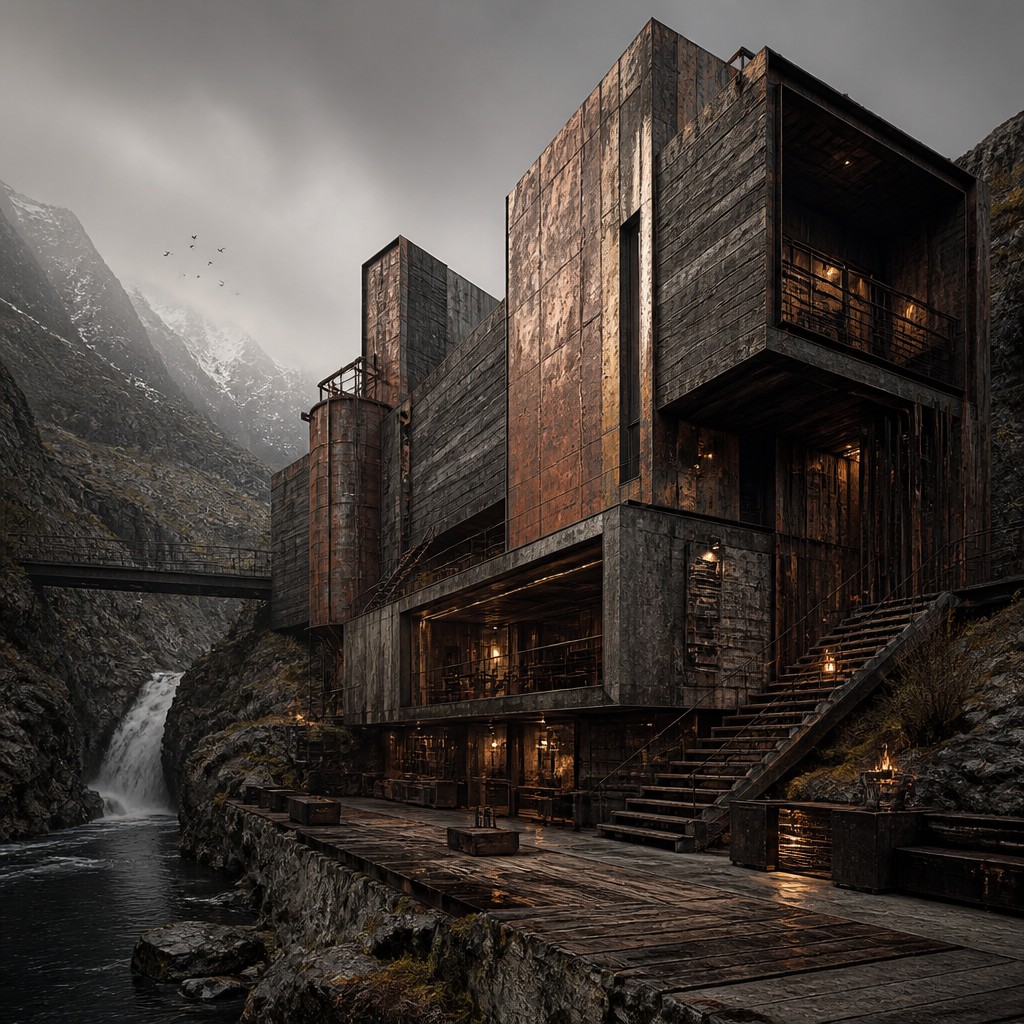
Heavy visual weight
Furniture and objects in this style often feel grounded, substantial, and robust. Thick members, solid bases, and strong silhouettes create a sense of permanence.
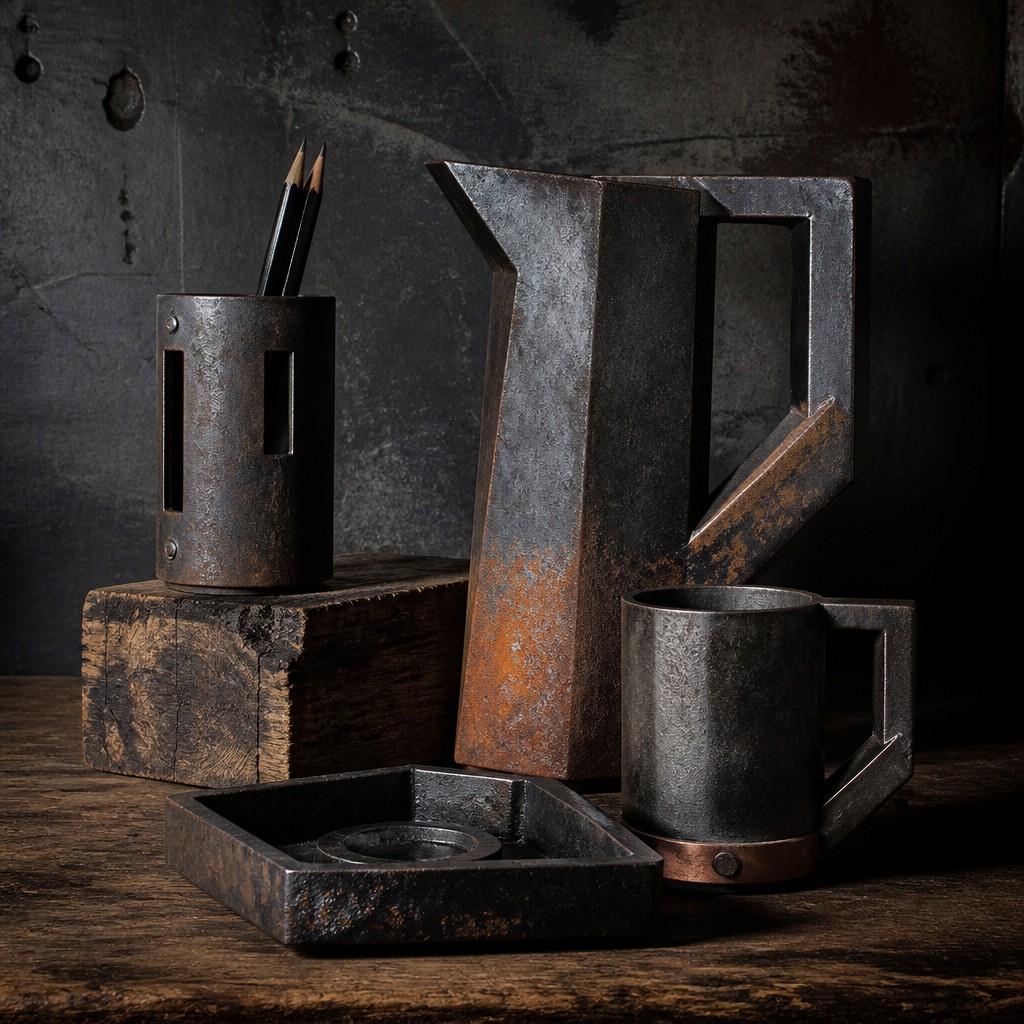
Muted industrial palette
Common colors include charcoal, gunmetal, blackened steel, warm brown, and weathered gray, often accented by copper, rust-orange, or oxidized tones.
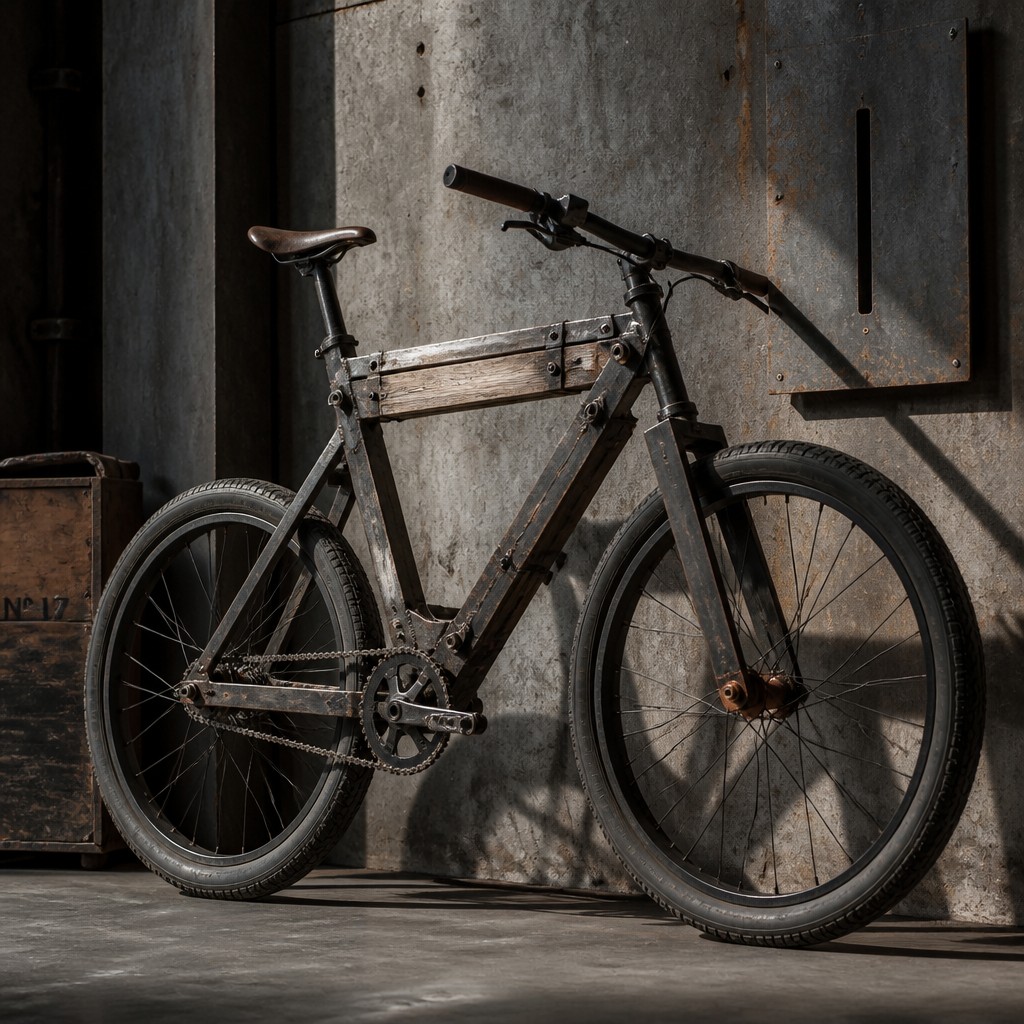
Warehouse atmosphere
Images frequently evoke lofts, workshops, factories, or converted industrial spaces. Harsh directional light and deep shadows reinforce the raw, architectural mood.
Try It
Create Videos in Industrial Furniture Art
Styles aren't just for stills — describe a scene or animate an image and get a short video rendered in Industrial Furniture. Press play to see this pond come to life.
Make a VideoIndustrial Furniture Prompt Ideas
Start from an idea — each one opens the generator with the style ready to go. See all 40 Industrial Furniture prompts →

“close-up portrait of an elderly person with expressive weathered features”
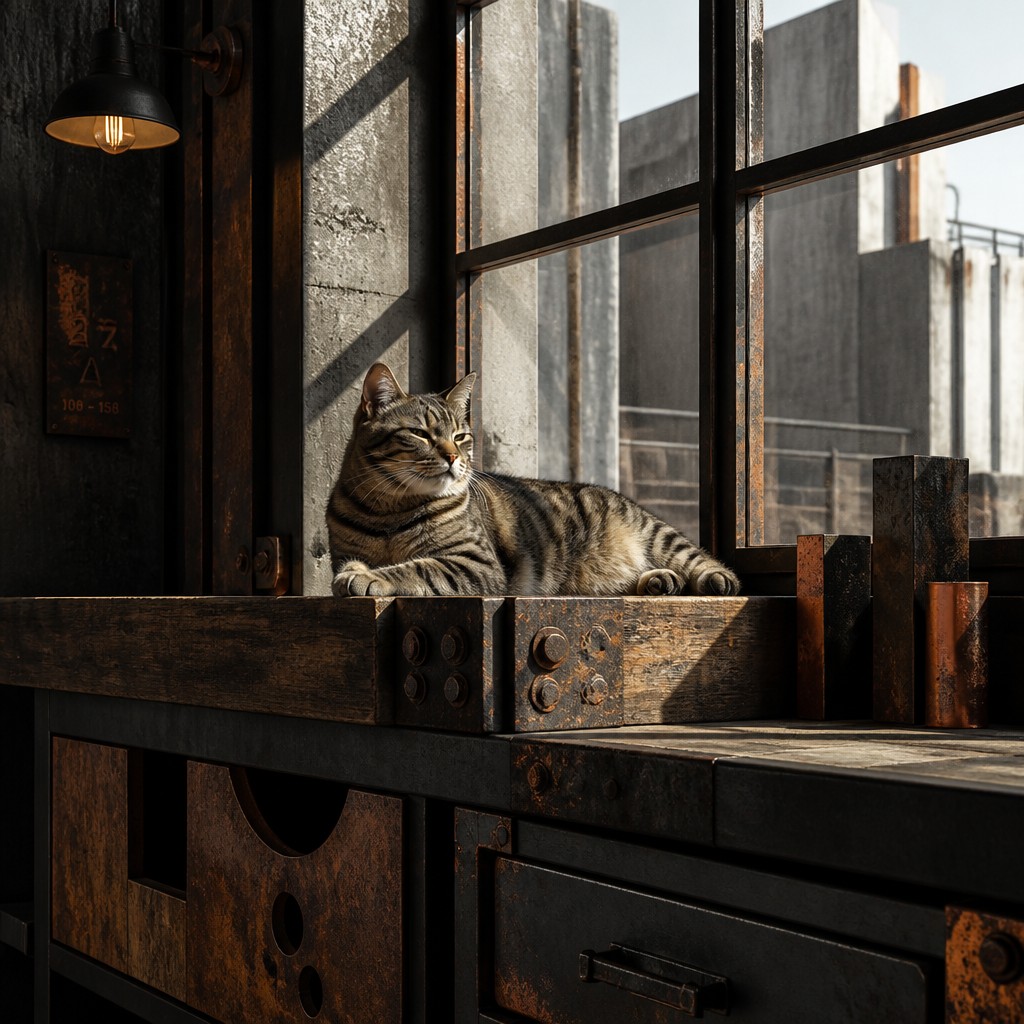
“a cat lounging in a sunlit window”
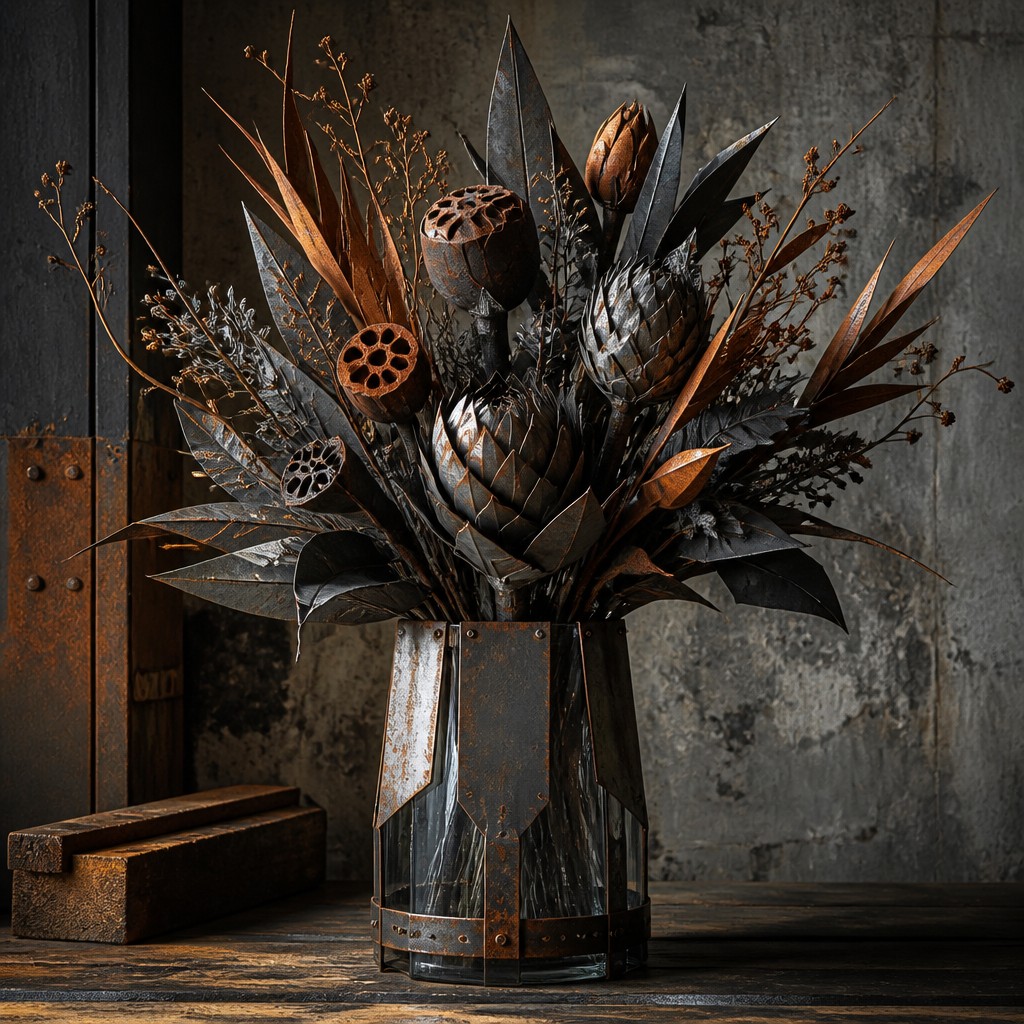
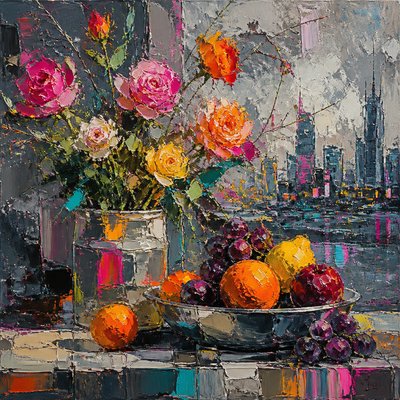
“bouquet of flowers in a glass vase”

“sailing ship on a stormy sea”
How to Create Industrial Furniture Art
Master the craft step by step — or skip straight to creating. Read the full guide →
- 1
Choose utilitarian forms first
Start with a simple function-driven silhouette such as a bench, shelf, table, lamp, or cabinet. Keep the geometry clear and structural, then add details only where they support the object’s logic.
- 2
Build with visible joinery
In traditional work, leave bolts, welds, brackets, and pipe connectors exposed rather than concealing them. In digital rendering, make sure the joints read clearly and reflect how the object would realistically be assembled.
- 3
Use contrasting materials
Combine dark metal with reclaimed or stained wood to establish the classic industrial contrast. Preserve grain, knots, seams, and edge wear so the surface feels materially credible.
- 4
Weather the finish selectively
Add rust, patina, scratches, and uneven paint only where the object would logically age or contact other surfaces. The goal is believable use, not random damage.
- 5
Light for structure and shadow
Use hard, directional lighting to emphasize edges, braces, and surface texture. Strong shadows help the object feel weighty and bring out the warehouse mood in illustrations or renders.
- 6
Prompt with materials, mood, and construction language
When generating images, specify reclaimed wood, exposed hardware, welded steel, patina, and brutalist warehouse lighting. Include the subject and the material behavior so the result stays grounded in real fabrication.
The Story
History & Origins of Industrial Furniture
Industrial Furniture Art does not come from a single historical movement so much as from several overlapping design traditions. Its lineage includes 19th- and early 20th-century industrial production, workshop furniture, factory equipment, and the later reuse of utilitarian materials in loft interiors and salvaged-design practices. The aesthetic also draws from modernism’s emphasis on honest materials and visible structure, as well as from brutalist architecture’s celebration of raw mass and functional geometry.
As an identifiable interior and product aesthetic, it became especially prominent with the rise of warehouse conversions, open-plan loft living, and a broader interest in reclaimed materials and handmade fabrication. Welding, carpentry, and metalworking shops helped establish the look in practical furniture making, while contemporary industrial interiors spread it into cafes, studios, retail spaces, and home decor. In visual culture, it is now a recognizable shorthand for rugged urban utility and engineered simplicity.
Influences: Industrial Furniture Art draws from industrial design, workshop fabrication, and the loft-living aesthetics that developed around adaptive reuse of factory spaces. It also overlaps with modernism’s preference for honest construction, early 20th-century functionalist attention to function, and brutalism’s emphasis on exposed structure and raw material presence. In a broader historical sense, it shares concerns with Shaker simplicity, vernacular furniture making, and 20th-century metalwork, though it is more overtly mechanical and urban in tone than those traditions.
Frequently Asked Questions
What defines Industrial Furniture Art?
It is defined by the visible combination of structural metal and reclaimed or weathered wood, with bolts, welds, brackets, and other hardware left exposed. The style emphasizes utility, durability, and material honesty rather than ornament or polish.
Is this the same as industrial design or industrial decor?
Not exactly. Industrial design is a broad field that includes products of all kinds, while industrial decor is an interior style; Industrial Furniture Art refers specifically to the visual treatment of furniture and object design in this raw, utilitarian mode. It can appear in interiors, product design, illustration, and 3D renders.
How is it different from rustic or farmhouse style?
Rustic and farmhouse styles usually emphasize warmth, domesticity, and softer handcrafted charm. Industrial Furniture Art is harder-edged, more urban, and more explicitly mechanical, with visible metal structure and a warehouse or workshop mood.
How do I make an image look authentic in this style?
Use plausible construction details: real joints, believable proportions, and materials that age naturally. Hard lighting, restrained color, and surface wear should support the object’s function instead of overwhelming it.
Where is this style commonly used?
It is common in loft apartments, cafes, restaurants, studios, boutiques, and contemporary office spaces. It is also popular in product visualization, interior concepts, and furniture concept art because its material logic reads quickly in images.
Can this style be clean and new-looking?
Yes, but it usually still needs exposed structure and utilitarian clarity to read as industrial. A cleaner version may use matte black metal and warm wood with minimal wear, while keeping bolts, frames, and visible support systems prominent.
Create your first Industrial Furniture artwork
Describe anything — or upload a photo — and see it in Industrial Furniture Art in seconds.
Make Something with Industrial Furniture
Related Styles
Discover similar art styles