Futurism Art Style
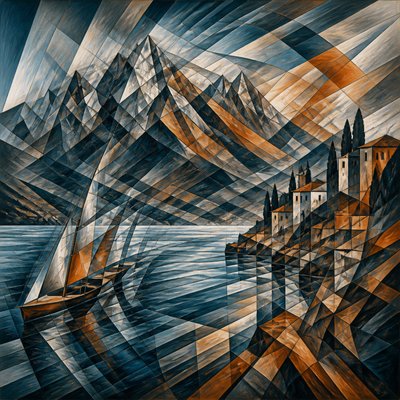
Italian Futurism: art of speed, machinery, fragmented motion, and energetic diagonal composition.
Instantly rendered in Futurism — or transform a photo
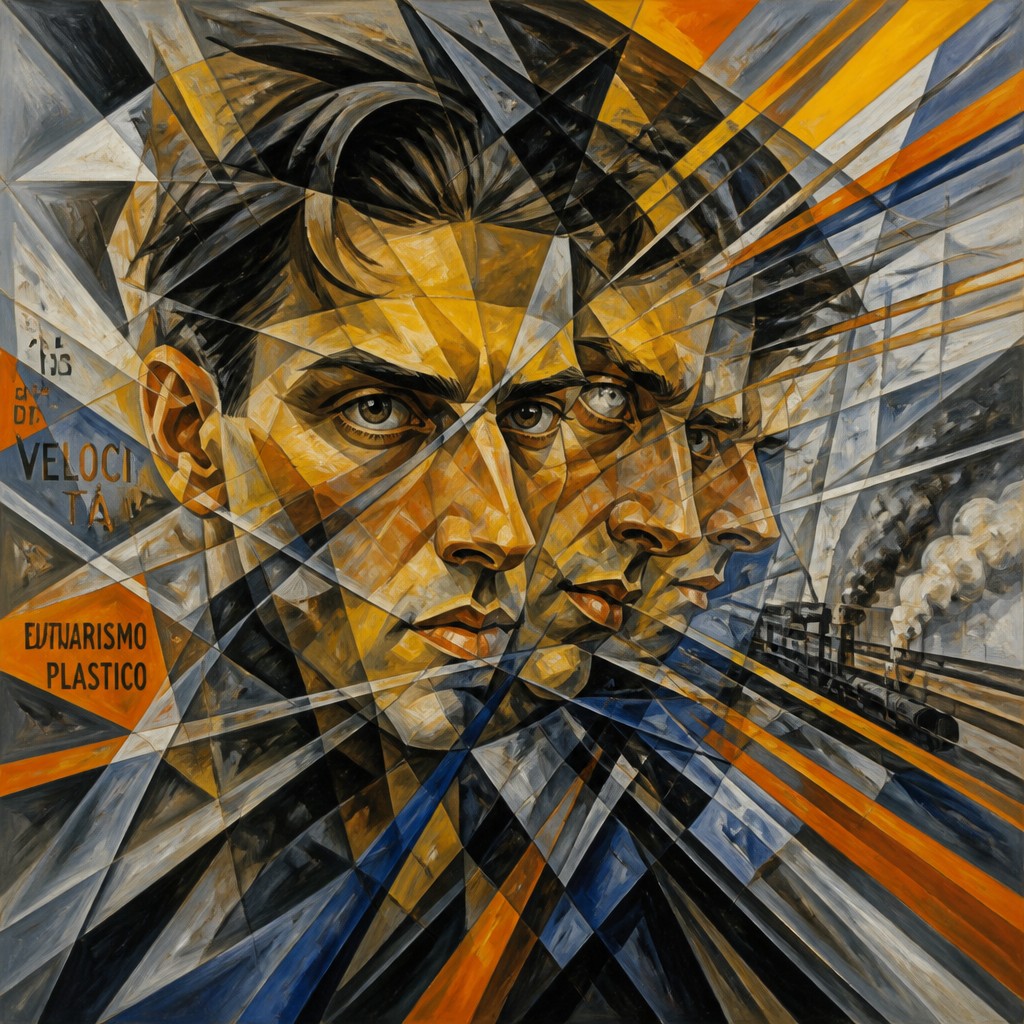
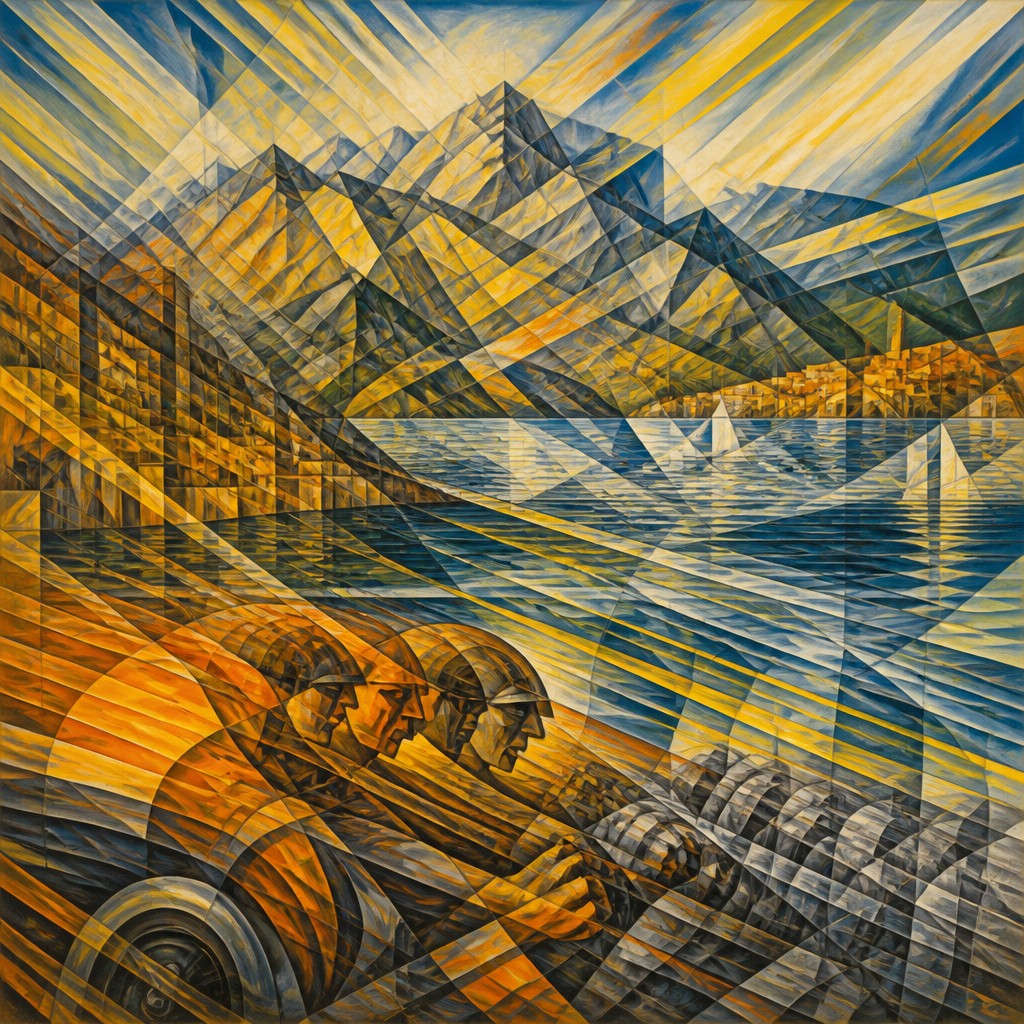
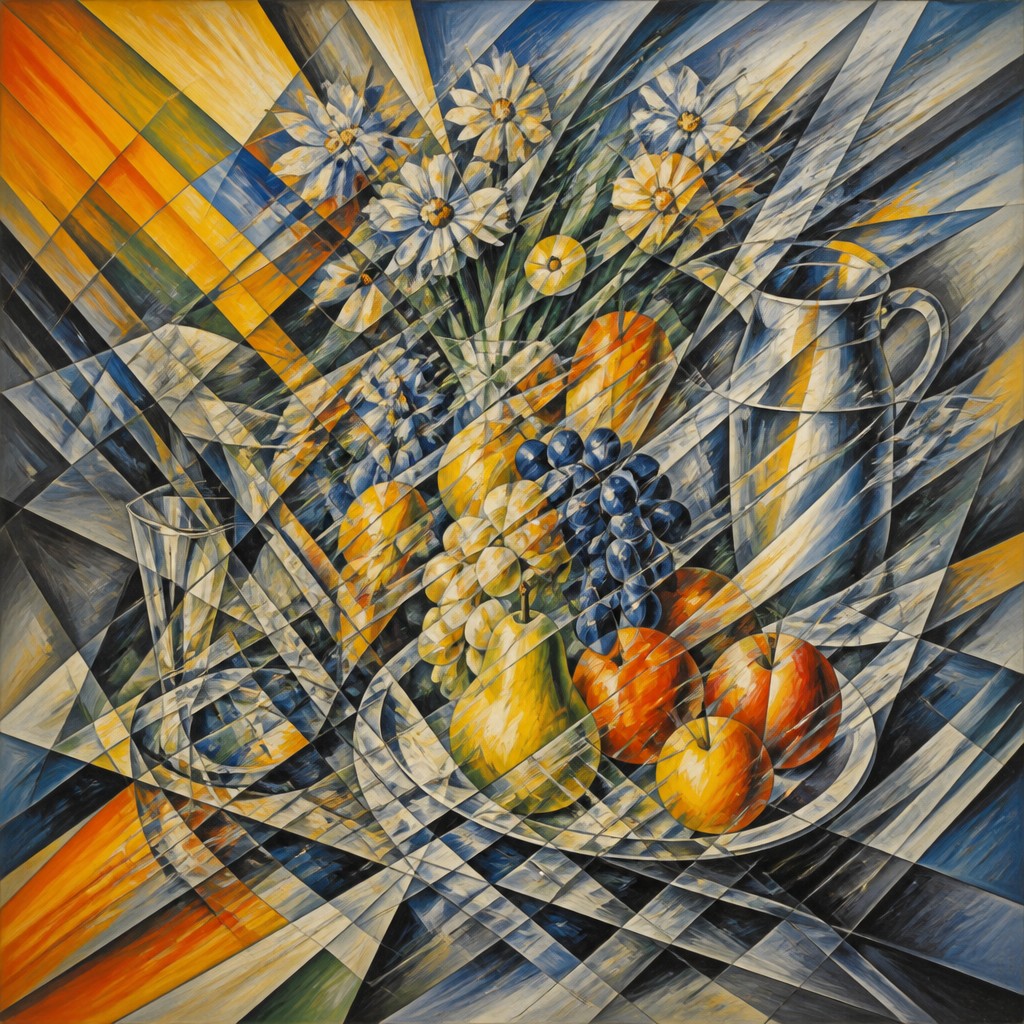
Futurism Gallery
Tap any artwork to explore it
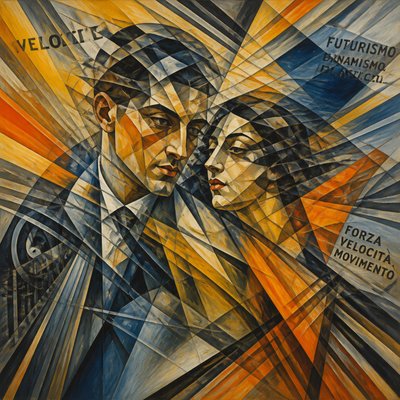
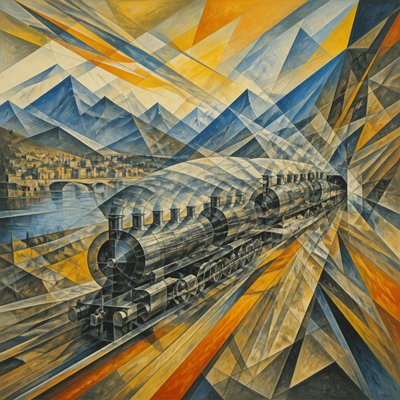
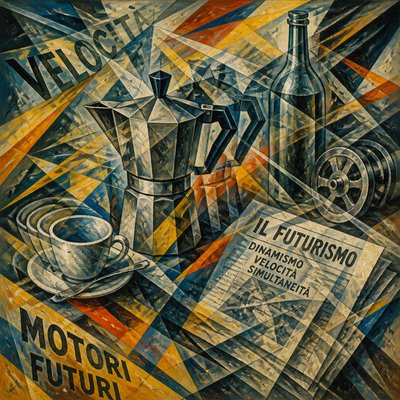
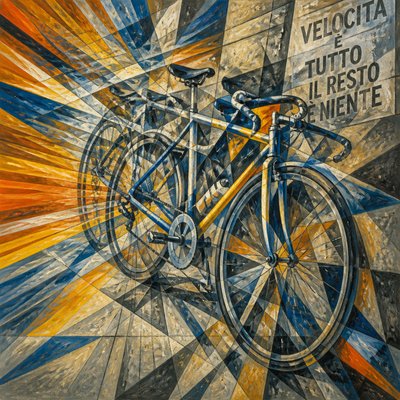
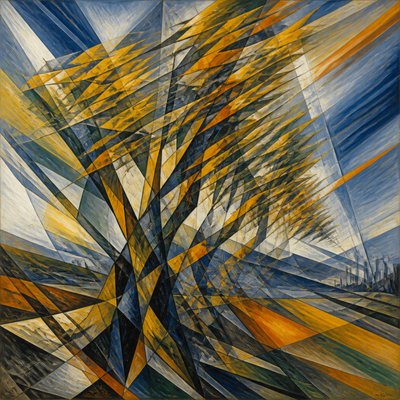
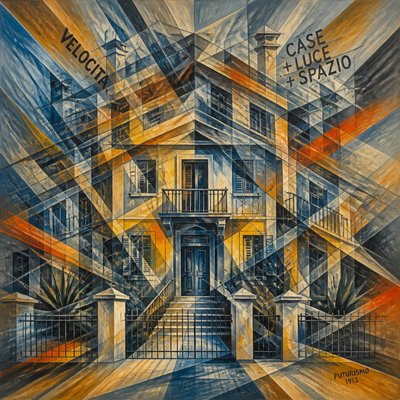
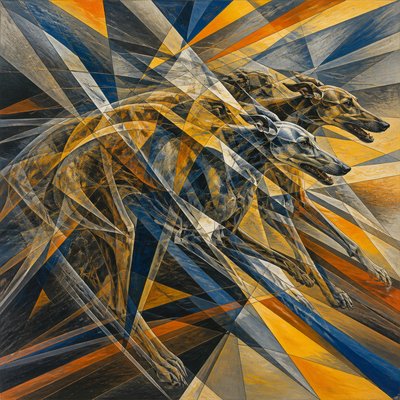
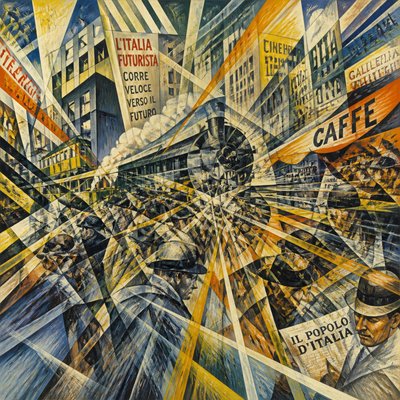
What is Futurism Art Style?
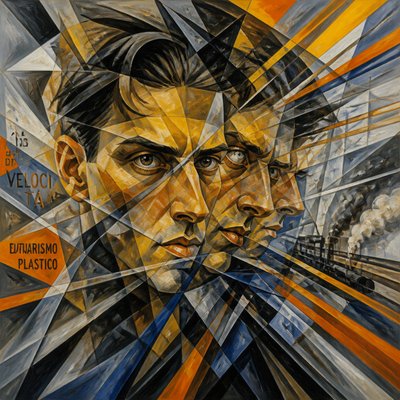
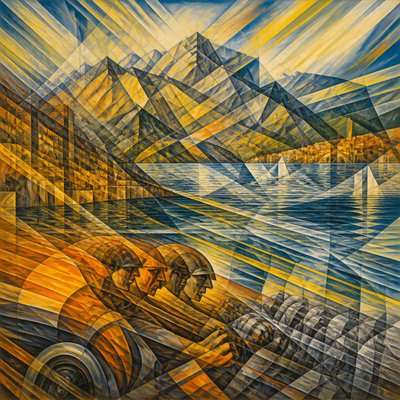
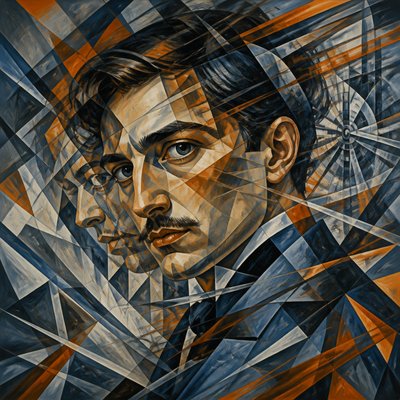
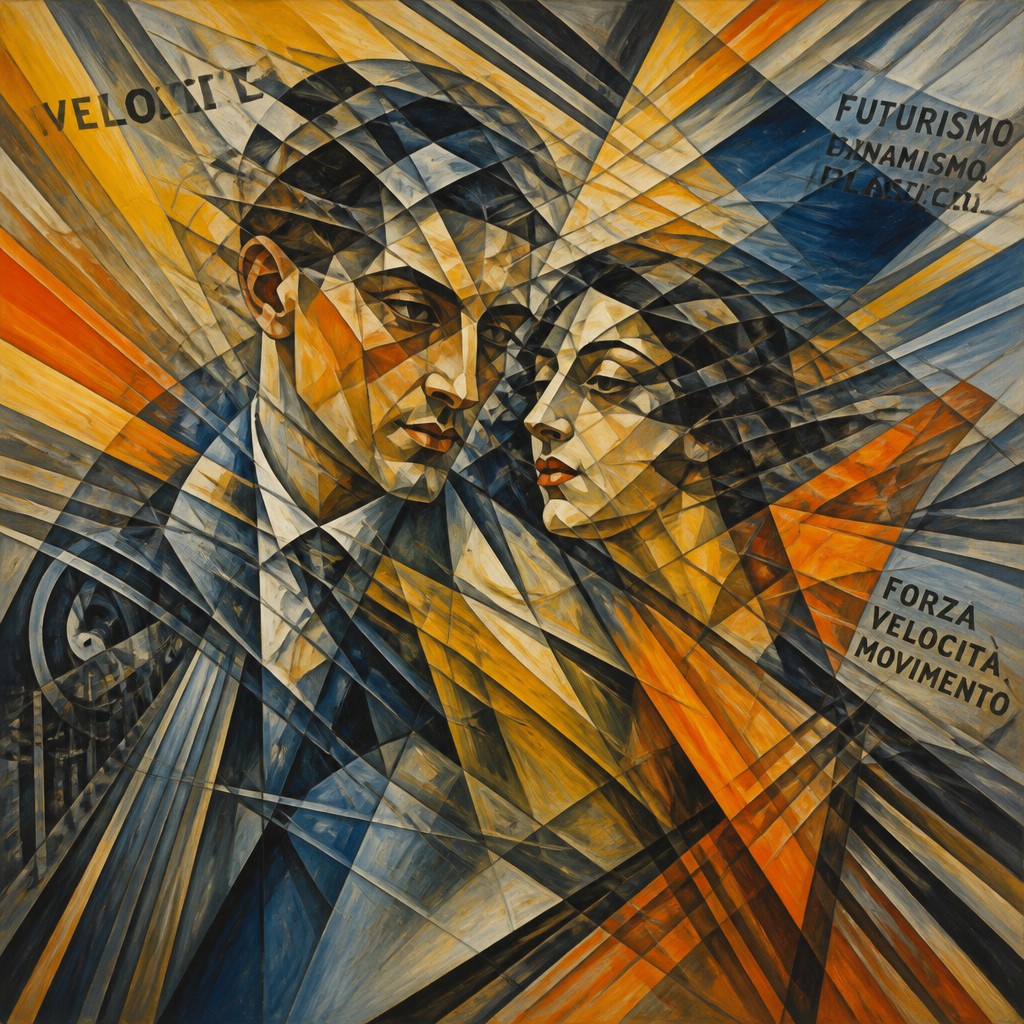
Futurism is an early 20th-century avant-garde style built around speed, machinery, electricity, urban modernity, and the sensation of motion. In visual terms, it breaks subjects into repeated phases, angles, and directional force lines so that a figure, car, train, or crowd seems to move through the picture rather than simply occupy it.
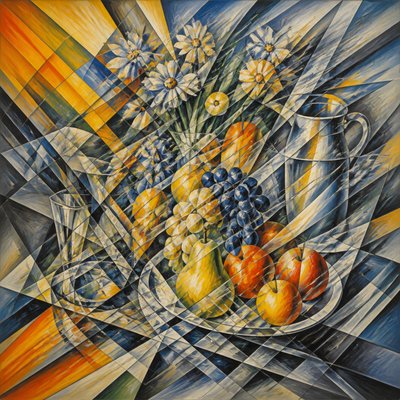
Its look is aggressive, rhythmic, and synthetic. Forms are fragmented into overlapping viewpoints, edges are sharpened into diagonals, and surfaces are often reduced to planes, streaks, and interlocking shapes that suggest vibration, acceleration, and mechanical energy. The style exists to make movement visible, so the image often feels as if it is pushing forward beyond the frame.
Try It On Your Photos
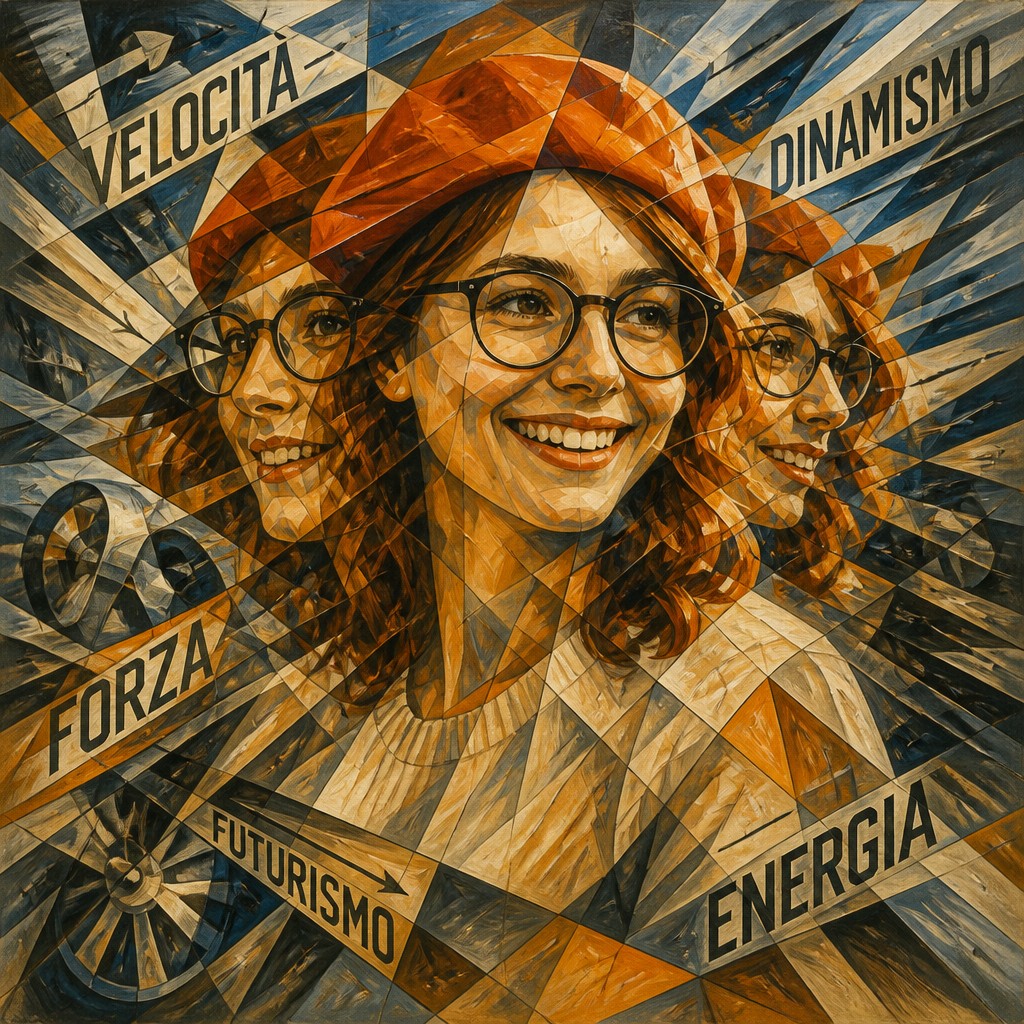
Upload any photo and convert it into Futurism Art Style — drag the sliders to compare before and after.


What Defines Futurism Art Style
The signature details, up close
Simultaneous viewpoints
Subjects are shown from several angles at once, as if the artist is recording different moments in a single image. This creates a sense of temporal overlap and destabilizes ordinary perspective.
Force lines and directional motion
Sharp diagonals, streaks, and radiating lines guide the eye through the composition and imply acceleration. These lines are not decorative; they function as visual equivalents of speed and impact.
Fragmented, multiplied forms
Limbs, wheels, bodies, and machines are repeated or echoed across the canvas to suggest sequential movement. The result is a layered image that feels like a motion study.
Geometric decomposition
Figures and objects are broken into facets, planes, and crystalline shards. This gives the style a machine-like clarity while also making the scene feel unstable and kinetic.
Urban and mechanical subjects
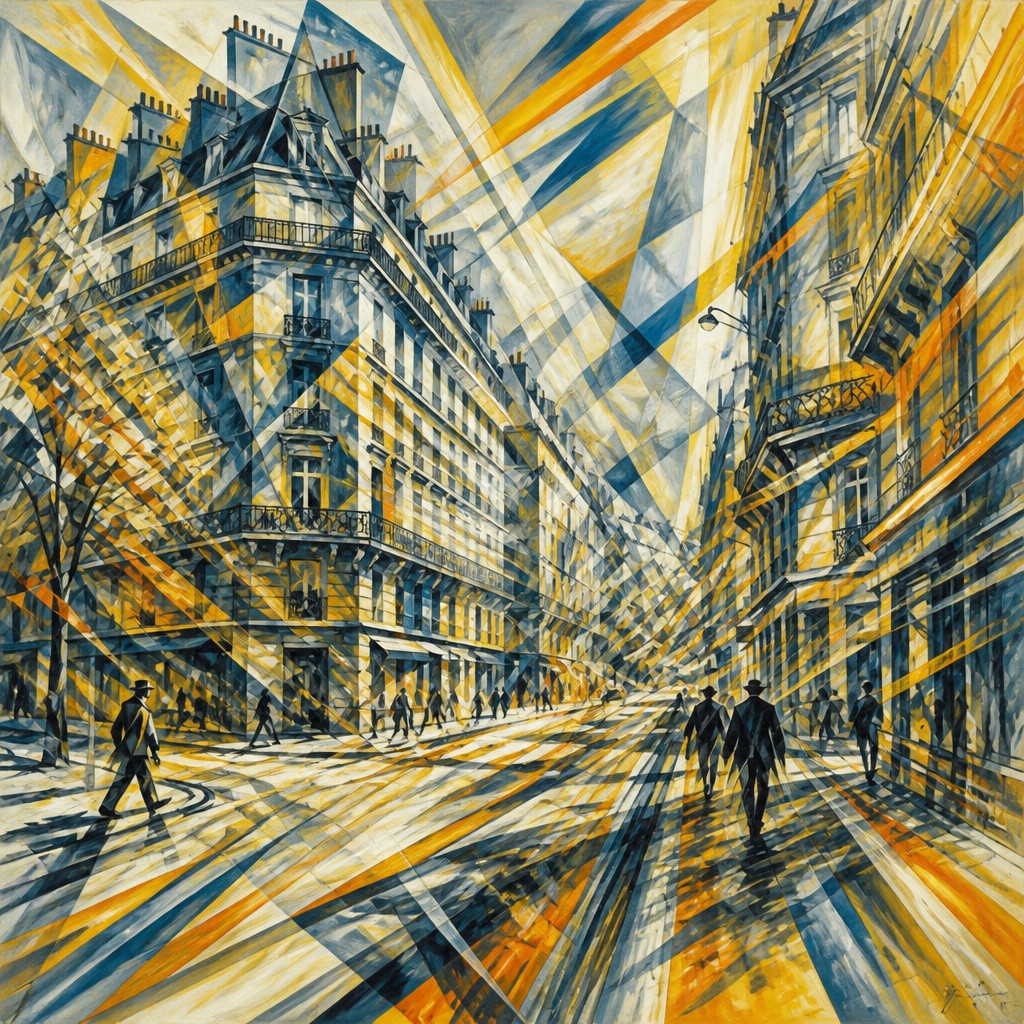
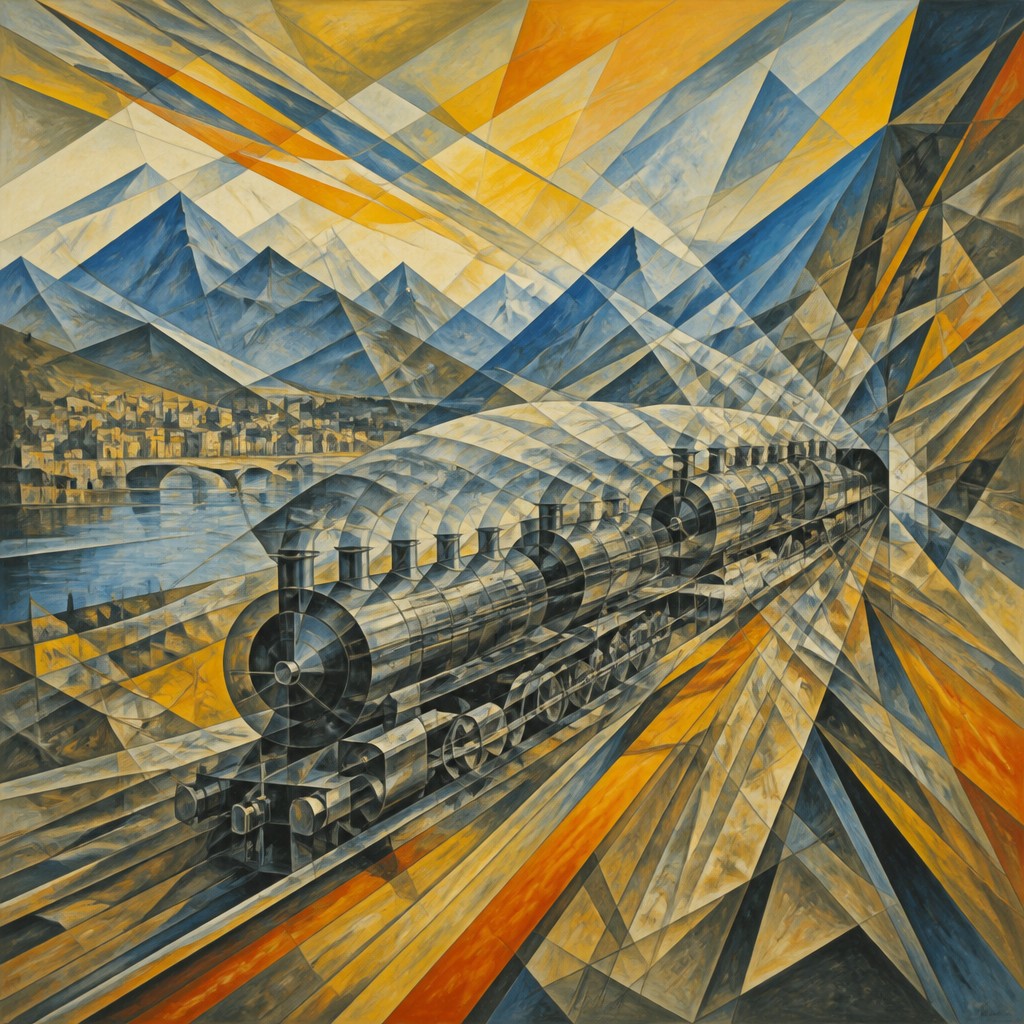
Trains, automobiles, crowds, aircraft, turbines, and city streets are recurring subjects because they embody modern speed. Even when the subject is human, it is often transformed by the rhythm of industrial life.
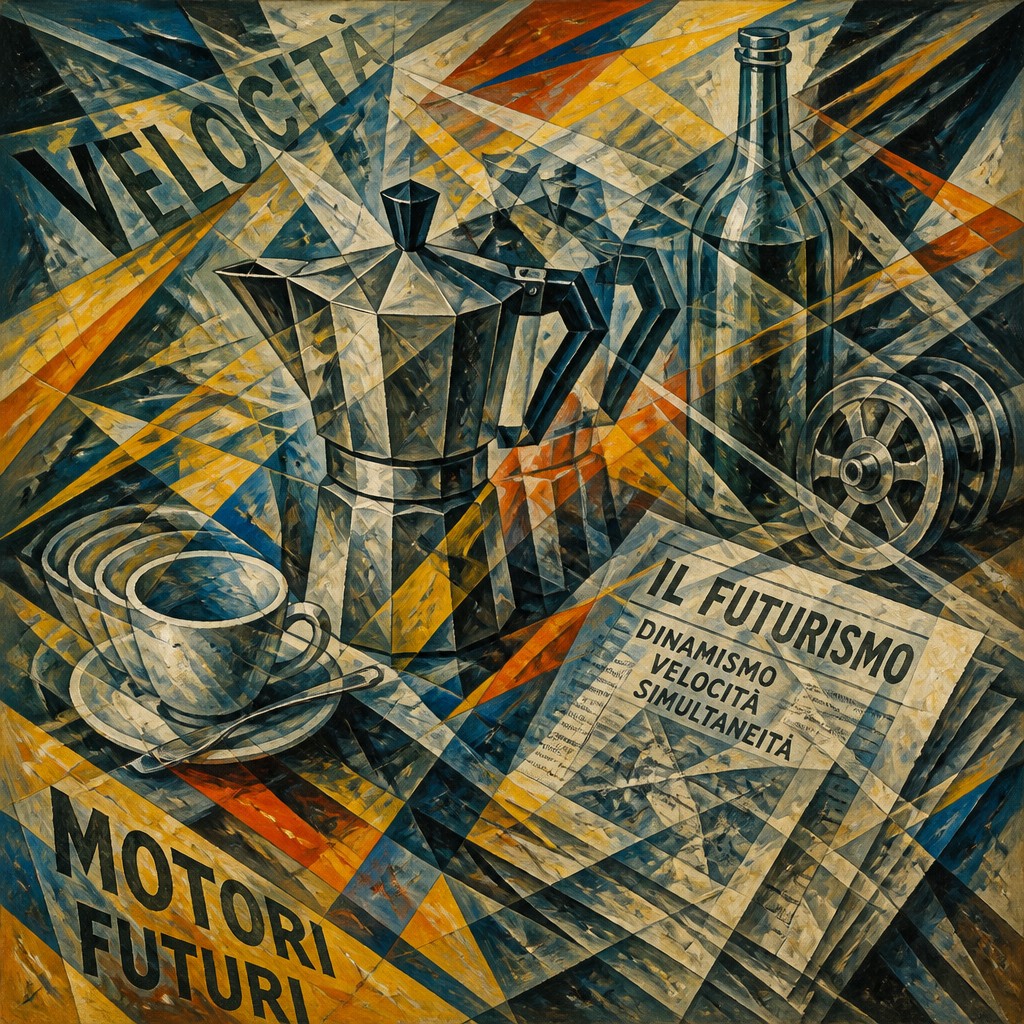
Dynamic, high-energy composition
The image is usually organized around diagonals, spirals, and compressions that pull the viewer forward. Negative space is rarely calm; it participates in the motion.
Try It
Create Videos in Futurism Art Style
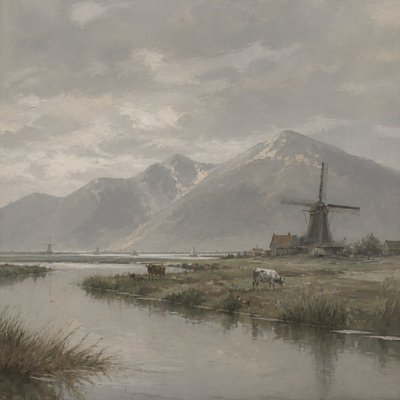
Styles aren't just for stills — describe a scene or animate an image and get a short video rendered in Futurism. Press play to see this pond come to life.
Make a VideoFuturism Prompt Ideas
Start from an idea — each one opens the generator with the style ready to go. See all 40 Futurism prompts →
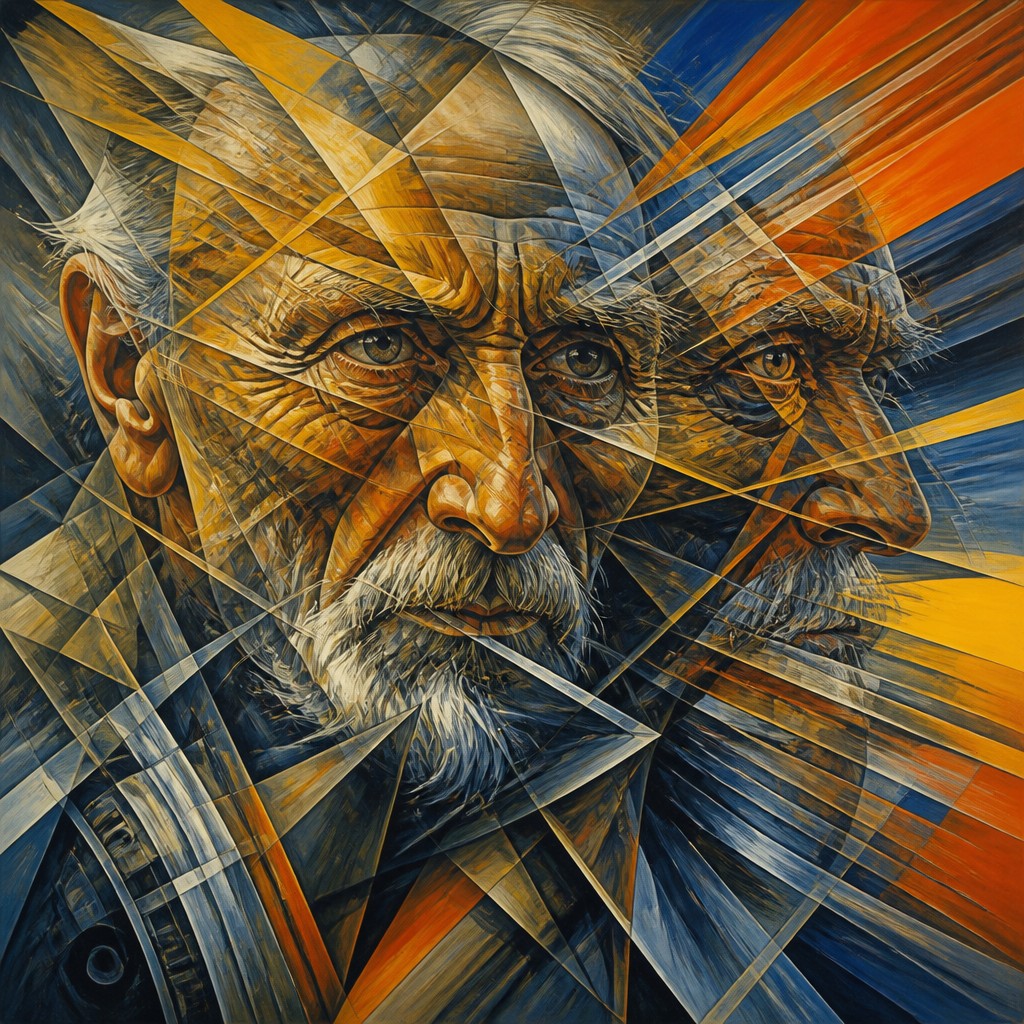
“close-up portrait of an elderly person with expressive weathered features”
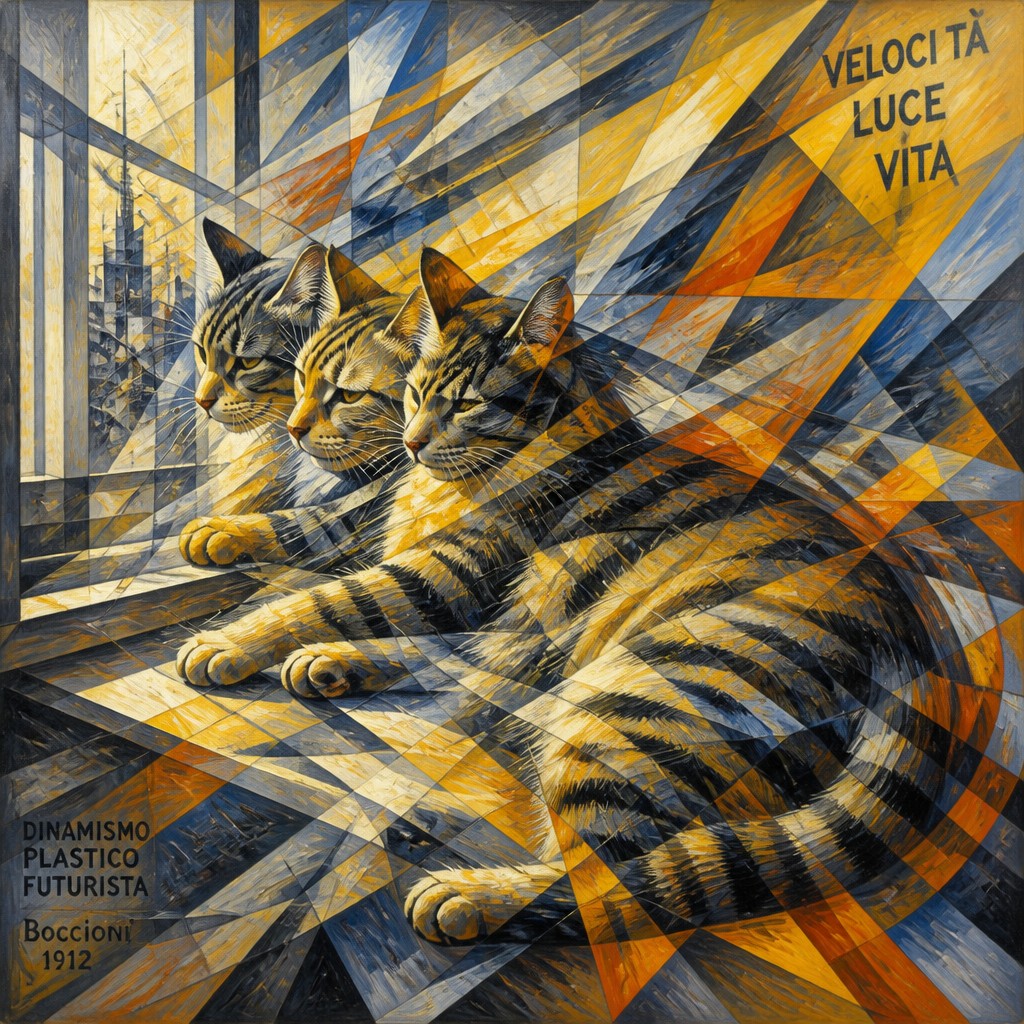
“a cat lounging in a sunlit window”
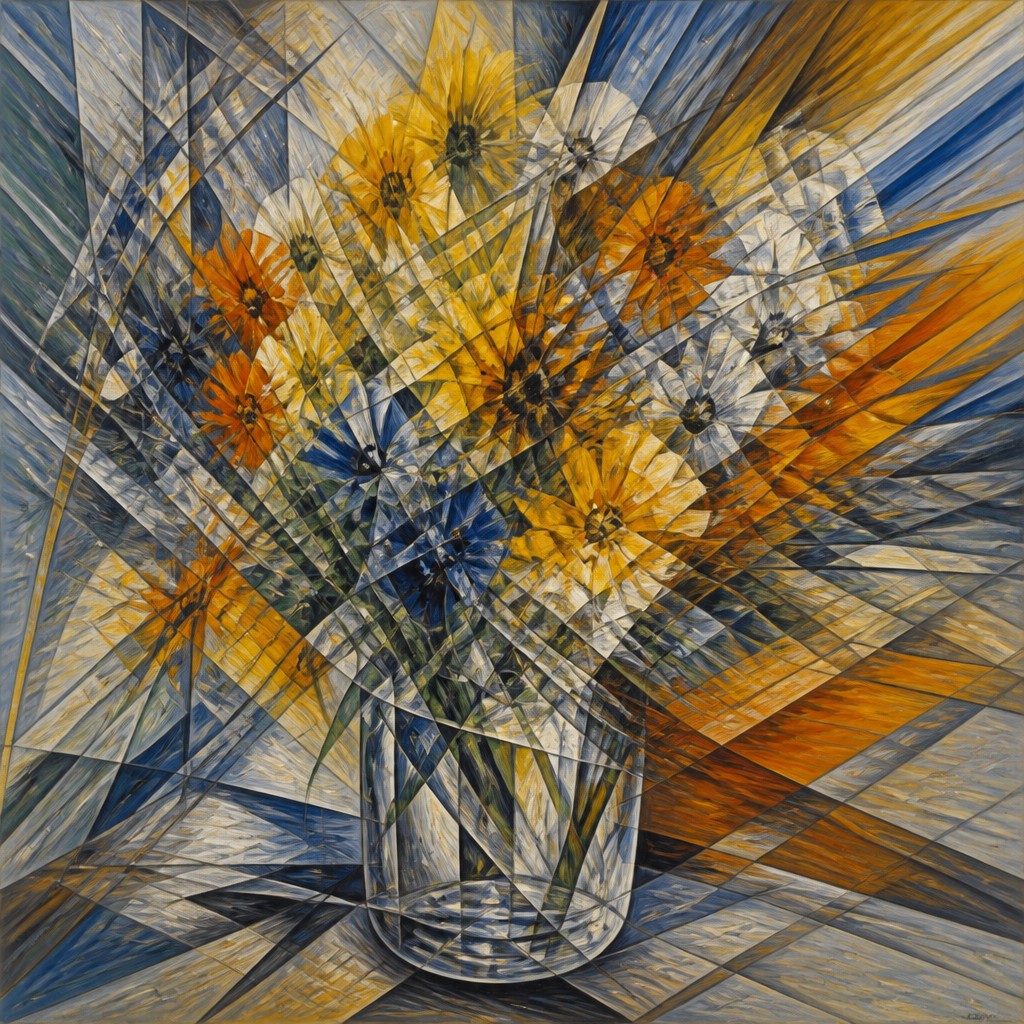
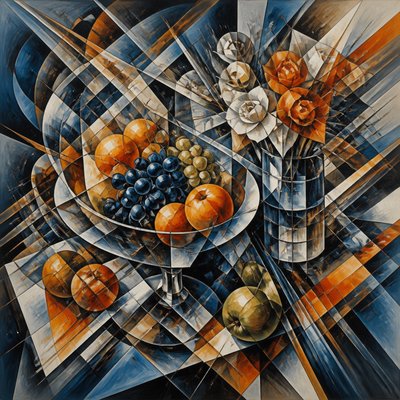
“bouquet of flowers in a glass vase”
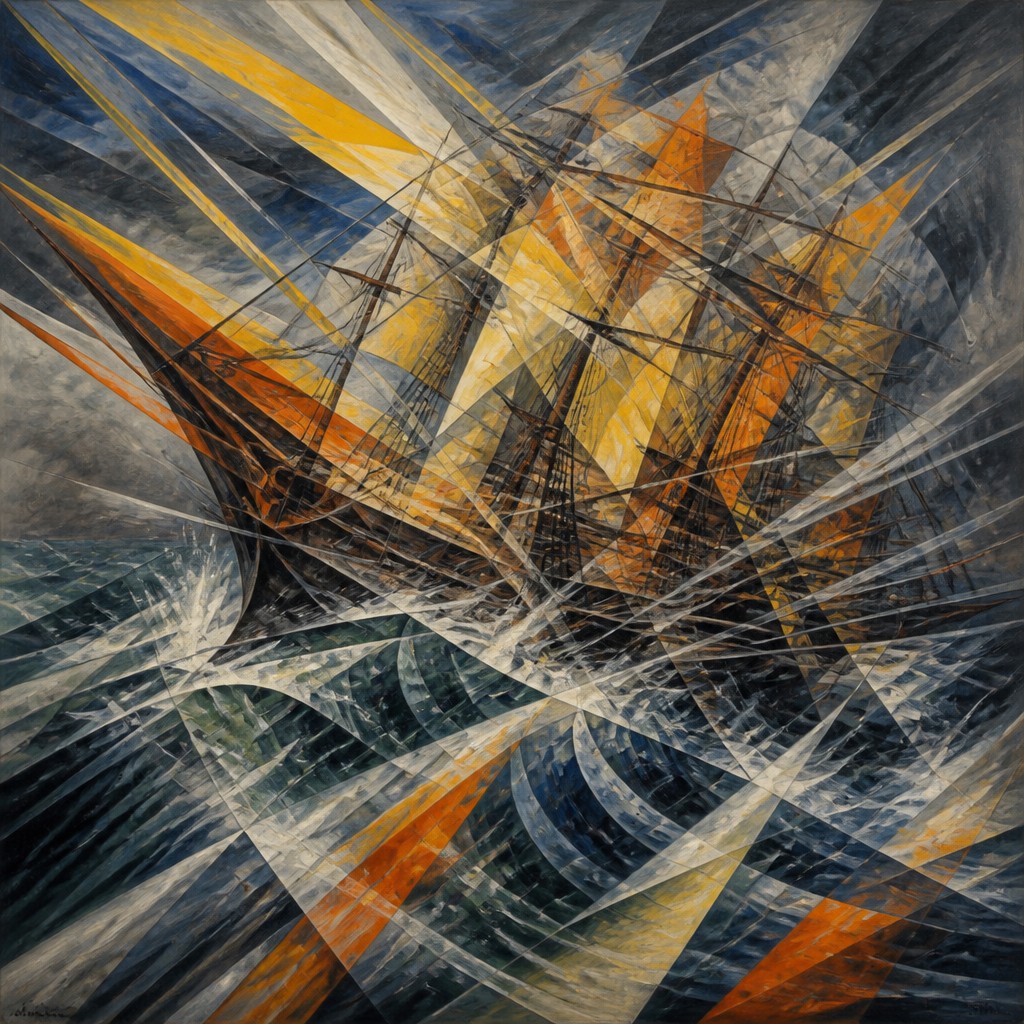
“sailing ship on a stormy sea”
How to Create Futurism Art
Master the craft step by step — or skip straight to creating. Read the full guide →
- 1
Build the image around movement, not portraiture
Start by deciding what kind of motion the subject suggests: running, rotating, speeding, colliding, or vibrating. In traditional media, sketch repeated contour positions and overlay them with angled structural lines; in digital work, use layered duplicates, motion streaks, and skewed transforms to show progression.
- 2
Use multiple phases of the same subject
Show the same object in 3 to 7 staggered positions so the eye reads a sequence rather than a single frozen moment. Keep the spacing irregular enough to feel forceful rather than mechanical.
- 3
Favor diagonals and broken geometry
Avoid centered, symmetrical staging unless you intend to disrupt it with thrusting lines. Break large shapes into facets, intersecting planes, and angular shards to create the visual sensation of speed and impact.
- 4
Choose an industrial palette with strong contrast
Chrome yellow, industrial orange, steel blue, and mechanical gray are especially effective, but the key is tonal tension. Use bright accents against dark or metallic fields so the motion reads as energetic and modern.
- 5
Let brushwork or rendering reinforce velocity
In paint, use directional strokes that follow the subject’s movement; in digital illustration, build blur streaks, tapered edges, and echo effects that push the eye in one direction. For prompt-based generation, specify fragmentation, overlapping viewpoints, force lines, and kinetic blur rather than just 'fast' or 'dynamic.'
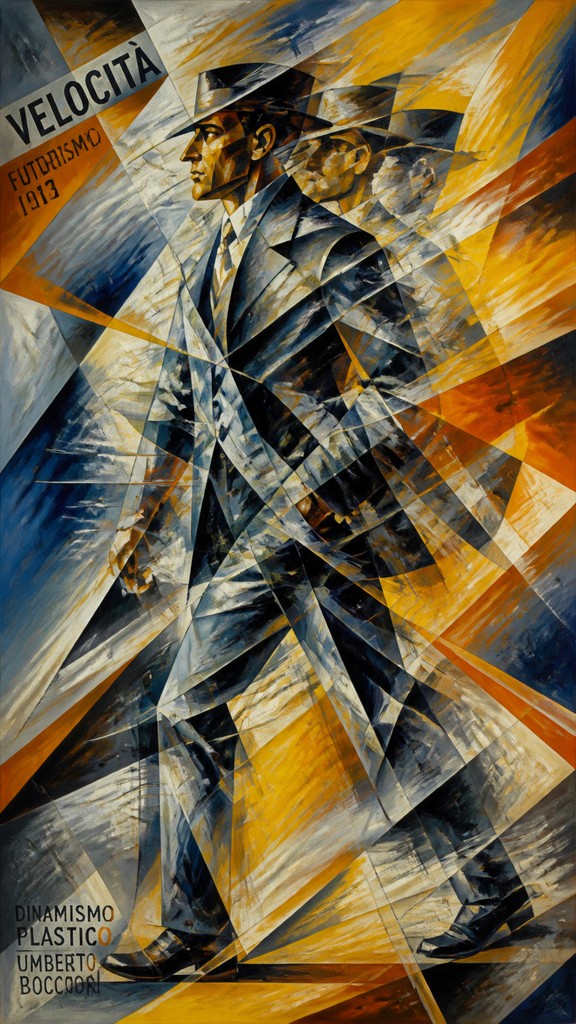
The Story
History & Origins of Futurism
Futurism originated in Italy in 1909, when a leading Futurist poet and theorist published the Futurist manifesto and called for a radical break with the past. The movement spread into painting, sculpture, literature, typography, architecture, and performance, with key visual artists including leading Futurist painters, sculptors, and experimental designers associated with the movement’s early Italian circle. Futurist art was deeply influenced by Cubism’s fragmentation of form, but it rejected Cubism’s stillness in favor of dynamism, speed, and the aesthetic of modern industry.
The movement developed through the 1910s and into the interwar period, especially in Italy, where artists pursued ways to depict motion, simultaneity, and urban energy. Its visual language also fed into later graphic design, experimental typography, science-fiction imagery, and dynamic illustration. Although associated with a specific historical avant-garde, its visual logic continues to influence contemporary depictions of velocity, mechanical power, and technological transformation.
Influences: Futurism grew out of the modernist break with academic realism and took important cues from Cubism’s fractured forms, though it pushed those ideas toward motion and speed. Its visual language also relates to Vorticism, Constructivist energy, industrial poster design, and later science-fiction illustration. Canonical Futurist artists include leading Futurist painters and sculptors associated with the movement’s early Italian core, whose work established the style’s central concern with simultaneity, velocity, and technological modernity.

Frequently Asked Questions
What defines Futurist art?
Futurist art is defined by its attempt to show motion, speed, and modern energy rather than static appearance. It often uses repeated forms, diagonal force lines, and fragmented planes to make action visible in a single image. The style is closely tied to machines, cities, and the experience of modern life.
How is Futurism different from Cubism?
Cubism breaks objects into facets and multiple viewpoints, but Futurism uses that fragmentation to express movement and acceleration. Cubist compositions often feel analytical and still, while Futurist compositions feel forceful, directional, and kinetic. Futurism is usually more aggressive in its diagonals and motion cues.
What subjects work best in this style?
Anything associated with speed or technological change works especially well: cars, trains, aircraft, dancers, runners, crowds, and machinery. Futurism can also be applied to ordinary subjects if they are transformed into motion studies. The more the subject suggests energy, the more natural the style feels.
What colors are typical in Futurist images?
Many Futurist works use strong, industrial colors such as yellow, orange, blue-gray, and metallic tones, often with high contrast. The palette can be bold and unnatural because the goal is not naturalism but visual force. Metallic or electrified color relationships help reinforce the modern theme.
Can Futurism be used in digital art and design?
Yes. Its angular structure, repeated forms, and motion streaks translate well to digital illustration, poster design, album art, and sci-fi imagery. In digital work, layering, transparency, blur, and vector-like geometry are especially useful tools.
Is Futurism the same as science-fiction art?
No, but it strongly influenced later science-fiction visuals. Futurism is a historical avant-garde movement focused on modernity, movement, and technology in its own time. Science-fiction art may borrow its dynamic lines and mechanical energy while imagining futures beyond the early 20th century.

Create your first Futurism artwork
Describe anything — or upload a photo — and see it in Futurism Art Style in seconds.
Make Something with Futurism
Compare Futurism
Related Styles
Discover similar art styles