Cubism vs Futurism: What's the Difference?
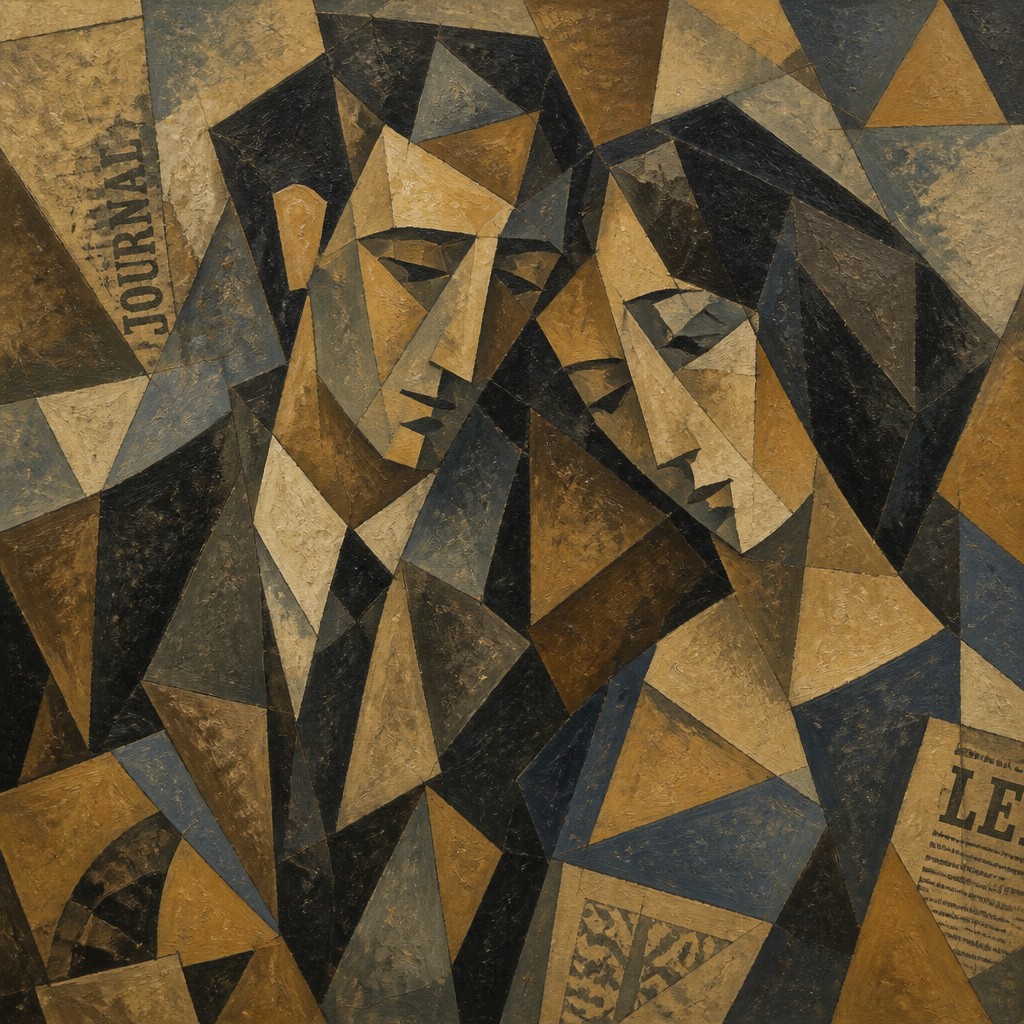
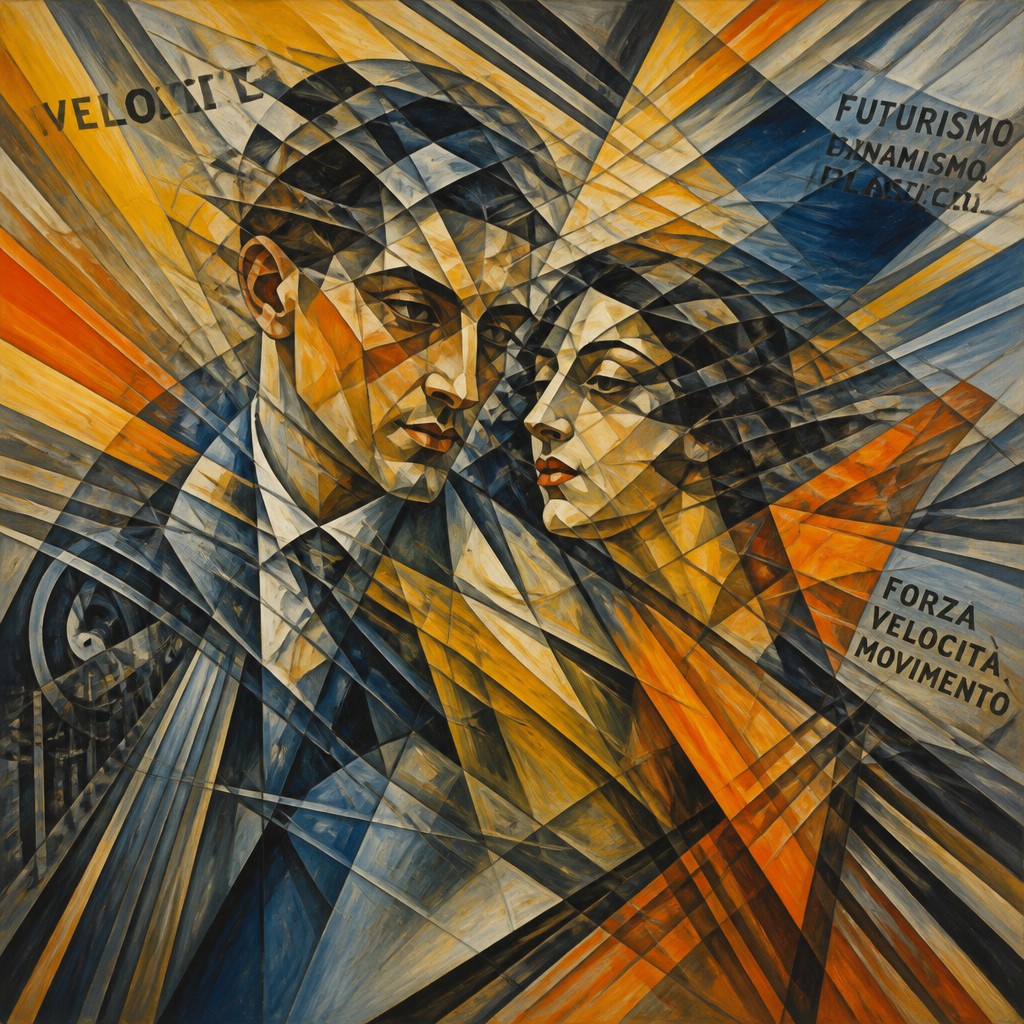
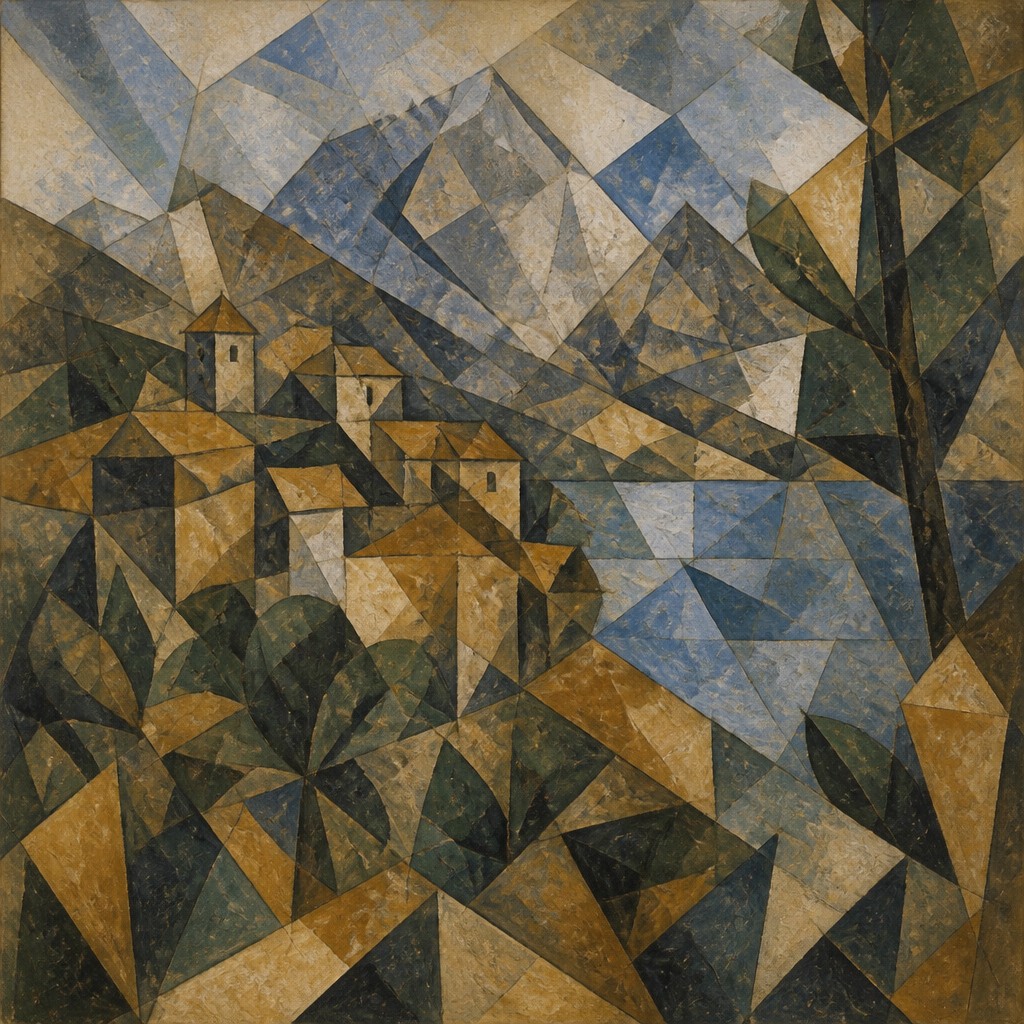
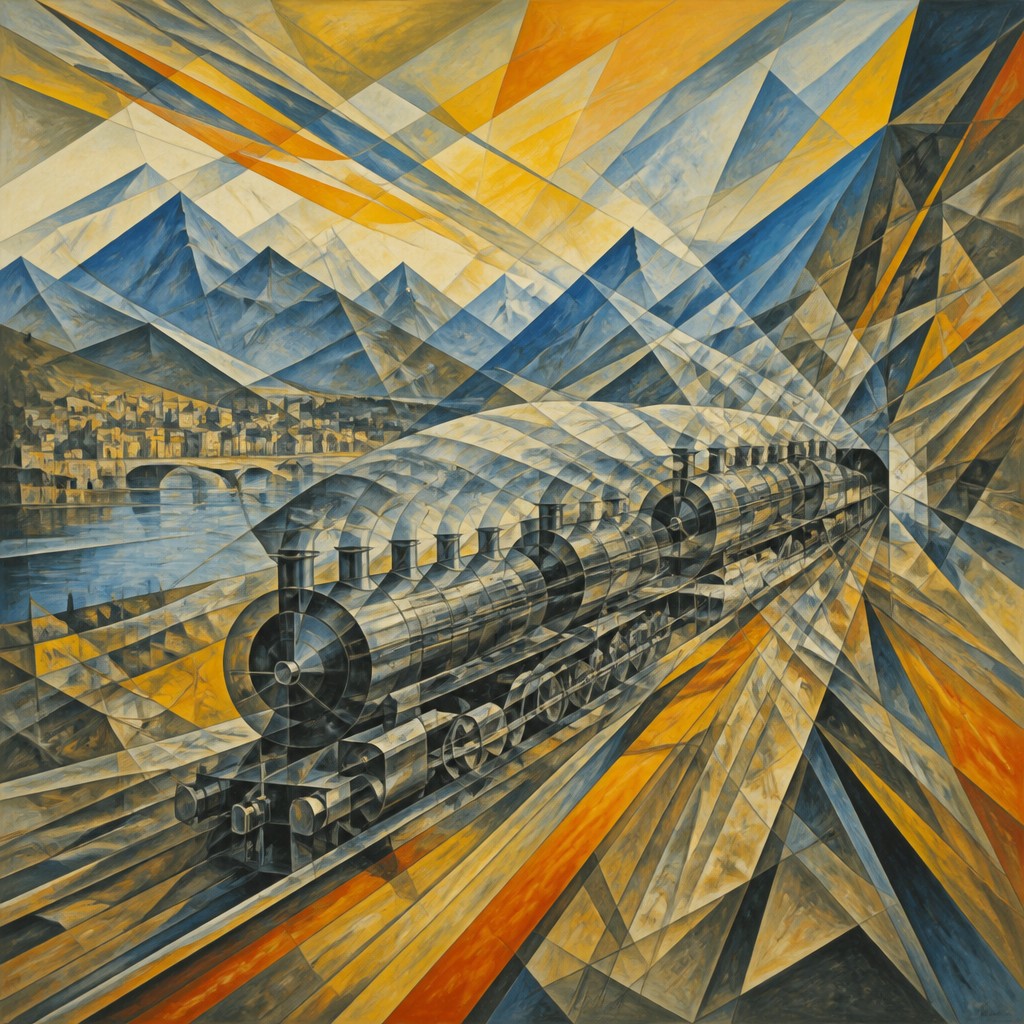
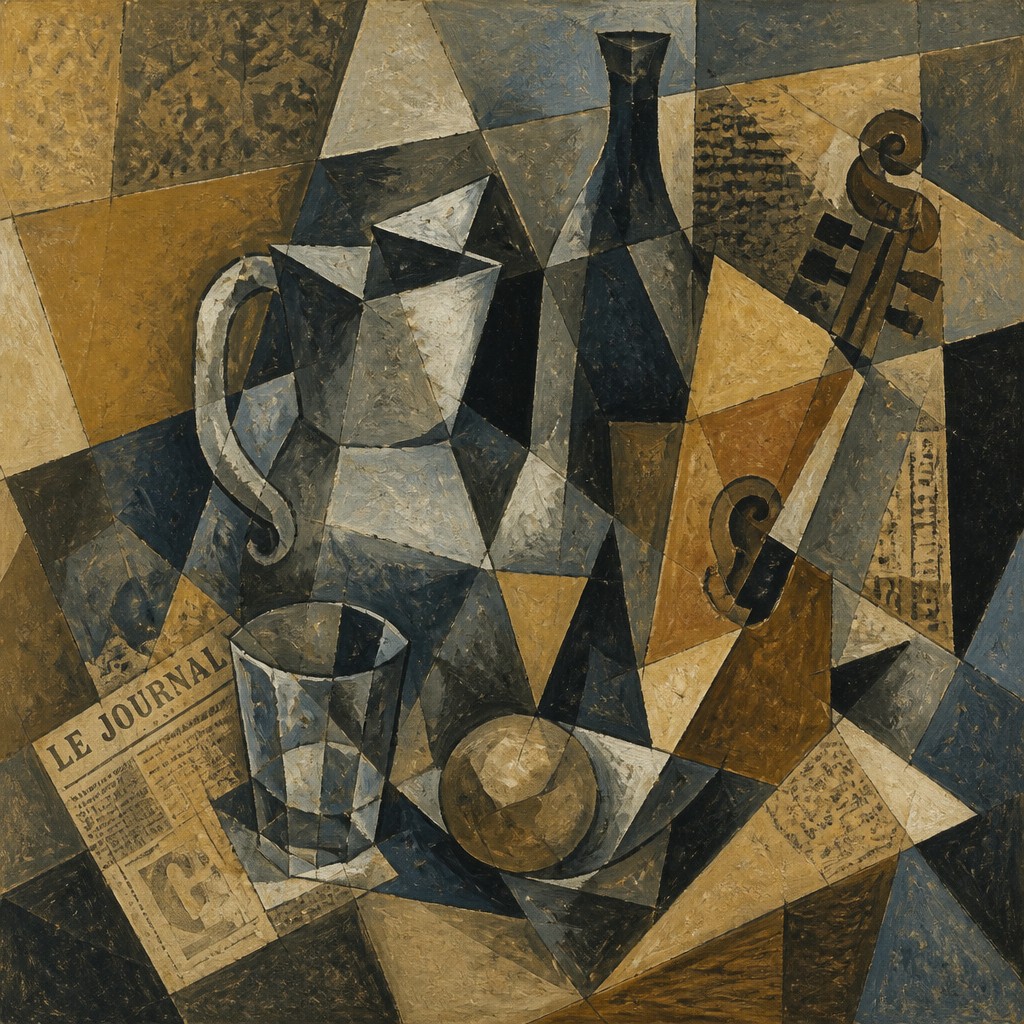
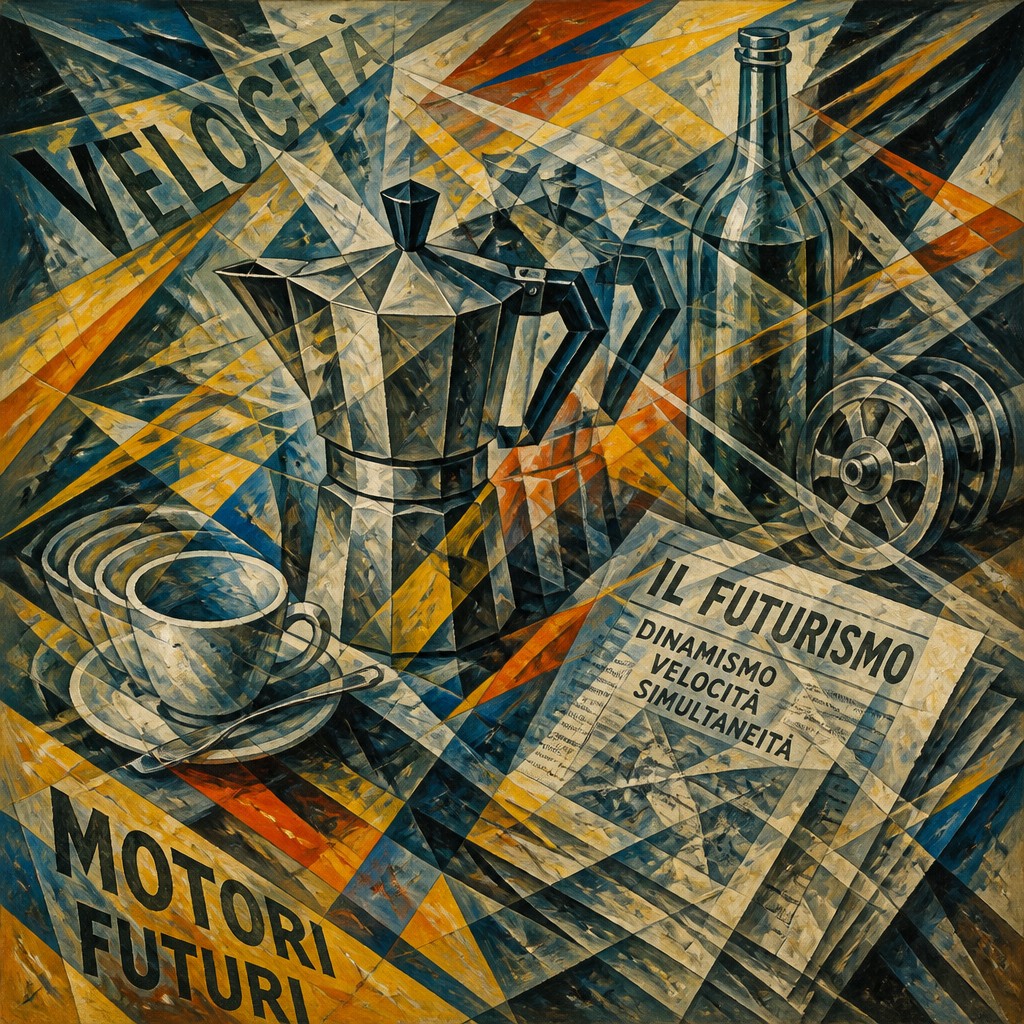
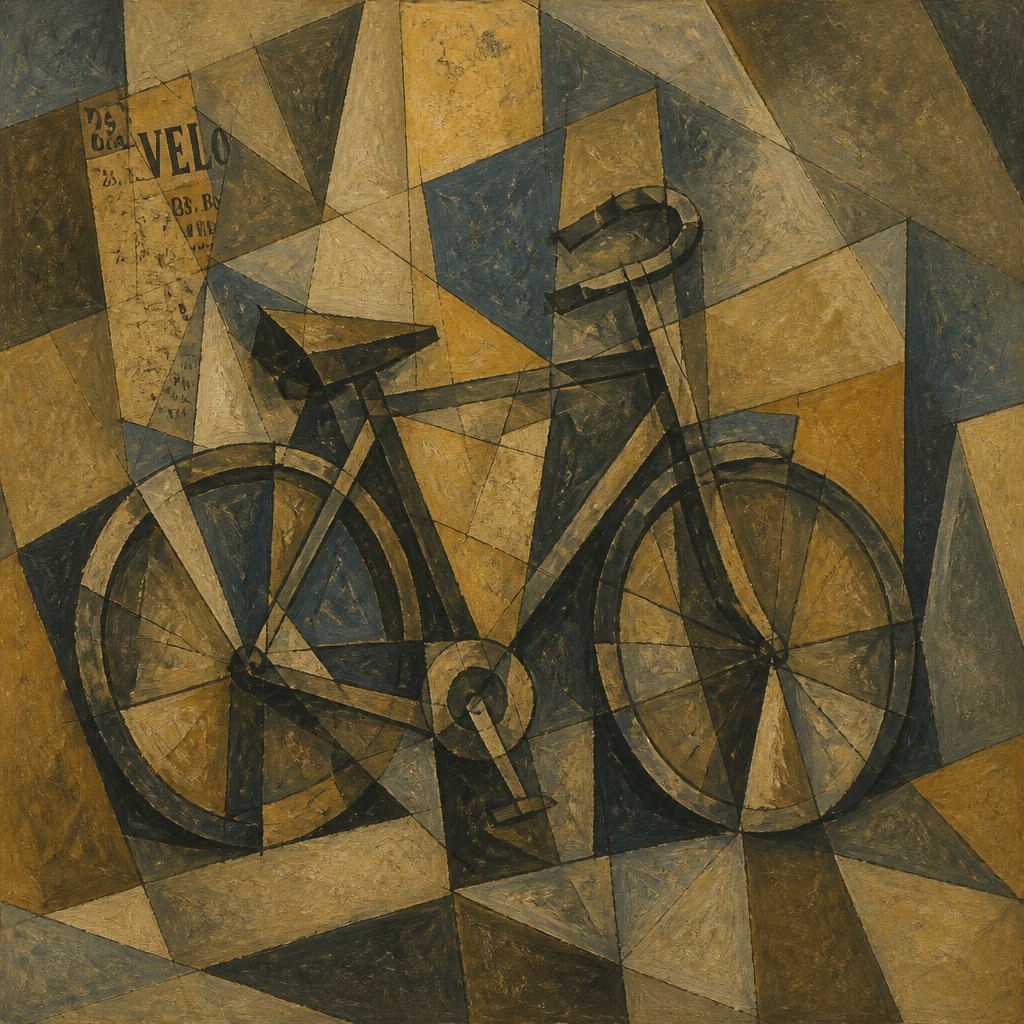
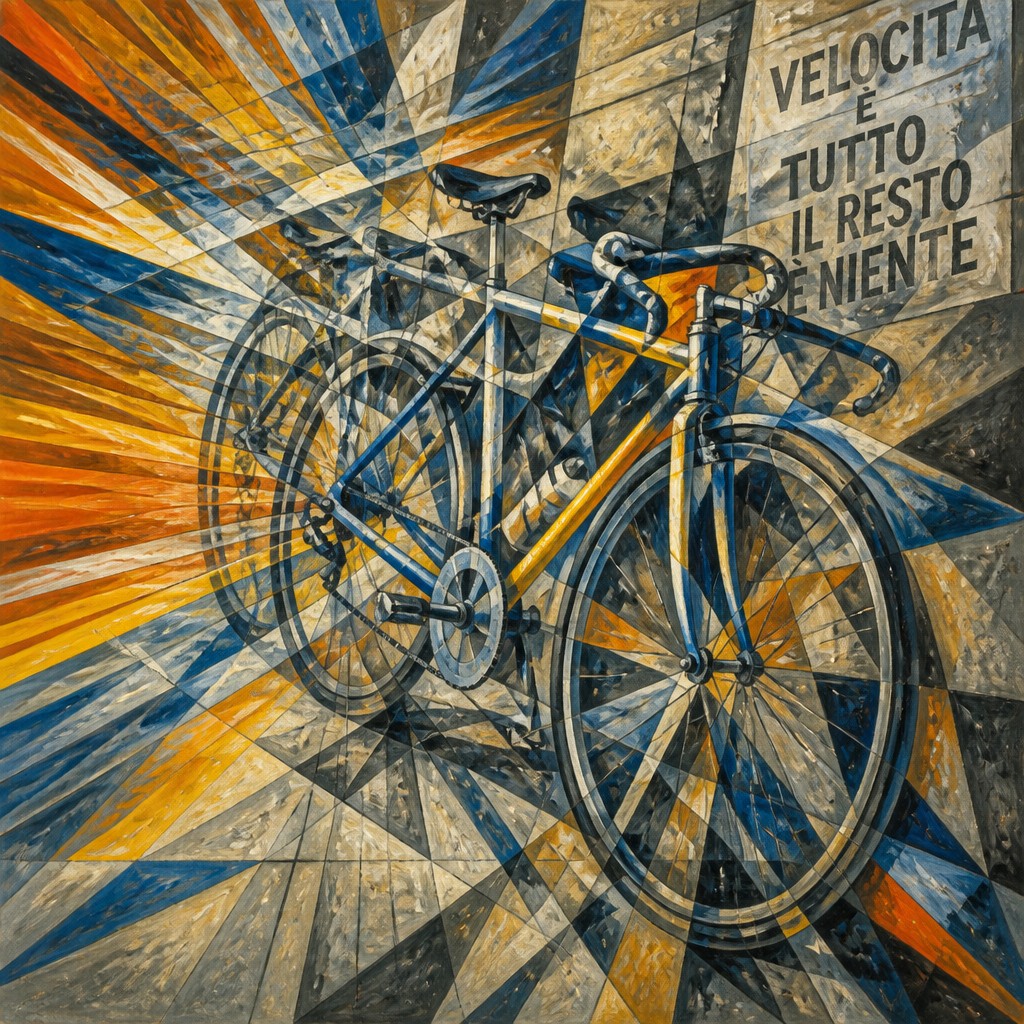
Cubism and Futurism are both early 20th-century avant-garde styles that broke away from naturalistic representation. Cubism fractures subjects into geometric facets and multiple viewpoints, while Italian Futurism emphasizes speed, machinery, and fragmented motion through energetic diagonal compositions.
People often compare them because both reject traditional perspective and show objects in unconventional ways. They also share a fascination with modern life and dynamic visual structure, but they differ in mood: Cubism tends to feel analytical and structured, while Futurism feels forceful, aggressive, and forward-moving.
Same Prompt, Both Styles
Each pair below was generated from the identical prompt — only the style changed.
Key Differences
| Cubism | Futurism | |
|---|---|---|
| Primary focus | Analyzes objects by breaking them into facets and viewpoints. | Celebrates speed, movement, and modern technology. |
| Line & form | Uses intersecting geometric planes and compact forms. | Uses sharp diagonals, repetition, and blurred motion cues. |
| Sense of motion | Often still or contemplative, with movement suggested indirectly. | Highly dynamic, with motion treated as the central subject. |
| Composition | Balanced, structured, and tightly organized across the surface. | Explosive, directional, and driven by strong diagonal flow. |
| Color | Often muted, earthy, or restrained in palette. | Often vivid or high-contrast to intensify energy. |
| Emotional effect | Feels analytical, интеллектуally detached, and calm. | Feels urgent, loud, and intensely modern. |
| Mood | analytical, fractured, dynamic, experimental, abstract | dynamic, aggressive, mechanized, urgent, electrified |
| Energy | intense | intense |
| Detail level | detailed | detailed |
| Color | muted earth tones, grays, ochres | bold contrasts, metallics, vivid primaries |
| Texture | hard-edged, faceted, layered | sharp angles, streaked, fractured motion |
| Origin | early 20th-century Paris, France | early 20th-century Italy/Europe avant-garde |
| Best for | posters, album covers, editorial illustration, museum graphics, abstract branding | posters, album covers, sports graphics, transport imagery, sci-fi visuals, editorial design |
| Difficulty | advanced | advanced |
Which Should You Choose?
Choose Cubism if you want to explore structure, multiple viewpoints, and a more measured abstraction. Choose Futurism if you want to express speed, power, machinery, or movement with strong visual energy. In short, pick Cubism for analysis and fragmentation of form, and Futurism for momentum and excitement.
Frequently Asked Questions
Are Cubism and Futurism the same thing?
No. Both are avant-garde and reject traditional realism, but Cubism focuses on breaking forms into facets, while Futurism focuses on movement, speed, and modern machines. They overlap in abstraction, yet their goals and visual effects are different.
Which style is more focused on movement?
Futurism is much more focused on movement. It often uses repeated forms, diagonals, and motion-like effects to make the image feel fast and energetic. Cubism may imply movement, but it is usually more concerned with structure and viewpoint.
Which style usually uses more muted colors?
Cubism typically uses more muted colors, especially in its early phases. Futurism more often relies on stronger contrast and vivid color to amplify energy. Color choices can vary, but this is a common distinction.
Can a work show features of both styles?
Yes, some works can share traits such as fragmentation, abstraction, and a modern subject matter. However, if the work emphasizes geometric analysis and multiple viewpoints, it leans Cubist; if it emphasizes speed and directional motion, it leans Futurist.