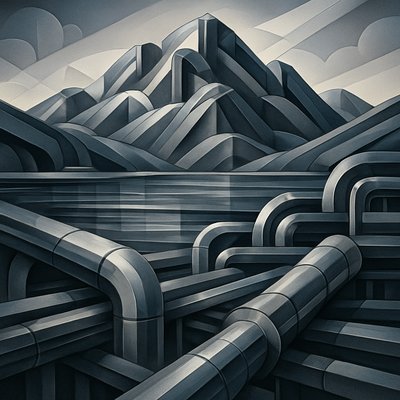
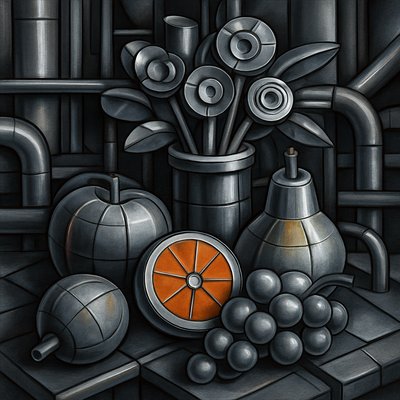
Metal Assemblage Sculpture Art Style
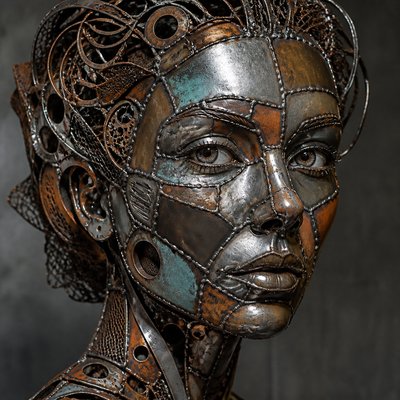
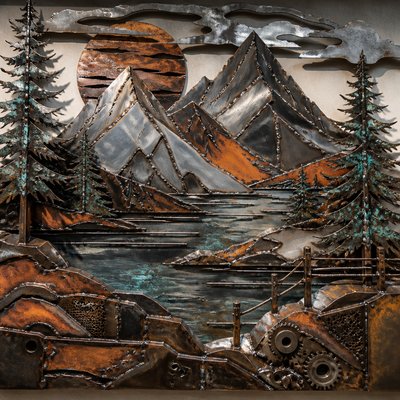
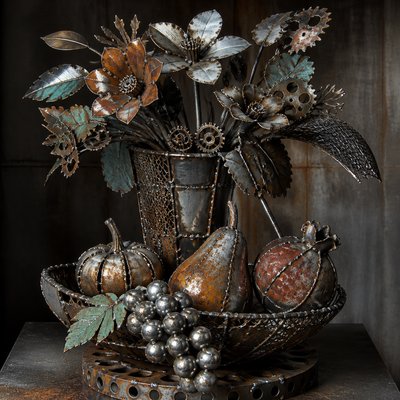
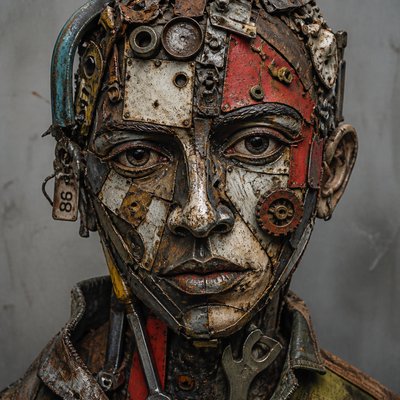
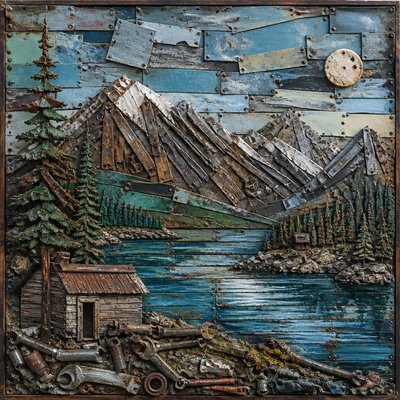
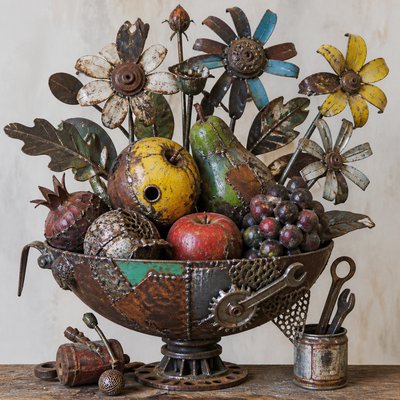
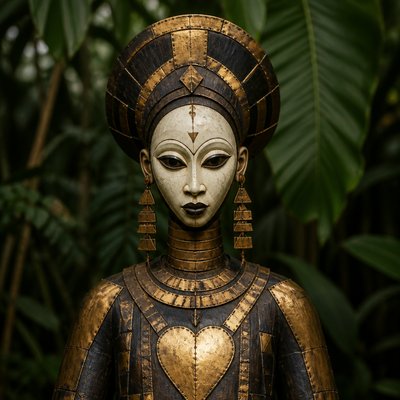
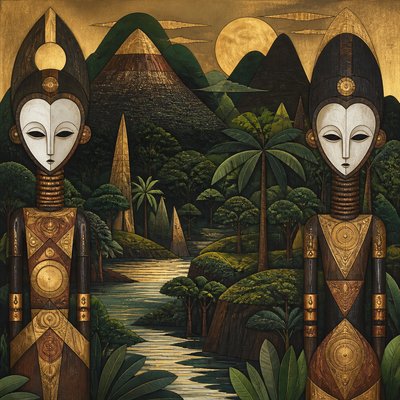
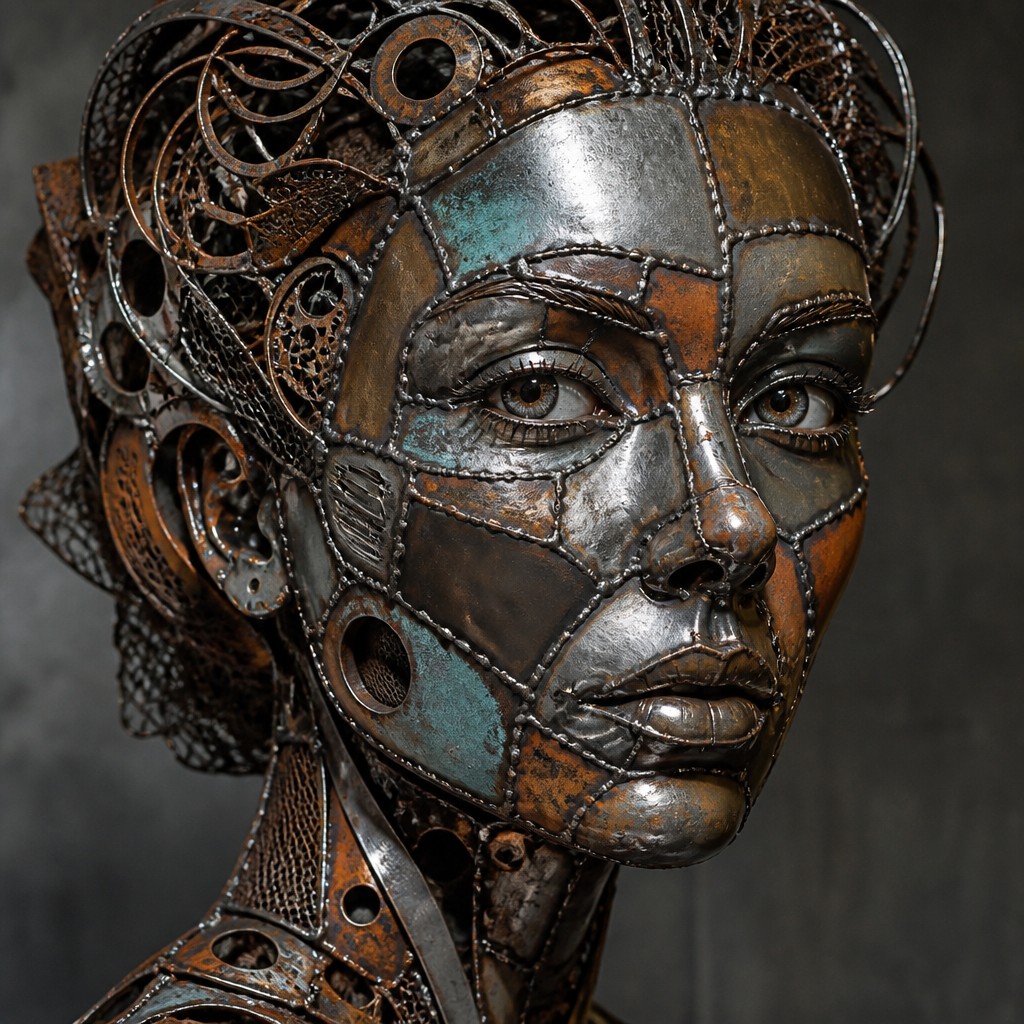
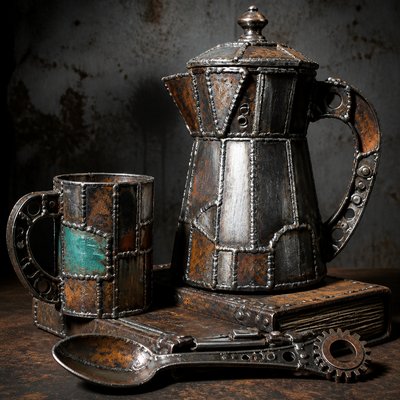
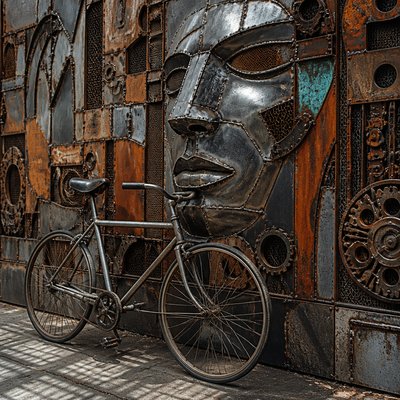
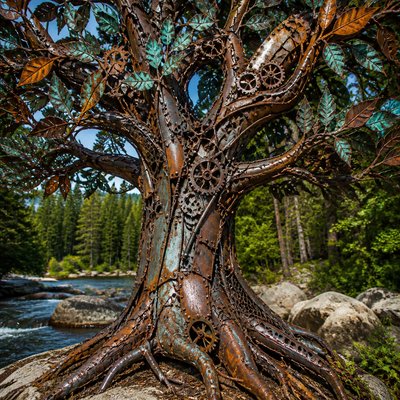
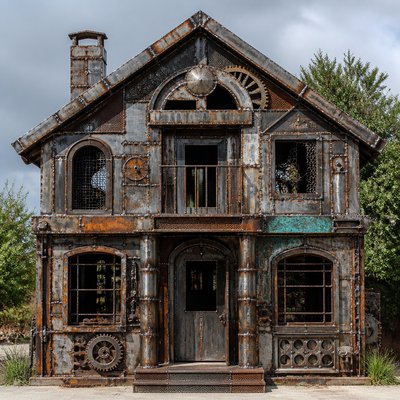
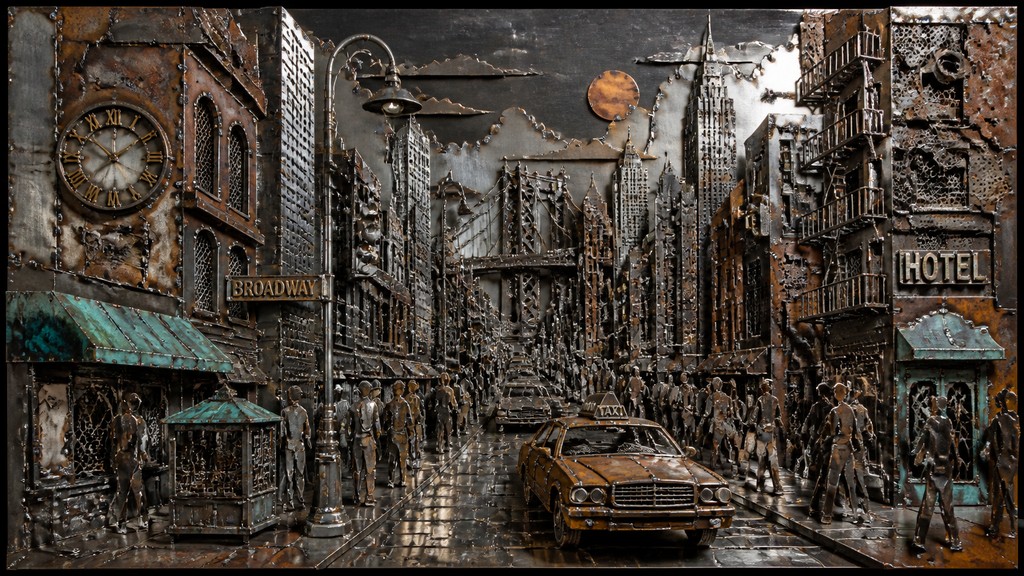
Found-metal sculpture style with welded seams, rust patina, gears, bolts, and industrial texture in dramatic sculptural forms.
Instantly rendered in Metal Assemblage Sculpture — or transform a photo
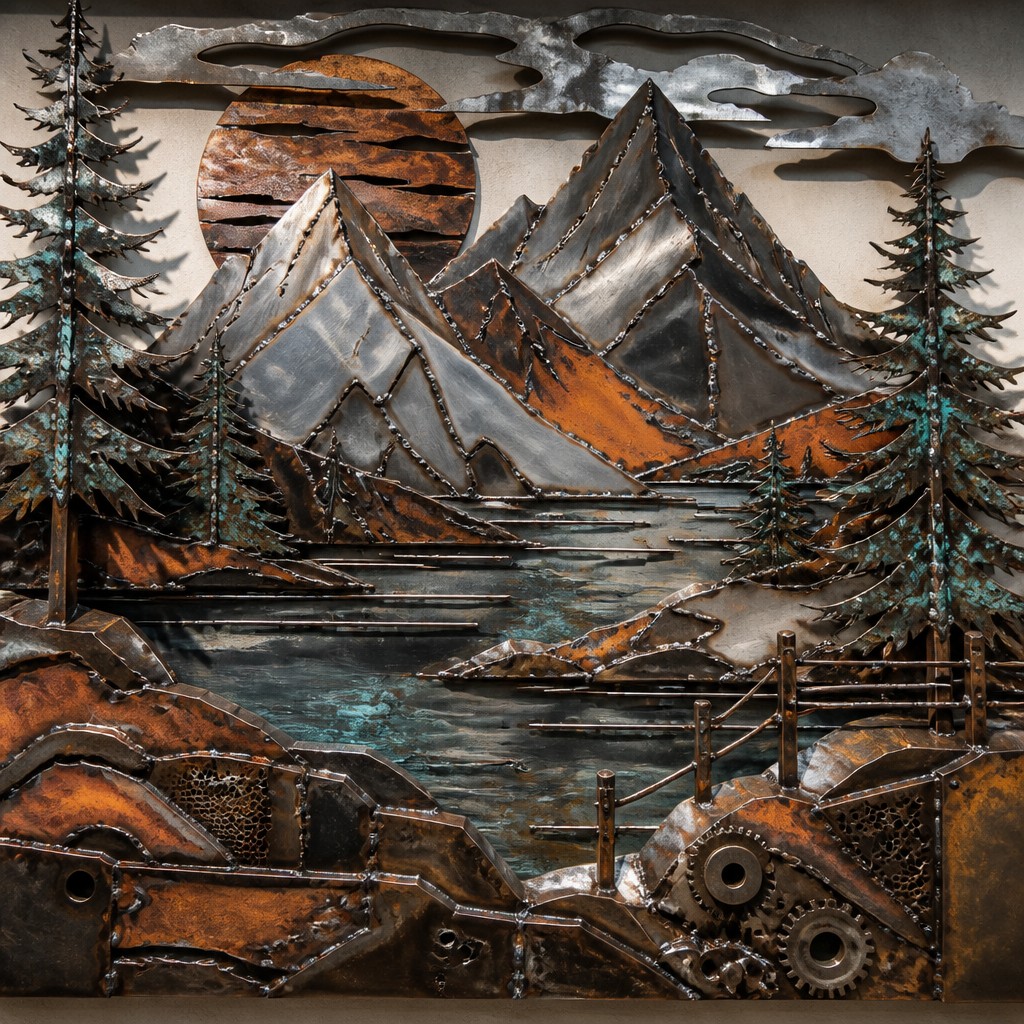
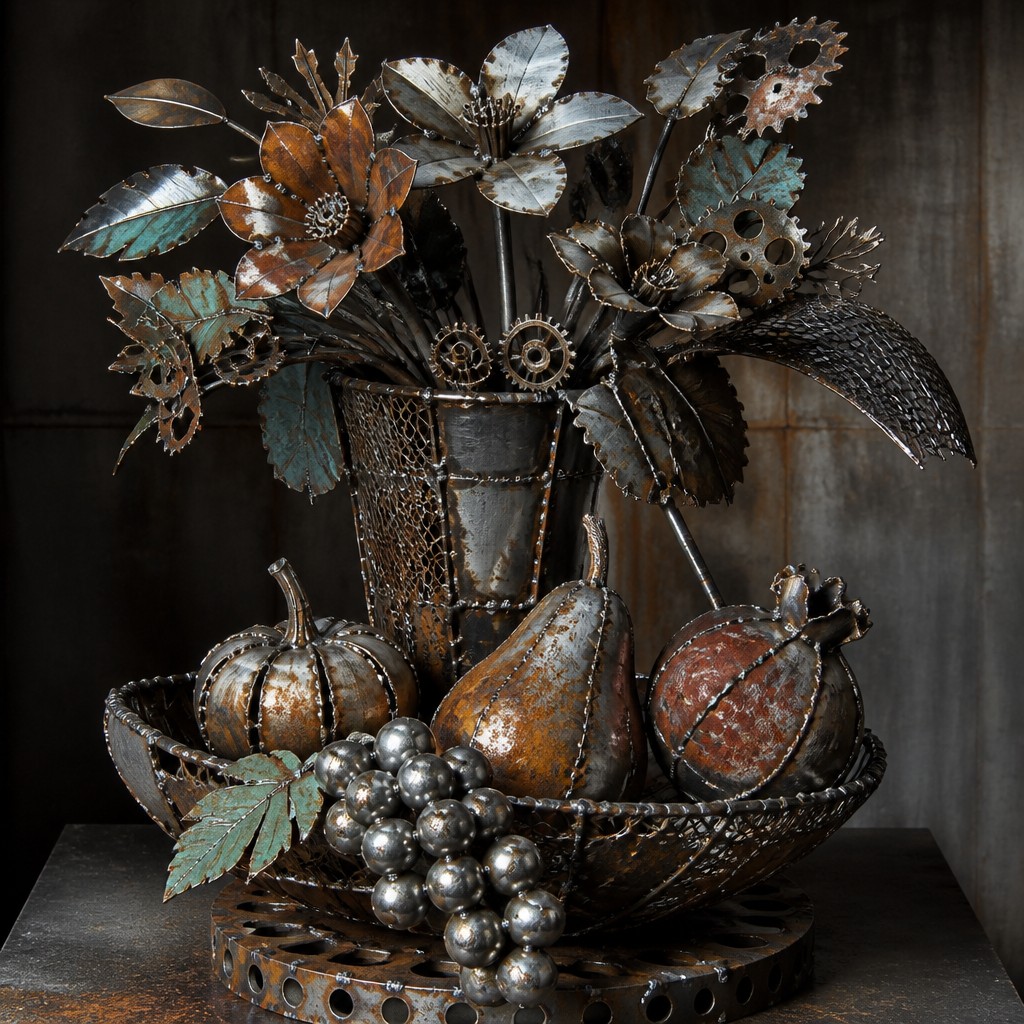
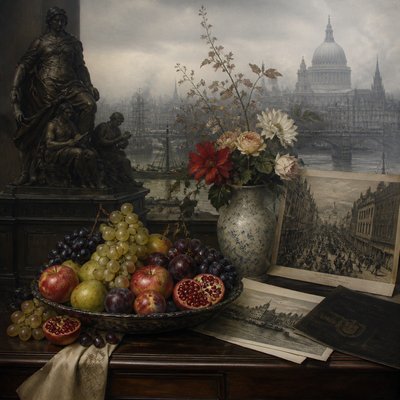
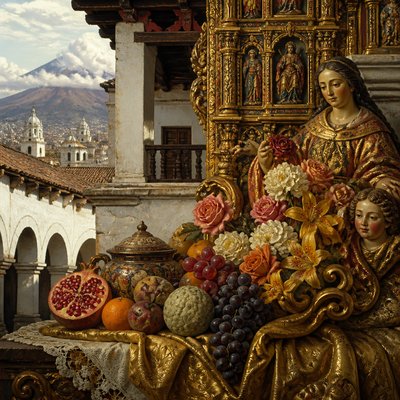
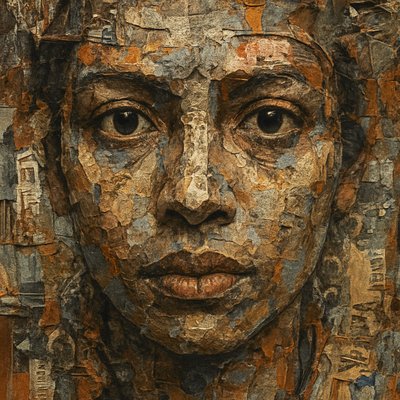
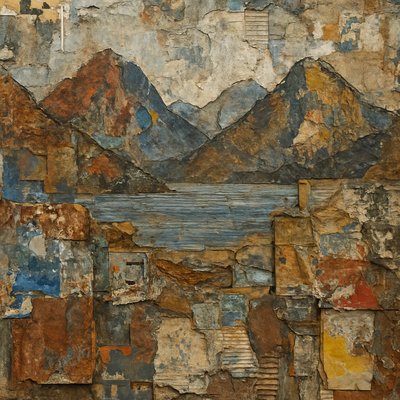
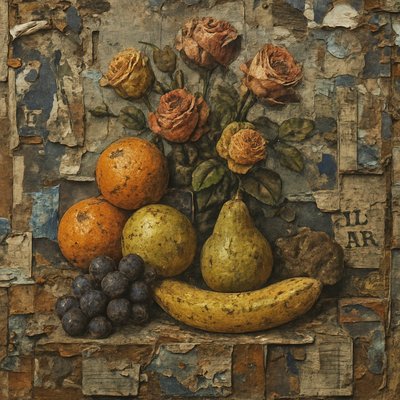
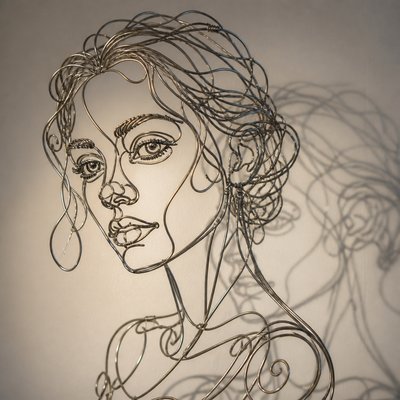
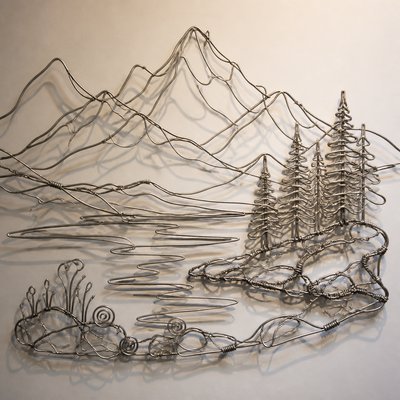
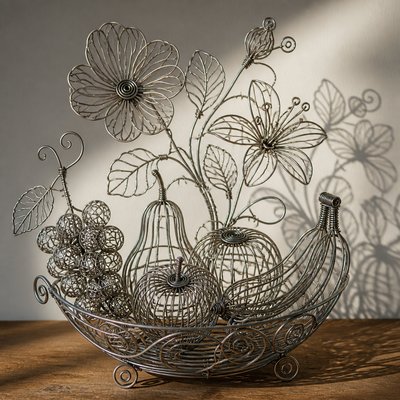
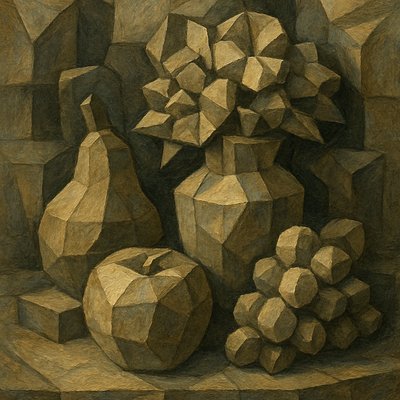
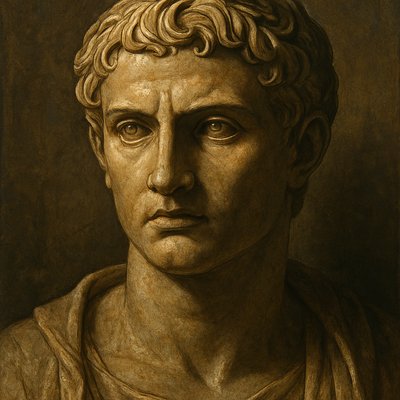
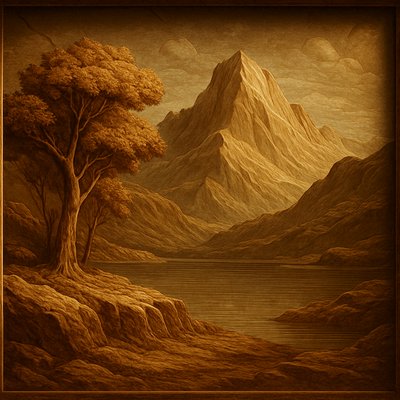
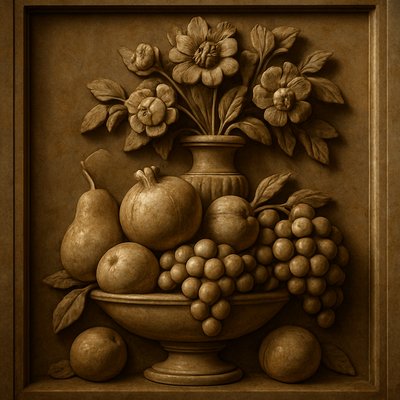
Metal Assemblage Sculpture Gallery
Tap any artwork to explore it
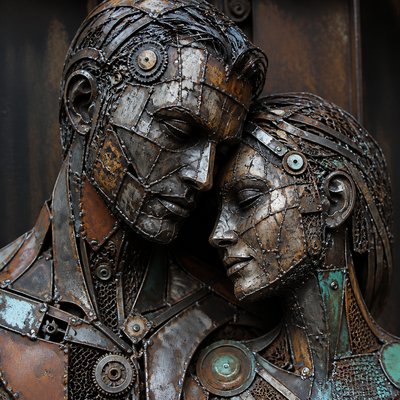
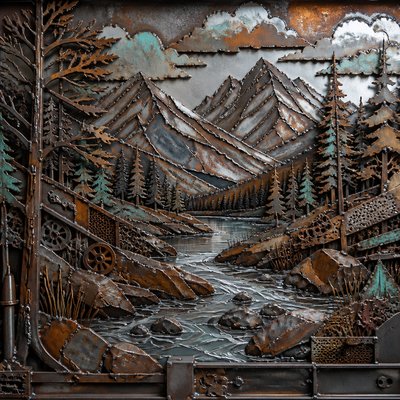
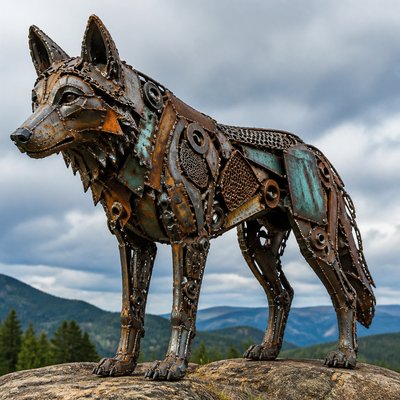
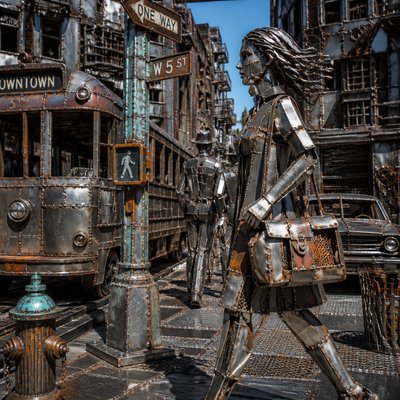
What is Metal Assemblage Sculpture Art Style?
Metal assemblage sculpture is a three-dimensional art approach built from salvaged industrial parts, scrap metal, and found hardware recombined into new forms. Its identity comes from the visible evidence of making: weld beads, riveted joints, torch-cut edges, bent sheet metal, and layered surfaces that retain the history of their prior use.
The style looks the way it does because it embraces the material character of metal rather than concealing it. Rust, oxidation, brushed steel, blackened heat marks, and patinated copper become part of the composition, while open negative space and mechanical fragments create a tension between construction and decay, utility and invention.
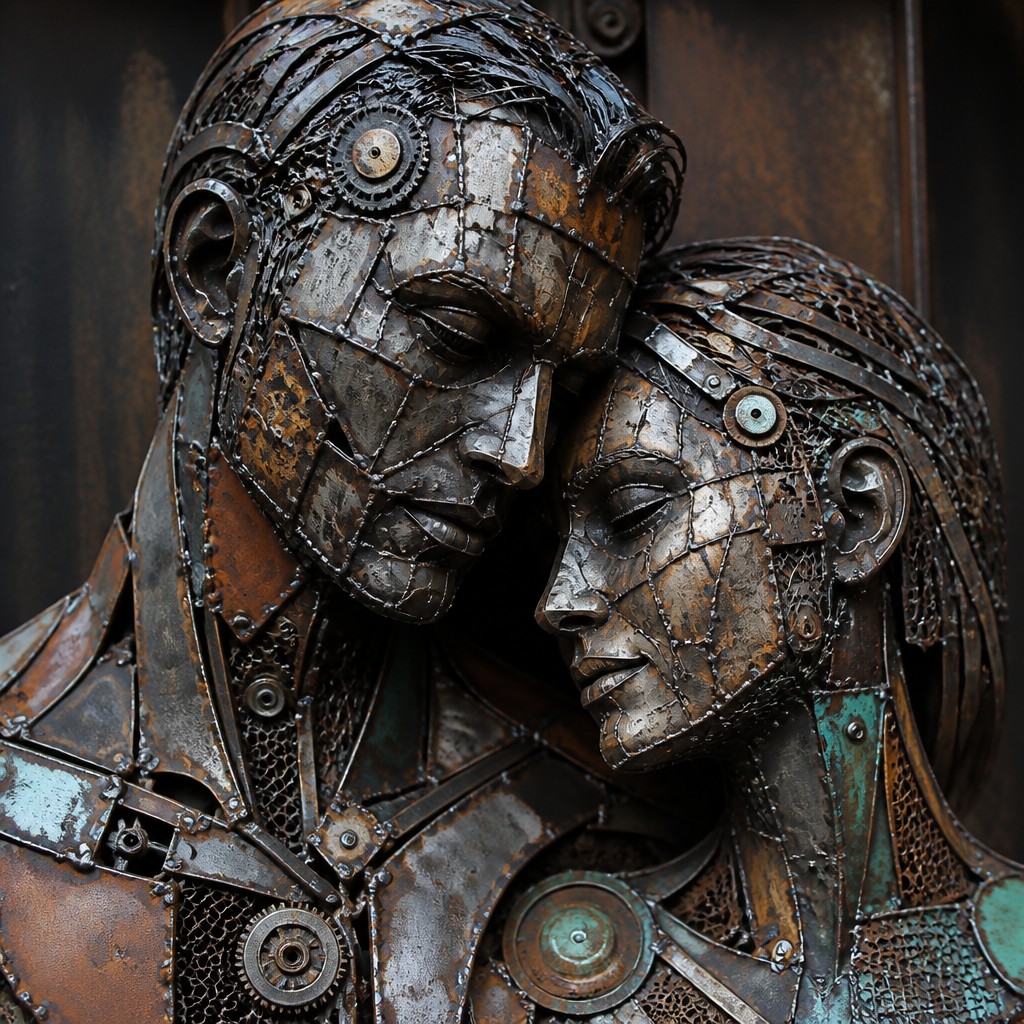
Try It On Your Photos
Upload any photo and convert it into Metal Assemblage Sculpture Art Style — drag the sliders to compare before and after.
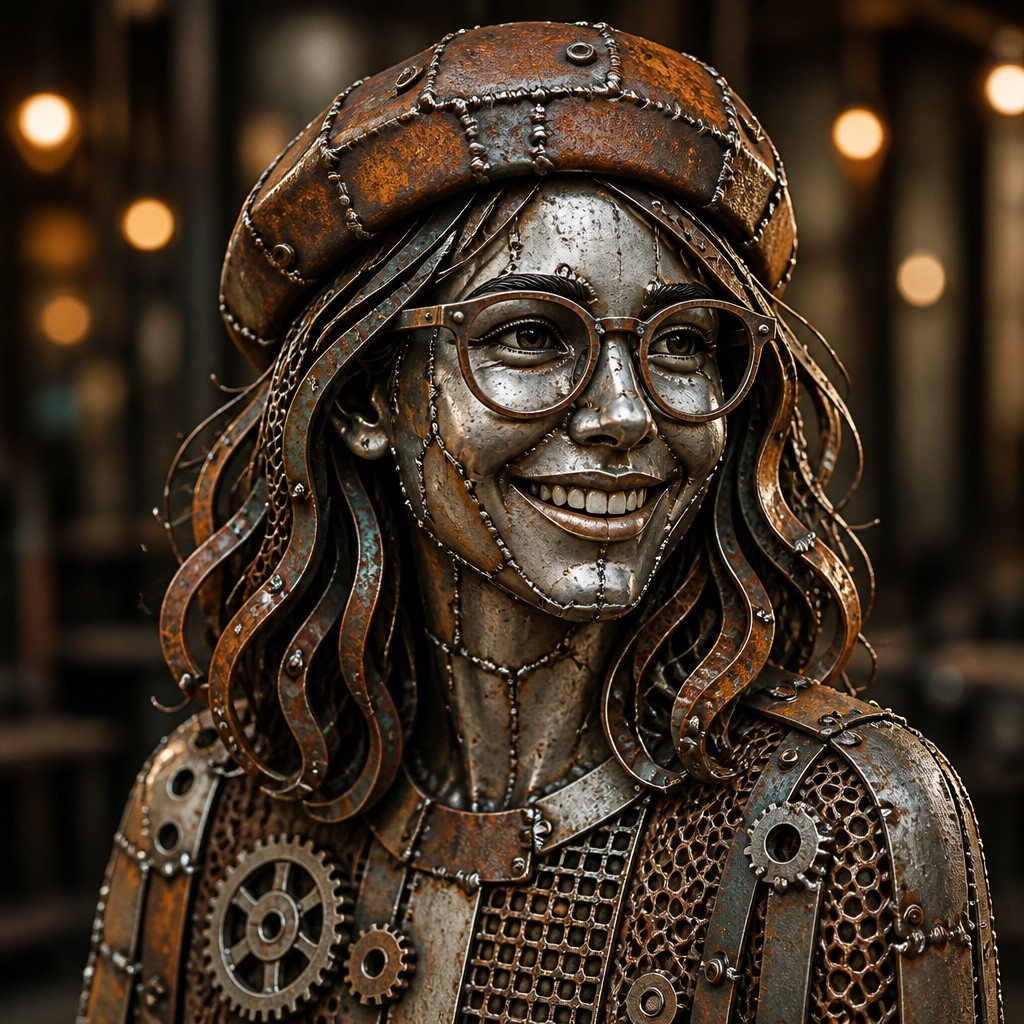

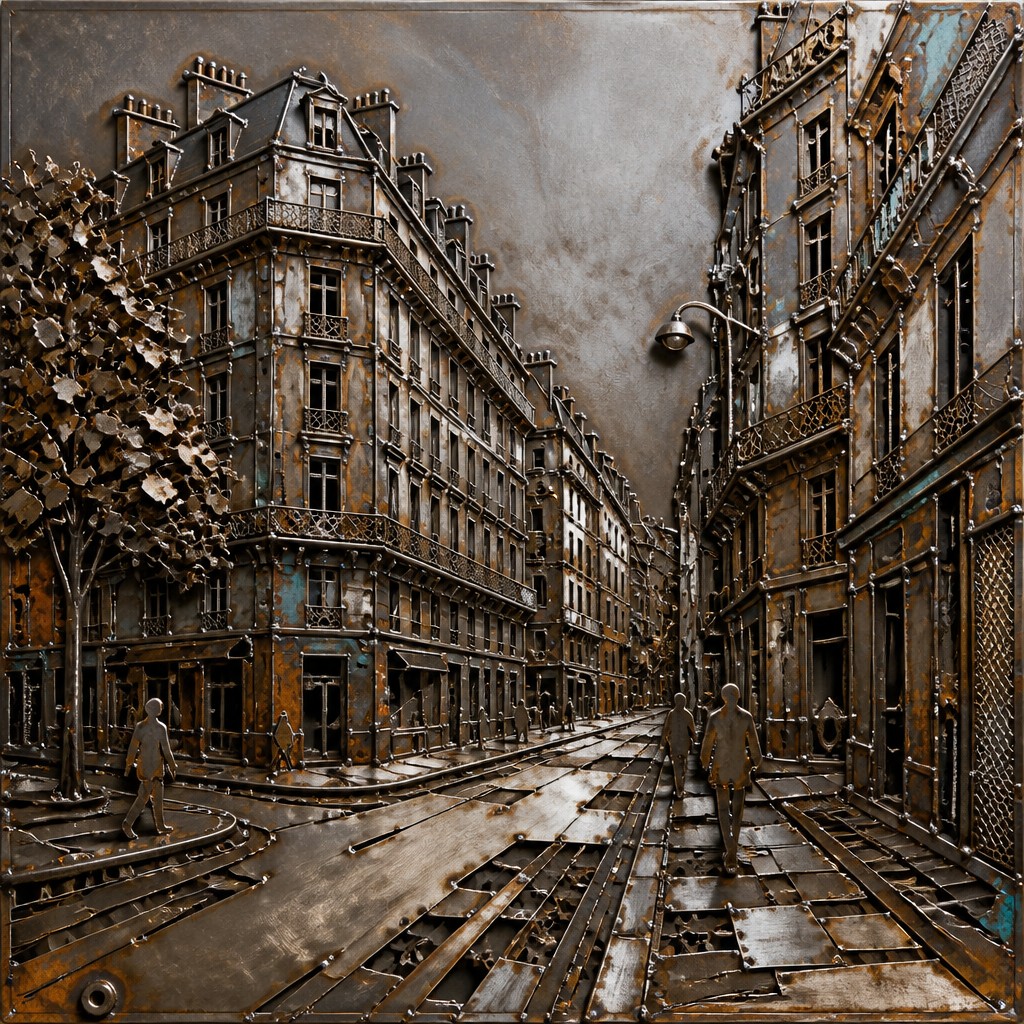

What Defines Metal Assemblage Sculpture Art Style
The signature details, up close
Visible fabrication
Weld seams, bolts, brackets, and rivets remain legible, turning construction itself into part of the artwork. The object often looks assembled rather than carved or cast.
Found industrial materials
Common components include sheet steel, rebar, wire mesh, gears, springs, pipes, chains, and machine parts. The use of salvaged hardware gives the sculpture a repurposed, utilitarian character.
Weathered surfaces
Rust patina, oxidation, soot, and abrasion create a layered surface history. Artists often contrast corroded zones with polished or brushed areas to heighten material drama.
Mechanical vocabulary
The forms often suggest engines, tools, frameworks, or hybrid machine-organic structures. Even when abstract, the components evoke industrial systems and engineered function.
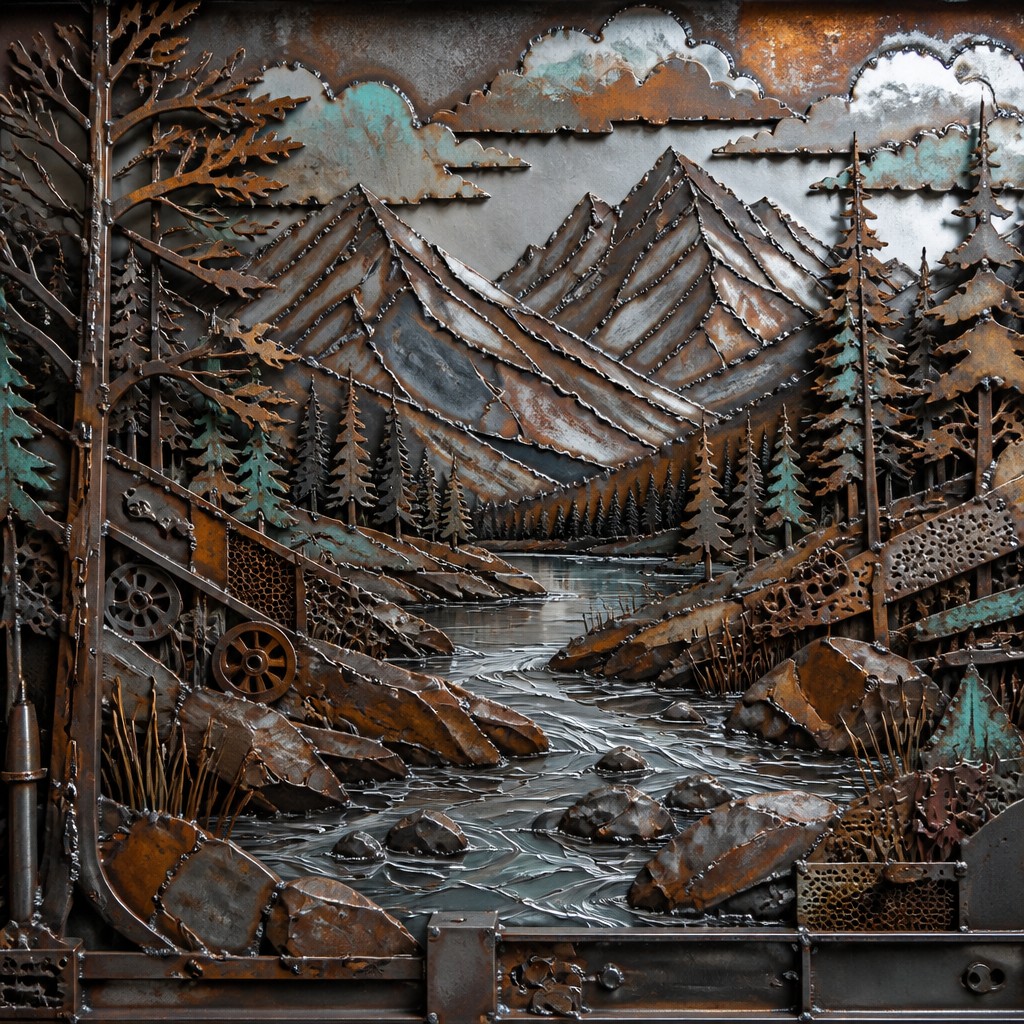
Open structure and negative space
Unlike solid carved sculpture, assemblage often leaves voids between parts. These openings cast strong shadows and make the work feel airy, skeletal, or architectural.
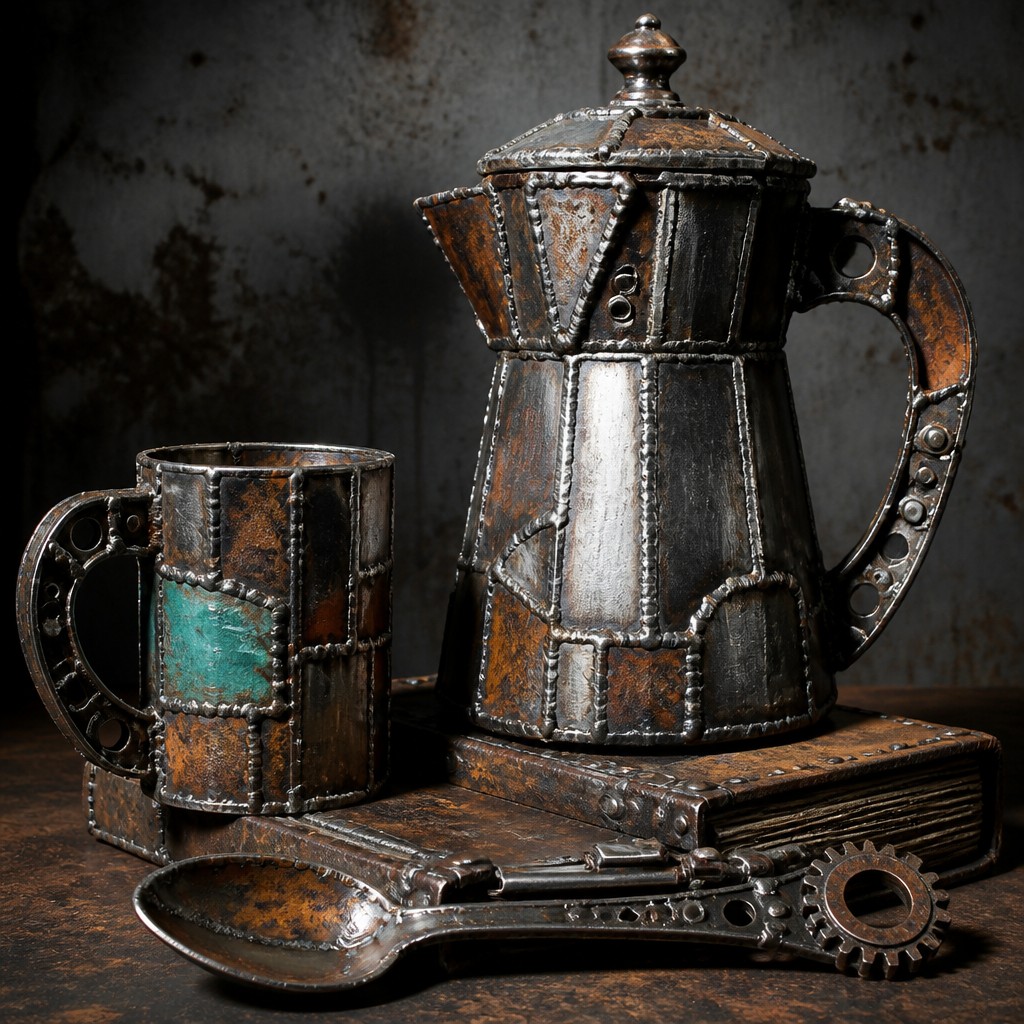
Color from material aging
The palette is usually dominated by iron gray, charcoal, brown rust, and copper green. Any color tends to come from patina, heat treatment, or the original finish of the salvaged pieces.
Try It
Create Videos in Metal Assemblage Sculpture Art Style
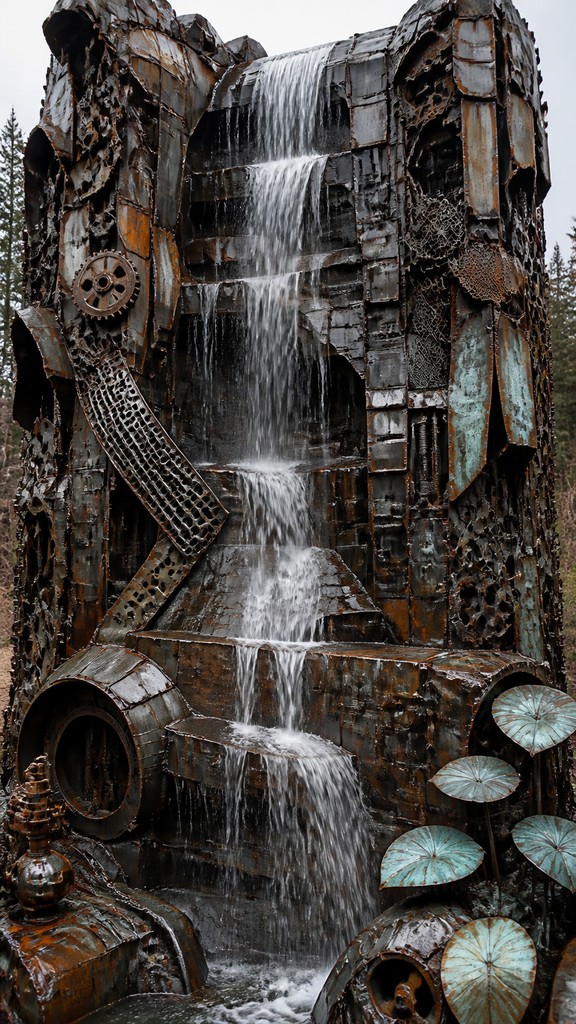
Styles aren't just for stills — describe a scene or animate an image and get a short video rendered in Metal Assemblage Sculpture. Press play to see this pond come to life.
Make a VideoMetal Assemblage Sculpture Prompt Ideas
Start from an idea — each one opens the generator with the style ready to go. See all 40 Metal Assemblage Sculpture prompts →
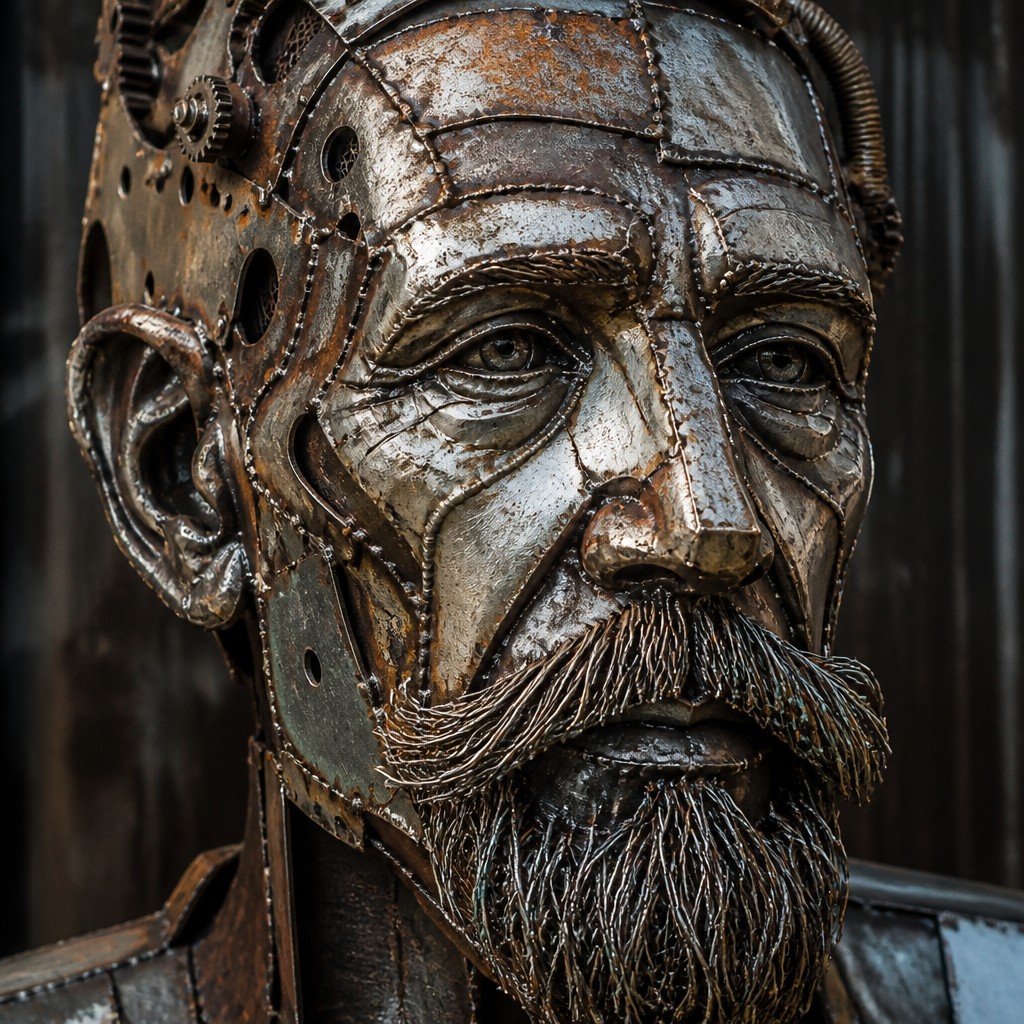
“close-up portrait of an elderly person with expressive weathered features”
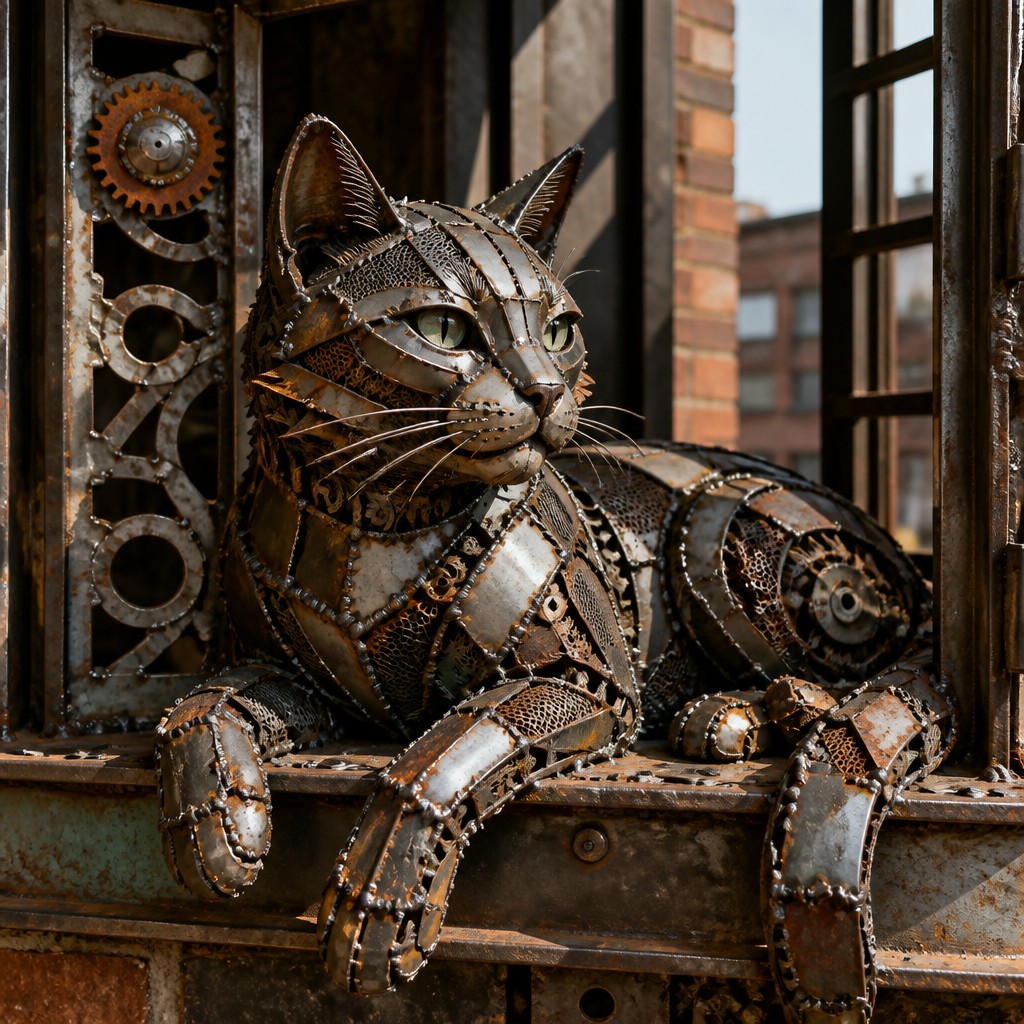
“a cat lounging in a sunlit window”
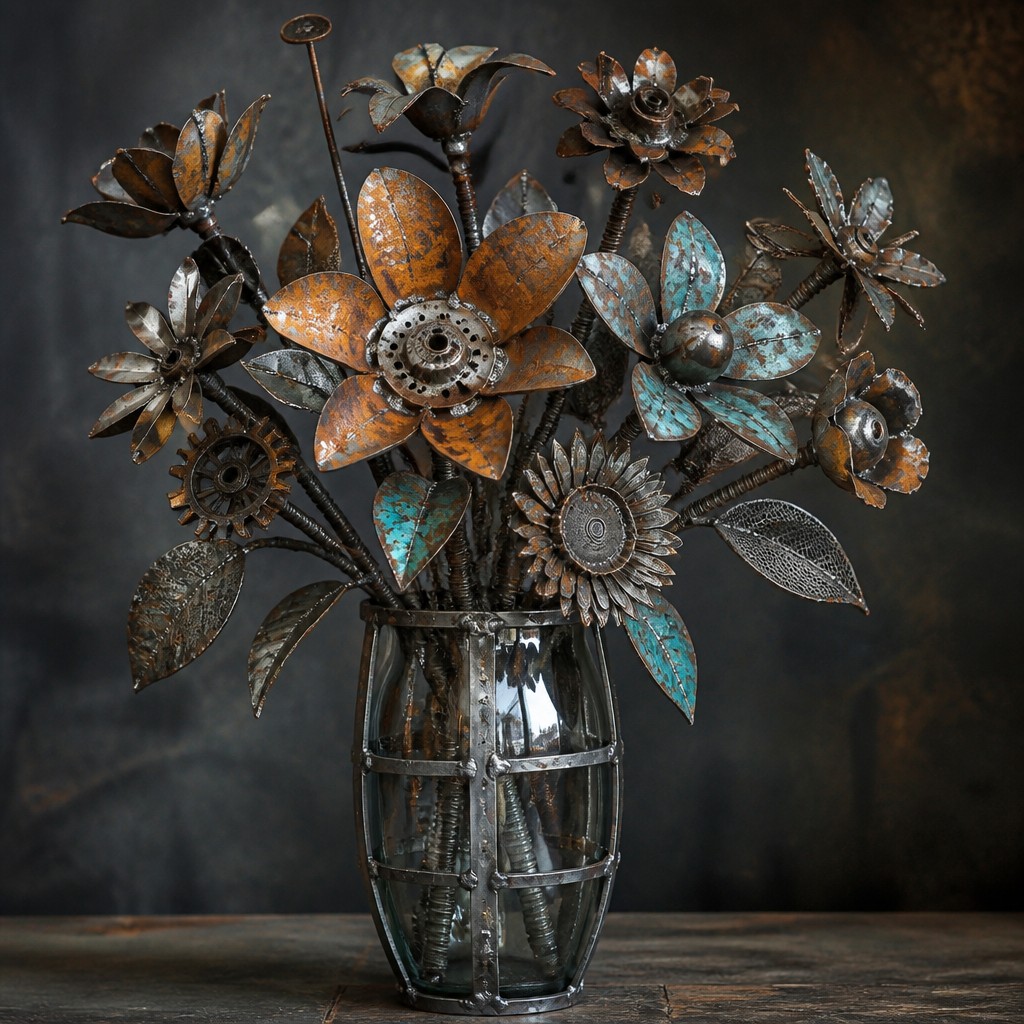
“bouquet of flowers in a glass vase”
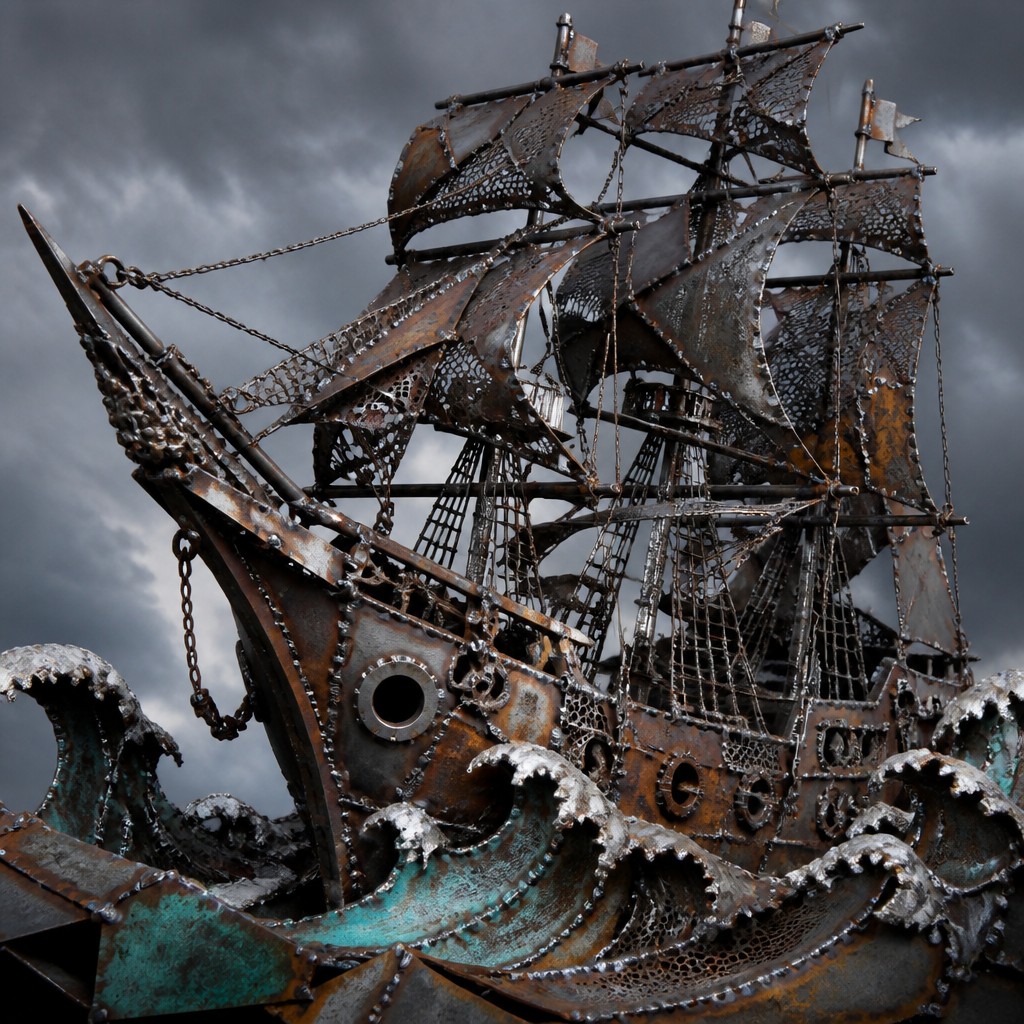
“sailing ship on a stormy sea”
How to Create Metal Assemblage Sculpture Art
Master the craft step by step — or skip straight to creating. Read the full guide →
- 1
Build around the material, not against it
Select metal fragments with strong shapes, textures, and histories, then compose them so their existing forms remain readable. In traditional work, sketch the silhouette first and then test how pipes, plates, gears, and mesh can interlock.
- 2
Make joins part of the design
Use welds, bolts, and brackets as visible structural features rather than hiding them. The rhythm of seams and fasteners should reinforce the silhouette and help the viewer read how the object was made.
- 3
Balance roughness with contrast
Pair corroded or blackened surfaces with areas of polished steel, brushed metal, or copper patina. This contrast keeps the sculpture visually legible and adds depth to the material story.
- 4
Compose with voids and light
Leave openings between components so light can pass through and cast expressive shadows. In studio lighting or image-making, side light and hard shadows emphasize the object’s layered construction.
- 5
Translate the same logic into digital or prompt-based work
For digital creation, model the object as if each part were a separate salvaged component with distinct surface wear, then unify it with rust, weld marks, and industrial texture overlays. In text prompts, specify welded metal assembly, visible seams, rust patina, mixed industrial parts, and open negative space to keep the result grounded in the style.

The Story
History & Origins of Metal Assemblage Sculpture
Metal assemblage has roots in 20th-century sculpture, especially assemblage, readymade practices, and postwar welded-metal sculpture. Artists working with industrial salvage and construction methods treated discarded materials not simply as raw matter but as carriers of social and historical meaning, extending earlier experiments in collage and object-based art into three dimensions.
Its aesthetic lineage also draws from industrial design, machine-age imagery, junk art, and later environmental and postindustrial sensibilities. Because the style is based on reuse, repair, and recombination rather than on a single historical school, it is best understood as a material and visual tradition that connects modern sculpture, fabrication craft, and contemporary maker culture.
Influences: Metal assemblage is related to assemblage art, readymade traditions, and welded sculpture, with conceptual overlap in the work of leading Cubist and proto-conceptual innovators as precedents for object-based recontextualization, though not in the metal-fabrication sense. In sculpture, it connects most clearly to mid- and late-20th-century welded and constructed practices associated with major postwar American metal sculptors and prominent Basque sculptors, while also drawing from junk art, industrial design, and contemporary reuse aesthetics.
Frequently Asked Questions
What defines metal assemblage sculpture?
It is sculpture made by combining separate metal objects or scraps into a new form, with the joins left visible. The style is defined by industrial materials, welded construction, and the expressive use of rust, patina, and mechanical parts.
How is it different from abstract metal sculpture?
Abstract metal sculpture may use fabrication techniques, but metal assemblage specifically emphasizes found or repurposed parts and the history of those materials. Assemblage usually reads as composed from existing objects, not as a purely fabricated form from raw stock.
Is rust part of the style or something to avoid?
Rust is often an important visual feature because it signals age, salvage, and material weathering. Depending on the artist’s intent, it may be stabilized and preserved, or contrasted with cleaner surfaces for balance.
What kinds of subjects work best in this style?
Figurative forms, animals, robots, vehicles, and abstract constructions all work well because metal components can suggest bones, armor, machinery, or architectural frames. The style is especially effective when the subject can be reimagined through hard edges and structural parts.
What tools are commonly used to make it traditionally?
Artists often use welding equipment, grinders, torches, clamps, drills, and cutting tools, along with safety gear. The process may also involve bolting, riveting, bending, and surface finishing to control texture and stability.
Where is metal assemblage sculpture commonly used?
It appears in gallery sculpture, public art, garden installations, commemorative works, and design objects. Its industrial look also makes it popular for concept art, album imagery, and other contexts that want a handmade mechanical aesthetic.
Create your first Metal Assemblage Sculpture artwork
Describe anything — or upload a photo — and see it in Metal Assemblage Sculpture Art Style in seconds.
Make Something with Metal Assemblage Sculpture
Compare Metal Assemblage Sculpture
Related Styles
Discover similar art styles