Modern Abstract Sculpture vs Metal Assemblage Sculpture: What's the Difference?
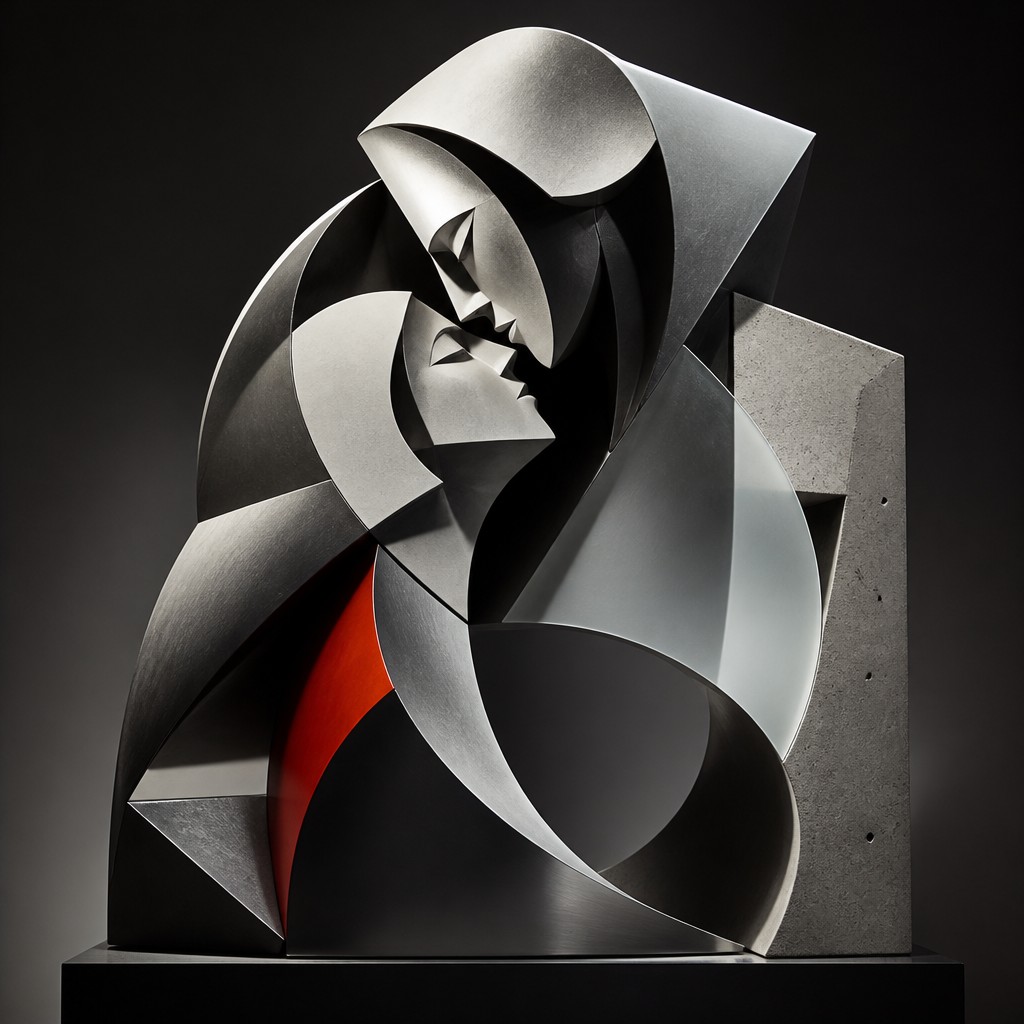
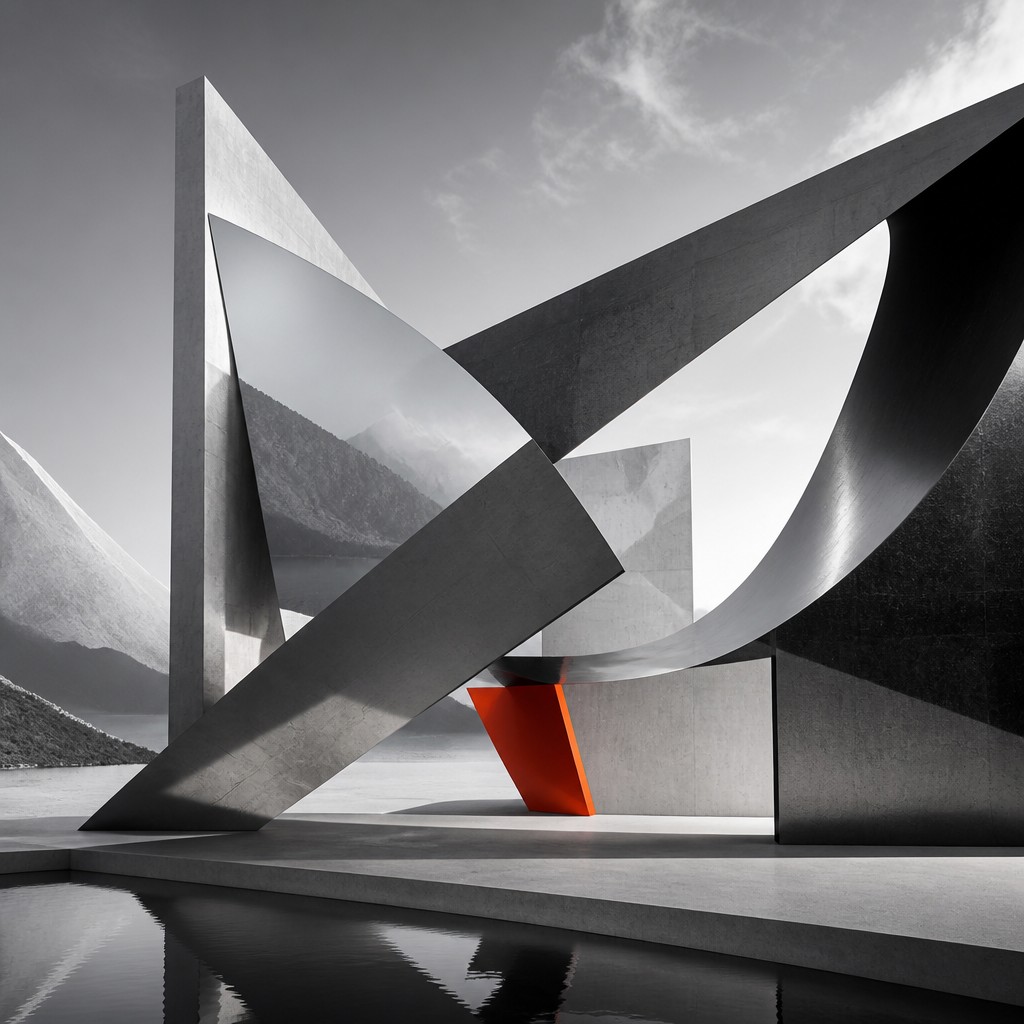
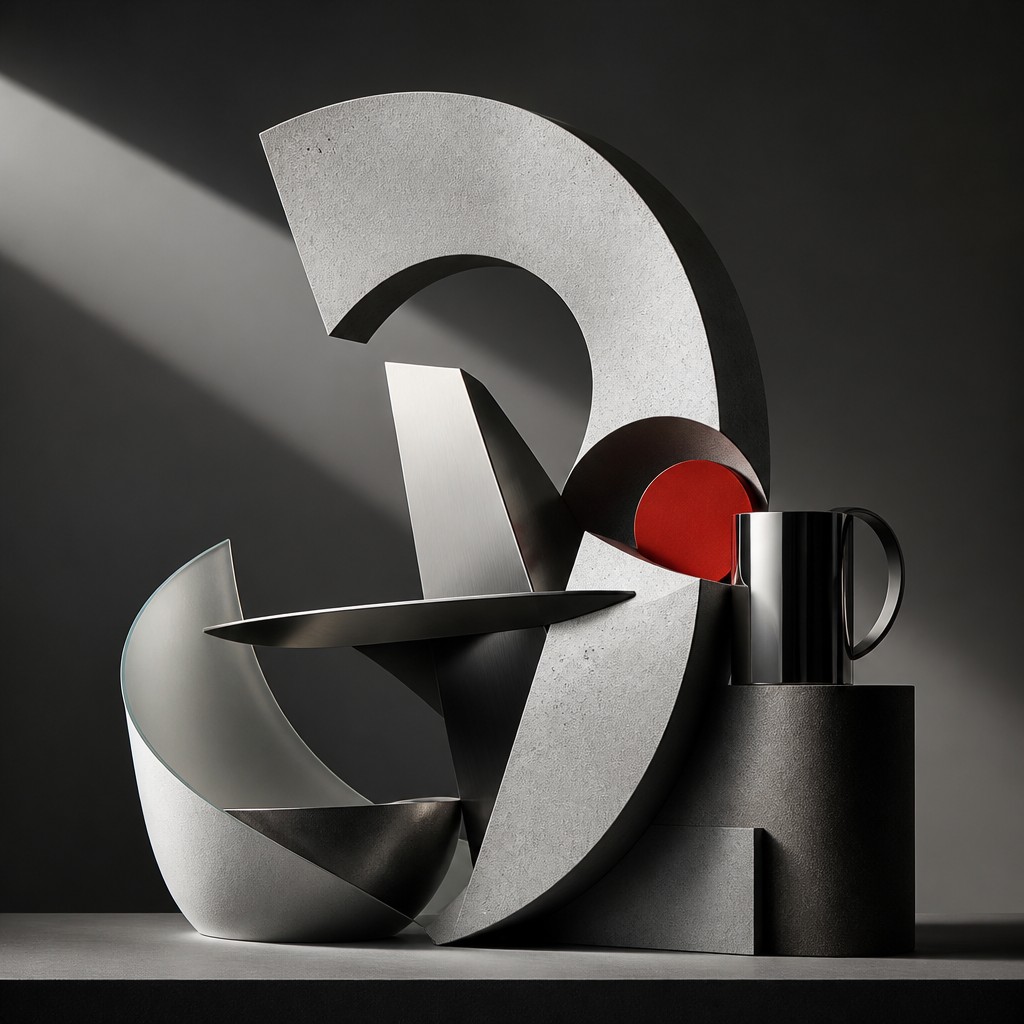
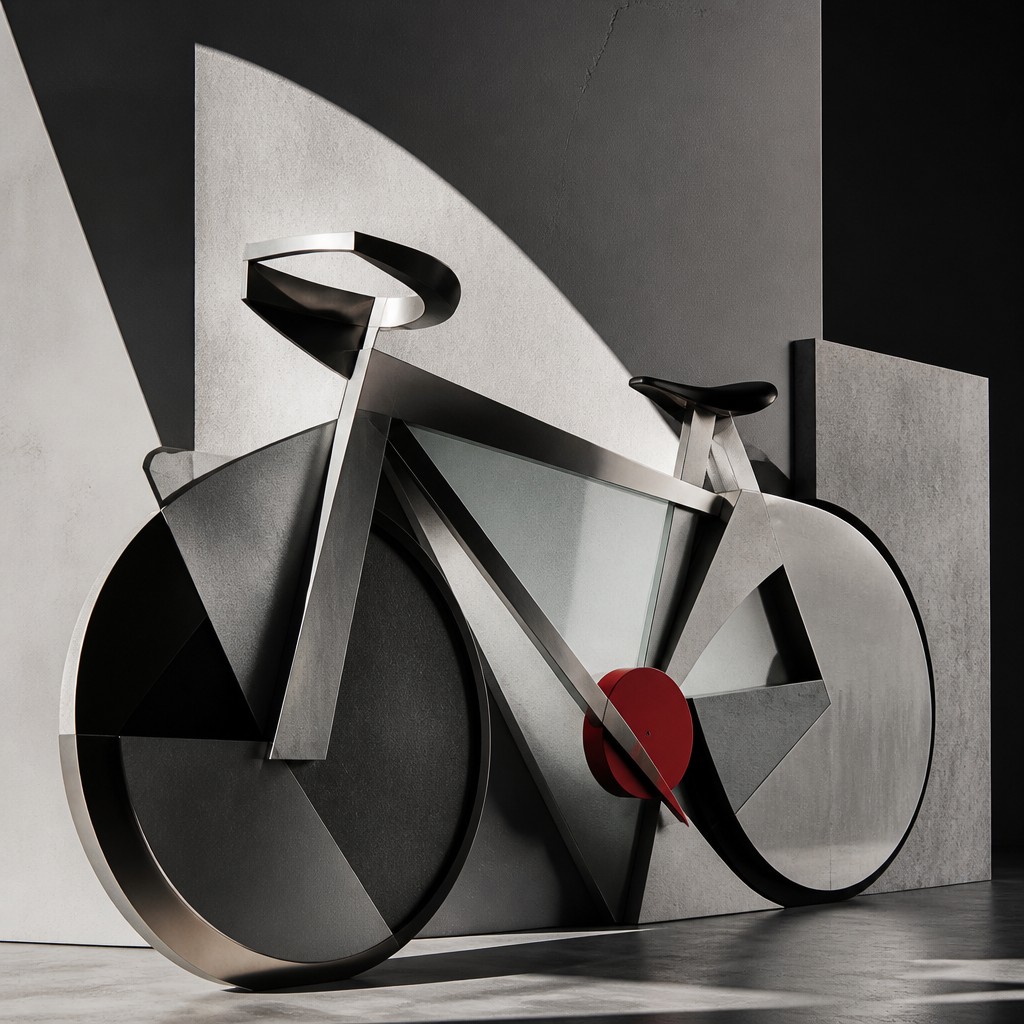
Modern abstract sculpture uses simplified geometry, carefully balanced negative space, and bold materials to create clean, contemporary forms. It often feels intentional, minimal, and refined, with an emphasis on silhouette, proportion, and visual calm.
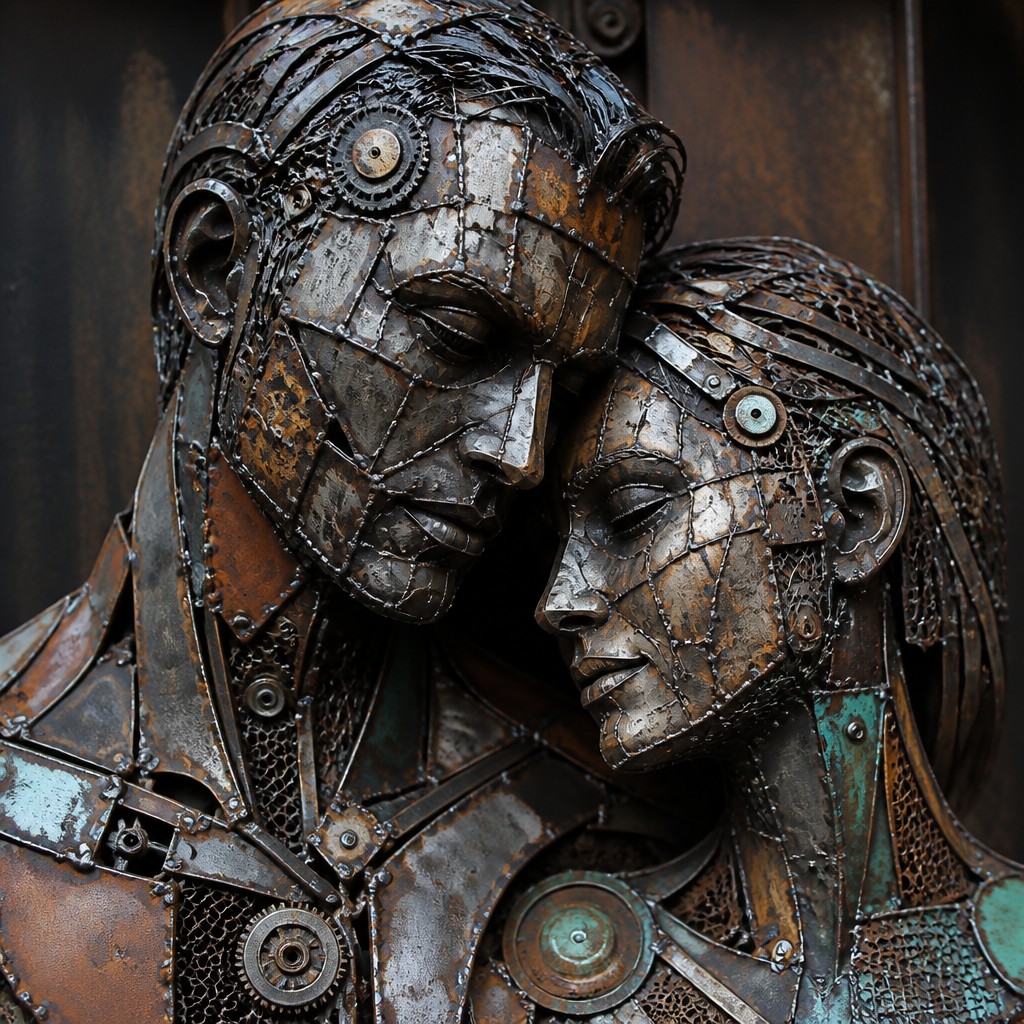
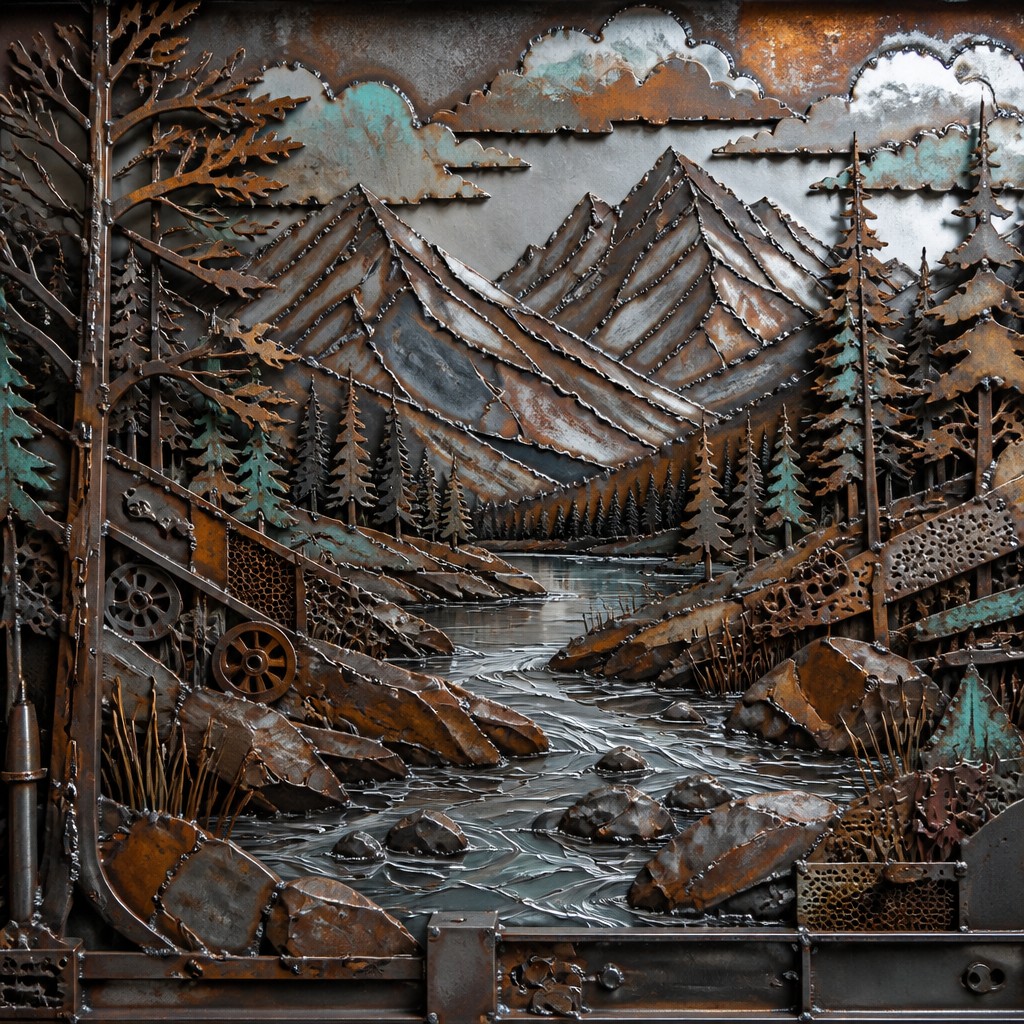
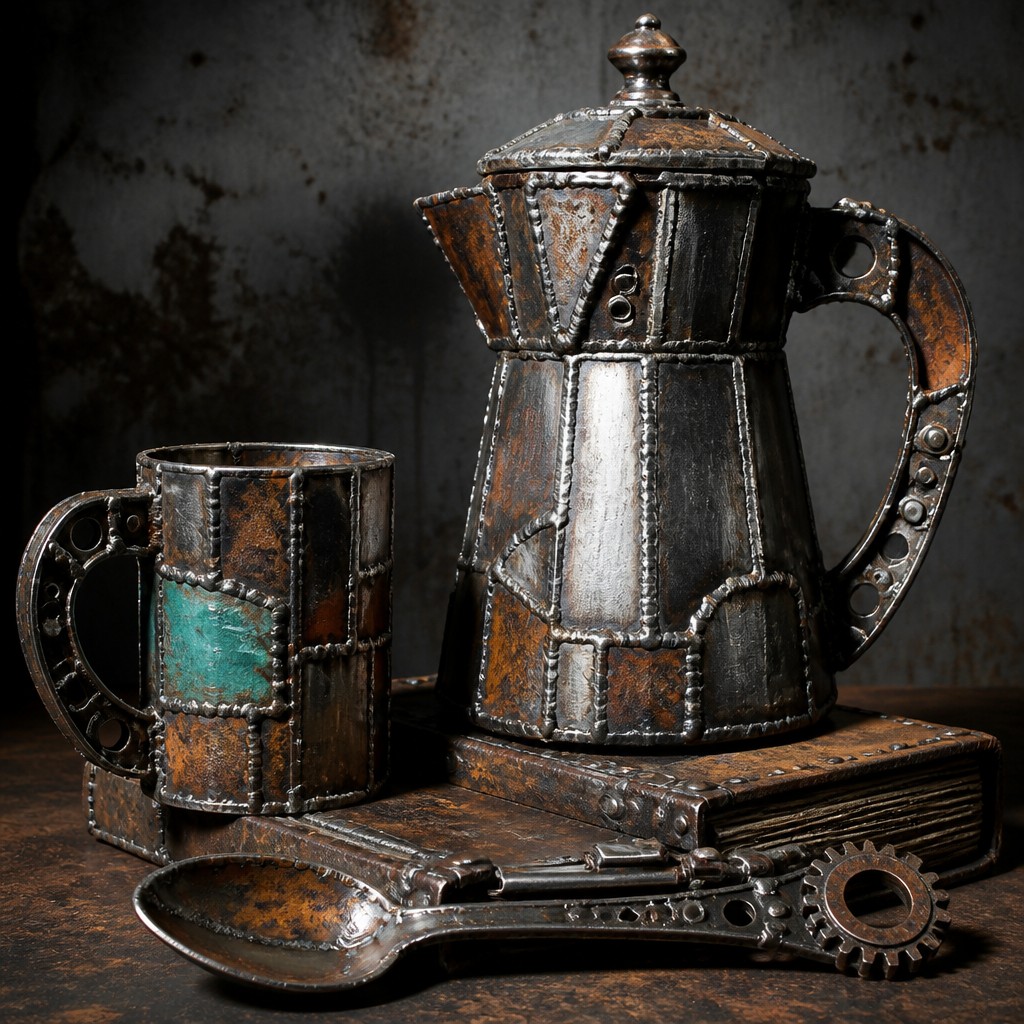
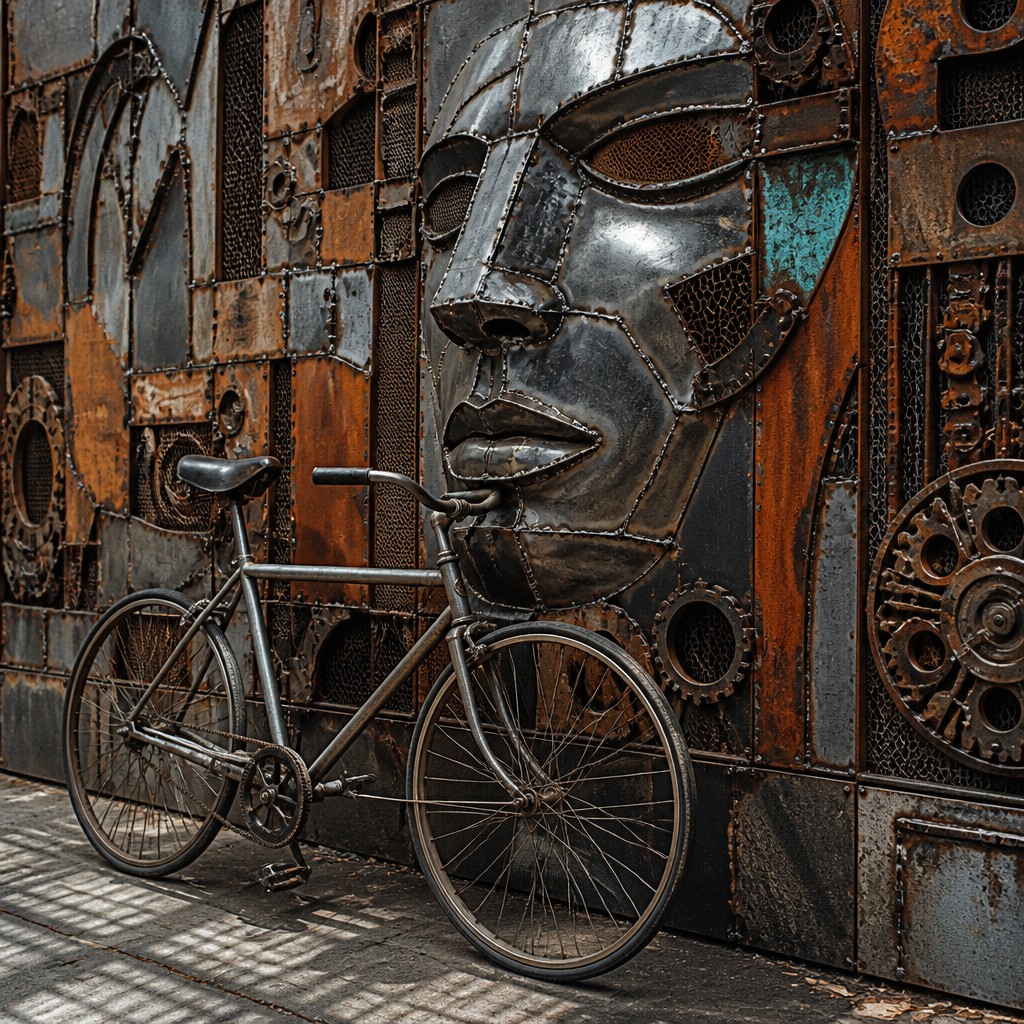
Metal assemblage sculpture uses found or fabricated metal parts, visible welds, rust, gears, bolts, and layered industrial textures to build dramatic forms. People compare the two because both are three-dimensional and abstract, but they differ strongly in finish, material character, and emotional tone.
Same Prompt, Both Styles
Each pair below was generated from the identical prompt — only the style changed.
“portrait of two people together”
“wide landscape with natural scenery”
“still life with everyday objects”
“bicyle resting against a wall”
Key Differences
| Modern Abstract Sculpture | Metal Assemblage Sculpture | |
|---|---|---|
| Line & form | Clean, geometric, and intentionally simplified. | Rougher, layered, and built from irregular industrial parts. |
| Surface | Smooth, polished, or uniformly finished. | Textured, weathered, welded, and visibly worn. |
| Materials | Uses bold, often refined materials with a gallery-ready look. | Uses found metal, scrap, and machine components. |
| Visual structure | Relies on negative space and balanced mass. | Relies on accumulation, seams, and mechanical detail. |
| Mood | Calm, contemporary, and minimalist. | Industrial, rugged, and dramatic. |
| Finish & patina | Controlled finishes with little visible aging. | Rust patina and oxidation are often part of the aesthetic. |
| Mood | thoughtful, architectural, contemplative, austere | gritty, industrial, inventive, weathered, resourceful |
| Energy | balanced | balanced |
| Detail level | moderate | detailed |
| Color | neutral tones with occasional bold accents | rust browns, charcoal, steel gray, muted oxidation |
| Texture | smooth, matte, and varied material surfaces | welded, rough, corroded, layered, rigid |
| Origin | 20th-century Europe and North America | 20th-century industrial salvage, sculptural assemblage |
| Best for | museum branding, editorial covers, public installation mockups, posters, album covers, architectural visuals | gallery sculptures, public installations, concept art, album covers, industrial-themed posters, prop design |
| Difficulty | advanced | advanced |
Which Should You Choose?
Pick Modern Abstract Sculpture if you want a clean, polished look that emphasizes shape, proportion, and negative space in contemporary interiors or public settings. Pick Metal Assemblage Sculpture if you want strong texture, industrial character, and a more visceral, weathered presence. Choose A for minimal elegance and spatial clarity; choose B for raw energy, material history, and dramatic surface detail.
Frequently Asked Questions
Are both styles considered abstract sculpture?
Yes. Both styles are typically non-representational or loosely representational, focusing on form, material, and spatial relationships rather than realistic subjects.
Which style looks more modern and minimal?
Modern Abstract Sculpture usually looks more minimal because it uses clean geometry, restrained surfaces, and open space. Metal Assemblage Sculpture can be contemporary too, but it is usually more visually busy and industrial.
Which style is better for outdoor display?
Both can work outdoors if the materials and finishes are suitable. Metal Assemblage Sculpture often pairs naturally with outdoor settings, while Modern Abstract Sculpture may need more careful material selection and maintenance.
Do these styles use the same techniques?
They can overlap in fabrication methods like welding, cutting, and assembling. The difference is mainly in the visual language: one aims for refined abstraction, while the other highlights found materials and industrial texture.