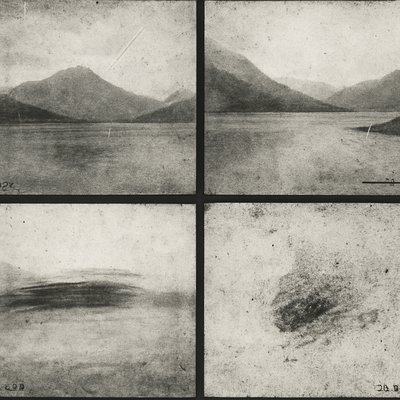
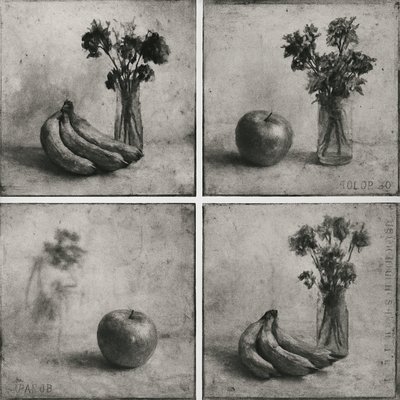
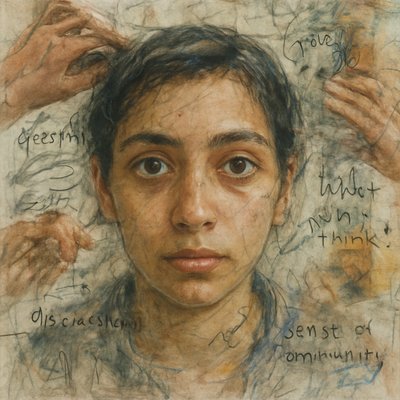
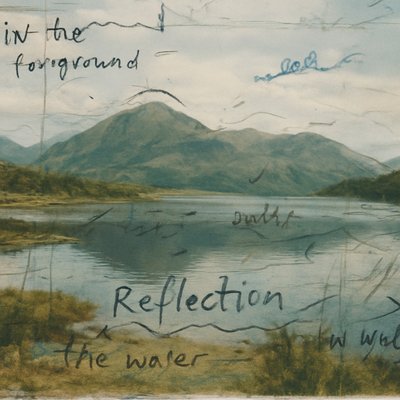
Installation Conceptual Art Style
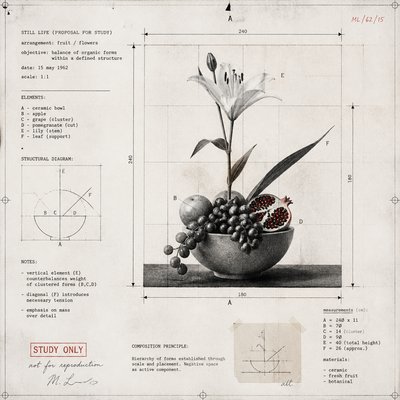
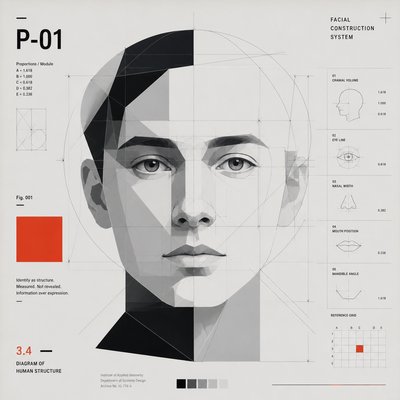
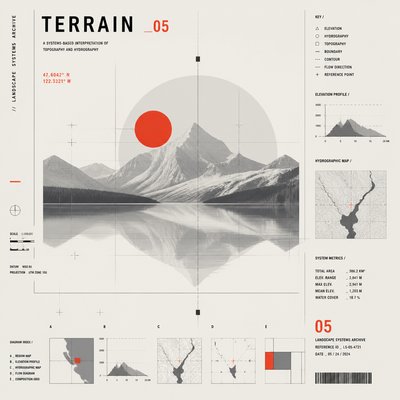
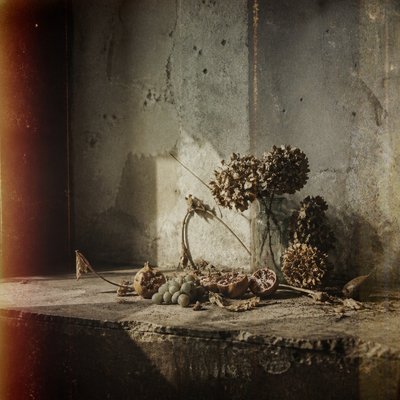
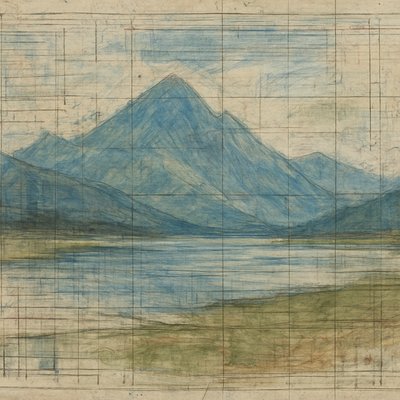
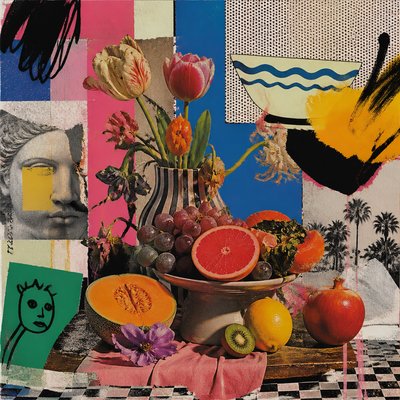
Immersive conceptual installations using found objects, spatial design, and environmental light to turn viewers into active participants.
Instantly rendered in Installation Conceptual — or transform a photo
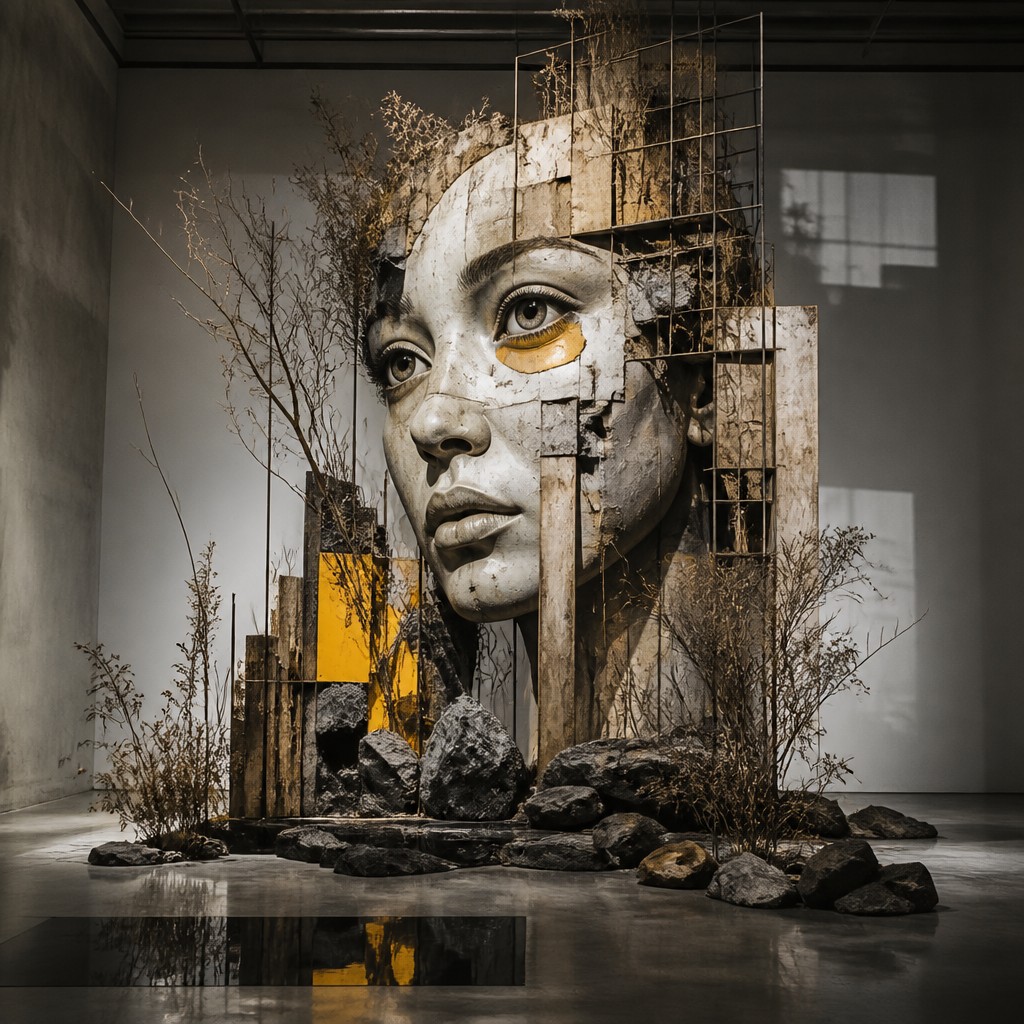
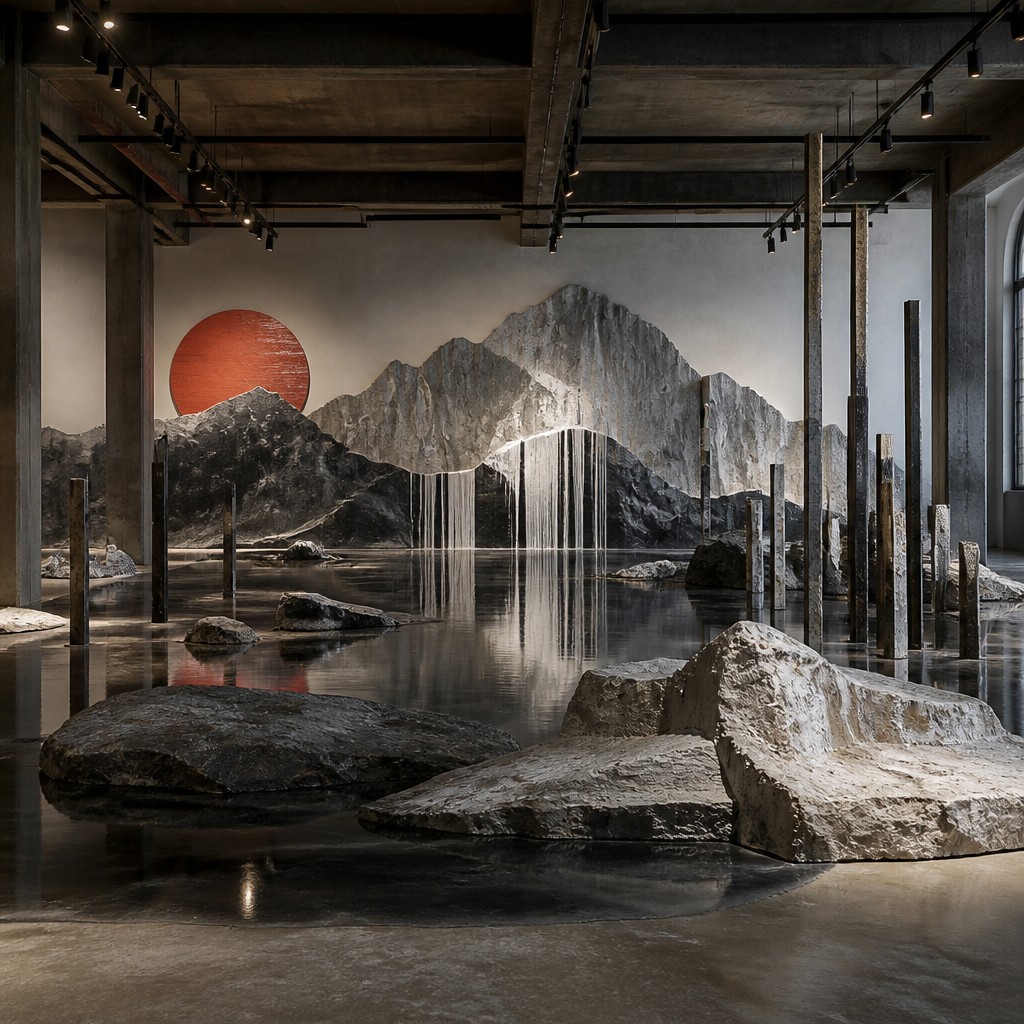
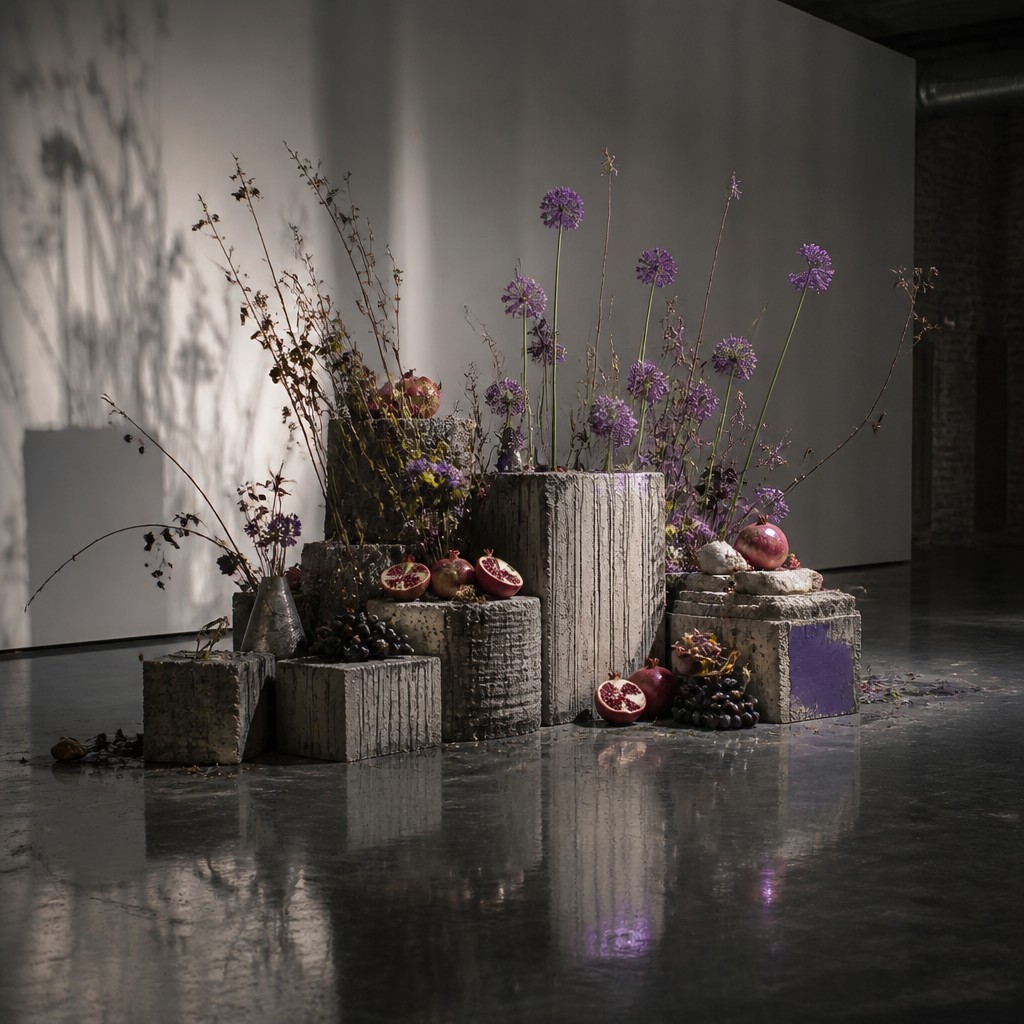
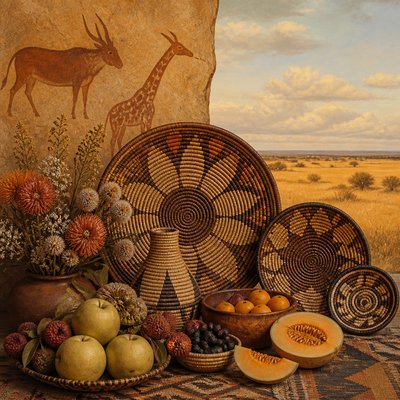
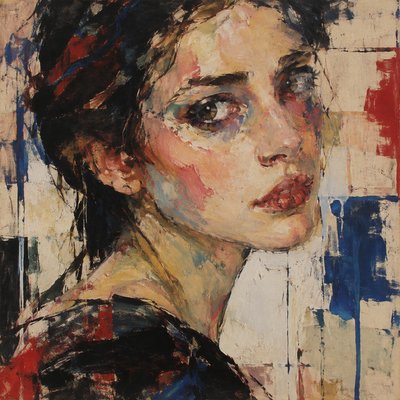
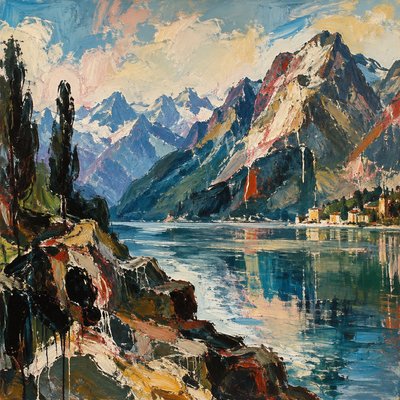
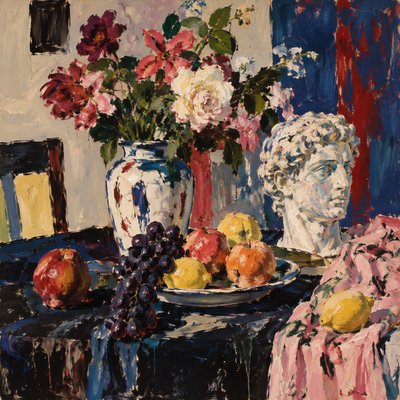
Installation Conceptual Gallery
Tap any artwork to explore it
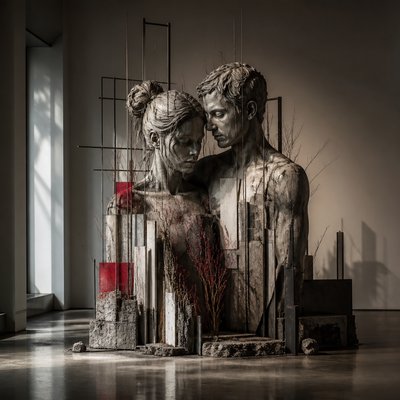
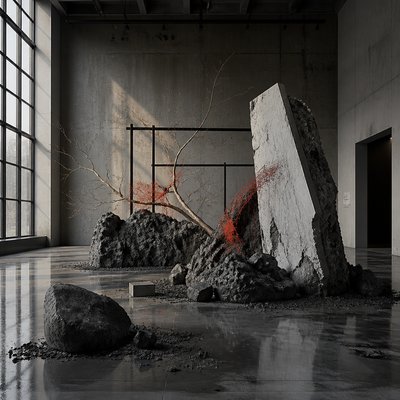
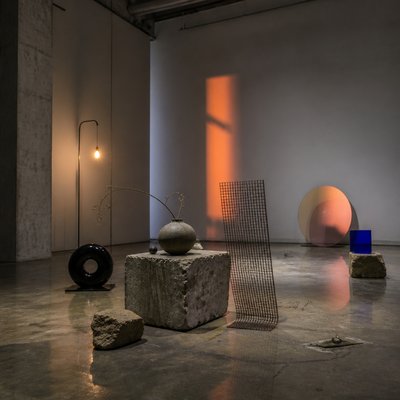
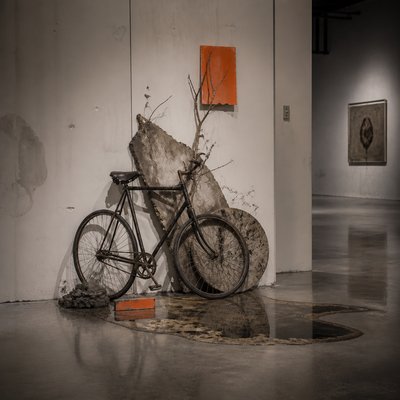
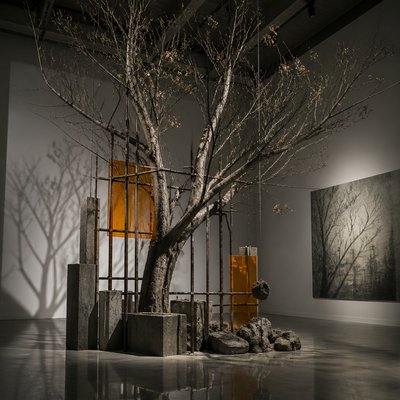
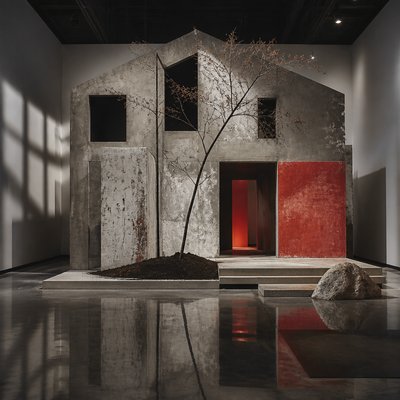
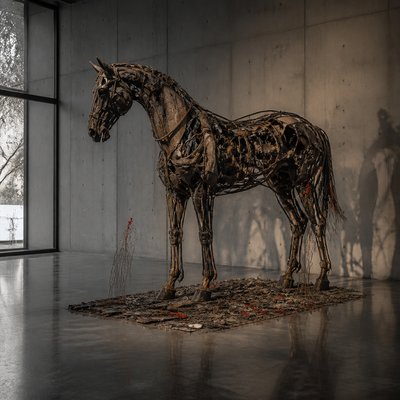
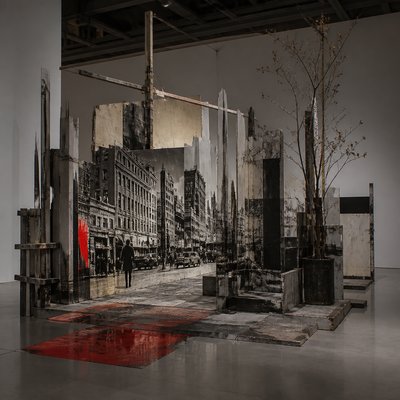
What is Installation Conceptual Art Style?
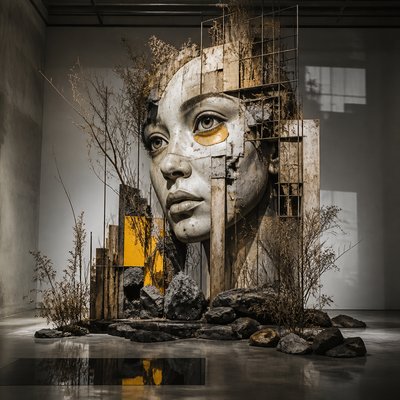
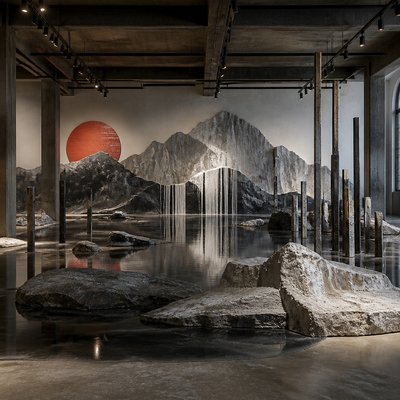
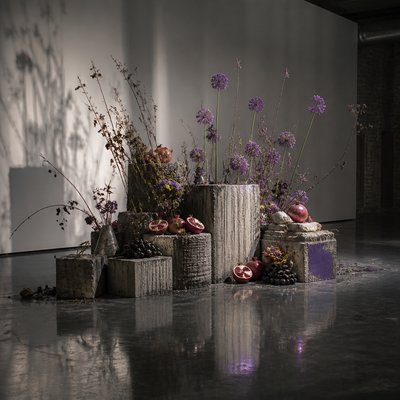
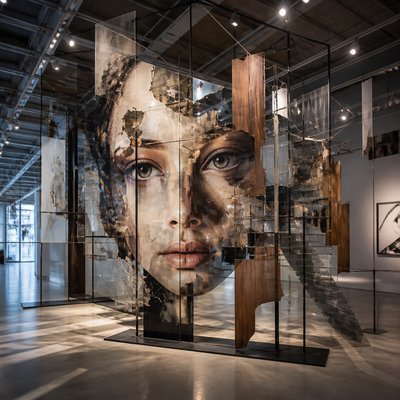
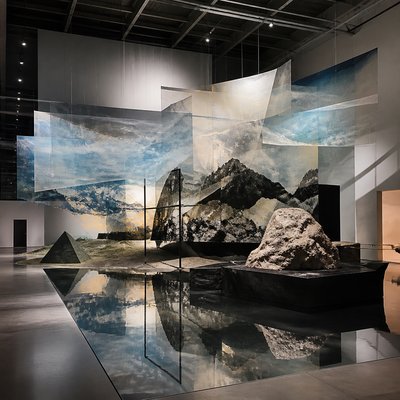
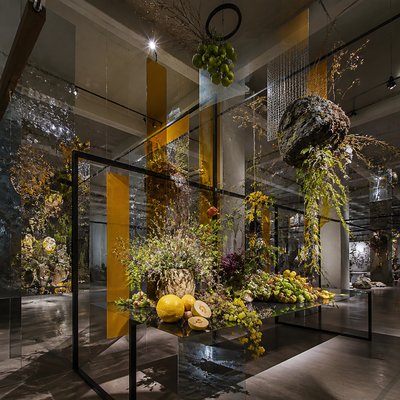
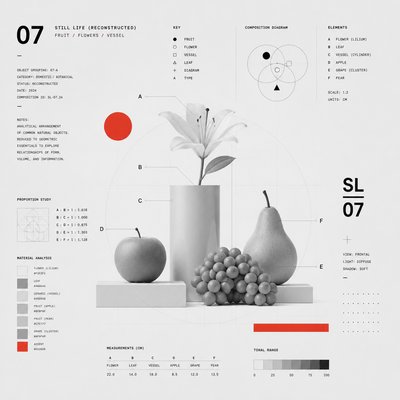
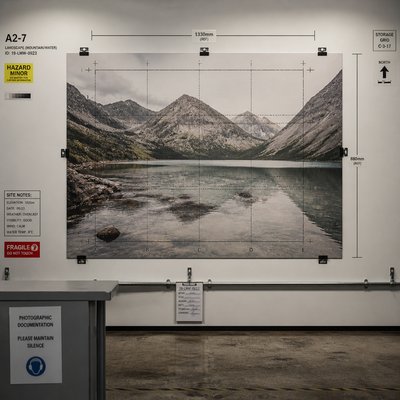
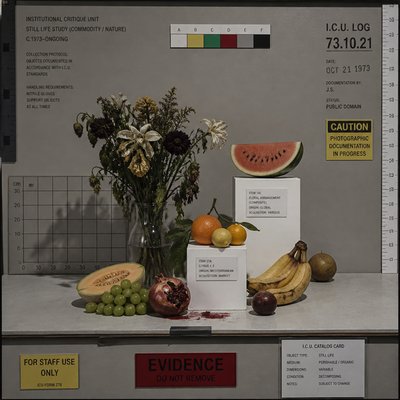
Installation conceptual art is an approach to making art in which the arrangement of objects, materials, light, and space carries the primary meaning. Instead of presenting a single framed image or isolated sculpture, it transforms an entire area into a site-specific encounter. The viewer does not simply look at the work; they move through it, encounter its scale, and piece together its ideas through bodily experience.
Its visual identity is defined by assemblage, environmental manipulation, and deliberate restraint. Raw industrial textures often sit beside organic forms, found materials, or simple architectural interventions, while negative space and shadow help organize perception. The result is frequently contemplative and provisional: a work that feels constructed, but also unstable or ephemeral, so that meaning emerges from the tension between material presence and conceptual intent.
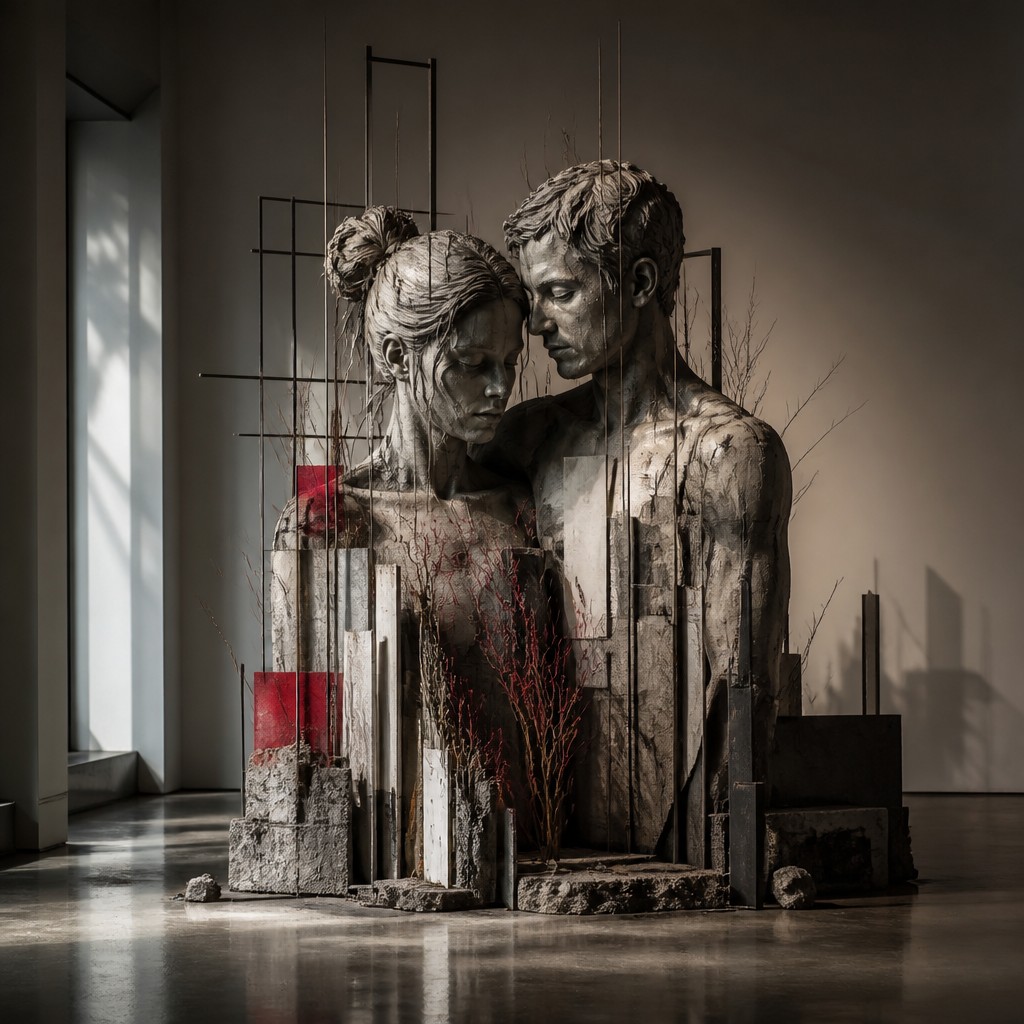
Try It On Your Photos
Upload any photo and convert it into Installation Conceptual Art Style — drag the sliders to compare before and after.
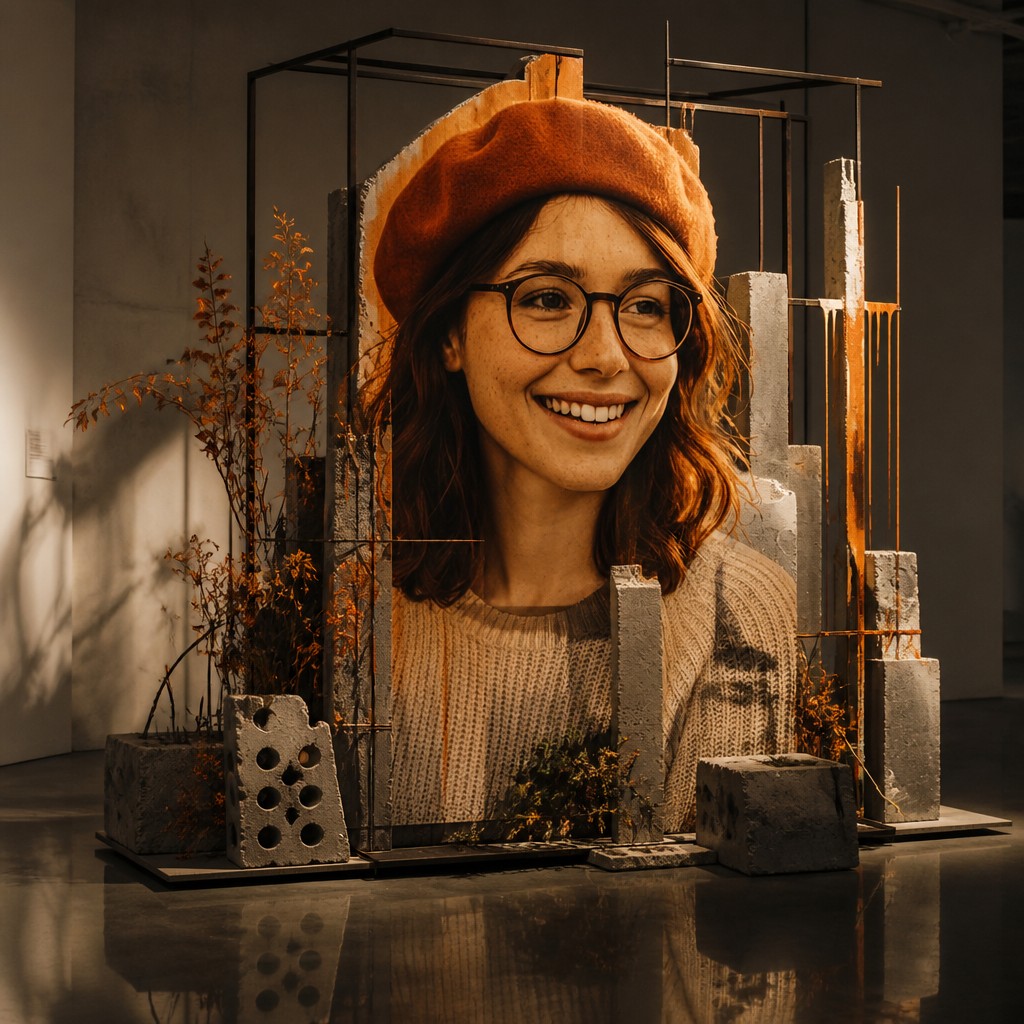

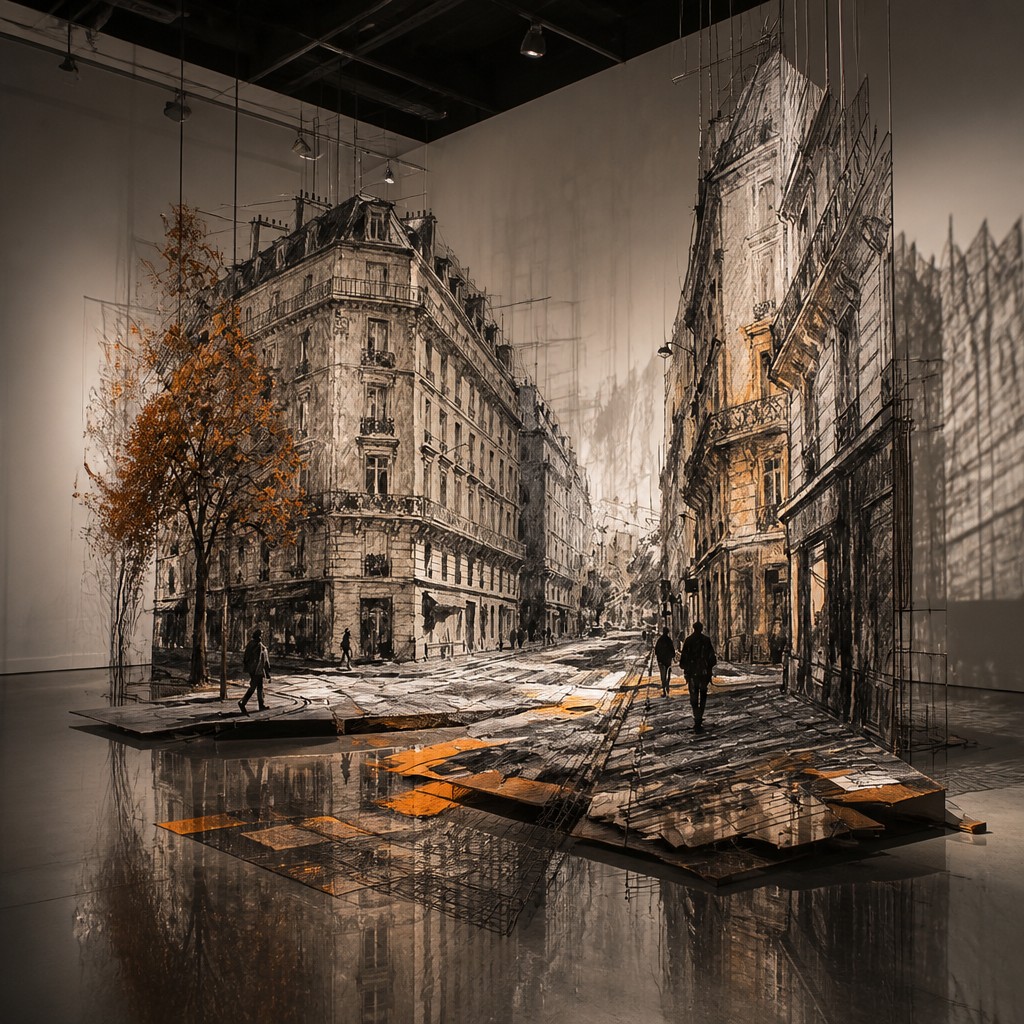

What Defines Installation Conceptual Art Style
The signature details, up close
Site-specific spatial composition
The work is designed for a particular room, exterior, or architectural condition rather than being interchangeable. Placement, circulation, and sightlines are part of the meaning.
Found and ordinary materials
Industrial objects, discarded items, timber, metal, fabric, glass, soil, or paper often appear with minimal alteration. Their everyday identity is retained so their context can shift conceptually.
Visible construction
Joints, supports, fasteners, wiring, and rough finishes are often left exposed. This material honesty emphasizes process, contingency, and the fact that the work is made rather than illusionistic.
Controlled negative space
Empty areas are treated as active compositional elements. Gaps, voids, and pauses guide movement and encourage reflection rather than visual overload.
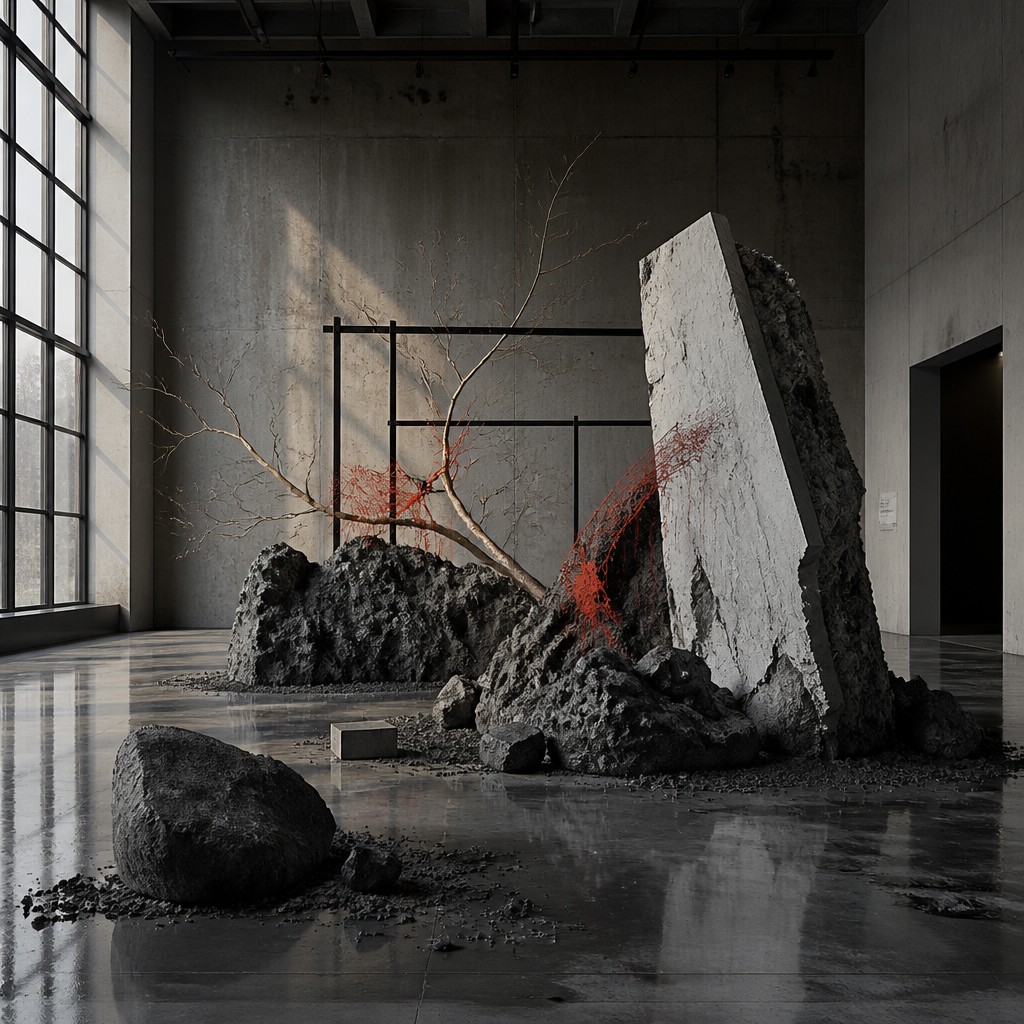
Light, shadow, and reflection as material
Ambient or shifting light alters scale, edge quality, and atmosphere. Reflections and cast shadows often function like secondary forms within the composition.
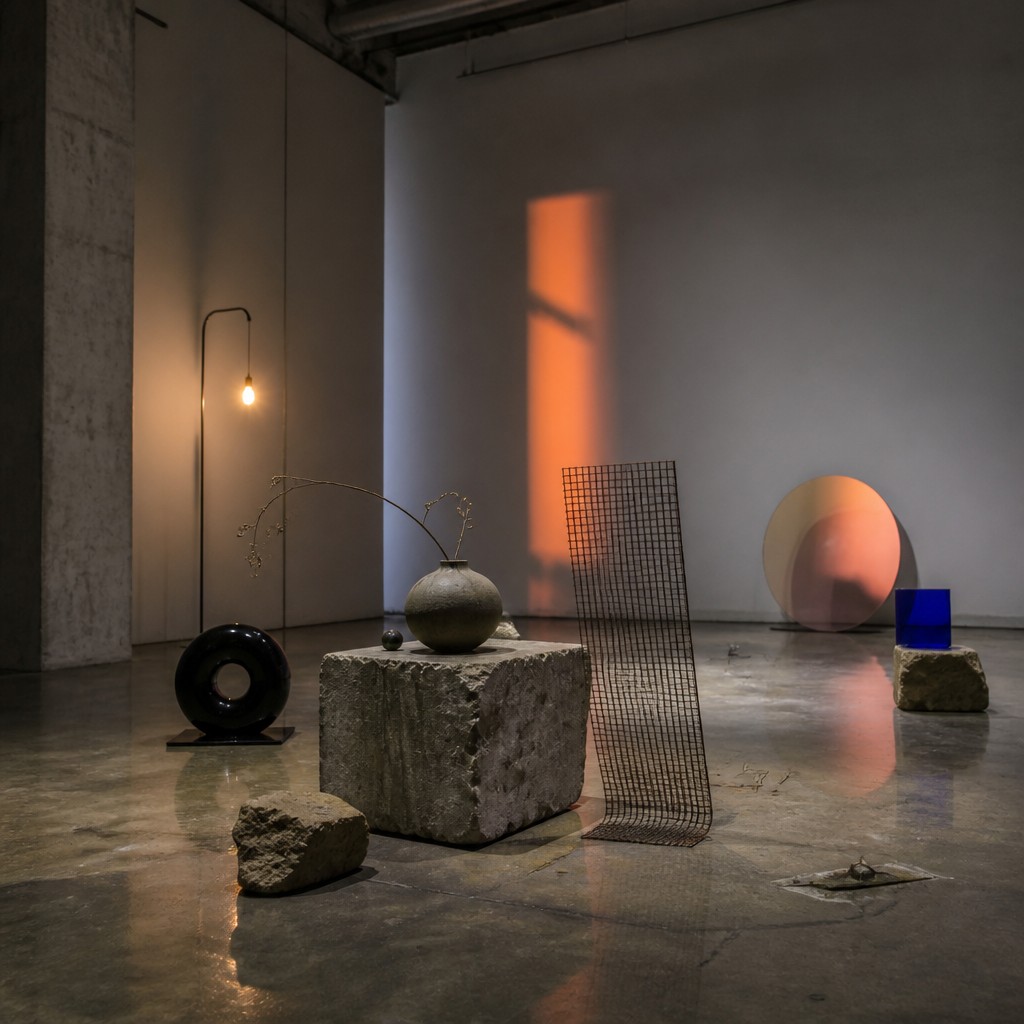
Monochrome base with selective accents
A restrained palette, often grays, whites, blacks, or earth tones, creates cohesion and conceptual seriousness. Small color interventions are used sparingly to direct attention or introduce tension.
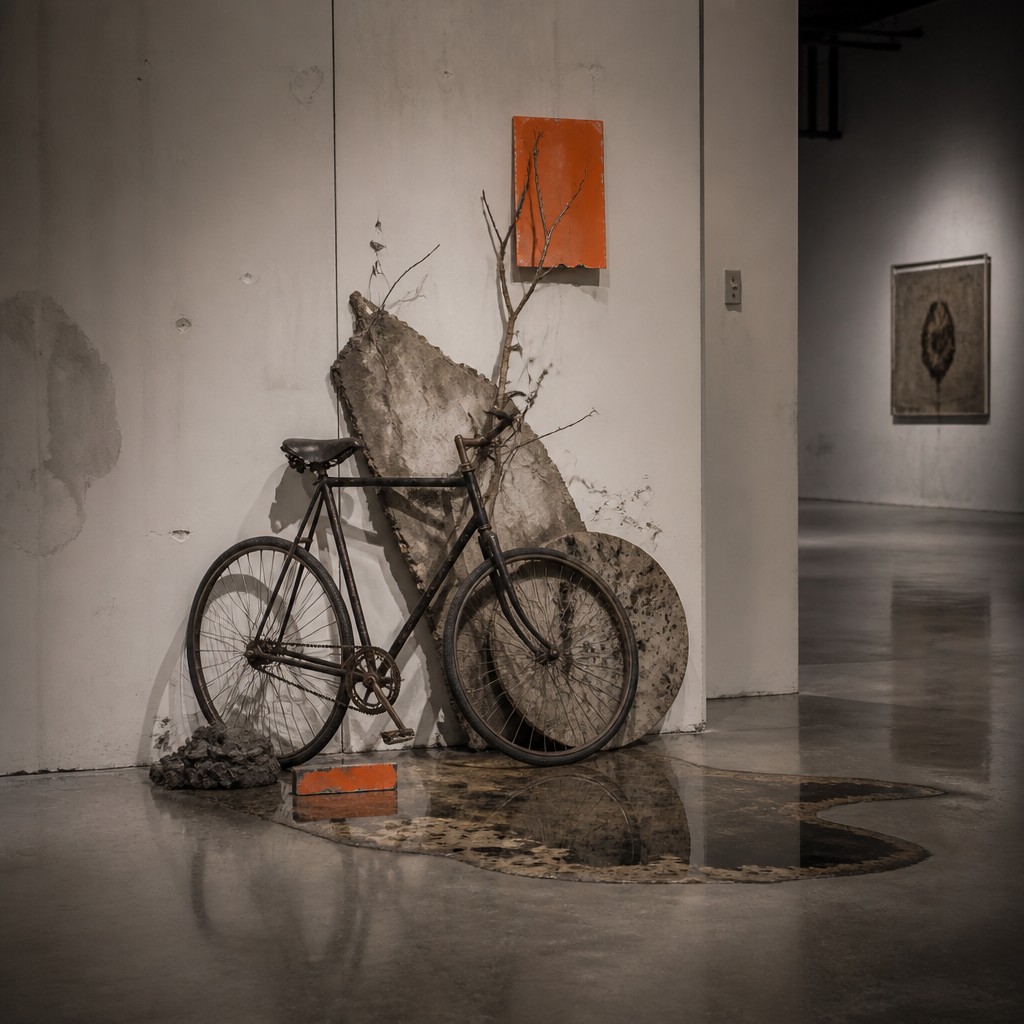
Ephemeral, contemplative atmosphere
The overall effect is often temporary, quiet, and intellectually charged. The installation invites interpretation through duration, movement, and proximity rather than through narrative illustration.
Try It
Create Videos in Installation Conceptual Art Style
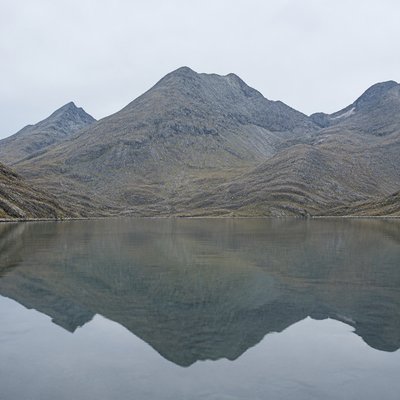
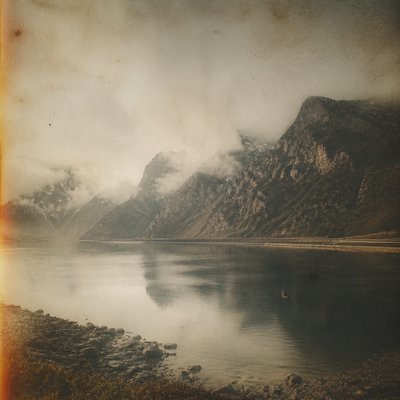
Styles aren't just for stills — describe a scene or animate an image and get a short video rendered in Installation Conceptual. Press play to see this pond come to life.
Make a VideoInstallation Conceptual Prompt Ideas
Start from an idea — each one opens the generator with the style ready to go. See all 40 Installation Conceptual prompts →
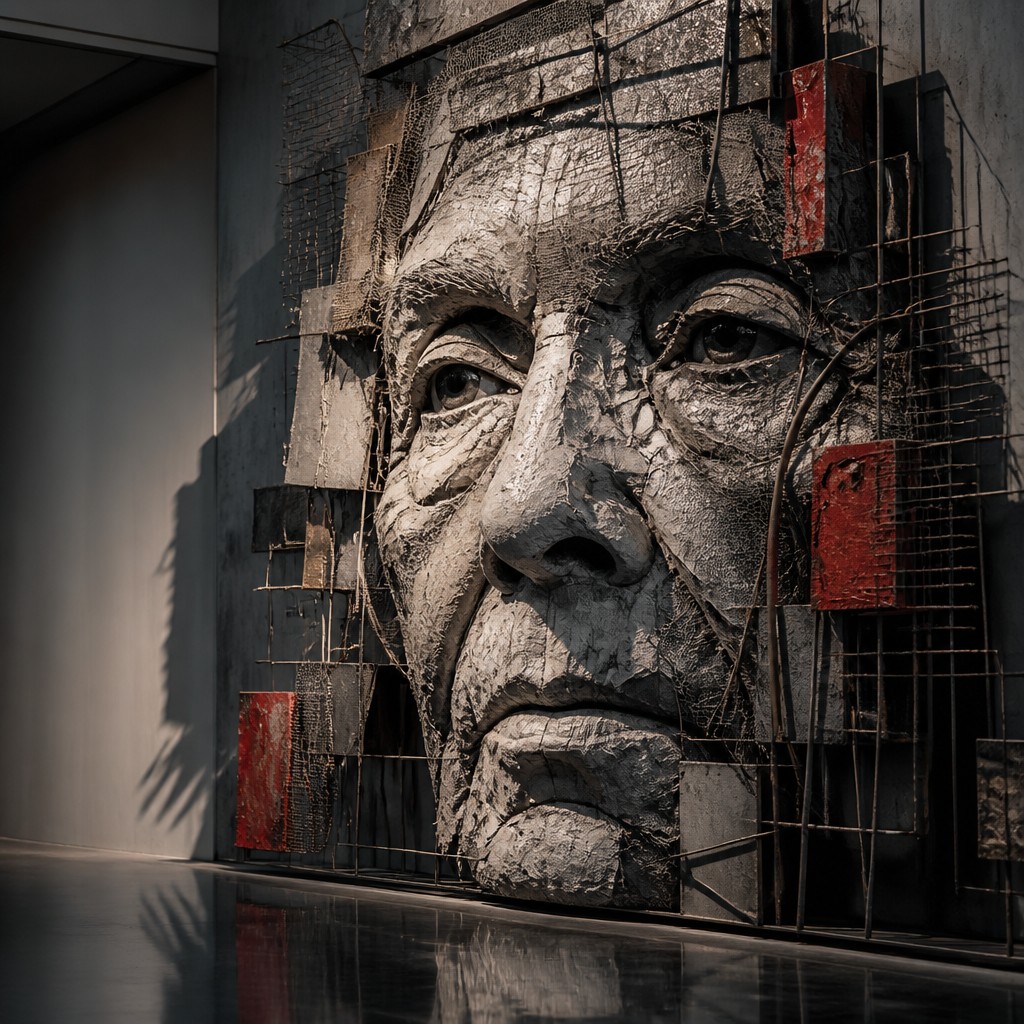
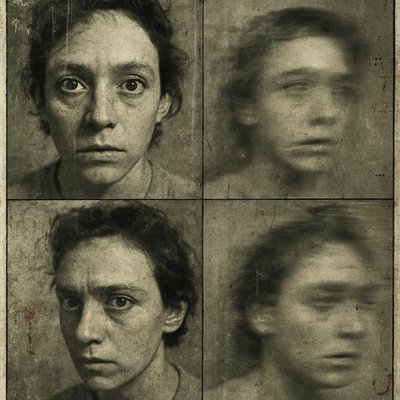
“close-up portrait of an elderly person with expressive weathered features”
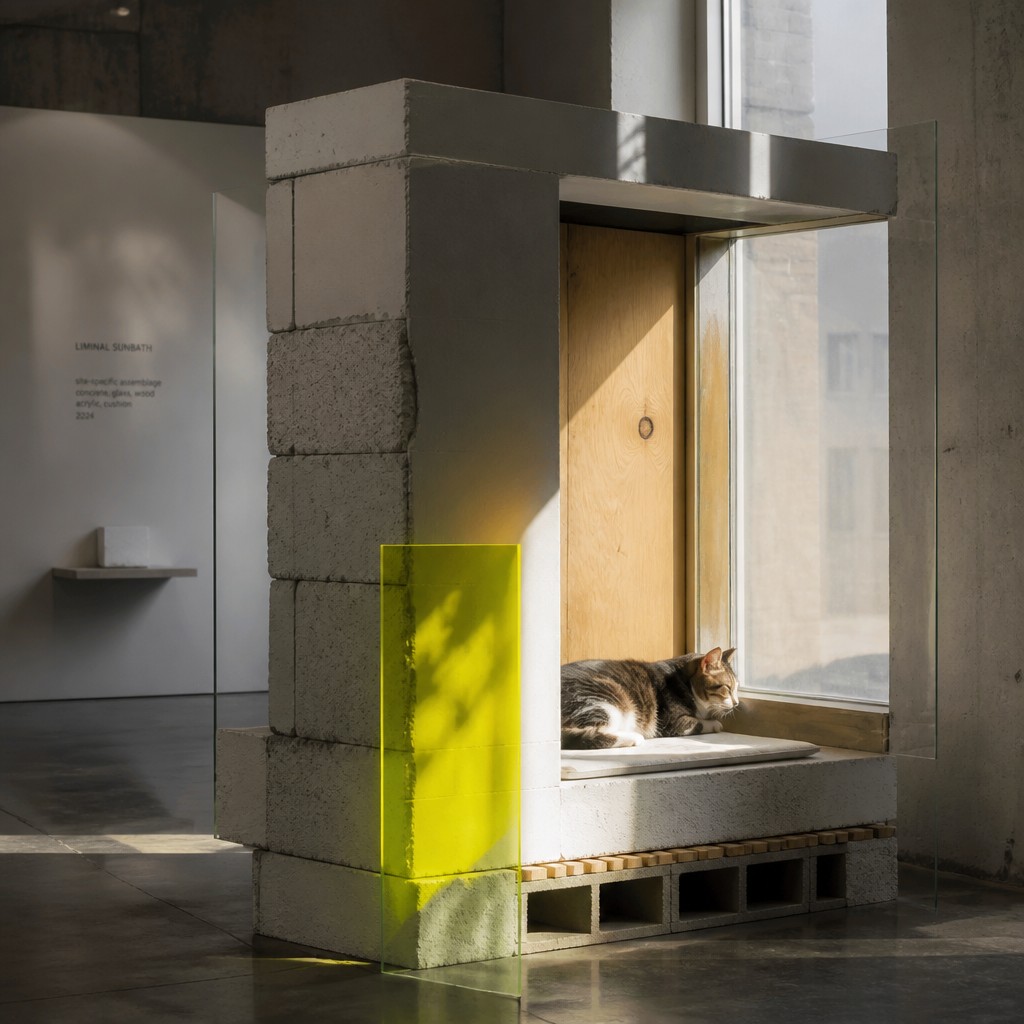
“a cat lounging in a sunlit window”
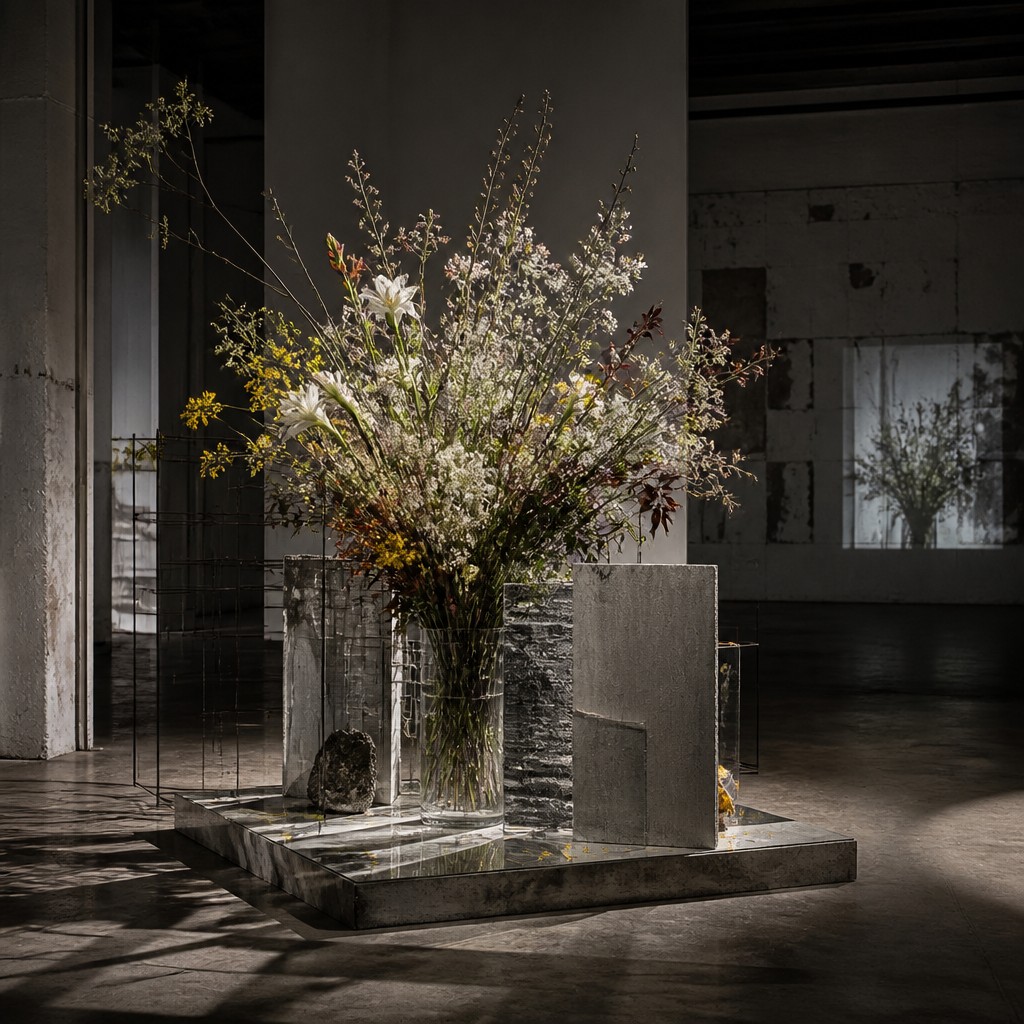
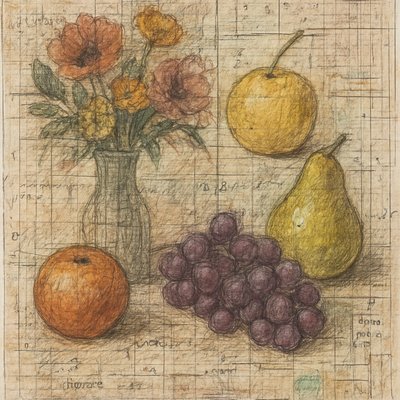
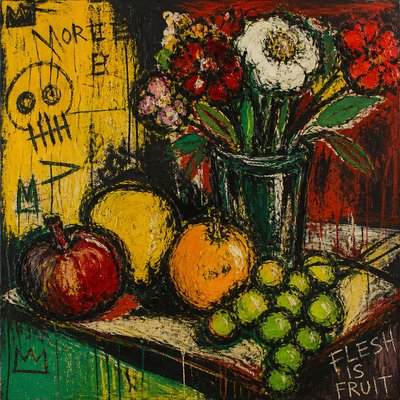
“bouquet of flowers in a glass vase”
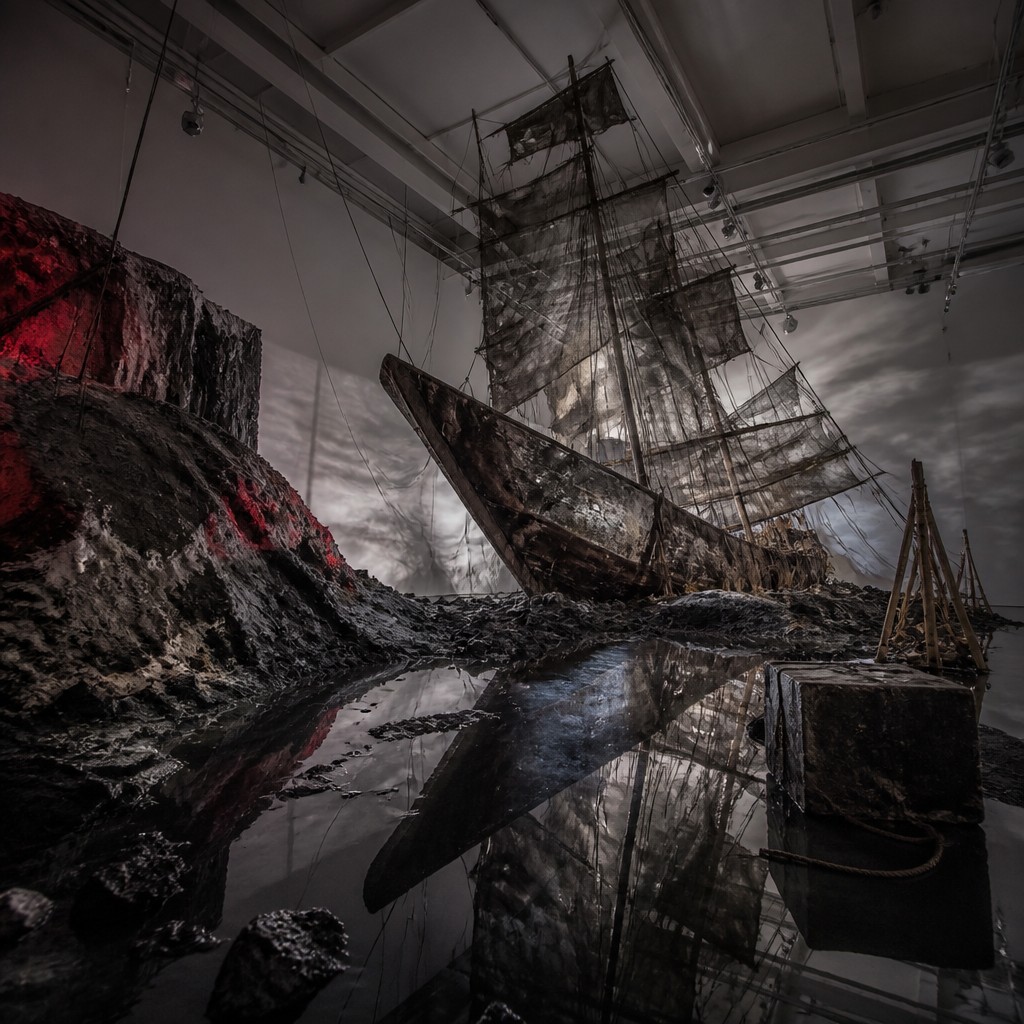
“sailing ship on a stormy sea”
How to Create Installation Conceptual Art
Master the craft step by step — or skip straight to creating. Read the full guide →
- 1
Begin with an idea, not a picture
Define the central concept, question, or contradiction the installation should embody. Let that idea determine materials, scale, and viewer path before worrying about decorative detail.
- 2
Design the room as part of the work
Map where the viewer enters, pauses, turns, and exits, and use those moments to stage visual revelations. In physical work, tape out zones or build temporary mockups; in digital work, compose the scene so architecture and spacing remain legible.
- 3
Use humble materials with clear logic
Choose objects and textures that carry cultural or physical associations: steel, plywood, cloth, concrete, glass, soil, or found debris. Keep fabrication visible so the audience can read how the work is assembled.
- 4
Control light and emptiness
Treat shadow, reflections, and blank space as compositional tools, not leftovers. A single directional light, a reflective surface, or an open corridor can be as important as the objects themselves.
- 5
Introduce one destabilizing element
A sudden color note, an unexpected scale shift, or an unnatural placement can create conceptual friction. Use it sparingly so it reads as a deliberate intervention rather than decoration.
- 6
When prompting digitally, specify spatial and material cues
Request site-specific assemblage, visible construction, negative space, ambient light, and documentary gallery presentation. Mention the subject, the materials, and the mood so the result stays grounded in installation logic rather than generic surrealism.

The Story
History & Origins of Installation Conceptual
Installation conceptual art develops from several twentieth-century currents rather than a single origin point. Conceptual art of the 1960s and 1970s shifted emphasis from aesthetic object to idea, while installation art expanded the gallery into an immersive environment. Land art, assemblage, Arte Povera, and Minimalism also contributed important precedents by treating materials, space, and viewer movement as integral to the work.
As the form evolved, artists increasingly used found objects, architectural intervention, temporary construction, sound, and light to create works that were specific to a place and moment. The style is not defined by one national school or canon, but by the convergence of conceptual practice with spatial installation. Its lineage includes the material directness of Arte Povera, the serial clarity of Minimalism, the object-based logic of assemblage, and the idea-driven rigor of Conceptual art.
Influences: This style draws from Conceptual art, Installation art, Minimalism, assemblage, Arte Povera, and land art, as well as the documentary language of exhibition photography. Artists such as Sol LeWitt, Joseph Beuys, Robert Morris, Marcel Broodthaers, and Eva Hesse are relevant precedents for ideas, materials, or spatial thinking, though the style itself is broader than any single artist’s practice. Its emphasis on ordinary materials and exposed making also connects it to Dada and postwar anti-aesthetic strategies.
Frequently Asked Questions
What defines installation conceptual art?
It is defined by the use of space, objects, and arrangement to express an idea. The artwork is often immersive or site-specific, and the viewer’s movement through it is part of the experience. Materials are usually chosen for their associations as much as for their appearance.
How is this different from sculpture?
Sculpture can exist as a self-contained object, while installation conceptual art usually depends on the surrounding environment and the viewer’s path. It is less about the object as a finished form and more about how the whole spatial situation communicates meaning. Many works include sculptural elements, but the emphasis is environmental.
How is it different from surrealism?
Surrealism typically emphasizes dream logic, unconscious imagery, and impossible scenes. Installation conceptual art may feel strange or poetic, but its core aim is usually analytical or spatial rather than dreamlike. If it uses surreal elements, they are generally in service of an idea or site-specific encounter.
What materials work best in this style?
Found objects, wood, metal, fabric, paper, glass, concrete, soil, and industrial scraps are common because they carry immediate physical and cultural meaning. Transparent or reflective materials are useful for shadow and light effects. The most effective choices are often ordinary materials with strong contextual associations.
Can I make this style from a photo?
Yes. A strong source photo can be transformed by reimagining it as a staged environment with visible construction, layered objects, and deliberate light. The goal is to make the original subject feel embedded in a spatial idea rather than simply filtered.
Where is this style used?
It is common in galleries, museums, biennials, public art commissions, and experimental exhibitions. It is also used in editorial imagery and stage design when the goal is to create an intellectually charged environment rather than a conventional set or scene.
Create your first Installation Conceptual artwork
Describe anything — or upload a photo — and see it in Installation Conceptual Art Style in seconds.
Make Something with Installation Conceptual
Related Styles
Discover similar art styles