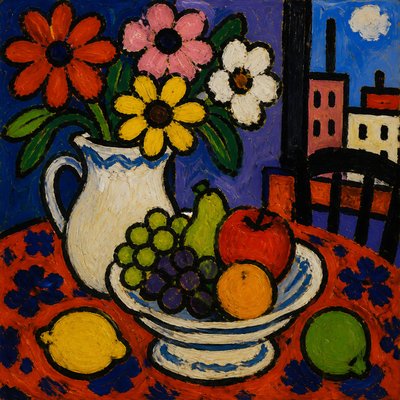
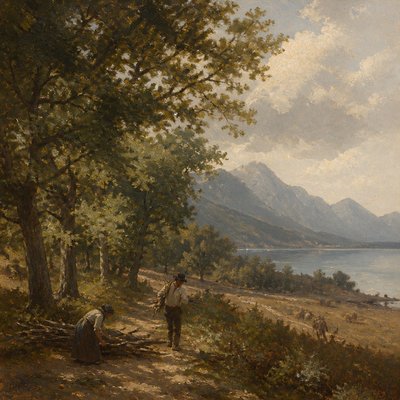
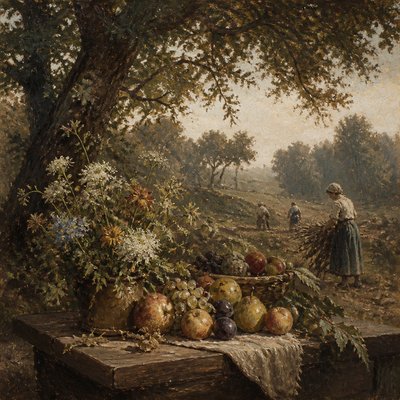
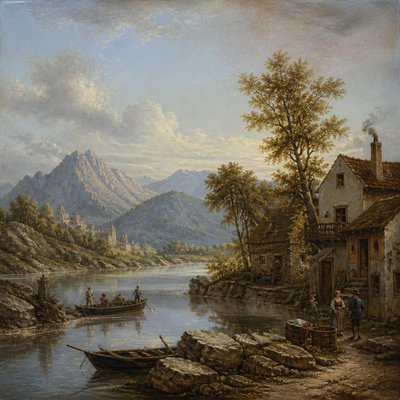
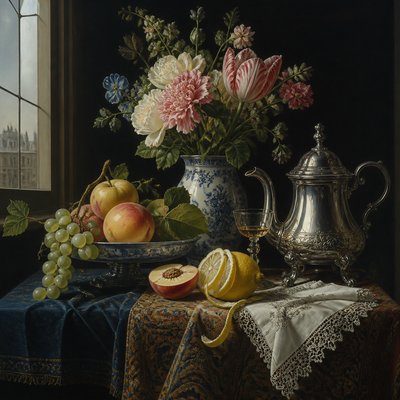
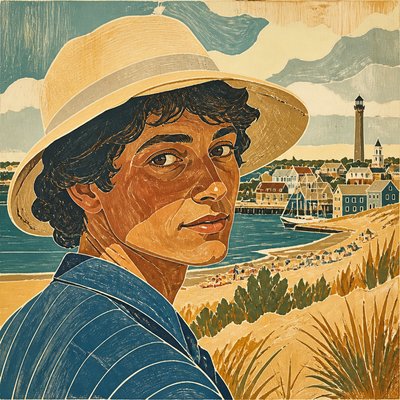
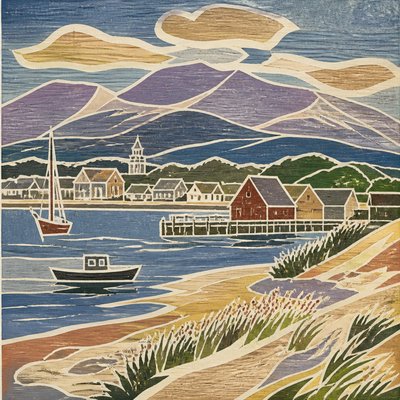
Social Realist Figurative Art Style
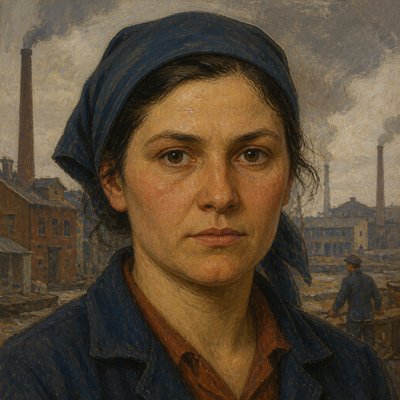
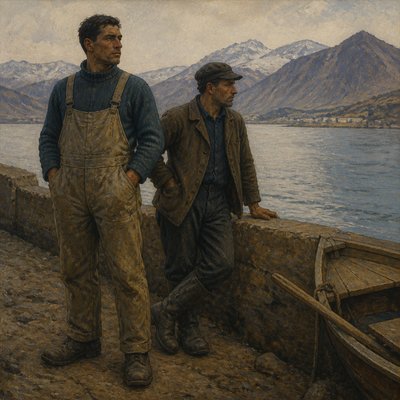
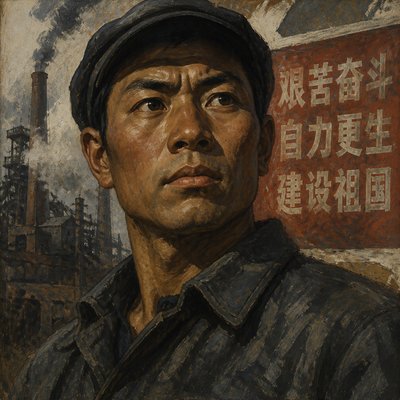
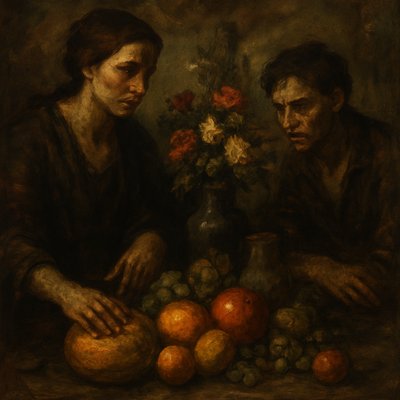
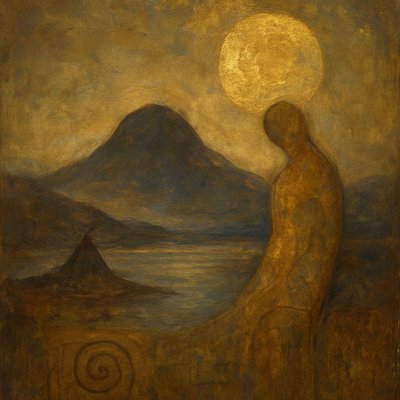
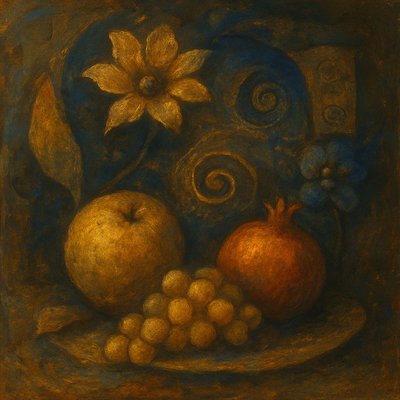
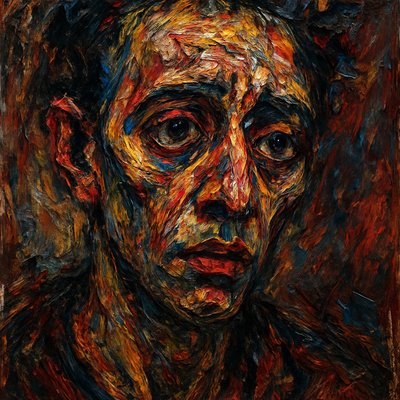
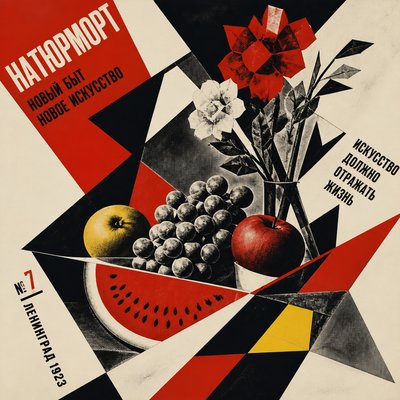
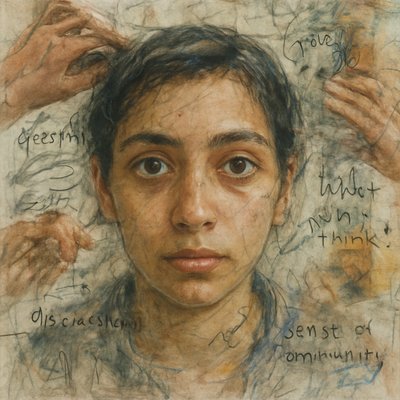
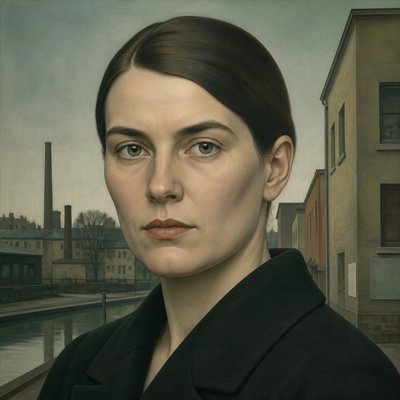
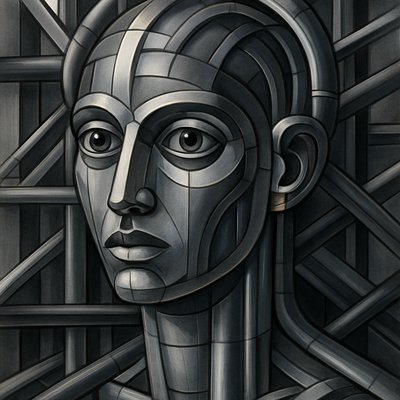
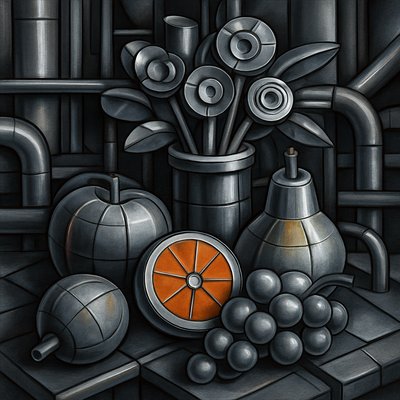
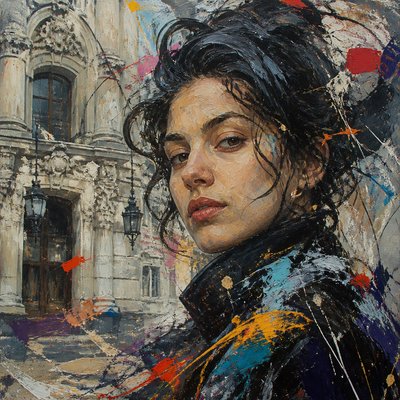
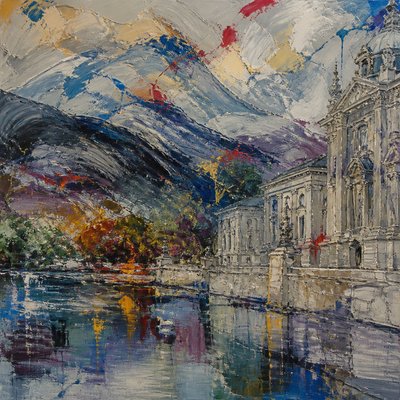
Social realist figurative art shows working people and social conditions with honest detail, dignity, and political awareness.
Instantly rendered in Social Realist Figurative — or transform a photo
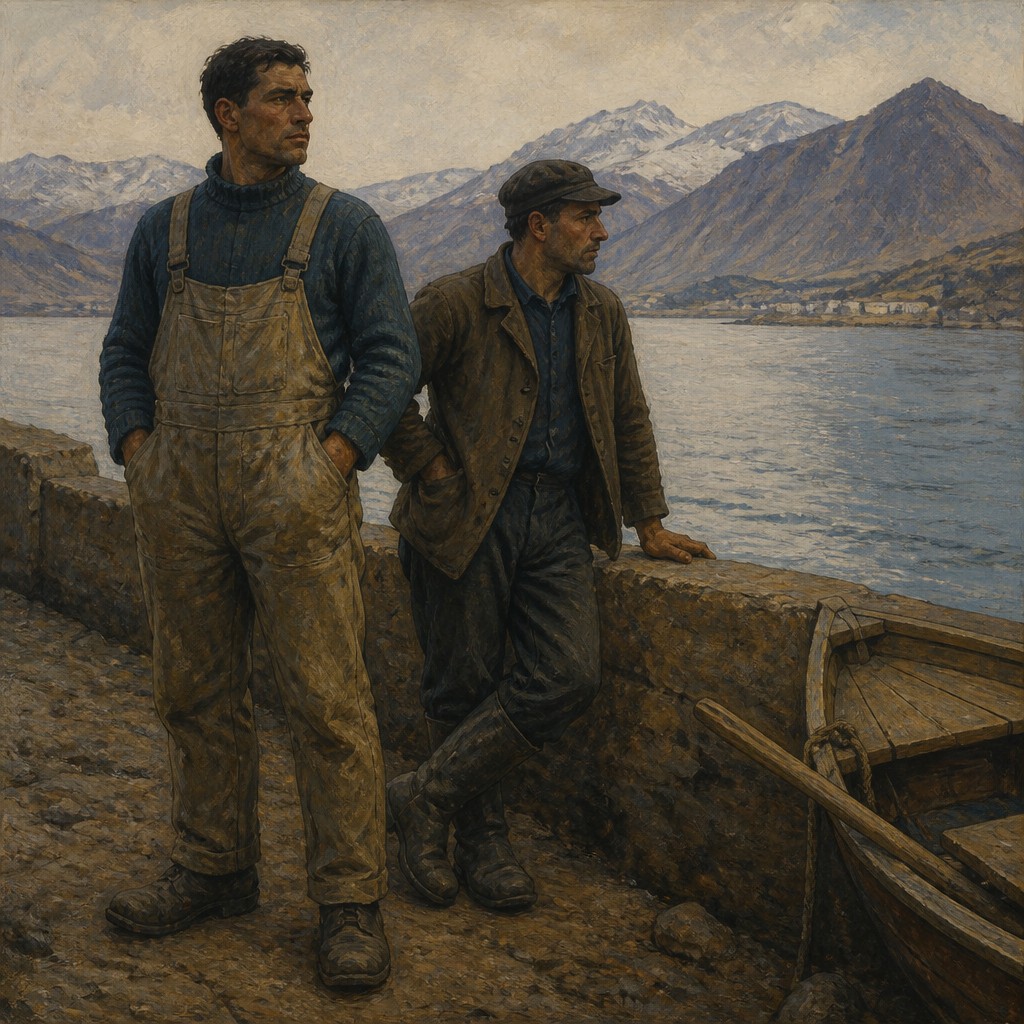
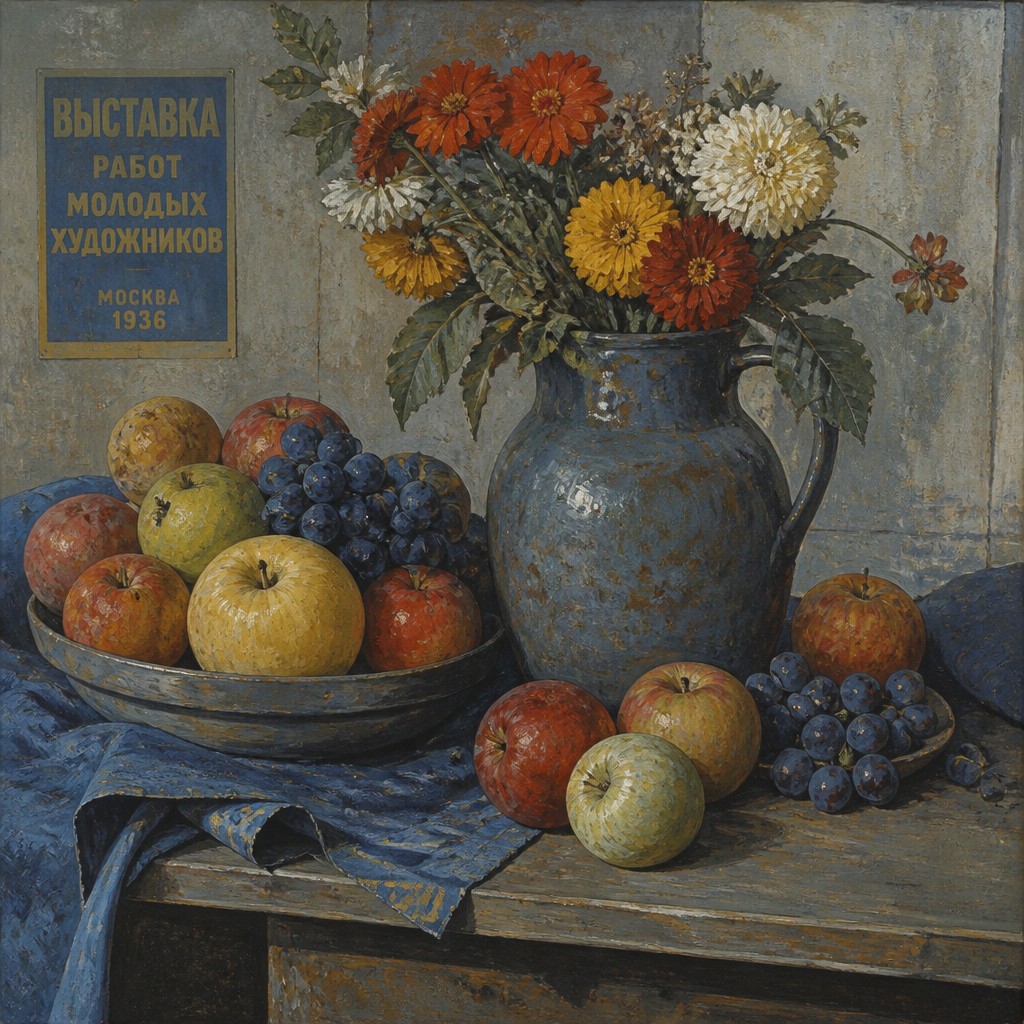
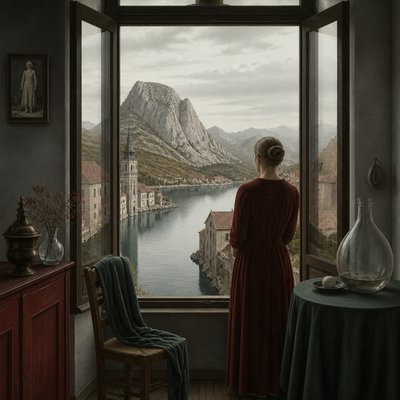
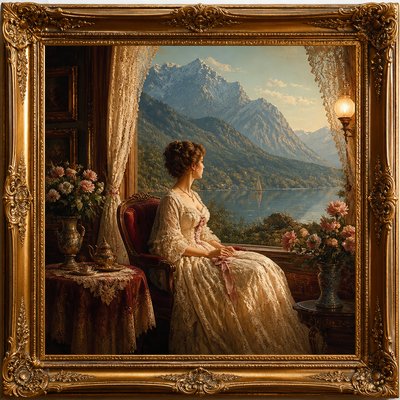
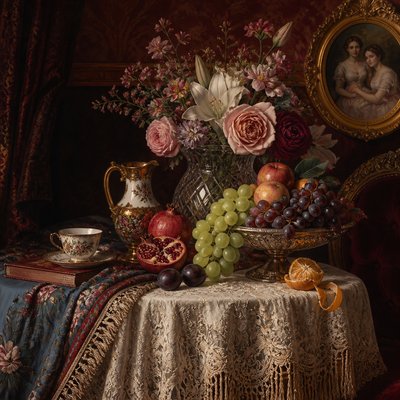
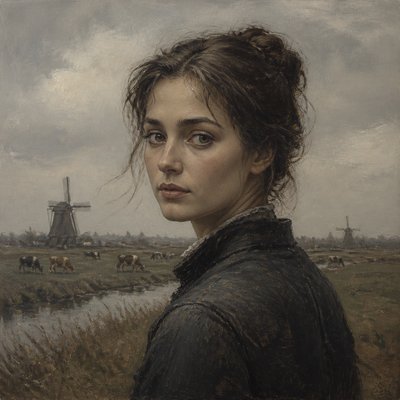
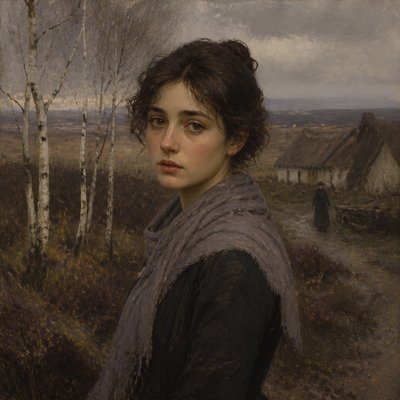
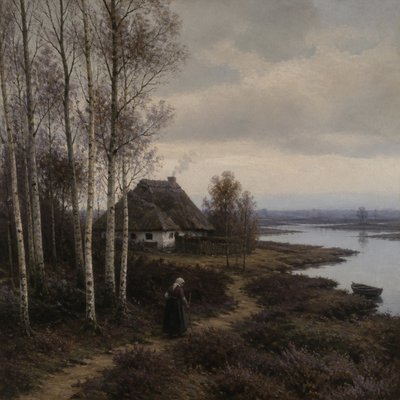
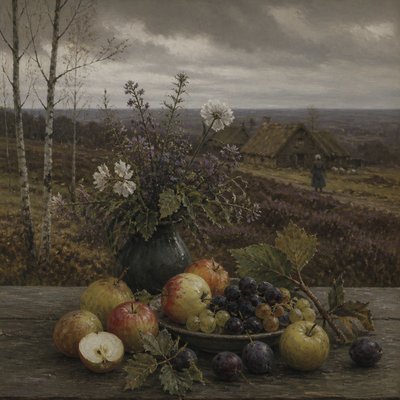
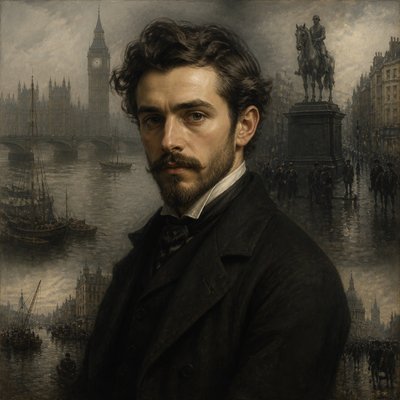
Social Realist Figurative Gallery
Tap any artwork to explore it
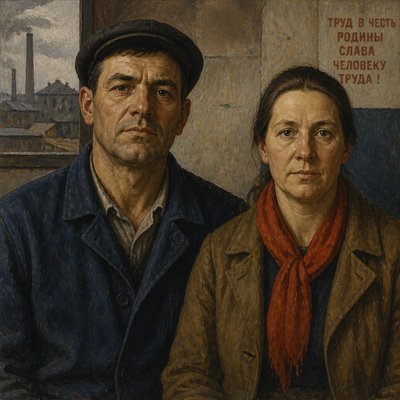
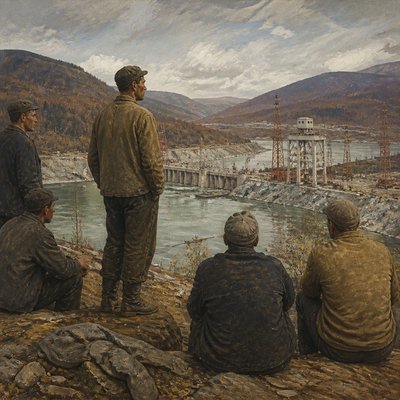
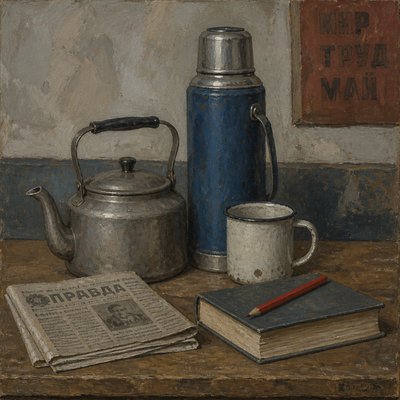
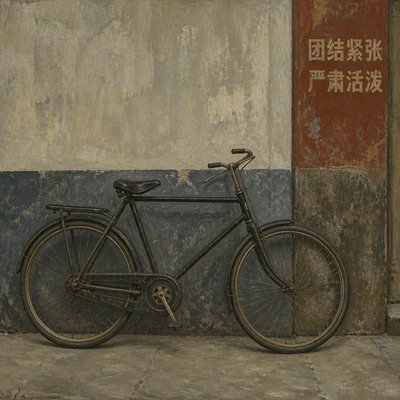

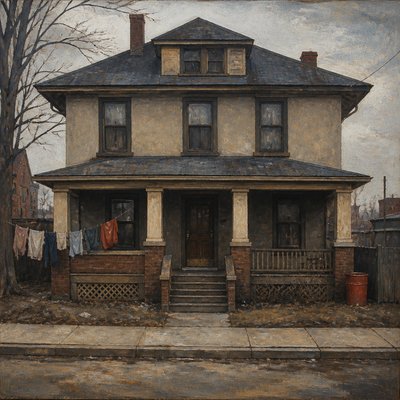
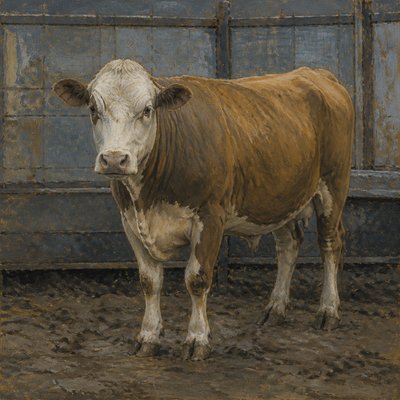
What is Social Realist Figurative Art Style?
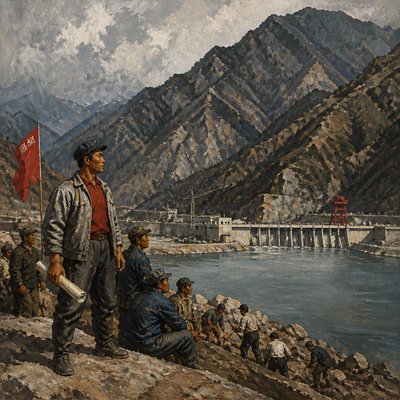
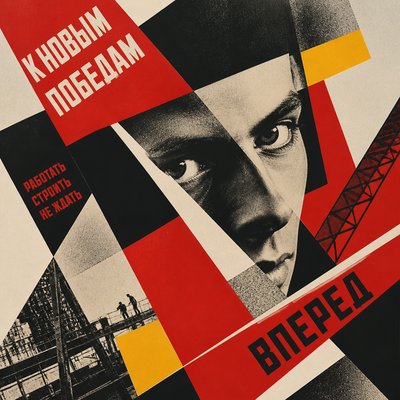
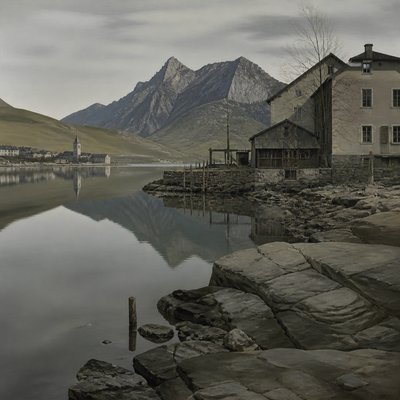
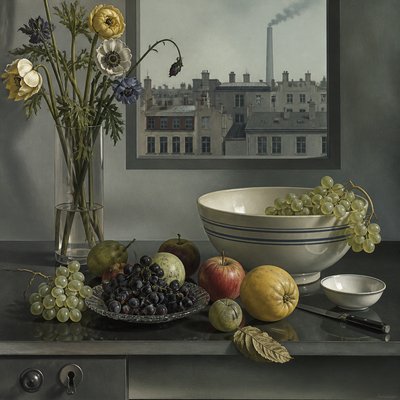
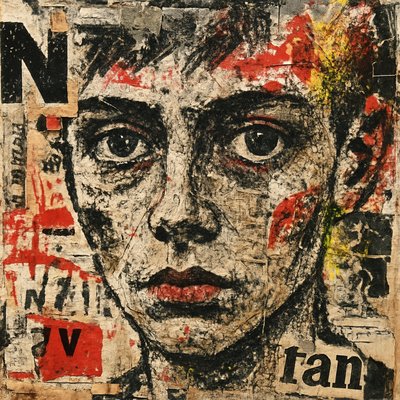
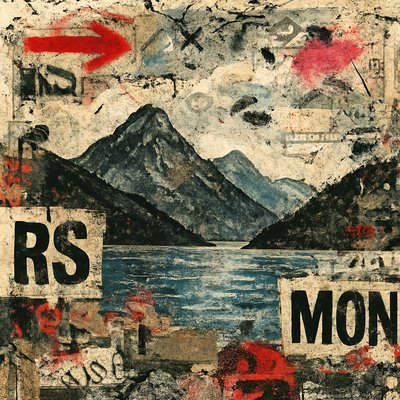
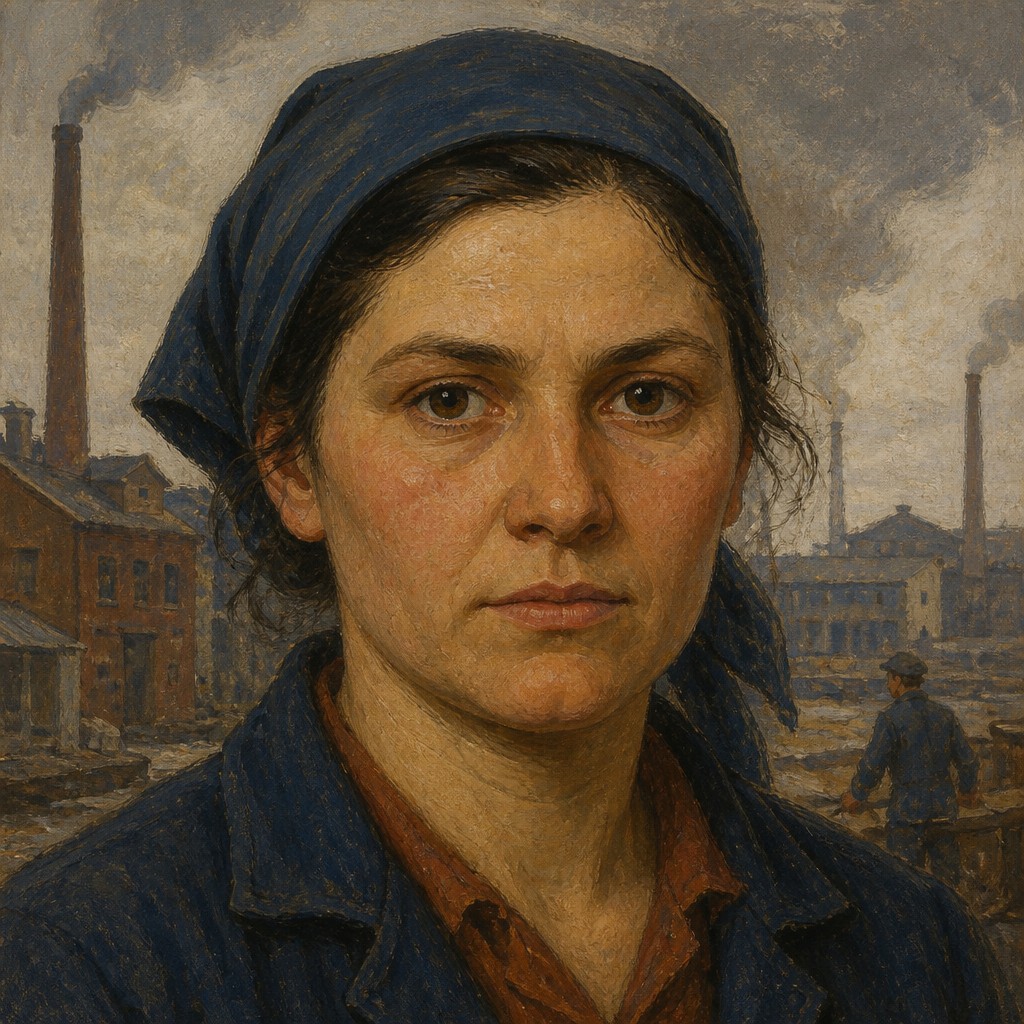
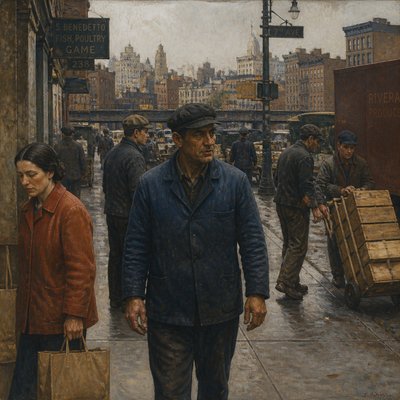
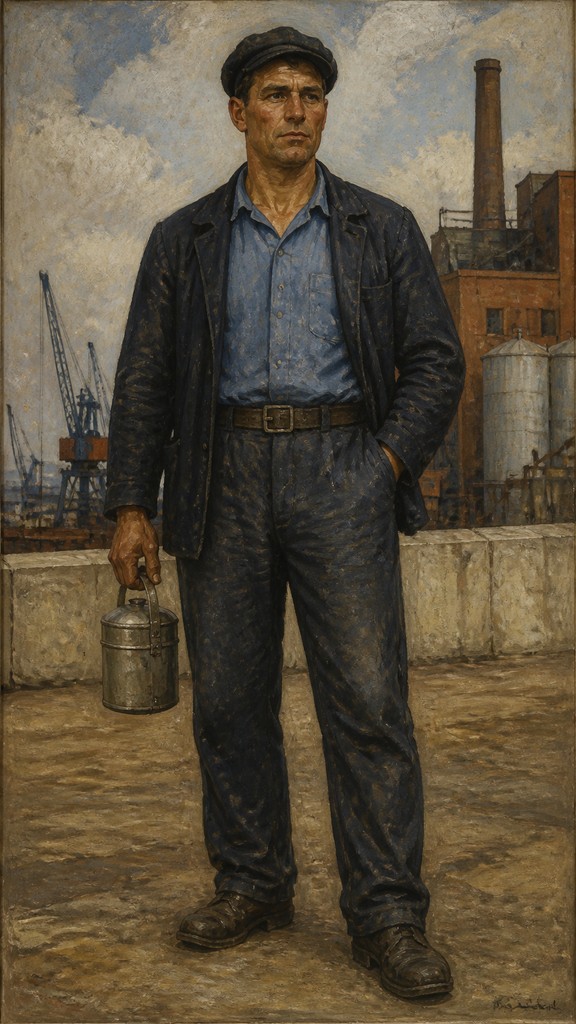
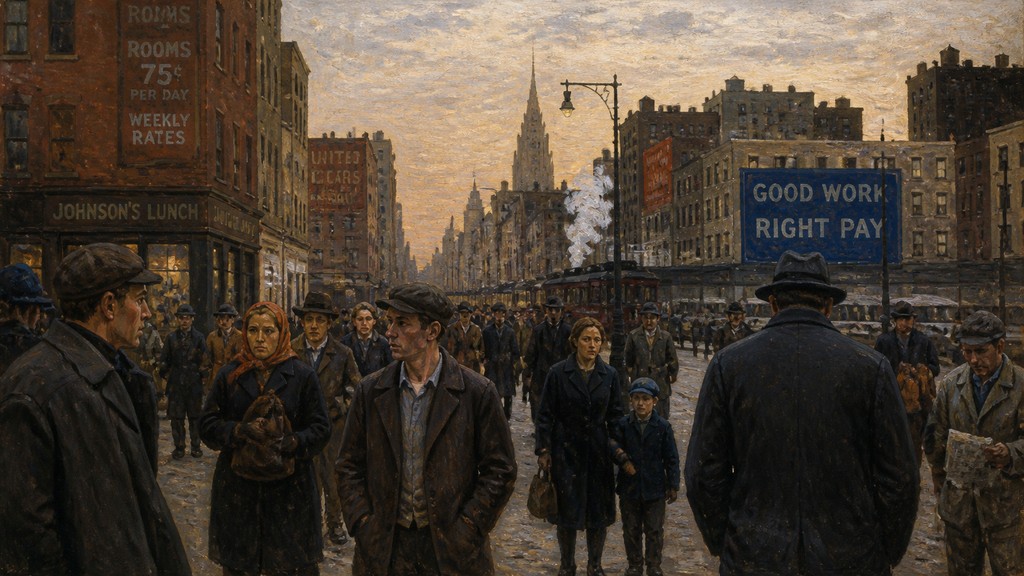
Social realist figurative art presents people in relation to labor, class, community, and daily life rather than as idealized subjects. It emphasizes honest observation, visible working environments, and the material conditions that shape experience. The figures are usually recognizable and grounded in real anatomy and perspective, but they may be slightly monumentalized to convey dignity and collective importance.
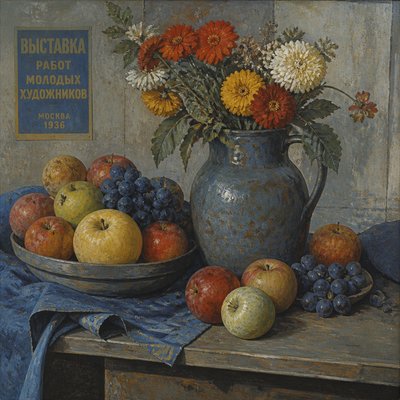
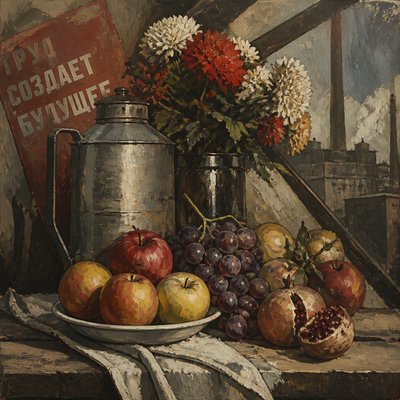
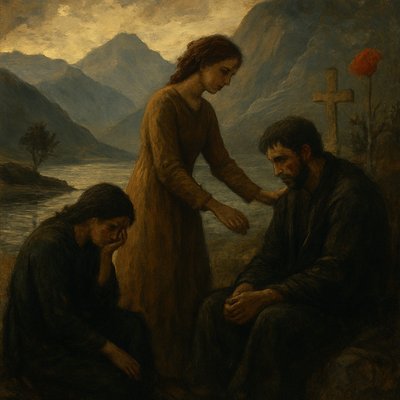
Its visual identity comes from a refusal of glamour and sentimentality. Natural or diffused light, muted earth and industrial tones, worn textures, and matter-of-fact composition give the work a documentary seriousness. The style looks the way it does because it aims to bear witness: to describe social reality clearly while still using painterly form to communicate empathy, labor, struggle, and human endurance.
Try It On Your Photos
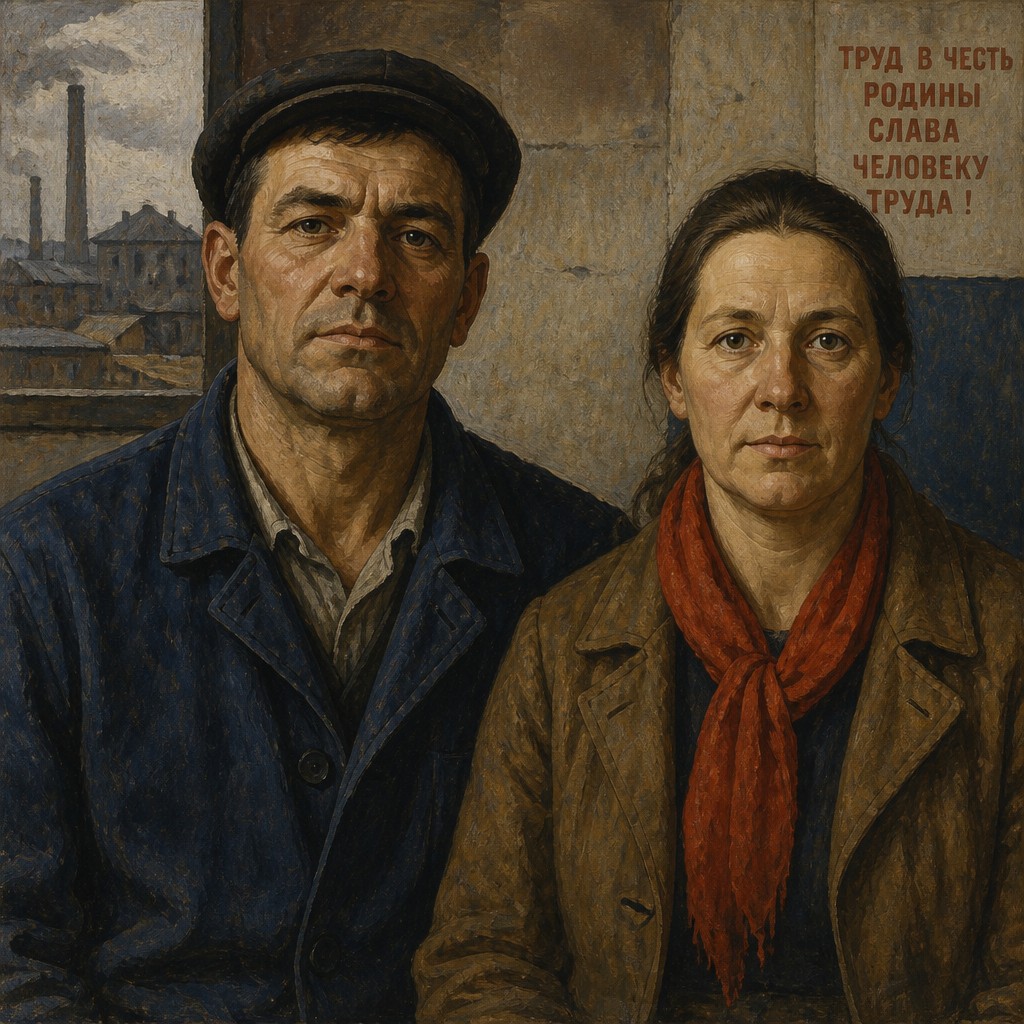
Upload any photo and convert it into Social Realist Figurative Art Style — drag the sliders to compare before and after.


What Defines Social Realist Figurative Art Style
The signature details, up close
Working people as central subjects
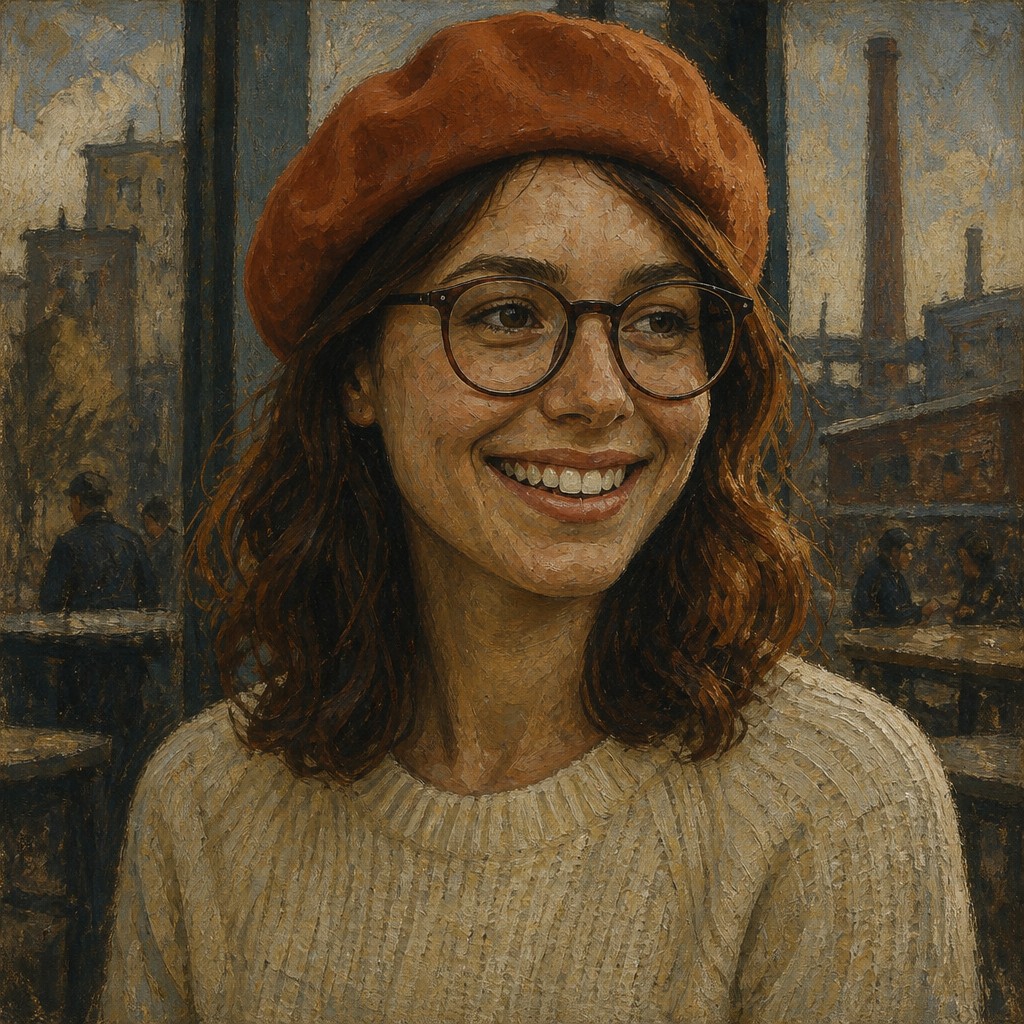
The style foregrounds laborers, families, migrants, unions, and ordinary urban or rural communities. Subjects are shown as socially situated individuals rather than anonymous symbols.
Honest, unidealized depiction
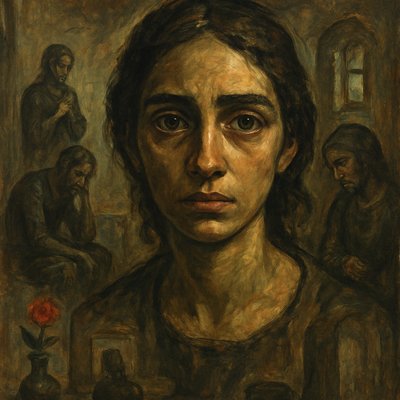
Faces, bodies, clothing, and interiors are rendered without beautification or heroic distortion. Imperfections, fatigue, and age are often retained to preserve credibility.
Environmental context
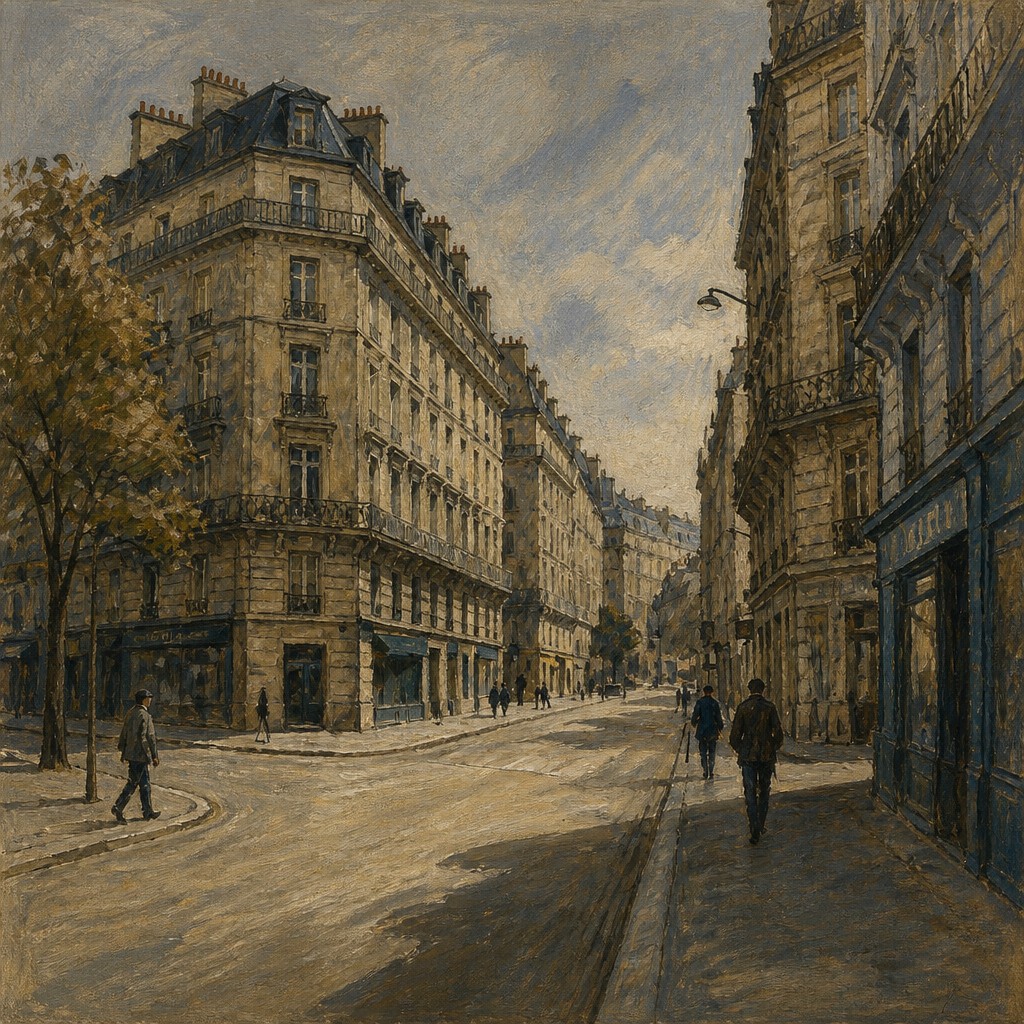
Factories, streets, kitchens, fields, offices, tenements, and public spaces are often part of the image. The setting helps explain the subject’s social and economic reality.
Muted, restrained palette
Ochres, umbers, grays, industrial blues, and subdued reds are common, with occasional stronger accents for emphasis. The palette typically supports seriousness rather than spectacle.
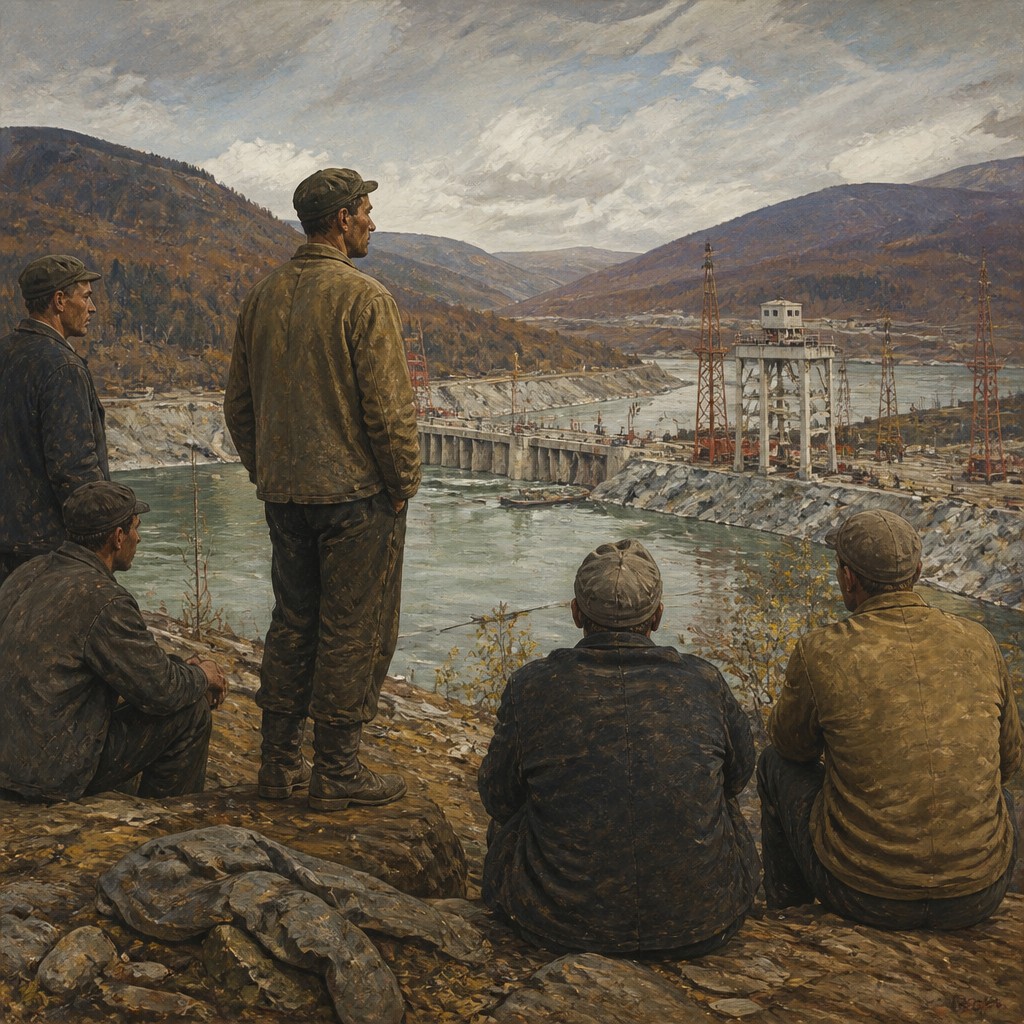
Grounded, stable composition
Figures tend to be placed firmly within the picture plane, often with clear spatial relationships and a balanced, readable structure. The arrangement can feel poster-like or mural-like without becoming abstract.
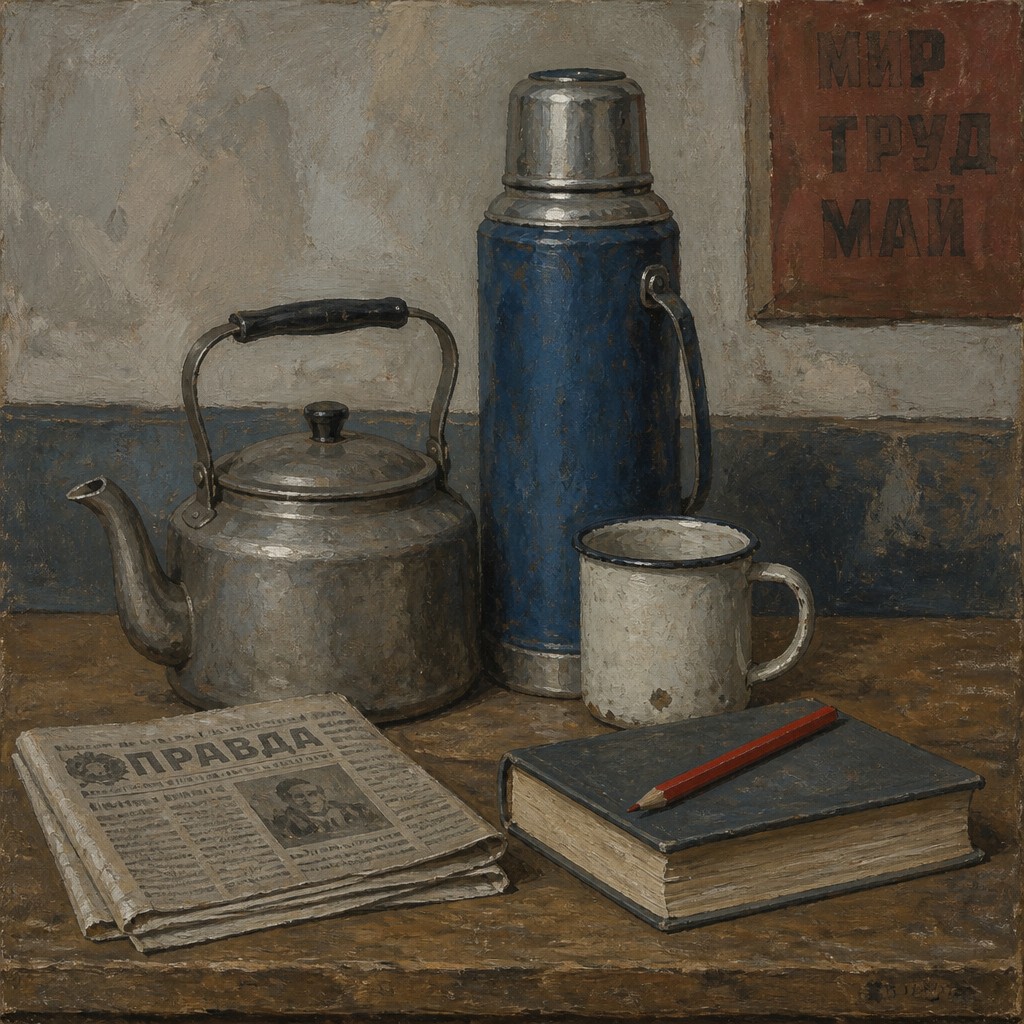
Visible materiality
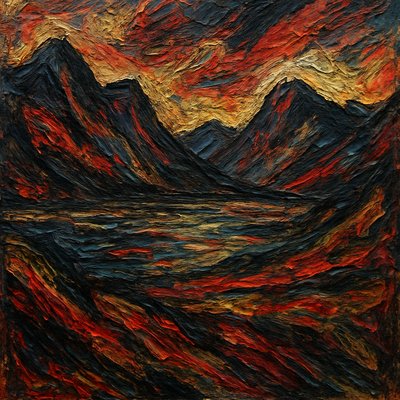
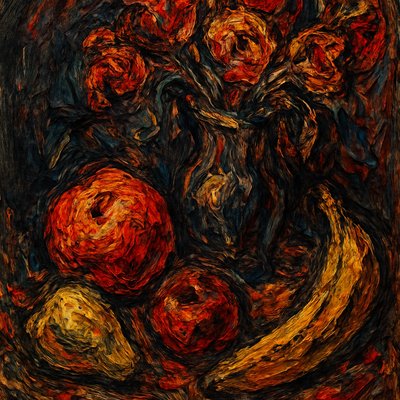
Brushwork, paint texture, and surface grain are usually noticeable, giving the work a handmade documentary quality. This tactile surface reinforces the sense of physical labor and lived experience.
Try It
Create Videos in Social Realist Figurative Art Style
Styles aren't just for stills — describe a scene or animate an image and get a short video rendered in Social Realist Figurative. Press play to see this pond come to life.
Make a VideoSocial Realist Figurative Prompt Ideas
Start from an idea — each one opens the generator with the style ready to go. See all 40 Social Realist Figurative prompts →
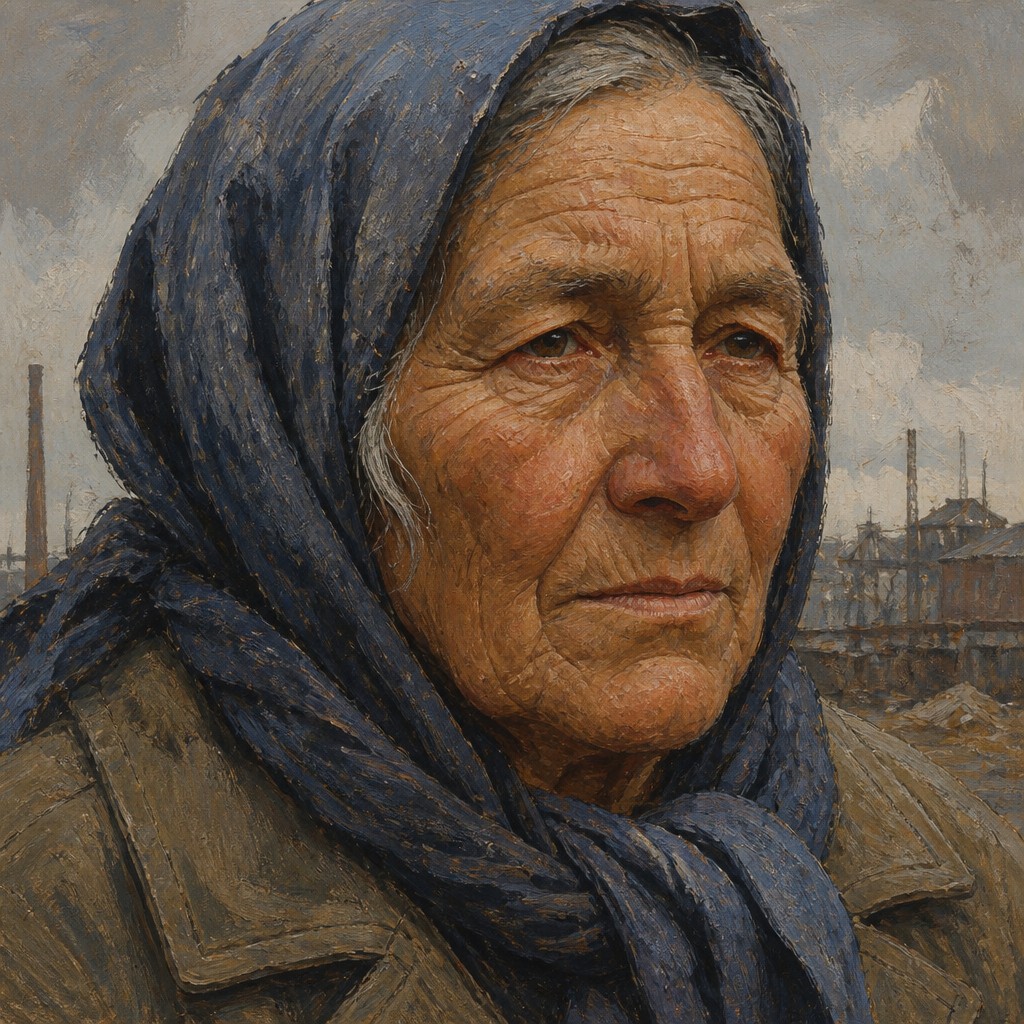
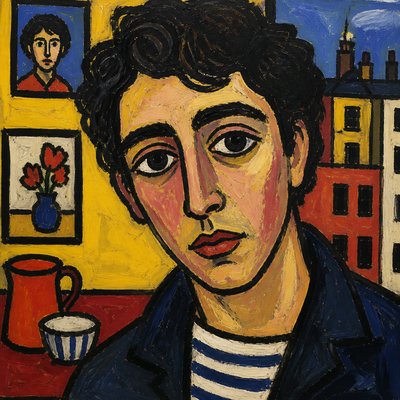
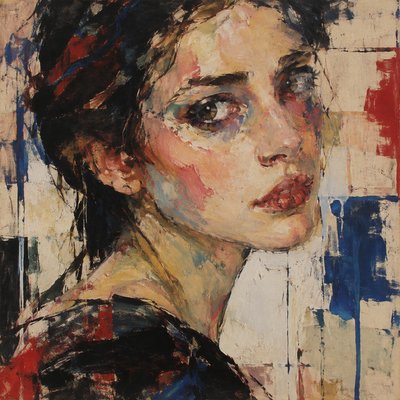
“close-up portrait of an elderly person with expressive weathered features”
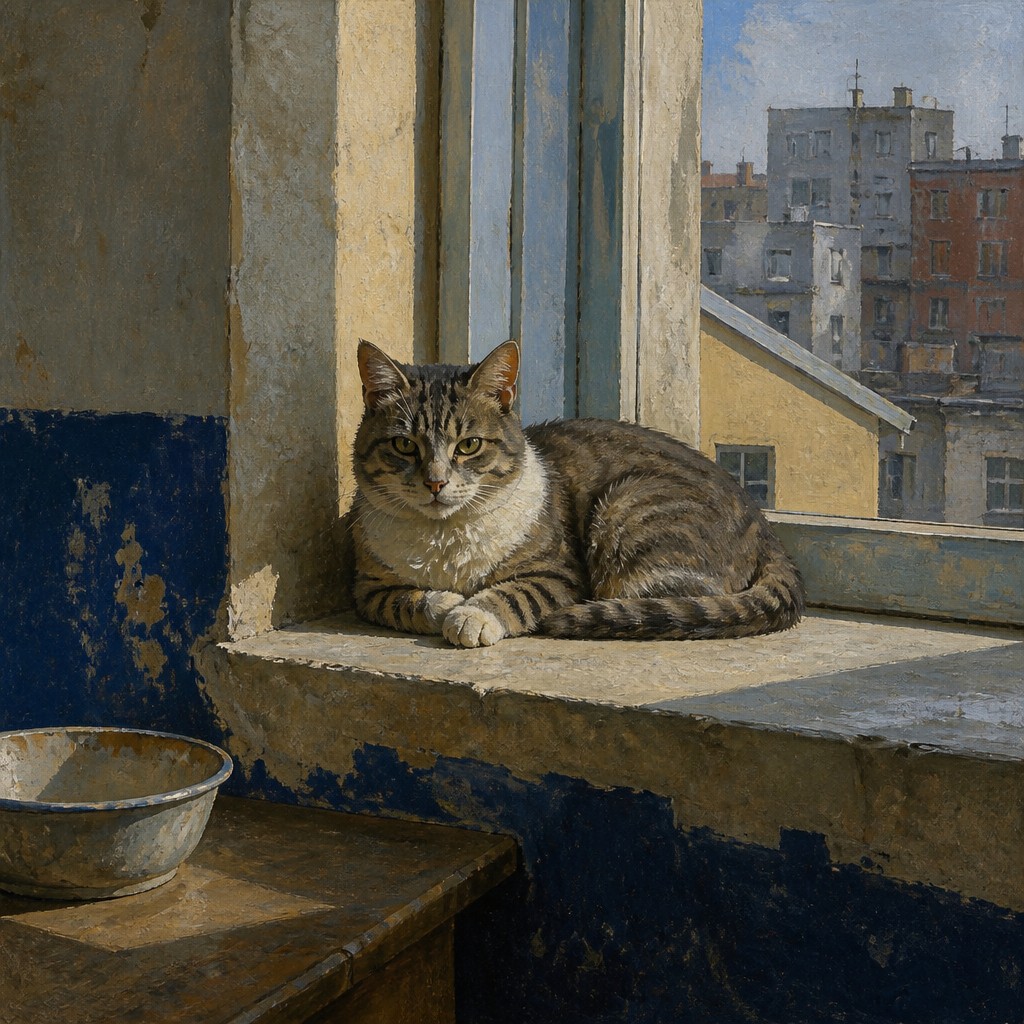
“a cat lounging in a sunlit window”
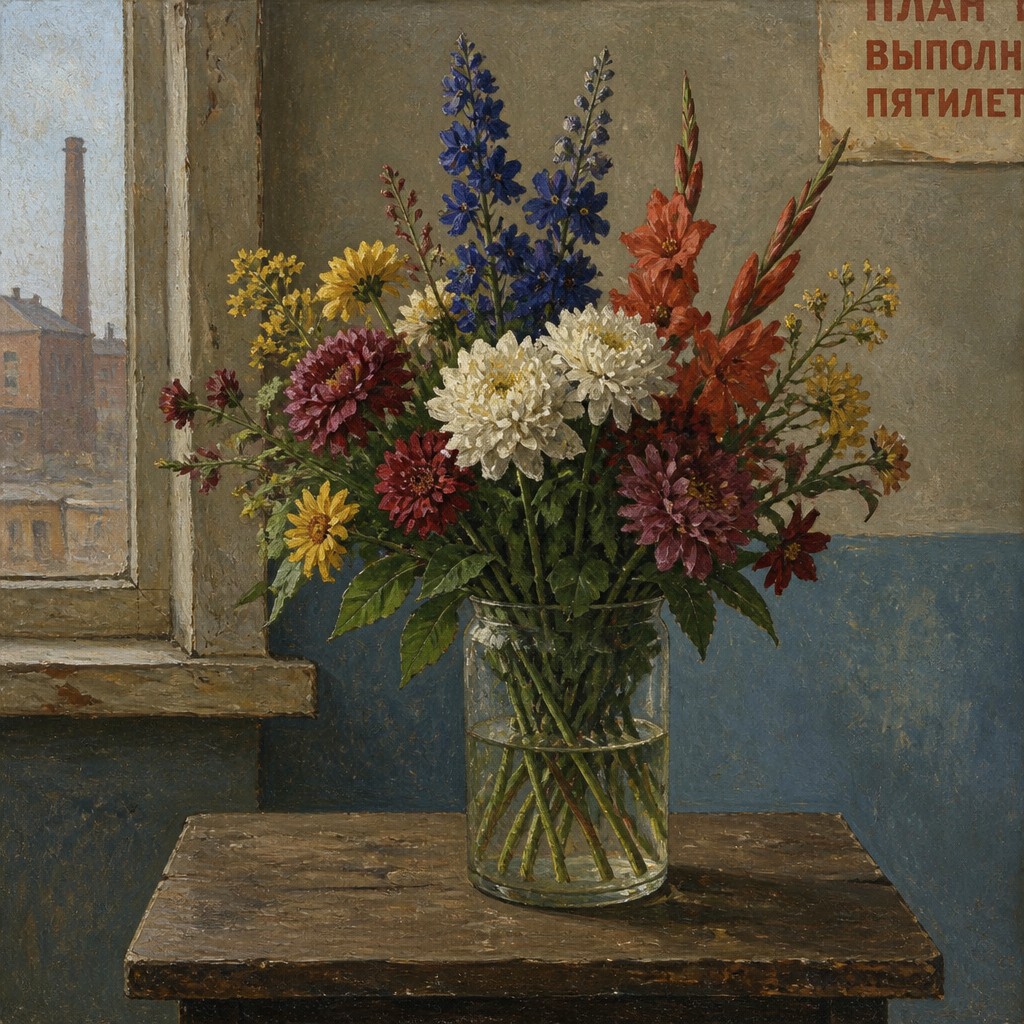
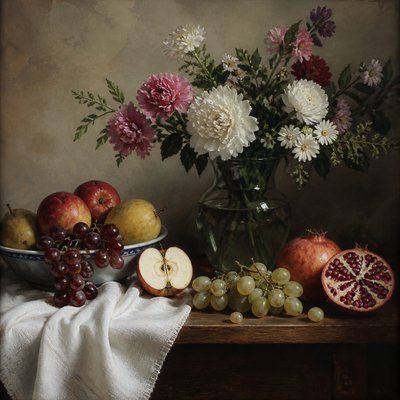
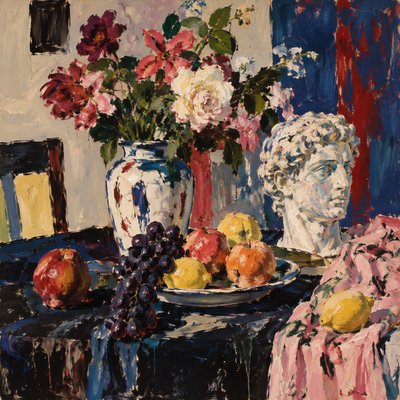
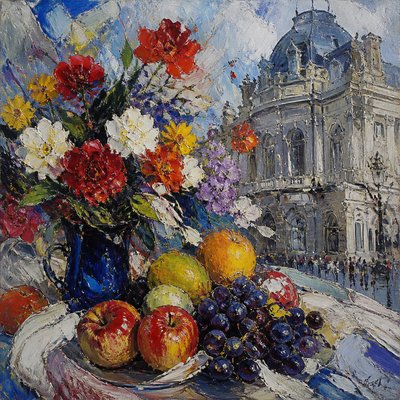
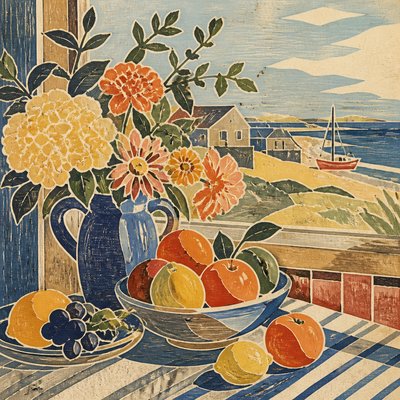
“bouquet of flowers in a glass vase”
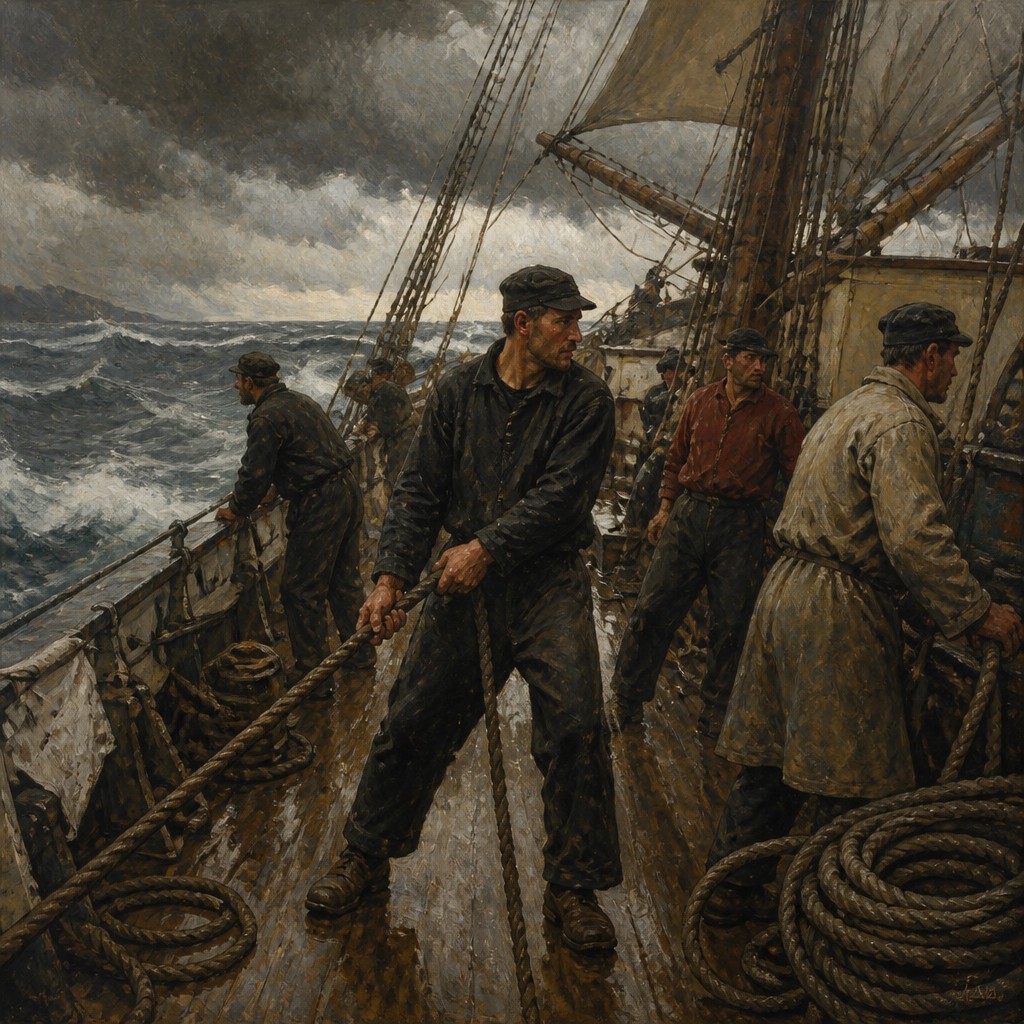
“sailing ship on a stormy sea”
How to Create Social Realist Figurative Art
Master the craft step by step — or skip straight to creating. Read the full guide →
- 1
Start with real social observation
Base the image on people, places, and routines that can be studied directly: workers at a job site, a lunch break, a neighborhood storefront, or a crowded apartment interior. Use gesture sketches and reference photos to capture posture, clothing wear, tools, and spatial detail accurately.
- 2
Design the composition around context
Place the figure within an environment that reveals social conditions, not just isolated portraiture. Keep the framing clear and readable, with enough background information to make the setting part of the narrative.
- 3
Use restrained light and color
Choose diffused daylight or other even illumination so form is defined honestly rather than dramatically. Build the palette from earth tones, grays, and industrial blues, then introduce limited accents where you want the eye to rest.
- 4
Model form with solidity and dignity
Emphasize weight, balance, and anatomical clarity. Slightly enlarge or stabilize the figures only enough to give them presence, avoiding caricature or melodrama.
- 5
Keep the surface handmade and tactile
In traditional media, allow brush marks, charcoal edges, or tempera-like layering to remain visible. In digital workflows, mimic that by using textured brushes, controlled edges, and subtle surface grain instead of smooth airbrushed finishes.
- 6
When prompting, specify the social and material cues
Describe the subject, workplace or domestic setting, lighting, palette, and emotional tone clearly. A strong prompt mentions ordinary labor, environmental context, documentary framing, and a quiet, unsentimental mood.
The Story
History & Origins of Social Realist Figurative
Social realism developed across the late 19th and 20th centuries as artists responded to industrialization, urban poverty, labor संघर्ष, war, and political upheaval. In painting and printmaking, it drew from earlier realist traditions and became especially prominent in the interwar period and the decades surrounding the Great Depression, when artists used figurative art to document working life and advocate for reform. It is closely related to political and documentary art, though it can range from state-sponsored public imagery to independent critical commentary.
Its aesthetic lineage includes 19th-century realism, naturalism, labor-focused illustration, mural painting, and politically engaged print traditions. In the United States, artists associated with the Ashcan School helped establish an urban realist approach, while several major social realist painters are often linked to the movement. The broader visual tradition also includes Mexican muralism, with leading muralists whose large-scale public works fused figurative clarity with social and political themes.
Influences: This style is related to 19th-century realism and naturalism, the Ashcan School, labor and documentary illustration, mural traditions, and politically engaged modern art. Important historical reference points include major realist painters for realism, influential artists known for human suffering and social conscience, leading muralists for mural-scale public narrative, and prominent social commentators in mid-20th-century art. It also shares concerns with documentary photography and poster art, especially when clarity, legibility, and public address are central.
Frequently Asked Questions
What defines social realist figurative art?
It depicts real people, especially working or marginalized people, with honesty and social awareness. The style emphasizes class, labor, environment, and dignity rather than ideal beauty or fantasy.
How is it different from general realism?
General realism focuses on accurate representation, while social realism adds a deliberate concern with social conditions and political meaning. The subject matter is usually chosen for its relation to labor, inequality, community, or reform.
Is social realist art always political?
It is usually socially conscious, but the degree of explicit politics varies. Some works argue directly for reform or solidarity, while others simply document conditions with empathy and critical attention.
What colors and lighting work best in this style?
Muted earth tones, grays, industrial blues, and limited strong accents are typical. Soft, even, natural light is often preferred because it reveals texture and structure without theatrical effects.
What subjects are common in social realist figurative art?
Common subjects include factory labor, agriculture, domestic labor, public housing, protests, union meetings, street scenes, and portraits of ordinary people. The environment is usually as important as the figure itself.
Can this style be used for digital art or photo transformation?
Yes. The key is to preserve figurative clarity, grounded composition, restrained color, and a documentary mood while adding painterly texture and social context. For photo transformation, works best on portraits or scenes where the setting can still support the narrative.
Create your first Social Realist Figurative artwork
Describe anything — or upload a photo — and see it in Social Realist Figurative Art Style in seconds.
Make Something with Social Realist Figurative
Related Styles
Discover similar art styles