Classical Realist Figurative Art Style
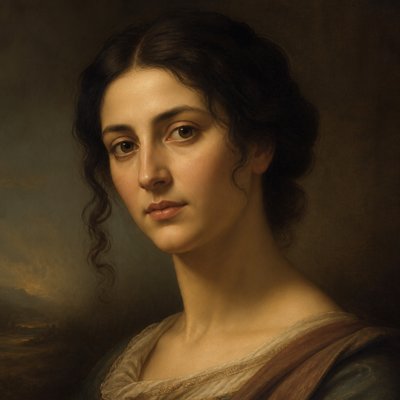
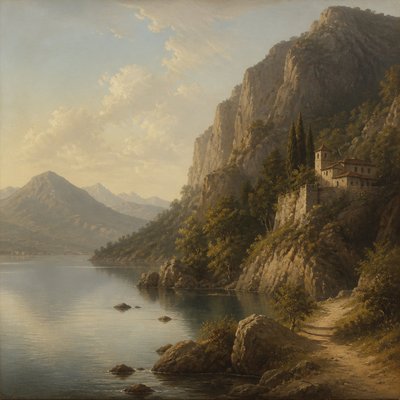
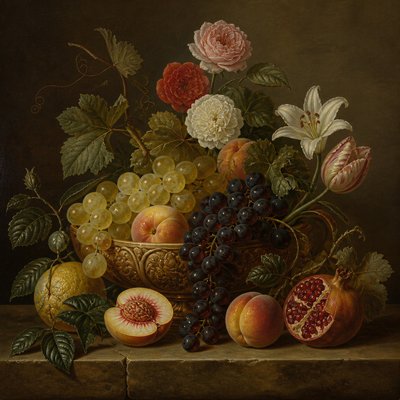
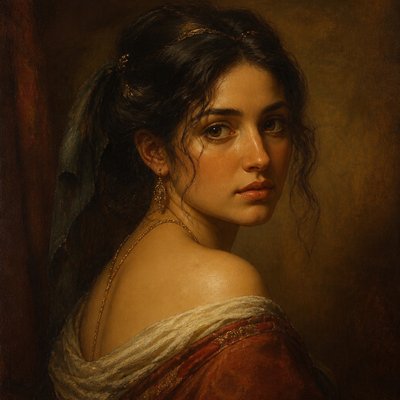
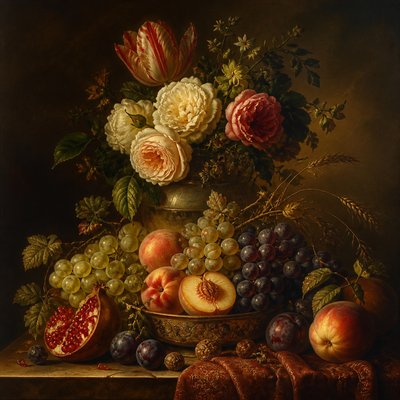
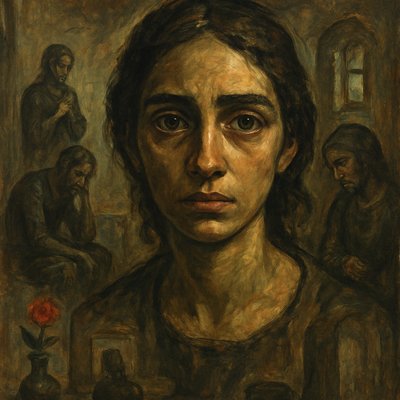
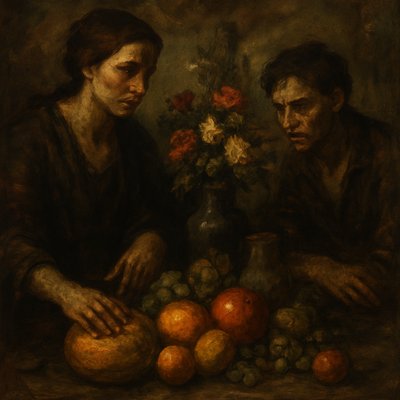
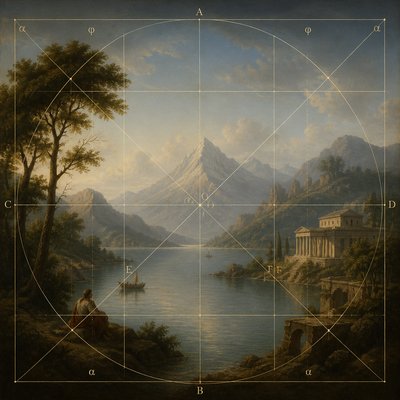
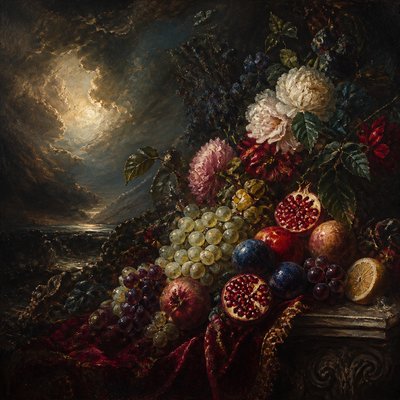
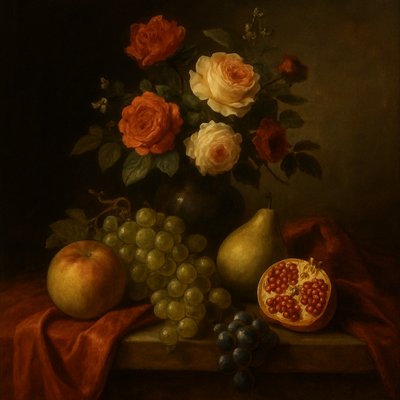
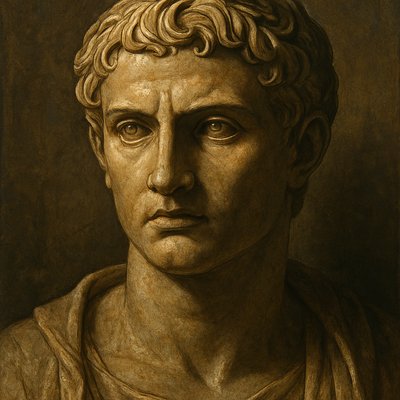
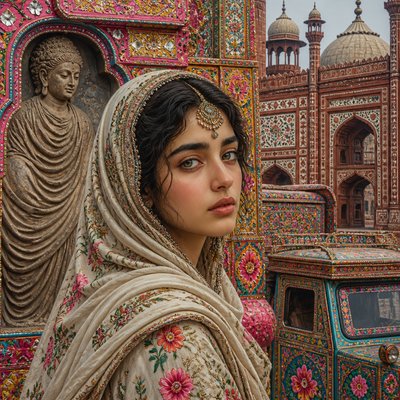
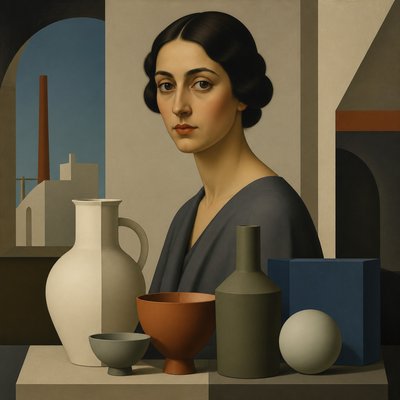
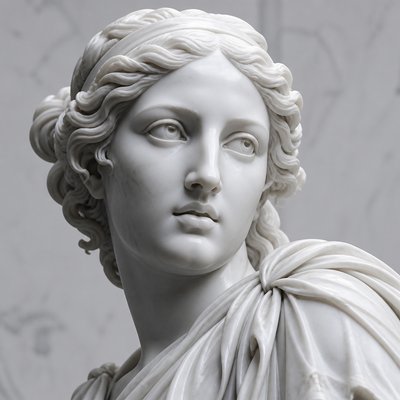
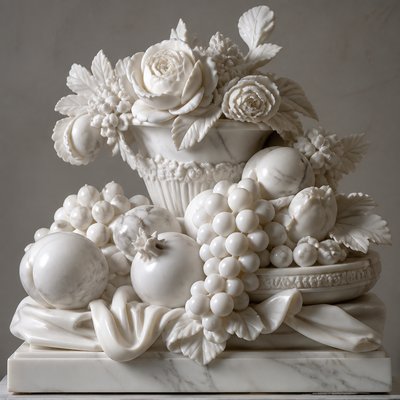
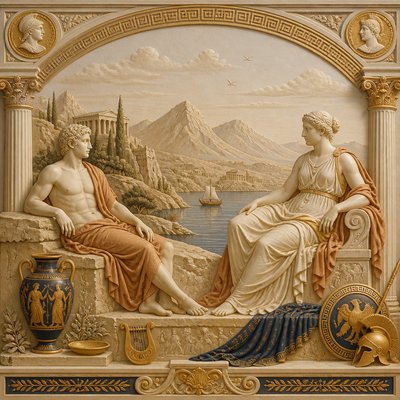
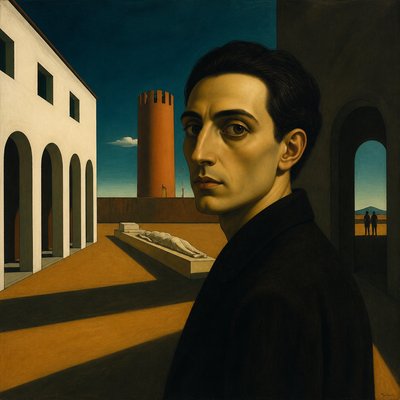
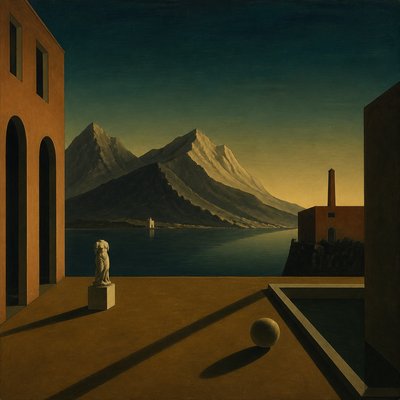
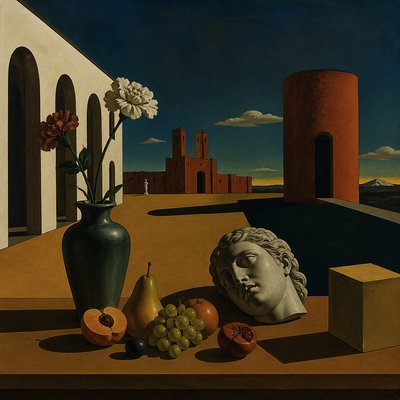
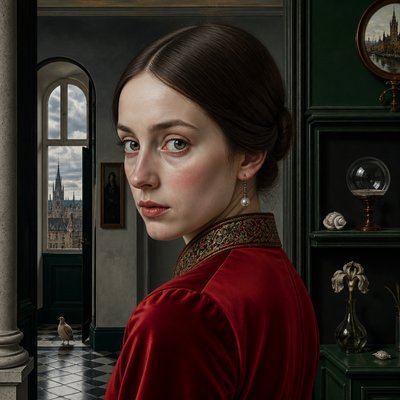
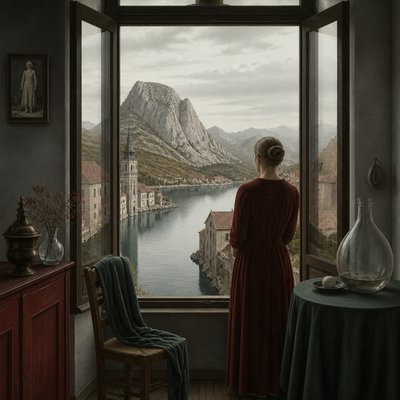
Lifelike figurative art with idealized anatomy, smooth modeling, and Renaissance-inspired harmony, depth, and classical grace.
Instantly rendered in Classical Realist Figurative — or transform a photo
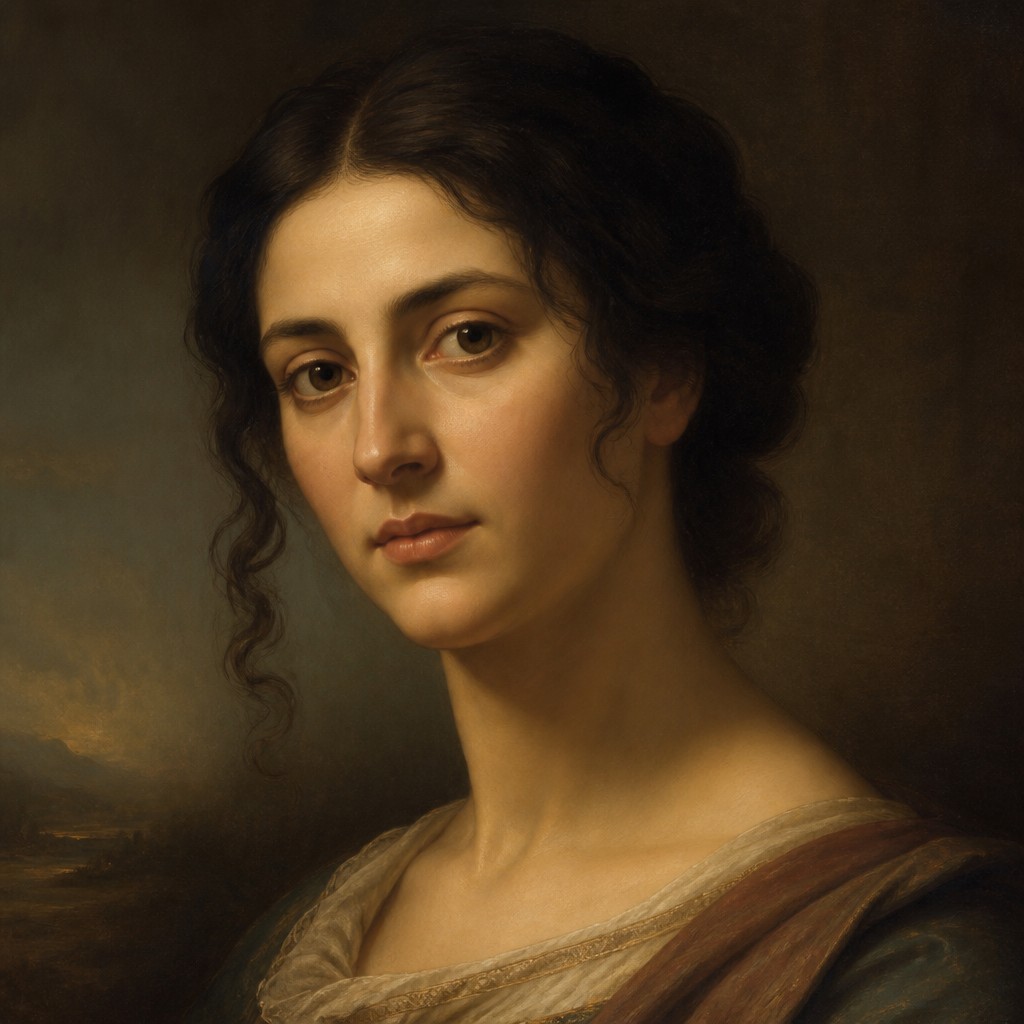
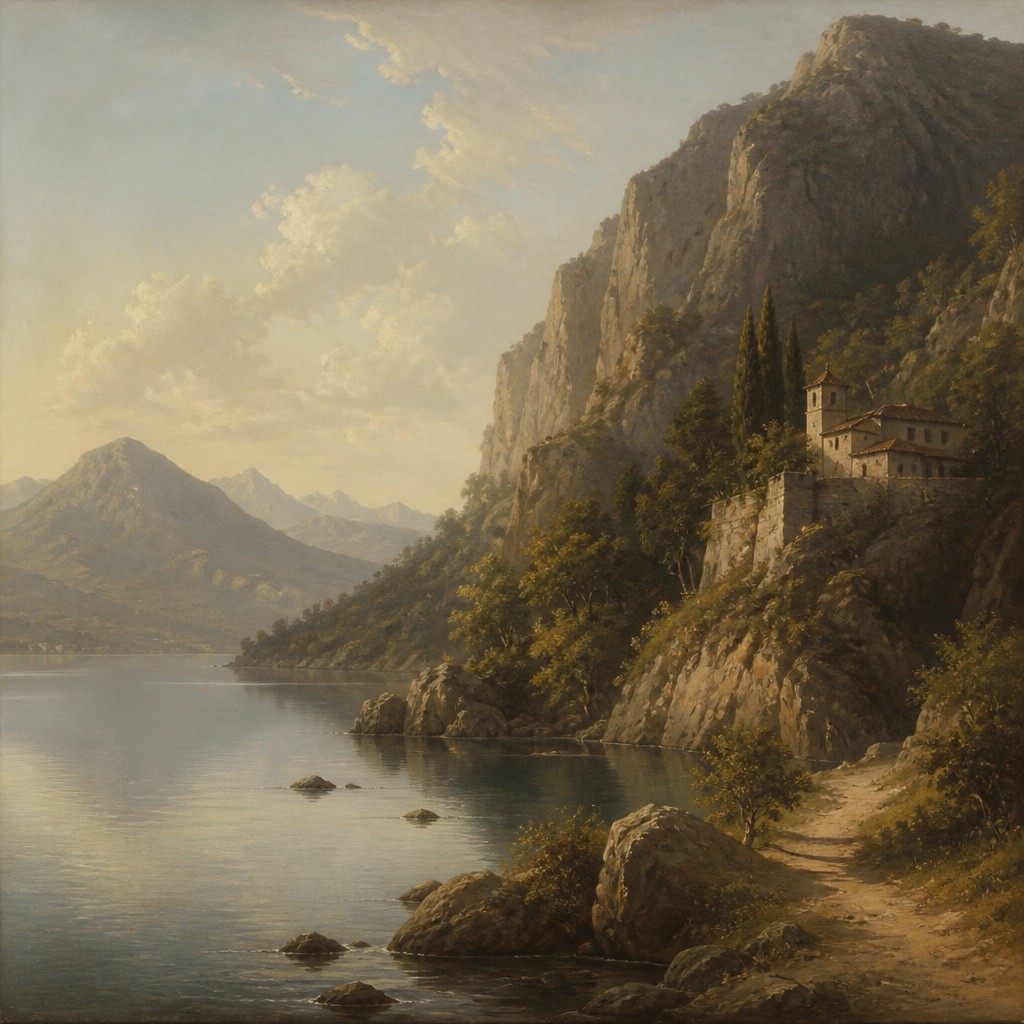
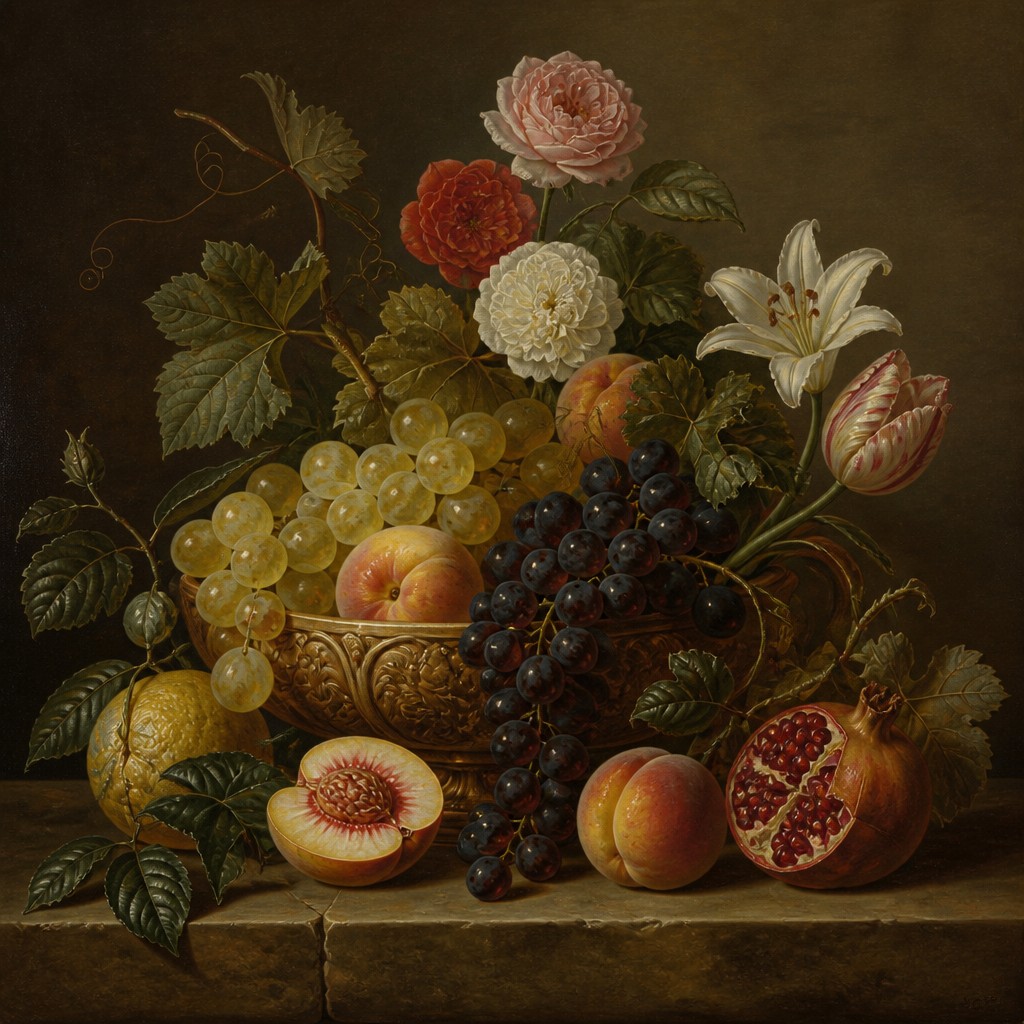
Classical Realist Figurative Gallery
Tap any artwork to explore it
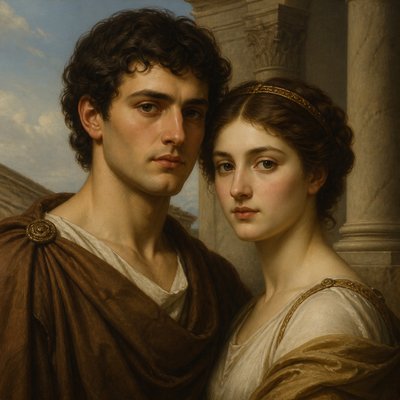

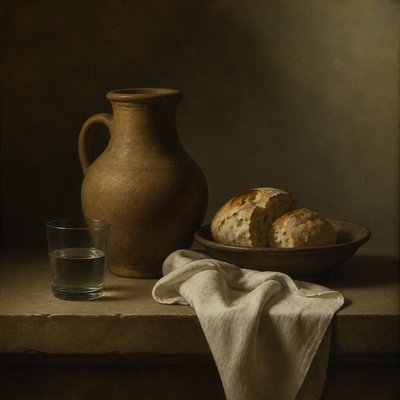




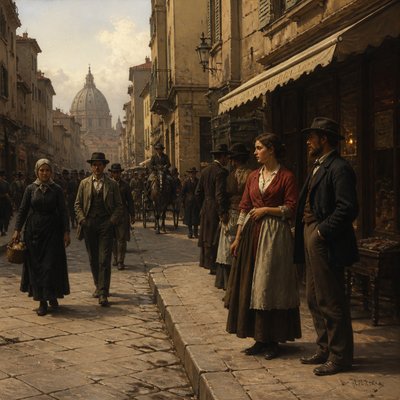
What is Classical Realist Figurative Art Style?
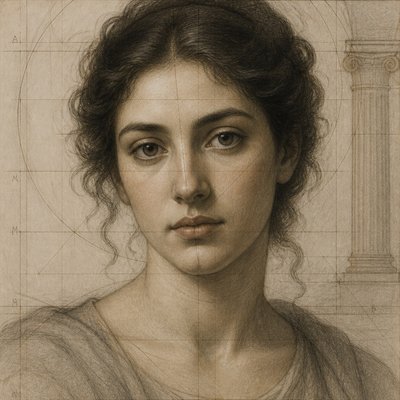
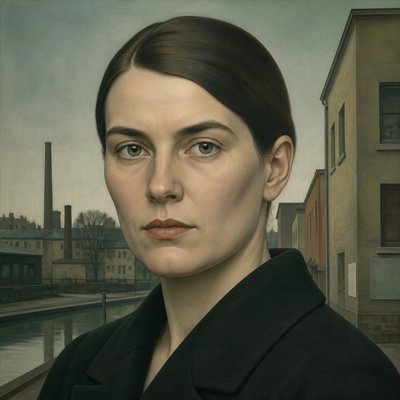
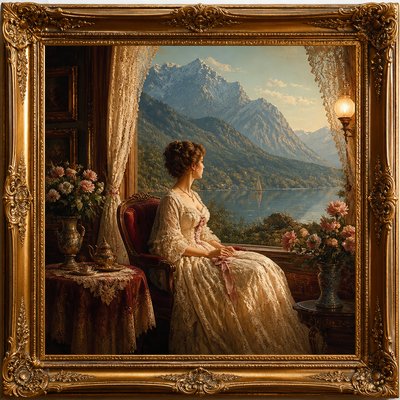
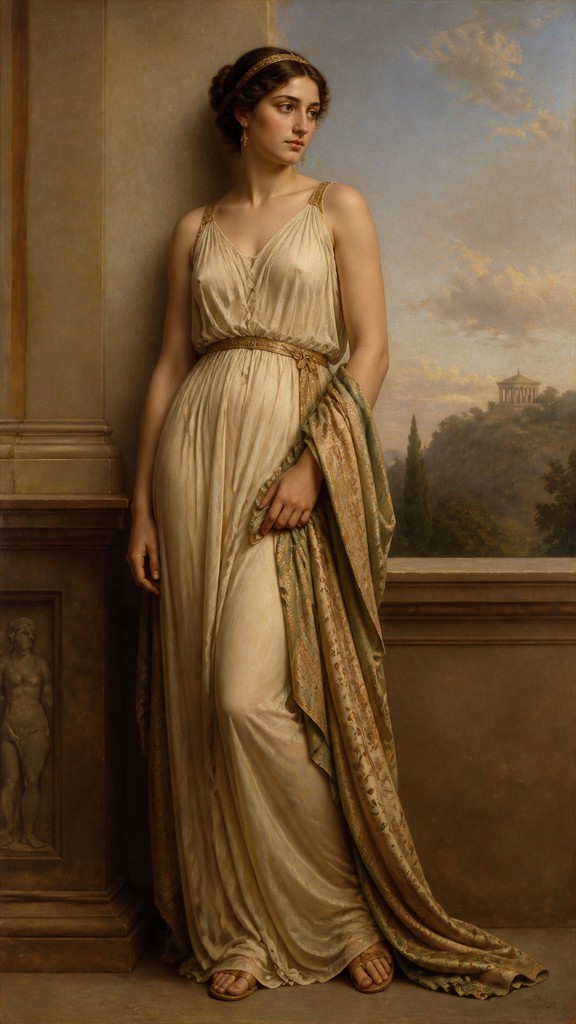
Classical realist figurative art is a representational style focused on the accurate, convincing depiction of the human figure through traditional principles of anatomy, proportion, light, and form. It emphasizes lifelike presence without sacrificing idealization: bodies are carefully observed, poses are balanced and dignified, and faces and gestures are composed to convey timeless calm rather than theatrical motion.
Its visual identity comes from academic draftsmanship and painterly restraint. Smooth tonal transitions, subtle warm-and-cool shifts, and carefully controlled highlights create the illusion of three-dimensional flesh, fabric, and bone beneath the surface. The result is imagery that feels rooted in Renaissance and academic painting traditions, where technical precision serves clarity, harmony, and an elevated sense of human beauty.
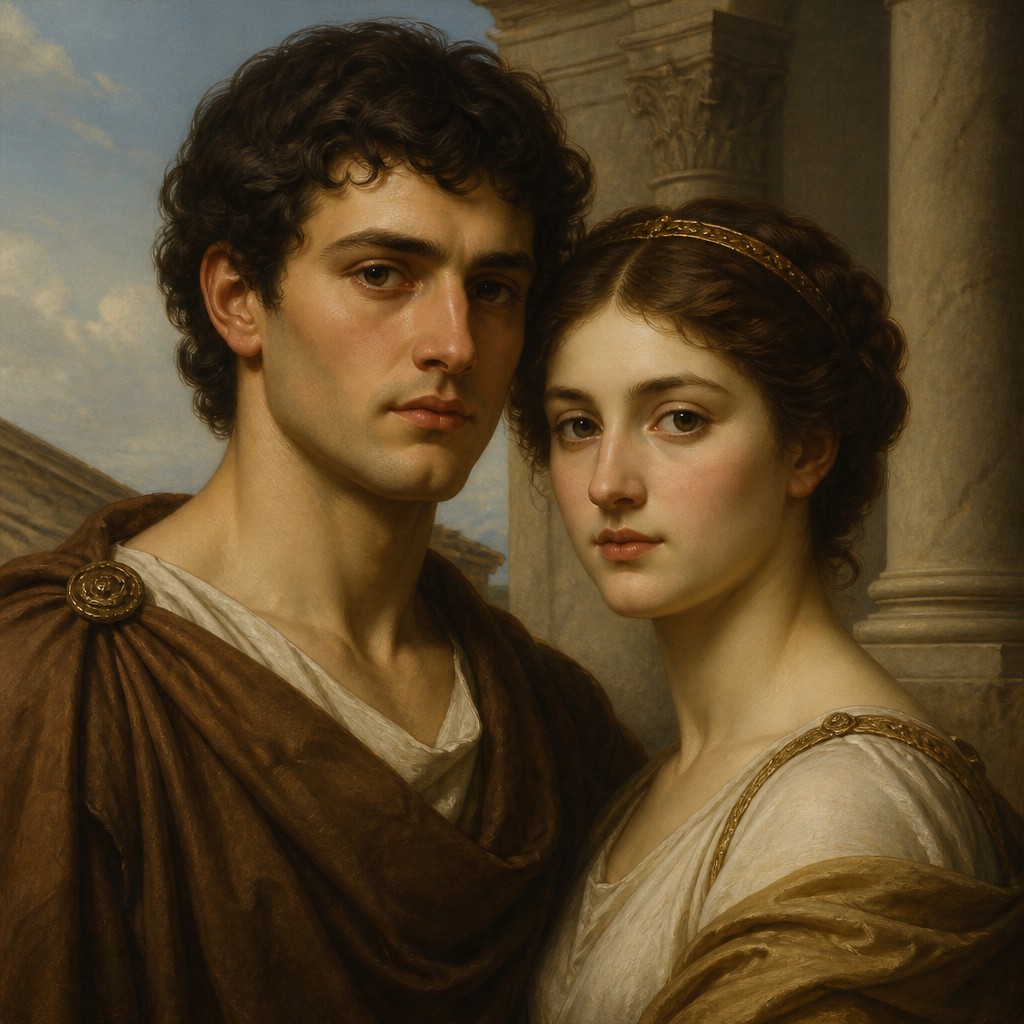
Try It On Your Photos
Upload any photo and convert it into Classical Realist Figurative Art Style — drag the sliders to compare before and after.
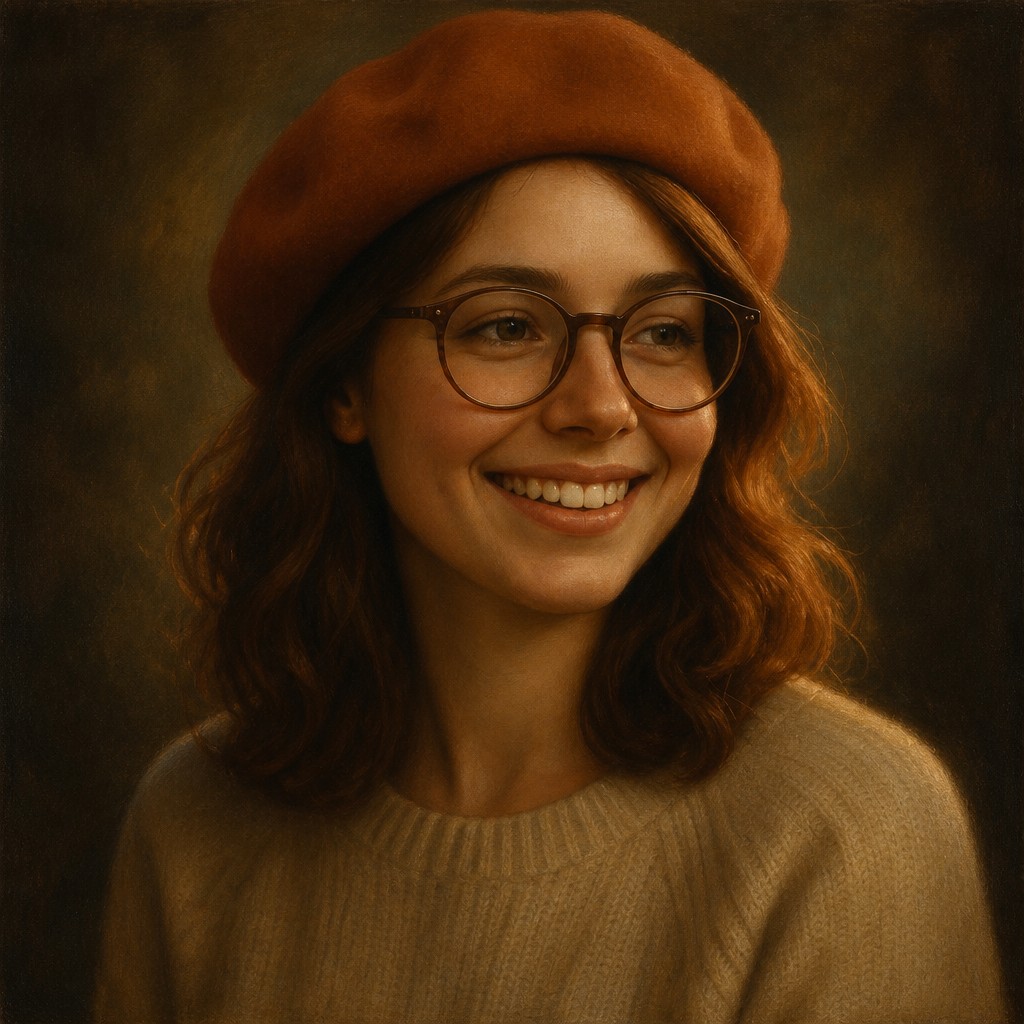

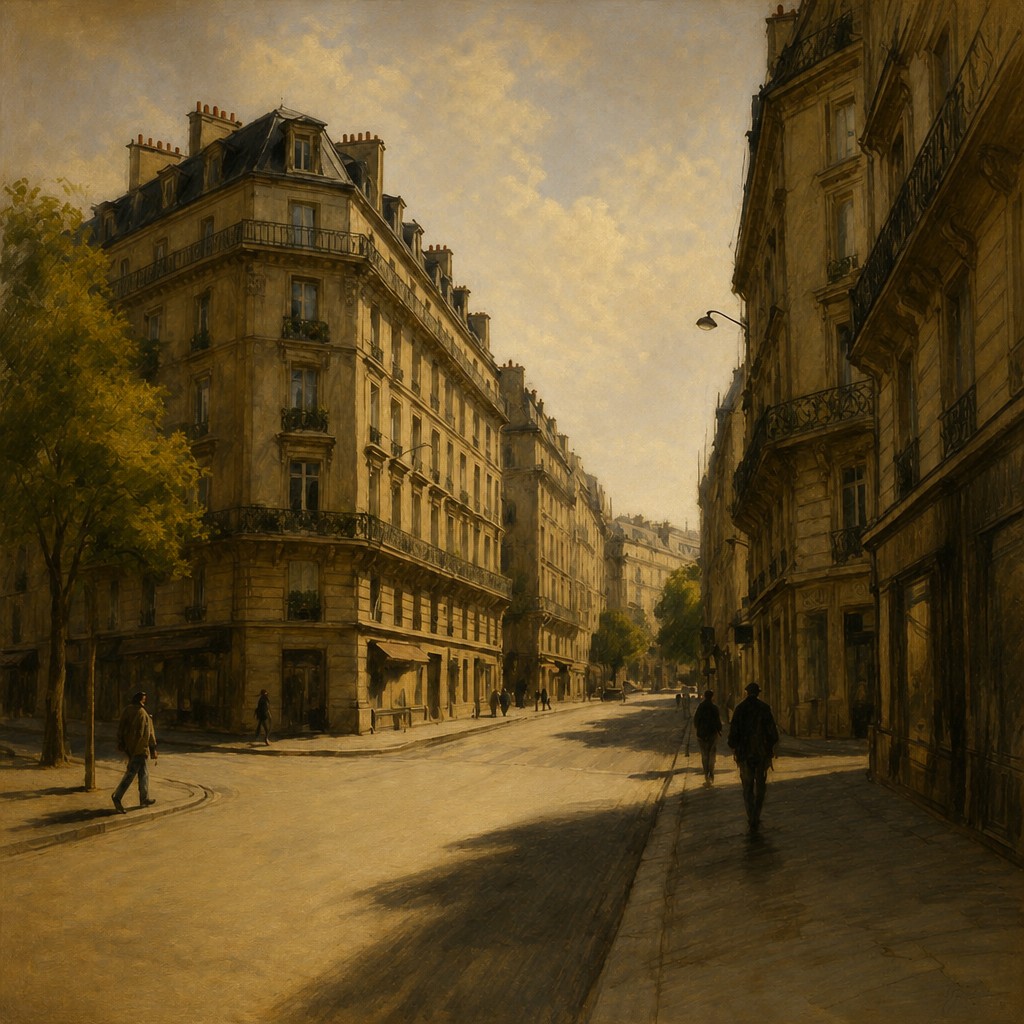

What Defines Classical Realist Figurative Art Style
The signature details, up close
Accurate anatomy and proportion
Figures are built on close observation of skeletal structure, musculature, and believable weight distribution. Even when idealized, the body still reads as physically coherent and structurally sound.
Smooth tonal modeling
Forms transition gradually from light to shadow with minimal harsh edges. This creates a sculptural sense of volume and helps skin, drapery, and facial features appear convincingly dimensional.
Idealized human beauty
Subjects are often refined toward harmony, symmetry, and graceful balance rather than individualized distortion. The result is classical presence rather than overt realism's flaws and irregularities.
Restrained earth-toned palette
Colors often lean toward umbers, ochres, muted reds, warm neutrals, and subdued cools. The palette supports natural flesh tones and a composed, timeless atmosphere.

Warm directional lighting
Light usually comes from a defined source and reveals form with soft clarity. Highlights, half-tones, and shadows are organized to describe the body rather than dramatize it.
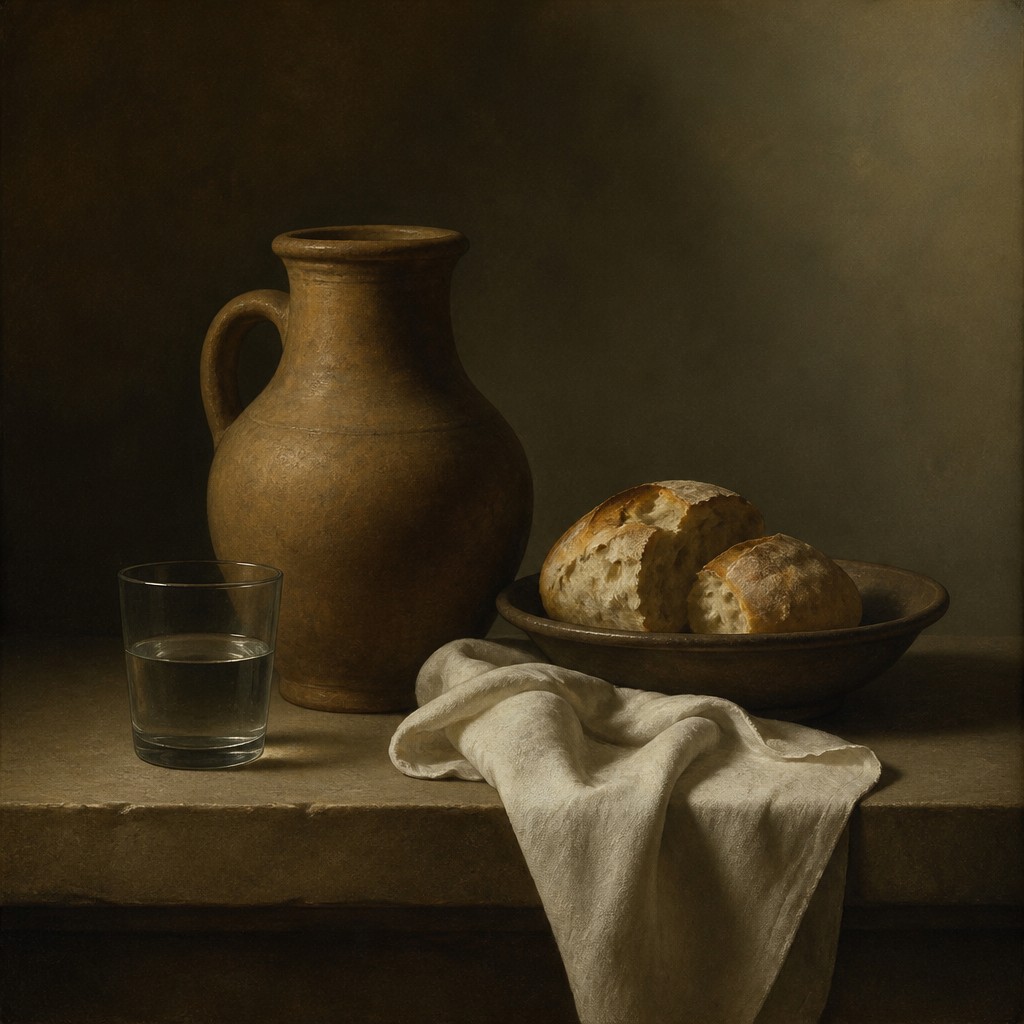
Polished, invisible brushwork
Paint handling is controlled and blended, with few visible strokes in finished passages. This seamless finish helps preserve the illusion of living presence and classical refinement.

Dignified stillness
Poses tend to be stable, balanced, and composed, with restrained gesture and calm expression. Even narrative scenes feel orderly and contemplative rather than chaotic.
Try It
Create Videos in Classical Realist Figurative Art Style
Styles aren't just for stills — describe a scene or animate an image and get a short video rendered in Classical Realist Figurative. Press play to see this pond come to life.
Make a VideoClassical Realist Figurative Prompt Ideas
Start from an idea — each one opens the generator with the style ready to go. See all 40 Classical Realist Figurative prompts →
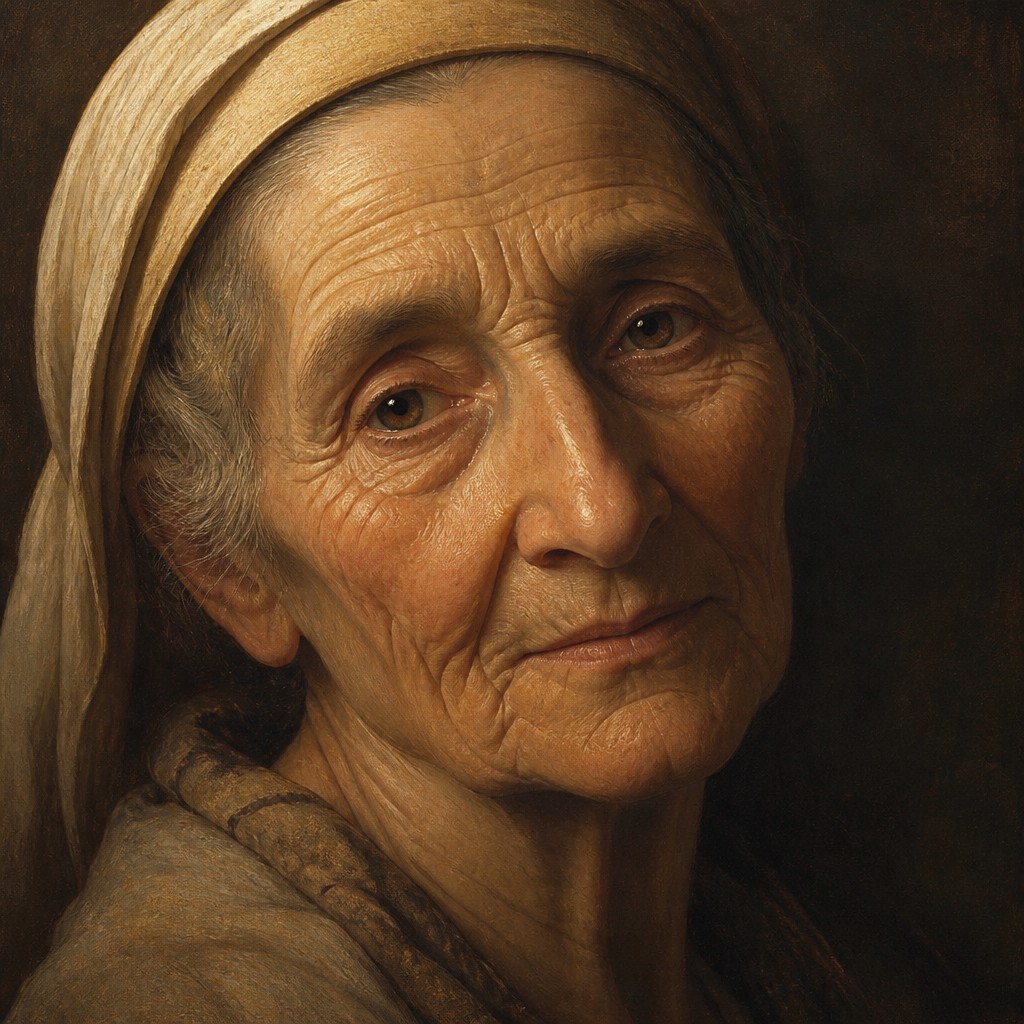
“close-up portrait of an elderly person with expressive weathered features”
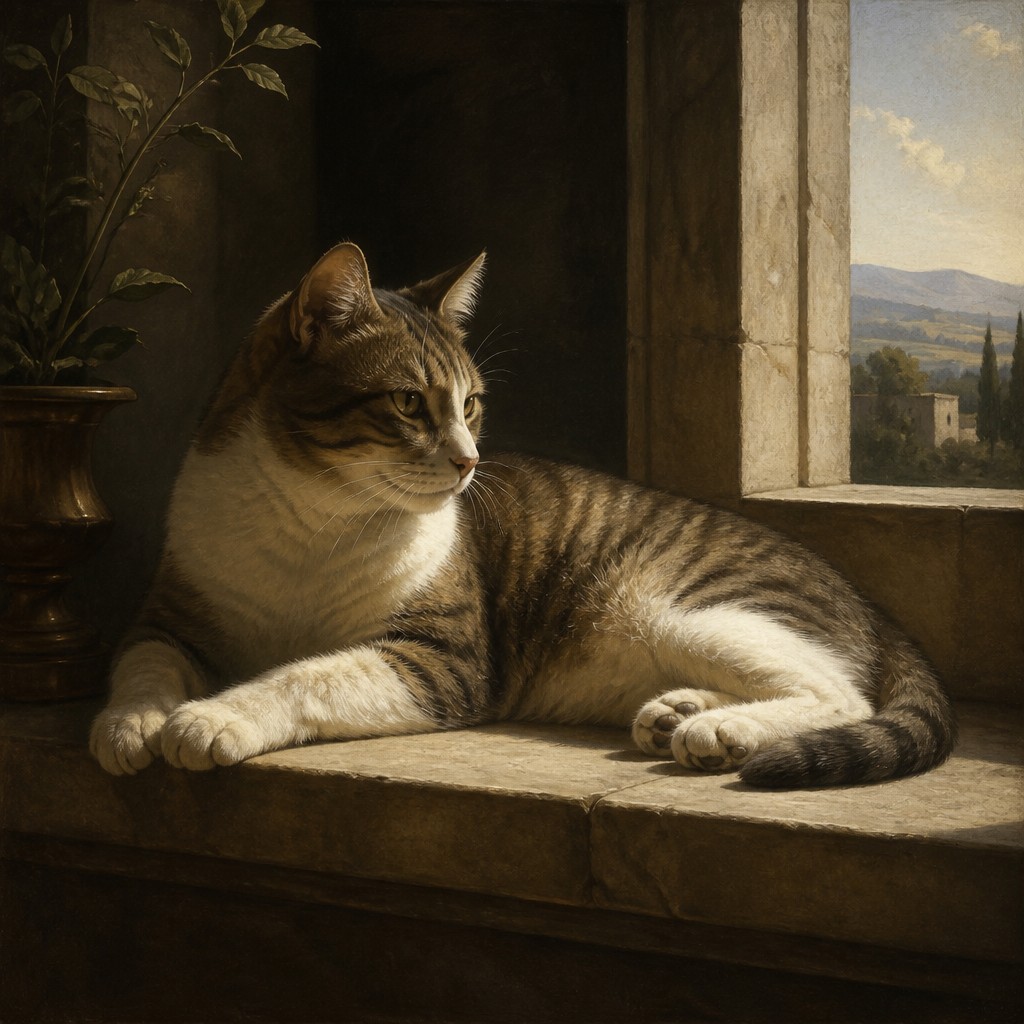
“a cat lounging in a sunlit window”
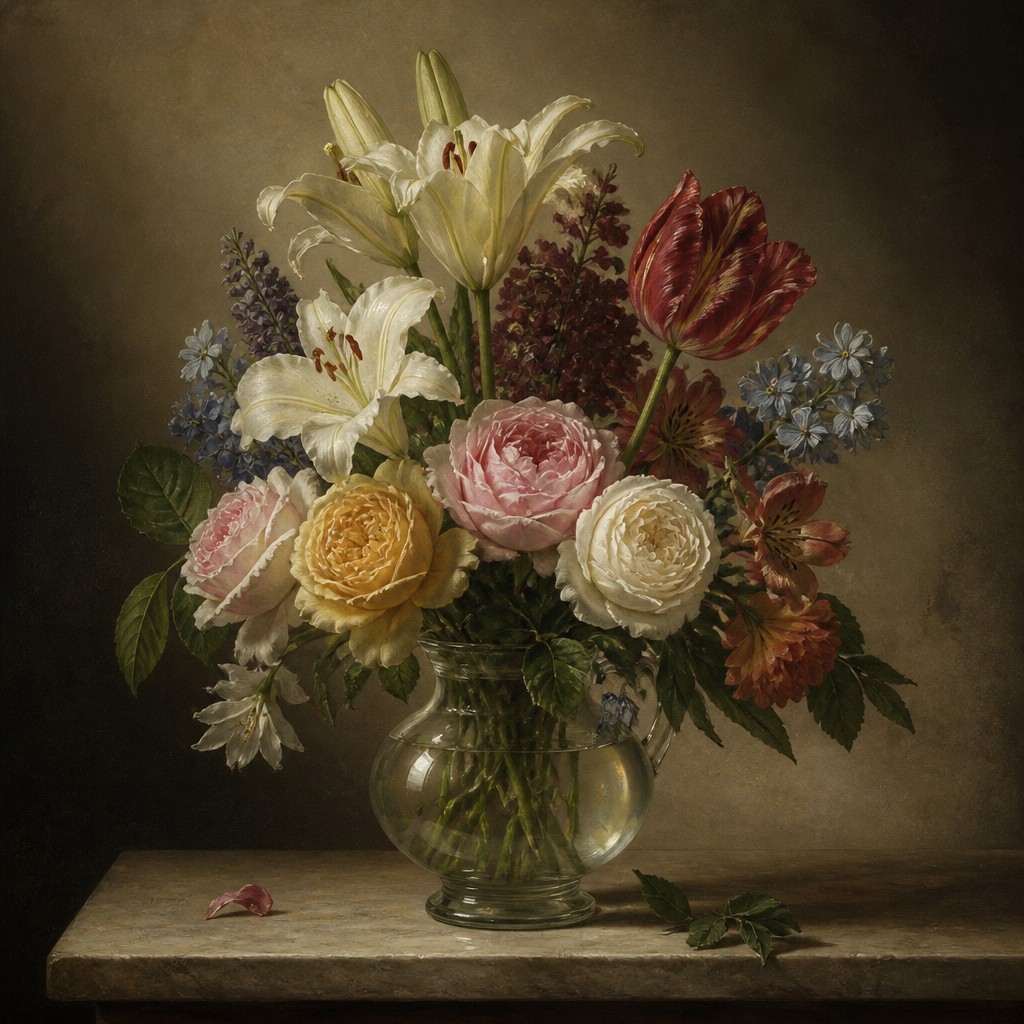
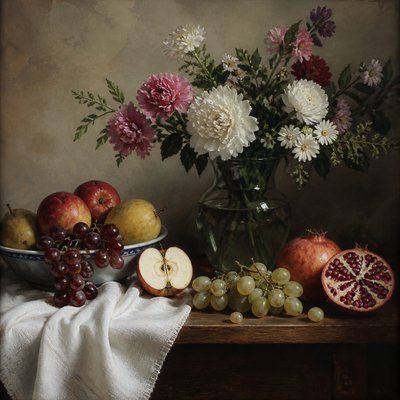
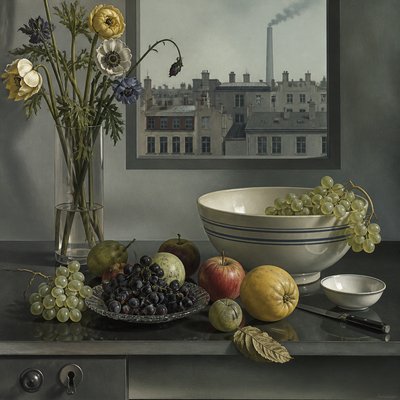
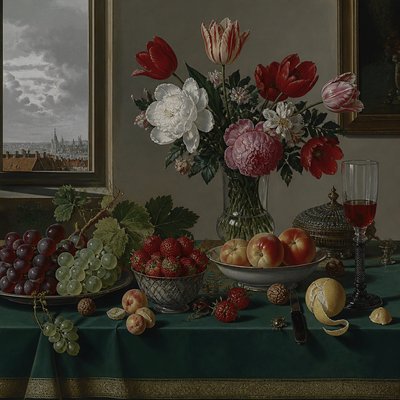
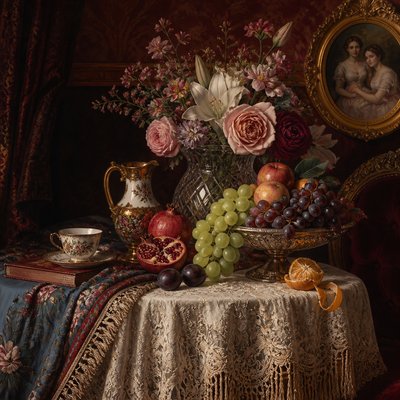
“bouquet of flowers in a glass vase”

“sailing ship on a stormy sea”
How to Create Classical Realist Figurative Art
Master the craft step by step — or skip straight to creating. Read the full guide →
- 1
Start with strong figure drawing
Build the figure from gesture, proportion, and anatomical landmarks before adding detail. Use construction lines, careful measurement, and life drawing studies to keep the body structurally convincing.
- 2
Model form with value first
Establish the light-to-shadow structure before worrying about local color. In painting or digital work, think in planes and gradual tonal transitions so the figure feels three-dimensional.
- 3
Use layered, controlled finish techniques
Traditional artists can rely on underpainting and thin glazing to create depth, while digital artists can emulate this by building transparent layers and soft transitions. Avoid overly textured rendering if you want the polished classical surface.
- 4
Keep the palette restrained
Favor muted natural colors and subtle temperature shifts in flesh, fabric, and background. Small variations between warm light and cooler shadow will give the image life without breaking its calm unity.
- 5
Compose for balance and dignity
Choose stable silhouettes, elegant gesture, and clear focal hierarchy. A composed pose with a quiet facial expression will read more authentically classical than action-heavy staging.
- 6
For prompt-based generation, specify academic realism
Describe the subject, pose, lighting, and materials clearly, then add cues such as 'meticulous tonal modeling,' 'layered glazing,' 'subtle sfumato,' and 'idealized Renaissance harmony' to steer the image toward this look.
The Story
History & Origins of Classical Realist Figurative
Classical realist figurative art is not a single historical movement so much as a continuing tradition that developed from the Renaissance, when artists in Italy and later across Europe studied anatomy, perspective, proportion, and oil painting techniques to depict the human body with unprecedented naturalism. Its core vocabulary was shaped by Renaissance masters and later reinforced by academic training in the European art academies of the 17th through 19th centuries, where drawing from life, plaster casts, and the nude figure was central.
In the 19th century, academic painting and atelier-based instruction preserved this approach even as modernism moved in new directions. Contemporary classical realism continues that lineage through atelier schools, fine-art portraiture, and figurative painting practices that value disciplined observation, layered paint handling, and idealized composition. The style persists because it offers a durable visual language for representing the human form with clarity, depth, and compositional order.
Influences: This style draws most directly from the Renaissance and later academic realism, especially the figure-centered traditions associated with leading Renaissance masters and major 19th-century academic painters known for idealized figuration, polished finish, and carefully controlled draftsmanship. It also overlaps with atelier training, portrait painting, and neoclassical ideals of proportion, clarity, and controlled finish. Compared with Baroque painting, it is less dramatic and more restrained; compared with Romanticism or modern figurative art, it is more committed to idealized order and smooth surface handling.

Frequently Asked Questions
What defines classical realist figurative art?
It is defined by faithful human anatomy, believable light and shadow, and a polished finish that makes figures appear solid and alive. The style usually favors idealized beauty, balanced composition, and a calm, timeless mood.
How is this different from photorealism?
Photorealism aims to reproduce the look of a photograph as closely as possible, including lens effects and fine surface detail. Classical realist figurative art instead prioritizes classical composition, painterly modeling, and idealized form, even when it is highly naturalistic.
How is this different from Renaissance art?
It shares many of the same principles as Renaissance art, especially anatomy, perspective, and harmony. The difference is that this label usually describes a broader contemporary or cross-period academic look informed by Renaissance traditions rather than the historical Renaissance itself.
What subjects work best in this style?
Portraits, nude studies, allegorical figures, devotional scenes, historical subjects, and posed figure compositions are especially effective. The style depends on the human body as its main subject, so even simple poses can feel complete and expressive.
How do I make a digital image look more classical and realistic?
Use a restrained palette, soft value transitions, and careful anatomy, then reduce visible texture and stylization. A controlled lighting setup, a balanced pose, and subtle glazing effects will move the image toward an academic finish.
Where is this style commonly used today?
It appears in fine-art portraiture, atelier training, museum-inspired figurative painting, and select illustration and concept art contexts that call for elegance and realism. It is also popular for images of mythological, historical, and allegorical subjects.
Create your first Classical Realist Figurative artwork
Describe anything — or upload a photo — and see it in Classical Realist Figurative Art Style in seconds.
Make Something with Classical Realist Figurative
Compare Classical Realist Figurative
Related Styles
Discover similar art styles