Classical Realism vs Classical Realist Figurative: What's the Difference?
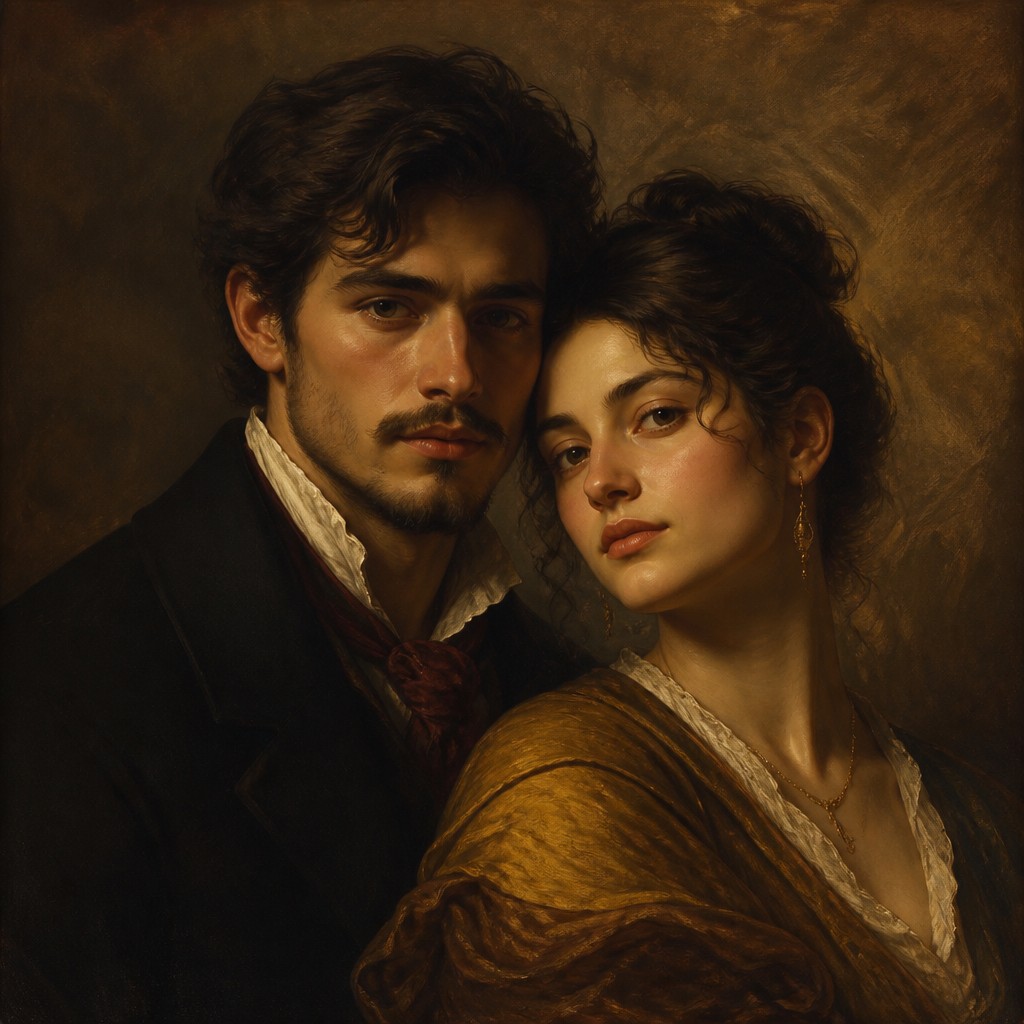
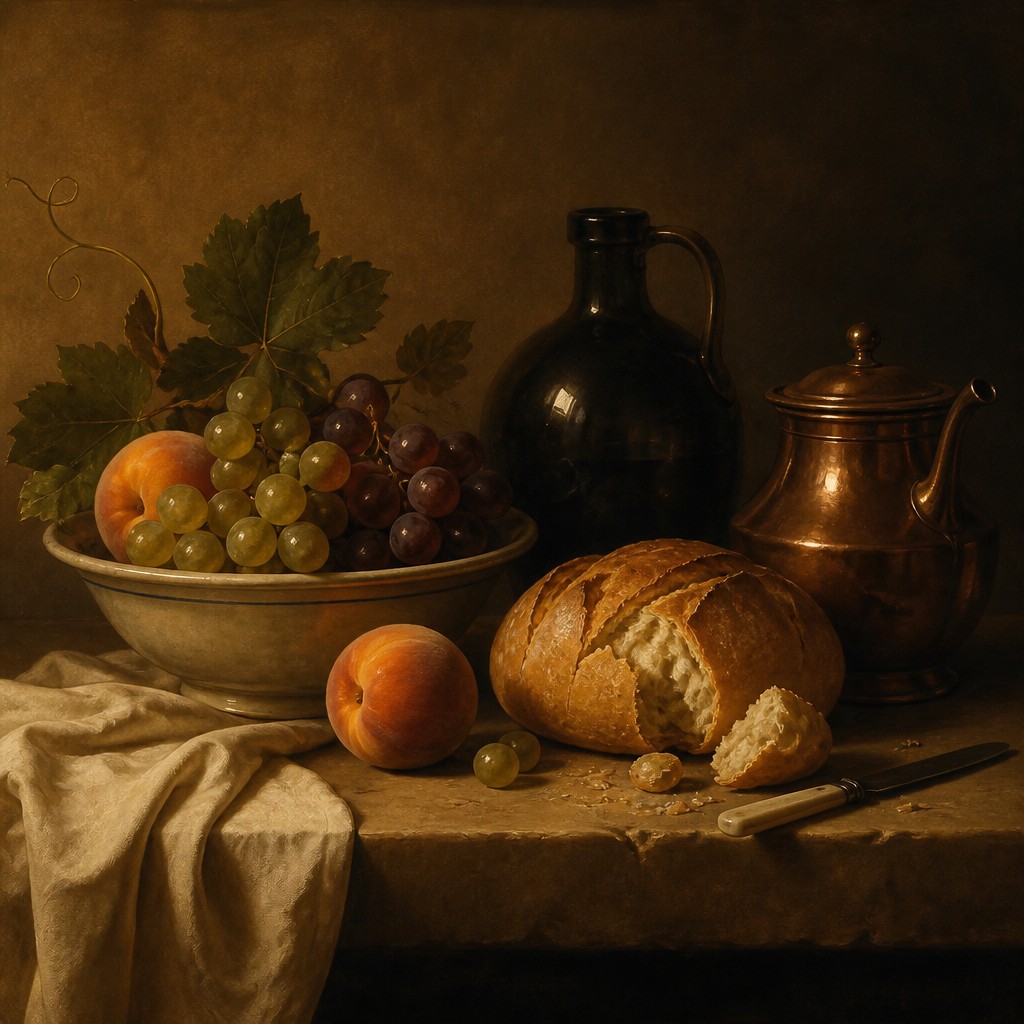
Classical Realism Art Style focuses on Old Master painting methods: carefully controlled light, balanced composition, luminous color, and refined detail. It often idealizes subjects while keeping them believable, using chiaroscuro and disciplined craft to create timeless, polished images.
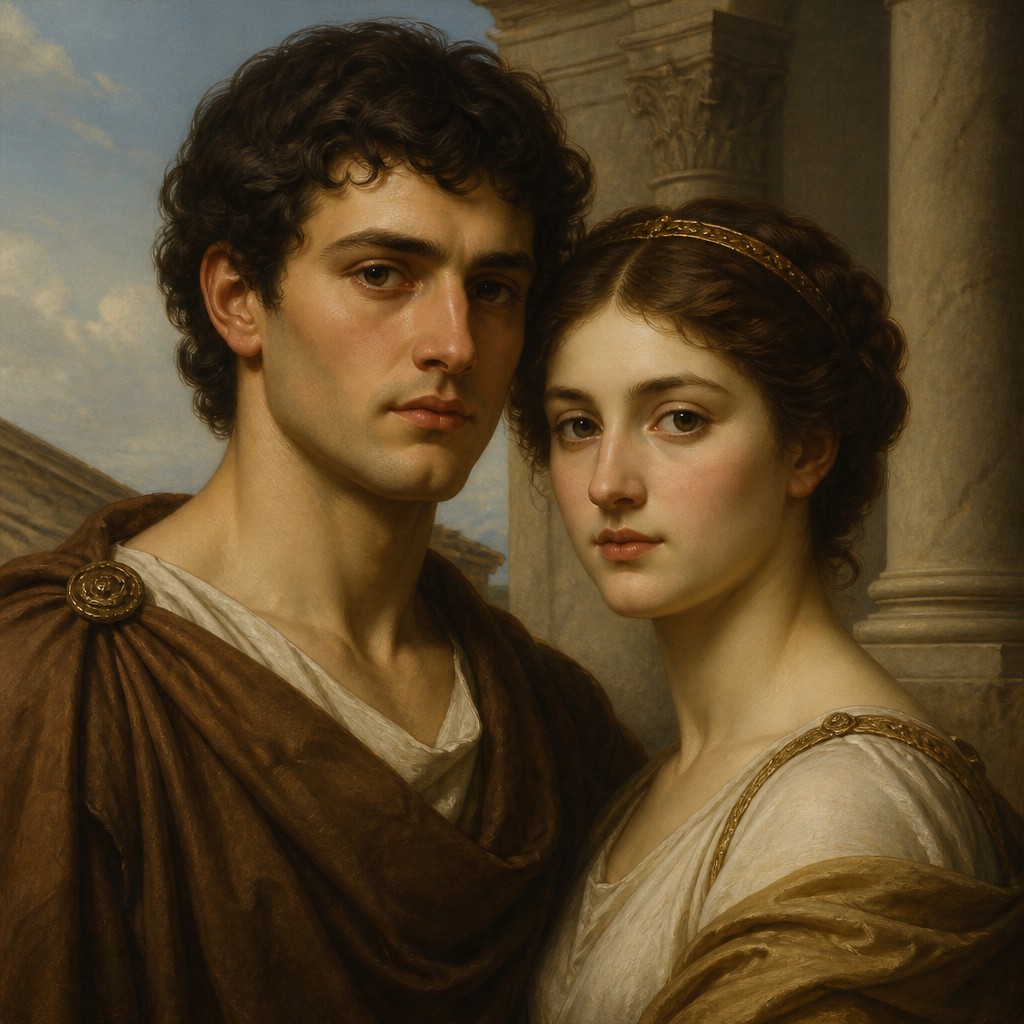
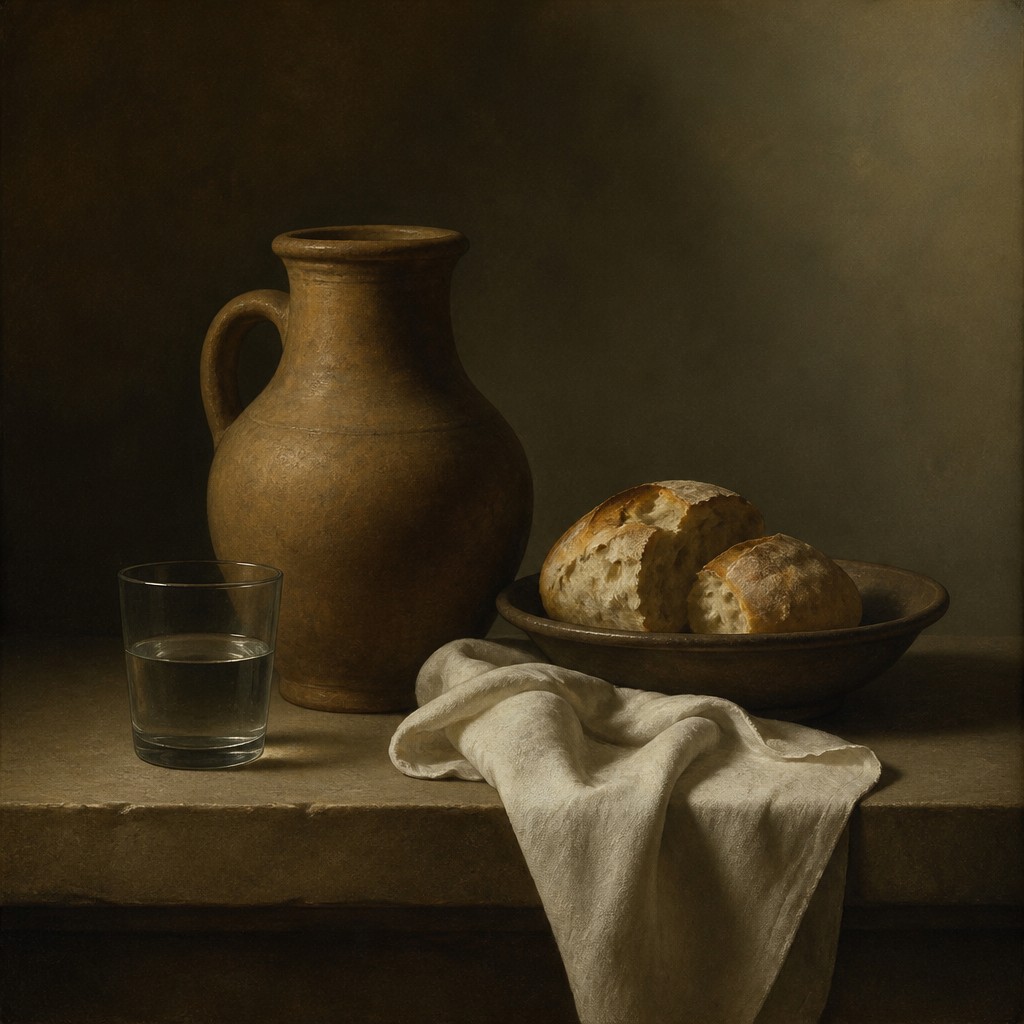
Classical Realist Figurative Art Style is a closely related approach centered on the human figure. It emphasizes lifelike anatomy, smooth modeling, Renaissance-inspired harmony, and graceful poses, usually with a strong sense of form and natural presence. People compare them because both value classical tradition, realism, and idealization, but one is broader in scope while the other is more figure-focused.
Same Prompt, Both Styles
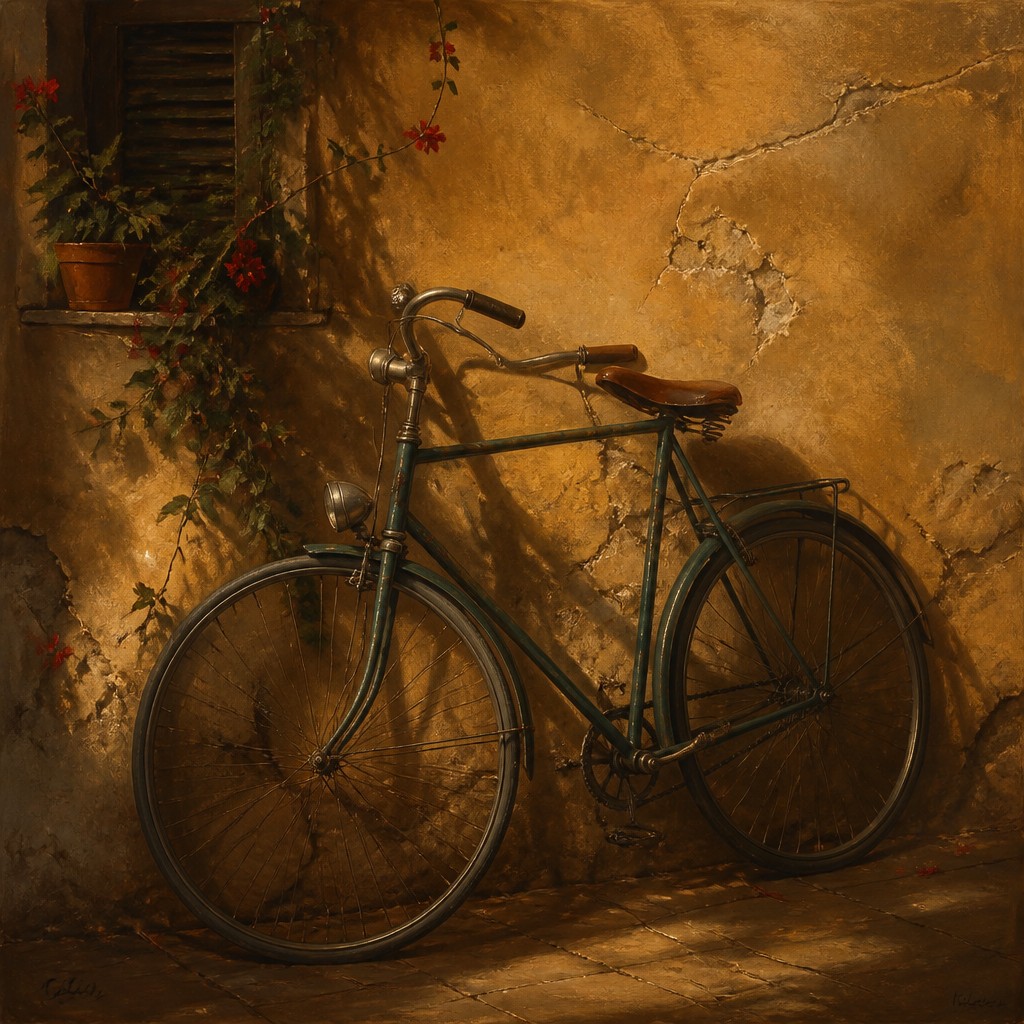
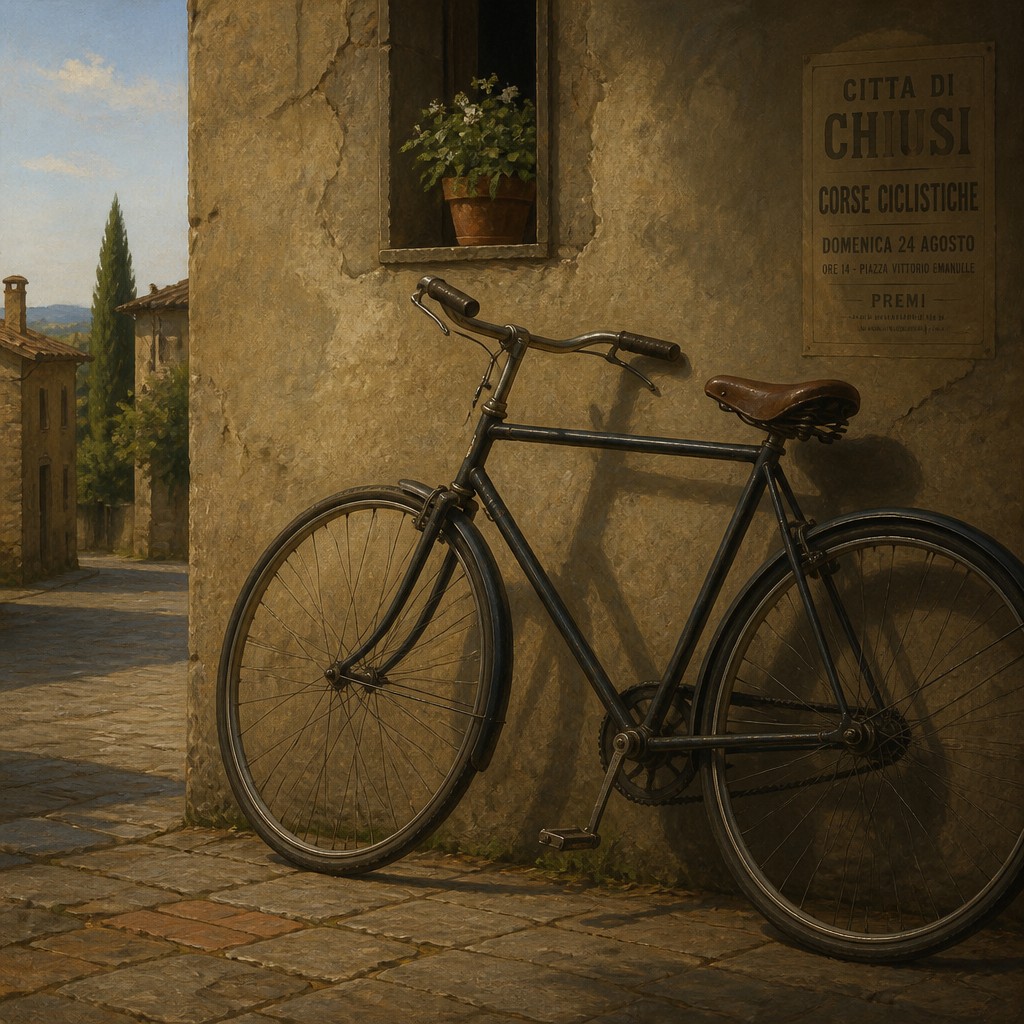
Each pair below was generated from the identical prompt — only the style changed.
“portrait of two people together”
“wide landscape with natural scenery”


“still life with everyday objects”
“bicyle resting against a wall”
Key Differences
| Classical Realism | Classical Realist Figurative | |
|---|---|---|
| Primary focus | Broader subject matter: portraits, scenes, still life, and symbolic imagery. | Centered on the human figure, especially the body and face. |
| Anatomy | Accurate figures matter, but anatomy is one part of a larger pictorial whole. | Anatomy is central, with close attention to proportion and gesture. |
| Surface finish | Highly polished surfaces with crisp detail and clear transitions. | Smooth modeling is emphasized, often with soft transitions across forms. |
| Composition | Balanced, narrative, and often arranged for visual harmony across the full image. | Harmonious posing and spatial clarity, usually to support the figure. |
| Light and shadow | Strong use of chiaroscuro for depth, drama, and luminous contrast. | Light is used to model anatomy gently and preserve graceful form. |
| Mood | Can feel solemn, elevated, dramatic, or ceremonial. | Often feels calm, elegant, intimate, and classically poised. |
| Mood | timeless, dignified, serene, elevated | dignified, timeless, calm, refined |
| Energy | calm | calm |
| Detail level | detailed | detailed |
| Color | warm, natural, muted, luminous earth tones | natural earth tones, soft skin hues |
| Texture | smooth layered oil surfaces | smooth modeling, fine brushwork, subtle chiaroscuro |
| Origin | Renaissance and Academic Europe | Renaissance-era Europe |
| Best for | portraits, historical scenes, fine art prints, book covers, museum posters, classical interiors | portraiture, historical scenes, museum prints, figurative studies, classical book covers |
| Difficulty | advanced | advanced |
Which Should You Choose?
Choose Classical Realism Art Style if you want a broader classical painting approach with strong composition, luminous lighting, and the freedom to depict many subject types. Choose Classical Realist Figurative Art Style if your main goal is a lifelike human figure with idealized anatomy, smooth modeling, and classical grace. If the body itself is the centerpiece, B is the more precise fit; if the entire painting language matters, A is the broader choice.
Frequently Asked Questions
Are these two styles basically the same?
They overlap a lot, but they are not identical. Both rely on classical techniques and realism, yet the figurative style is more specifically about the human body and its ideal presentation.
Which style is better for portraits?
Both can work well for portraits. Classical Realism is better if you want a broader, more painterly or narrative treatment, while the figurative style is better if you want a classical, anatomically focused portrait.
Does either style have to look photo-realistic?
No. Both styles can be highly realistic without copying a photograph exactly. They often idealize features and refine composition, lighting, and anatomy for a more elevated result.
Which style is more suitable for full-body figures?
The Classical Realist Figurative Art Style is usually the better match. It is built around lifelike anatomy, pose, and graceful body structure, so it suits full-body work especially well.