Epic Fantasy Art
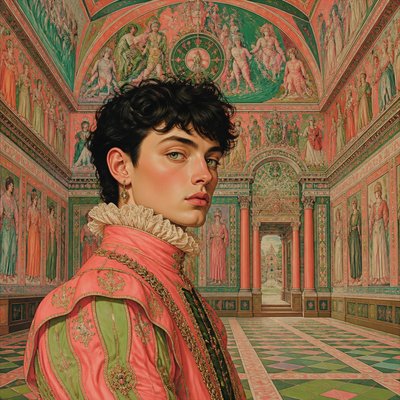
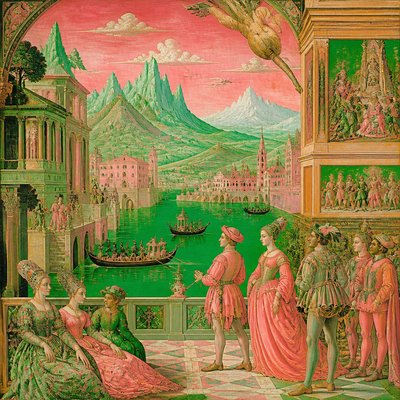
Grand fantasy scenes with heroes, dragons, magic, luminous landscapes, and cinematic painterly detail.
Instantly rendered in Epic Fantasy — or transform a photo
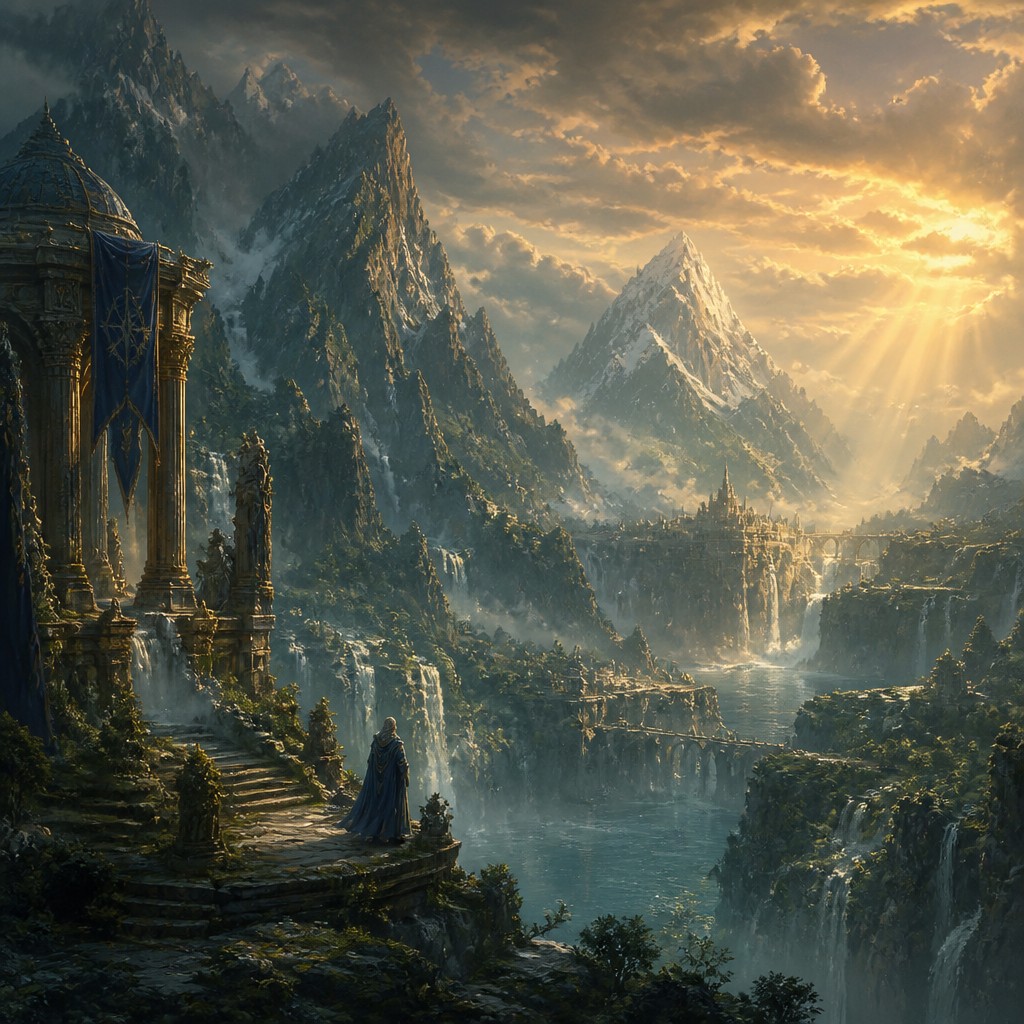
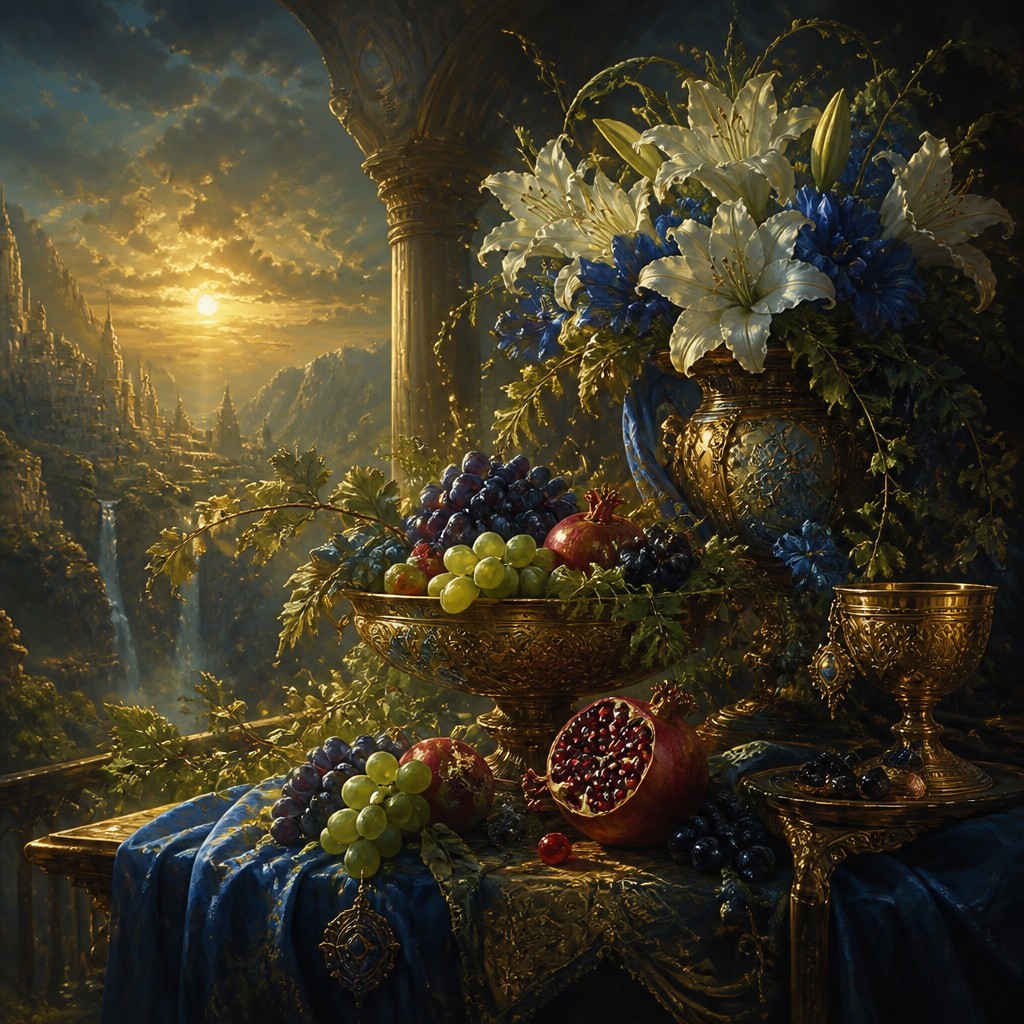
Epic Fantasy Gallery
Tap any artwork to explore it
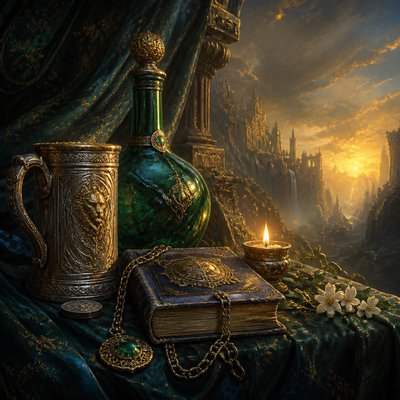
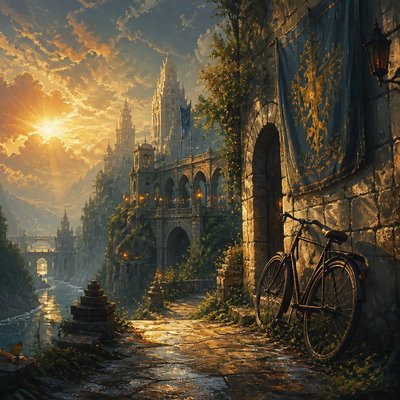
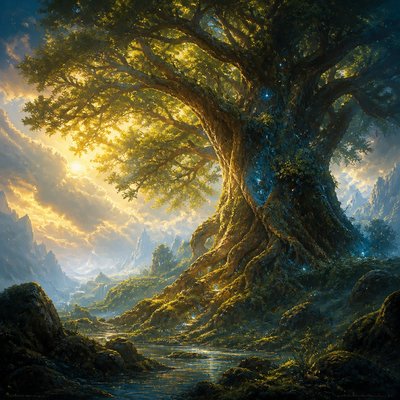
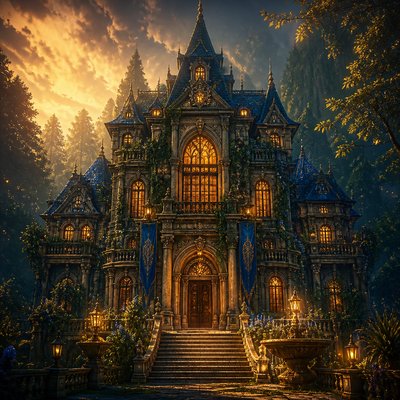
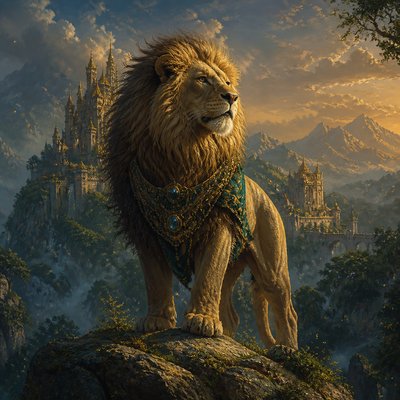
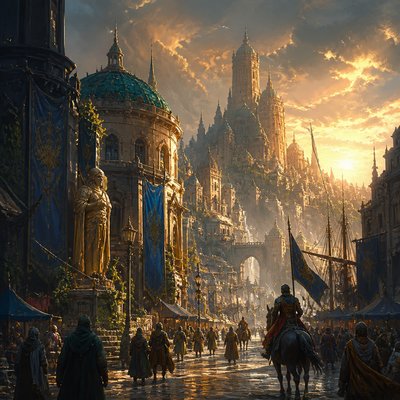
What is Epic Fantasy Art?
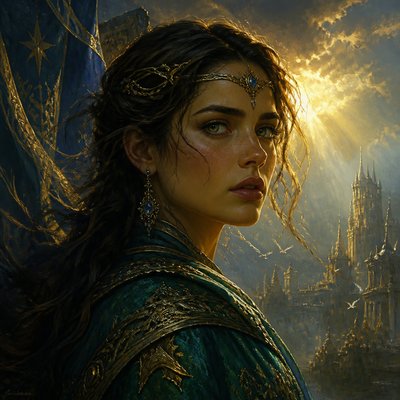
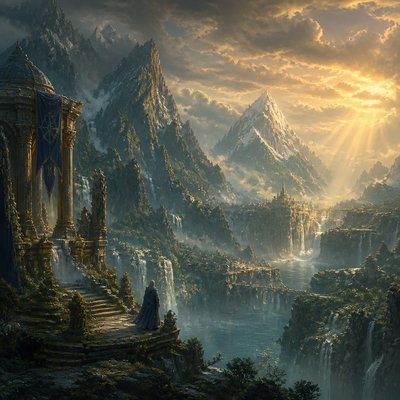
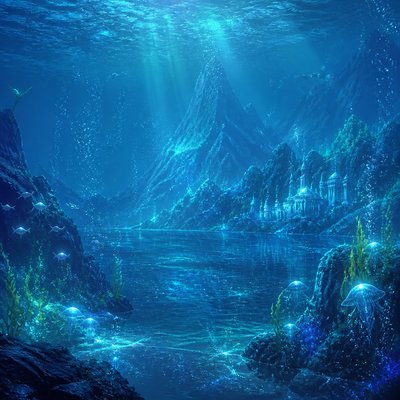
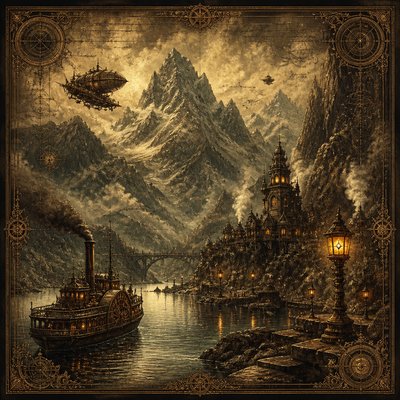
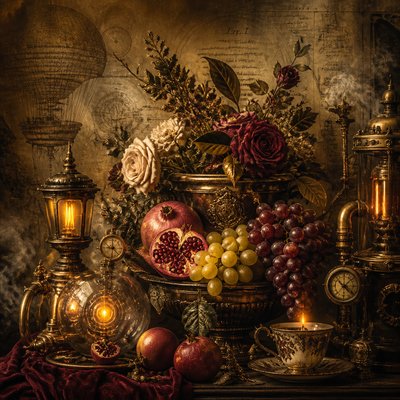
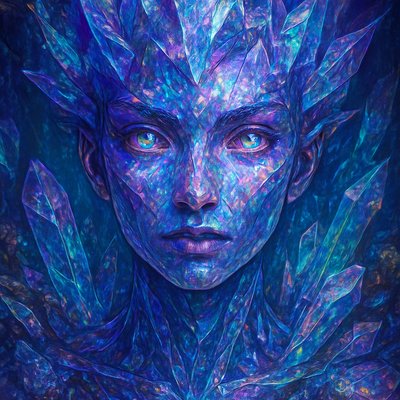
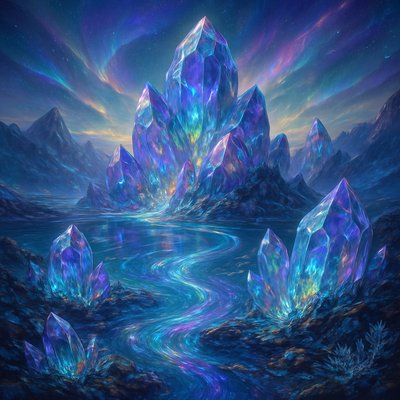
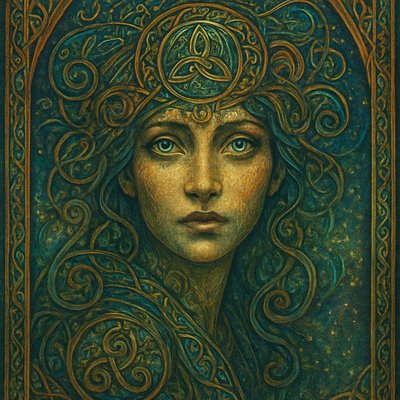
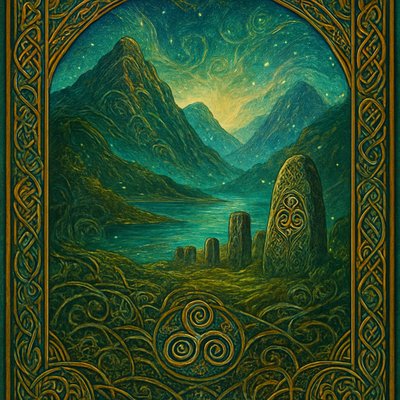
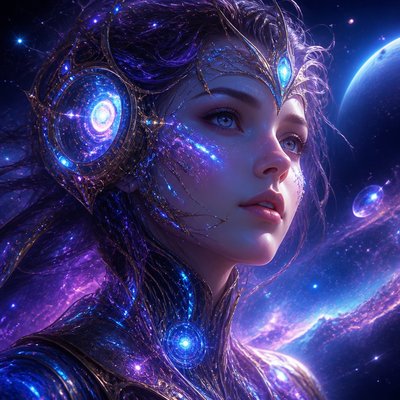
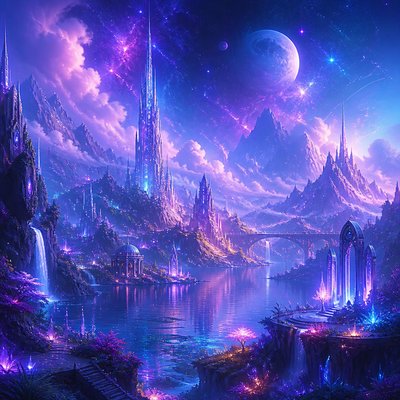
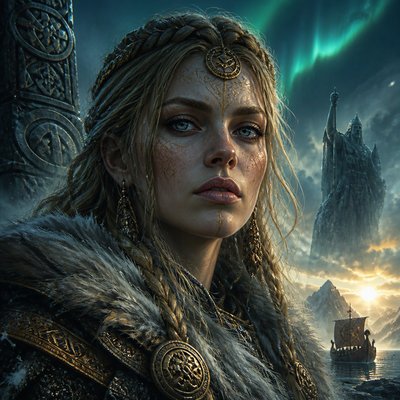
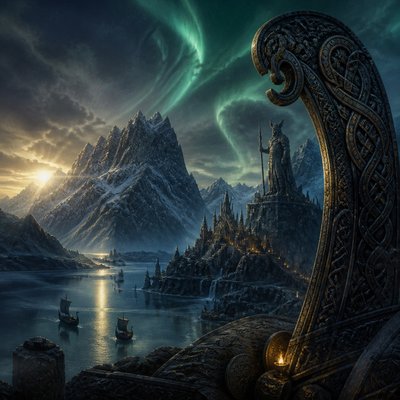
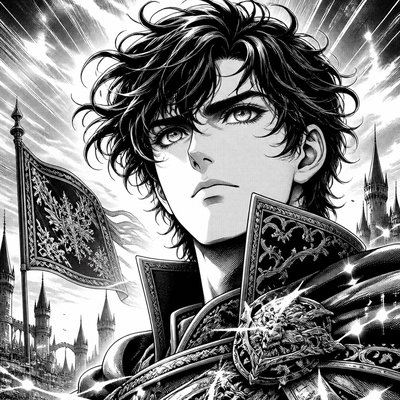
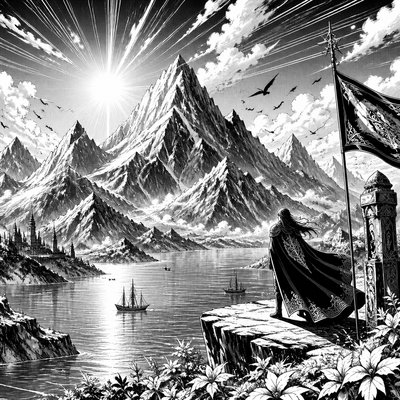
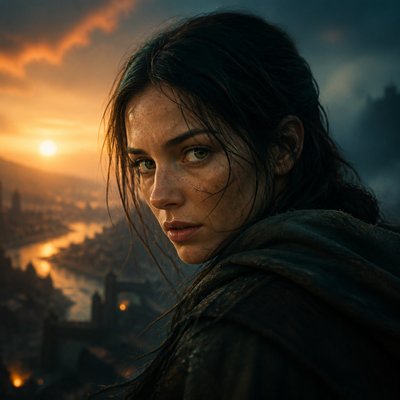
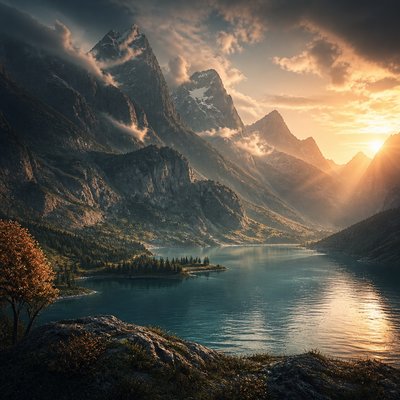
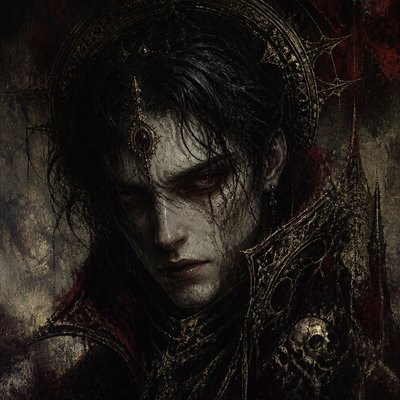
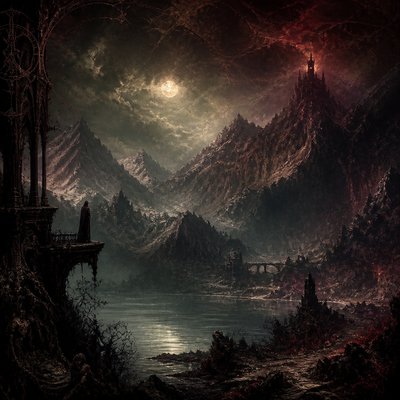
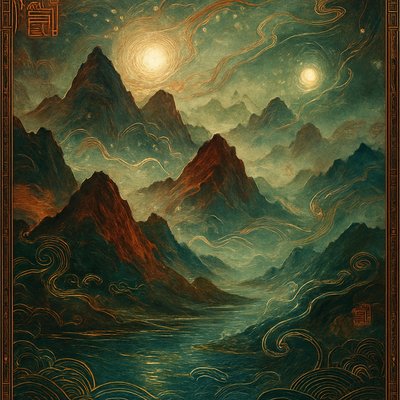
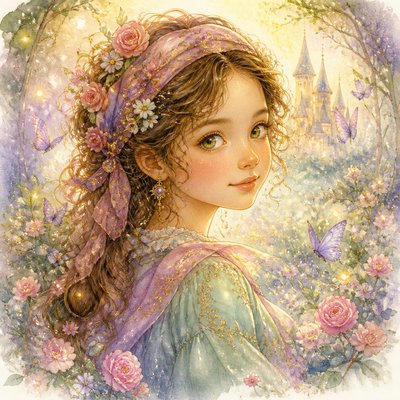
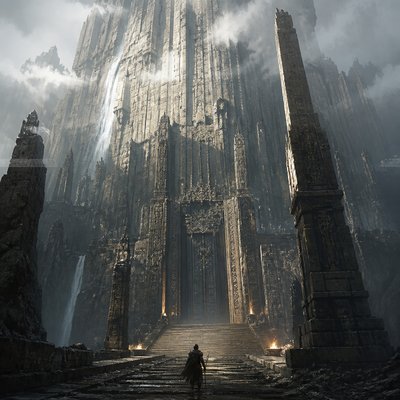
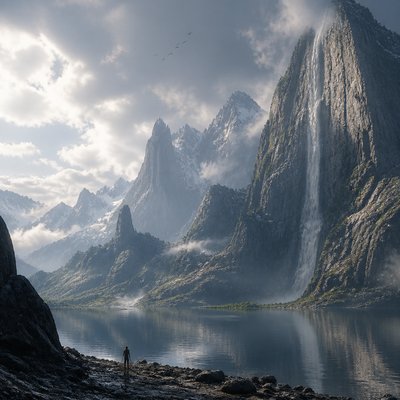
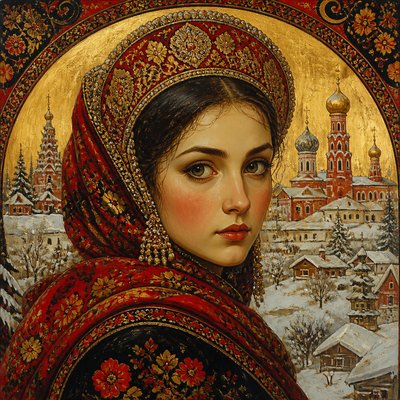
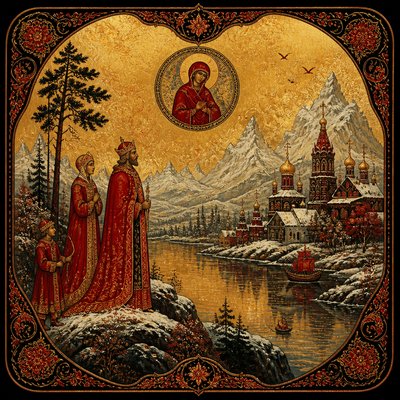
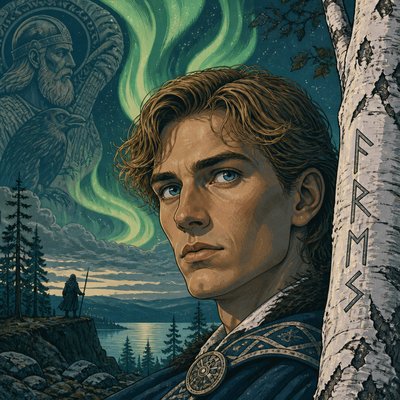
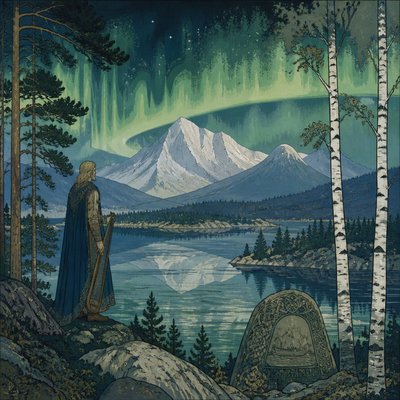
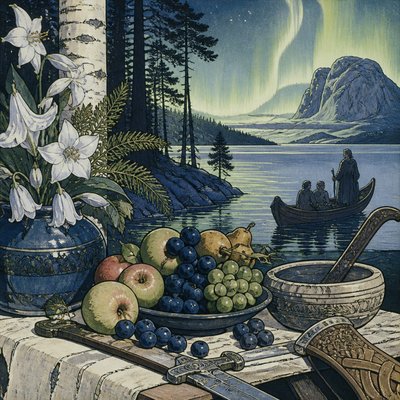
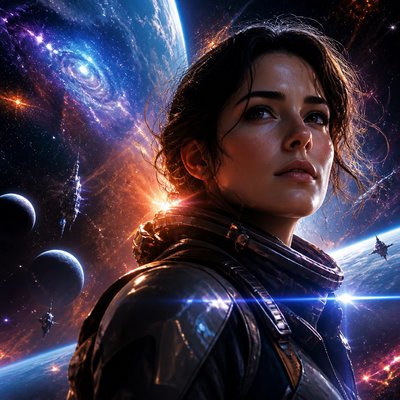
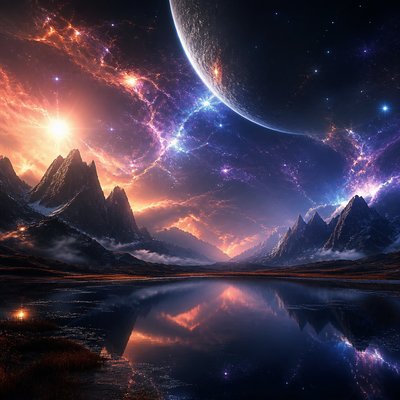
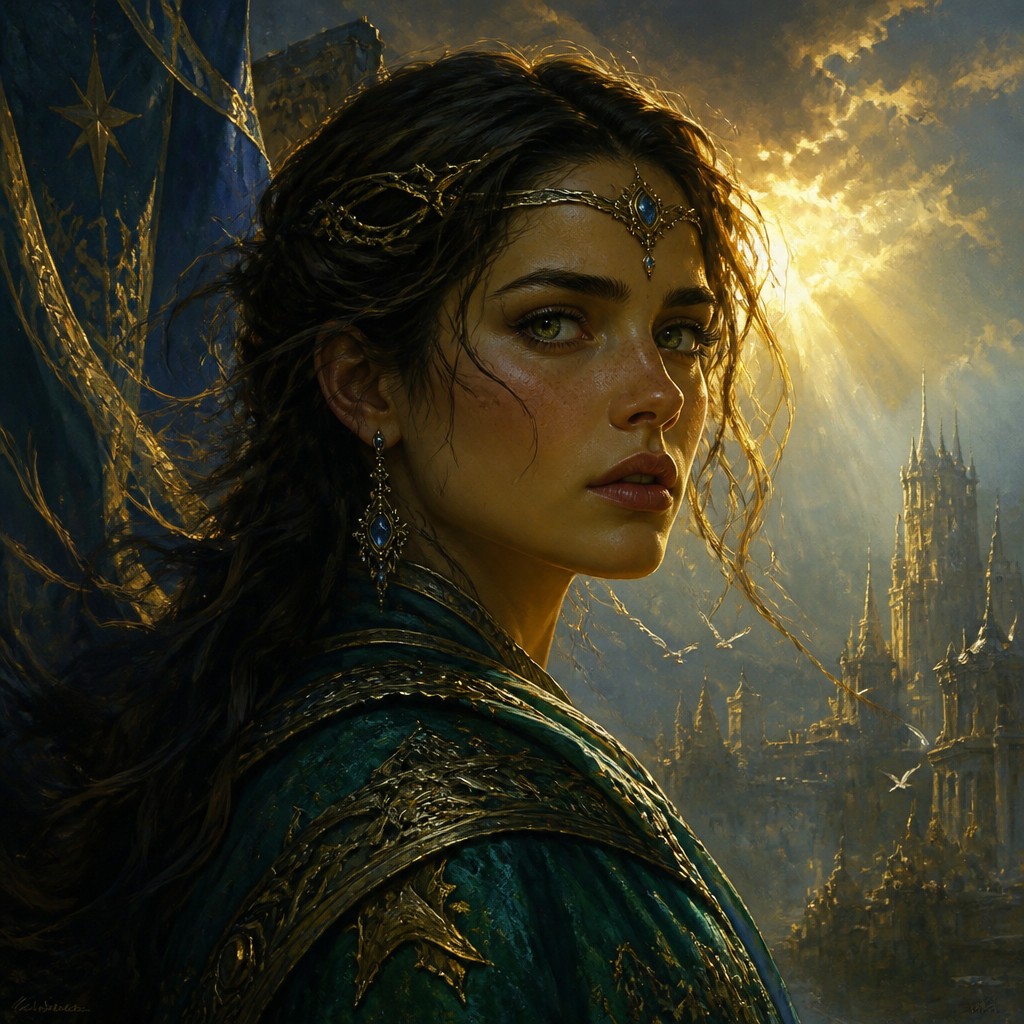
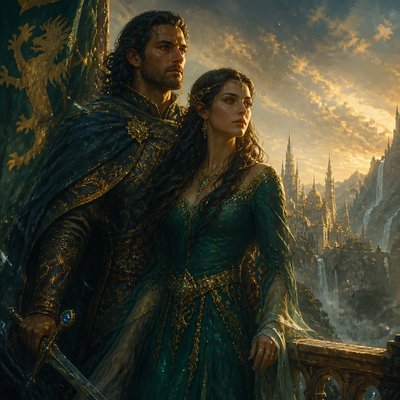
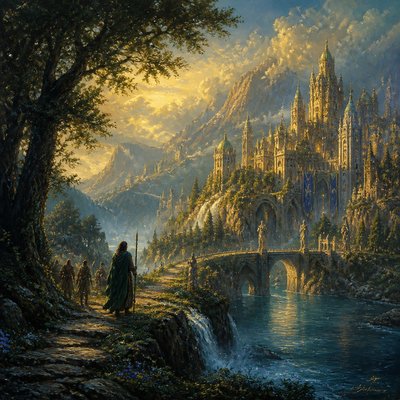
Epic Fantasy Art is a high-drama fantasy mode built around grand scale, heroic figures, and worlds that feel ancient, magical, and larger than life. It typically shows dragons, wizards, warriors, enchanted ruins, floating mountains, storm-lit citadels, or sweeping wildernesses, all arranged to emphasize spectacle and narrative tension.
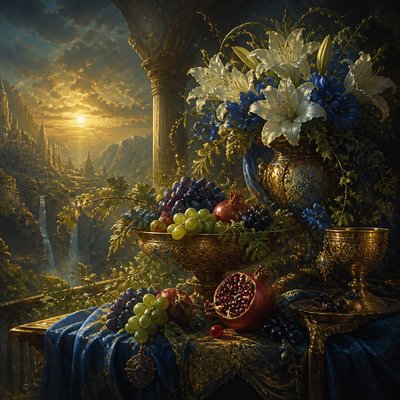
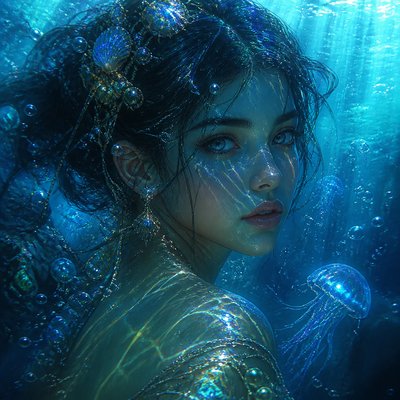
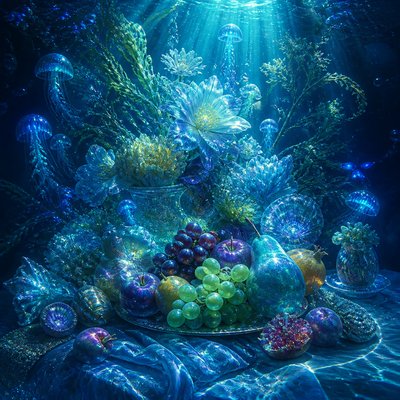
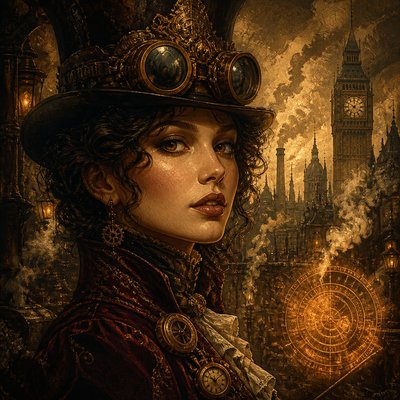
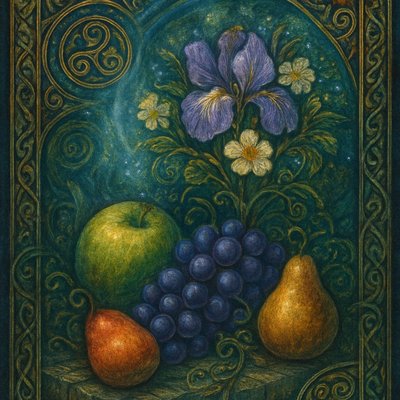
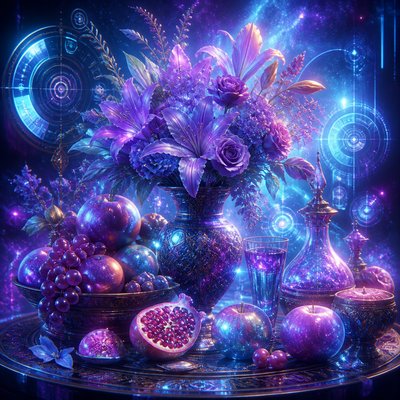
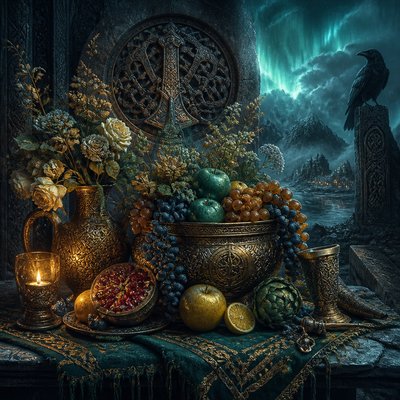
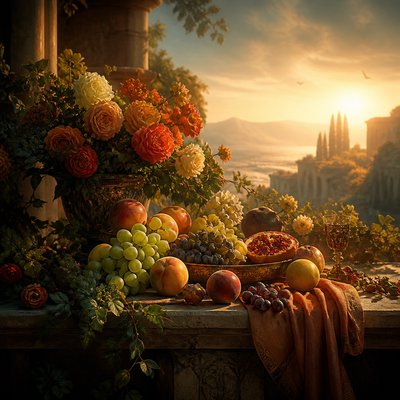
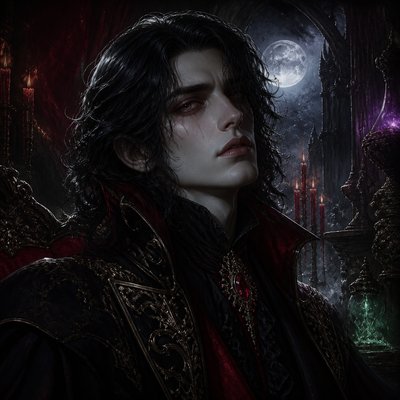
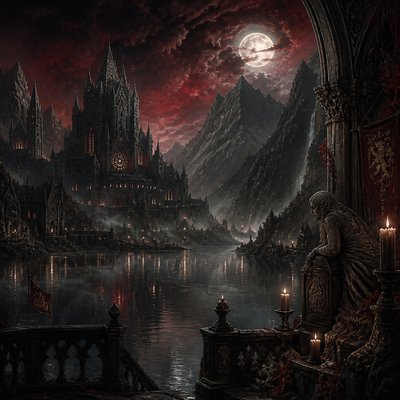
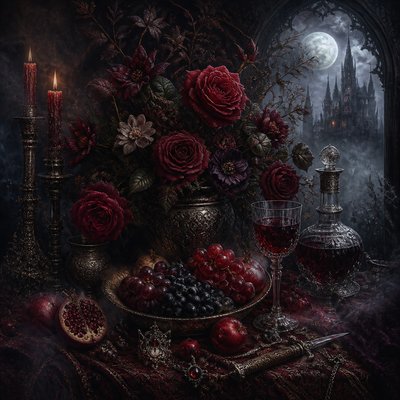
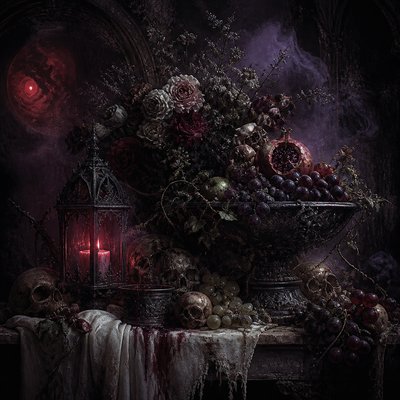
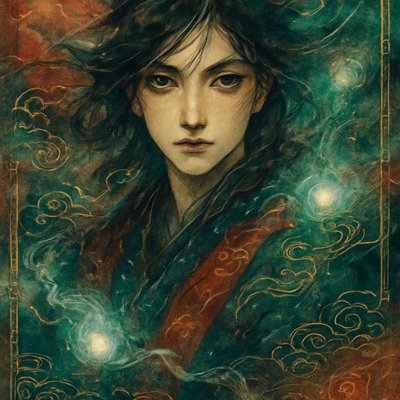
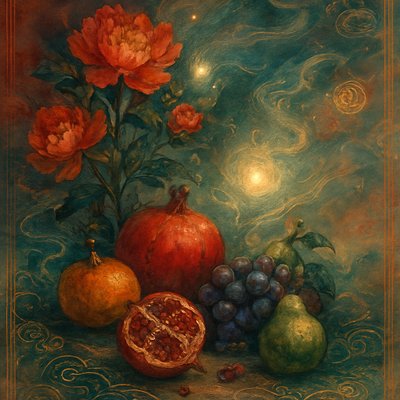
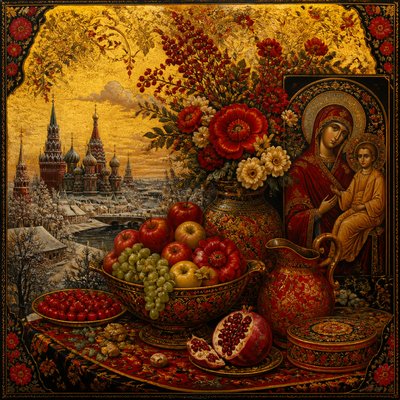
Visually, the style is recognizable for painterly rendering, strong chiaroscuro, glowing atmosphere, and rich color relationships that often favor jewel tones, gold light, and deep shadow. Its look comes from a blend of romantic landscape painting, illustrative realism, cinematic composition, and the visual language of tabletop role-playing games, fantasy book covers, and concept art.
Try It On Your Photos
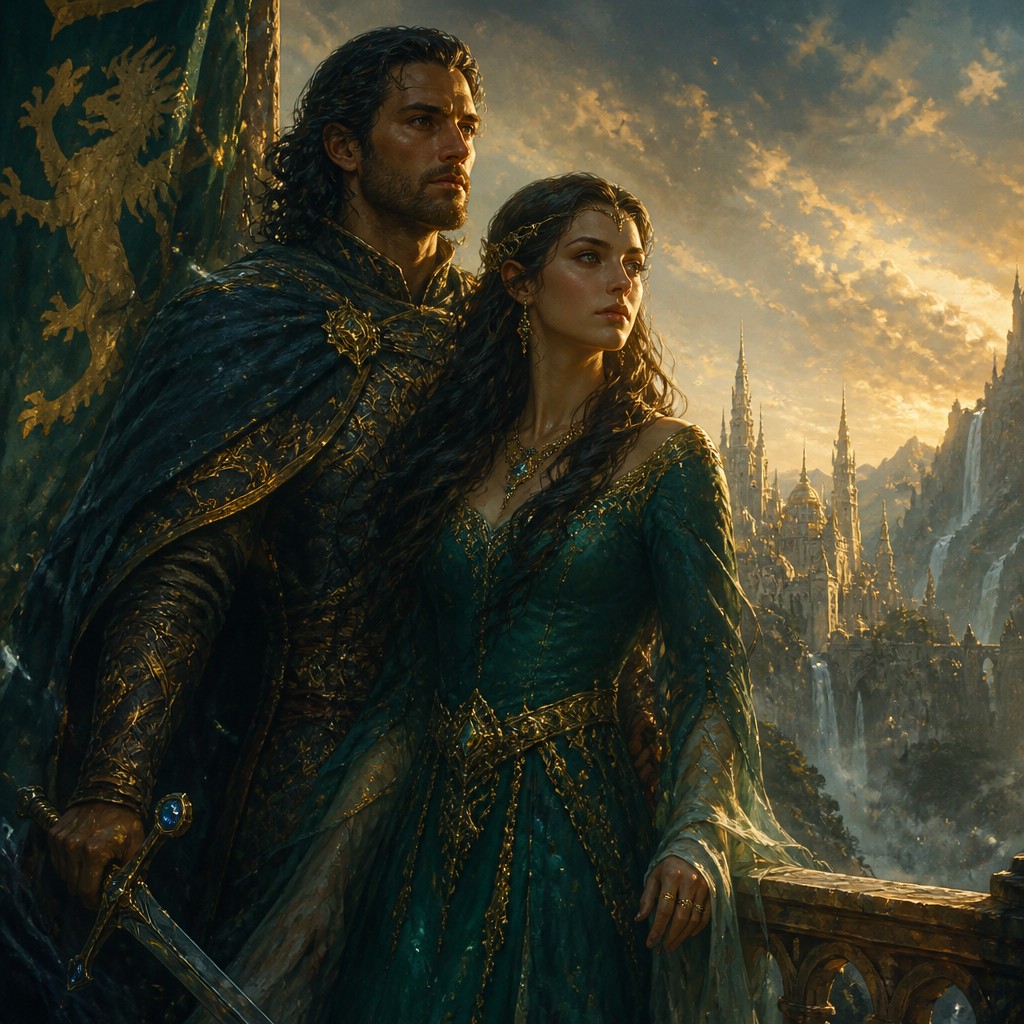
Upload any photo and convert it into Epic Fantasy Art — drag the sliders to compare before and after.

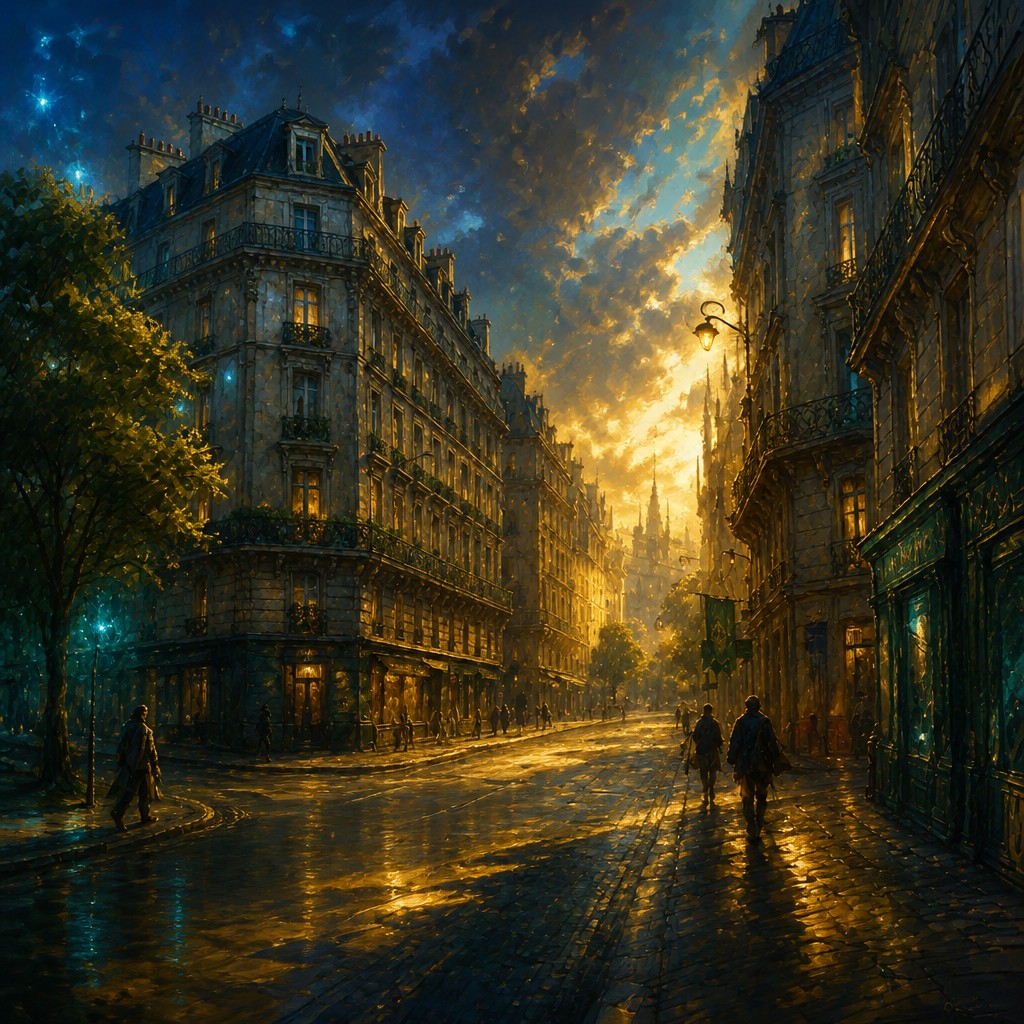

What Defines Epic Fantasy Art
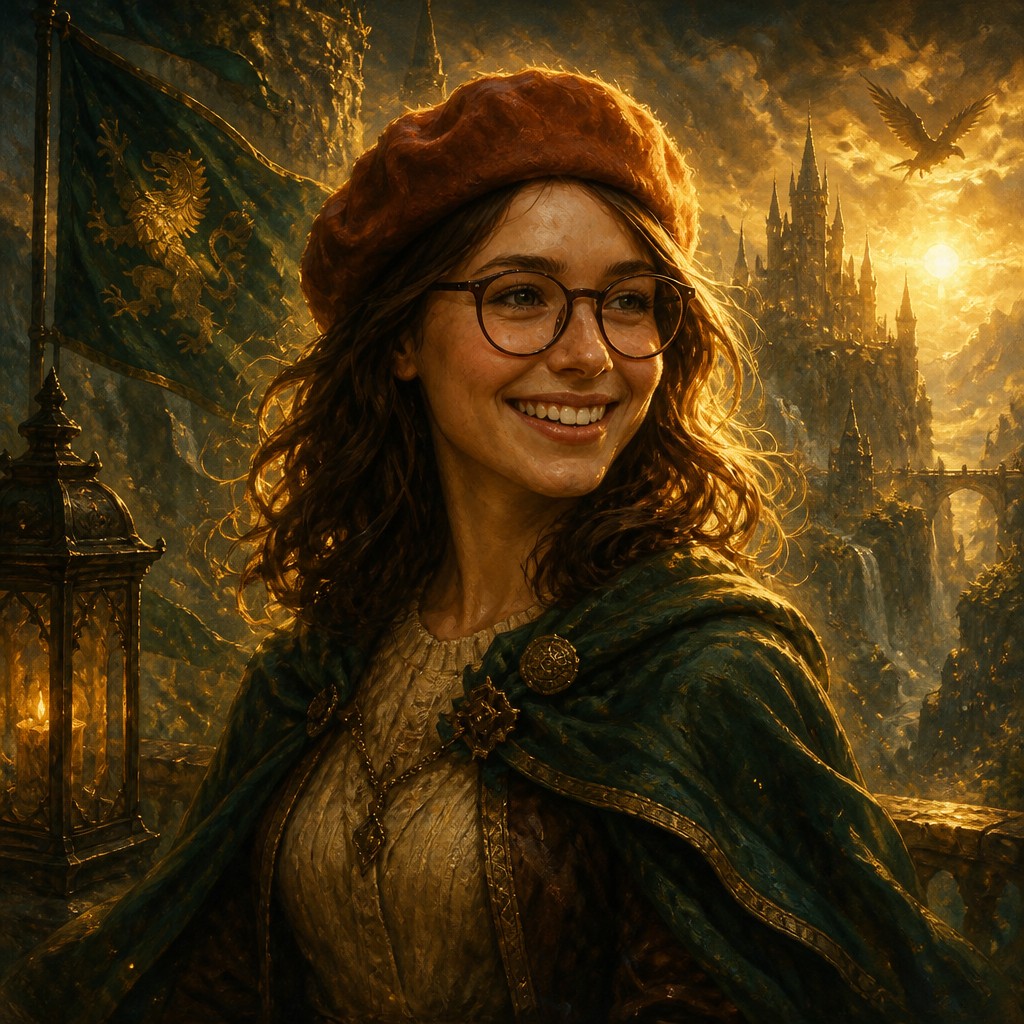
The signature details, up close
Heroic scale
Figures, architecture, and creatures are presented as monumental and awe-inspiring. Even small subjects are framed as if they belong to an immense saga.
Cinematic composition
Scenes often use sweeping diagonals, low viewpoints, and layered foreground-middle-ground-background staging. This creates a sense of motion, conflict, and narrative urgency.
Painterly surface
Brushwork is visible or intentionally imitated, with layered color and soft transitions rather than hard-edged realism. The result feels handcrafted and atmospheric.
Glowing light and shadow
Light sources are dramatic, often golden, backlit, or magical, contrasted against deep pools of shadow. Volumetric haze, rim light, and luminous highlights help shape the scene.
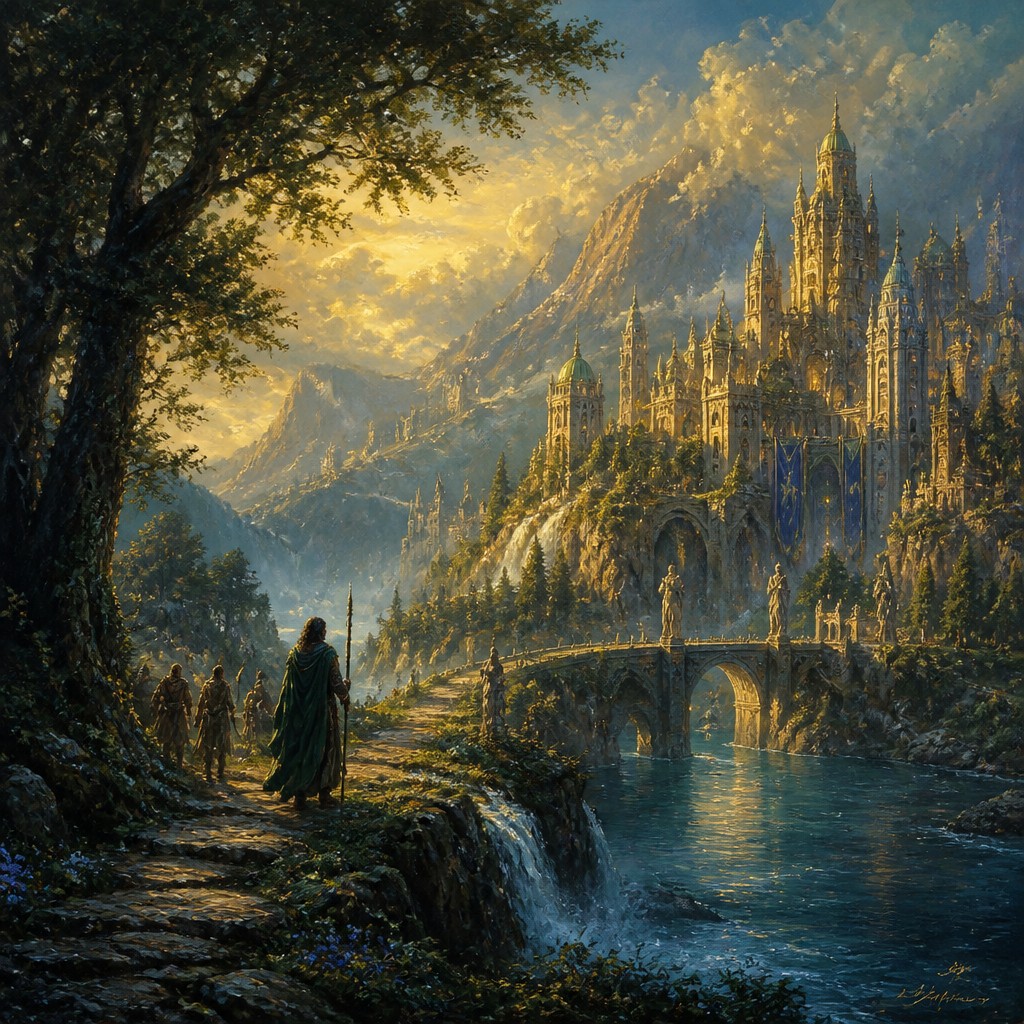
Jewel-toned palette
Emerald greens, sapphire blues, crimson accents, and burnished gold are common, often balanced by earth tones and dark neutrals. This palette supports both richness and legend-like mood.
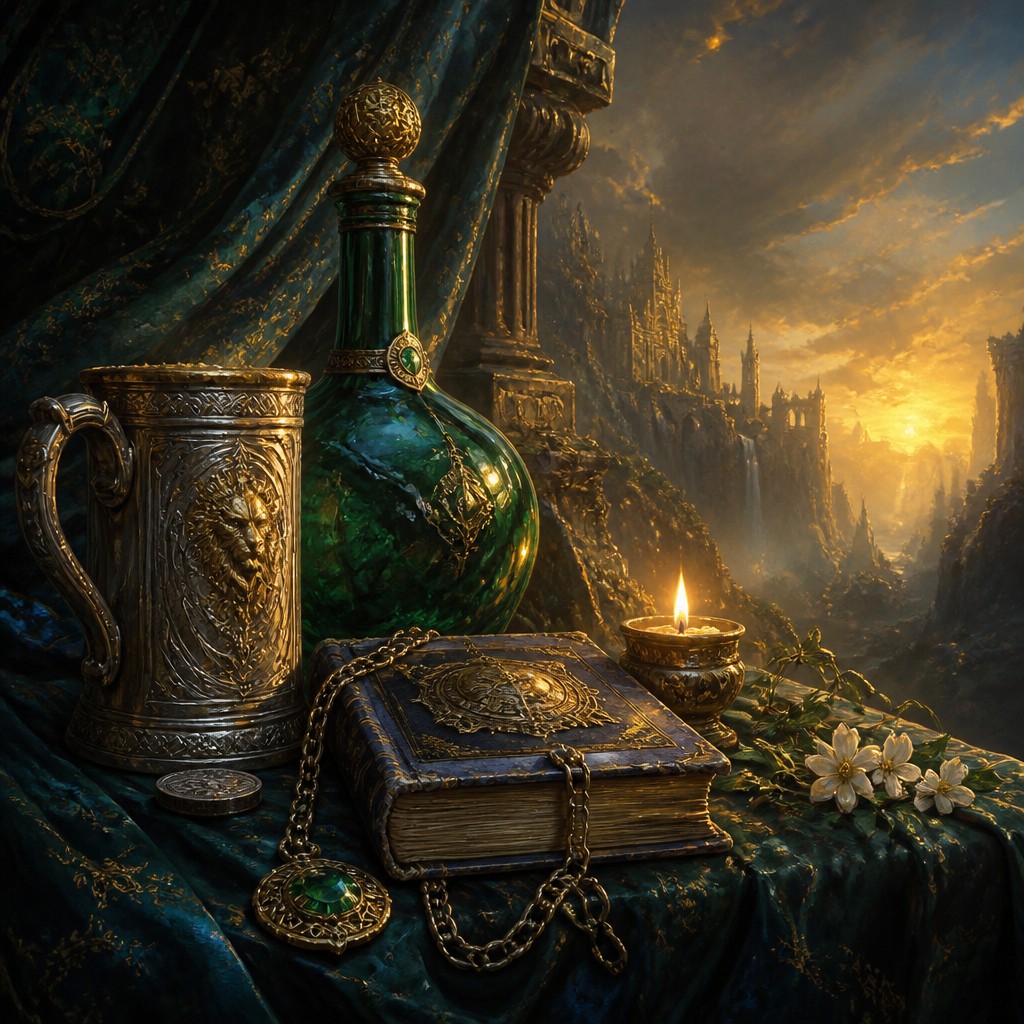
Mythic worldbuilding detail
Armor, ruins, flora, architecture, and beasts are rendered with believable texture and age. The world feels lived-in, ancient, and structurally coherent.
Try It
Create Videos in Epic Fantasy Art
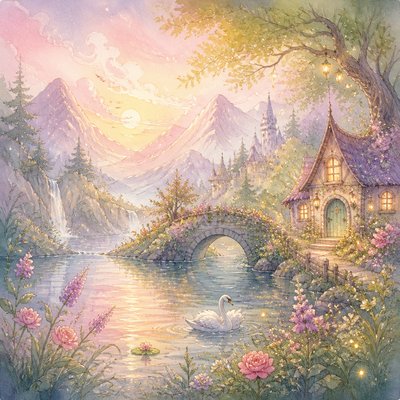
Styles aren't just for stills — describe a scene or animate an image and get a short video rendered in Epic Fantasy. Press play to see this pond come to life.
Make a VideoEpic Fantasy Prompt Ideas
Start from an idea — each one opens the generator with the style ready to go. See all 40 Epic Fantasy prompts →
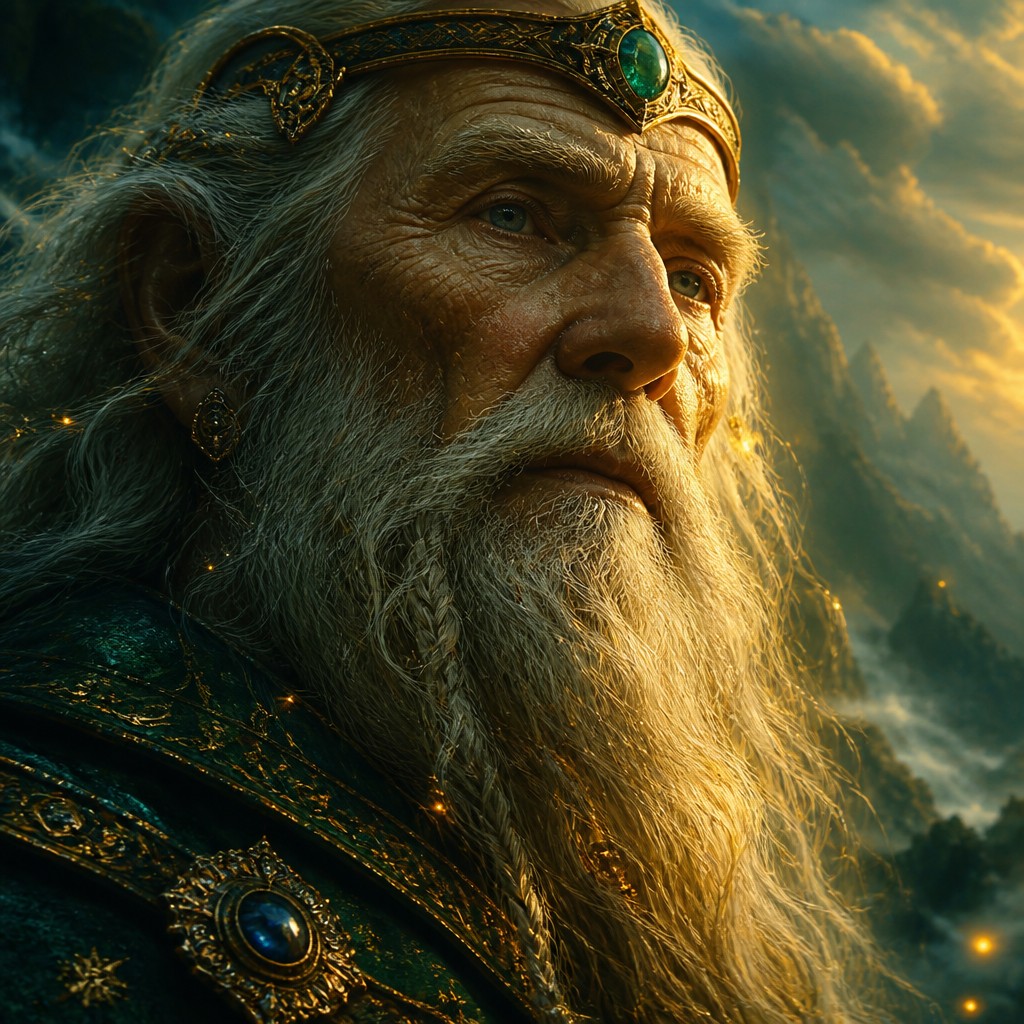
“close-up portrait of an elderly person with expressive weathered features”
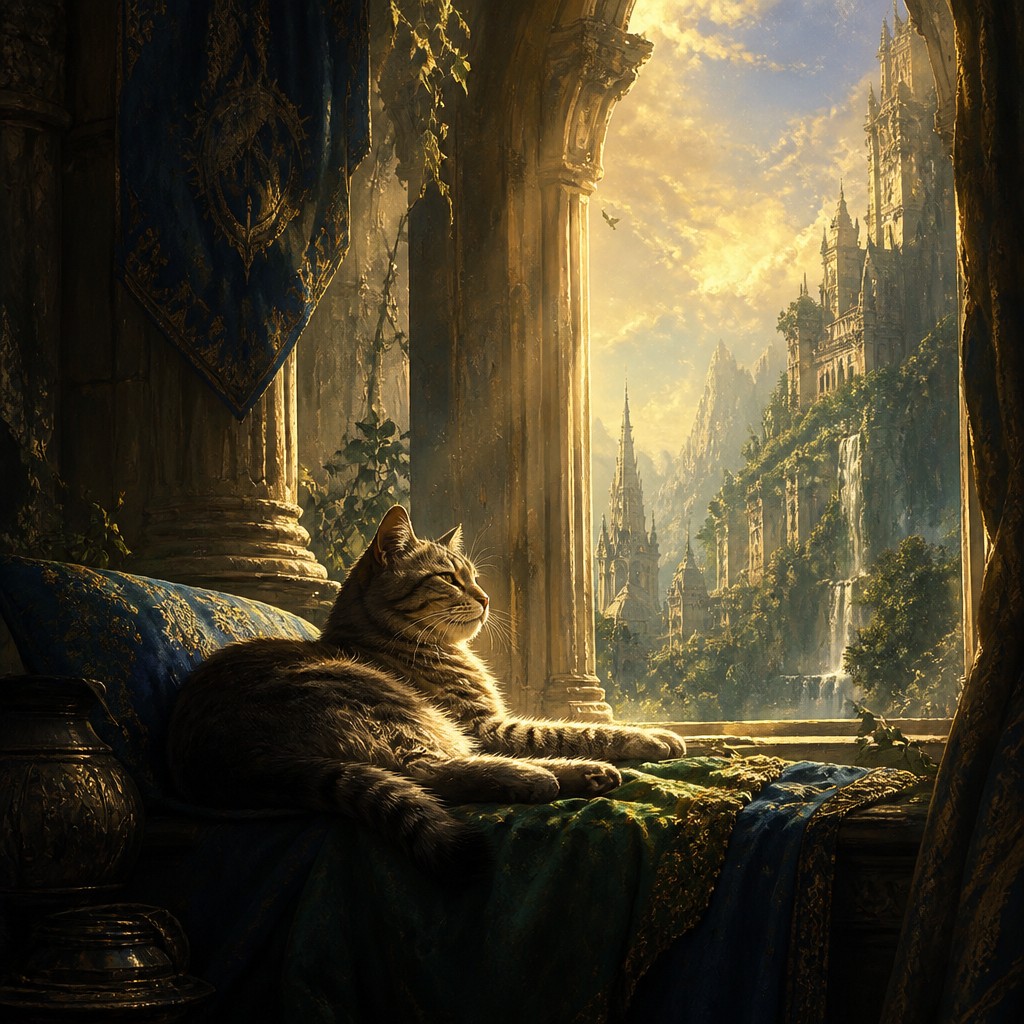
“a cat lounging in a sunlit window”
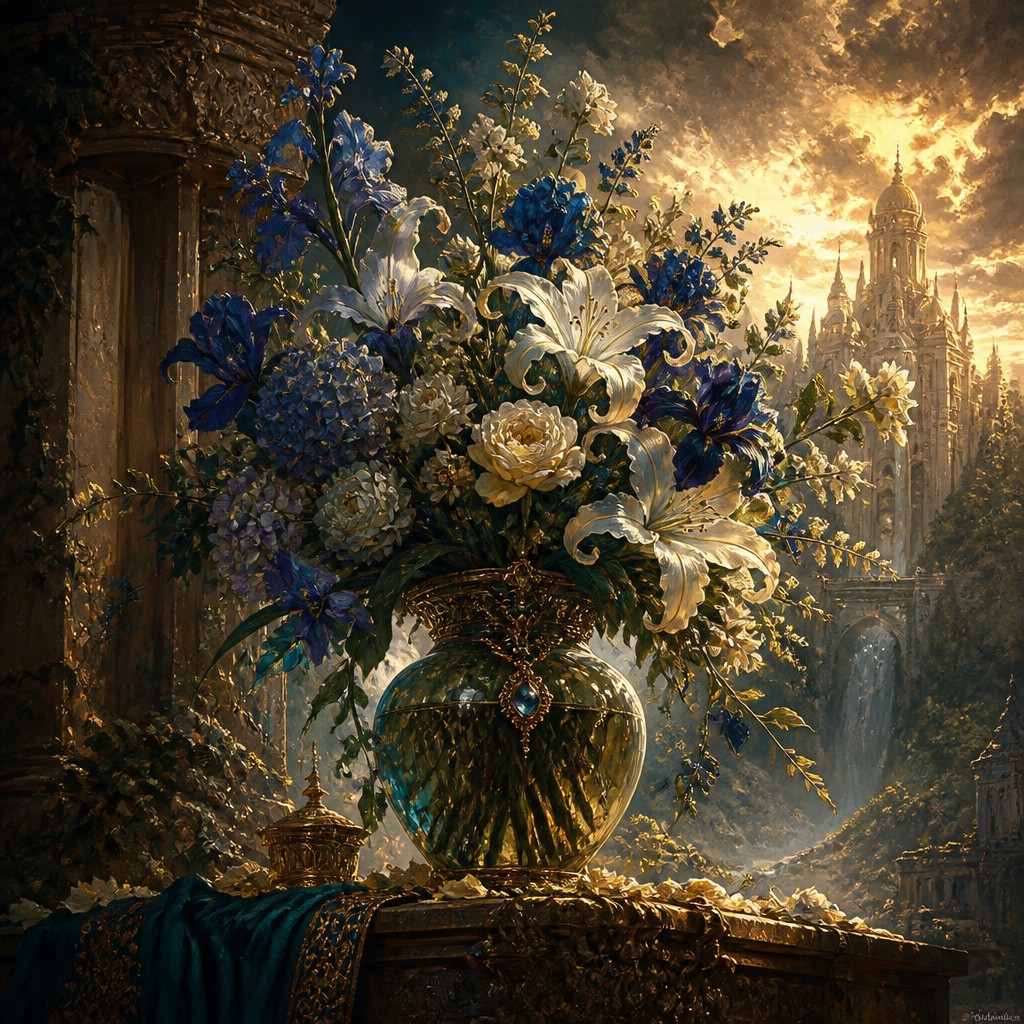
“bouquet of flowers in a glass vase”
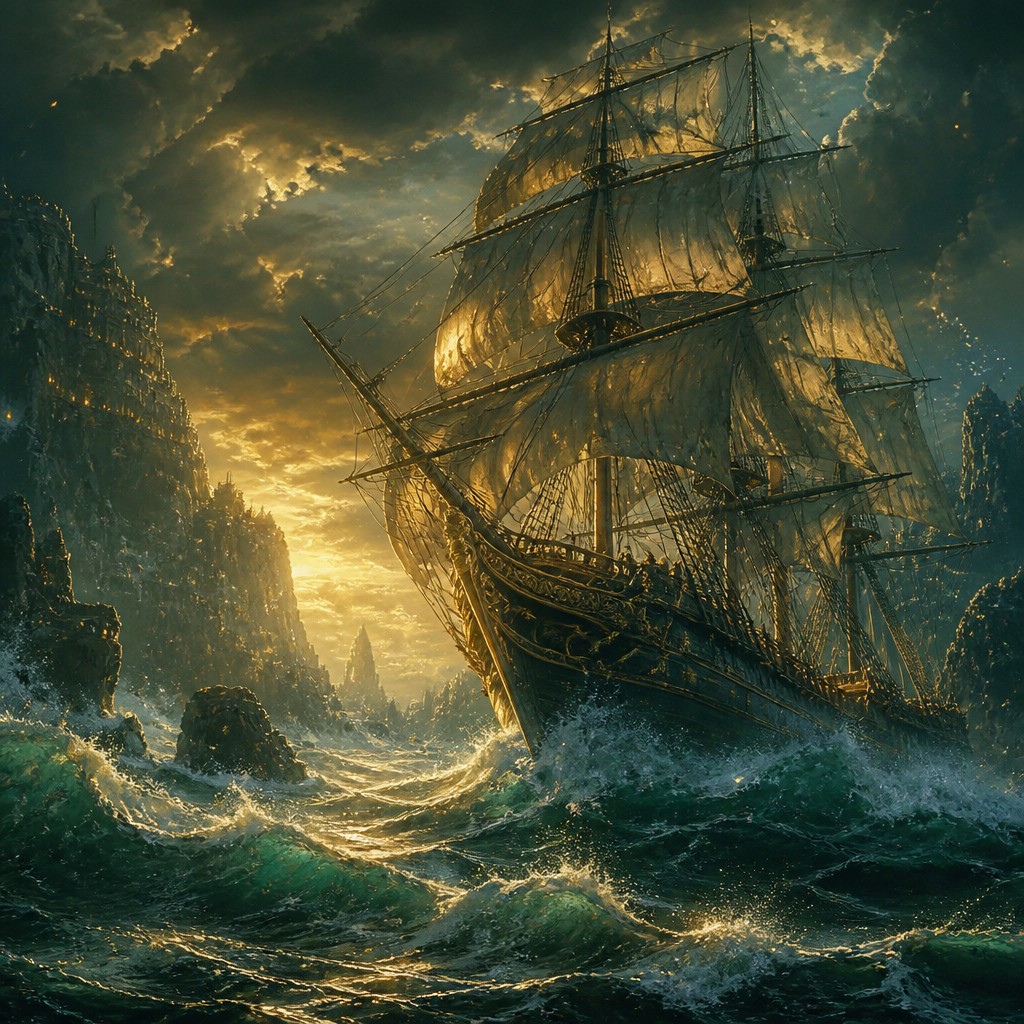
“sailing ship on a stormy sea”
How to Create Epic Fantasy Art
Master the craft step by step — or skip straight to creating. Read the full guide →
- 1
Build around a clear narrative moment
Choose a scene that suggests story immediately: a wizard facing a dragon, a queen at a ruined gate, or an army crossing a mountain pass. In traditional work, thumbnail for silhouette and value first; in digital or prompt-based work, specify the core action and emotional stakes before adding visual detail.
- 2
Use strong value contrast
Epic fantasy depends on dramatic light direction and readable silhouettes. Push a bright focal area against darker surroundings so the eye lands on the main figure, magical object, or opening in the landscape.
- 3
Layer atmosphere into the distance
Use mist, haze, smoke, rain, or dust to separate planes and suggest scale. In painting, glaze thin translucent layers; in digital workflows, build depth with soft edges and lowered contrast in distant forms.
- 4
Balance realism with stylization
Materials like metal, stone, cloth, and skin should feel convincing, but proportions and lighting can be heightened for drama. When generating images, ask for painterly realism, weathered detail, and cinematic fantasy composition rather than photorealism.
- 5
Specify iconic fantasy elements carefully
Mention dragons, magical runes, enchanted forests, ancient temples, or glowing artifacts when you want the genre clearly legible. Add descriptors for scale, weather, and mood so the image reads as epic rather than generic.
- 6
Guide the prompt with lighting and palette
A useful prompt includes time of day, color family, and lighting behavior, such as 'golden-hour backlight,' 'volumetric moonlight,' or 'emerald and gold palette.' These cues strongly shape the final mood in text-based generation.

The Story
History & Origins of Epic Fantasy
Epic Fantasy Art is not a single historical movement but an assembled visual tradition that developed from several sources in the 19th and 20th centuries. Its imagery inherits the grandeur of Romantic painting and the atmosphere of Symbolist illustration, then merges those qualities with pulp fantasy cover art, role-playing game illustration, and film concept art from the late 20th century onward.
The style became especially recognizable through fantasy literature and game publishing, where artists needed to depict invented worlds with immediate readability and emotional scale. Over time, recurring conventions emerged: heroic low-angle viewpoints, luminous magical effects, weathered material detail, and landscape compositions designed to make people and creatures feel mythic rather than merely realistic.
Influences: Epic Fantasy Art draws from Romantic landscape painting, especially the sublime scale and atmospheric drama associated with leading early 19th-century German and British landscape painters, though it is not a direct continuation of either. It also borrows from illustration traditions in fantasy publishing, from literature-inspired book art to role-playing game visuals, and from film concept design that emphasizes readable silhouettes, believable materials, and cinematic staging.

Frequently Asked Questions
What defines Epic Fantasy Art?
It is defined by heroic scale, magical subject matter, and dramatic presentation. The style usually combines painterly rendering with cinematic composition, rich color, and a sense of mythic worldbuilding.
How is it different from dark fantasy?
Dark fantasy often emphasizes menace, horror, decay, or moral ambiguity, while Epic Fantasy Art centers on grandeur, adventure, and wonder. The two can overlap, but epic fantasy usually feels more luminous, elevated, and quest-driven.
How is it different from general fantasy illustration?
Fantasy illustration is a broad category, while Epic Fantasy Art specifically leans toward monumental scale, dramatic lighting, and high-stakes scenes. It tends to look more cinematic and less casual or decorative.
What subjects work best in this style?
Subjects with clear narrative tension work especially well: heroes, monsters, castles, magical rituals, battles, quests, and ancient landscapes. The style is strongest when the image suggests a larger story beyond the frame.
Can this style be made traditionally?
Yes. Oil paint, acrylic, gouache, and mixed media all suit it because the style benefits from layered color, visible brushwork, and controlled highlights. Traditional artists often rely on value studies, glazing, and atmospheric perspective to achieve the look.
Where is this style commonly used?
It is widely used in fantasy book covers, game art, tabletop role-playing supplements, poster art, and concept design. The style is popular whenever an image needs to communicate worldbuilding and drama at a glance.
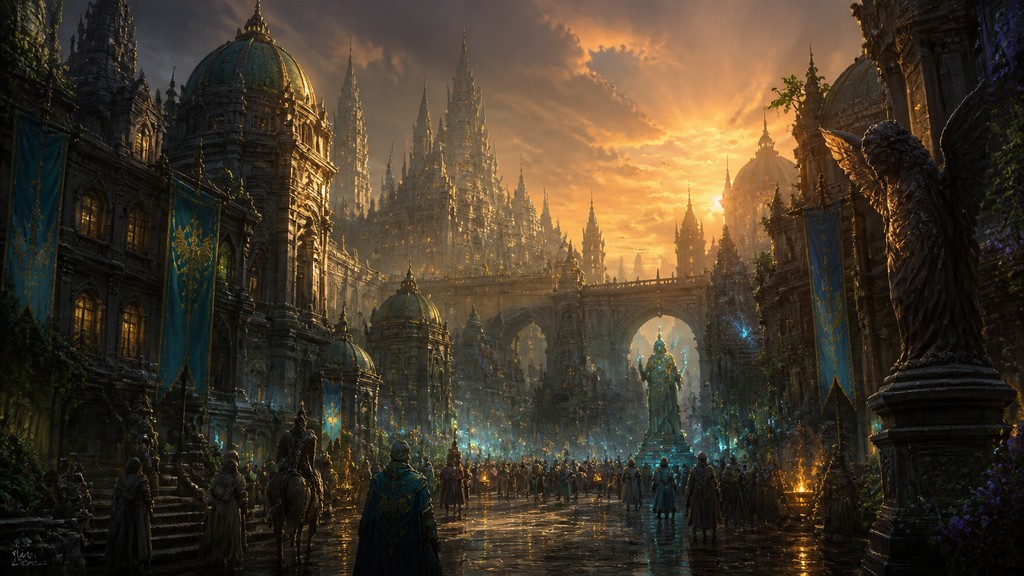
Create your first Epic Fantasy artwork
Describe anything — or upload a photo — and see it in Epic Fantasy Art in seconds.
Make Something with Epic Fantasy
Compare Epic Fantasy
Related Styles
Discover similar art styles