Russian Art Style
Explore Russian Art Style: icon gold, folk ornament, crimson lacquer, onion domes, and epic snow-lit fairy-tale landscapes.
Instantly rendered in Russian — or transform a photo
Russian Gallery
Tap any artwork to explore it
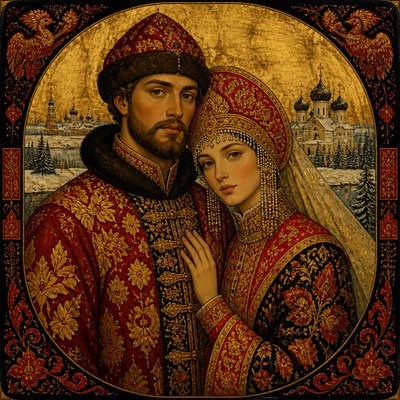
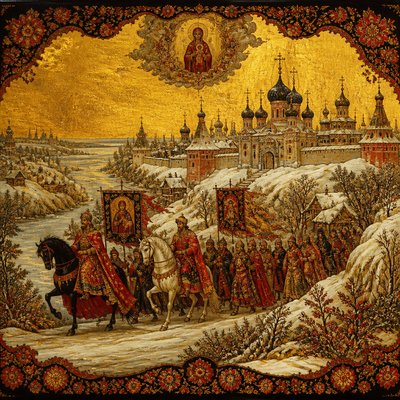
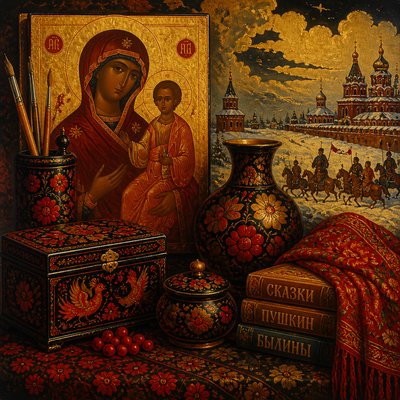
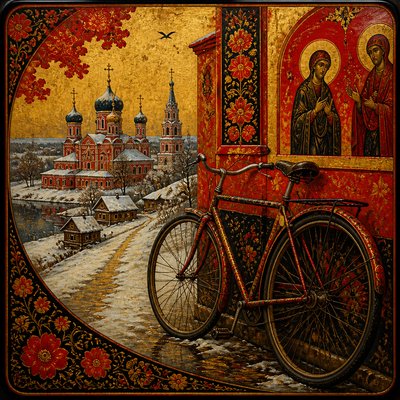
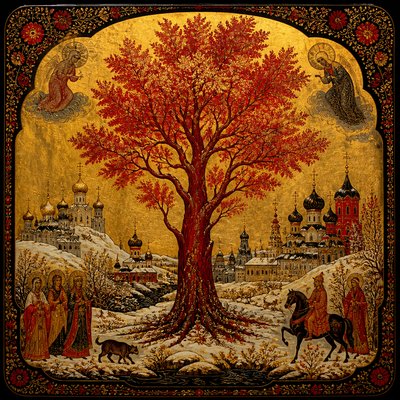
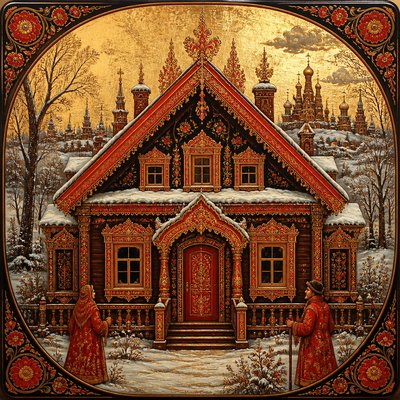
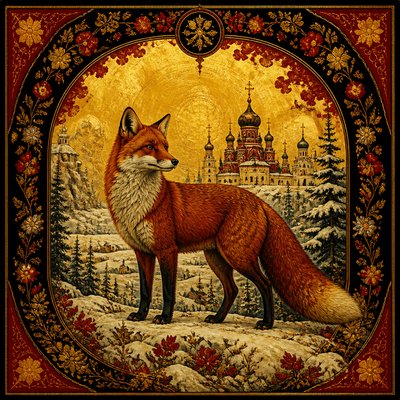
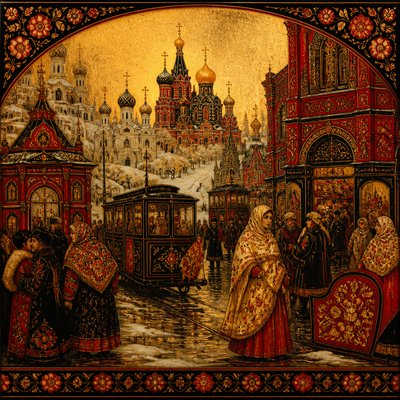
What is Russian Art Style?
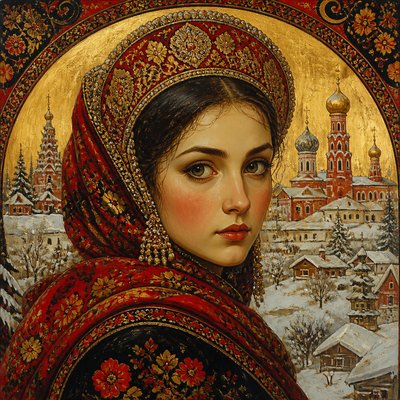
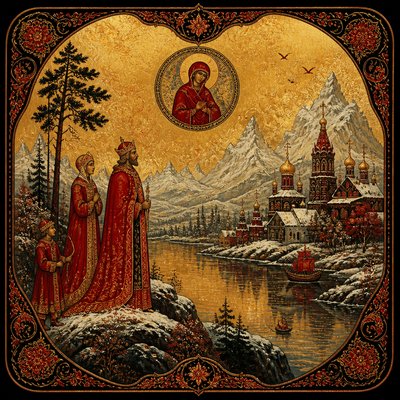
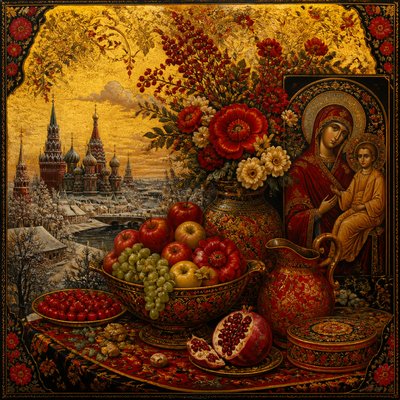
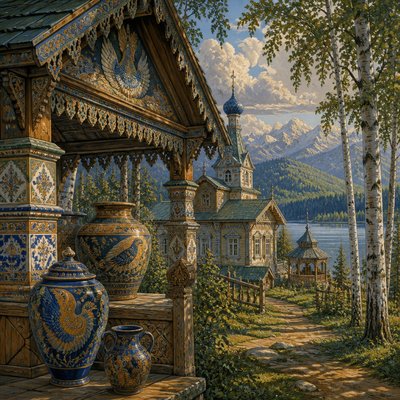
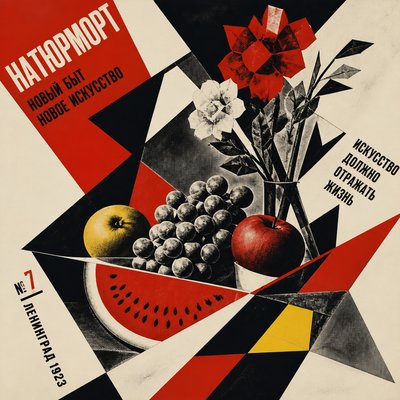
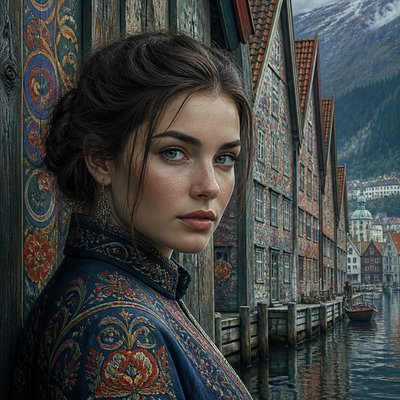
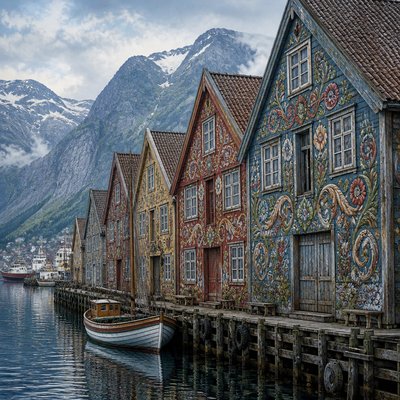
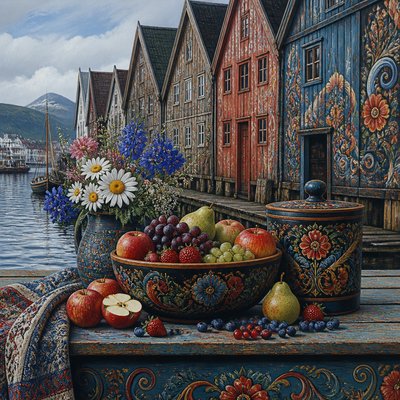
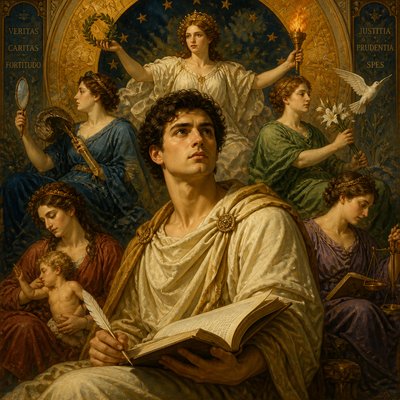
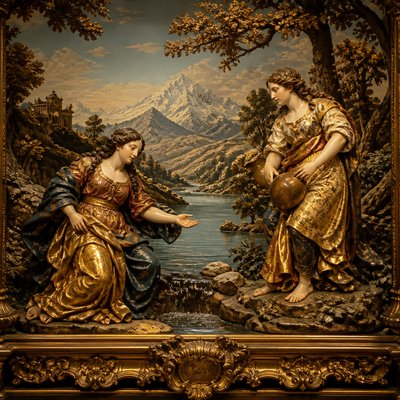
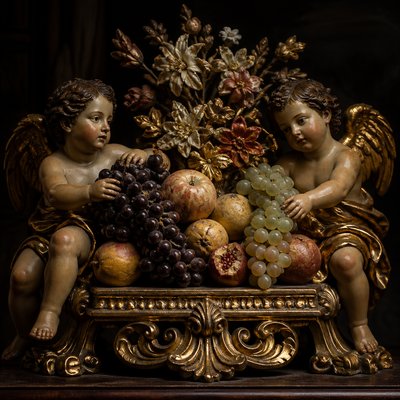
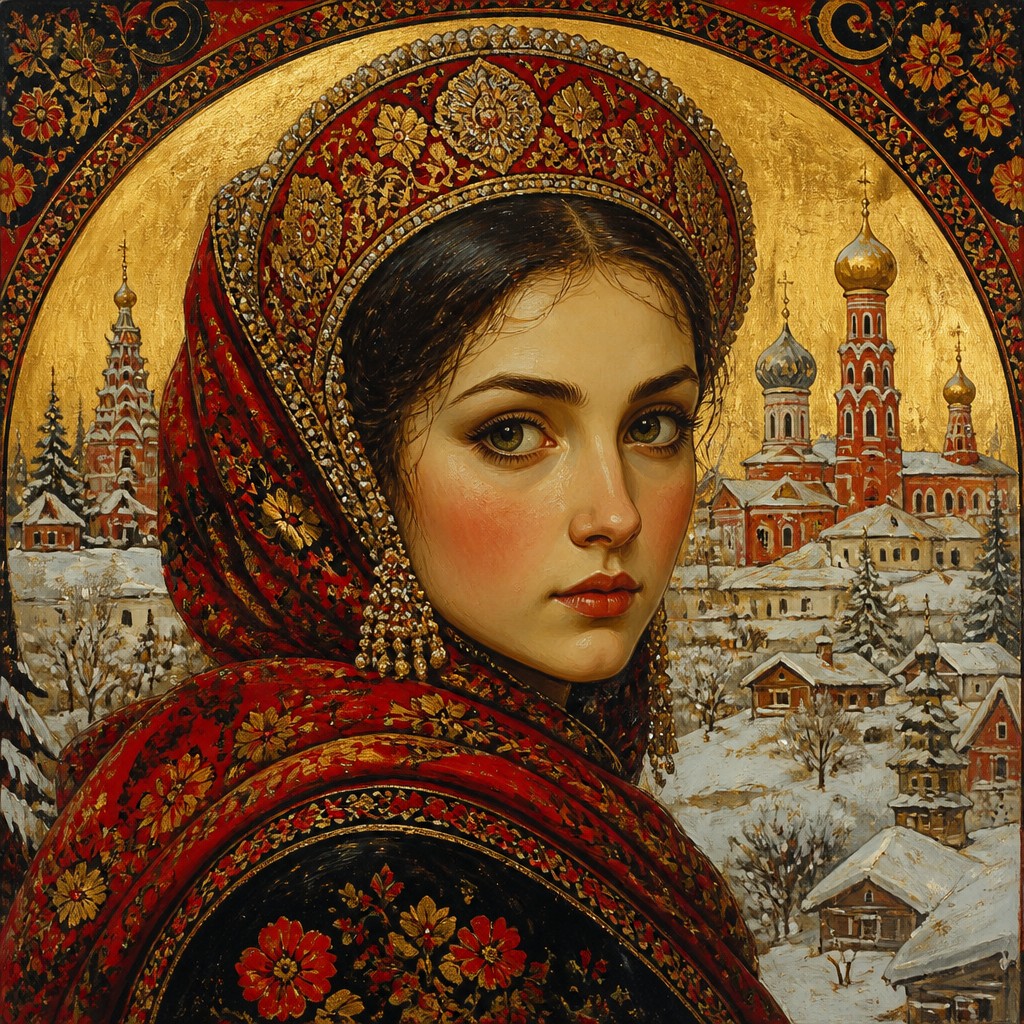
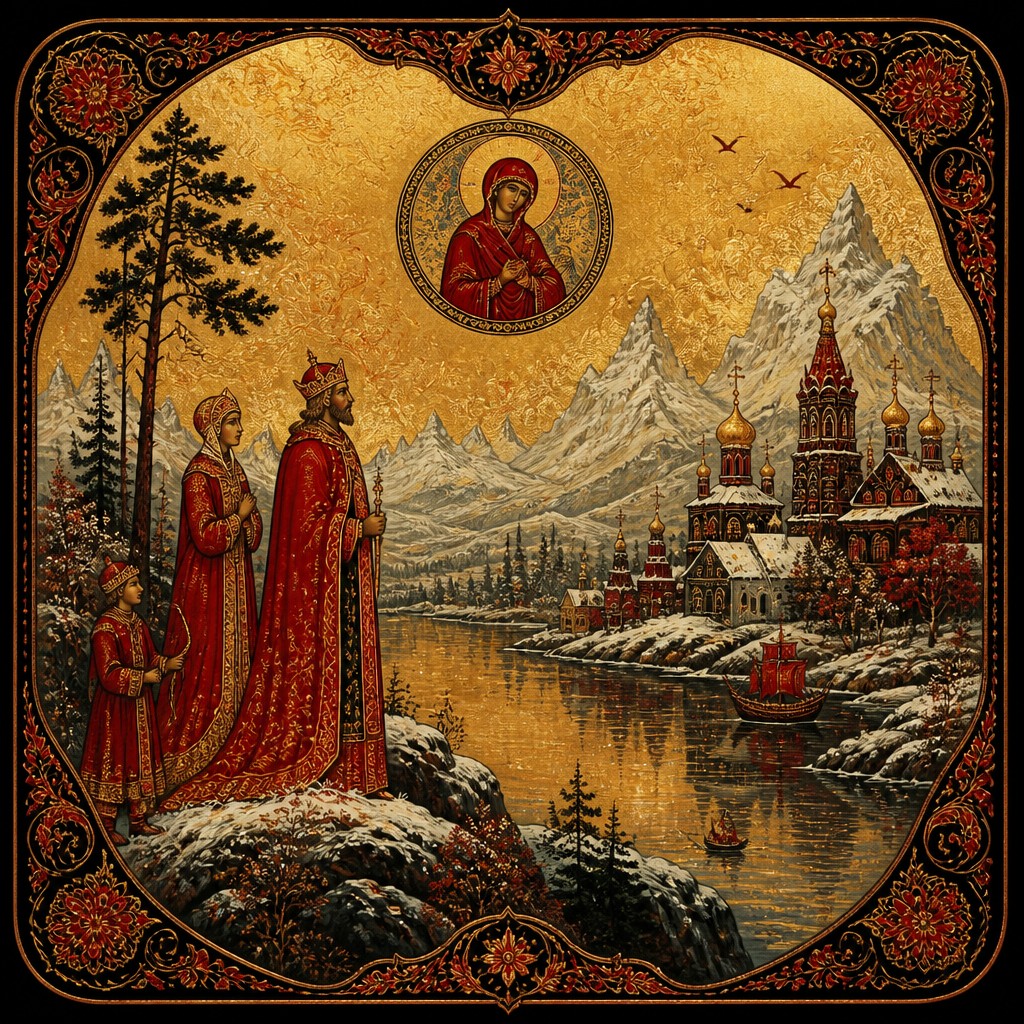
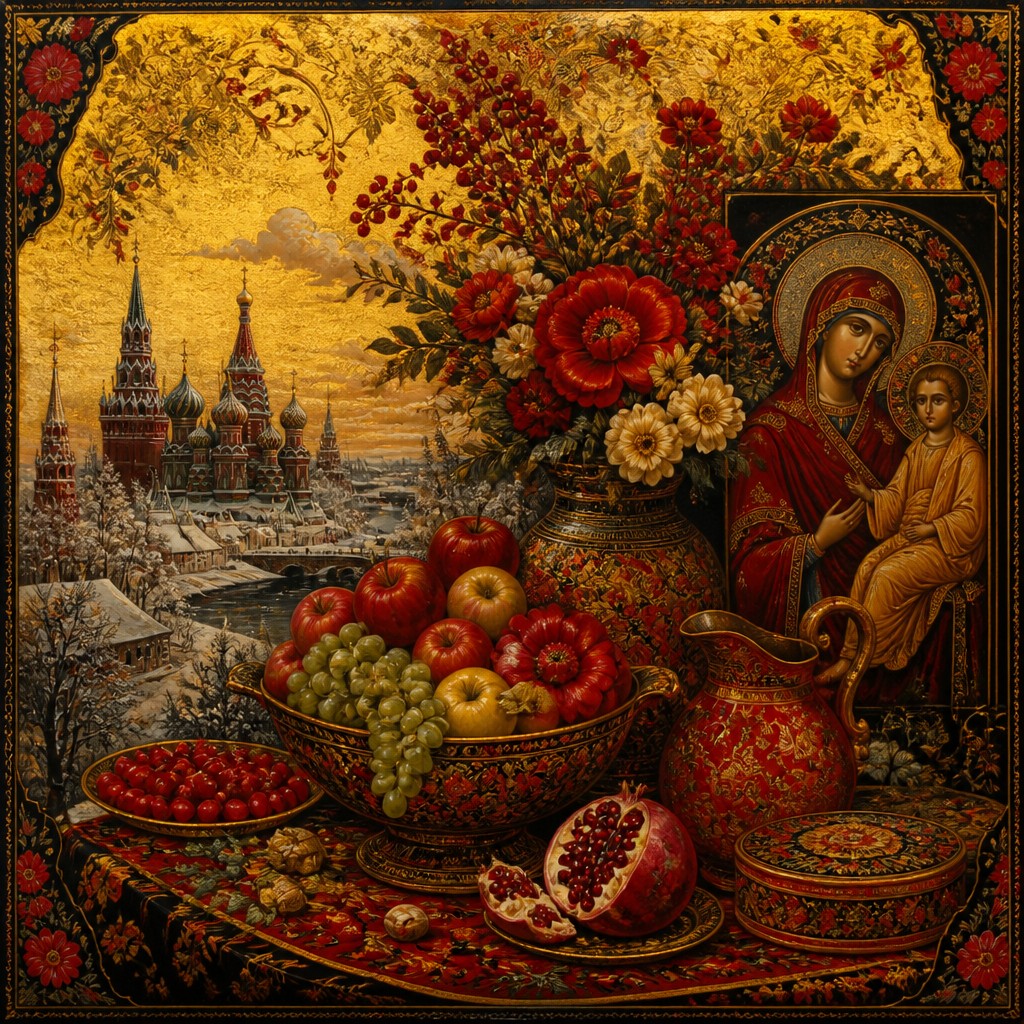
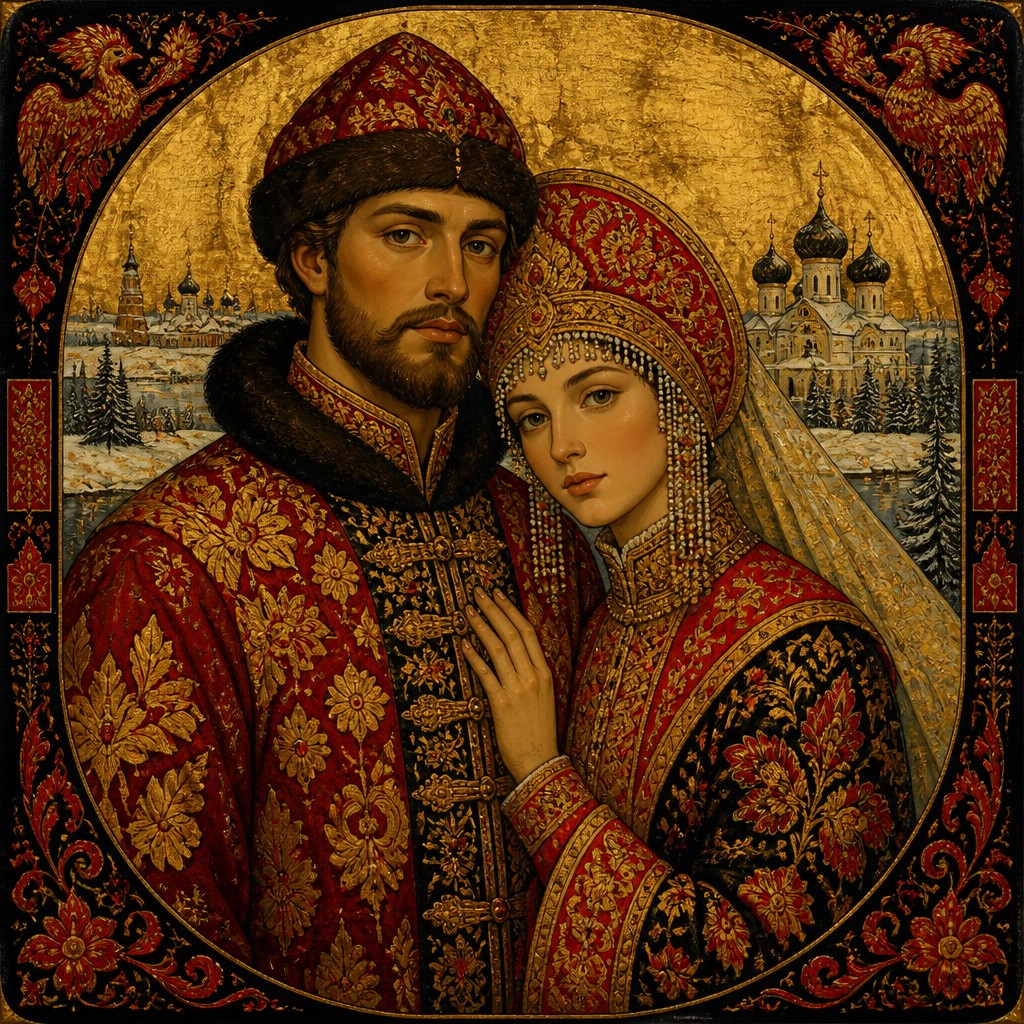
Russian Art Style is a contemporary, hybrid visual language inspired by Orthodox icon painting, Slavic folk ornament, lacquer-box illustration, illustrated folklore, and monumental winter landscapes. It is recognized by luminous gold grounds, solemn frontal figures, saturated crimson and black patterning, and a sense of mythic scale shaped by snow, forests, and distant onion domes.
The style combines devotional flatness with narrative illustration. Figures may appear elongated and hieratic, while animals, architecture, and landscapes are arranged in decorative layers rather than strict naturalistic perspective. Gold suggests sacred radiance, red and black create visual authority, and icy blues and whites provide the expansive, light-filled atmosphere associated with epic northern settings.
Try It On Your Photos
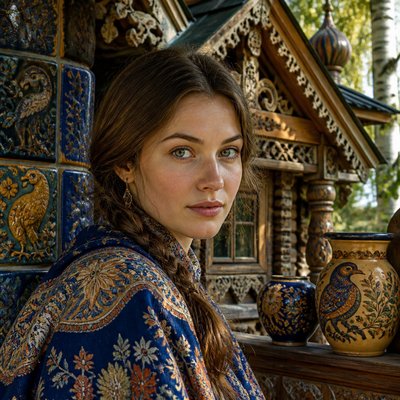
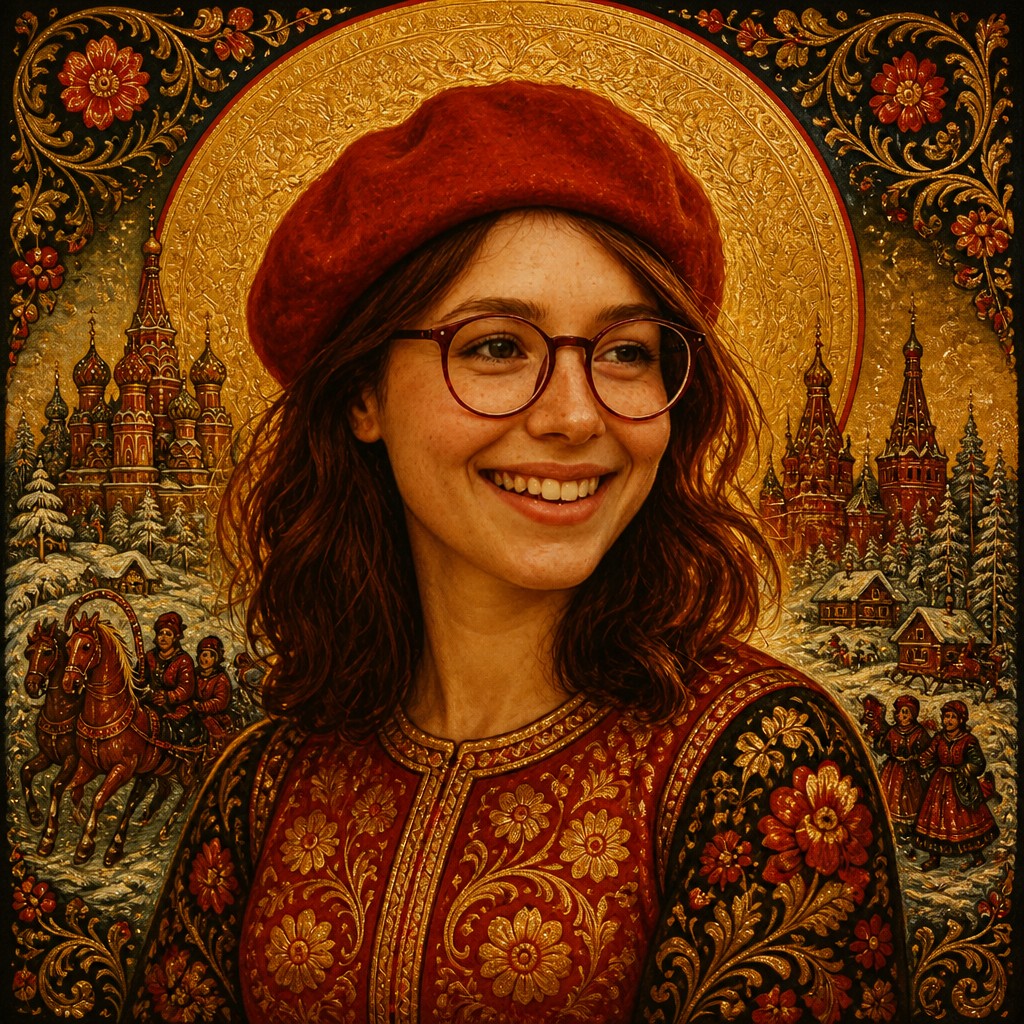
Upload any photo and convert it into Russian Art Style — drag the sliders to compare before and after.


What Defines Russian Art Style
The signature details, up close
Luminous gold grounds
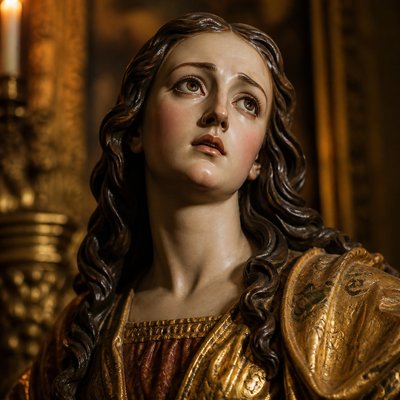
Gold appears as a background, halo, architectural accent, or reflective field, recalling the sacred radiance of icon painting. It is usually paired with restrained modeling and clearly bounded shapes rather than soft atmospheric realism.
Hieratic figures
People are often shown frontally or in measured profile, with calm expressions, elongated proportions, and deliberate gestures. Their stillness gives scenes a ceremonial and timeless character.
Crimson and black ornament
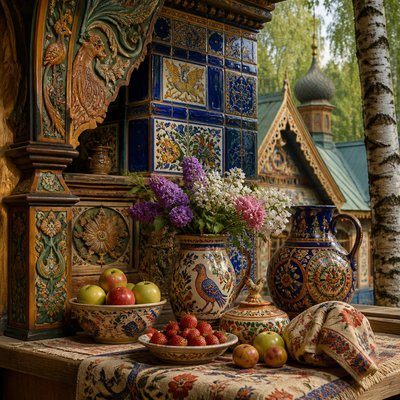
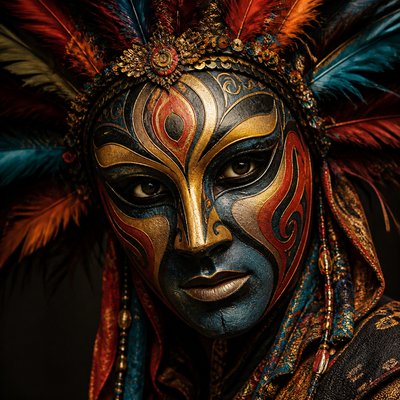
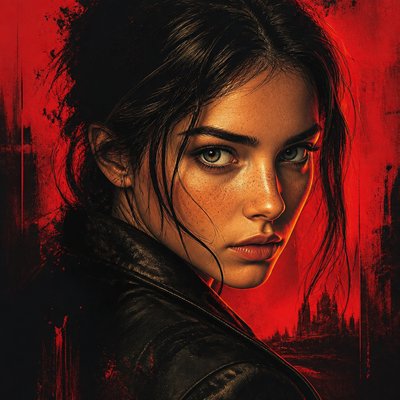
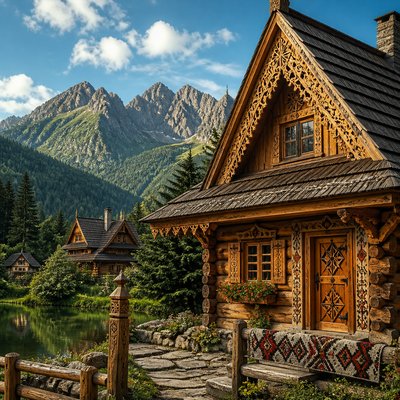
Deep reds, carbon blacks, ivory, and warm gold form a strong decorative palette. Repeated floral, geometric, textile, and foliate motifs create the lacquered richness associated with folk craft.
Epic snow-light
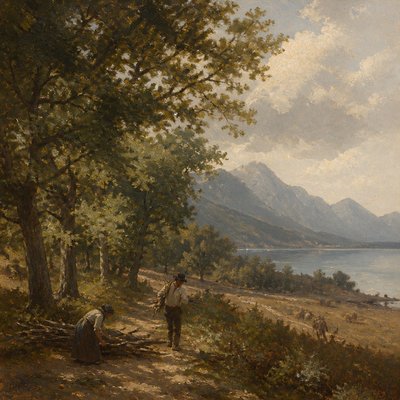
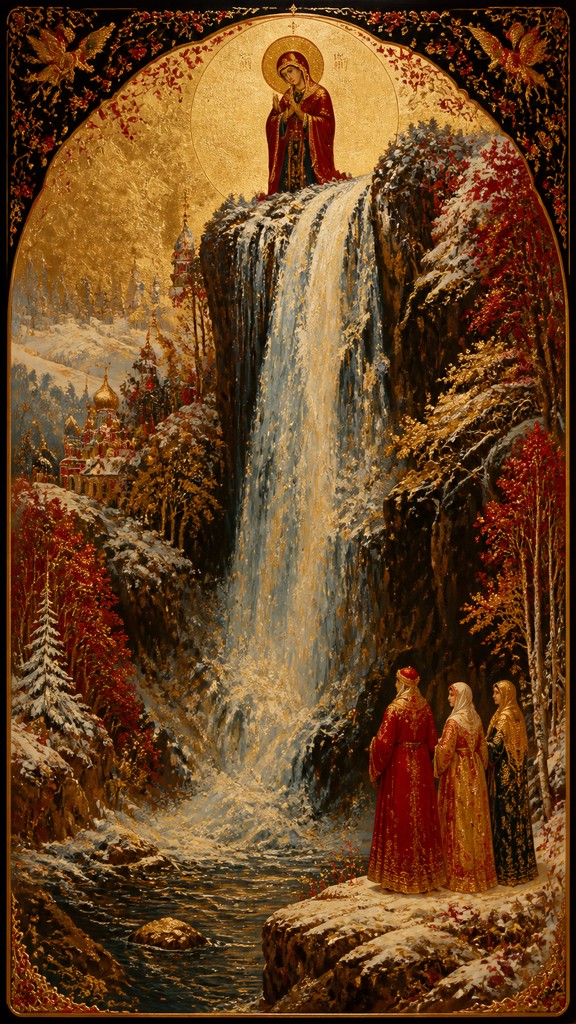
Snowy fields, birch forests, frozen rivers, and blue-white skies provide a spacious, almost theatrical setting. High-contrast cold light makes gold and red details appear especially vivid.
Onion-dome silhouettes
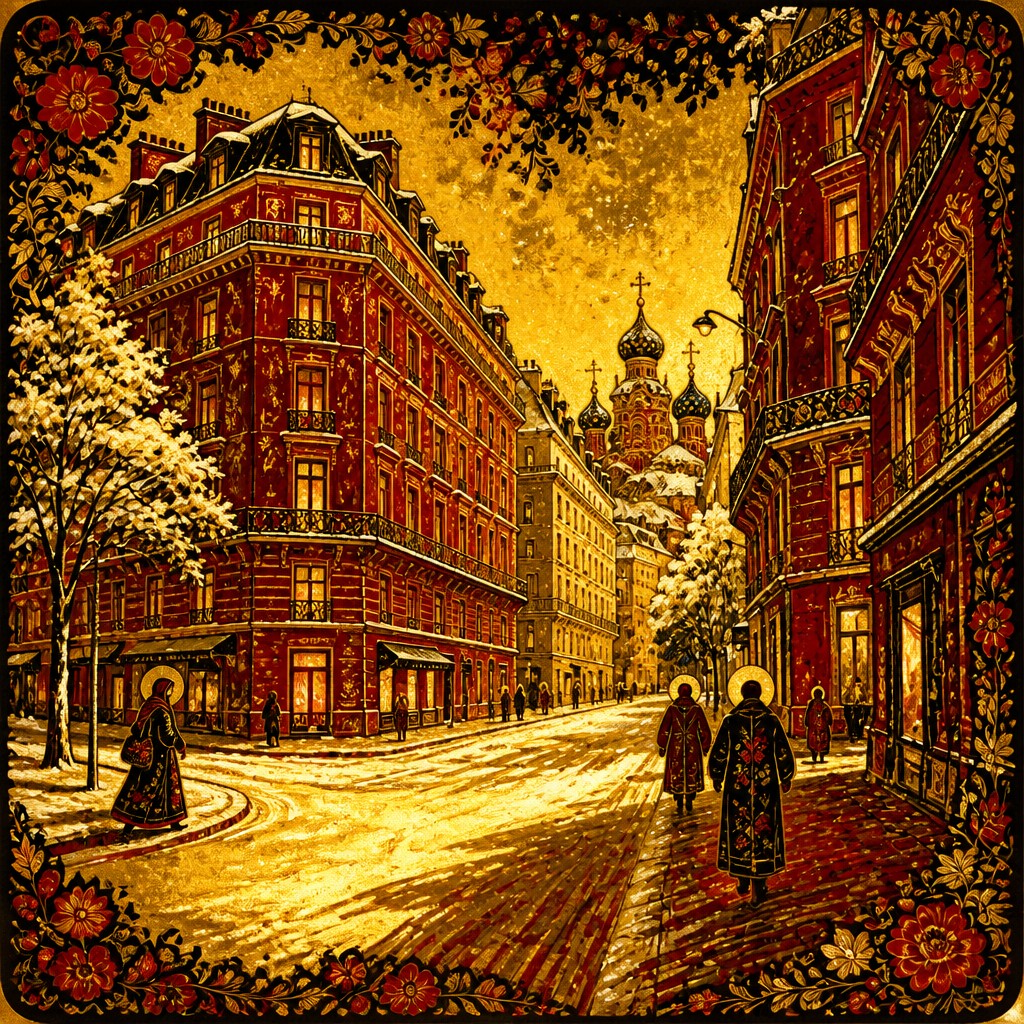
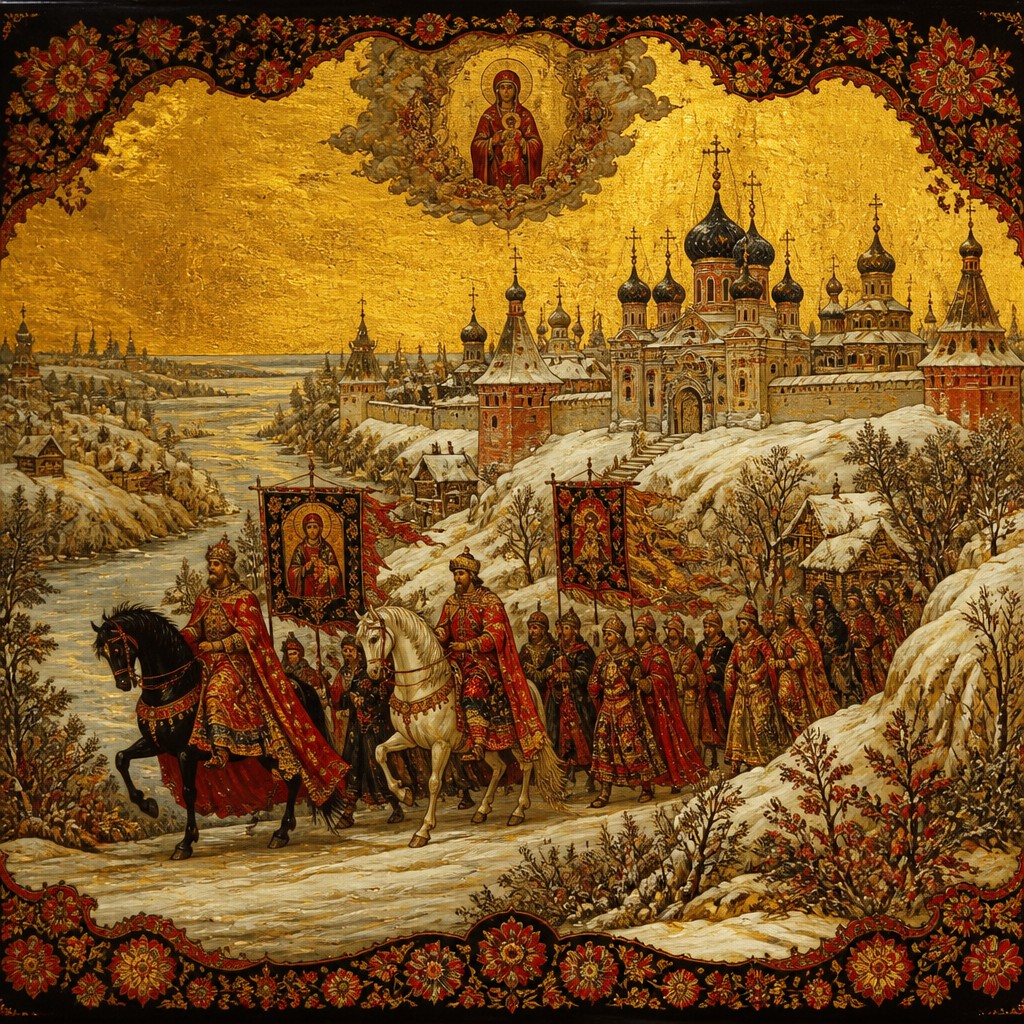
Domes, bell towers, wooden churches, and distant fortified settlements function as instantly legible architectural symbols. They are often simplified into rhythmic silhouettes instead of rendered as precise architectural studies.
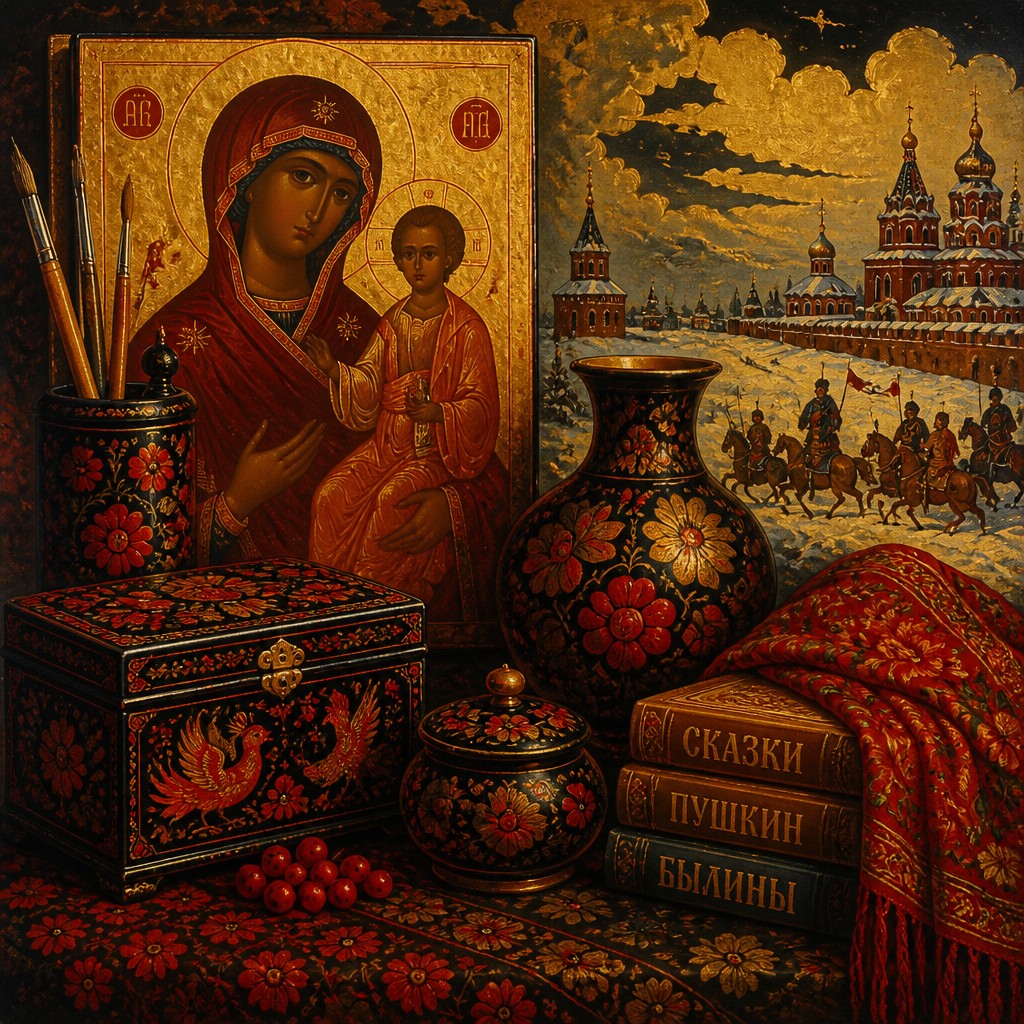
Decorative layered space
Scenes commonly use stacked planes, flattened perspective, patterned surfaces, and selective scale shifts. This blends icon composition and folk illustration with the visual clarity of poster art.
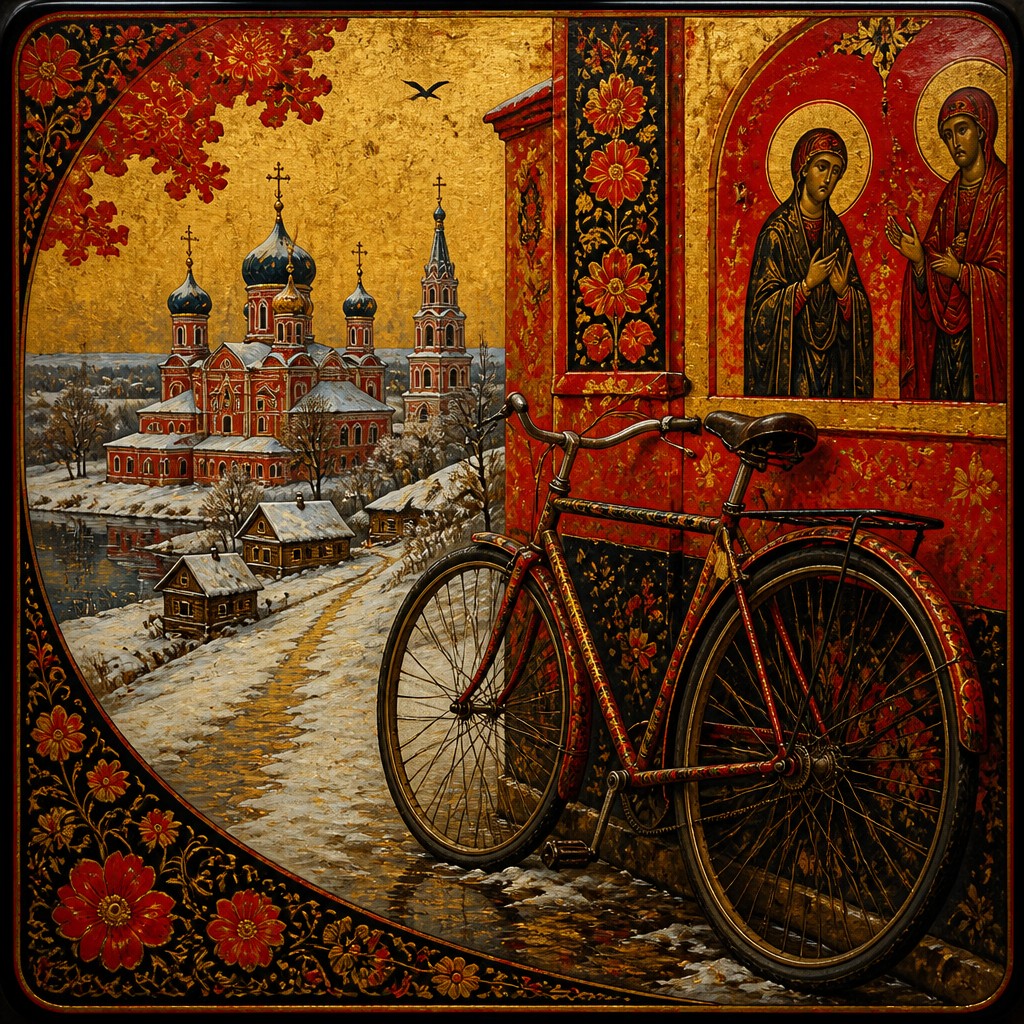
Solemn fairy-tale grandeur
The mood is ceremonial, mysterious, and narrative without becoming purely whimsical. Folkloric creatures, legendary heroes, winter processions, and ancient forests are treated with dignity and monumental restraint.
Try It
Create Videos in Russian Art Style
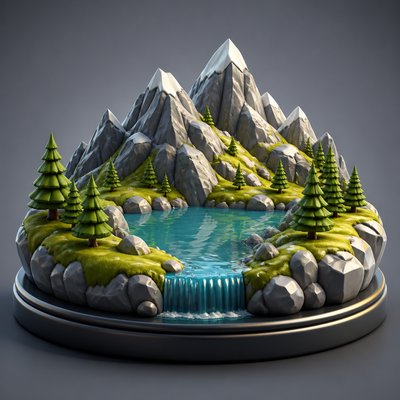
Styles aren't just for stills — describe a scene or animate an image and get a short video rendered in Russian. Press play to see this pond come to life.
Make a VideoRussian Prompt Ideas
Start from an idea — each one opens the generator with the style ready to go. See all 40 Russian prompts →
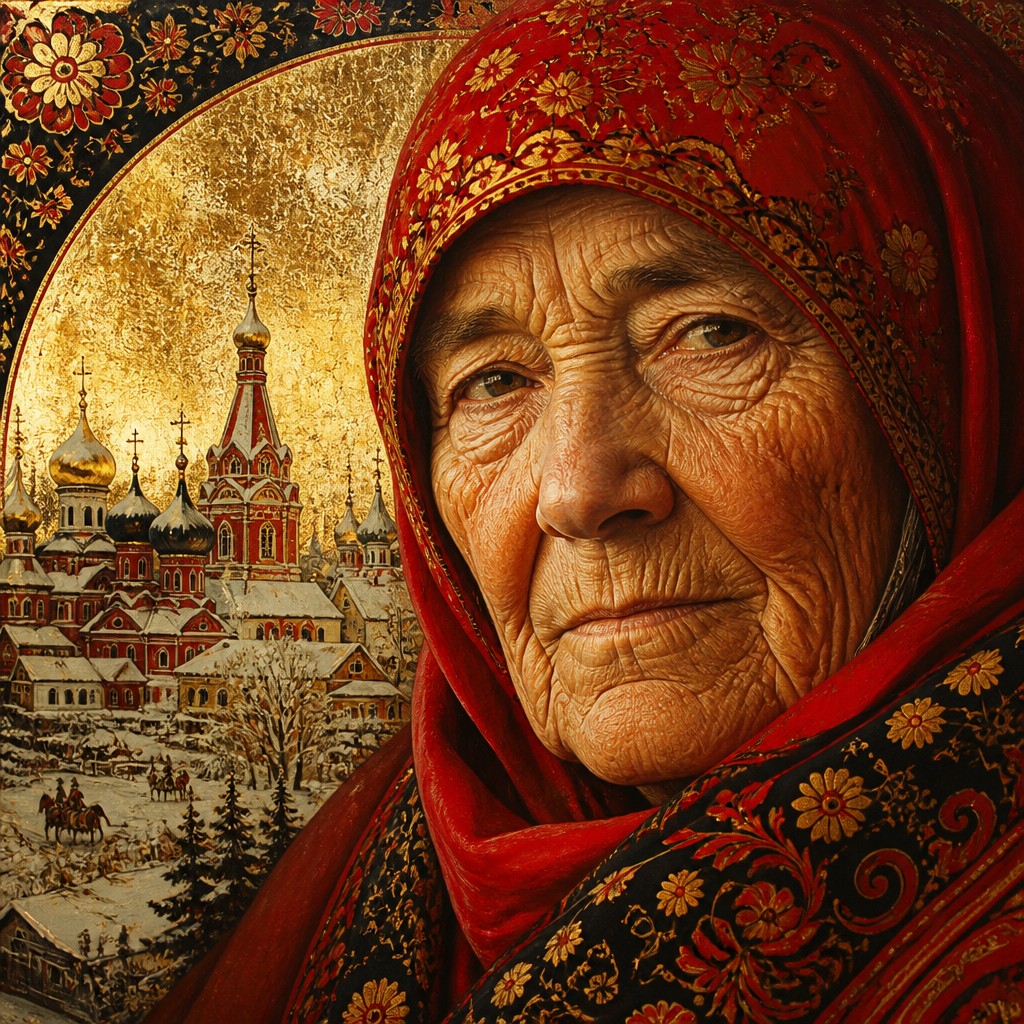
“close-up portrait of an elderly person with expressive weathered features”
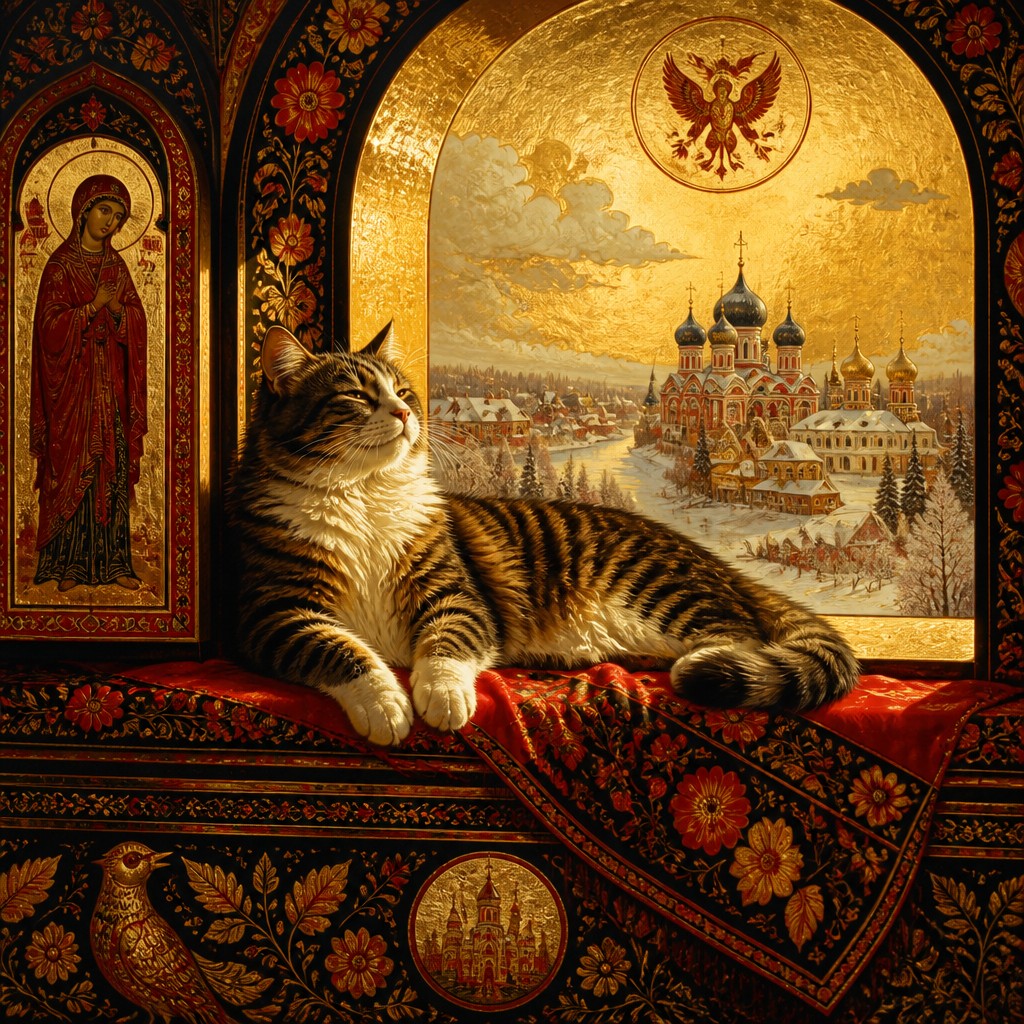
“a cat lounging in a sunlit window”
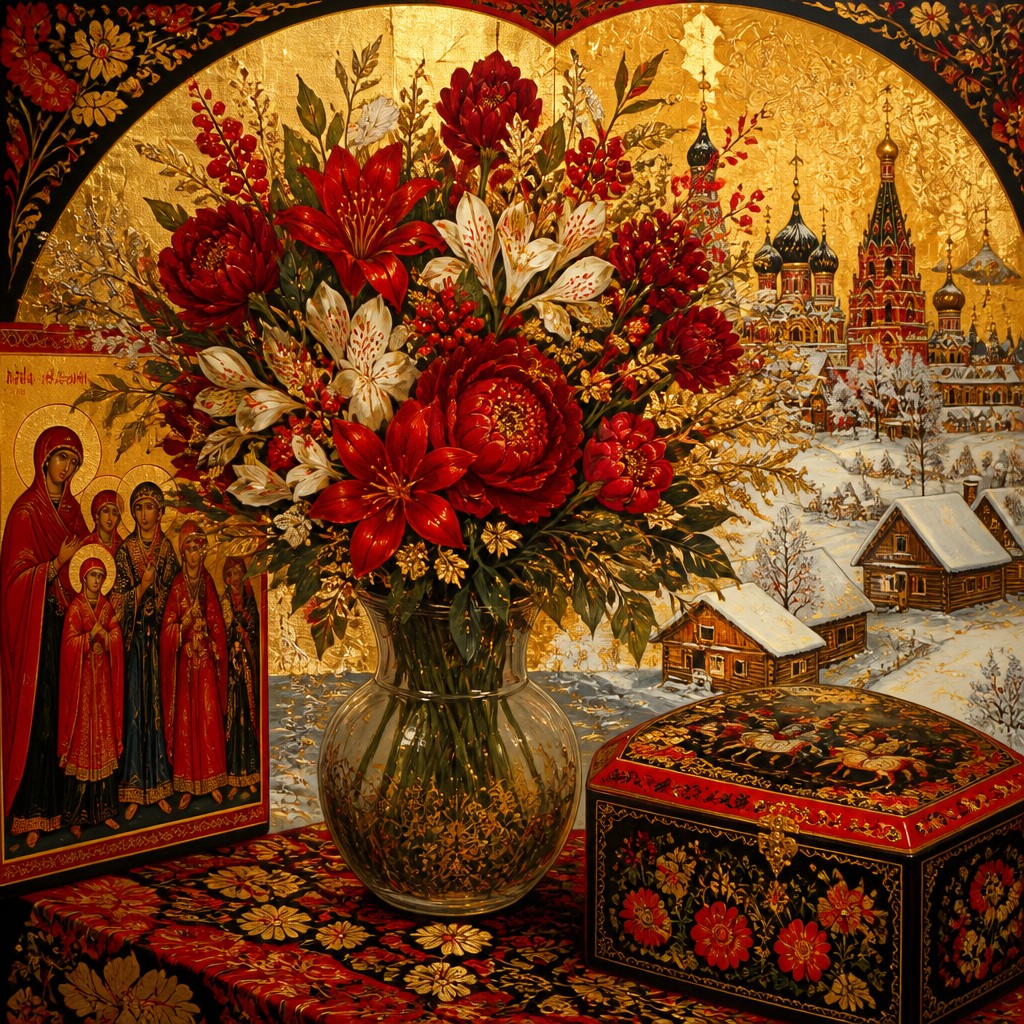
“bouquet of flowers in a glass vase”
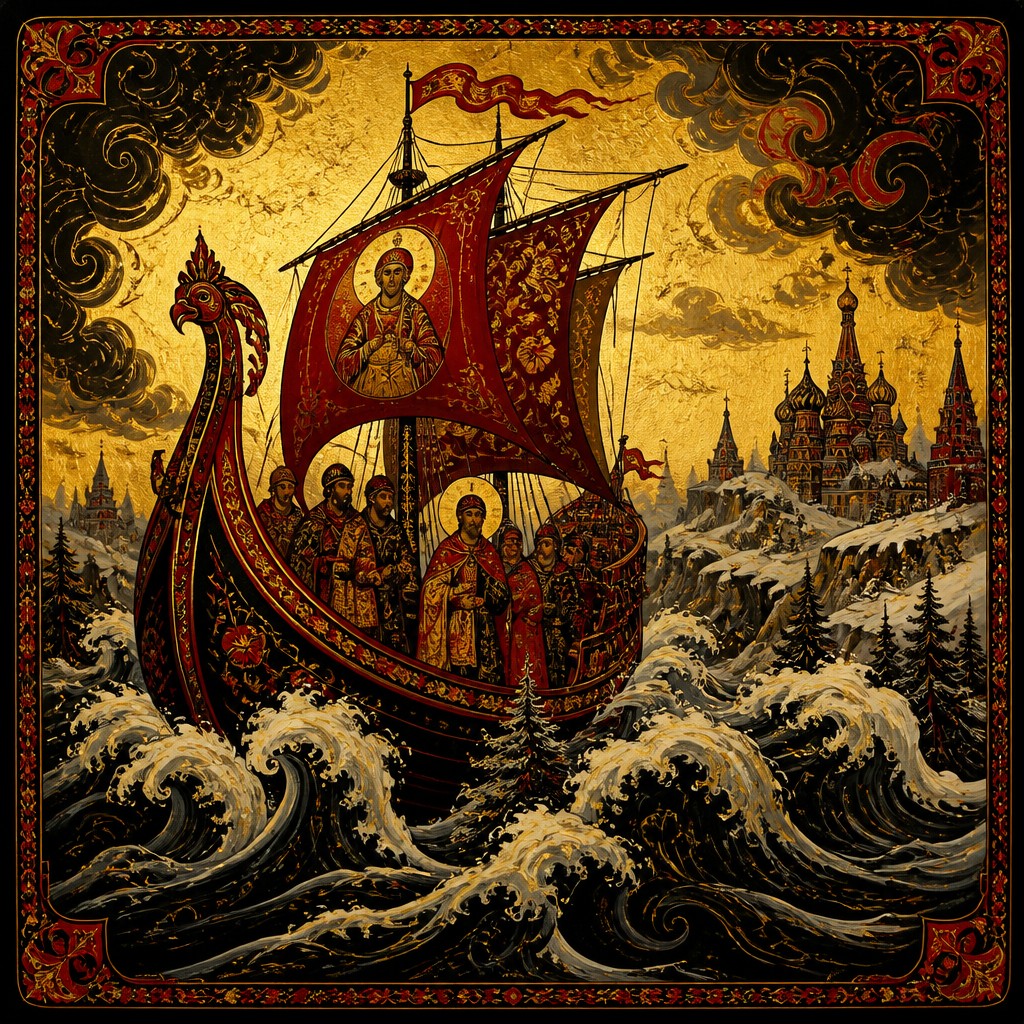
“sailing ship on a stormy sea”
How to Create Russian Art
Master the craft step by step — or skip straight to creating. Read the full guide →
- 1
Build a restricted palette
Start with warm gold, crimson, black, ivory, and cold blue-white, adding only a few secondary colors. Keep saturation concentrated in focal details so the image retains a lacquered, icon-like unity.
- 2
Flatten and organize the composition
Arrange the subject in clear vertical or stacked planes, using frontal poses and simplified silhouettes. Reduce ordinary perspective where necessary, but preserve enough scale contrast to make the scene readable.
- 3
Use ornamental surfaces
Add repeated motifs inspired by embroidery, carved wood, painted furniture, floral borders, and folk textiles. In traditional media, fine brushes, egg-tempera-like layering, metallic leaf, and opaque mineral colors can suggest the required surface.
- 4
Control the gold
Treat gold as a structural light source rather than random decoration: place it behind a figure, around a halo, along domes, or in patterned borders. Digital artists can combine metallic texture, soft bloom, and crisp masks to keep the effect intentional.
- 5
Create winter scale
Use a broad snowfield, distant forest, frozen water, or blue twilight to establish an expansive setting. Contrast the cool environment with small but powerful areas of crimson, amber, and black.
- 6
Write specific generation instructions
For prompt-based creation, name the subject, pose, setting, palette, ornament, lighting, and degree of flatness rather than relying on a style label alone. Request clean silhouettes, layered composition, gold accents, and controlled folk patterning to avoid generic fantasy imagery.

The Story
History & Origins of Russian
Russian Art Style is not a single historical movement with a fixed period or manifesto. It is a modern umbrella aesthetic that reinterprets several Russian and East Slavic visual traditions, especially medieval Orthodox icon painting, popular woodblock and printed picture traditions, decorative folk arts, and twentieth-century lacquer-miniature illustration.
Its visual lineage reaches from Byzantine-derived icon conventions practiced in medieval Rus through the popular illustrated prints of the seventeenth to nineteenth centuries and the ornamental revival of folklore in the nineteenth and twentieth centuries. Contemporary artists and image-makers combine these sources with fantasy illustration, graphic design, and digital compositing, often heightening the gold, pattern, and snowy atmosphere for a deliberately legendary effect.
Influences: The style draws on medieval Orthodox icon painting, Byzantine visual conventions as adapted in Rus, East Slavic folk ornament, lubok popular prints, traditional embroidery and painted woodwork, lacquer-miniature illustration, nineteenth-century folklore revival, and Russian landscape painting. It also overlaps with fairy-tale illustration, decorative poster design, fantasy concept art, and contemporary digital collage, but its defining combination is sacred gold, folk pattern, and snowbound narrative scale.
Frequently Asked Questions
Is Russian Art Style a historical art movement?
No. The term generally describes a contemporary hybrid aesthetic rather than a formally defined historical movement. It gathers visual features from several Russian and East Slavic traditions and recombines them for illustration, design, and digital image-making.
What defines Russian Art Style?
Its main identifiers are luminous gold, frontal or hieratic figures, strong crimson-and-black ornament, flattened decorative space, snowy landscapes, and onion-dome or wooden architecture. The overall mood is solemn, folkloric, ceremonial, and slightly mythic.
How is it different from Russian icon painting?
Icon painting is a religious tradition with specific theological purposes, established image types, and devotional methods. Russian Art Style borrows its gold grounds, frontal stillness, and symbolic composition but applies them freely to folklore, fantasy, portraits, landscapes, and secular narratives.
How can I make an image in this style by hand?
Use a limited palette, opaque layered paint, crisp contours, and a carefully planned decorative composition. Begin with large flat shapes, add ornamental borders and patterned surfaces, then reserve metallic gold or warm highlights for halos, architecture, and focal details.
What subjects work well with this aesthetic?
Winter villages, folklore characters, legendary animals, processions, wooden churches, fortified towns, royal courts, and birch forests are especially effective. Modern subjects can also work when framed with ceremonial poses, folk pattern, and a symbolic snowy setting.
How do I prompt for this look without getting generic fantasy art?
Specify the icon-like frontal composition, gold ground, restricted crimson-black palette, folk ornament, flattened layers, and snow-lit environment. Also describe the subject and mood precisely, and ask for controlled decoration rather than excessive detail or photorealistic rendering.
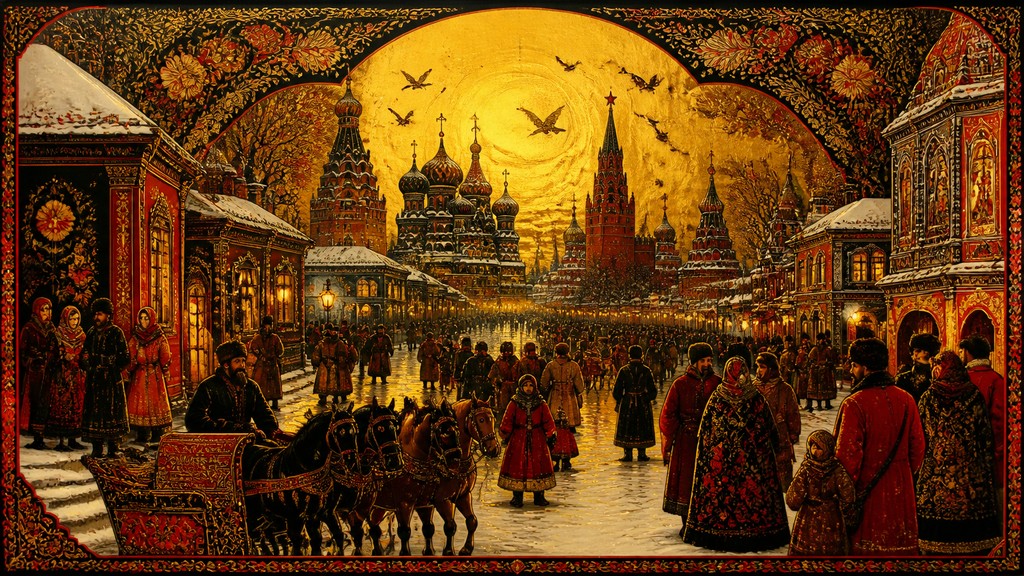
Create your first Russian artwork
Describe anything — or upload a photo — and see it in Russian Art Style in seconds.
Related Styles
Discover similar art styles