Underwater Fantasy vs Epic Fantasy: What's the Difference?
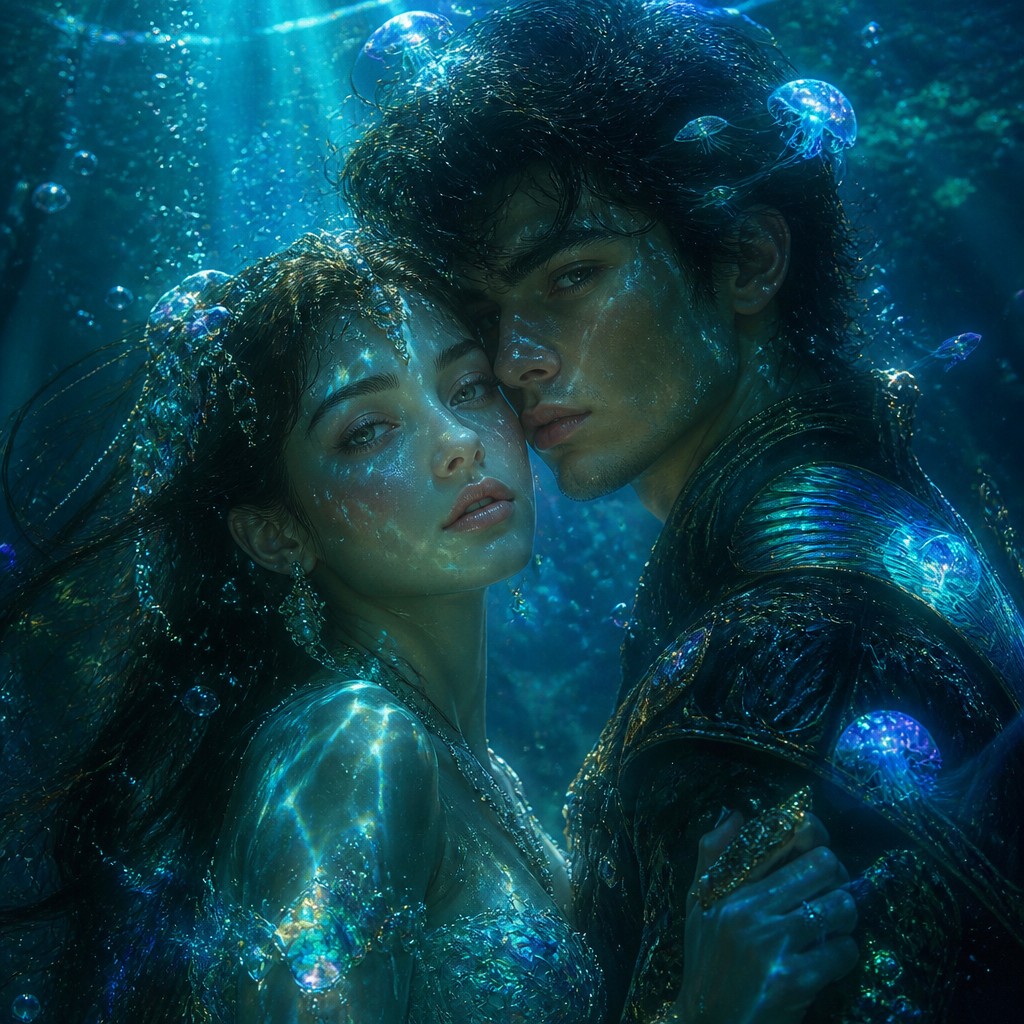
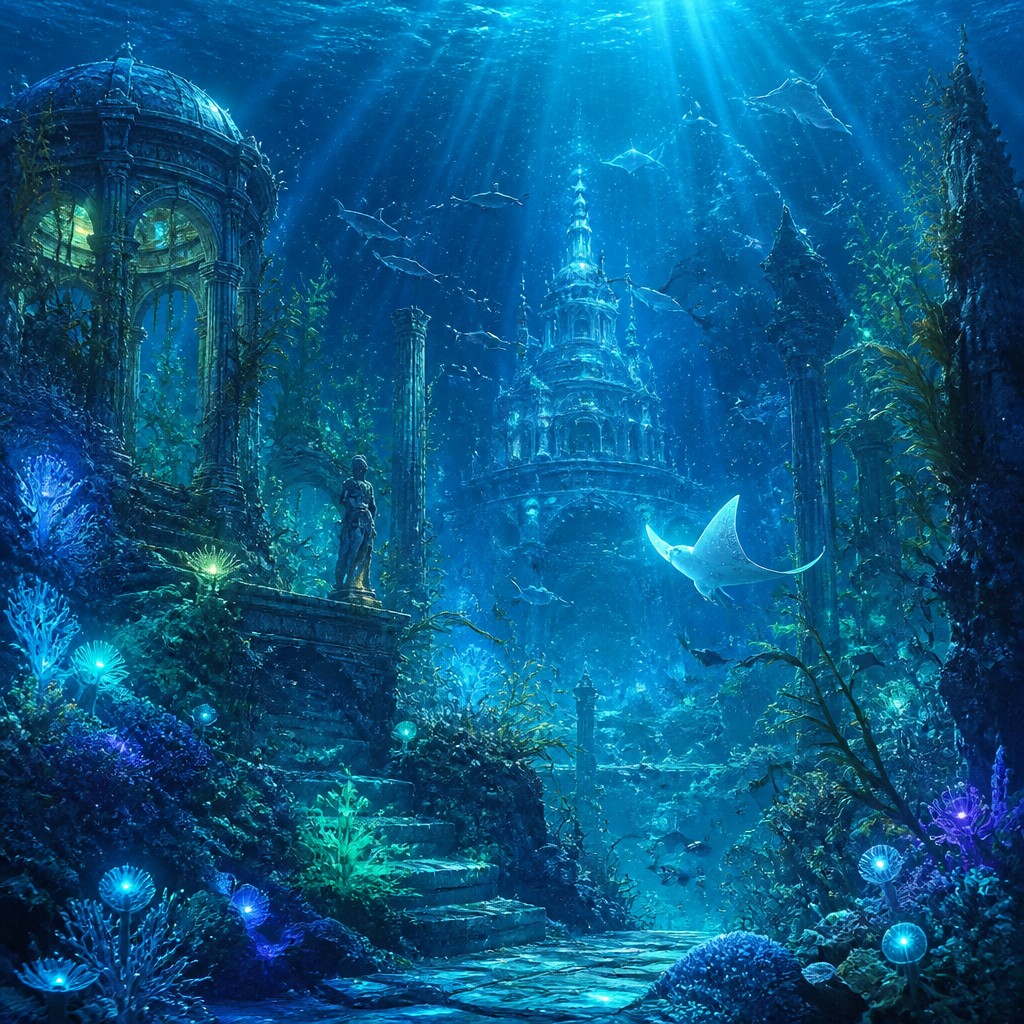
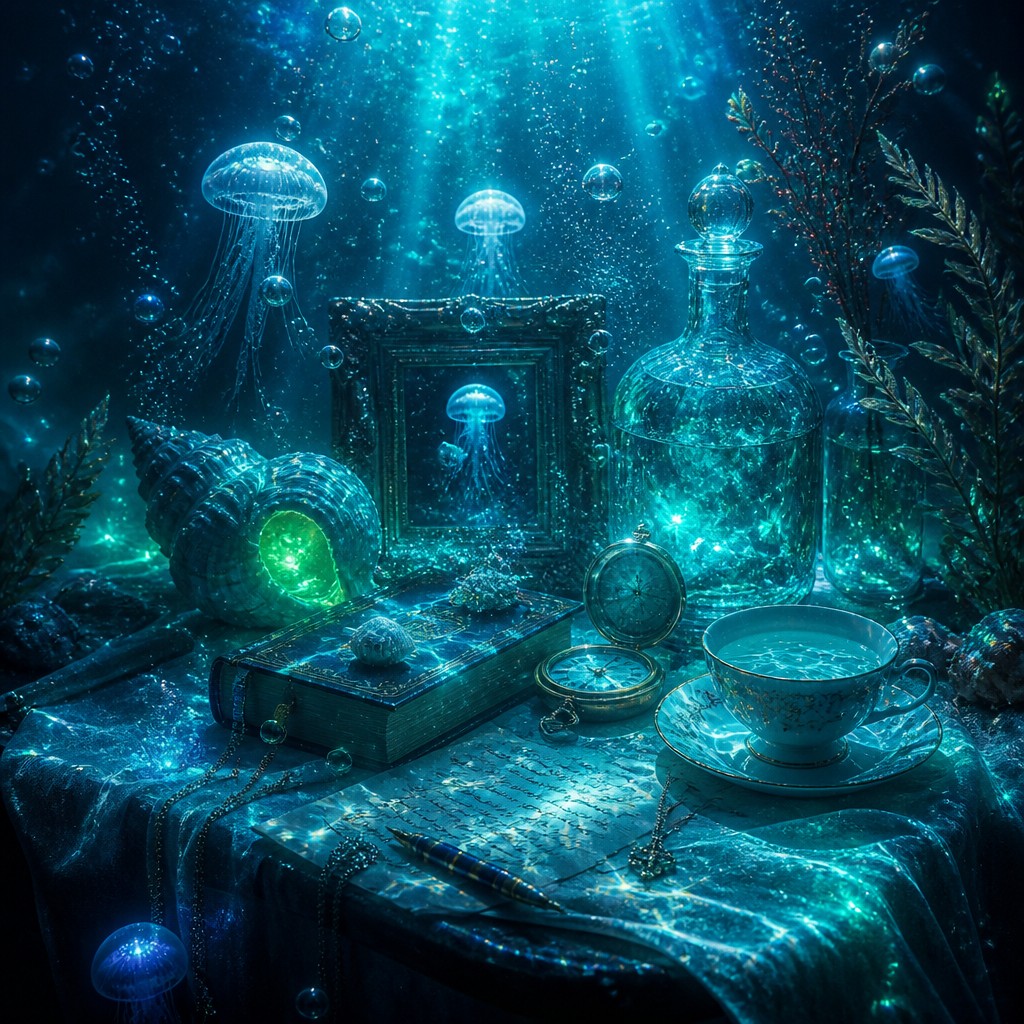
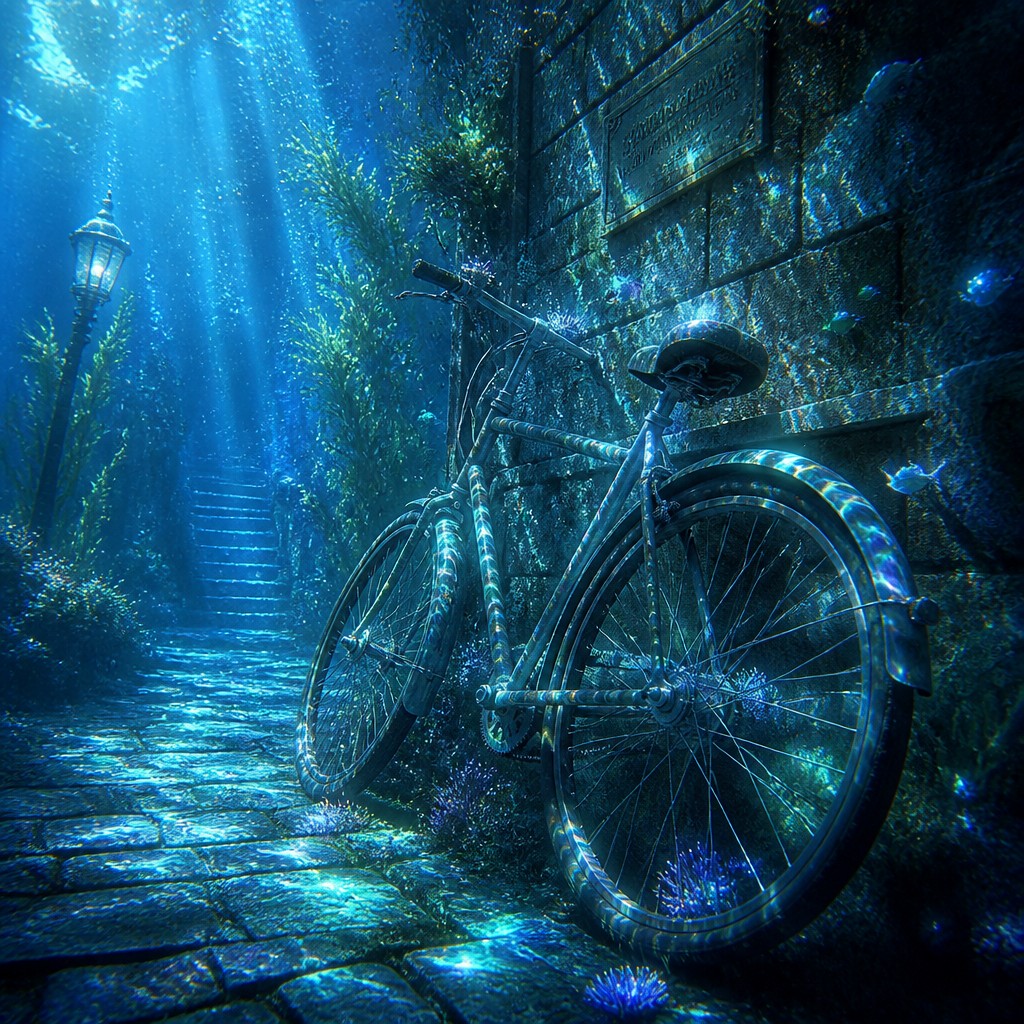
Underwater Fantasy Art focuses on imagined worlds beneath the sea: mermaids, sea creatures, submerged temples, glowing plants, and magical light filtered through water. Its atmosphere often feels fluid, mysterious, and dreamlike, with visual emphasis on translucency, reflection, and the sense of depth created by currents, bubbles, and drifting particles.
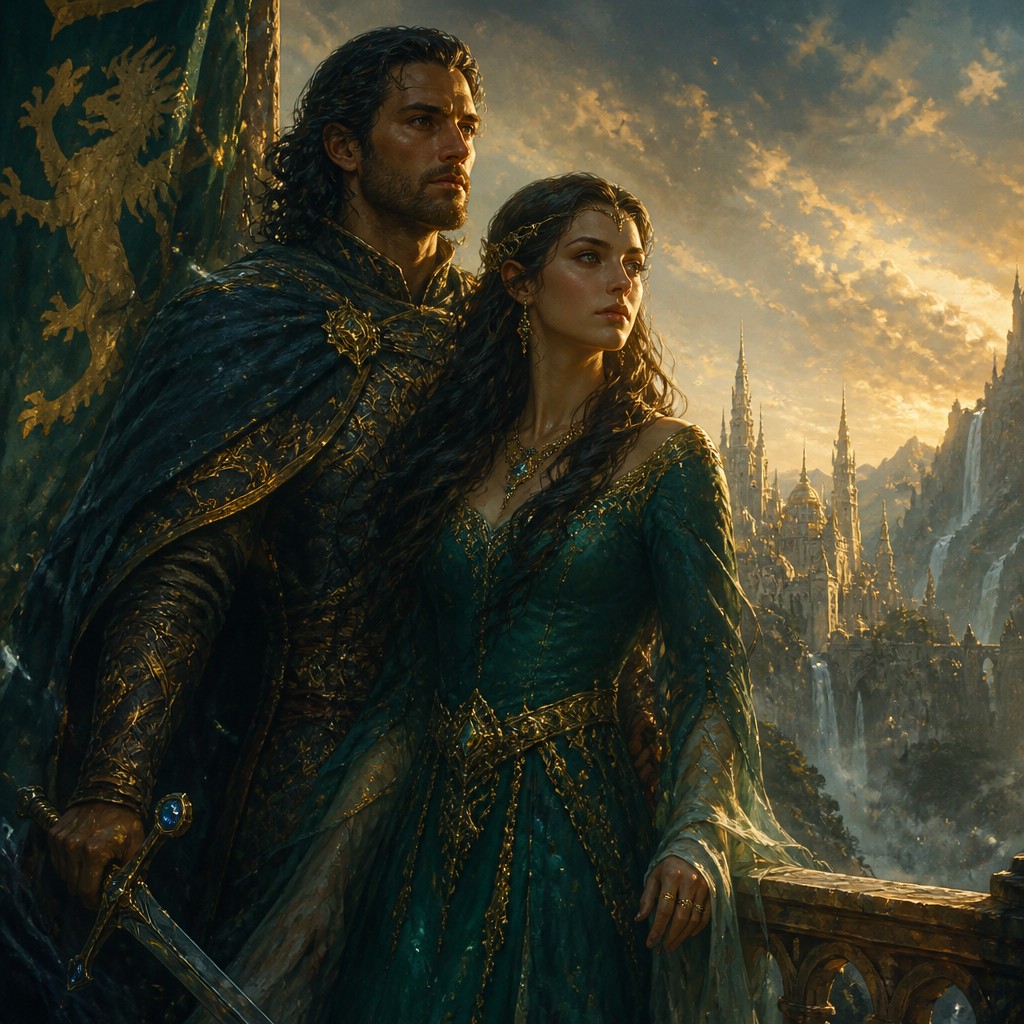
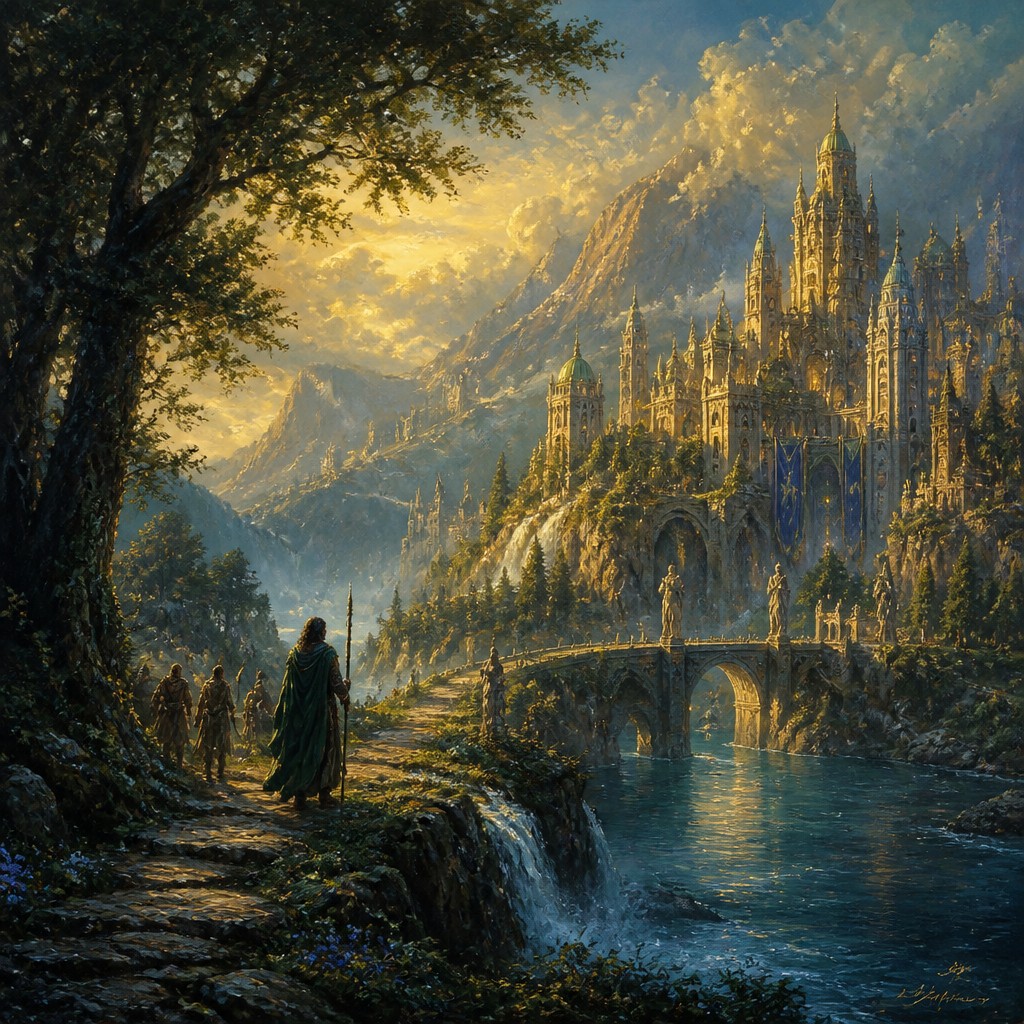
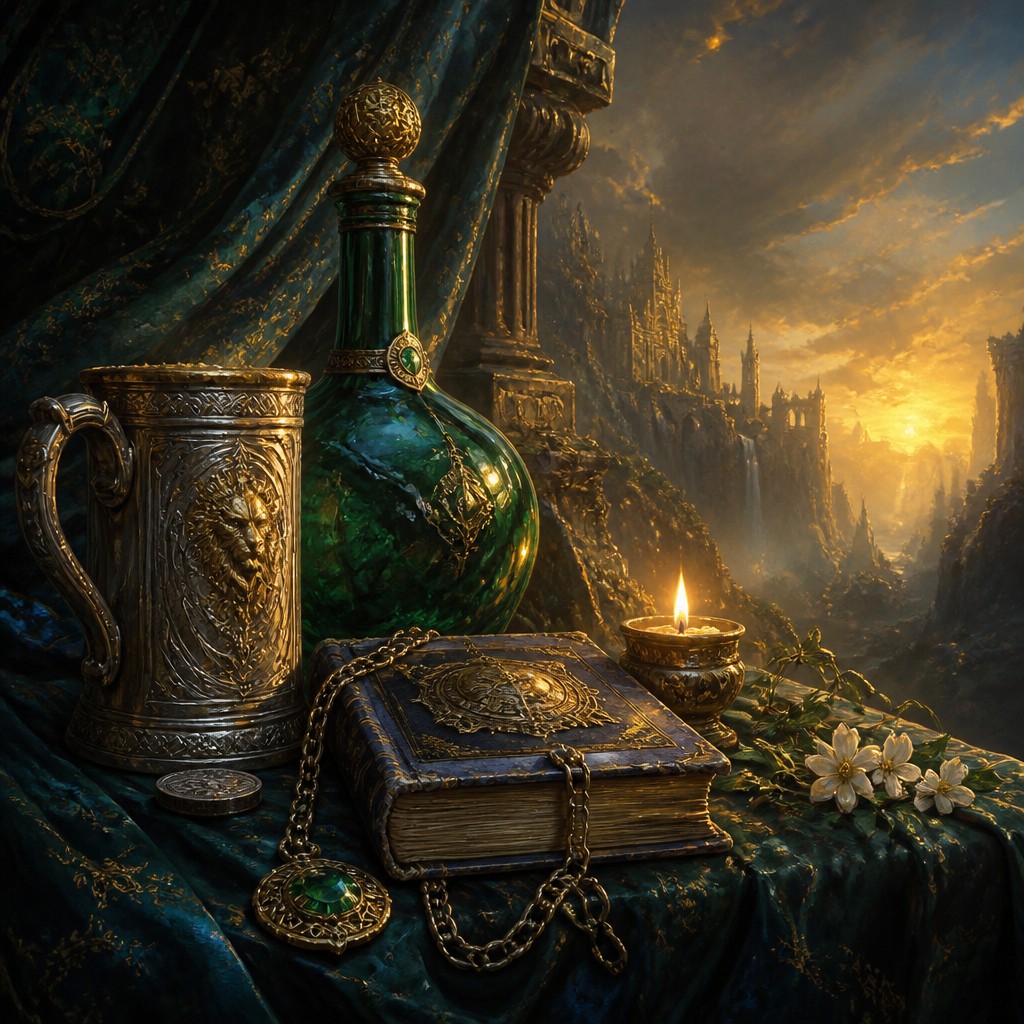
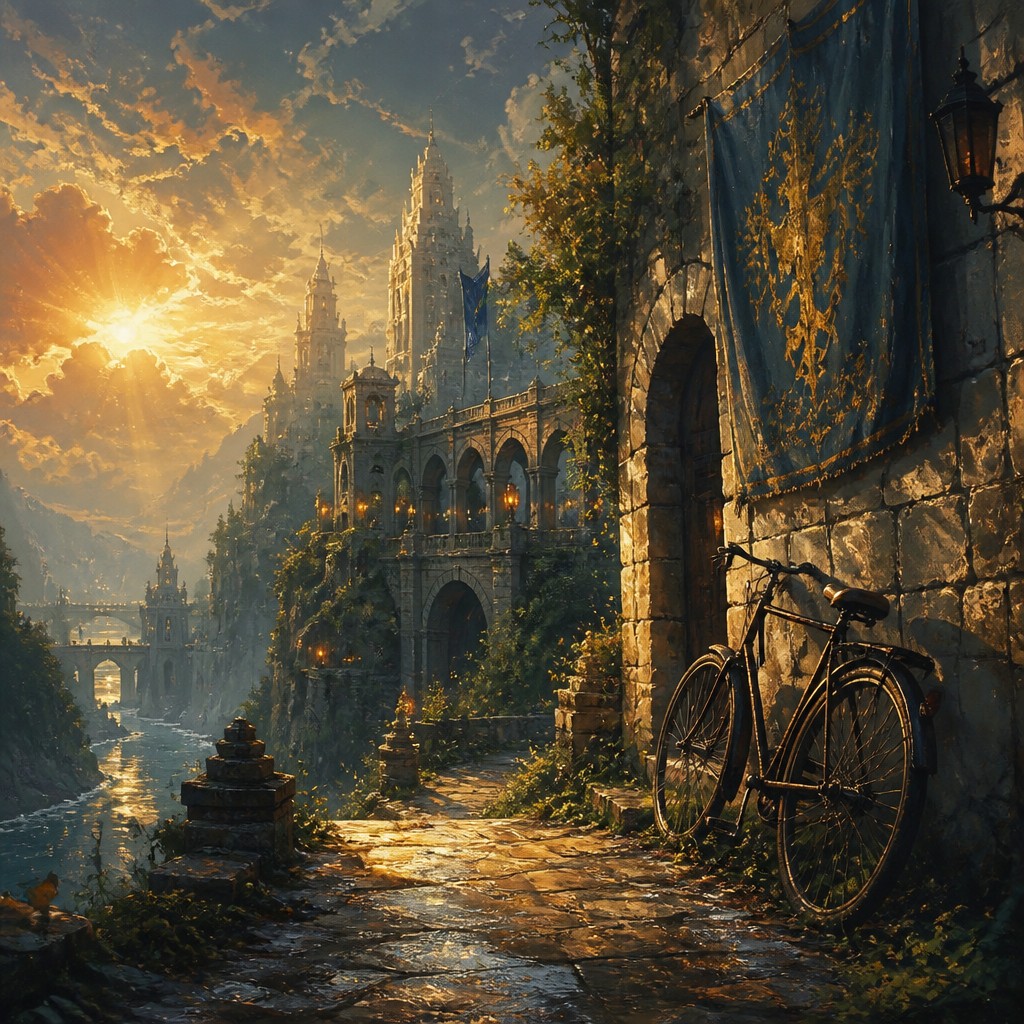
Epic Fantasy Art presents sweeping fantasy scenes on land or in the sky: heroes on quests, dragons, enchanted armies, towering mountains, and dramatic magical moments. People compare the two because both use imaginative subject matter, luminous effects, and cinematic storytelling. They differ mainly in setting and visual physics—one is shaped by water, while the other is shaped by scale, movement, and dramatic landscape.
Same Prompt, Both Styles
Each pair below was generated from the identical prompt — only the style changed.
“portrait of two people together”
“wide landscape with natural scenery”
“still life with everyday objects”
“bicyle resting against a wall”
Key Differences
| Underwater Fantasy | Epic Fantasy | |
|---|---|---|
| Setting | Entirely underwater worlds with coral, ruins, and deep-sea environments. | Land, sky, and mountain settings with castles, battlefields, and vast horizons. |
| Lighting | Soft, filtered, and glowing light refracted through water. | Dramatic, directional light with strong highlights and cinematic contrast. |
| Motion | Slow, drifting movement shaped by currents and buoyancy. | Dynamic motion from action poses, storms, flight, and combat. |
| Forms & Silhouette | Curved, flowing shapes with fins, waves, and organic forms. | Bold, heroic silhouettes with armor, weapons, wings, and mountain-scale shapes. |
| Mood | Enchanting, serene, mysterious, and sometimes melancholic. | Grand, adventurous, tense, and often triumphant. |
| Worldbuilding Focus | Marine ecosystems, submerged civilizations, and aquatic magic. | Mythic kingdoms, quests, legendary creatures, and magical conflict. |
| Mood | mystical, otherworldly, serene, adventurous | heroic, awe-inspiring, mythic, dramatic, adventurous |
| Energy | calm | intense |
| Detail level | detailed | intricate |
| Color | deep blues, teal, emerald, luminous accents | rich jewel tones, stormy contrasts, glowing highlights |
| Texture | fluid, glassy, shimmering, particulate | painterly, luminous, layered, atmospheric |
| Origin | digital-native aesthetic | digital-native aesthetic |
| Best for | fantasy book covers, game concept art, children's books, posters, album covers | book covers, game key art, movie posters, fantasy maps, collectible card art, RPG splash screens |
| Difficulty | advanced | advanced |
Which Should You Choose?
Pick Underwater Fantasy Art if you want a more atmospheric, fluid, and otherworldly scene centered on ocean life, submerged architecture, or shimmering magical light. Choose Epic Fantasy Art if you want larger-than-life action, heroic storytelling, and sweeping landscapes with strong dramatic impact. If your concept needs quiet mystery and immersive water effects, go with A; if it needs scale, conflict, and cinematic momentum, go with B.
Frequently Asked Questions
Which style is more atmospheric?
Underwater Fantasy Art usually feels more atmospheric because water naturally softens light and motion. It often creates a quieter, more immersive mood.
Which style works better for action scenes?
Epic Fantasy Art is usually better for action because it emphasizes movement, conflict, and dramatic composition. It handles battles, chases, and heroic poses especially well.
Can the two styles overlap?
Yes. An underwater scene can still feel epic if it includes large-scale stakes, powerful creatures, or monumental ruins. Likewise, epic fantasy can borrow watery effects when depicting storms, magic, or coastal worlds.
Which style is easier to recognize at a glance?
Underwater Fantasy Art is often easier to identify when the setting clearly shows submerged subjects and light distortion. Epic Fantasy Art is broader, so it may look similar to other fantasy illustrations unless the scale and cinematic tone are strong.