Dark Fantasy Art
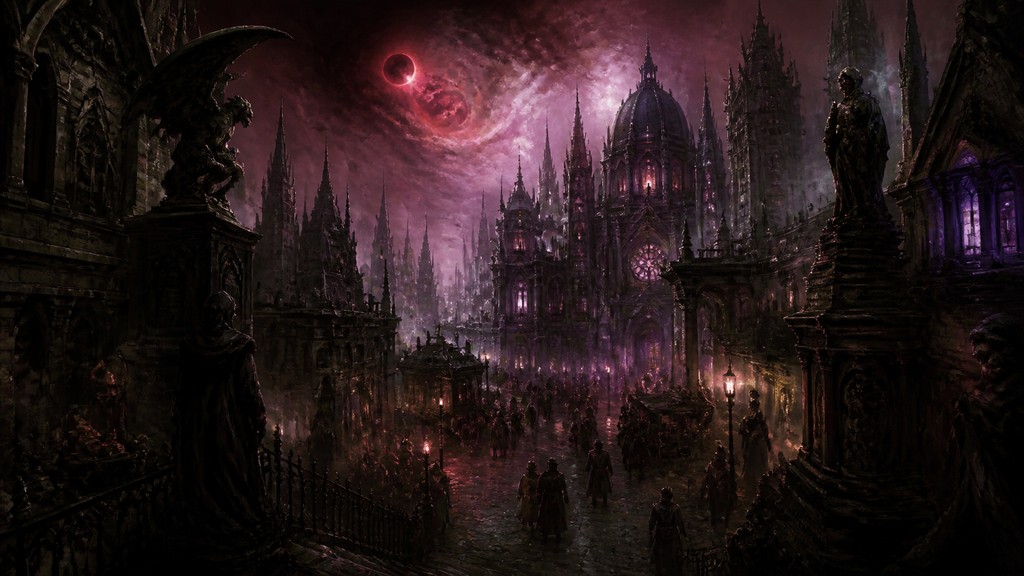
Gothic fantasy art with demons, undead, eerie magic, and shadowy realms shaped by horror, chiaroscuro, and gothic detail.
Instantly rendered in Dark Fantasy — or transform a photo
Dark Fantasy Gallery
Tap any artwork to explore it
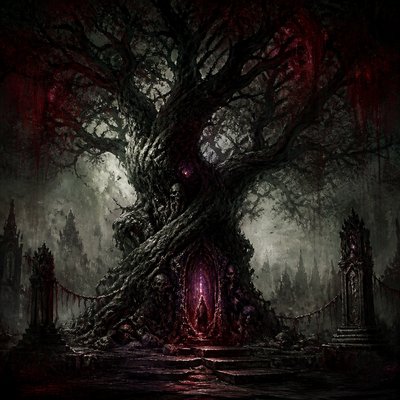
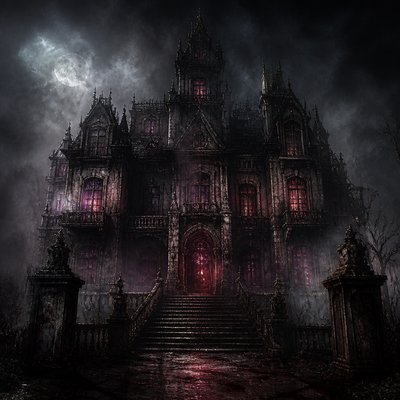
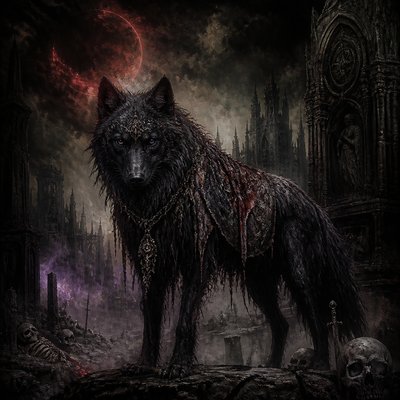
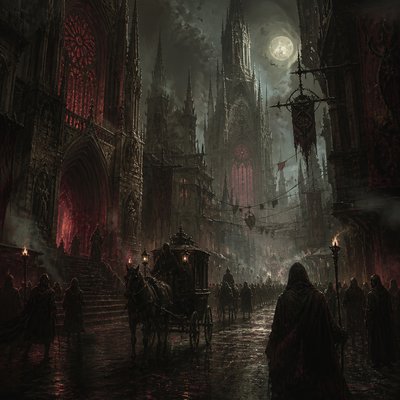
What is Dark Fantasy Art?
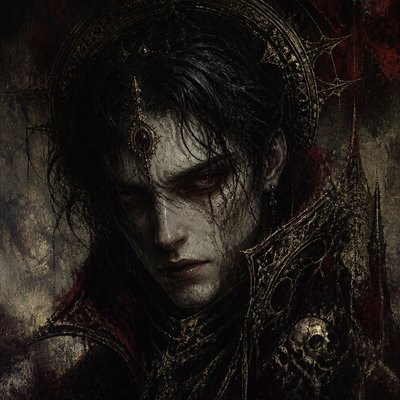
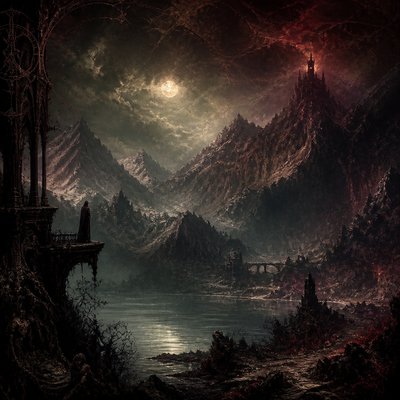
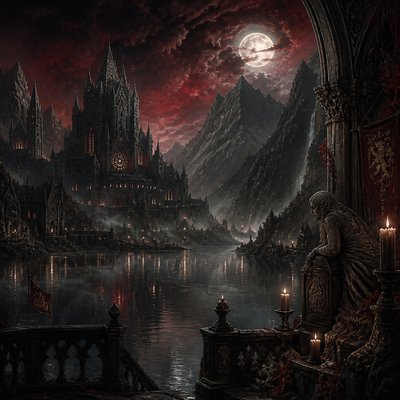
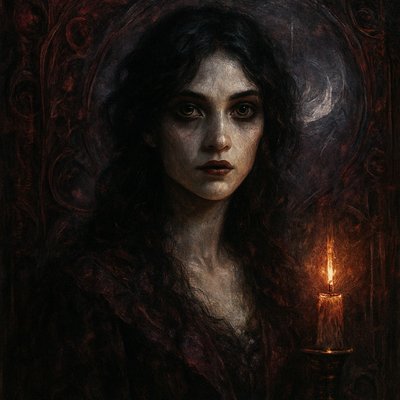
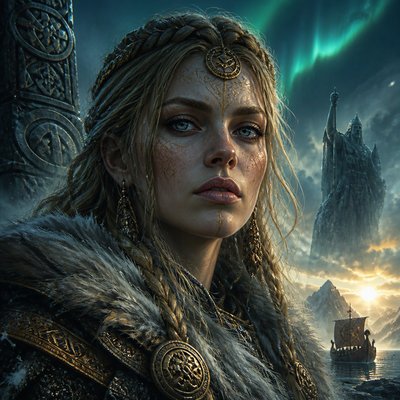
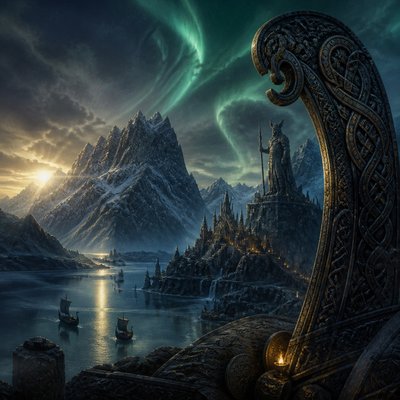
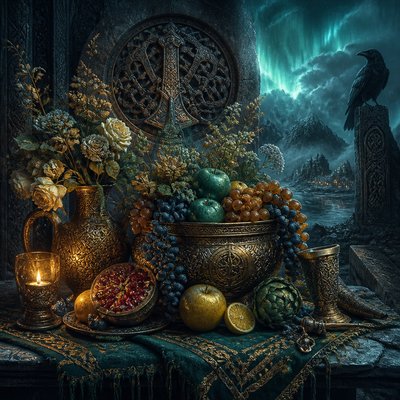
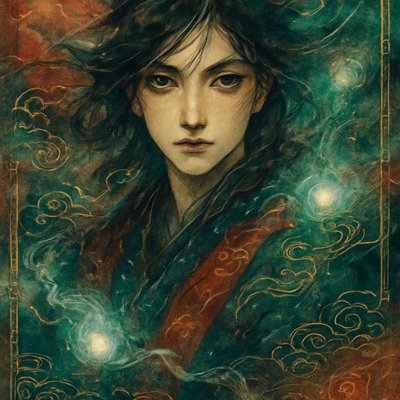
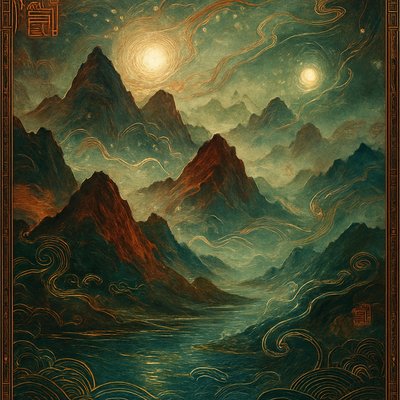
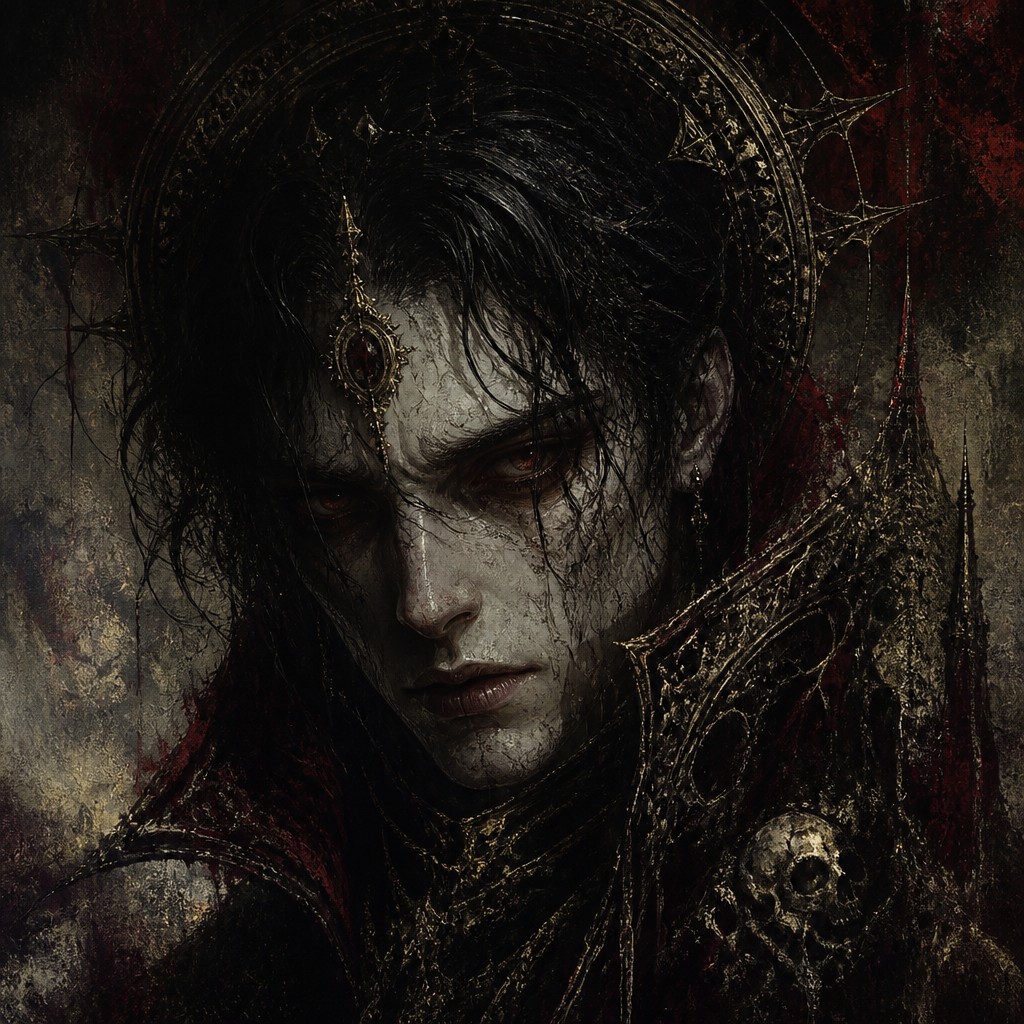
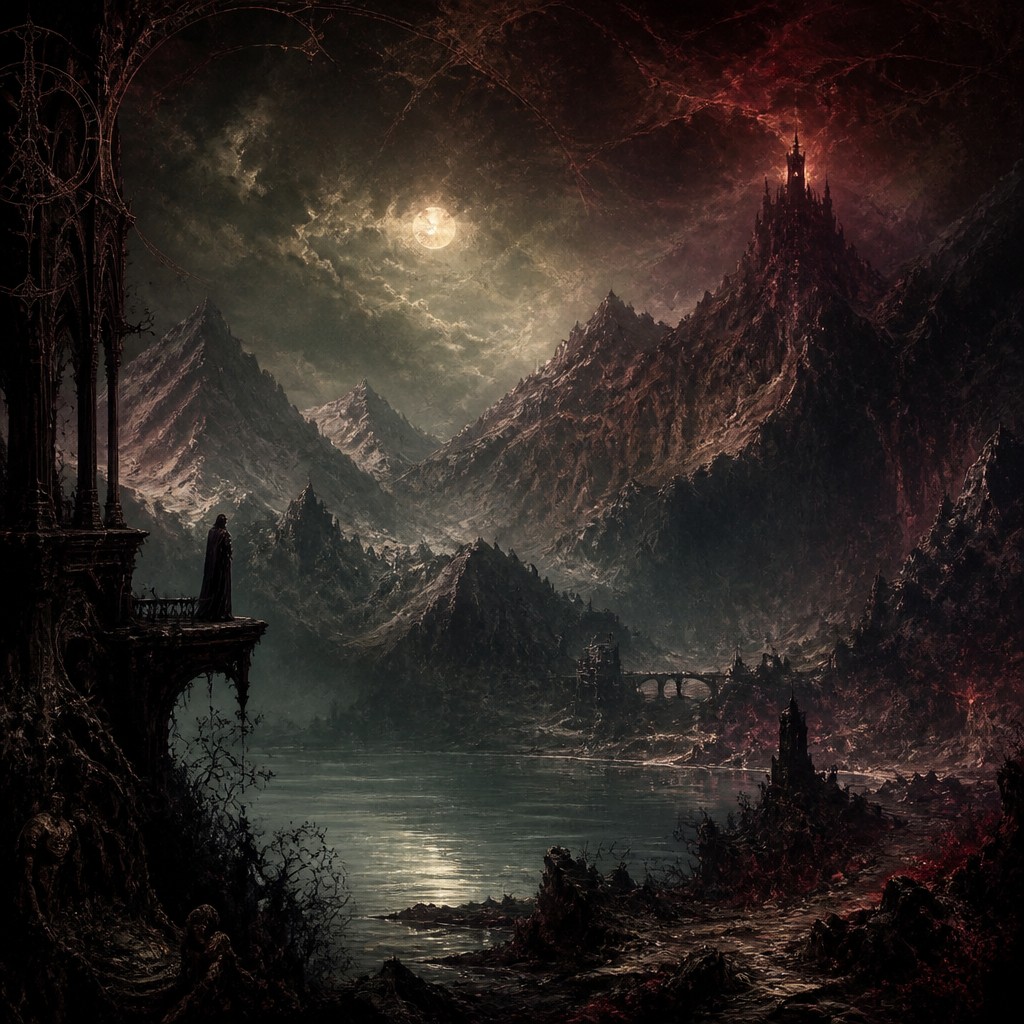
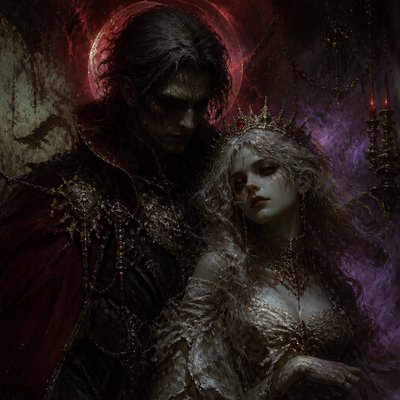
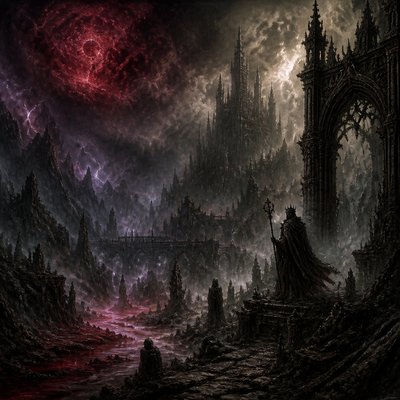
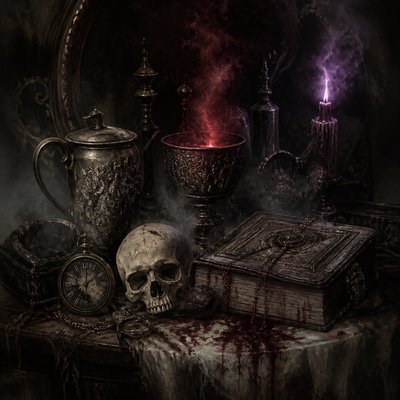
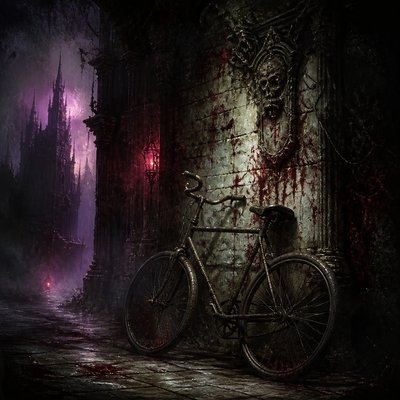
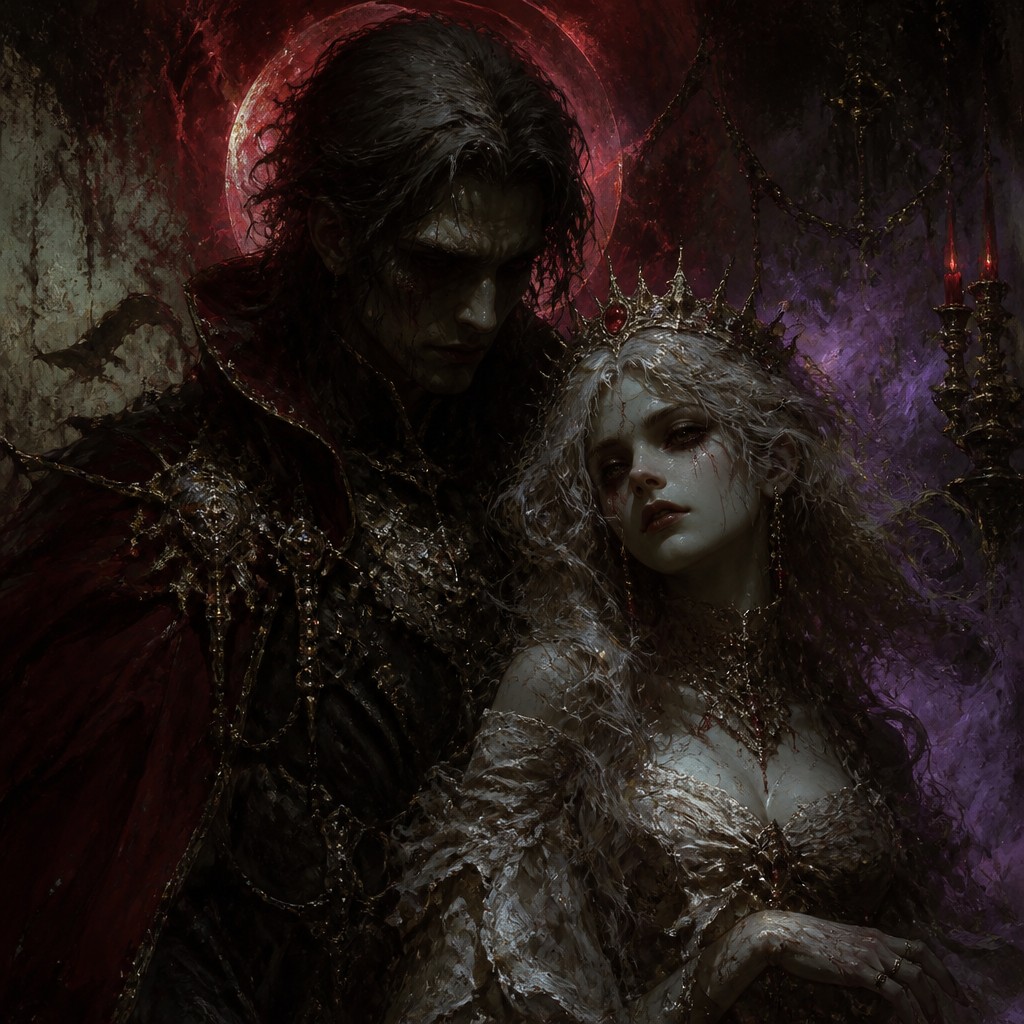
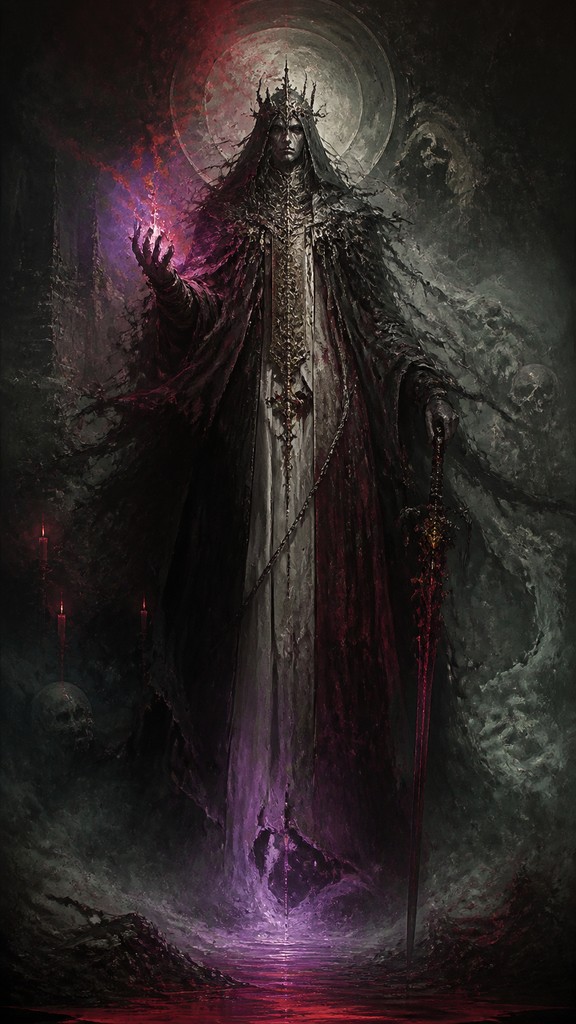
Dark Fantasy Art is a fantasy mode shaped by Gothic horror, supernatural menace, and theatrical darkness. It typically shows demons, undead, cursed landscapes, ruined castles, occult rites, and armored figures moving through mist, firelight, or abyssal shadow. The mood is not merely “dark” in the visual sense; it is narrative darkness, where the image suggests corruption, danger, forbidden power, and a world governed by uneasy magic.
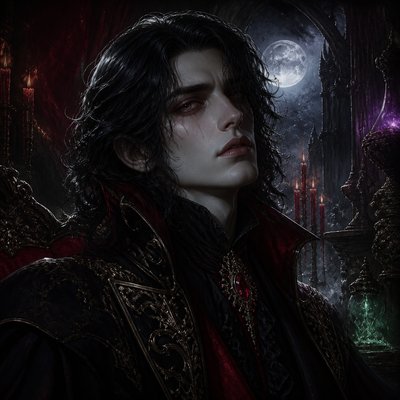
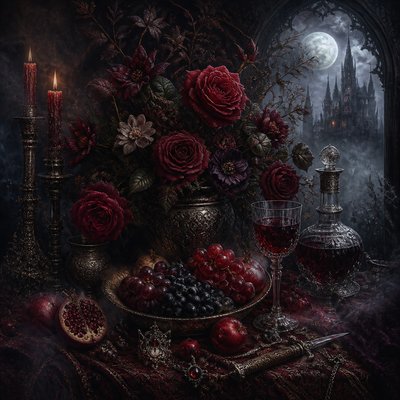
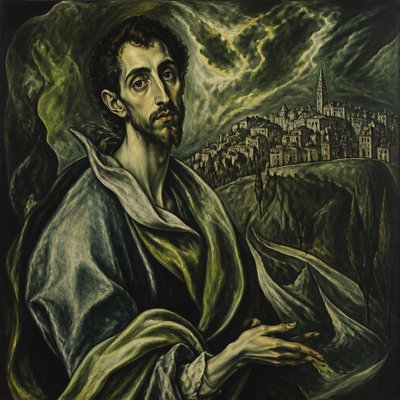
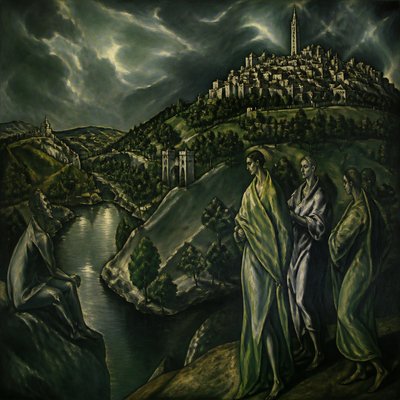
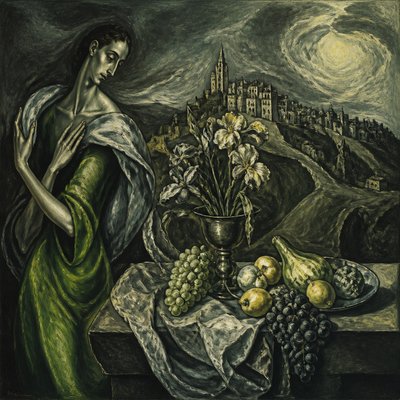
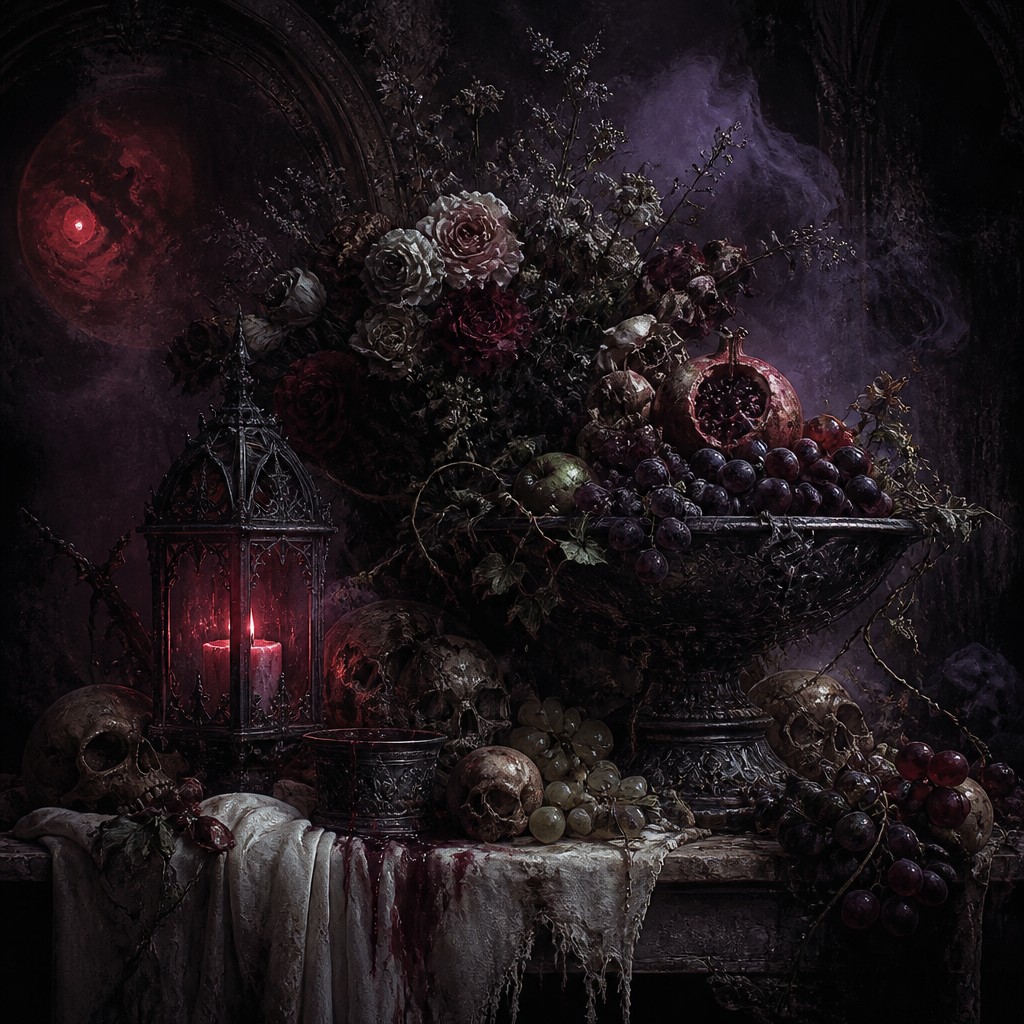
Its visual identity comes from a combination of high-contrast lighting, desaturated color, textured surfaces, and ornate but decaying design. Figures and environments often feel carved from shadow, with highlights used sparingly to pick out bone, metal, candle flame, or spectral glow. The look is rooted in the visual language of Gothic art and architecture, Romantic night scenes, horror illustration, metal album art, role-playing and video game imagery, and fantasy painting traditions that favor atmosphere over realism.
Try It On Your Photos
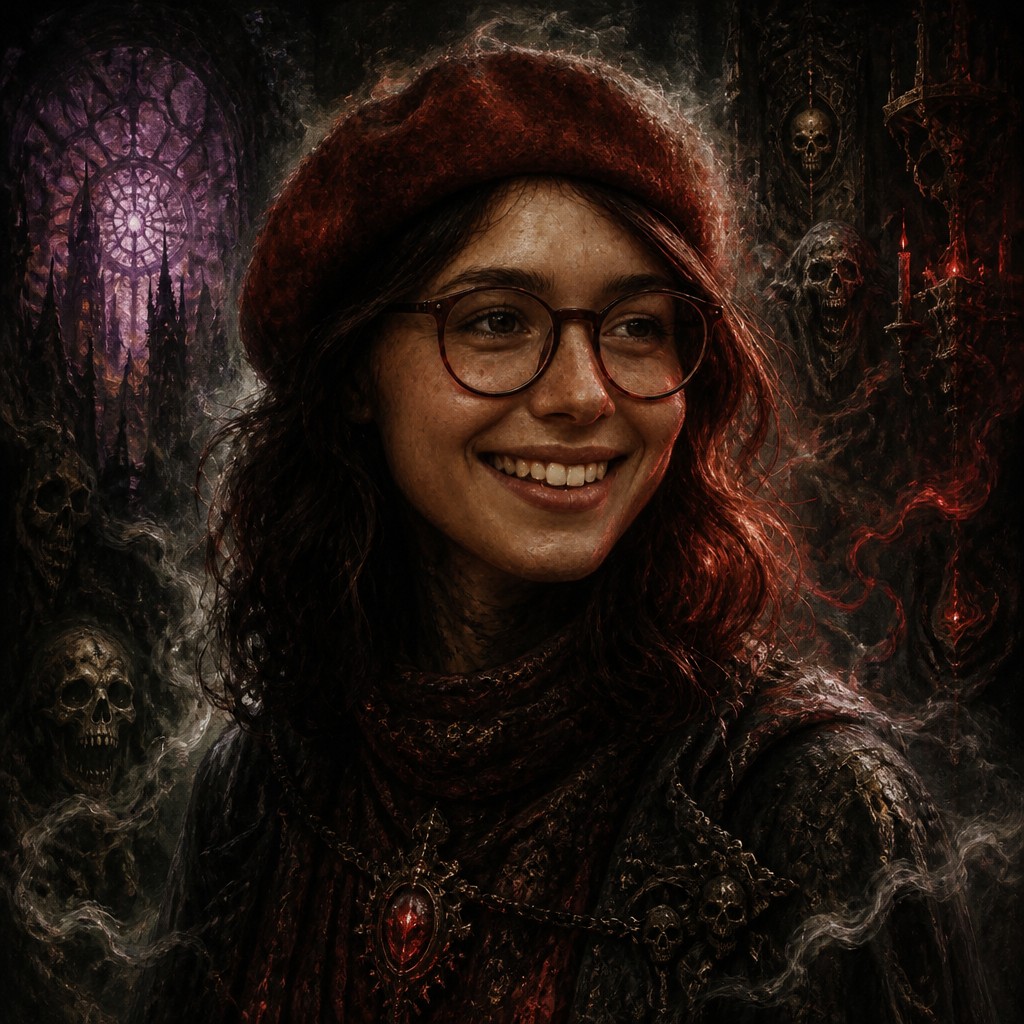
Upload any photo and convert it into Dark Fantasy Art — drag the sliders to compare before and after.


What Defines Dark Fantasy Art
The signature details, up close
Chiaroscuro lighting
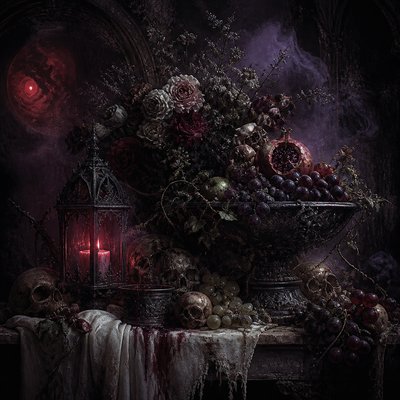
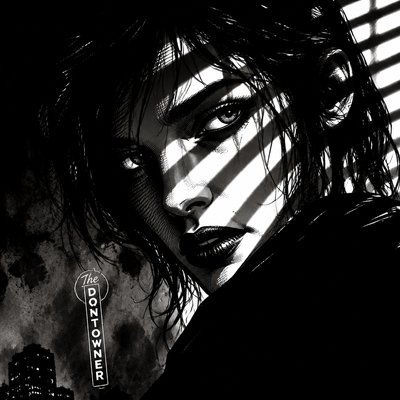
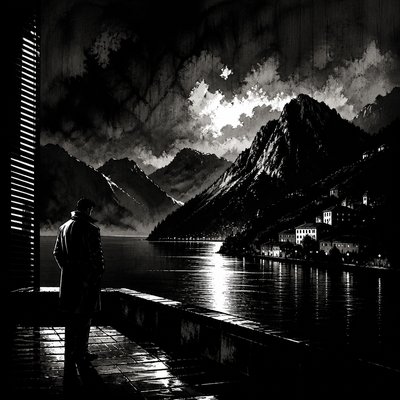
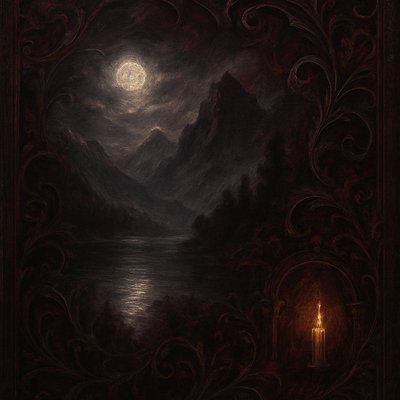
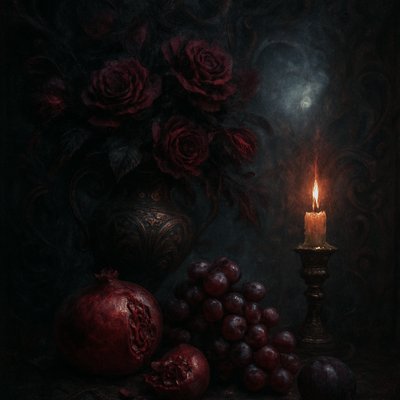
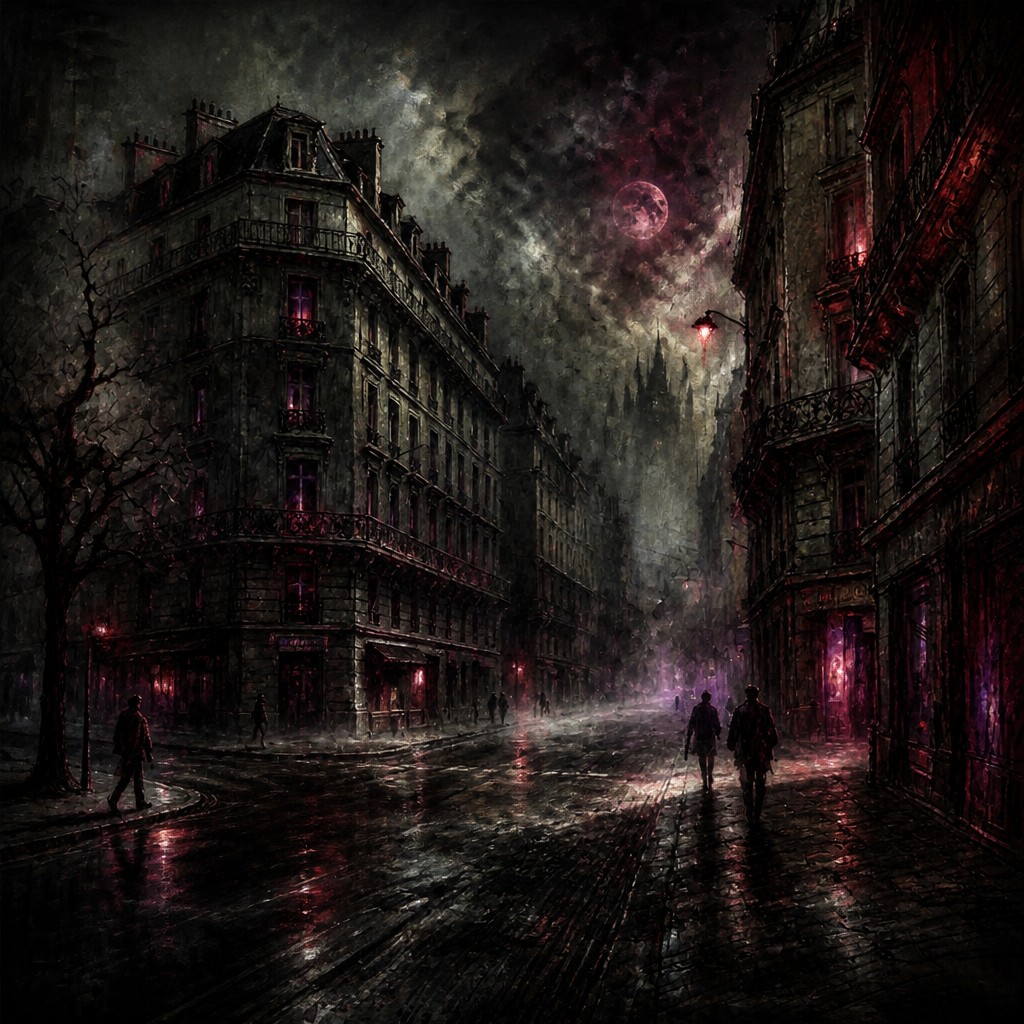
Strong contrast between near-black shadows and limited points of highlight is a core feature. Light often comes from candles, moonlight, fire, magic, or infernal glows.
Gothic architecture and ruin
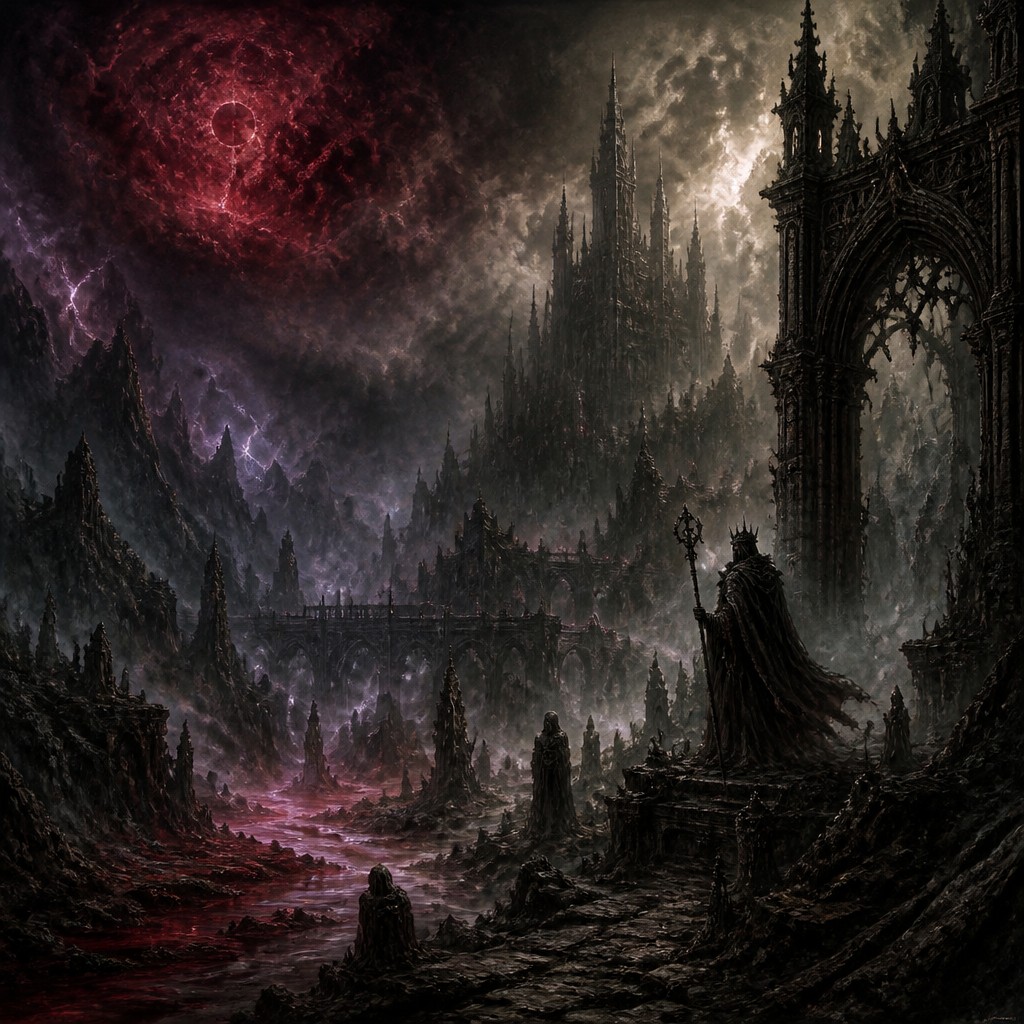
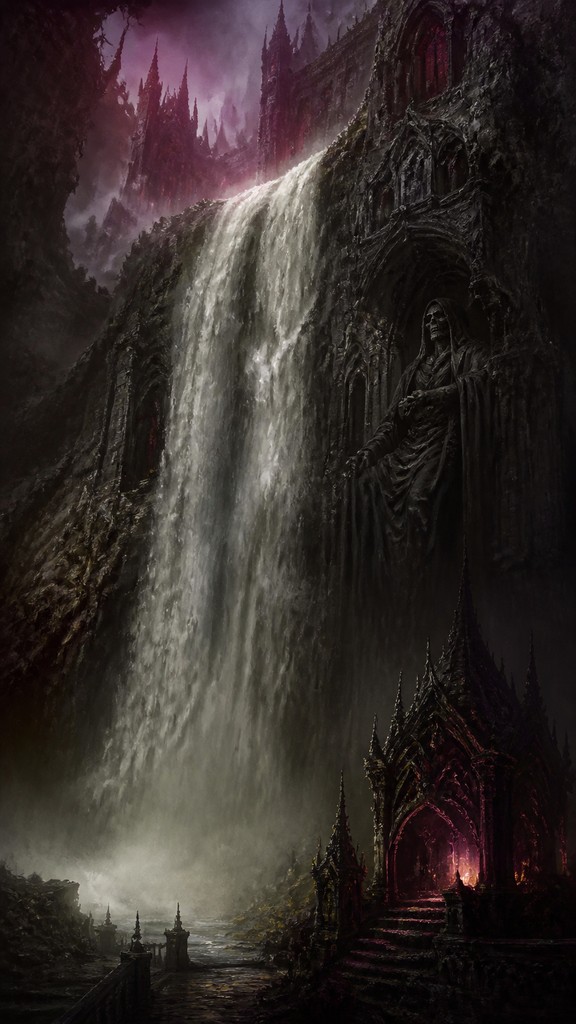
Pointed arches, spires, cathedrals, crypts, broken stone, and collapsing fortifications establish the setting. These elements often appear weathered, eroded, or half-swallowed by darkness.
Supernatural beings
Demons, undead, specters, sorcerers, cursed knights, and monstrous hybrids are common subjects. Even human figures often appear altered by magic, corruption, or ordeal.
Desaturated, ominous color
Palettes often rely on grays, black, bone white, dark crimson, bruised purple, sickly green, and cold blue. Saturated color is usually used sparingly as an accent rather than a dominant field.
Textured, painterly surfaces
Brushwork tends to be gritty, rough, and atmospheric, with visible texture suggesting aged materials, smoke, ash, rust, or damp stone. Smooth finishes are less typical than tactile, weathered handling.
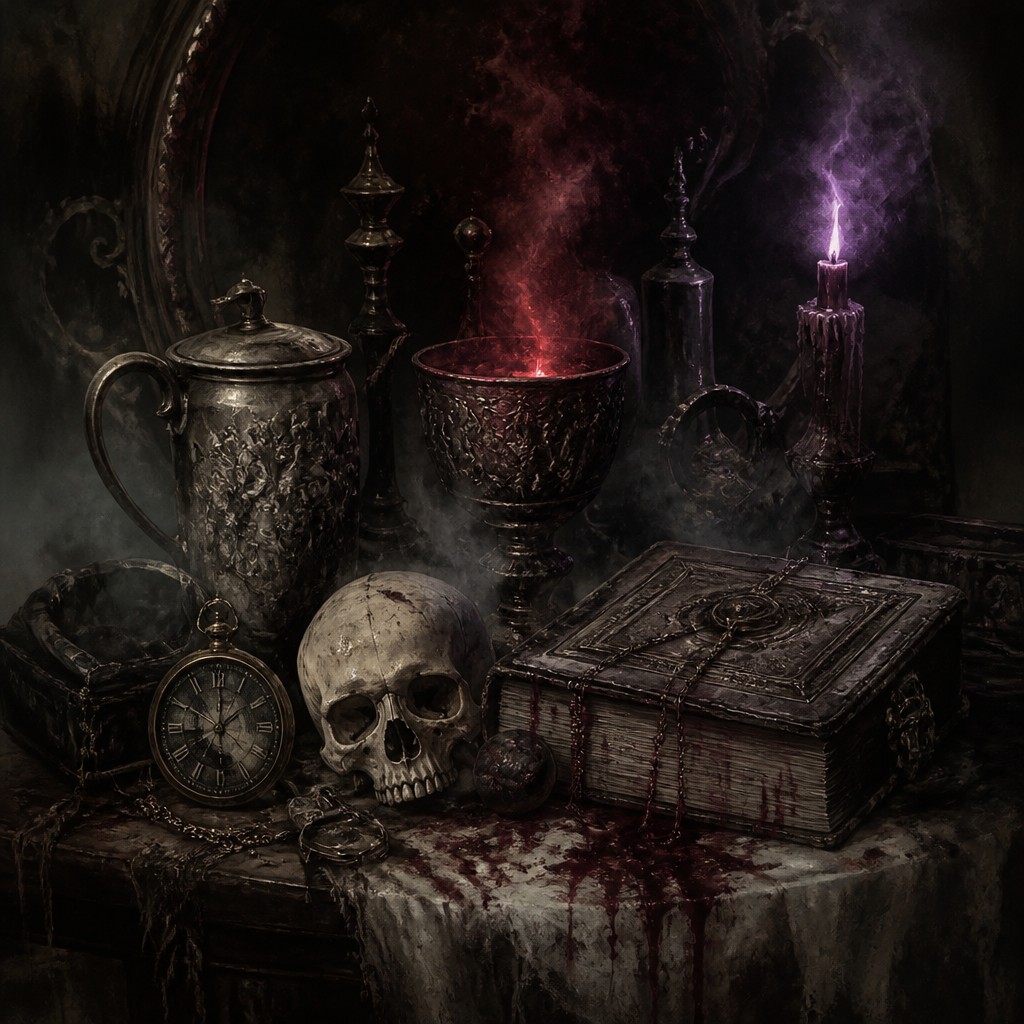
Ornament dissolving into shadow
Decorative details often appear partially obscured or eroded, creating a sense of grandeur collapsing into darkness. This gives the imagery both richness and instability.
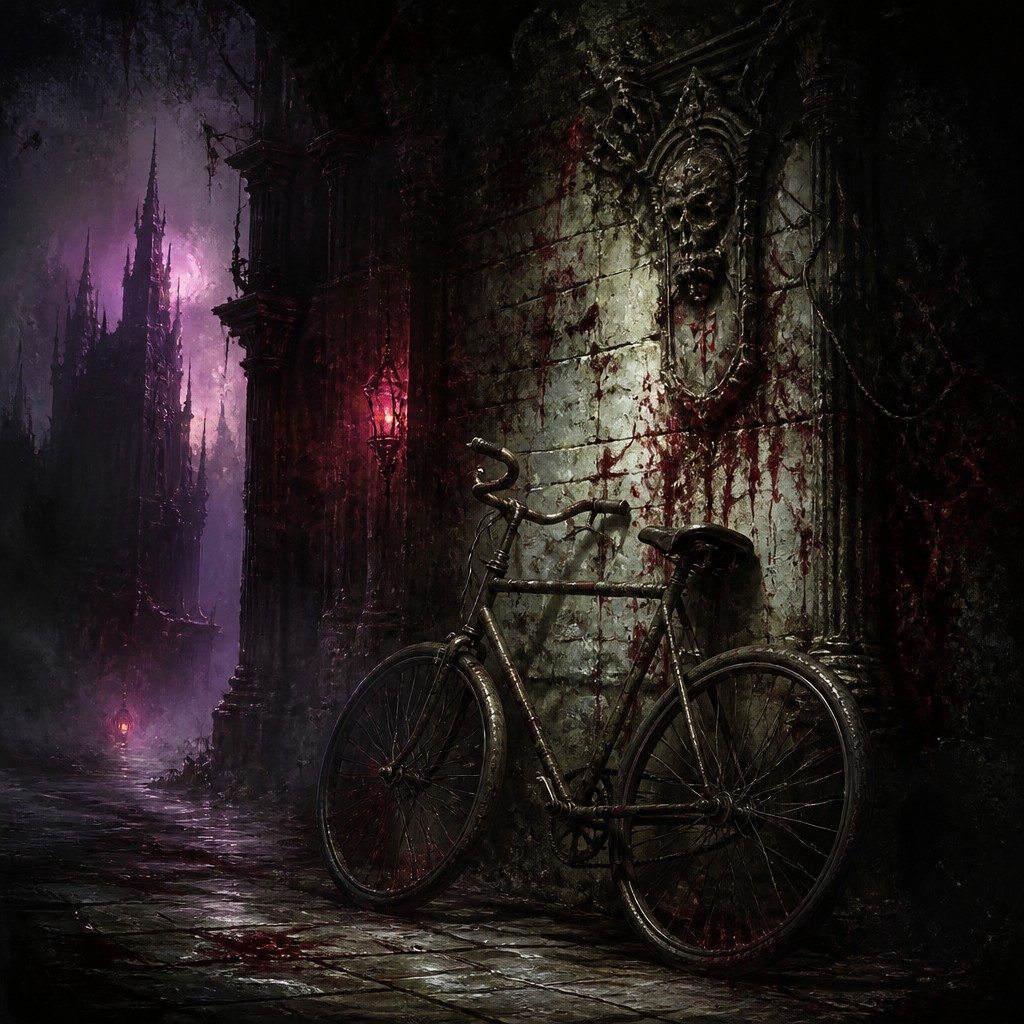
Mood of dread and tragic grandeur
The style balances menace with scale and majesty. It often implies ancient power, forbidden knowledge, or a noble world in ruin rather than simple gore.
Try It
Create Videos in Dark Fantasy Art
Styles aren't just for stills — describe a scene or animate an image and get a short video rendered in Dark Fantasy. Press play to see this pond come to life.
Make a VideoDark Fantasy Prompt Ideas
Start from an idea — each one opens the generator with the style ready to go. See all 40 Dark Fantasy prompts →
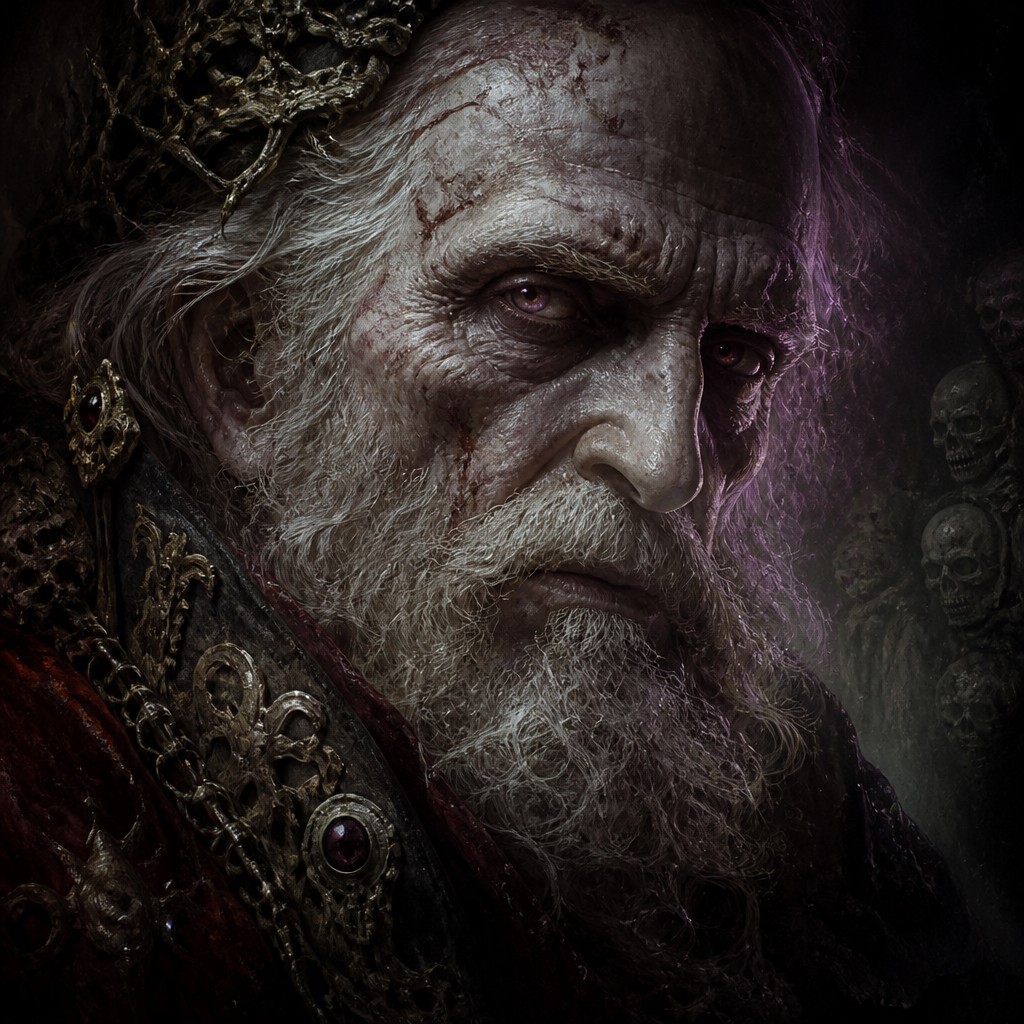
“close-up portrait of an elderly person with expressive weathered features”
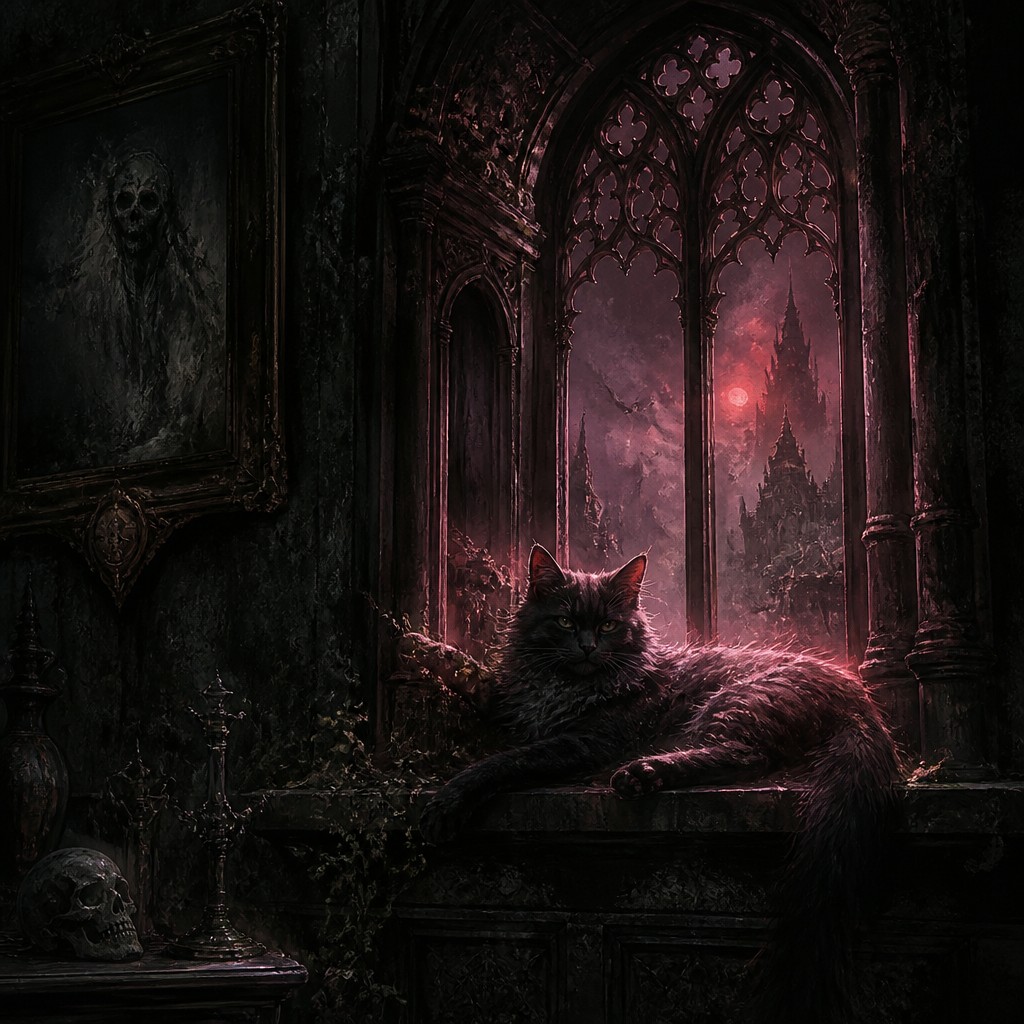
“a cat lounging in a sunlit window”
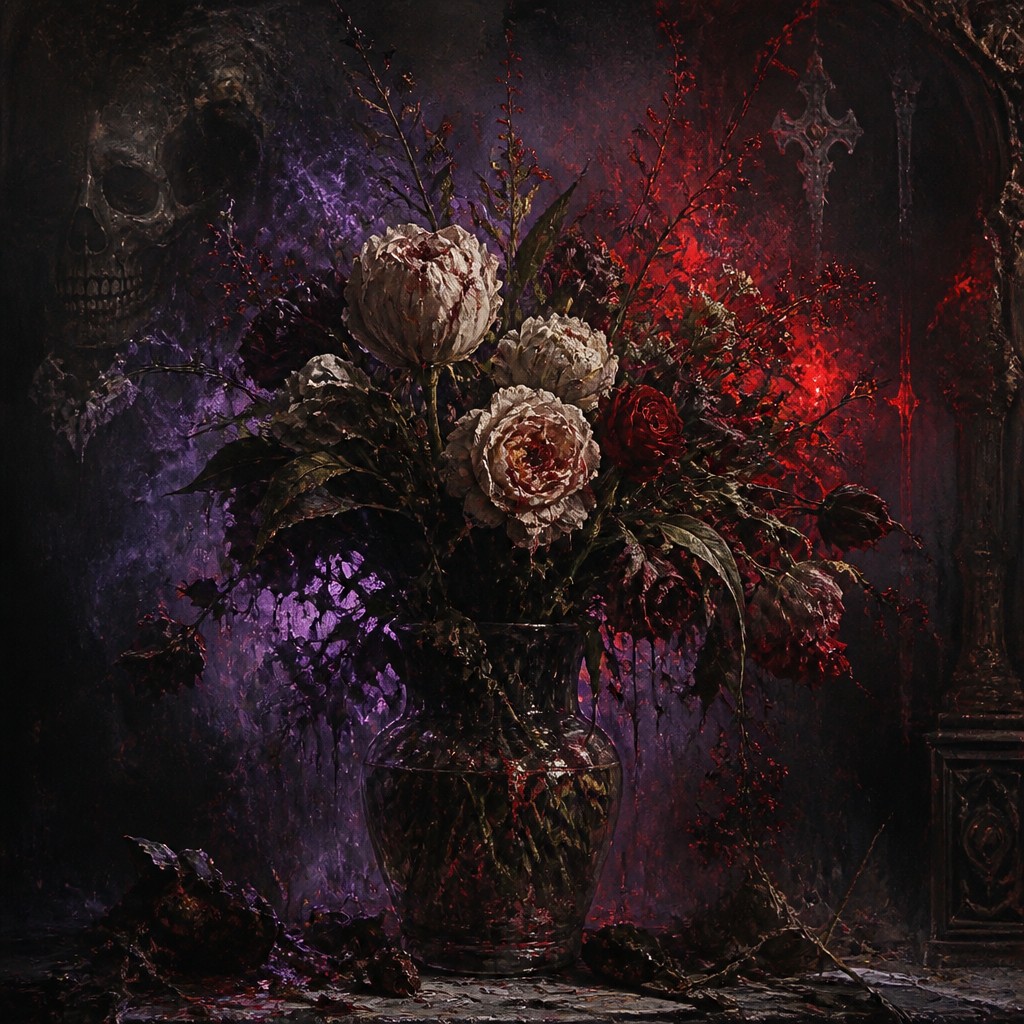
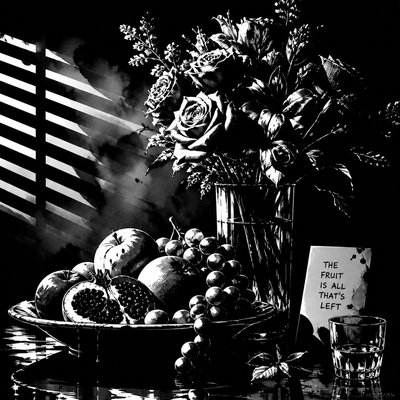
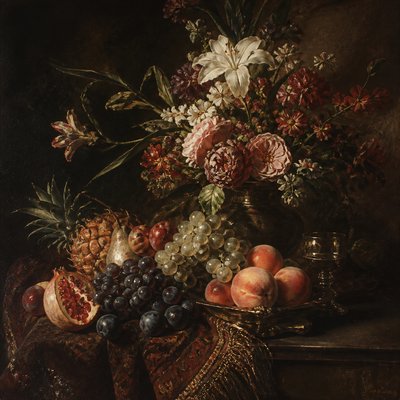
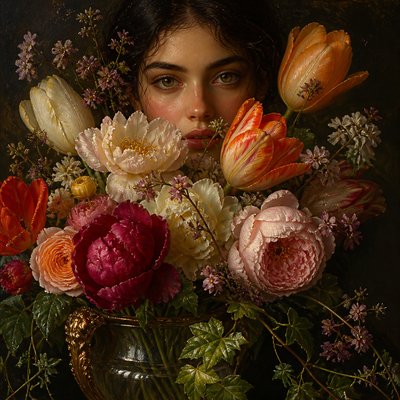
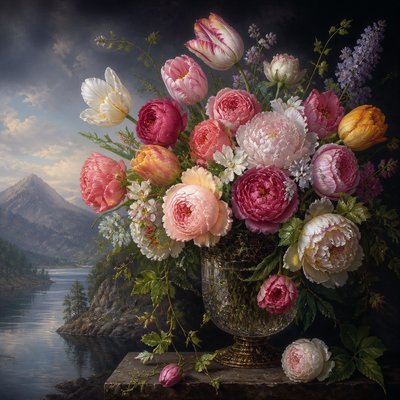
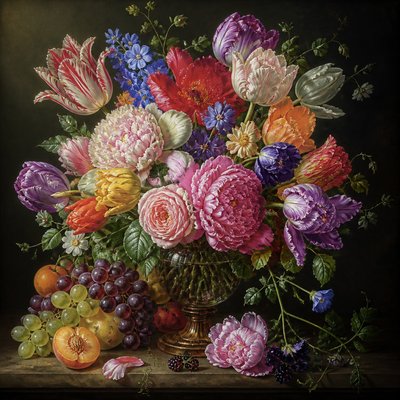
“bouquet of flowers in a glass vase”
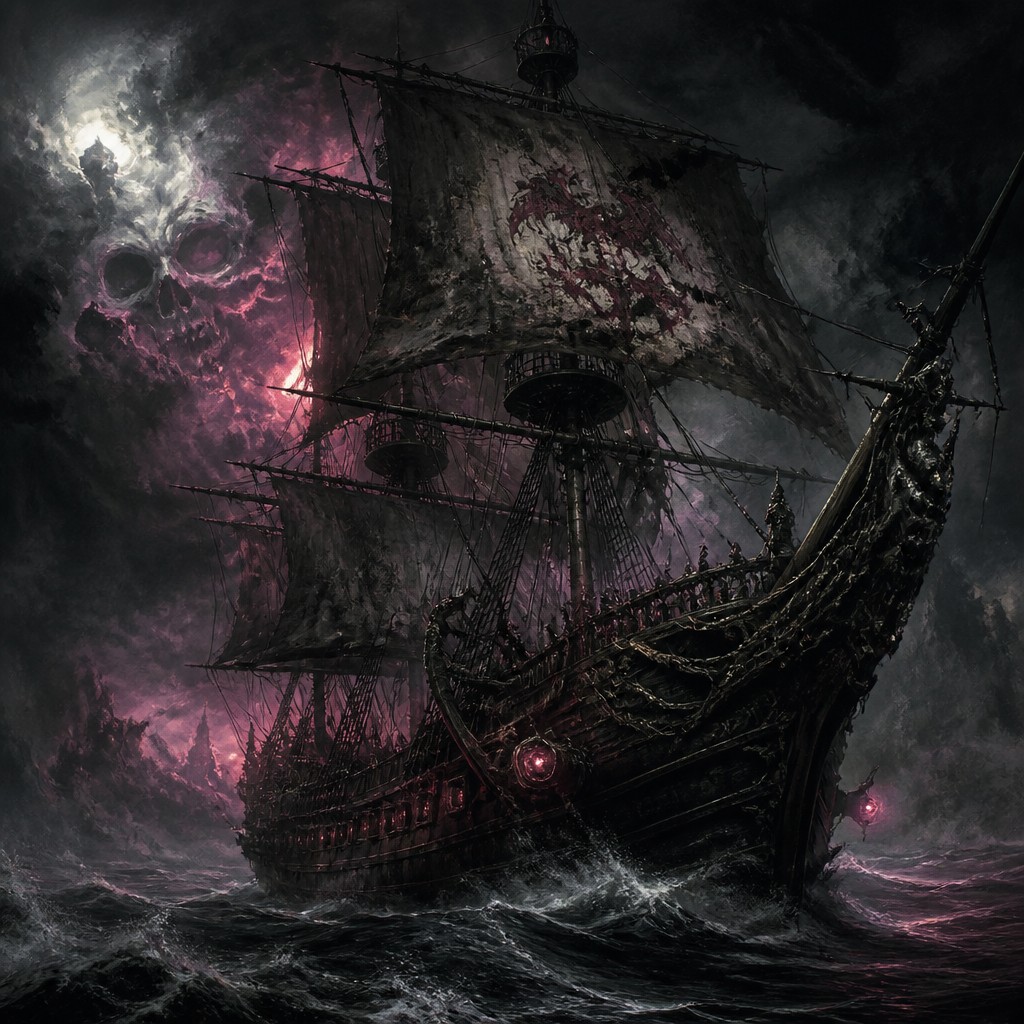
“sailing ship on a stormy sea”
How to Create Dark Fantasy Art
Master the craft step by step — or skip straight to creating. Read the full guide →
- 1
Build the image around a strong light source
Use a single dominant light source such as moonlight, torchlight, candle flame, or magical radiance to establish chiaroscuro. Keep most of the composition in shadow so the highlights feel scarce and dramatic.
- 2
Design with gothic and decayed forms
In traditional media, sketch sharp silhouettes, spires, armor, bones, and broken stone before adding texture. In digital work, layer rough brushes, weathering, smoke, and mist to make forms feel old, damp, and haunted.
- 3
Control the palette tightly
Limit color to a restrained scheme of blacks, grays, bone whites, dried reds, poison greens, and spectral violets. Reserve more saturated hues for magical effects, blood, or infernal accents.
- 4
Use surface texture to suggest age and corruption
Scumbling, dry brush, distressed overlays, and irregular edges help create the feel of worn stone, tarnished metal, and corrupted flesh. Avoid overly clean gradients unless they serve as a supernatural glow.
- 5
When writing prompts, specify mood, setting, and lighting
Name the subject and then add concrete visual cues: mist, ruins, crimson glow, heavy shadows, ornate details, and painterly texture. For example, a prompt might describe a necromancer in a flooded crypt or a fallen angel above a ruined altar.
- 6
Balance horror with fantasy structure
The strongest results usually combine a clear fantasy subject with a coherent, cinematic scene rather than random monstrosity. Even in image-to-image transformations, preserve readable anatomy, perspective, and focal hierarchy so the darkness feels intentional.
The Story
History & Origins of Dark Fantasy
Dark Fantasy Art is not a single historical art movement with a fixed founding date. It is an image tradition that developed from several related sources: Gothic literature and visual culture, 19th-century Romantic fascination with ruins, death, and the sublime, and the long history of horror illustration. Its modern form was strongly shaped by paperback fantasy covers, role-playing games, heavy metal imagery, and concept art for films and games, where artists needed to make supernatural worlds immediately legible and emotionally charged.
Aesthetic lineage matters more than strict chronology here. The style draws from medieval and Gothic motifs, Symbolist darkness, and the dramatic lighting of Baroque painting, while also absorbing the grit and texture of modern fantasy illustration. In contemporary media, it became especially visible through character and world design for dark fantasy games, graphic novels, and illustrated fiction, where ruined cathedrals, necromancy, hellish landscapes, and tragic antiheroes became recurring visual conventions.
Influences: Dark Fantasy Art draws from Gothic architecture and literature, Romantic visions of the sublime and the ruin, and Baroque chiaroscuro as a way of staging drama through light and shadow. It also overlaps with Symbolist and horror illustration traditions, while its modern visual vocabulary was strongly shaped by fantasy illustration, heavy metal album art, tabletop role-playing imagery, and game concept art. Among historical painters, no single canon defines the style, but the lighting and drama often recall major Baroque masters associated with deep contrast and emotional staging, while the atmosphere of ruin and nightmare aligns more broadly with Gothic and Romantic traditions.
Frequently Asked Questions
What defines Dark Fantasy Art?
It is defined by fantasy subjects presented through a horror-inflected, Gothic lens. Heavy shadow, ominous color, supernatural figures, ruins, and a sense of dread are all central to the style.
How is it different from standard fantasy art?
Standard fantasy art often emphasizes adventure, wonder, and clarity, while Dark Fantasy emphasizes danger, decay, corruption, and tragic atmosphere. The visual language is also darker, rougher, and more gothic in its architecture and lighting.
Is Dark Fantasy the same as horror art?
Not exactly. Horror art aims primarily to frighten or unsettle, while Dark Fantasy still belongs to fantasy world-building and often includes grandeur, magic, and mythic scale. It can be horrifying, but it usually has a stronger emphasis on narrative worlds than pure shock.
What colors work best in this style?
Muted blacks, grays, bone white, deep red, dark violet, and sickly green are common. Bright color can work, but it is usually restricted to magical glows, blood, fire, or other small focal accents.
What subjects are most common in Dark Fantasy Art?
Demons, undead, necromancers, cursed warriors, ruined castles, haunted forests, occult rituals, and apocalyptic landscapes are all common. Any subject can fit if it is framed through shadow, decay, and supernatural tension.
How can I make a photo look like this style?
Emphasize deep shadows, add fog or smoke, reduce saturation, and introduce gothic elements such as stone ruins, candles, armor, or spectral light. Keep the subject readable, but alter the environment and lighting so the image feels like a scene from a cursed world.
Create your first Dark Fantasy artwork
Describe anything — or upload a photo — and see it in Dark Fantasy Art in seconds.
Make Something with Dark Fantasy
Compare Dark Fantasy
Related Styles
Discover similar art styles