Dark Fantasy vs Gothic Horror: What's the Difference?
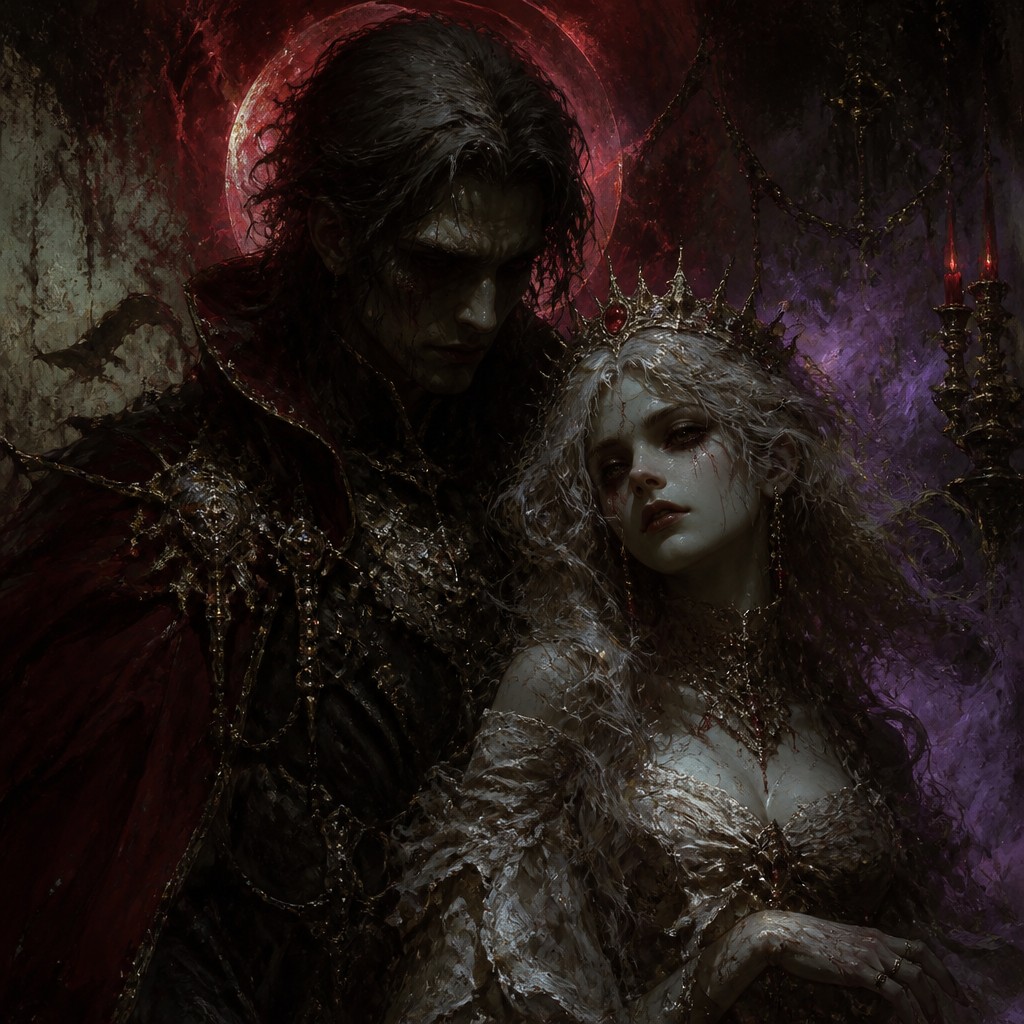
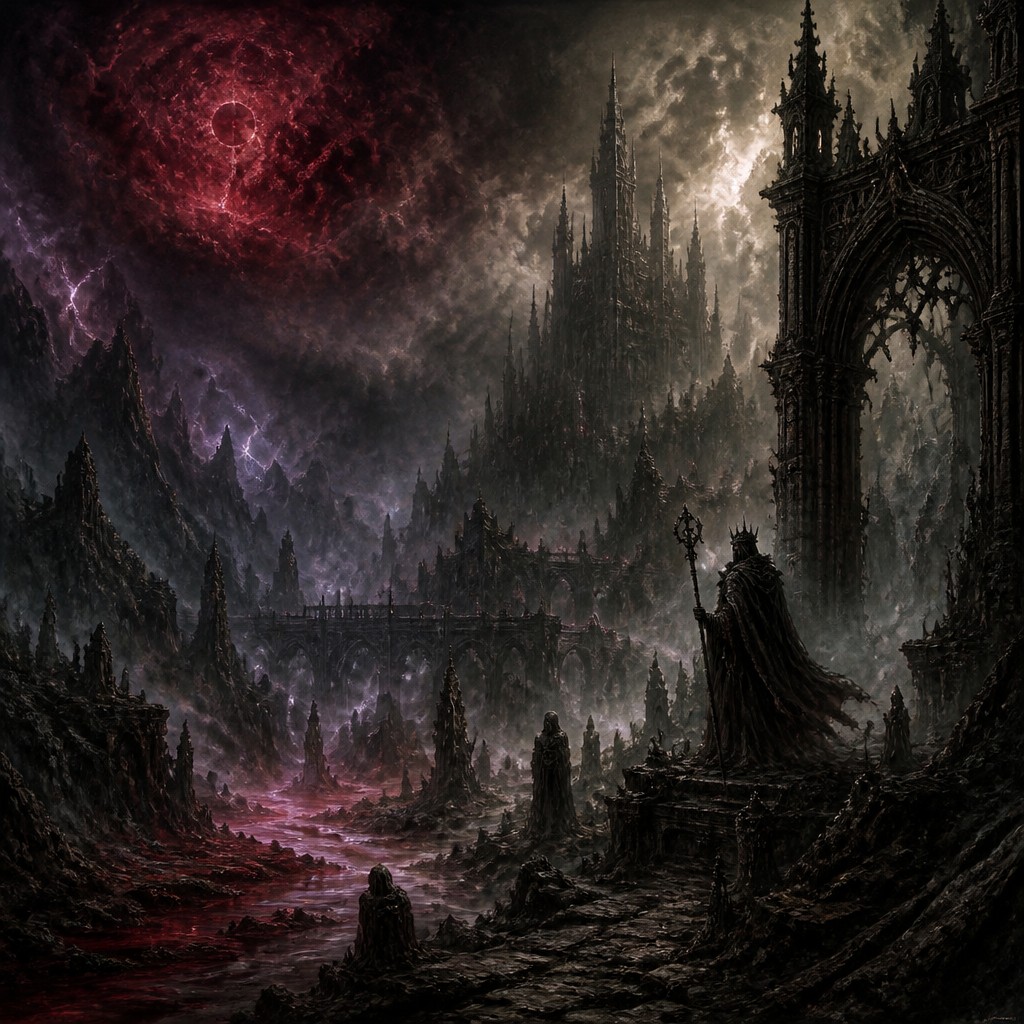
Dark Fantasy Art is a genre that blends fantasy worldbuilding with horror elements. It often features demons, undead beings, cursed landscapes, eerie magic, and dramatic lighting to create a sense of danger and otherworldly power. The style leans into gothic detail, intense contrast, and imaginative menace, making it feel like a dark tale from a ruined realm.
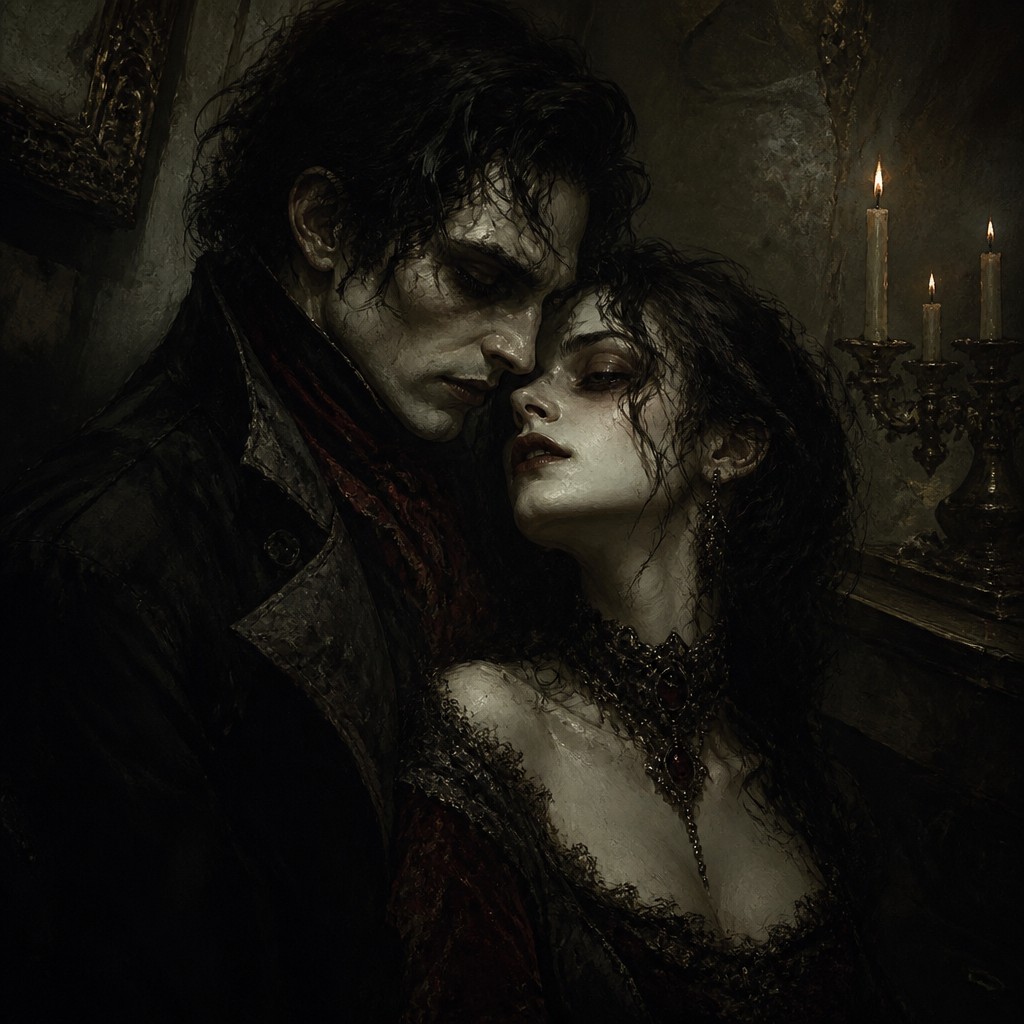
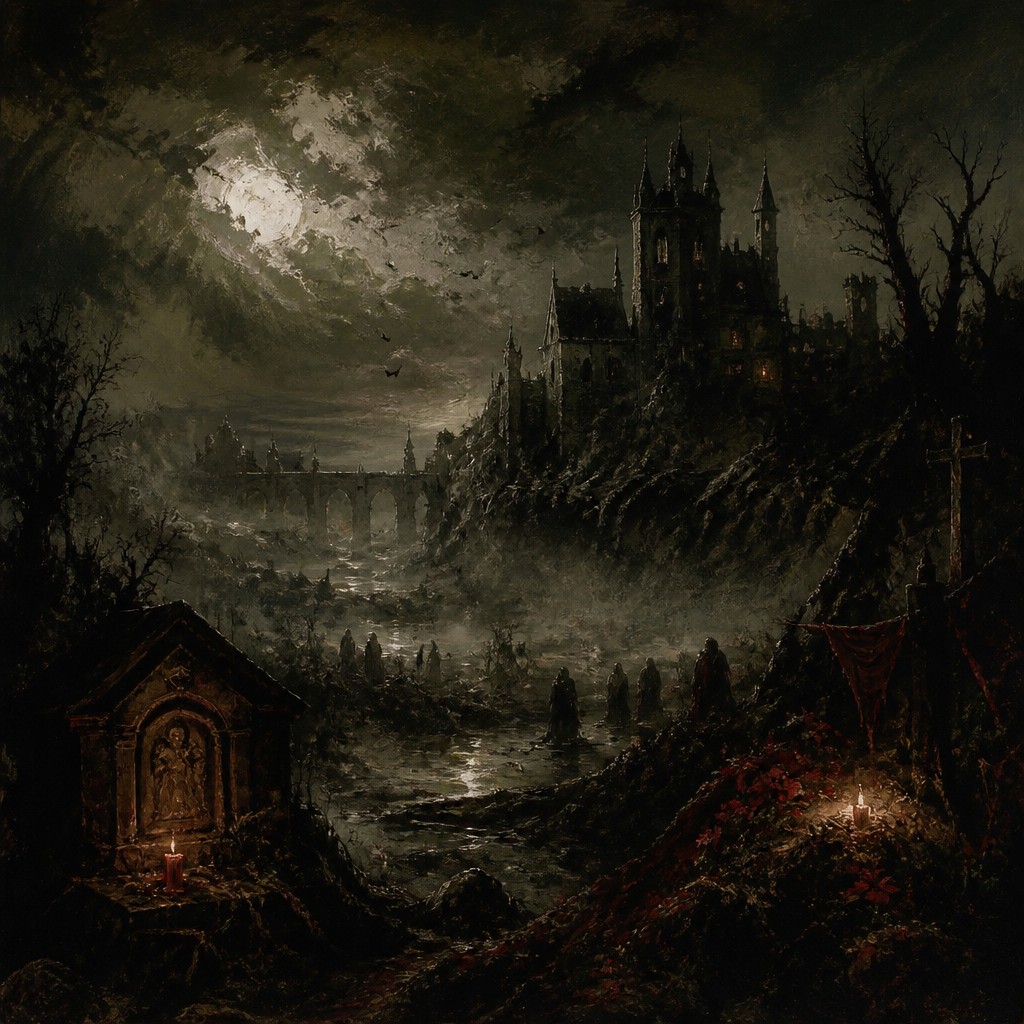
Gothic Horror Art is darker and more atmospheric, rooted in haunted settings, monsters, candlelit spaces, fog, and dread. It emphasizes emotional unease, decay, and the uncanny rather than epic fantasy conflict. People compare the two because both use gothic imagery, shadows, and horror moods, but they differ in purpose: Dark Fantasy usually builds a fantasy world with horror inside it, while Gothic Horror focuses more on suspense, atmosphere, and fear within a horror-driven setting.
Same Prompt, Both Styles
Each pair below was generated from the identical prompt — only the style changed.
“portrait of two people together”
“wide landscape with natural scenery”
“still life with everyday objects”
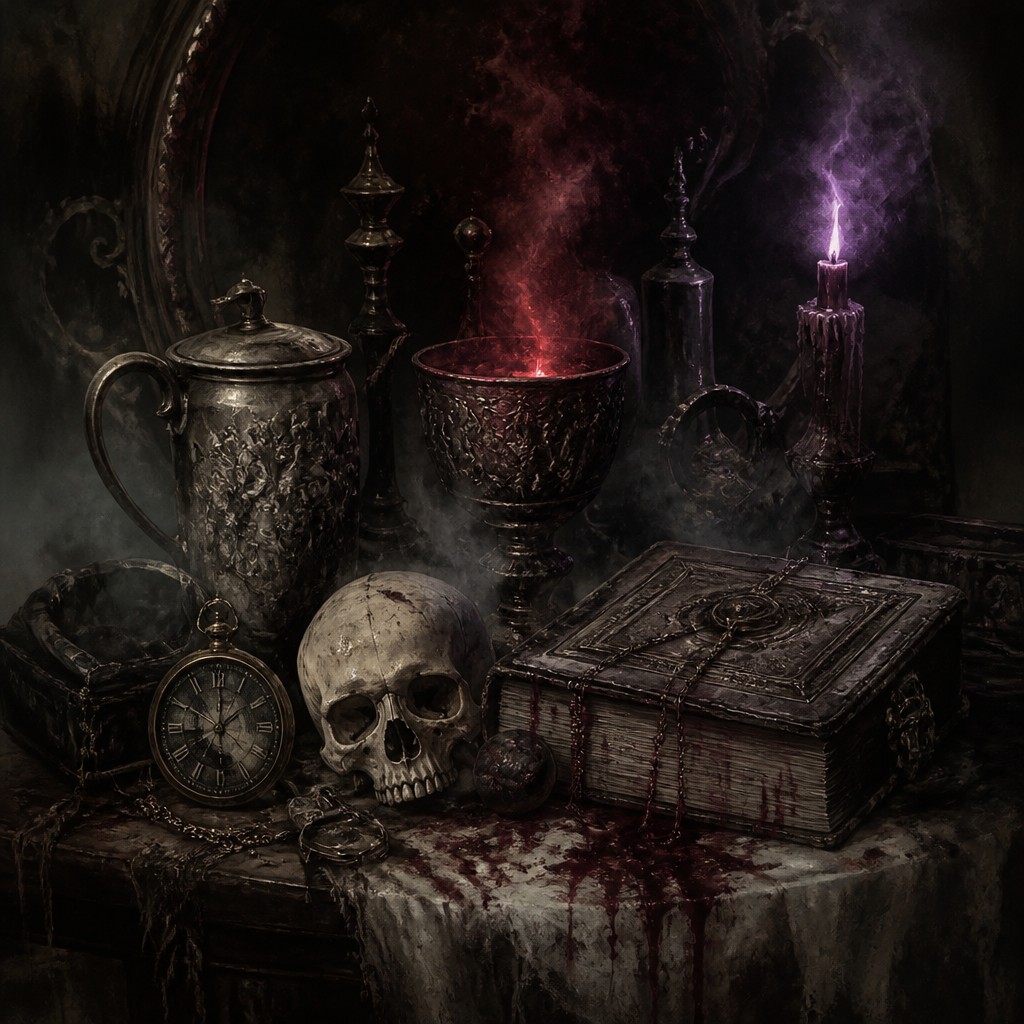
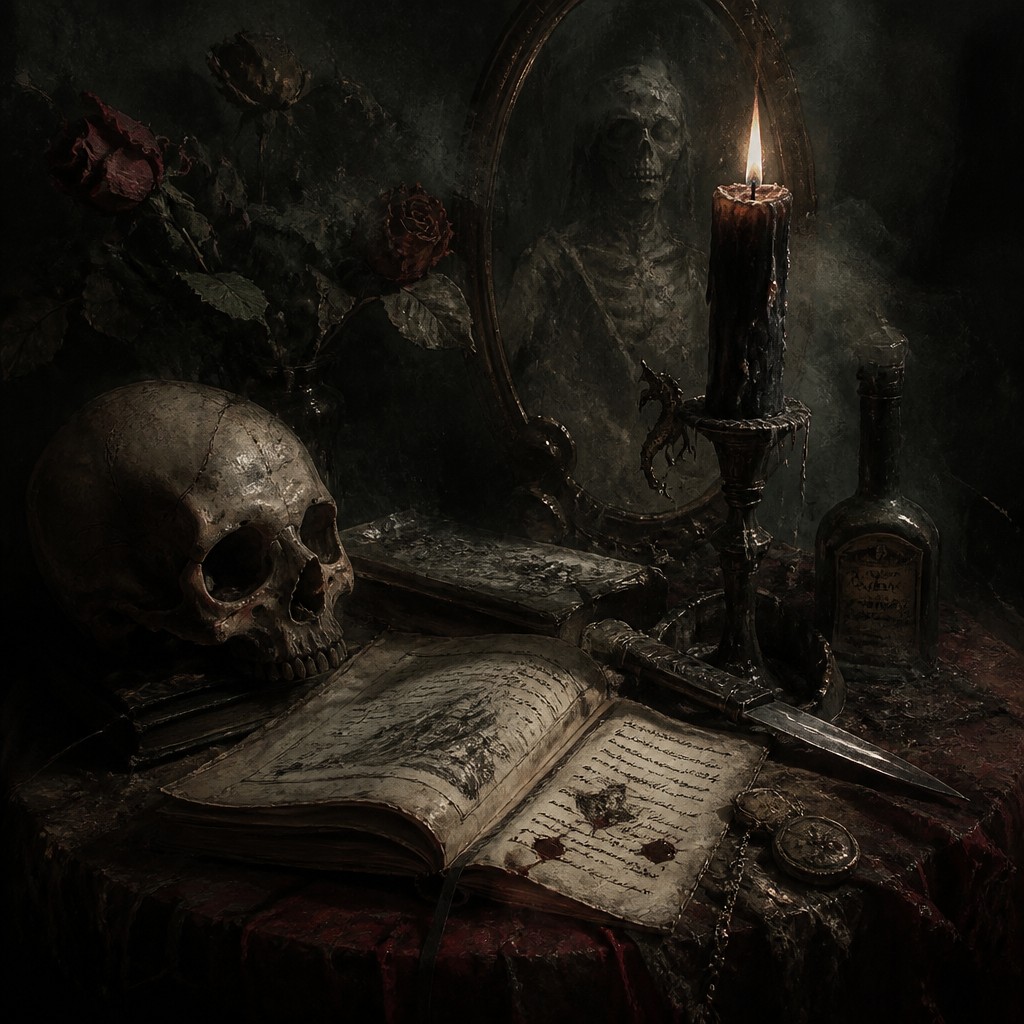
“bicyle resting against a wall”
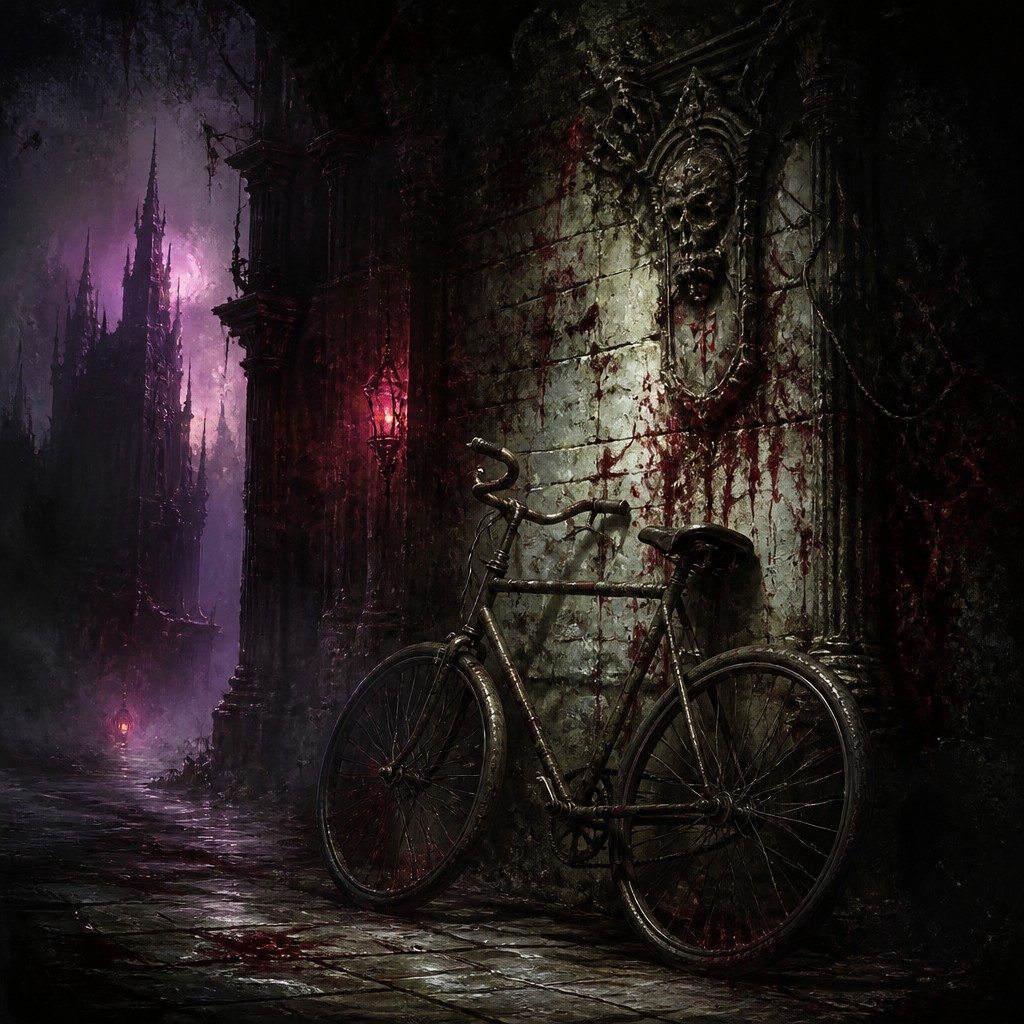
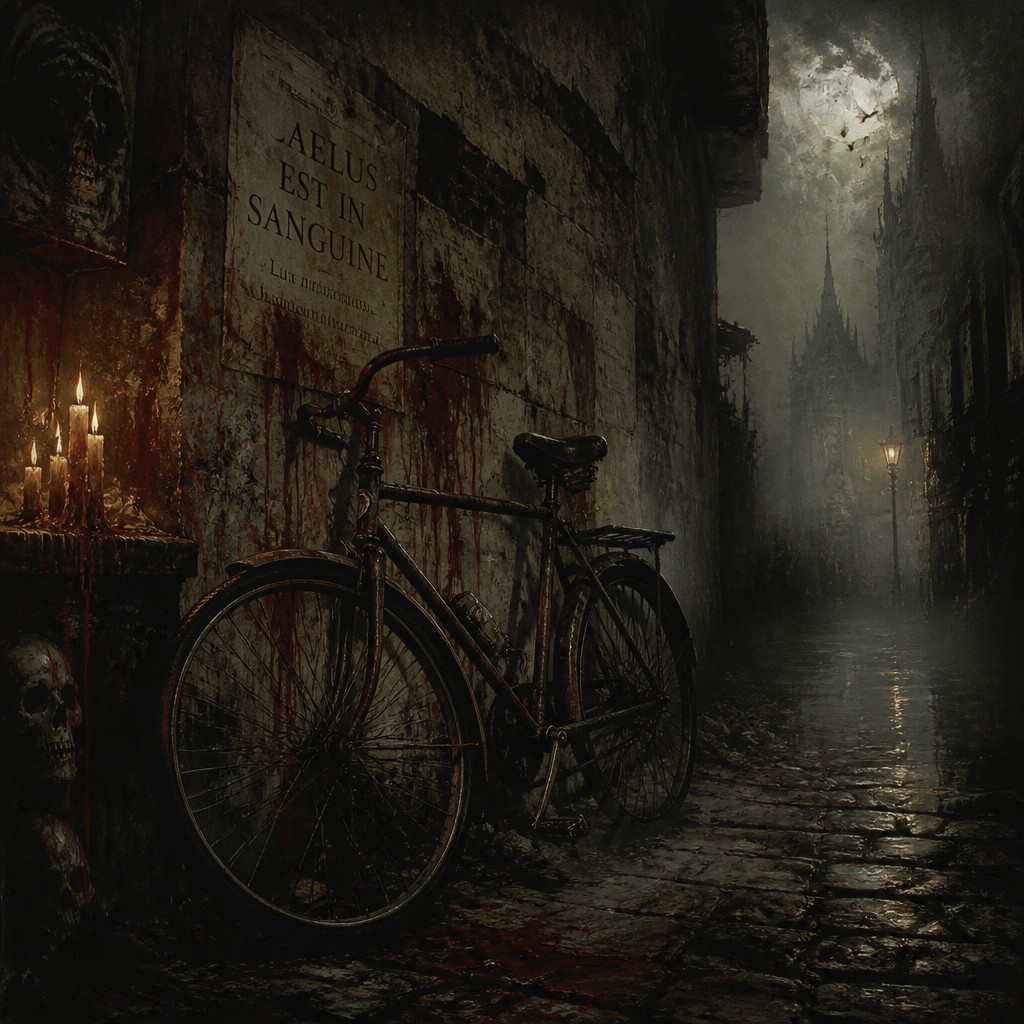
Key Differences
| Dark Fantasy | Gothic Horror | |
|---|---|---|
| Core mood | Menacing, epic, and power-driven with supernatural conflict. | Haunting, ominous, and suspenseful with sustained dread. |
| Subject matter | Demons, undead armies, cursed artifacts, and dark magic. | Ghosts, monsters, haunted houses, ruins, and uncanny presences. |
| Worldbuilding | Often set in invented realms with mythic scale and lore. | Usually grounded in eerie places that feel abandoned or haunted. |
| Visual tone | High-drama contrast with grand, fantastical imagery. | Subtle decay, fog, candlelight, and a more intimate menace. |
| Story focus | Battles between forces, heroes, monsters, and cursed powers. | Fear, mystery, psychological unease, and impending doom. |
| Use of light | Strong chiaroscuro to amplify spectacle and dark magic. | Dim candlelight and mist to hide forms and build suspense. |
| Mood | ominous, brooding, menacing, tragic, apocalyptic | ominous, brooding, haunting, melancholic, uncanny |
| Energy | intense | intense |
| Detail level | intricate | detailed |
| Color | deep blacks, reds, sickly grays | dark neutrals, deep reds, moonlit grays |
| Texture | rough, smoky, metallic, weathered | weathered, misty, shadow-rich, rough |
| Origin | late 20th-century fantasy illustration and game art | 19th-century Europe, Gothic literary illustration |
| Best for | video game art, book covers, movie posters, TTRPG art, album covers | book covers, movie posters, game art, haunted house scenes, Halloween graphics, editorial horror |
| Difficulty | advanced | advanced |
Which Should You Choose?
Choose Dark Fantasy Art if you want a more epic, mythic look with demons, undead, magical corruption, and dramatic worldbuilding. Choose Gothic Horror Art if you want an atmosphere of fear, decay, and mystery, especially in haunted settings with candlelight, fog, and ominous silhouettes. If your image should feel like a dark adventure, pick A; if it should feel like a haunted nightmare or tragic suspense scene, pick B.
Frequently Asked Questions
Are Dark Fantasy Art and Gothic Horror Art the same thing?
No. They overlap in their use of darkness, gothic design, and supernatural imagery, but they serve different moods. Dark Fantasy is more fantasy-centric and often epic, while Gothic Horror is more focused on dread, atmosphere, and fear.
Which style is more suitable for monsters and demons?
Dark Fantasy Art usually fits demons and monstrous beings better when they are part of a larger fantasy conflict. Gothic Horror Art can also use monsters, but they are often presented as terrifying presences rather than worldbuilding elements.
Which style uses more atmosphere?
Gothic Horror Art generally relies more on atmosphere. It uses fog, candlelight, decay, and haunted spaces to sustain tension, while Dark Fantasy often adds more action, spectacle, and mythic scale.
Can the two styles overlap in one artwork?
Yes, they can overlap significantly. A piece can have the worldbuilding and magical conflict of Dark Fantasy while also using the haunted, suspenseful mood of Gothic Horror. The dominant visual goal usually determines which label fits best.