Gothic Fantasy vs Dark Fantasy: What's the Difference?
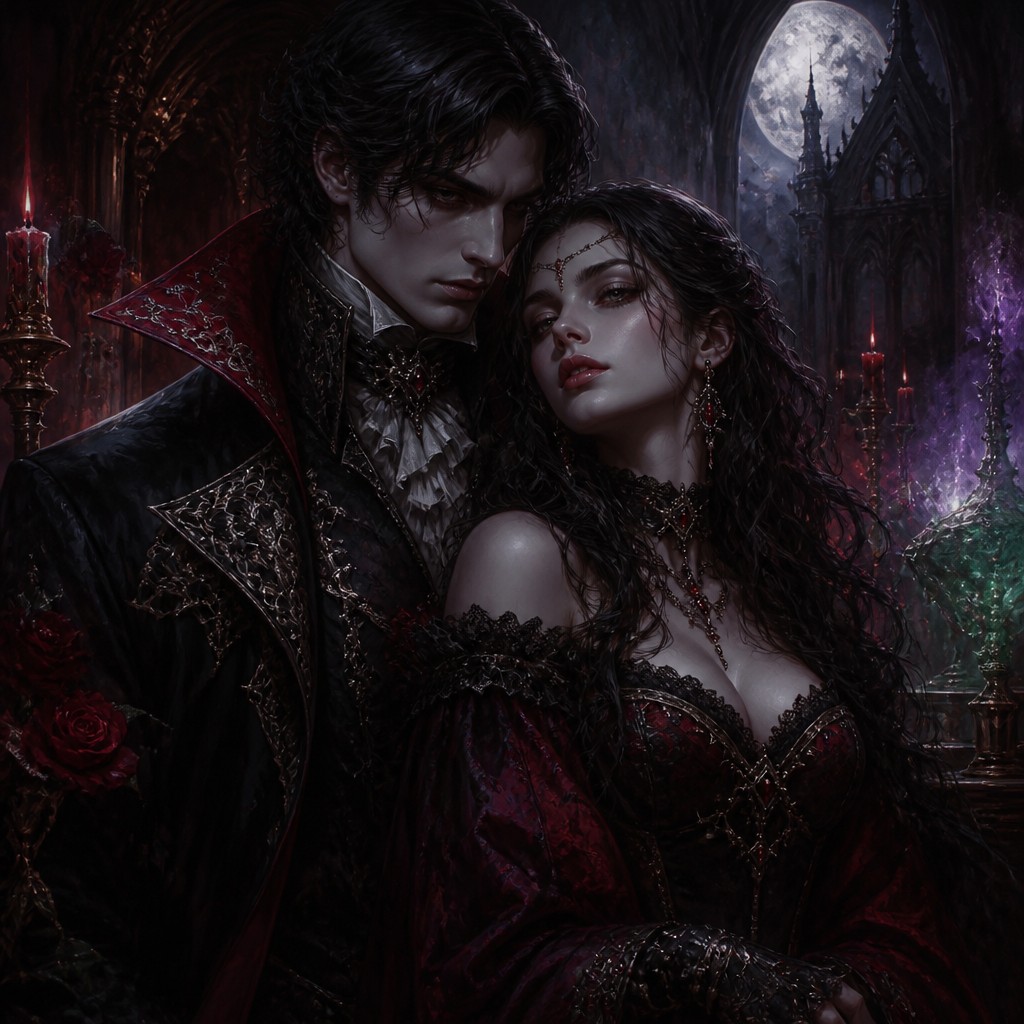
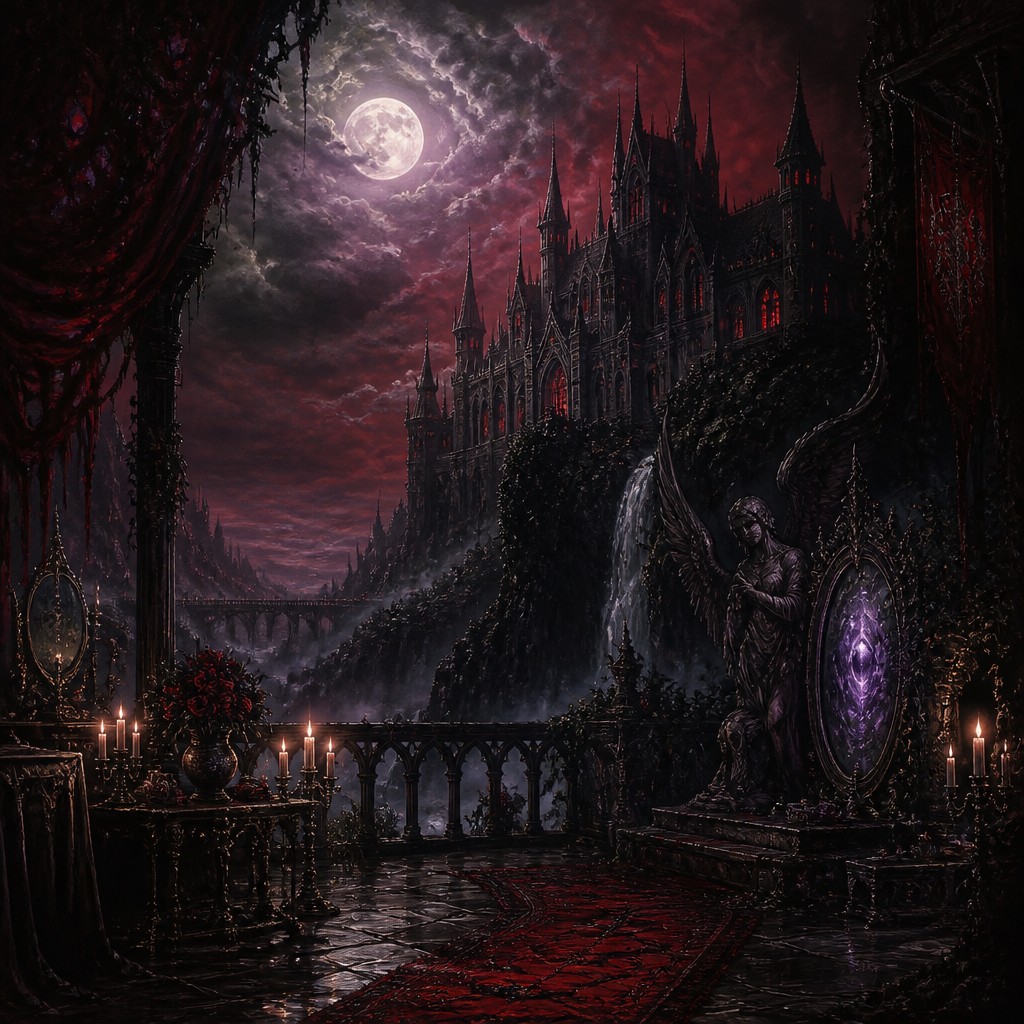
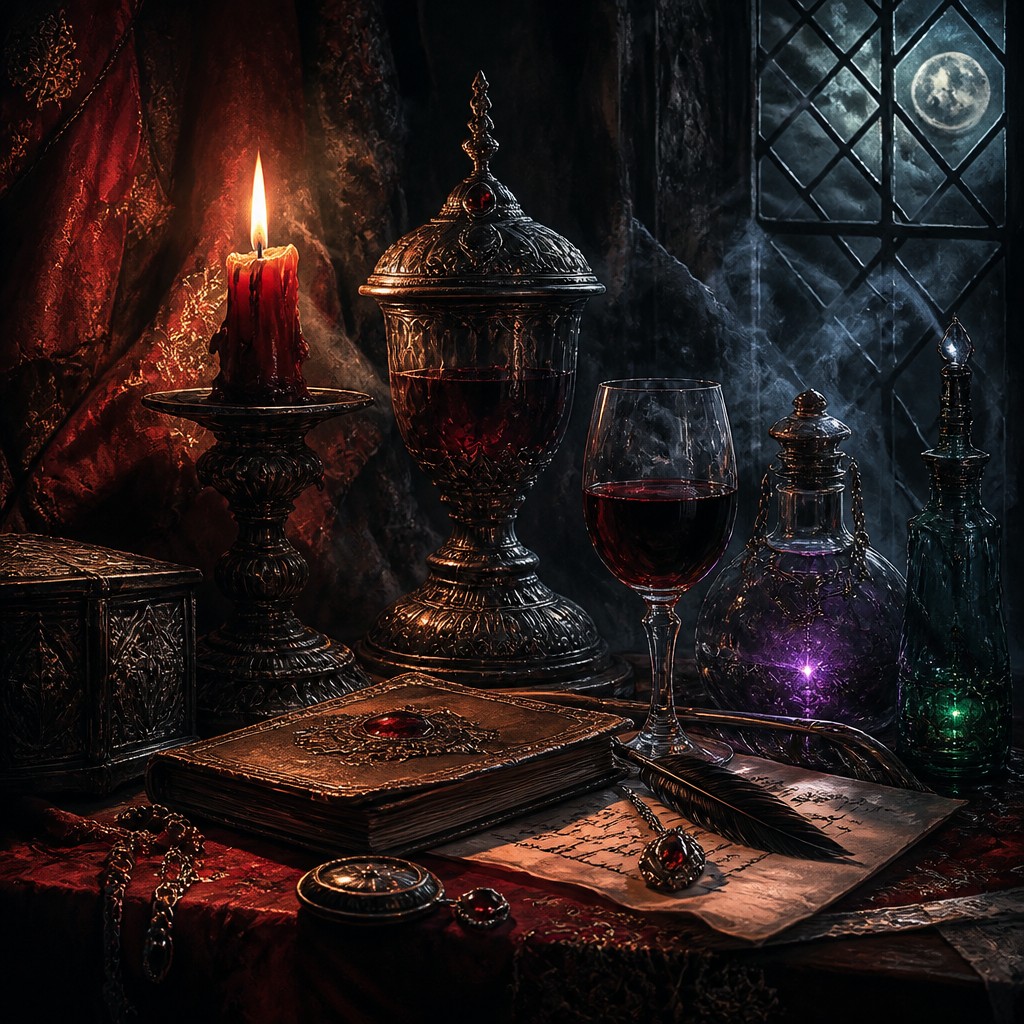
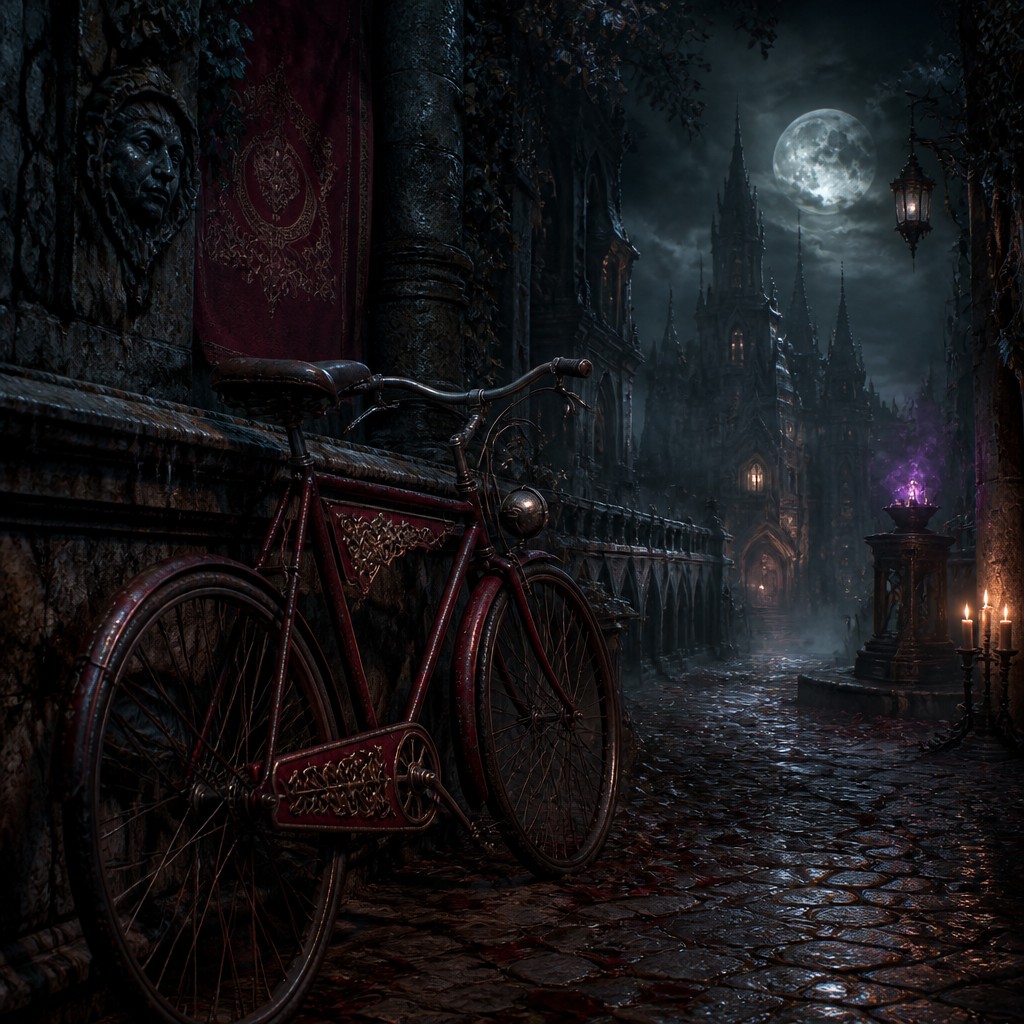
Gothic Fantasy Art blends dark romanticism with medieval-inspired settings, haunted architecture, moonlit atmosphere, and ornate detail. It often features castles, vampires, candlelight, and elegant decay, using dramatic contrast to create a sense of mystery rather than outright terror.
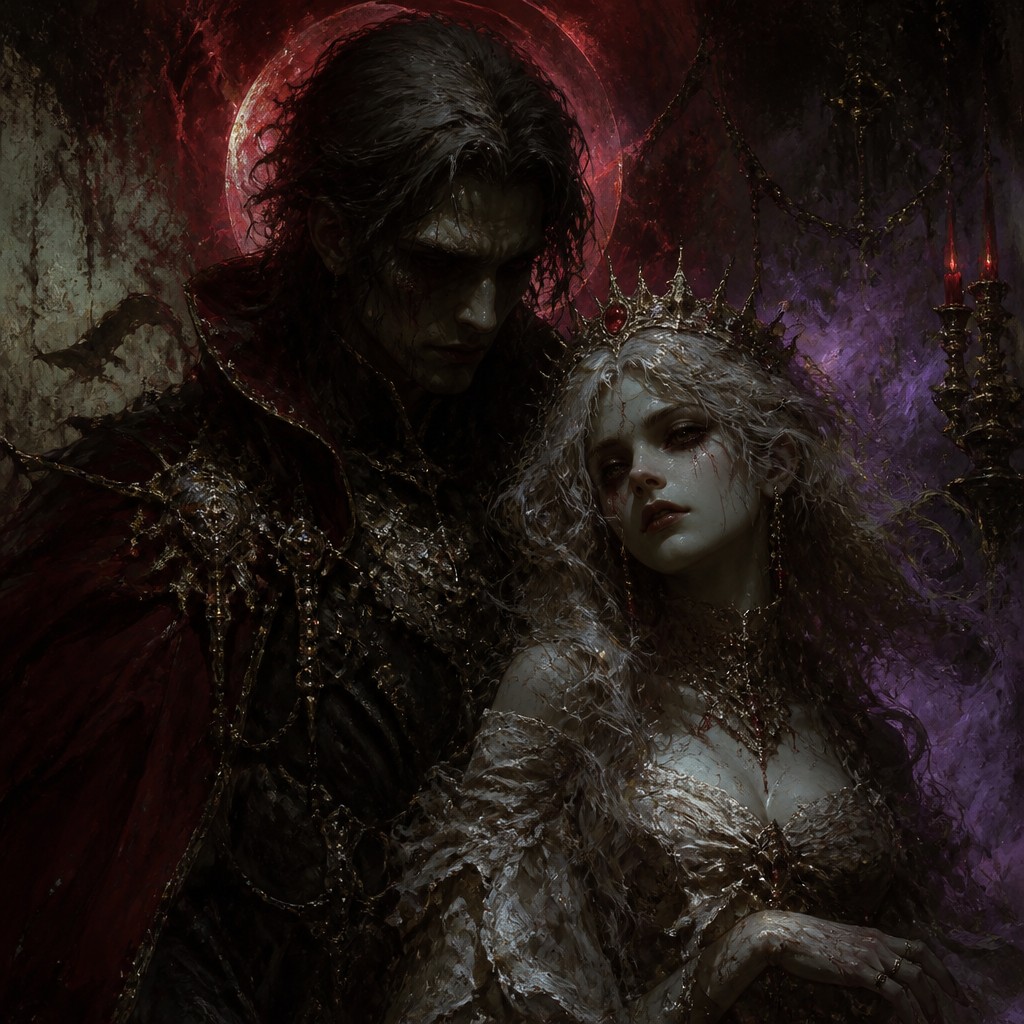
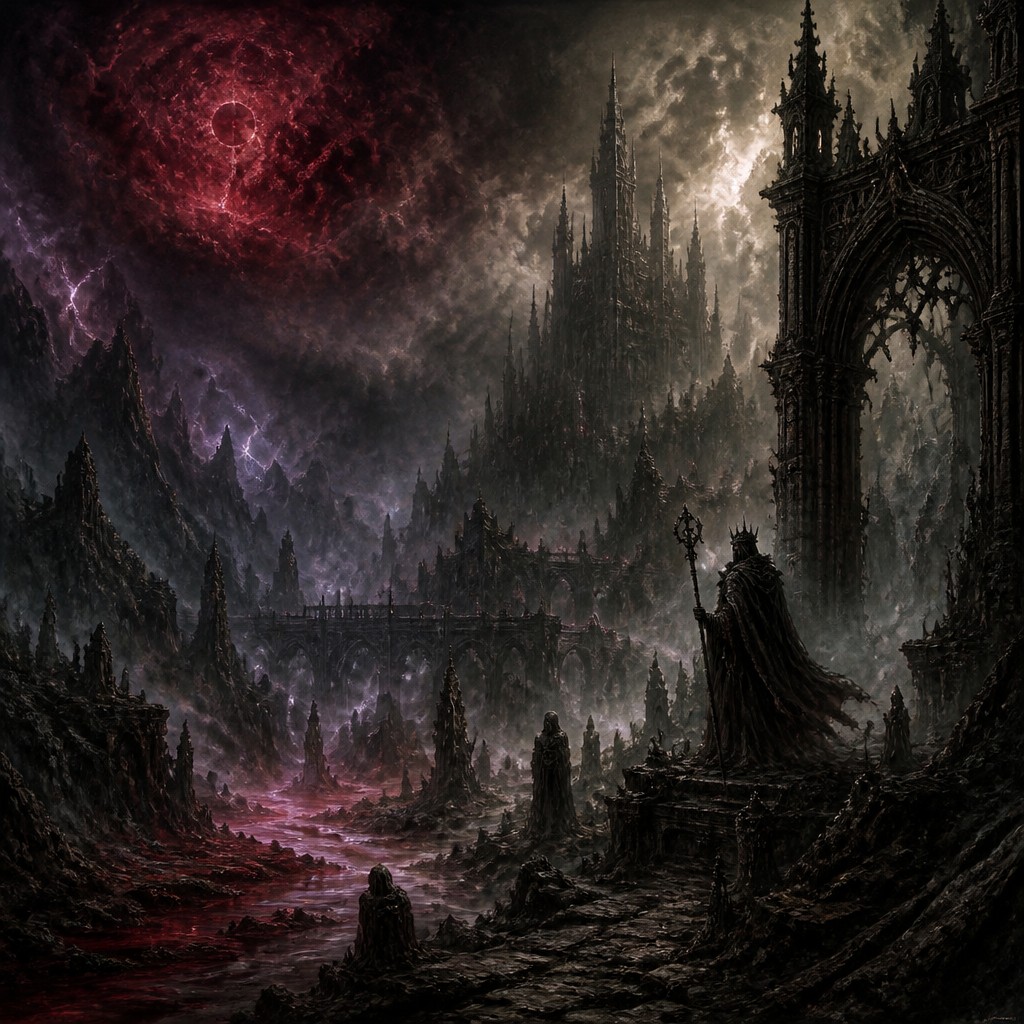
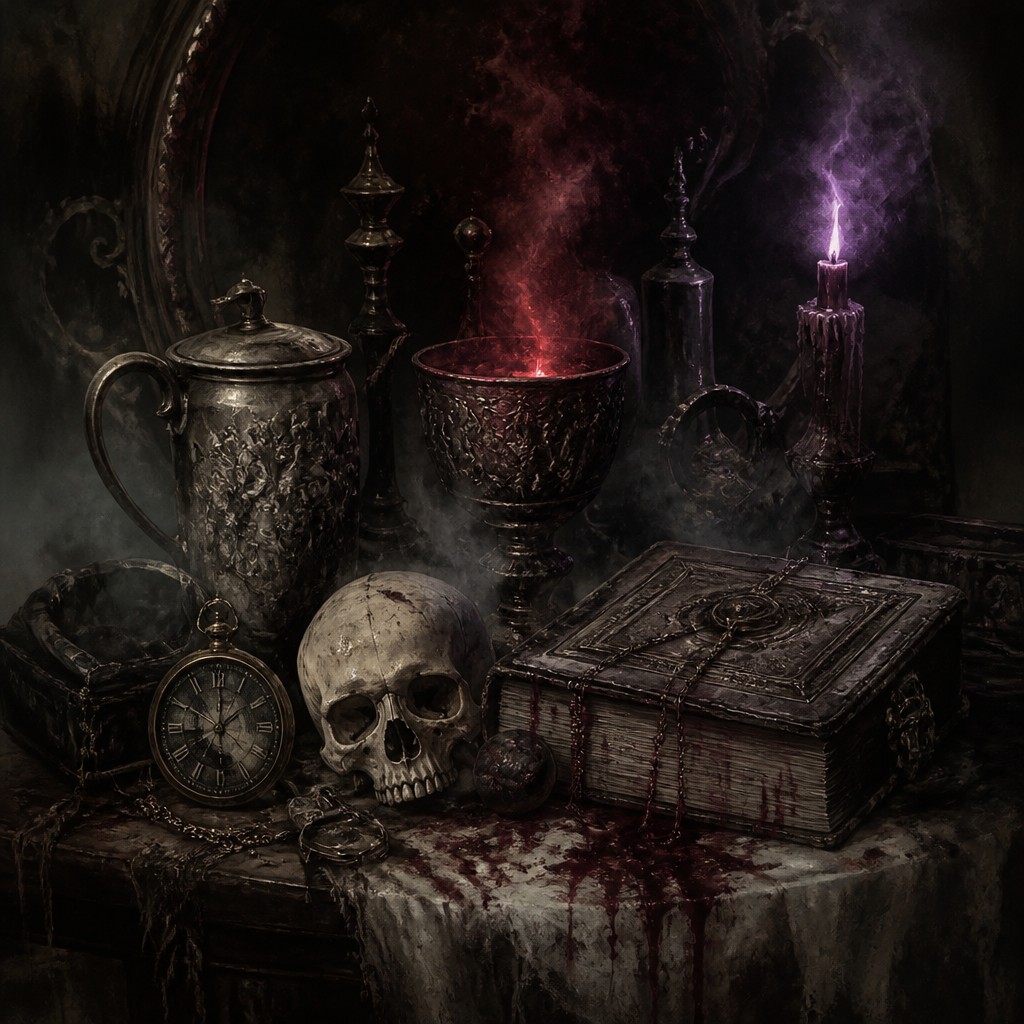
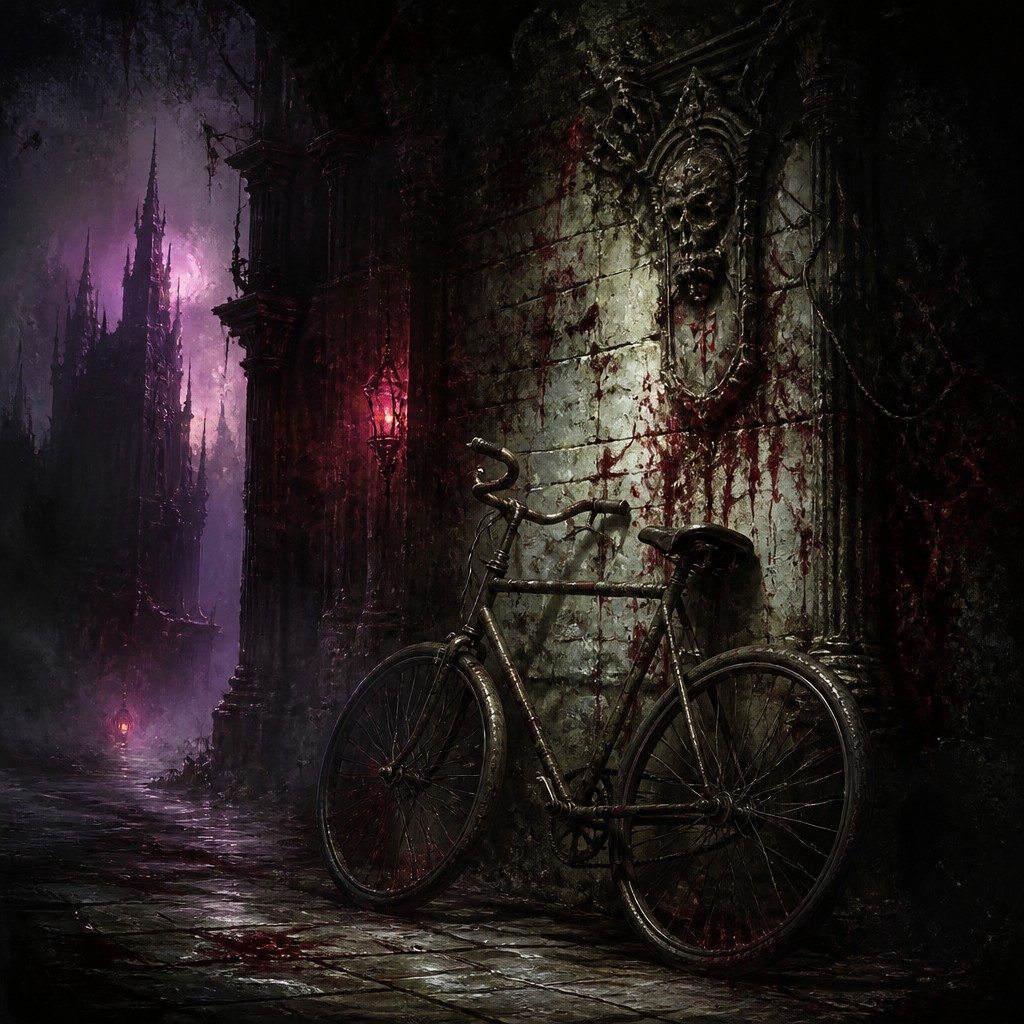
Dark Fantasy Art overlaps with Gothic Fantasy but leans more heavily into horror, corruption, and supernatural menace. It includes demons, undead, eerie magic, and threatening shadow realms. People compare them because both use darkness, chiaroscuro, and gothic imagery, but they differ in emotional tone and subject emphasis.
Same Prompt, Both Styles
Each pair below was generated from the identical prompt — only the style changed.
“portrait of two people together”
“wide landscape with natural scenery”
“still life with everyday objects”
“bicyle resting against a wall”
Key Differences
| Gothic Fantasy | Dark Fantasy | |
|---|---|---|
| Core mood | Brooding, romantic, and eerie with a haunted elegance. | Menacing, horror-driven, and more overtly sinister. |
| Typical subjects | Castles, vampires, moonlit figures, and ornate ruins. | Demons, undead, cursed landscapes, and dark sorcery. |
| Tone of horror | Implied dread and suspense with refined darkness. | Stronger fear, corruption, and supernatural threat. |
| Visual detail | Decorative architecture, lace-like textures, and rich embellishment. | Gritty, decayed, and more aggressive texture contrasts. |
| Lighting | Moonlight, candlelight, and controlled chiaroscuro. | Harsh shadows, glowing magical effects, and deep contrast. |
| Story focus | Melancholy, cursed nobility, and timeless ruin. | Conflict against monstrosity, infernal forces, or doom. |
| Mood | brooding, haunting, mysterious, ominous, romantic | ominous, brooding, menacing, tragic, apocalyptic |
| Energy | intense | intense |
| Detail level | intricate | intricate |
| Color | deep blacks, crimson, violet, muted silver | deep blacks, reds, sickly grays |
| Texture | stone, velvet, mist, aged metal | rough, smoky, metallic, weathered |
| Origin | medieval European Gothic revival and dark fantasy | late 20th-century fantasy illustration and game art |
| Best for | book covers, album covers, game concept art, poster art, trading cards, tabletop RPG art | video game art, book covers, movie posters, TTRPG art, album covers |
| Difficulty | advanced | advanced |
Which Should You Choose?
Choose Gothic Fantasy Art if you want elegant darkness, atmospheric castles, and a romanticized sense of decay. Choose Dark Fantasy Art if you want more explicit horror, supernatural danger, and a stronger sense of threat or corruption. If the image should feel haunting and beautiful, pick A; if it should feel frightening and savage, pick B.
Frequently Asked Questions
Is Gothic Fantasy Art the same as Dark Fantasy Art?
Not exactly. They overlap a lot, but Gothic Fantasy usually emphasizes romantic, architectural, and atmospheric darkness. Dark Fantasy pushes further into horror, monsters, and unsettling supernatural elements.
Which style is more horror-focused?
Dark Fantasy Art is usually more horror-focused. Gothic Fantasy can be eerie or ominous, but it typically stays more elegant and less explicitly terrifying.
Can both styles include castles and moonlight?
Yes. Castles, moonlight, and shadowy scenes can appear in both. In Gothic Fantasy they often feel romantic and ornate, while in Dark Fantasy they may feel cursed or threatening.
Which style works better for vampires?
Both can work well for vampires, but the emphasis differs. Gothic Fantasy often presents vampires as aristocratic, tragic, or seductive, while Dark Fantasy may portray them as predatory, monstrous, or cursed.