Dark Gothic Art
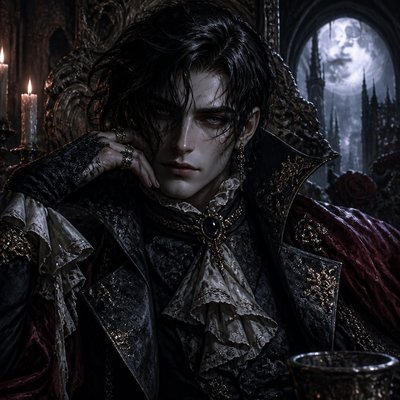
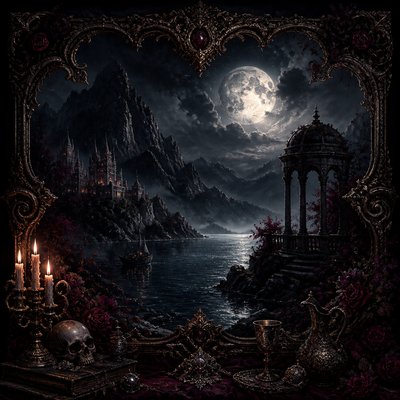
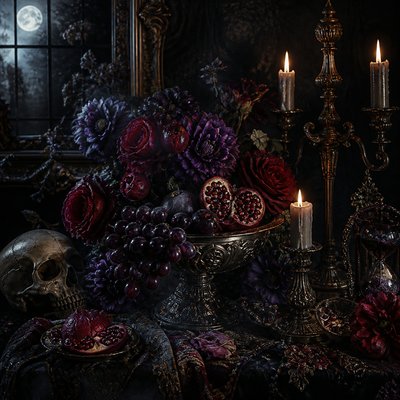
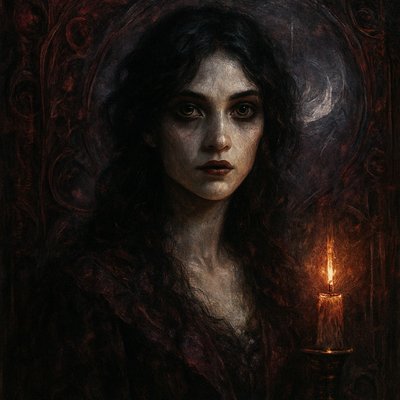
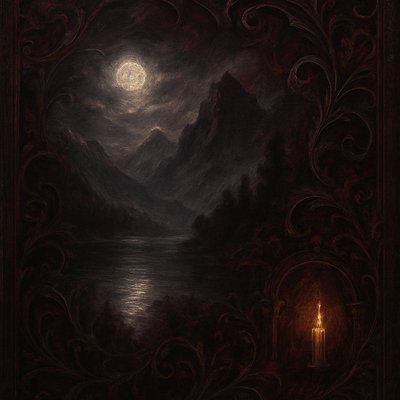
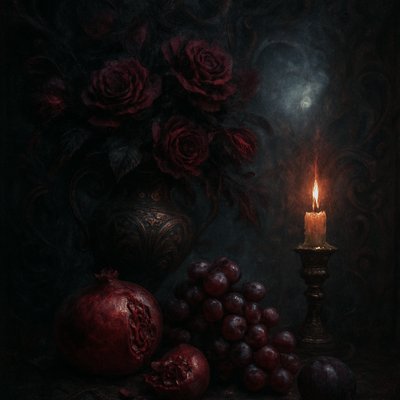
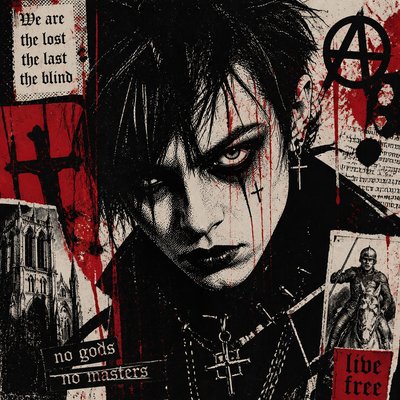
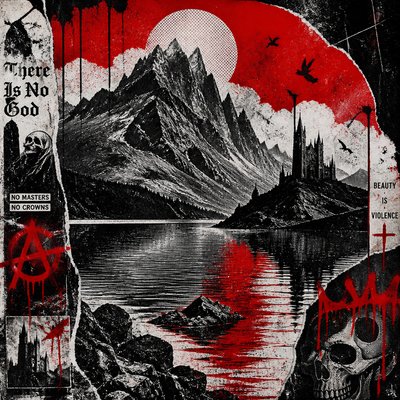
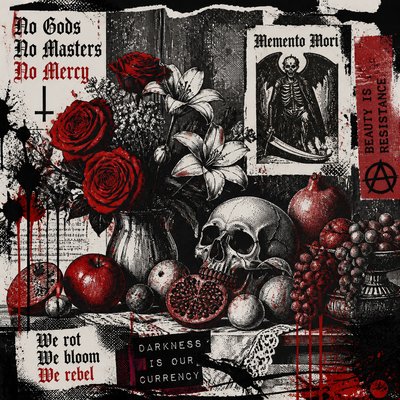
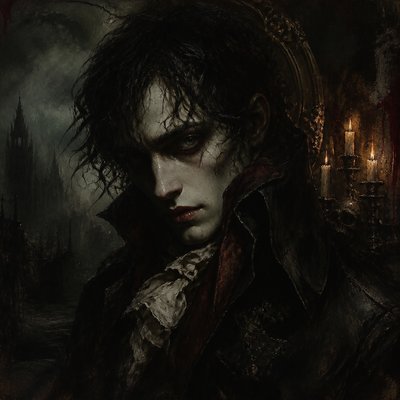
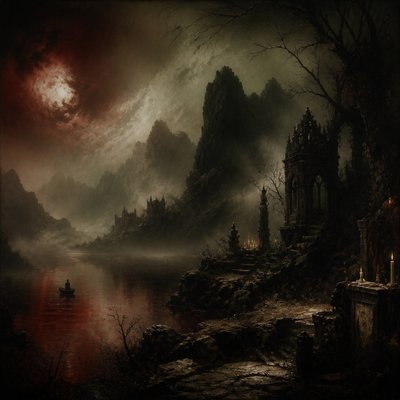
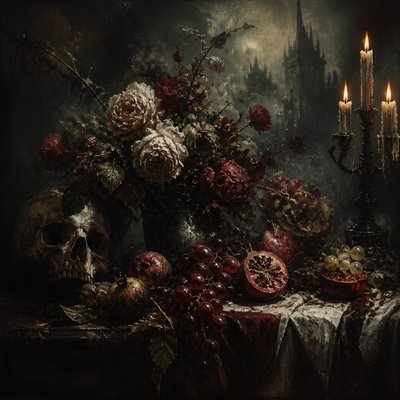
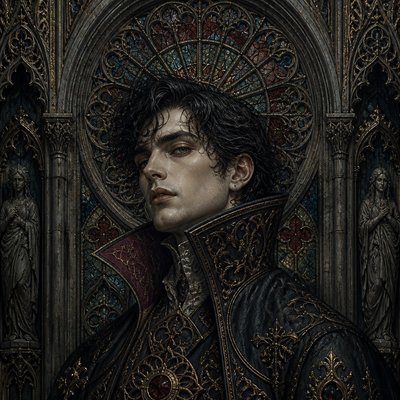
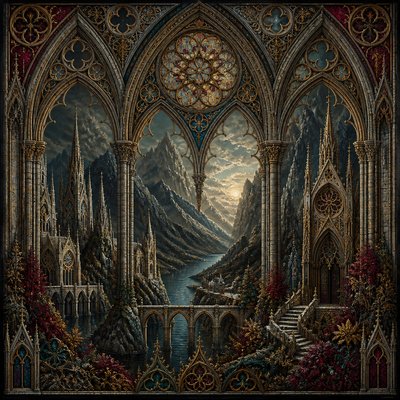
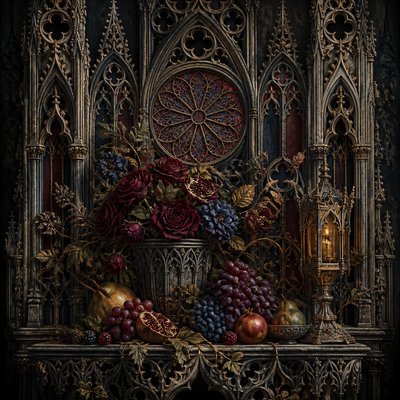
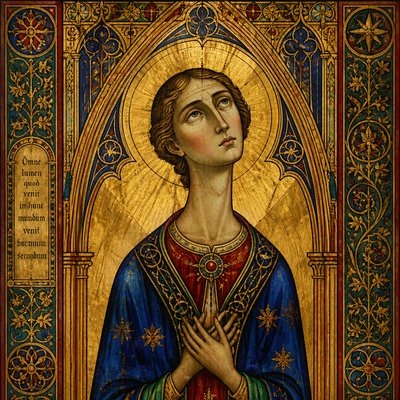
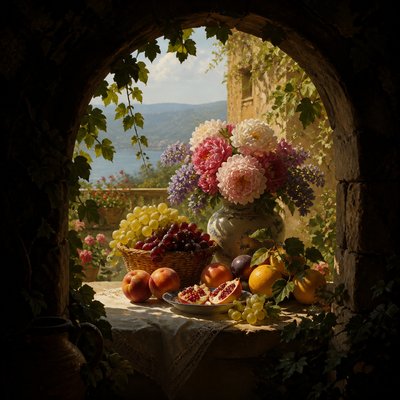
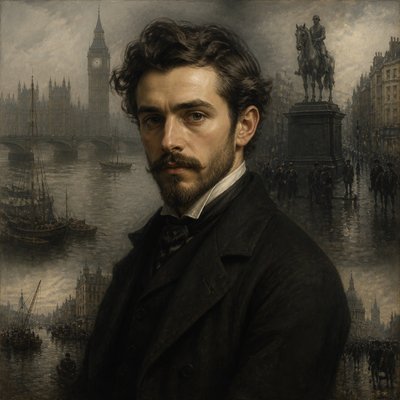
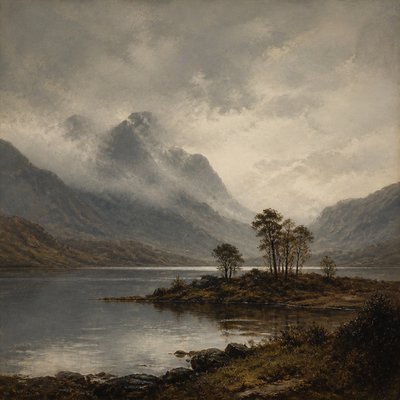
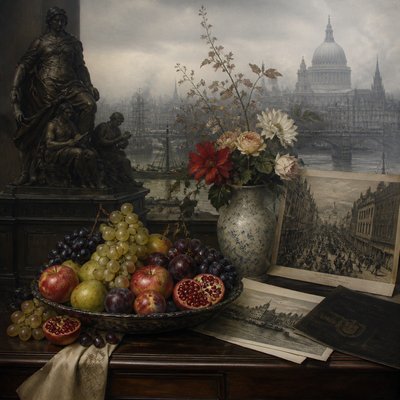
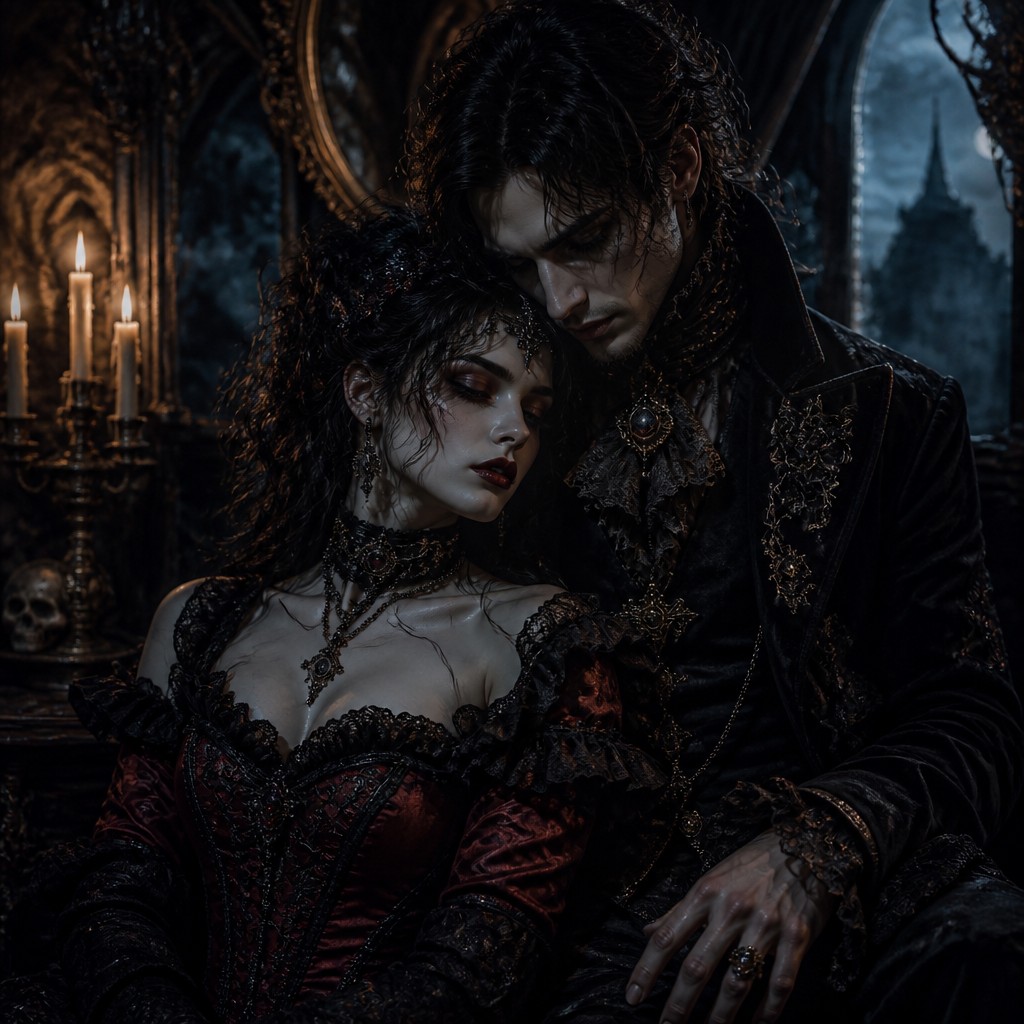
A shadow-rich gothic aesthetic of crimson, black, moonlit blue, and ornate decay, blending romance, mystery, and macabre beauty.
Instantly rendered in Dark Gothic — or transform a photo
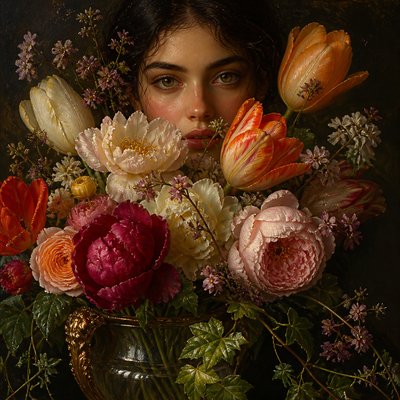
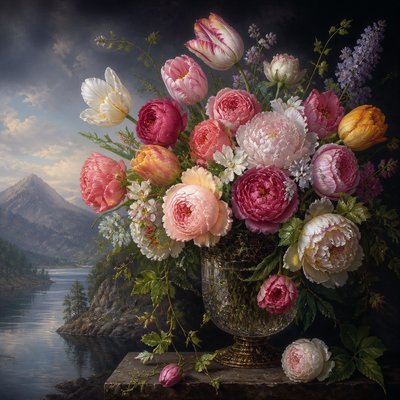
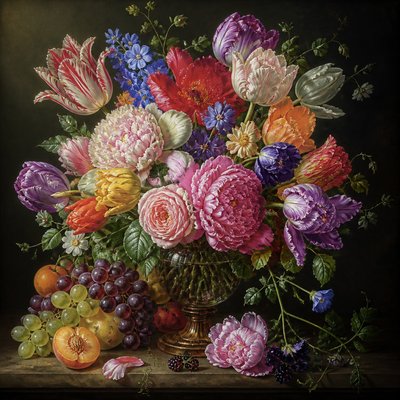
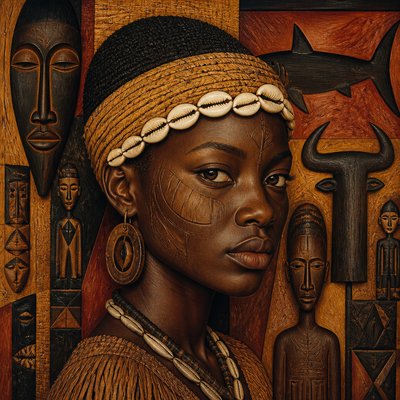
Dark Gothic Gallery
Tap any artwork to explore it
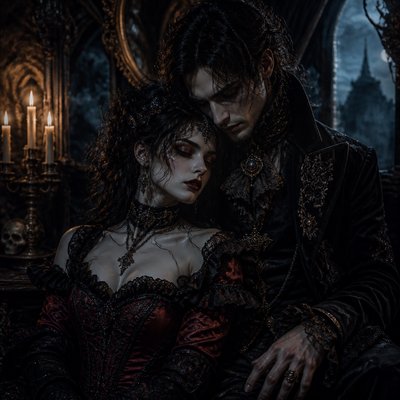
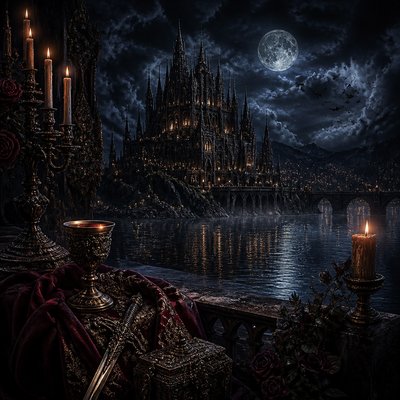
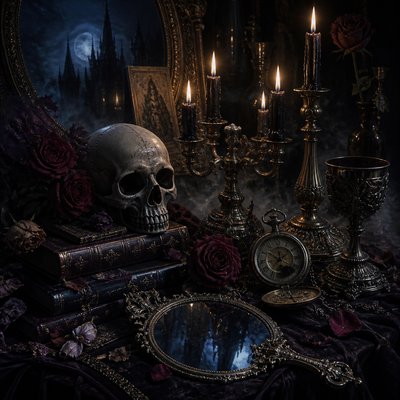
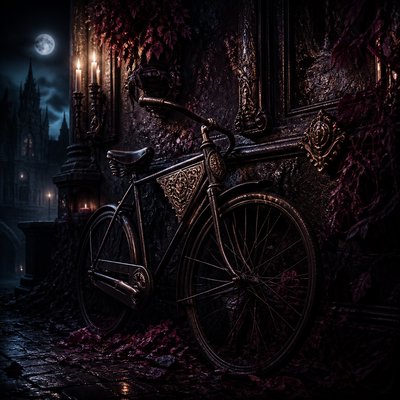
What is Dark Gothic Art?
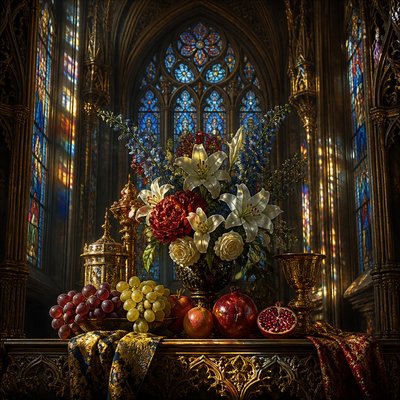
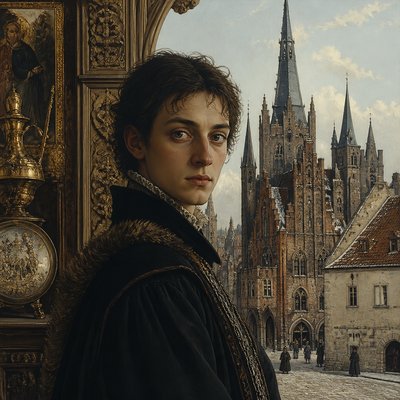
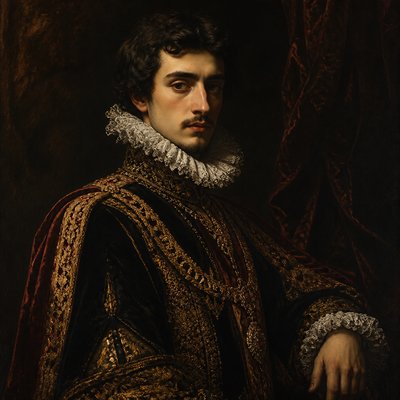
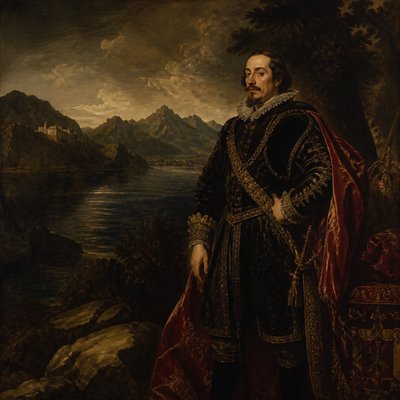
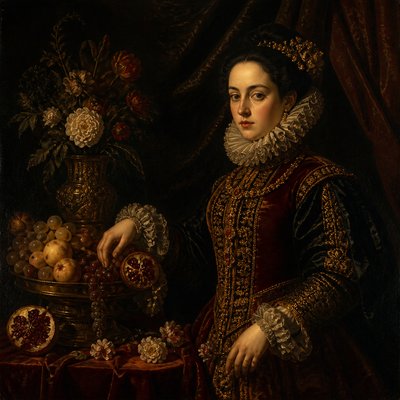
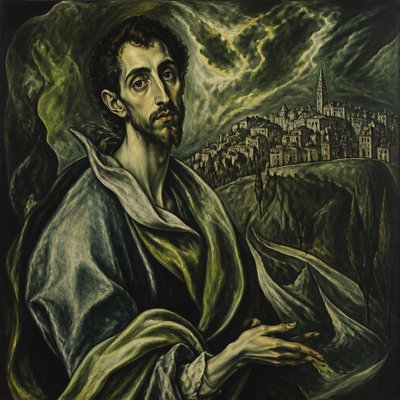
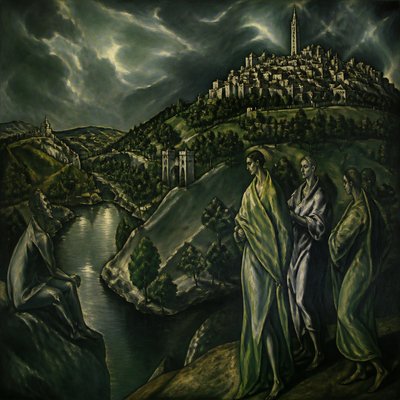
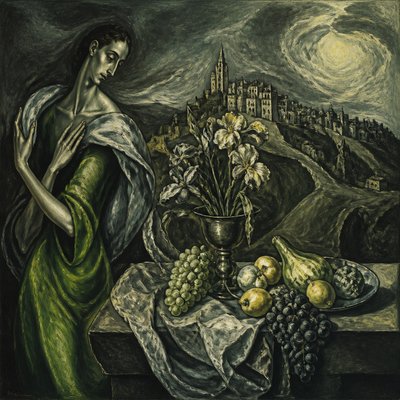
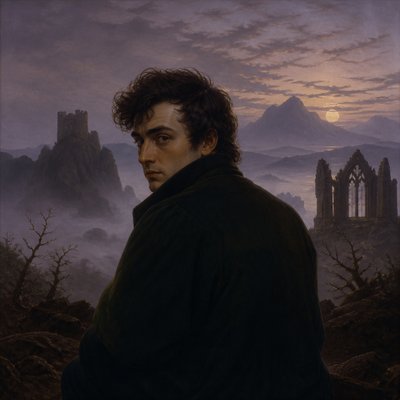
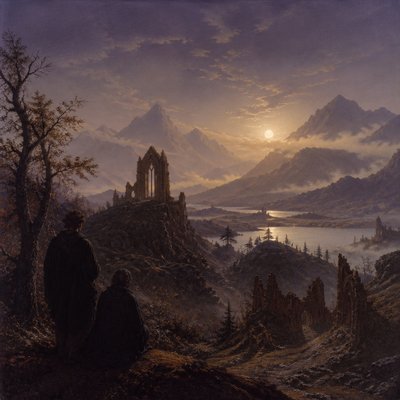
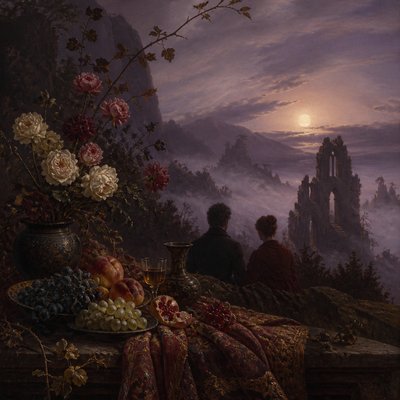
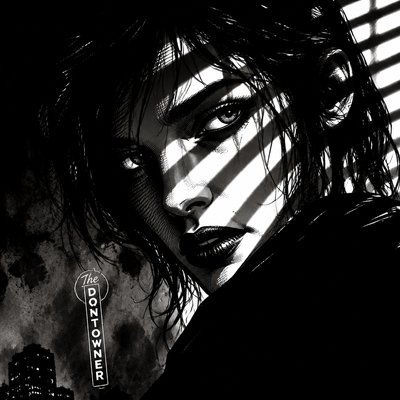
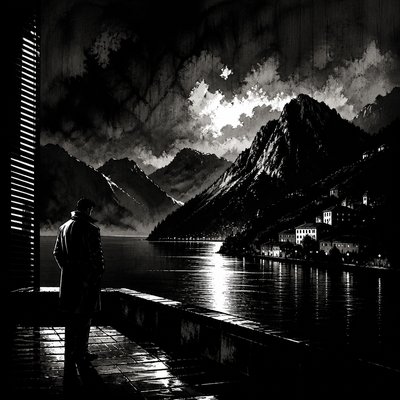
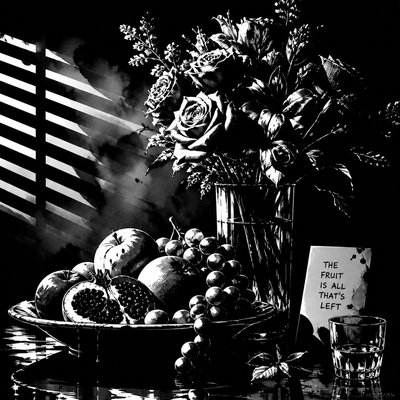
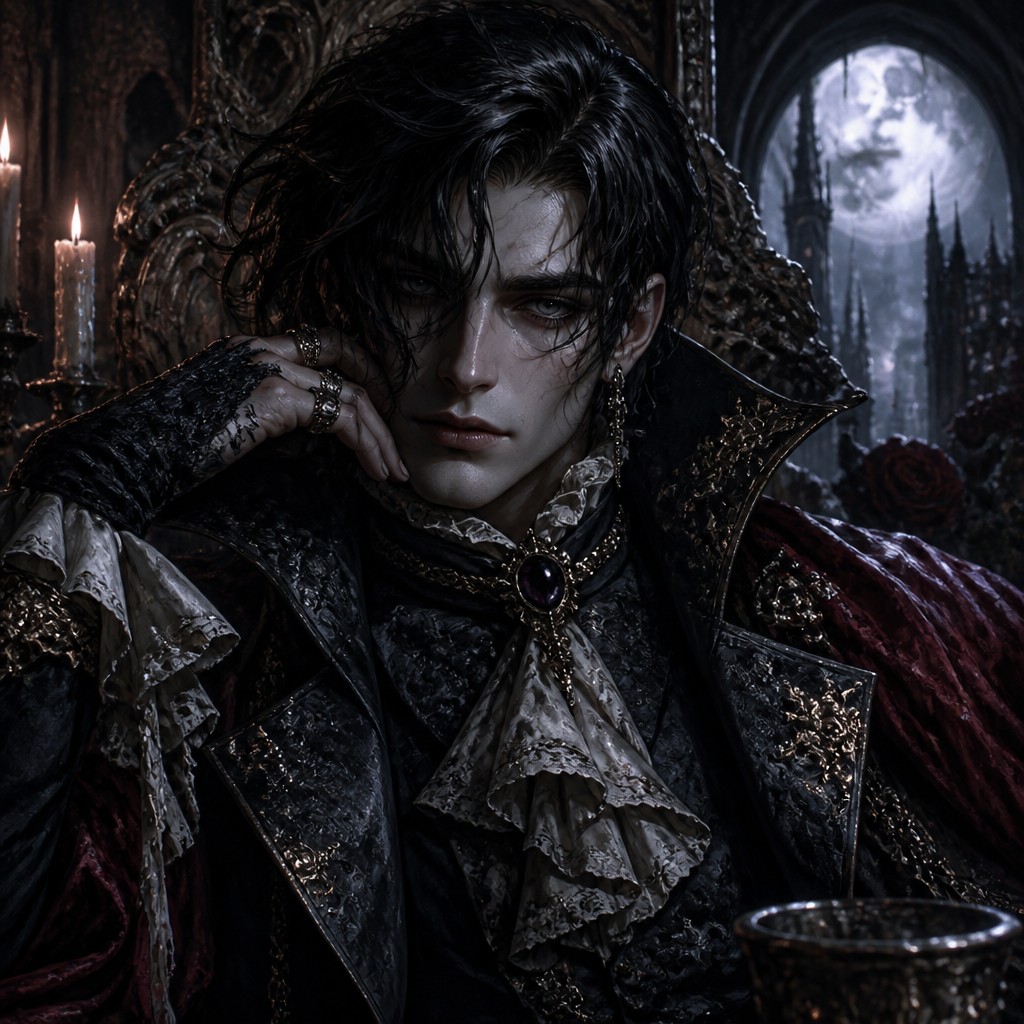
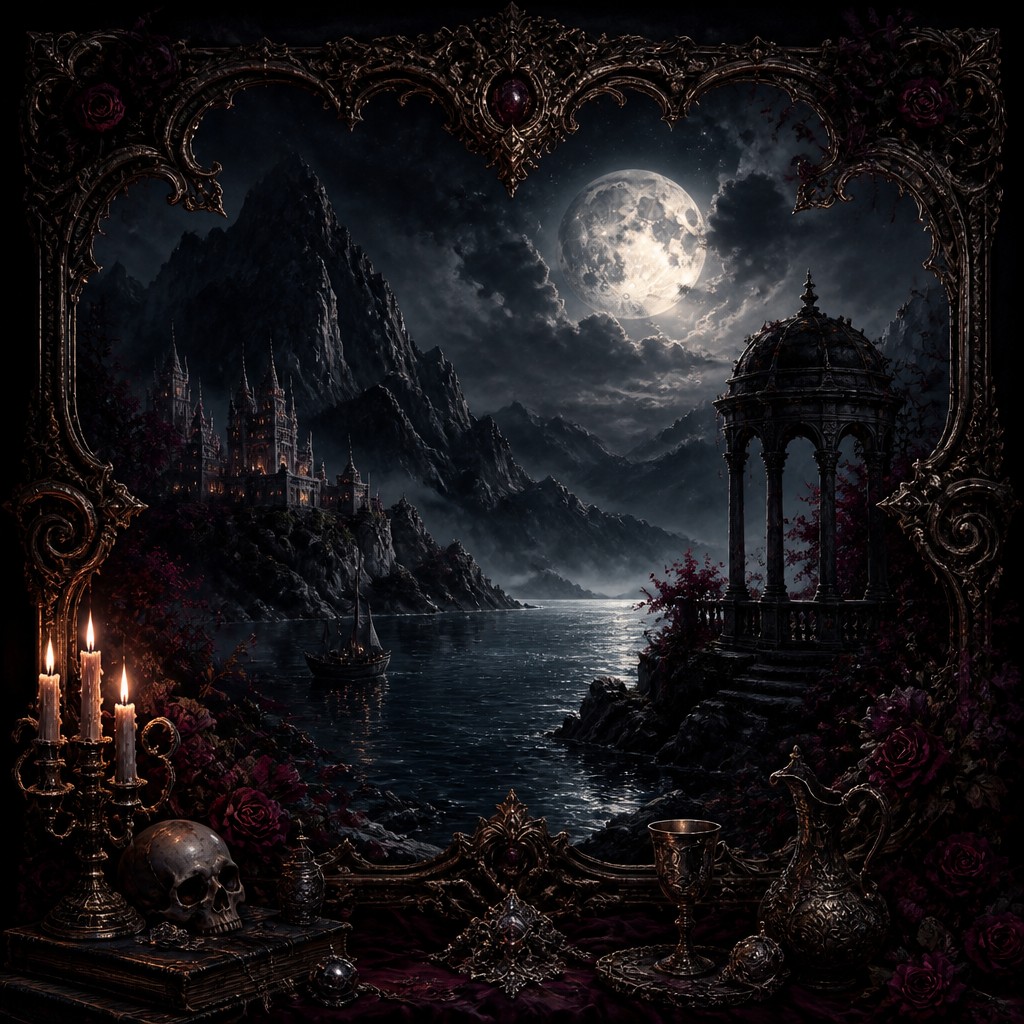
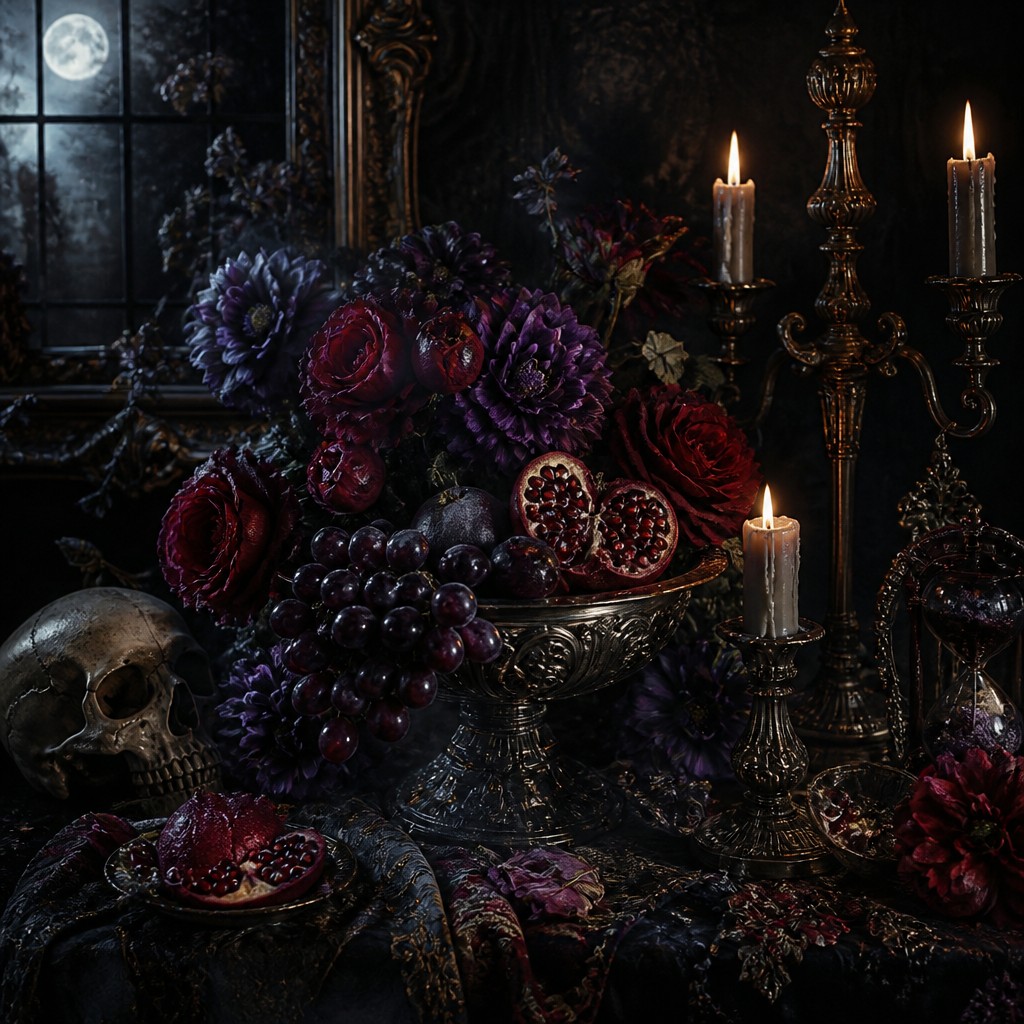
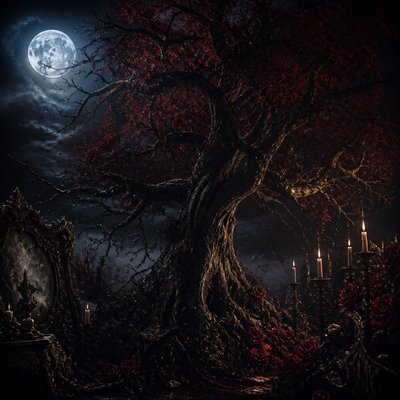
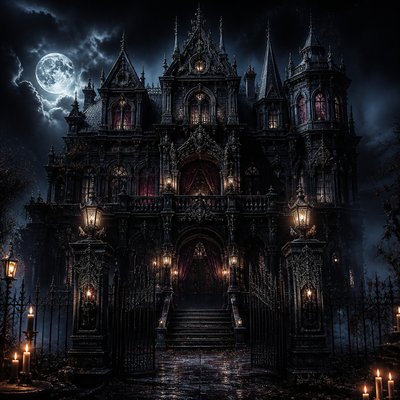
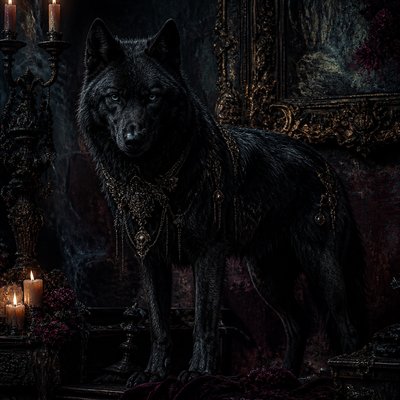
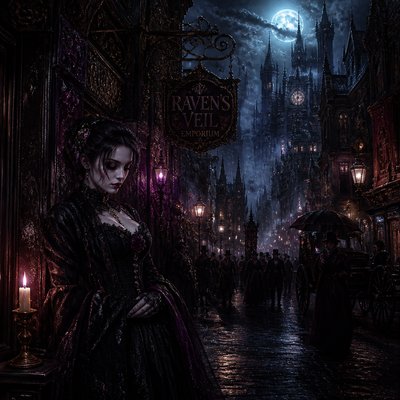
Dark Gothic Art is a contemporary aesthetic centered on shadow, romantic decay, and a heightened sense of mystery. It uses deep blacks, selective highlights, and jewel-toned accents to create images that feel theatrical, mournful, and elegant at the same time. Rather than describing one historical movement, it names a modern visual language that draws on gothic literature, Victorian ornament, and the visual drama of candlelit interiors and nocturnal scenes.
Its imagery is defined by contrast: bone-white highlights against obscurity, crimson and purple undertones beneath black surfaces, and cold blue light suggestive of moonlight or spectral presence. Ornate details often appear worn, tarnished, or overgrown with decay, giving the work a sense of beauty suspended between grandeur and ruin. The result is an atmosphere of melancholic intensity, where the macabre is treated not as grotesque spectacle but as a refined and emotional form of visual storytelling.
Try It On Your Photos
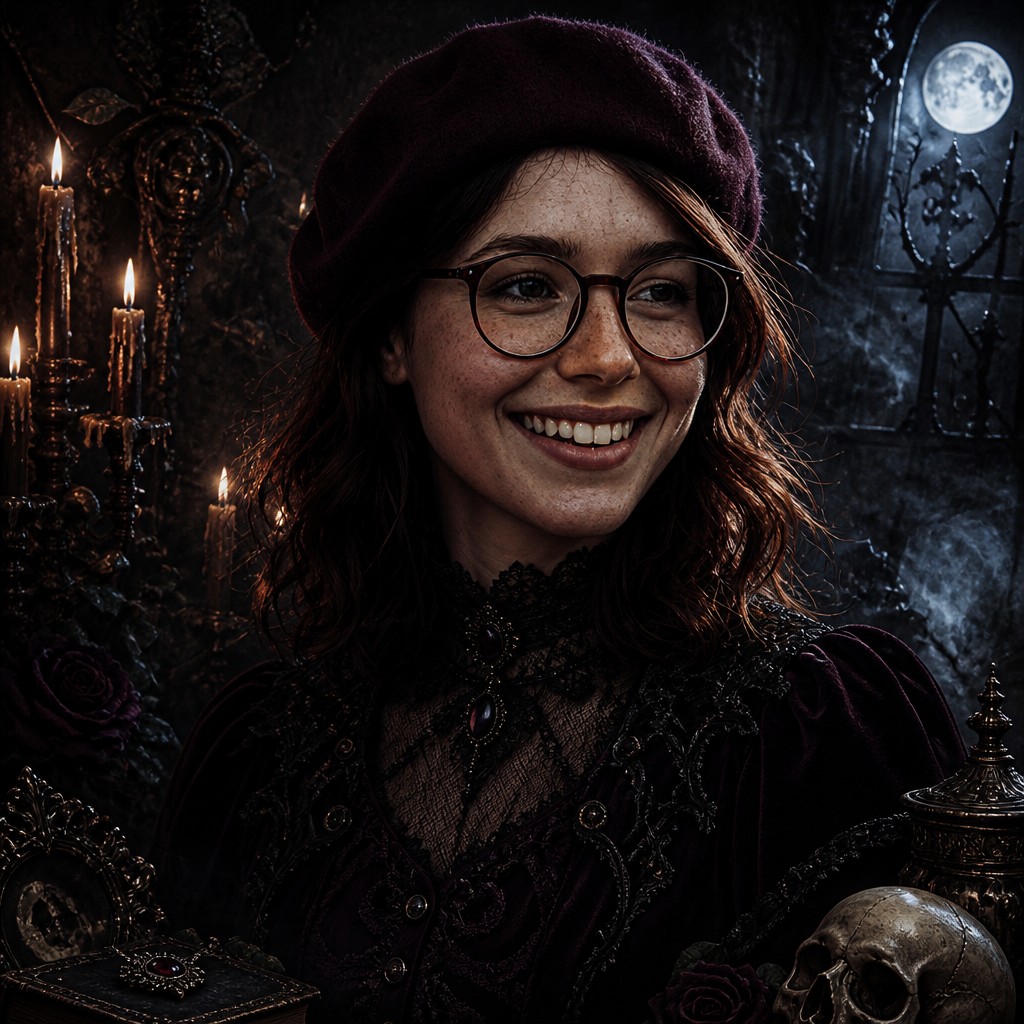
Upload any photo and convert it into Dark Gothic Art — drag the sliders to compare before and after.


What Defines Dark Gothic Art
The signature details, up close
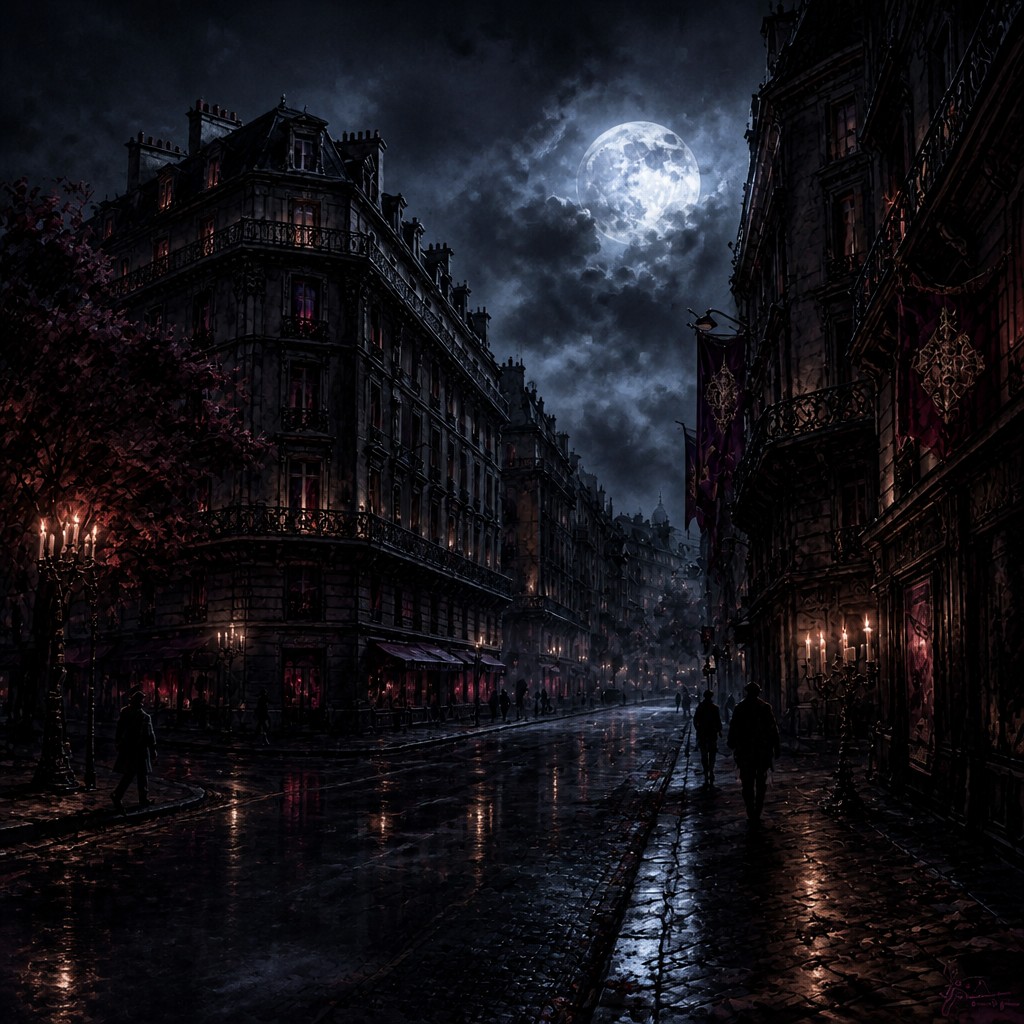
Deep chiaroscuro
The style relies on stark light-and-dark contrast, with large areas of near-black space broken by selective illumination. This creates a theatrical sense of depth and mystery.
Crimson, violet, and moonlit blue accents
Color is usually restrained, but saturated accents in red, purple, and cold blue intensify the mood. These hues suggest blood, twilight, and spectral light without overwhelming the darkness.
Ornate Victorian and baroque detail
Filigree, lace, cathedral forms, carved frames, and decorative clothing are common. The detailing adds elegance and historical resonance to otherwise somber compositions.
Weathered decay and tarnish
Surfaces often look aged, cracked, rusted, or dusted with patina. This sense of erosion turns beauty into something haunted, fragile, and timeworn.
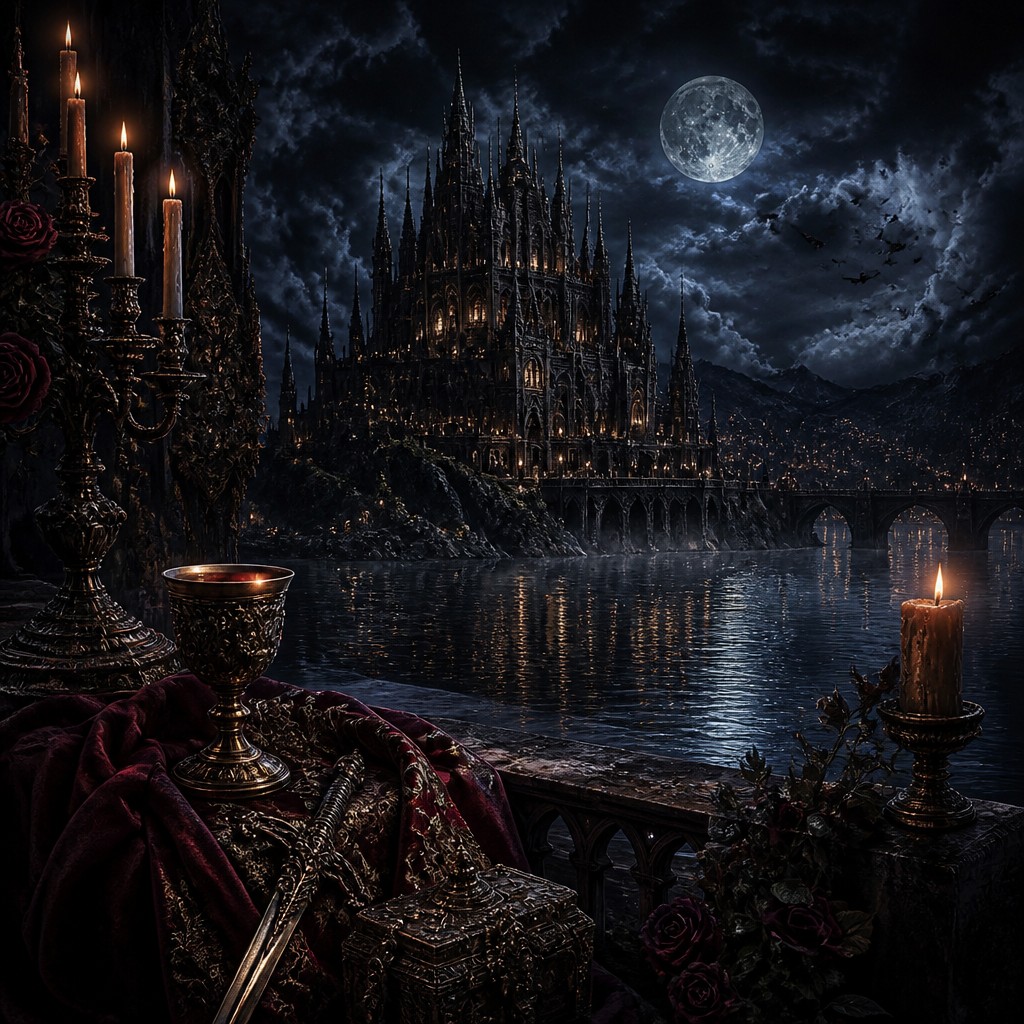
Candlelit and nocturnal atmosphere
Lighting often feels like candle flame, moonlight, or dim interior glow. These sources create intimate shadows and make the scene feel secluded or ritualistic.
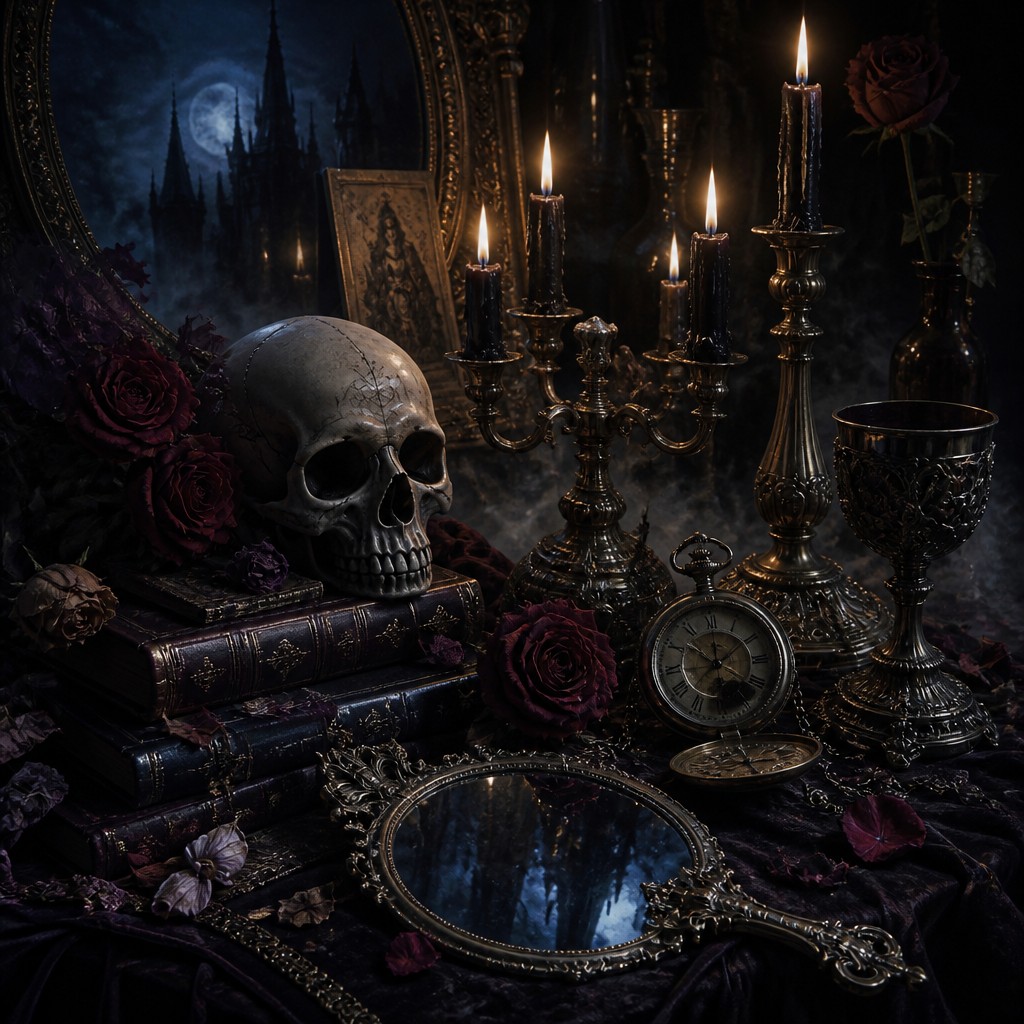
Melancholic elegance
Figures and objects are usually presented with restrained grace rather than horror. The style favors sorrow, solitude, and romantic intensity over shock.
Try It
Create Videos in Dark Gothic Art
Styles aren't just for stills — describe a scene or animate an image and get a short video rendered in Dark Gothic. Press play to see this pond come to life.
Make a VideoDark Gothic Prompt Ideas
Start from an idea — each one opens the generator with the style ready to go. See all 40 Dark Gothic prompts →
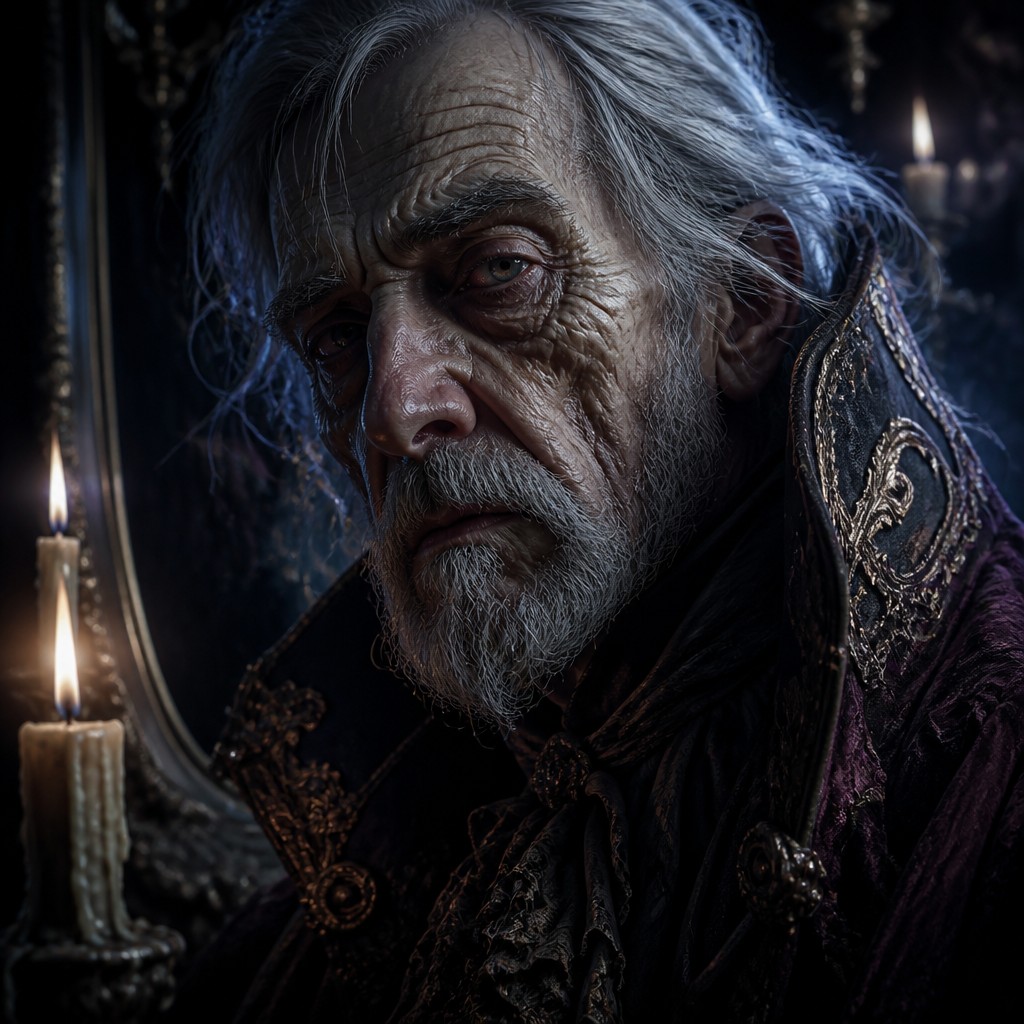
“close-up portrait of an elderly person with expressive weathered features”
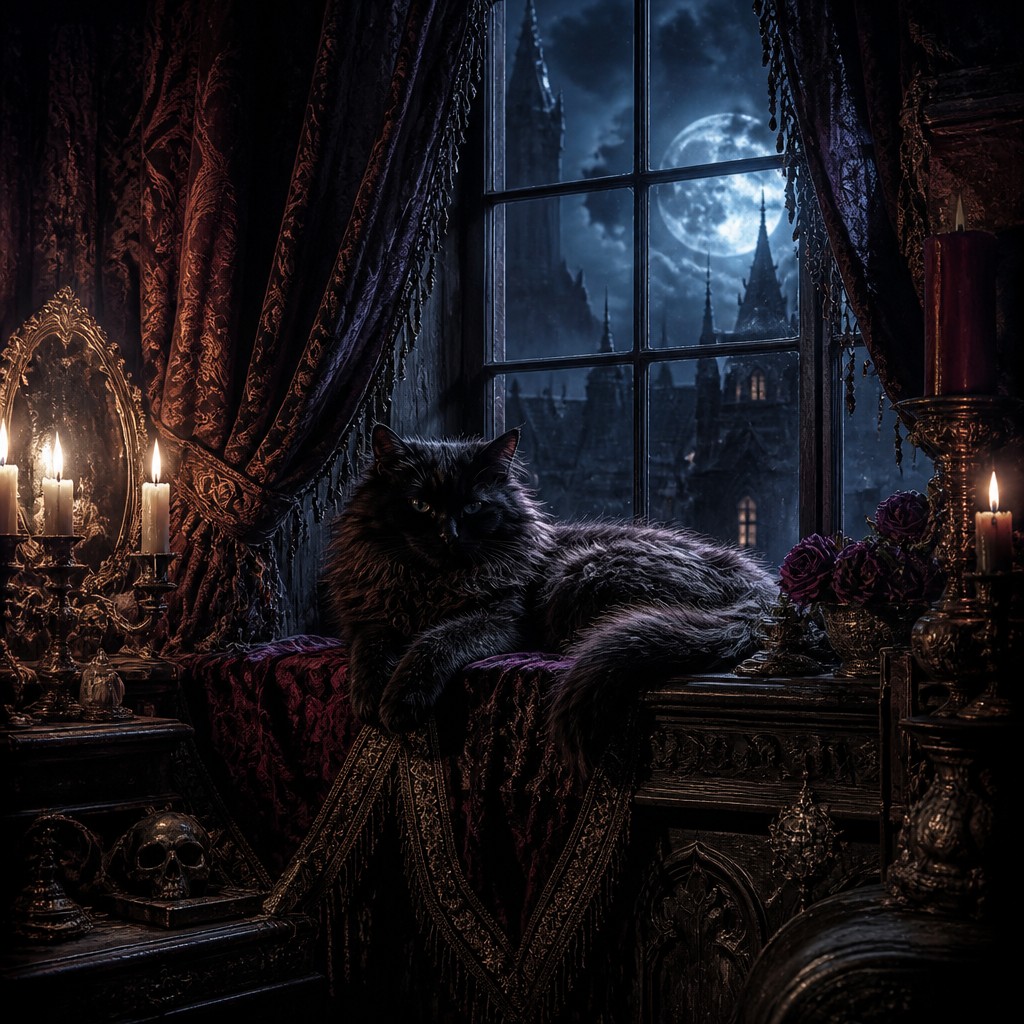
“a cat lounging in a sunlit window”
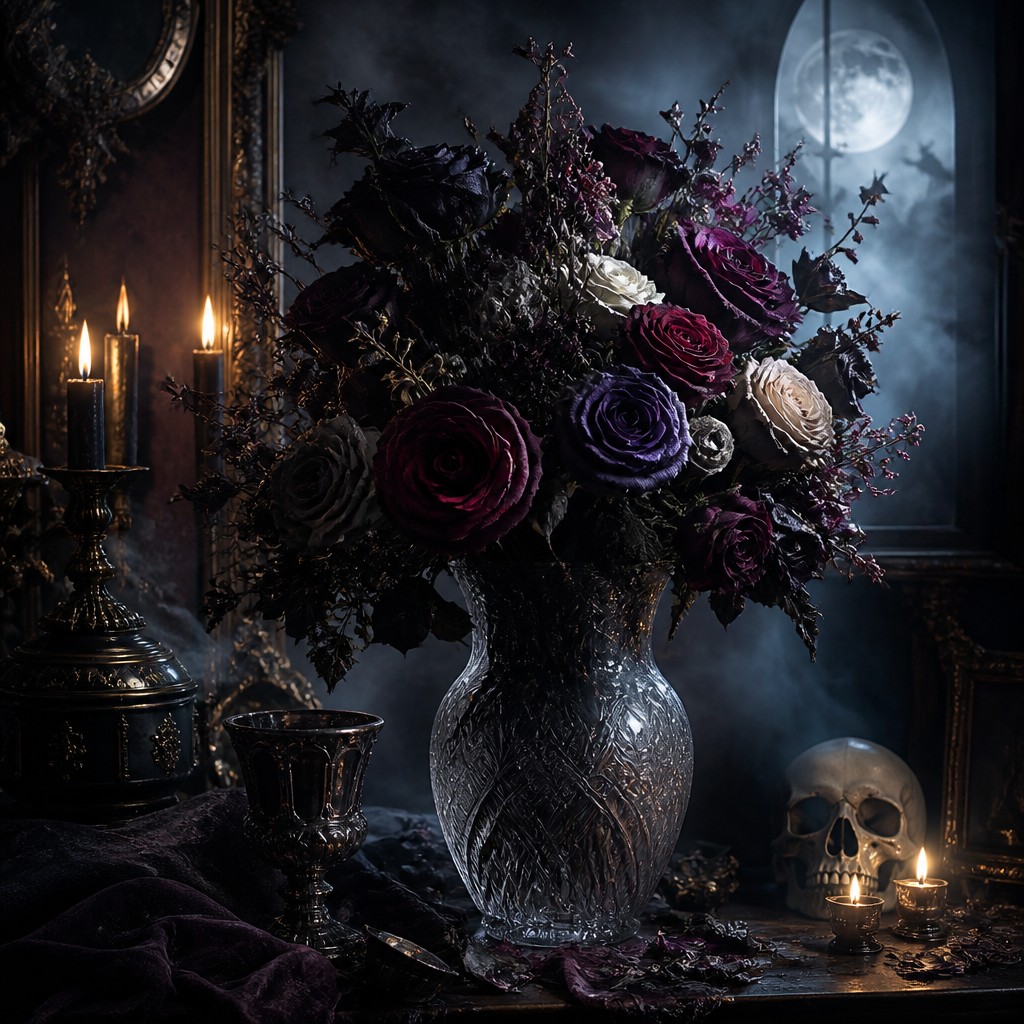
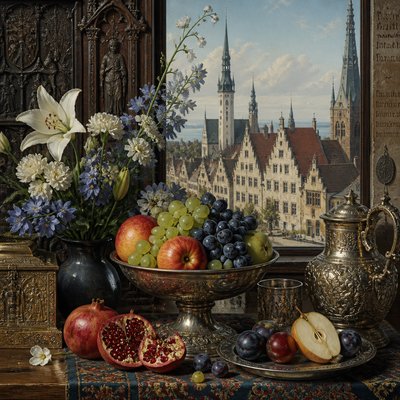
“bouquet of flowers in a glass vase”
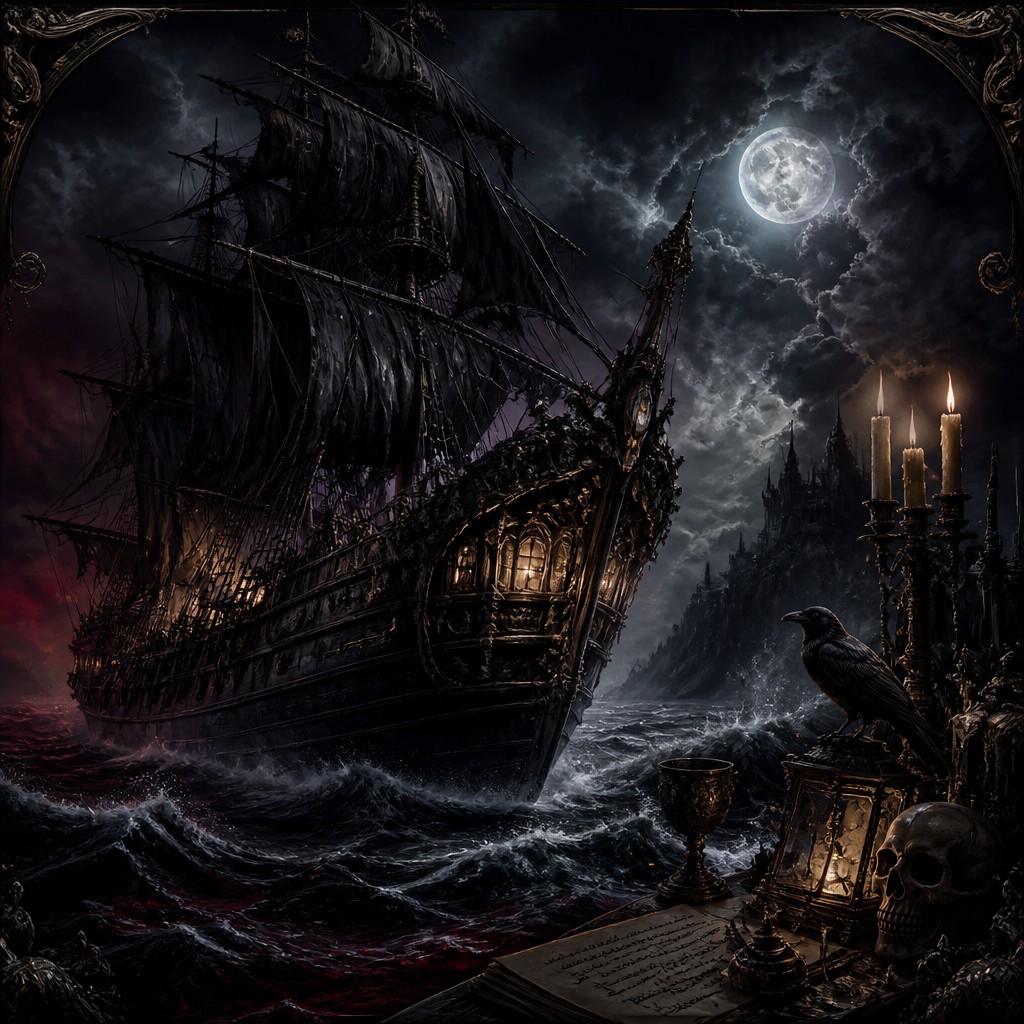
“sailing ship on a stormy sea”
How to Create Dark Gothic Art
Master the craft step by step — or skip straight to creating. Read the full guide →
- 1
Build the image around shadow first
Start with a dark composition and reserve light only for focal points such as faces, hands, candles, flowers, or architectural edges. In drawing or painting, block in large value masses before adding detail so the darkness remains structurally dominant.
- 2
Use a limited palette with deliberate accents
Keep most tones in black, charcoal, deep brown, or muted plum, then introduce a few controlled highlights in crimson, violet, cold blue, bone white, or tarnished gold. The restraint is what makes the accents feel luminous.
- 3
Combine ornament with deterioration
Pair decorative elements like lace, wrought iron, velvet, scrollwork, or Gothic arches with wear such as peeling paint, rust, dust, cracks, and stained surfaces. That tension between luxury and ruin is central to the style.
- 4
Shape the lighting for drama
Use candlelight, rim light, backlight, or moonlight to carve silhouettes and create strong shadow edges. In digital work, subtle glows and mist layers can amplify depth without flattening the darkness.
- 5
For prompt-based creation, specify mood and materials
Describe the subject, then add precise cues for lighting, palette, texture, and atmosphere, such as deep shadows, crimson undertones, baroque detailing, and ethereal mist. If generating from a photo, preserve the subject’s structure while shifting its surfaces, colors, and lighting toward a gothic nocturne.
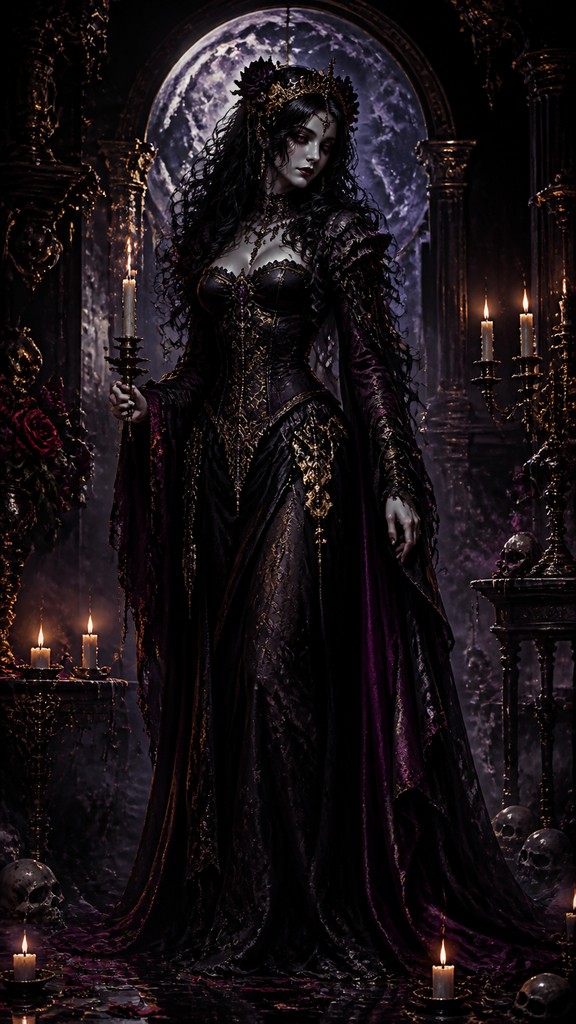
The Story
History & Origins of Dark Gothic
Dark Gothic Art does not originate from a single historical school; it is an aesthetic lineage assembled from several older traditions. Its visual vocabulary draws from Gothic Revival architecture, Victorian mourning culture, symbolist imagery, romantic literature, and the chiaroscuro methods of Baroque painting. In the late twentieth and twenty-first centuries, these references were reinterpreted through alternative fashion, music imagery, illustration, photography, and digital art, producing a contemporary gothic style that emphasizes mood, texture, and expressive darkness.
Its development is closely tied to modern subcultures and online visual culture, where gothic themes were simplified into recognizable palettes and motifs: black fabrics, candles, lace, skulls, cathedral arches, stained glass, roses, and mist. Digital tools further expanded the style by making it easier to simulate dramatic lighting, layered atmospheric effects, and highly detailed ornamental surfaces. As a result, Dark Gothic Art today is less a fixed historical movement than a living aesthetic built from inherited traditions of the romantic, the eerie, and the ornate.
Influences: Dark Gothic Art draws from Gothic Revival architecture, Victorian mourning aesthetics, Romanticism, Symbolism, and the chiaroscuro traditions of Baroque painting. Its emotional gravity also echoes Gothic literature and later alternative visual culture. Among canonical historical artists, the strongest lineage runs through the dramatic lighting of leading Baroque painters associated with candlelit tenebrism, the emotionally charged imagery of major Spanish Romantic painters, and the symbolist sensibility of prominent late nineteenth-century symbolist artists; these are influences rather than direct sources of the contemporary style.

Frequently Asked Questions
What defines Dark Gothic Art?
It is defined by heavy shadows, dramatic lighting, ornate detail, and a palette dominated by black, deep red, purple, and cold blue. The mood is melancholic and elegant rather than merely scary. Its imagery often combines beauty, decay, and mystery in the same composition.
How is it different from horror art?
Horror art aims primarily to unsettle, shock, or frighten, while Dark Gothic Art emphasizes atmosphere and romantic macabre beauty. It may include eerie or morbid imagery, but the overall effect is usually refined and theatrical rather than visceral. The tone is closer to mournful elegance than to gore.
How is it different from Victorian or Gothic Revival art?
Victorian and Gothic Revival are historical periods or architectural/visual movements with their own contexts, while Dark Gothic Art is a contemporary aesthetic that borrows from them. It selectively uses their motifs, such as arches, lace, candles, and ornament, to create a darker emotional register. It is therefore more of a hybrid mood-based style than a strict historical category.
What subjects work best in this style?
Portraits, ravens, skulls, roses, cemeteries, cathedrals, ruined interiors, nocturnal landscapes, and solitary figures are especially effective. Subjects with strong silhouettes and rich textures tend to read well because the style depends on contrast and surface detail. Emotional or symbolic subjects also suit its melancholic tone.
How do I make a photo look more gothic without overdoing it?
Reduce the overall brightness, deepen shadows, and introduce one or two controlled accent colors rather than flooding the image with heavy effects. Add texture, such as grain, mist, velvet, or tarnished metal cues, to give the image depth. Subtlety usually looks more convincing than excessive filters.
Where is this style commonly used?
It appears in alternative fashion imagery, album art, posters, concept art, editorial photography, book covers, and digital illustration. It is especially common wherever a dramatic, romantic, or occult-adjacent mood is desired. The style also adapts well to character portraits and atmospheric scenes.

Create your first Dark Gothic artwork
Describe anything — or upload a photo — and see it in Dark Gothic Art in seconds.
Make Something with Dark Gothic
Related Styles
Discover similar art styles