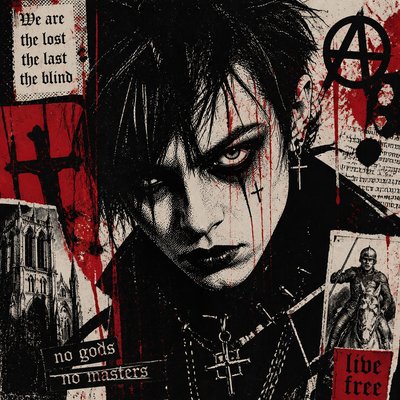
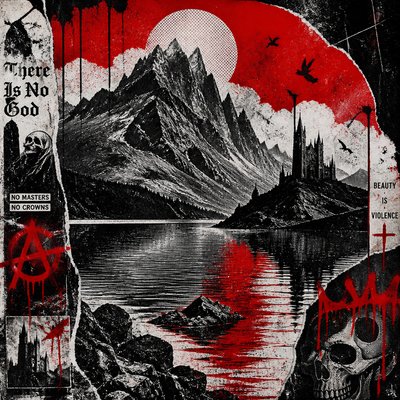
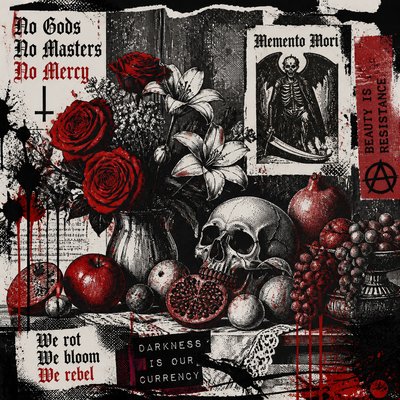
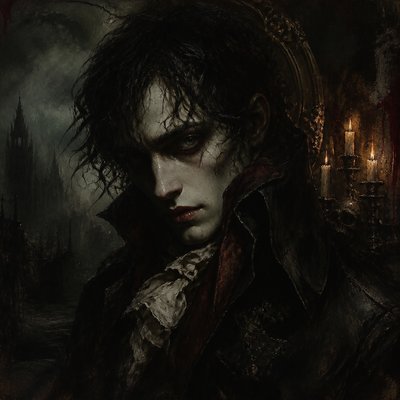
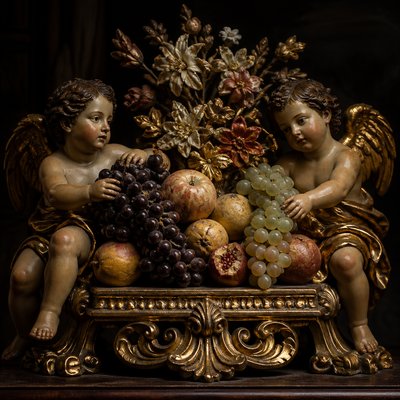
Gothic Art Style
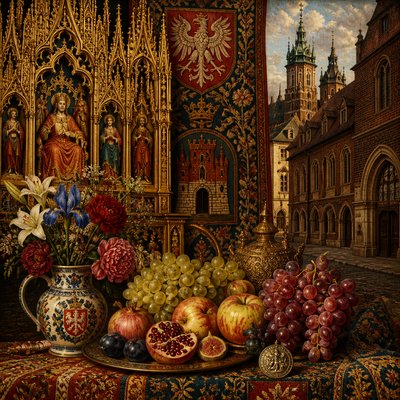
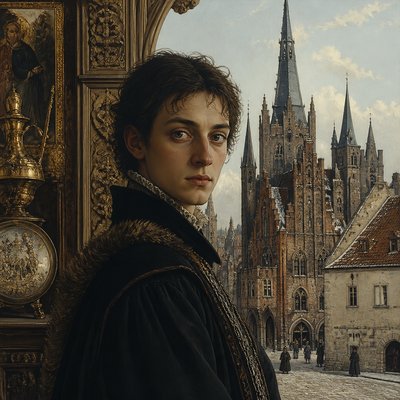
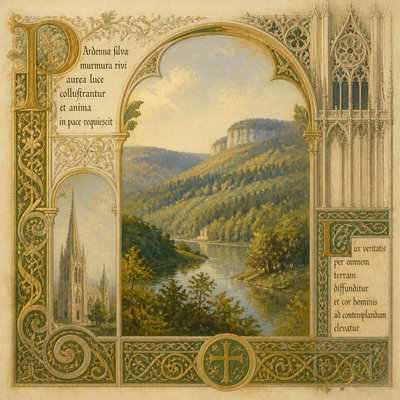
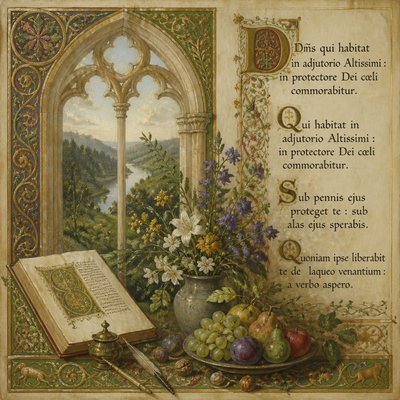
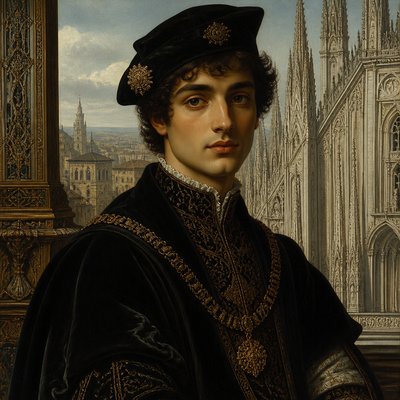
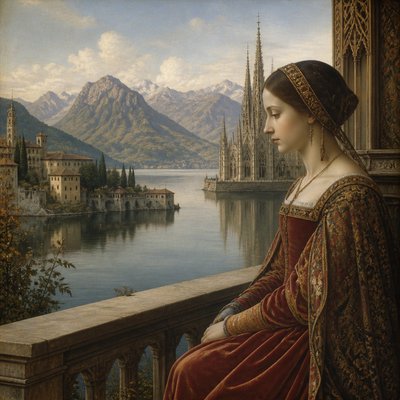
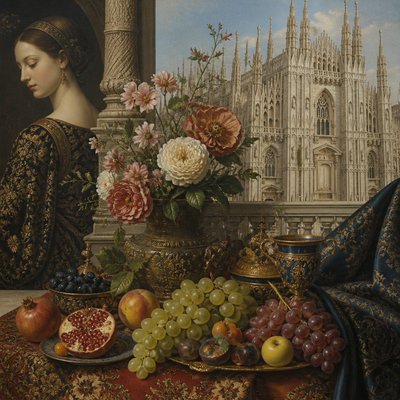
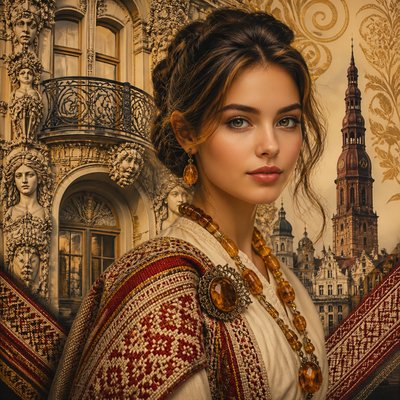
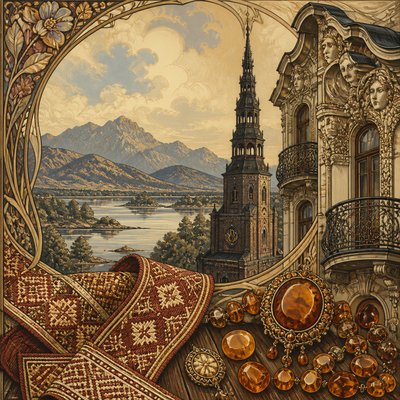
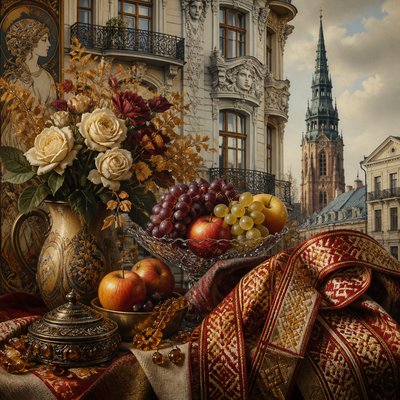
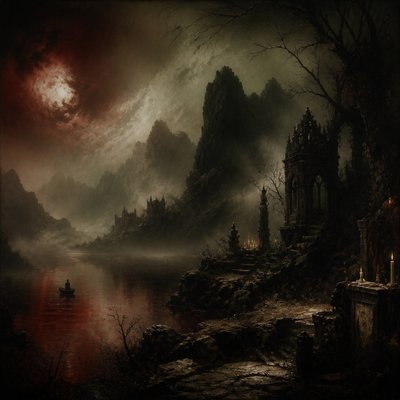
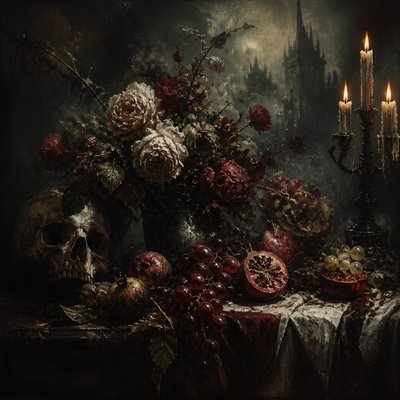
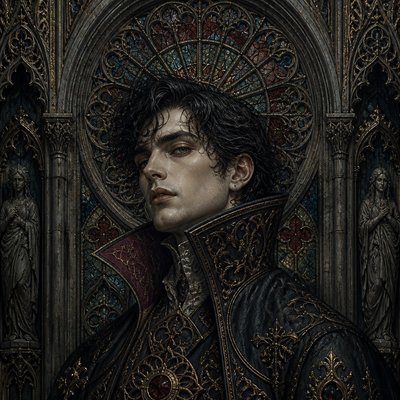
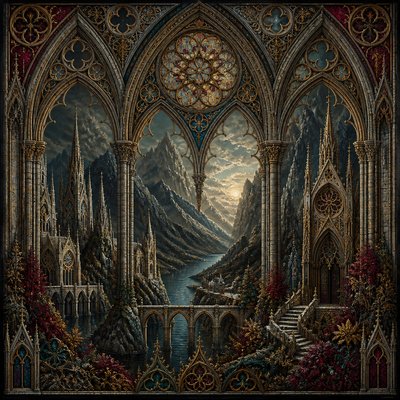
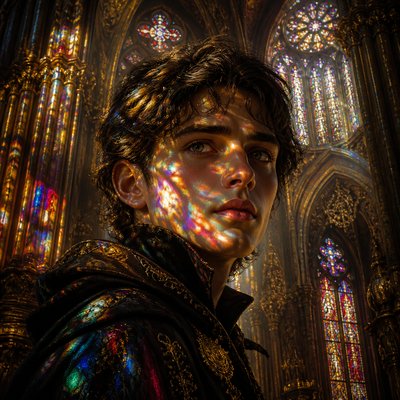
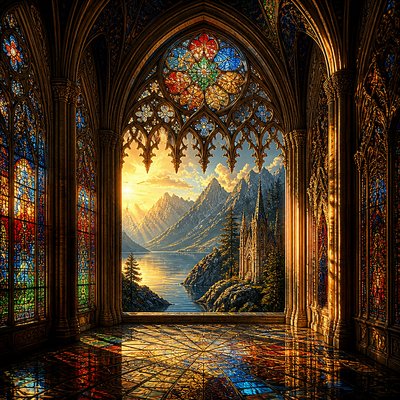
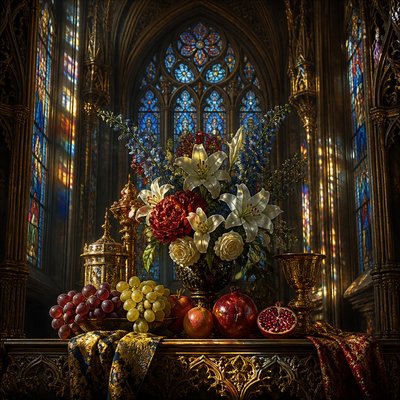
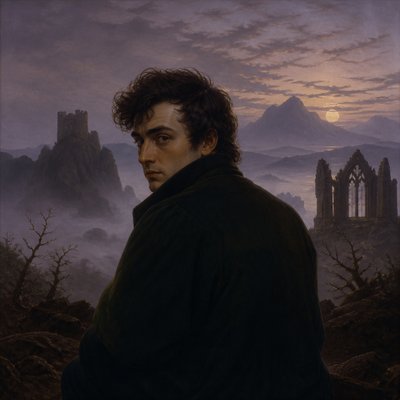
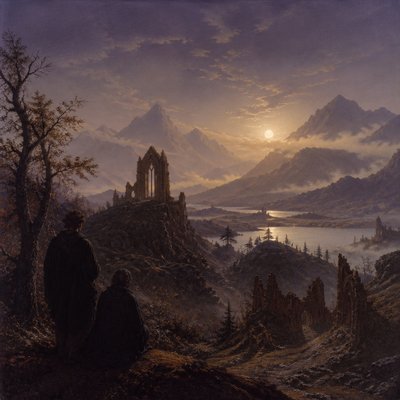
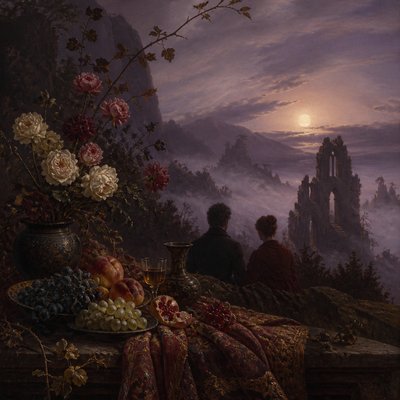
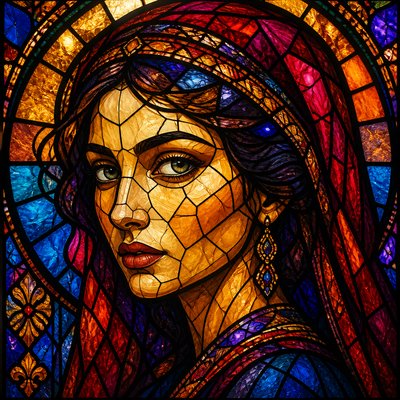
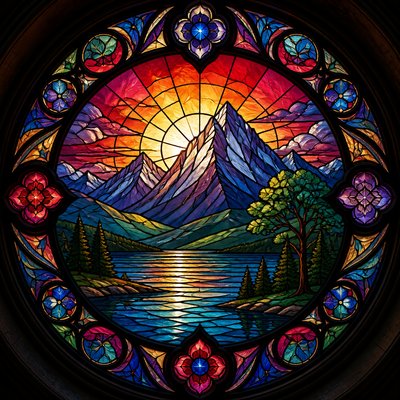
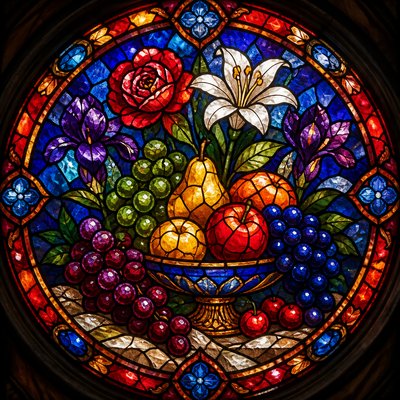
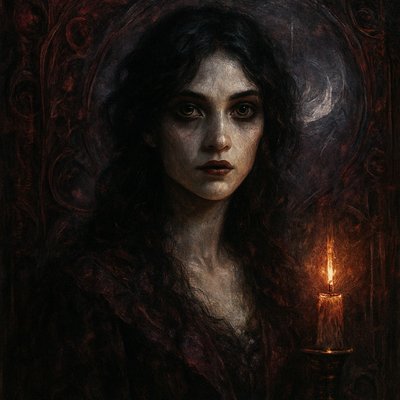
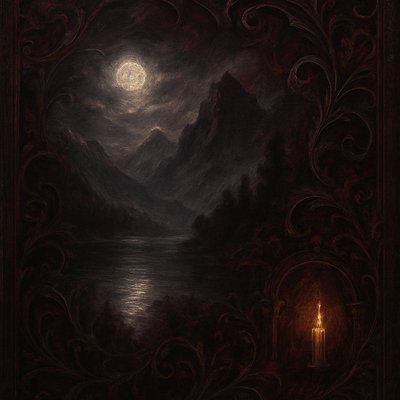
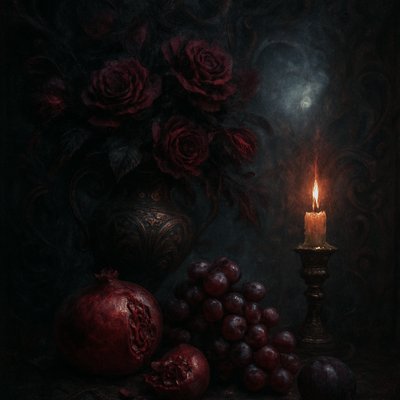
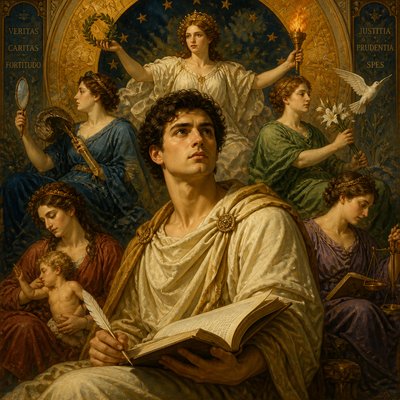
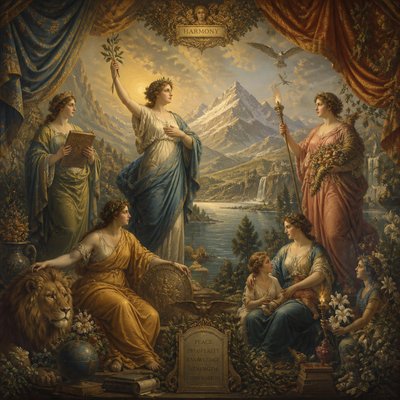
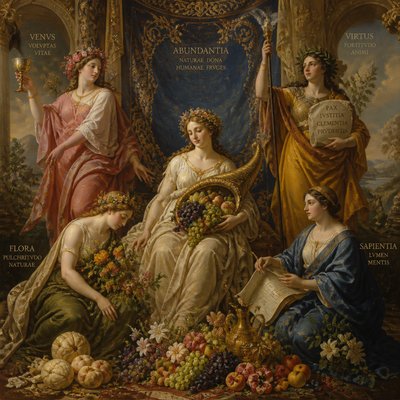
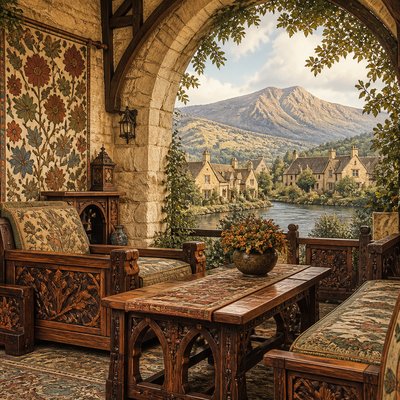
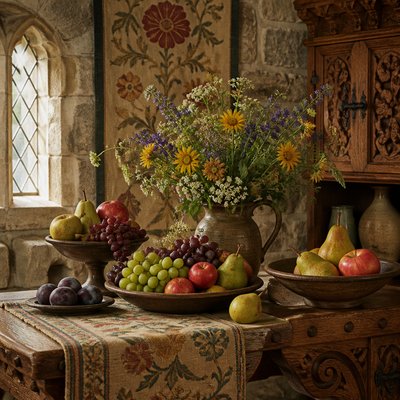
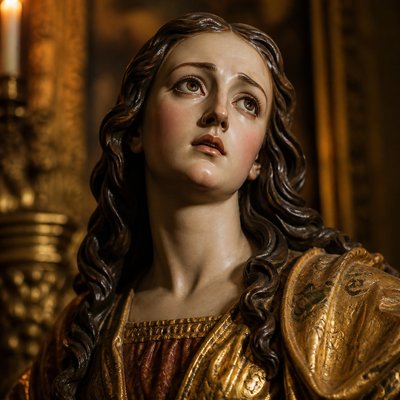
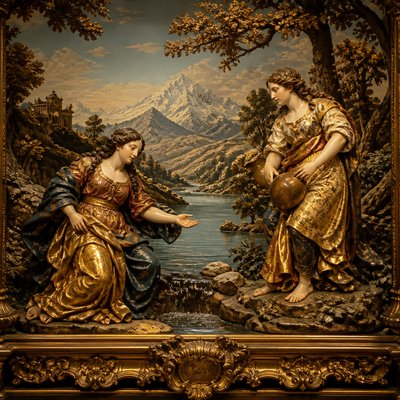
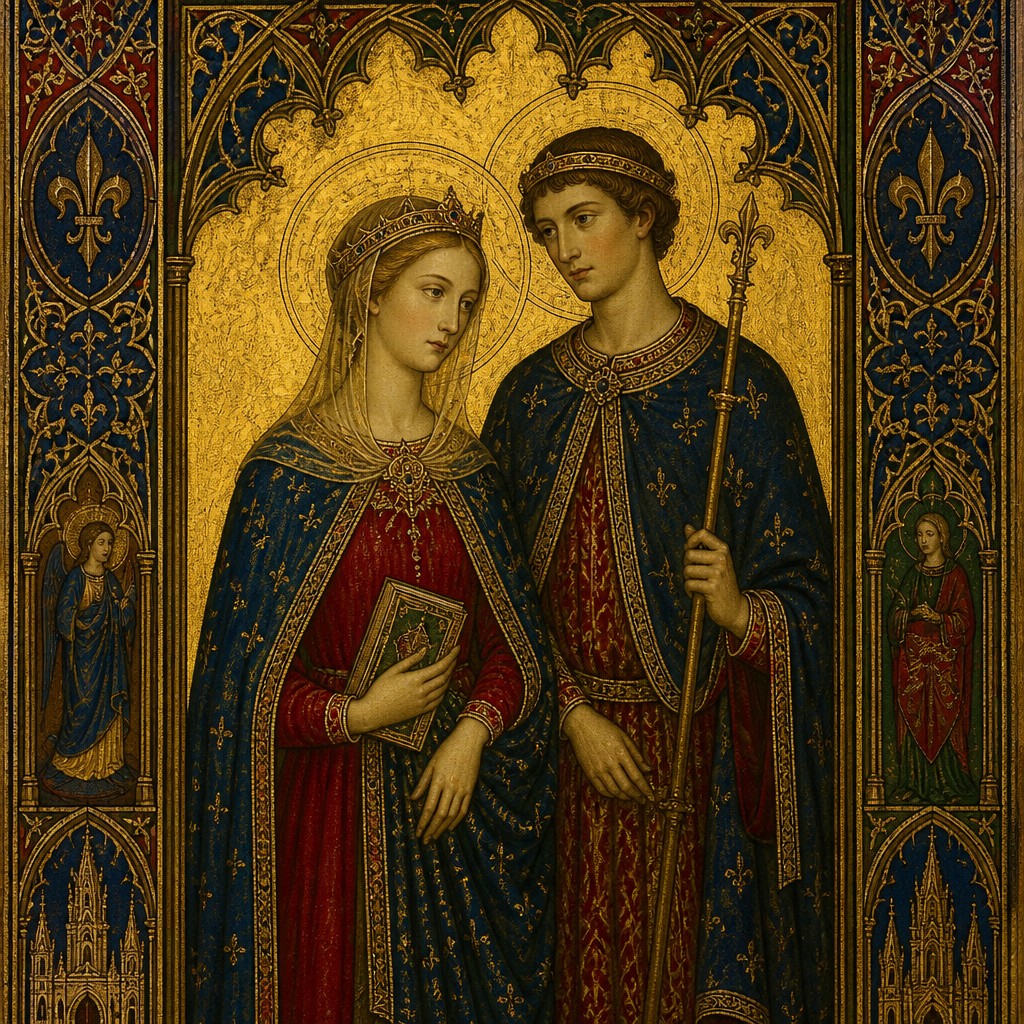
Medieval sacred painting with gold backgrounds, elongated figures, symbolic detail, and a transcendent, devotional mood.
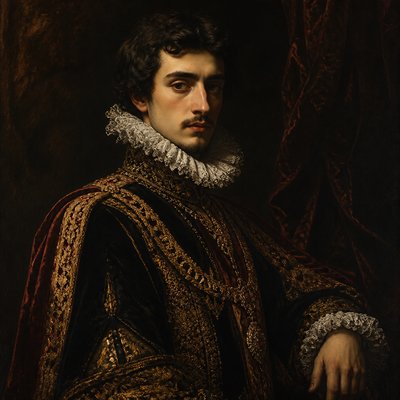
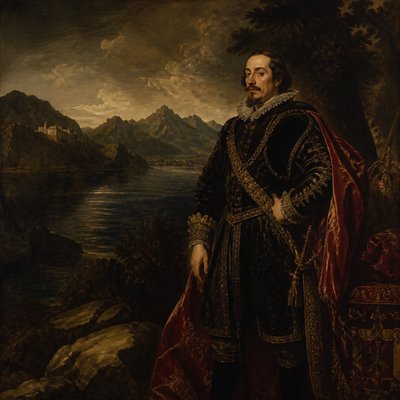
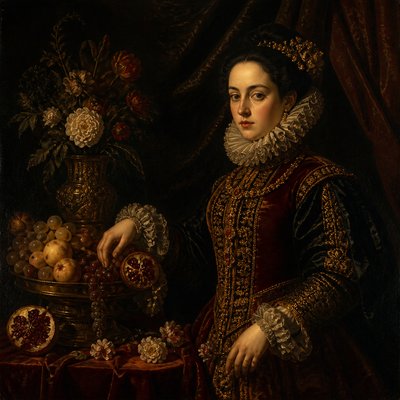
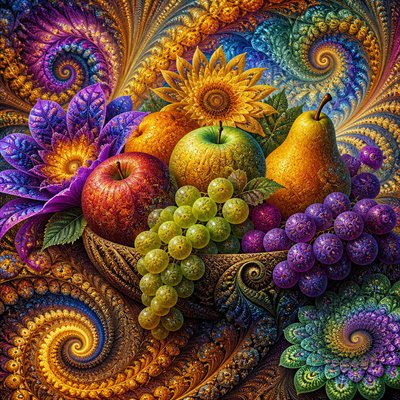
Instantly rendered in Gothic — or transform a photo
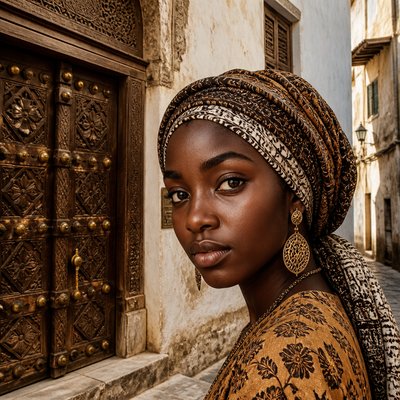
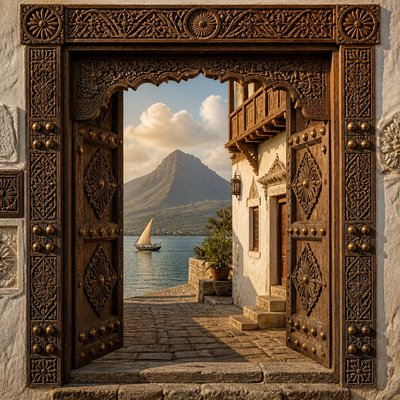
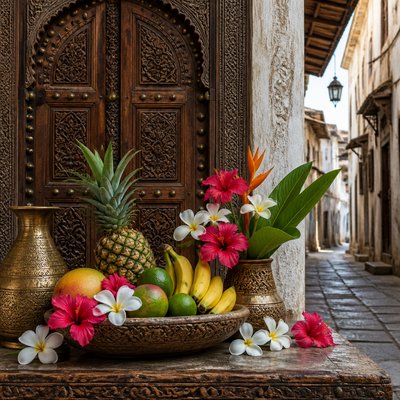
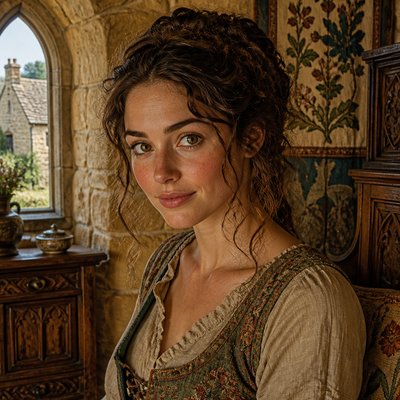
Gothic Gallery
Tap any artwork to explore it
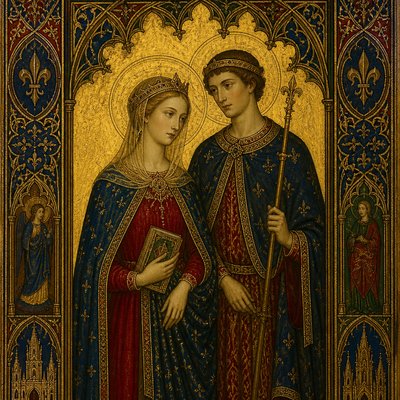
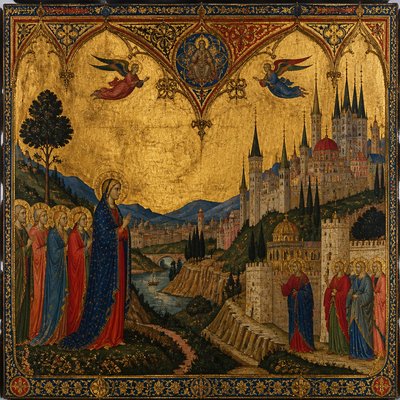
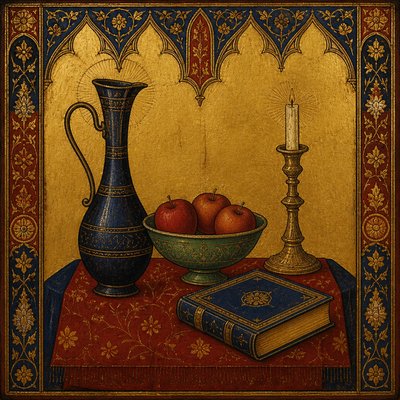
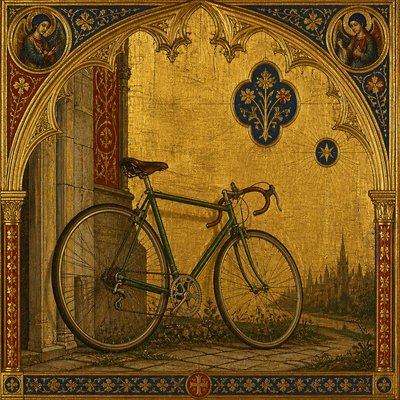
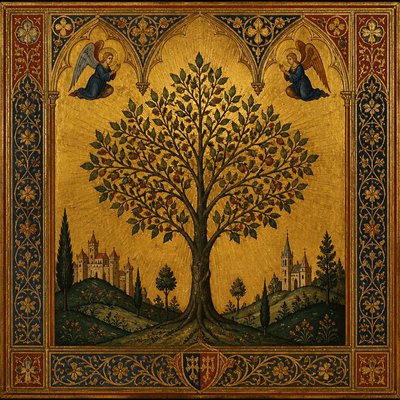
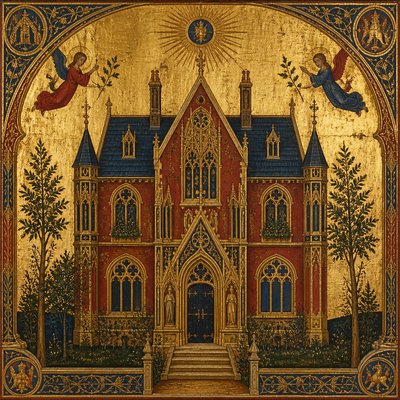
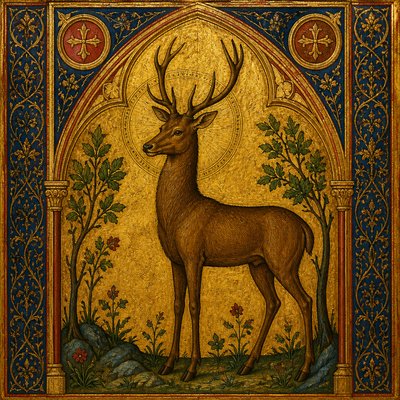
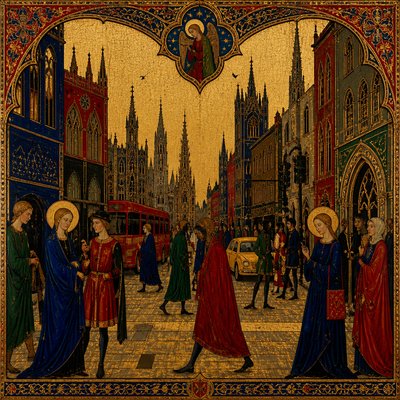
What is Gothic Art Style?
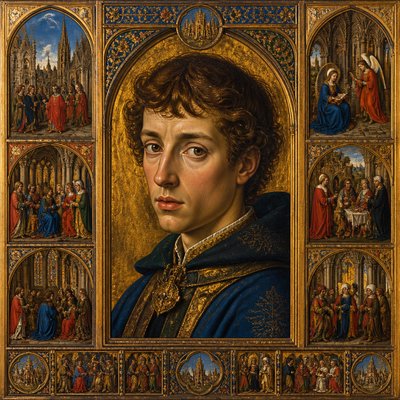
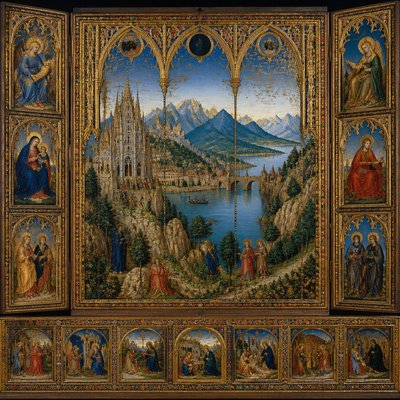
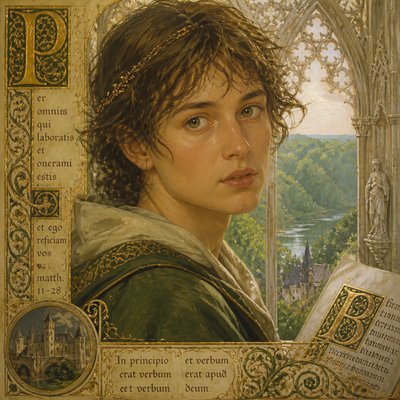
Gothic Art Style refers to the visual language of medieval European art that emerged in the 12th century and flourished through the 14th and early 15th centuries. It is most closely associated with religious painting, illuminated manuscripts, stained glass, sculpture, and panel painting made for churches, monasteries, and courts. Its imagery favors spiritual meaning over naturalistic description, so figures are often elongated, gestures are expressive but restrained, and space is organized to communicate hierarchy and sacred significance rather than physical realism.
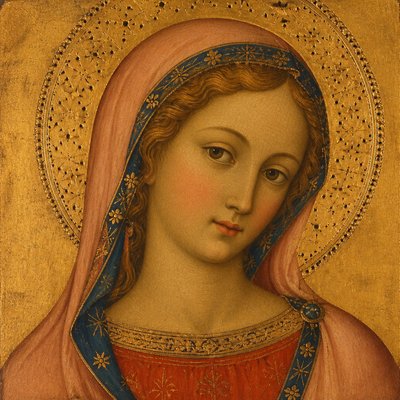
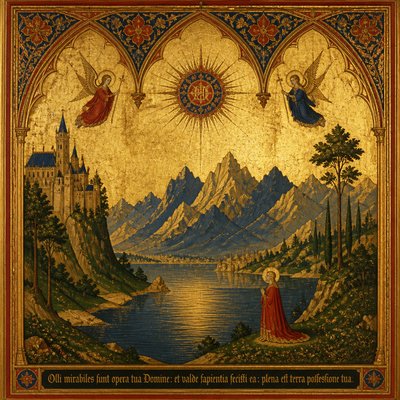
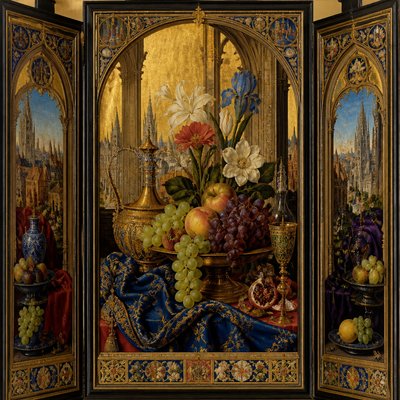
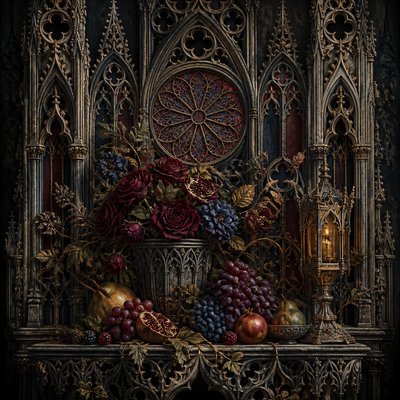
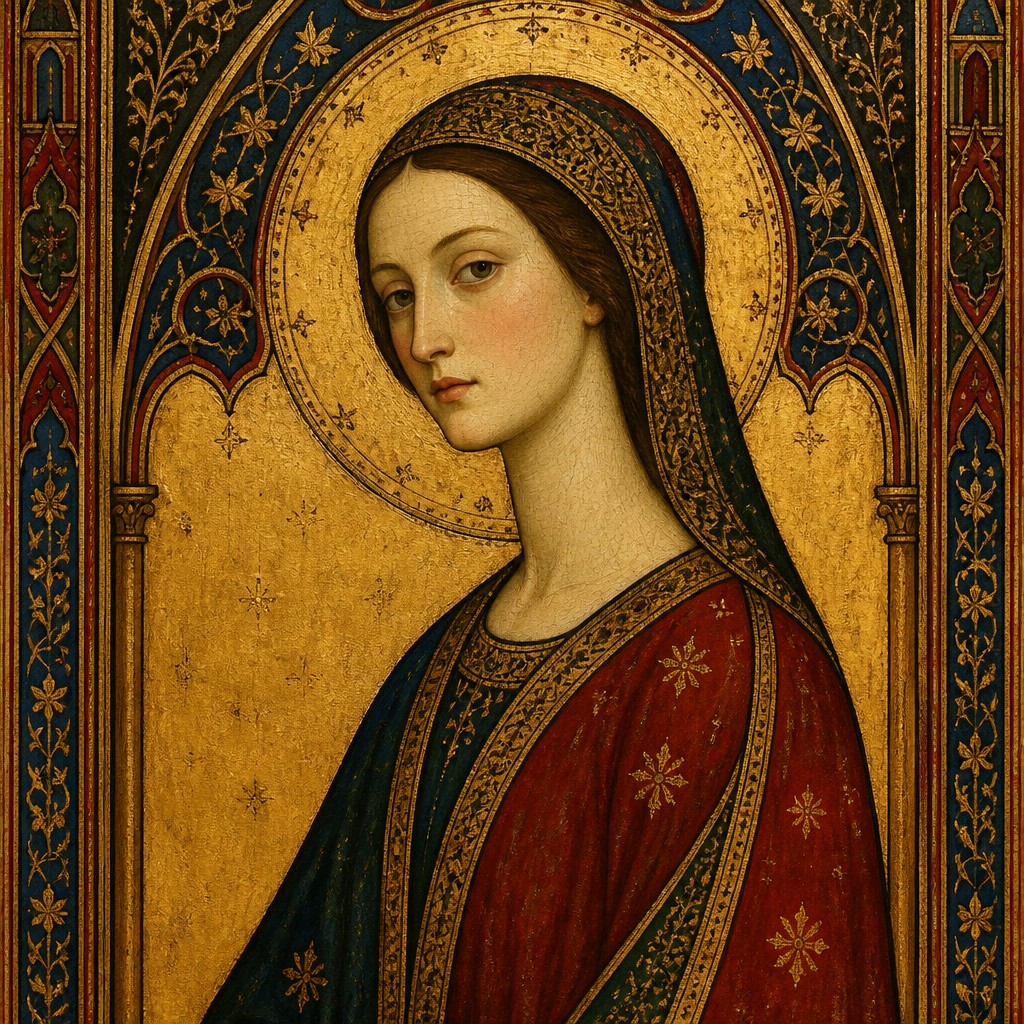
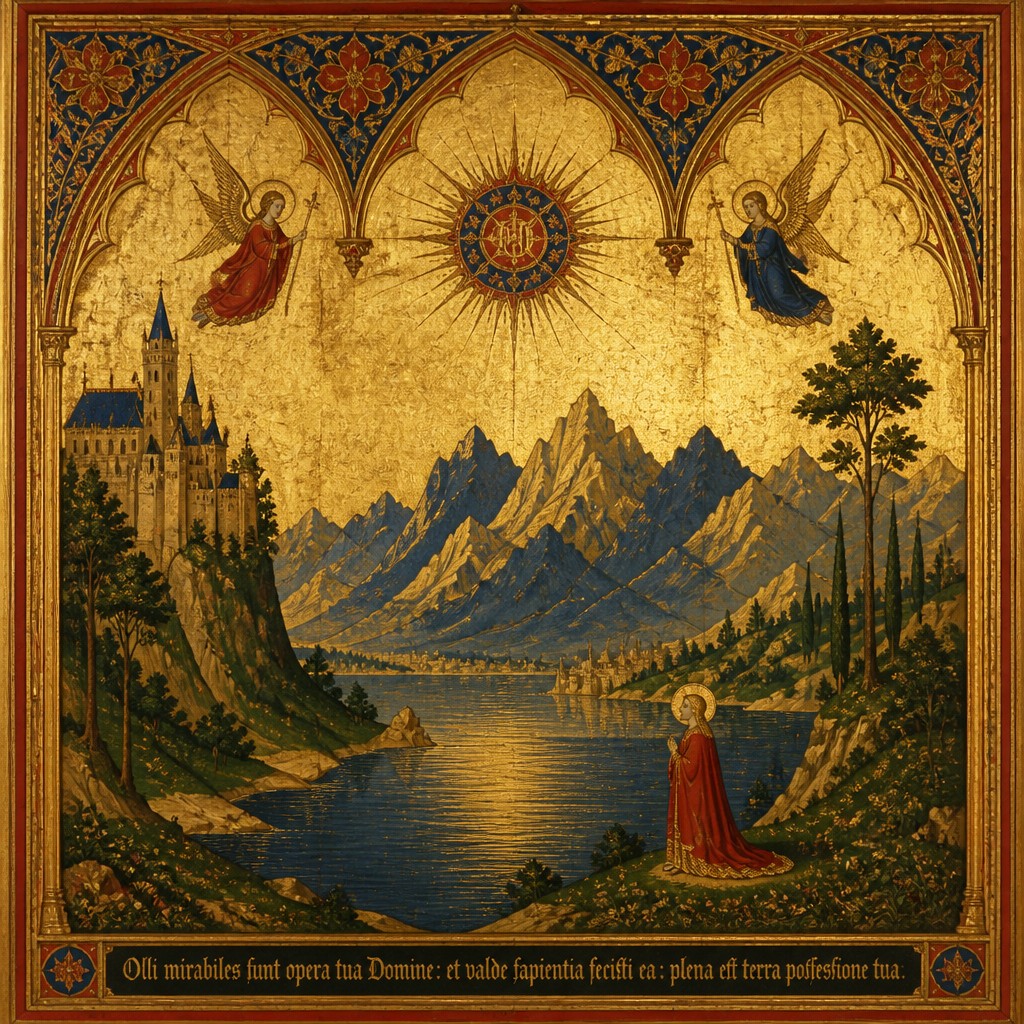
The style is instantly recognizable through burnished gold backgrounds, jewel-like colors, crisp outlines, and carefully patterned surfaces. Many works use flattened perspective, hierarchical scale, and radiant halos to separate holy figures from ordinary space. These choices were not accidental: they helped medieval artists create images suited to devotion, liturgy, and storytelling, where clarity, symbolism, and transcendence mattered more than the illusion of everyday life.
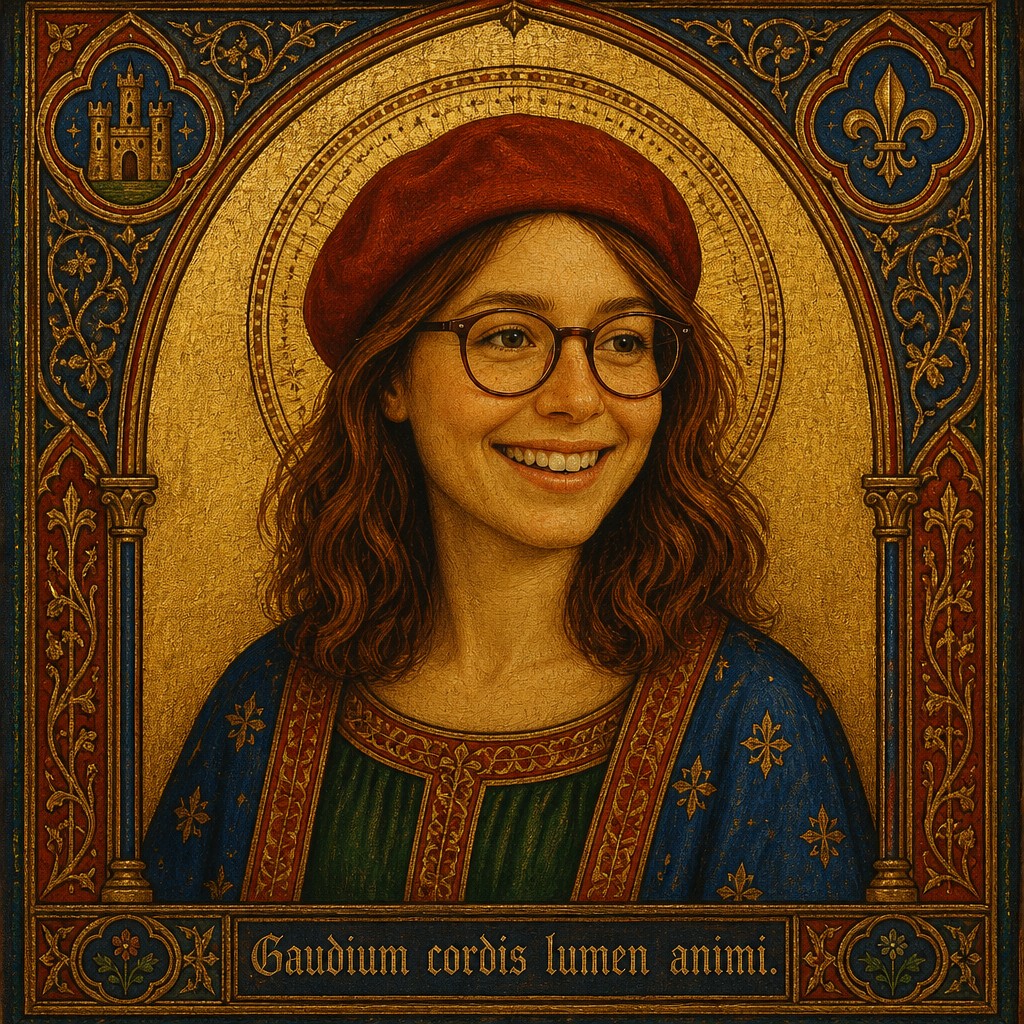
Try It On Your Photos
Upload any photo and convert it into Gothic Art Style — drag the sliders to compare before and after.


What Defines Gothic Art Style
The signature details, up close
Elongated, graceful figures
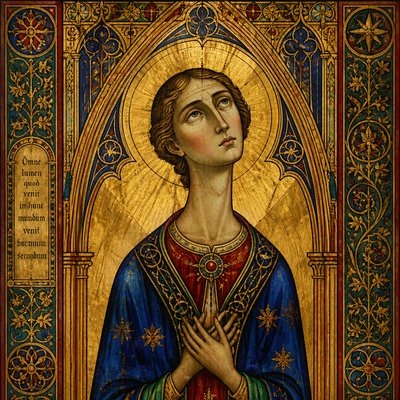
Bodies and faces are often stretched into elegant proportions that emphasize refinement, spirituality, and line over anatomical realism. Gestures tend to be delicate and ceremonial rather than physically forceful.
Gold leaf backgrounds
Burnished gold is used to create a timeless, heavenly field rather than a believable outdoor or interior space. The glowing surface signals sacred presence and removes the scene from ordinary reality.
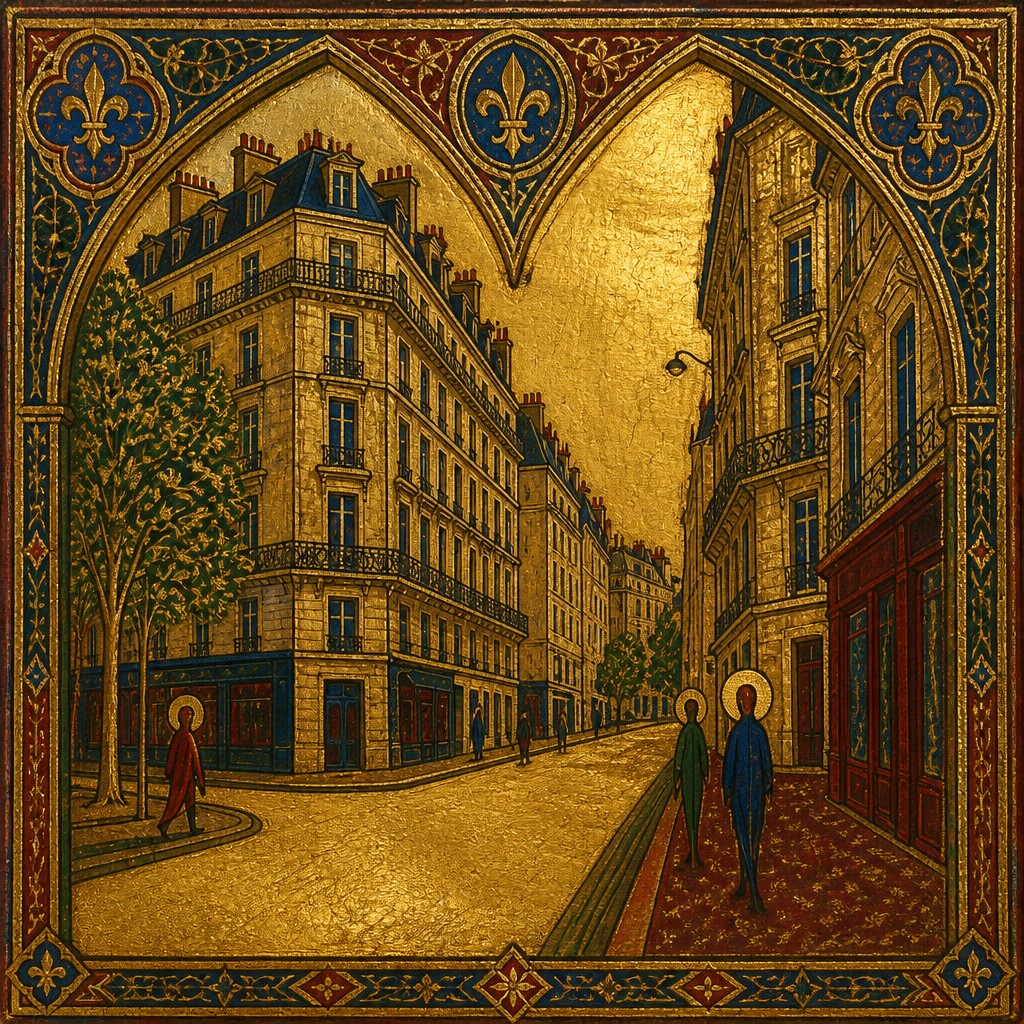
Hierarchical scale and flattened space
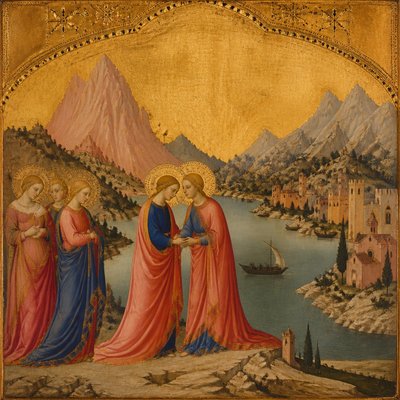
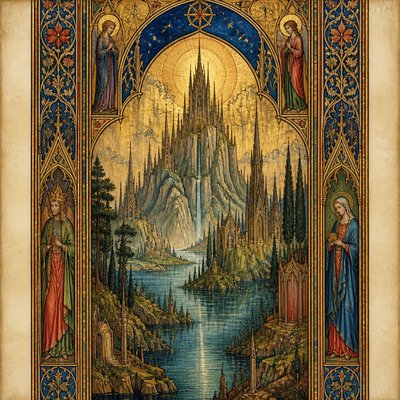
Important figures may appear larger than surrounding ones, and spatial depth is often minimized or simplified. This arrangement clarifies narrative and reinforces religious or social hierarchy.
Dark outlines and tempera-like precision
Forms are commonly defined by clean contour lines and precise, controlled modeling. The look suggests egg tempera, panel painting, and manuscript illumination, where crisp detail is more important than soft atmospheric blending.
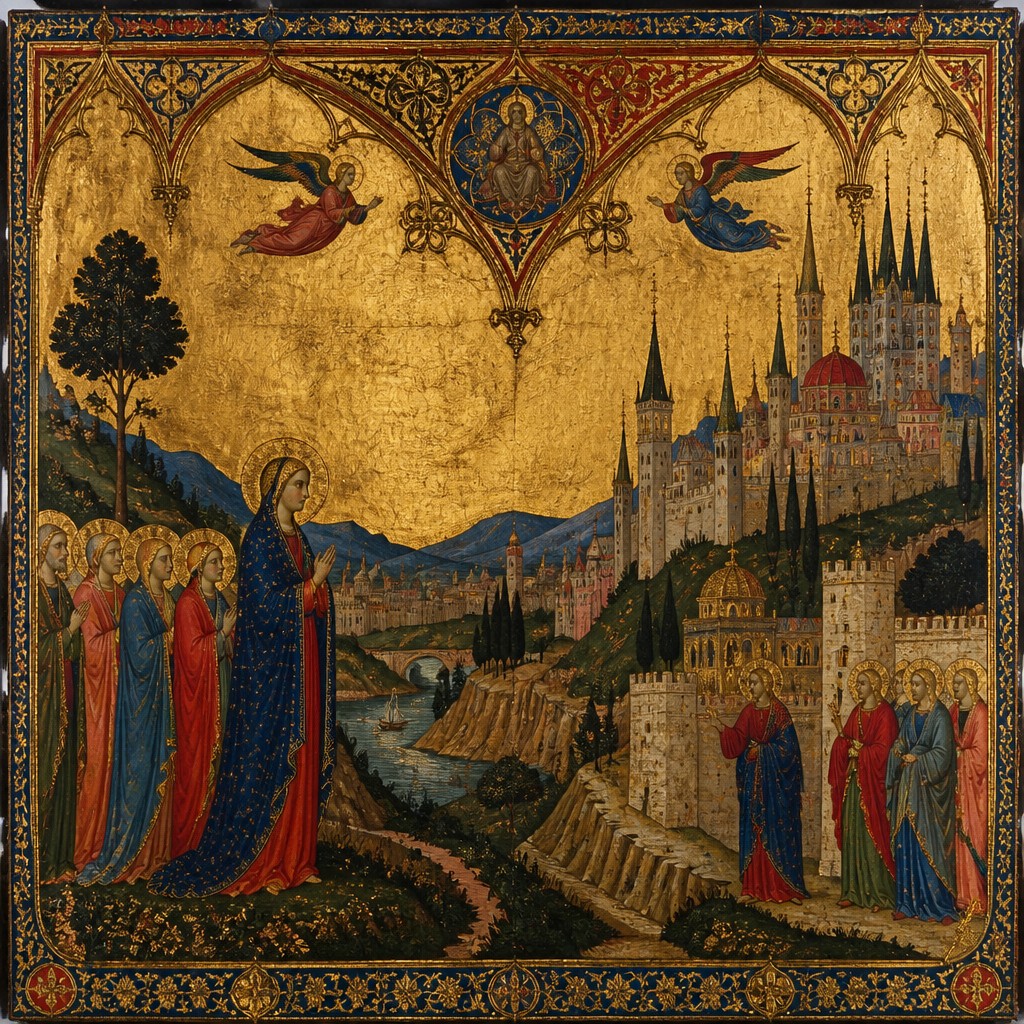
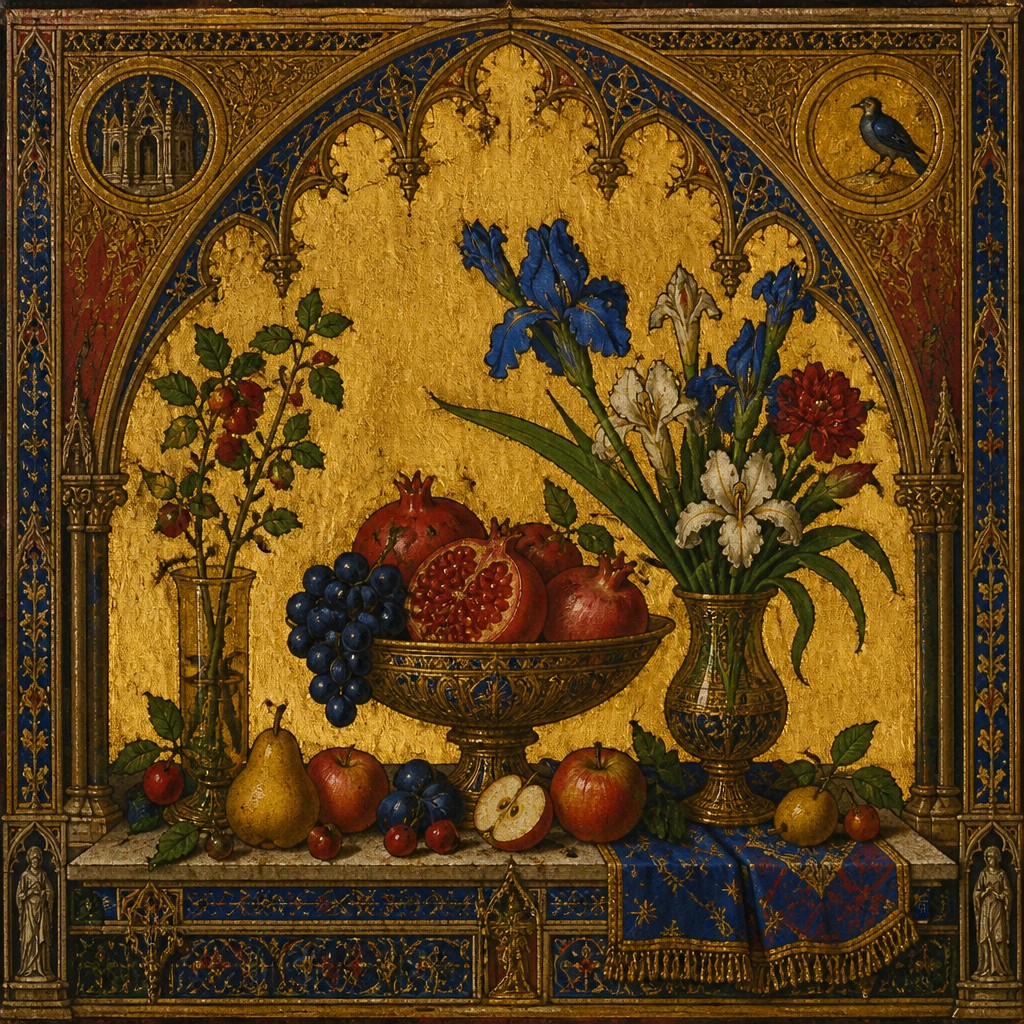
Rich jewel tones
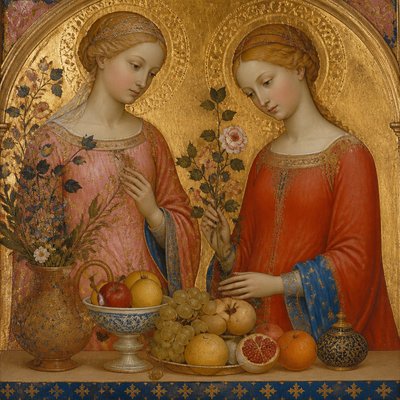
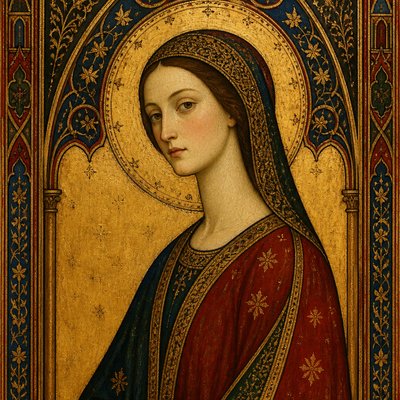
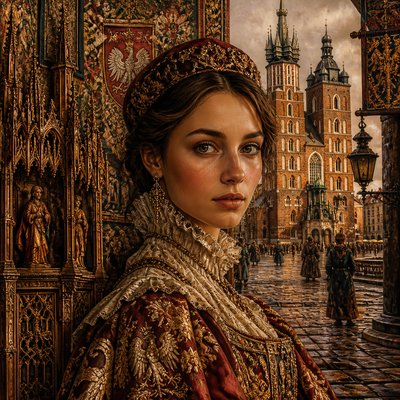
Deep crimson, ultramarine, emerald, and other saturated colors are used for robes, halos, and ornament. The palette contributes to the style’s luminous, precious quality.
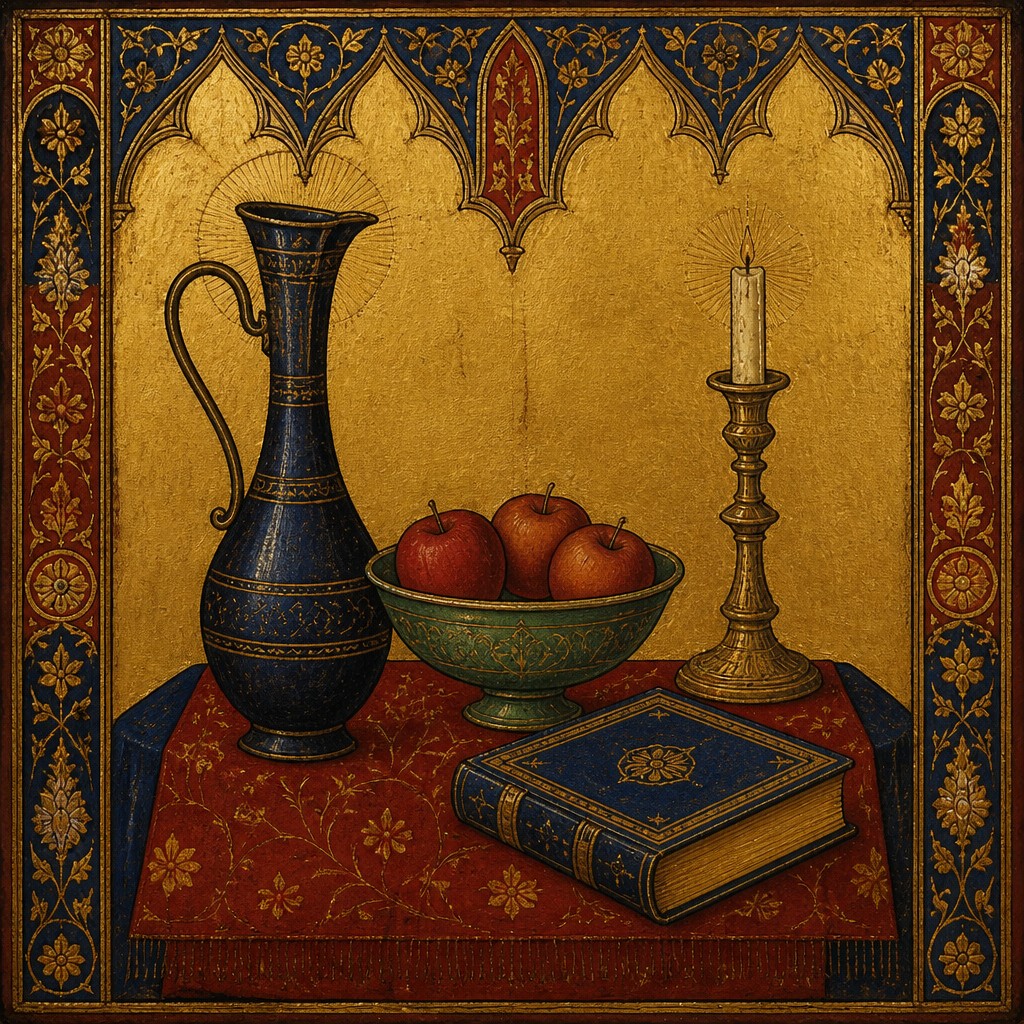
Ornamented borders and tracery
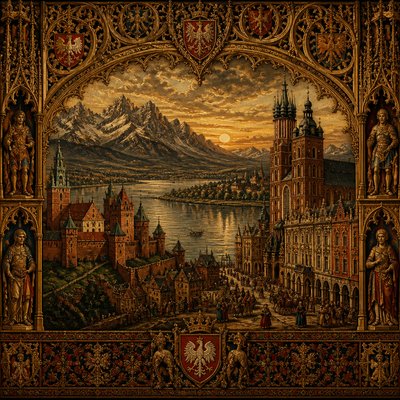
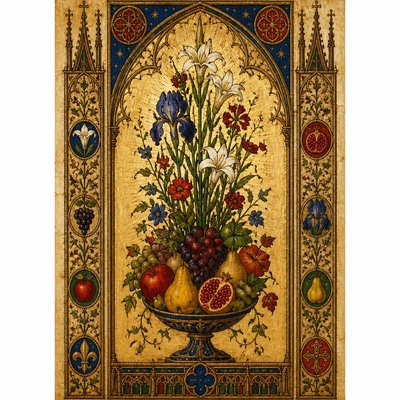
Architectural frames, patterned grounds, filigree, and Gothic arches frequently organize the image. Decorative structure helps integrate the composition with the visual language of cathedrals and manuscripts.
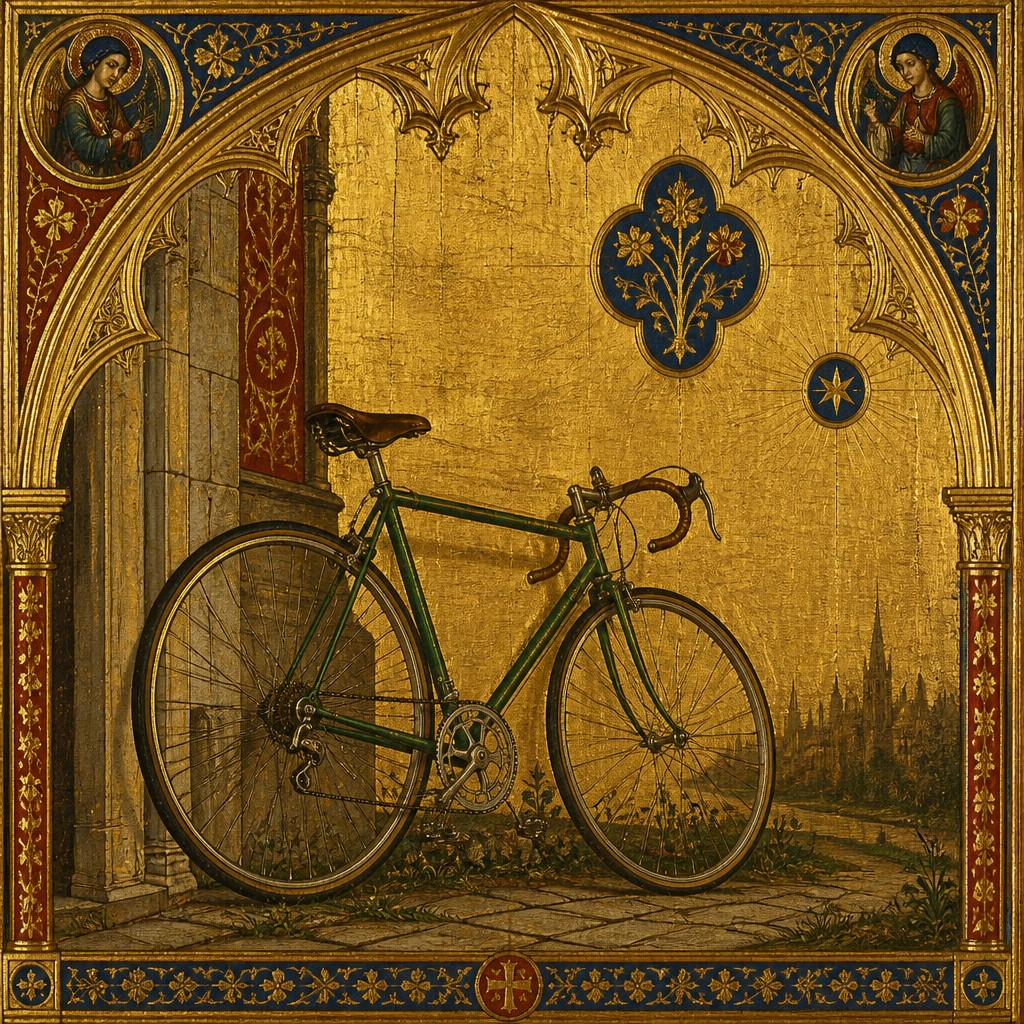
Spiritual symbolism and radiant halos
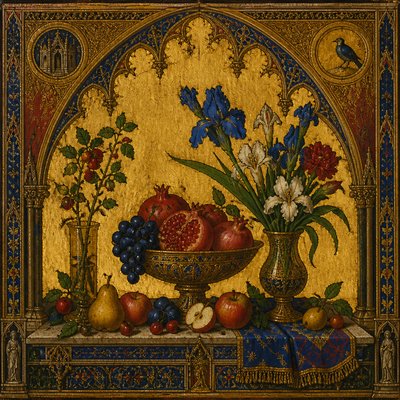
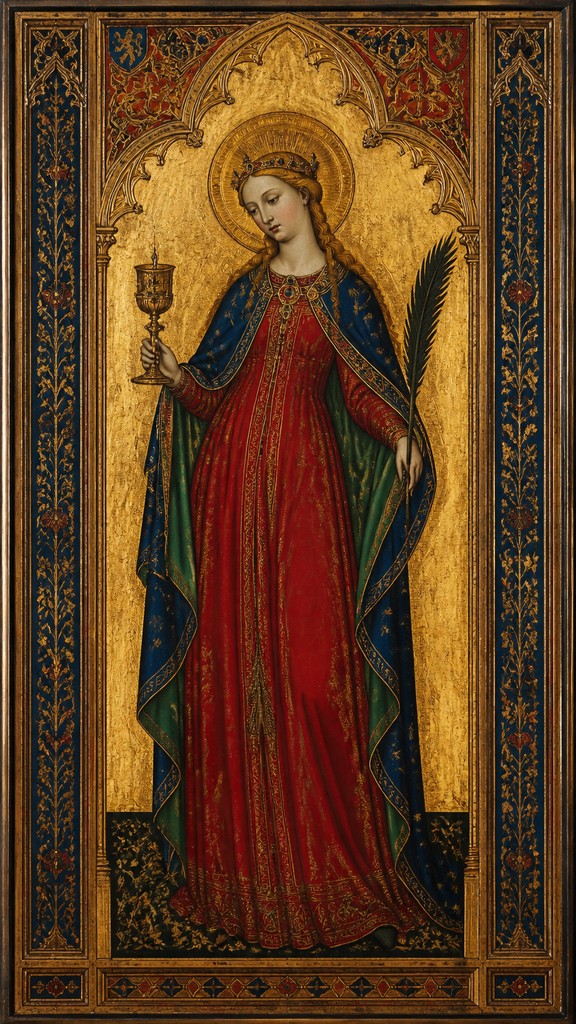
Objects, poses, and colors often carry theological meaning rather than literal description. Halos, stars, lilies, crowns, lambs, and other motifs identify sacred figures and reinforce devotional interpretation.
Try It
Create Videos in Gothic Art Style
Styles aren't just for stills — describe a scene or animate an image and get a short video rendered in Gothic. Press play to see this pond come to life.
Make a VideoGothic Prompt Ideas
Start from an idea — each one opens the generator with the style ready to go. See all 40 Gothic prompts →
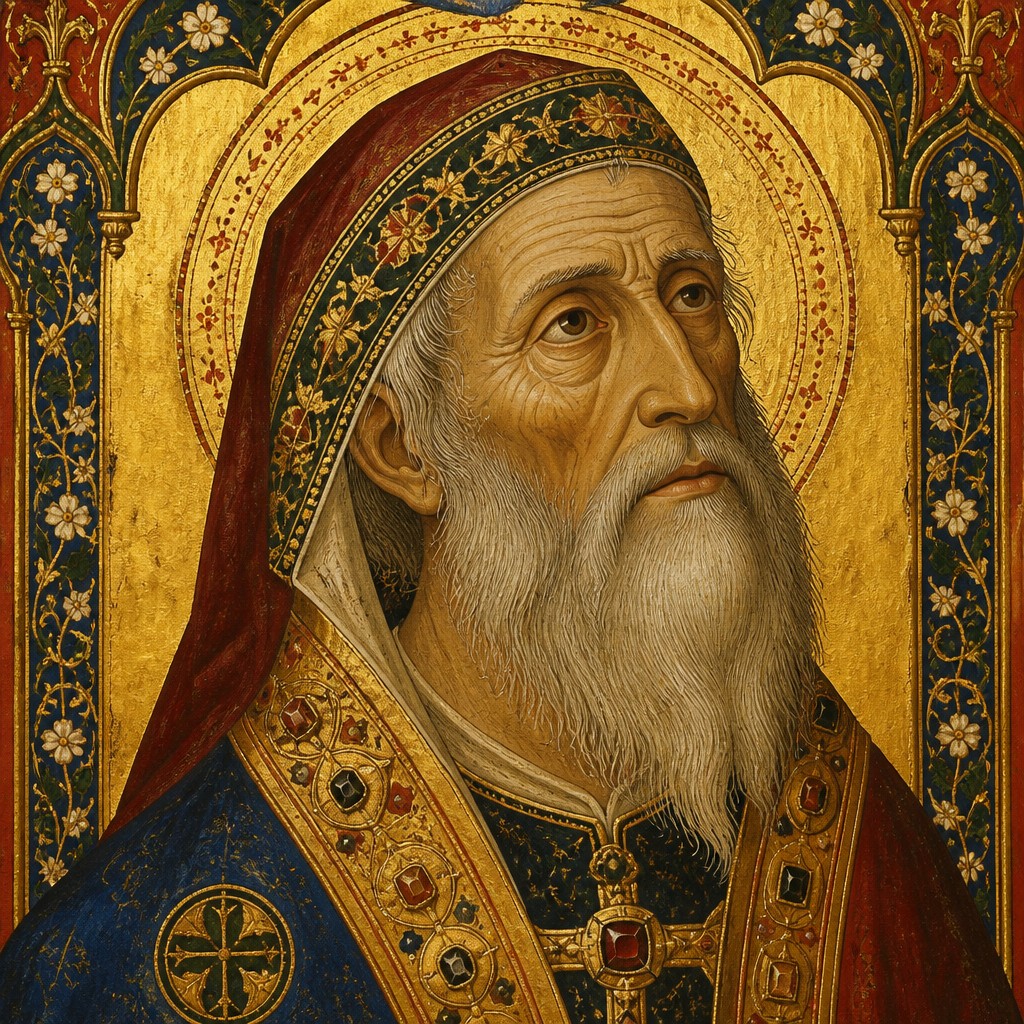
“close-up portrait of an elderly person with expressive weathered features”
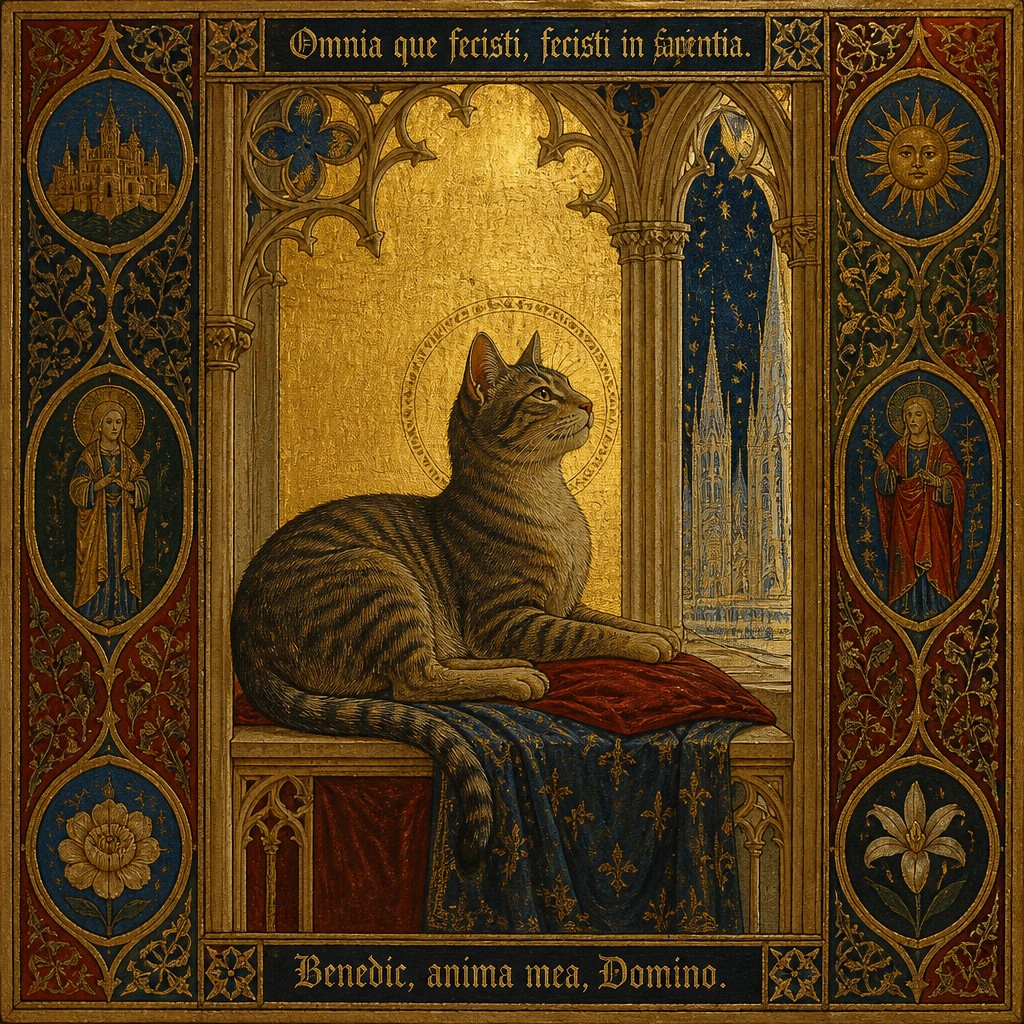
“a cat lounging in a sunlit window”
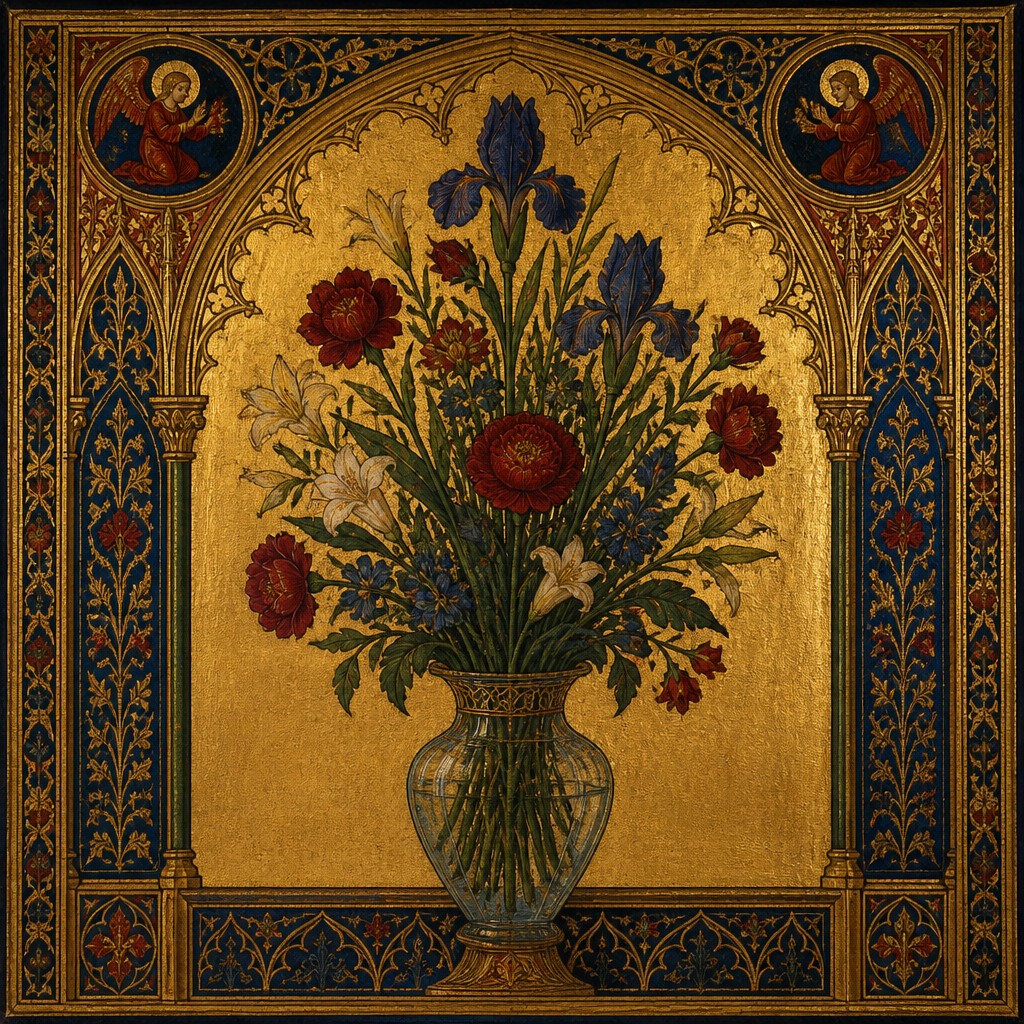
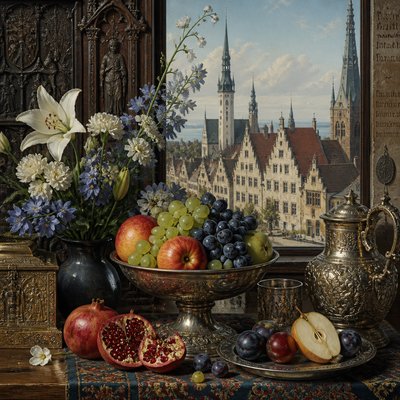
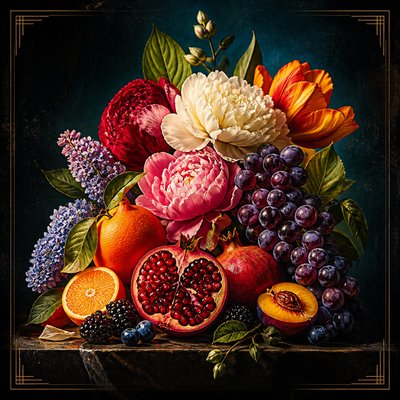
“bouquet of flowers in a glass vase”
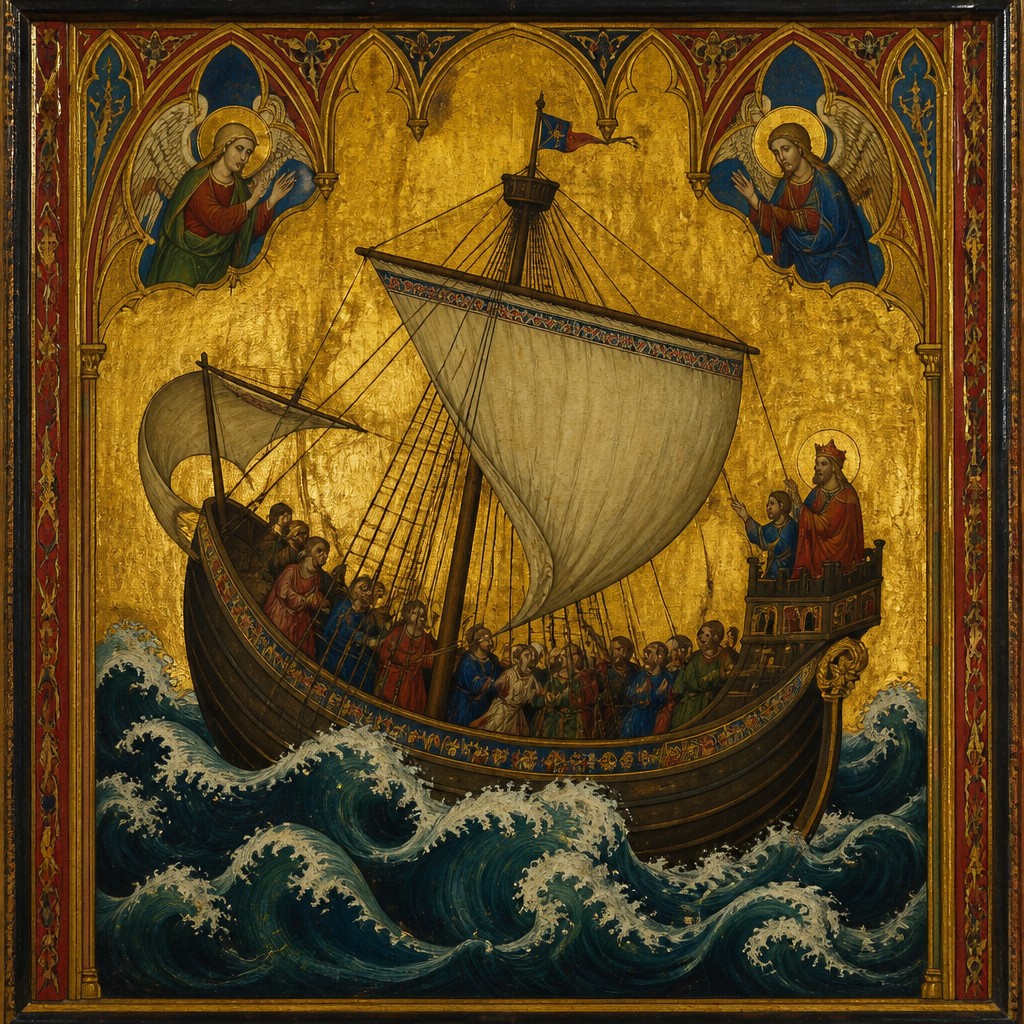
“sailing ship on a stormy sea”
How to Create Gothic Art
Master the craft step by step — or skip straight to creating. Read the full guide →
- 1
Use a devotional composition
Plan the image around a clear sacred or ceremonial focal point, with the most important figure placed centrally or enlarged by hierarchy. Avoid busy atmospheric depth; instead, arrange forms so the scene reads clearly and symbolically.
- 2
Choose medieval materials and handling
For traditional work, imitate egg tempera on panel with fine brushwork, opaque color layers, and a smooth surface. Add gold leaf or a gold-textured ground, then finish with decorative linework, halos, and patterned borders.
- 3
Simplify perspective intentionally
Use flattened space, tilted ground planes, or shallow interiors rather than Renaissance vanishing-point realism. If you include architecture, let arches, screens, or tracery frame the figures instead of dominating them.
- 4
Prioritize line, pattern, and color harmony
Outline forms crisply and use repeating motifs in fabric, background, and ornament. Build a palette around saturated reds, blues, greens, and gold, keeping shadows restrained and stylized.
- 5
Prompt for symbolic clarity
When generating digitally or with a text prompt, specify elongated figures, gold-leaf background, halo, tempera texture, medieval panel painting, and illuminated manuscript detail. Ask for solemn, transcendent mood and omit modern realism cues such as photographic lighting or cinematic depth.
- 6
Add period-specific details
Include Gothic arches, floral tracery, jeweled crowns, manuscript filigree, altar-like framing, or saintly attributes to anchor the image in the medieval visual tradition. These details help the result read as historically grounded rather than generic fantasy.
The Story
History & Origins of Gothic
Gothic art developed in medieval Europe after Romanesque art, beginning in northern France and spreading across much of Western Europe. The term “Gothic” was coined later, during the Renaissance, and was originally meant as a pejorative label; today it refers to a broad medieval style rather than a single unified movement. In painting, its development is closely tied to the rise of cathedral culture, manuscript illumination, and devotional panel painting, especially in France, Italy, England, Germany, and the Low Countries.
Its aesthetic lineage extends from Byzantine icon painting, medieval manuscript traditions, and Romanesque church art, with regional variation shaping different schools. Italian early medieval and early Gothic painters helped move Gothic painting toward greater spatial coherence and human presence while retaining its devotional structure; in northern Europe, richly detailed international Gothic court style continued to favor ornament, elegance, and luminous surfaces. The style gradually gave way to early Renaissance naturalism, but its symbolic clarity and decorative refinement remained influential in later religious and revival styles.
Influences: This style draws from Byzantine icon painting, Romanesque church art, medieval manuscript illumination, and the decorative vocabulary of Gothic cathedral design. In Italy, canonical early medieval and early Gothic painters were central to its history; in the North, the International Gothic court style developed a more elegant, ornamental version of the same medieval visual ideals. Later medieval revival and neo-Gothic traditions also echoed its arches, gold grounds, and spiritual symbolism.

Frequently Asked Questions
What defines Gothic art style visually?
Gothic art is defined by elongated figures, gold backgrounds, symbolic detail, and a flattened, hierarchical image space. It often looks devotional and ceremonial rather than realistic, with crisp outlines, rich color, and ornate framing.
Is Gothic art the same as Gothic architecture?
No. Gothic art is a broad medieval visual style found in painting, manuscripts, stained glass, and sculpture, while Gothic architecture refers to cathedrals and structural design. They are related historically and visually, but they are not the same discipline.
How is Gothic art different from Renaissance art?
Gothic art emphasizes symbolism, sacred meaning, and decorative surface, while Renaissance art moves toward naturalistic anatomy, perspective, and realistic light. Gothic figures often appear more elongated and hieratic, whereas Renaissance figures are generally more grounded in physical space.
What media are most associated with this style?
Illuminated manuscripts, egg tempera panel painting, stained glass, and religious sculpture are the classic media. The style’s gold surfaces and precise linework are especially suited to manuscript pages and devotional panels.
How can I make an image in this style?
Focus on sacred subject matter, elegant elongation, gold leaf effects, and patterned ornament. Keep the composition clear and symbolic, and avoid modern realism, dramatic perspective, or photographic lighting unless you are intentionally blending styles.
Where was Gothic art used historically?
It was used in churches, cathedrals, monasteries, royal courts, and private devotional settings. Images often served teaching, worship, and status display, which is why clarity, symbolism, and precious materials were so important.
Create your first Gothic artwork
Describe anything — or upload a photo — and see it in Gothic Art Style in seconds.
Make Something with Gothic
Compare Gothic
Related Styles
Discover similar art styles