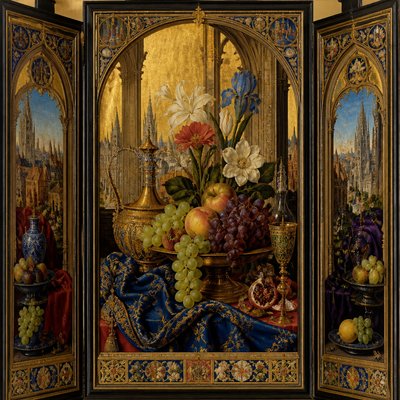
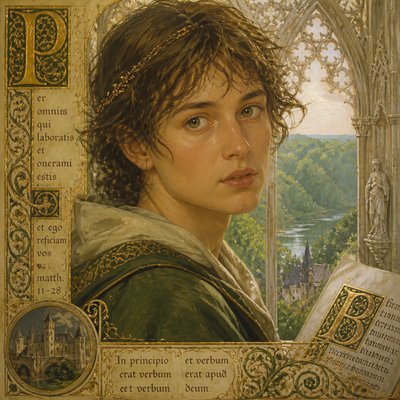
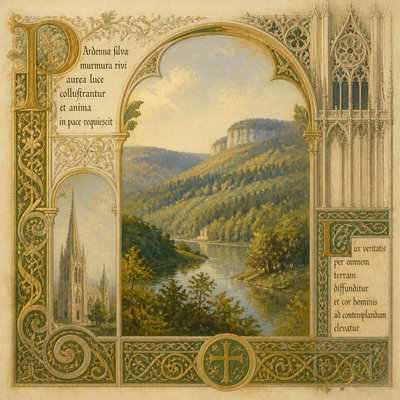
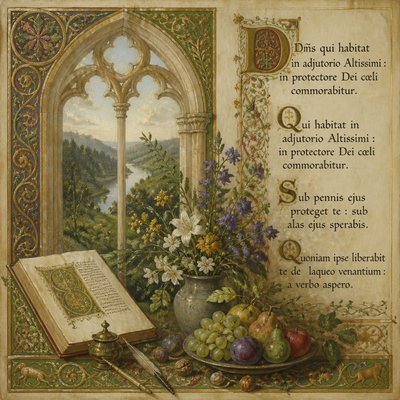
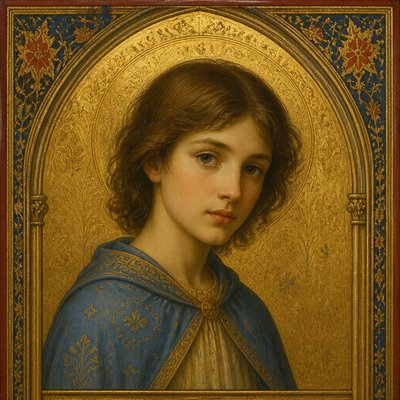
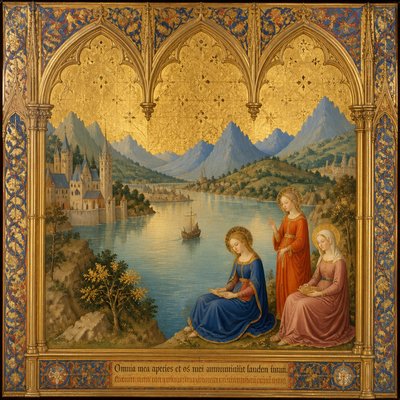
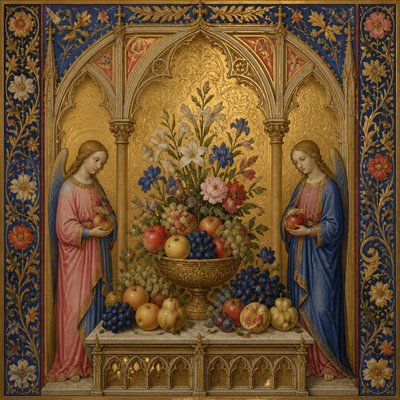
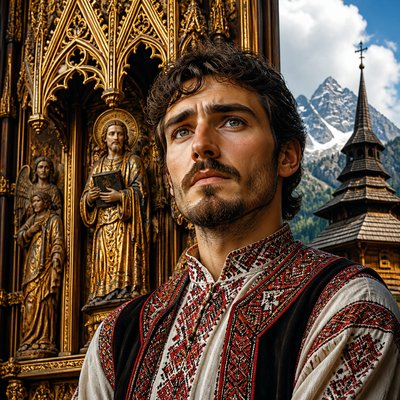
Gothic Horror Art
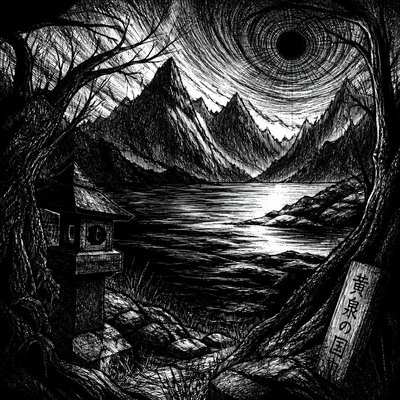
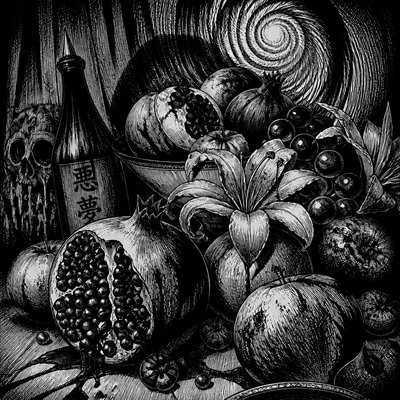
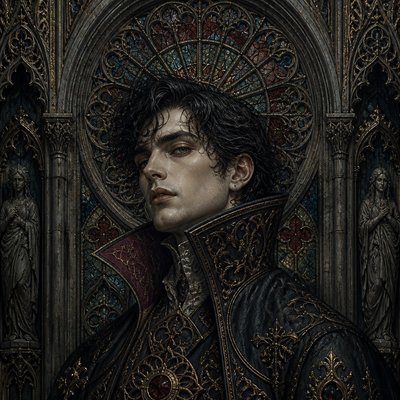
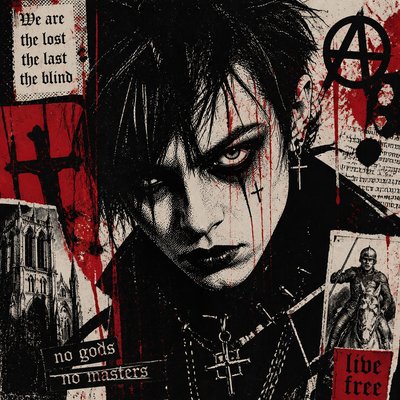
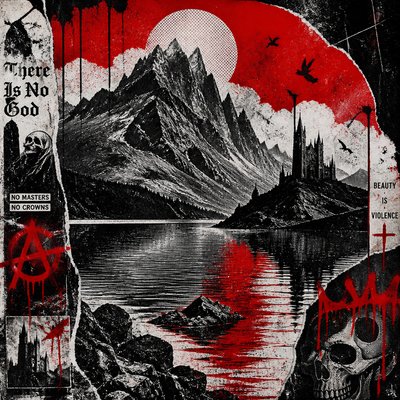
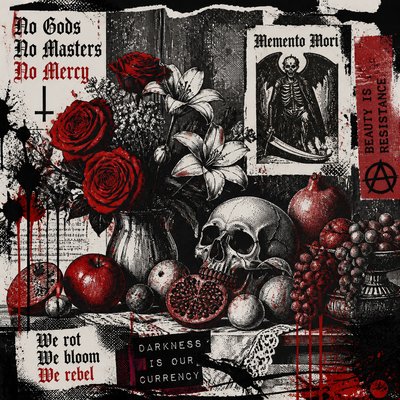
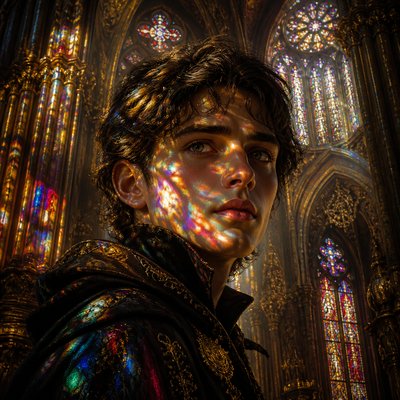
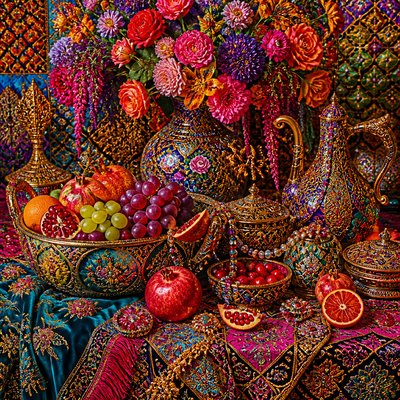
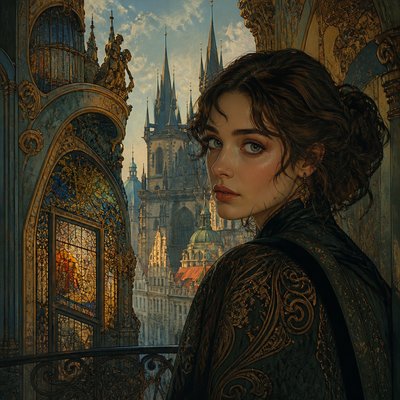
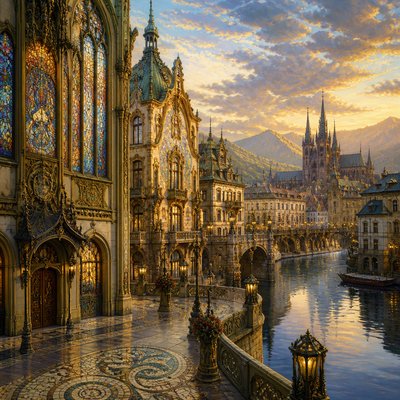
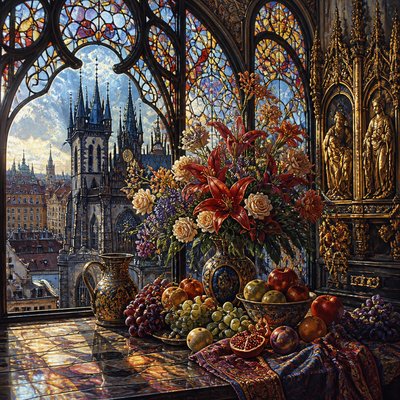
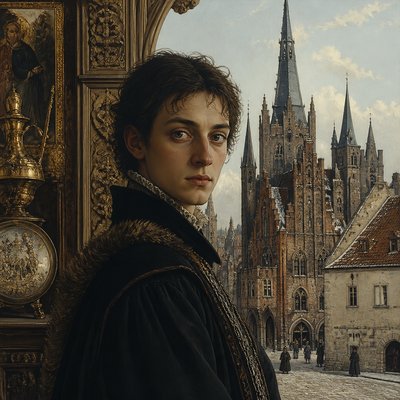
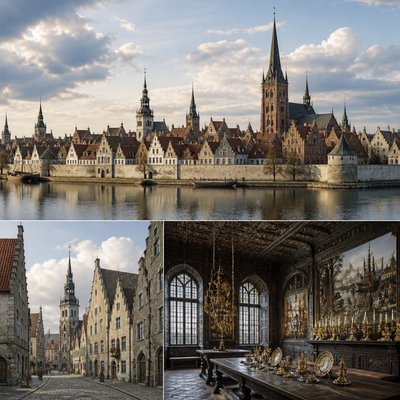
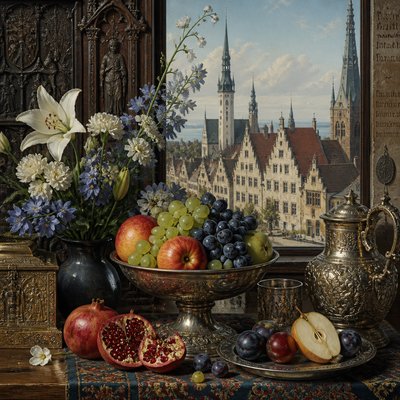
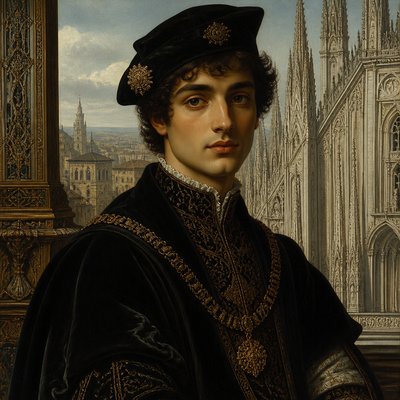
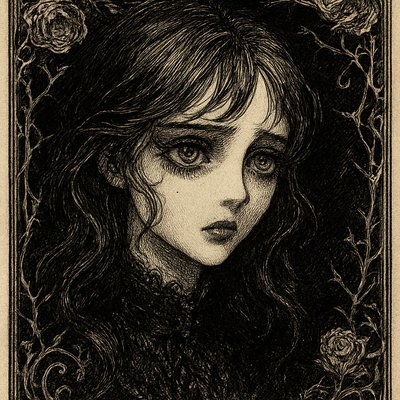
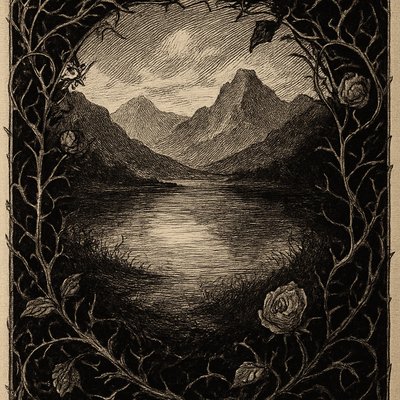
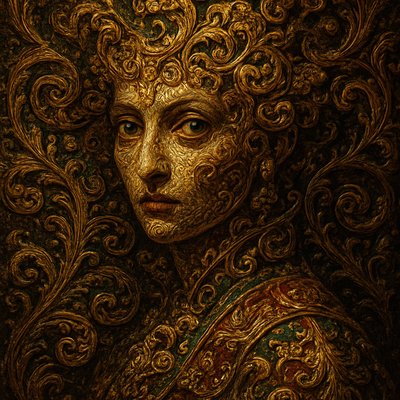
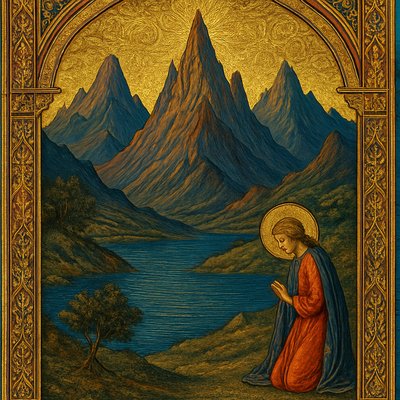
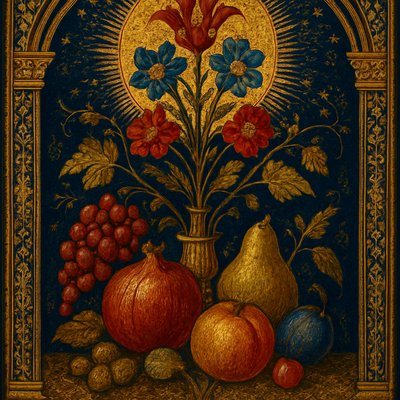
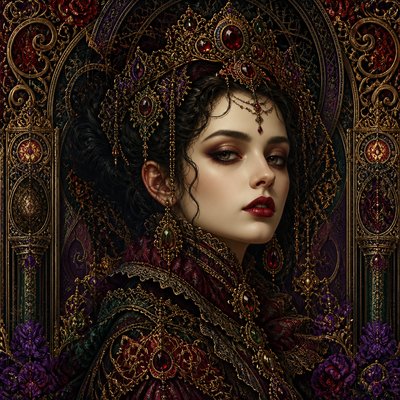
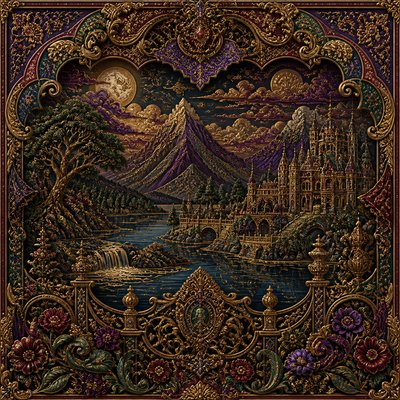
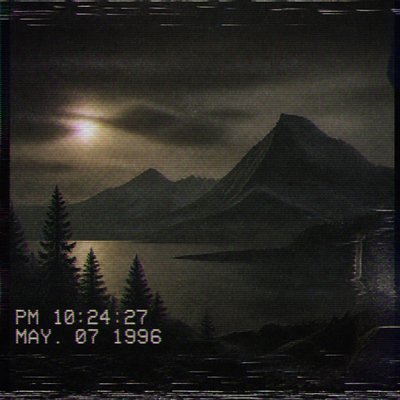
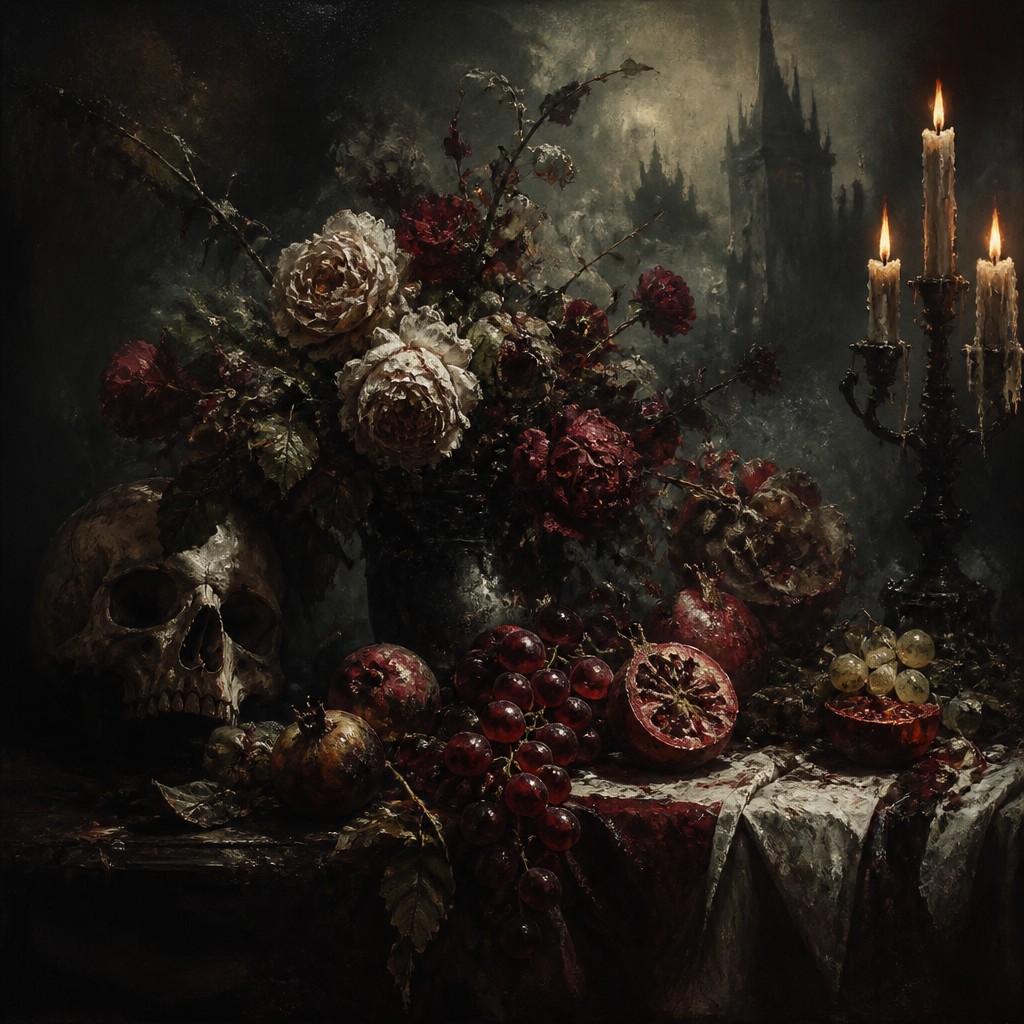
Dark romantic horror imagery with haunted settings, monsters, candlelight, fog, and ominous chiaroscuro.
Instantly rendered in Gothic Horror — or transform a photo
Gothic Horror Gallery
Tap any artwork to explore it
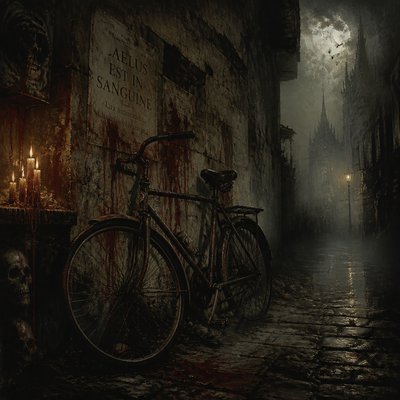
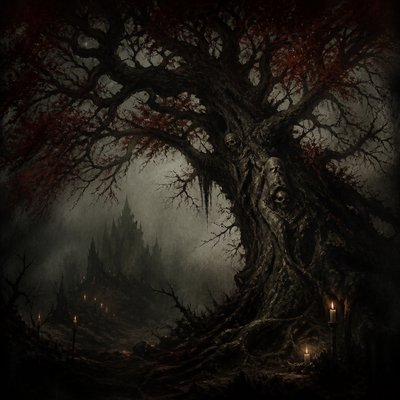
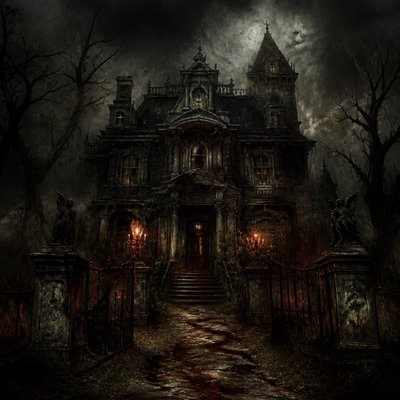
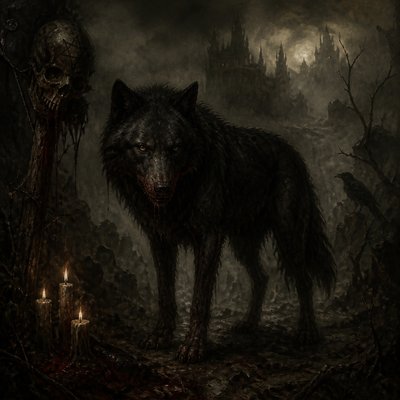
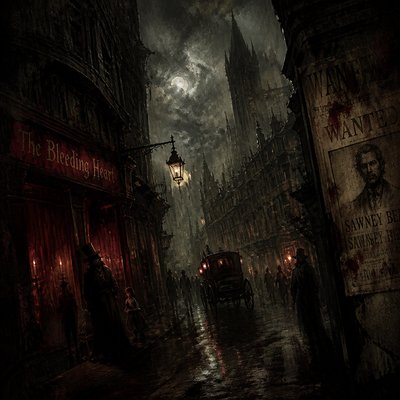
What is Gothic Horror Art?
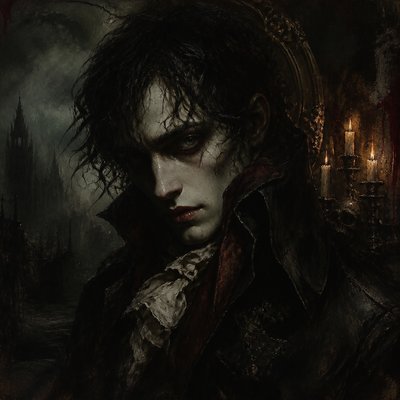
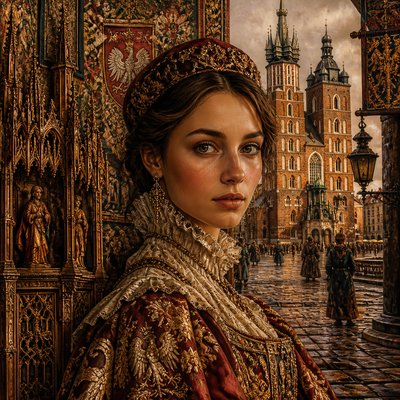
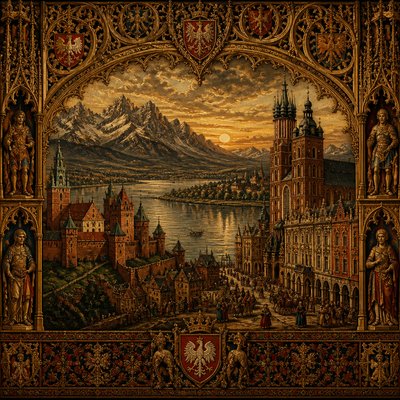
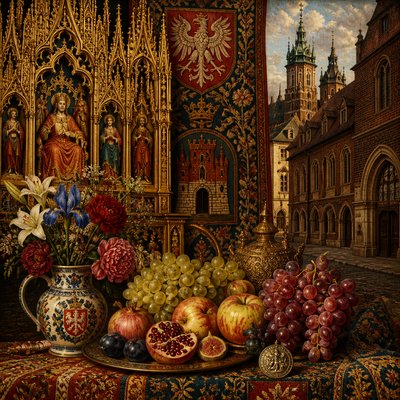
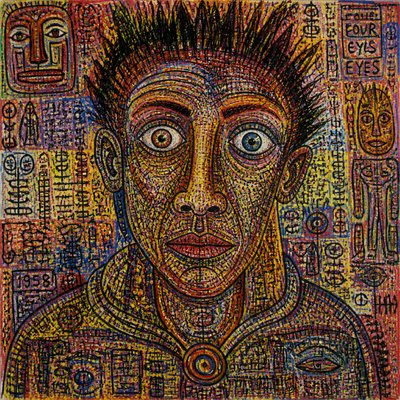
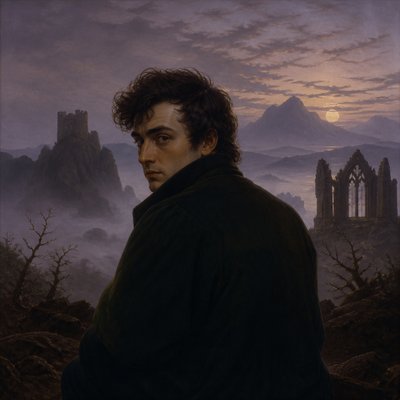
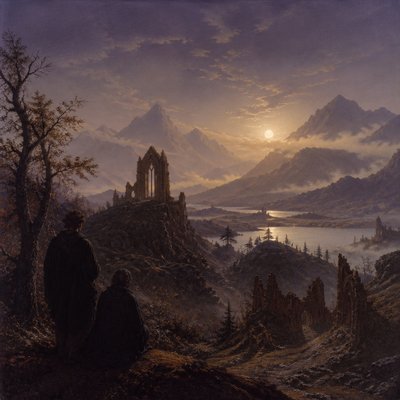
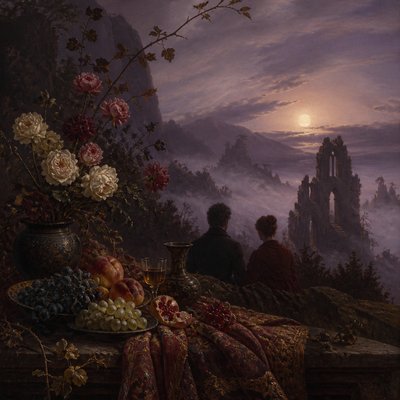
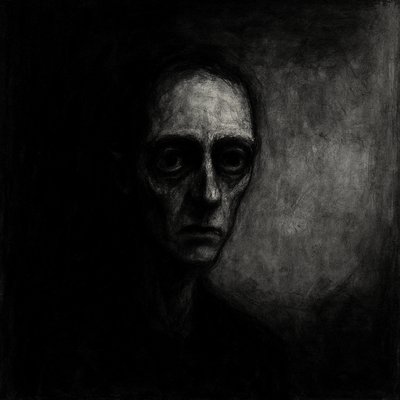
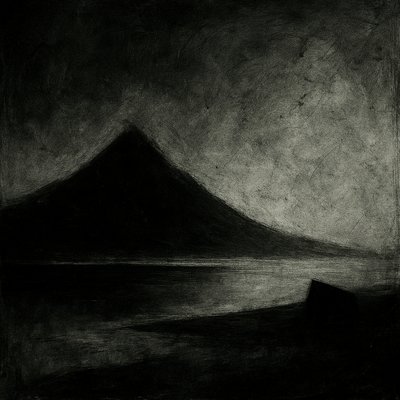
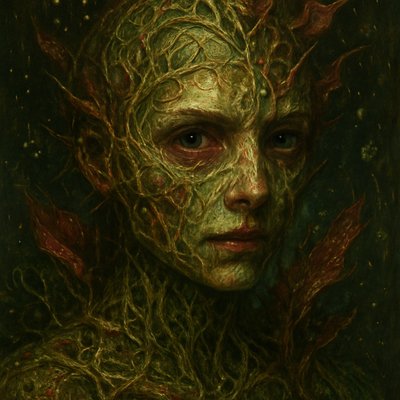
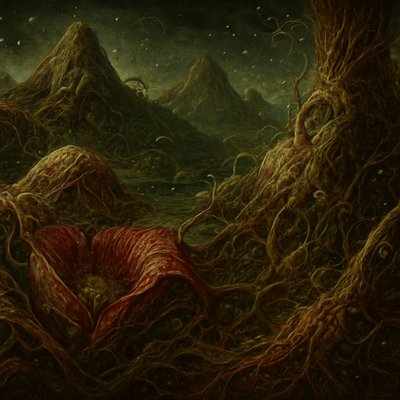
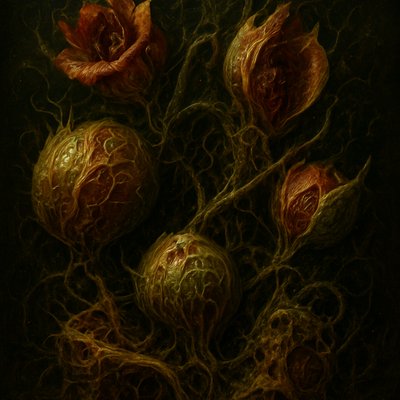
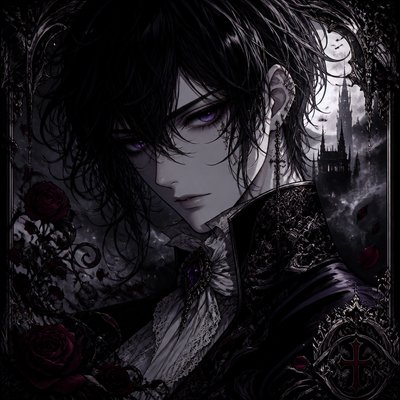
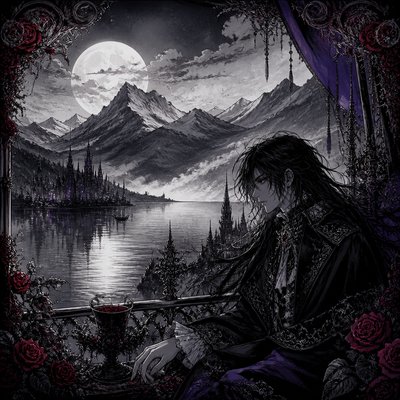
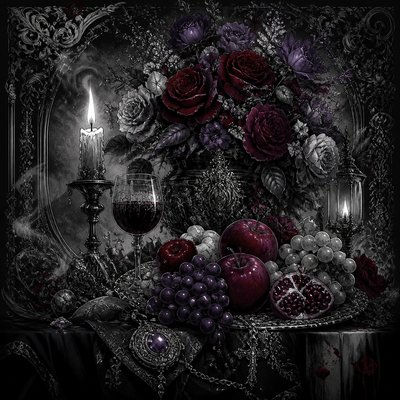
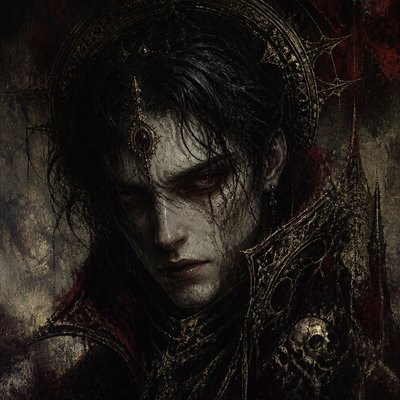
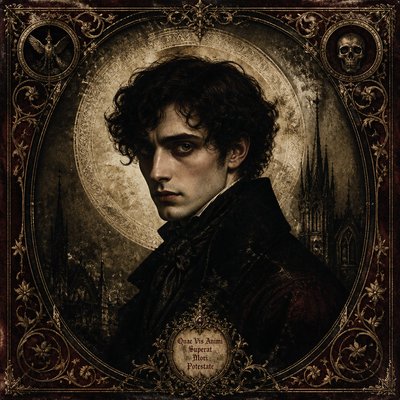
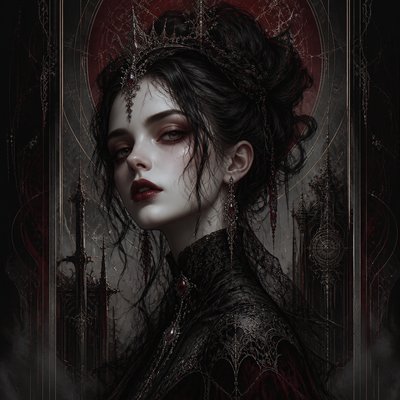
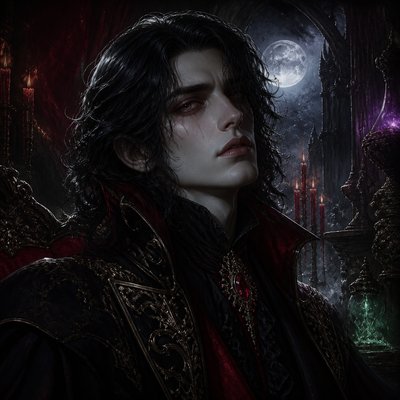
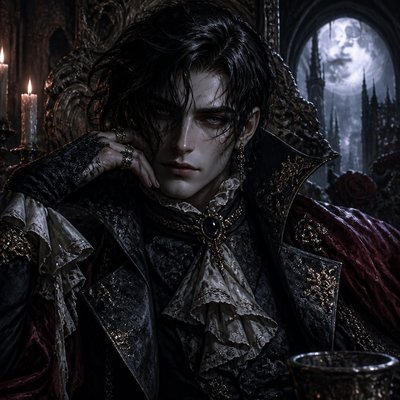
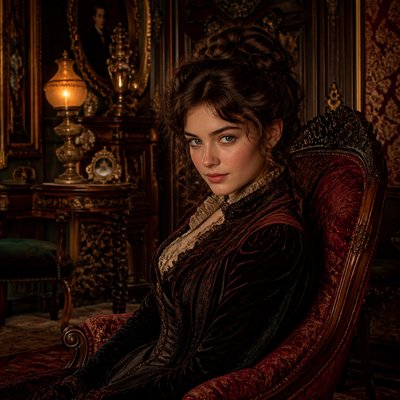
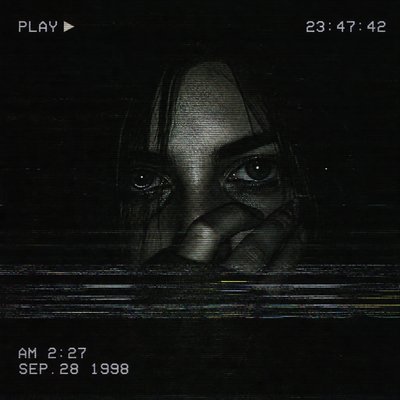
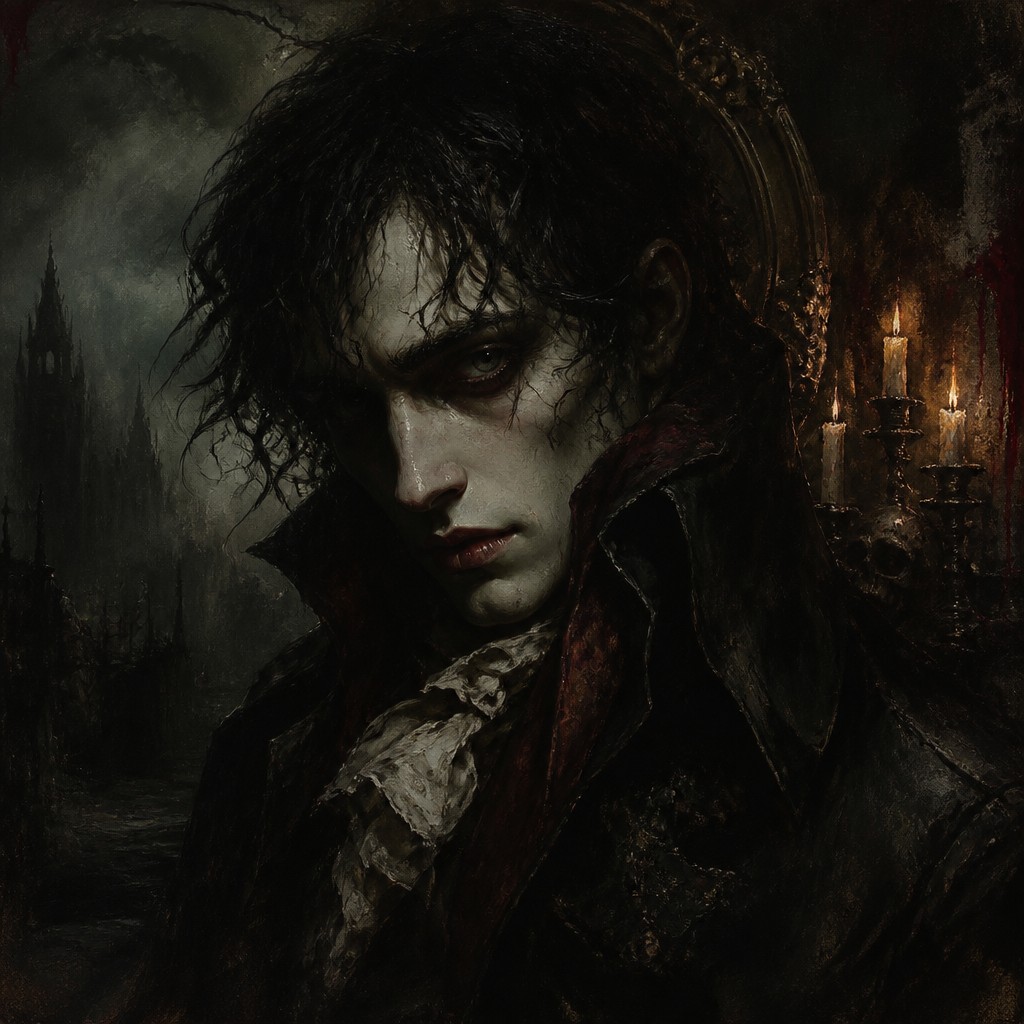
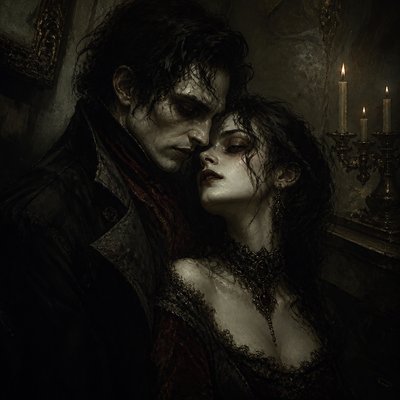
Gothic Horror Art is a dark visual style shaped by the imagery of Gothic literature and classic horror illustration. It favors haunted architecture, supernatural figures, ruined interiors, graveyards, and scenes of dread rendered with dramatic light and shadow. The mood is less about graphic shock than about suspense, melancholy, and the uncanny presence of something unearthly just beyond sight.
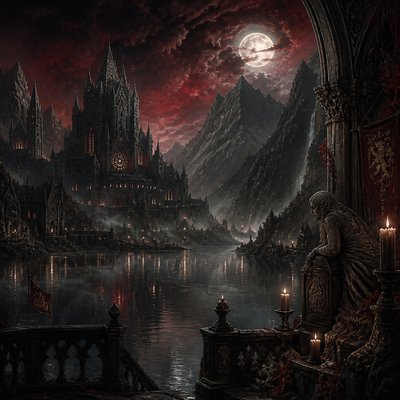
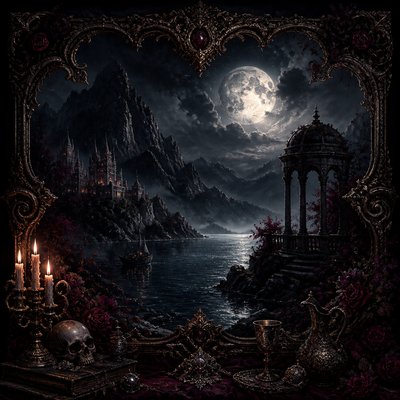
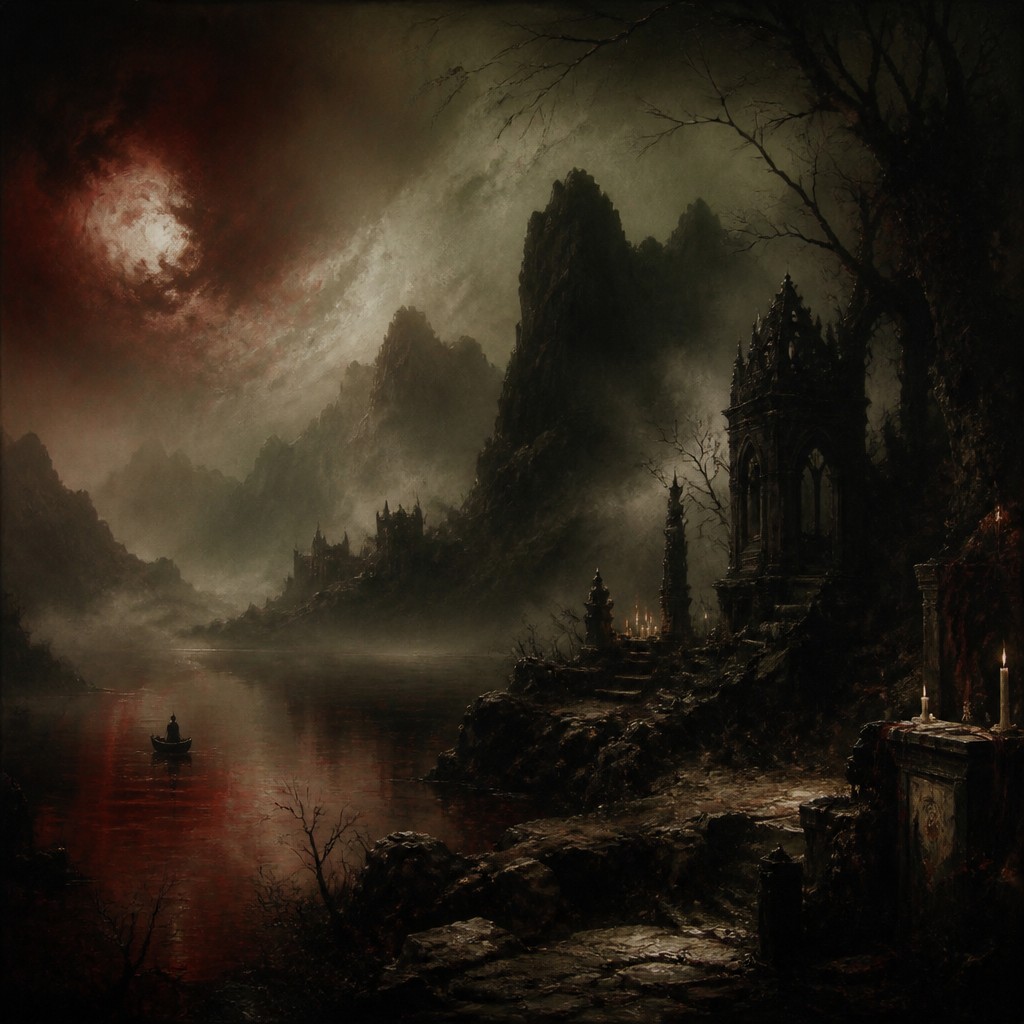
Its visual identity is built from oppressive chiaroscuro, fog that softens and obscures forms, and a limited palette of charcoal black, bone white, crimson, and decay green. Figures and buildings often feel slightly distorted or unstable, with diagonal compositions and elongated shadows intensifying unease. The result is a romanticized darkness: eerie, atmospheric, and psychologically tense rather than merely gory.
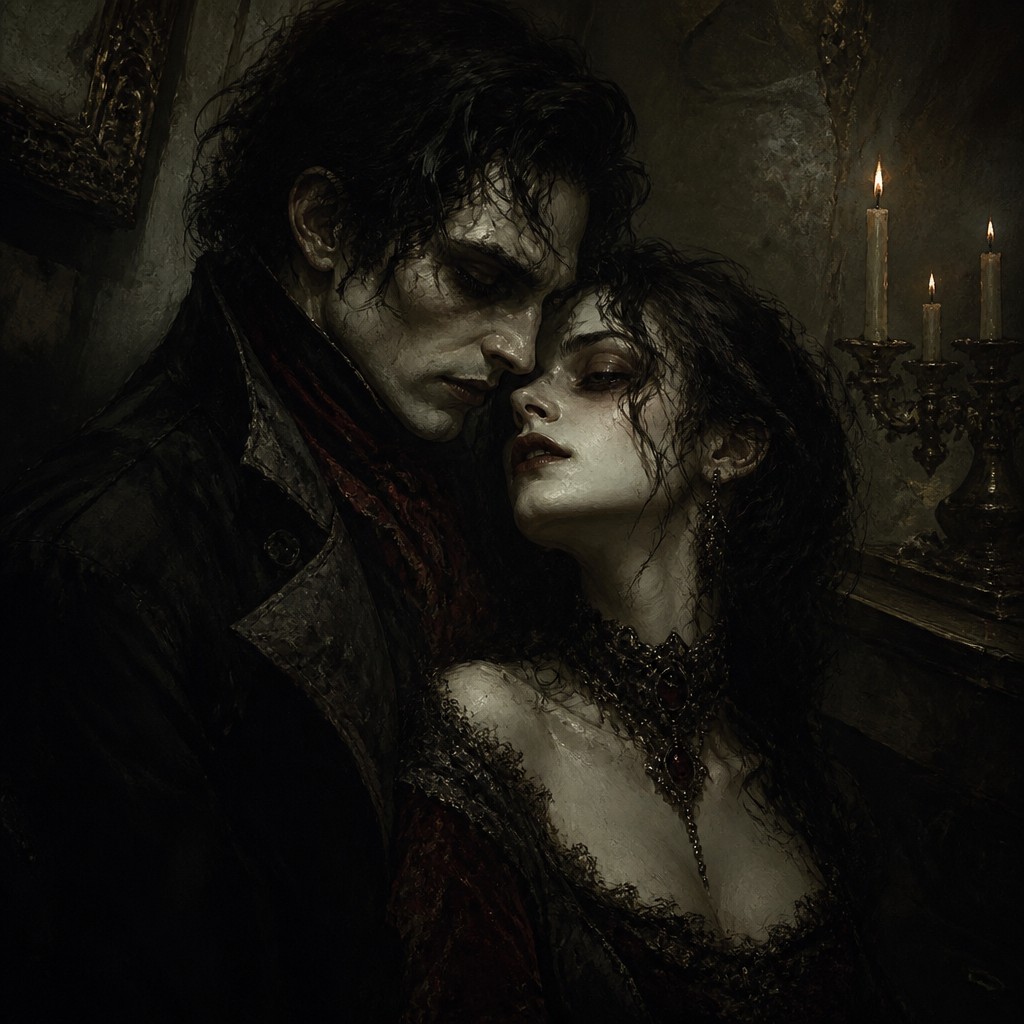
Try It On Your Photos
Upload any photo and convert it into Gothic Horror Art — drag the sliders to compare before and after.
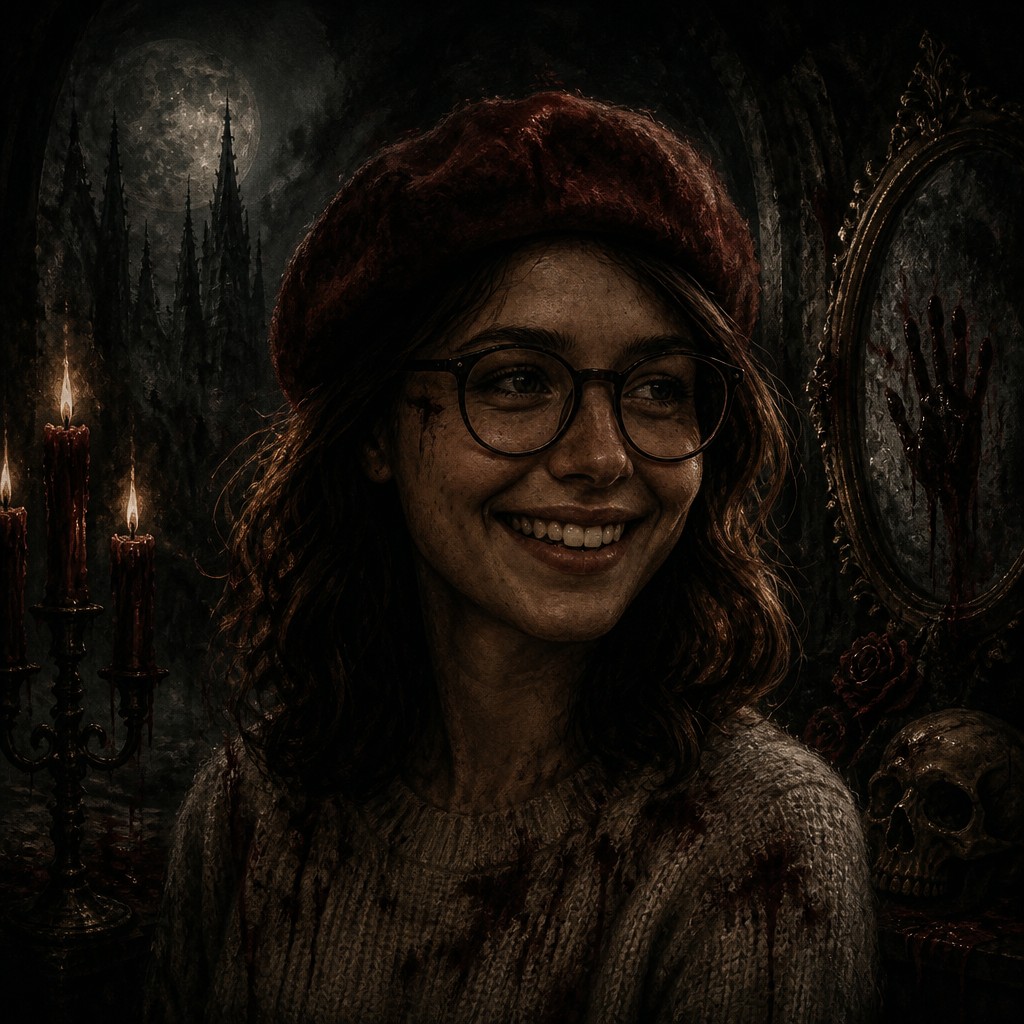

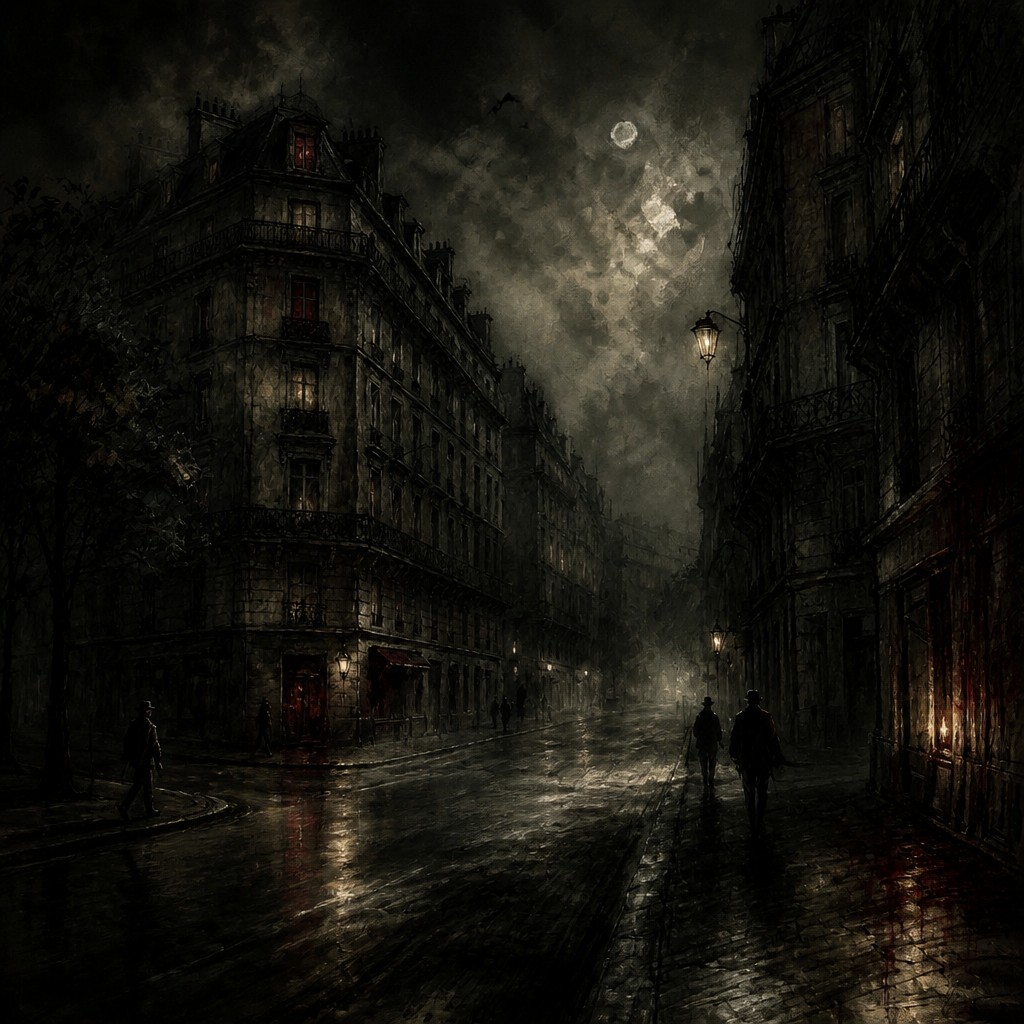

What Defines Gothic Horror Art
The signature details, up close
Chiaroscuro lighting
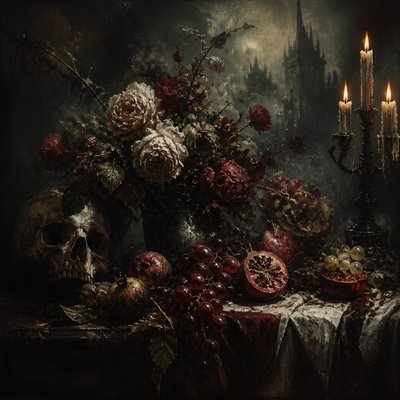
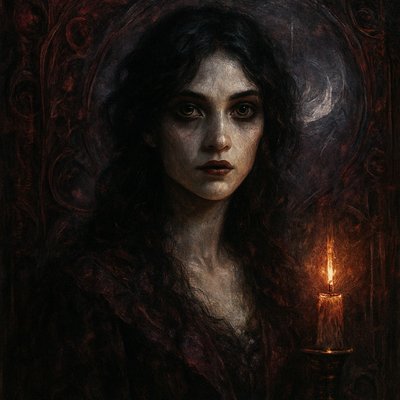
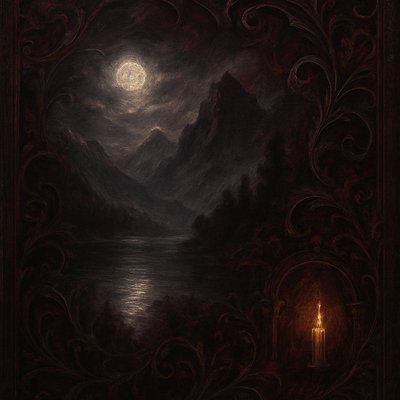
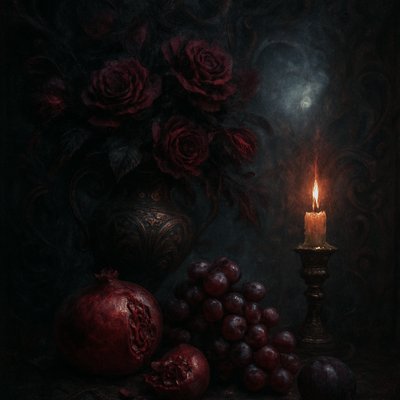
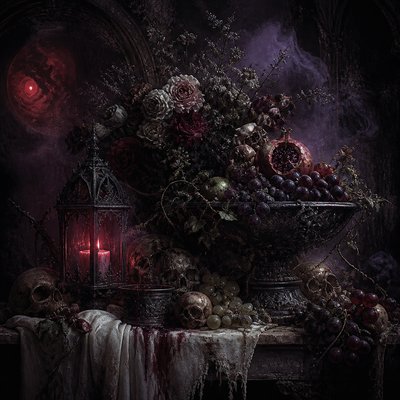
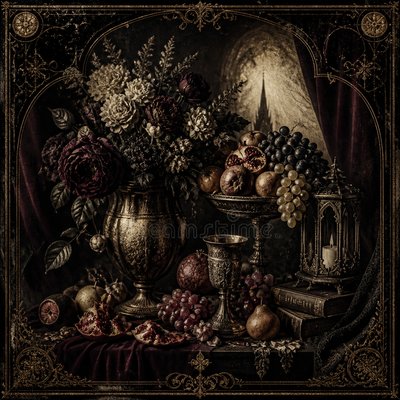
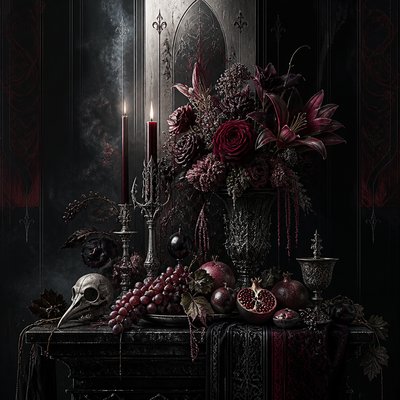
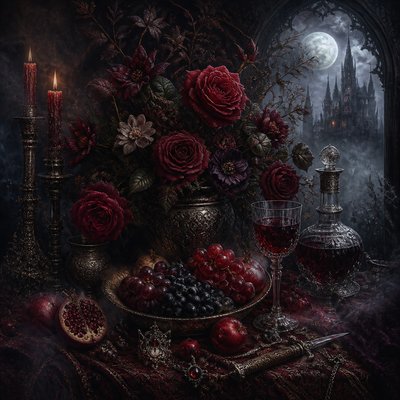
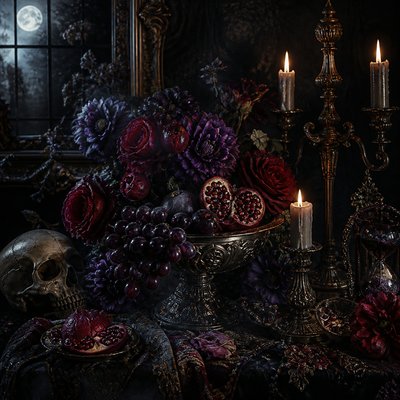
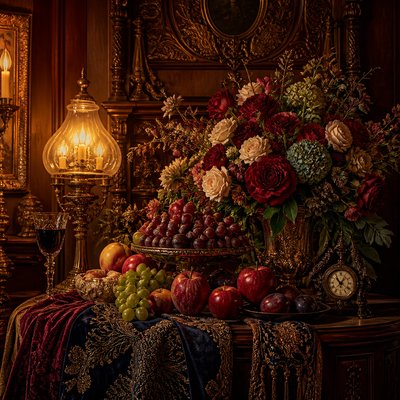
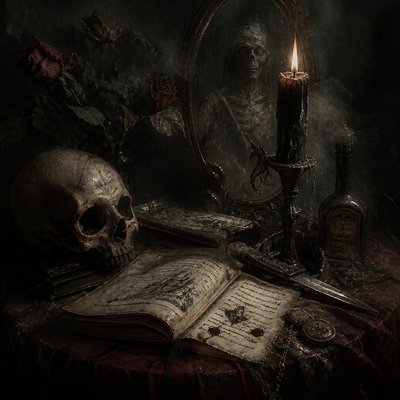
Strong contrasts between light and dark are central to the style. Candle flames, moonlight, or lantern glow carve out forms while the surrounding shadows swallow detail.
Haunted architecture
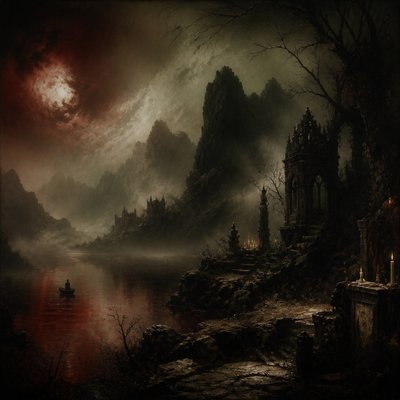
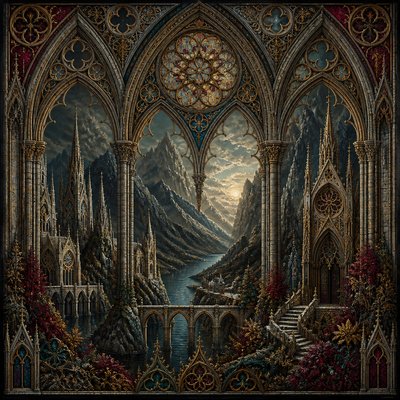
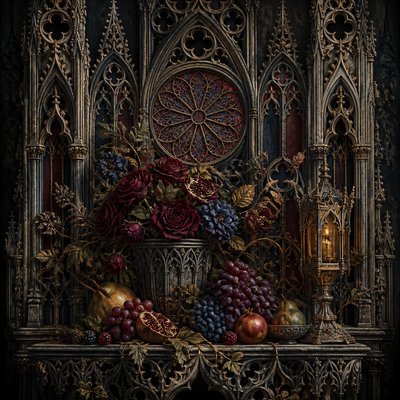
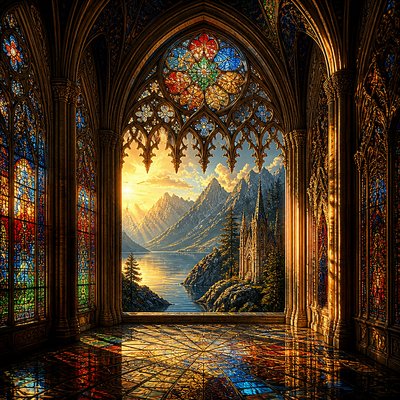
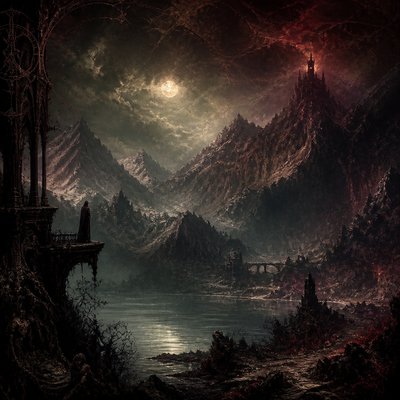
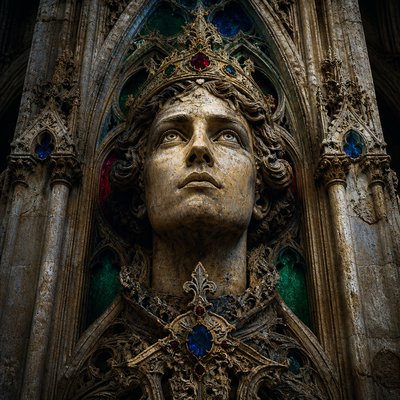
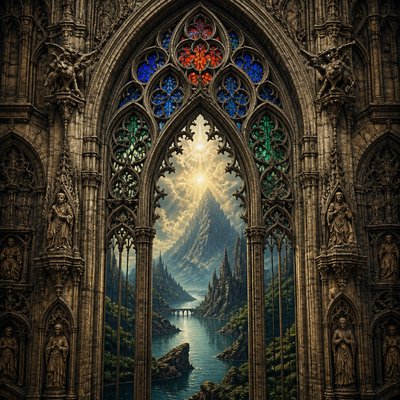
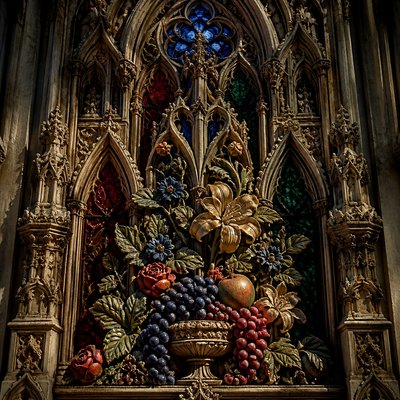
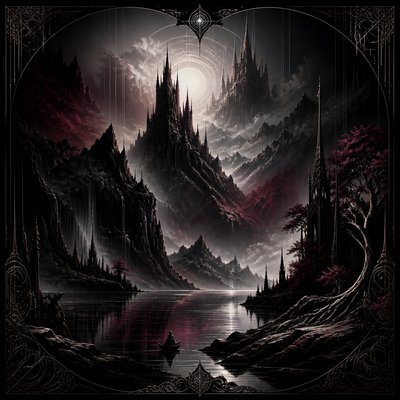
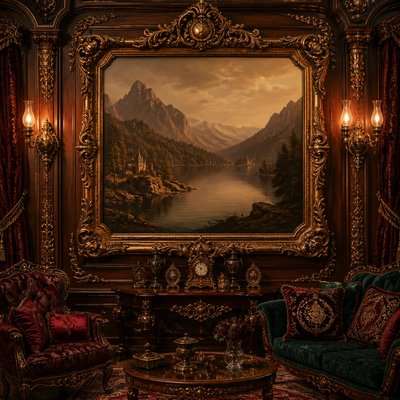
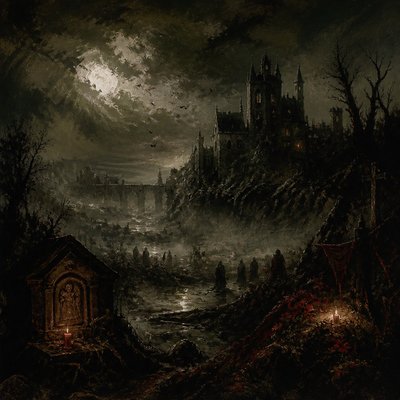
Castles, mansions, cathedrals, crypts, and ruined corridors appear frequently. These settings often have pointed arches, broken stone, damp walls, and an oppressive verticality.
Atmospheric fog and gloom
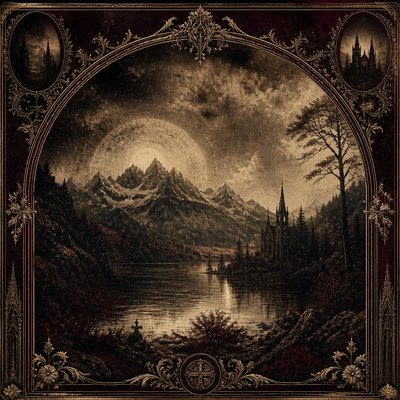
Mist, smoke, and haze blur edges and reduce visibility. This creates a sense of distance, concealment, and supernatural uncertainty.
Muted, decayed palette
The color range typically centers on blacks, grays, dirty whites, faded greens, and deep reds. Colors look stained, aged, or blood-worn rather than bright or clean.
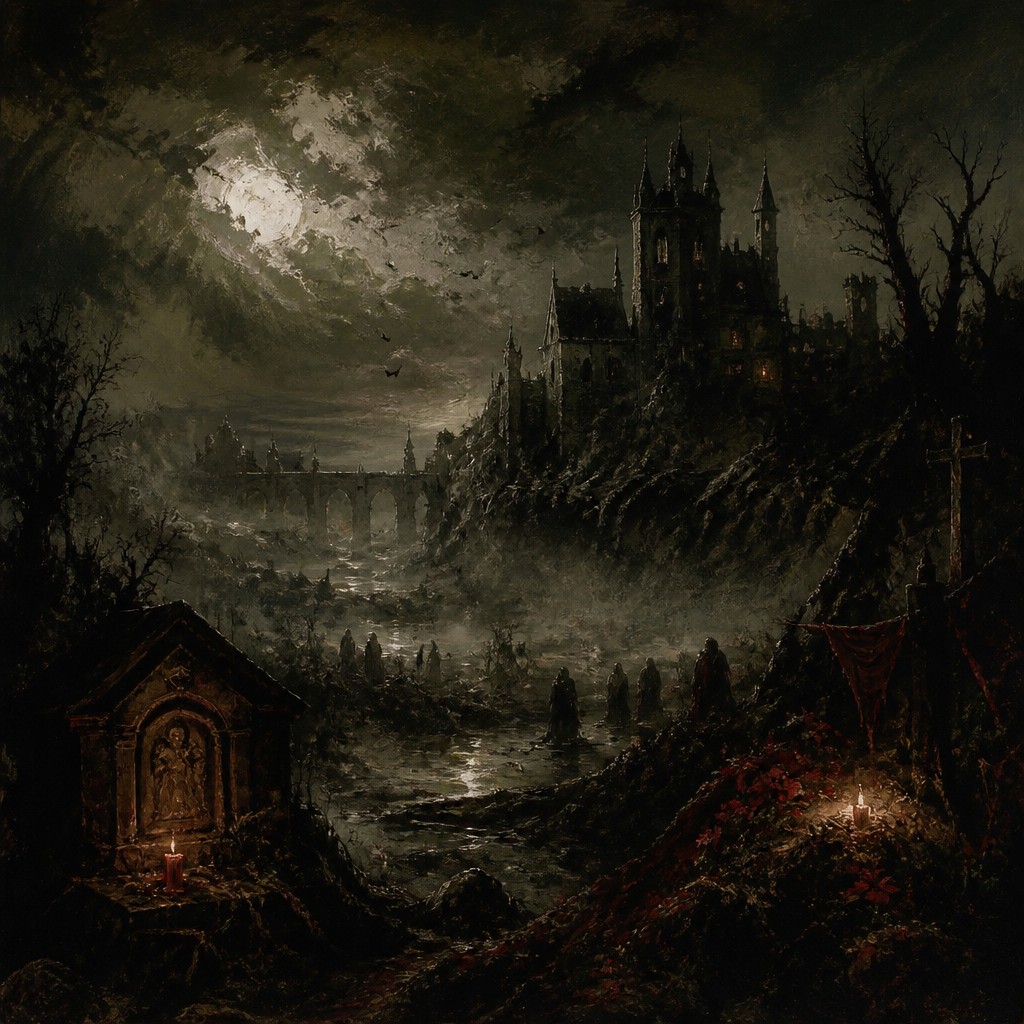
Distorted tension
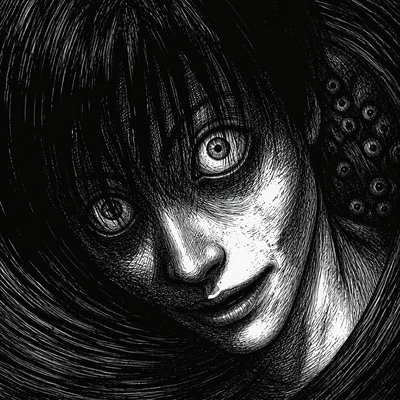
Compositions often lean into diagonals, skewed perspectives, and elongated forms. These distortions heighten unease and make the image feel unstable or haunted.
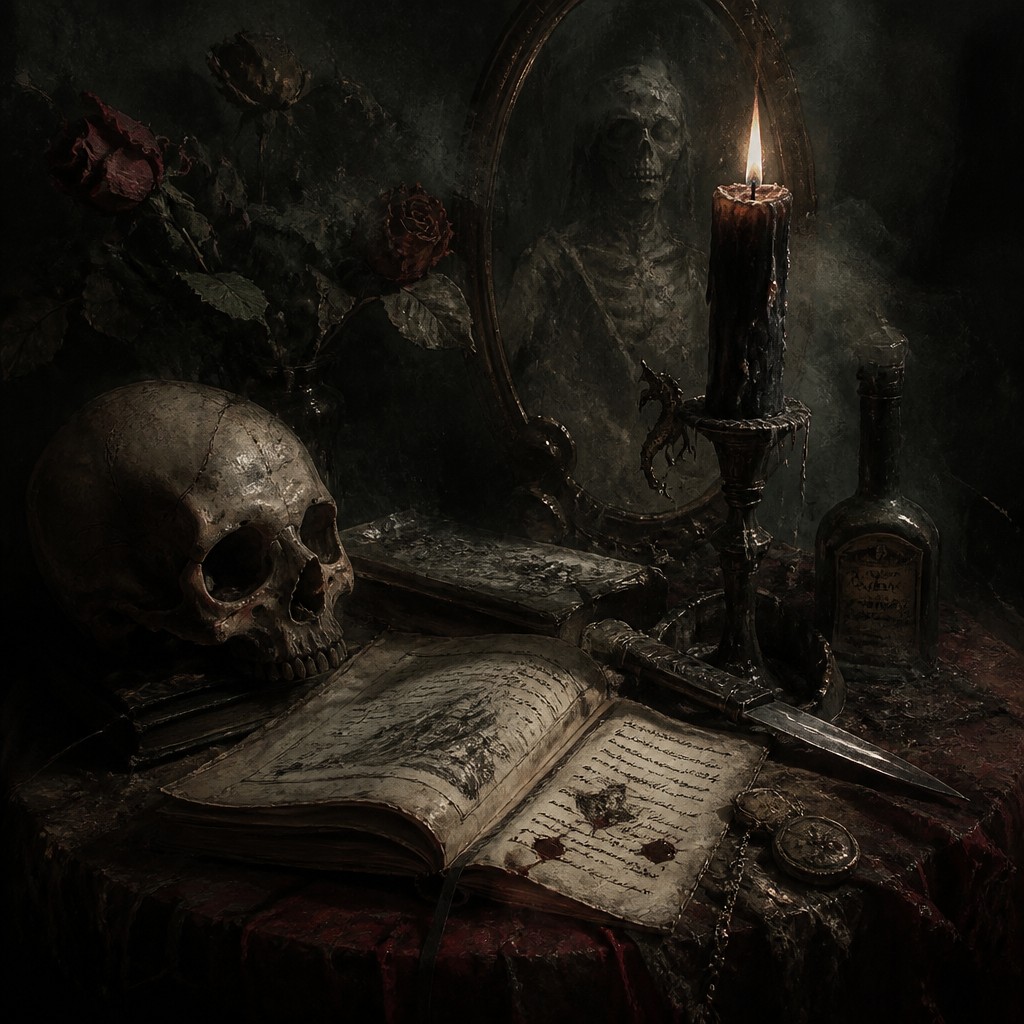
Expressive texture
Brushwork or rendering often emphasizes roughness, wear, smoke, stone, rot, and fabric age. Surfaces feel weathered and tactile, as though affected by time and decay.
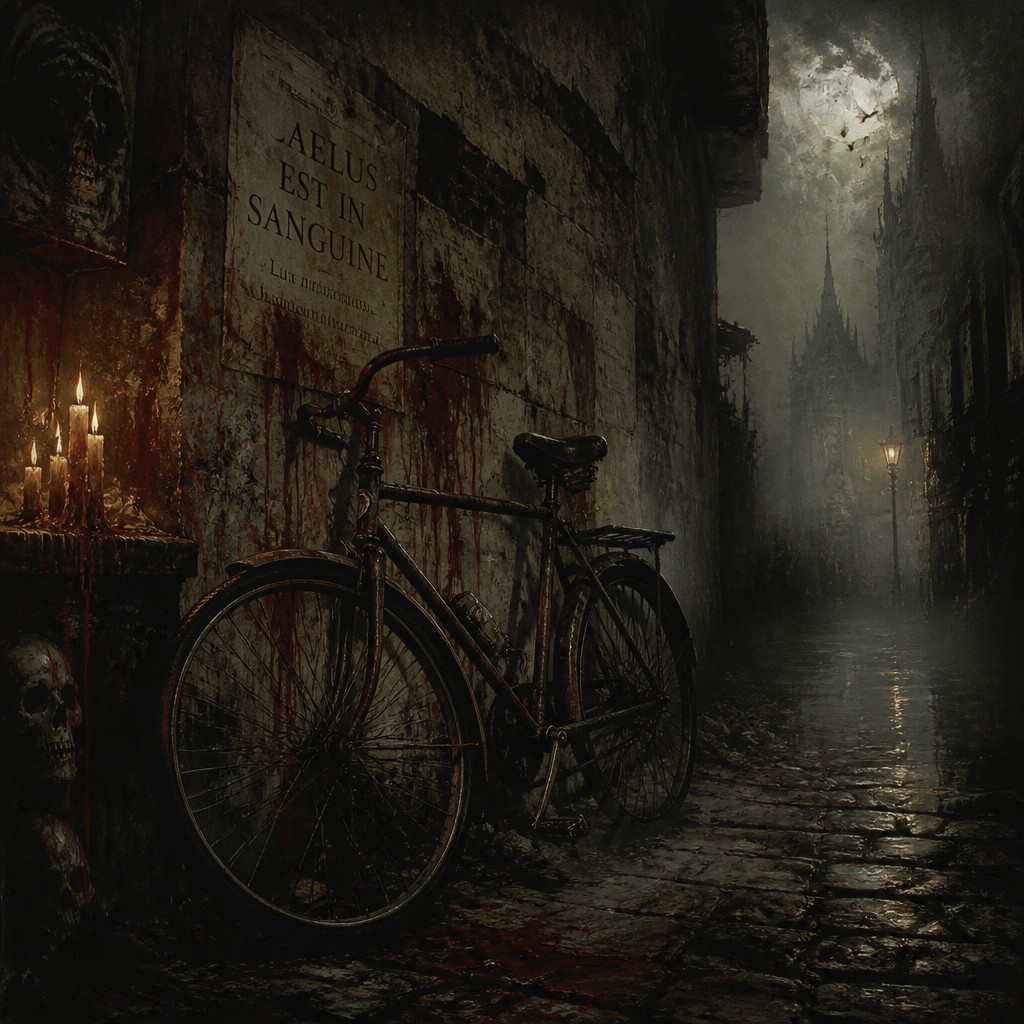
Macabre narrative mood
The scene usually implies a story of terror, grief, or the supernatural. Even when no monster is visible, the image suggests an approaching threat or lingering curse.
Try It
Create Videos in Gothic Horror Art
Styles aren't just for stills — describe a scene or animate an image and get a short video rendered in Gothic Horror. Press play to see this pond come to life.
Make a VideoGothic Horror Prompt Ideas
Start from an idea — each one opens the generator with the style ready to go. See all 40 Gothic Horror prompts →
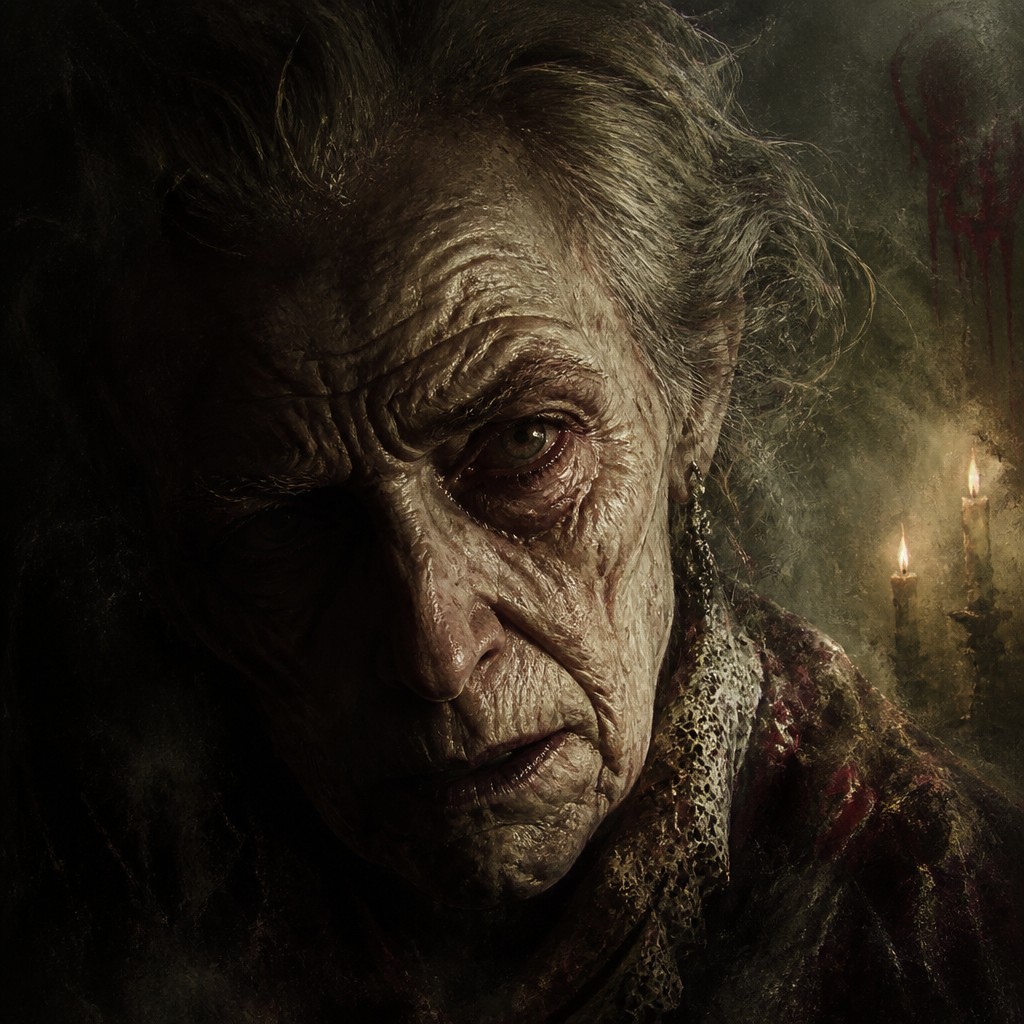
“close-up portrait of an elderly person with expressive weathered features”
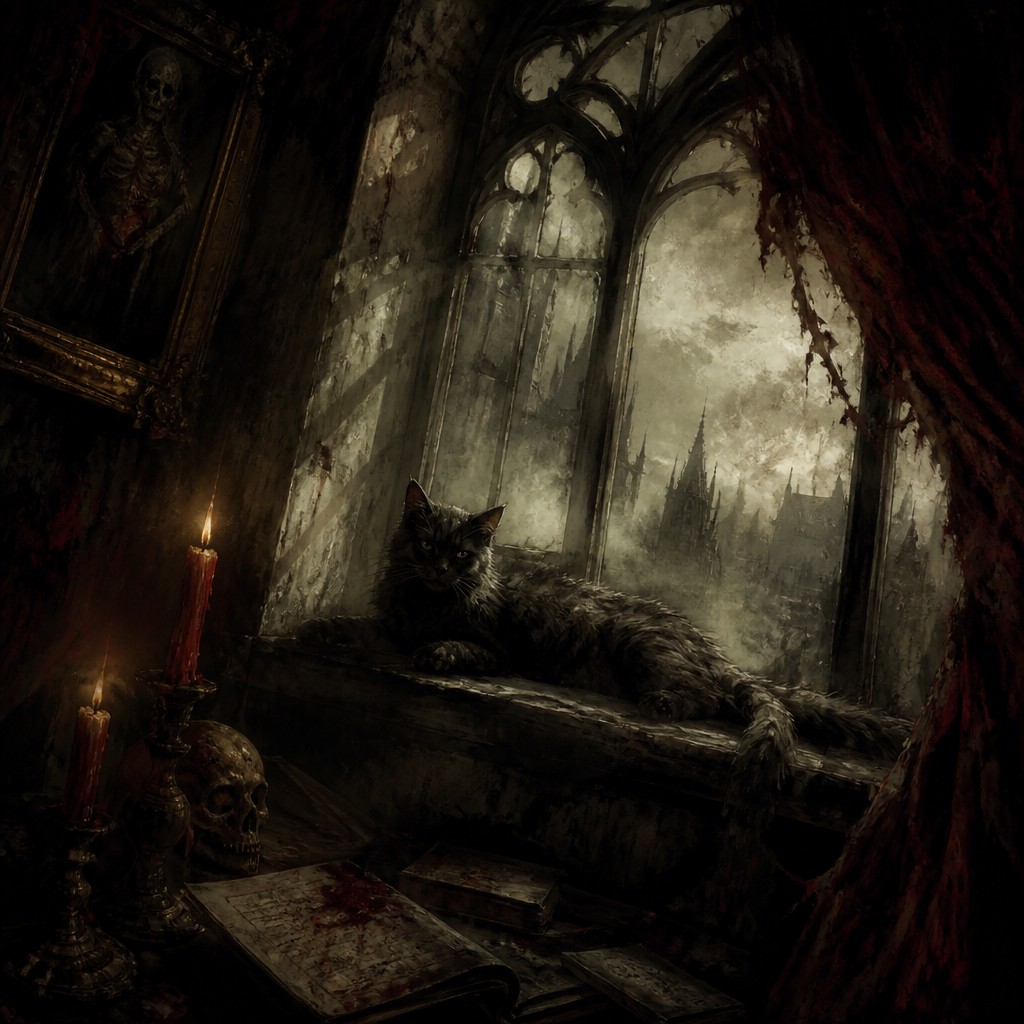
“a cat lounging in a sunlit window”
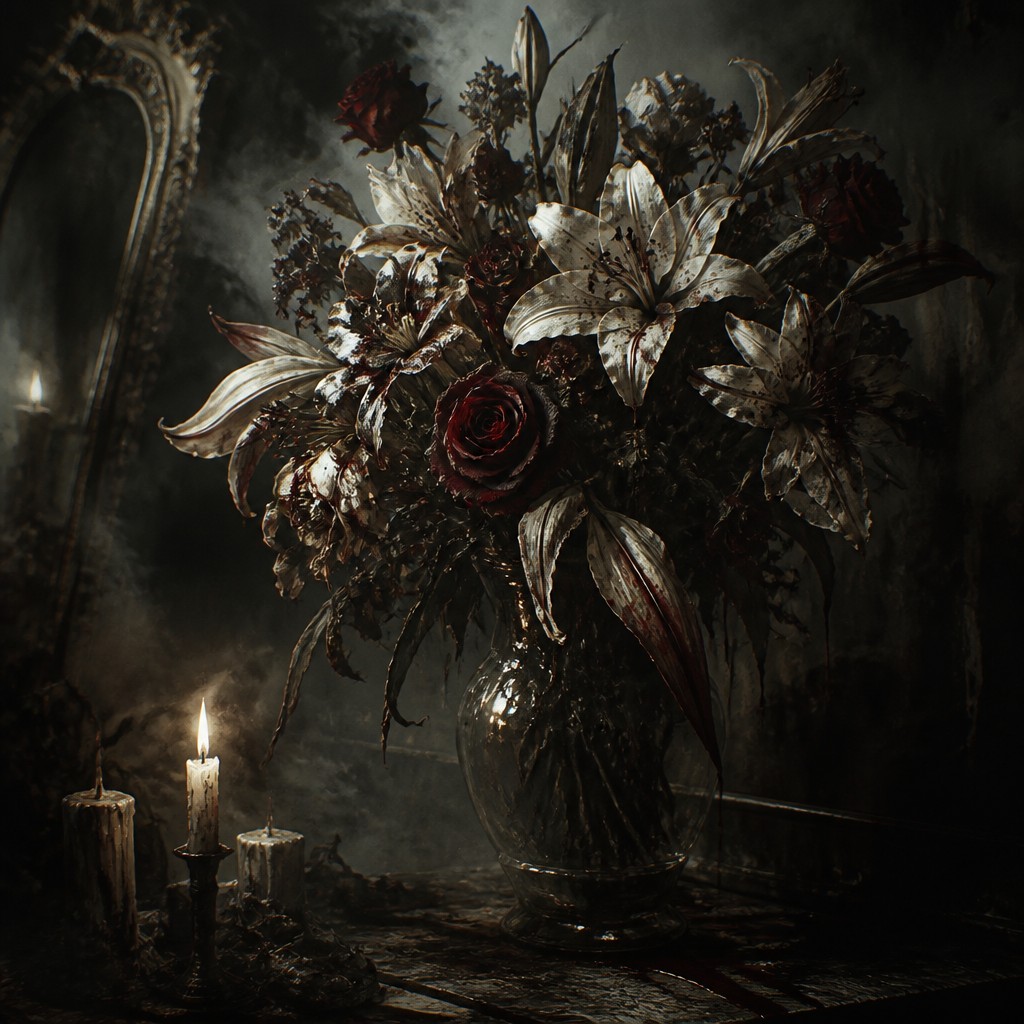
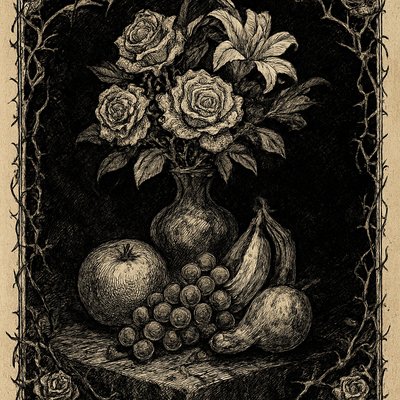
“bouquet of flowers in a glass vase”
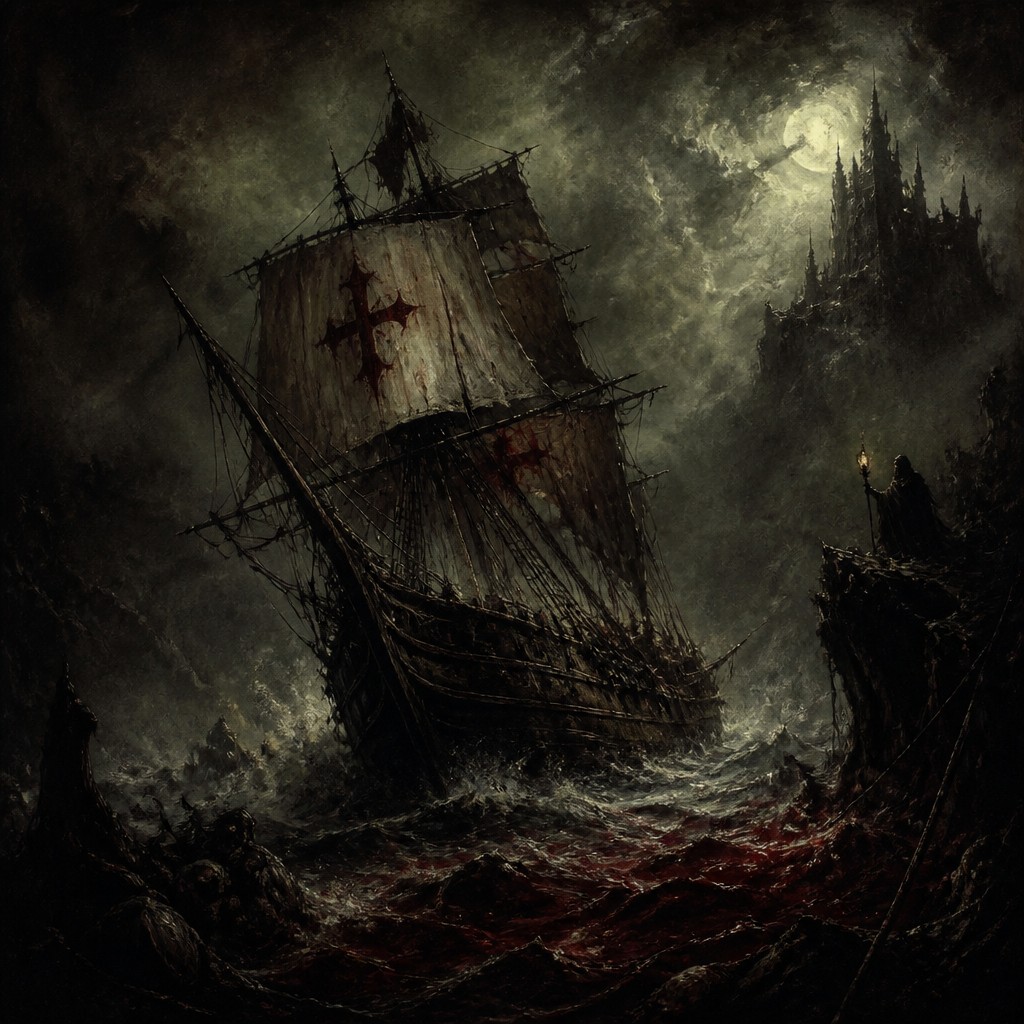
“sailing ship on a stormy sea”
How to Create Gothic Horror Art
Master the craft step by step — or skip straight to creating. Read the full guide →
- 1
Build the image around one dominant light source
Use candlelight, moonlight, or a lantern to create strong chiaroscuro and deep surrounding shadows. Let the brightest area reveal only part of the subject so the rest remains obscured.
- 2
Choose a setting with age and decay
Ruins, old mansions, graveyards, catacombs, and abandoned interiors immediately support the style. Add weathered stone, peeling surfaces, broken furniture, and damp textures to suggest long neglect.
- 3
Limit the palette and separate values clearly
Work with charcoal blacks, bone whites, bruised reds, and sickly greens rather than a full spectrum. Clear value contrast matters more than color variety, because the style depends on legibility in darkness.
- 4
Use composition to create unease
Tilt horizons slightly, favor diagonal lines, and place forms so they seem to lean inward or descend into shadow. In digital work, subtle perspective distortion and vignette effects can reinforce the feeling of entrapment.
- 5
Emphasize texture and atmosphere in rendering
Traditional artists can use dry brush, glazing, or layered washes to create worn surfaces and smoky depth. For digital or prompt-based creation, specify fog, weathered textures, expressive brushwork, and distressed details to keep the image from looking too clean.
- 6
Describe the mood as much as the subject
When writing a prompt, include emotional cues such as ominous, haunted, mournful, or supernatural rather than relying on the subject alone. This style works best when the image feels psychologically charged, not just decorated with horror motifs.

The Story
History & Origins of Gothic Horror
Gothic Horror Art does not describe a single historical school so much as a lineage of visual traditions drawn from Gothic architecture, Romanticism, and horror illustration. Its roots lie in the late 18th and 19th centuries, when Gothic novels by authors such as major creators of foundational Frankenstein-like, Dracula-like, and modern horror-lyric literary works inspired artists to depict castles, crypts, monsters, and states of terror. The style also borrows from Victorian-era book illustration, theatrical set design, and later film noir’s use of shadow and contrast.
In the 20th century, horror comics, pulp magazine covers, monster movies, and fantasy illustration further standardized its look: candlelit rooms, stormy skies, decayed surfaces, and supernatural beings emerging from darkness. Today, the aesthetic continues to evolve through contemporary fantasy art, concept art, game art, and digital illustration, while retaining its core emphasis on atmosphere, decay, and the haunted sublime.
Influences: Gothic Horror Art draws from Gothic architecture, the Gothic novel, Romantic painting, and later horror illustration and cinema. Its atmosphere owes much to the shadowed drama found in Romanticism, the theatrical darkness associated with film noir, and the monster imagery popularized by Victorian book illustration and pulp art. In terms of historical visual language, it can overlap with the moody contrasts associated with major Spanish Romantic painters and, in a different register, the high-drama shadow and supernatural imagination found in later horror-adjacent illustration traditions.

Frequently Asked Questions
What defines Gothic Horror Art?
It is defined by haunted settings, monsters or supernatural presences, and a dark romantic mood built from strong contrast and decay. The style usually relies on dramatic shadows, fog, aged textures, and a feeling of psychological dread.
How is it different from general horror art?
General horror art can be fast, grotesque, or gore-focused, while Gothic Horror Art is usually more atmospheric and literary. It emphasizes melancholy, ruins, candlelight, and the uncanny rather than only shock or violence.
Is Gothic Horror Art the same as Gothic art?
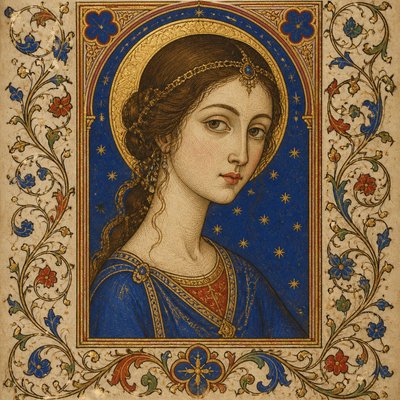
No. Gothic art historically refers to medieval architecture and related medieval visual culture, while Gothic Horror Art is a modern horror aesthetic inspired by Gothic literature and romanticized darkness. The shared word points to atmosphere and architecture rather than the same historical period.
What colors work best in this style?
Muted blacks, grays, bone whites, dark reds, and decayed greens are the most characteristic. Small highlights of candle gold or pale moonlight can be effective, but bright saturated colors usually weaken the mood.
What subjects are common in this style?
Haunted houses, castles, graveyards, vampires, ghosts, monsters, séances, crypts, and cursed figures are all common. The subject does not have to be supernatural, but it should feel ominous, isolated, or touched by death and memory.
How can I make a photo look like Gothic Horror Art?
Use heavy shadows, add fog or smoke, lower saturation, and shift the palette toward colder grays and deeper reds. A distressed texture layer, vignette, and a single candlelike light source can make an ordinary portrait or scene feel much more Gothic and eerie.
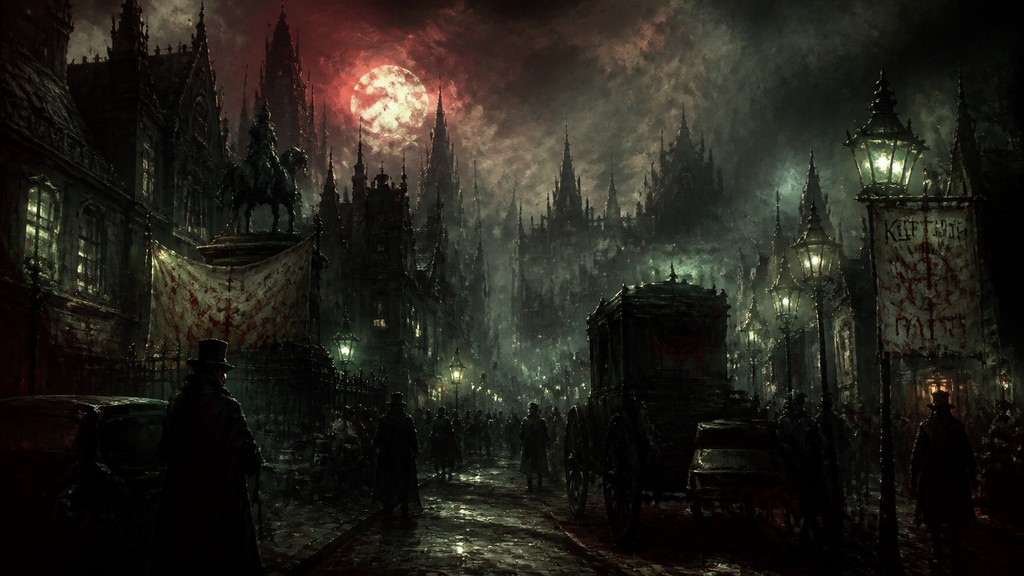
Create your first Gothic Horror artwork
Describe anything — or upload a photo — and see it in Gothic Horror Art in seconds.
Make Something with Gothic Horror
Compare Gothic Horror
Related Styles
Discover similar art styles