Gothic Fantasy Art
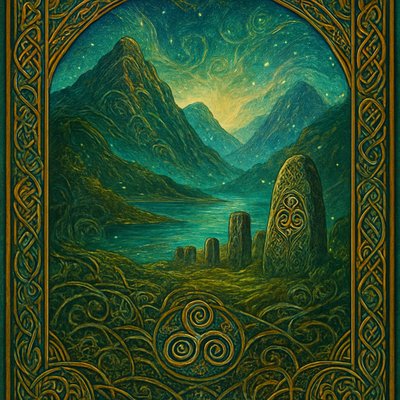
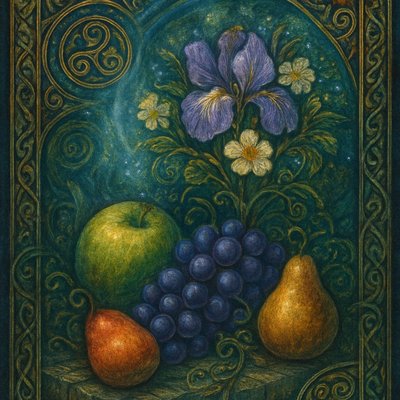
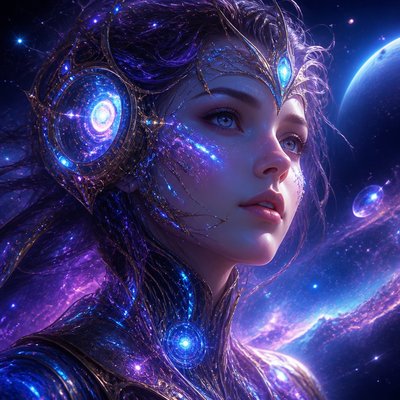
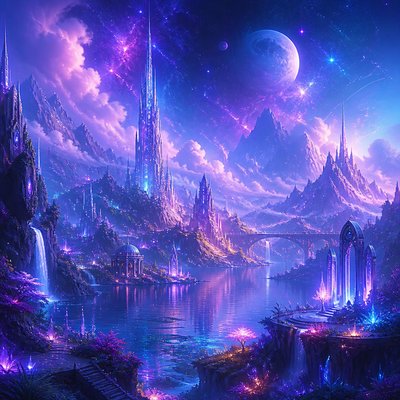
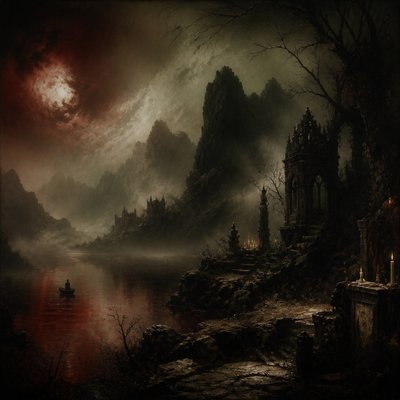
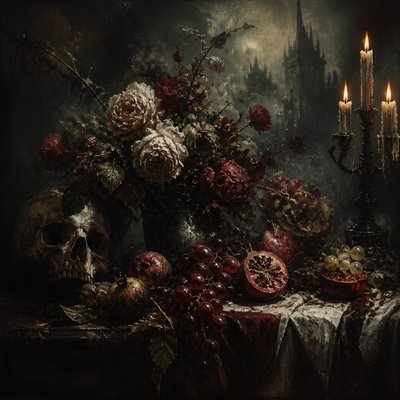
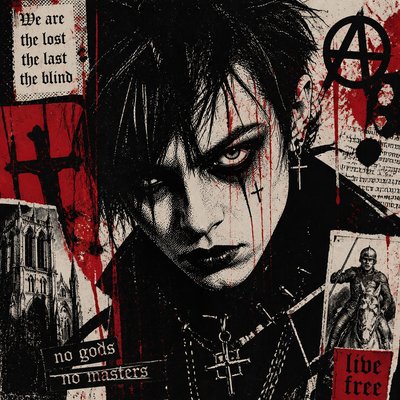
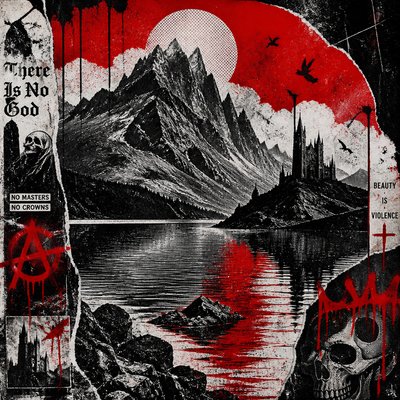
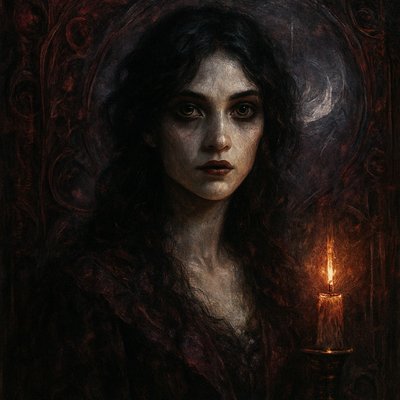
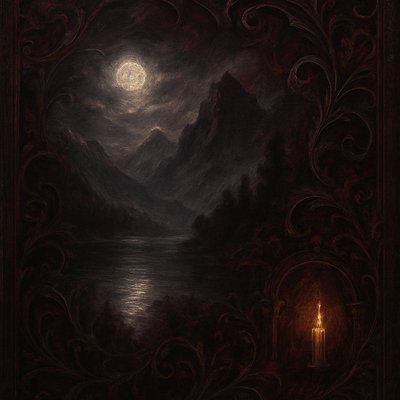
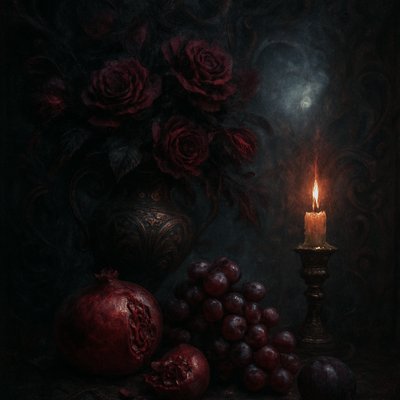
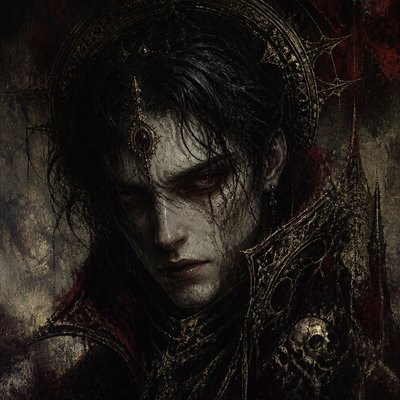
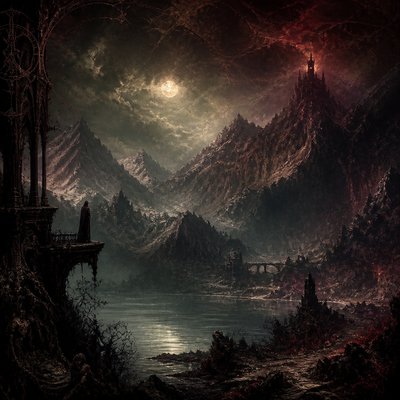
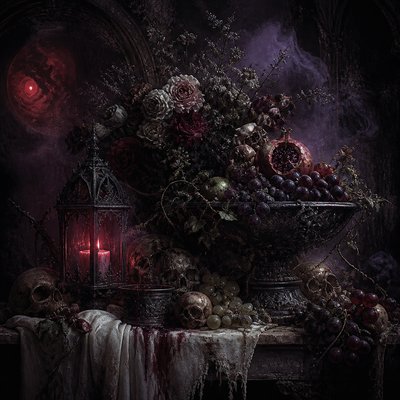
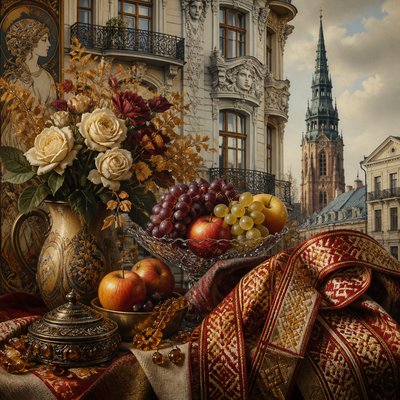
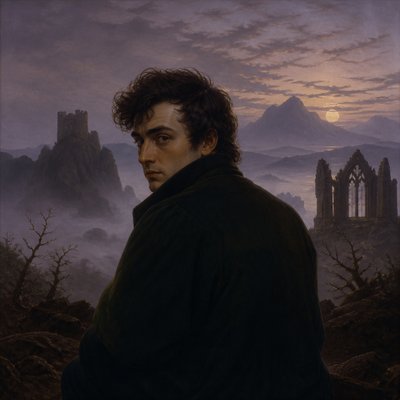
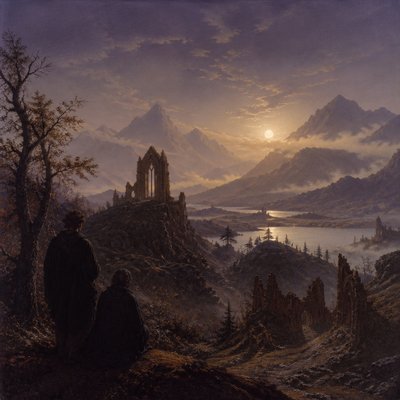
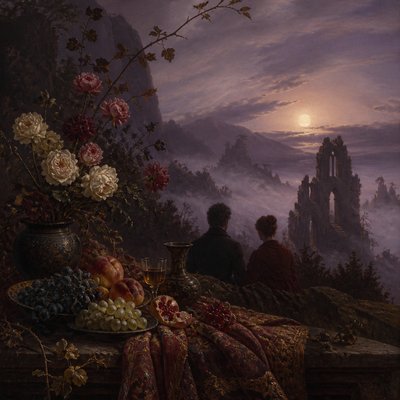
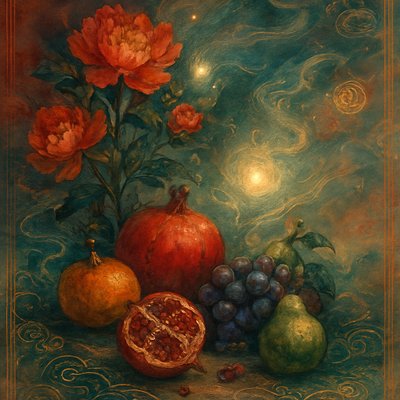
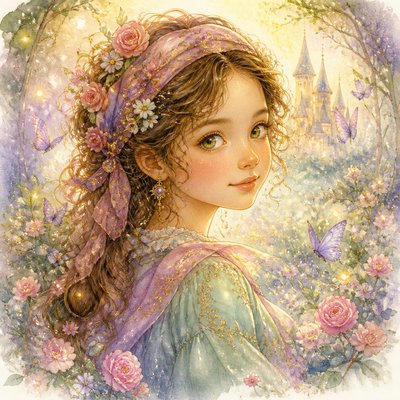
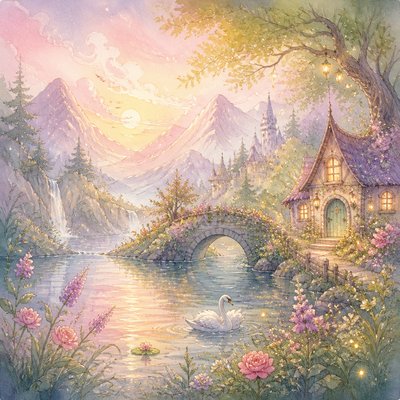
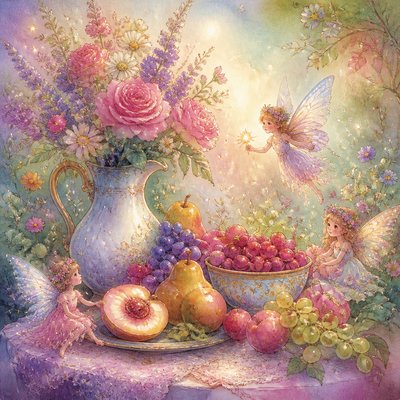
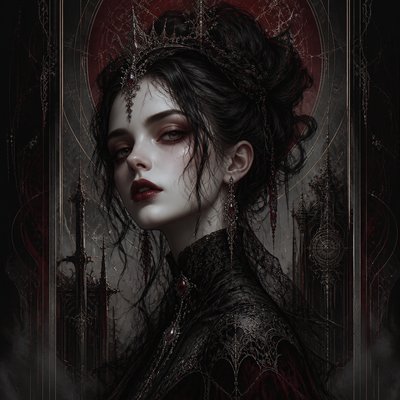
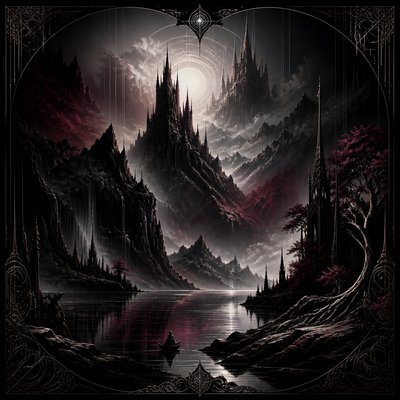
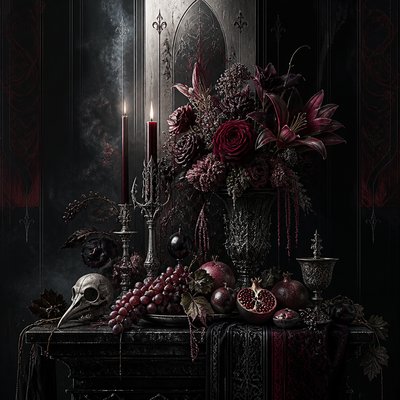
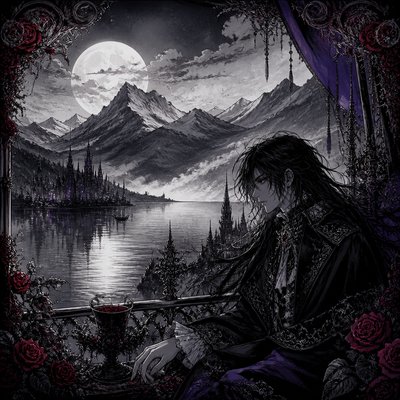
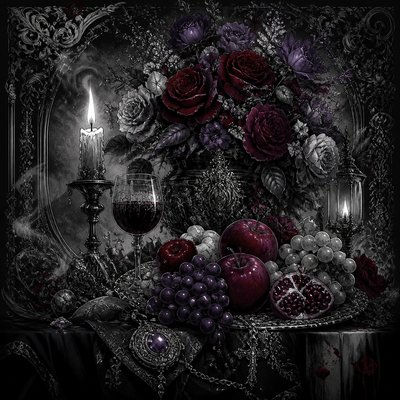
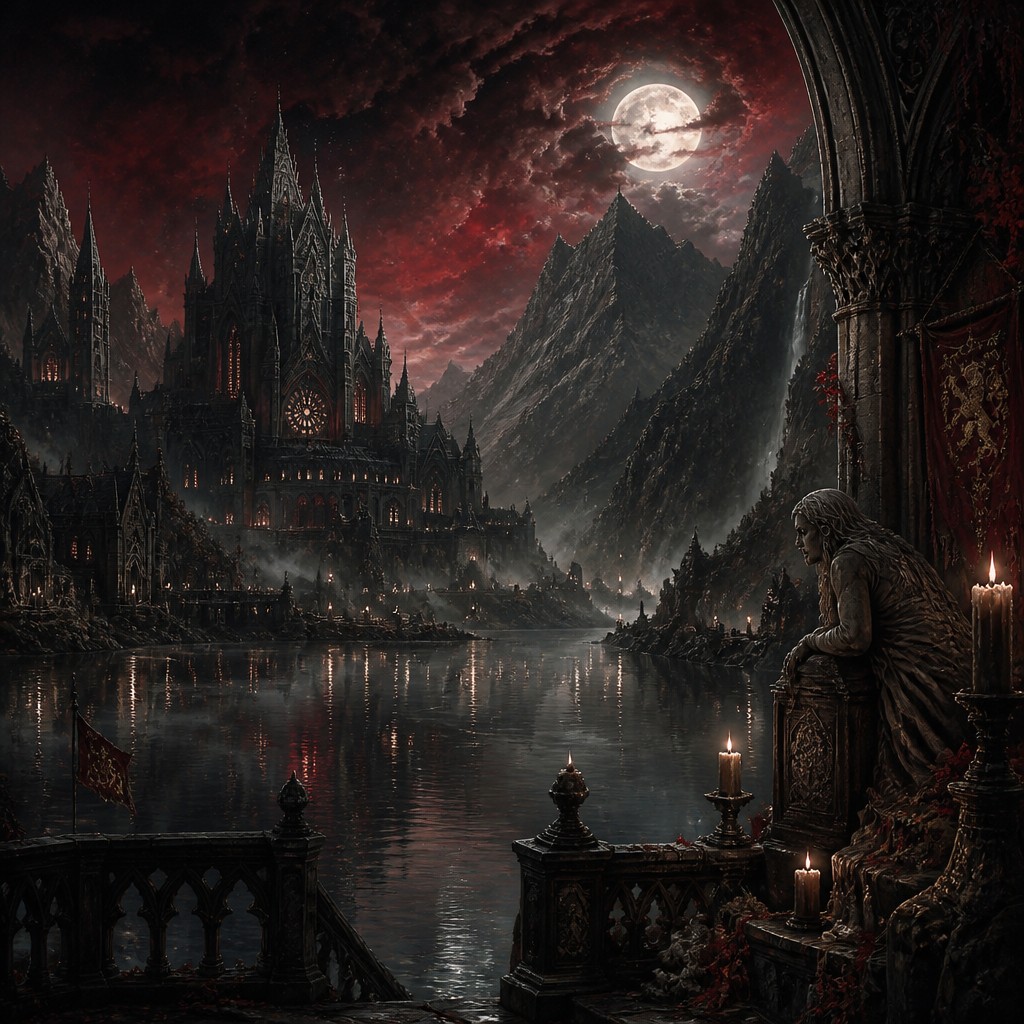
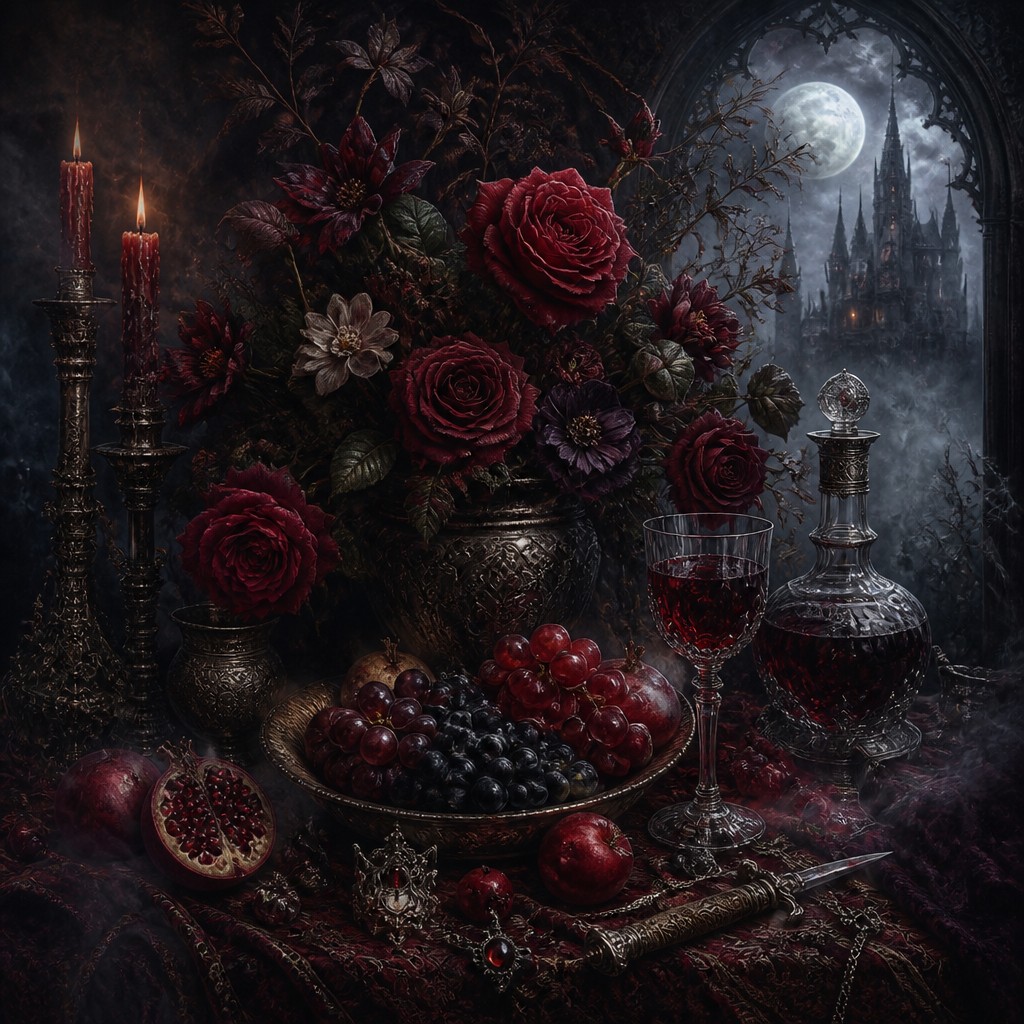
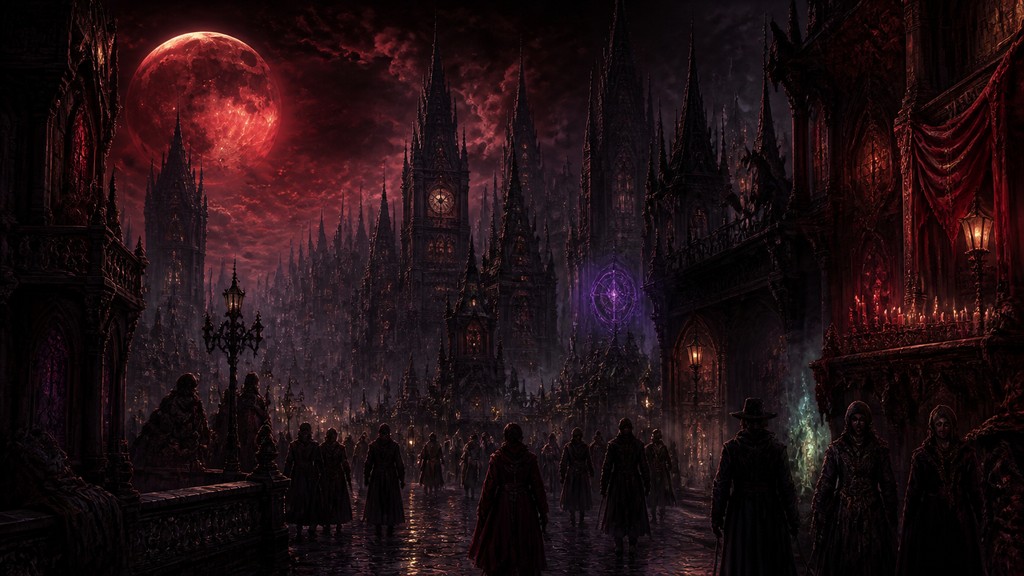
Dark fantasy with Gothic castles, vampires, moonlight, ornate decay, and dramatic chiaroscuro in richly detailed illustration.
Instantly rendered in Gothic Fantasy — or transform a photo
Gothic Fantasy Gallery
Tap any artwork to explore it
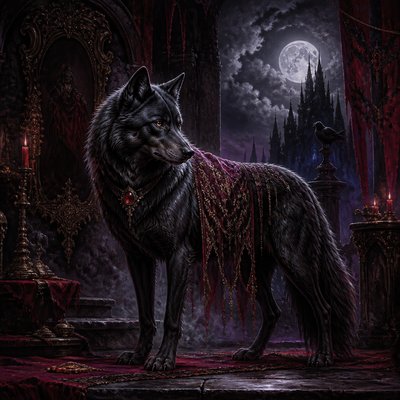
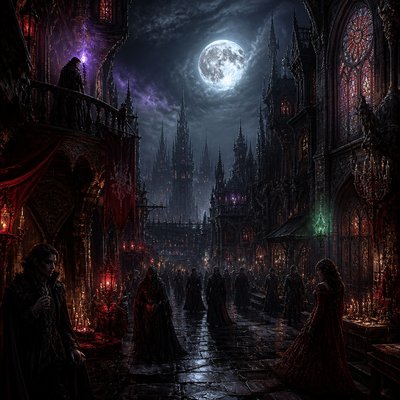
What is Gothic Fantasy Art?
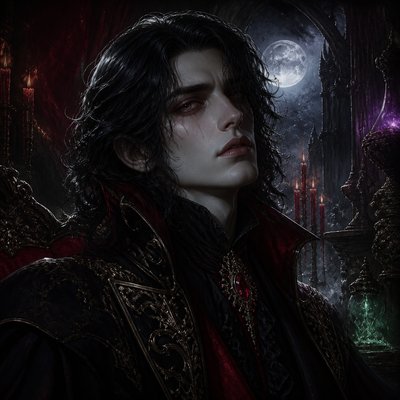
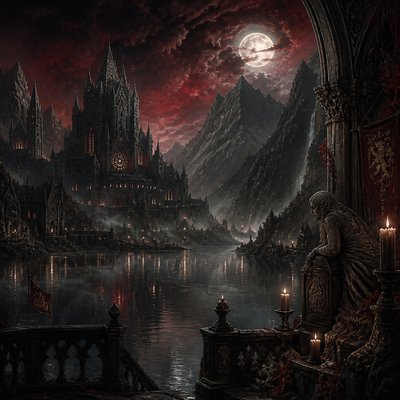
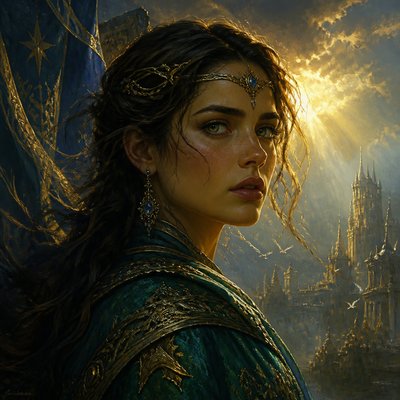
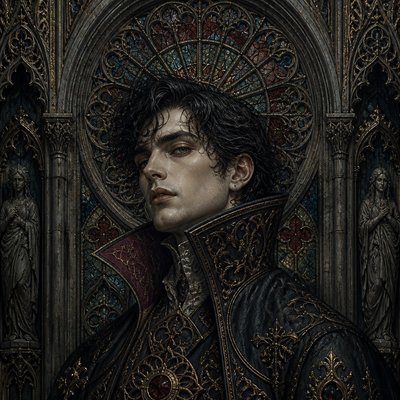
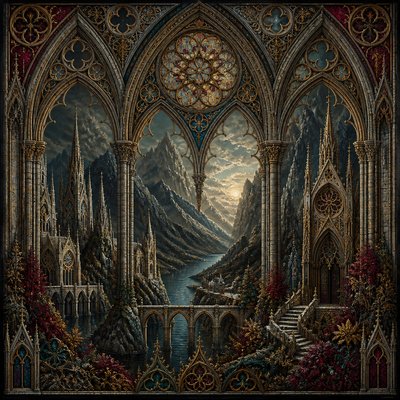
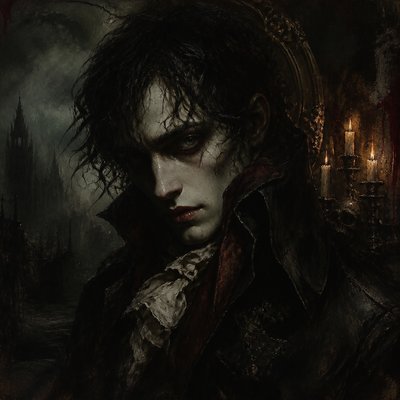
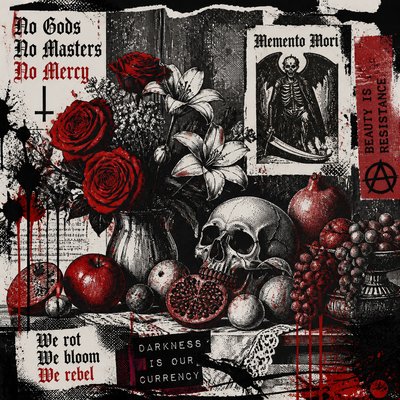
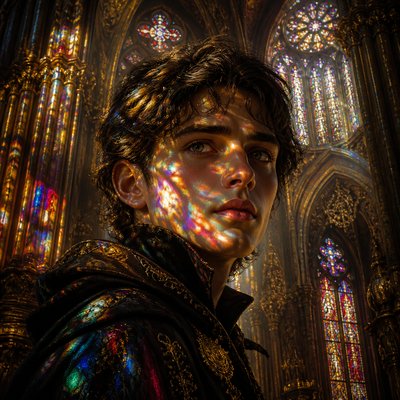
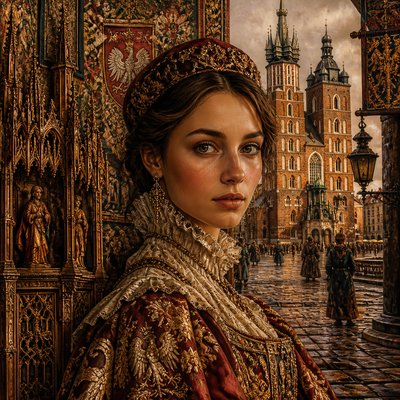
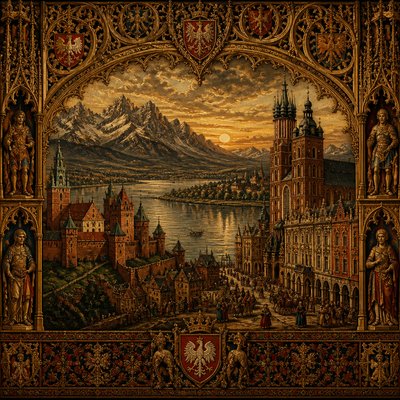
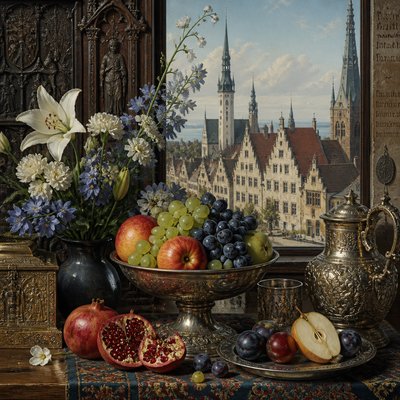
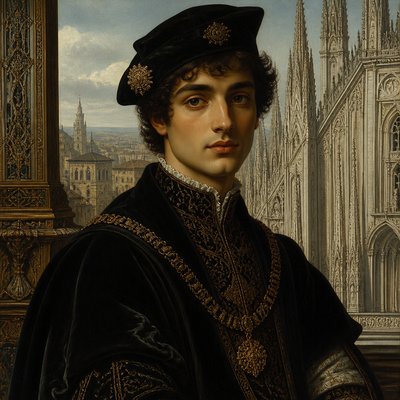
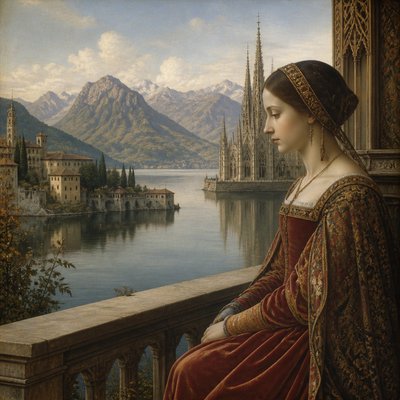
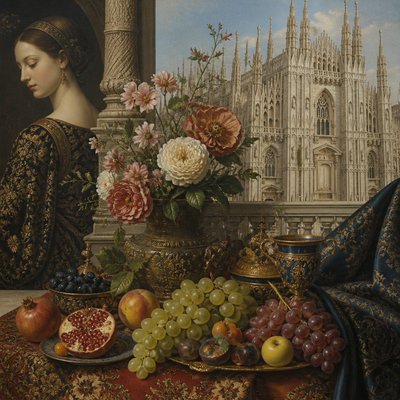
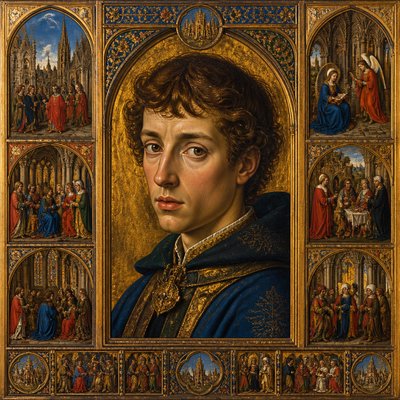
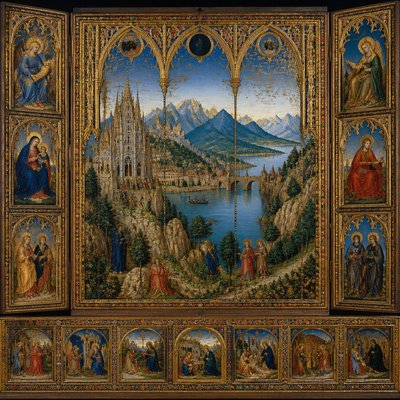
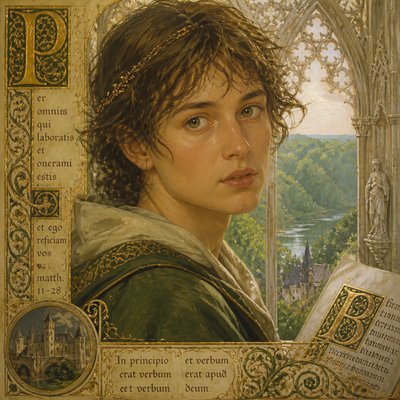
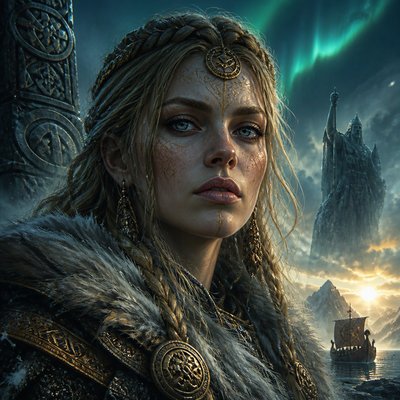
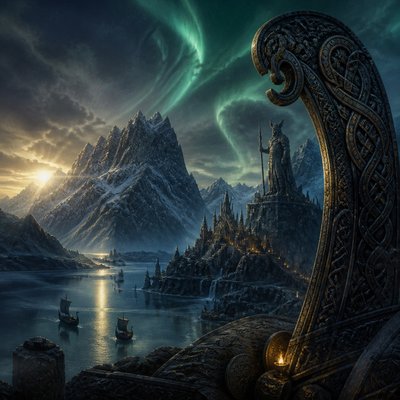
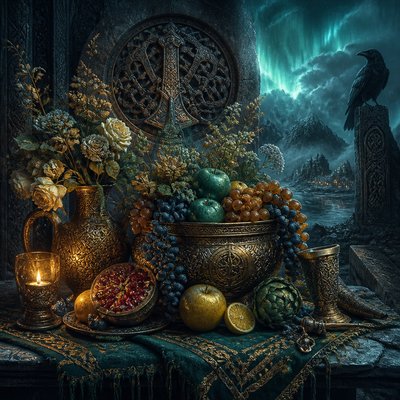
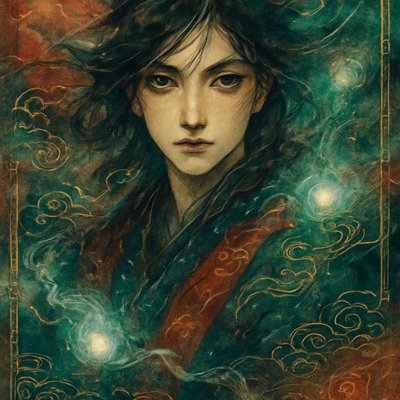
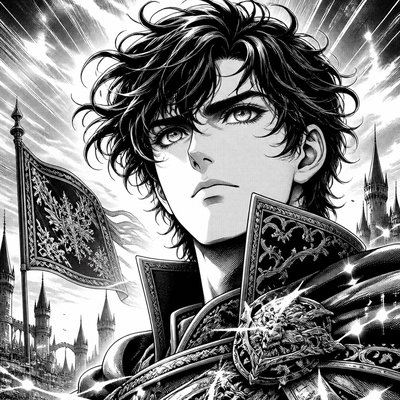
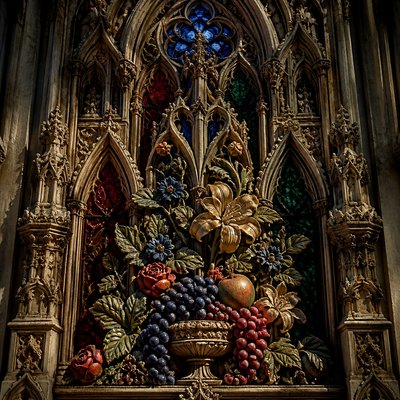
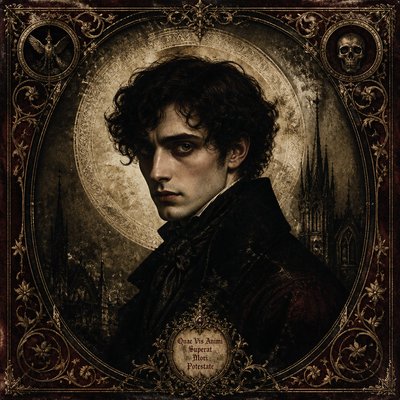
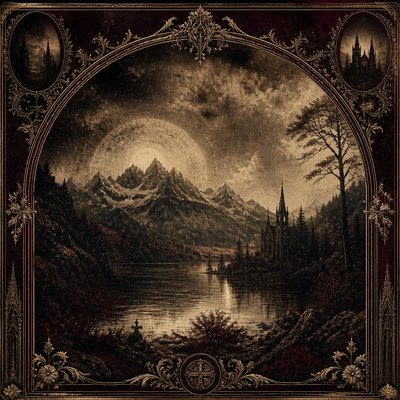
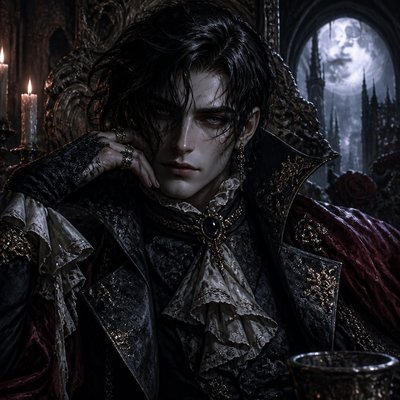
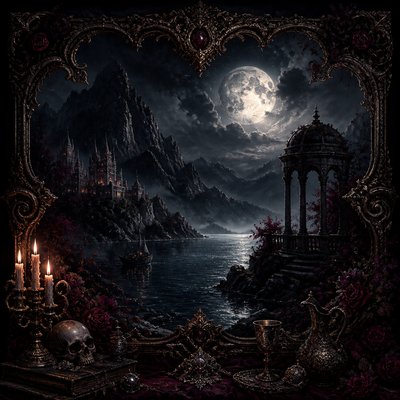
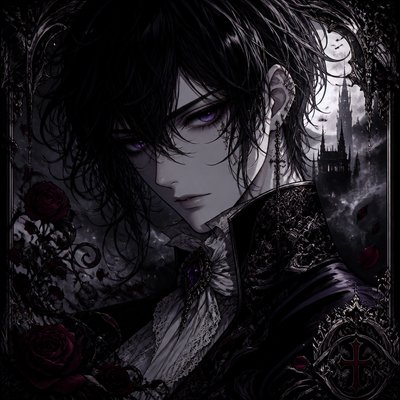
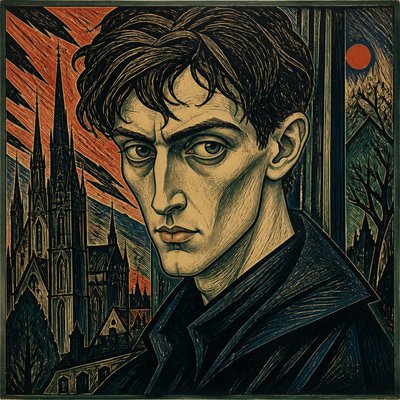
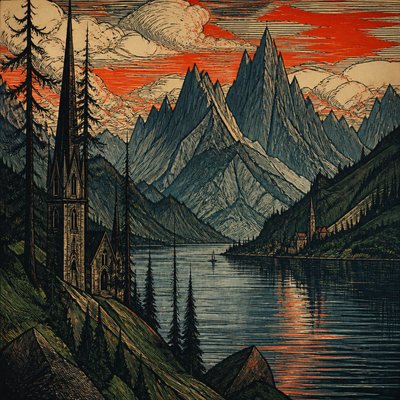
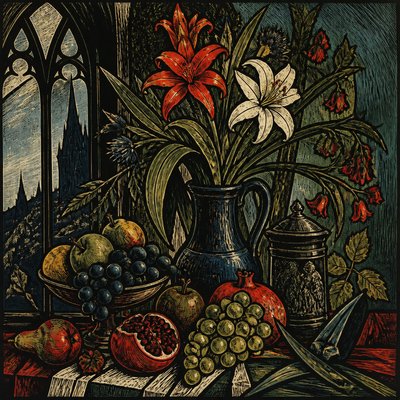
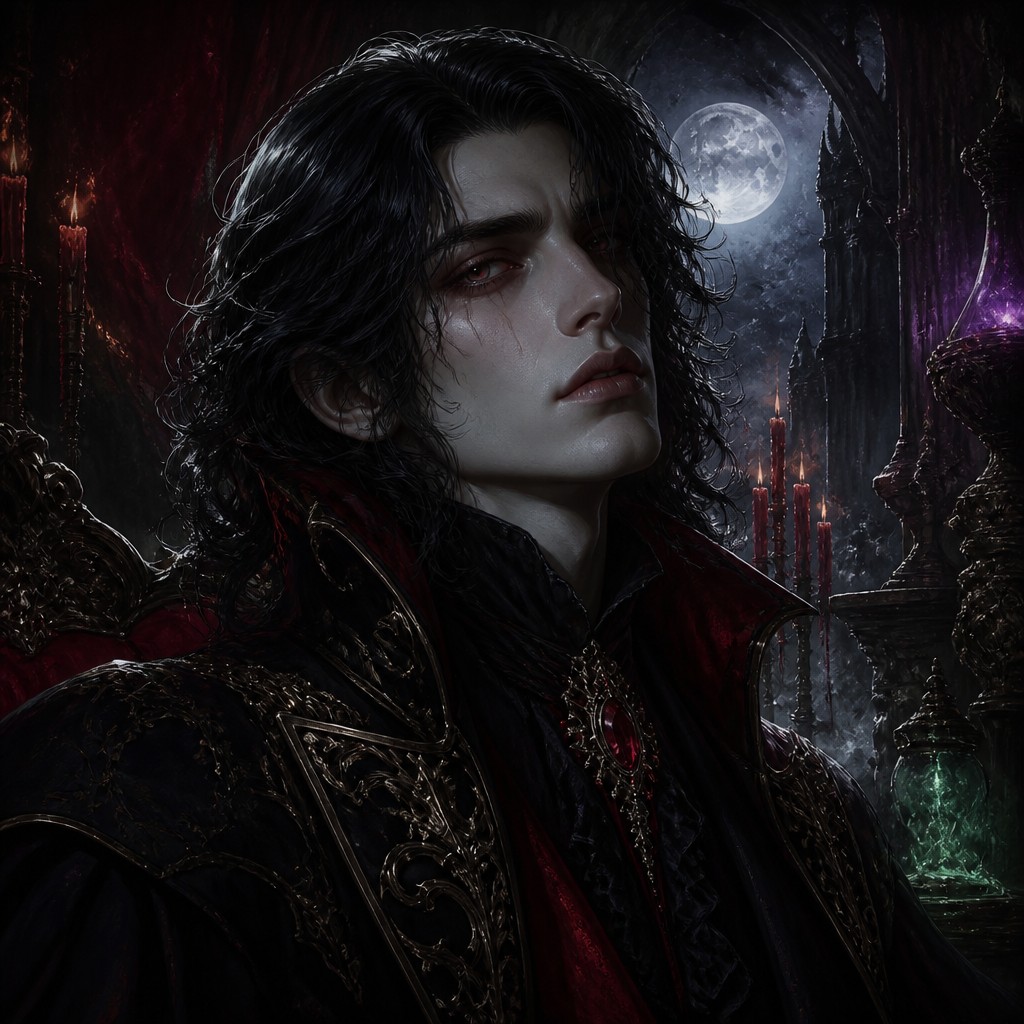
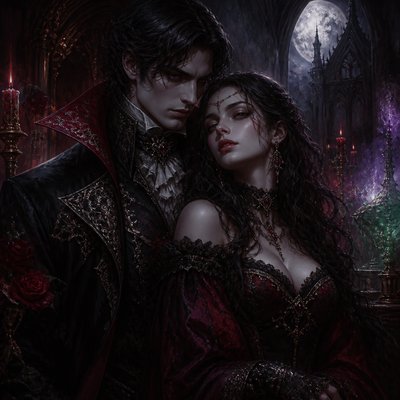
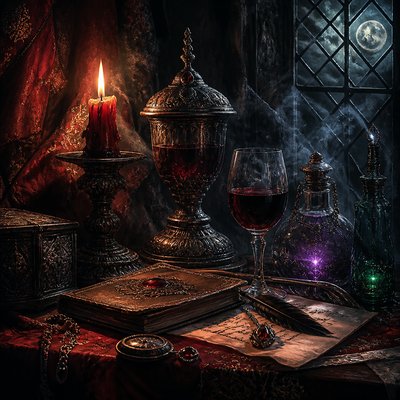
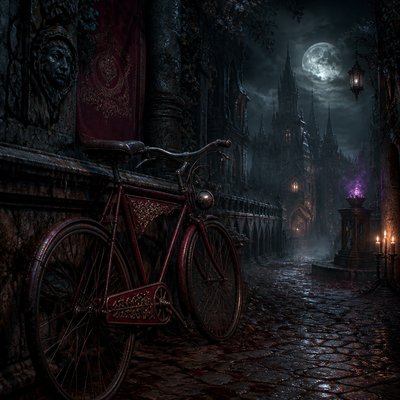
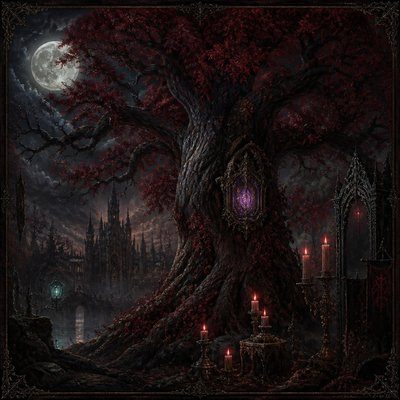
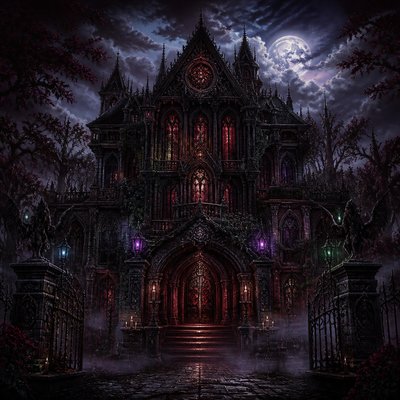
Gothic Fantasy Art is a dark fantasy visual style that merges medieval Gothic architecture, romantic decay, occult imagery, and supernatural storytelling. It commonly features vampires, witches, cursed ruins, cathedral spaces, moonlit graveyards, and aristocratic or ecclesiastical figures framed by candlelight, mist, and shadow. The result is a world that feels simultaneously ancient, enchanted, and ominous.
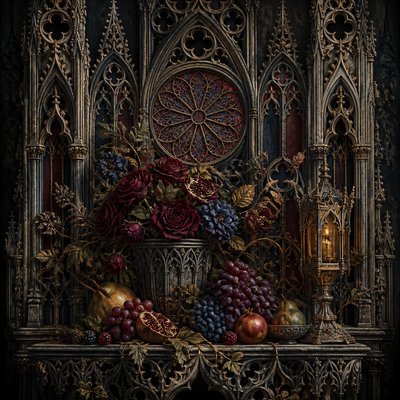
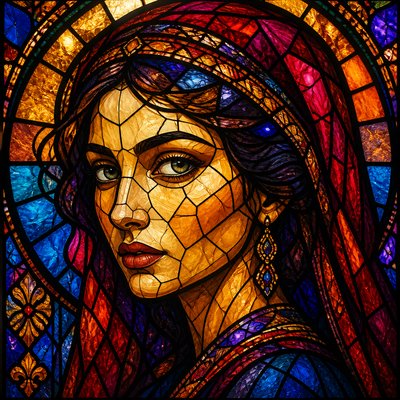
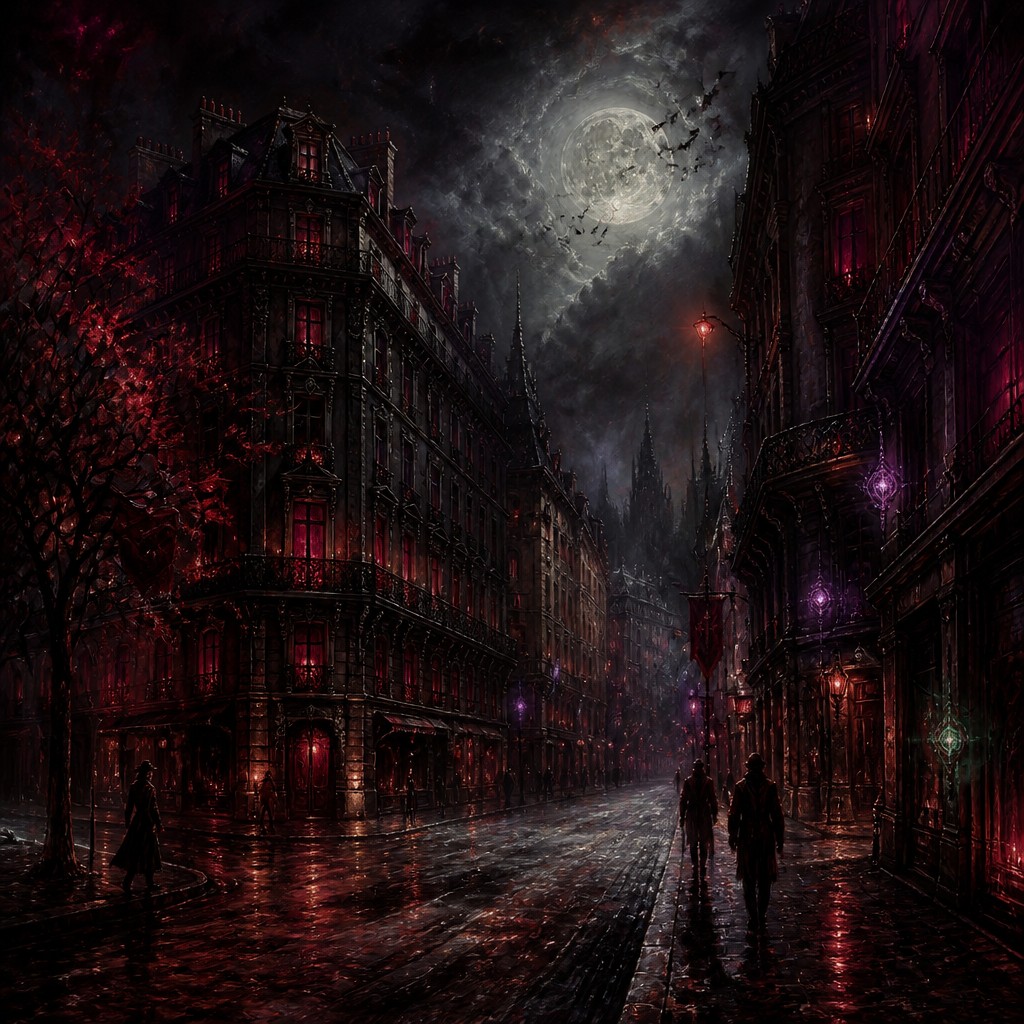
Its visual identity depends on contrast: deep blacks and crimson tones set against silver moonlight, violet enchantment, and sickly green magical glows. Compositionally, it favors dramatic silhouettes, pointed arches, spires, stained glass, elaborate costume detail, and a heightened sense of theatrical atmosphere. The style looks the way it does because it draws on Gothic art and architecture, Romantic-era fascination with the sublime, and later fantasy illustration traditions that emphasize mood, narrative, and ornate visual detail.
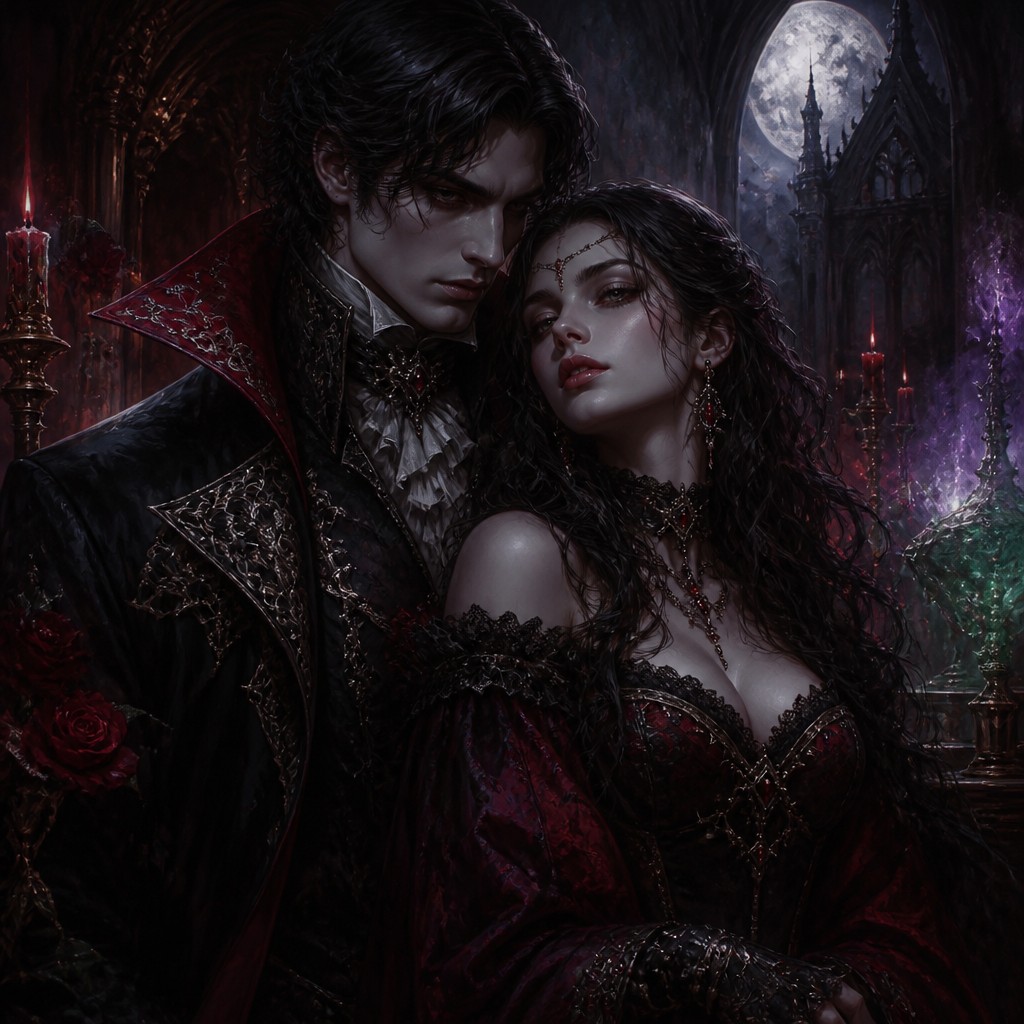
Try It On Your Photos
Upload any photo and convert it into Gothic Fantasy Art — drag the sliders to compare before and after.
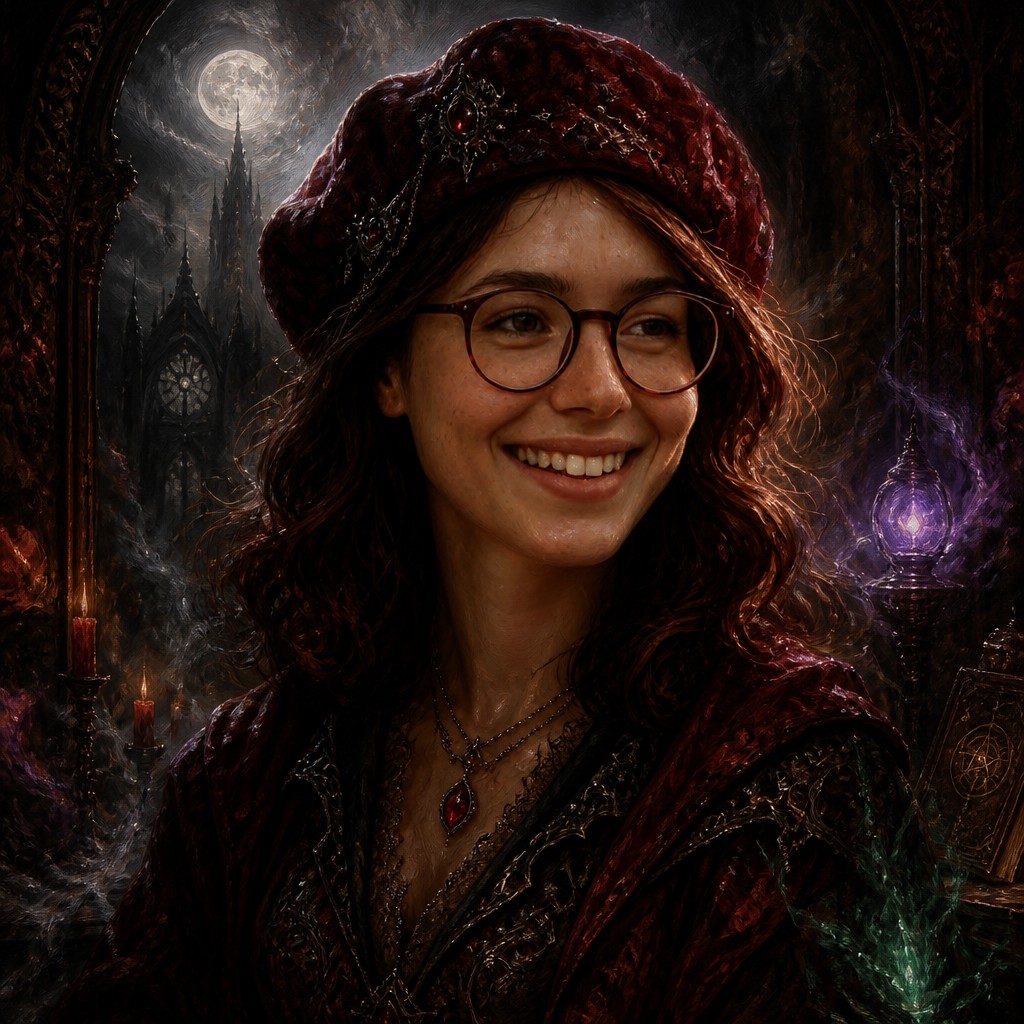


What Defines Gothic Fantasy Art
The signature details, up close
Dark, jewel-toned palette
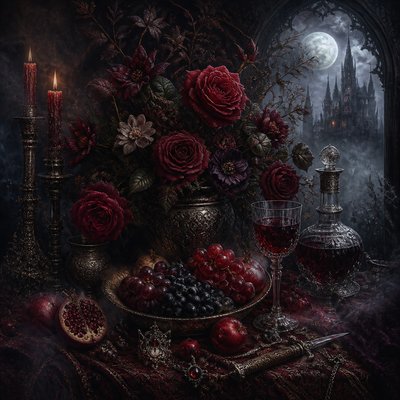
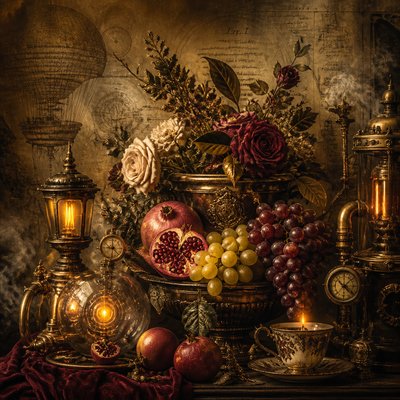
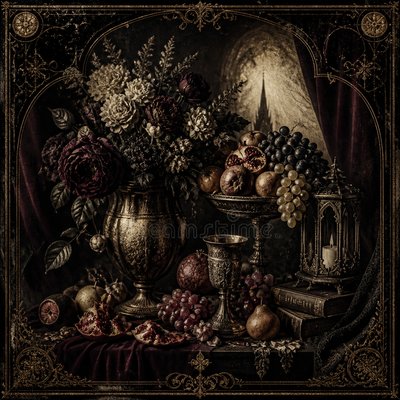
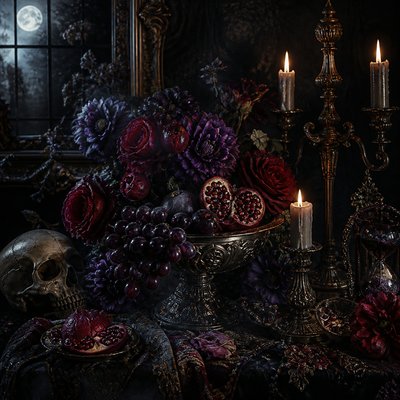
The palette usually centers on black, crimson, burgundy, and charcoal, with silver moonlight and occasional violet, emerald, or blue-green magical accents. Color is used sparingly to heighten drama and direct attention to faces, ritual objects, or supernatural effects.
Chiaroscuro lighting
Strong contrasts between light and shadow are fundamental, often with candlelight, firelight, or moonlight as the main illumination. This creates a theatrical sense of depth and makes figures appear mysterious or spiritually charged.
Ornate medieval detail
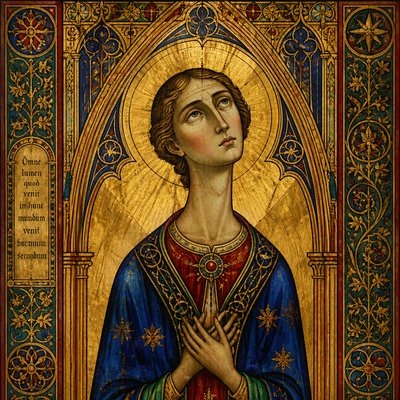
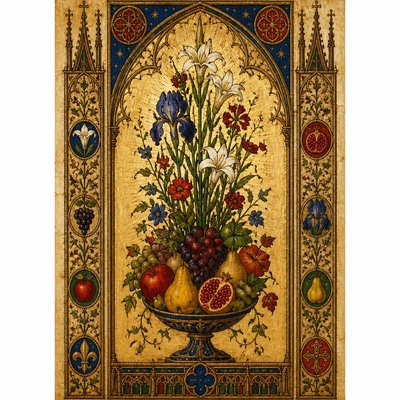
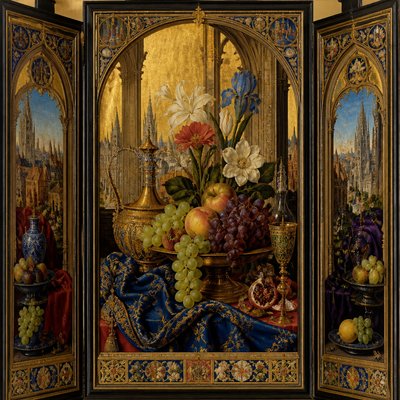
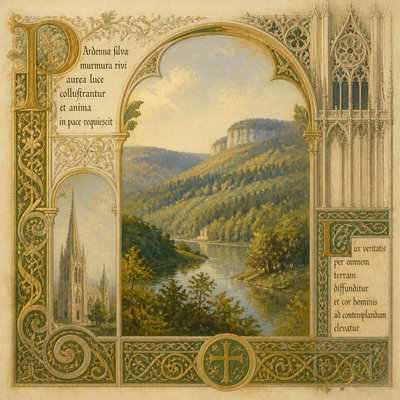
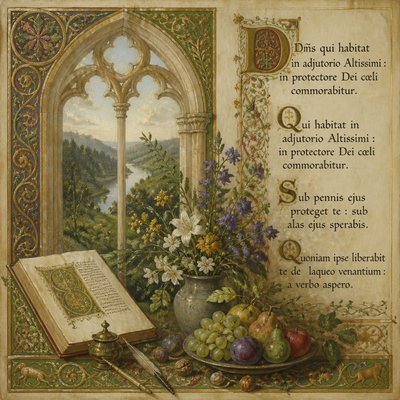
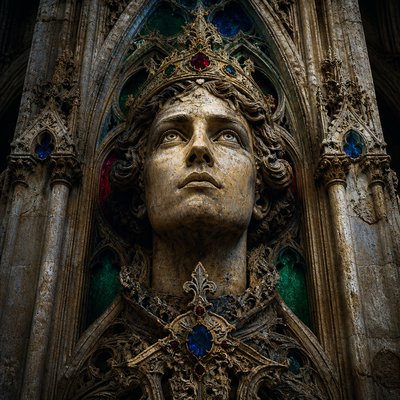
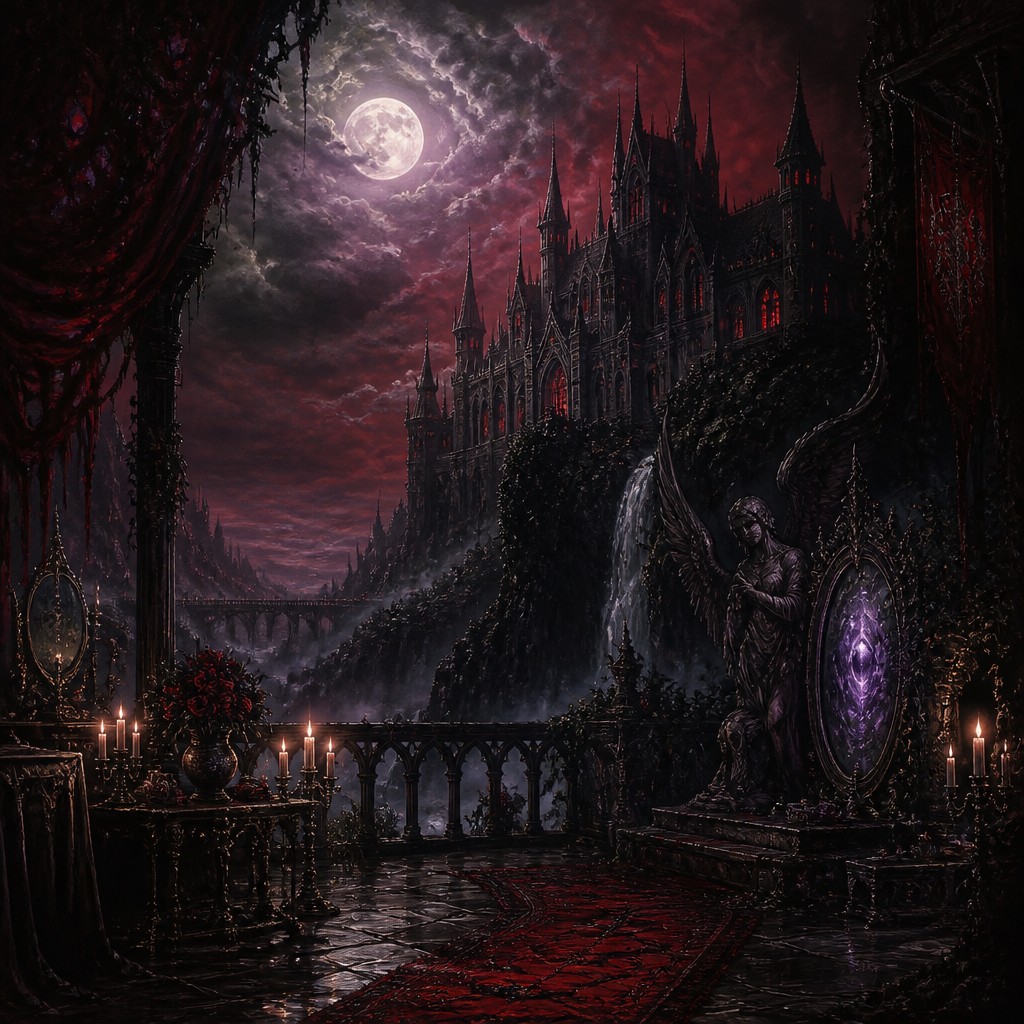
Architecture, armor, jewelry, clothing, and furnishings often borrow from Gothic and late medieval forms such as pointed arches, ribbing, tracery, and filigree. Decorative excess helps establish a world of ritual, hierarchy, and ancient power.
Romantic decay
The environment often includes ruins, cracked stone, overgrown cemeteries, weathered manuscripts, tarnished metal, and abandoned halls. Decay is not merely ruinous; it is presented as beautiful, melancholic, and historically layered.
Supernatural characters and themes
Common subjects include vampires, sorcerers, necromancers, witches, revenants, angels, cursed nobles, and haunted knights. The imagery usually suggests forbidden knowledge, immortality, seduction, damnation, or otherworldly authority.
Mist, smoke, and atmospheric depth
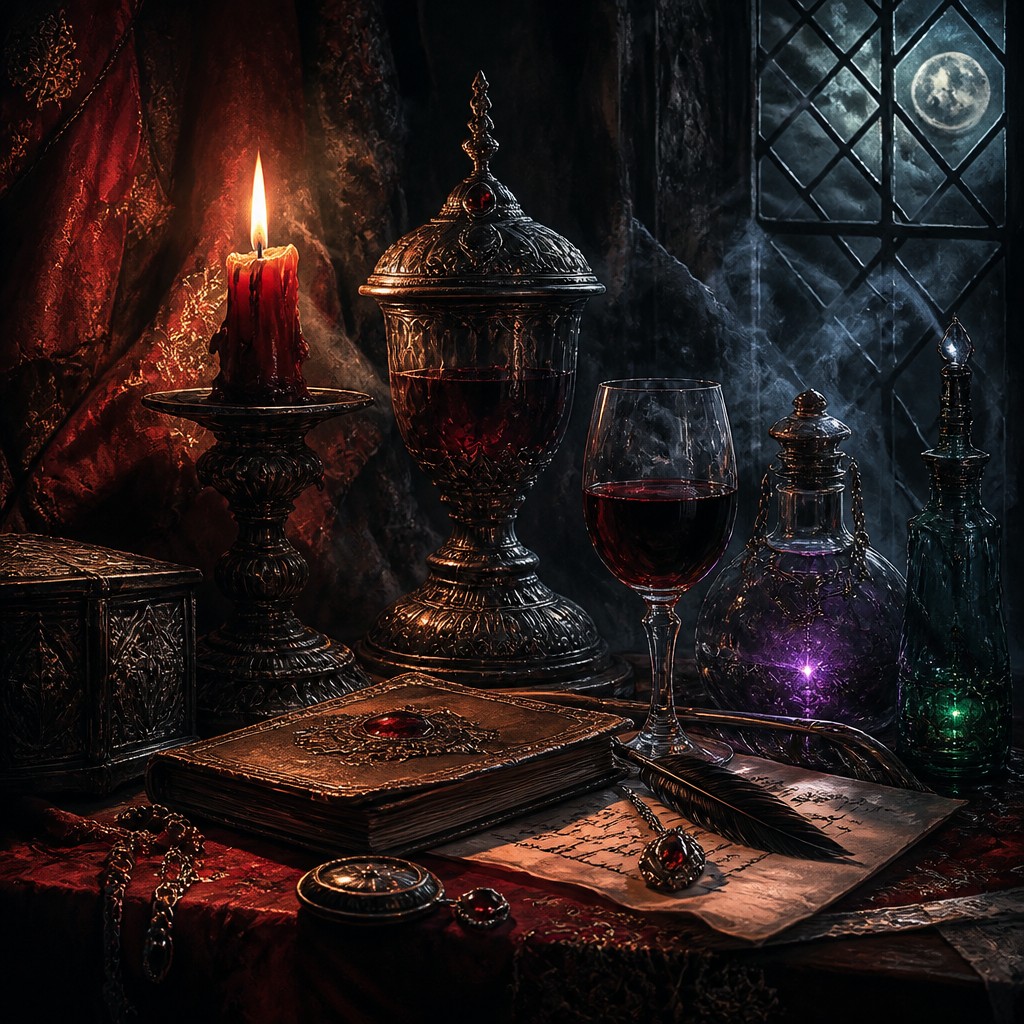
Fog, incense, candle smoke, drifting ash, and distant haze soften edges and create a sense of enclosure. These effects make scenes feel cinematic, nocturnal, and suspended between the material and the occult.
Try It
Create Videos in Gothic Fantasy Art
Styles aren't just for stills — describe a scene or animate an image and get a short video rendered in Gothic Fantasy. Press play to see this pond come to life.
Make a VideoGothic Fantasy Prompt Ideas
Start from an idea — each one opens the generator with the style ready to go. See all 40 Gothic Fantasy prompts →
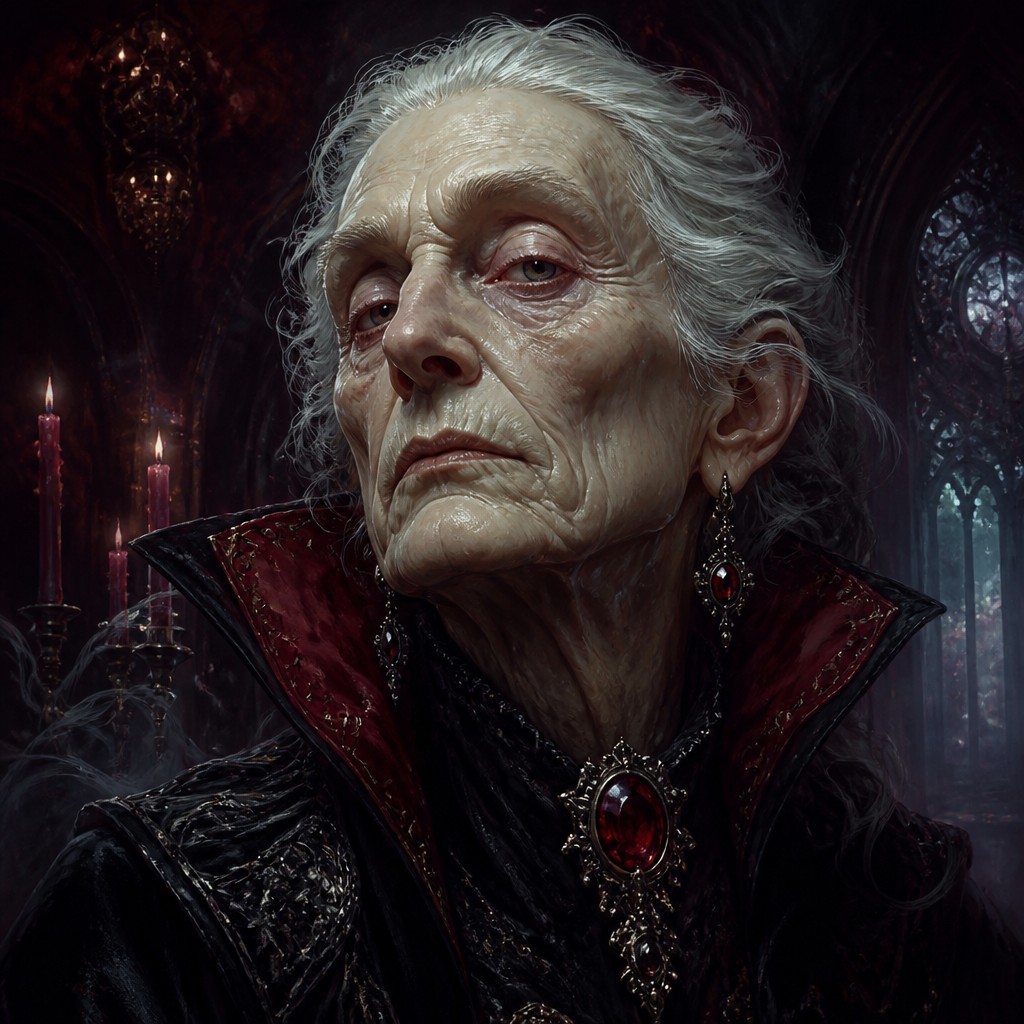
“close-up portrait of an elderly person with expressive weathered features”
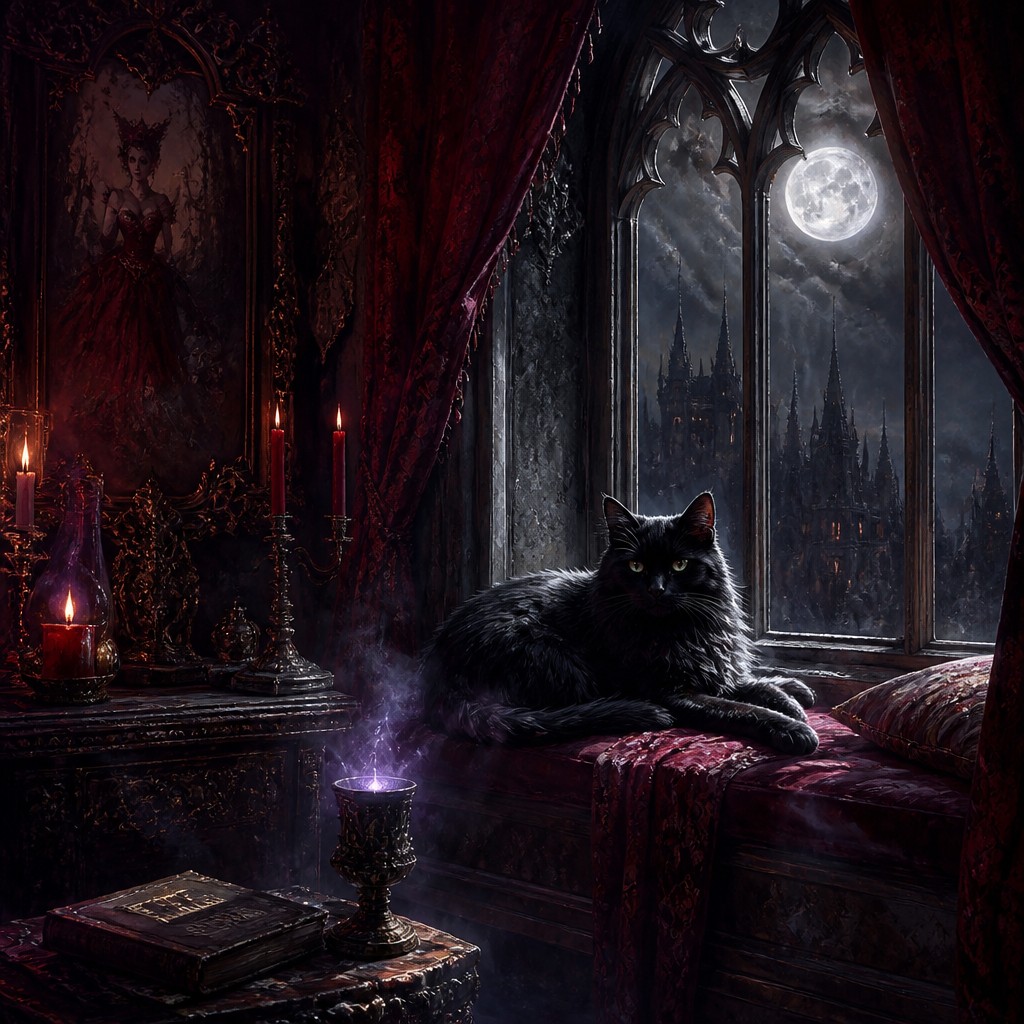
“a cat lounging in a sunlit window”
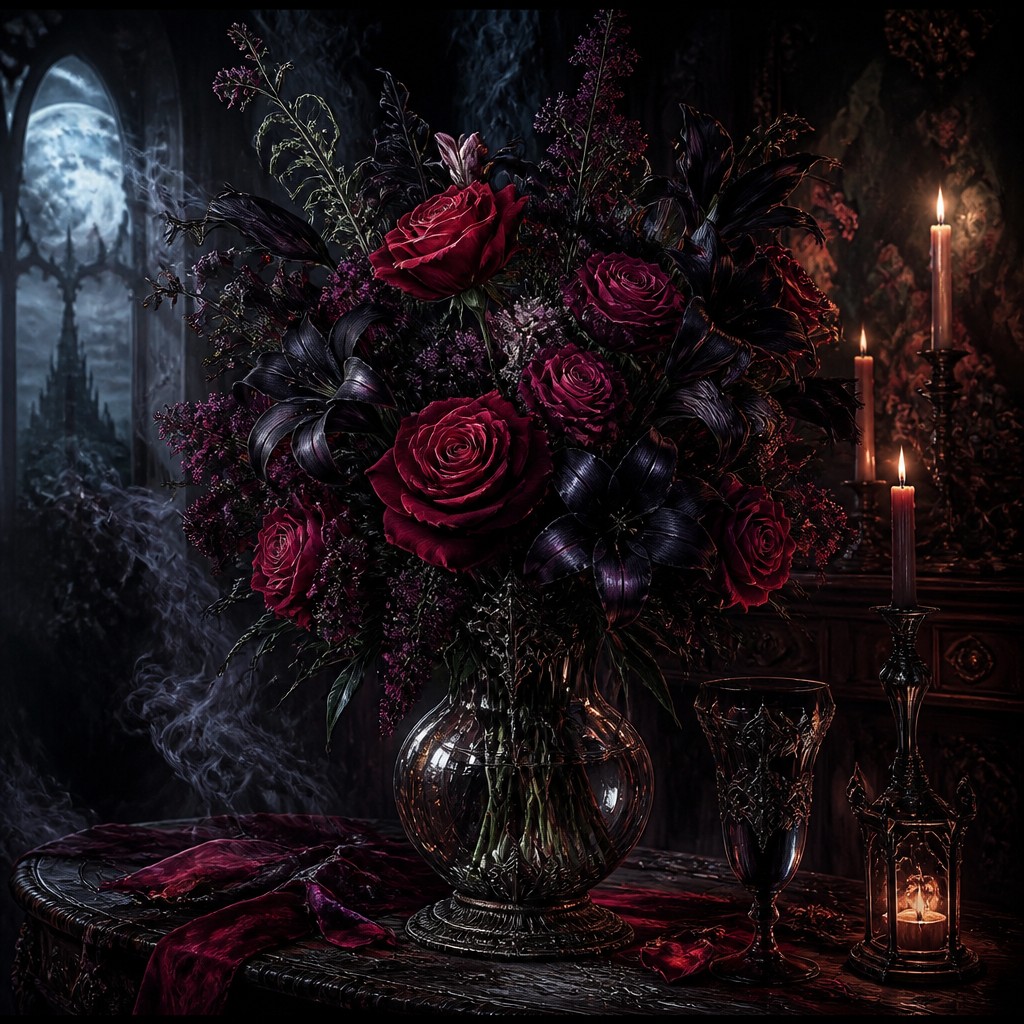
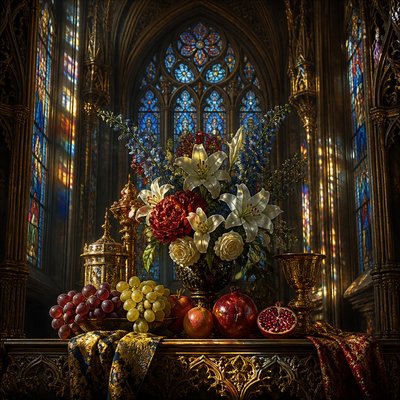
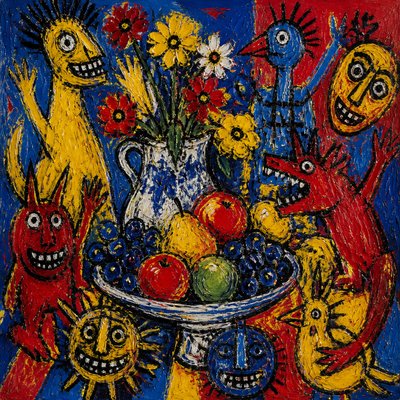
“bouquet of flowers in a glass vase”
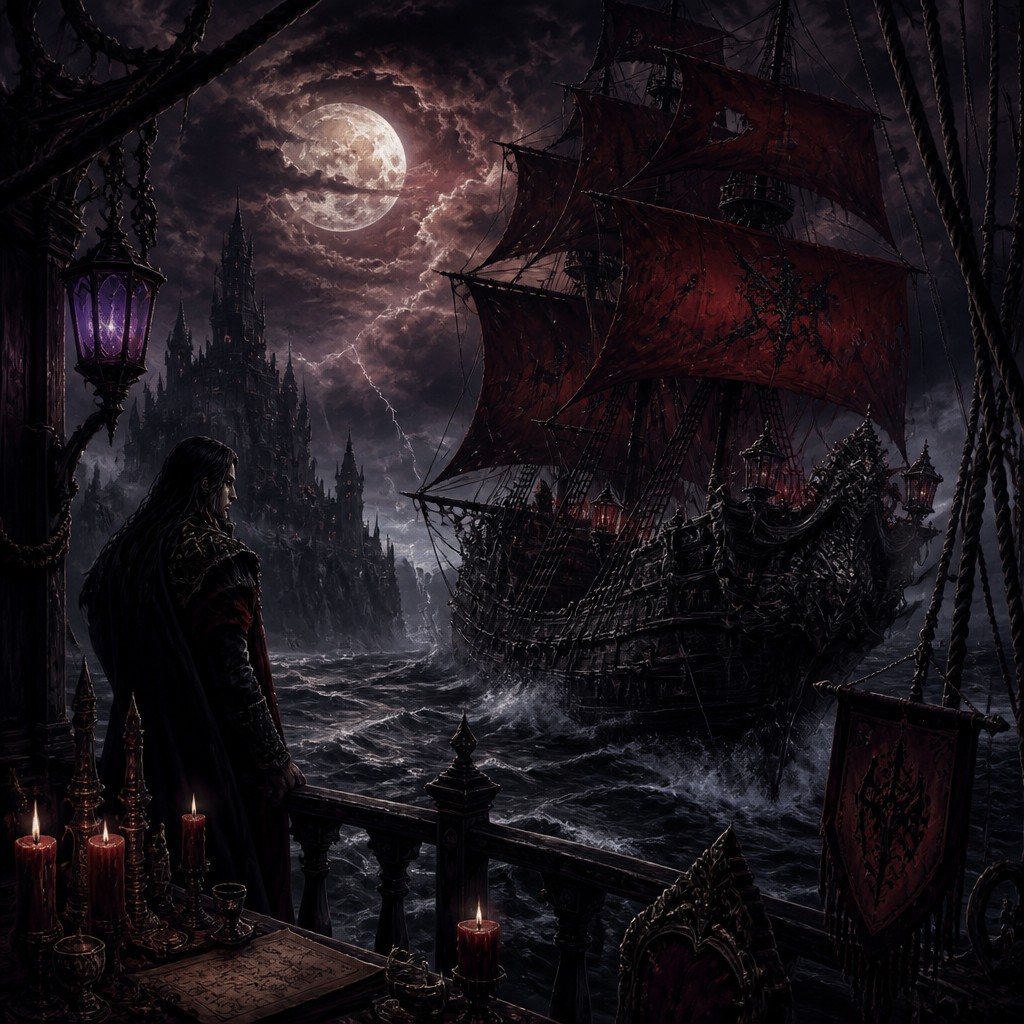
“sailing ship on a stormy sea”
How to Create Gothic Fantasy Art
Master the craft step by step — or skip straight to creating. Read the full guide →
- 1
Build the scene around a Gothic focal point
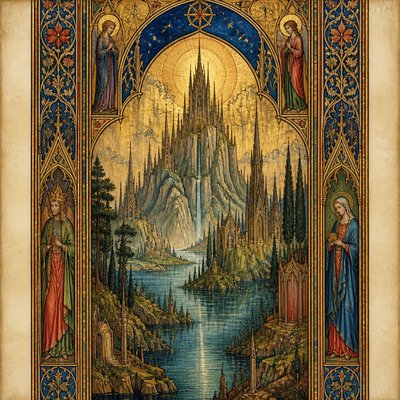
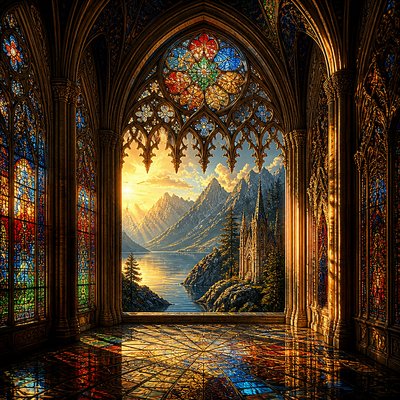
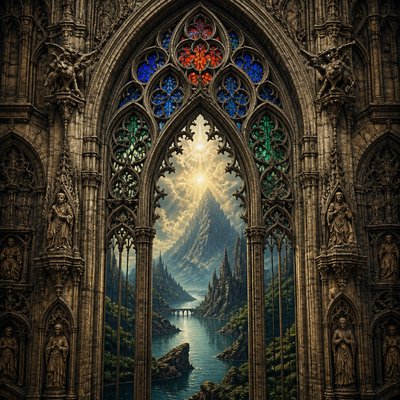
Use castles, cathedrals, crypts, manor interiors, stained glass, or graveyards as the compositional anchor. Let vertical forms, pointed arches, and spires guide the eye upward and reinforce a sense of solemn grandeur.
- 2
Use a restrained palette with one or two accents
Keep the base values dark and subdued, then introduce controlled highlights in silver, violet, emerald, or blood red. Too many bright colors weaken the mood; the style depends on selective luminosity rather than full-spectrum saturation.
- 3
Render light as a narrative element
Paint or render candles, moonbeams, ritual flames, and glowing runes so they clearly explain the mood and story. Strong edge highlights on faces, hands, metal, and fabric help the image read in low-key lighting.
- 4
Add decorative specificity
Include lace, brocade, reliquaries, sigils, gargoyles, chalices, rosaries, engraved weapons, and carved stone. Small details make the world feel historically grounded even when the subject is supernatural.
- 5
Balance beauty with morbidity
Combine elegant silhouettes, refined costume, and lyrical composition with signs of decay, blood, bones, or ruin. The appeal of the style lies in that tension between aristocratic polish and dark vulnerability.
- 6
For prompt-based generation, specify mood, light, and materials
When writing prompts, name the subject first, then add descriptors like moonlit, candlelit, ornate, decaying, crimson, obsidian, misty, and chiaroscuro. If working digitally, request painterly rendering, layered depth, and medieval ornament to keep the output aligned with the style.

The Story
History & Origins of Gothic Fantasy
Gothic Fantasy Art is not a single historical movement but an aesthetic lineage formed from several traditions. Its deepest roots lie in medieval Gothic architecture and imagery, with later influence from Gothic Revival design in the 18th and 19th centuries, which reintroduced pointed arches, tracery, and cathedral-like drama into modern visual culture. The style also inherits from 18th- and 19th-century Gothic literature and Romantic art, where ruined castles, nocturnal landscapes, and supernatural terror became key motifs.
In modern fantasy illustration, Gothic fantasy was strengthened by 20th-century book covers, role-playing games, horror cinema, and concept art for vampires, necromancers, haunted nobility, and fallen kingdoms. Its contemporary form often blends painterly illustration, digital matte-painting techniques, and character design influenced by comic art, dark fantasy games, and European fantasy illustration. Rather than belonging to one school, it is best understood as a convergent style built from Gothic ornament, Romantic atmosphere, and fantasy world-building.
Influences: Gothic Fantasy Art draws from medieval Gothic architecture, Gothic Revival design, Romanticism, and Gothic literature, especially the visual world associated with castles, cathedrals, ruins, and the sublime. It also overlaps with dark fantasy illustration, horror art, and the dramatic figure painting of major Romantic-era European painters in its use of atmosphere and psychological tension, though it is not a direct continuation of any one painterly school.
Frequently Asked Questions
What defines Gothic Fantasy Art?
It is defined by a fusion of Gothic architecture, dark fantasy subject matter, and dramatic atmosphere. Typical images include vampires, witches, haunted castles, cathedrals, candlelight, mist, and ornate medieval detail. The style prioritizes mood, contrast, and supernatural storytelling over realism or brightness.
How is it different from dark fantasy art in general?
Dark fantasy is a broader category that can include many moods and settings, from brutal war scenes to surreal nightmares. Gothic Fantasy Art is more specific: it leans into Gothic architecture, aristocratic or ecclesiastical symbolism, romantic decay, and a refined, haunted elegance. It often feels more ceremonial and architectural than generic dark fantasy.
How is it different from horror art?
Horror art aims primarily to disturb, shock, or unsettle, while Gothic Fantasy Art usually balances dread with beauty and grandeur. It can be frightening, but it often emphasizes melancholy, seduction, and atmosphere rather than pure visceral terror. The visual language is more ornate and literary than gore-focused horror.
What subjects work best in this style?
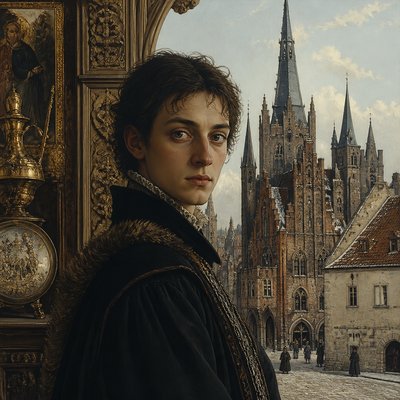
Vampires, necromancers, witches, ghostly queens, cursed knights, graveyards, cathedrals, and ruined castles are especially well suited to it. Any subject linked to ritual, antiquity, mortality, or forbidden magic can work if the lighting and ornament are handled carefully. Even portraits and interiors can feel Gothic when framed by shadow, decay, and medieval detail.
What colors are most associated with this style?
Black, crimson, burgundy, silver, charcoal, violet, and emerald are the most common colors. The palette usually stays dark, with luminous accents used to suggest magic, moonlight, or supernatural energy. High saturation is typically limited to select focal points.
How can I make art in this style?
Start with a strong silhouette and a Gothic setting, then build atmosphere through lighting, mist, and ornament. In traditional media, layered glazing and careful value control work well; in digital work, use textured brushwork, subtle bloom, and layered shadows. When writing prompts, include both the subject and the mood descriptors so the image has clear narrative direction.
Create your first Gothic Fantasy artwork
Describe anything — or upload a photo — and see it in Gothic Fantasy Art in seconds.
Make Something with Gothic Fantasy
Compare Gothic Fantasy
Related Styles
Discover similar art styles