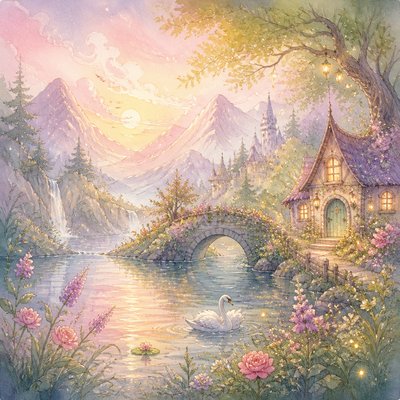
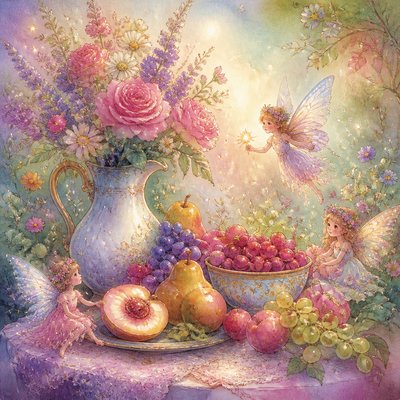
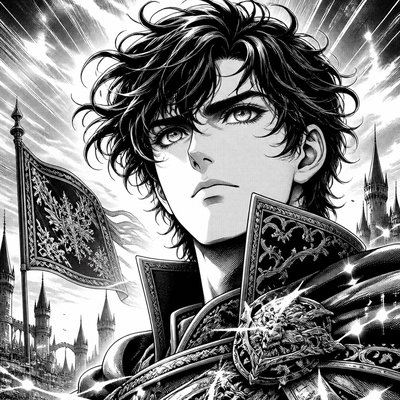
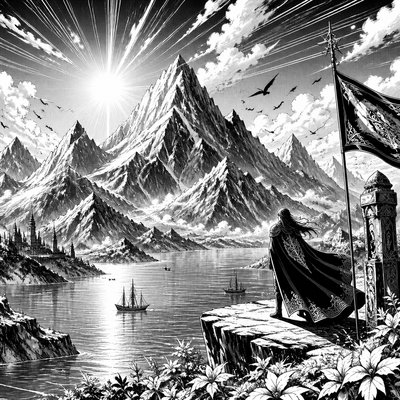
Underwater Fantasy Art
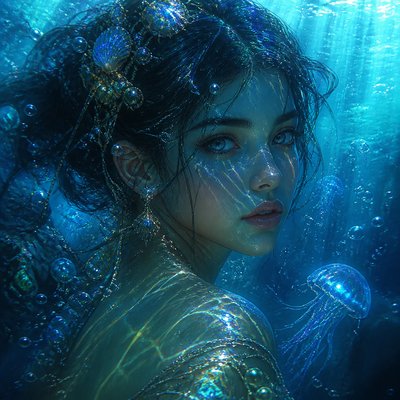
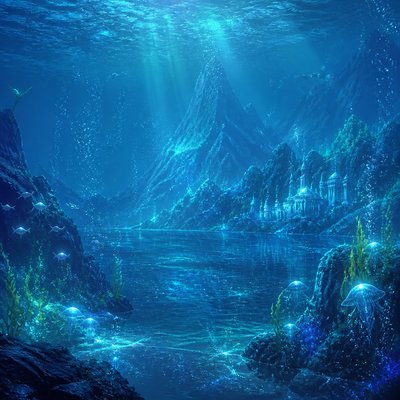
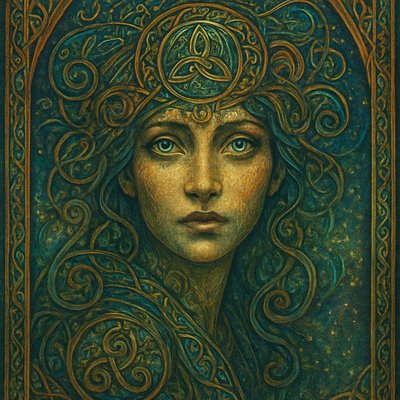
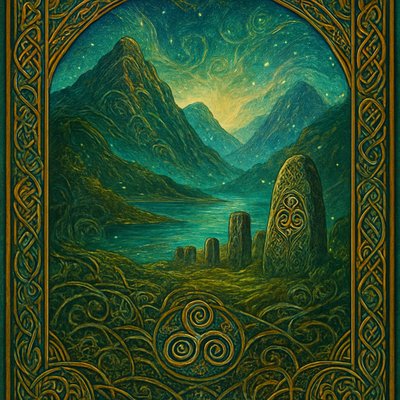
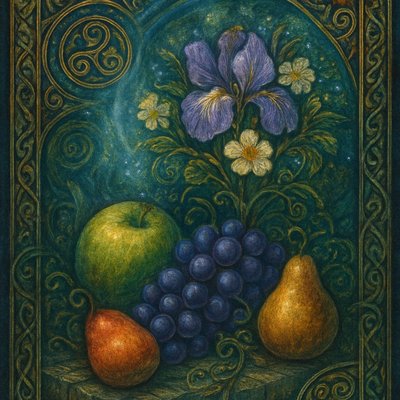
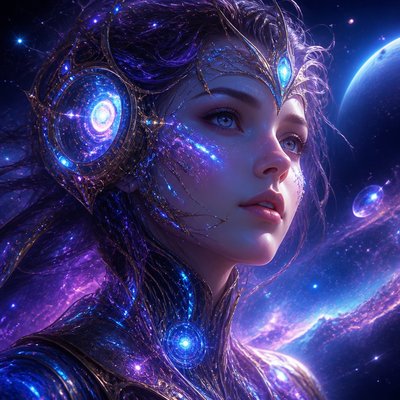
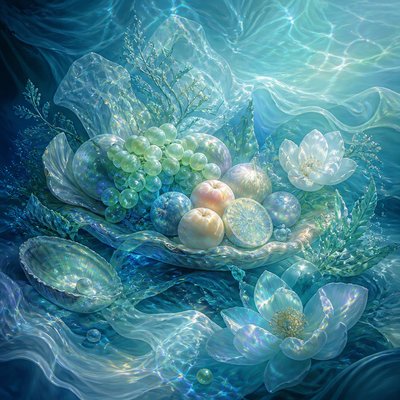
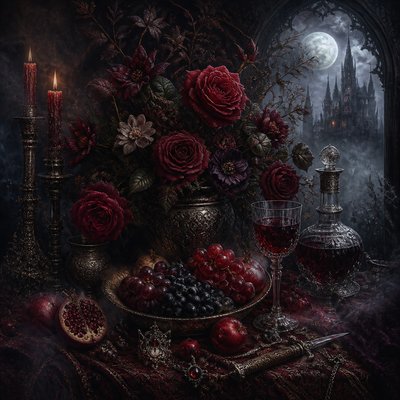
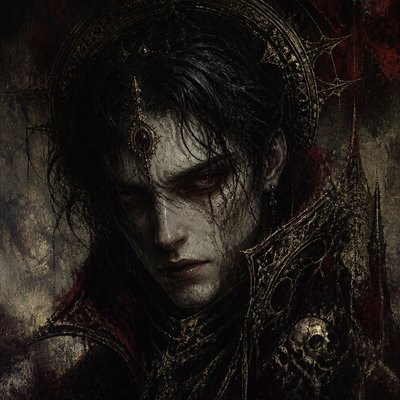
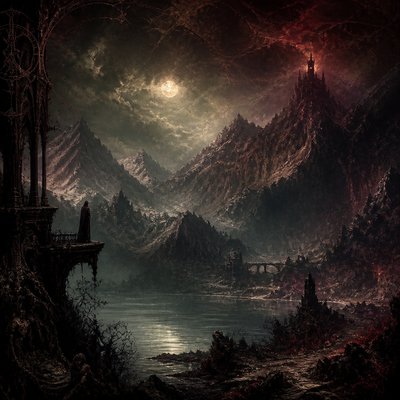
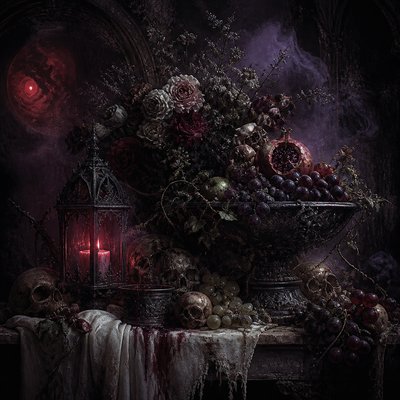
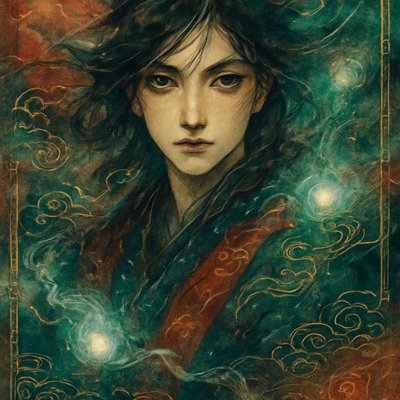
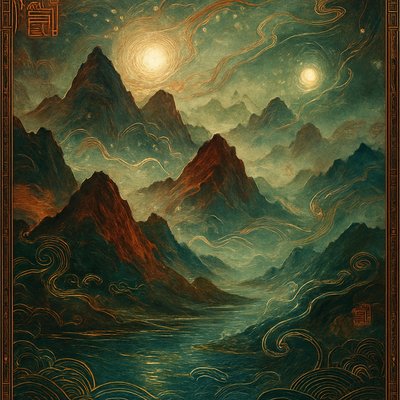
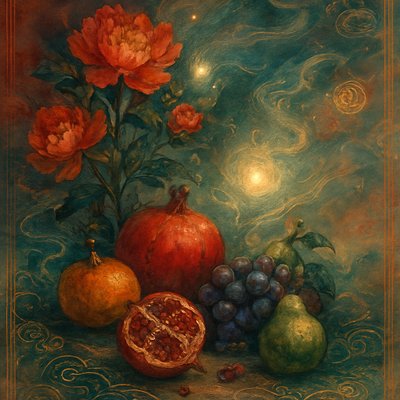
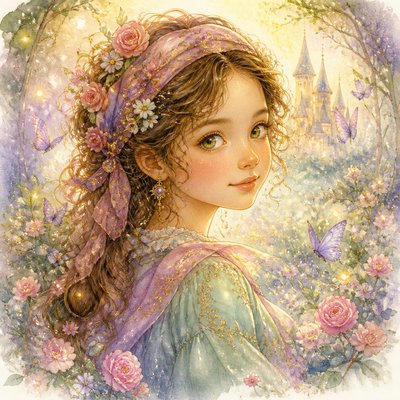
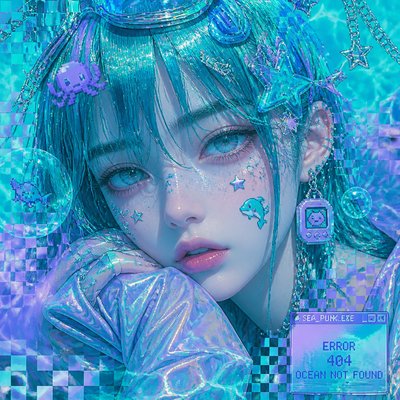
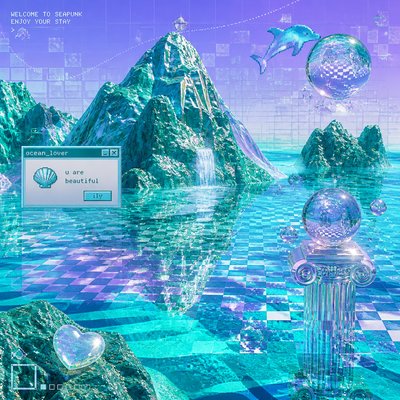
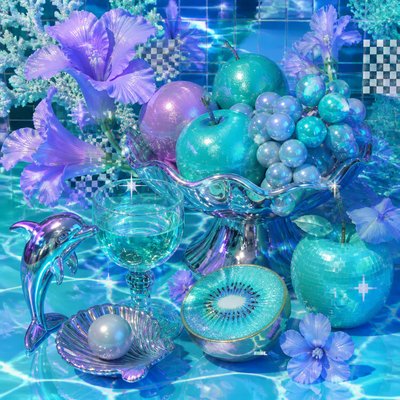
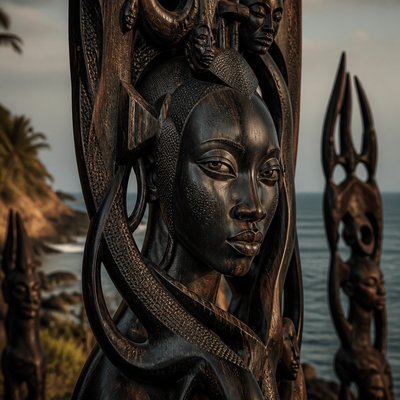
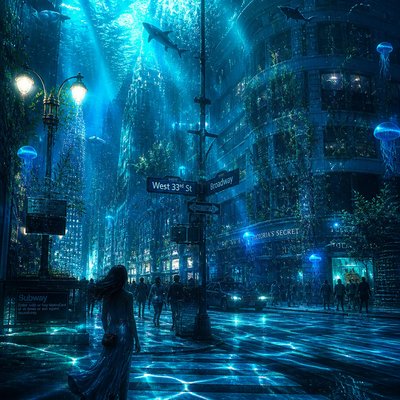
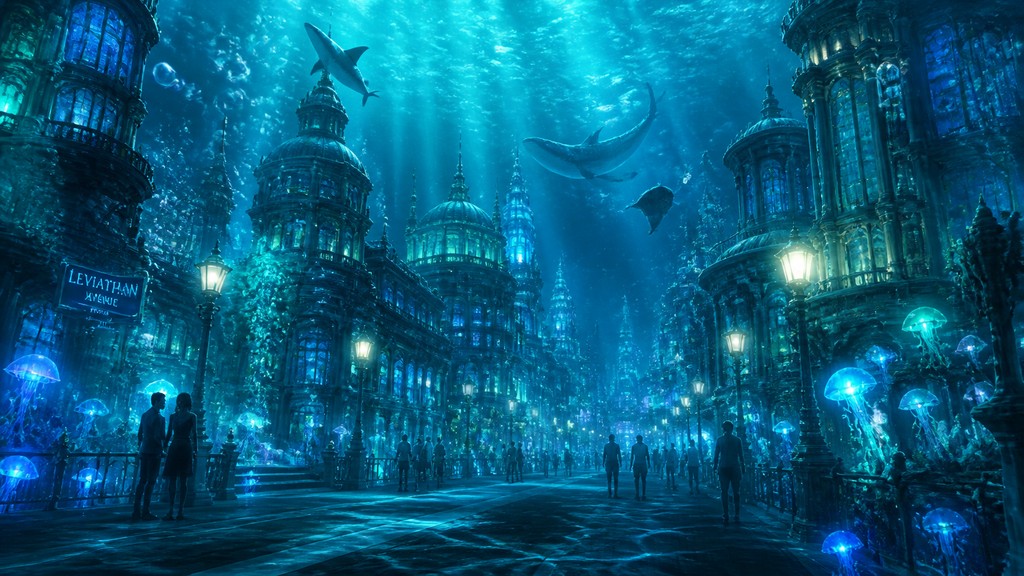
Aquatic fantasy worlds of mermaids, sea monsters, sunken ruins, bioluminescent magic, and luminous underwater light.
Instantly rendered in Underwater Fantasy — or transform a photo
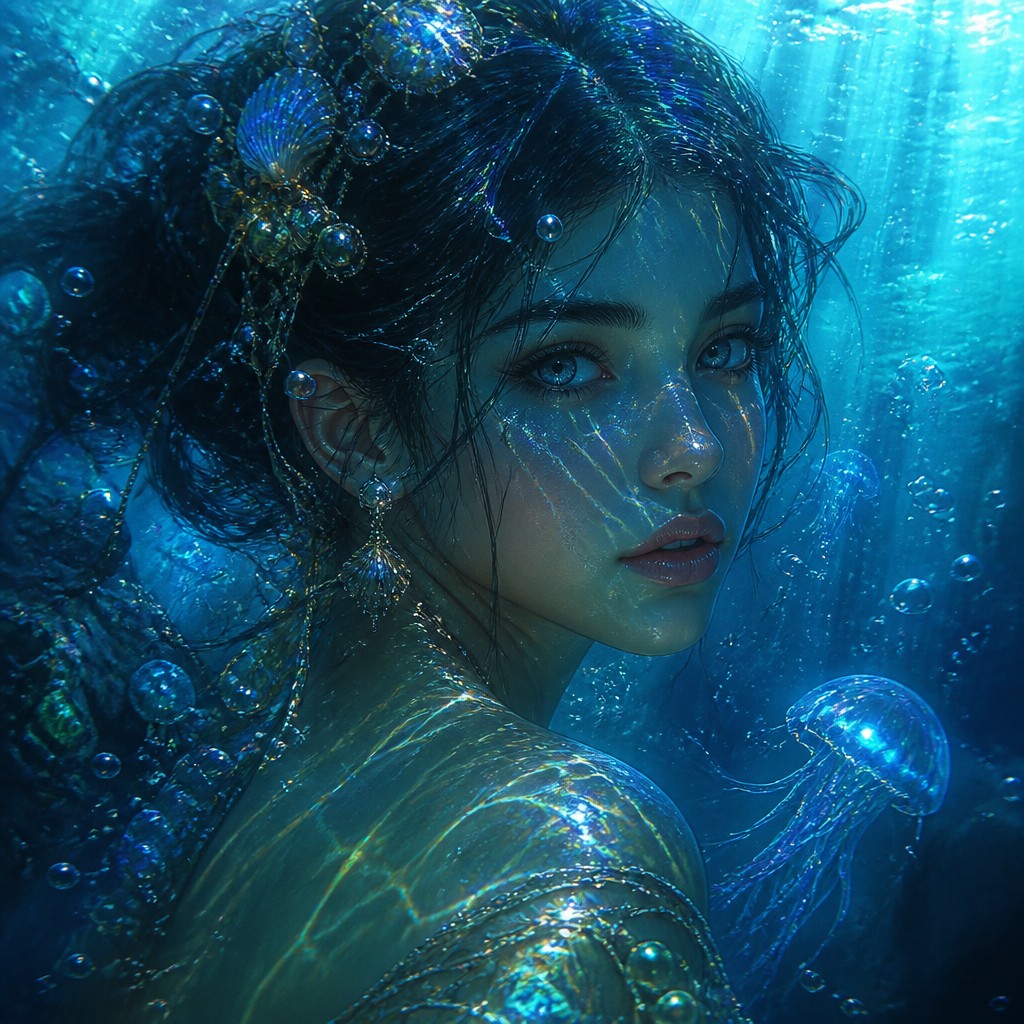
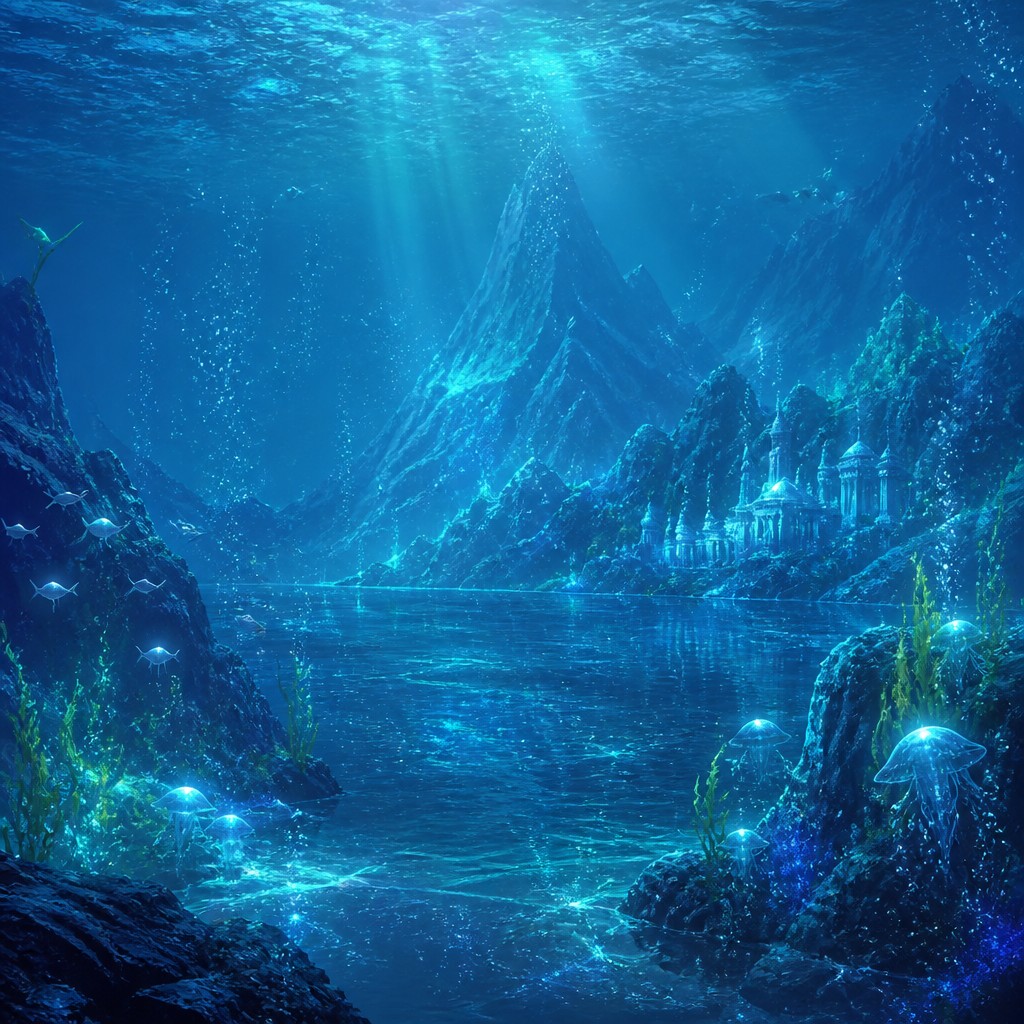
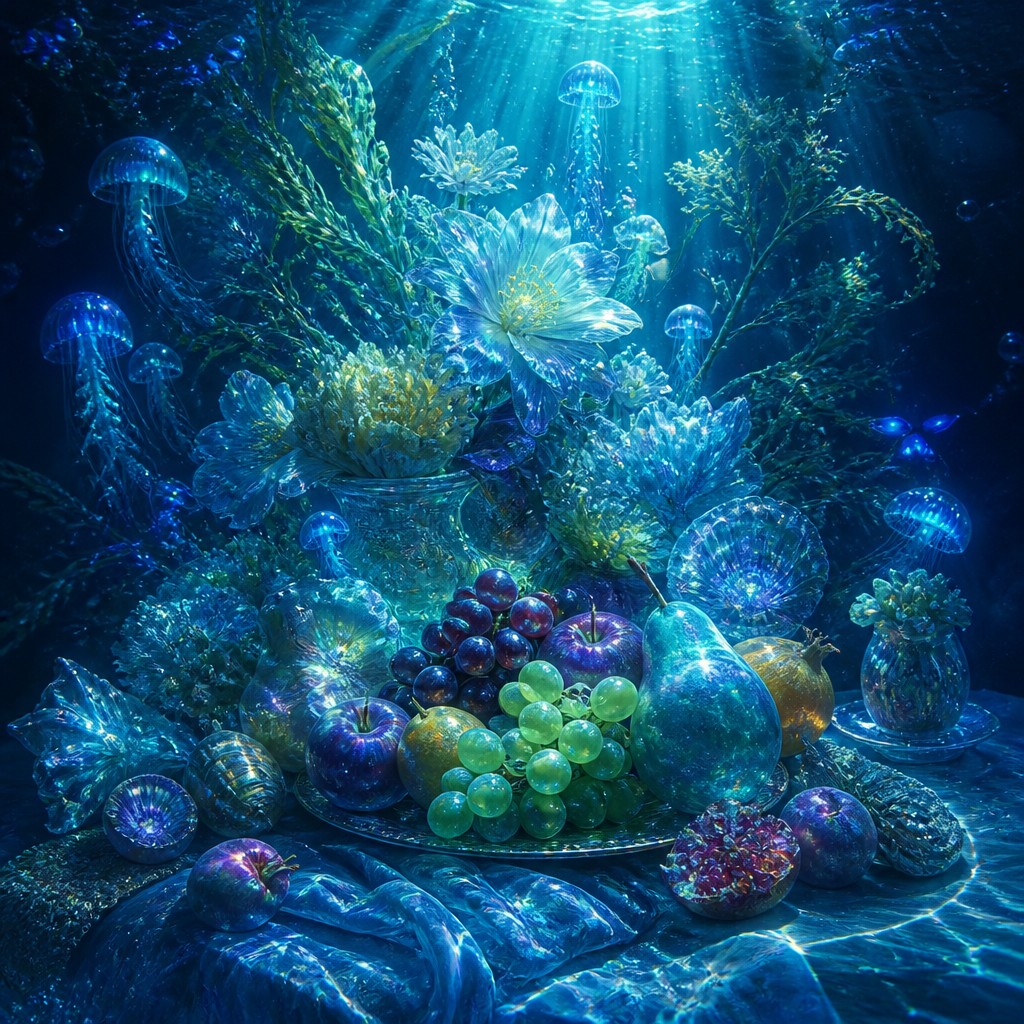
Underwater Fantasy Gallery
Tap any artwork to explore it
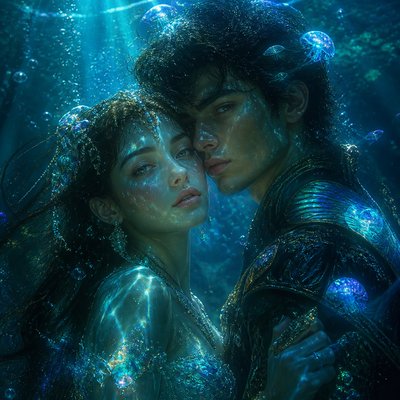
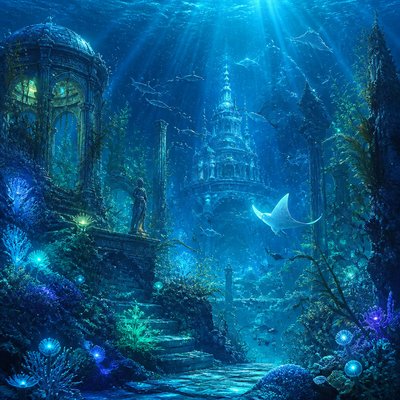
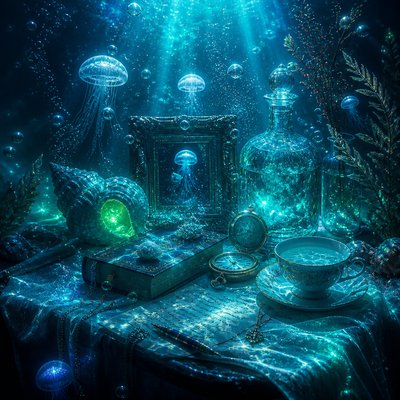
What is Underwater Fantasy Art?
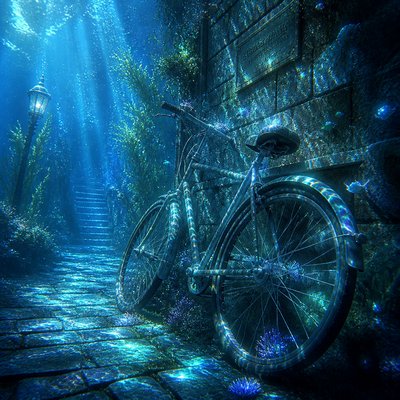
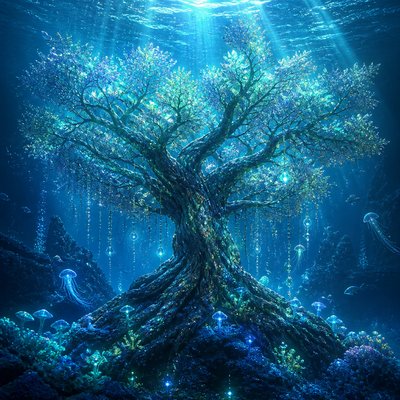
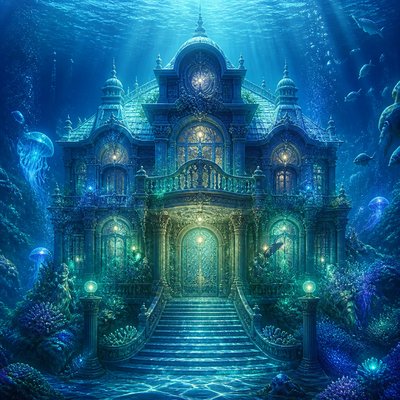
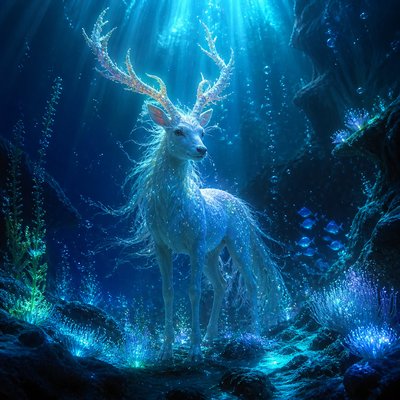
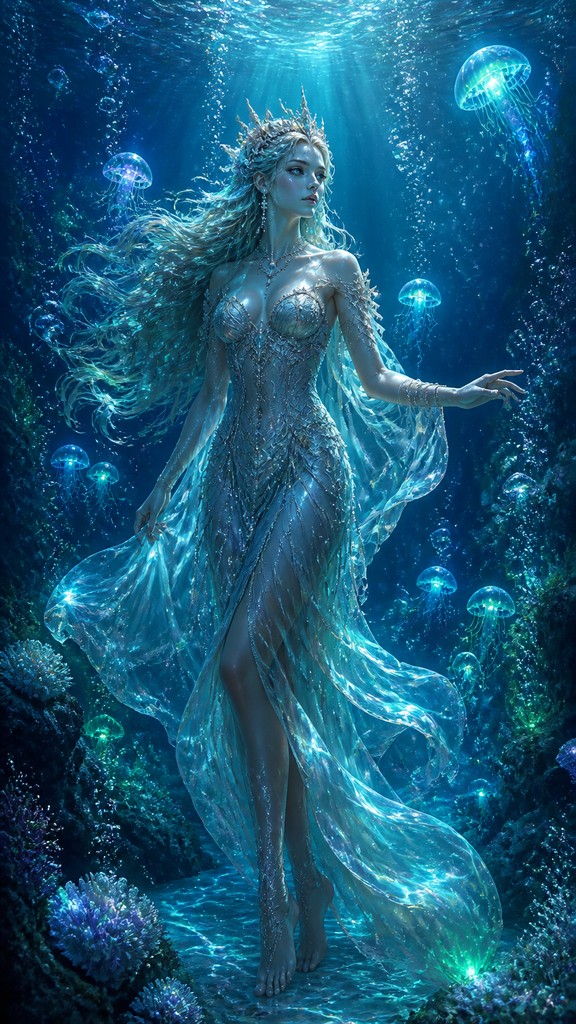
Underwater Fantasy Art is a fantasy genre centered on imagined worlds beneath the sea: mermaids, leviathans, coral palaces, sunken cities, enchanted relics, and other life forms adapted to an oceanic setting. Its imagery is defined by submersion itself—the sense of buoyant suspension, filtered sunlight, drifting particles, bubbles, and color transformed by water.
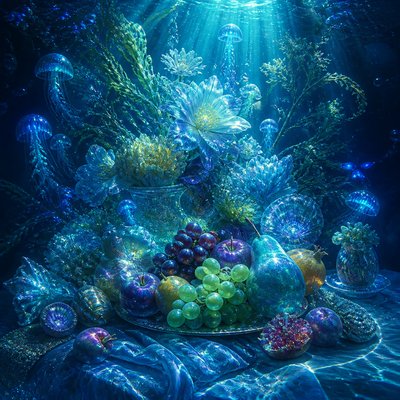
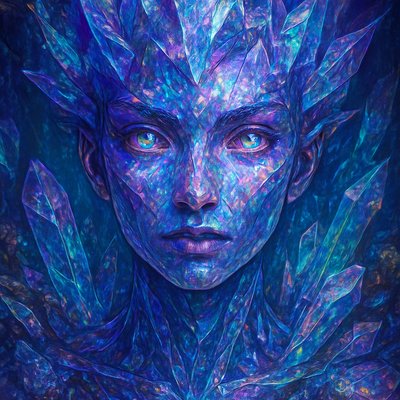
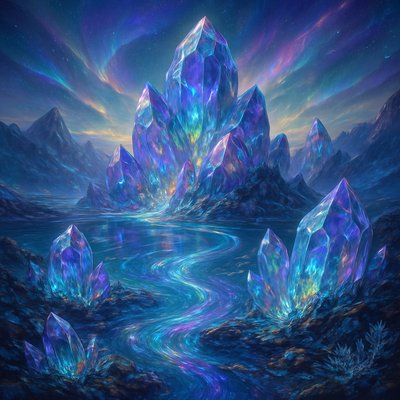
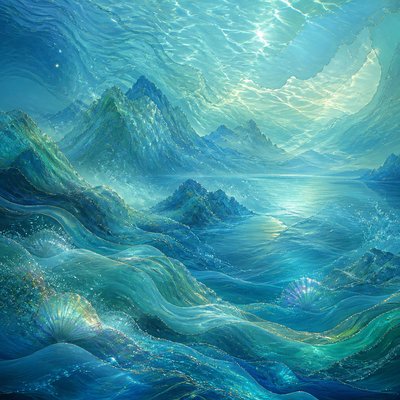
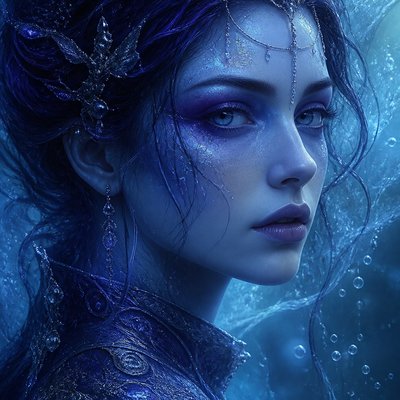
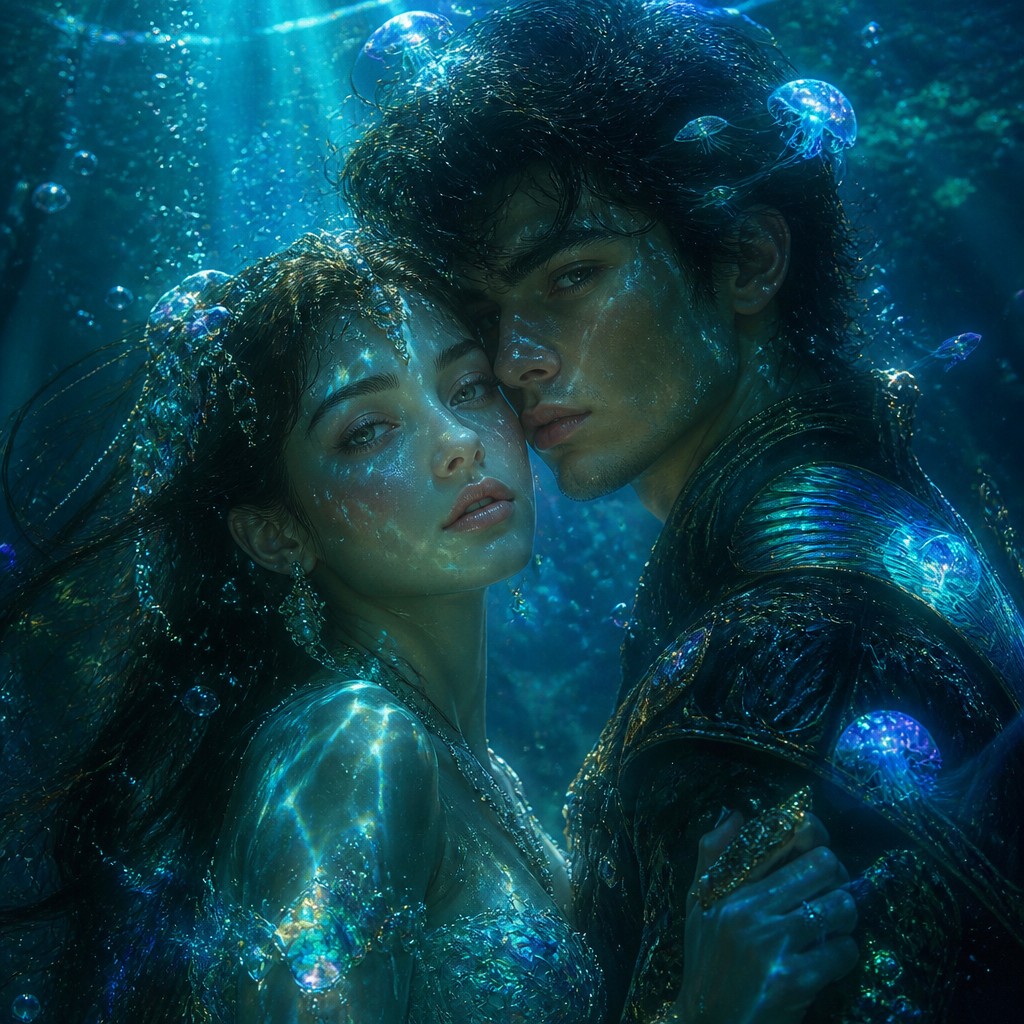
The style typically relies on a restricted but vivid palette of turquoise, teal, midnight blue, violet, sea-green, and luminous accents such as phosphorescent white, electric cyan, and bioluminescent green. Forms often appear softened by refraction and depth haze, with caustic light patterns, iridescent surfaces, and slow, weightless movement creating a dreamlike atmosphere. The result is not just a scene placed underwater, but a visual logic shaped by the physics and mythology of the deep.
Try It On Your Photos
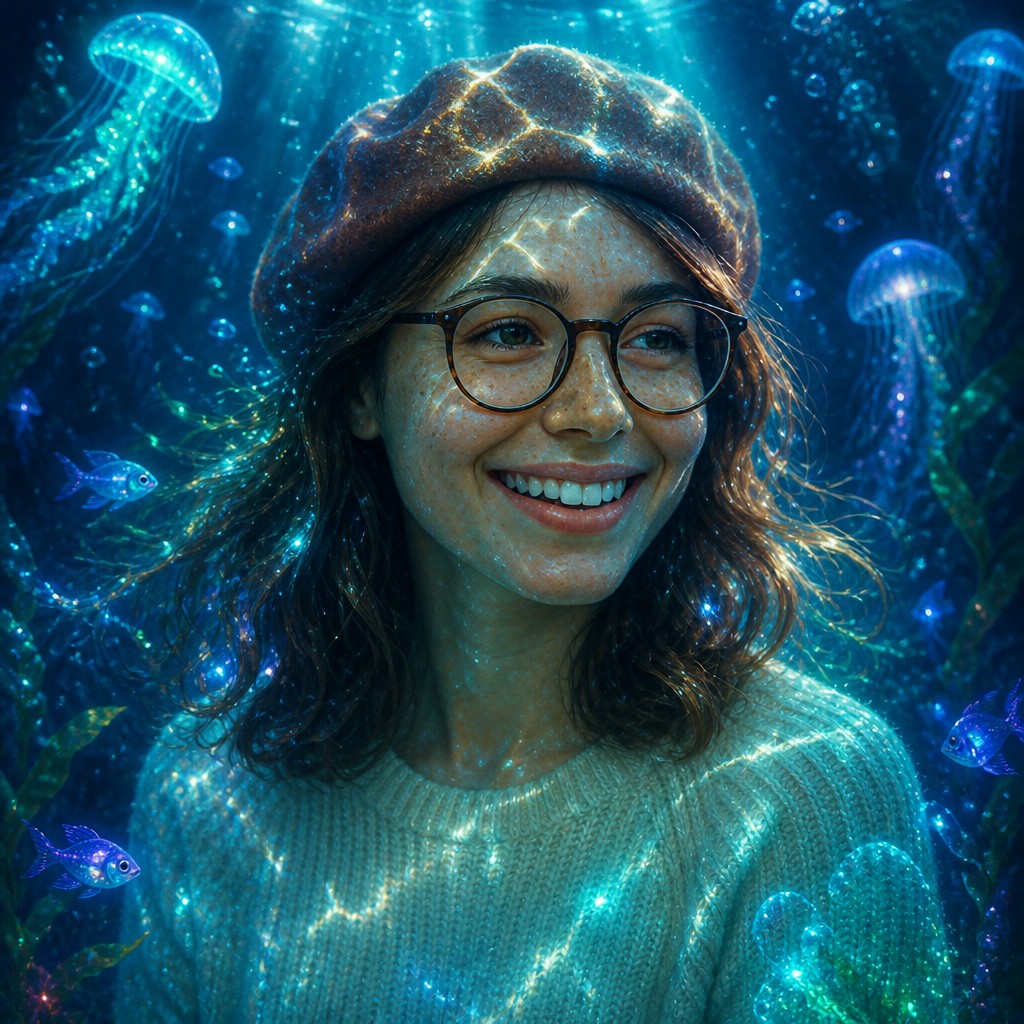
Upload any photo and convert it into Underwater Fantasy Art — drag the sliders to compare before and after.


What Defines Underwater Fantasy Art
The signature details, up close
Submerged lighting
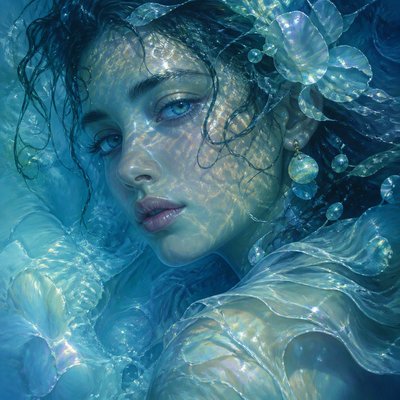
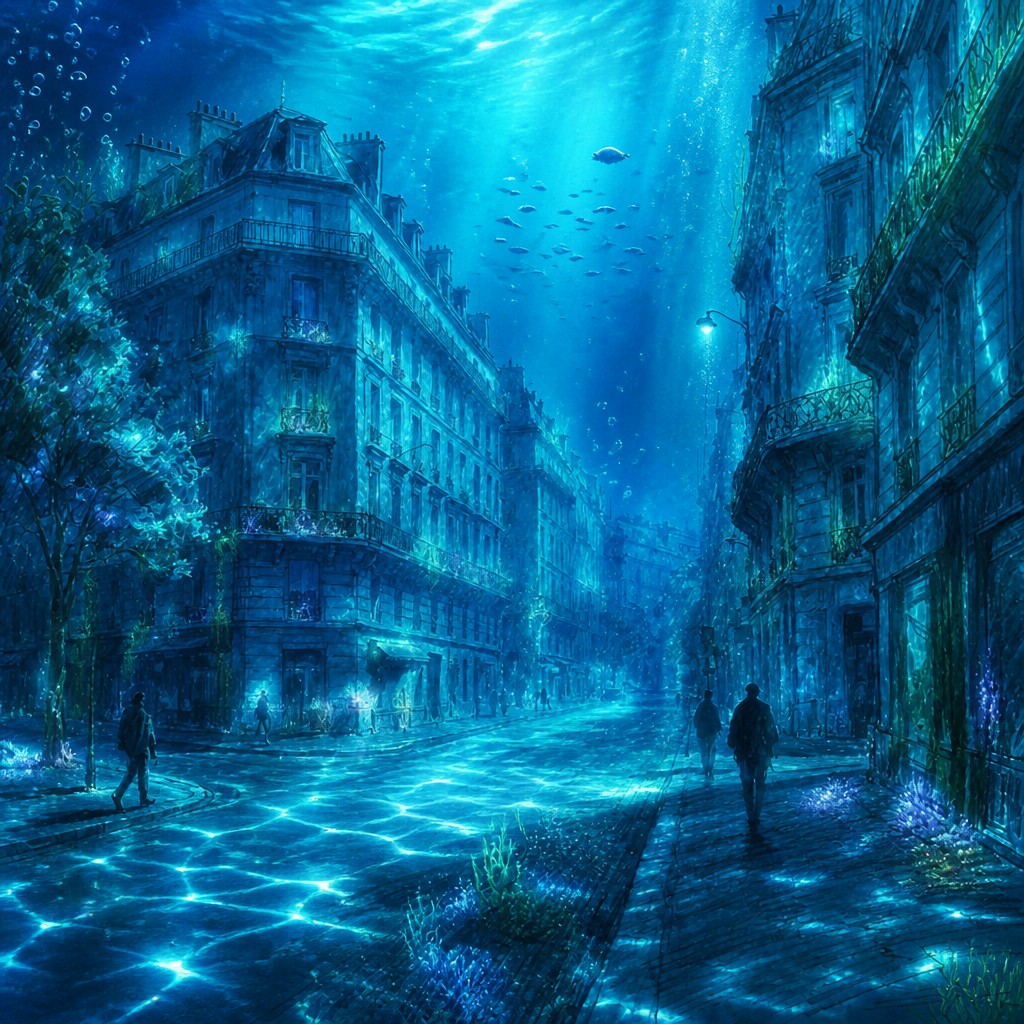
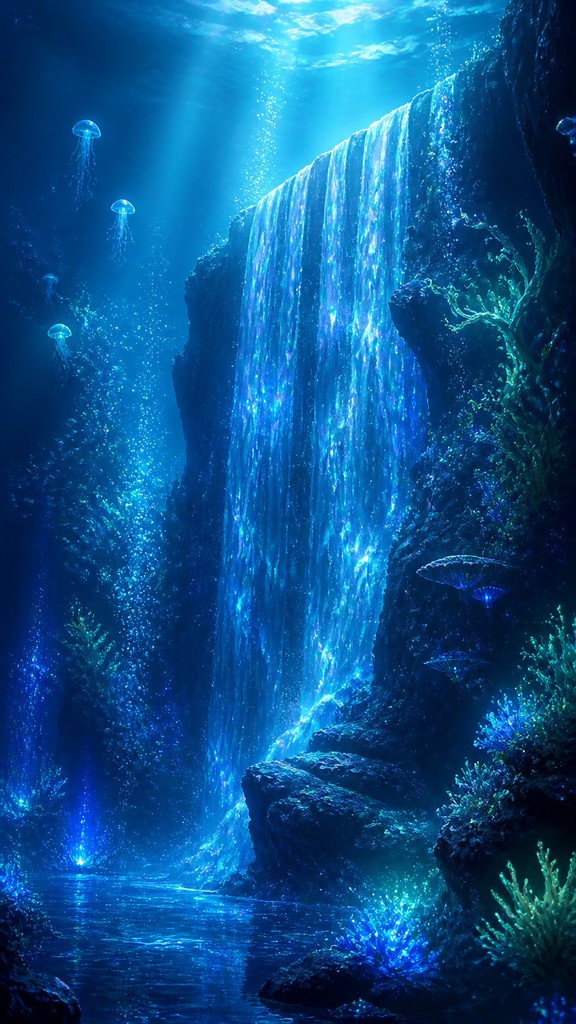
Light is usually filtered from above in narrow beams or diffuse shafts, creating a sense of depth and pressure. Caustic reflections dance across skin, stone, and fabric, making surfaces feel alive and fluid.
Bioluminescent color accents
The palette often balances dark blue-green surroundings with glowing highlights in cyan, green, pearl, and violet. These luminous notes suggest magic, marine life, or enchanted technology.
Weightless motion
Figures, hair, cloth, and sea plants tend to float and curl rather than hang or fall. This gives the composition a slow, suspended rhythm that distinguishes it from surface fantasy art.
Oceanic worldbuilding
Common subjects include mermaids, sea kings, reef spirits, abyssal monsters, coral architecture, and submerged ruins. The setting often feels culturally coherent, with its own artifacts, symbols, and ecosystems.
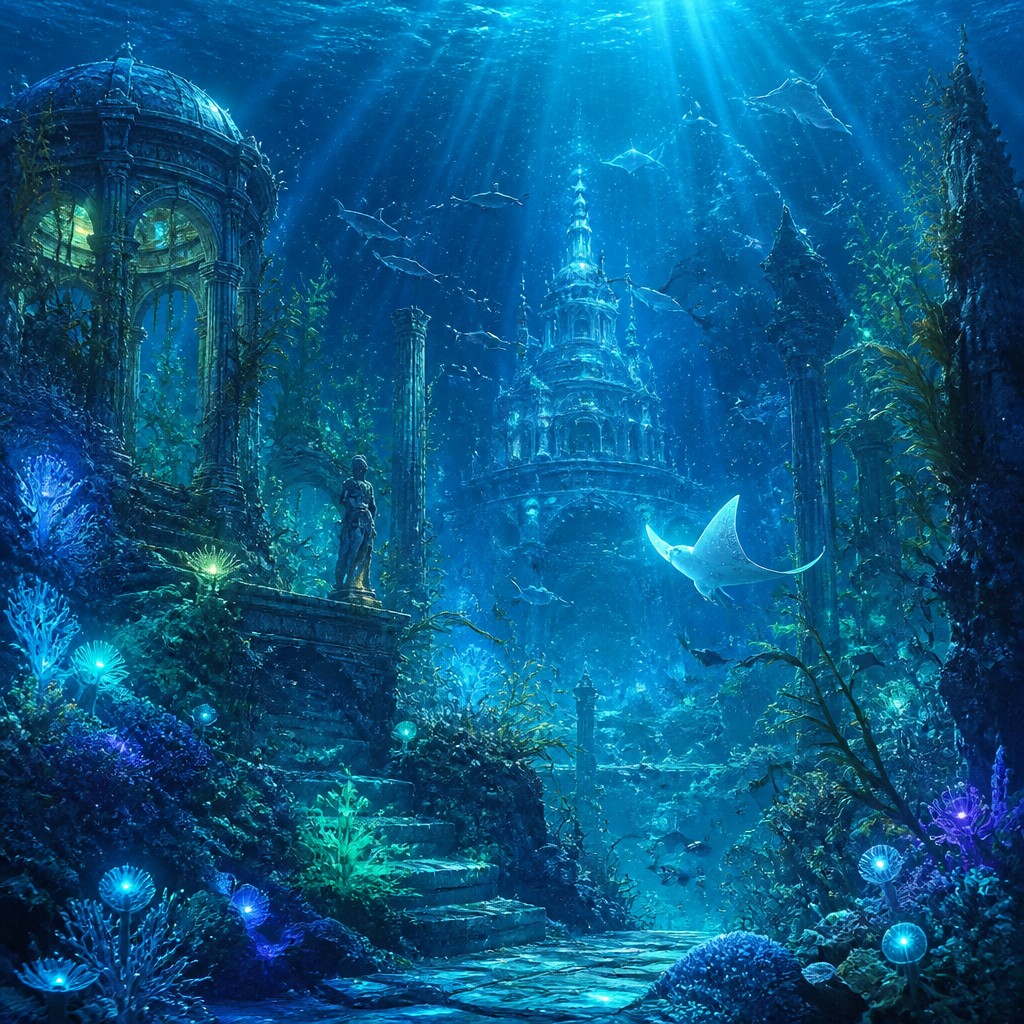
Iridescent and translucent surfaces
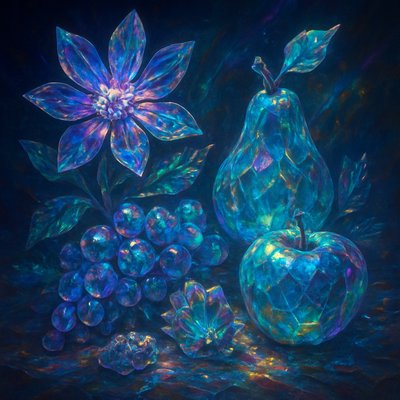
Shells, scales, glass, pearls, and wet stone are often rendered with shimmer and translucency. These textures reinforce the sense of water changing how materials appear.
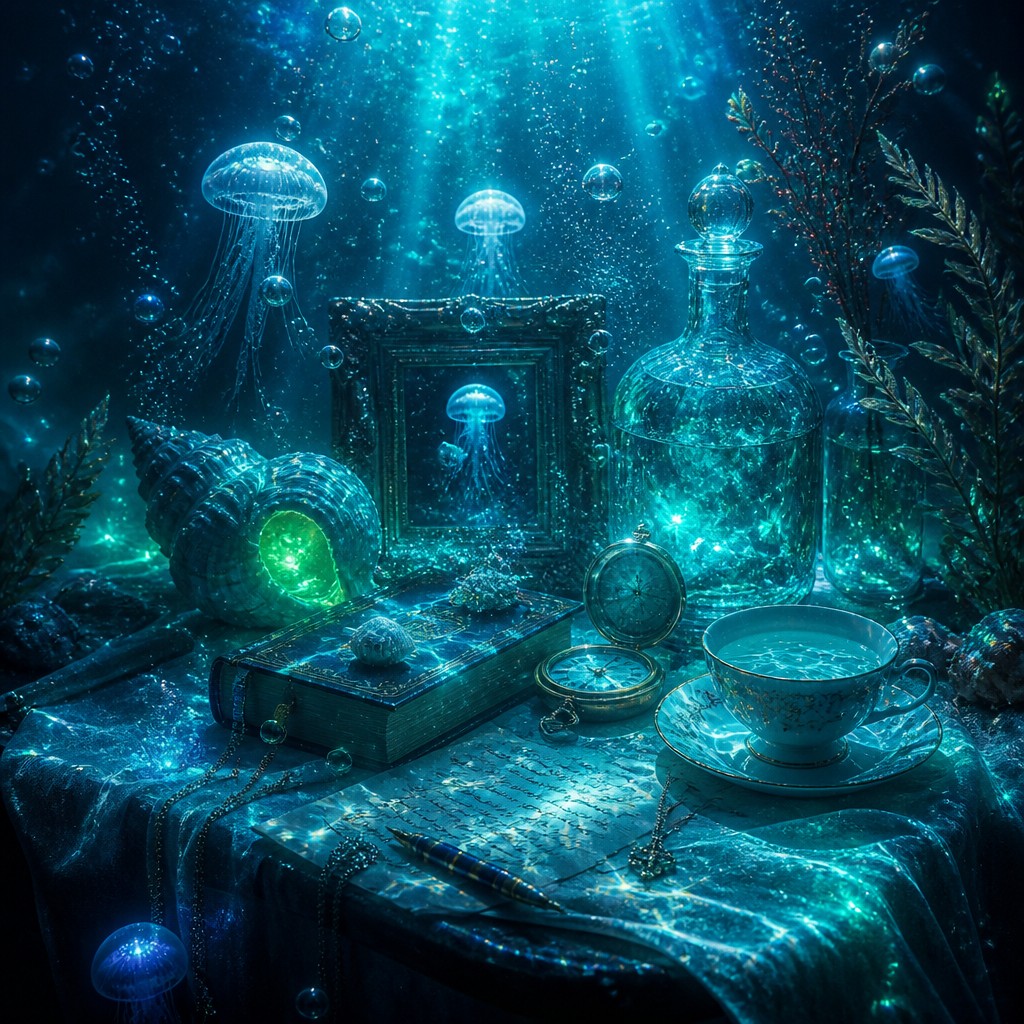
Atmospheric depth and haze
Distant forms soften quickly, with particles, bubbles, and suspended sediment reducing clarity. This depth haze helps create a vast, immersive underwater space.
Try It
Create Videos in Underwater Fantasy Art
Styles aren't just for stills — describe a scene or animate an image and get a short video rendered in Underwater Fantasy. Press play to see this pond come to life.
Make a VideoUnderwater Fantasy Prompt Ideas
Start from an idea — each one opens the generator with the style ready to go. See all 40 Underwater Fantasy prompts →
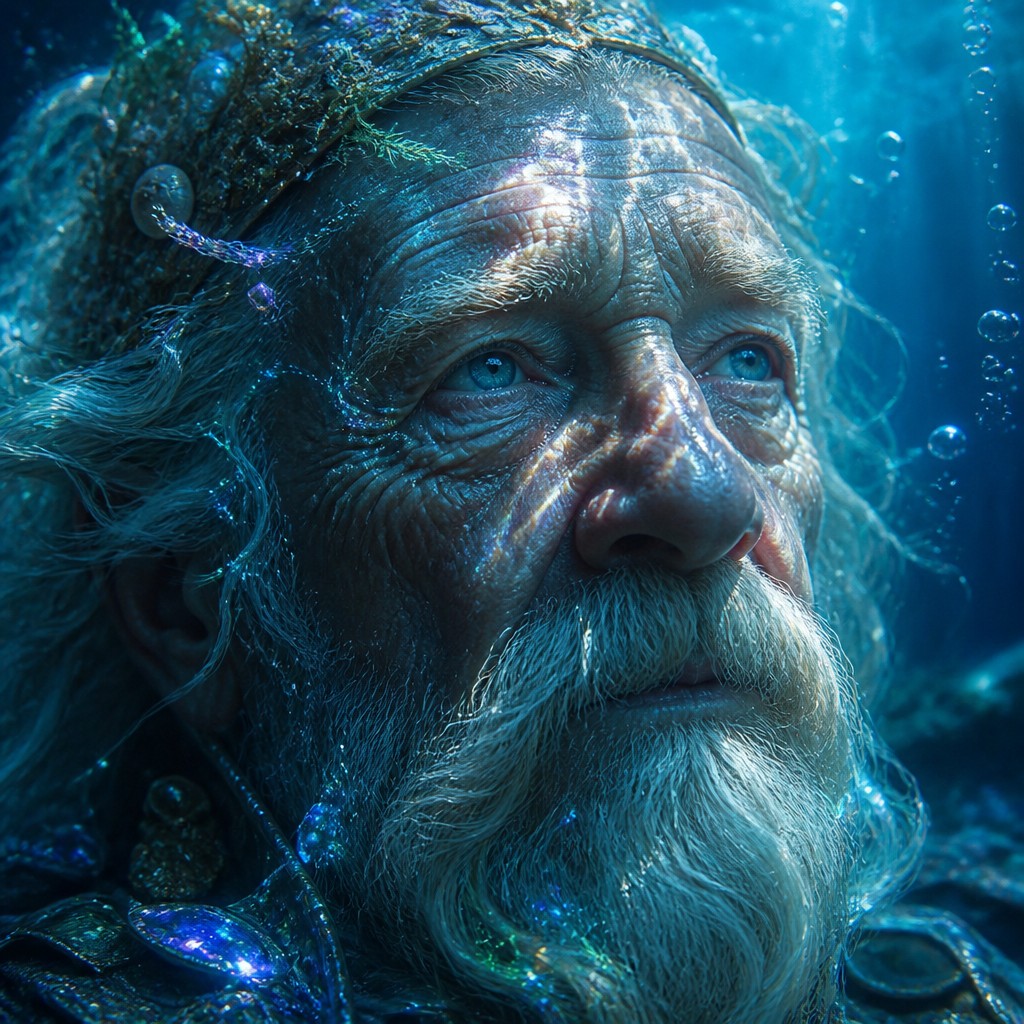
“close-up portrait of an elderly person with expressive weathered features”
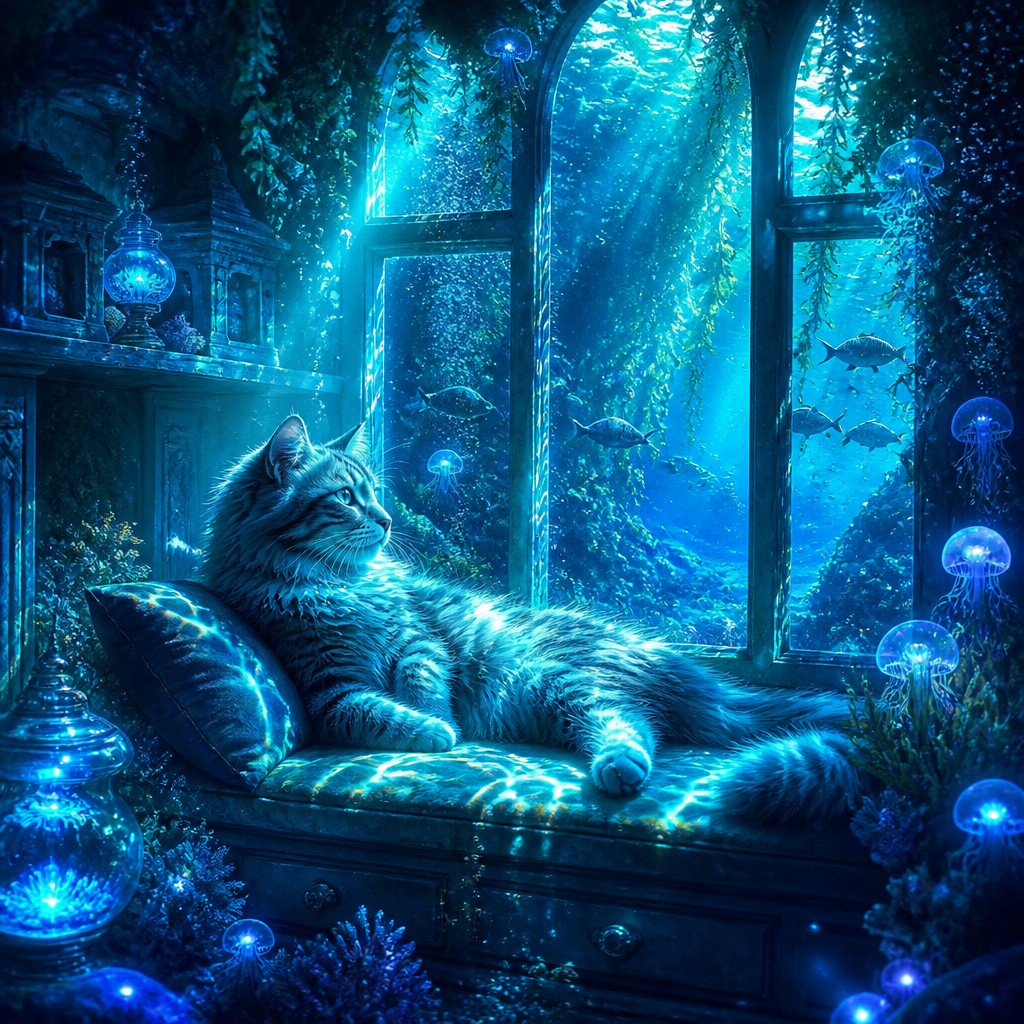
“a cat lounging in a sunlit window”
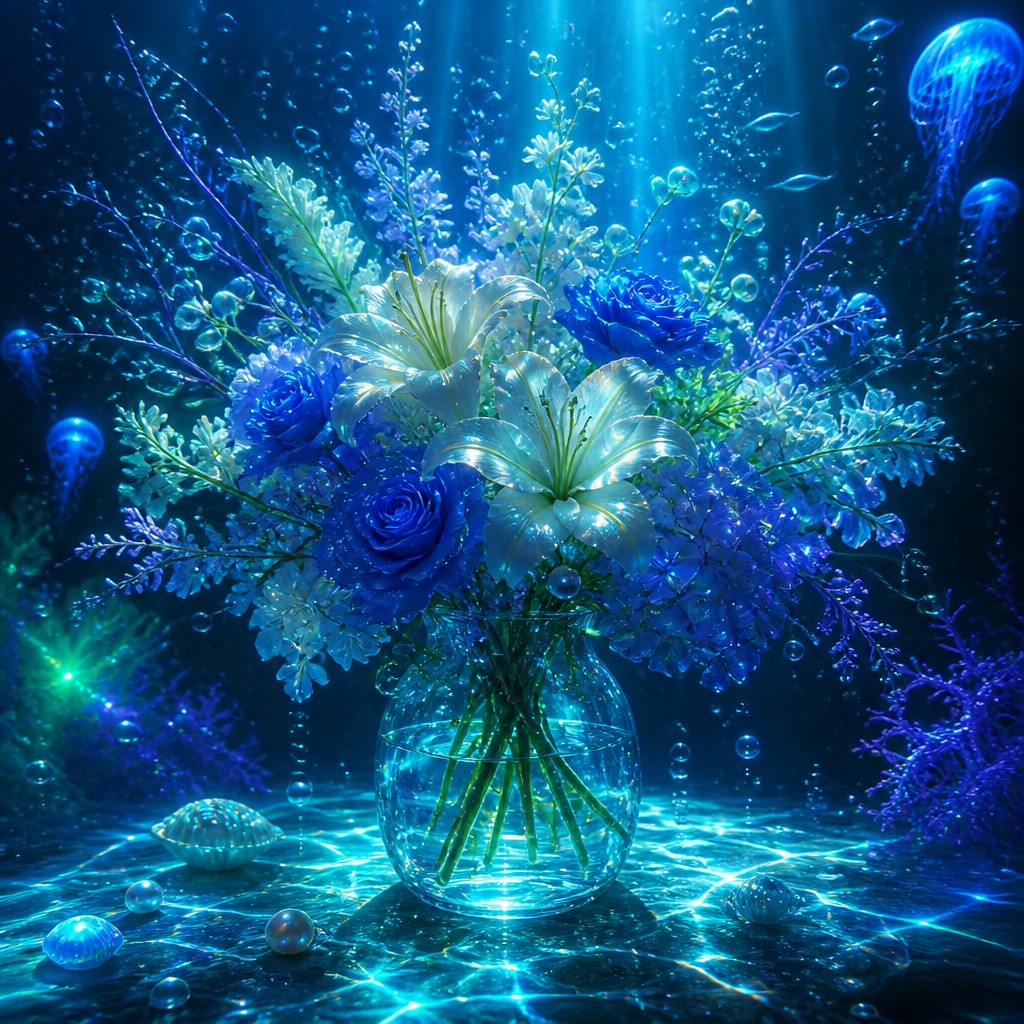
“bouquet of flowers in a glass vase”
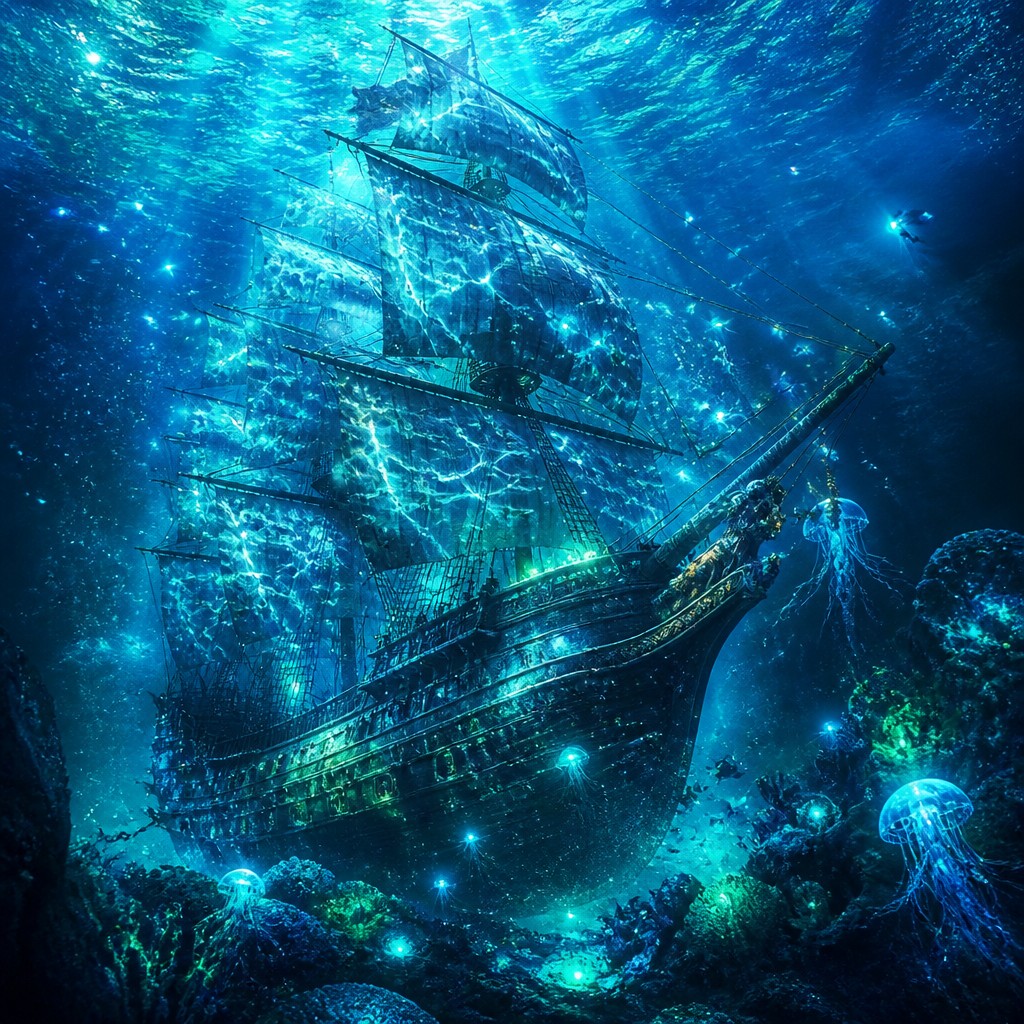
“sailing ship on a stormy sea”
How to Create Underwater Fantasy Art
Master the craft step by step — or skip straight to creating. Read the full guide →
- 1
Build the scene around underwater physics
When painting or compositing, let buoyancy, drag, refraction, and depth haze shape every element. Hair should drift, fabric should billow, and distant objects should lose contrast as they recede.
- 2
Use a dark base with luminous accents
Start with deep blue-green shadows, then add controlled highlights in cyan, pearl, and phosphorescent green. Strong contrast between the dim environment and selective glow is what makes the imagery feel underwater and magical.
- 3
Paint caustics and particulate matter
Overlay rippling light patterns and floating specks to simulate water movement and suspended sediment. These details anchor the scene in a believable aquatic space even when the subject is fantastical.
- 4
Design materials for shimmer and translucency
Emphasize scales, shells, coral, polished stone, and wet surfaces with specular highlights and soft gradients. Slight iridescence or pearly sheen can unify creatures, costumes, and architecture.
- 5
Combine fantasy iconography with marine morphology
Merge familiar fantasy elements such as crowns, staffs, and ruins with sea forms like fins, coral branches, tentacles, and anemones. This hybrid design language helps the image feel original while still clearly underwater.
- 6
For prompt-based generation, specify mood, light, and depth
Include terms for submerged atmosphere, volumetric light, bubbles, bioluminescence, and dreamlike motion rather than only naming the subject. Strong prompts describe both the creature or scene and the optical conditions that define the style.
The Story
History & Origins of Underwater Fantasy
Underwater Fantasy Art is not a single historical movement but a contemporary fantasy aesthetic that draws from several older visual traditions. Its narrative roots lie in mythic depictions of sea deities, mermaids, monster lore, and submerged utopias, while its visual language borrows from romantic seascapes, illustration, film concept art, and modern digital painting. The style became especially distinct in illustration, game art, and cinematic worldbuilding, where artists explored oceans as spaces of mystery rather than mere settings.
Its lineage also includes scientific and observational imagery of marine life: translucent organisms, coral structures, deep-sea creatures, and the color shifts caused by light absorption underwater. In visual terms, the style blends fantasy illustration with atmospheric painting, luminous special-effects aesthetics, and decorative iridescence. The underwater environment is central not only as subject matter but as a formal system that changes lighting, motion, texture, and color relationships.
Influences: Underwater Fantasy Art draws from mythological sea imagery, Victorian and Romantic fascination with the sublime ocean, and illustration traditions that prioritize narrative atmosphere. It also overlaps with modern fantasy art, concept art, and marine natural history illustration, especially in the depiction of bioluminescence, translucent organisms, and reef ecology. In a broader visual sense, it shares interests with Symbolism, idealized figure painting associated with the late 19th-century English medieval revival, and cinematic lighting design, though its subject matter is specifically aquatic rather than terrestrial.
Frequently Asked Questions
What defines Underwater Fantasy Art?
It is fantasy imagery set beneath the sea, usually emphasizing mermaids, sea monsters, coral architecture, submerged ruins, and magical marine life. The style is defined as much by underwater optics as by subject matter: filtered light, bubbles, haze, and luminous color effects are essential.
How is it different from general fantasy art?
General fantasy art can take place anywhere, while this style is built around the visual conditions of submersion. Water changes everything: motion becomes weightless, colors shift cooler and darker, and light becomes fragmented and volumetric.
What colors are most common in this style?
Deep turquoise, teal, midnight blue, sea green, violet, pearl white, and electric cyan are especially common. Artists often use dark environmental tones with a few bright bioluminescent accents to create contrast and depth.
What subjects work best in this style?
Mermaids, sea gods, coral cities, underwater temples, treasure wrecks, leviathans, and glowing marine creatures are all natural fits. Subjects that can interact with water, light, and suspension tend to produce the strongest results.
How can I make my own Underwater Fantasy Art?
Start by establishing the underwater environment before detailing the subject: add depth haze, soft caustics, bubbles, and filtered light. Then layer in fantasy elements such as magical glow, ornate marine design, and expressive creature anatomy.
Where is this style commonly used?
It appears in book covers, game art, movie concept art, animation, posters, and decorative illustration. It is especially effective anywhere an artist needs to communicate wonder, mystery, or an otherworldly ocean setting.
Create your first Underwater Fantasy artwork
Describe anything — or upload a photo — and see it in Underwater Fantasy Art in seconds.
Make Something with Underwater Fantasy
Compare Underwater Fantasy
Related Styles
Discover similar art styles