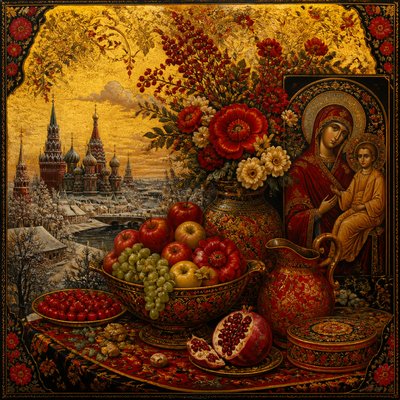
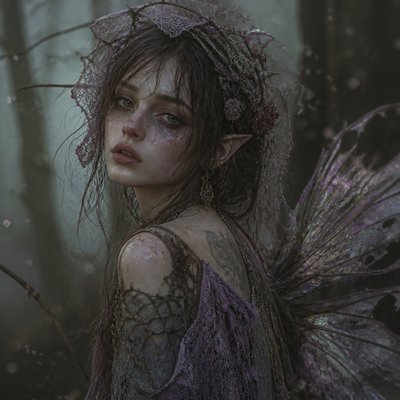
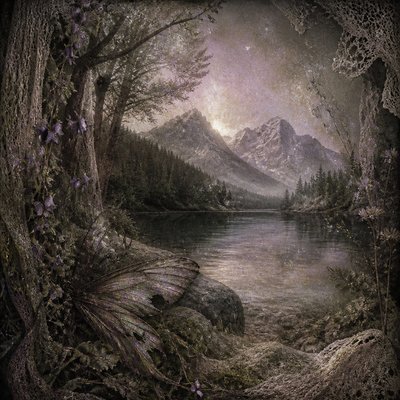
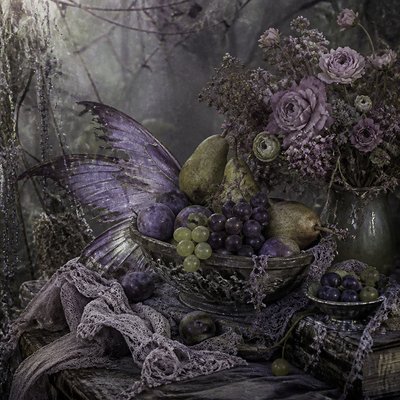
Fairy Tale Fantasy Art
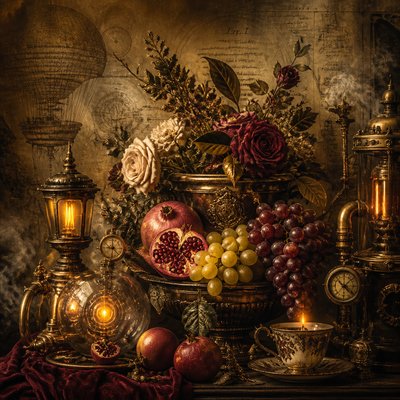
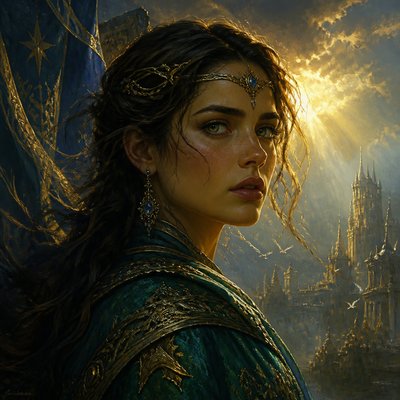
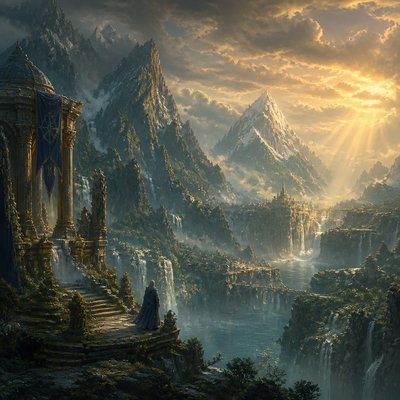
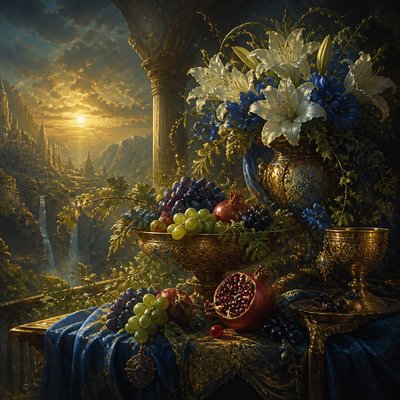
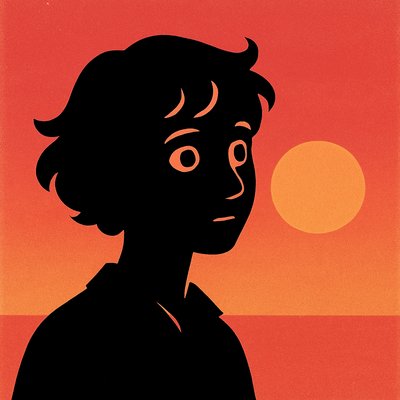
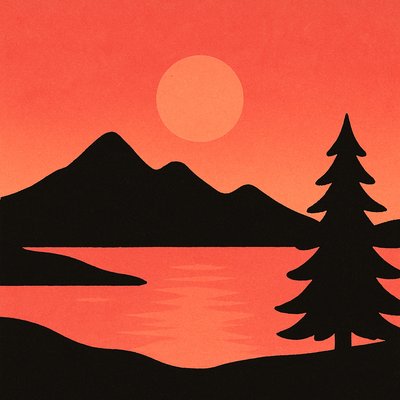
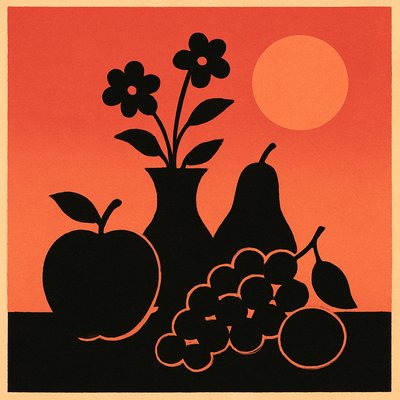
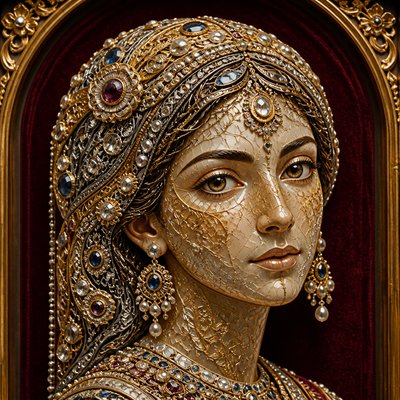
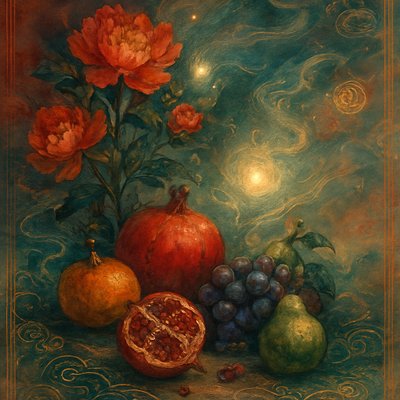
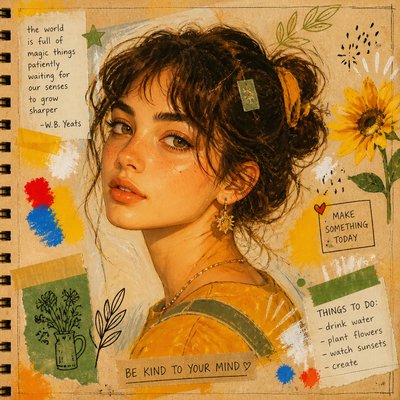
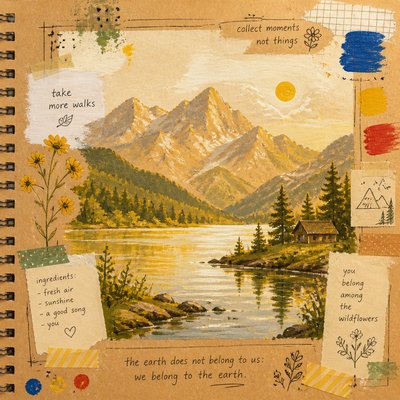
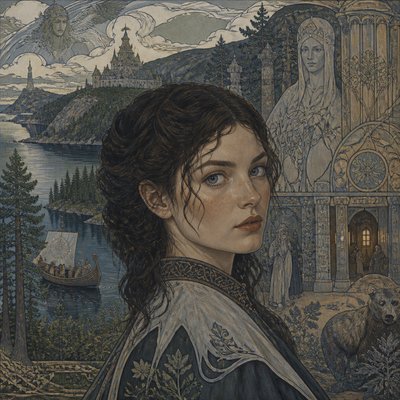
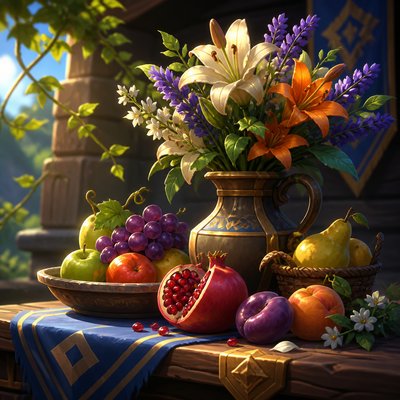
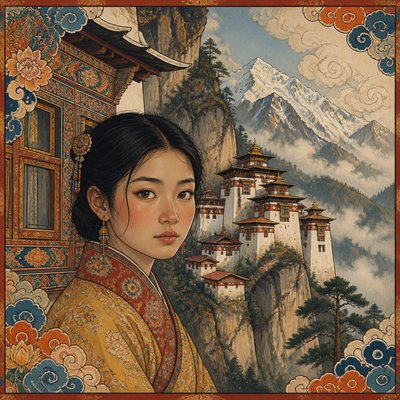
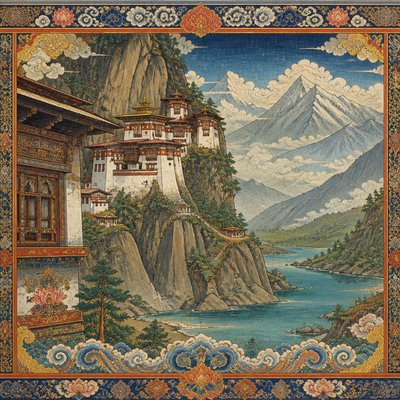
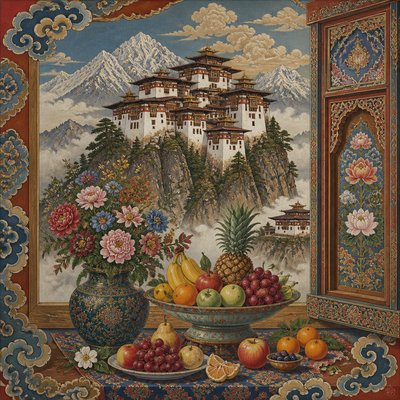
Whimsical storybook art with pastel magic, enchanted forests, fairy creatures, and gentle watercolor-and-ink illustration.
Instantly rendered in Fairy Tale Fantasy — or transform a photo
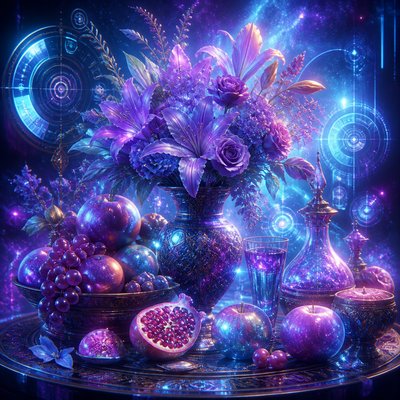
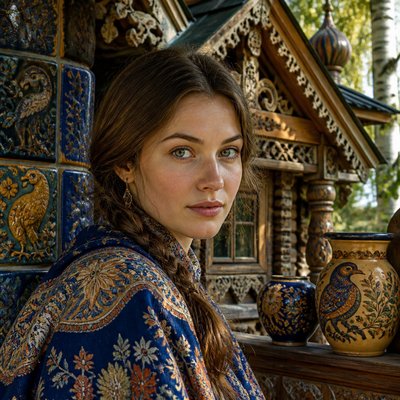
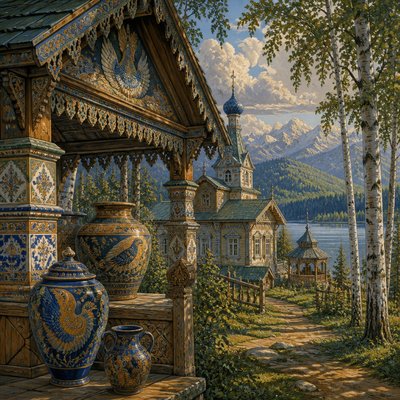
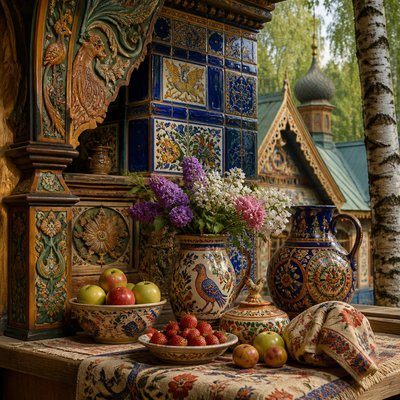
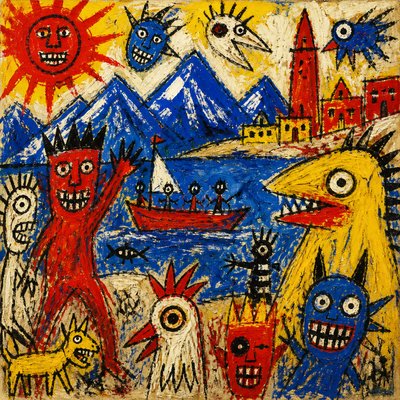
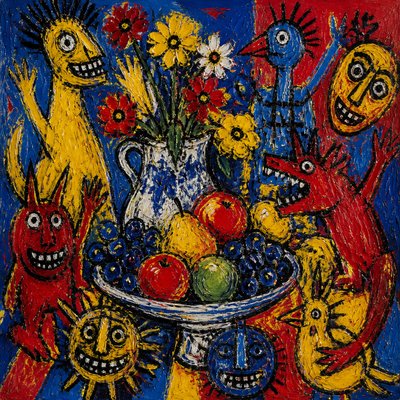
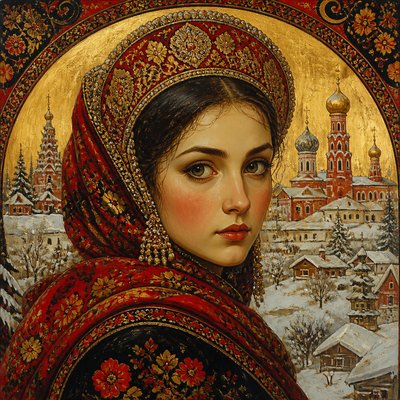
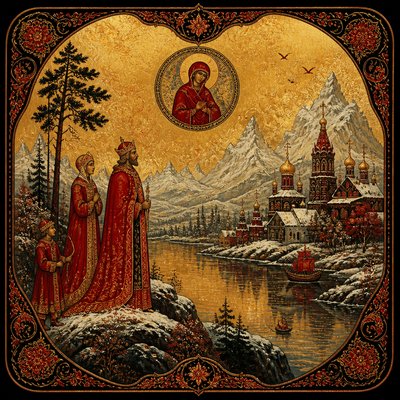
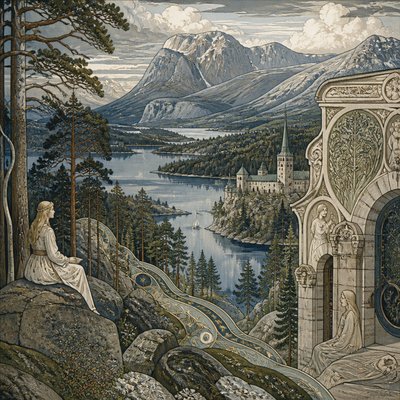
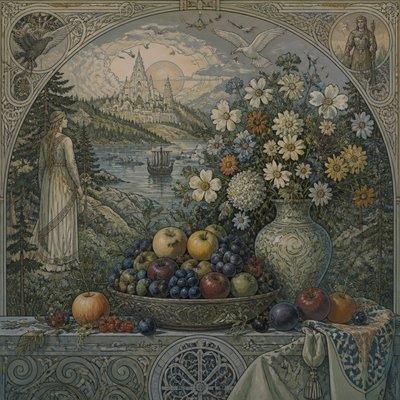
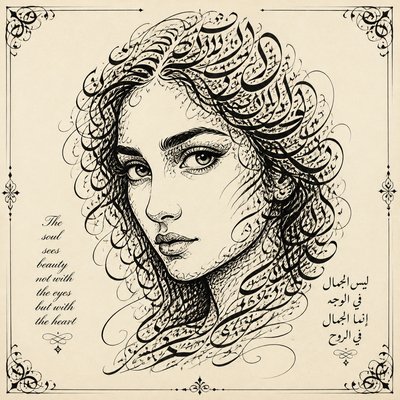
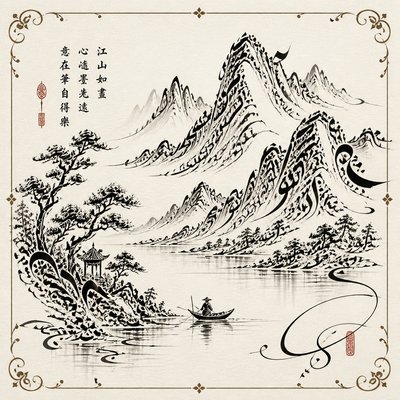
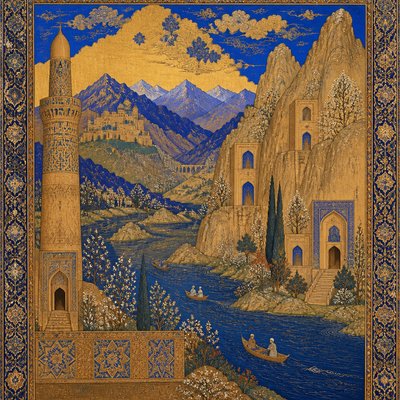
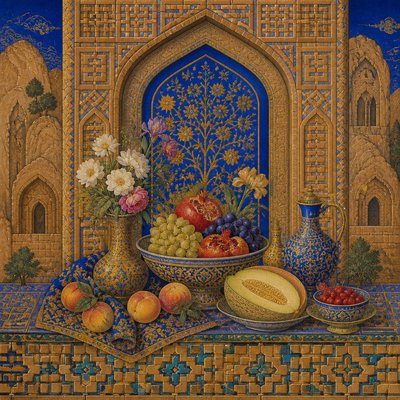
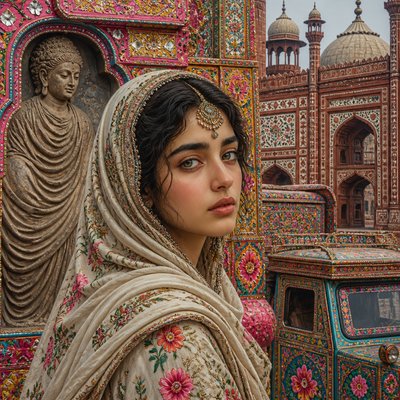
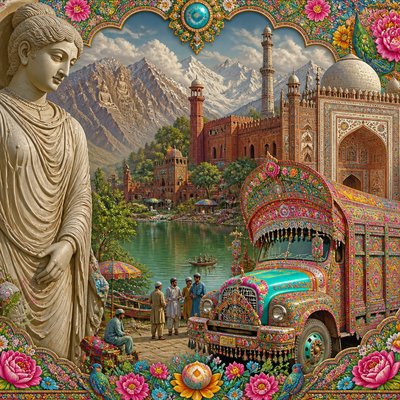
Fairy Tale Fantasy Gallery
Tap any artwork to explore it
What is Fairy Tale Fantasy Art?
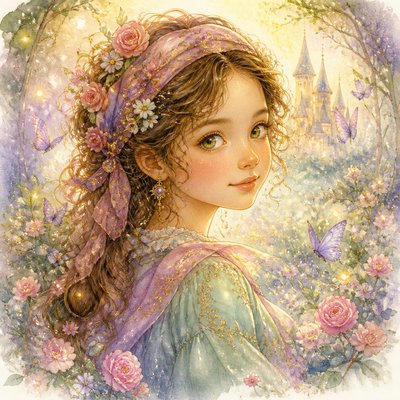
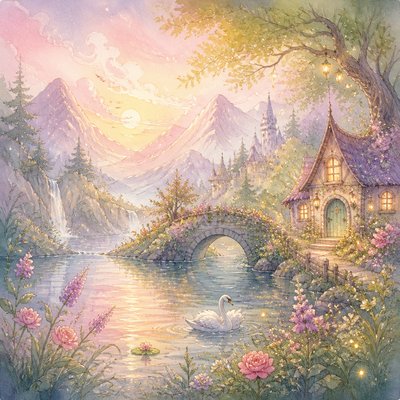
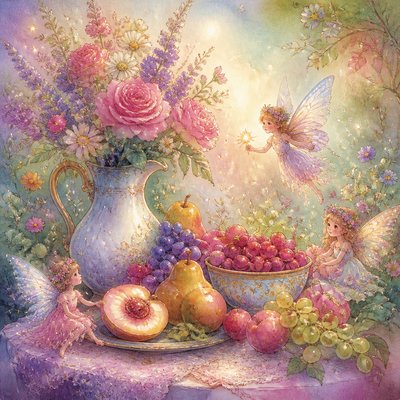
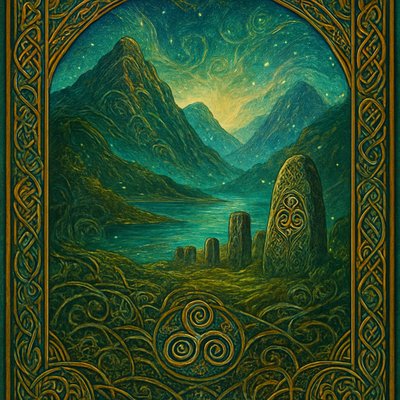
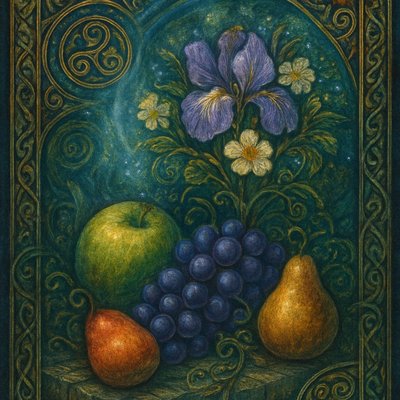
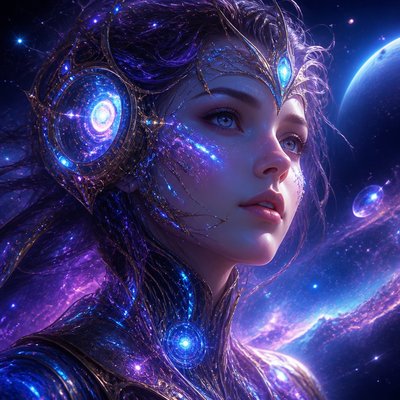
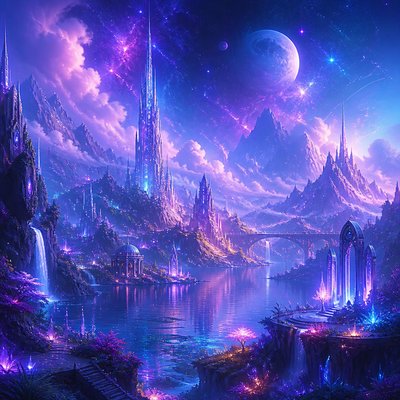
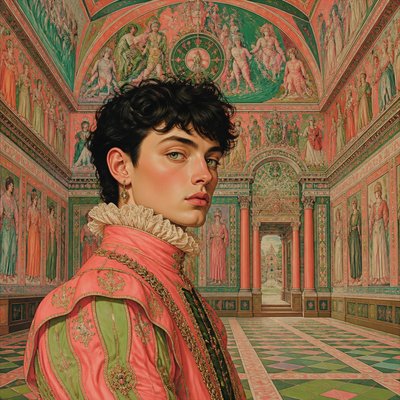
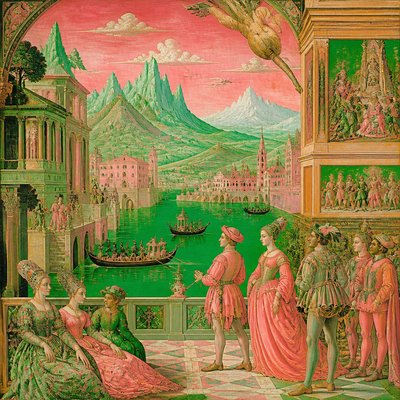
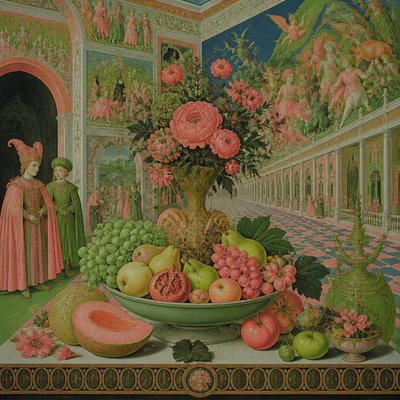
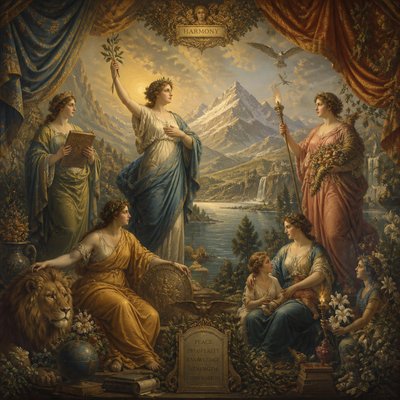
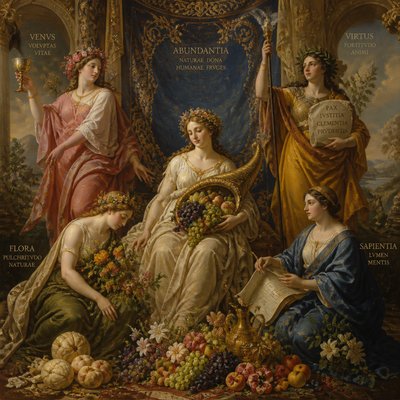
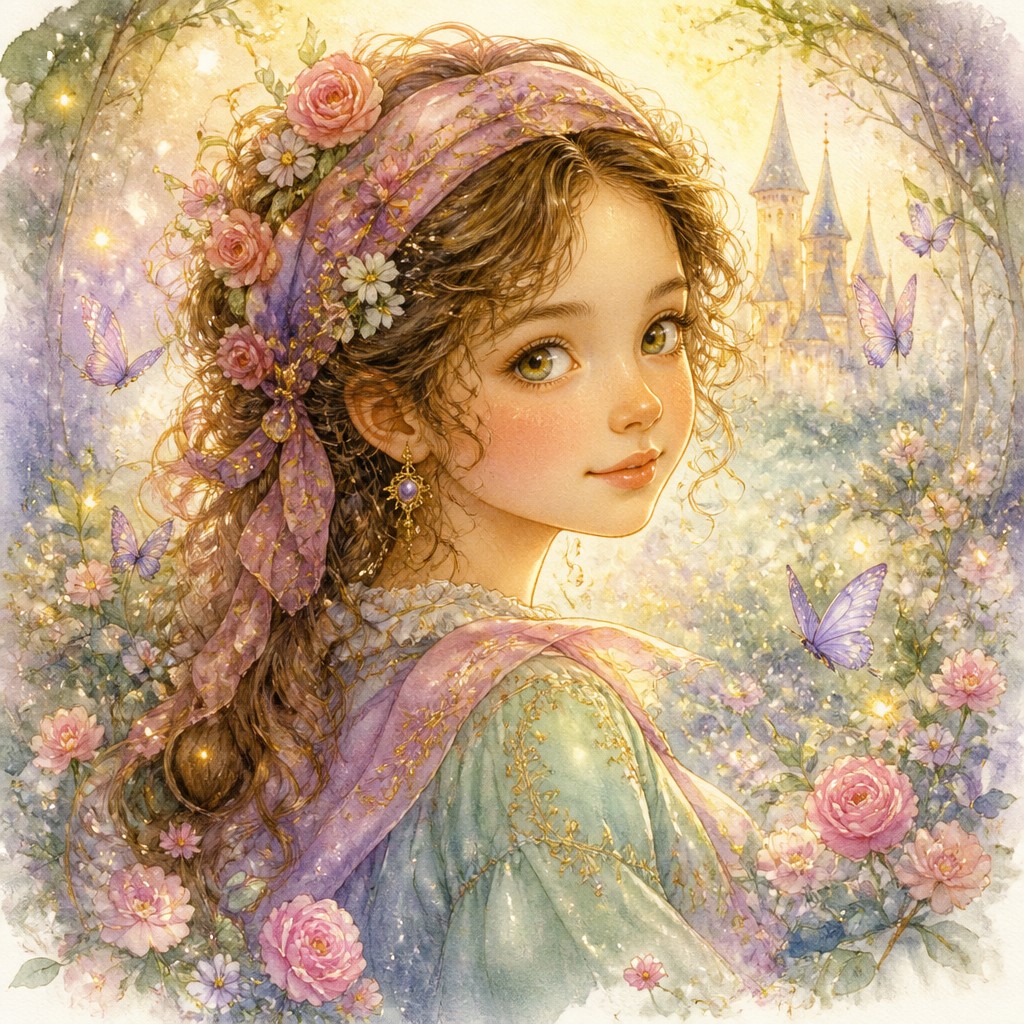
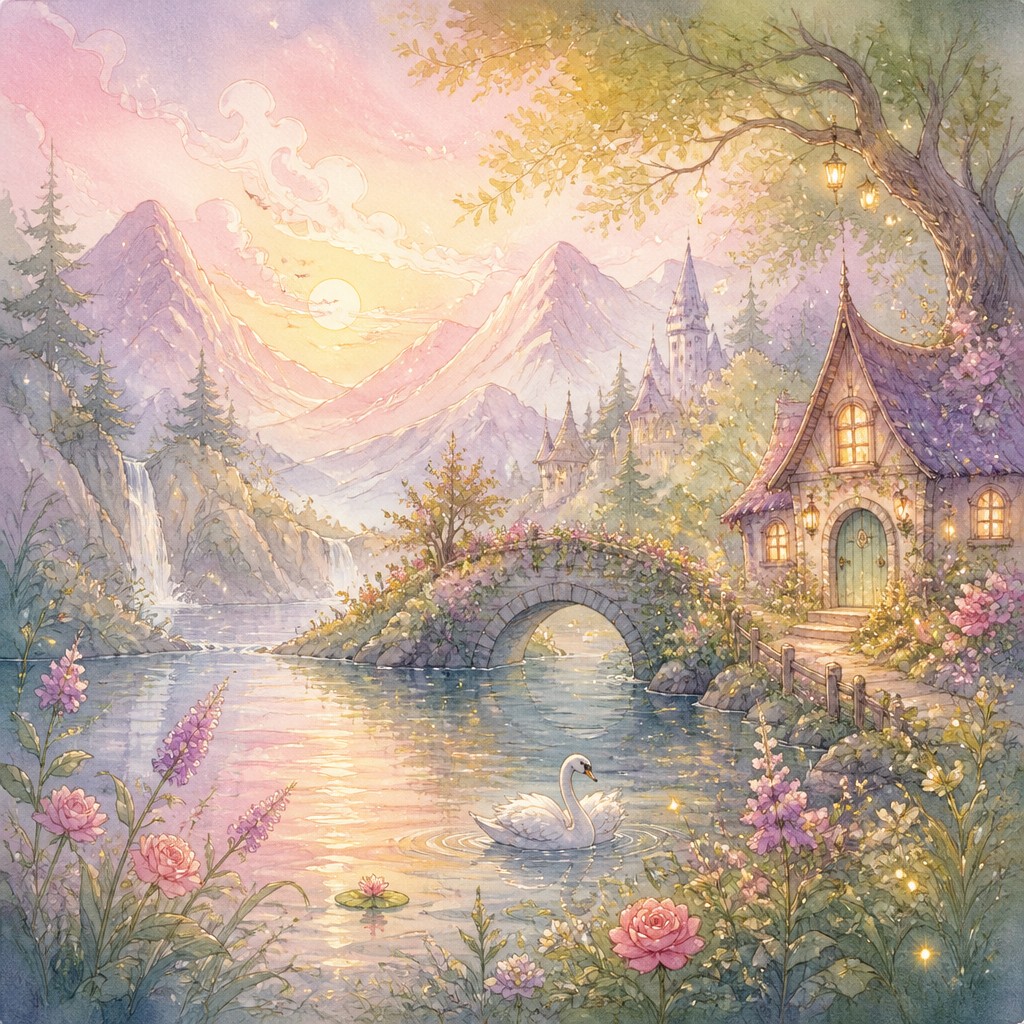
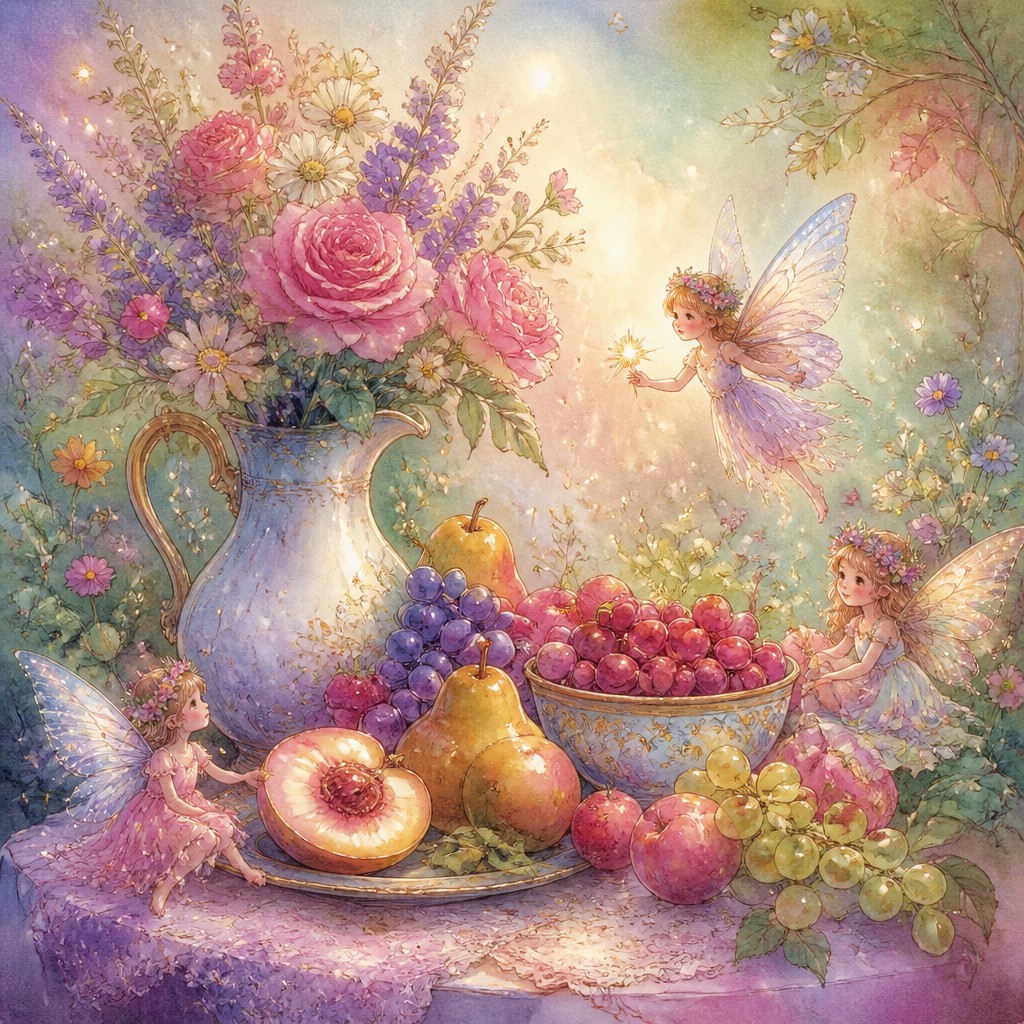
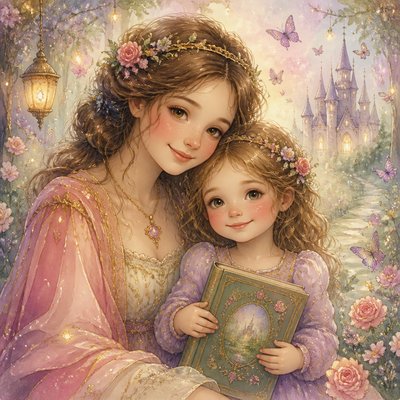
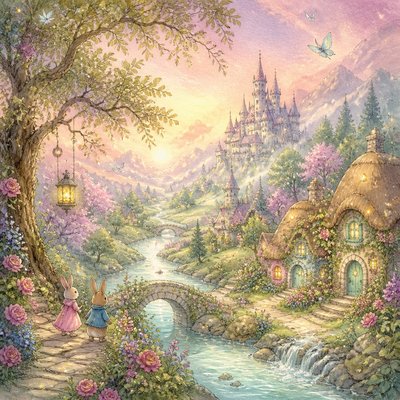
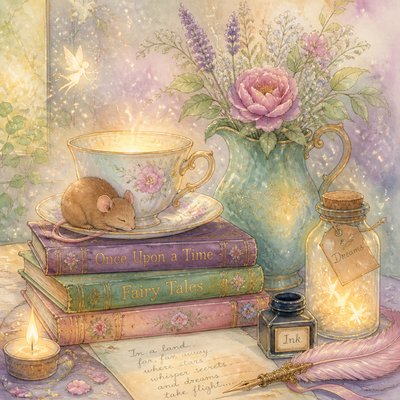
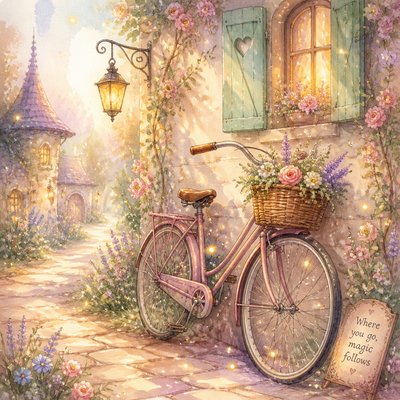
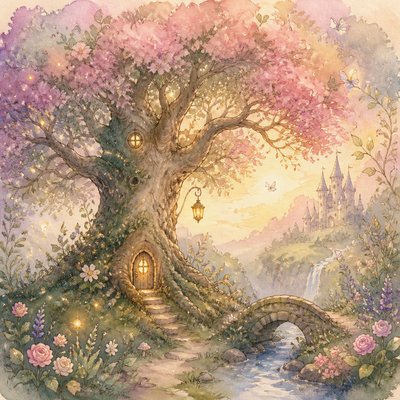
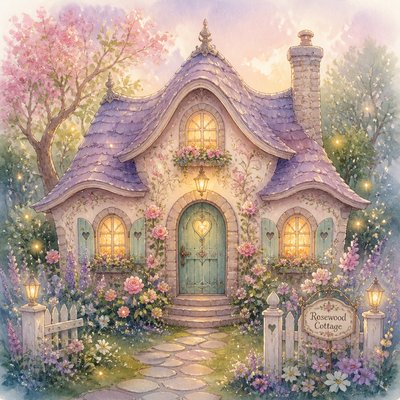
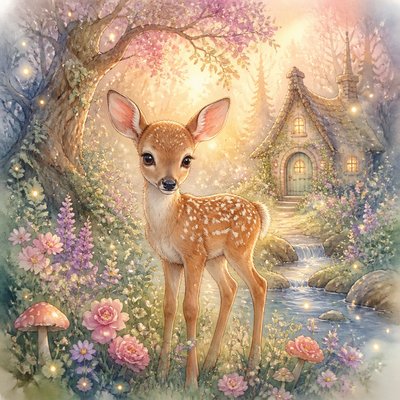
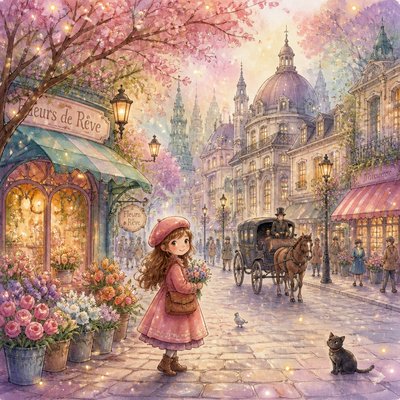
Fairy Tale Fantasy Art is a whimsical illustration style built around enchanted forests, fairy creatures, magical castles, and other childlike storybook motifs. It favors softened forms, luminous color, and a sense of gentle wonder over realism or dramatic intensity. The style is immediately recognizable by its pastel palette, delicate linework, and dreamlike atmosphere, which make even ordinary subjects feel as if they belong in a classic children’s fairy tale.
Its visual identity comes from the long tradition of storybook illustration: watercolor washes, pen-and-ink contours, decorative foliage, glowing light, and layered textures that suggest hand-painted page art. Composition is usually clear and centered, with soft edges and small sparkling details guiding the eye. The result is art that feels safe, enchanted, and nostalgic, often evoking bedtime stories, nursery rhymes, and folklore softened for a younger audience.
Try It On Your Photos
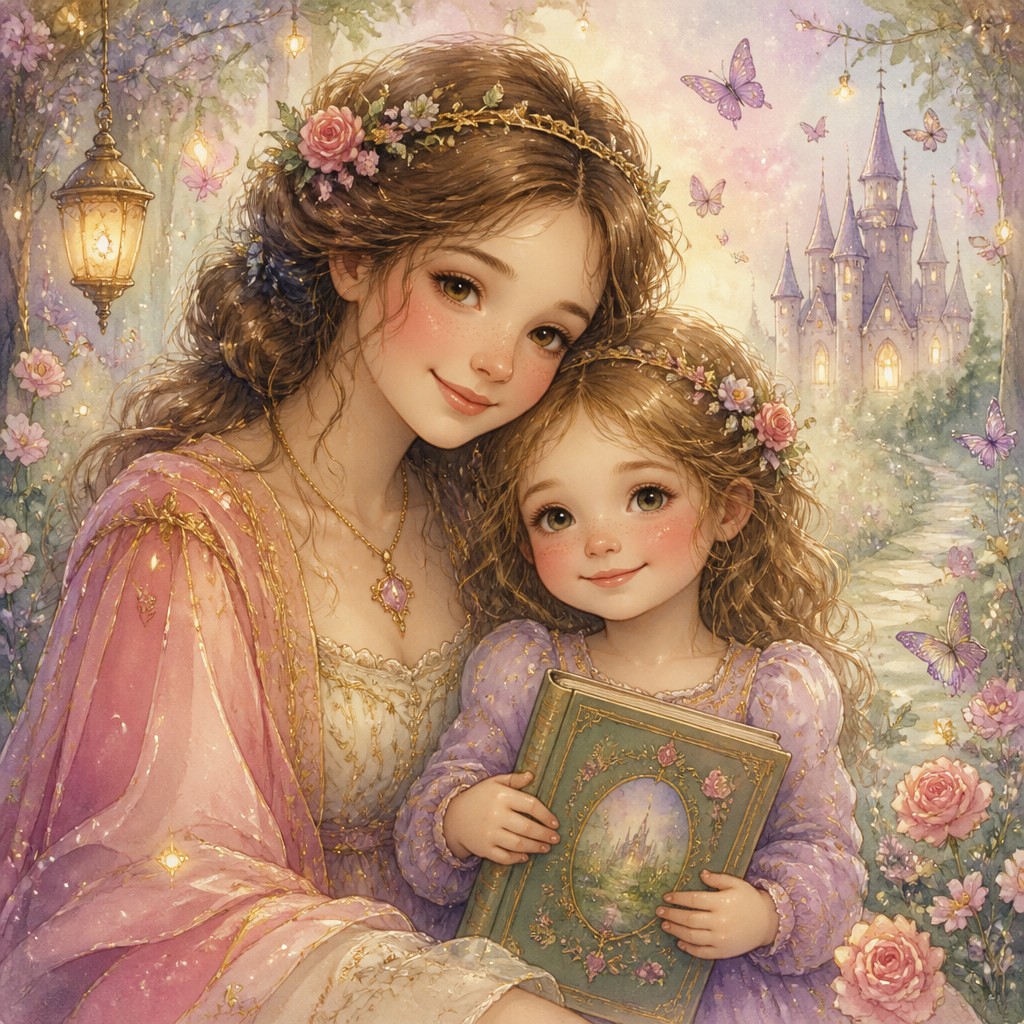
Upload any photo and convert it into Fairy Tale Fantasy Art — drag the sliders to compare before and after.


What Defines Fairy Tale Fantasy Art
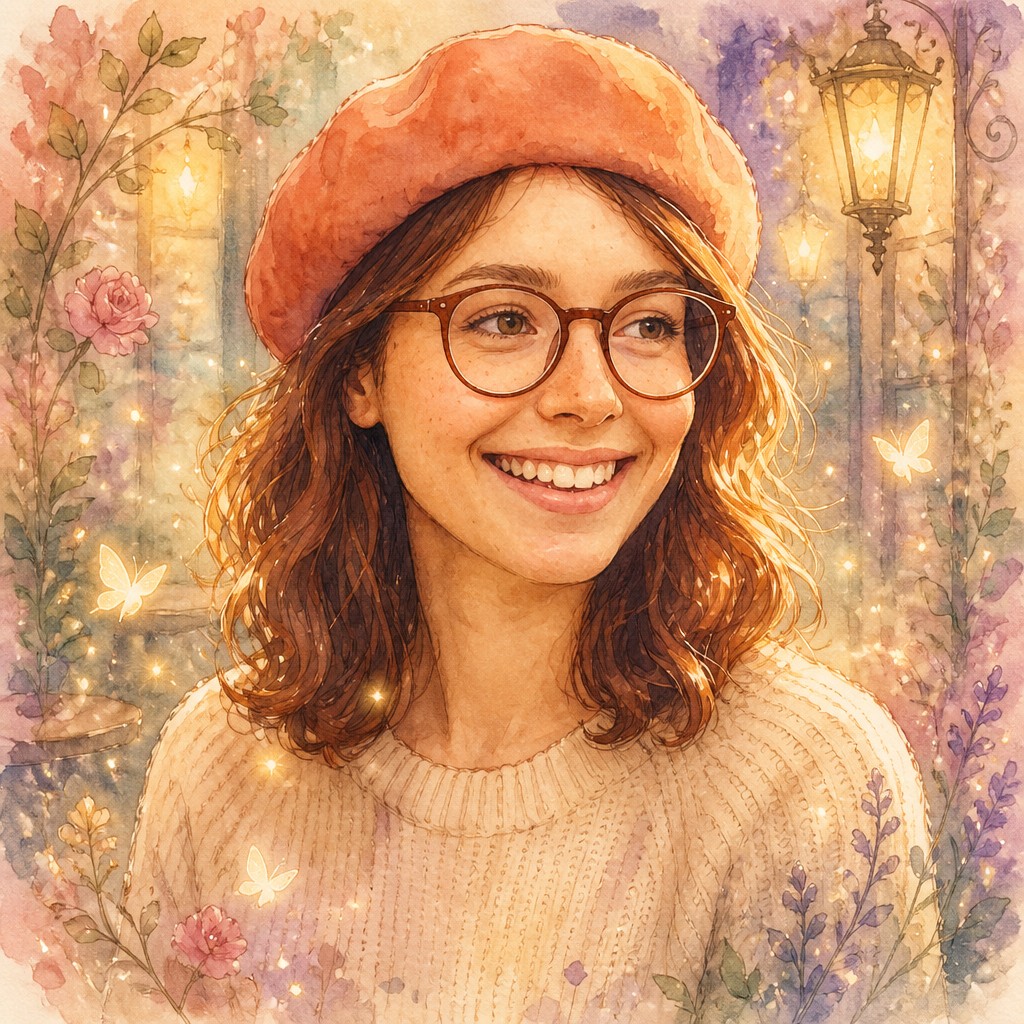
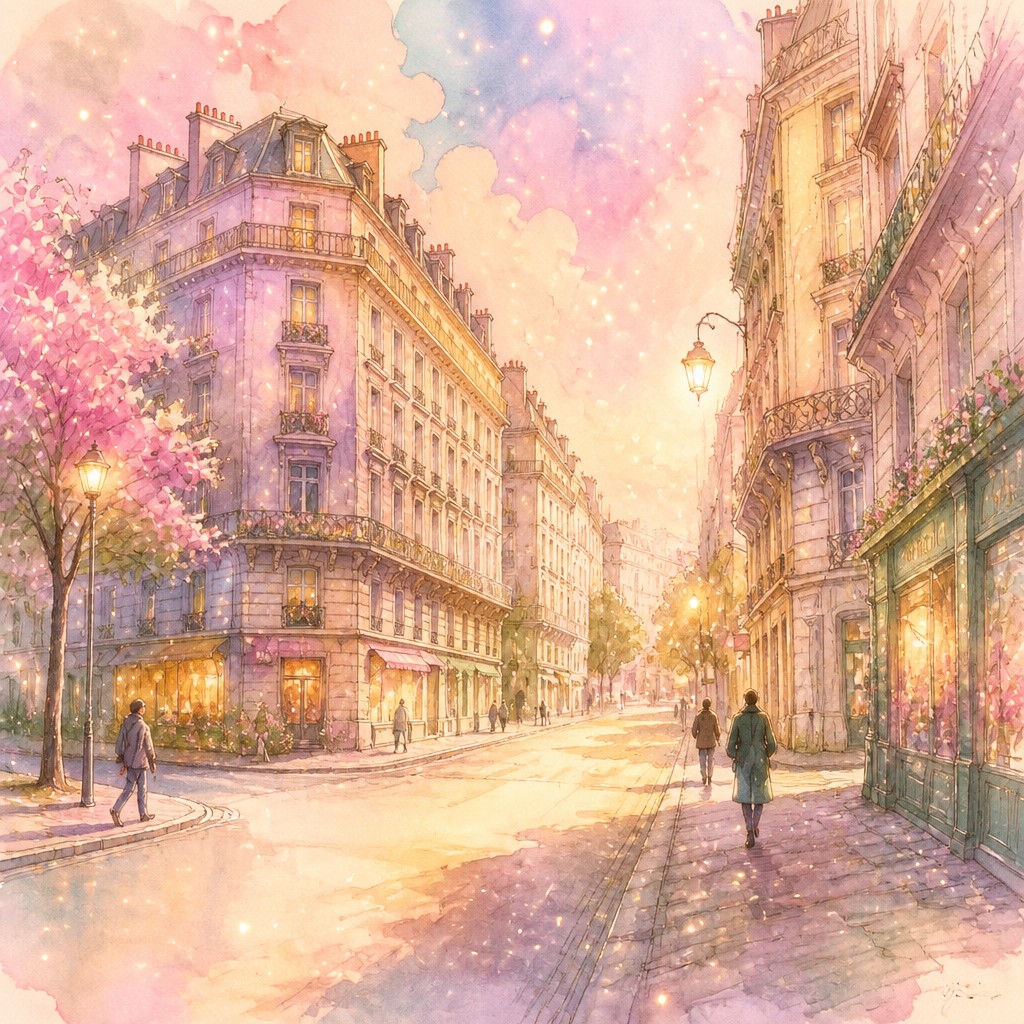
The signature details, up close
Pastel, luminous palette
Common colors include rose pink, lavender, mint green, baby blue, and golden yellow. These hues are often blended softly rather than used in sharp contrast, creating a gentle and innocent mood.
Watercolor softness
The style often uses translucent washes, layered glazes, and feathered edges that mimic painted paper. This gives the image a breathable, light-filled quality instead of a hard, graphic finish.
Delicate ink linework
Thin, tidy outlines define faces, costumes, plants, and architecture. The drawing usually remains precise enough to read clearly, but never so rigid that it disrupts the dreamy effect.
Enchanting subject matter
Typical motifs include fairies, woodland animals, castles, mushrooms, moonlit gardens, and magical children. Even when the subject is simple, it is usually framed as part of a hidden, storybook world.
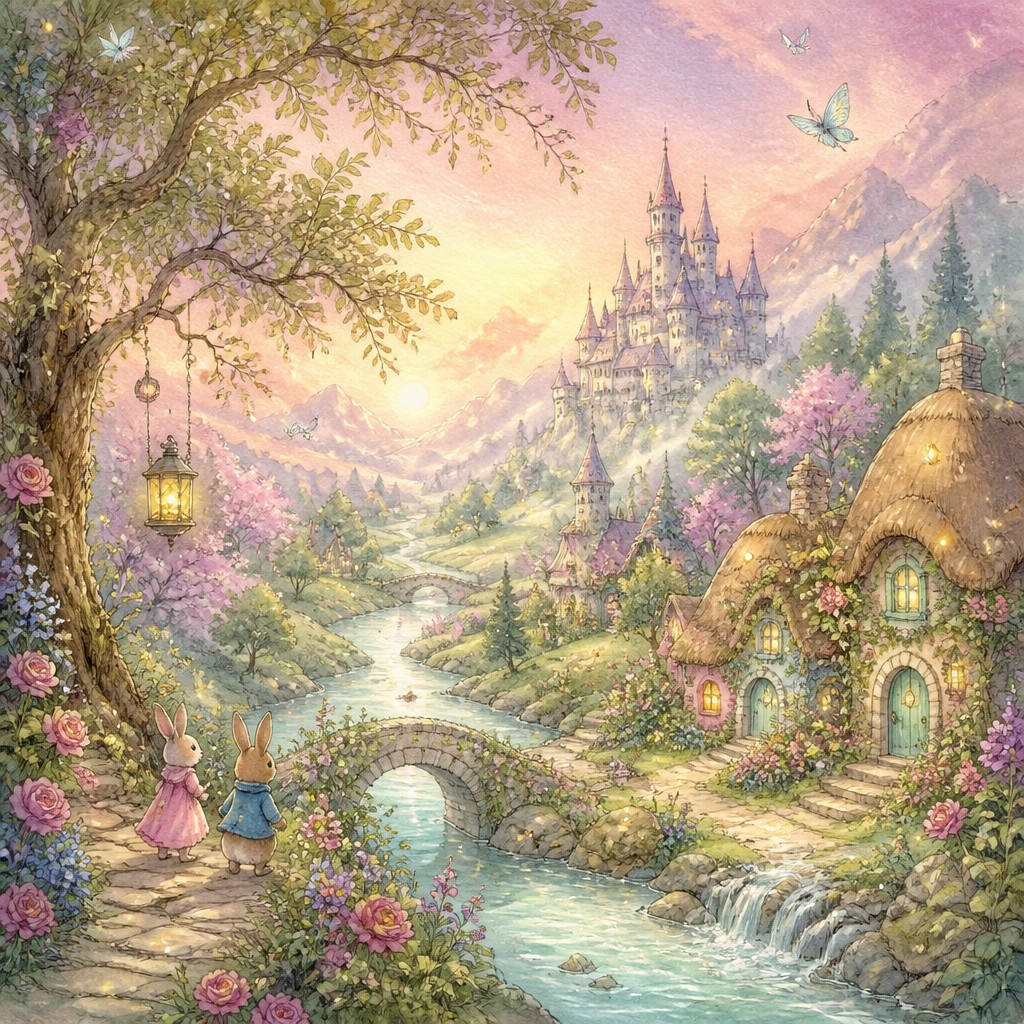
Dreamlike lighting
Soft halos, glowing focal points, and misty atmospheric effects make the scene feel suspended between reality and imagination. Light often appears to emanate from magic itself rather than a visible source.
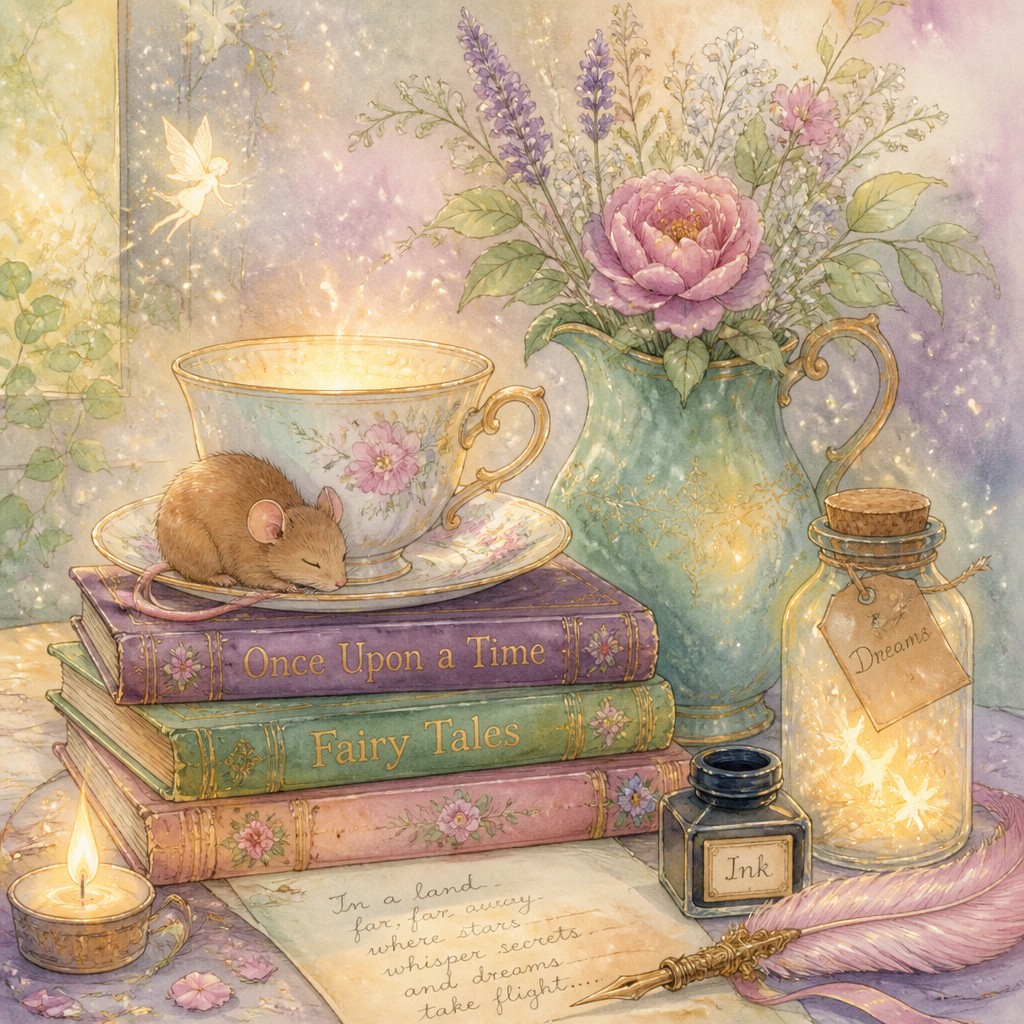
Organic flowing forms
Curves, vines, flowing hair, rounded clouds, and winding paths dominate the composition. Sharp angles are minimized in favor of shapes that feel natural, friendly, and hand-touched.
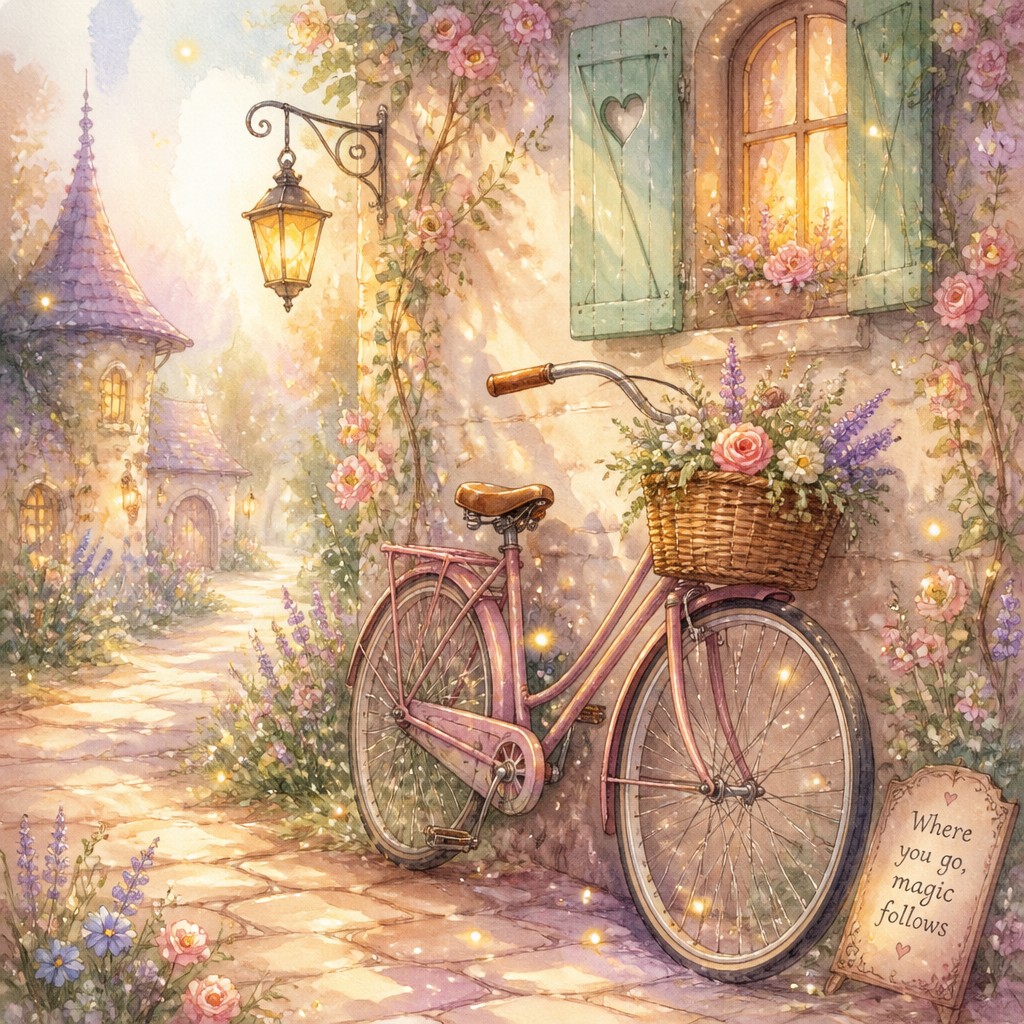
Crisp detail with soft surroundings
A character or focal object may be rendered with slightly sharper clarity while the background remains hazy or atmospheric. This contrast helps create the classic picture-book sense of a world revealed through a page of mist.
Try It
Create Videos in Fairy Tale Fantasy Art
Styles aren't just for stills — describe a scene or animate an image and get a short video rendered in Fairy Tale Fantasy. Press play to see this pond come to life.
Make a VideoFairy Tale Fantasy Prompt Ideas
Start from an idea — each one opens the generator with the style ready to go. See all 40 Fairy Tale Fantasy prompts →
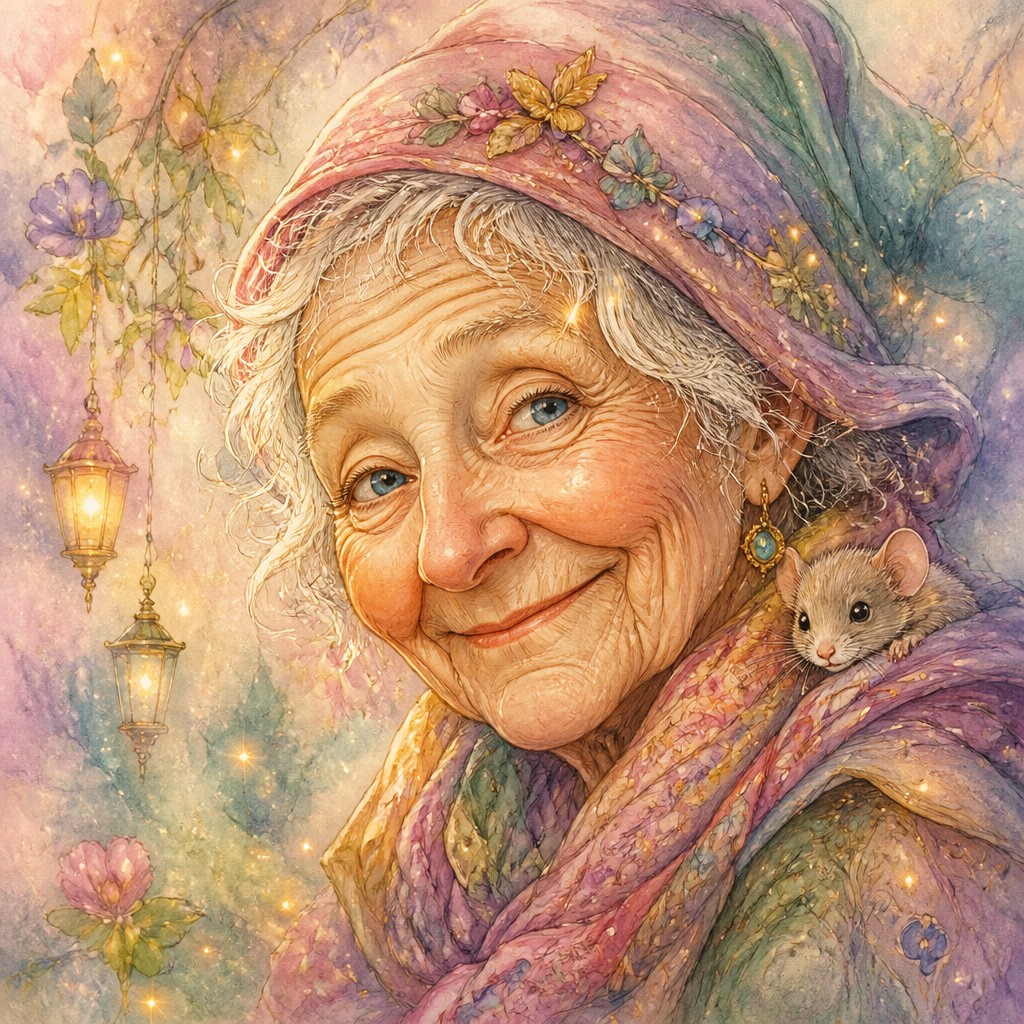
“close-up portrait of an elderly person with expressive weathered features”
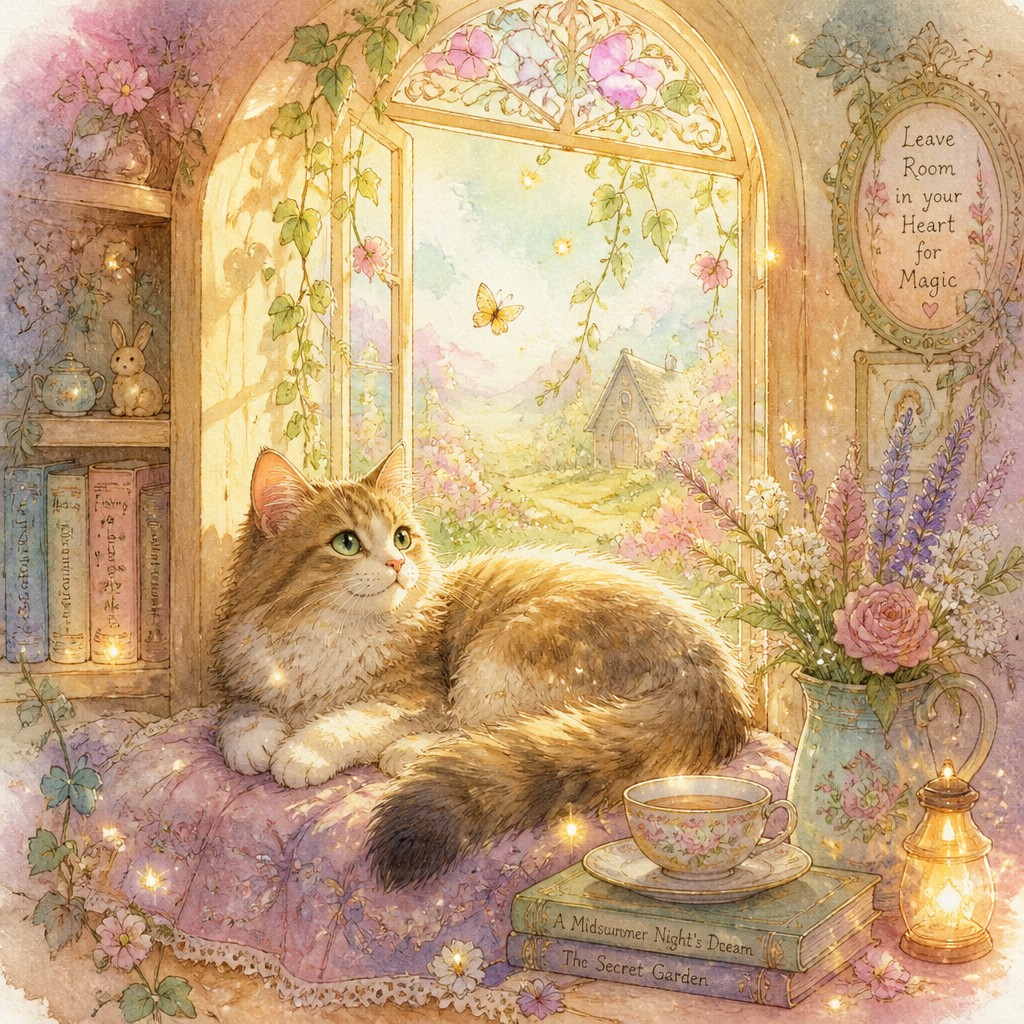
“a cat lounging in a sunlit window”
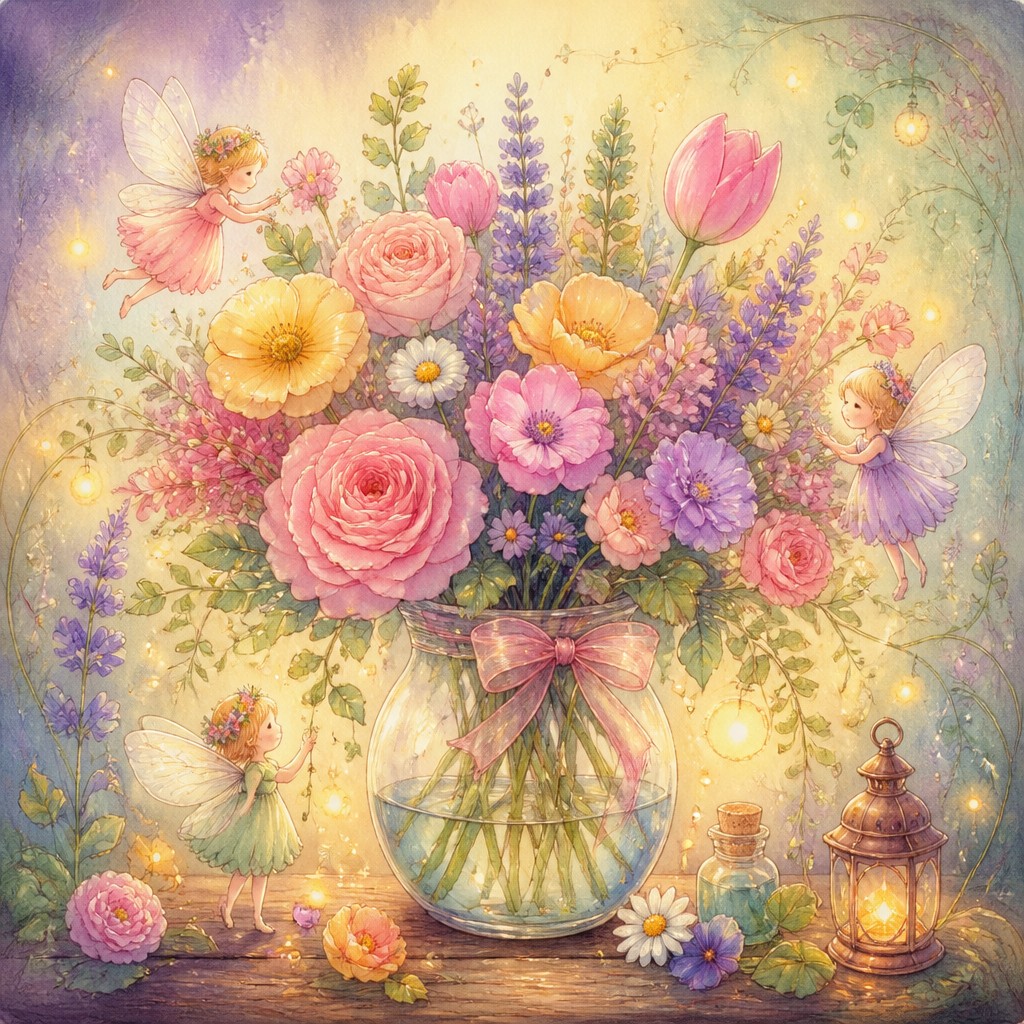
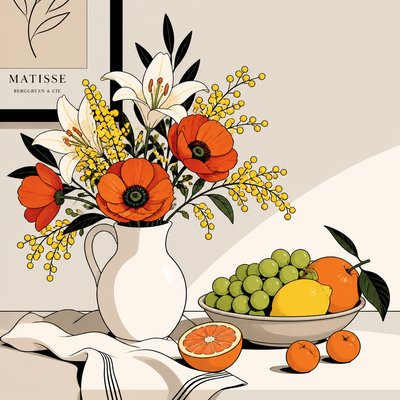
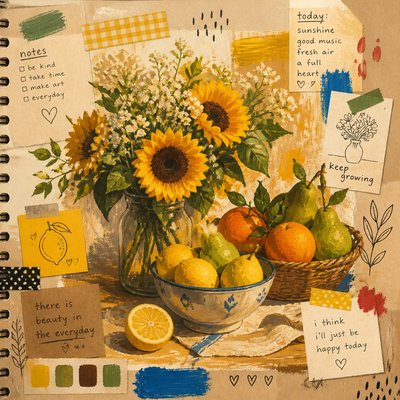
“bouquet of flowers in a glass vase”
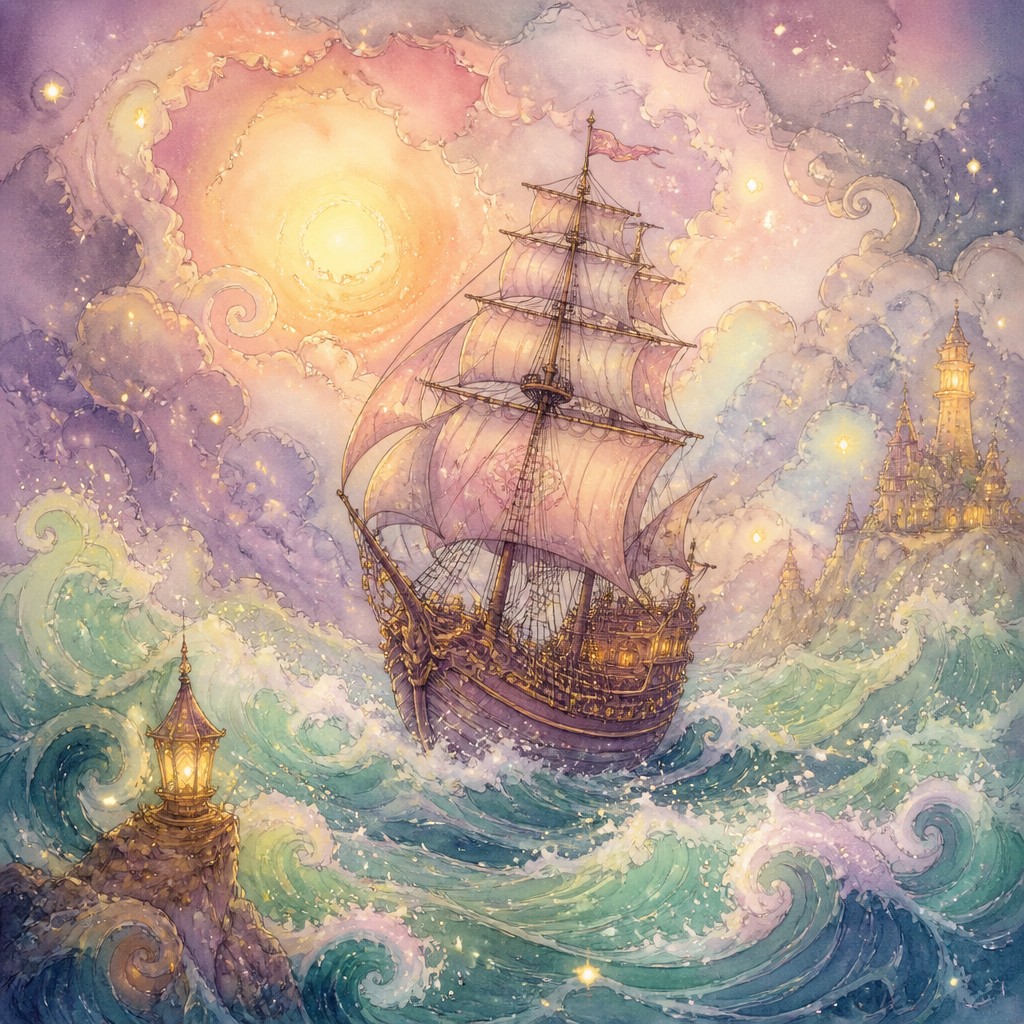
“sailing ship on a stormy sea”
How to Create Fairy Tale Fantasy Art
Master the craft step by step — or skip straight to creating. Read the full guide →
- 1
Build from soft values first
Start with a loose composition in pale midtones, then layer transparent color to create depth. Whether working traditionally or digitally, keep shadows gentle and avoid heavy black fills.
- 2
Use watercolor logic even in digital work
Paint with translucent brushes, textured paper overlays, and visible layering rather than flat opacity. Let colors bleed slightly into one another so the image feels hand-painted.
- 3
Outline sparingly and elegantly
Use fine ink-like lines to define key features, but vary line weight only subtly. Too much contour contrast can make the image feel graphic instead of storybook-like.
- 4
Add magical atmosphere
Introduce glow, drifting sparkles, soft mist, and gentle rim light around important elements. These effects should support the scene rather than overwhelm it.
- 5
Favor folklore-friendly subjects
Choose subjects such as fairies, woodland paths, flower cottages, moonlit clearings, and enchanted animals. The style works best when the story is simple, charming, and emotionally warm.
- 6
Prompt for softness and innocence
When generating images, describe the subject plus material cues such as watercolor washes, delicate ink linework, pastel colors, glowing light, and dreamy mist. If the result looks too dark or dramatic, add words like gentle, innocent, and children’s book.
The Story
History & Origins of Fairy Tale Fantasy
Fairy Tale Fantasy Art is not a single historical movement, but a contemporary style that draws on several older visual traditions. Its roots lie in 19th- and early 20th-century children’s book illustration, European fairy-tale imagery, and the decorative, hand-crafted look of watercolor-and-ink publishing art. It also inherits elements from romantic landscape painting, botanical illustration, and the fanciful creature design found in folklore and fantasy illustration.
As a modern visual language, it developed through illustrated editions of fairy tales, classic picture books, greeting card art, and later fantasy publishing and animation design. Contemporary digital tools have made it easy to combine traditional-looking watercolor textures with glowing effects, translucent color layers, and highly refined detail, preserving the intimate feel of printed storybooks while expanding the range of magical scenes that can be depicted.
Influences: Fairy Tale Fantasy Art is closely related to children’s book illustration, romantic fantasy painting, and the decorative watercolor-and-ink tradition seen in classic picture books. It also borrows from folklore imagery, botanical drawing, and the soft, narrative approach of illustrators working in printed fairy tales and fantasy publishing. In real historical art, its sensibility overlaps with the illustrated storytelling of leading early 20th-century fairy-tale illustrators, though contemporary versions often combine those influences with digital painting techniques and animation-inspired polish.

Frequently Asked Questions
What defines Fairy Tale Fantasy Art?
It is defined by a storybook mood, pastel colors, soft watercolor-like textures, and magical subject matter. The images usually feel gentle and innocent rather than epic, scary, or highly realistic.
How is it different from dark fantasy art?
Dark fantasy emphasizes menace, shadow, and dramatic tension, while this style emphasizes charm, safety, and wonder. Even when the scene includes magic, it usually reads as comforting rather than dangerous.
Is this style the same as anime fantasy?
Not exactly. Anime fantasy may use cleaner cel shading, sharper outlines, and a broader range of visual tones, while Fairy Tale Fantasy Art usually leans more heavily into watercolor softness and picture-book composition.
What subjects work best in this style?
Woodland scenes, fairies, animals, castles, magical children, gardens, and small enchanted interiors are especially effective. The style also works well for gentle seasonal scenes, such as spring meadows or snowy cottage evenings.
How do I make my artwork look more like a children’s book illustration?
Use clear shapes, friendly proportions, soft edges, and a limited pastel palette. Add delicate linework, painted textures, and narrative details like flowers, lanterns, books, or tiny creatures.
Where is this style commonly used?
It is common in picture books, greeting cards, fantasy stationery, nursery decor, character art, and decorative prints. It is also popular for cover art and imaginative personal illustration projects.

Create your first Fairy Tale Fantasy artwork
Describe anything — or upload a photo — and see it in Fairy Tale Fantasy Art in seconds.
Make Something with Fairy Tale Fantasy
Related Styles
Discover similar art styles