Jordanian Art Style
Explore Jordanian Art Style: rose-red Petra sandstone, Roman ruins, Byzantine mosaics, desert light, and ancient caravan-route atmosphere.
Instantly rendered in Jordanian — or transform a photo
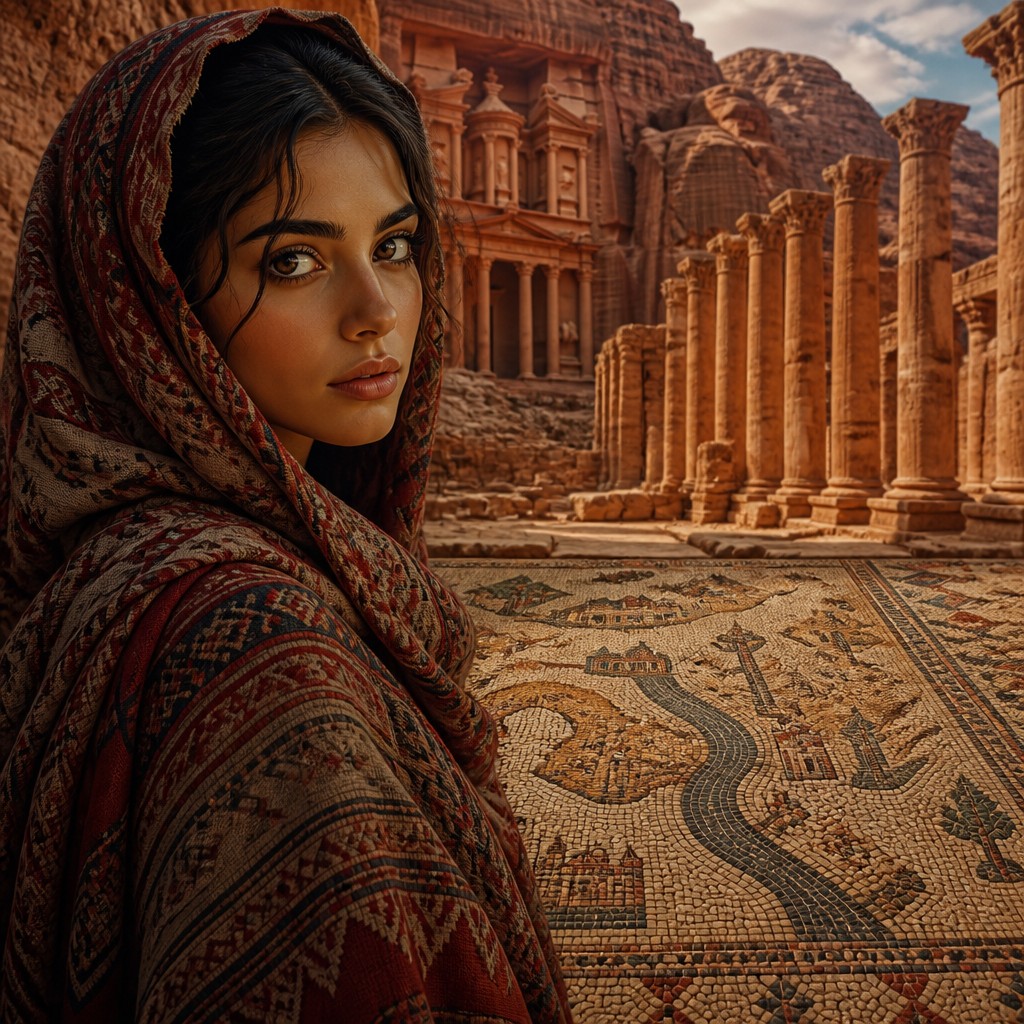
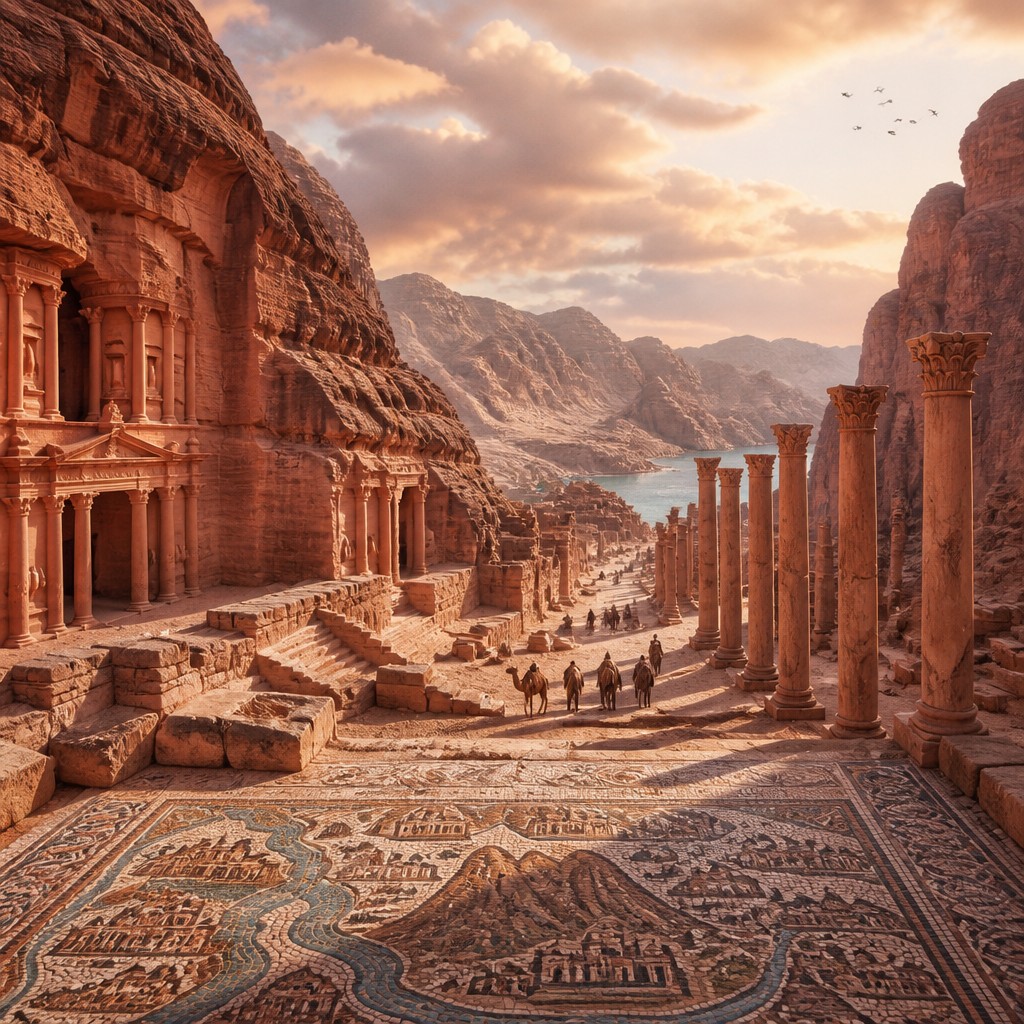
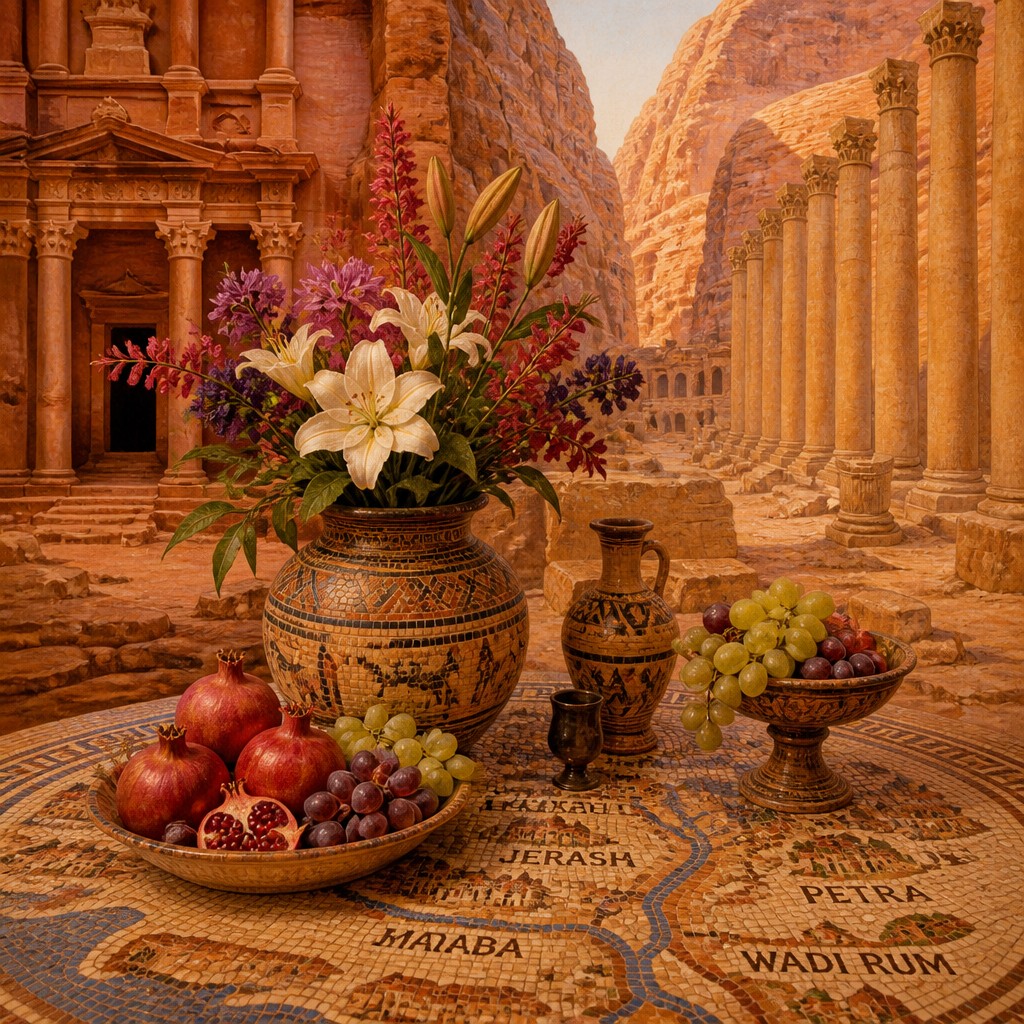
Jordanian Gallery
Tap any artwork to explore it
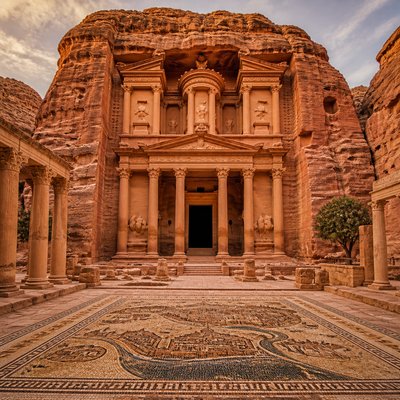
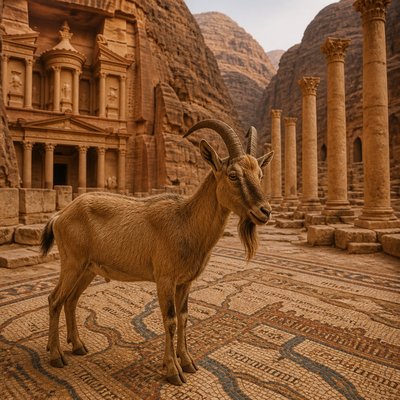
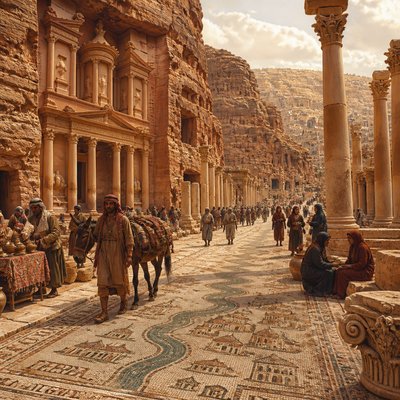
What is Jordanian Art Style?
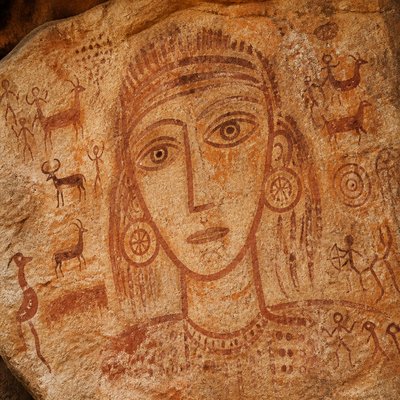
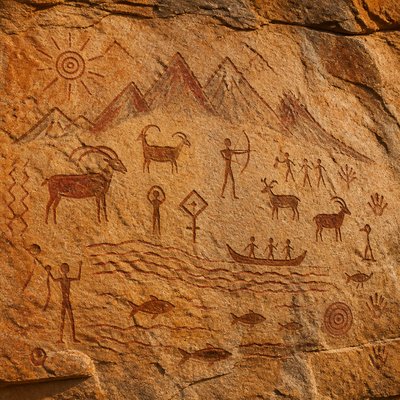
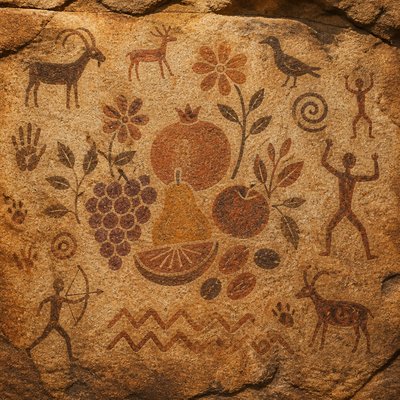
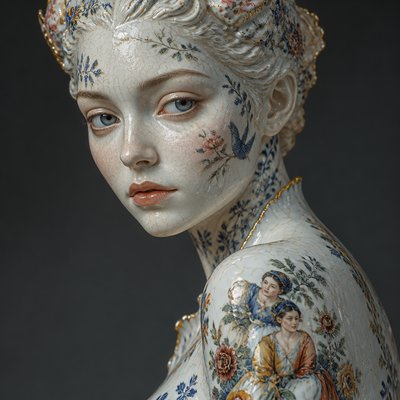
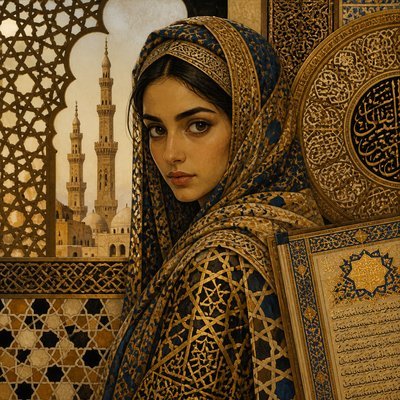
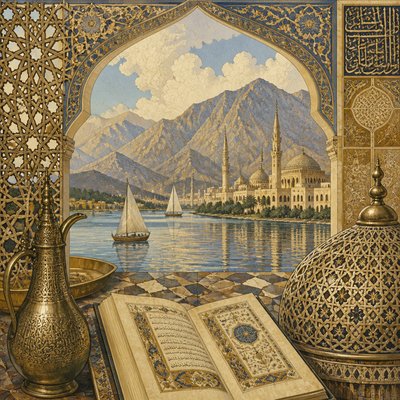
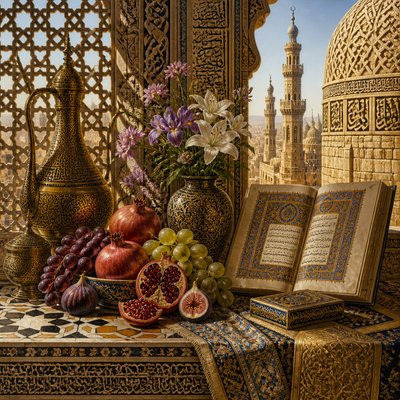
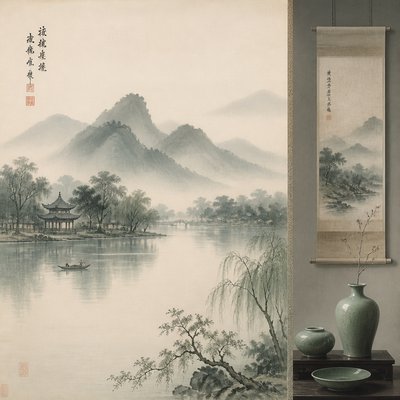
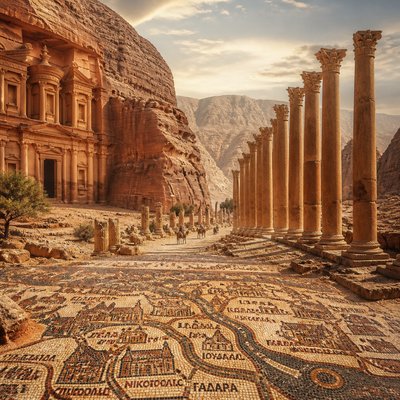
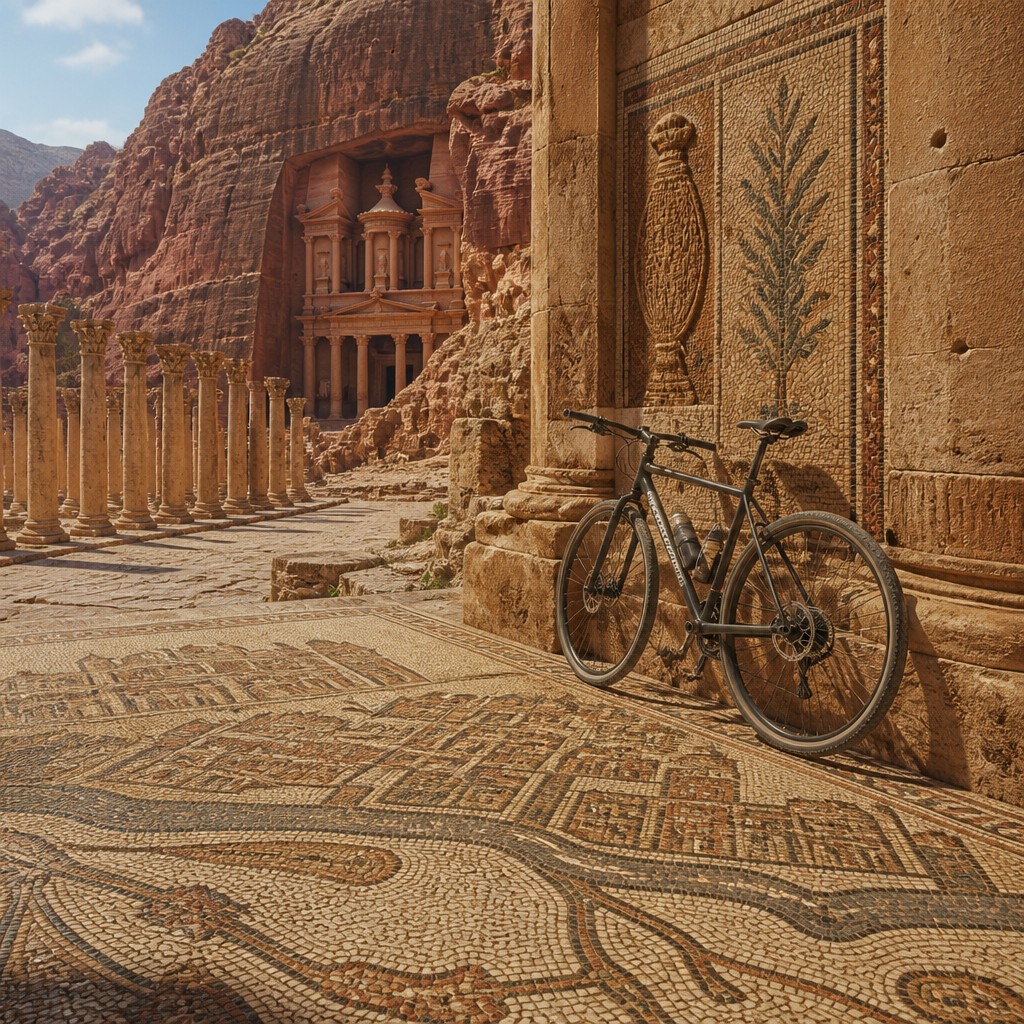
Jordanian Art Style is a contemporary descriptive aesthetic built from Jordan’s archaeological architecture, mosaic traditions, and desert landscapes. Its signature imagery combines monumental rock-cut facades in rose-red sandstone, weathered Roman colonnades, canyon walls, caravan routes, and intricate Byzantine tesserae depicting cities, rivers, and regional geography.
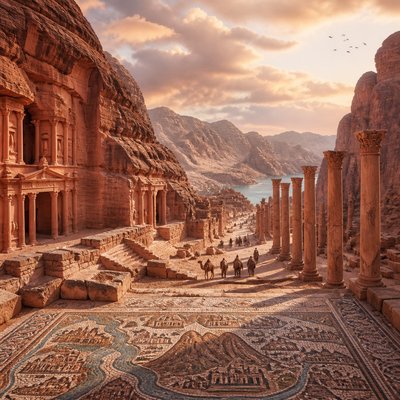
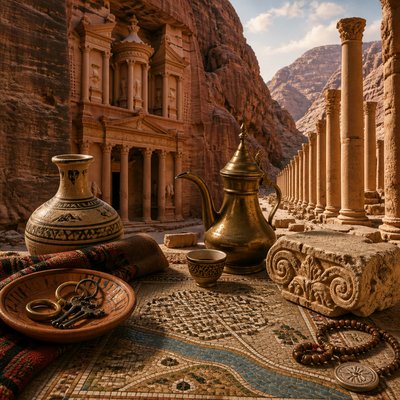
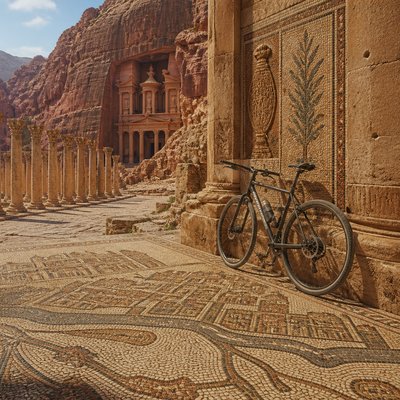
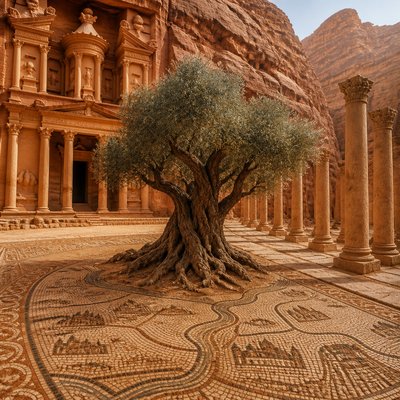
The style looks the way it does because it treats place and material as inseparable. Petra’s carved cliffs supply its monumental vertical forms and salmon, ochre, and stone palette; Roman ruins contribute measured columns and repeating arcades; Byzantine mosaics add flattened maps, geometric borders, and earthy fragments of color. Wind-carved light, dust, erosion, and deep canyon shadow give the resulting compositions an archaeological, tactile atmosphere.
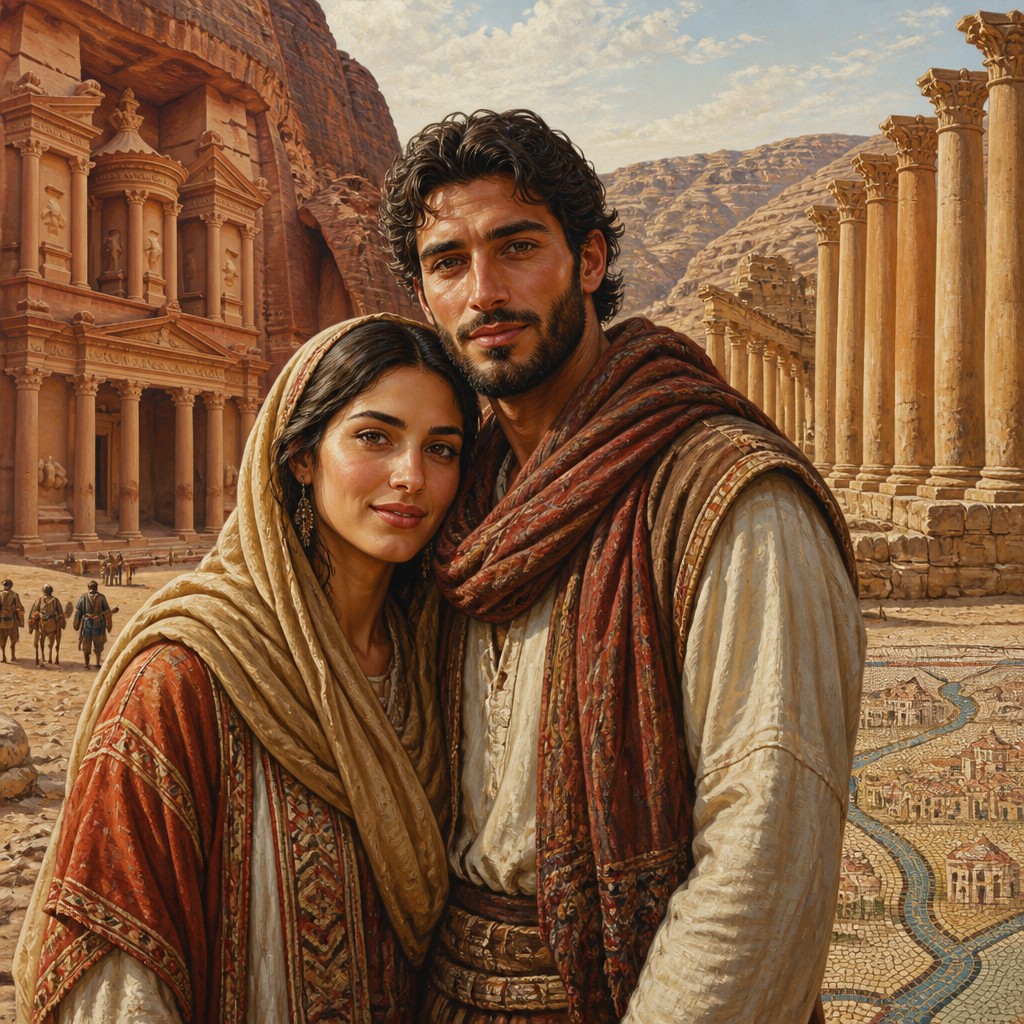
Try It On Your Photos
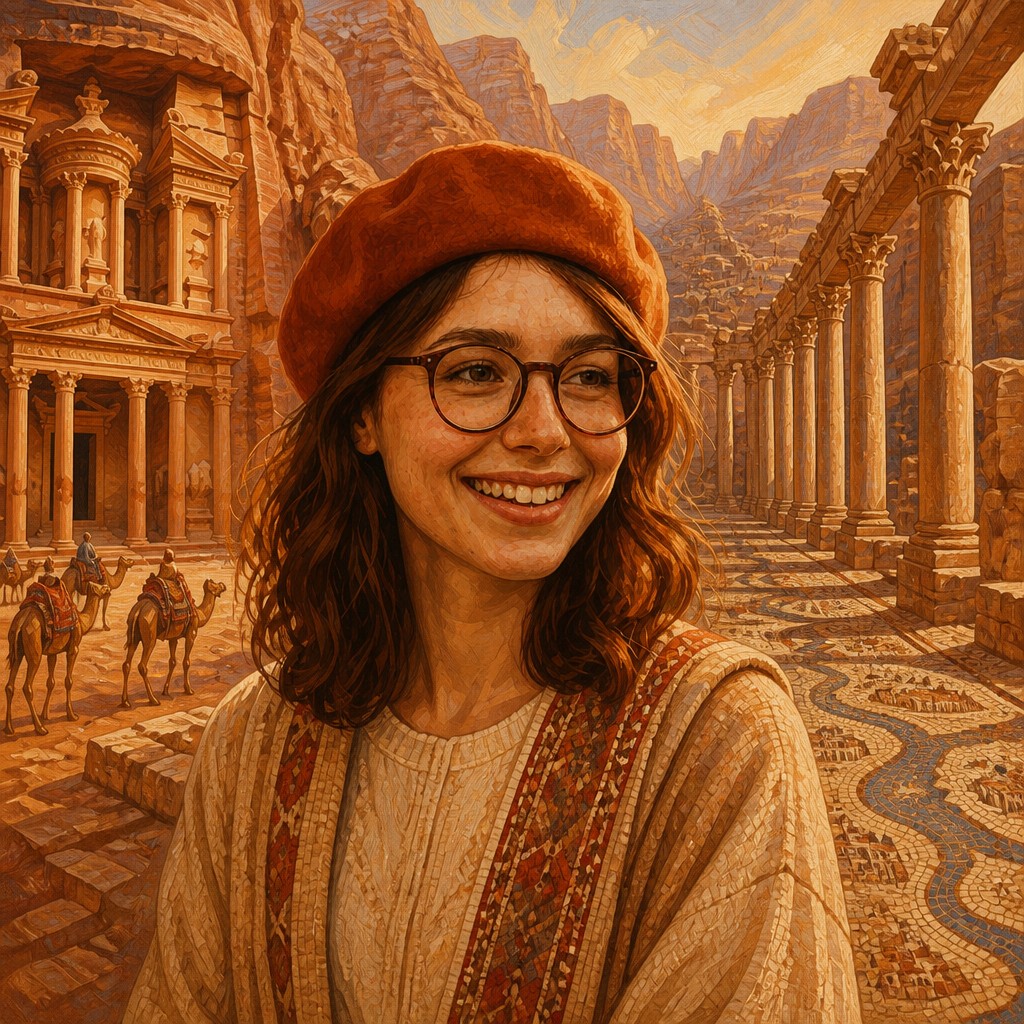
Upload any photo and convert it into Jordanian Art Style — drag the sliders to compare before and after.


What Defines Jordanian Art Style
The signature details, up close
Rose-red sandstone architecture
Facades are carved directly into towering cliffs, with layered ledges, recessed doorways, ornamental bands, and monumental entrances. The palette favors rose, salmon, terracotta, ochre, and warm mineral beige.
Roman colonnades and ruins
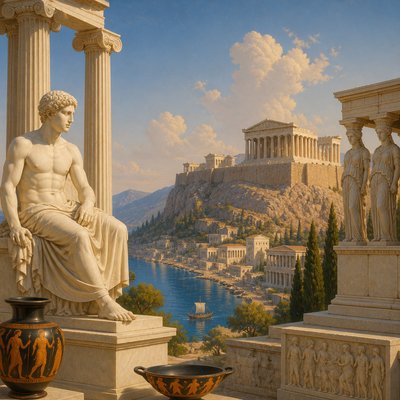
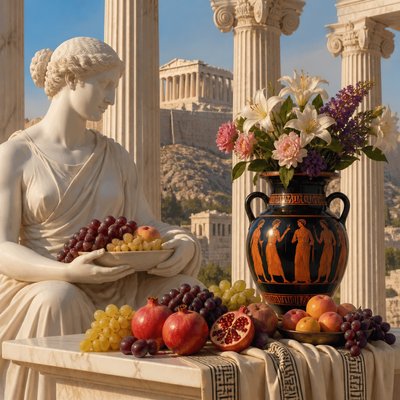
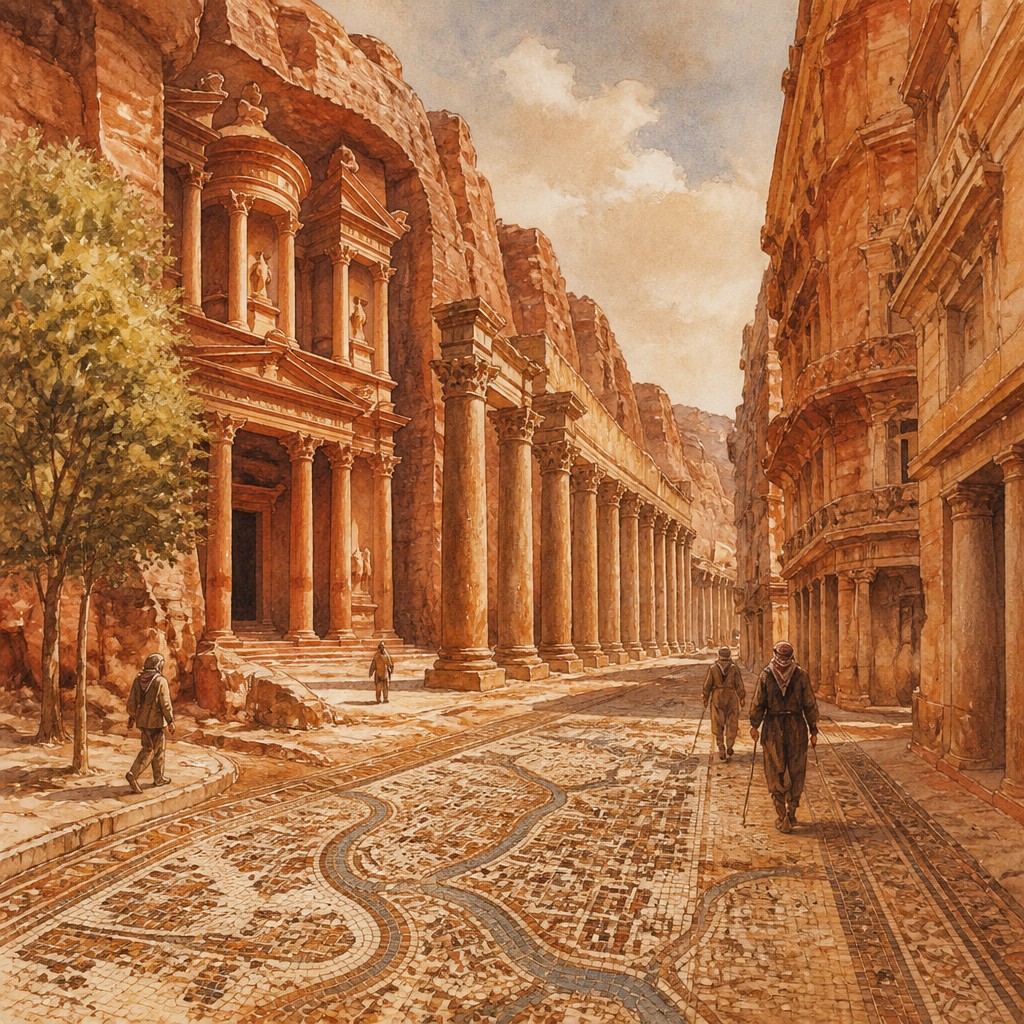
Tall columns, broken entablatures, arcades, forums, and processional streets introduce rhythm and scale. Repetition of vertical architectural elements contrasts with the irregularity of eroded canyon walls.
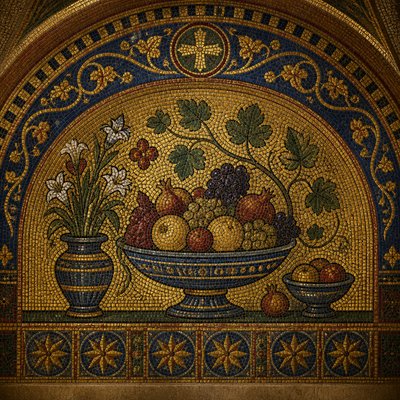
Byzantine mosaic surfaces
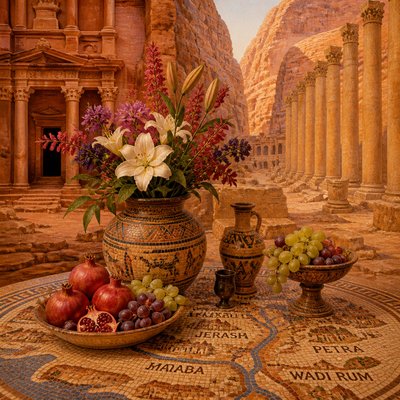
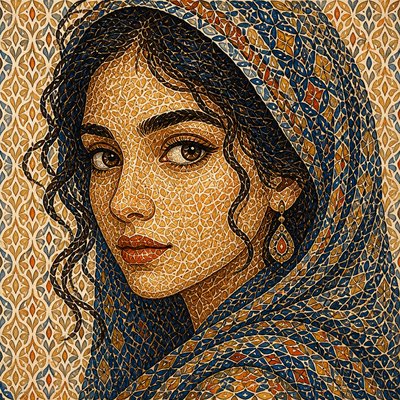
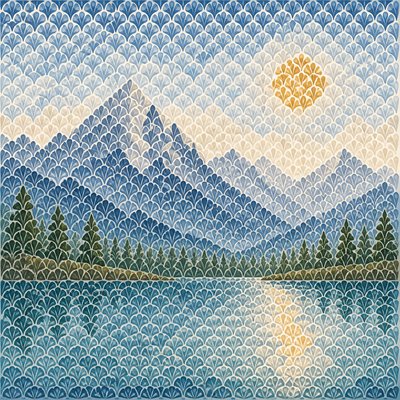
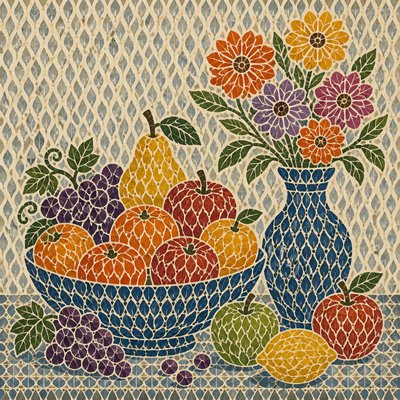
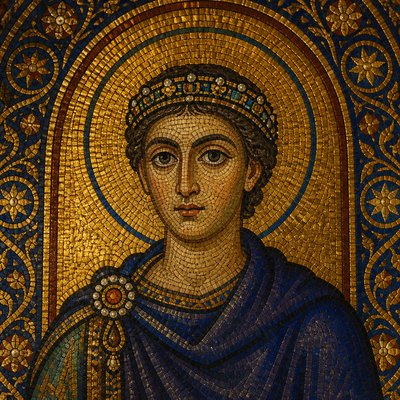
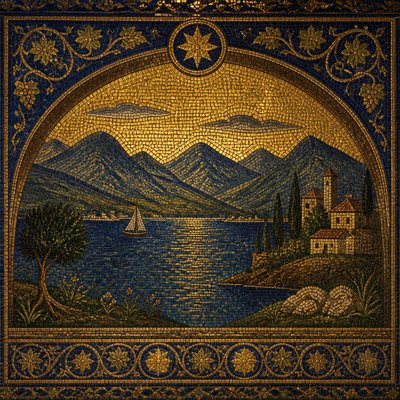
Small tesserae create geometric borders, plants, animals, settlements, rivers, and map-like patterns. Uneven fragments, visible grout, and slight color variation preserve the handmade character of ancient floors.
Desert geological forms
Cliffs, wadis, narrow ravines, wind-shaped rock, and dusty caravan paths frame the built structures. Natural formations are treated as monumental architecture rather than incidental scenery.
Archaeological weathering
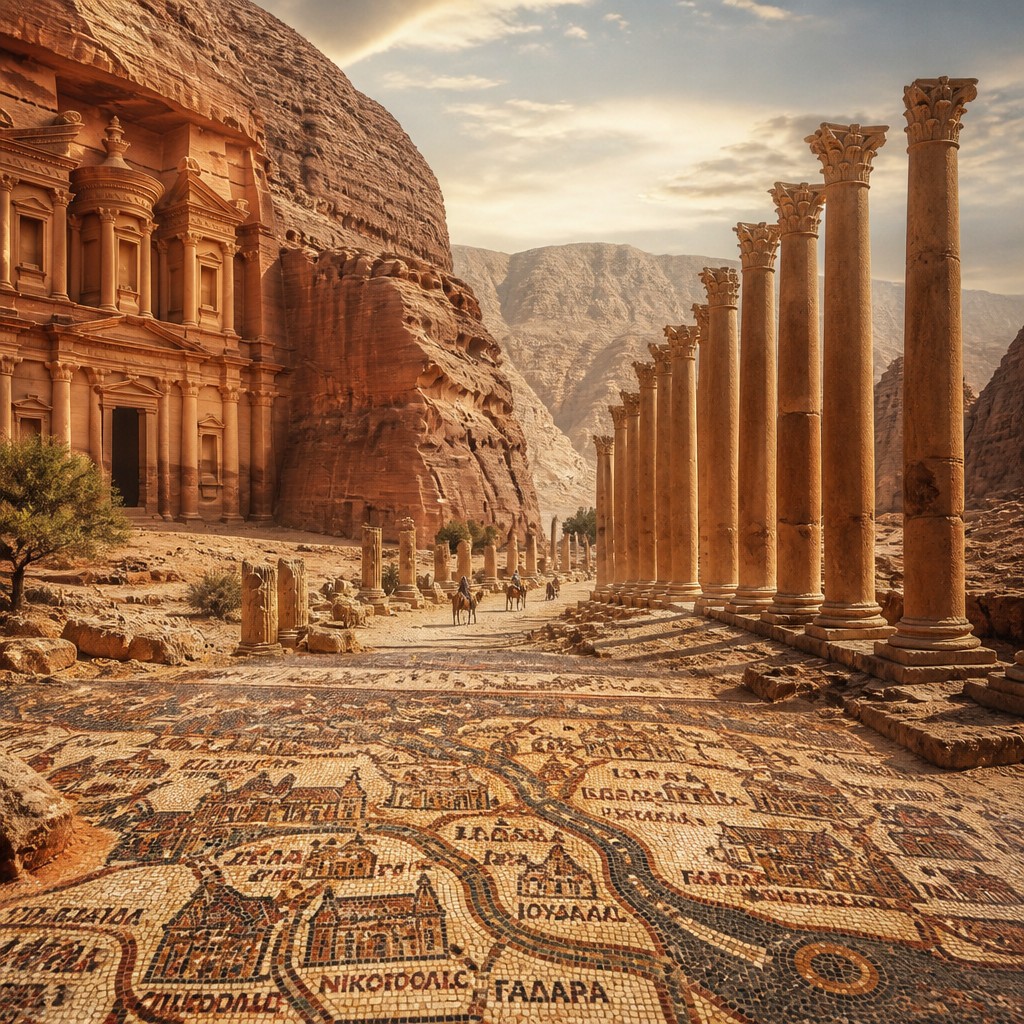
Erosion, chips, faded pigment, sand deposits, cracks, and softened edges suggest long exposure and historical depth. Surfaces should feel mineral and tactile instead of polished or newly manufactured.
Canyon light and deep shadow
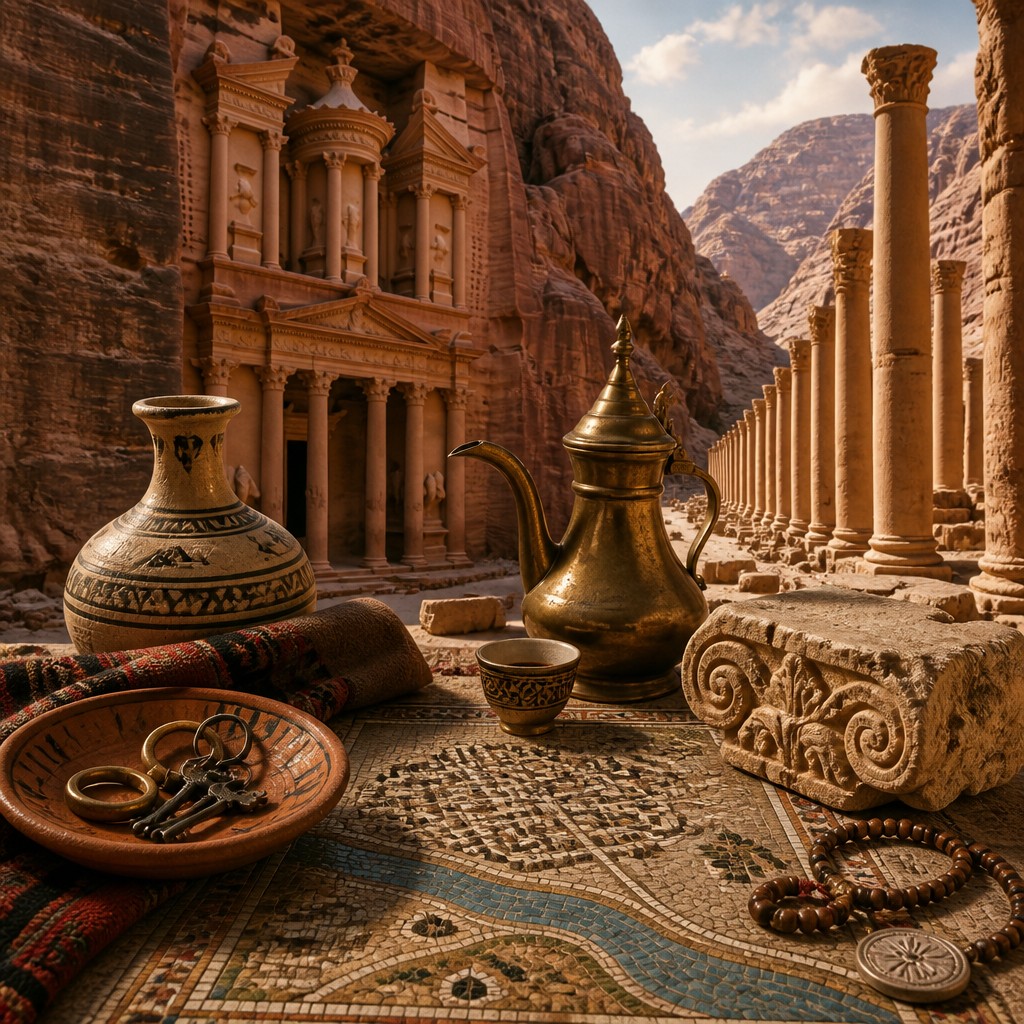
Low, directional sunlight reveals carved relief while leaving recesses dramatically dark. Warm reflected light and airborne dust create a dry, atmospheric glow without obscuring structural detail.
Cartographic and caravan imagery
Routes, river lines, city symbols, topographic contours, and stylized maps can organize a composition. These details connect architecture to Jordan’s historical role as a meeting point between desert trade routes and settled civilizations.
Jordanian Prompt Ideas
Start from an idea — each one opens the generator with the style ready to go. See all 40 Jordanian prompts →
How to Create Jordanian Art
Master the craft step by step — or skip straight to creating. Read the full guide →
- 1
Build the composition from monumental masses
Begin with a strong cliff, facade, colonnade, or canyon silhouette before adding ornament. Use a low or central viewpoint to give the architecture the presence of a carved monument.
- 2
Use a restrained mineral palette
Work with rose-red, salmon, ochre, umber, sandstone beige, muted turquoise, and charcoal shadow. In traditional media, layer dry pigments or transparent washes; digitally, keep saturation controlled and reserve brighter color for mosaic accents.
- 3
Suggest mosaics with deliberate tesserae
Paint or render small irregular squares and polygonal fragments rather than smooth gradients. Use borders, river lines, city clusters, and repeated motifs to make a floor or wall read as a Byzantine-inspired mosaic.
- 4
Create age through surface variation
Add chipped edges, granular stone, dust, cracks, faded pigment, and uneven grout while preserving the main forms. Texture should support the sense of archaeological time, not become random visual noise.
- 5
Control light like a canyon photographer
Place warm directional light across relief and columns, then use cool or near-black occlusion in narrow recesses. Atmospheric dust and softened distance can establish depth while keeping the foreground sharply tactile.
- 6
Write prompts with layered material cues
For digital or AI-assisted creation, specify the subject, Jordanian archaeological references, rose-red sandstone, Roman structural rhythm, Byzantine tesserae, canyon lighting, and an earthy palette. Add composition and camera terms such as monumental wide view, low angle, weathered surface, or detailed close-up to control the result.
The Story
History & Origins of Jordanian
Jordanian Art Style is not a single documented historical movement or named school. It is a modern visual synthesis drawing on the cultural and architectural heritage of Jordan, especially the Nabataean rock-cut city of Petra, Roman-period ruins, and late antique Byzantine mosaic floors found at sites including Madaba.
Its contemporary form often appears in illustration, concept art, architectural visualization, photography, and digital image-making. Rather than reproducing one period exactly, it layers archaeological references: monumental desert architecture, caravan-route geography, mosaic cartography, and the weathered surfaces of stone exposed to intense sun and wind.
Influences: The style draws on Nabataean rock-cut architecture, Roman provincial architecture, late antique and Byzantine mosaic traditions, Near Eastern archaeological illustration, desert landscape photography, and contemporary architectural concept art. It also shares visual methods with historical reconstruction painting, cartographic art, travel illustration, and textured digital matte painting, while remaining a modern synthesis rather than a period-authentic school.
Frequently Asked Questions
What defines Jordanian Art Style?
It is defined by the combination of rose-red rock-cut architecture, Roman colonnades, Byzantine-inspired mosaics, desert geology, and strong canyon light. The style emphasizes Jordanian place, archaeological texture, and the relationship between monumental ruins and caravan landscapes.
Is Jordanian Art Style a historical art movement?
No. The term is best understood as a contemporary descriptive or AI-native aesthetic rather than a formally recognized historical movement. Its imagery is based on real Jordanian cultural and archaeological traditions, especially Petra, Roman ruins, and Byzantine mosaic sites.
How is it different from generic desert or archaeological art?
Generic desert art may focus mainly on dunes, ruins, or warm color grading. This style is more specifically anchored in Jordanian visual references: carved rose sandstone, columned Roman remains, map-like mosaic floors, canyon corridors, and the visual language of ancient trade routes.
Can this style be used for portraits or modern subjects?
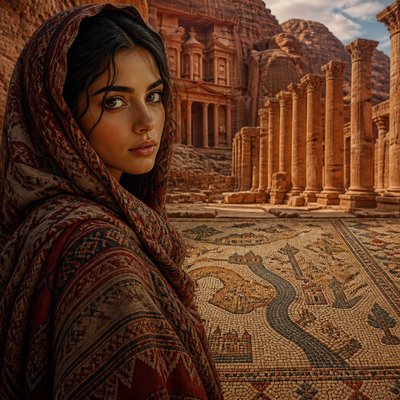
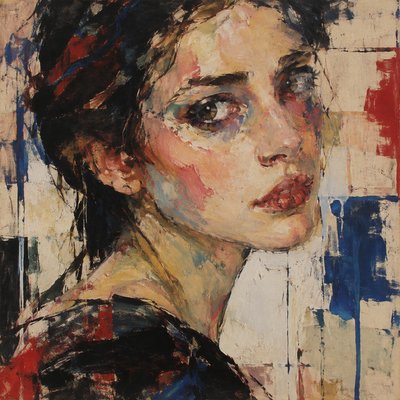
Yes, but the setting and material treatment should carry the identity of the style. A portrait can be framed by sandstone relief, mosaic borders, desert light, or a weathered archaeological environment while retaining recognizable facial features and contemporary clothing.
How can I make an image in this style with traditional materials?
Use watercolor, gouache, colored pencil, acrylic, or mixed media to combine broad sandstone masses with fine architectural detail. Build the scene in warm mineral layers, then add tesserae, erosion marks, broken stone, and sharply controlled canyon shadows.
Where is Jordanian Art Style commonly used?
It is suitable for travel illustration, historical reconstruction, game and film environments, editorial art, cultural posters, architectural visualization, book covers, and archaeological education. It can also support decorative patterns based on mosaic geometry and regional mapping.
Create your first Jordanian artwork
Describe anything — or upload a photo — and see it in Jordanian Art Style in seconds.
Related Styles
Discover similar art styles