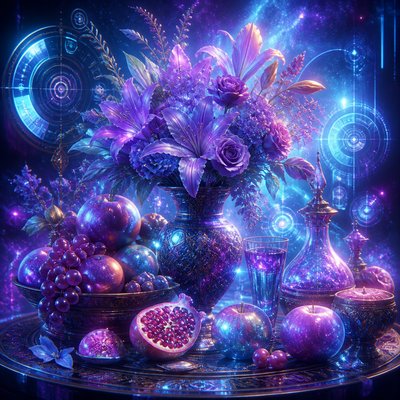
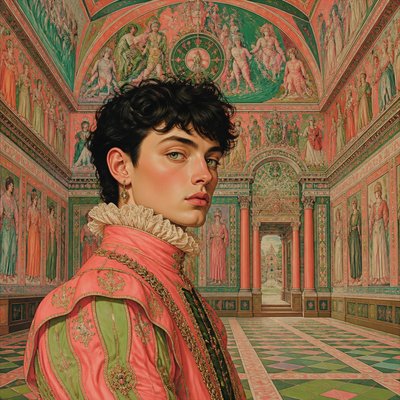
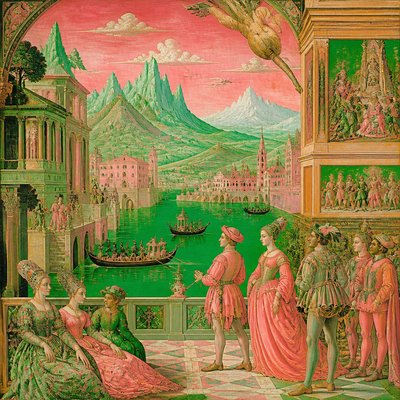
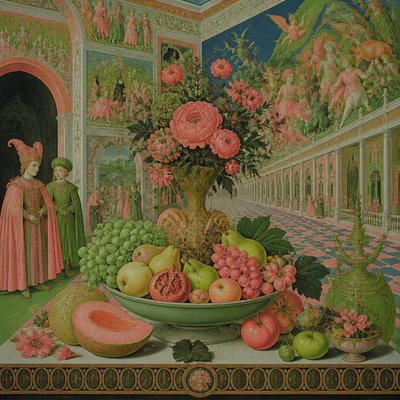
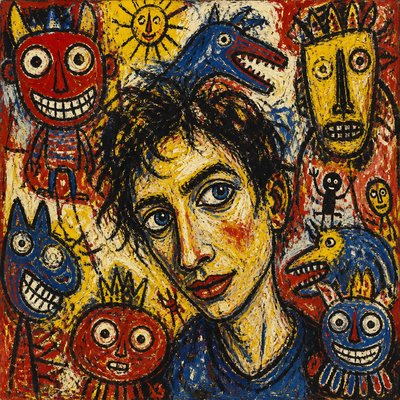
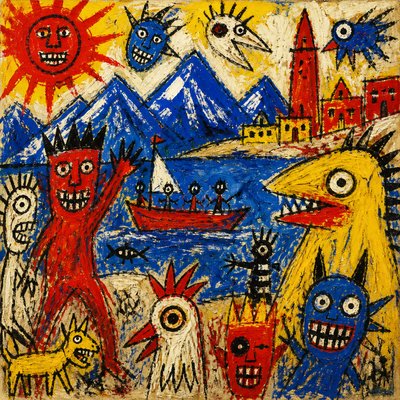
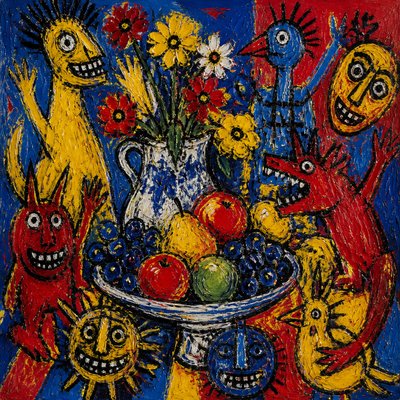
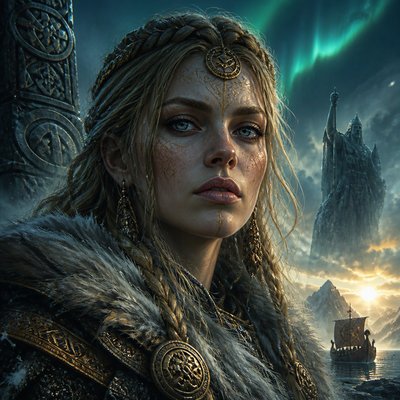
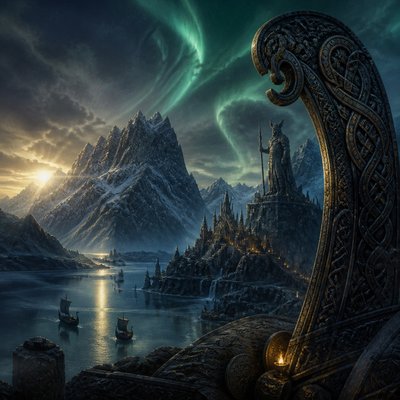
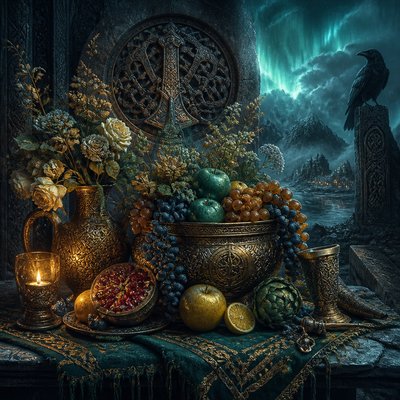
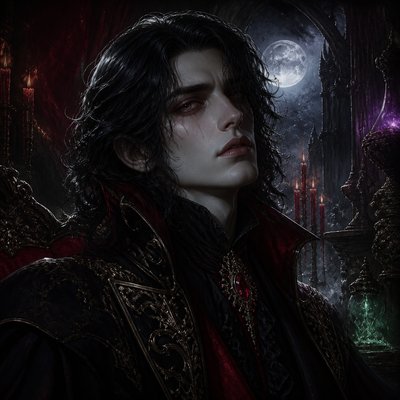
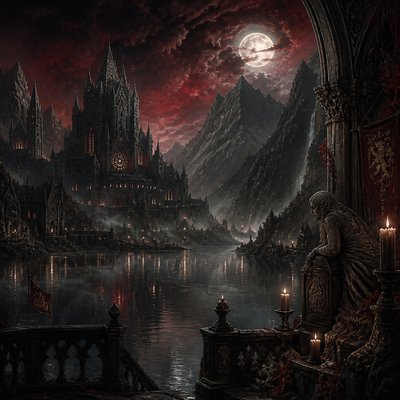
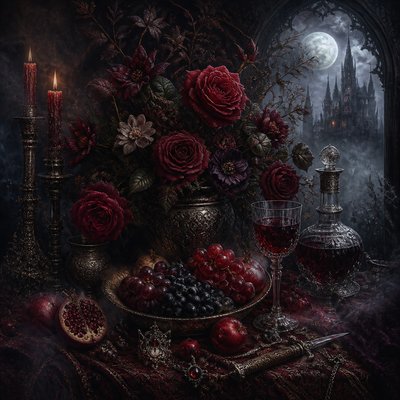
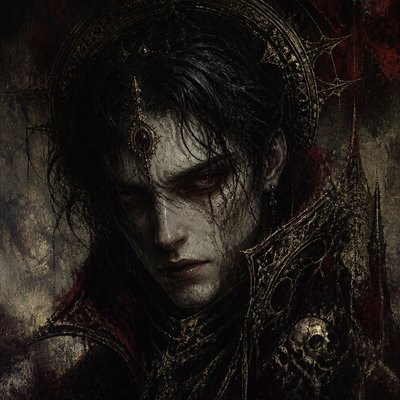
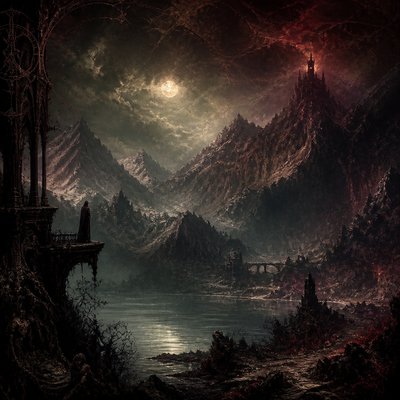
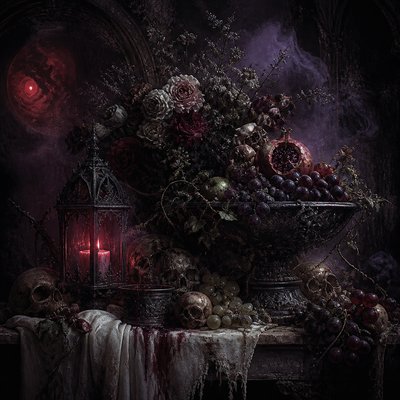
Steampunk Fantasy Art
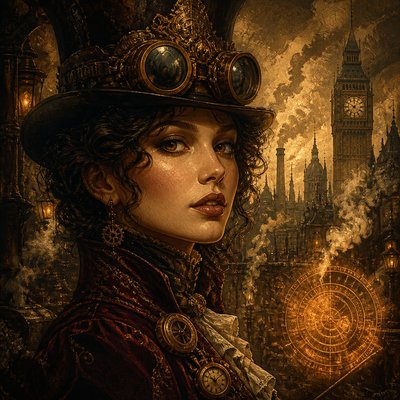
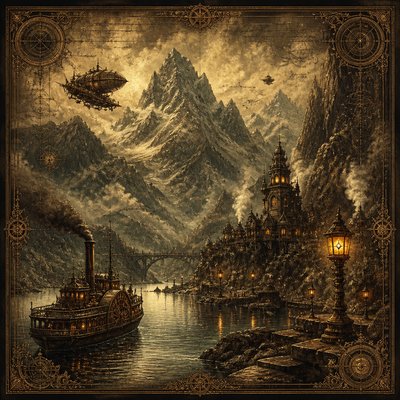
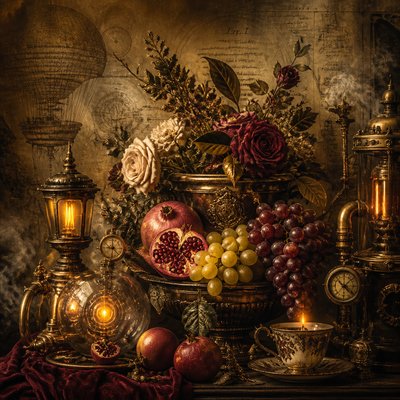
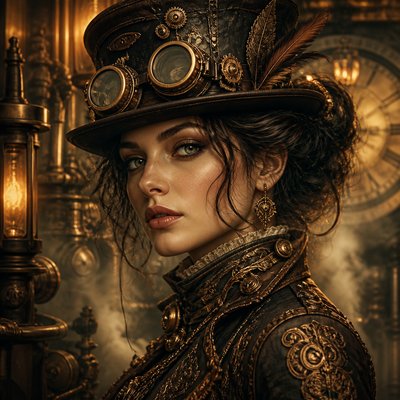
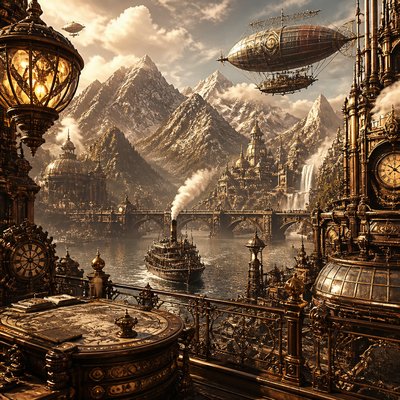
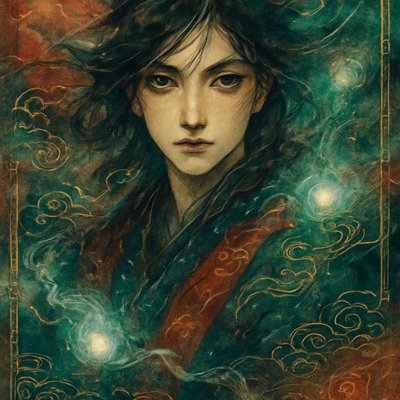
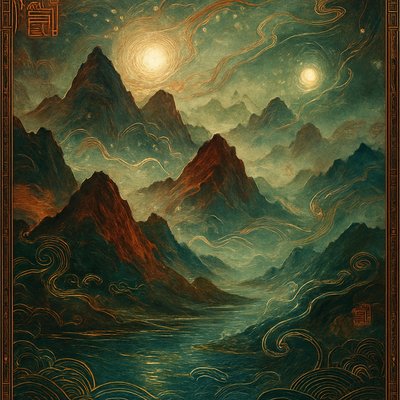
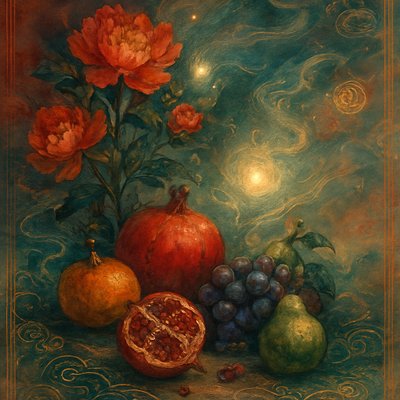
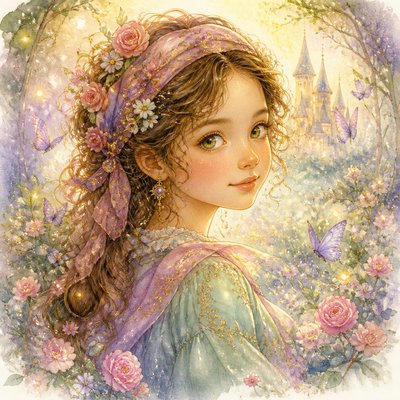
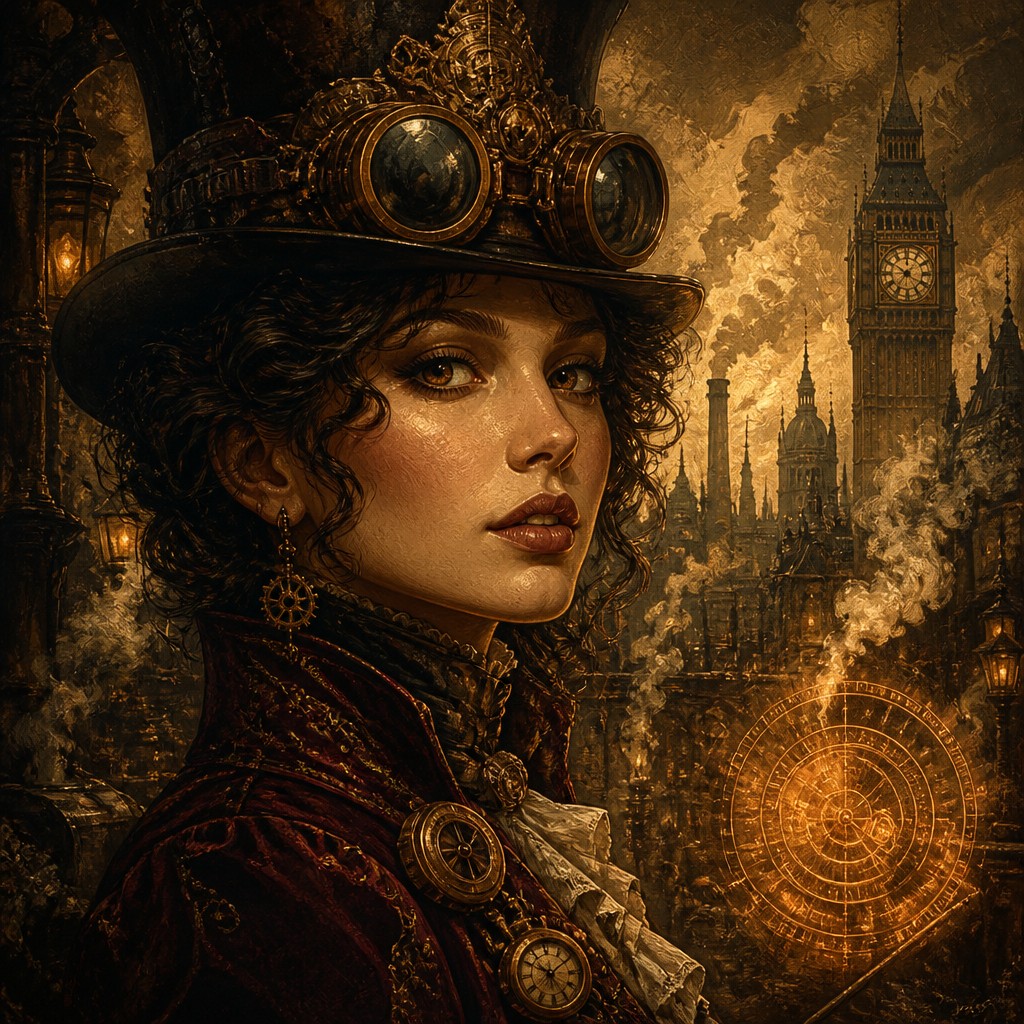
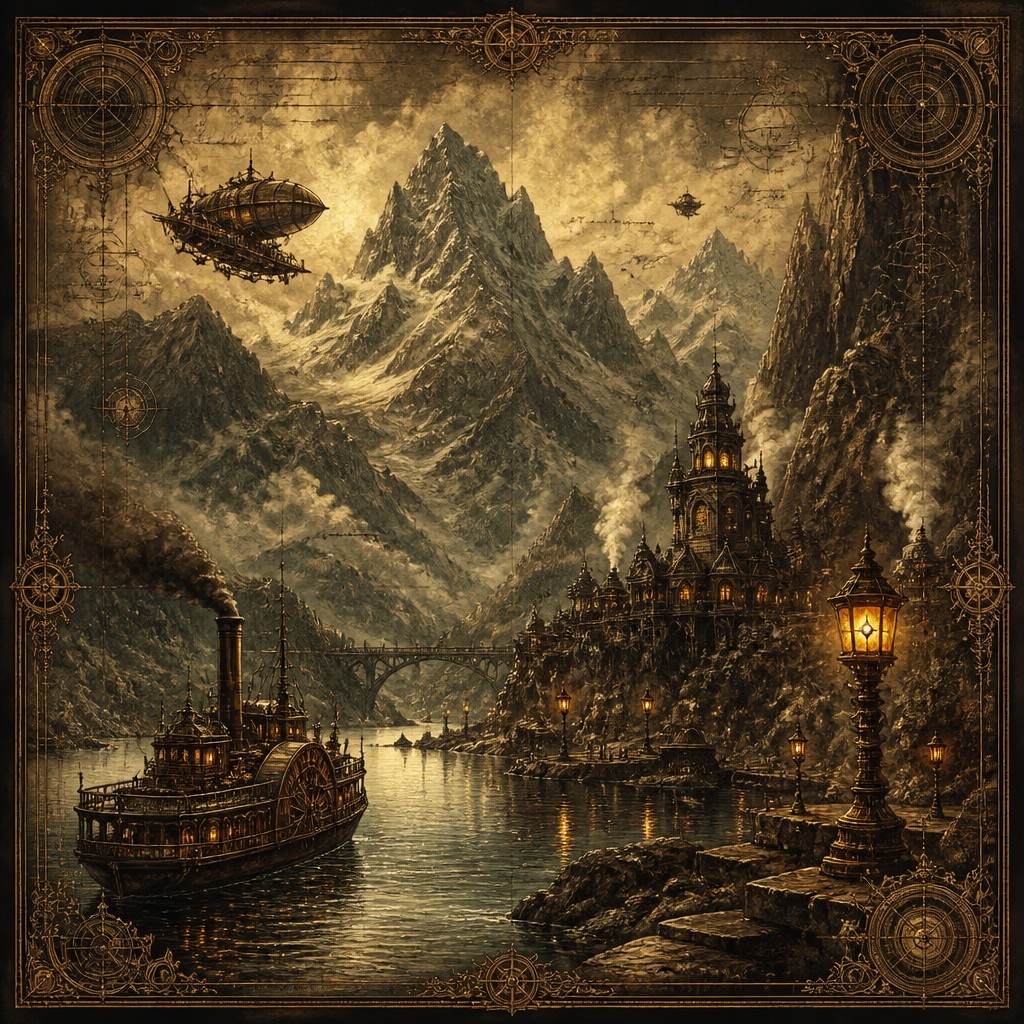
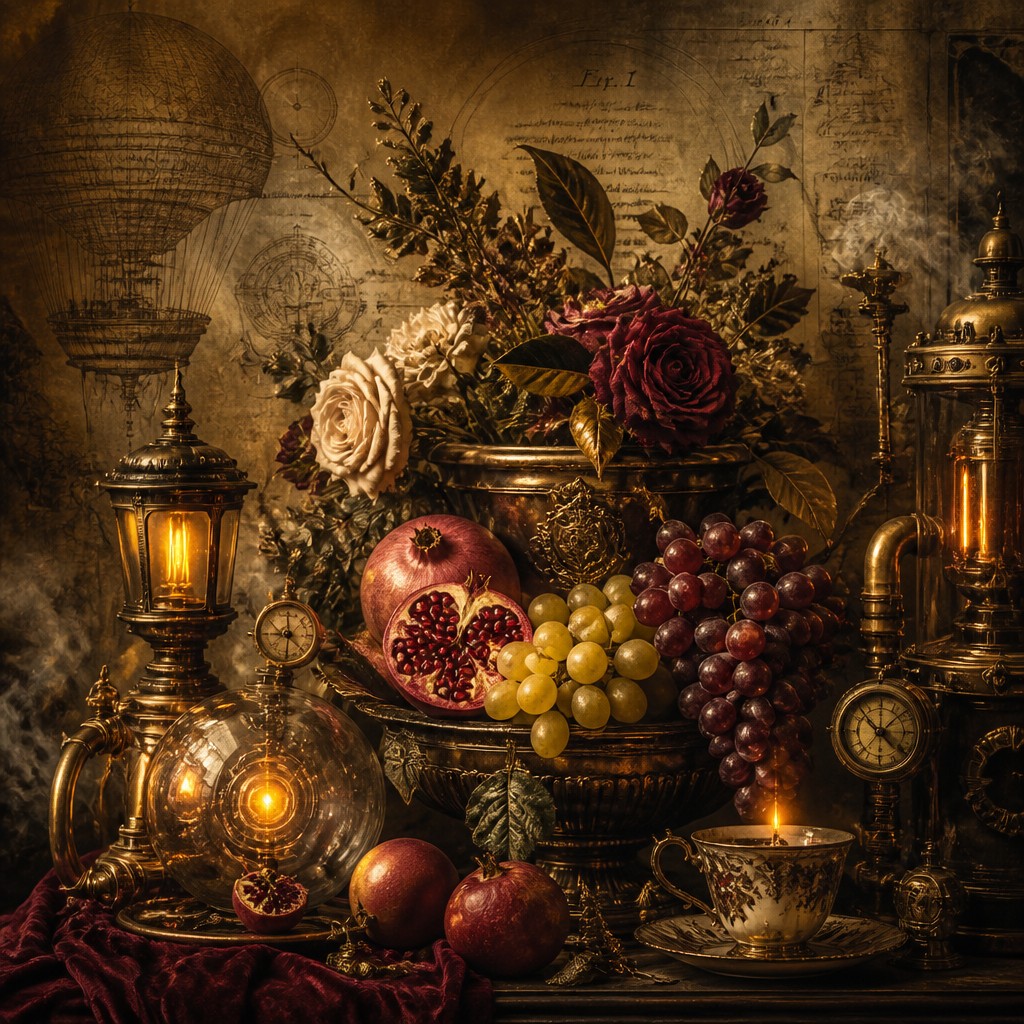
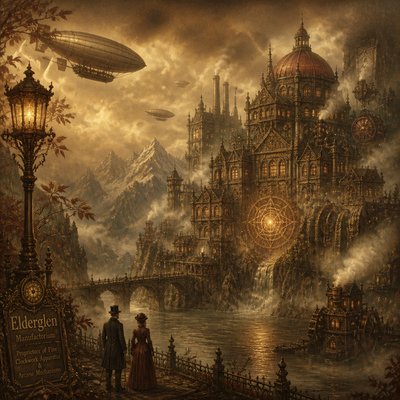
Victorian fantasy with brass gears, steam tech, airships, sepia tones, and arcane glow—an alternate industrial-age world.
Instantly rendered in Steampunk Fantasy — or transform a photo
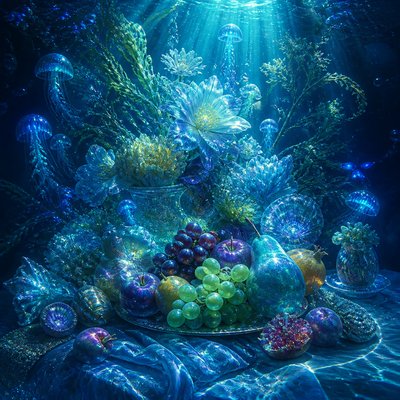
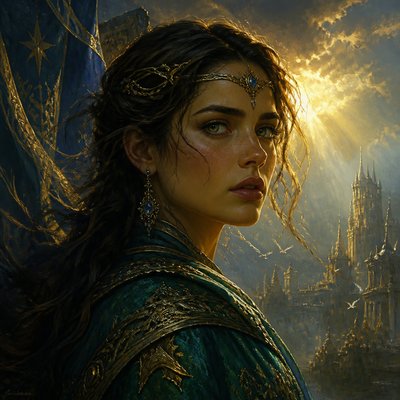
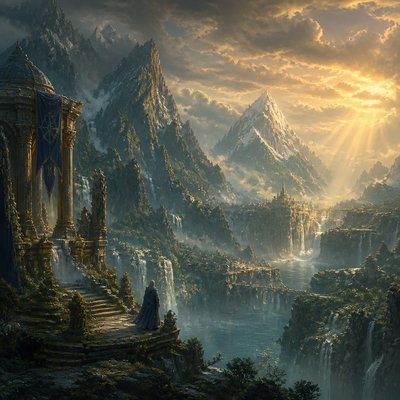
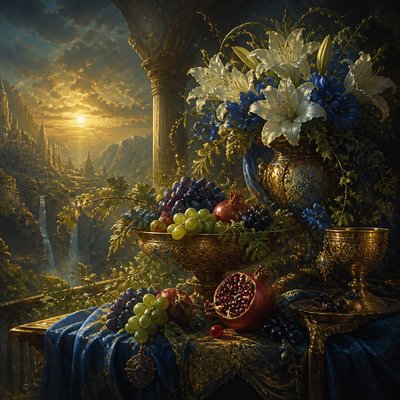
Steampunk Fantasy Gallery
Tap any artwork to explore it
What is Steampunk Fantasy Art?
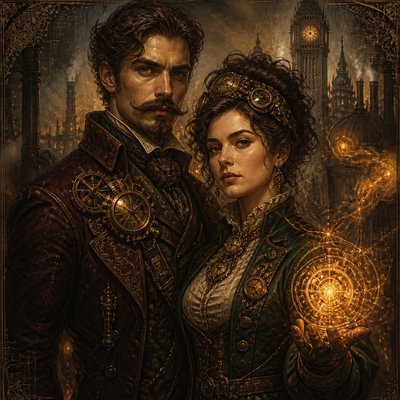
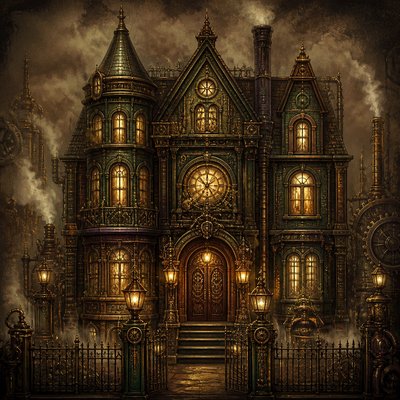
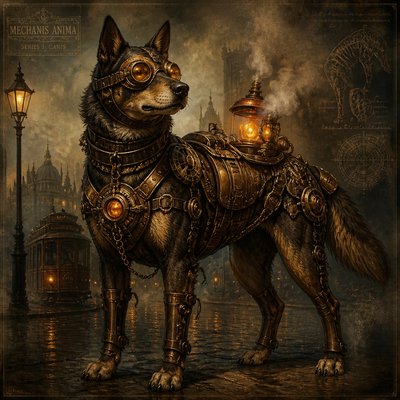
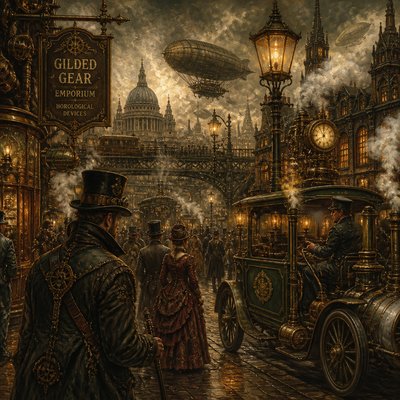
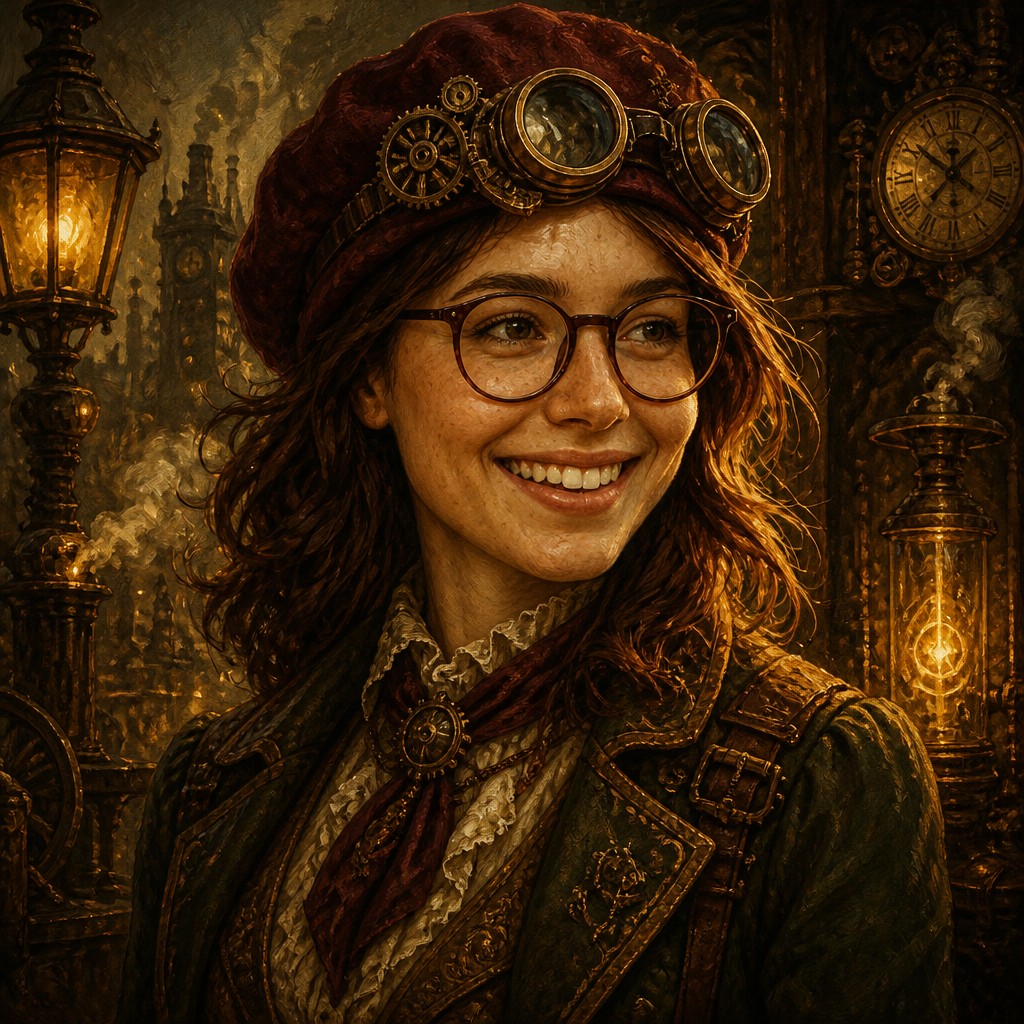
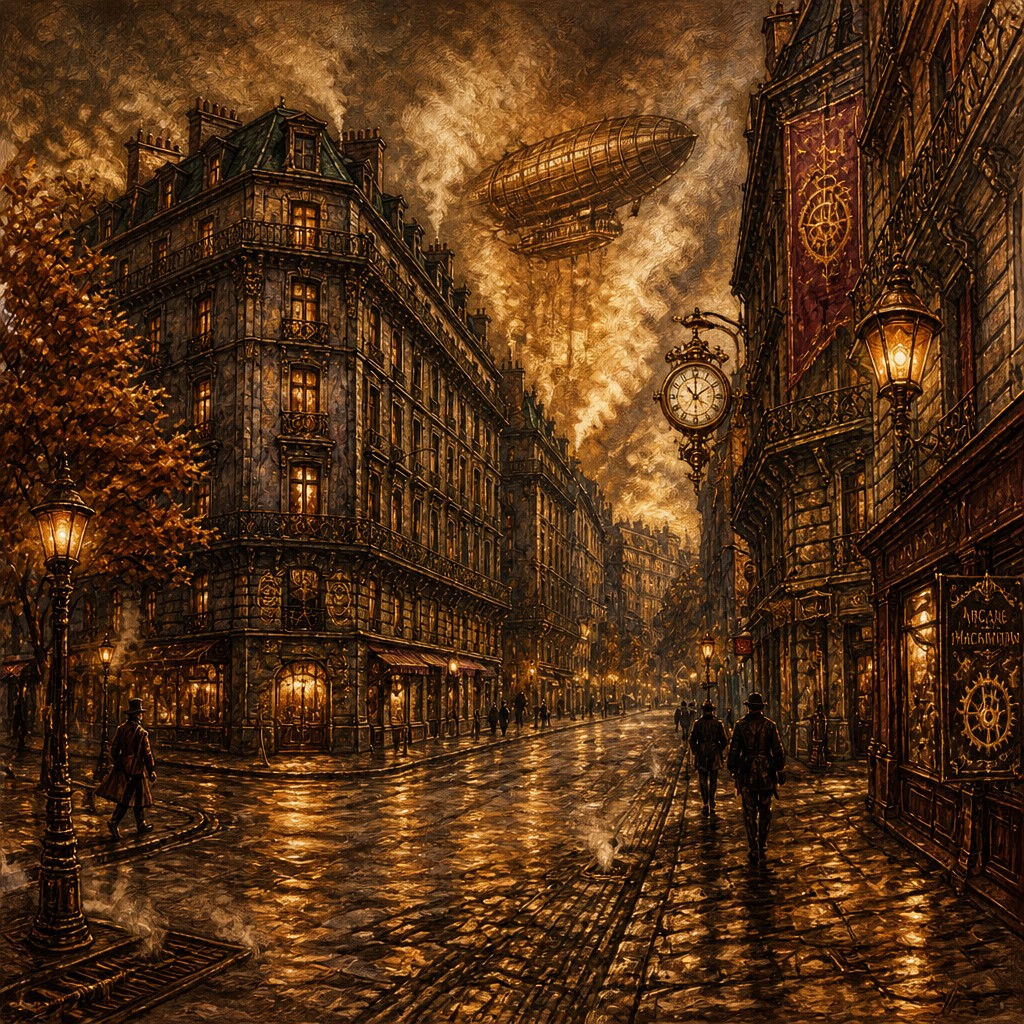
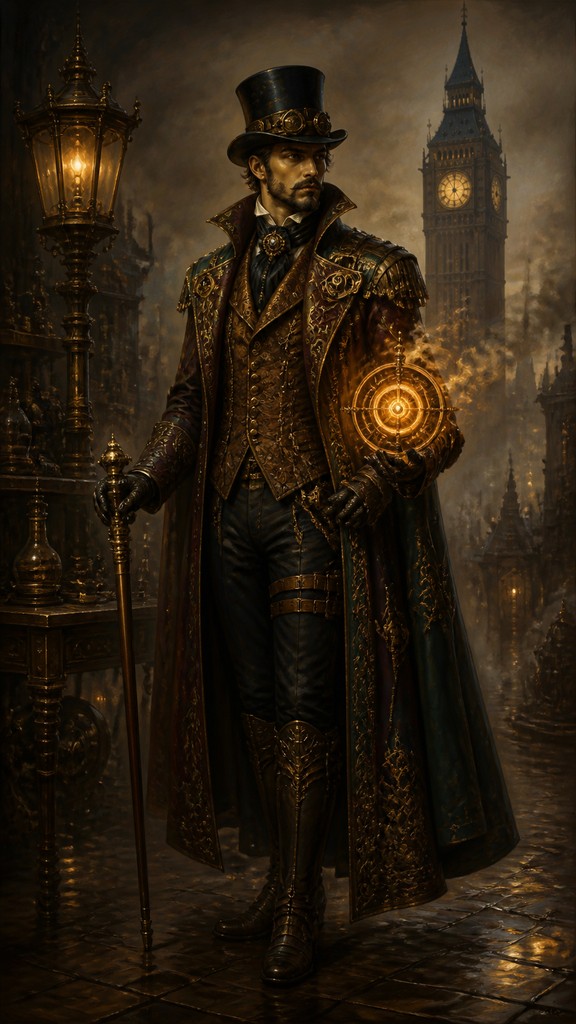
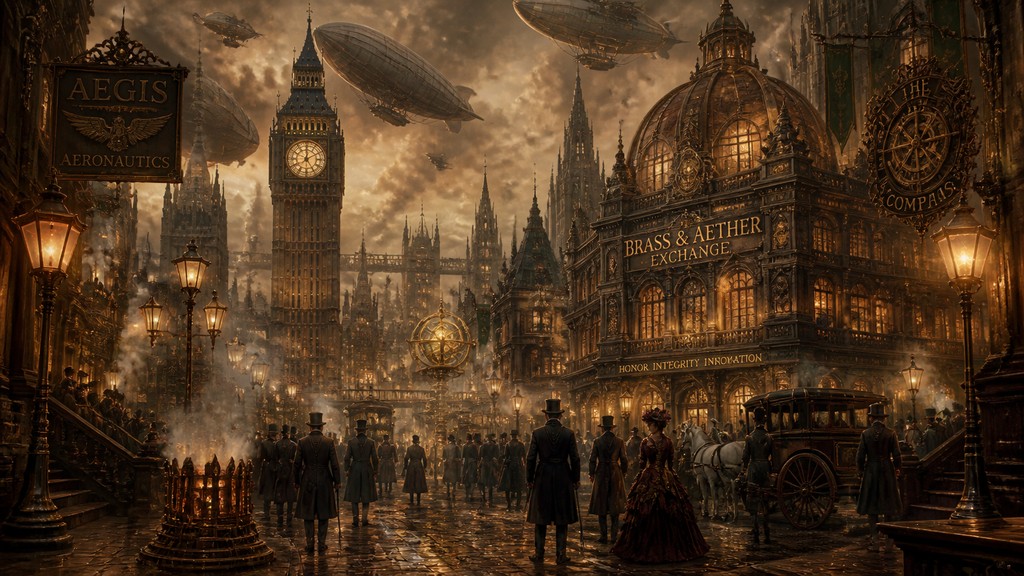
Steampunk Fantasy Art is a speculative visual style that merges Victorian-era design with fantasy worldbuilding and industrial machinery. Its most recognizable images combine brass gears, steam-powered devices, corseted silhouettes, clockwork mechanisms, airships, gaslight streets, and magical energy rendered as a believable part of an alternate industrial revolution.
The style looks the way it does because it draws from 19th-century illustration, historical costume, engineering diagrams, and romantic adventure fiction, then overlays those sources with wizardry, alchemy, and science-fiction invention. The result is a world that feels both antique and imagined: richly detailed, mechanically plausible, and atmospherically lit with smoke, glow, and sepia warmth.
Try It On Your Photos
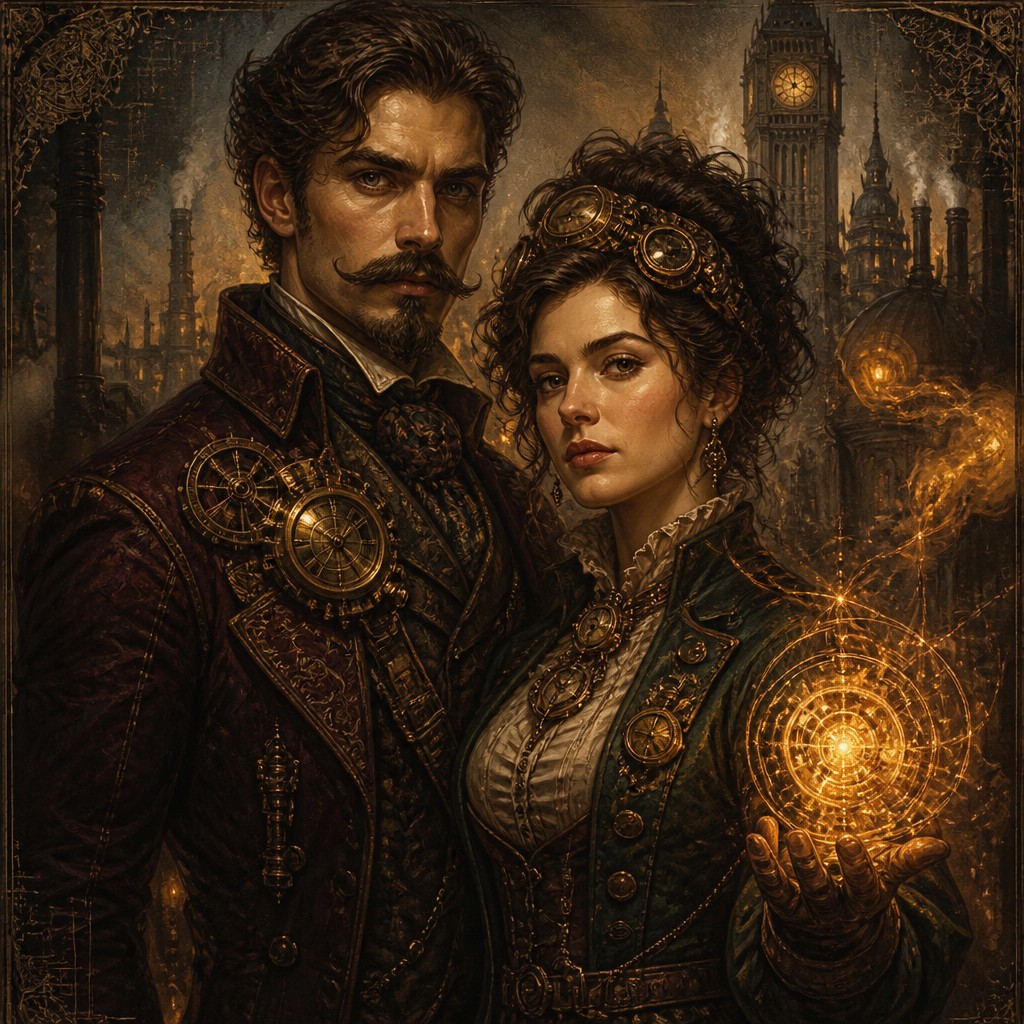
Upload any photo and convert it into Steampunk Fantasy Art — drag the sliders to compare before and after.


What Defines Steampunk Fantasy Art
The signature details, up close
Victorian-industrial design language
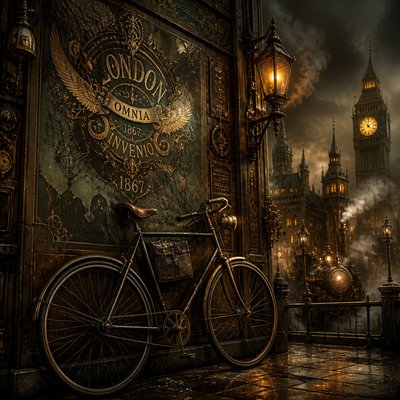
Costumes, architecture, and props echo the 19th century: waistcoats, corsets, top hats, lace, riveted metal, boiler rooms, and ornate mechanical fittings. The world often feels like an alternate version of London or an imperial industrial metropolis.
Brass, copper, and patina
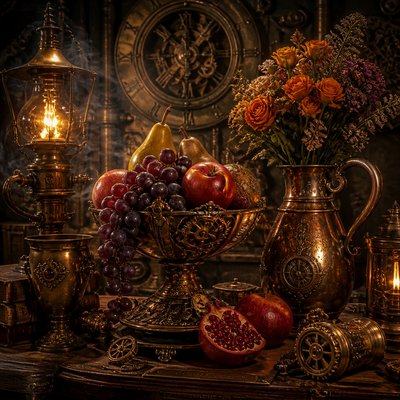
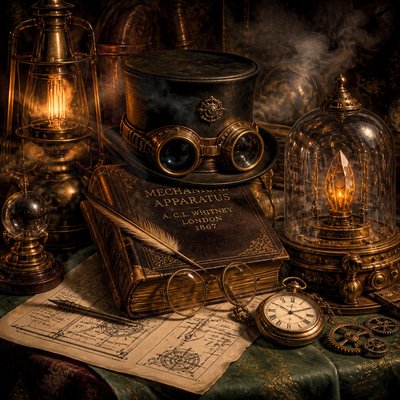
Metal surfaces are usually warm-toned and decorative, with exposed gears, tubes, valves, gauges, and filigree. Aged patina, soot, and tarnish keep the machinery from looking sterile or futuristic.
Fantasy integrated into technology
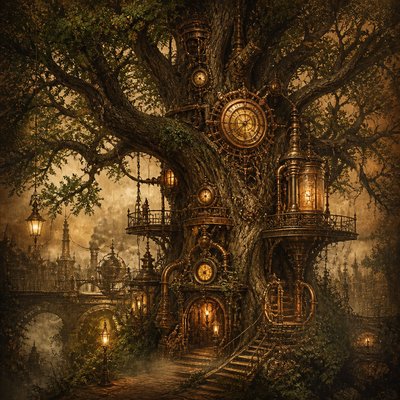
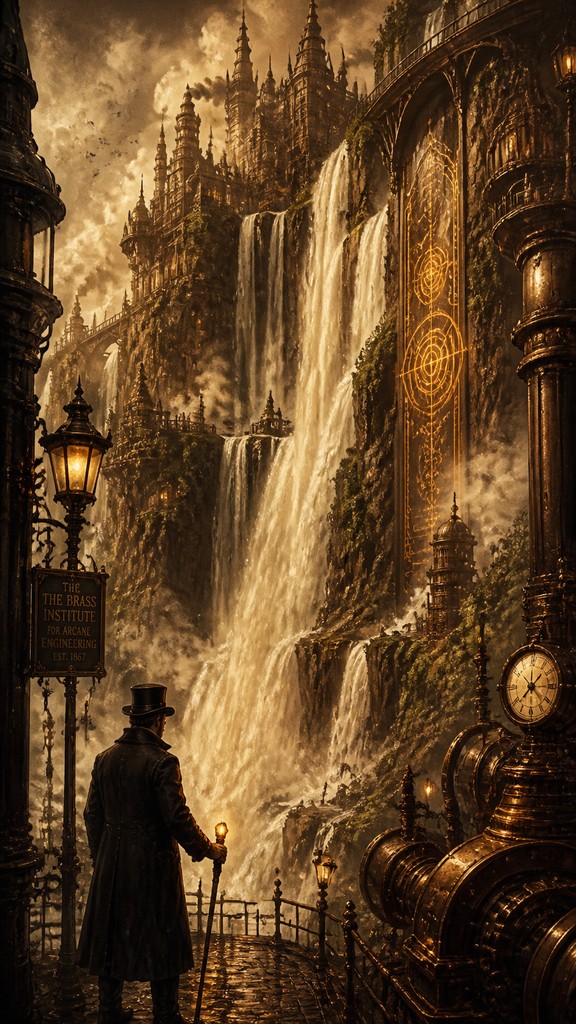
Magic is often depicted as a physical force within machines, such as glowing runes, enchanted cores, alchemical canisters, or steam-powered spell devices. The fantasy elements are not separate from the engineering; they are fused into it.
Atmospheric steam and gaslight
Clouds of steam, fog, smoke, and luminous gas lamps create depth and cinematic mood. Lighting is frequently dramatic, with bright amber highlights against shadowed interiors or night streets.
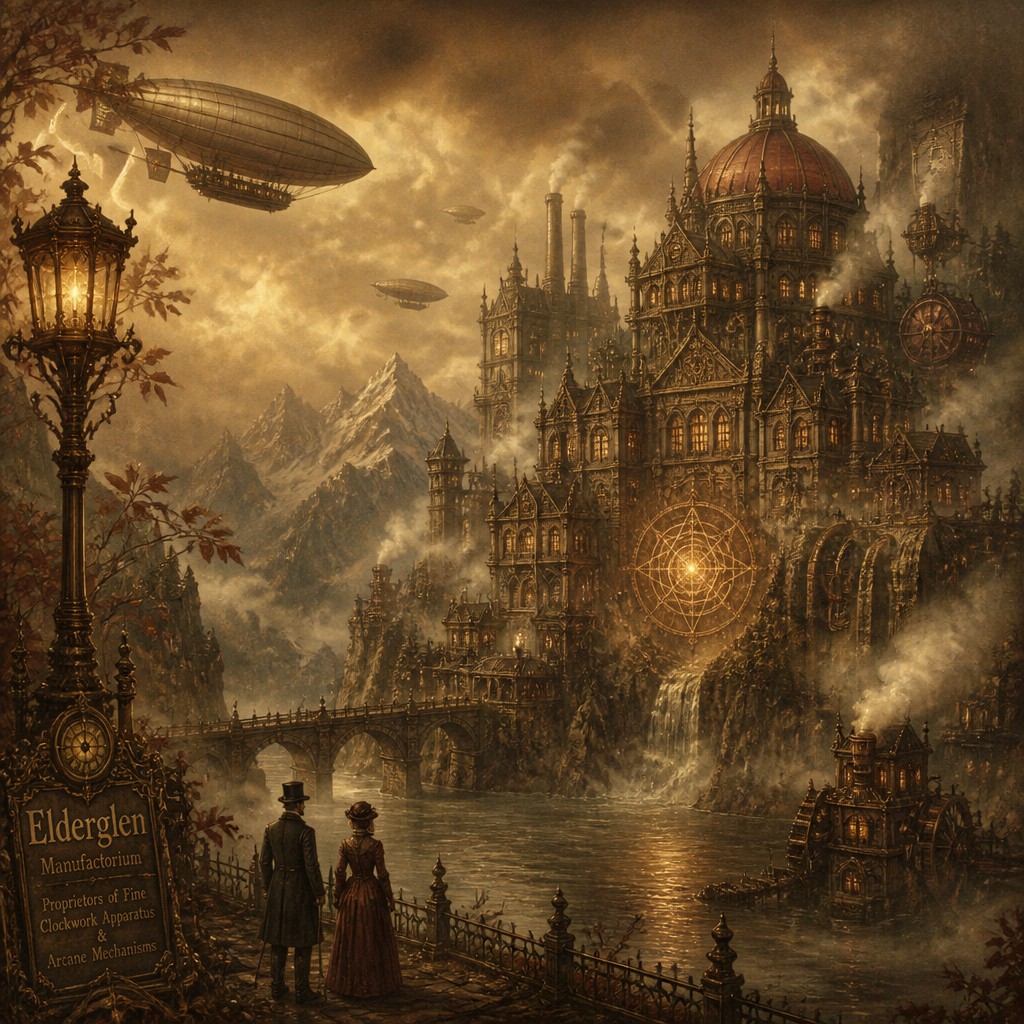
Sepia, amber, burgundy, and green palette
Color schemes usually favor aged papers, brass, and lamp-light tones, then deepen them with burgundy, forest green, oxblood, and dark teal. The palette helps the image feel historical even when the subject is impossible.
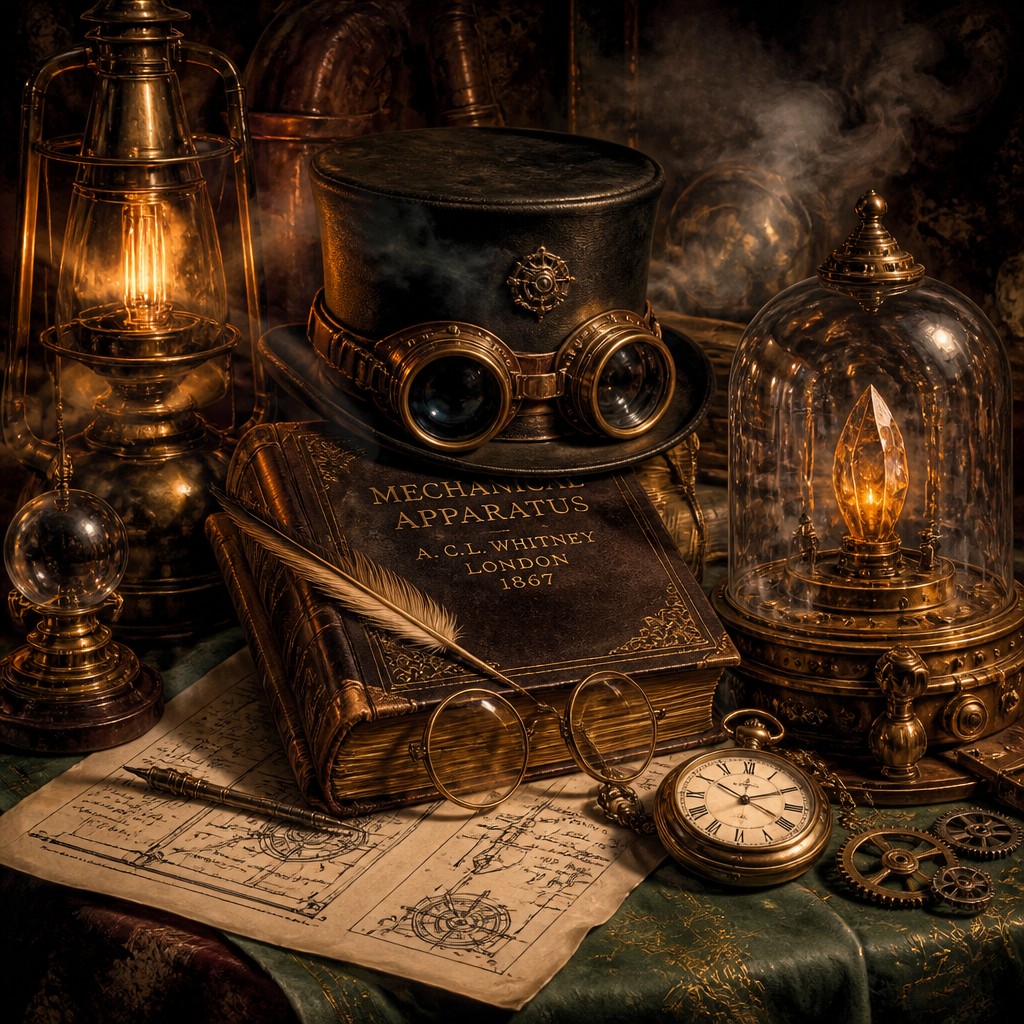
Illustrative texture and ornate detail
Surfaces often show etched lines, cross-hatching, engraved textures, and painterly realism combined with diagram-like precision. This makes the style feel handcrafted, literary, and mechanically specific.
Try It
Create Videos in Steampunk Fantasy Art
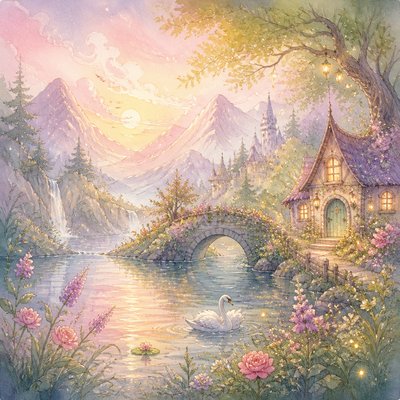
Styles aren't just for stills — describe a scene or animate an image and get a short video rendered in Steampunk Fantasy. Press play to see this pond come to life.
Make a VideoSteampunk Fantasy Prompt Ideas
Start from an idea — each one opens the generator with the style ready to go. See all 40 Steampunk Fantasy prompts →
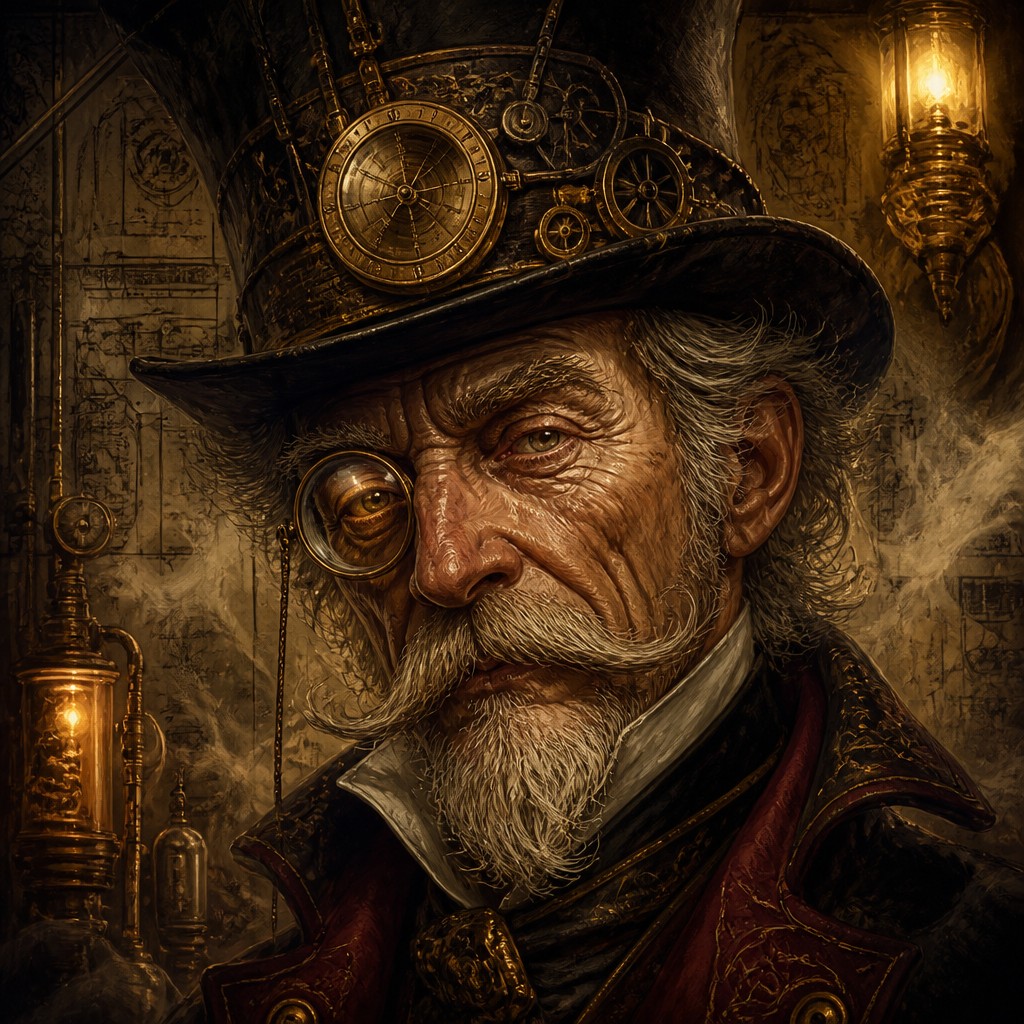
“close-up portrait of an elderly person with expressive weathered features”
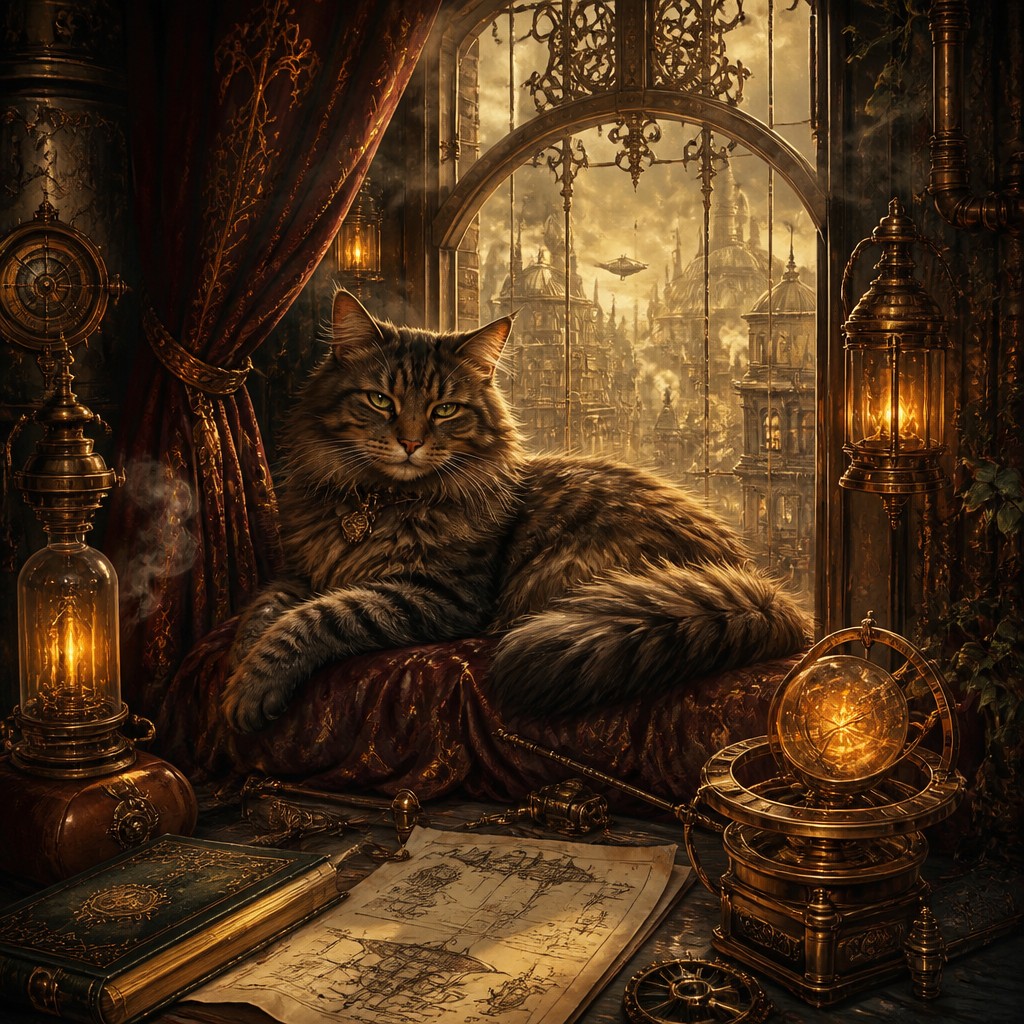
“a cat lounging in a sunlit window”
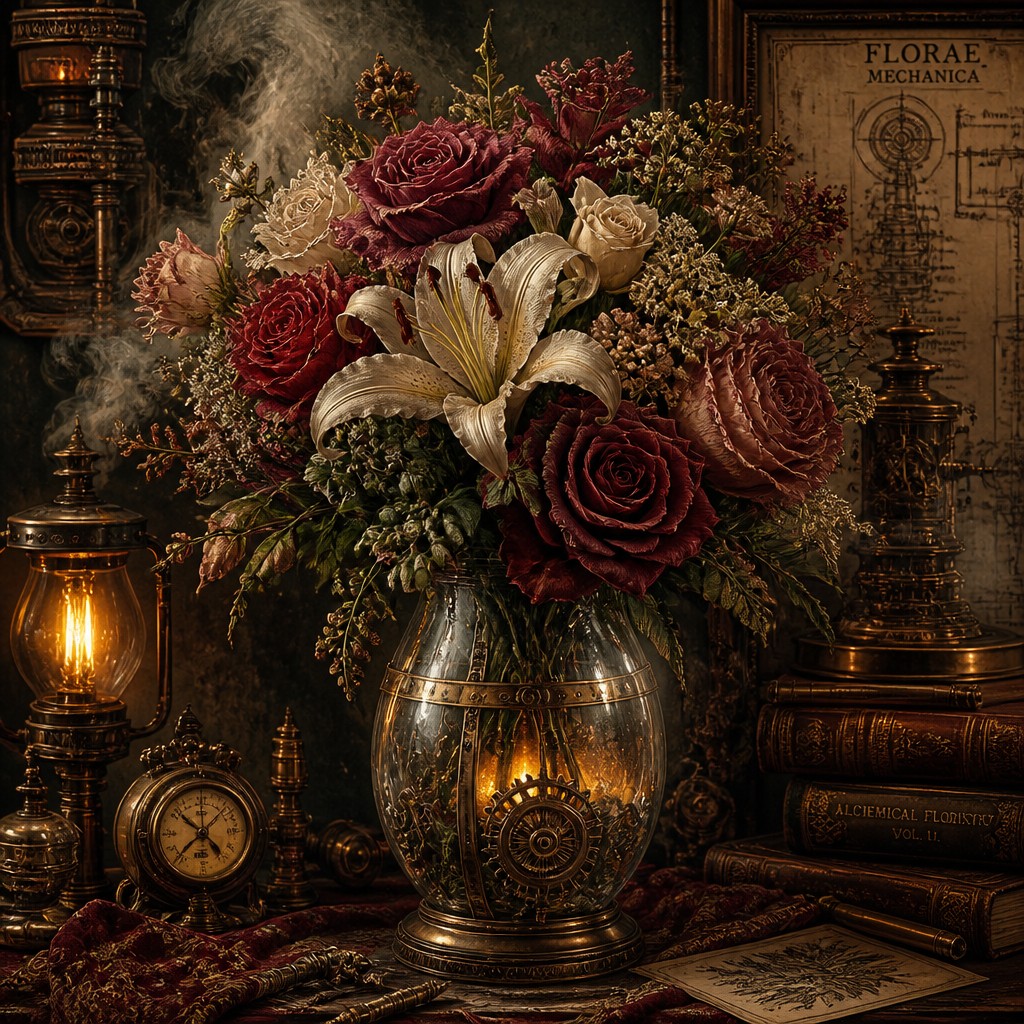
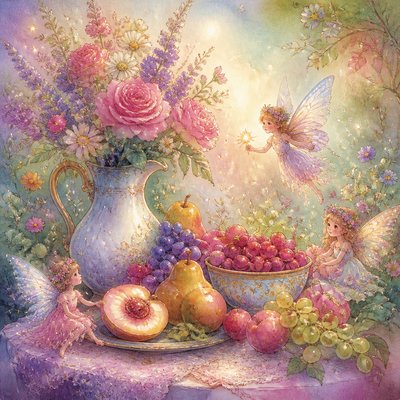
“bouquet of flowers in a glass vase”
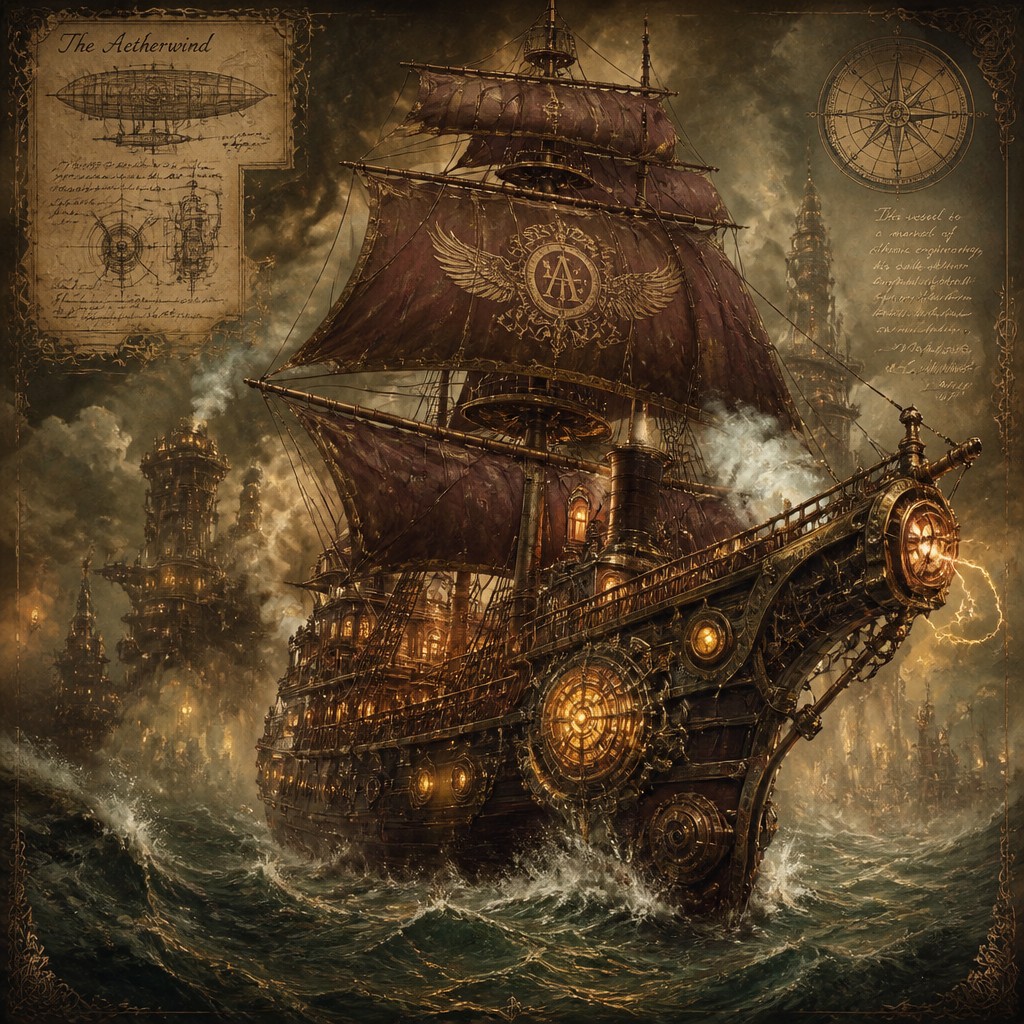
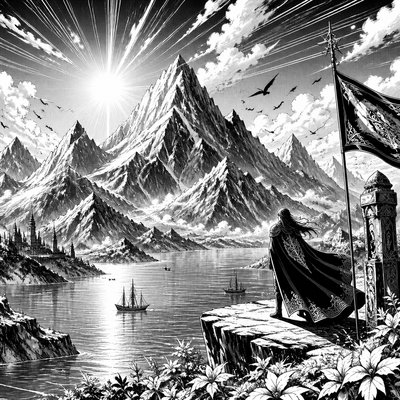
“sailing ship on a stormy sea”
How to Create Steampunk Fantasy Art
Master the craft step by step — or skip straight to creating. Read the full guide →
- 1
Build the world from period references
Start with authentic Victorian architecture, clothing, and objects, then add invented technology that still obeys the era’s materials and proportions. Whether working traditionally or digitally, grounding the scene in real 19th-century reference makes the fantasy feel convincing.
- 2
Mix painterly forms with technical linework
Use oil-like shading or digital painting for atmosphere, then sharpen important edges with engraved hatching, rivets, gears, and schematic details. A strong balance of soft smoke and hard machinery is central to the look.
- 3
Control the palette and lighting
Use sepia, amber, brass, and smoke-gray as the base, then introduce selective jewel tones or glowing magic accents. Gaslight, candlelight, and interior lamp sources should create strong chiaroscuro and warm highlights.
- 4
Make machinery feel functional
Design machines with believable parts: pipes should connect to boilers, gears should interlock, and magical components should look like they could power the device. Avoid random decoration by giving every mechanism a visible purpose.
- 5
In prompt-based generation, specify era and mood
Include cues such as Victorian, brass gears, steam-powered, airship, gaslight, arcane glow, etched detail, and sepia palette. Describing the scene as an alternate industrial revolution helps the model fuse fantasy with period realism.
- 6
For image-to-image, preserve silhouettes and add steampunk cues
When transforming a photo, keep the original pose or composition but overlay period clothing, metal accessories, steam effects, and warm aged color grading. The most effective edits usually replace modern materials with brass, leather, copper, and smoke.
The Story
History & Origins of Steampunk Fantasy
Steampunk Fantasy Art does not descend from a single historical movement; it is an invented aesthetic that emerged from the broader steampunk subculture and from late-20th-century speculative fiction, illustration, games, and film design. Its lineage reaches back to Victorian literature and illustration, especially the visual language of industrial-age invention, expedition narratives, and gothic romance, while its fantasy component connects it to sword-and-sorcery art and escapist worldbuilding.
Visually, the style borrows from period technical illustration, engraved book plates, classic adventure imagery inspired by speculative journeys, and the material culture of the Industrial Revolution. In modern popular culture, it has been refined through concept art, role-playing games, graphic novels, and fantasy cinema, becoming a recognizable hybrid where brass machinery, airships, and magic are treated as parts of the same fictional technology.
Influences: Steampunk Fantasy Art draws from Victorian illustration, industrial design, gothic romance, and adventure fiction, as well as fantasy painting and concept art. Its visual vocabulary is related to the engraved precision of 19th-century book illustration, the imaginative engineering of classic speculative adventure narratives, and the decorative material sensibility of later fantasy art; in historical terms, the style should not be attributed to a single canonical artist, but to a broader cultural mixture of period design and speculative invention.
Frequently Asked Questions
What defines Steampunk Fantasy Art?
It combines Victorian-era fashion and technology with fantasy elements such as magic, alchemy, and invented machinery. The defining features are brass-and-copper engineering, steam, gaslight, ornate clothing, and a believable alternate industrial world.
How is it different from regular steampunk?
Regular steampunk often emphasizes speculative technology and historical retrofuturism, while Steampunk Fantasy Art puts magic more centrally into the world. In this style, enchanted devices, mystical energy, and fantasy creatures are common, and the imagery is usually more overtly mythic.
How is it different from fantasy set in the Victorian era?
Victorian fantasy can simply place magic in a historical setting, while Steampunk Fantasy Art emphasizes machinery, industrial materials, and a redesigned technological culture. The gears, boilers, gauges, and airships are not optional decoration; they are part of the style’s identity.
What colors work best in this style?
Warm metallics and aged neutrals are the foundation: sepia, amber, brass, copper, charcoal, and smoke-gray. Deep burgundy, forest green, and dark teal are common accent colors, especially when paired with glowing magical light.
What subjects are common in this style?
Popular subjects include airships, inventors, clockwork beings, explorers, laboratories, steam cities, and heroic characters with goggles or mechanical prosthetics. Fantasy subjects such as wizards, dragons, and enchanted books also fit well when integrated into industrial design.
Can I make this style from a photo?
Yes. The most successful transformations keep the original pose or composition while restyling clothing, props, architecture, and lighting into a Victorian industrial fantasy setting. Adding brass textures, steam, aged color grading, and glowing arcane details helps unify the image.
Create your first Steampunk Fantasy artwork
Describe anything — or upload a photo — and see it in Steampunk Fantasy Art in seconds.
Make Something with Steampunk Fantasy
Related Styles
Discover similar art styles