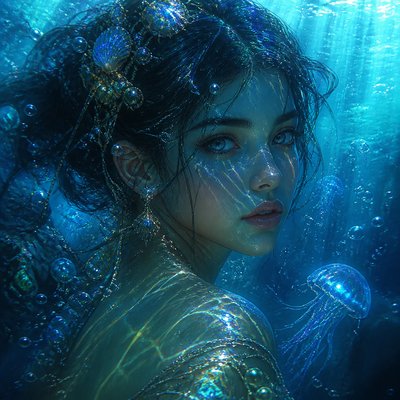
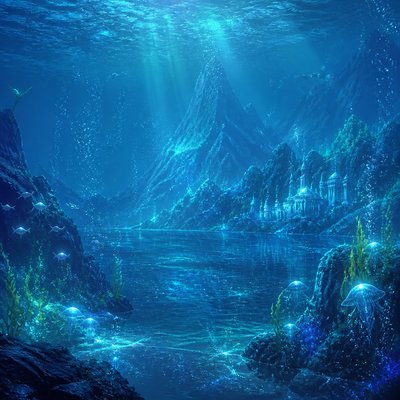
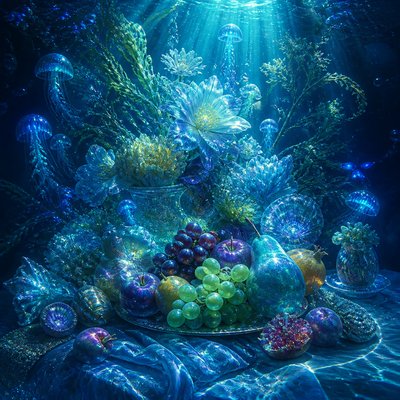
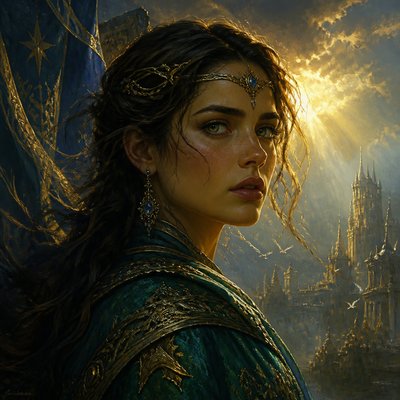
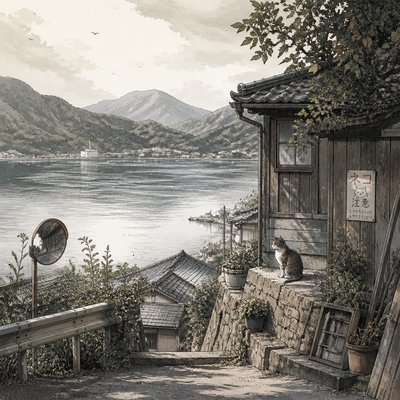
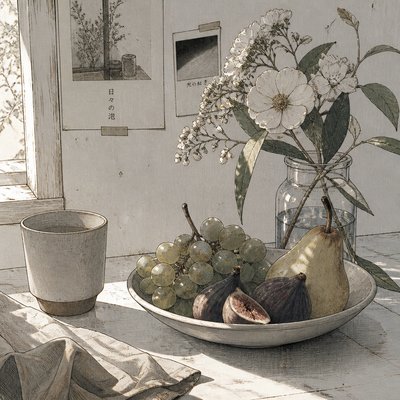
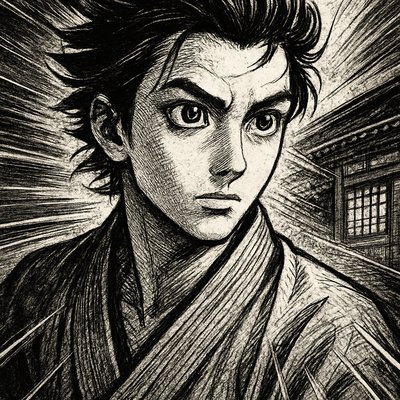
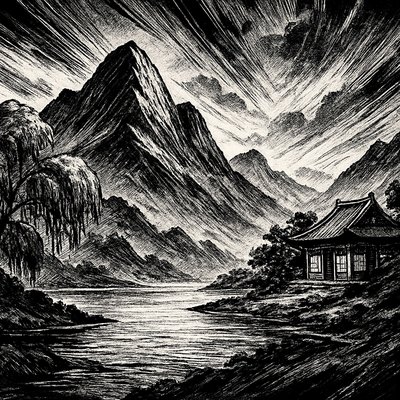
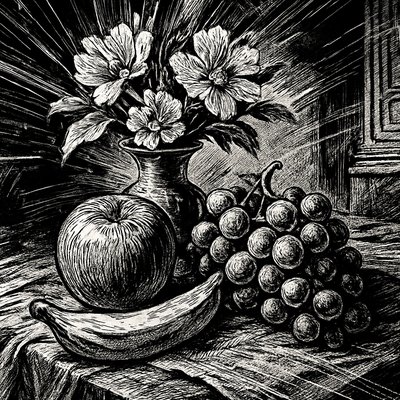
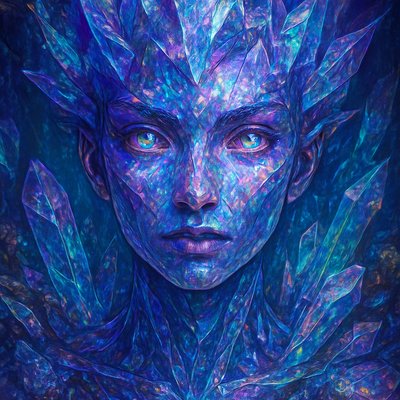
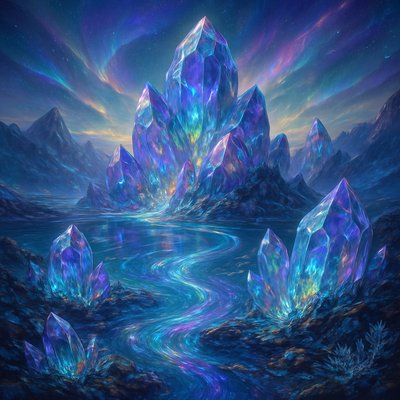
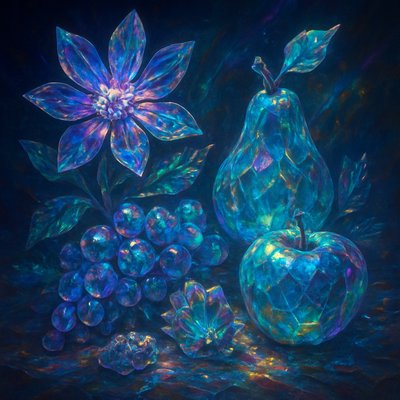
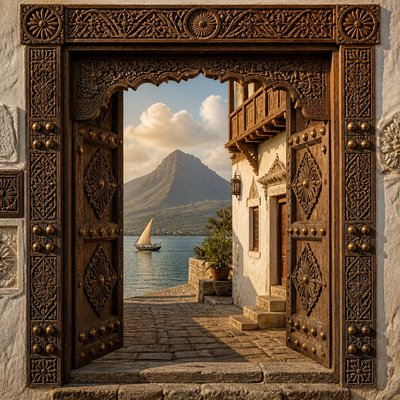
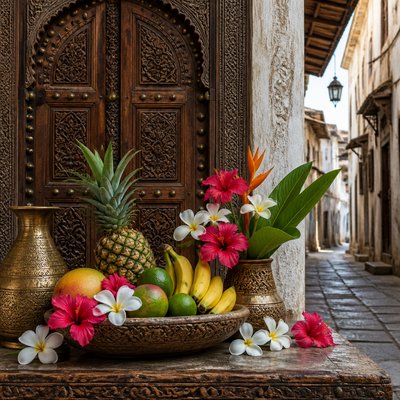
Fantasy Adventure Manga Art Style
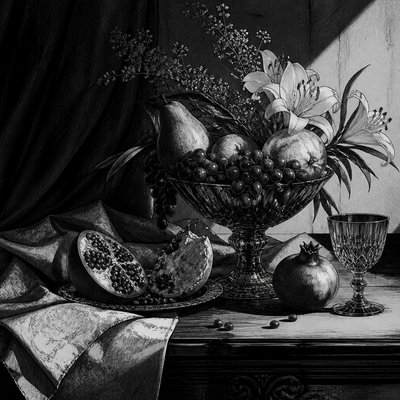
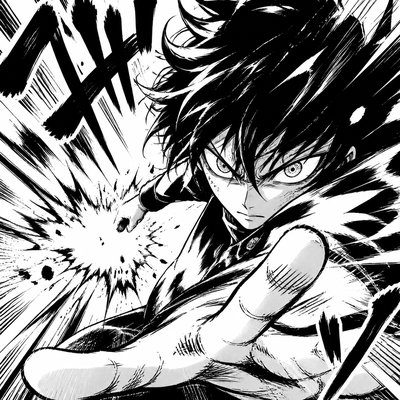
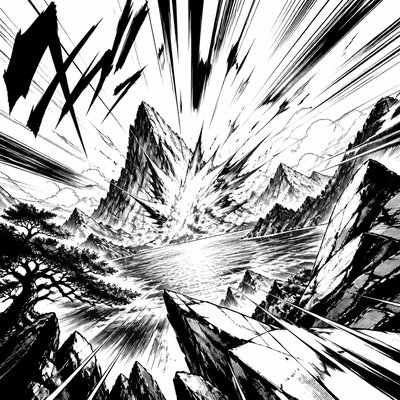
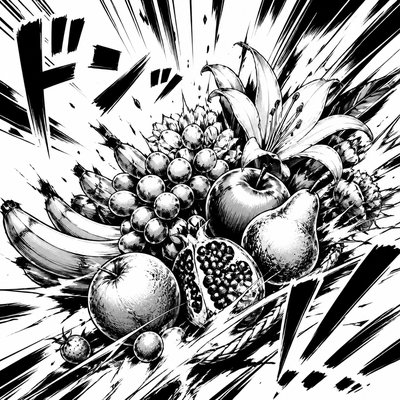
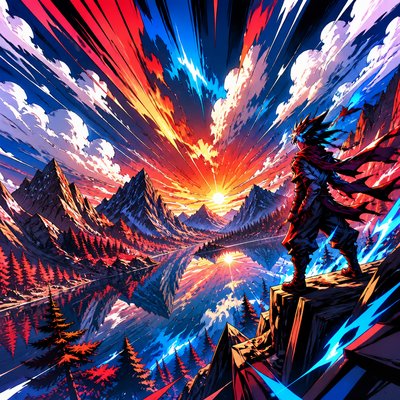
Epic manga fantasy with detailed armor, creatures, screentones, and cinematic landscapes for immersive adventure scenes.
Instantly rendered in Fantasy Adventure Manga — or transform a photo
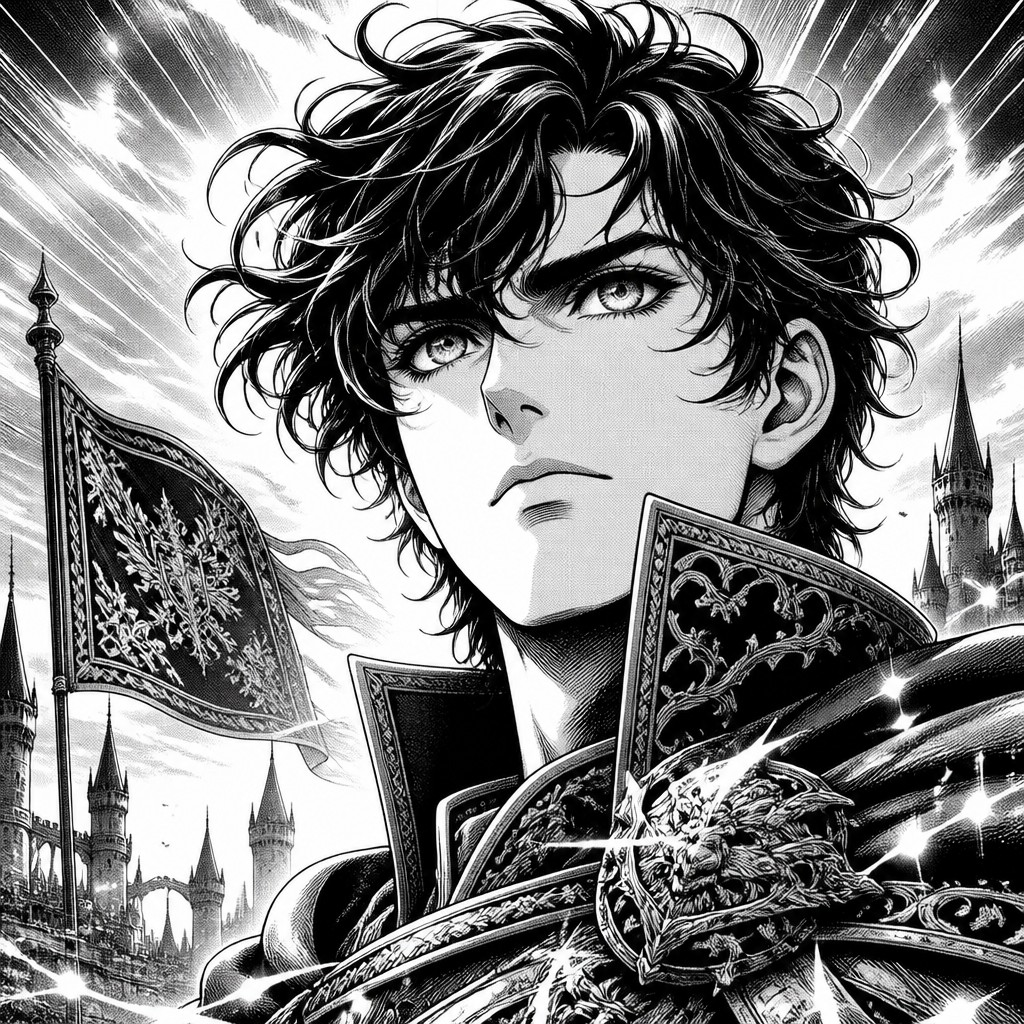
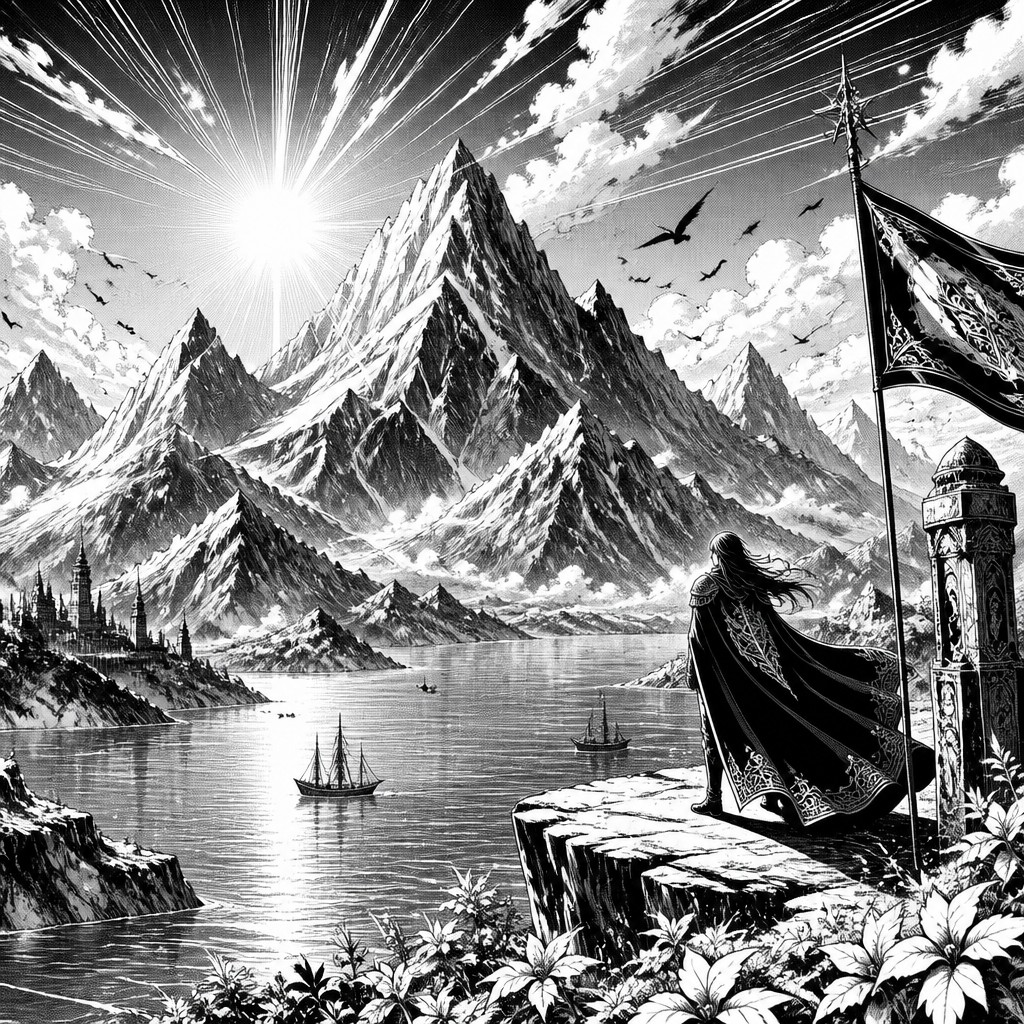
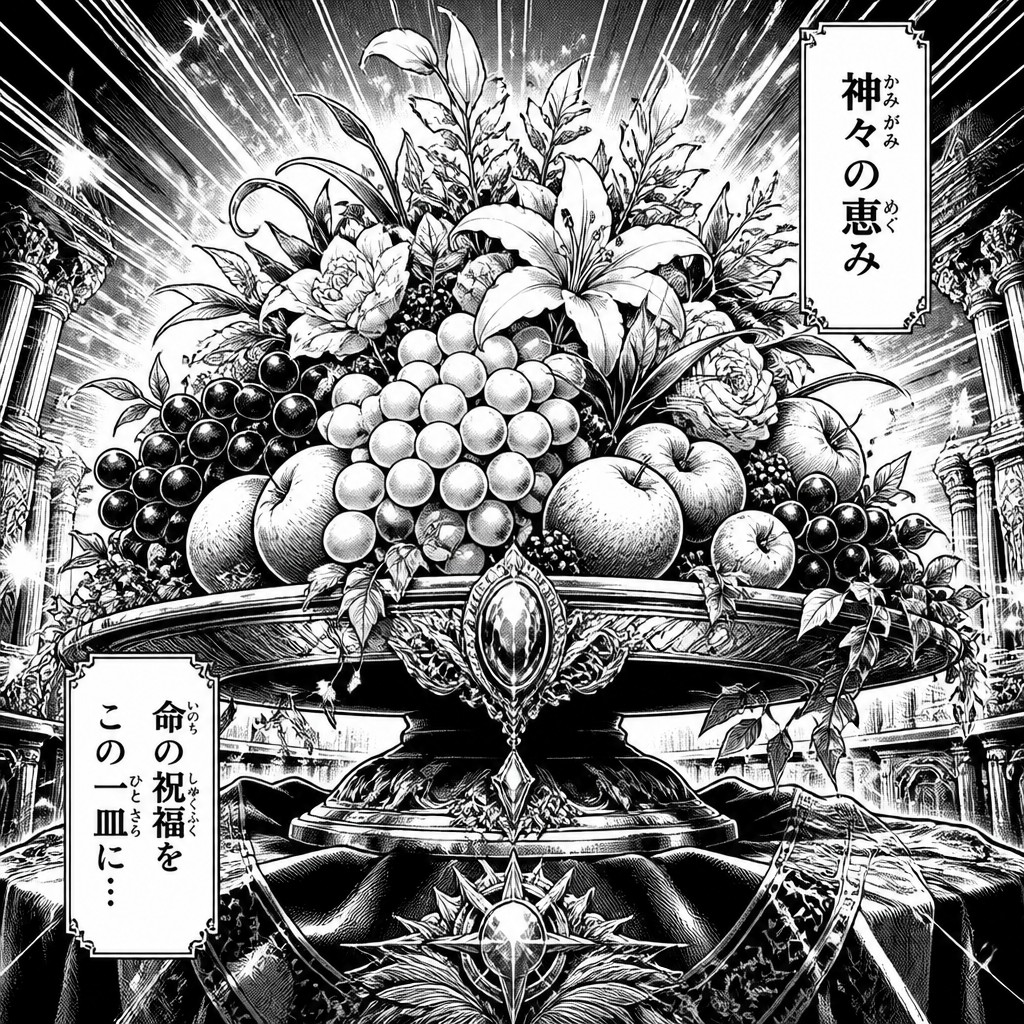
Fantasy Adventure Manga Gallery
Tap any artwork to explore it
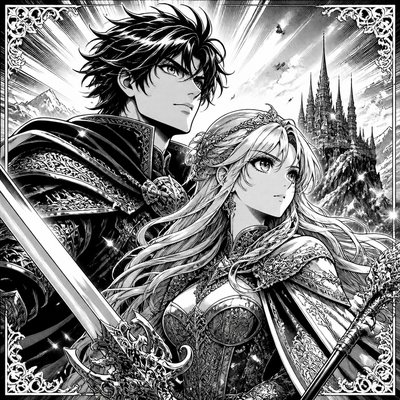
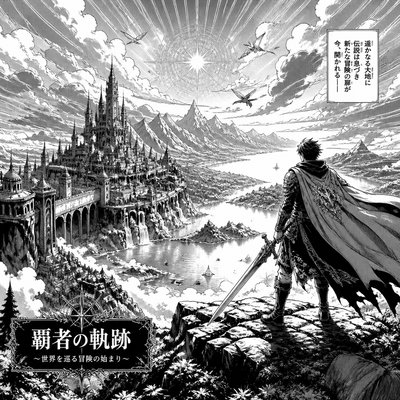
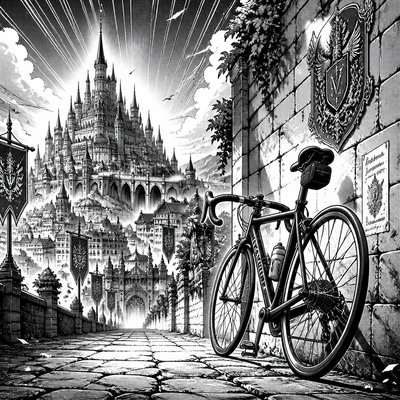
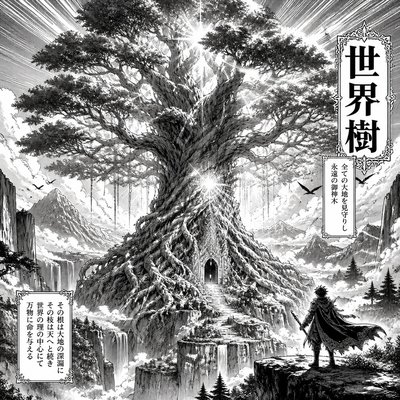
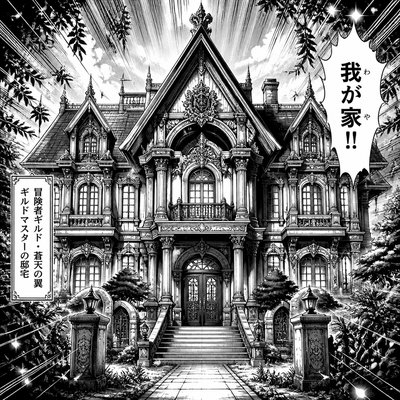
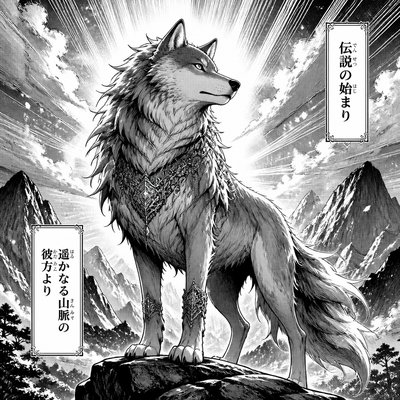
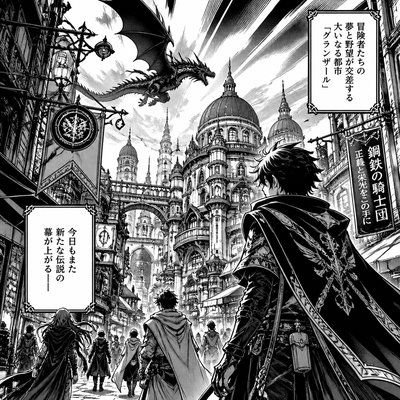
What is Fantasy Adventure Manga Art Style?
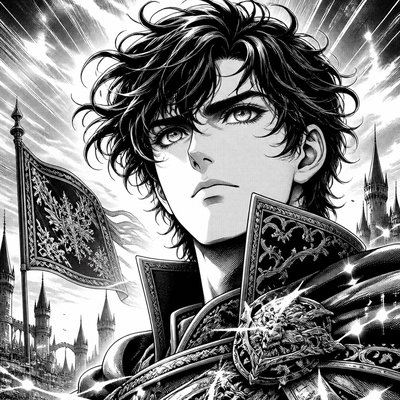
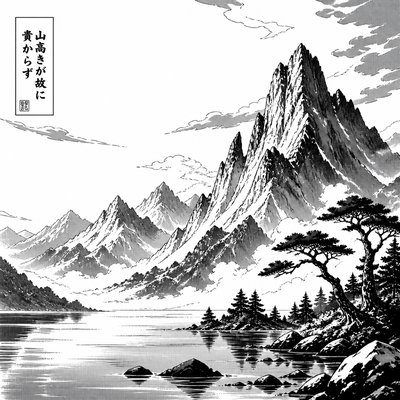
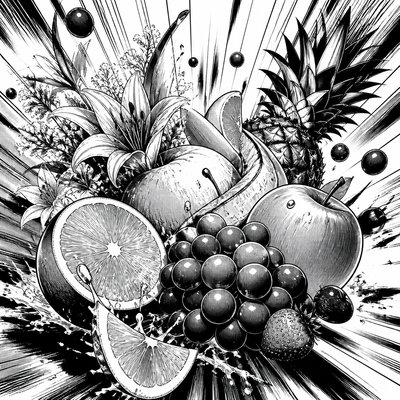
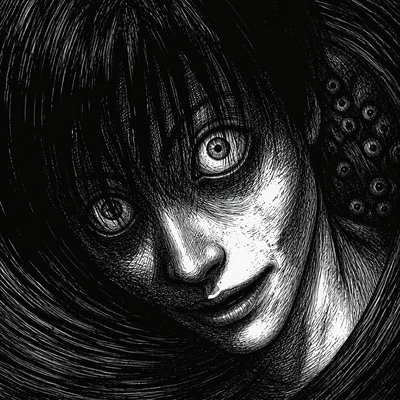
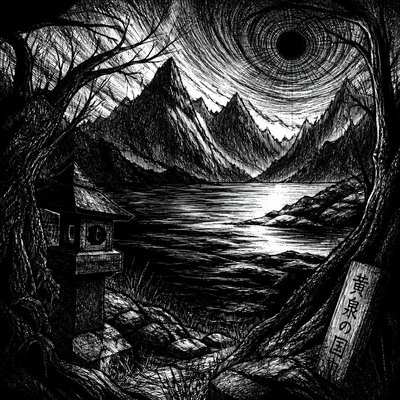
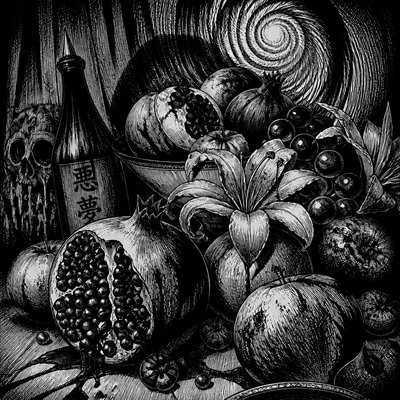
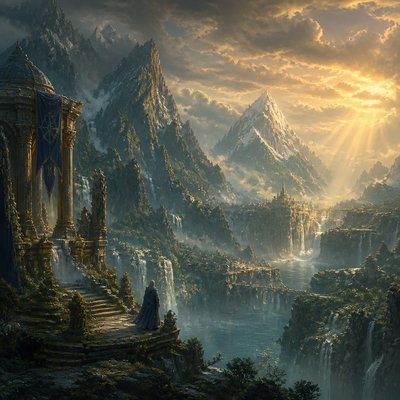
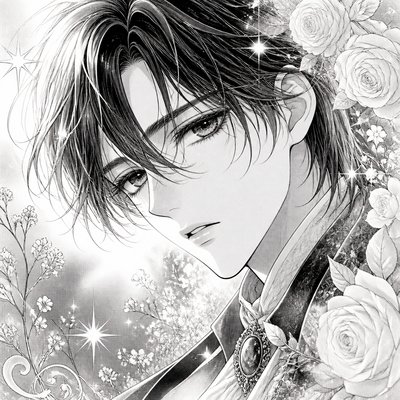
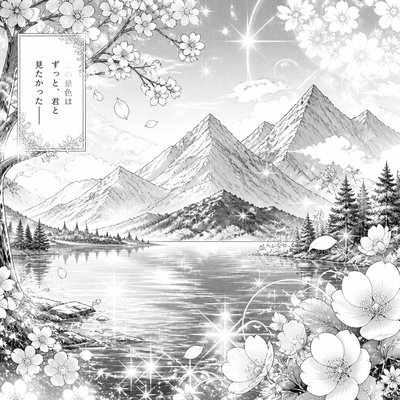
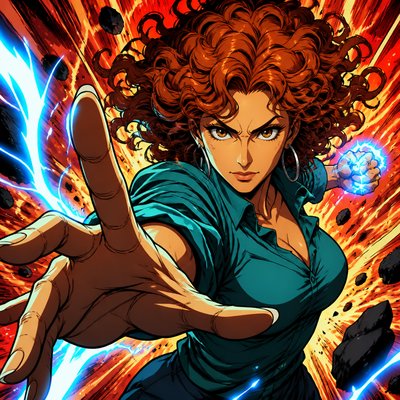
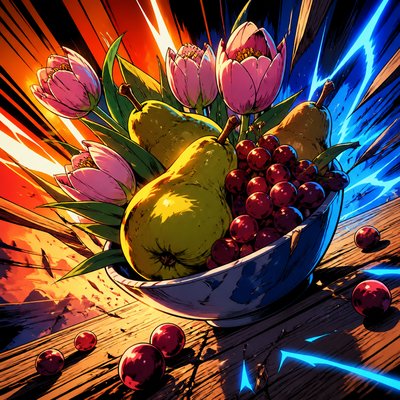
Fantasy adventure manga art is a narrative illustration style built for quests, battles, and worldbuilding. It combines the visual grammar of manga—clean ink contours, expressive shadows, speed lines, and screentone textures—with fantasy imagery such as knights, monsters, ancient ruins, enchanted forests, and spell effects.
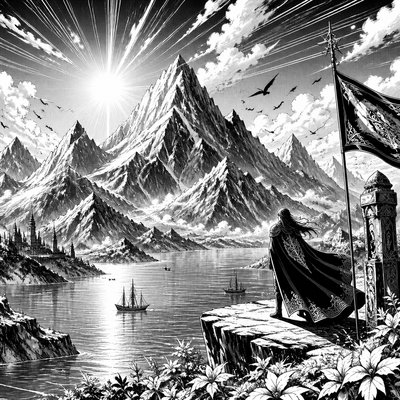
Its look is defined by contrast and scale. Figures are often rendered with intricate armor, weapon ornament, and carefully designed creatures, while backgrounds expand into sweeping vistas, towering architecture, and dramatic weather. The style feels immersive because every mark serves storytelling: crisp linework clarifies form, tonal patterns establish mood, and cinematic composition makes the scene feel like a frame from an epic serial adventure.
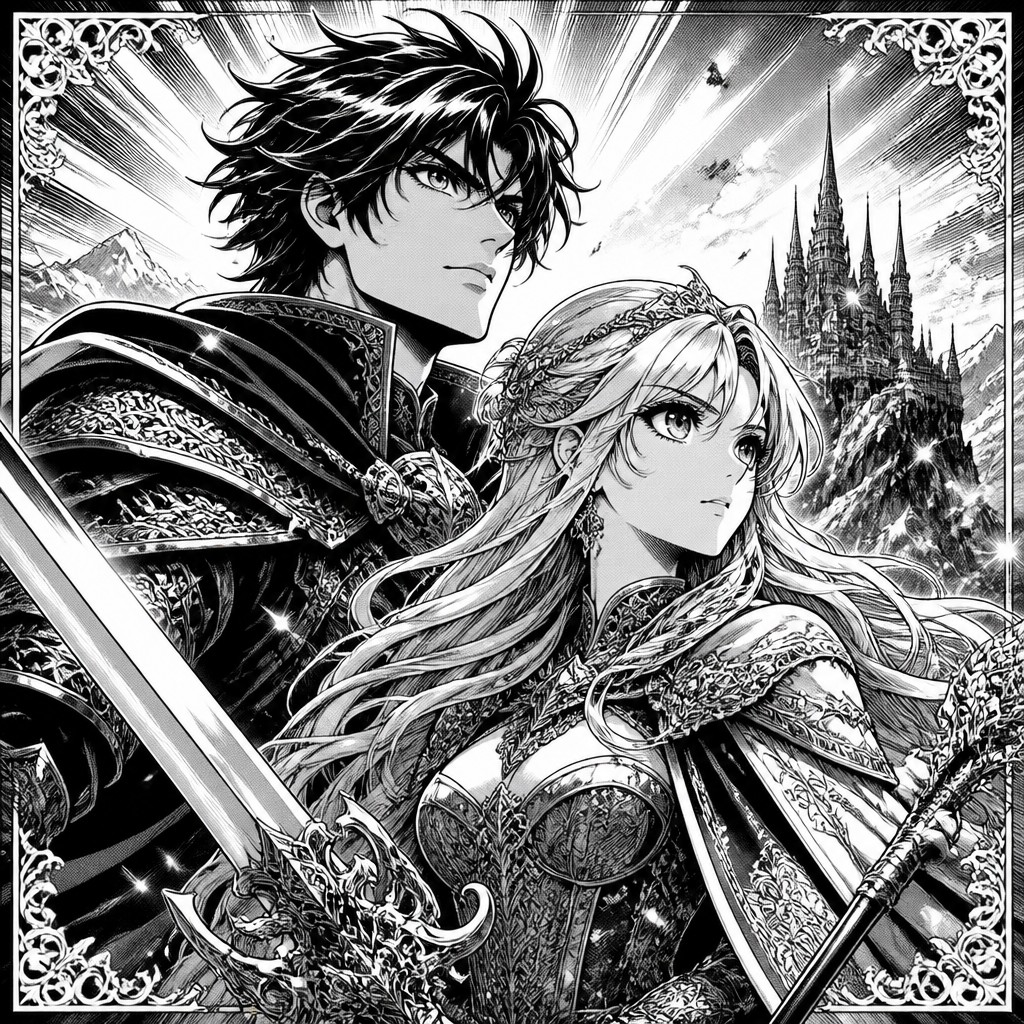
Try It On Your Photos
Upload any photo and convert it into Fantasy Adventure Manga Art Style — drag the sliders to compare before and after.
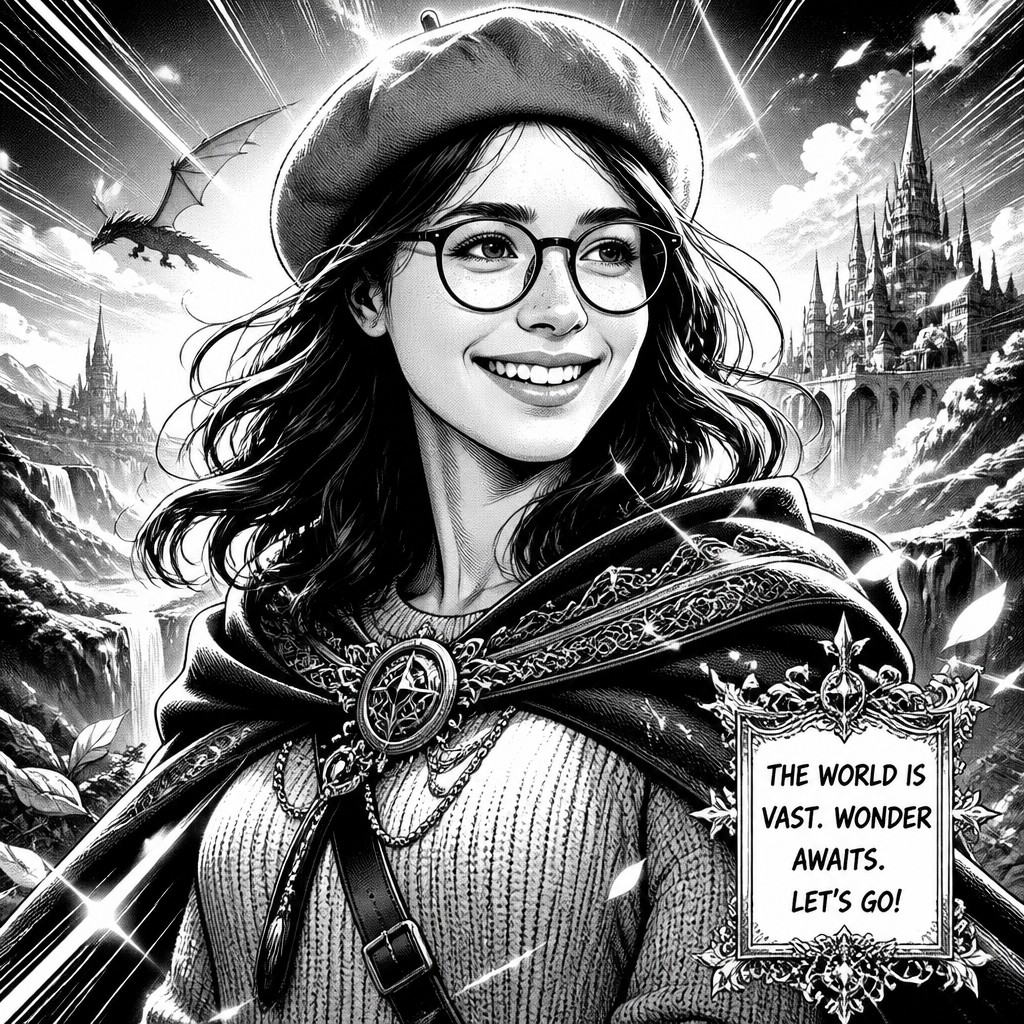


What Defines Fantasy Adventure Manga Art Style
The signature details, up close
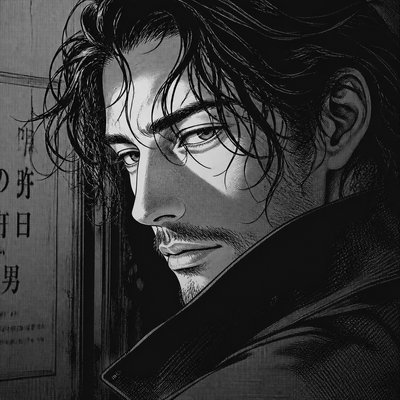
Crisp variable-weight linework
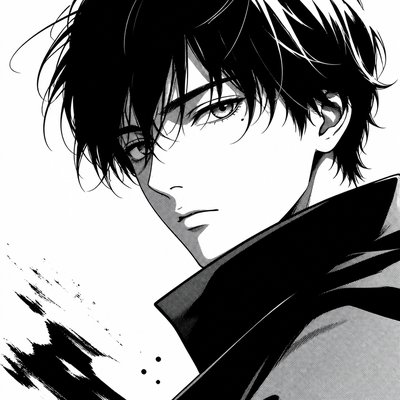
Outlines are sharp and controlled, but line thickness changes to describe depth, focus, and form. Thicker contours usually anchor foreground subjects, while finer lines preserve detail in hair, armor filigree, and facial features.
Screentone shading and texture
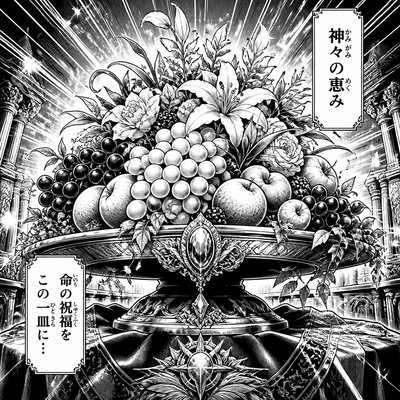
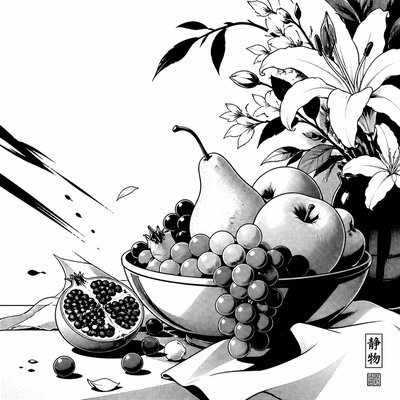
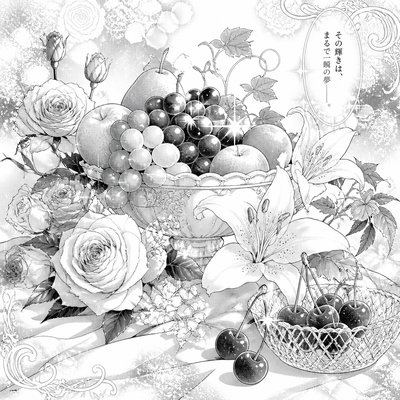
Shadows are often built with dot patterns, gradients, hatching, or layered tone fields rather than smooth painterly blending. This gives the image a printed-comic feel and allows dramatic contrast without losing detail.
Intricate fantasy equipment
Armor, swords, staffs, shields, and accessories are designed with ornamental complexity. Decorative rivets, engraved surfaces, straps, clasps, and insignia help signal rank, faction, and worldbuilding.
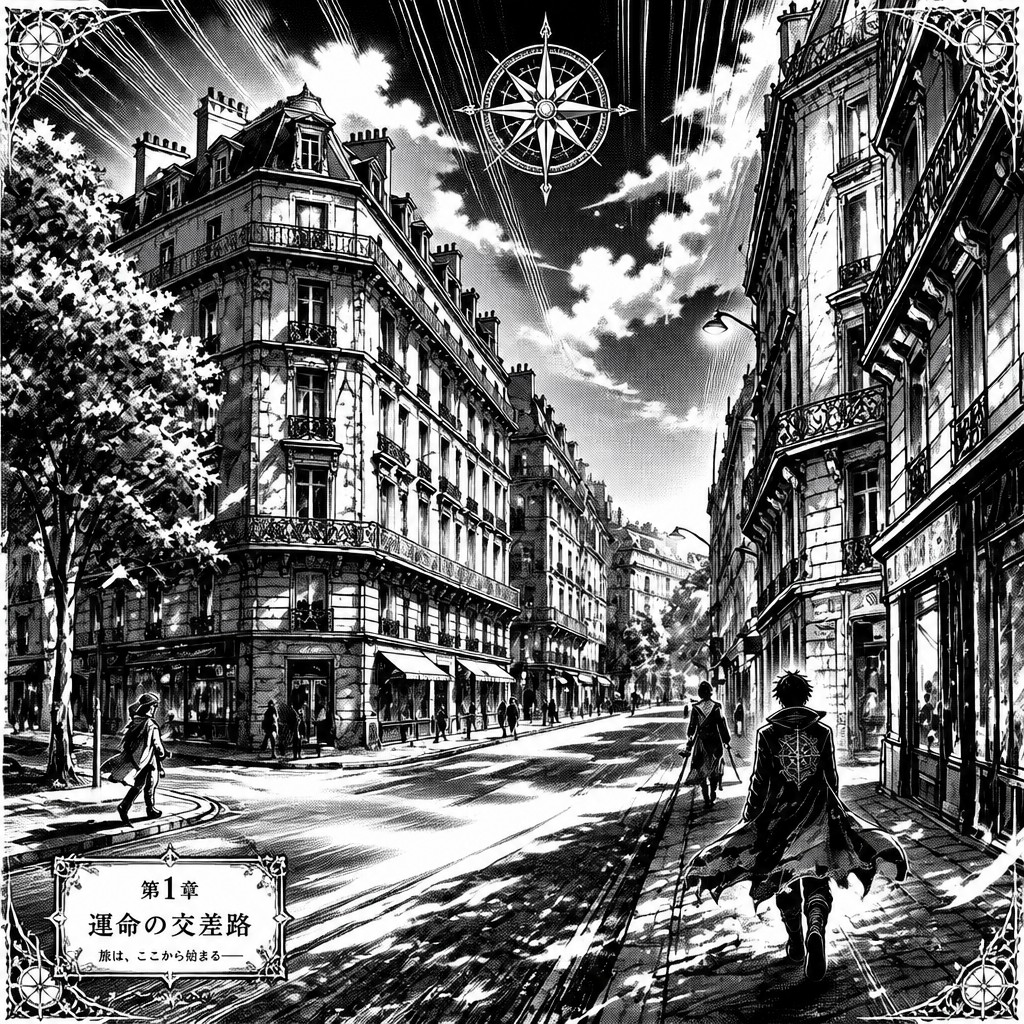
Epic environments and scale
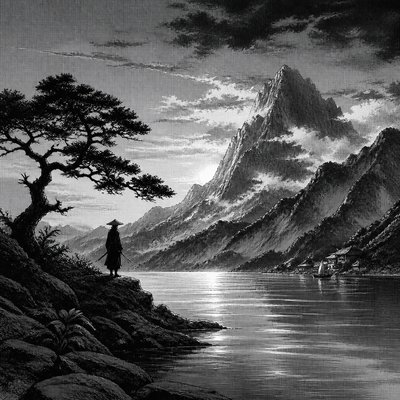
Backgrounds are not minimal; they often include ruins, cliffs, castles, forests, caves, skies, and magical terrain. Wide shots and low-angle perspectives make characters appear heroic and emphasize the size of the world.
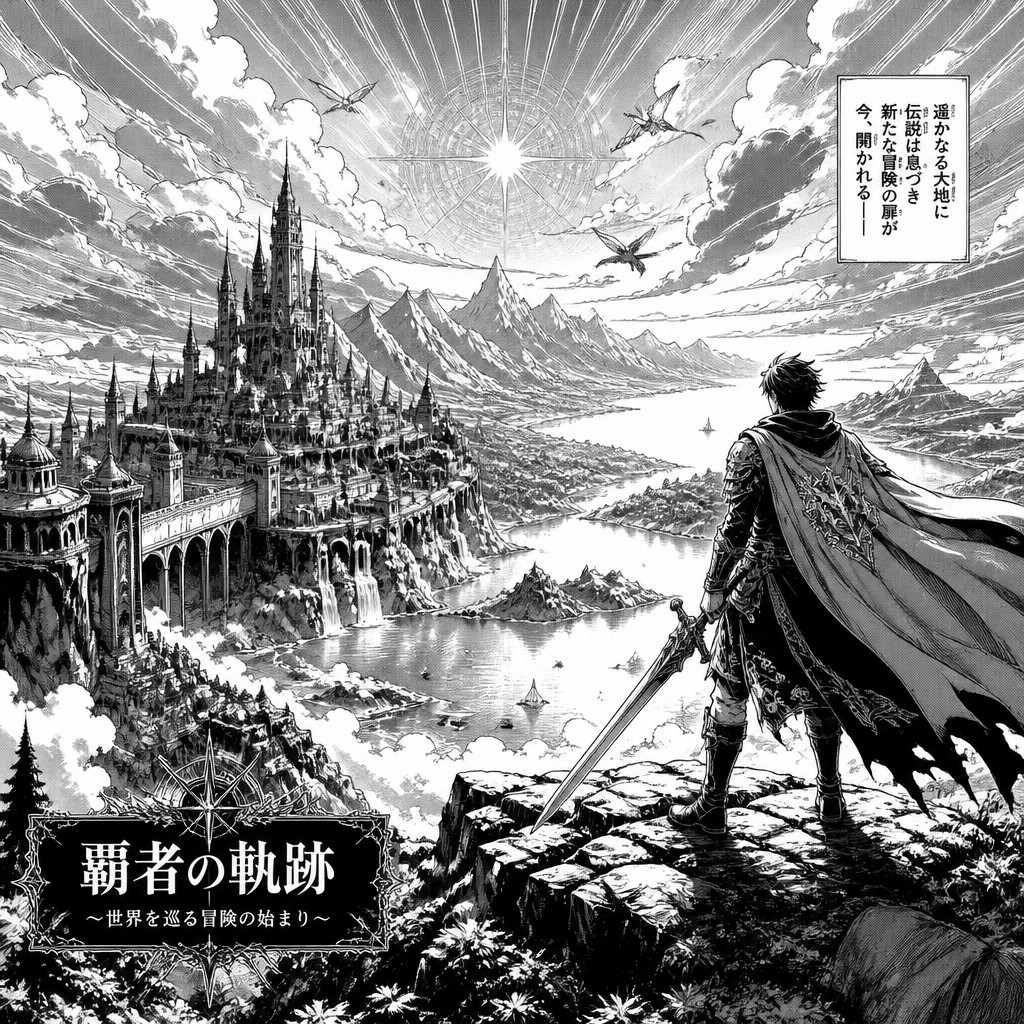
Action-driven composition
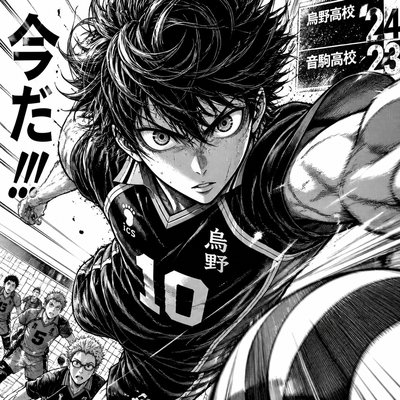
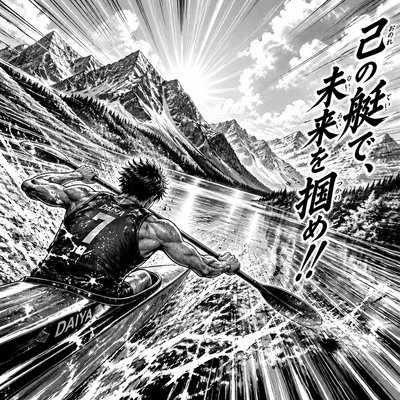
The scene often uses diagonal movement, foreshortening, speed lines, and cropped framing to convey momentum. Even quiet moments tend to feel narrative, as if the image sits inside a larger journey or confrontation.
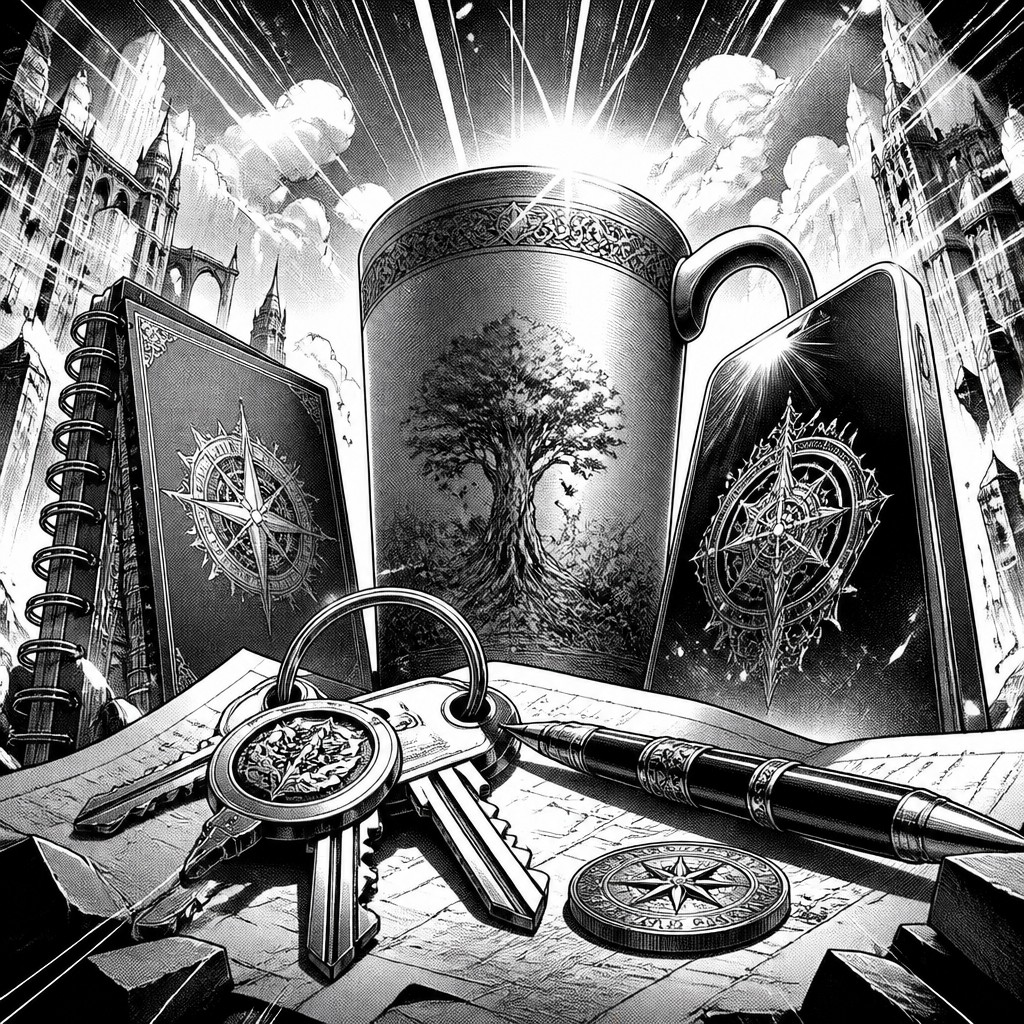
Magical highlights and energy effects
Glow is typically suggested with white highlights, radiating lines, sparks, or stylized aura marks instead of soft digital bloom. These effects keep the image graphic and readable while intensifying drama.
Try It
Create Videos in Fantasy Adventure Manga Art Style
Styles aren't just for stills — describe a scene or animate an image and get a short video rendered in Fantasy Adventure Manga. Press play to see this pond come to life.
Make a VideoFantasy Adventure Manga Prompt Ideas
Start from an idea — each one opens the generator with the style ready to go. See all 40 Fantasy Adventure Manga prompts →
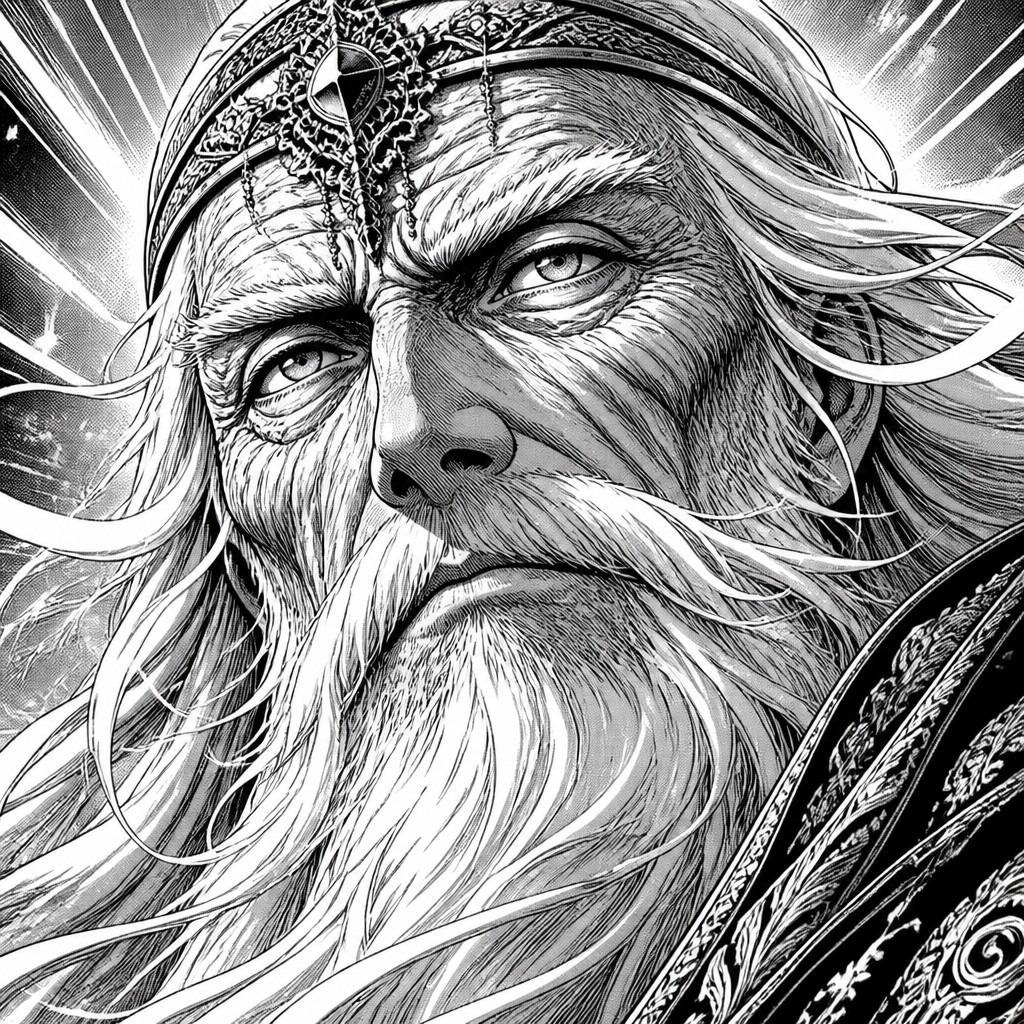
“close-up portrait of an elderly person with expressive weathered features”
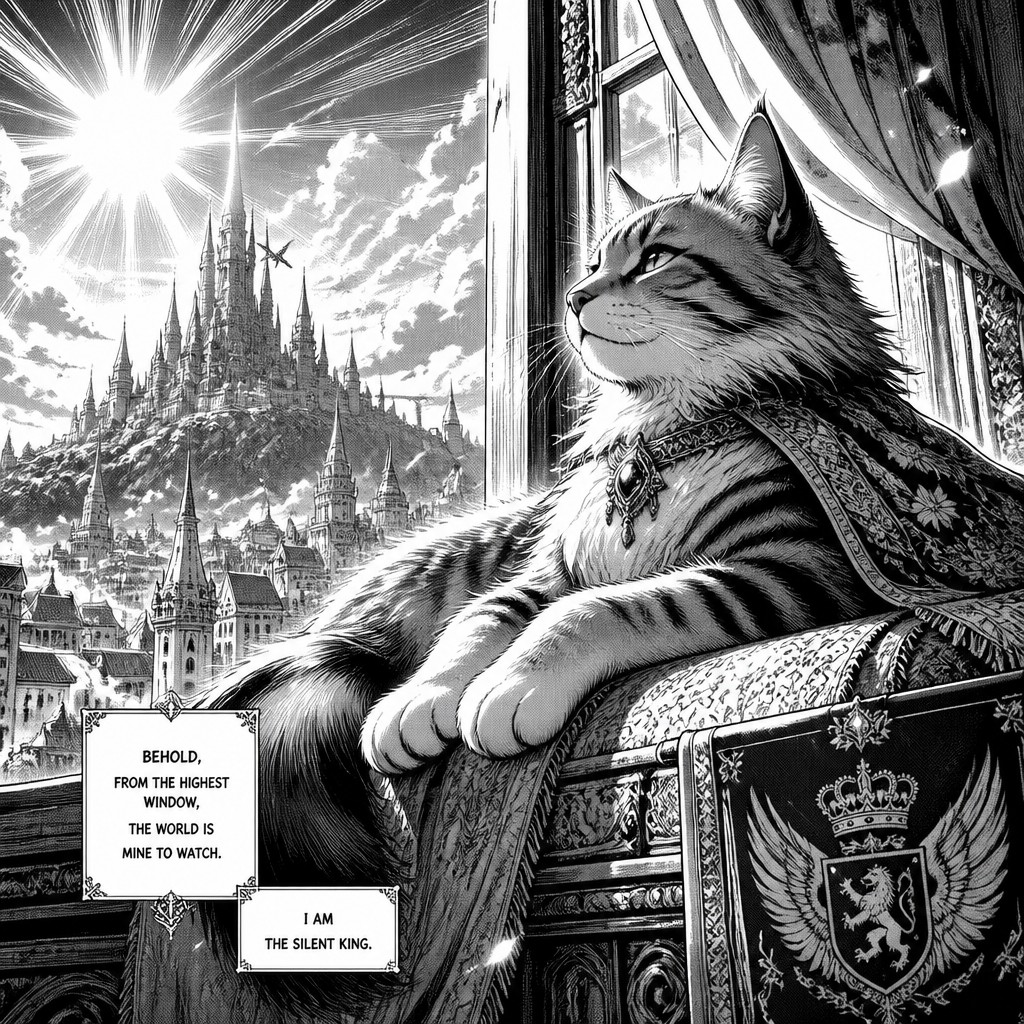
“a cat lounging in a sunlit window”
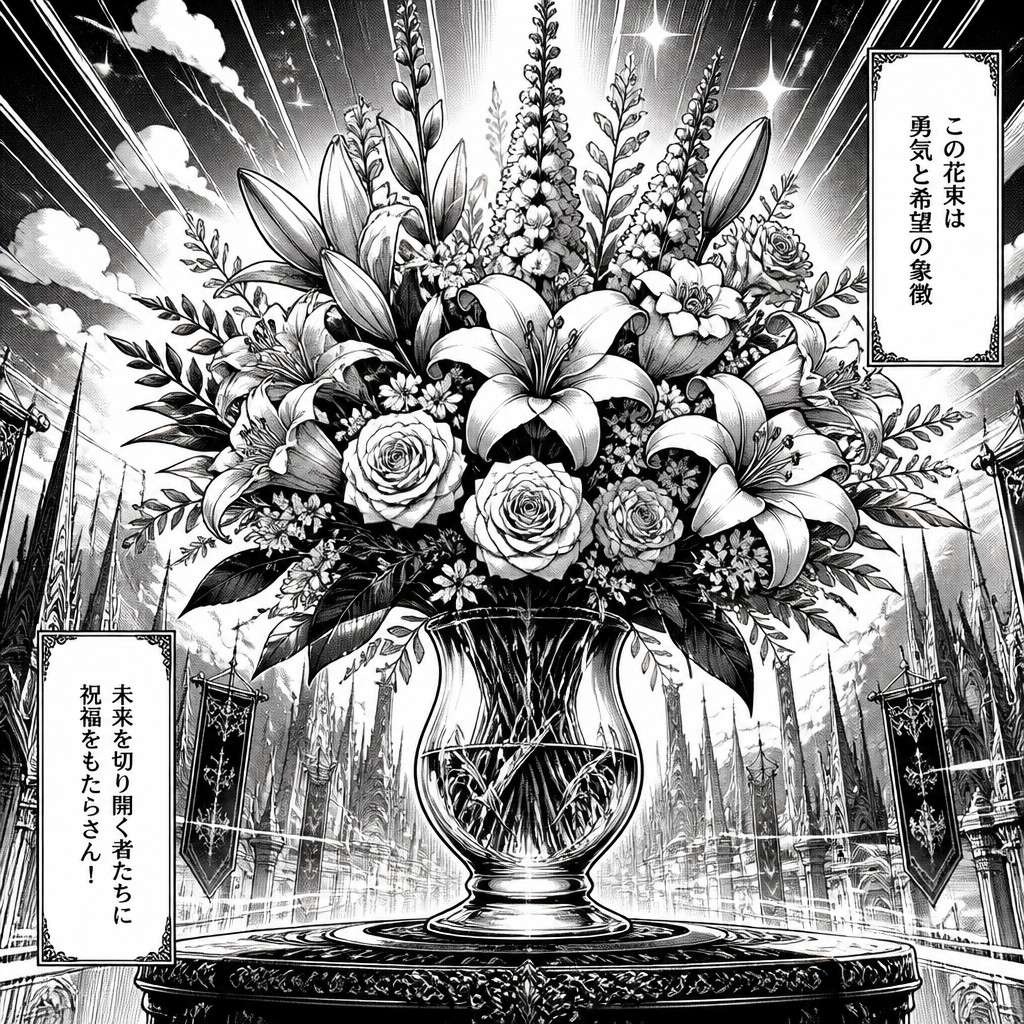
“bouquet of flowers in a glass vase”
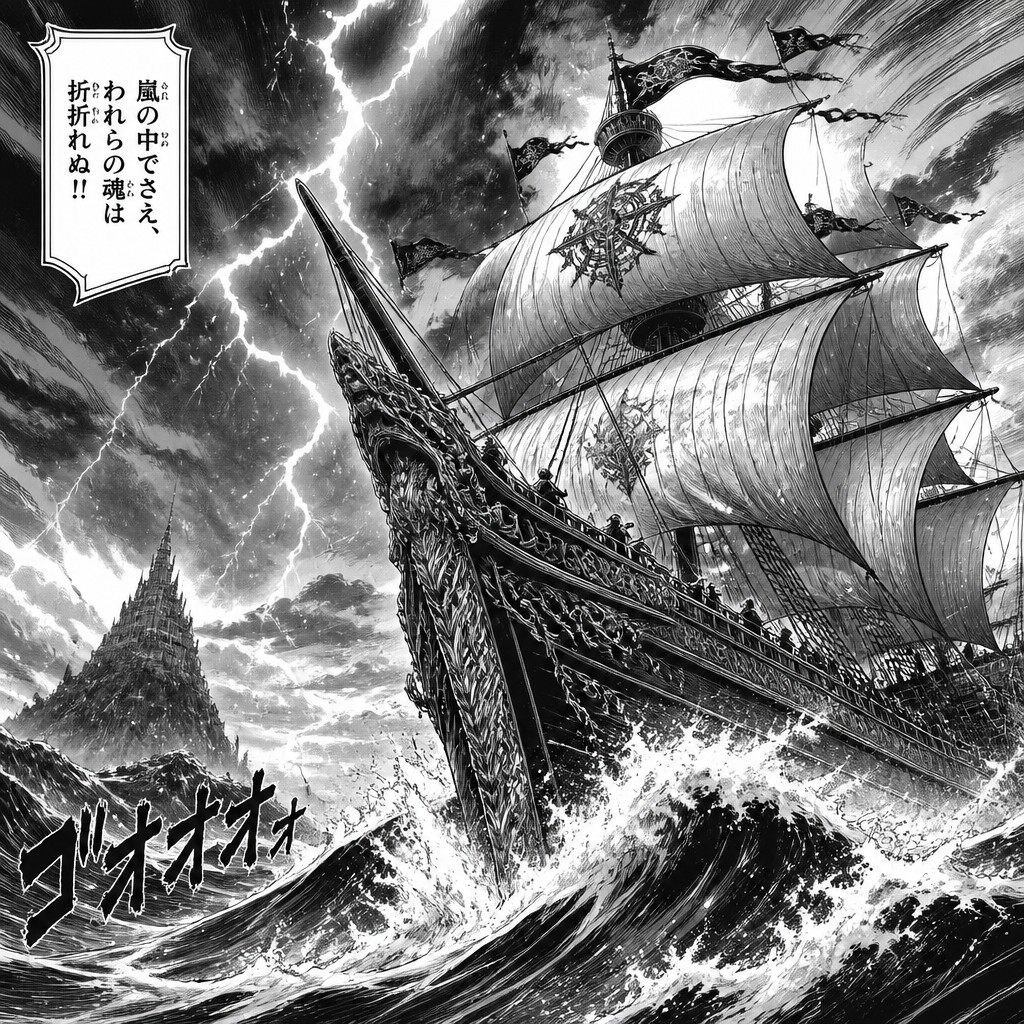
“sailing ship on a stormy sea”
How to Create Fantasy Adventure Manga Art
Master the craft step by step — or skip straight to creating. Read the full guide →
- 1
Start with silhouette and story
Design the character or creature first as a clear silhouette, then layer in costume, gear, and symbolic details that imply role and personality. A strong adventure image usually benefits from a readable central figure and a background that supports the narrative context.
- 2
Use ink hierarchy deliberately
In traditional or digital drawing, vary line weight to separate foreground from background and emphasize focal points. Keep outer contours and shadow masses bolder, then use finer interior lines for folds, textures, and ornate surface detail.
- 3
Build tone with screentone logic
Use dots, crosshatching, parallel hatching, and flat black shapes to create depth rather than relying only on smooth gradients. Reserve bright whites for highlights, magic, and negative space so the image retains a classic manga contrast structure.
- 4
Compose for cinematic scale
Choose low angles, wide establishing views, or dramatic close-ups with strong perspective to make the scene feel like an adventure panel. Let architecture, weather, and terrain occupy meaningful portions of the frame so the world feels larger than the characters.
- 5
Design effects as graphic marks
For traditional work, indicate spells and motion with white gouache, erased highlights, or patterned line bursts; in digital work, use clean vector-like shapes, tone overlays, and controlled glow. Prompt-based generation should specify ink linework, screentones, black-and-white contrast, epic landscape, ornate armor, and dynamic perspective.
- 6
Refine with worldbuilding cues
Add emblems, regional motifs, weapon shapes, monster anatomy, and environmental clues that make the setting feel coherent. In prompts, mention the scene, setting, and mood before the style descriptors so the generator preserves narrative clarity.

The Story
History & Origins of Fantasy Adventure Manga
Fantasy adventure manga grows out of Japanese manga illustration, especially action, adventure, and fantasy comics that developed after World War II and matured through the 1960s–1980s. Its visual language reflects broader manga conventions: pen-and-ink linework, tonal shading with screentones, dynamic panel staging, and a strong emphasis on motion, emotion, and readability.
Its fantasy side draws from multiple sources rather than a single historical movement: Japanese narrative illustration, European sword-and-sorcery imagery, role-playing game art, and the visual design of film and animation. Over time, artists in manga, game art, and illustrated fiction refined the blend of detailed character design and expansive environmental storytelling, creating a recognizable adventure-fantasy aesthetic now common in comics, concept art, light novels, and related media.
Influences: This style sits at the intersection of manga draftsmanship, adventure comics, and fantasy illustration. Its visual logic is closely related to postwar Japanese manga traditions and to detailed Western fantasy art, including the influence of influential heroic fantasy illustrators on heroic fantasy imagery; it also shares affinities with game art, light novel illustration, and cinematic concept design. The result is not a single historical school but a hybrid language of inked comics, tonal rendering, and mythic worldbuilding.
Frequently Asked Questions
What defines fantasy adventure manga art style?
It is defined by the combination of manga-style ink drawing and fantasy storytelling. Expect detailed characters, ornate weapons and armor, screentone shading, dramatic perspective, and large-scale landscapes or ruins that suggest a larger quest.
How is it different from regular manga style?
Regular manga can cover many genres and visual approaches, from comedy to romance to slice-of-life. Fantasy adventure manga specifically emphasizes epic worldbuilding, action, monsters, magic, and elaborate environmental design, often with more detailed costumes and backgrounds.
How is it different from Western fantasy illustration?
Western fantasy illustration often leans toward painterly rendering, oil-like textures, or realism-based lighting. This style keeps the graphic clarity of manga: strong contour lines, black-and-white contrast, screentones, and panel-like cinematic staging.
What kinds of subjects work best in this style?
Heroes, monsters, magical landscapes, ancient ruins, castles, and battle scenes are especially suited to it. It also works well for character portraits when the design includes fantasy gear, faction symbols, or a strong sense of story context.
Can I create this style digitally and traditionally?
Yes. Traditionally, artists use pen, brush, screentone sheets or hatching, and white highlights; digitally, they mimic those effects with line layers, tone overlays, and controlled contrast. The key is to preserve ink clarity and tonal structure rather than making everything look painterly.
What should I mention in a prompt to get this look?
Include the subject, setting, mood, and the graphic qualities that matter most: crisp ink linework, screentones, bold blacks, cinematic framing, magical highlights, and intricate fantasy detail. If you want the scene to feel especially epic, specify scale cues like vast ruins, towering cliffs, or a wide environmental shot.
Create your first Fantasy Adventure Manga artwork
Describe anything — or upload a photo — and see it in Fantasy Adventure Manga Art Style in seconds.
Make Something with Fantasy Adventure Manga
Compare Fantasy Adventure Manga
Related Styles
Discover similar art styles