Shonen Action Anime Art Style
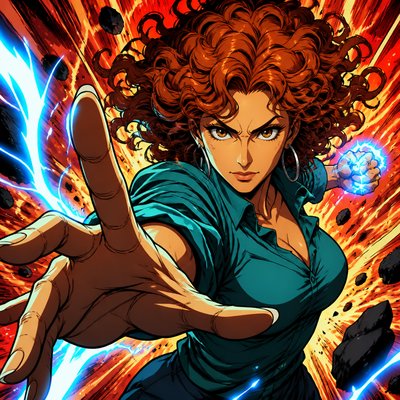
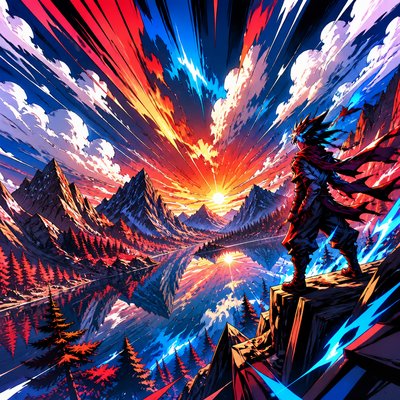
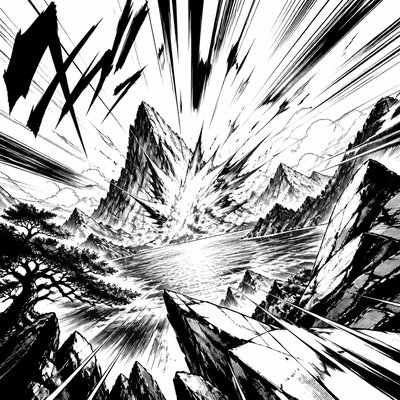
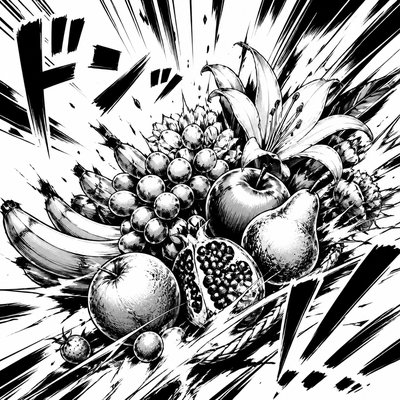
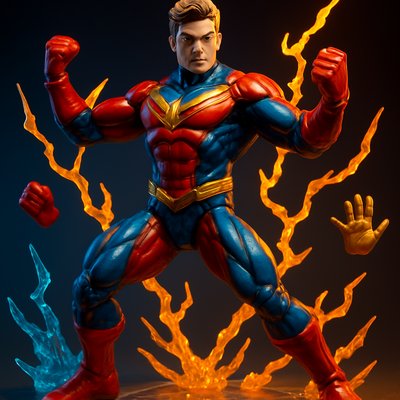
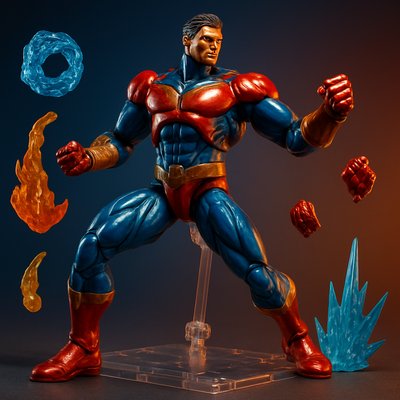
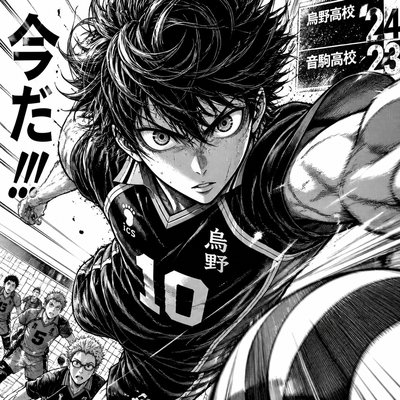
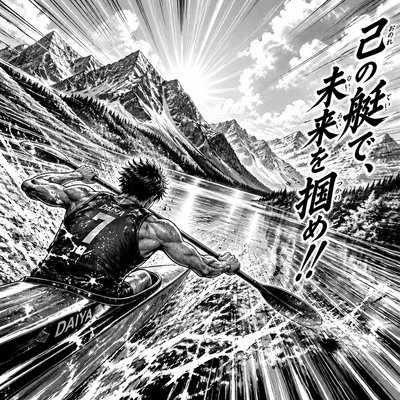
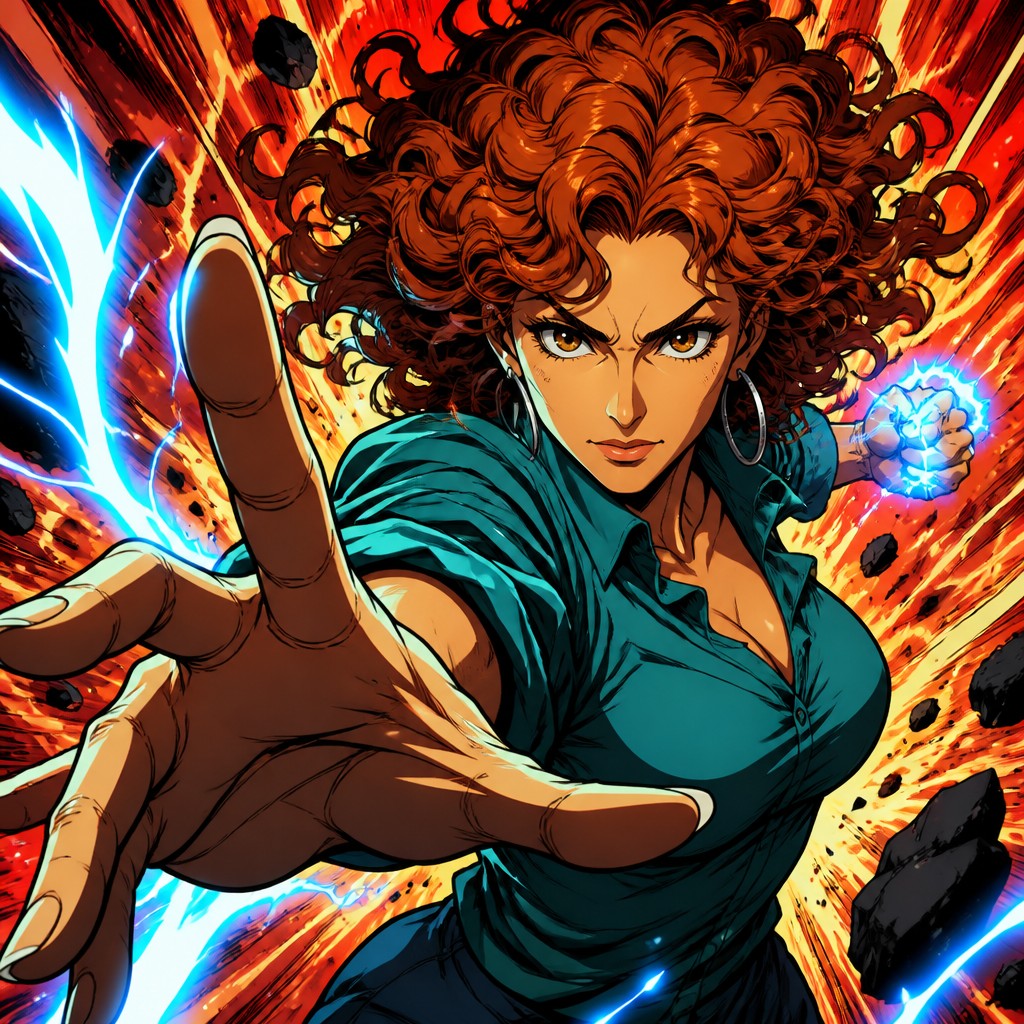
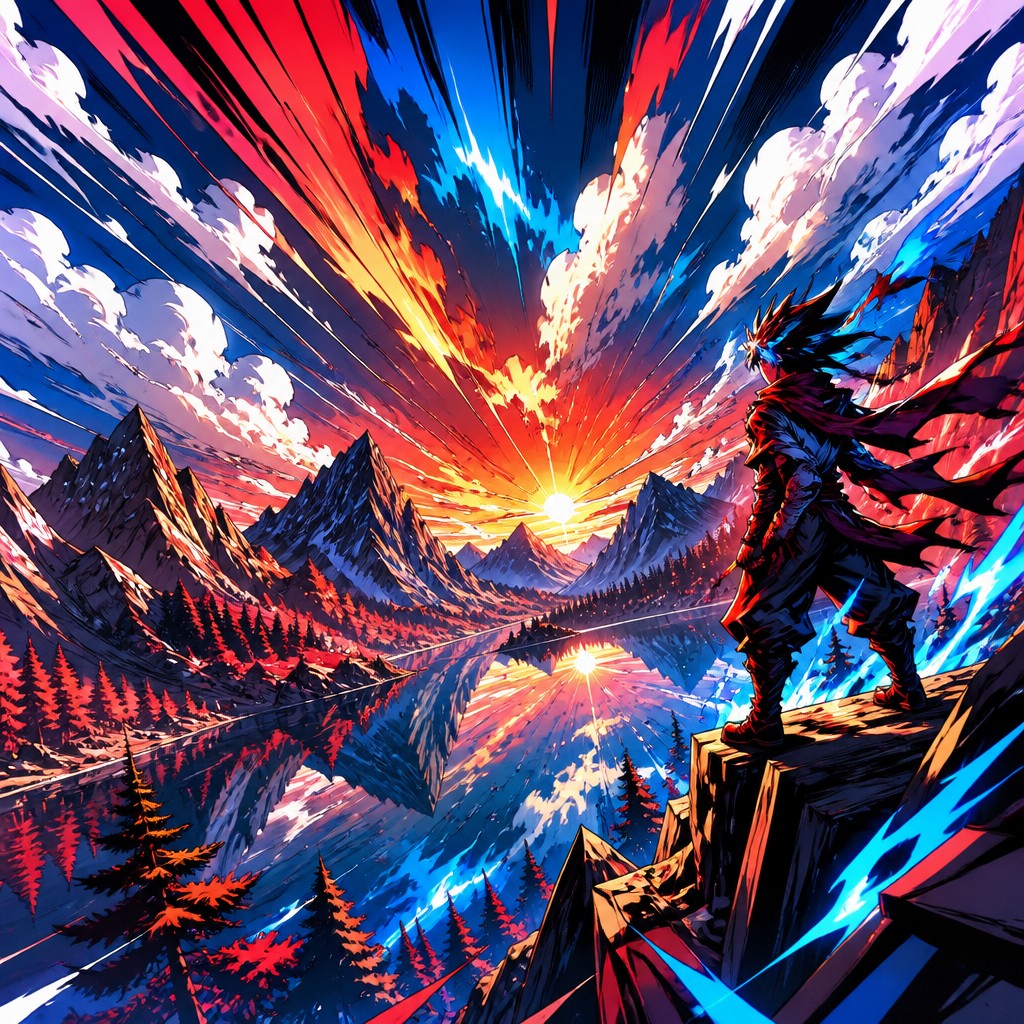
High-energy battle-anime style with bold outlines, speed lines, cel shading, dramatic poses, and explosive action scenes.
Instantly rendered in Shonen Action Anime — or transform a photo
Shonen Action Anime Gallery
Tap any artwork to explore it
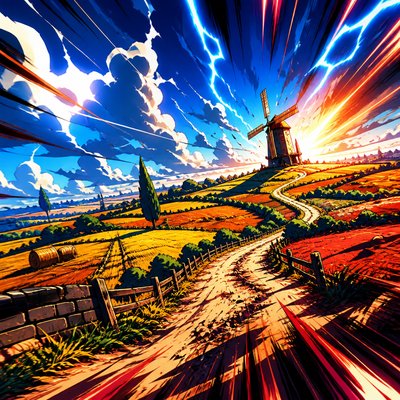
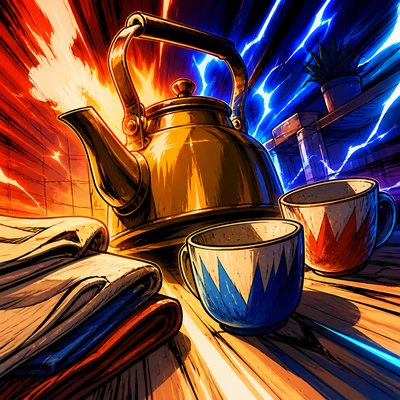
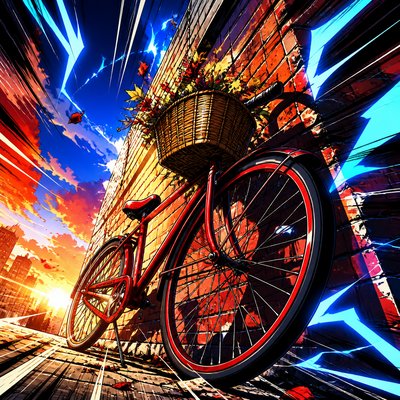
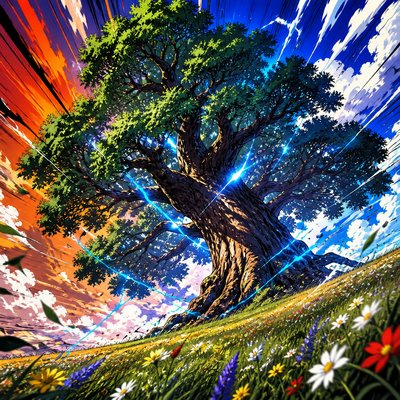
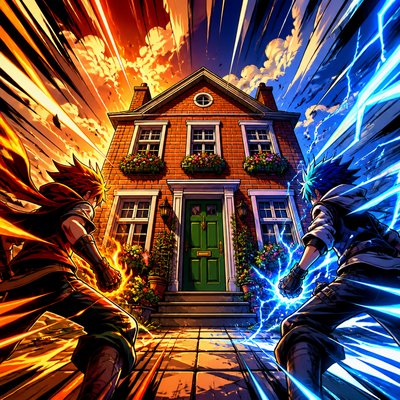
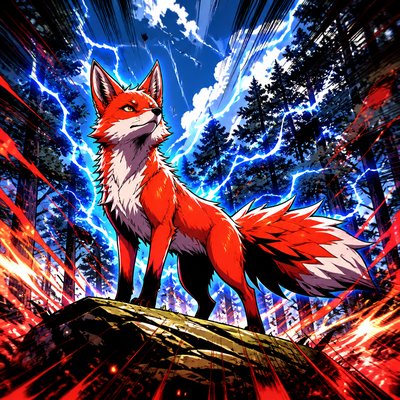
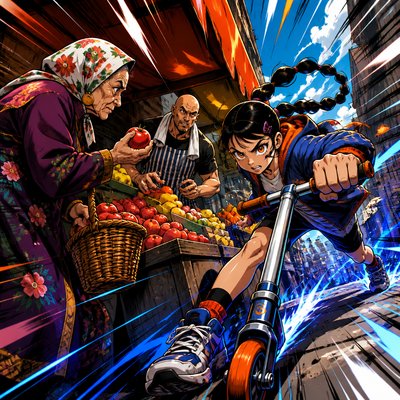
What is Shonen Action Anime Art Style?
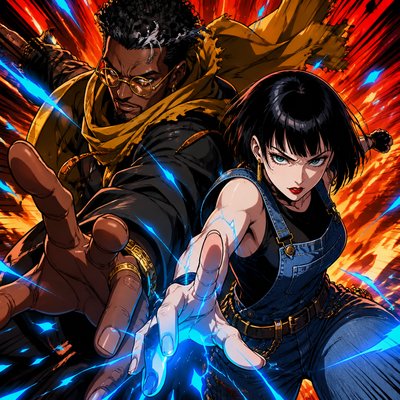
Shonen action anime art style is a high-energy visual language associated with battle-focused manga and animated series aimed at a broad youth audience. It emphasizes decisive motion, forceful poses, muscular or athletic character designs, and heightened emotional expressions, especially during combat, confrontation, and training scenes.
Its identity is built from graphic clarity and theatrical movement: bold angular linework, thick outlines, sharp cel shading, speed lines, impact bursts, and extreme foreshortening that pushes fists, weapons, and faces toward the viewer. The result is an image that feels fast, forceful, and emotionally amplified, with every visual choice directed toward intensity and momentum.
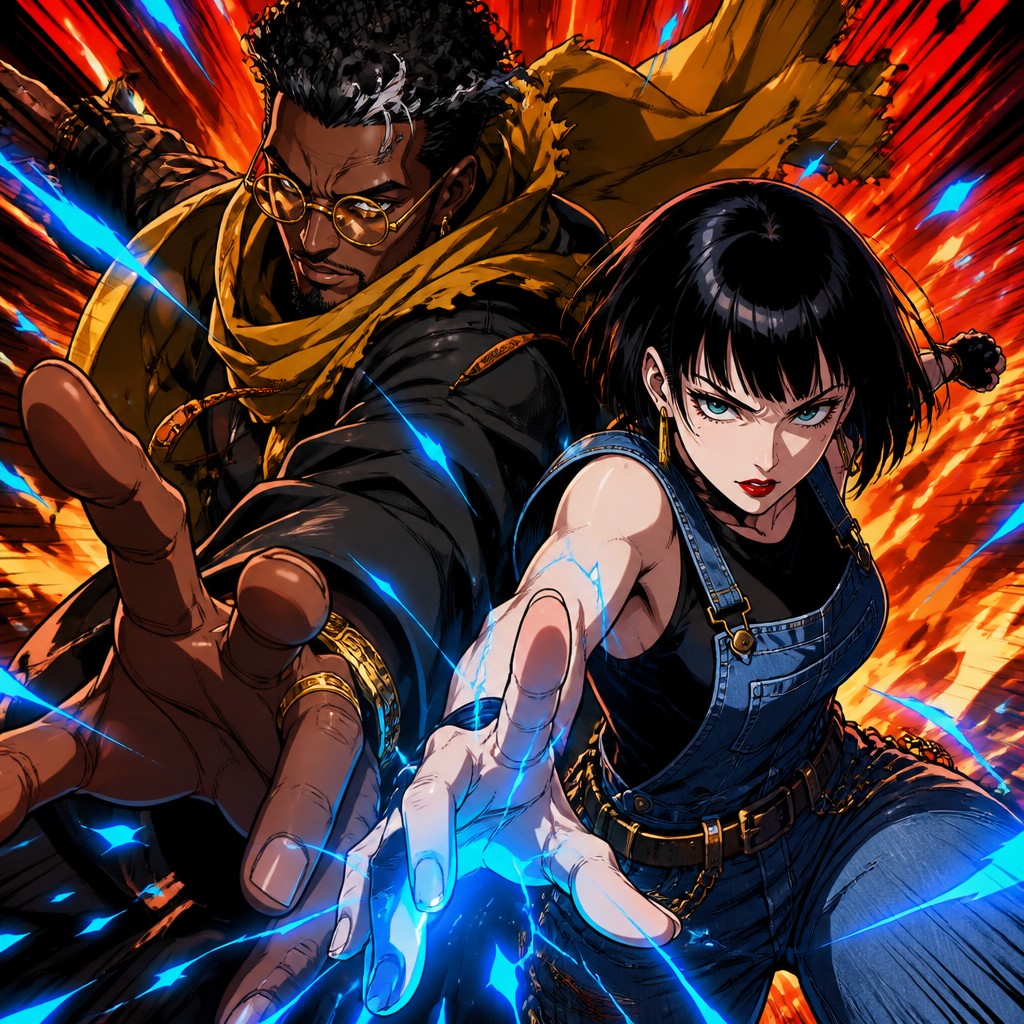
Try It On Your Photos
Upload any photo and convert it into Shonen Action Anime Art Style — drag the sliders to compare before and after.


What Defines Shonen Action Anime Art Style
The signature details, up close
Bold outlines and angular linework
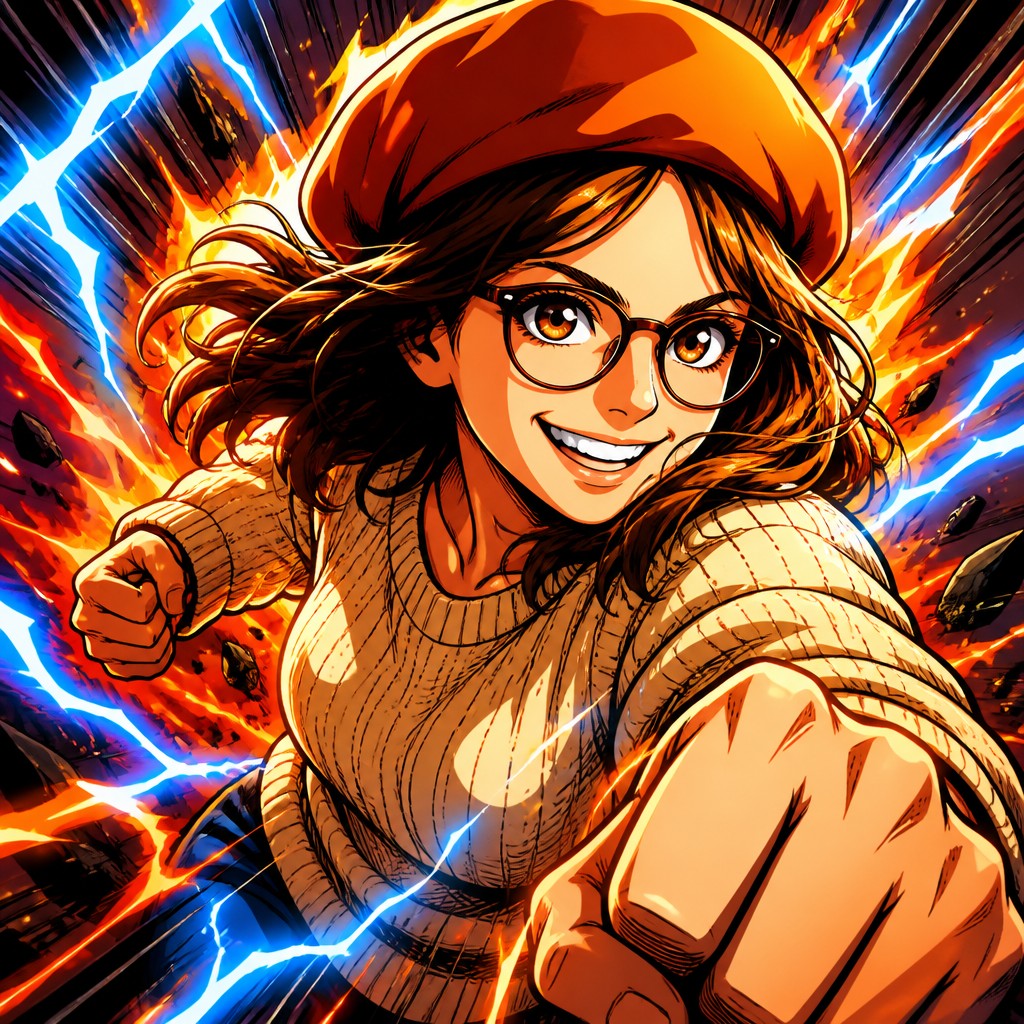
Figures are usually defined by thick, confident contour lines that keep forms readable during complex action scenes. Angled strokes and sharp corners help convey tension, force, and impact.
Cel shading with hard-edged shadows
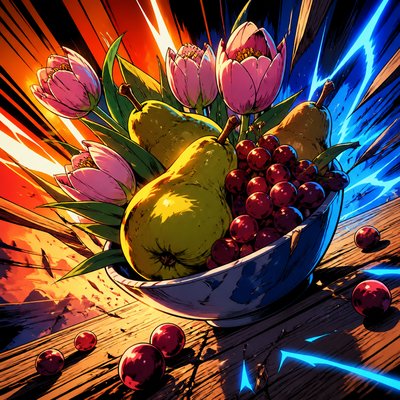
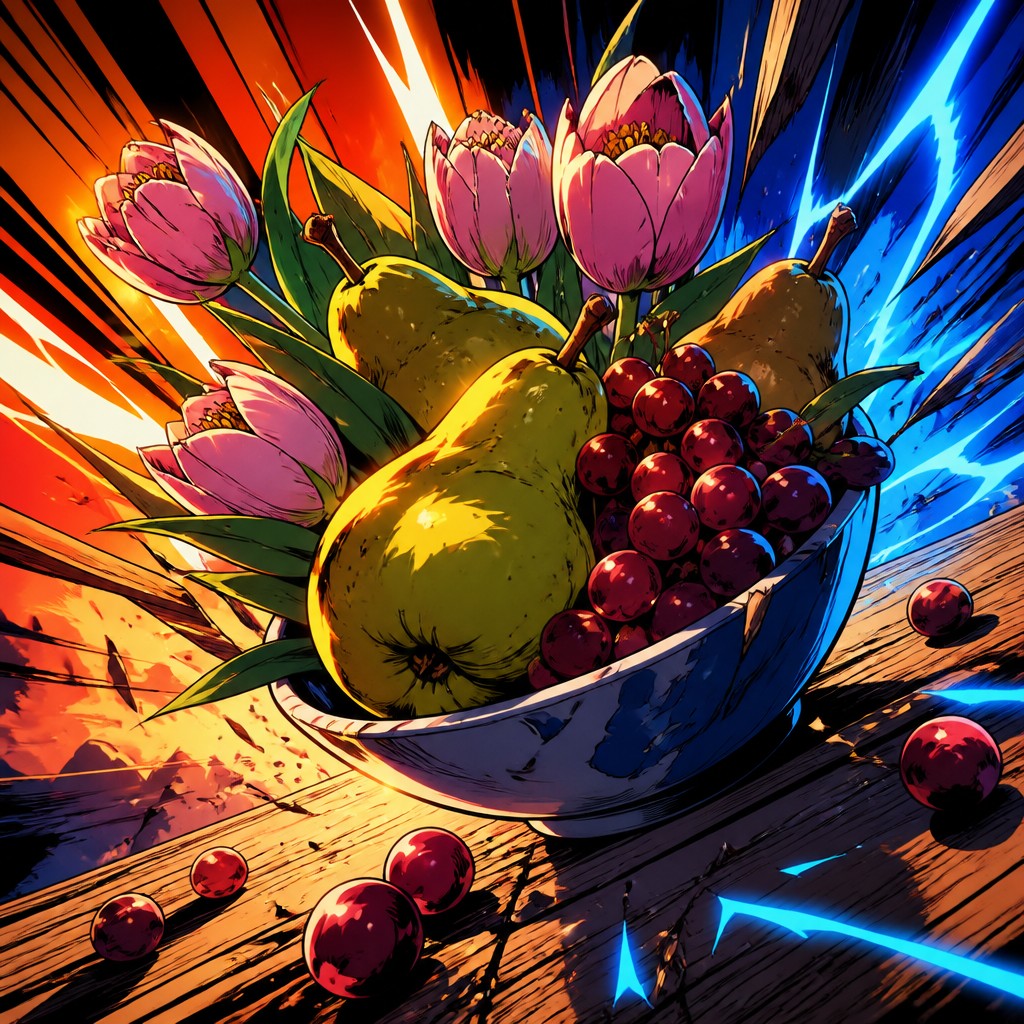
Color areas are divided into flat or minimally blended tones, with shadows cut sharply against lit surfaces. This creates crisp contrast and a graphic, animated look.
Explosive motion cues
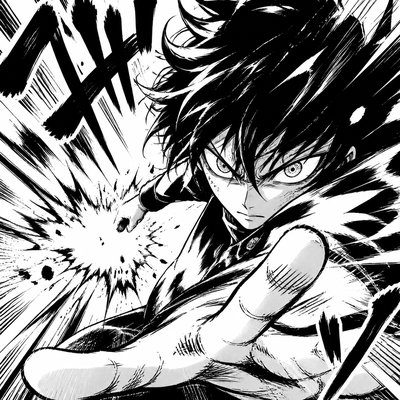
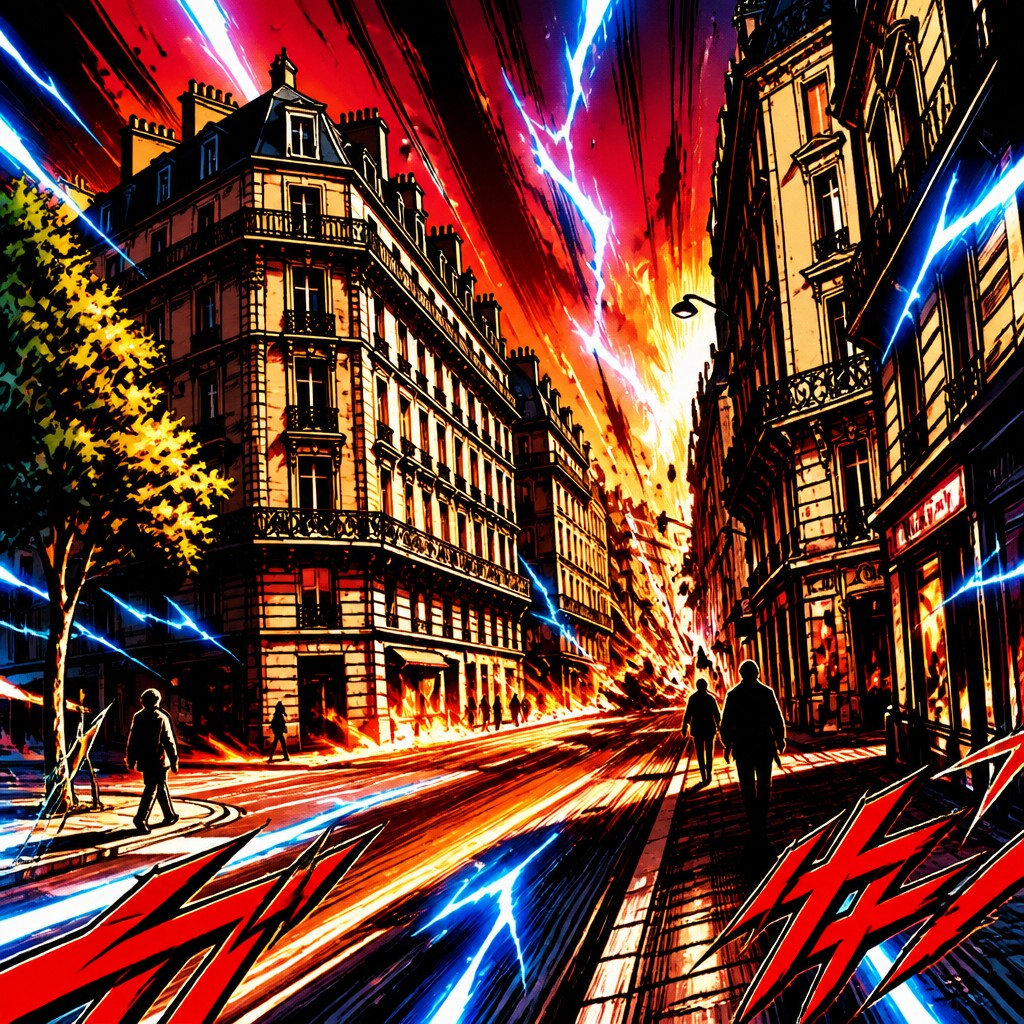
Speed lines, blur streaks, debris, and impact effects visually translate acceleration and collision. These devices make static images feel like a frozen frame from a fast-moving fight.
Dramatic perspective
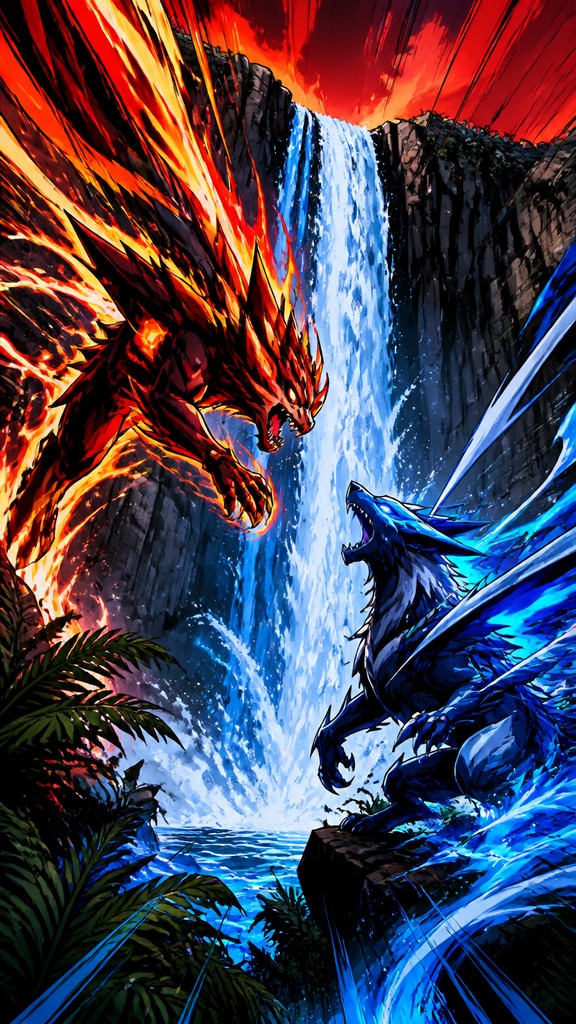
Extreme foreshortening, tilted compositions, and low or high camera angles intensify power relationships between characters. Limbs, weapons, and faces often dominate the foreground to amplify scale.
Intense expressions
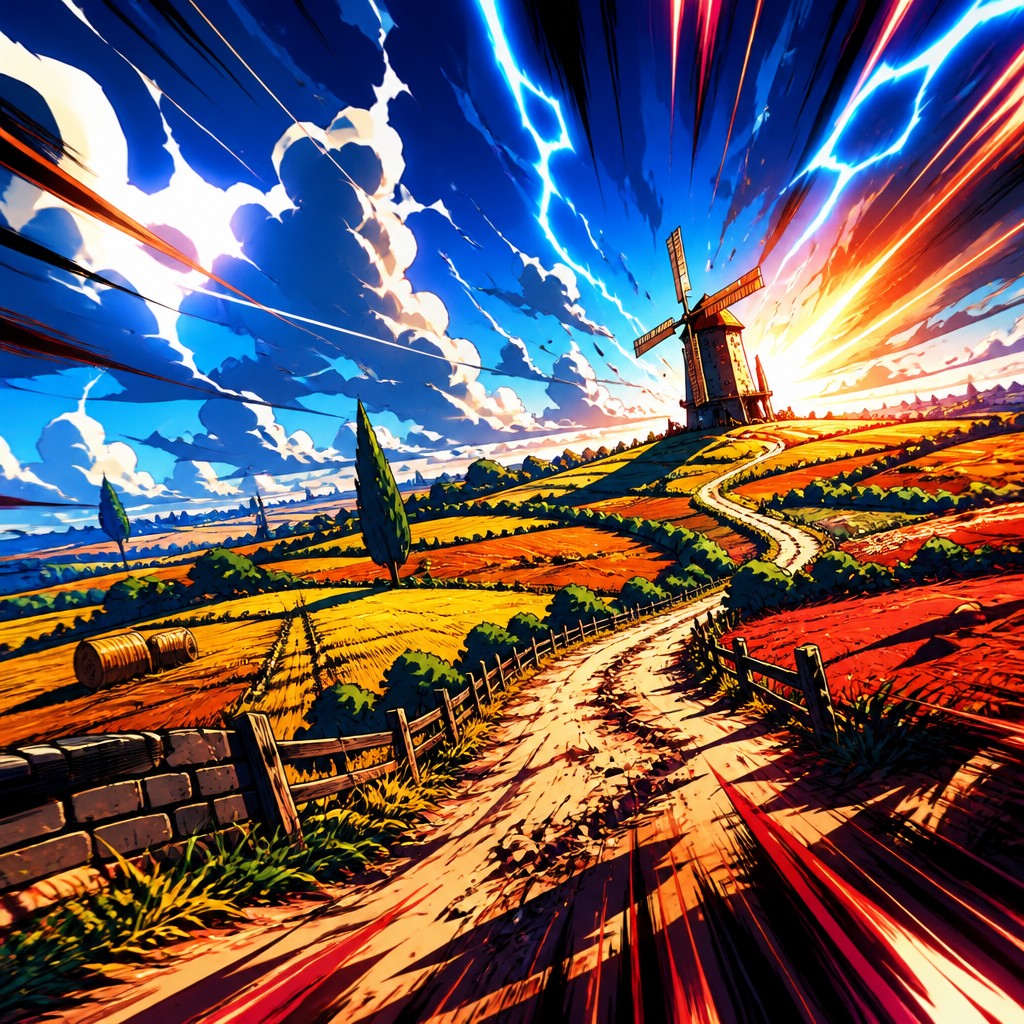
Faces are highly communicative, with wide eyes, clenched teeth, shouting mouths, and strained brows. Emotional states such as determination, rage, fear, and resolve are shown with clarity and force.
Vibrant battle palette
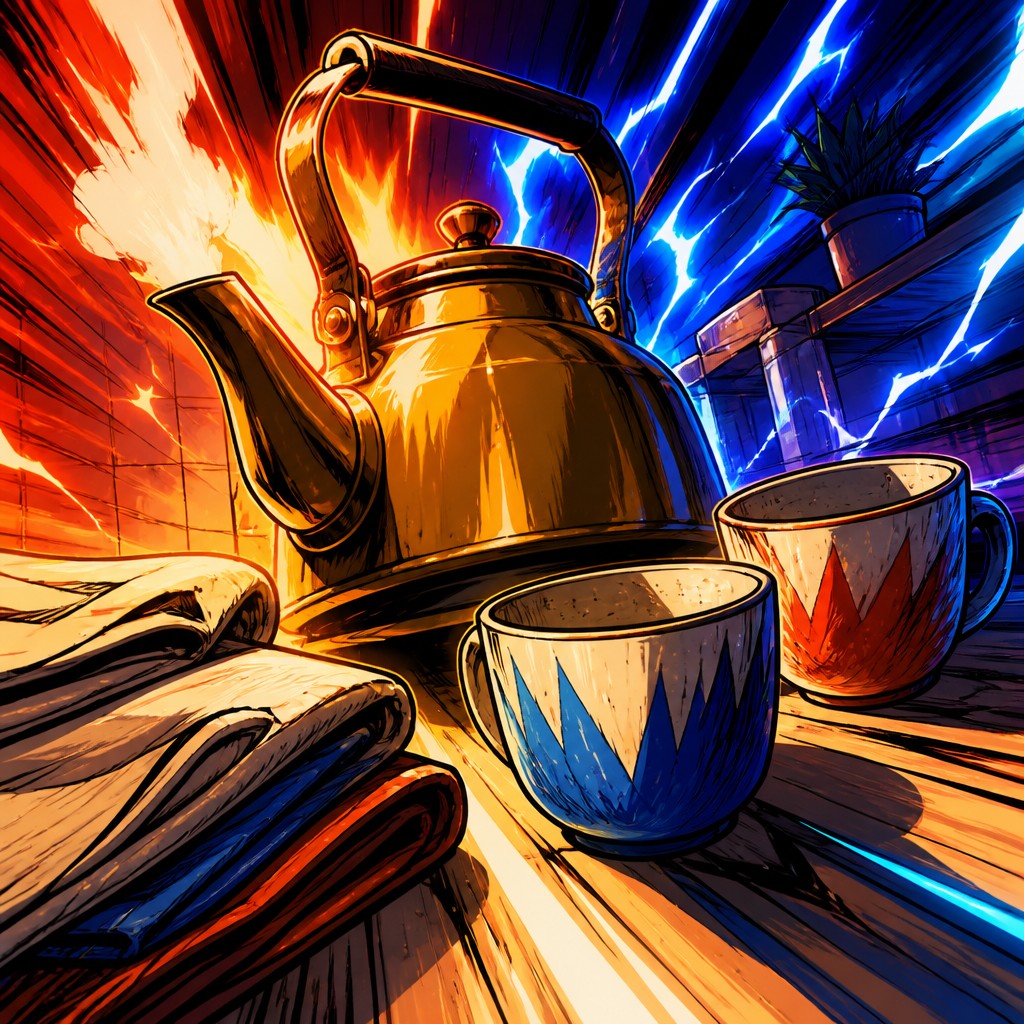
Reds, oranges, electric blues, and luminous highlights are common for emphasizing energy, danger, and supernatural power. Backgrounds may be simplified so the figure and effects remain visually dominant.
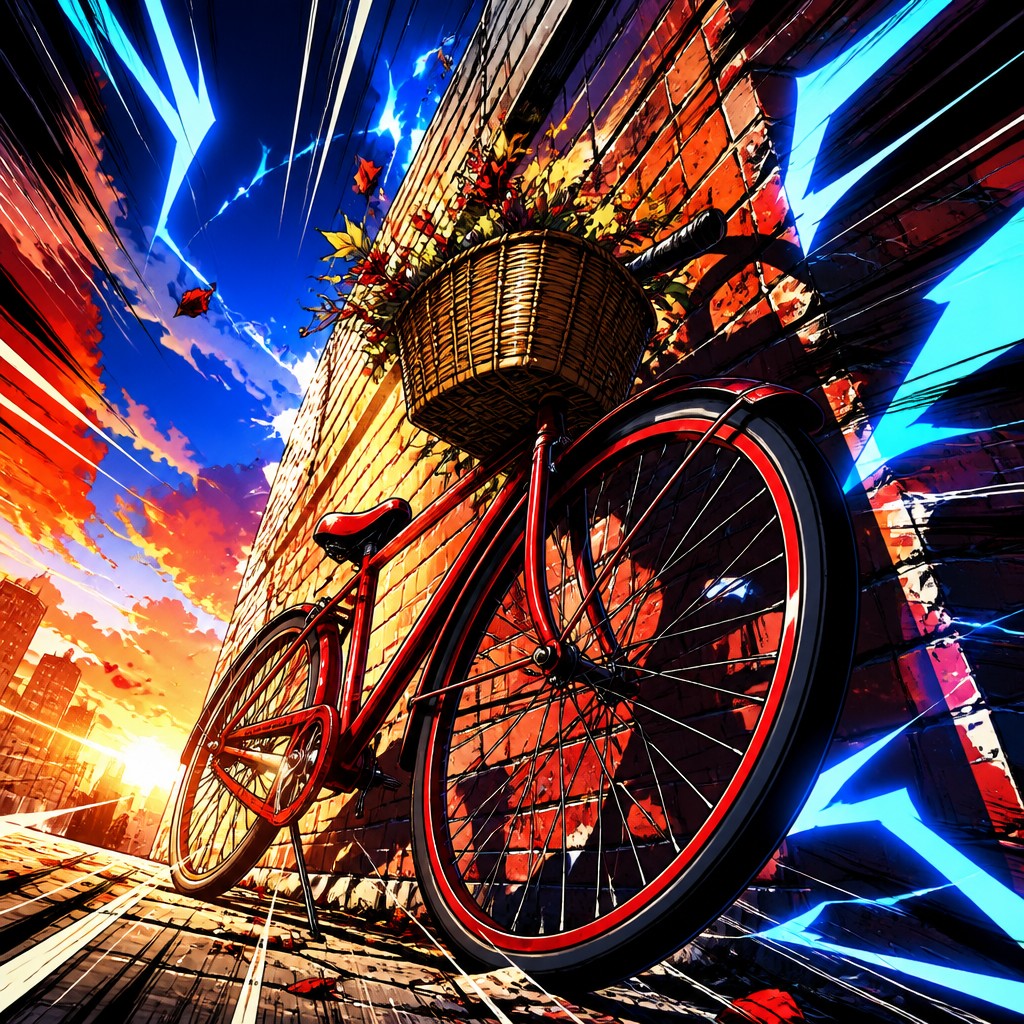
Muscular or athletic character design
Characters are often stylized with defined anatomy, powerful shoulders, and lean but exaggerated proportions. The body is designed to read as capable of action, strain, and combat movement.
Try It
Create Videos in Shonen Action Anime Art Style
Styles aren't just for stills — describe a scene or animate an image and get a short video rendered in Shonen Action Anime. Press play to see this pond come to life.
Make a VideoShonen Action Anime Prompt Ideas
Start from an idea — each one opens the generator with the style ready to go. See all 40 Shonen Action Anime prompts →
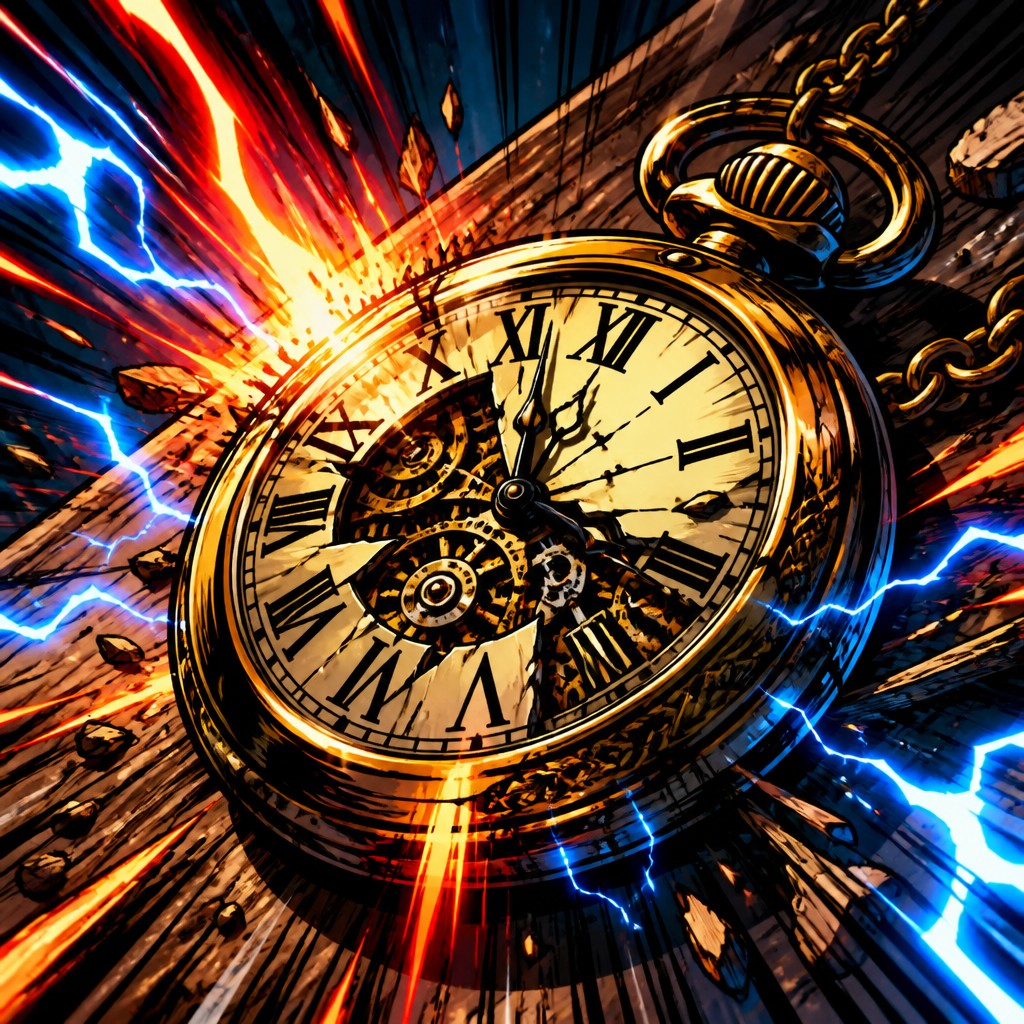
“close-up of an antique brass pocket watch on weathered wood planks, no people”
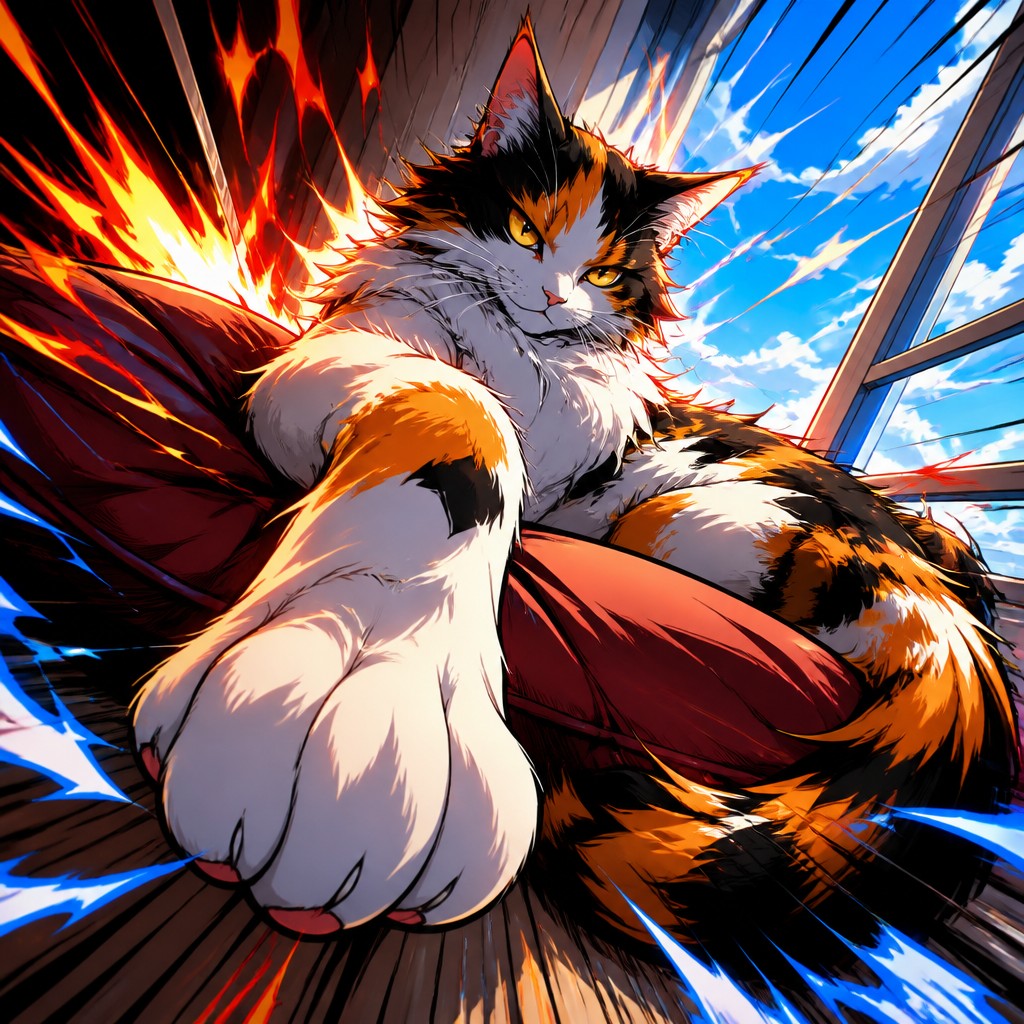
“a fluffy calico cat lounging on a cushion in a sunlit window, no people”
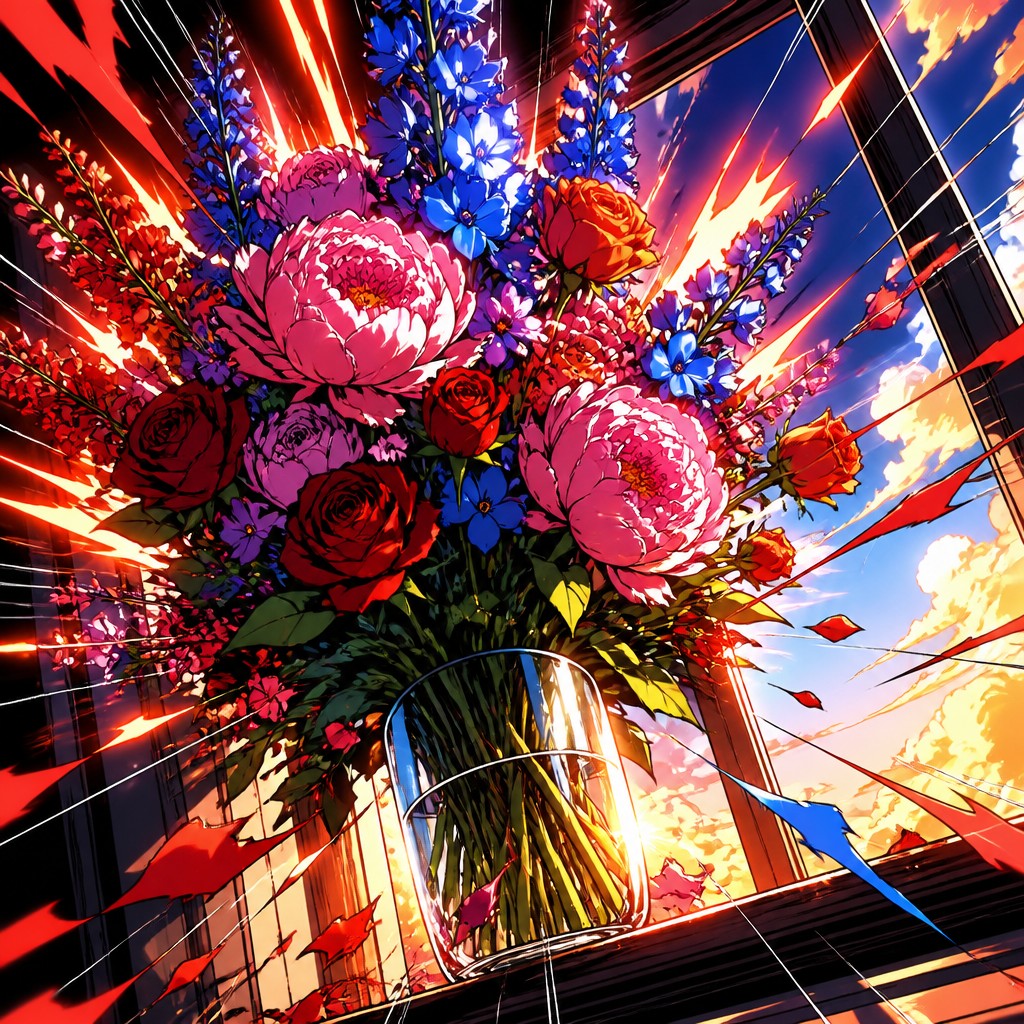
“bouquet of peonies, delphiniums and roses in a clear glass vase on a windowsill, no people”
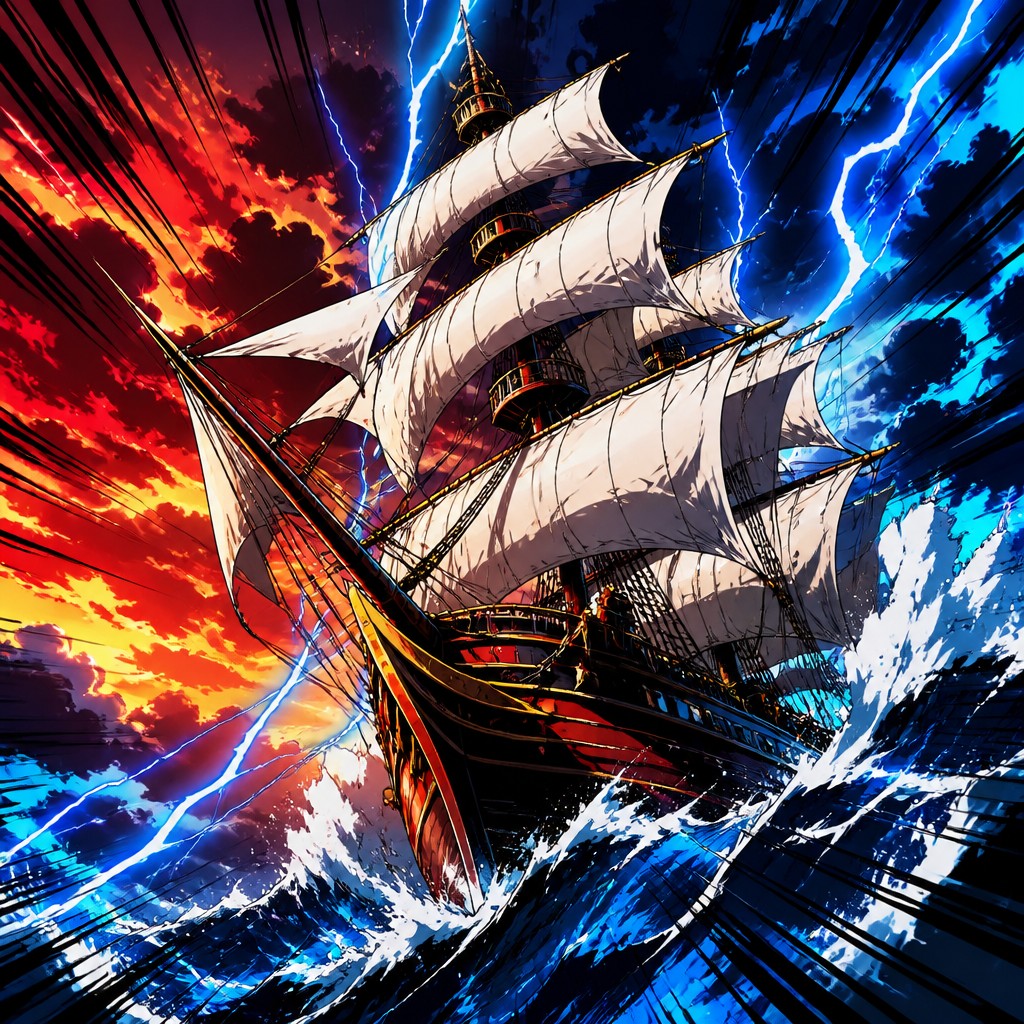
“a three-masted wooden sailing ship with white sails on a stormy sea, no crew visible on deck”
How to Create Shonen Action Anime Art
Master the craft step by step — or skip straight to creating. Read the full guide →
- 1
Build the pose around motion
Start with a clear action silhouette: punch, kick, charge, block, or midair strike. Use overlapping limbs and a tilted horizon to keep the composition aggressive and energetic.
- 2
Use strong contour and shadow shapes
In traditional drawing, ink with decisive black outlines and keep shadows simplified into hard-edged masses. In digital work, separate light and shadow into clean cells rather than soft gradients unless you are intentionally adding glow or energy effects.
- 3
Exaggerate perspective and anatomy
Push the nearest hand, foot, or weapon toward the viewer and compress the rest of the body behind it. Keep anatomy believable enough to support the motion, but allow proportions to stretch for drama.
- 4
Add anime action effects deliberately
Use speed lines, shock bursts, cracked ground, smoke, dust, and energy flares to frame the moment of impact. These effects should reinforce the action, not obscure the character design.
- 5
Light for contrast, not realism
Choose a single strong light source or glowing power effect to create sharp highlights and bold shadow edges. For prompt-based generation, specify intense directional lighting, cel shading, and battle-anime energy to guide the image toward the right graphic feel.

The Story
History & Origins of Shonen Action Anime
Shonen action anime style developed from the visual conventions of postwar Japanese manga and animation, especially the battle and adventure genres that became prominent in the late 20th century. It draws on the simplified clarity of manga storytelling, the energetic framing of animation, and the need to communicate movement, power, and emotion quickly and legibly on the page or screen.
Its lineage also reflects earlier comic traditions that used stylization to heighten drama, including dynamic panel composition, exaggerated facial expression, and symbolic effects such as speed lines and impact marks. Over time, television anime, theatrical animation, and manga artists refined these conventions into a recognizable aesthetic of combat spectacle, where anatomy, perspective, and lighting are pushed toward maximum excitement rather than naturalism.
Influences: This style is closely related to Japanese manga and television anime, especially battle and adventure series that prioritize readable action and expressive character performance. It also shares traits with superhero comics, where exaggerated anatomy, explosive framing, and impact effects heighten conflict; however, its line economy and cel-shaded clarity are distinctly rooted in anime and manga conventions rather than Western comic rendering. The aesthetic also echoes action storyboarding and illustrated cinema, where the image must communicate movement instantly.
Frequently Asked Questions
What defines shonen action anime art style?
It is defined by dynamic combat staging, bold outlines, sharp cel shading, and exaggerated expressions. The style emphasizes motion, power, and emotional intensity more than realism. Speed lines, impact flashes, and dramatic angles are core visual features.
How is it different from general anime style?
General anime style can be soft, romantic, slice-of-life, or highly varied in tone, while shonen action anime is built around conflict and momentum. It usually has stronger contrast, more muscular posing, and more visual effects for movement and energy. The compositions are also more aggressively angled and theatrical.
How is it different from superhero comic art?
Both styles use dynamic poses and dramatic perspective, but shonen action anime tends to rely more on clean cel shading, speed lines, and simplified graphic effects. Superhero comics often favor heavier rendering, textured ink, and more naturalistic anatomy depending on the artist. Shonen action anime usually feels more kinetic and streamlined.
What subjects work best in this style?
Combat scenes, rival confrontations, training moments, power-ups, and heroic standoffs are the most natural fits. Characters in midair, sprinting, or striking at close range show the style’s strengths most clearly. Even non-fight subjects can work if they are staged with dramatic momentum.
How do I make traditional art in this style?
Use pencil thumbnails to plan a strong action pose, then ink with thick outer lines and cleaner internal details. Keep shading limited and use black shapes or screentone-like textures for shadows. Add motion effects sparingly so the main figure remains clear.
Can this style be used for portraits or non-action scenes?
Yes, but the portrait usually looks best when the expression is intense or the pose feels charged with anticipation. You can apply the same linework and shading language to a close-up, but the overall energy should still suggest momentum, resolve, or confrontation.
Create your first Shonen Action Anime artwork
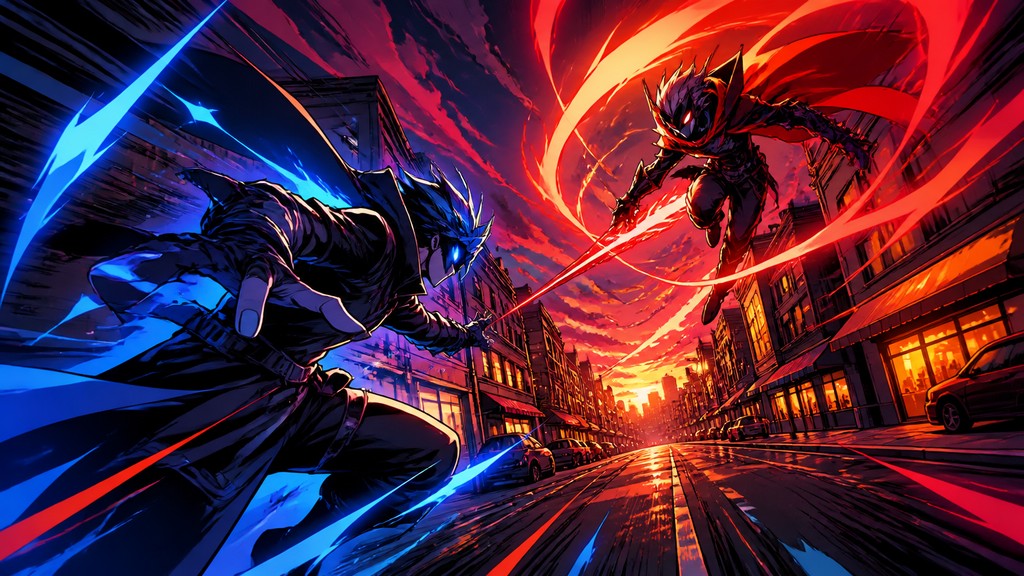
Describe anything — or upload a photo — and see it in Shonen Action Anime Art Style in seconds.
Make Something with Shonen Action Anime
Related Styles
Discover similar art styles