Action Painting Art Style
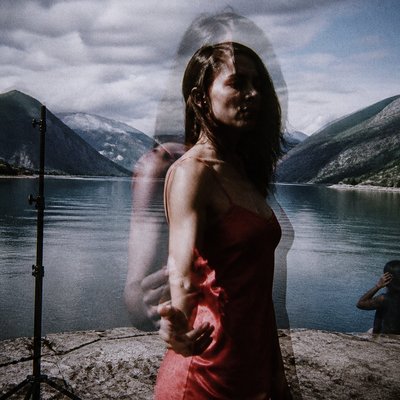
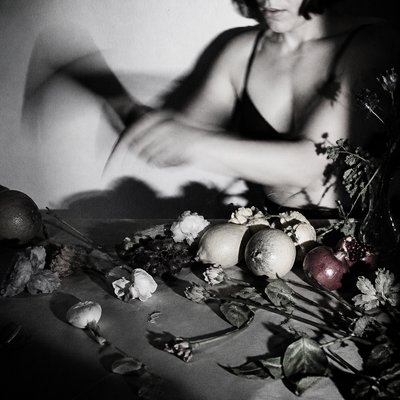
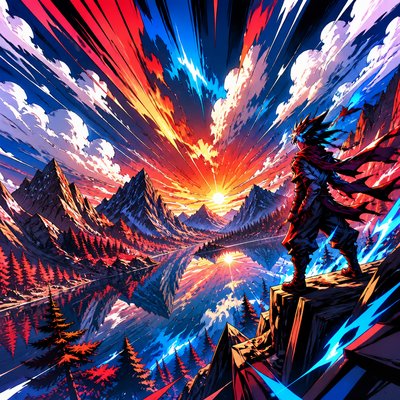
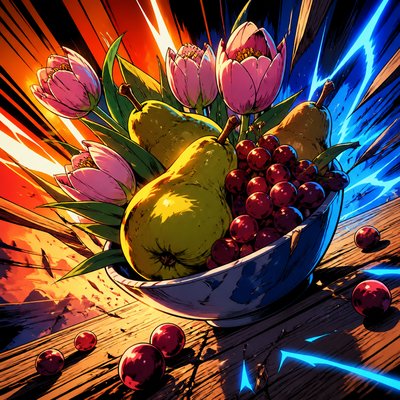
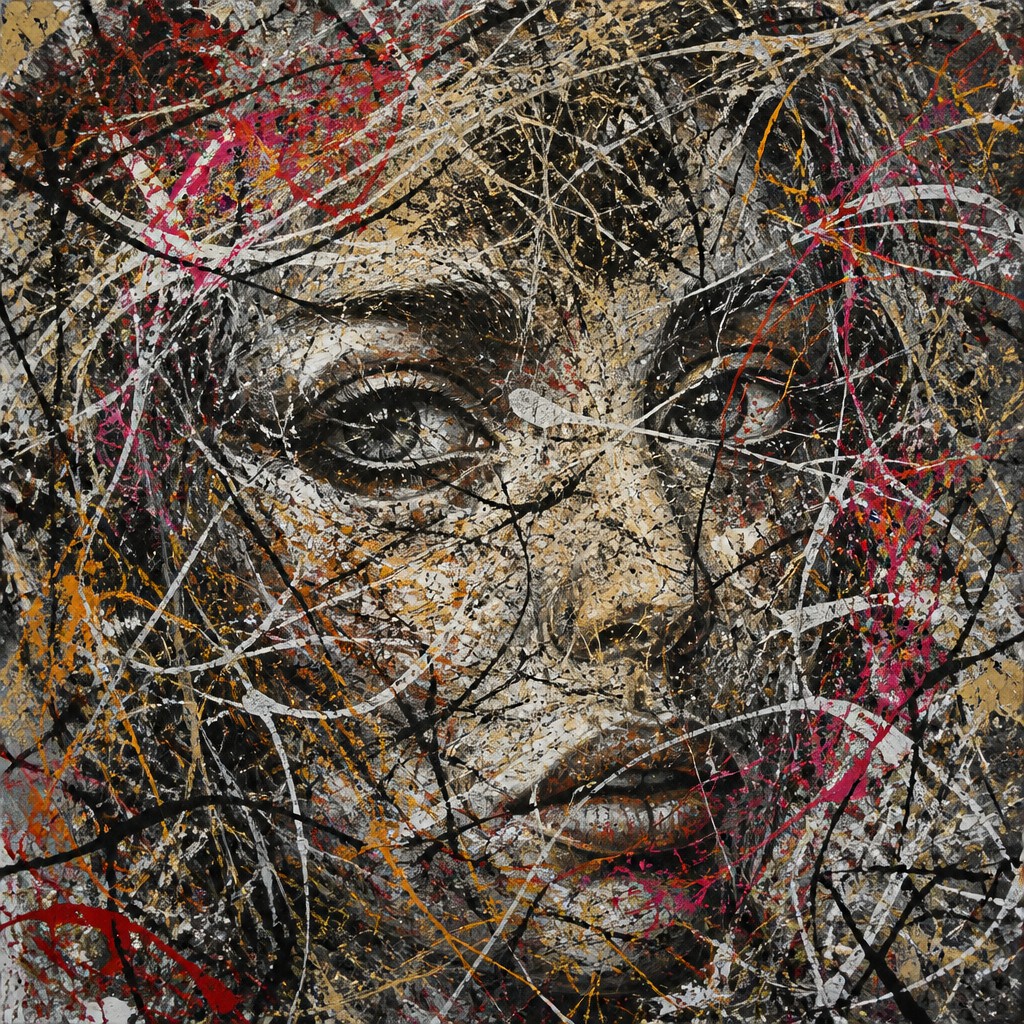
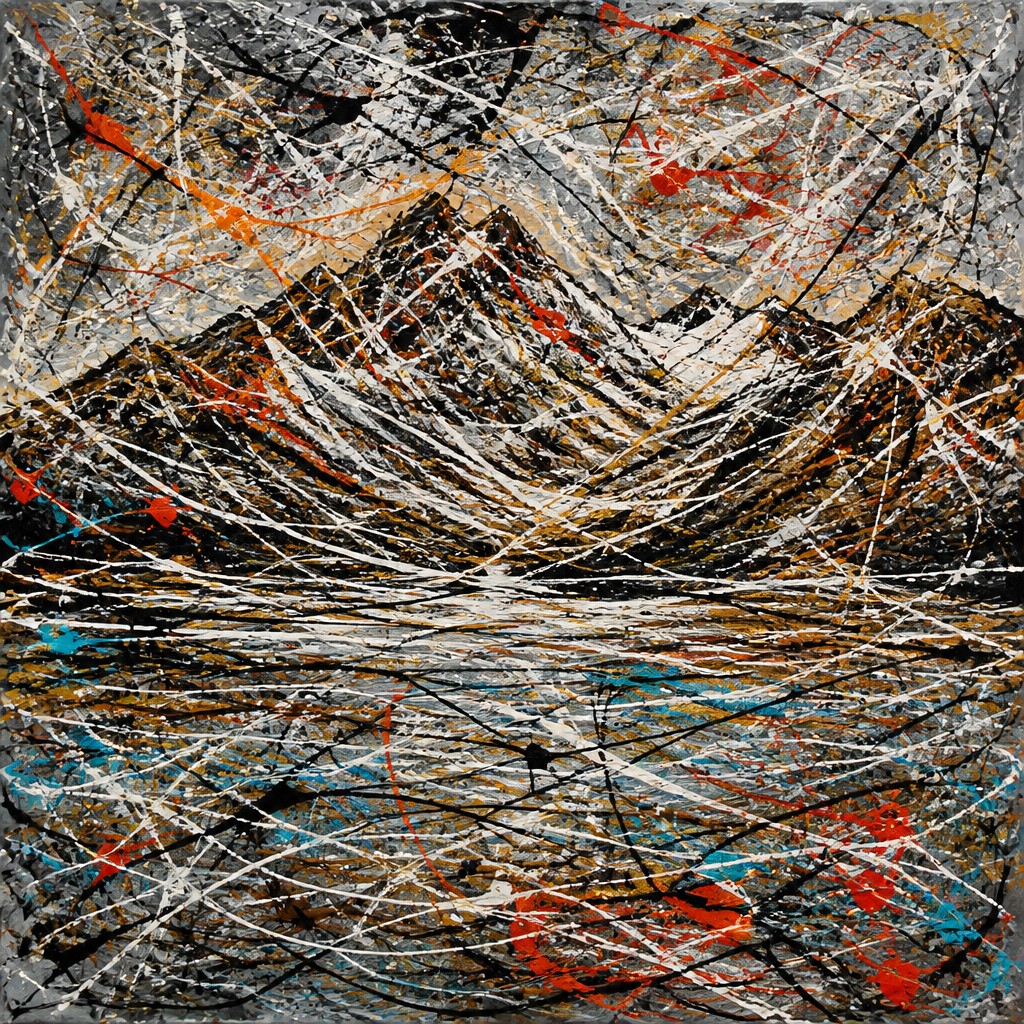
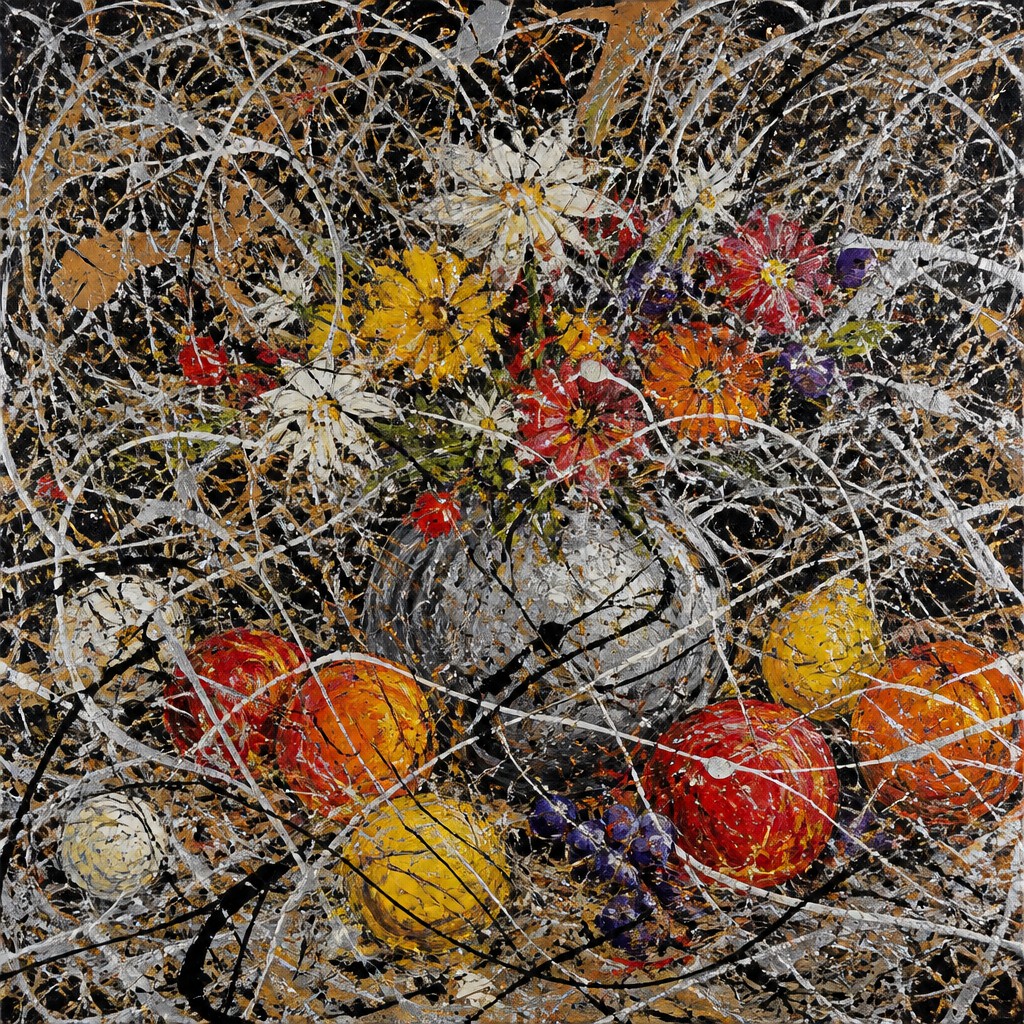
Explore Action Painting: explosive drips, splatters and poured color that turn gesture, movement and material into an all-over abstract image.
Instantly rendered in Action Painting — or transform a photo
Action Painting Gallery
Tap any artwork to explore it
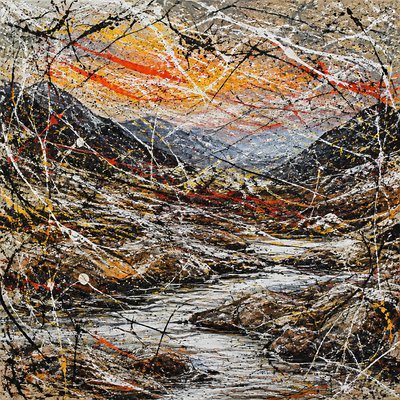
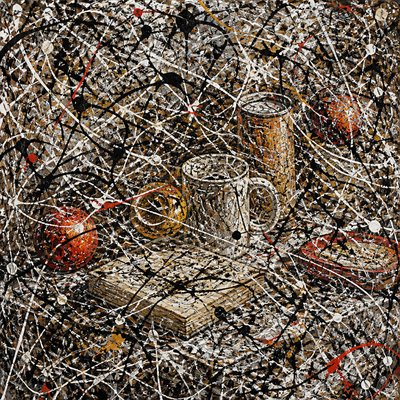
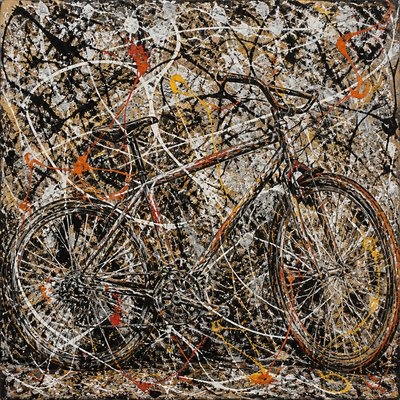
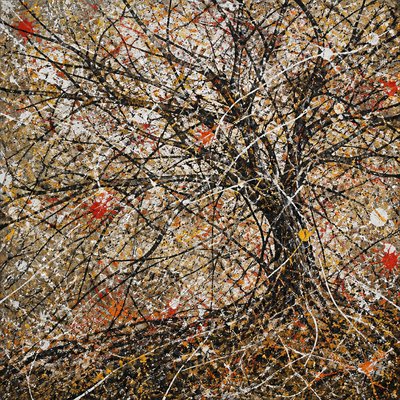
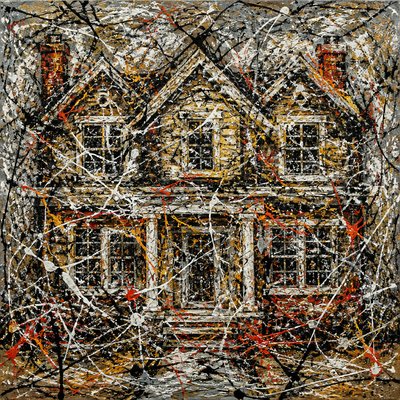
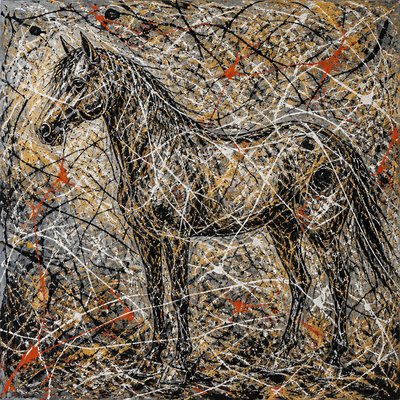
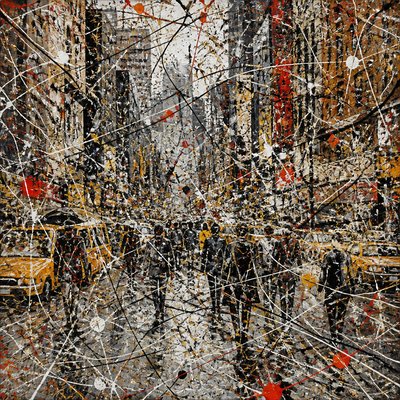
What is Action Painting Art Style?
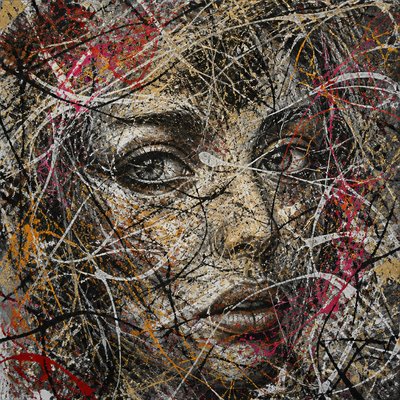
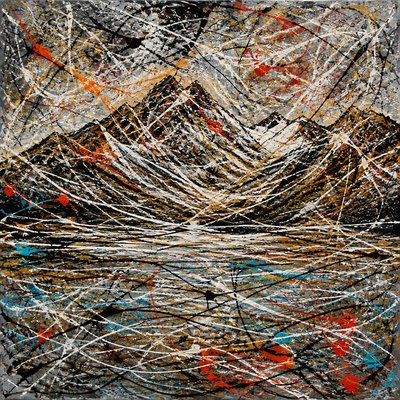
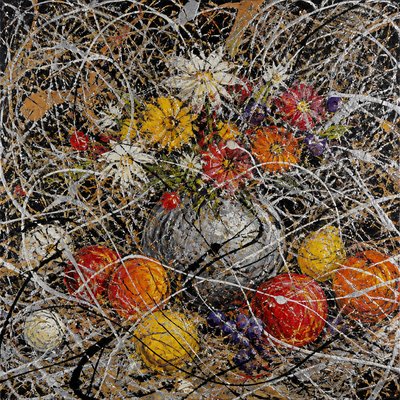
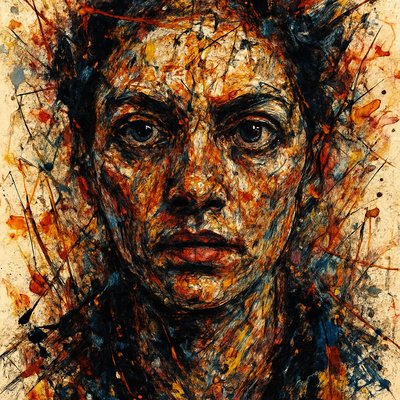
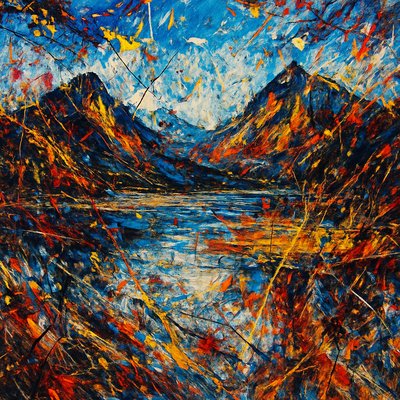
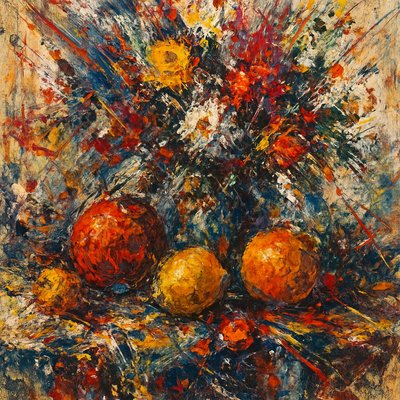
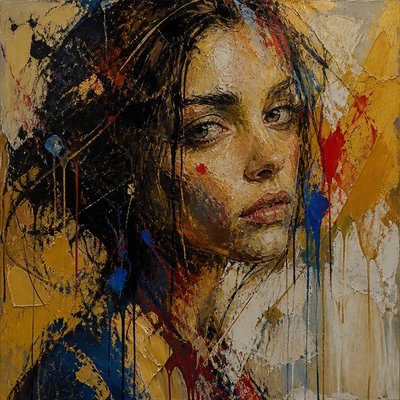
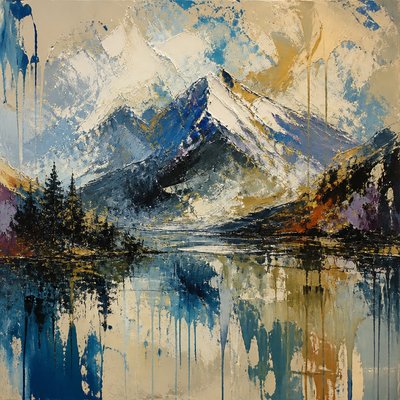
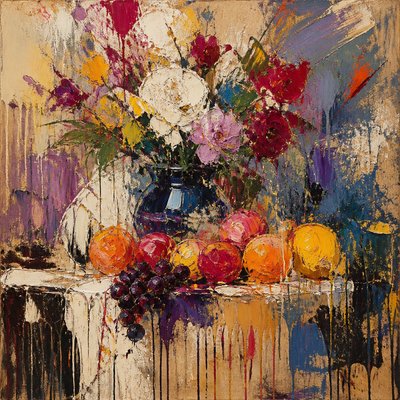
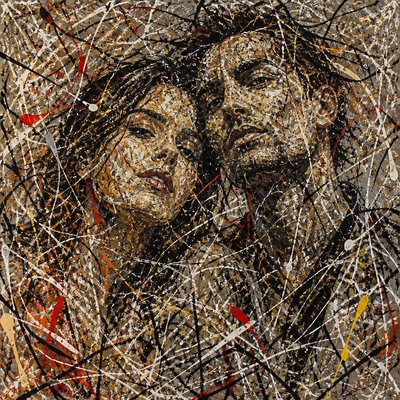
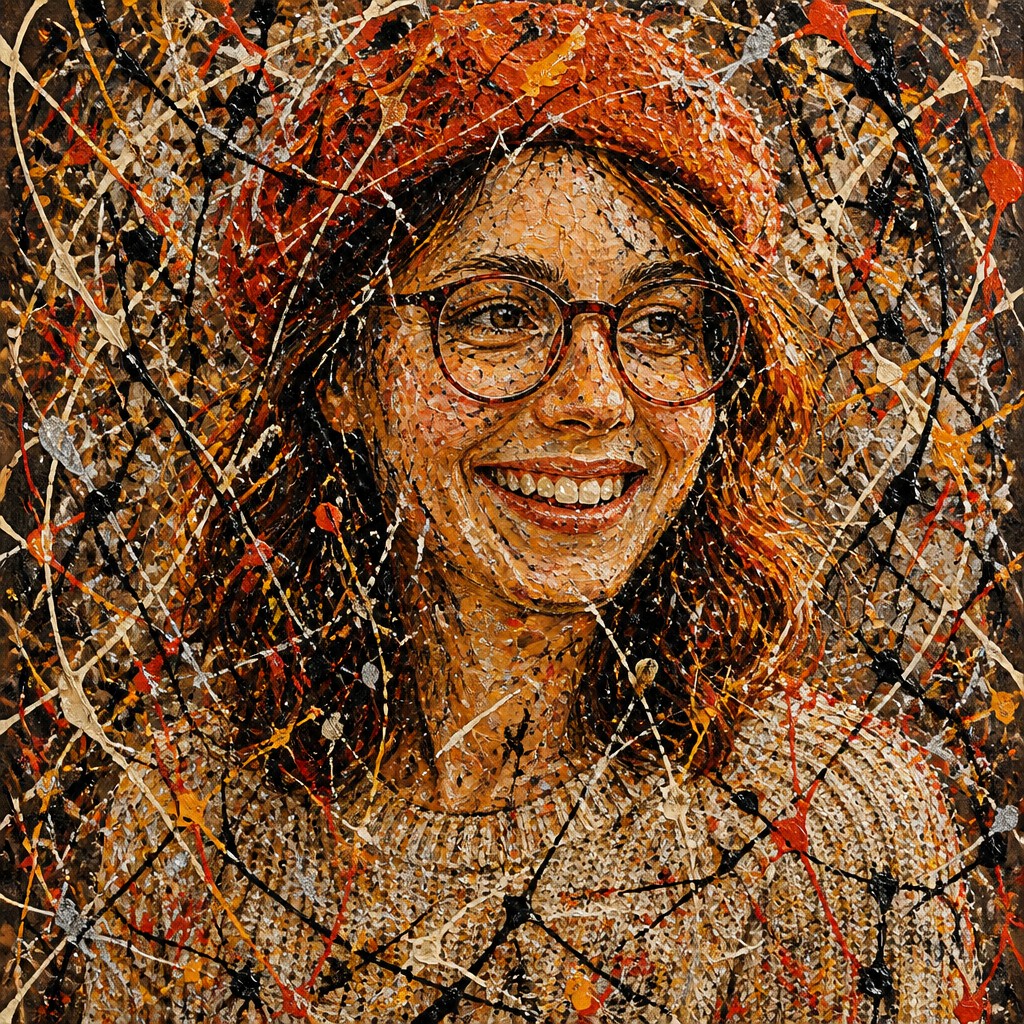
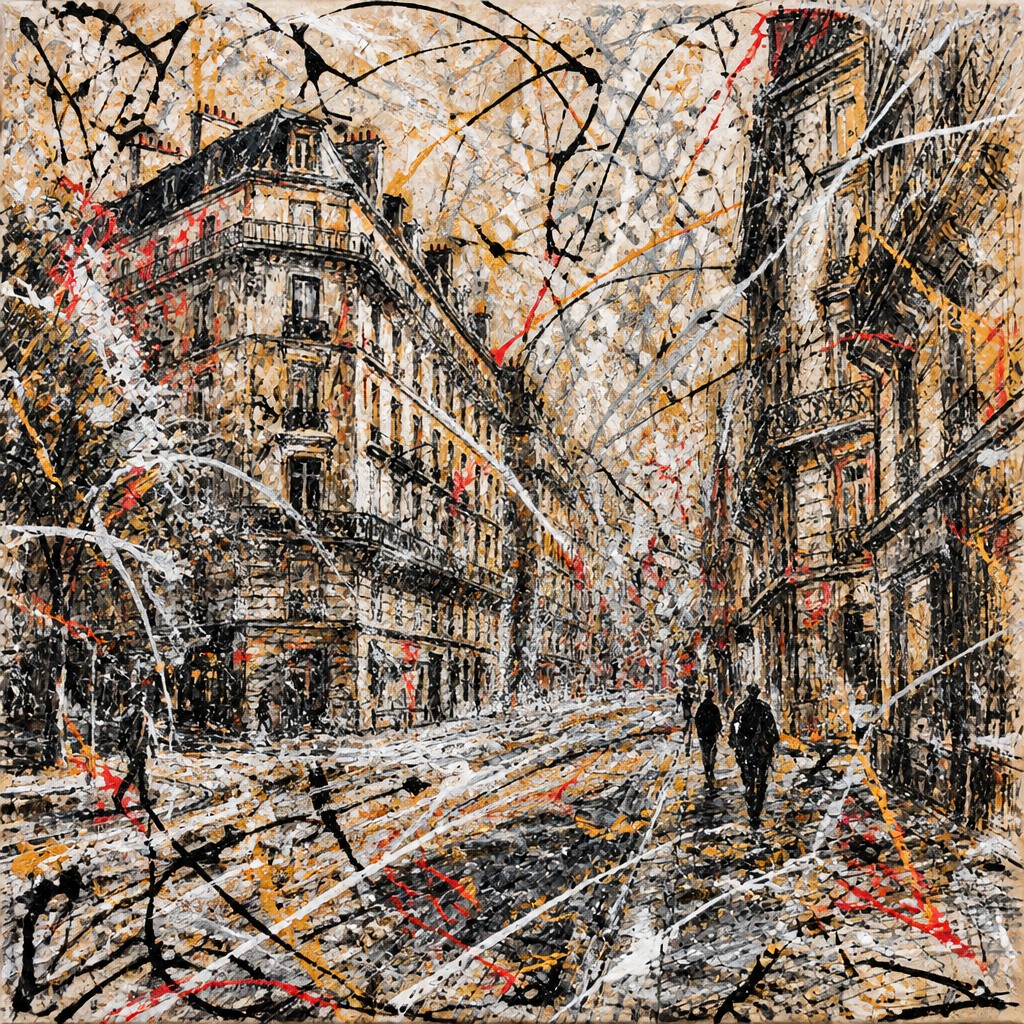
Action Painting is a form of postwar abstract painting in which the physical act of applying paint becomes the central subject. Drips, splashes, flung pigment, poured lines, smears and scraped passages preserve the rhythm, speed and direction of the maker’s movements rather than depicting recognizable objects.
The style typically rejects a single focal point in favor of an all-over field, where every area of the surface participates in a web of marks. Its visual energy comes from the interaction of gravity, viscosity, chance, repetition and deliberate bodily control. Black, white, metallic and earth colors may be punctuated by vivid accents, while the exposed surface and accumulated layers emphasize process as much as finished form.
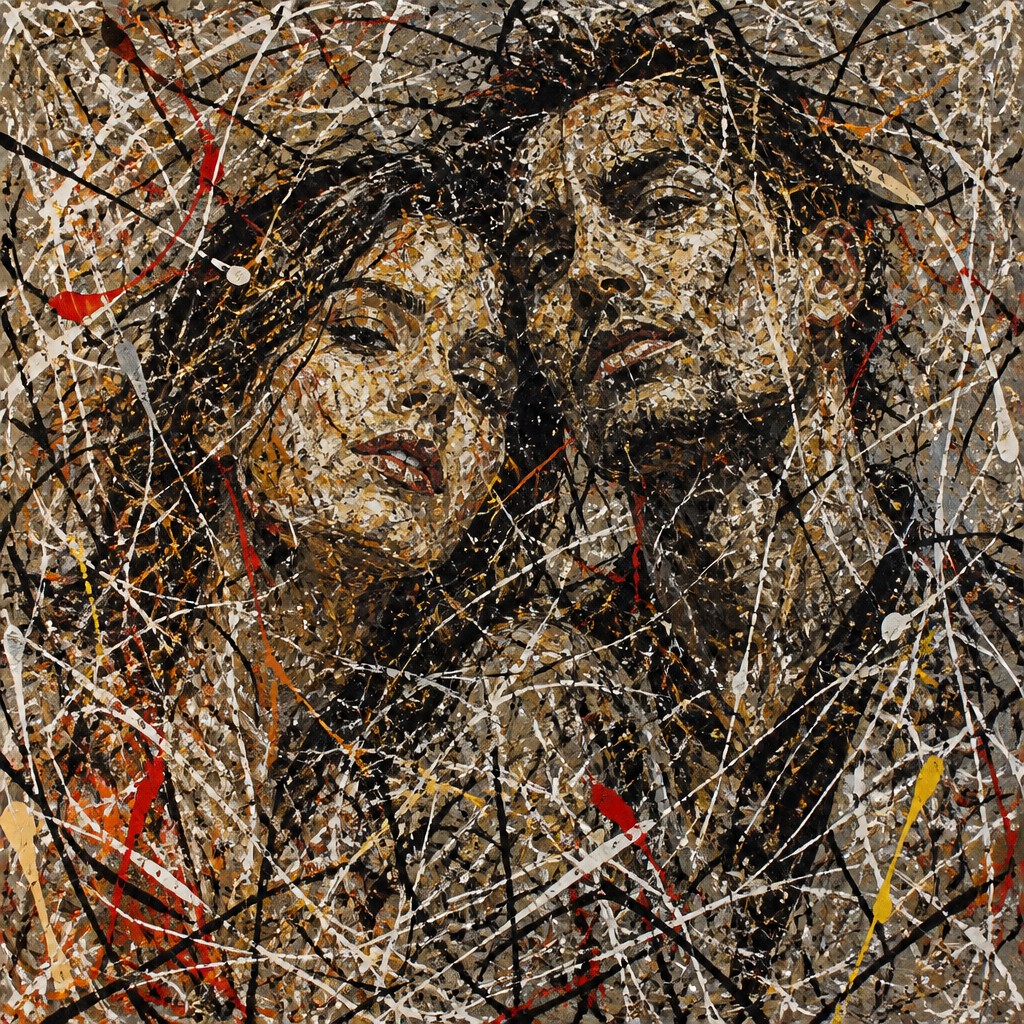
Try It On Your Photos
Upload any photo and convert it into Action Painting Art Style — drag the sliders to compare before and after.


What Defines Action Painting Art Style
The signature details, up close
Gestural mark-making
Brushstrokes, splashes and dragged lines record the direction, speed and force of physical movement. The mark functions as both visual form and evidence of an action.
Drips and poured paint
Liquid pigment is allowed to flow, pool, trail or intersect under gravity and momentum. These passages introduce irregular edges and controlled unpredictability.
All-over composition
Marks spread across the entire surface rather than organizing the image around one central subject. Dense peripheral activity prevents the eye from settling on a conventional focal point.
Layered visual rhythm
Overlapping skeins, splatters and translucent stains create tempo through repetition, interruption and variation. The surface may read like a visual record of successive movements.
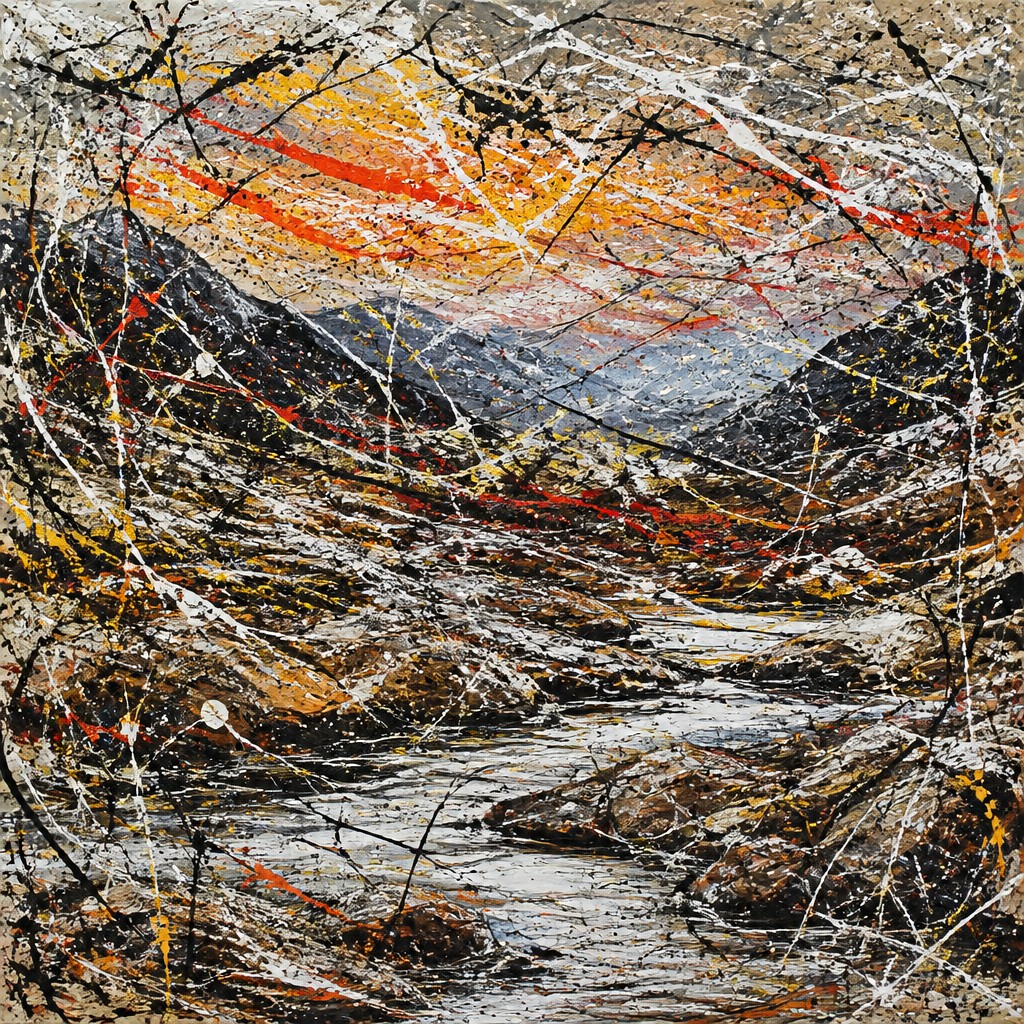
Material presence
Gloss, opacity, thickness, pooling and exposed ground remain visibly important. Paint is treated as a physical substance whose behavior contributes to meaning.
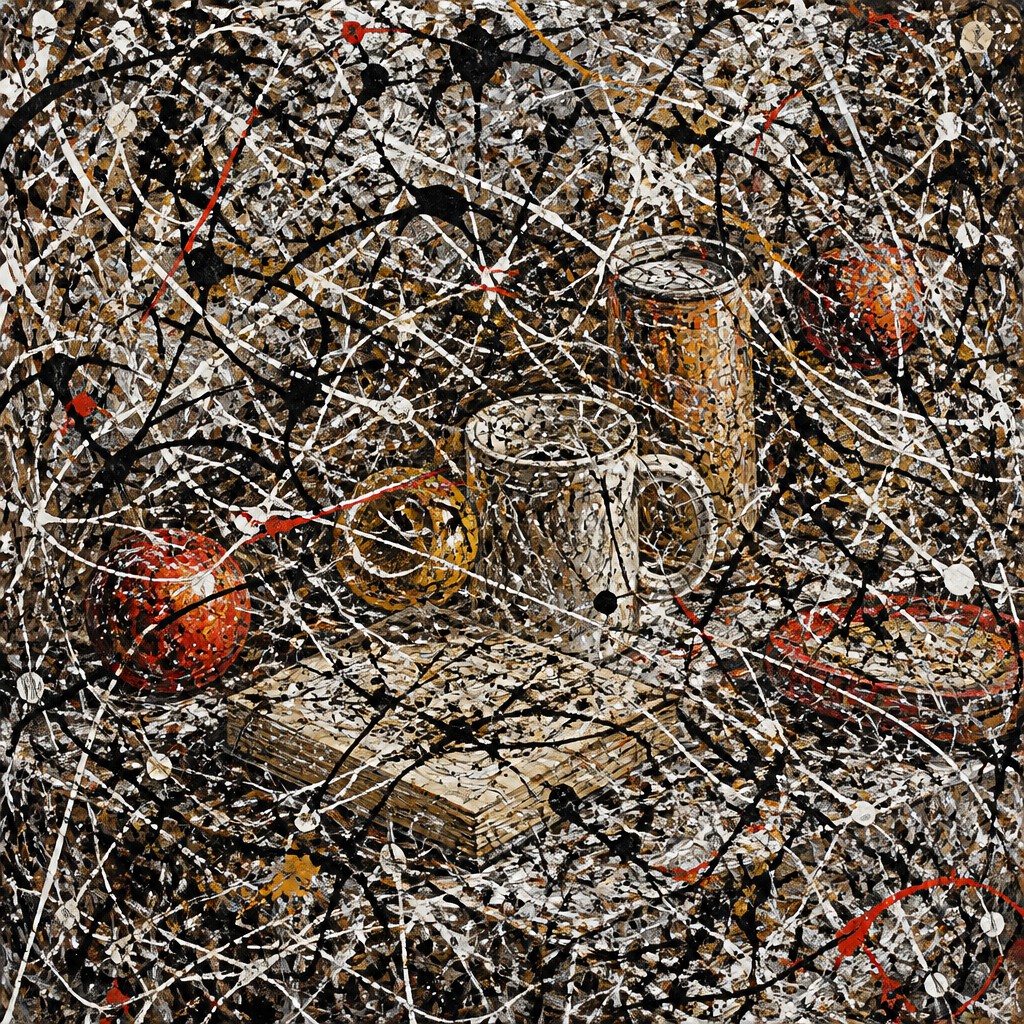
Controlled spontaneity
Chance effects are balanced by decisions about color, scale, timing and placement. The finished image feels immediate without being merely random.
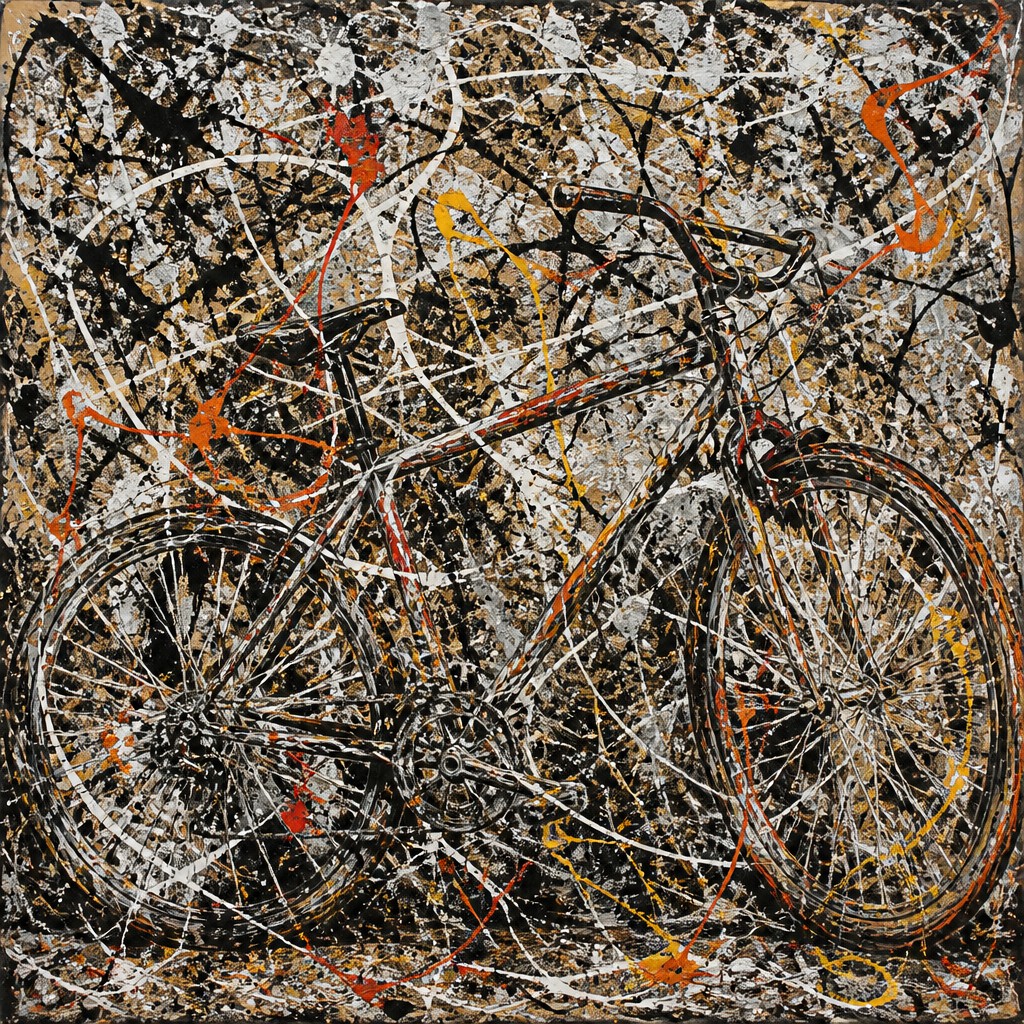
Energetic color contrasts
Dark neutrals, whites, metallics and earthy hues often establish structure, while hot reds, yellows, blues or oranges create flashes of intensity. Color relationships reinforce the sense of motion.
Try It
Create Videos in Action Painting Art Style
Styles aren't just for stills — describe a scene or animate an image and get a short video rendered in Action Painting. Press play to see this pond come to life.
Make a VideoAction Painting Prompt Ideas
Start from an idea — each one opens the generator with the style ready to go. See all 40 Action Painting prompts →
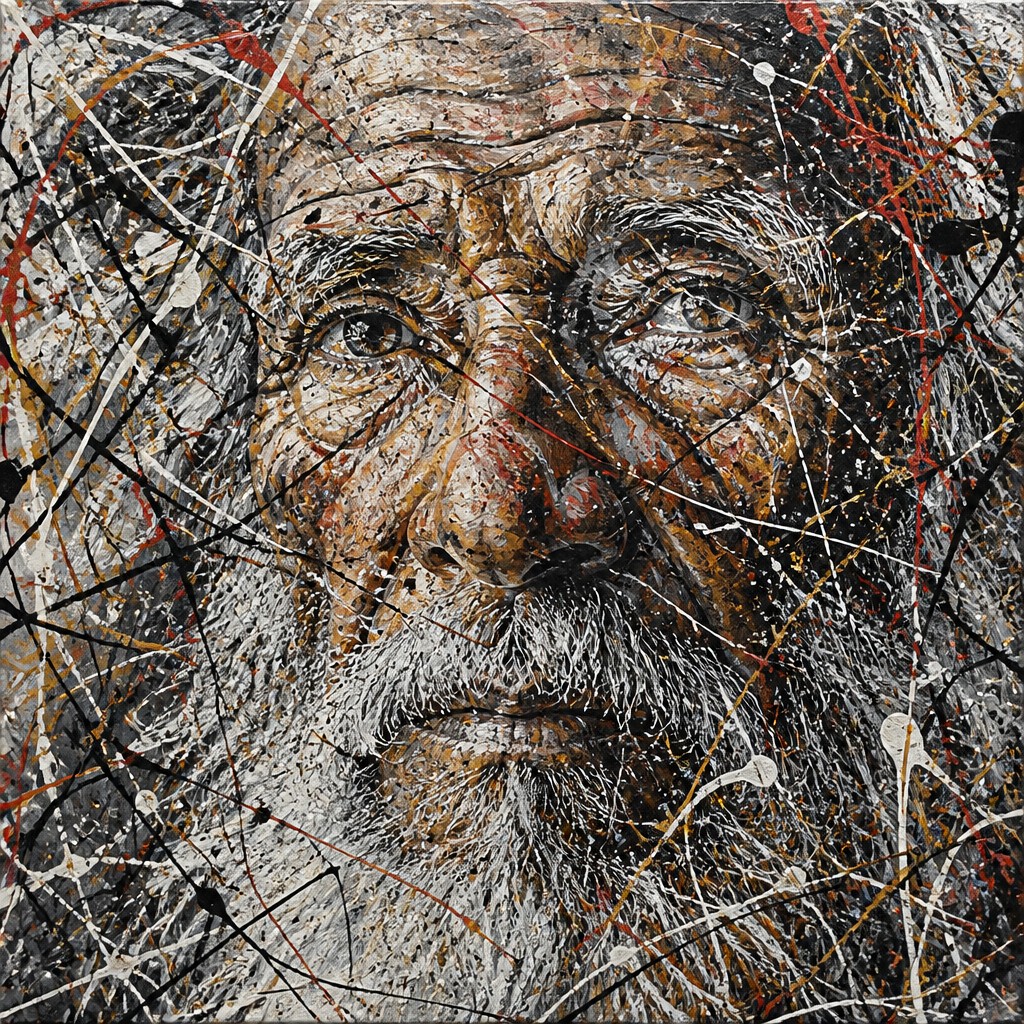
“close-up portrait of an elderly person with expressive weathered features”
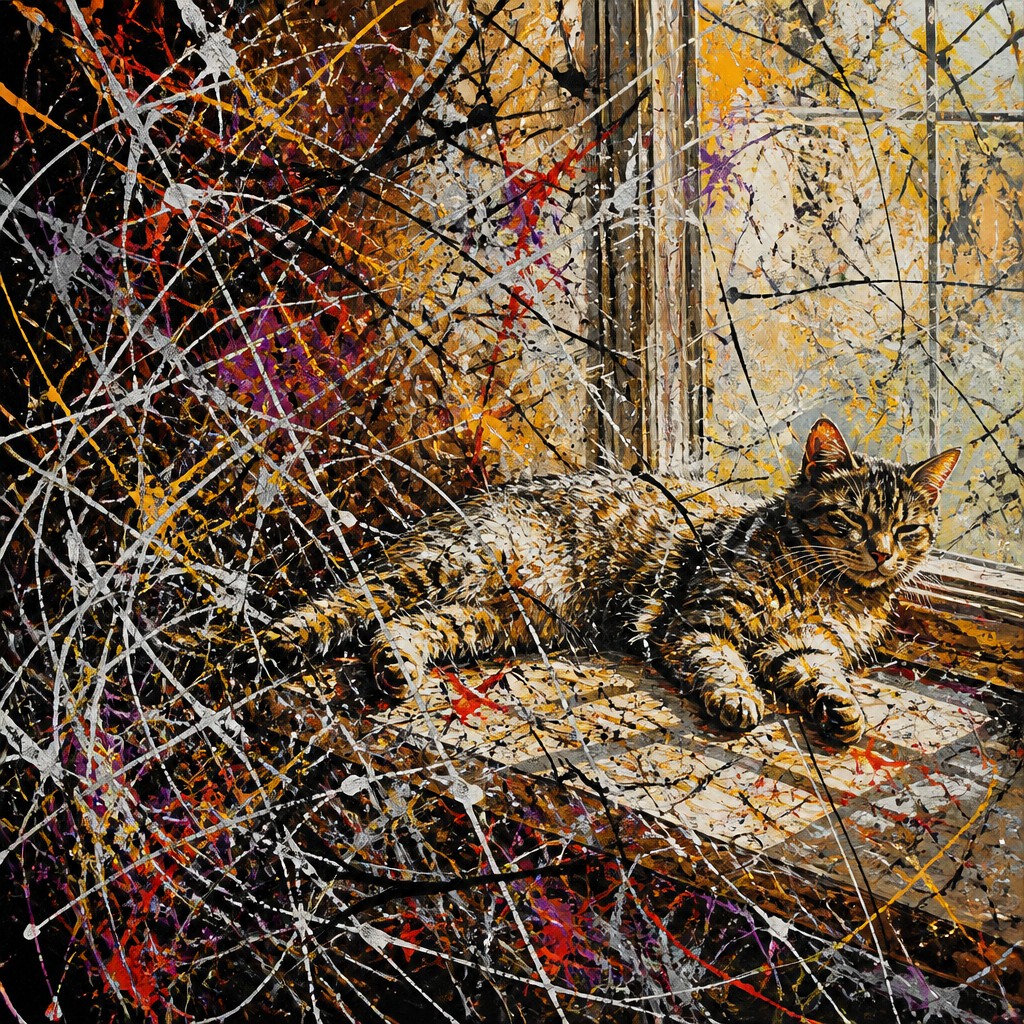
“a cat lounging in a sunlit window”
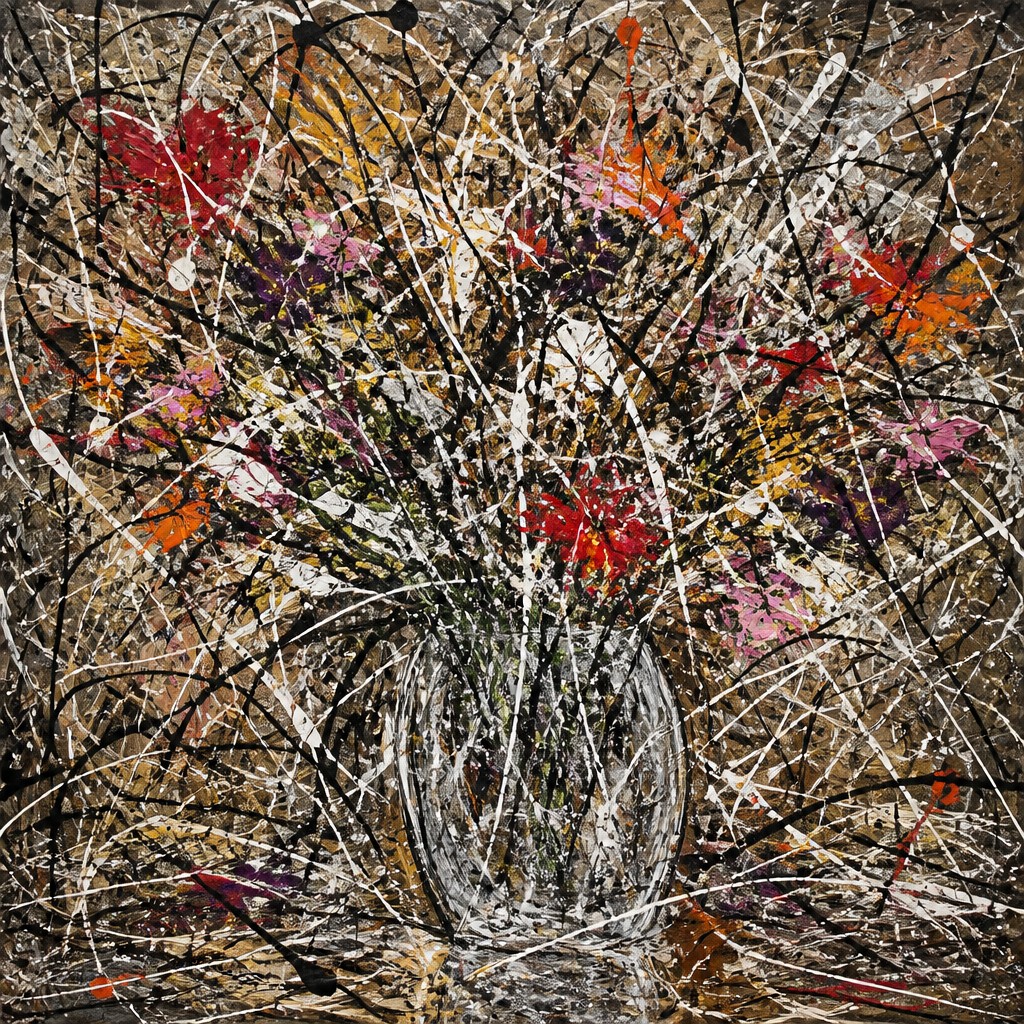
“bouquet of flowers in a glass vase”
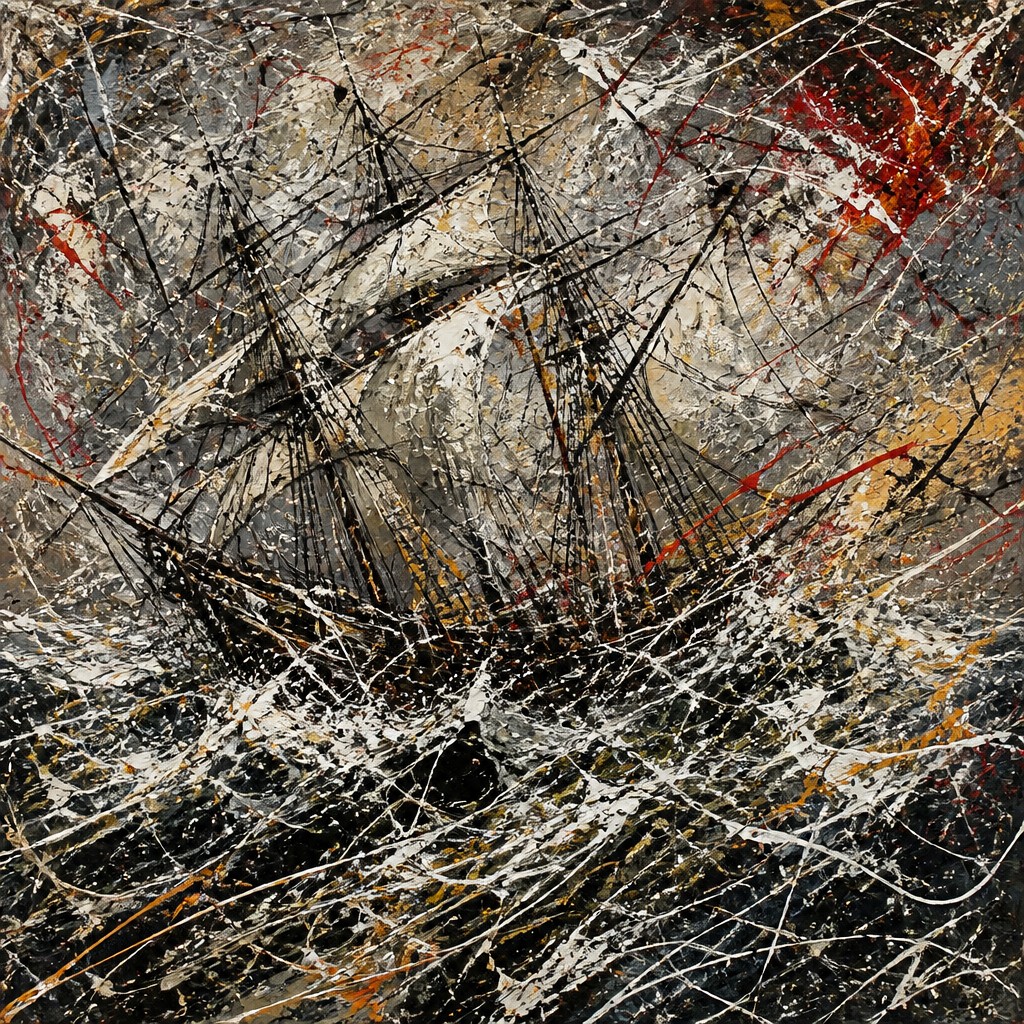
“sailing ship on a stormy sea”
How to Create Action Painting Art
Master the craft step by step — or skip straight to creating. Read the full guide →
- 1
Prepare a responsive surface
Use a large canvas, paper, panel or digital field that allows marks to extend beyond a small central area. A lightly toned ground can unify transparent stains while still allowing the surface to remain visible.
- 2
Work with liquid paint
Thin acrylic, ink or oil paint to create drips, pours and long trails, then vary viscosity for contrasting pools and dry-brushed interruptions. Test flow on a separate surface before committing to a large composition.
- 3
Build movement in layers
Begin with broad directional gestures, add crossing skeins and splatters, then introduce quieter gaps or sharply contrasting marks. Rotate the surface or change your working position to avoid repetitive patterns.
- 4
Balance chance and editing
Let gravity, gravity-fed tools and accidental overlaps contribute to the image, but pause to assess density and rhythm. Remove, dilute or cover passages when every area becomes equally loud.
- 5
Translate physical gesture digitally
Use pressure-sensitive brushes, particle systems, fluid simulations, scanned paint textures and layered opacity to reproduce trails, splashes and pooling. Vary brush scale, speed, blend mode and direction rather than relying on one repeated stamp.
- 6
Write process-focused prompts
Describe the subject, surface coverage, paint behavior, palette and movement—such as poured silver lines crossing black and ochre splatters—while specifying an all-over composition and no single focal point.

The Story
History & Origins of Action Painting
Action Painting developed in the United States during the 1940s and 1950s as a major tendency within Abstract Expressionism. Its origins combined European Surrealist automatism, which valued spontaneous and unconscious mark-making, with the scale, physicality and experimental materials of American modernist painting. The movement emerged in a postwar culture that increasingly treated the artist’s gesture, decision and bodily presence as essential parts of the work.
The approach evolved through varied methods, including staining, pouring, dripping, throwing, brushing, scraping and working across large unstretched or traditionally supported surfaces. Although closely associated with mid-century abstraction, its techniques continued into later gestural, process-based, performance-oriented and contemporary mixed-media practices.
Influences: Action Painting is closely related to Abstract Expressionism, gestural abstraction and the automatist practices associated with European Surrealism. It also draws on mural-scale modernism, calligraphic mark-making, experimental print processes, performance-based art and the physical behavior of liquid media. Later process art, informal abstraction and contemporary mixed-media painting extended its interest in chance, materiality and the visible record of making.
Frequently Asked Questions
What defines Action Painting?
It is defined by visible physical gestures, fluid or forceful paint application and a composition that often spreads across the entire surface. Drips, splashes, pours and layered marks record the process of making rather than illustrating a recognizable subject.
Is Action Painting the same as Abstract Expressionism?
No. Abstract Expressionism is the broader postwar movement, while Action Painting is one of its major tendencies. Other approaches within the movement emphasized large atmospheric color fields, so not every Abstract Expressionist work uses splattered or gestural techniques.
Does Action Painting have to be completely random?
No. Chance is often part of the method, but successful work usually combines accidents with careful choices about scale, density, color, timing and balance. The goal is controlled spontaneity rather than visual disorder alone.
What materials are used for Action Painting?
Traditional examples may use oil, enamel, acrylic, commercial paint, brushes, sticks, cans, rags and other improvised tools. Acrylic and ink are especially practical for fast-drying drips and pours, while digital artists can use pressure-sensitive brushes, fluid effects and scanned paint textures.
How can I make an Action Painting without copying a specific artist?
Focus on process variables: movement, viscosity, gravity, layering, surface scale and color rhythm. Work from your own physical gestures or describe those behaviors in a prompt instead of requesting a named artist’s manner.
Where is Action Painting used today?
Its visual language appears in contemporary painting, murals, editorial graphics, album artwork, motion design, fashion imagery and digital backgrounds. It is particularly useful when a project needs kinetic energy, material texture and an immediate sense of process.
Create your first Action Painting artwork
Describe anything — or upload a photo — and see it in Action Painting Art Style in seconds.
Related Styles
Discover similar art styles