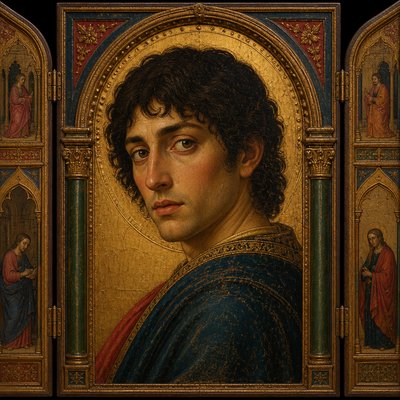
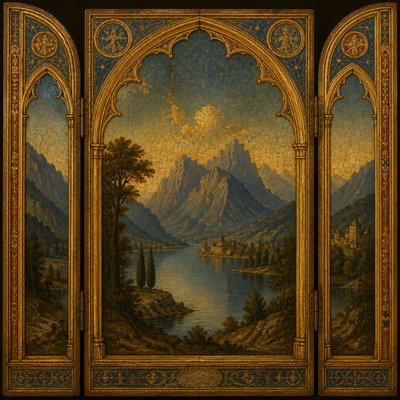
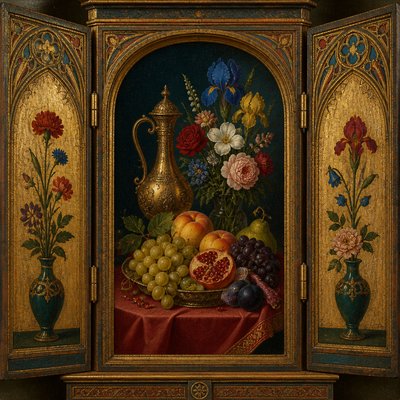
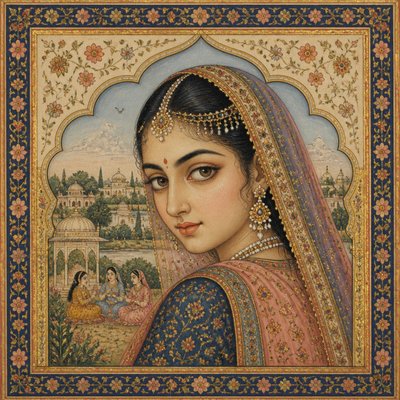
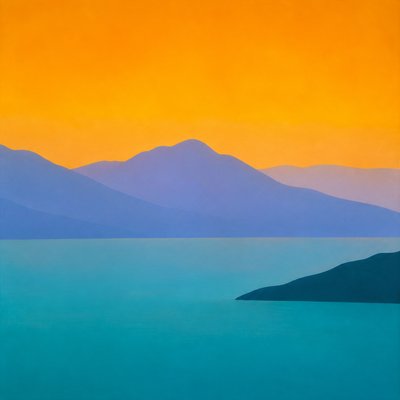
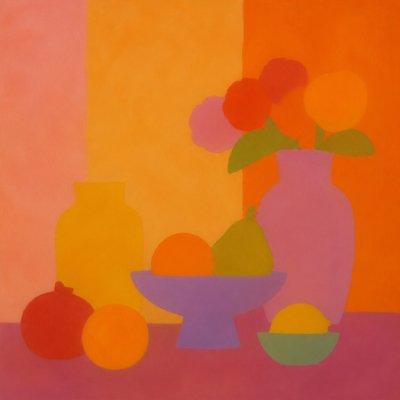
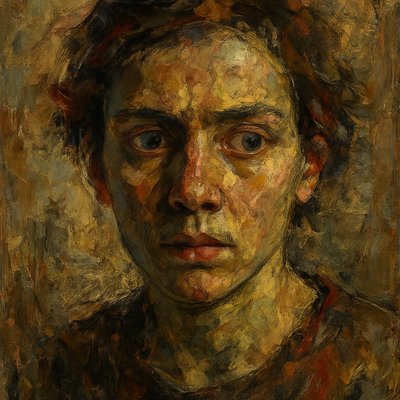
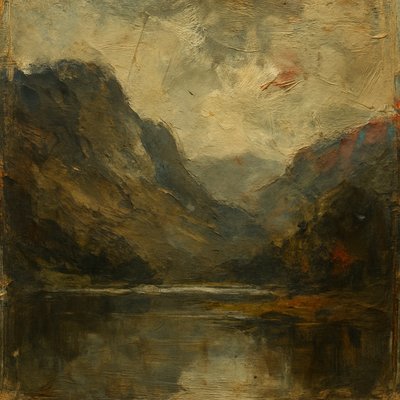
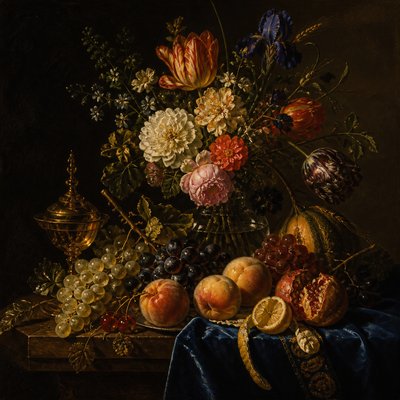
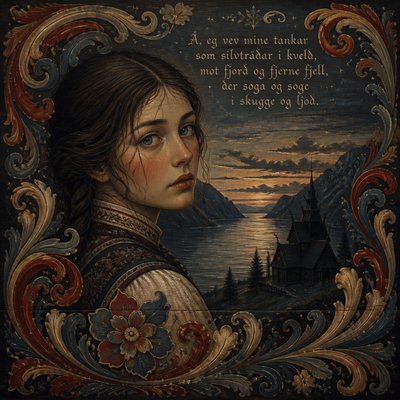
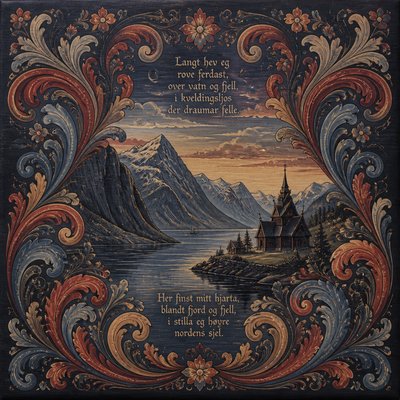
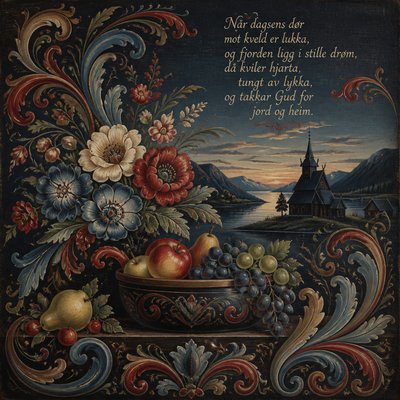
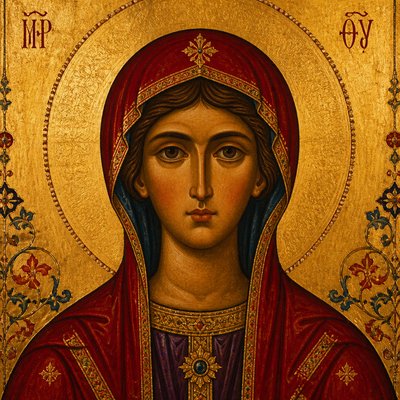
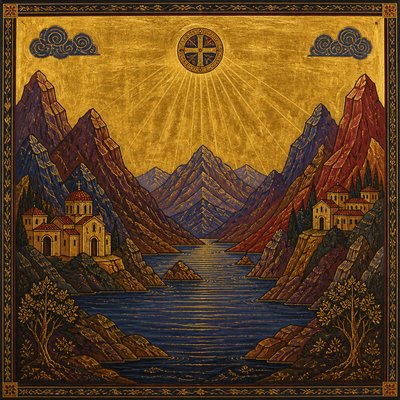
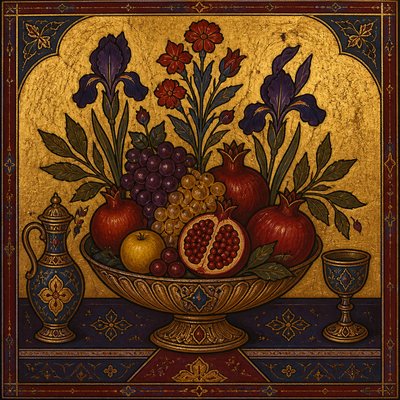
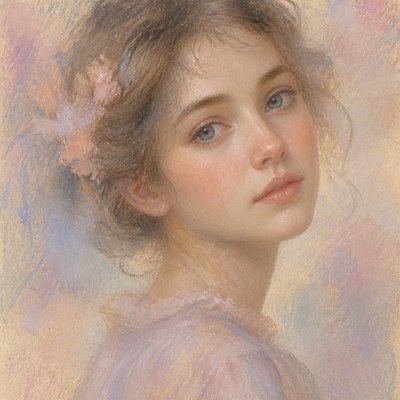
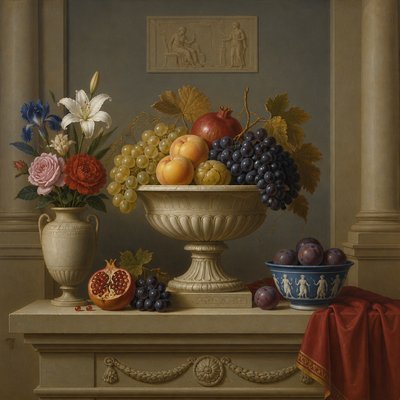
Matte Painting Style
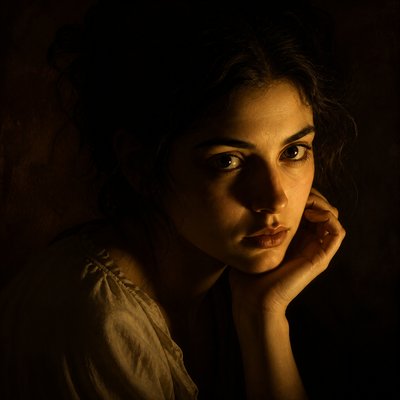
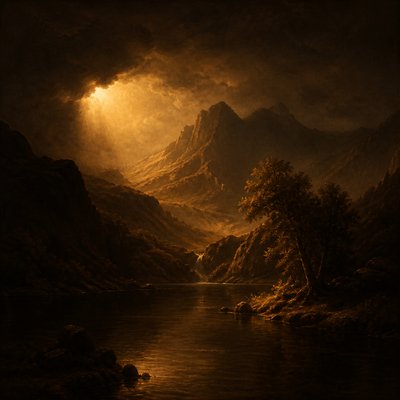
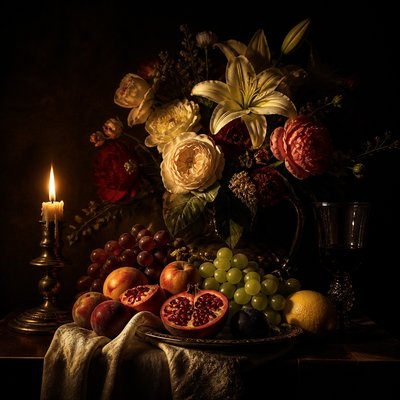
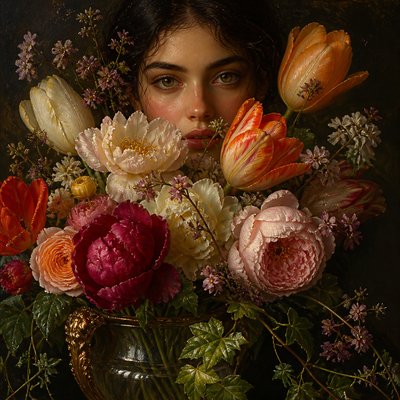
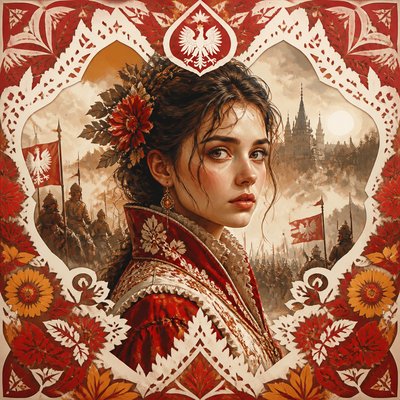
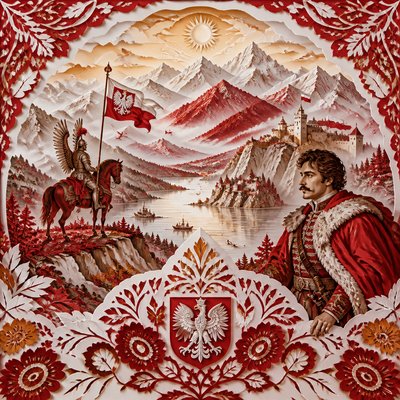
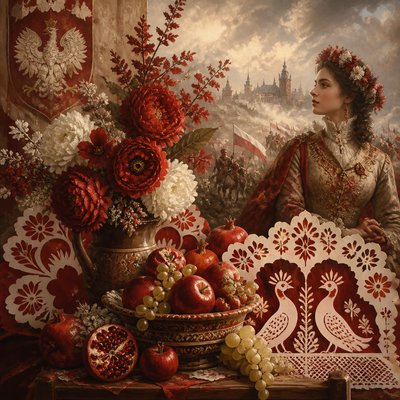
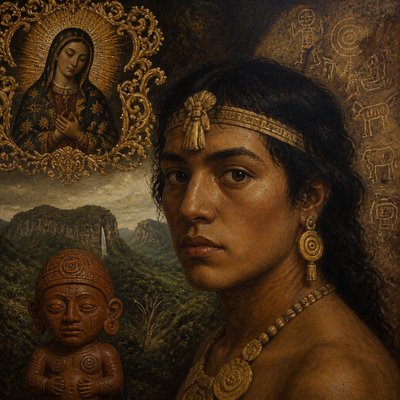
Explore matte painting: cinematic painted landscapes, atmospheric depth, and seamless blends of imagined environments with photographic scenes.
Instantly rendered in Matte Painting — or transform a photo
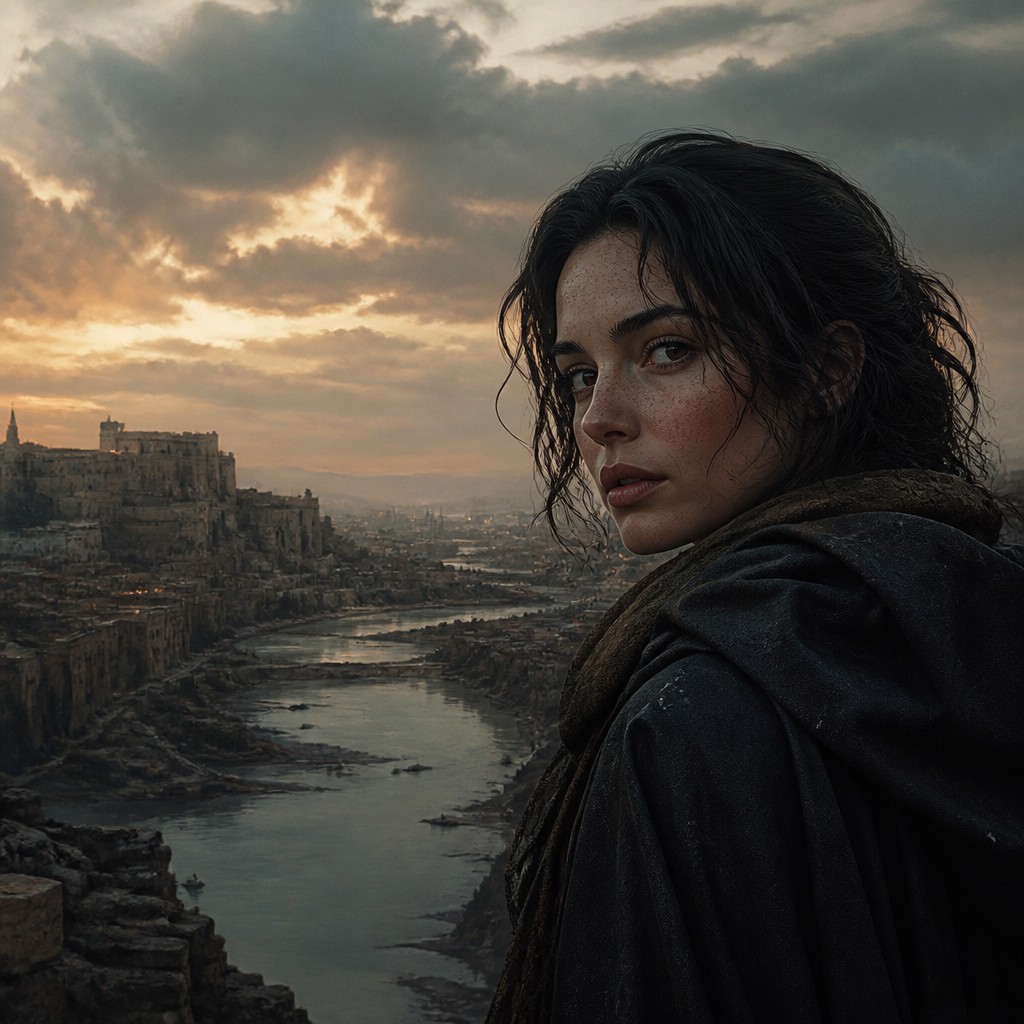
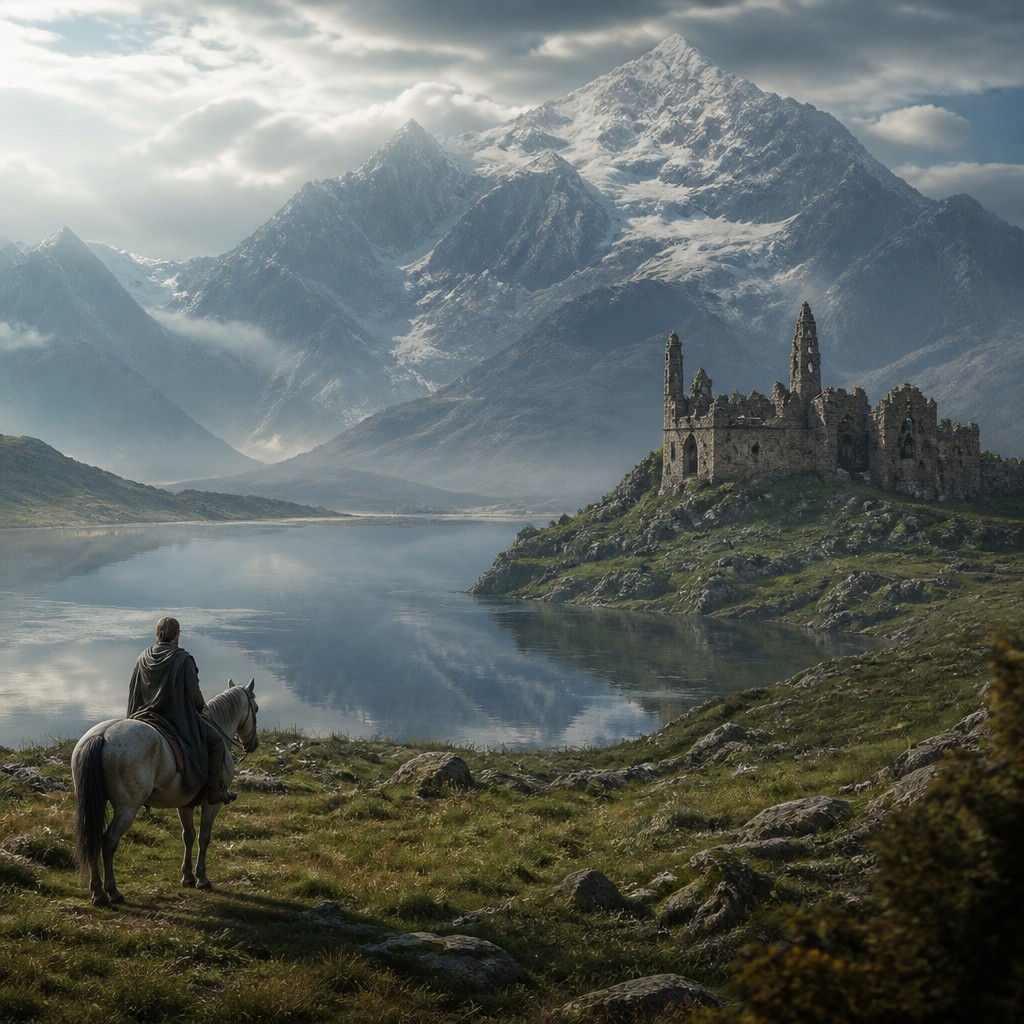
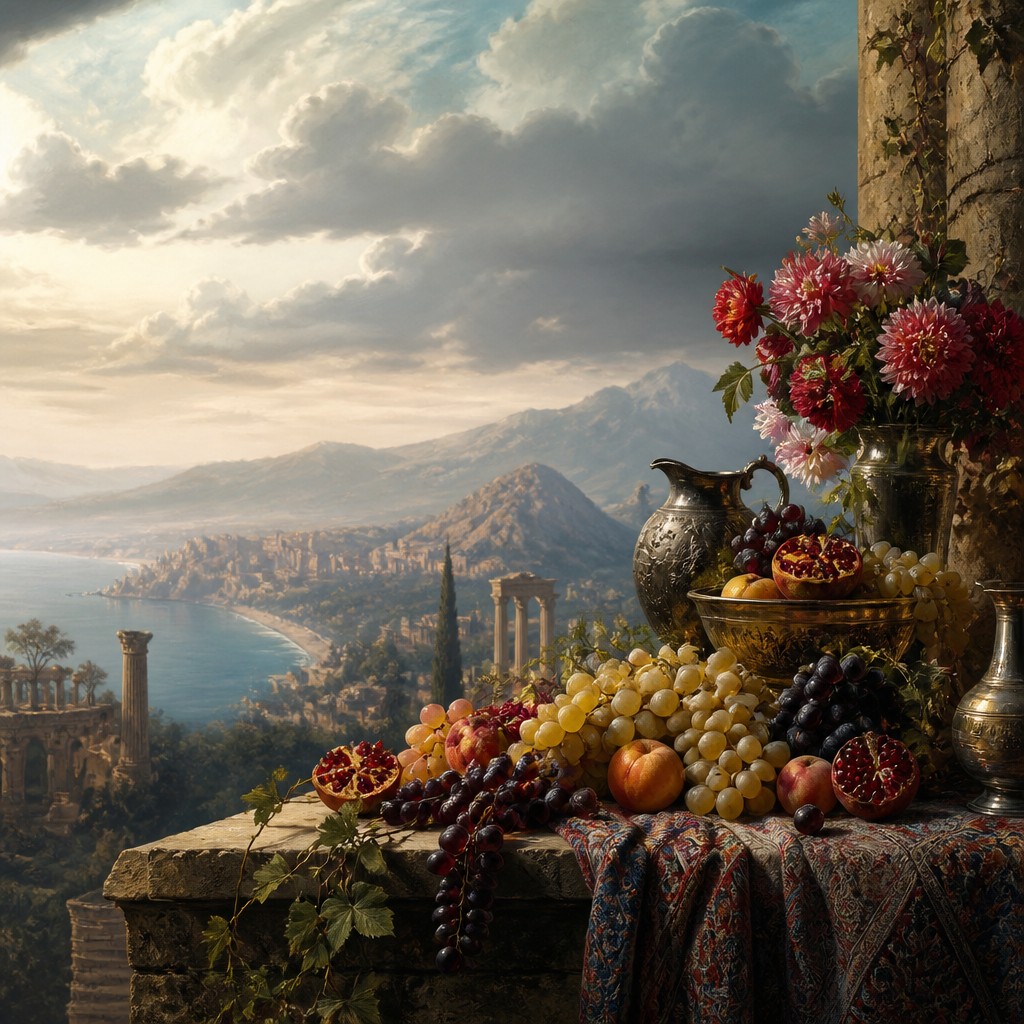
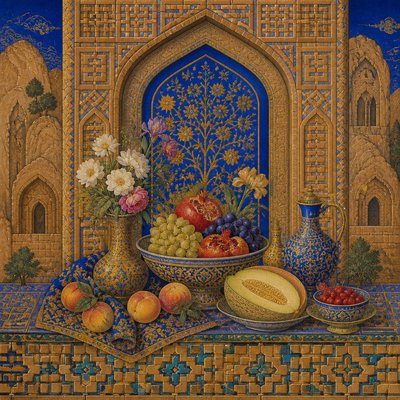
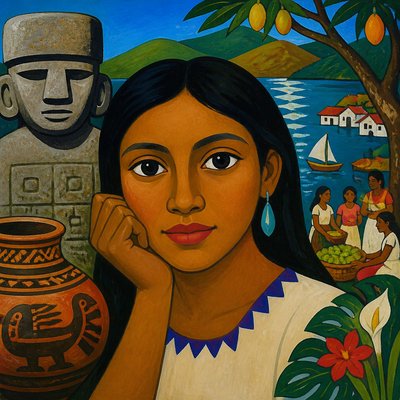
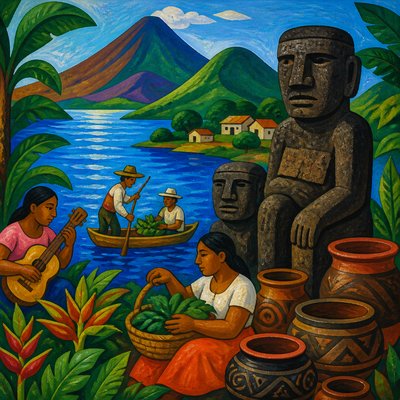
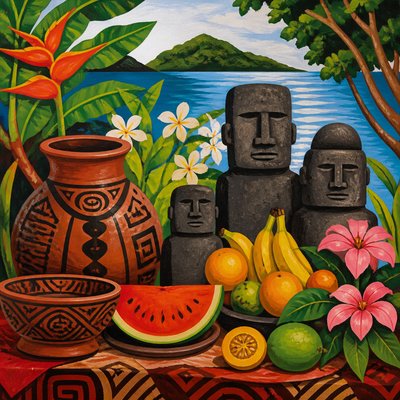
Matte Painting Gallery
Tap any artwork to explore it
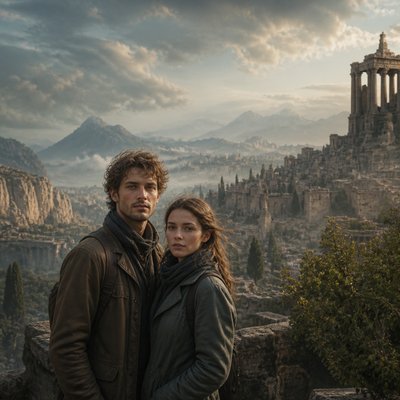
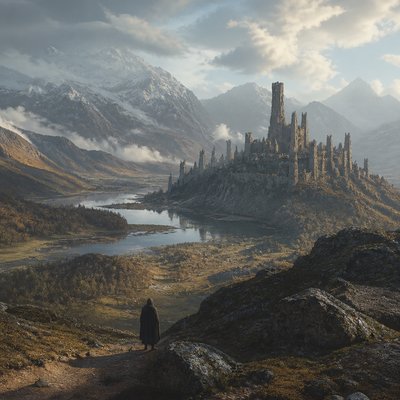
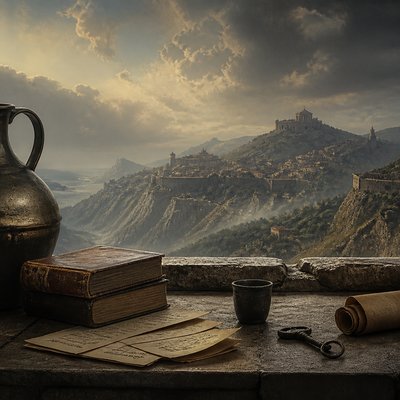
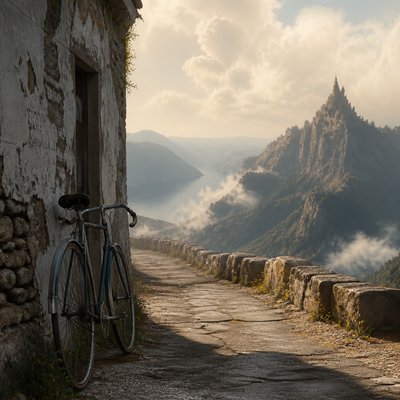
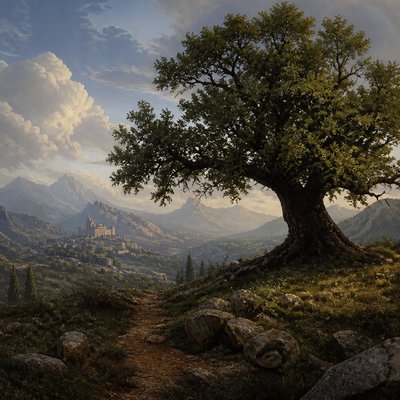
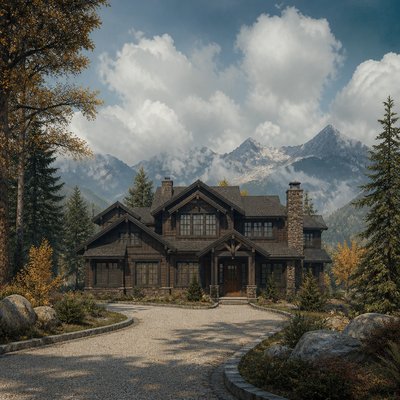
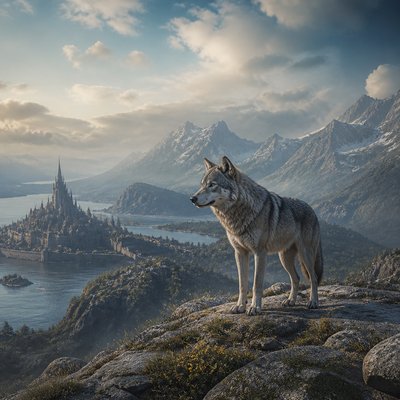
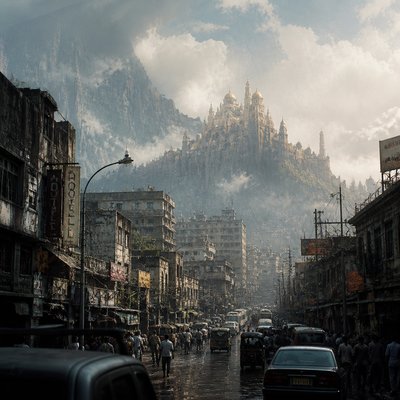
What is Matte Painting Style?
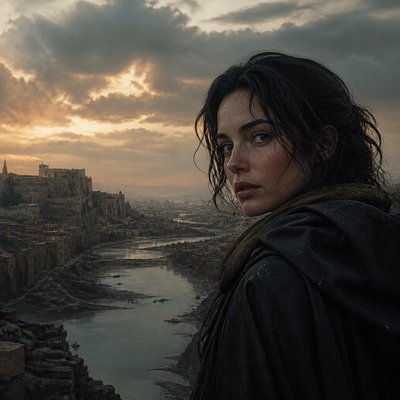
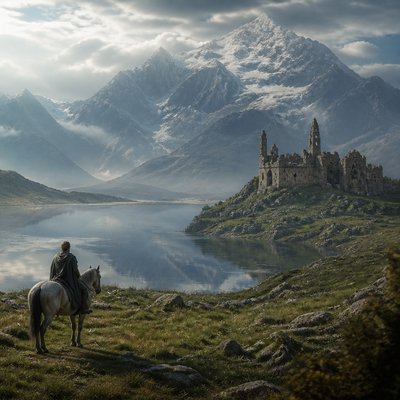
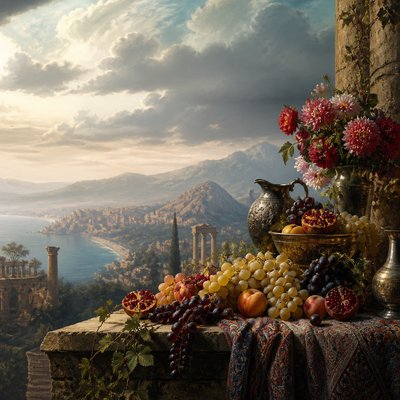
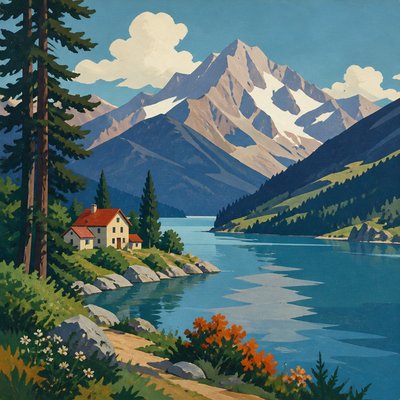
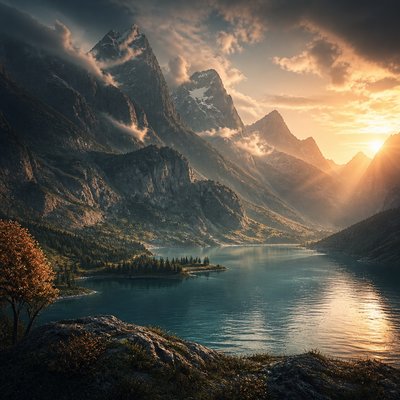
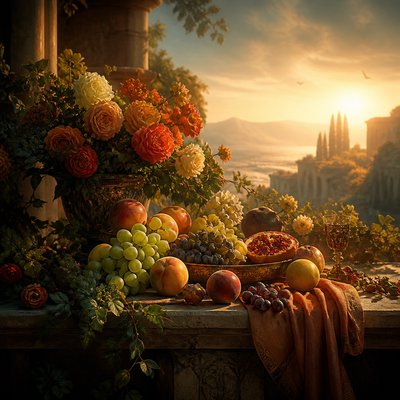
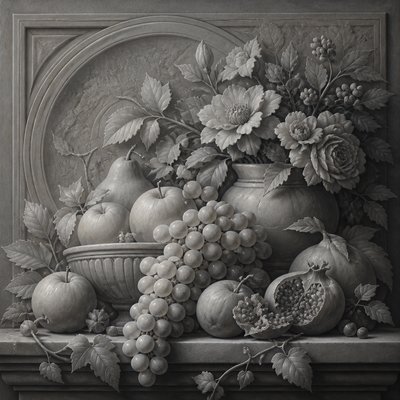
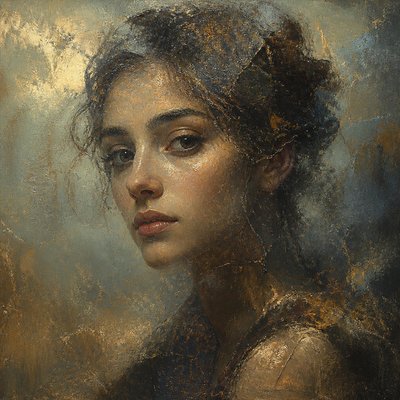
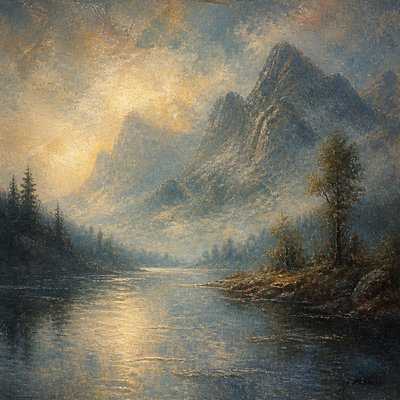
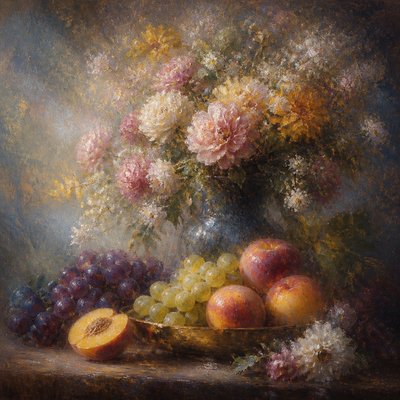
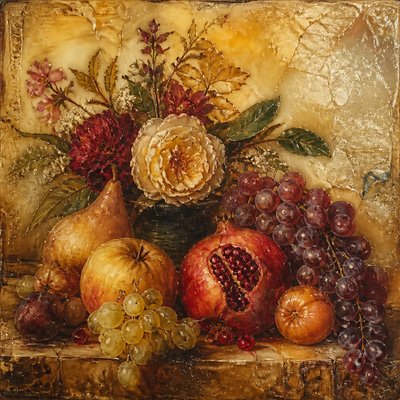
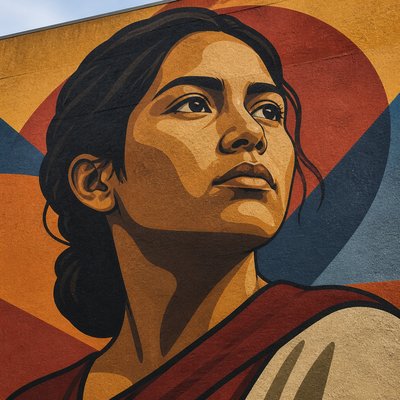
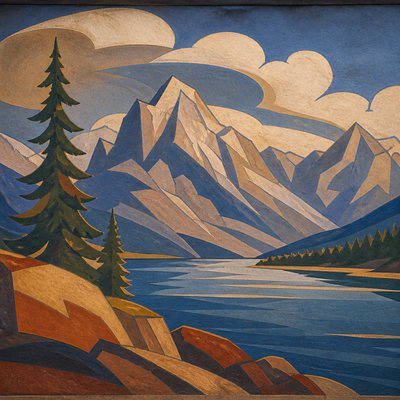
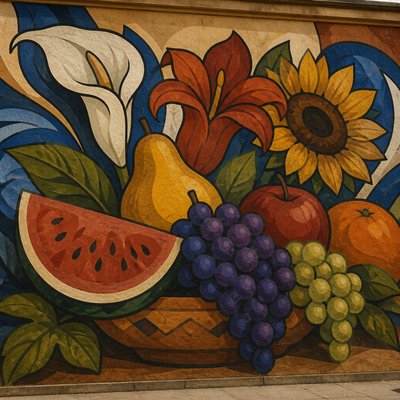
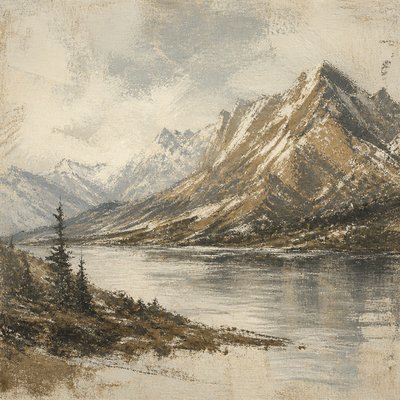
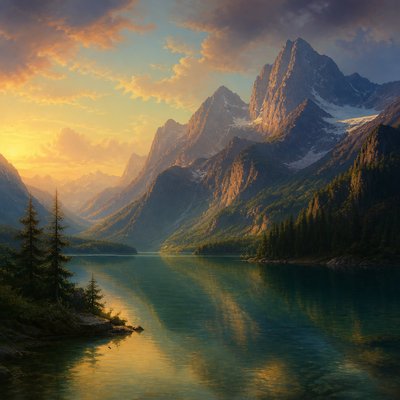
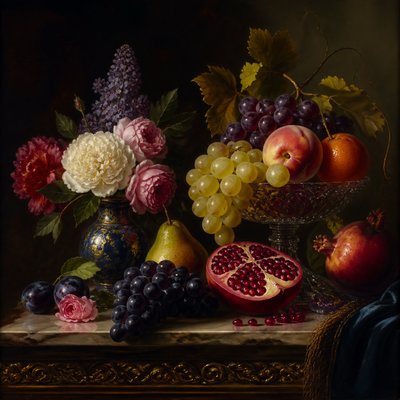
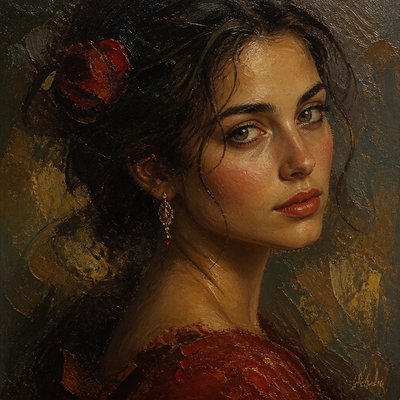
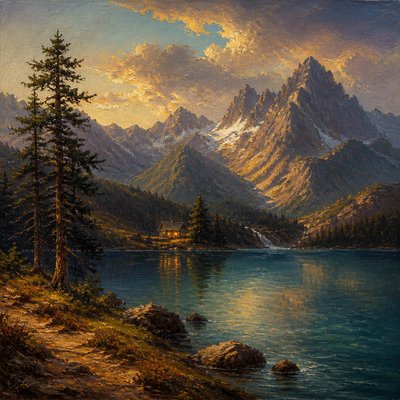
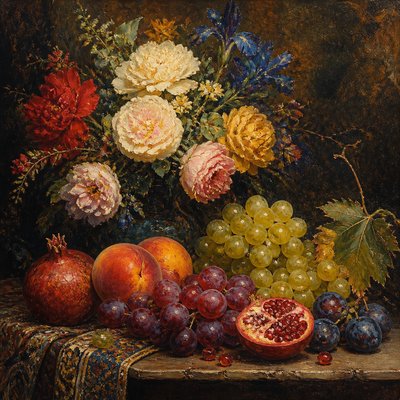
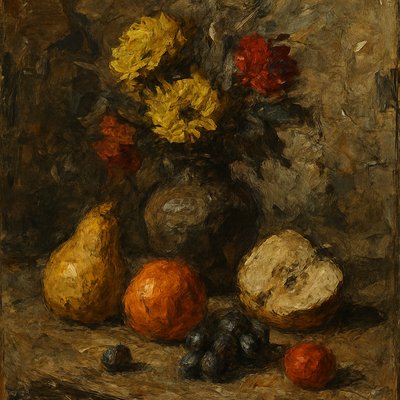
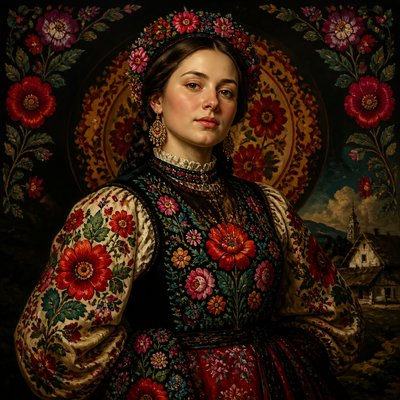
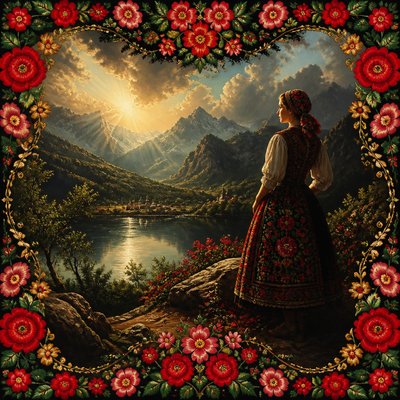
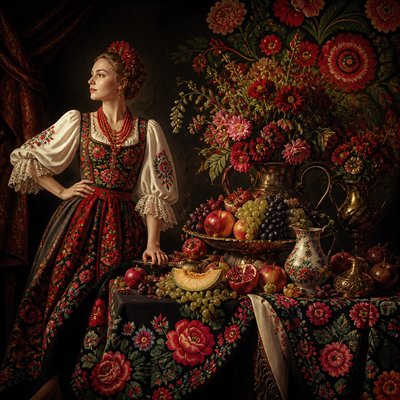
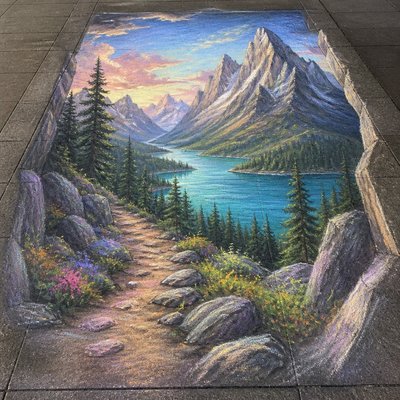
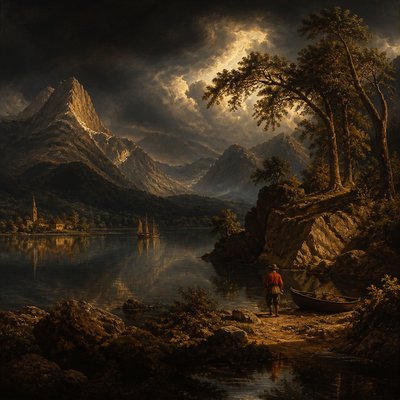
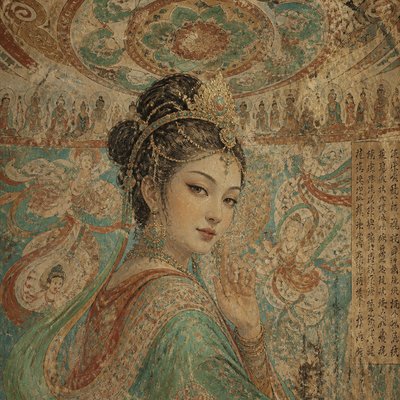
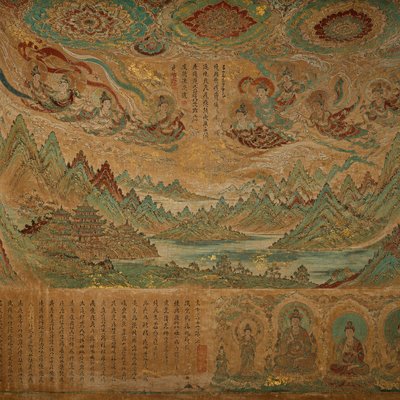
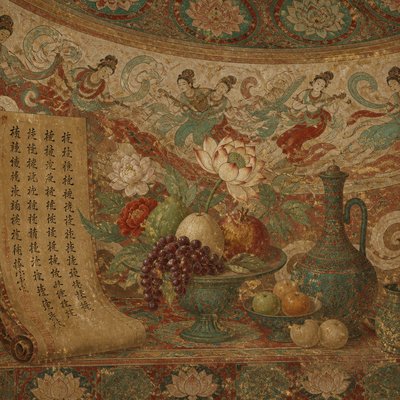
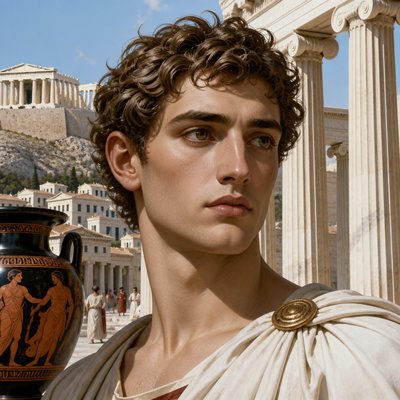
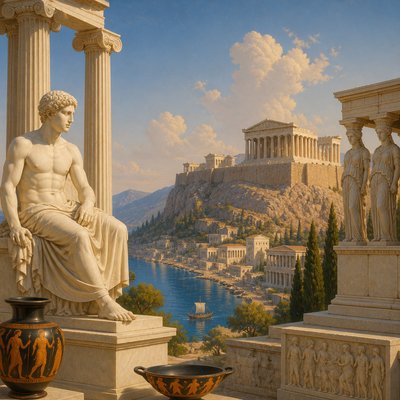
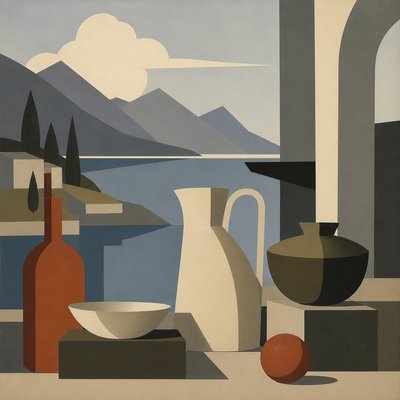
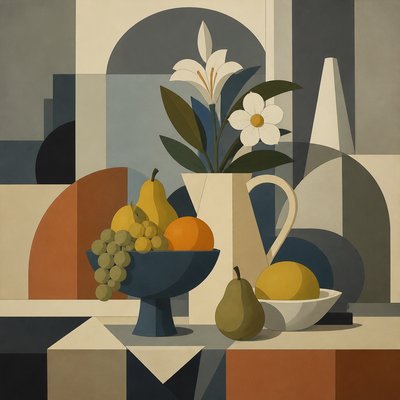
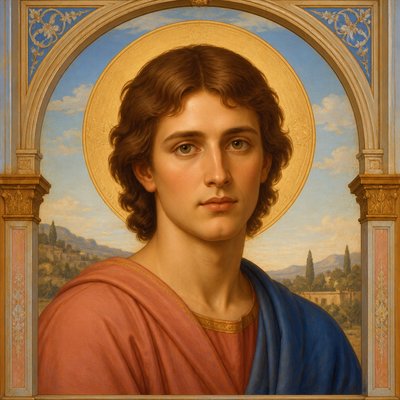
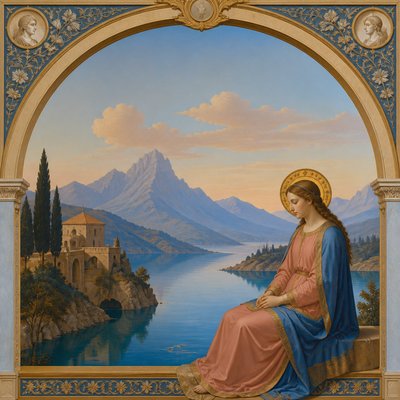
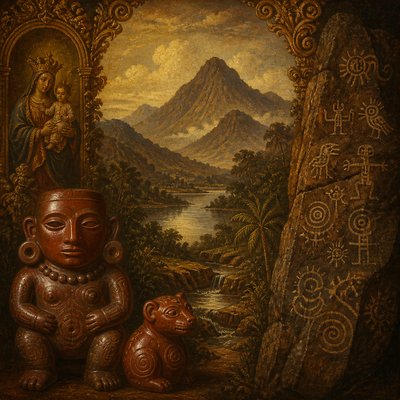
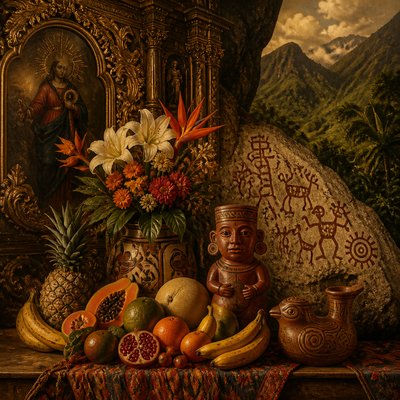
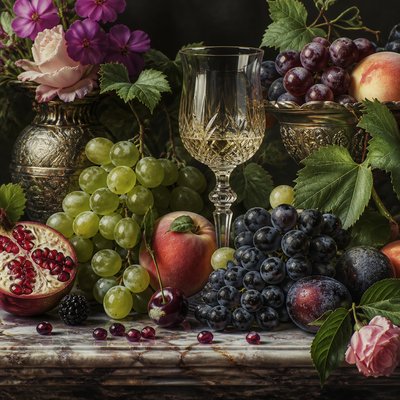
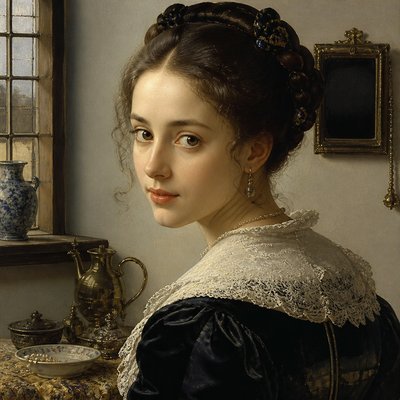
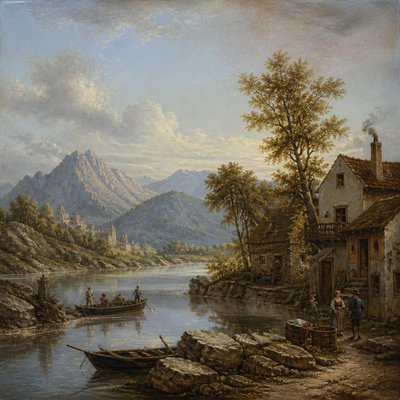
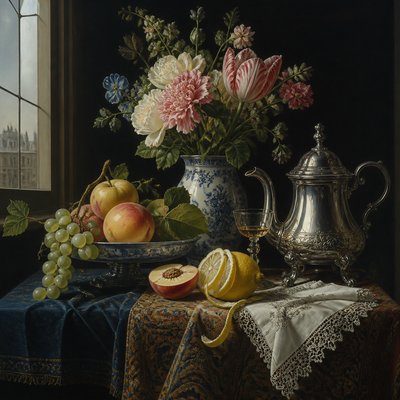
Matte painting is an environment-art style built around the seamless combination of painted imagery and photographic or live-action foregrounds. It depicts places too distant, dangerous, expensive, or impossible to film directly: immense mountain ranges, vanished cities, alien worlds, ruined fortresses, and expansive historical settings.
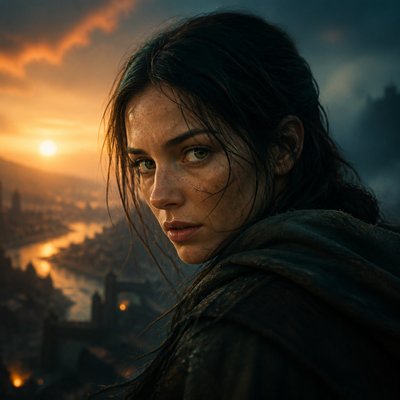
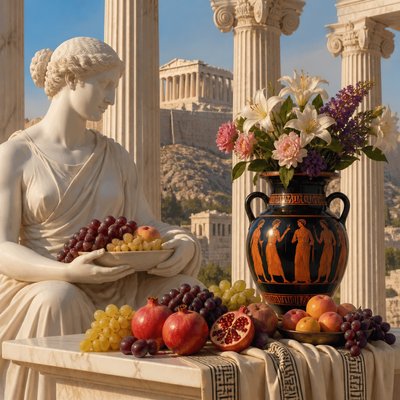
Its visual identity depends on controlled illusion. Painted horizons, skies, architecture, and terrain are integrated with a grounded foreground through matching perspective, lighting, color, atmospheric haze, grain, and depth of field. Brushwork may be richly textured when examined closely, but it is generally disguised beneath coherent photoreal lighting so the image reads as a single cinematic frame.
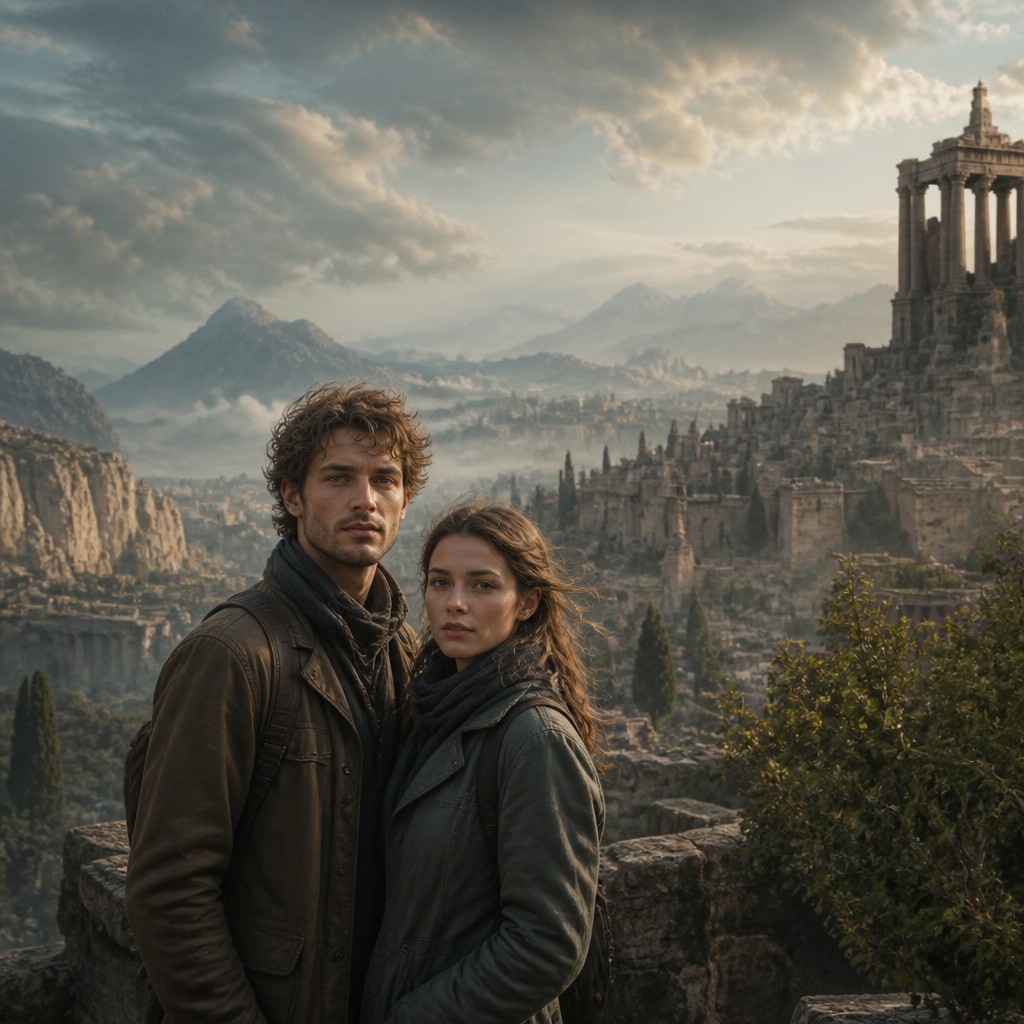
Try It On Your Photos
Upload any photo and convert it into Matte Painting Style — drag the sliders to compare before and after.
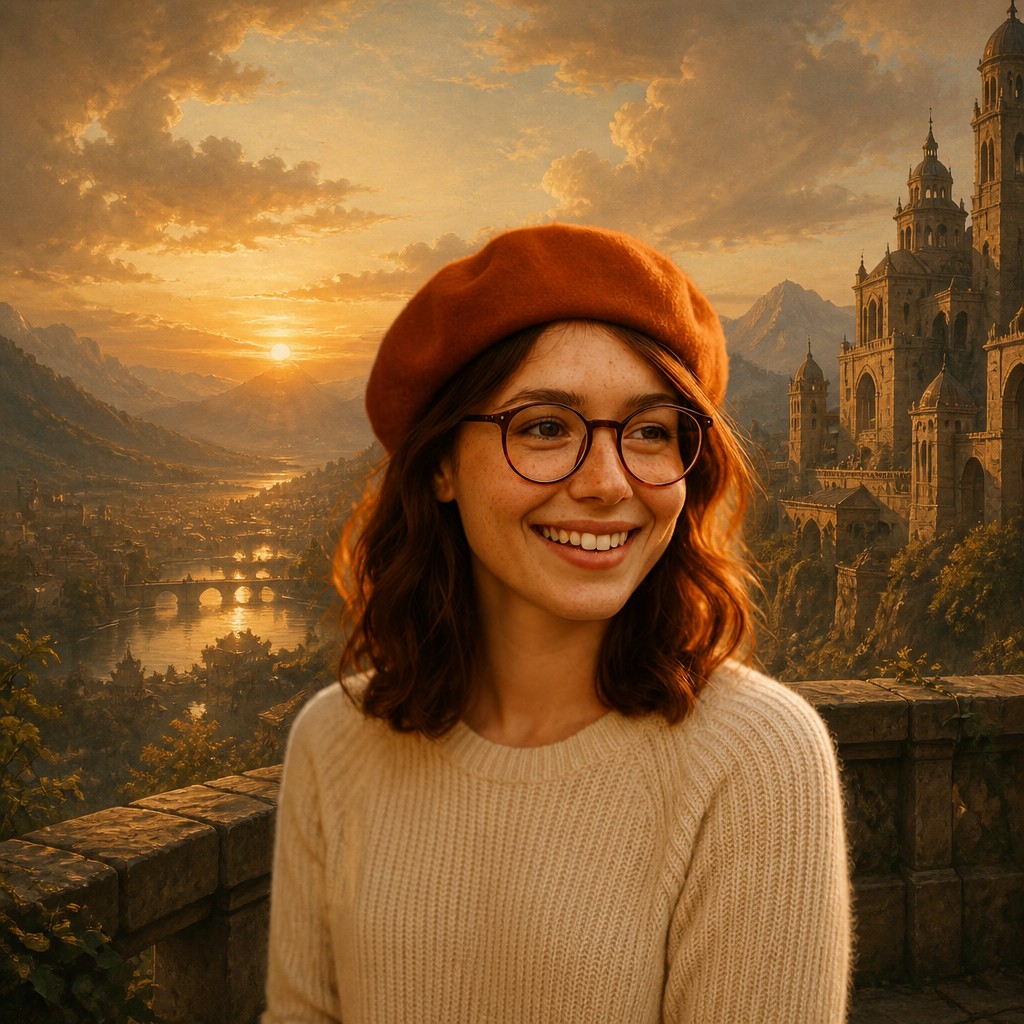

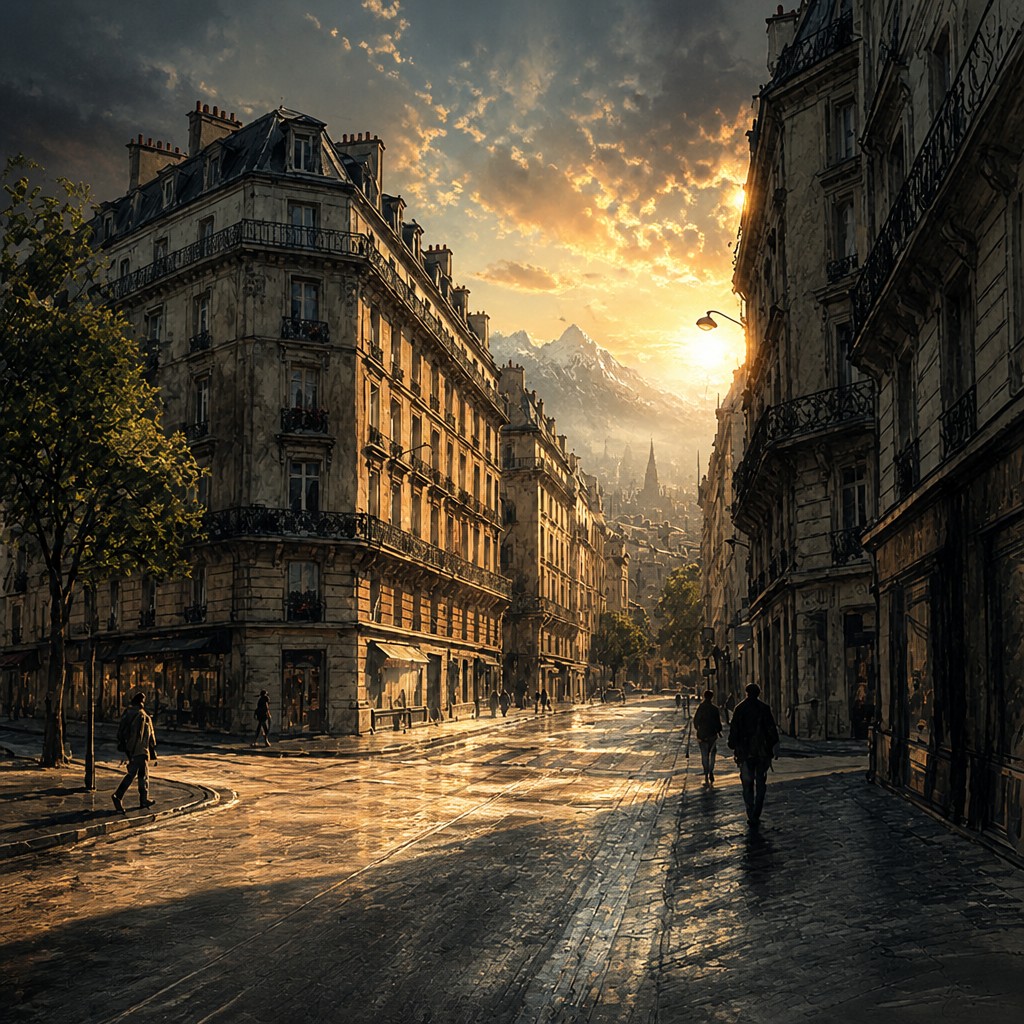

What Defines Matte Painting Style
The signature details, up close
Seamless compositing
Painted environments merge with photographic or convincingly photographic foreground elements. Edges, tonal transitions, texture, and image grain are carefully unified to conceal the join.
Epic environmental scale
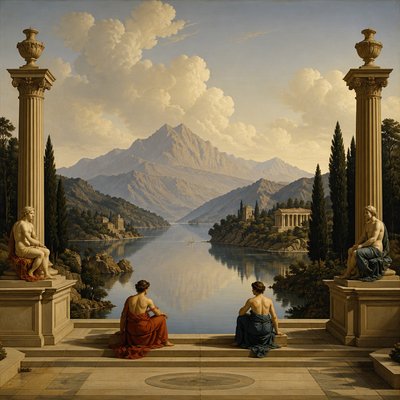
The composition emphasizes broad horizons, monumental architecture, enormous skies, and environments that communicate geographic or narrative scale.
Atmospheric perspective
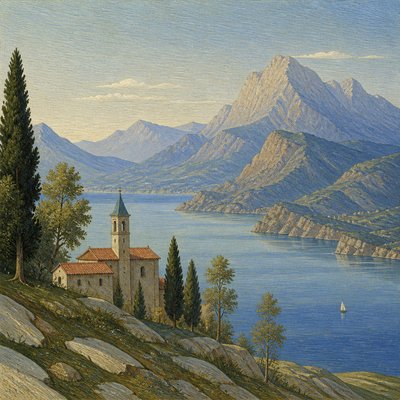
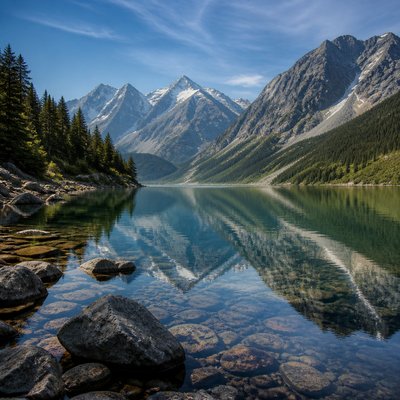
Distant mountains, towers, and structures lose contrast and saturation as they recede into haze. Layered mist creates depth while guiding the eye toward the subject or horizon.
Cinematic lighting
Strong directional light, rim light, cloud-filtered illumination, and carefully placed shadows give the scene the coherence of a film frame. Light usually establishes both mood and spatial structure.
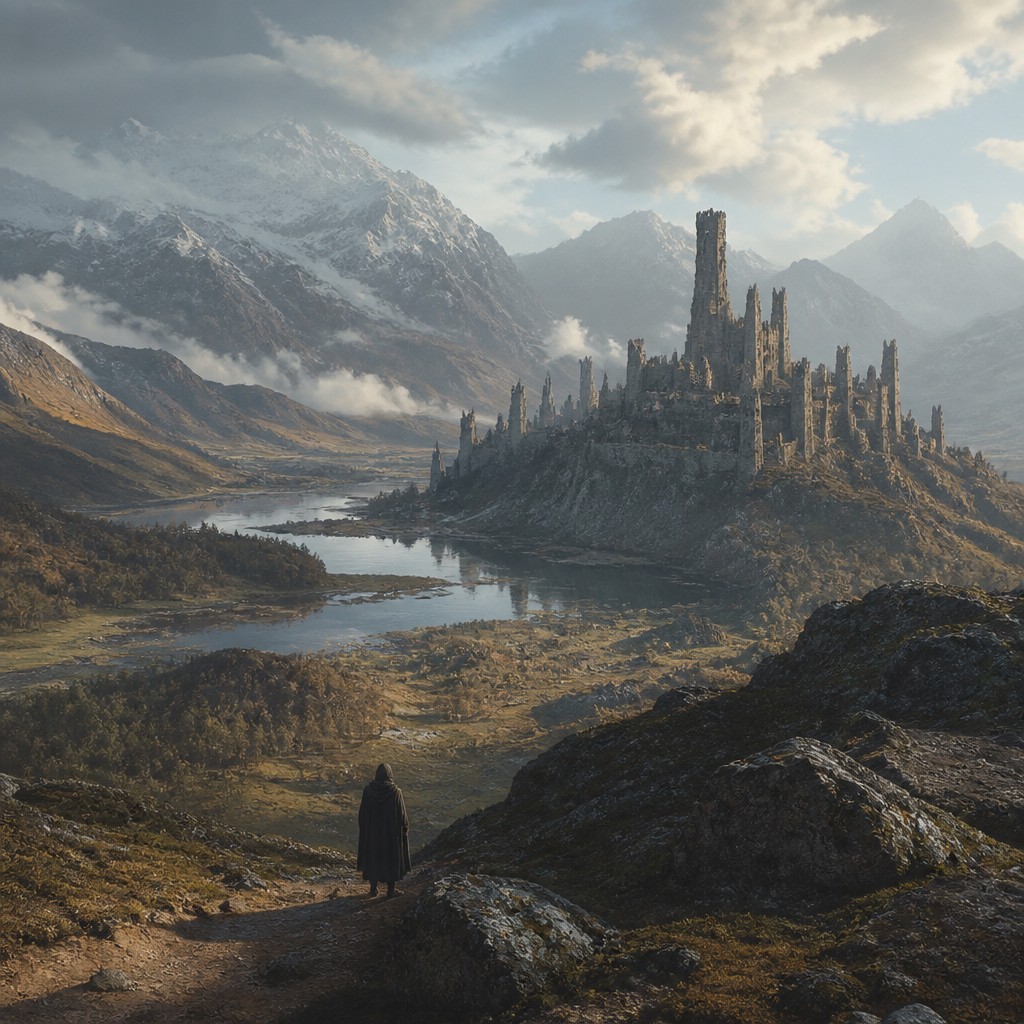
Realistic surface illusion
Rock, weathered masonry, vegetation, cloud, water, and dust are rendered with tactile detail. Visible brushwork is subordinated to believable materials, scale, and photographic integration.
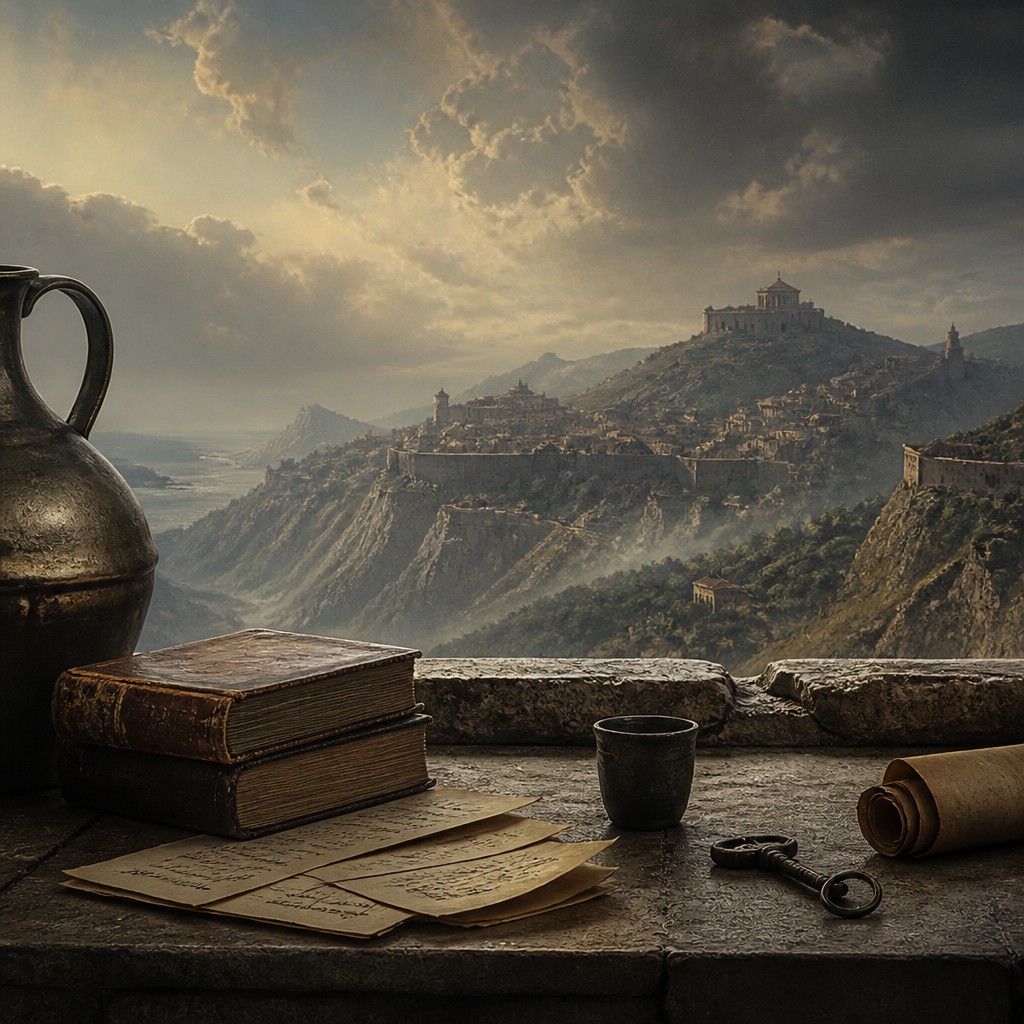
Controlled perspective
Vanishing points, horizon height, lens perspective, and architectural proportions must agree across every image layer. Small perspective errors can quickly reveal the constructed nature of the scene.
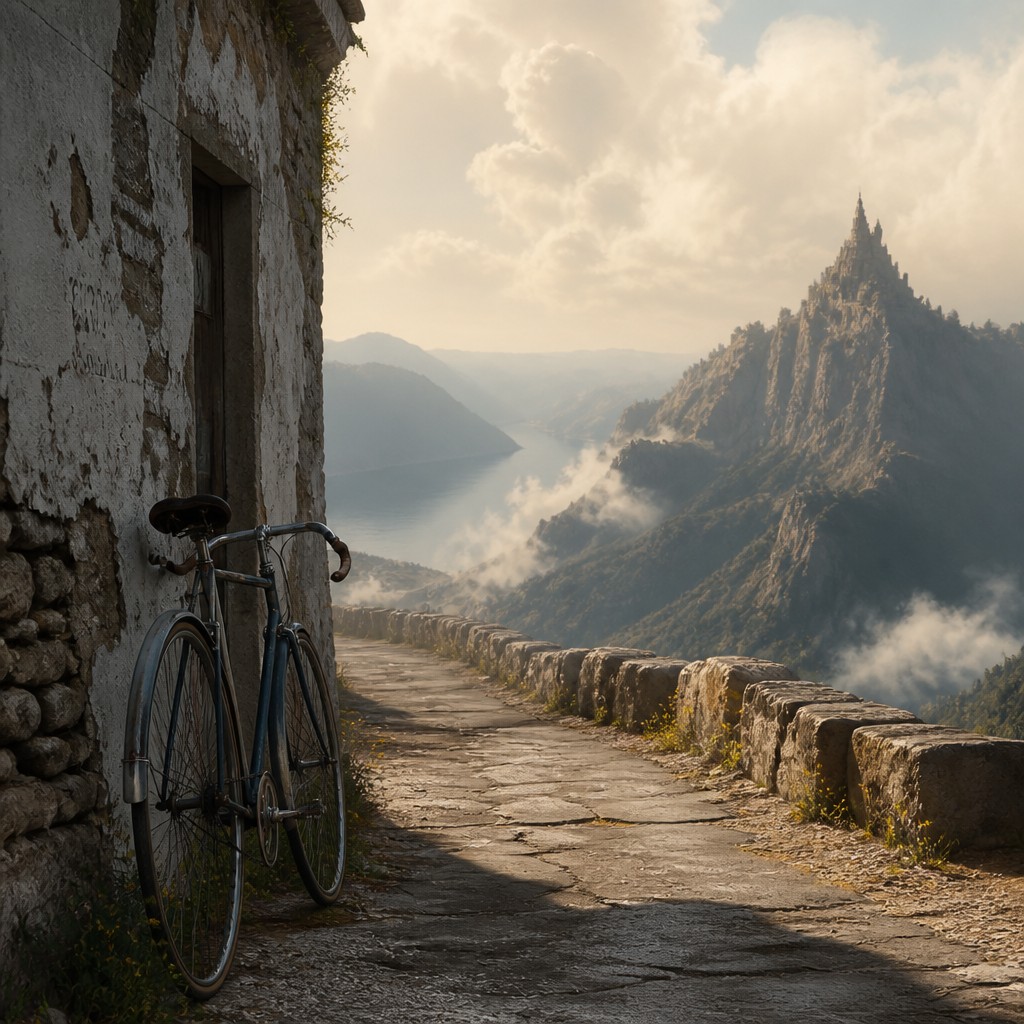
Narrative environment
The setting often implies a story through ruins, settlements, atmospheric conditions, or traces of human activity. Characters may be absent or secondary to the world surrounding them.
Matte Painting Prompt Ideas
Start from an idea — each one opens the generator with the style ready to go. See all 40 Matte Painting prompts →
How to Create Matte Painting Art
Master the craft step by step — or skip straight to creating. Read the full guide →
- 1
Plan the camera and horizon
Establish the viewpoint, lens impression, horizon line, and major vanishing points before detailing the environment. A thumbnail with clear foreground, middle ground, and background layers prevents later compositing problems.
- 2
Build depth in separate planes
Work from the foreground toward the distance, reducing contrast, saturation, and detail with every atmospheric layer. Overlapping silhouettes and controlled haze are more convincing than uniform blur.
- 3
Match light and color
Choose one dominant light direction and apply it consistently to clouds, terrain, architecture, and foreground objects. Sample or harmonize color temperature, shadow density, exposure, and grain across painted and photographic elements.
- 4
Use textured but restrained brushwork
Vary brushes for stone, foliage, clouds, and weathered surfaces, then soften or consolidate detail at the intended viewing distance. The image should feel painted in construction but photographic in illumination.
- 5
Composite with masks and atmosphere
Use layer masks, depth-aware haze, edge refinement, color grading, and selective sharpening to integrate the planes. Add matching lens effects or grain sparingly so they unify rather than obscure the environment.
- 6
Write prompts around cinematic structure
For prompt-based generation, specify the subject, camera viewpoint, foreground-to-horizon layering, atmospheric conditions, lighting direction, scale, and the seamless relationship between painted environment and photographic detail.
The Story
History & Origins of Matte Painting
Matte painting originated as a practical filmmaking technique in the early twentieth century, when artists painted portions of a scene onto glass or other transparent surfaces while leaving openings for live-action photography. These painted areas extended sets, replaced unwanted scenery, or created locations that could not be built or filmed. The term refers to the masked or covered portion of the image as well as the artwork used to create it.
The practice developed through optical compositing, rear projection, photographic retouching, and increasingly sophisticated effects workflows. Digital matte painting later replaced much of the physical glass process, combining painted imagery, photographs, 3D environments, and compositing software. As a standalone visual language, contemporary matte painting draws on this film tradition while also borrowing from Romantic landscape painting, concept art, architectural visualization, and science-fiction illustration.
Influences: Matte painting is related to Romantic landscape painting, which emphasized sublime scale and dramatic nature; nineteenth- and twentieth-century theatrical scenery and painted backdrops; studio-era film compositing; science-fiction and fantasy concept art; architectural visualization; and photographic landscape practice. It also shares techniques with photobashing, digital environment design, matte compositing, and visual effects illustration, but its defining concern is the convincing construction of a unified cinematic world.
Frequently Asked Questions
What defines matte painting style?
It is defined by the illusion that a large or impossible environment exists within a single coherent image. Painted or digitally constructed scenery is integrated with photographic realism through matched perspective, lighting, atmosphere, texture, and compositing.
Is matte painting a painting style or a film technique?
Historically, it was primarily a filmmaking technique for extending or replacing parts of a photographed set. Today the term also describes the resulting visual aesthetic, including standalone environment art made with paint, photographs, 3D tools, or digital compositing.
How does matte painting differ from concept art?
Concept art may prioritize rapid ideation, expressive design, or visual exploration, while matte painting usually prioritizes a finished, camera-ready illusion of a specific environment. The two overlap, especially in digital production, but matte painting places greater emphasis on compositing and photographic integration.
Can matte painting be made traditionally?
Yes. Traditional workflows used painted glass, boards, photographic plates, masks, and optical or photographic compositing. Modern artists can also create the environment entirely with opaque paint, then imitate the visual logic of a composited film frame through perspective and atmospheric control.
What subjects work well in matte painting?
Subjects with strong environmental scale are especially effective, including ruined cities, remote landscapes, historical settings, alien planets, immense fortresses, and weather-dominated scenes. A readable foreground object or architectural landmark helps establish scale.
How can I make an image look convincingly integrated?
Start by matching the horizon, perspective, focal length, and light direction across all elements. Then unify atmospheric haze, color temperature, sharpness, depth of field, and grain; mismatched edges or inconsistent lighting are the most common signs of a composite.
Create your first Matte Painting artwork
Describe anything — or upload a photo — and see it in Matte Painting Style in seconds.
Related Styles
Discover similar art styles