Scumbling Painting Style
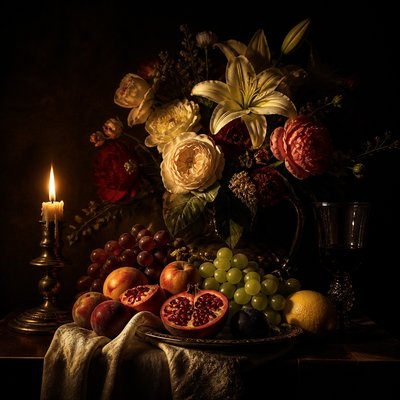
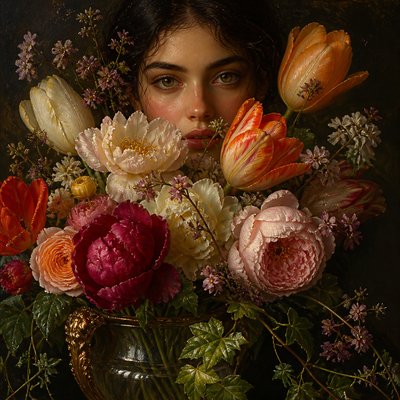
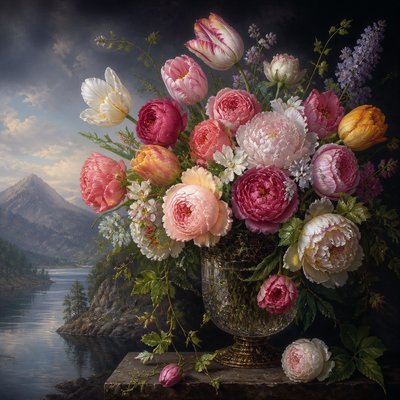
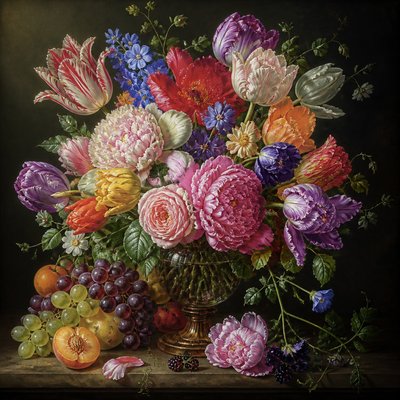
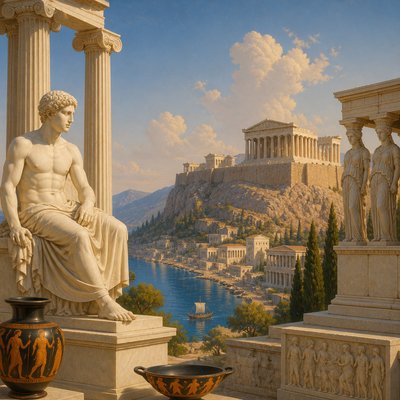
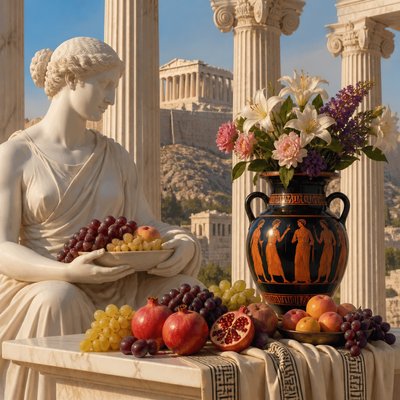
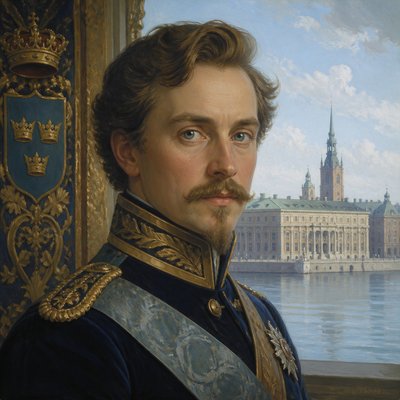
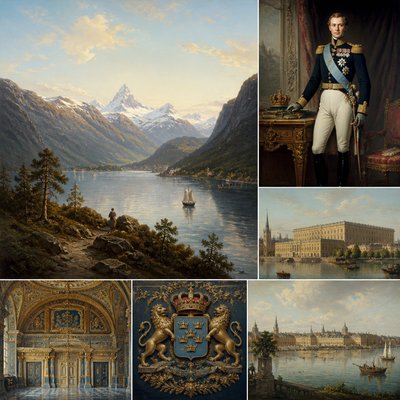
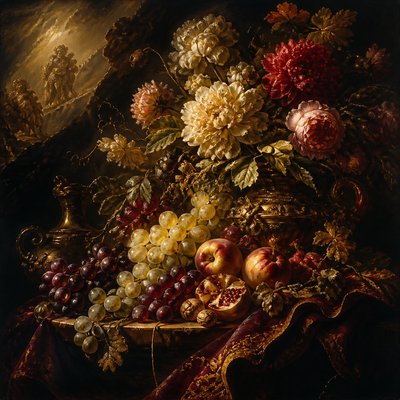
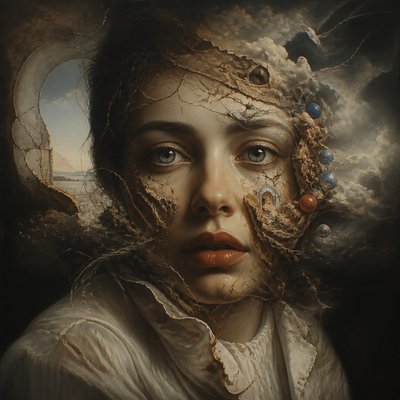
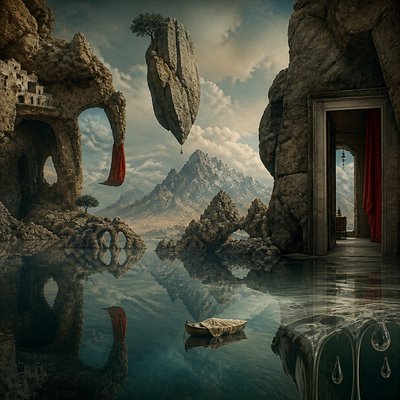
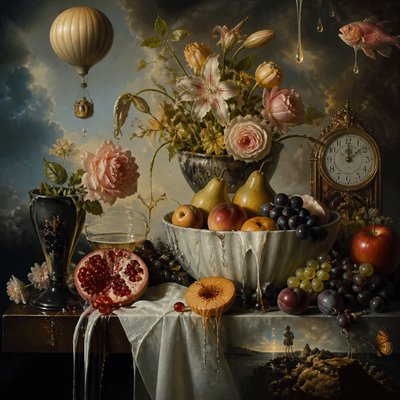
Explore scumbling painting: dry broken veils of light, visible dark underlayers, smoky atmosphere, and tactile canvas texture.
Instantly rendered in Scumbling Painting — or transform a photo
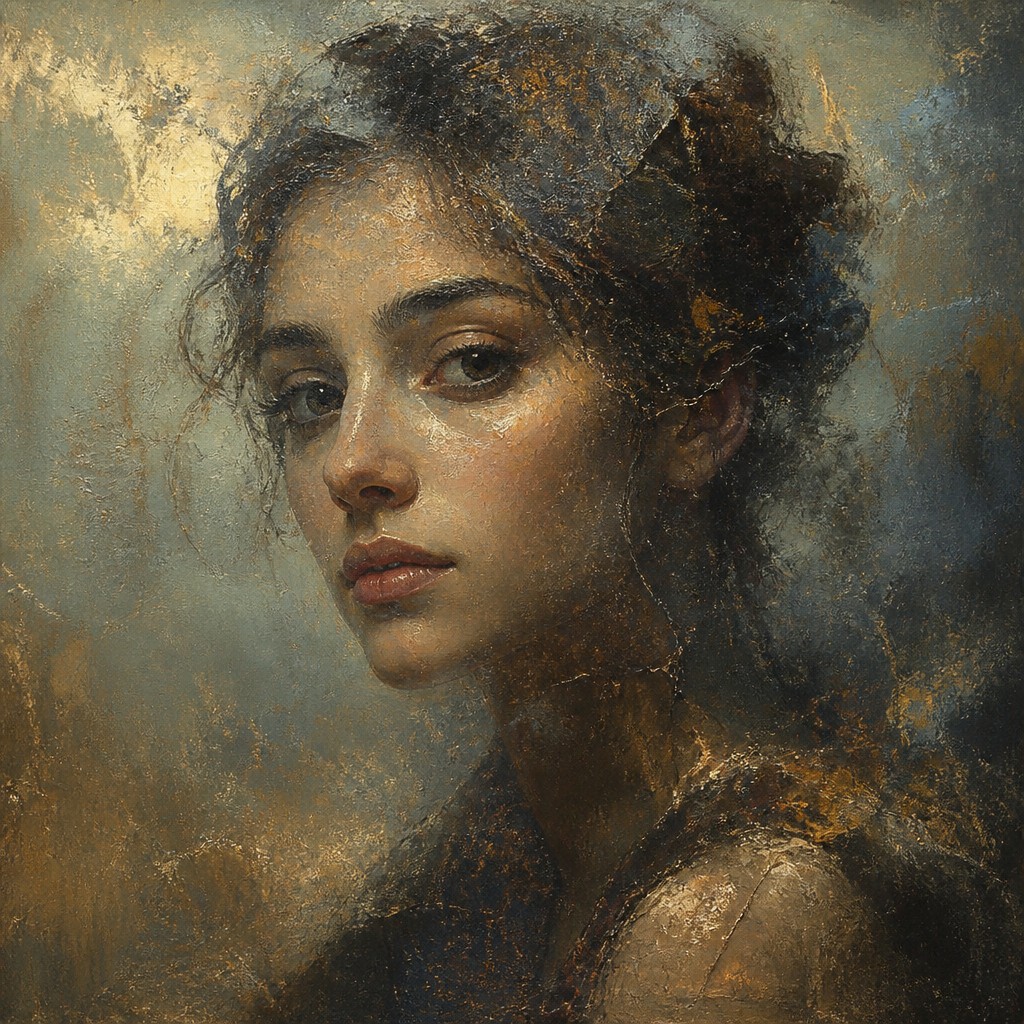
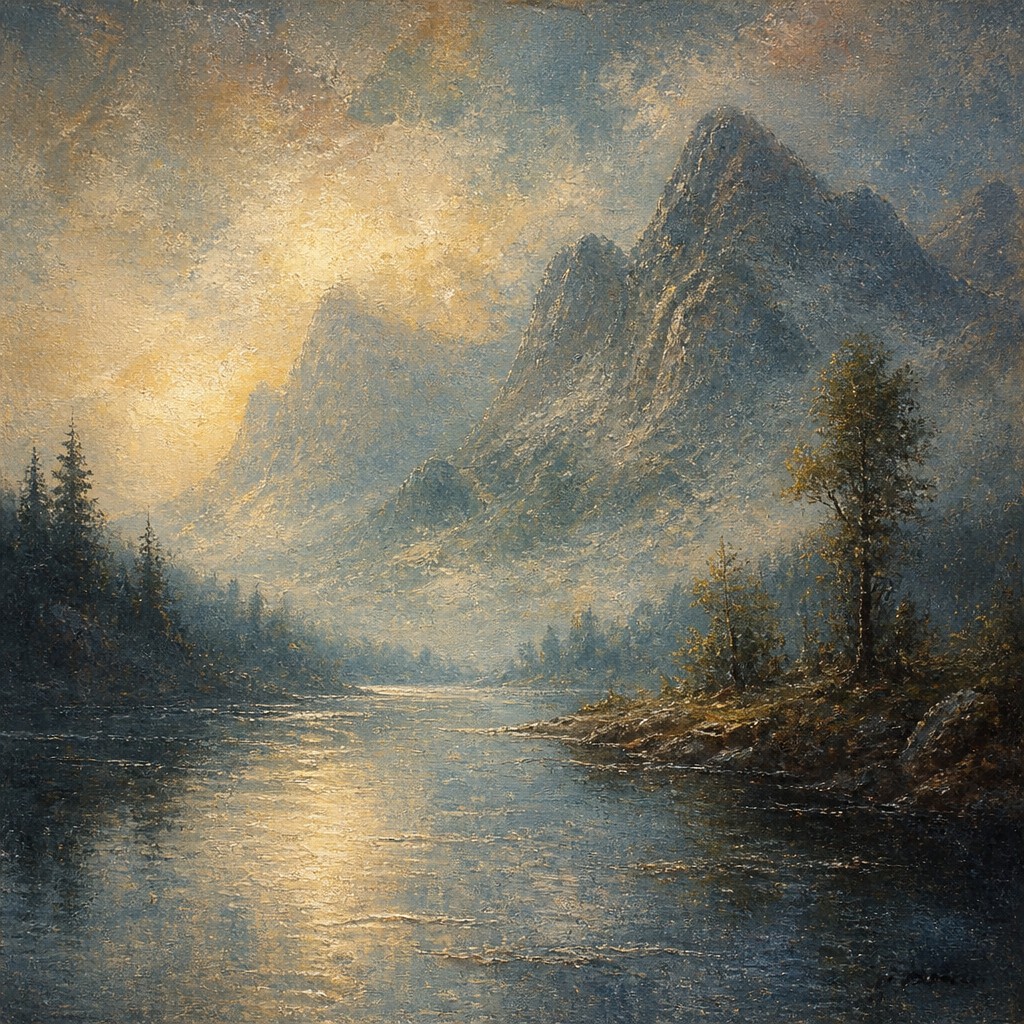
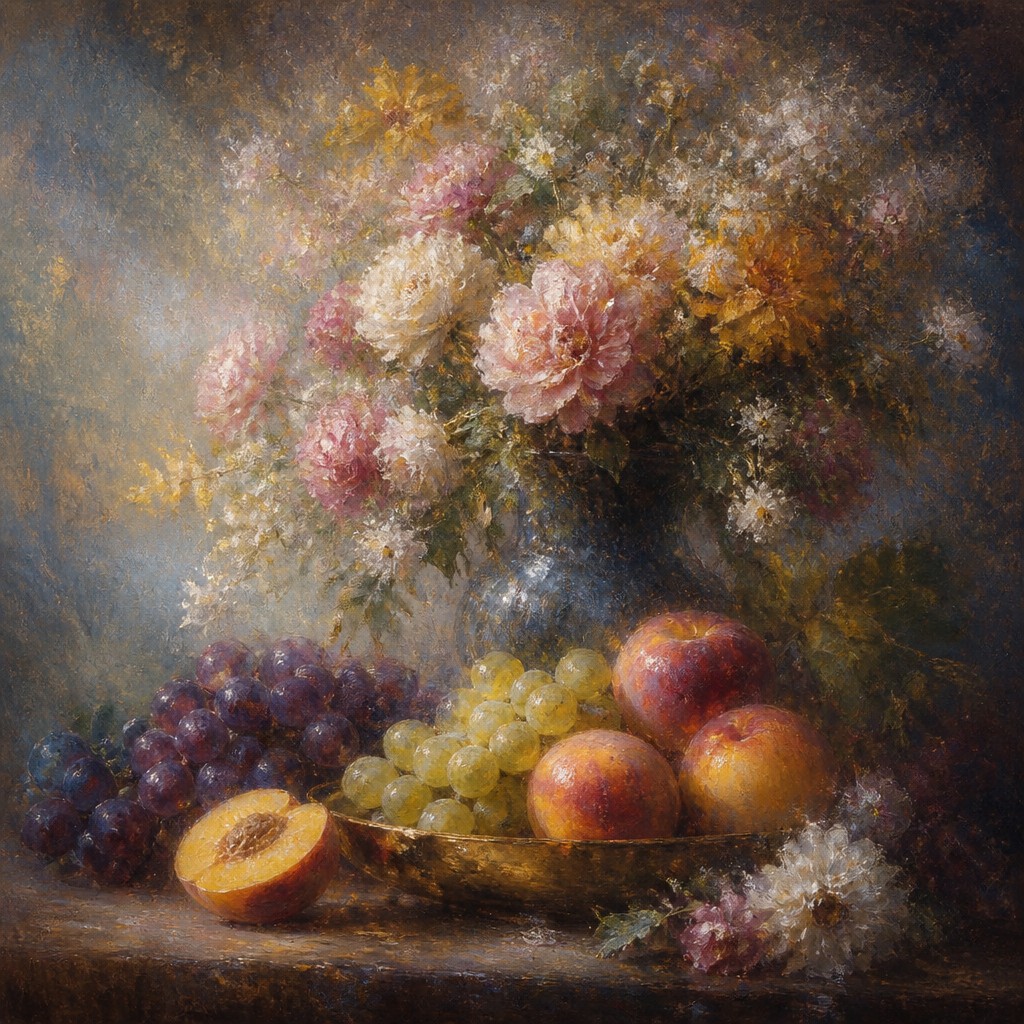
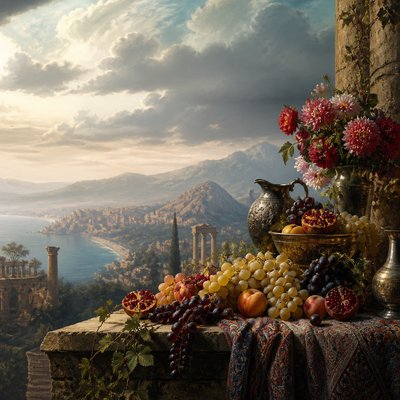
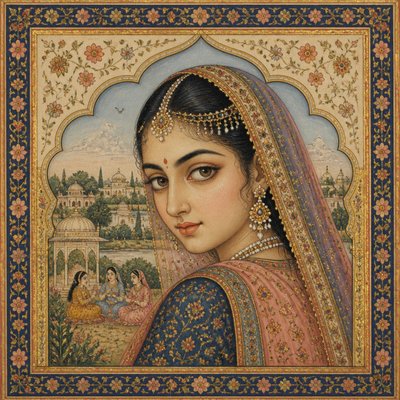
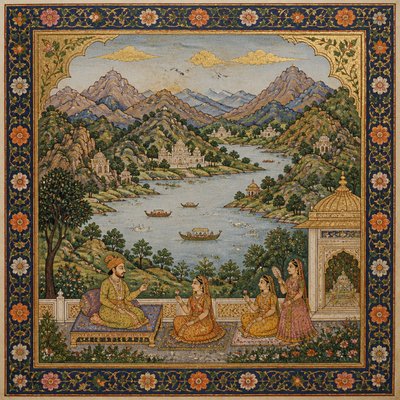
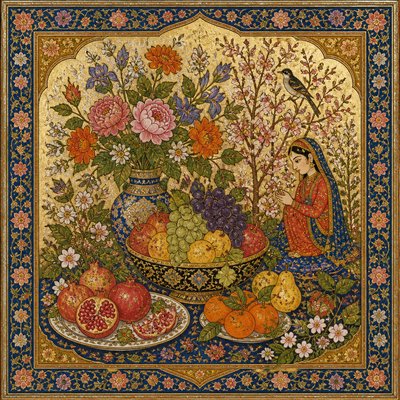
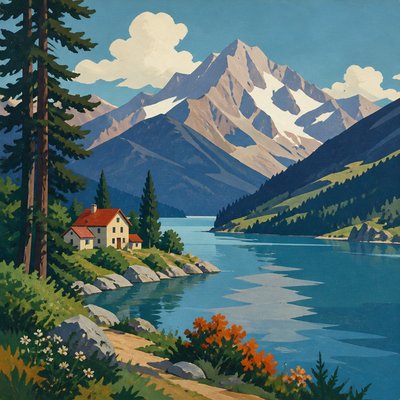
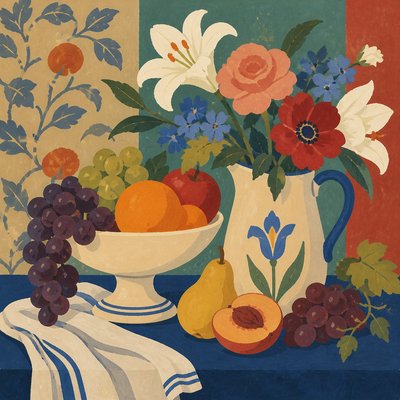
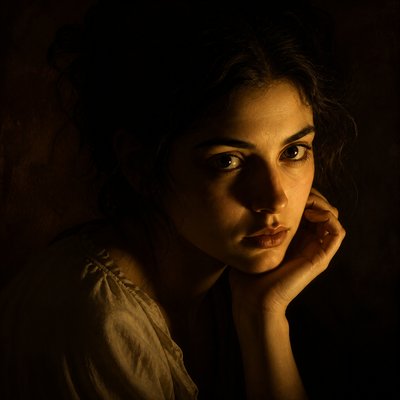
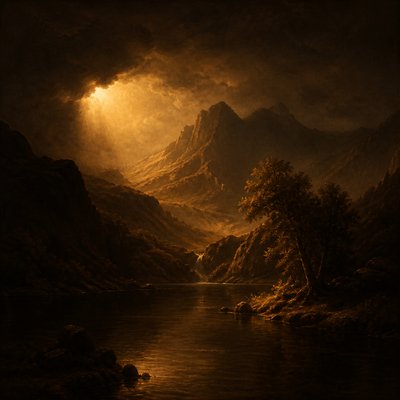
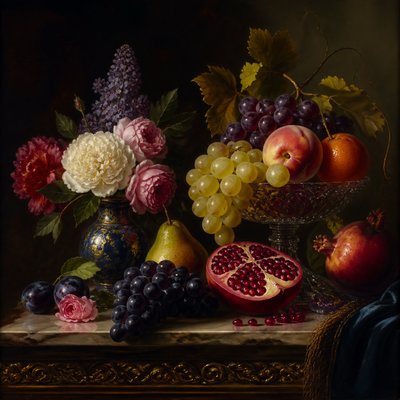
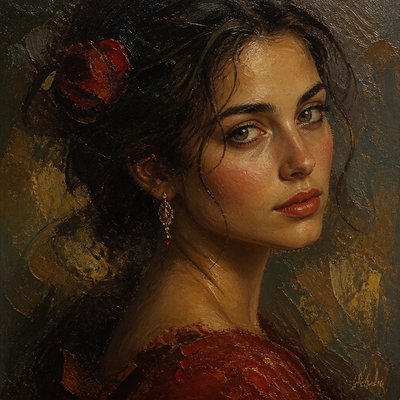
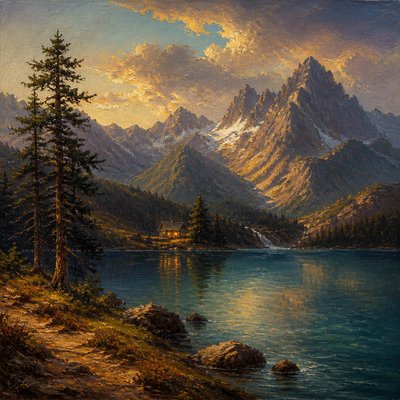
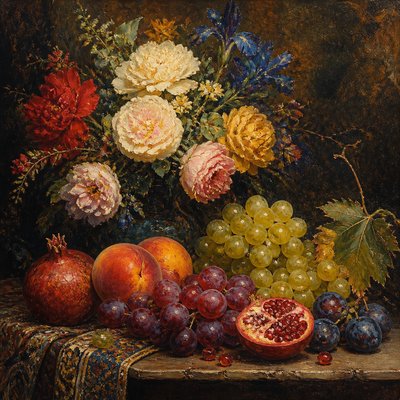
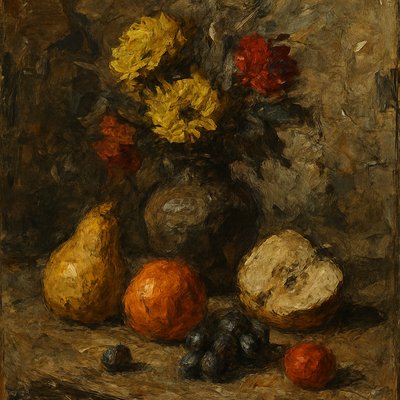
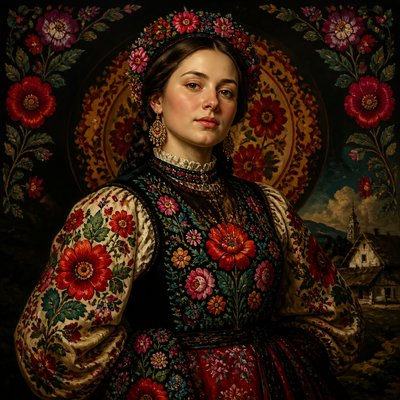
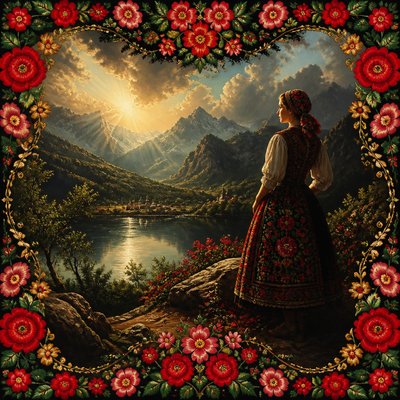
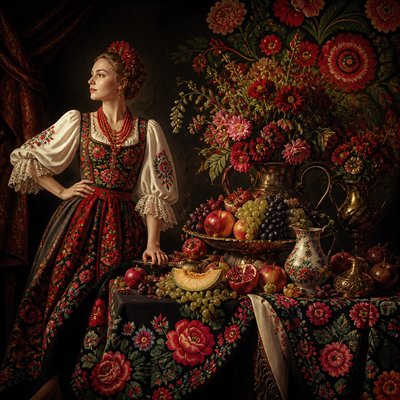
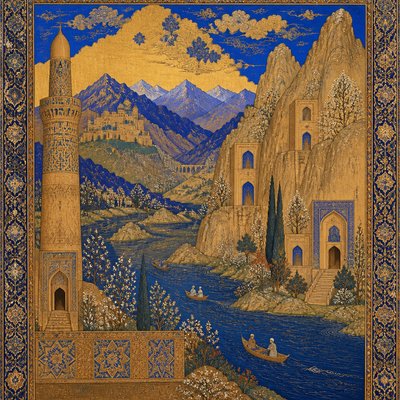
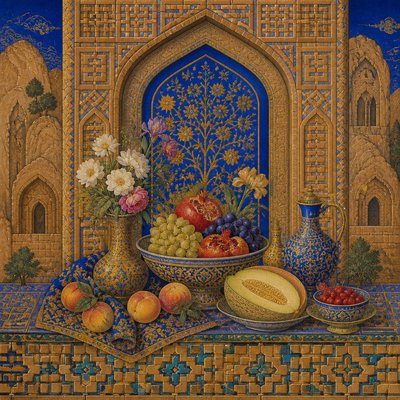
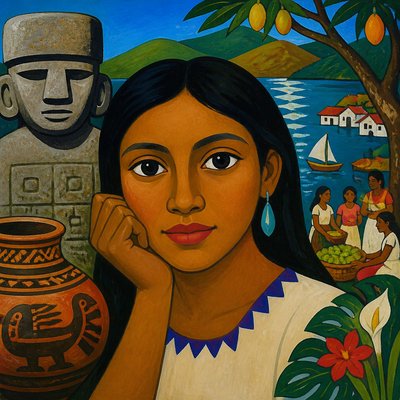
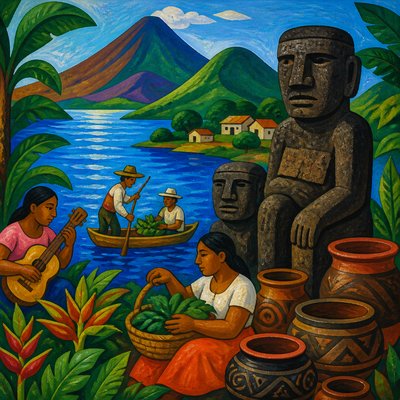
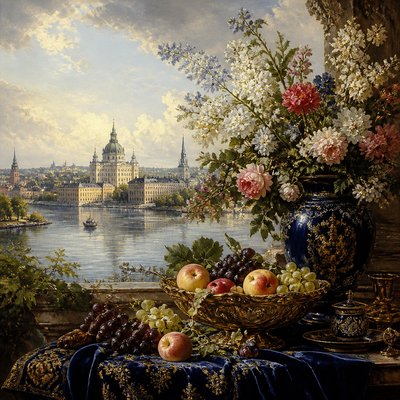
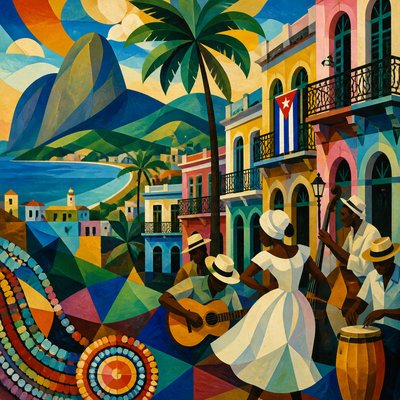
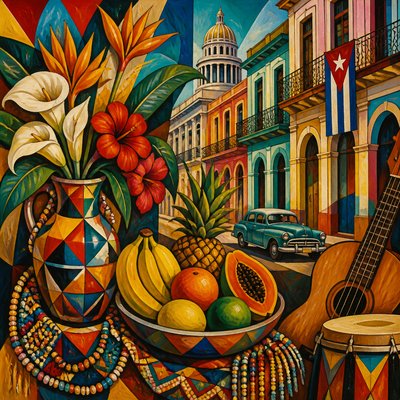
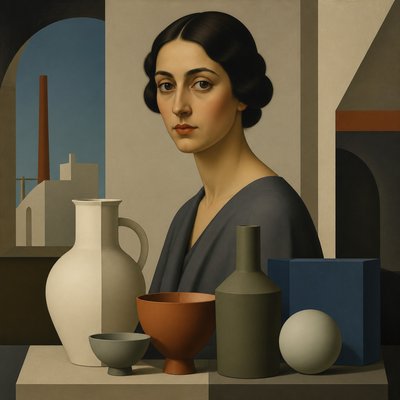
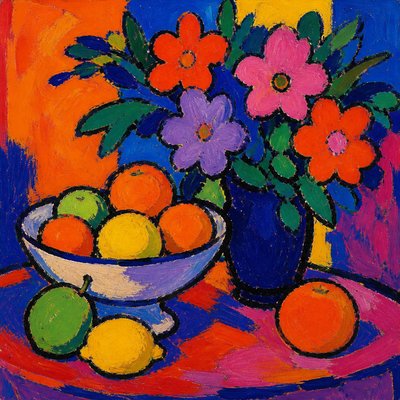
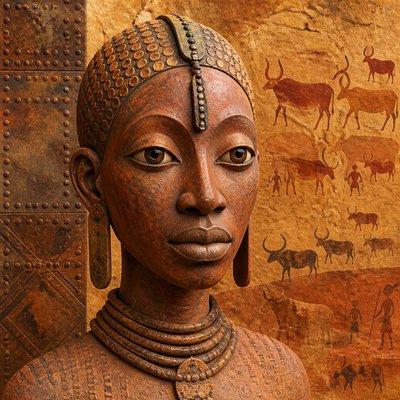
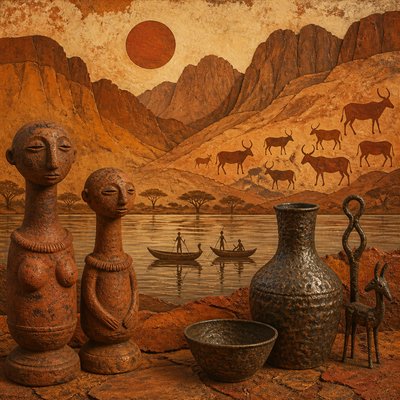
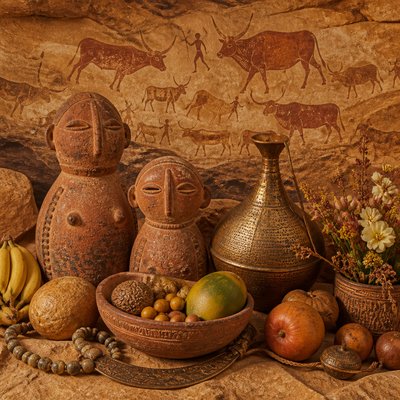
Scumbling Painting Gallery
Tap any artwork to explore it
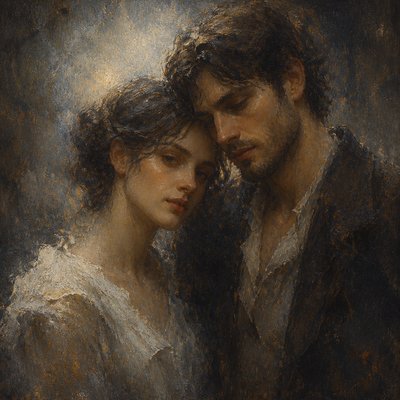
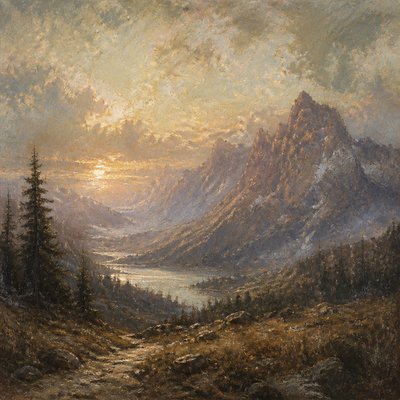
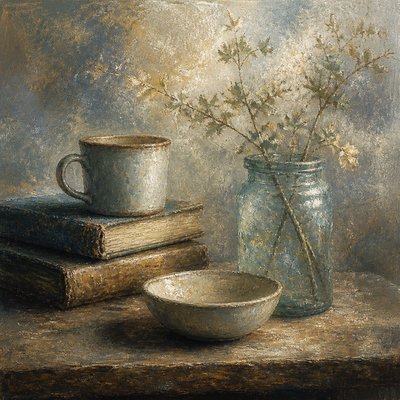
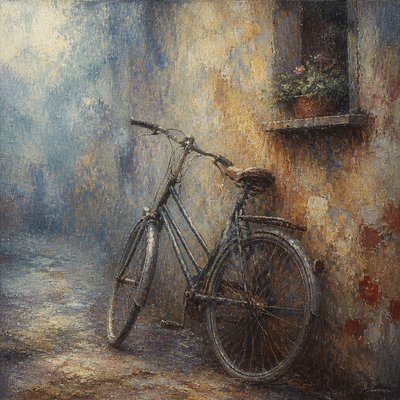
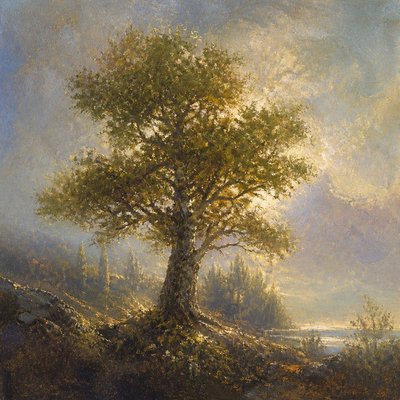
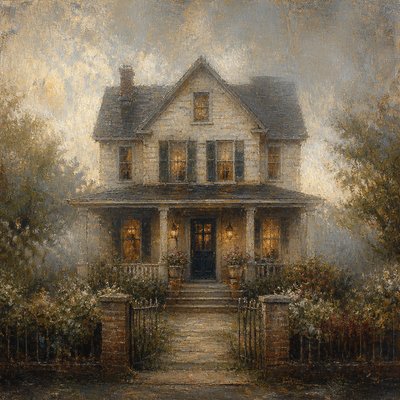
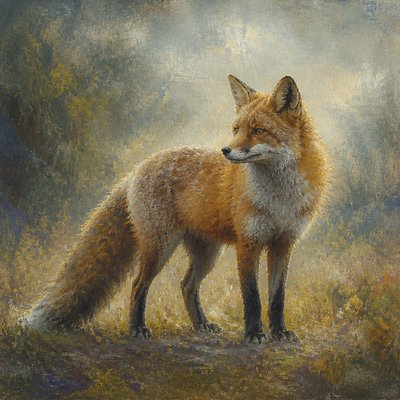
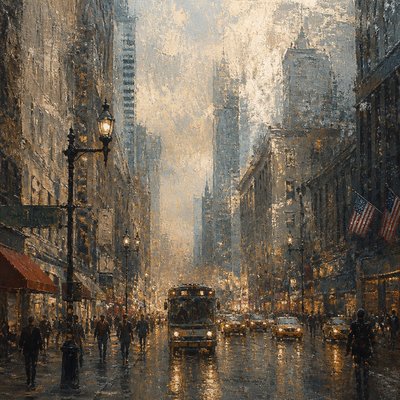
What is Scumbling Painting Style?
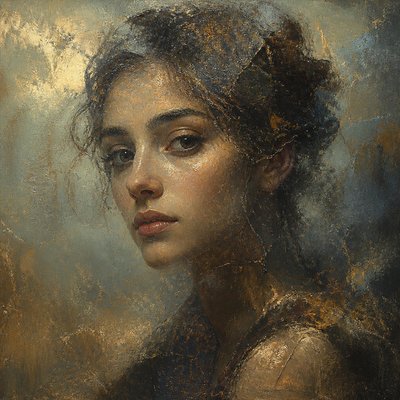
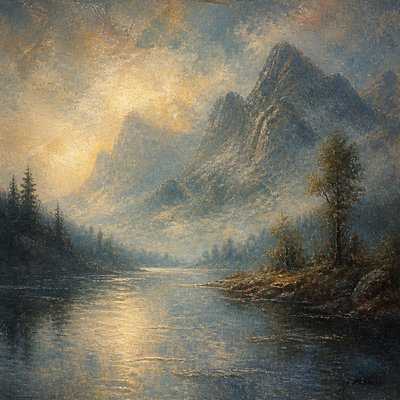
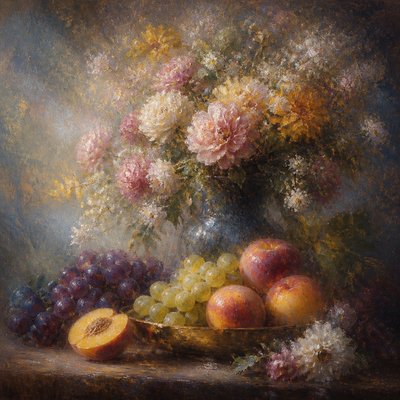
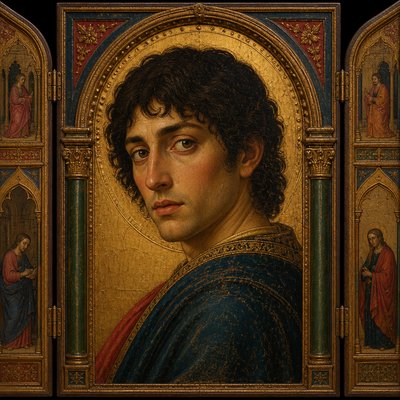
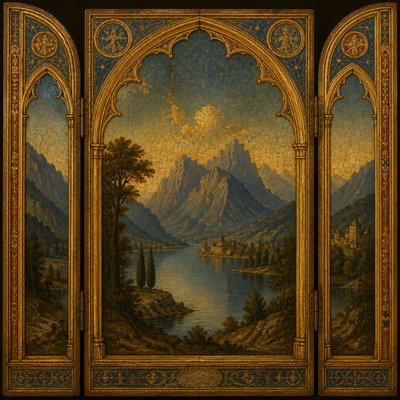
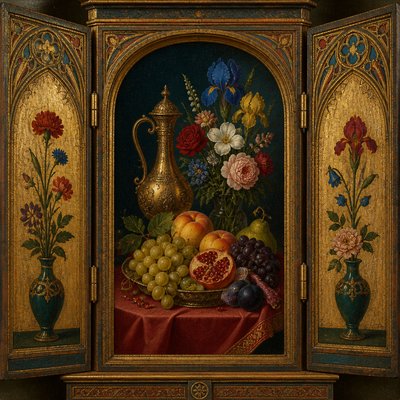
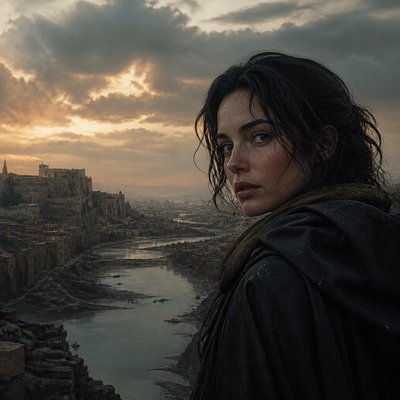
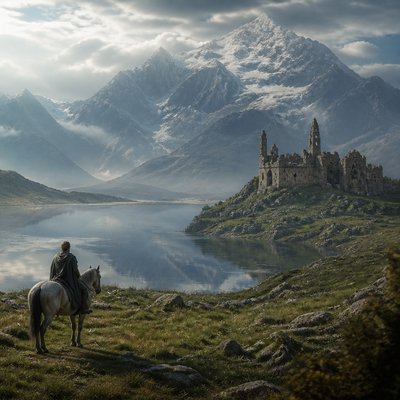
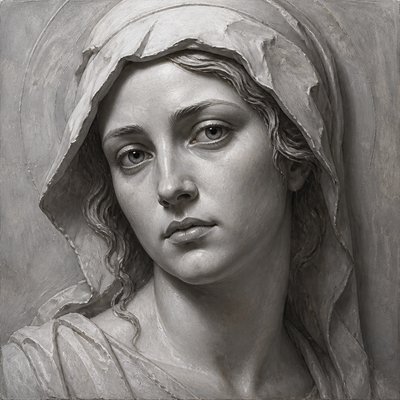
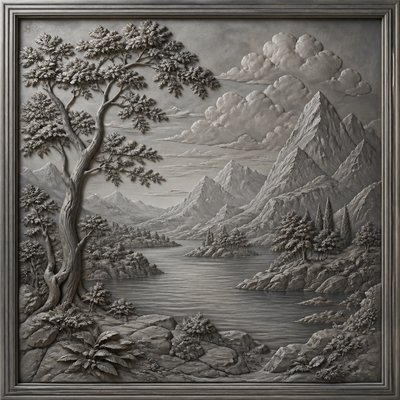
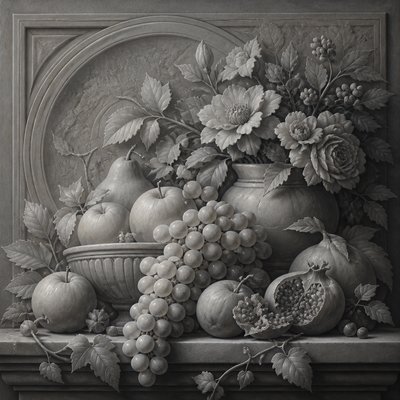
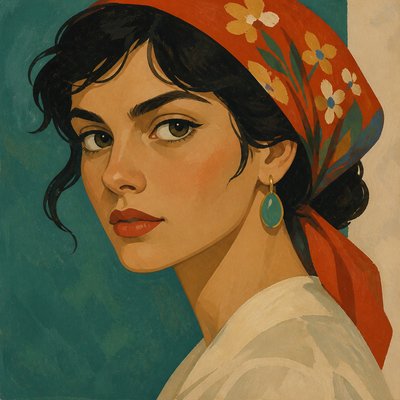
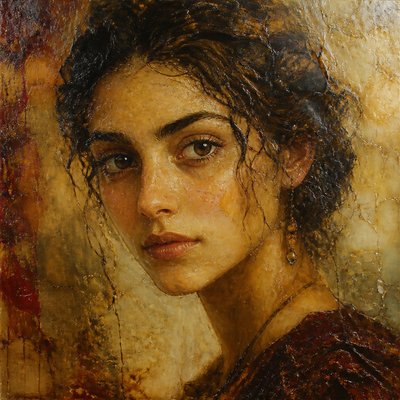
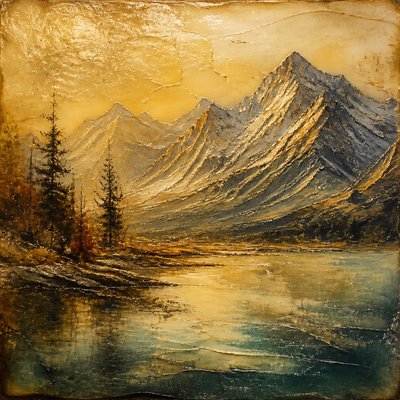
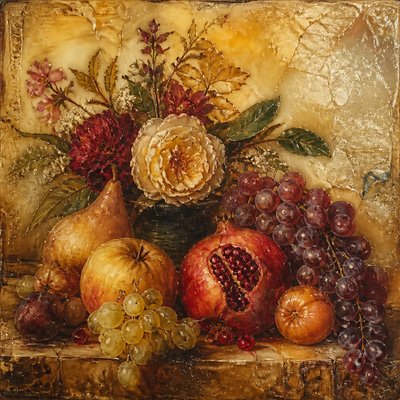
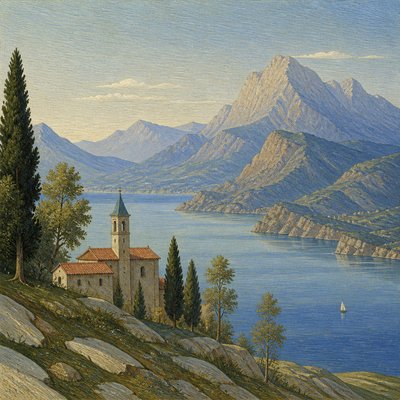
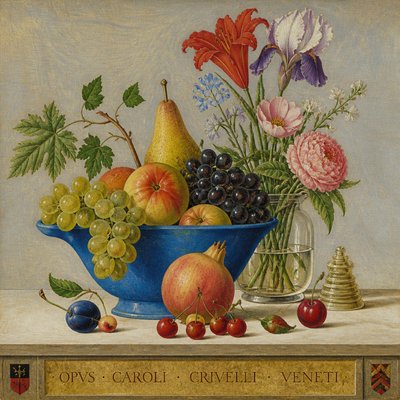
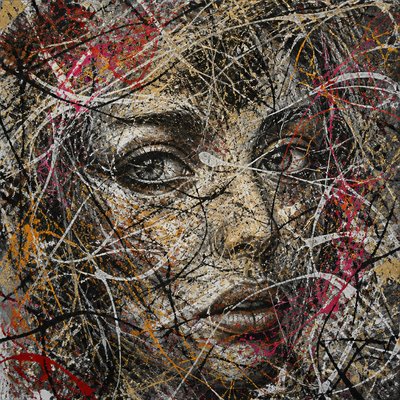
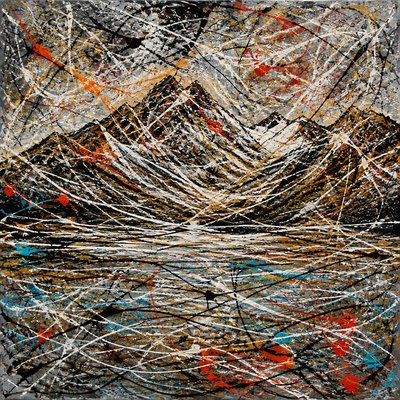
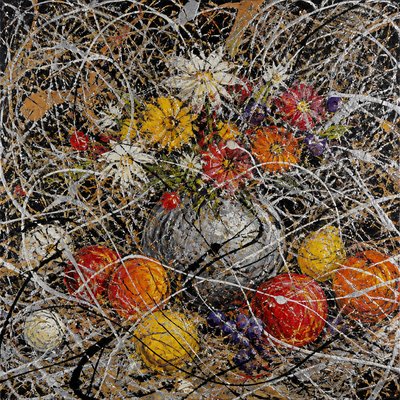
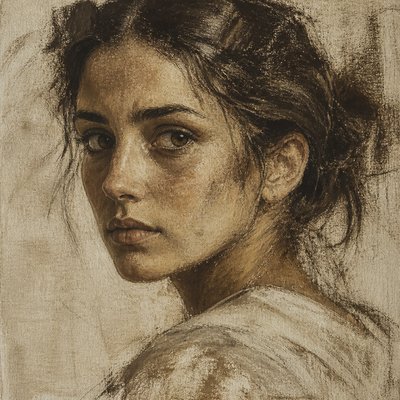
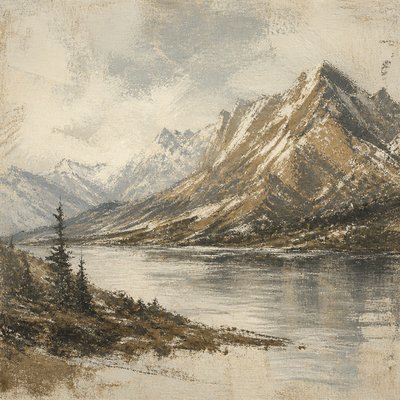
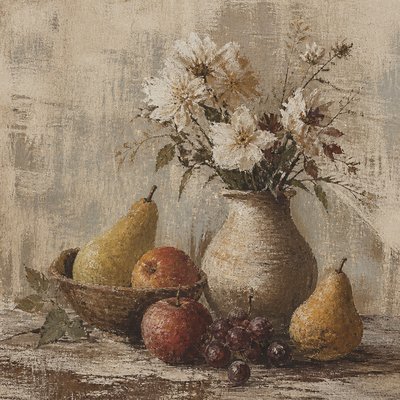
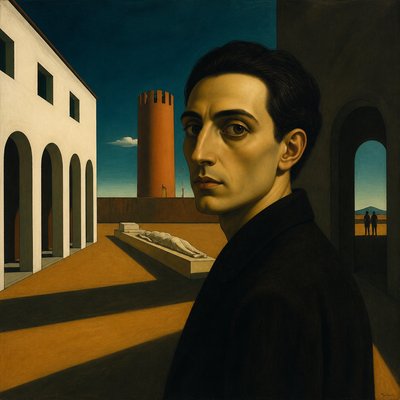
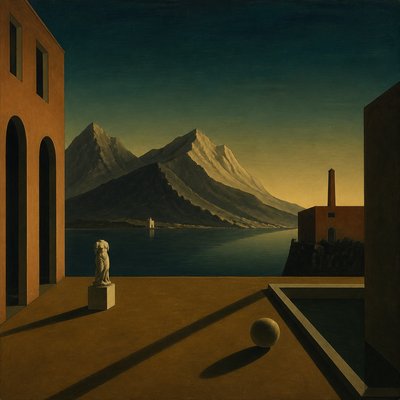
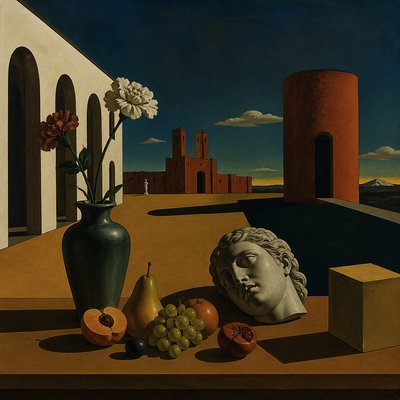
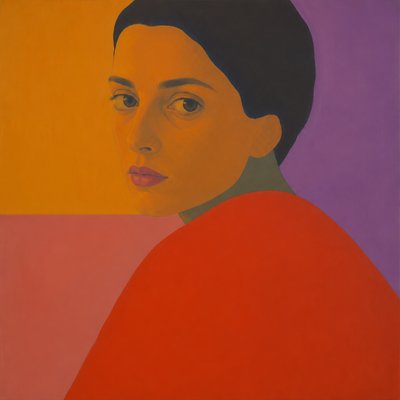
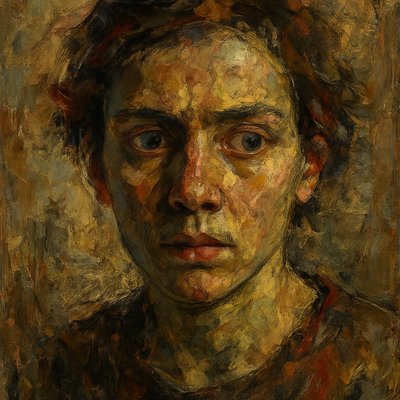
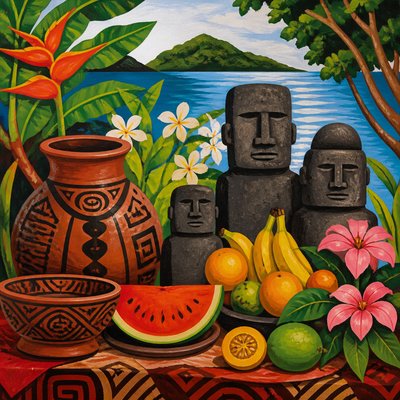
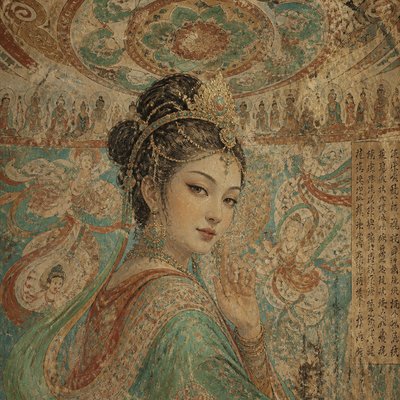
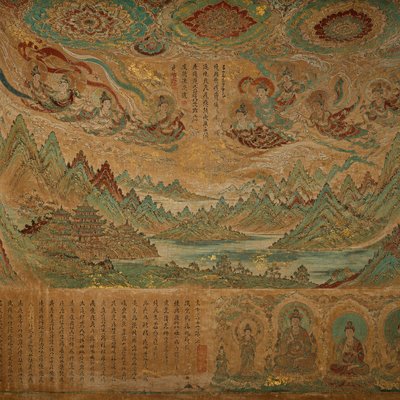
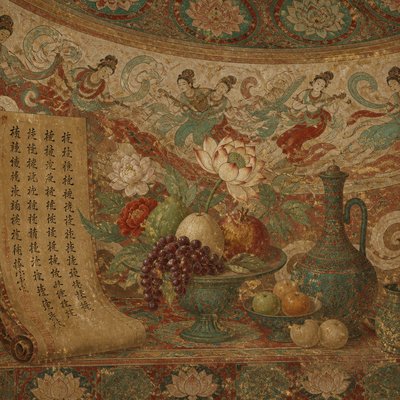
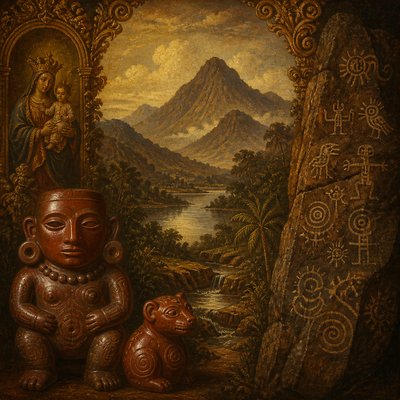
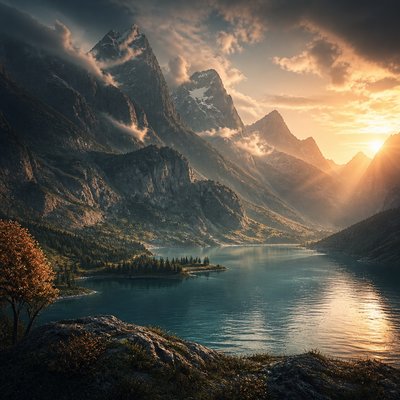
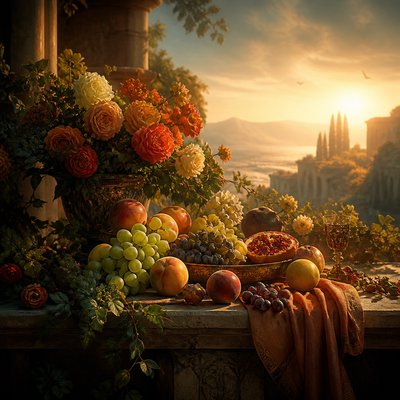
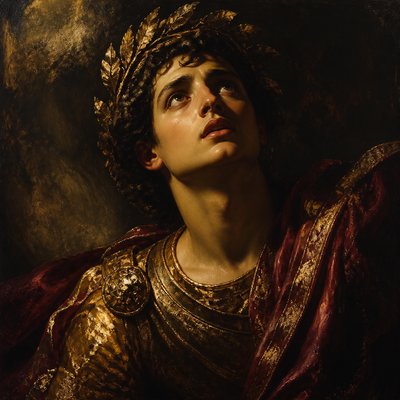
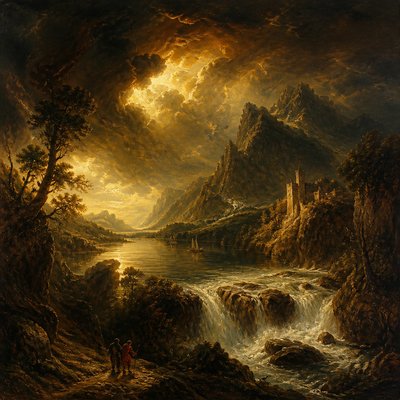
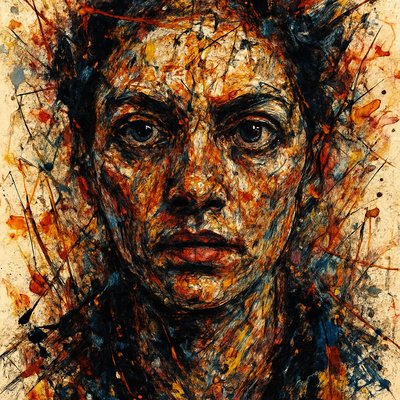
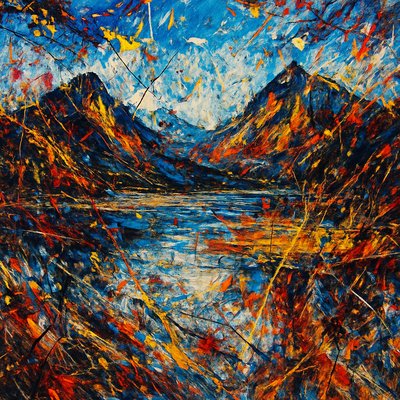
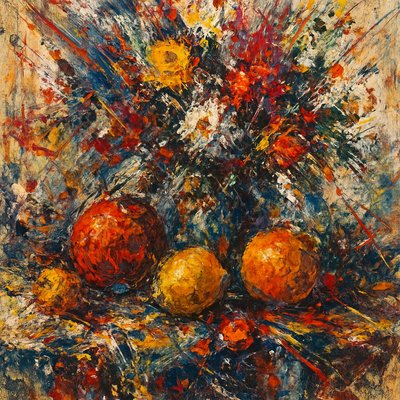
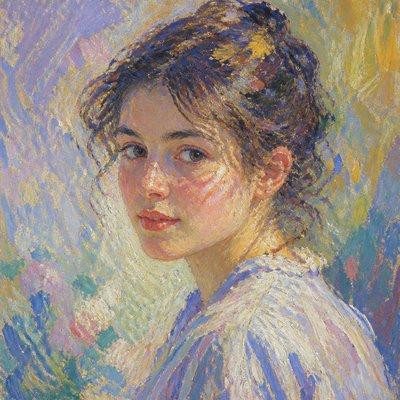
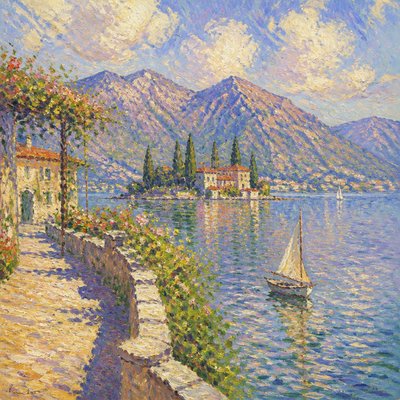
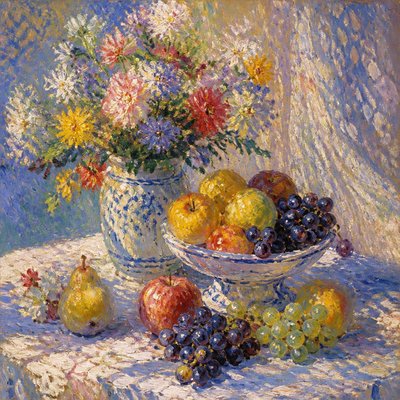
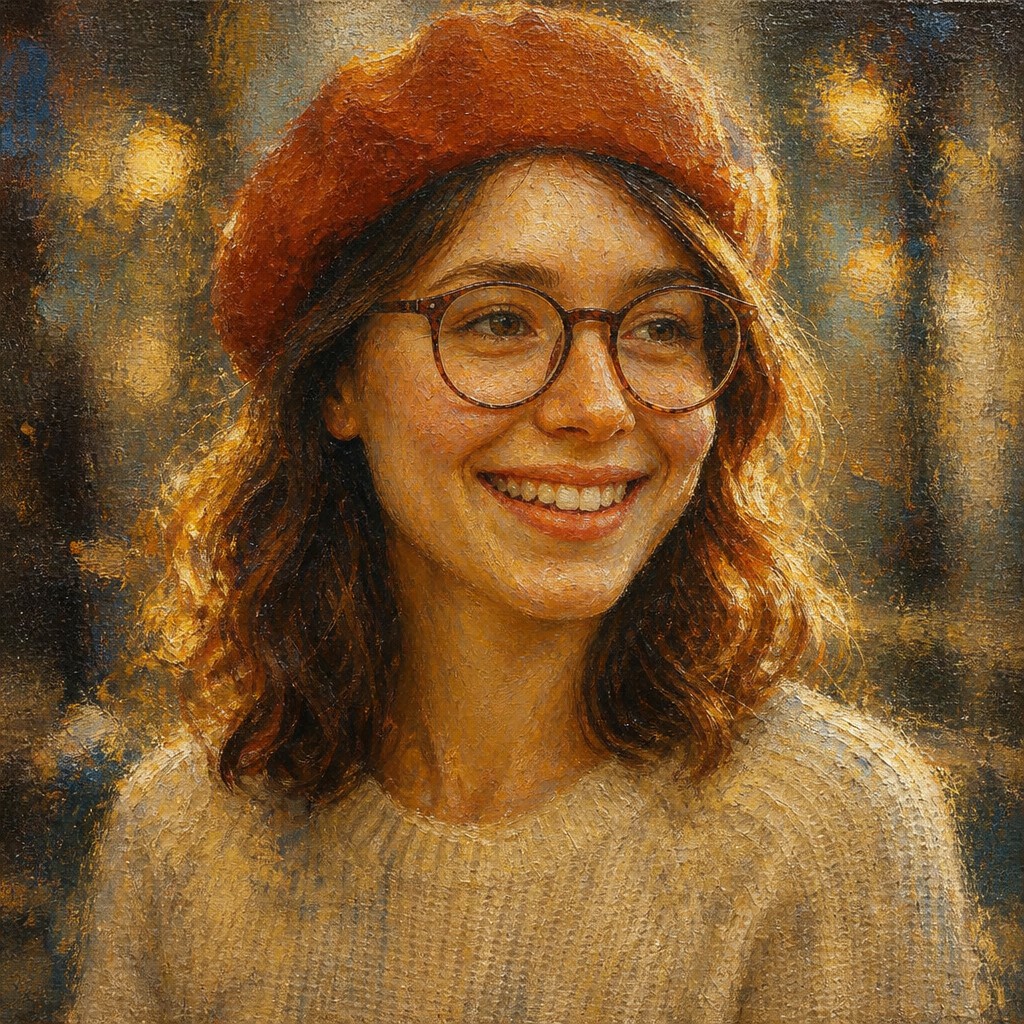
Scumbling painting is defined by thin, broken applications of relatively opaque, often dry paint dragged across a darker or differently colored underlayer. Instead of fully covering the surface, the upper paint catches the texture of the canvas or digital grain, allowing fragments of the ground to remain visible. The result is a veil-like image in which light appears to shimmer through pigment rather than sit in clean, solid shapes.
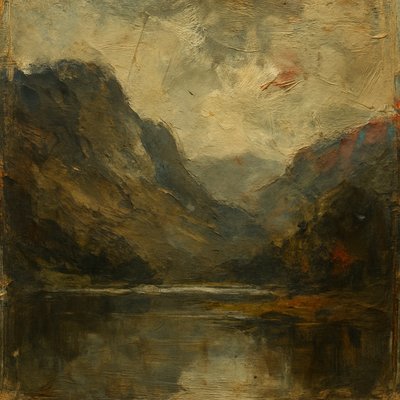
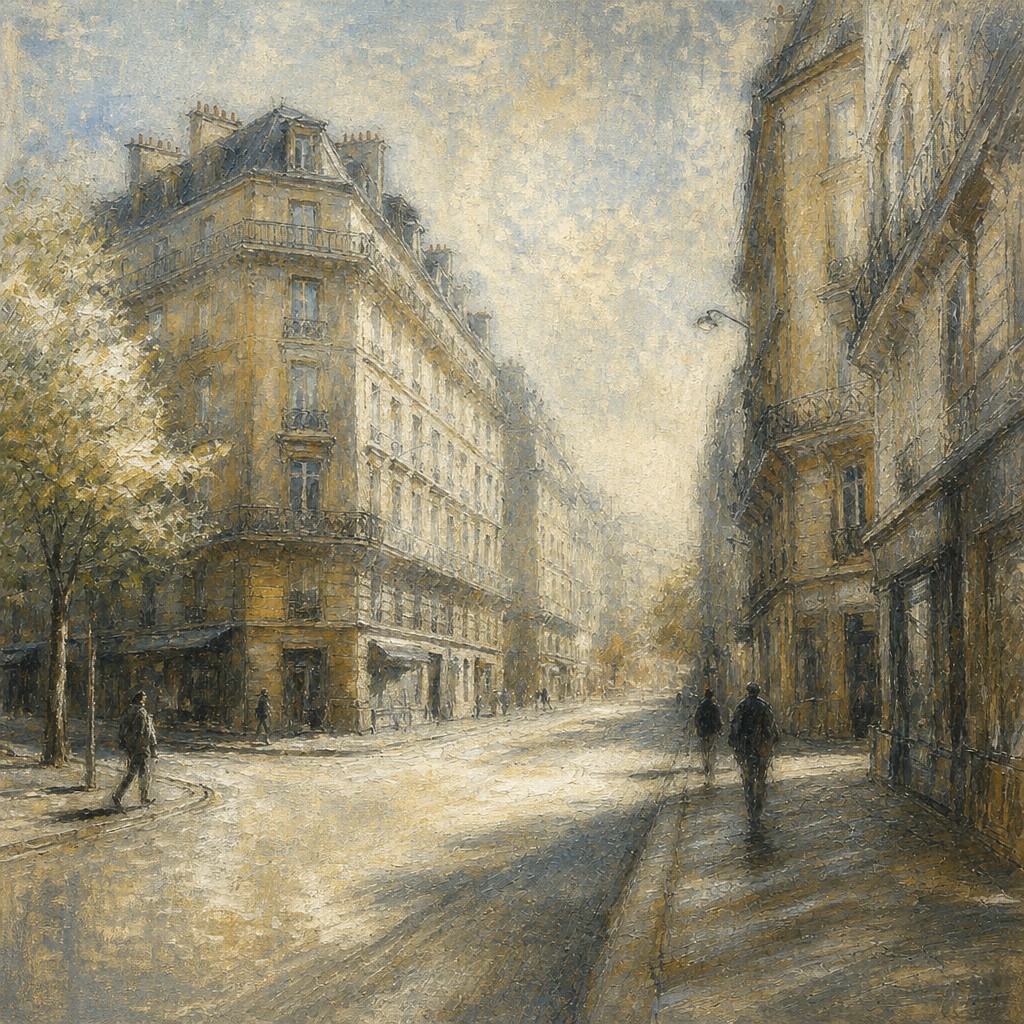
The style is especially effective for mist, smoke, weather, aged surfaces, distant scenery, and softly illuminated figures. Its visual identity comes from the tension between obscured and revealed information: edges dissolve, colors mingle optically, and atmospheric light is built through irregular deposits rather than smooth blending. Though associated with physical paint, its broken coverage and textured radiance can also be recreated digitally through dry-brush, chalk, impasto, and grain-based methods.
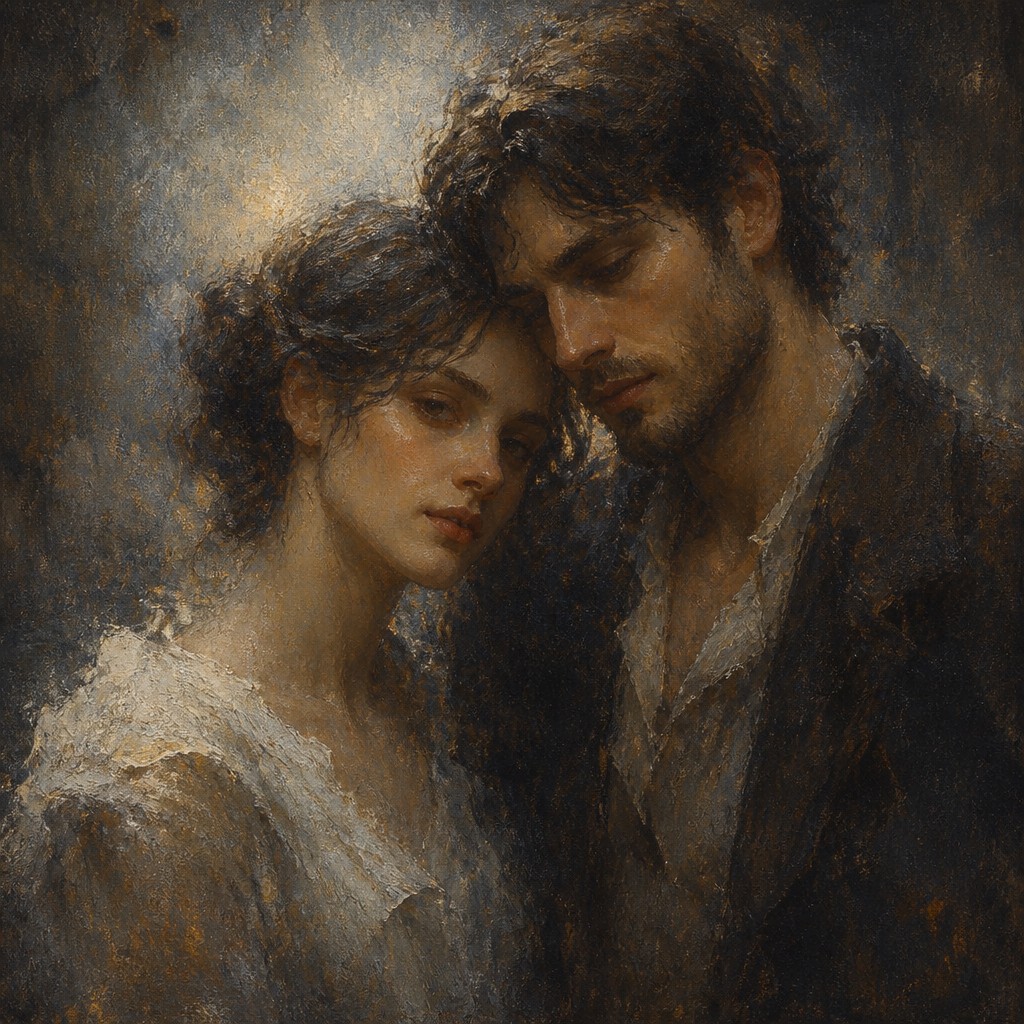
Try It On Your Photos
Upload any photo and convert it into Scumbling Painting Style — drag the sliders to compare before and after.


What Defines Scumbling Painting Style
The signature details, up close
Broken opaque coverage
Paint is dragged lightly enough that the darker layer beneath remains visible in gaps and interruptions. This produces irregular, flickering color rather than an even coat.
Light over dark
Pale paint is placed over deep grounds to create luminous highlights, fog, smoke, clouds, or reflective surfaces. The contrast makes small deposits of light feel more radiant.
Visible surface texture
Canvas weave, dry-brush marks, paper grain, or simulated digital texture actively shape the image. Texture is not merely decorative; it controls where the upper color catches and breaks.
Misty, softened edges
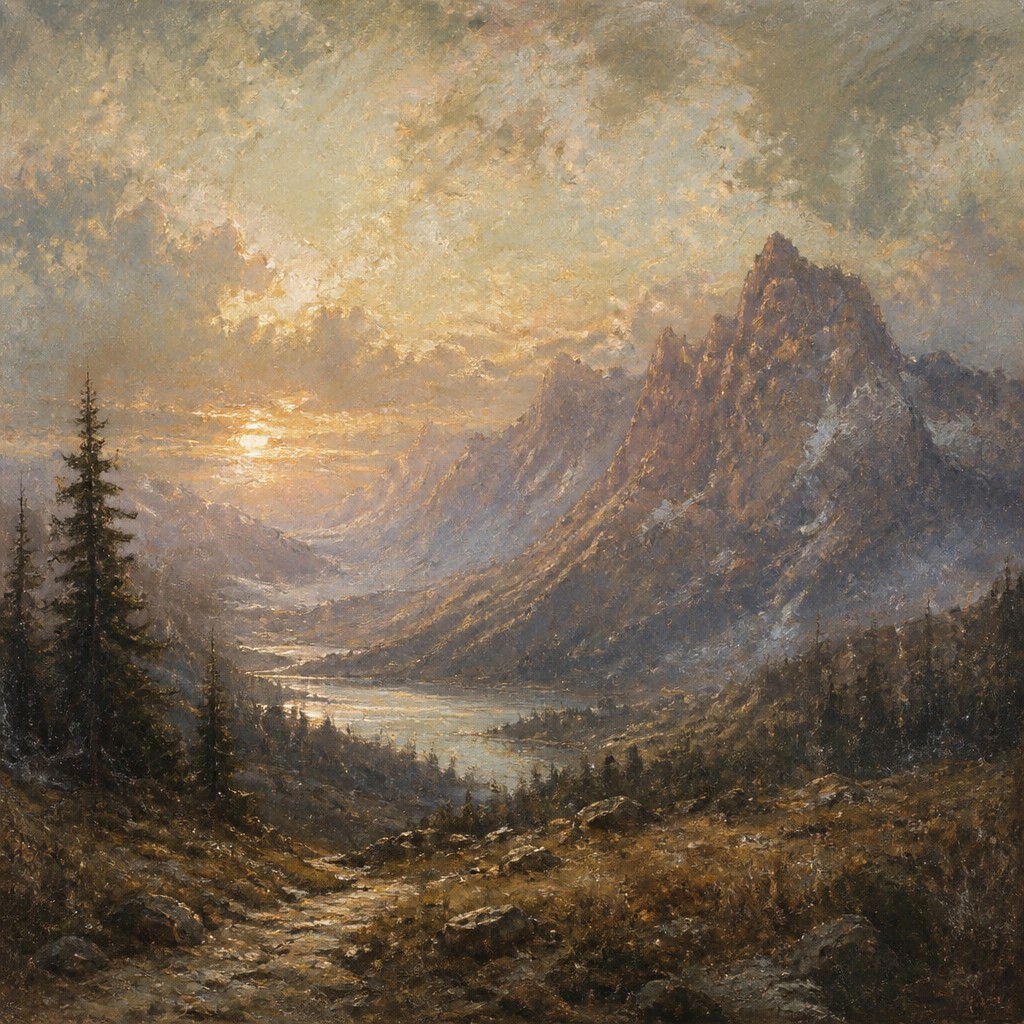
Forms often fade through staggered brush marks instead of terminating in crisp contours. This creates atmospheric perspective and a tactile sense of air between the viewer and the subject.
Optical color mixing
Adjacent flecks of warm and cool pigment remain partially distinct, allowing the eye to blend them at a distance. Muted violets, grays, ochres, and smoky blues are especially effective.
Smoky radiance
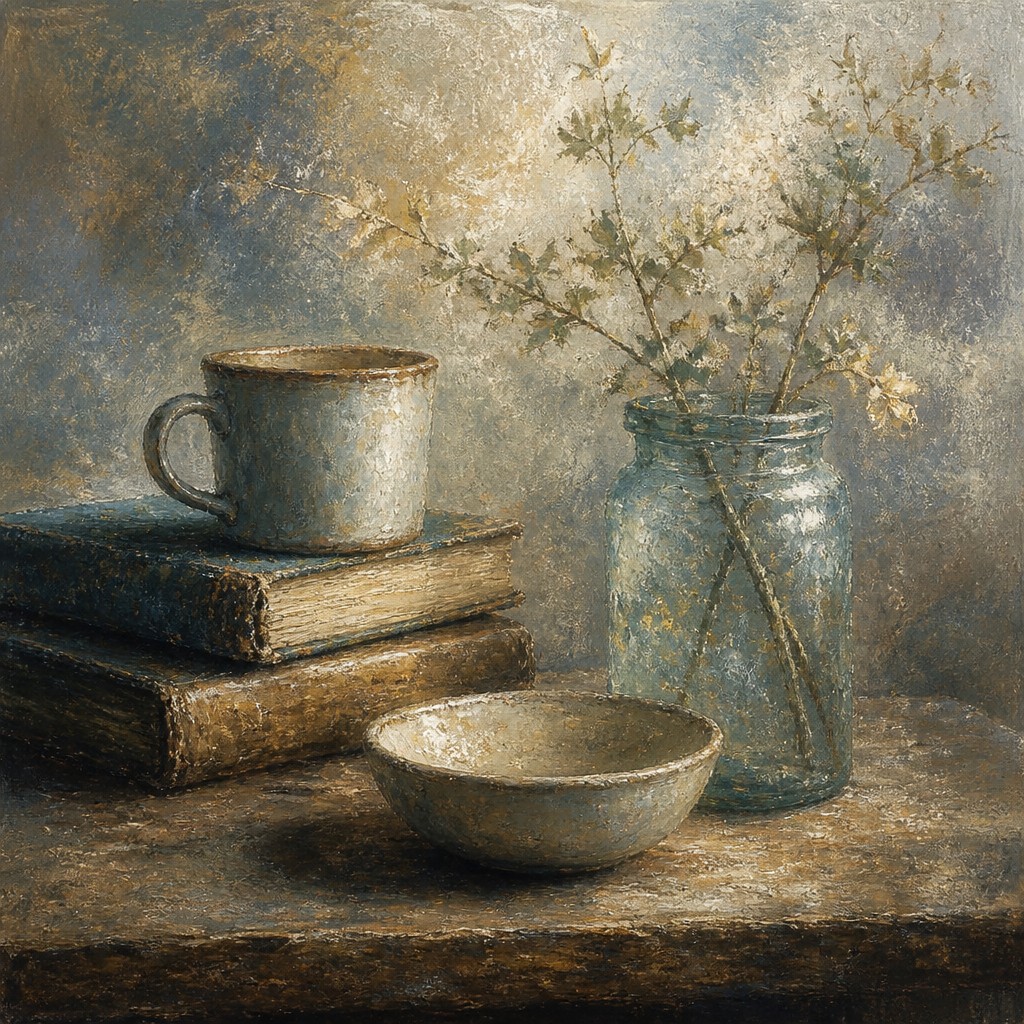
The style favors subdued glows, diffused highlights, and tonal transitions that seem to emanate from within the surface. Brightness is atmospheric rather than sharply graphic.
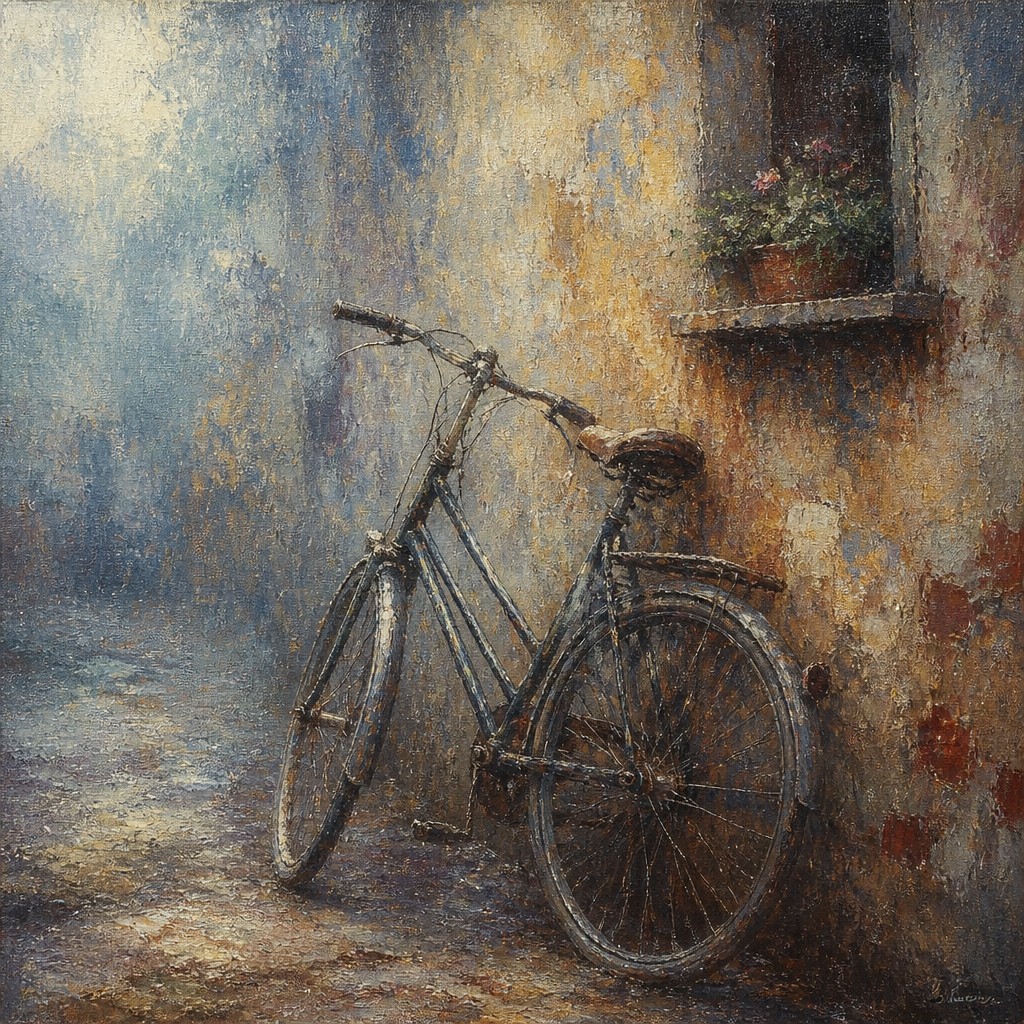
Layered depth
Dark foundations, intermediate passages, and selective light veils create depth without relying exclusively on linear detail. The image feels accumulated, weathered, and physically worked.
Try It
Create Videos in Scumbling Painting Style
Styles aren't just for stills — describe a scene or animate an image and get a short video rendered in Scumbling Painting. Press play to see this pond come to life.
Make a VideoScumbling Painting Prompt Ideas
Start from an idea — each one opens the generator with the style ready to go. See all 40 Scumbling Painting prompts →
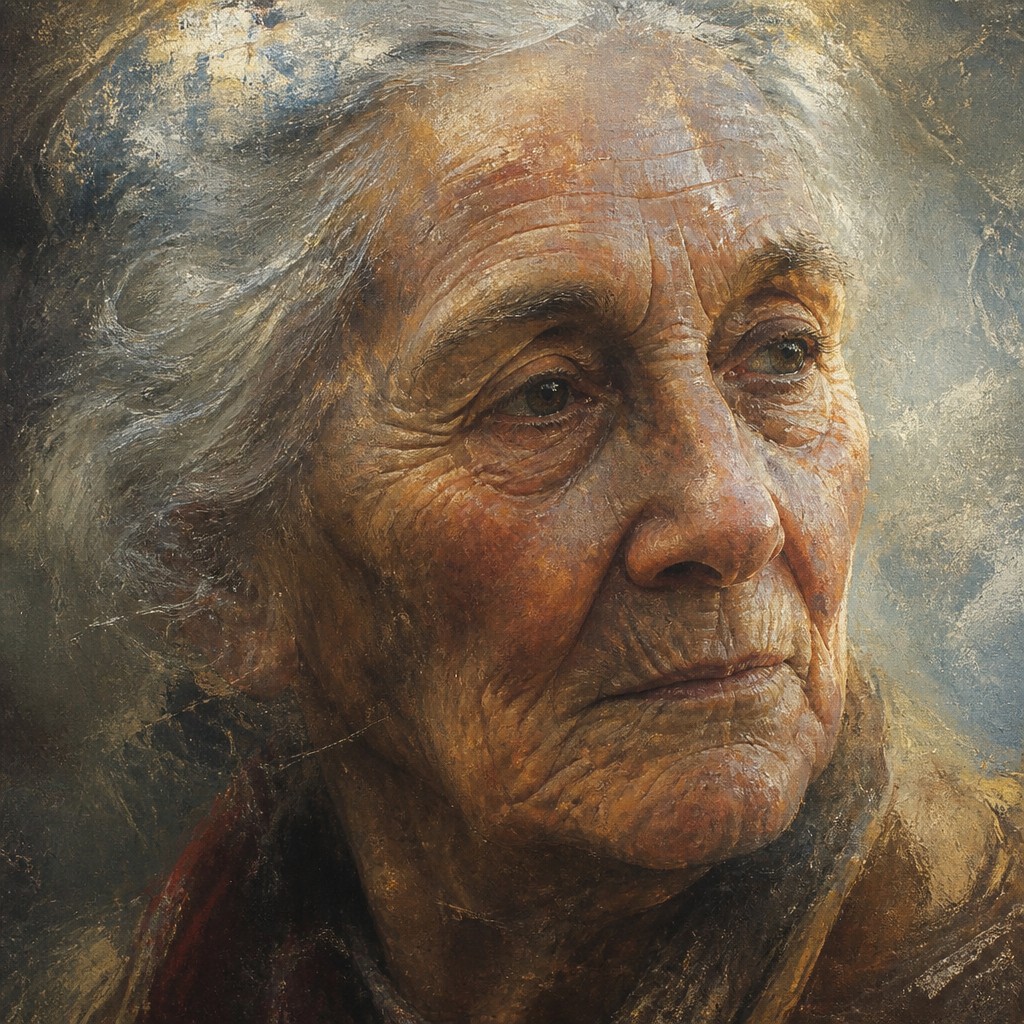
“close-up portrait of an elderly person with expressive weathered features”
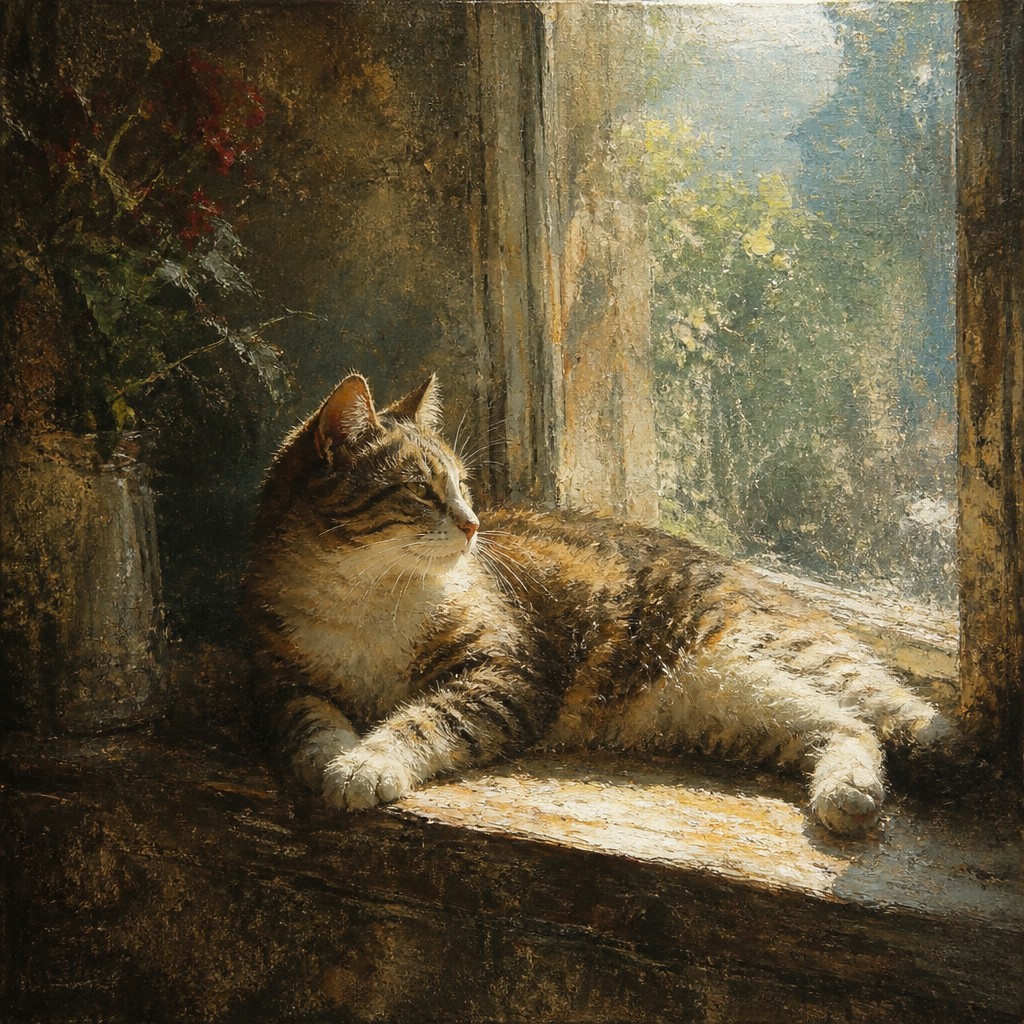
“a cat lounging in a sunlit window”
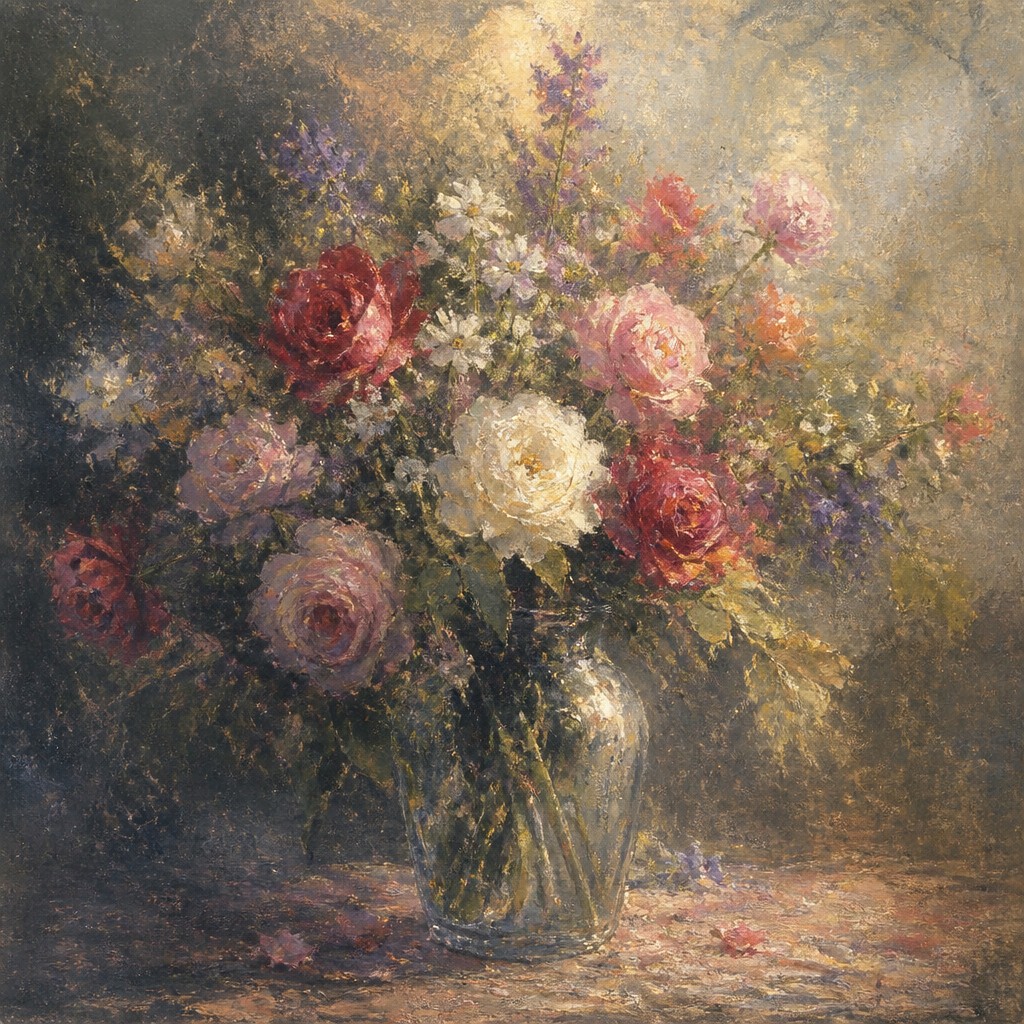
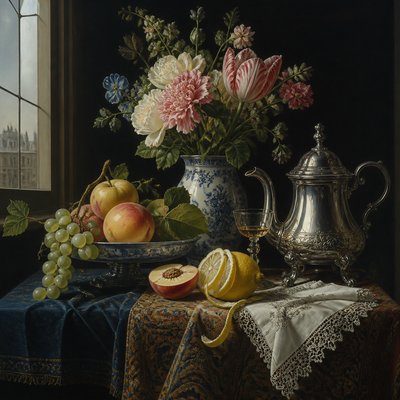
“bouquet of flowers in a glass vase”
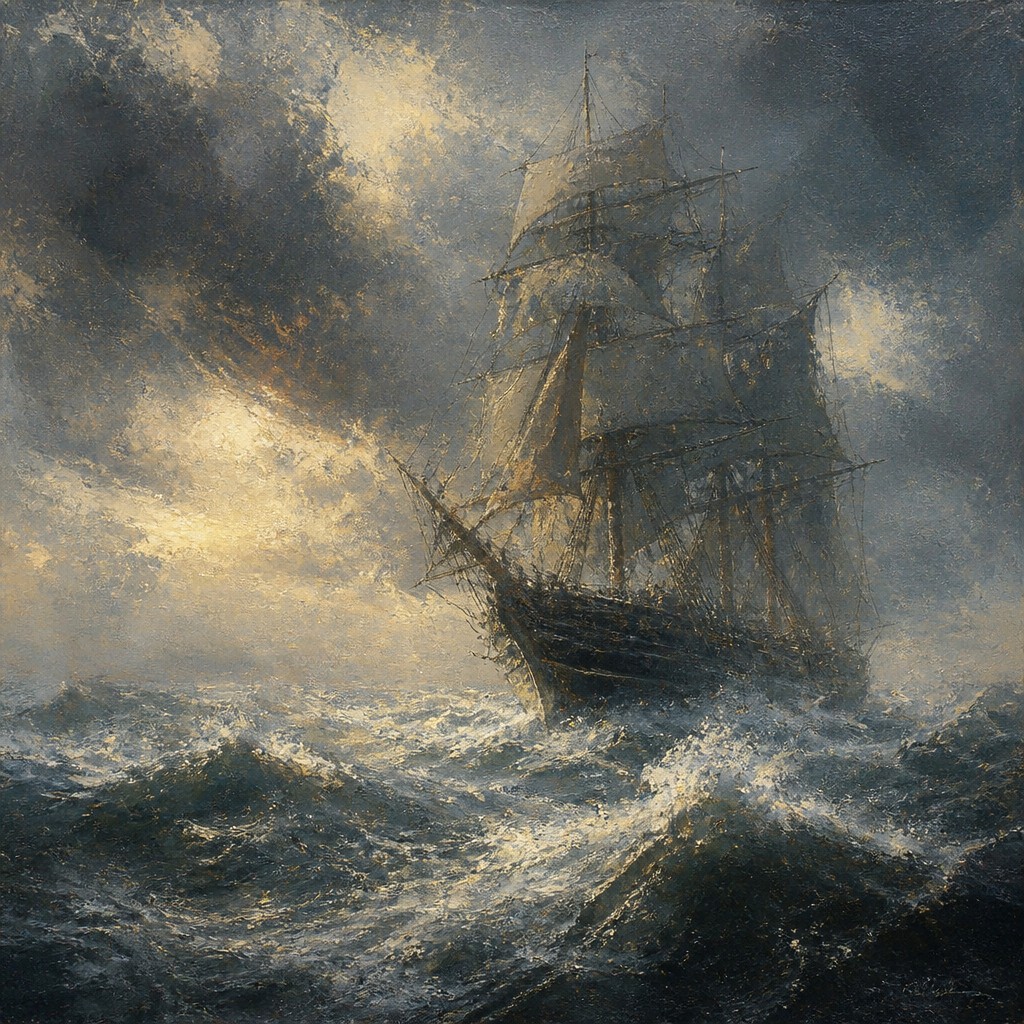
“sailing ship on a stormy sea”
How to Create Scumbling Painting Art
Master the craft step by step — or skip straight to creating. Read the full guide →
- 1
Build a dark underpainting
Begin with a middle-dark ground or tonal block-in, then establish the major shapes before adding lighter passages. A restrained value structure gives the later broken marks something to illuminate.
- 2
Use a nearly dry brush
Load a stiff brush with a small amount of relatively opaque paint and wipe off excess before dragging it across the dry surface. Vary pressure and direction so the marks break naturally instead of forming uniform stripes.
- 3
Reserve the strongest light
Add the palest, thickest or most opaque marks only at focal points and important atmospheric accents. Leaving some areas dark and unresolved preserves the style's sense of depth.
- 4
Preserve color separation
Place neighboring warm and cool scumbles beside or lightly over one another rather than blending everything smooth. In digital work, use textured brushes, reduced opacity, and separate layers set to normal or softly blending modes.
- 5
Simulate material texture digitally
Combine dry-brush edges with canvas, paper, chalk, or pigment-grain overlays, and mask them irregularly. Avoid perfectly uniform noise, which reads as a filter rather than accumulated paint.
- 6
Write prompts around surface behavior
For prompt-based generation, specify a dark tonal ground, dry opaque paint dragged in broken veils, visible canvas texture, selective pale highlights, and softened atmospheric edges. Name the subject and lighting clearly, then request restrained detail so the texture remains legible.
The Story
History & Origins of Scumbling Painting
Scumbling is principally a painting technique rather than a single historical movement. It developed within European oil-painting traditions, where artists applied a thin, opaque or semi-opaque layer over dry paint to soften transitions, model pale forms, suggest atmospheric distance, or revive highlights without hiding the structure beneath. Its use can be found across academic, landscape, portrait, and devotional painting, with different periods favoring more or less visible brushwork.
As a contemporary style label, Scumbling Painting Style extends this technique into an atmospheric visual language. It draws on the material logic of oil paint, the broken color of Impressionist and post-Impressionist practice, and the smoky tonal effects of tonalism and modern digital texture. It should therefore be understood as an aesthetic lineage built around surface, opacity, and light rather than as a formally bounded historical school.
Influences: The style is closely related to the traditional scumbling technique in oil painting, as well as the broken color of Impressionism and Post-Impressionism, the muted atmospheric values of Tonalism, and the weathered surfaces of old-master painting. It also shares concerns with plein-air landscape practice, charcoal and pastel haze, fresco-like abrasion, and contemporary digital matte-painting textures. Its defining synthesis is the use of broken opaque marks to make light, air, and depth feel materially present.
Frequently Asked Questions
What defines scumbling painting?
Scumbling is defined by a thin, broken layer of relatively opaque paint dragged over a darker dry layer. The underpainting remains visible through gaps, creating shimmering color, softened edges, and tactile surface variation.
How is scumbling different from glazing?
Glazing uses transparent color to modify the layers beneath, while scumbling uses more opaque paint applied irregularly over an existing surface. Glazing tends to deepen or tint what is underneath; scumbling tends to catch texture and introduce a broken veil of light.
Is scumbling a historical art movement?
No. Scumbling is primarily a painting method that has been used across several periods and schools. The modern phrase Scumbling Painting Style describes an aesthetic centered on that method's dry, luminous, atmospheric effects.
What subjects work well with this style?
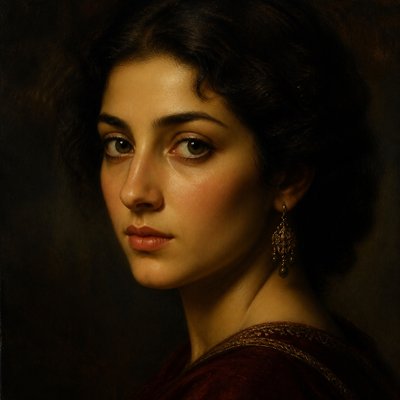
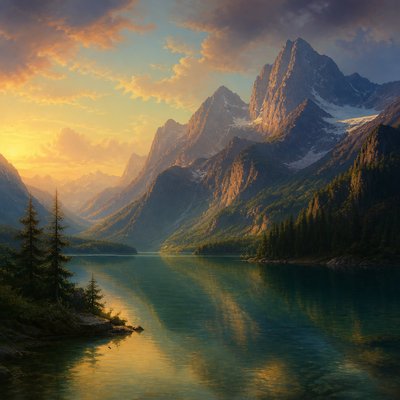
Mist, clouds, smoke, forests, coastlines, weathered architecture, nocturnal streets, reflective water, and softly lit portraits all respond well to scumbling. The technique is particularly useful when the subject depends on partial concealment or diffused light.
Can scumbling be done with acrylic or digitally?
Yes. Acrylic can be scumbled with a stiff, lightly loaded brush once the lower layer is dry, although it dries faster than oil. Digital artists can reproduce the effect with textured dry-brush presets, irregular masks, layered opacity, and visible grain.
How do I prevent the result from looking muddy?
Keep the underpainting organized by value and limit the number of colors mixed together in one passage. Allow warm and cool marks to remain distinct, clean or change brushes when necessary, and reserve the lightest paint for selected focal areas.
Create your first Scumbling Painting artwork
Describe anything — or upload a photo — and see it in Scumbling Painting Style in seconds.
Related Styles
Discover similar art styles