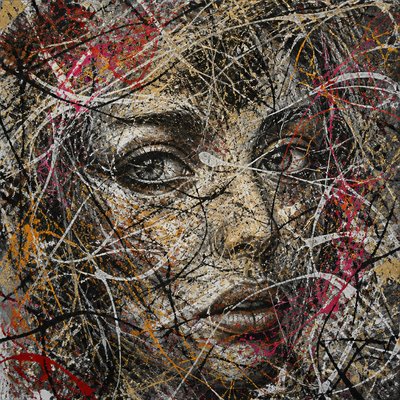
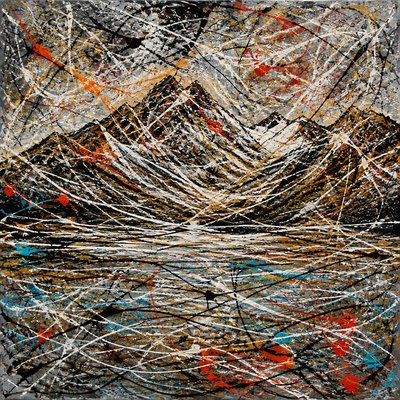
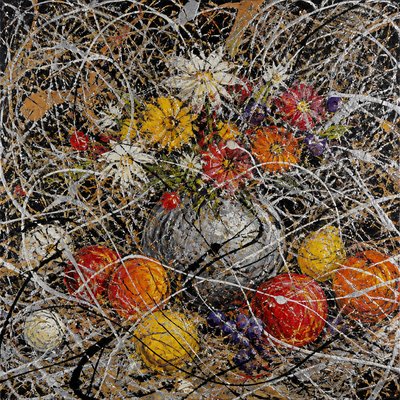
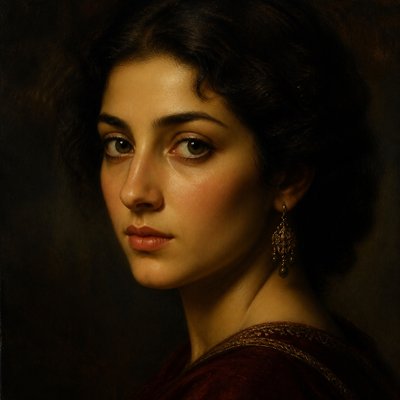
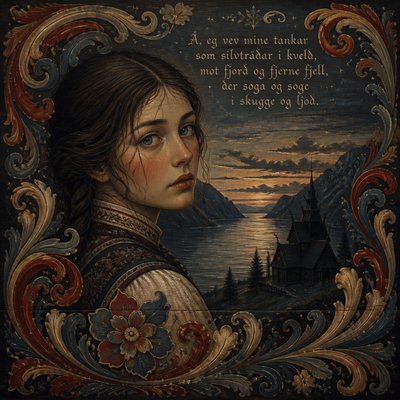
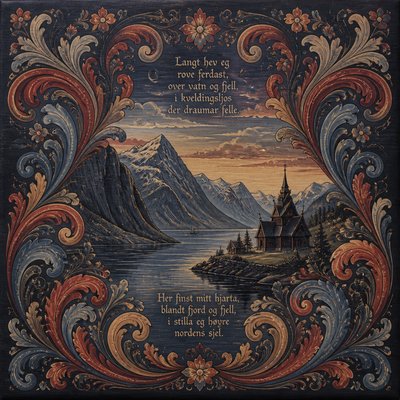
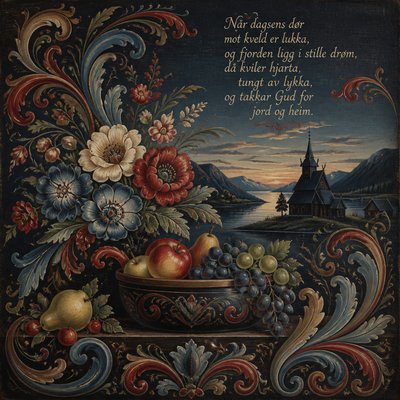
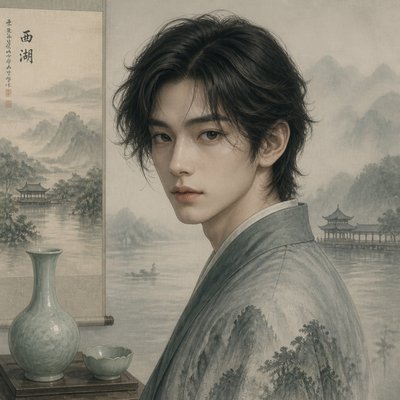
Dry Brush Painting Style
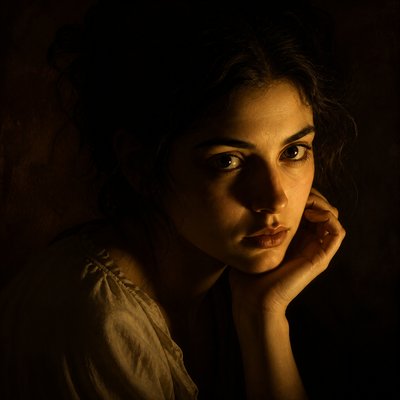
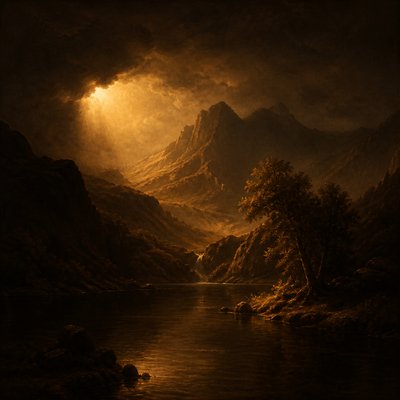
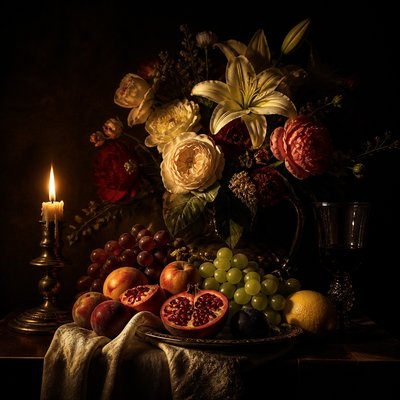
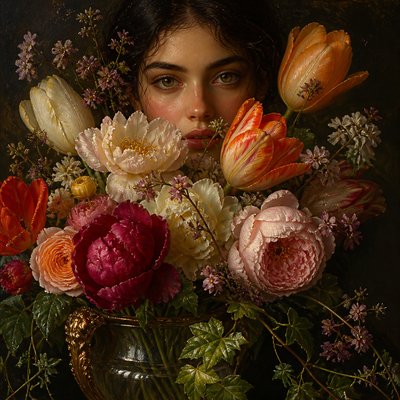
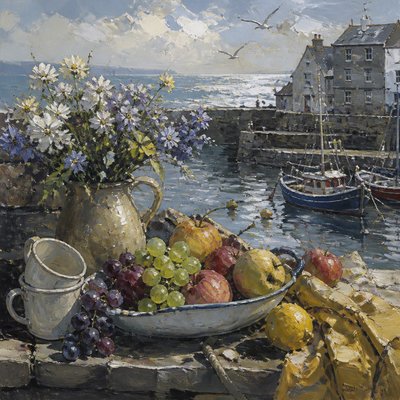
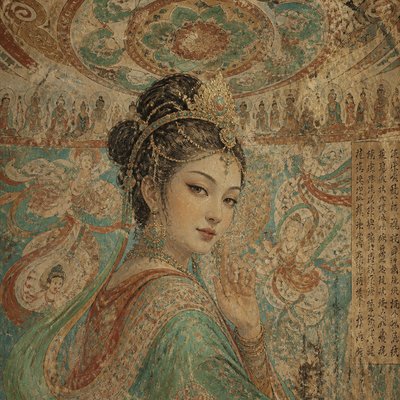
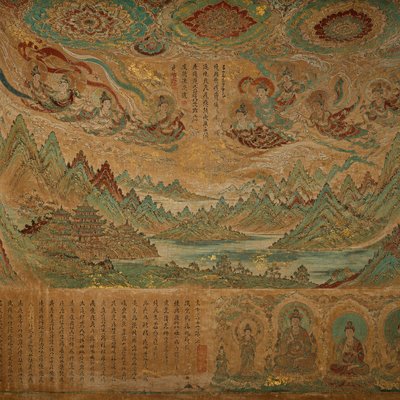
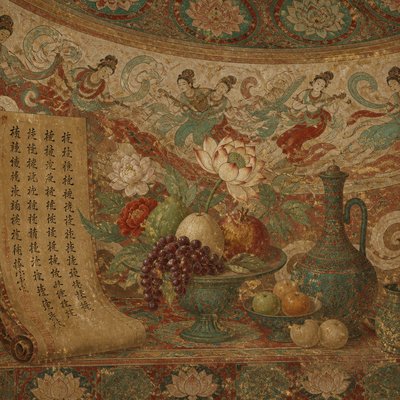
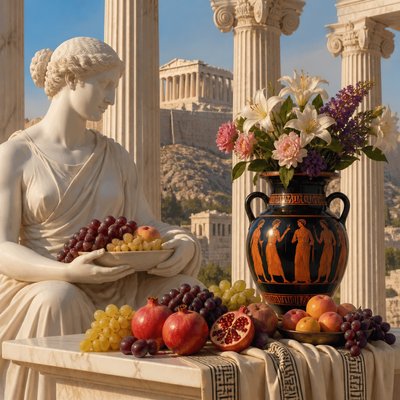
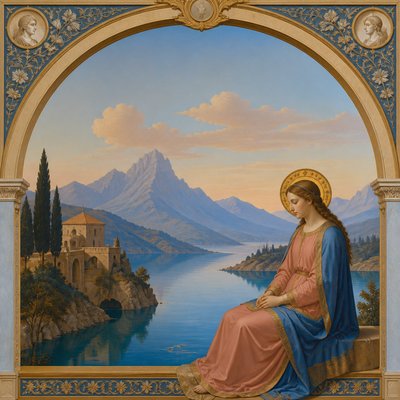
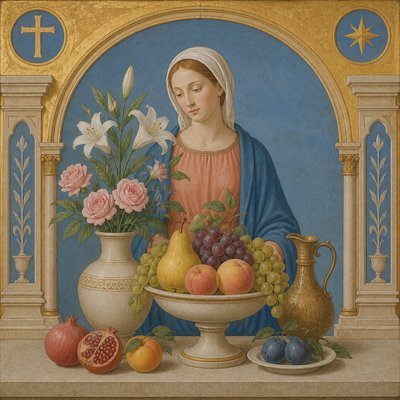
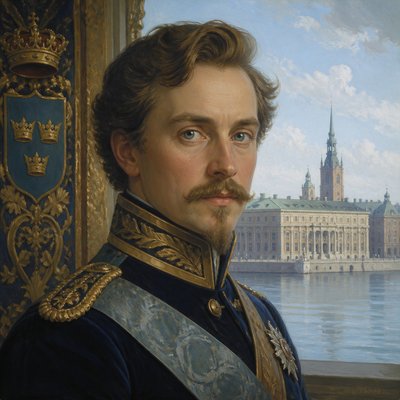
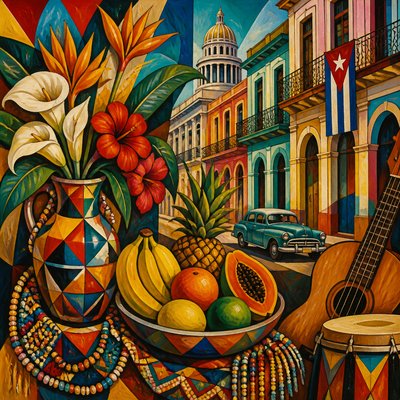
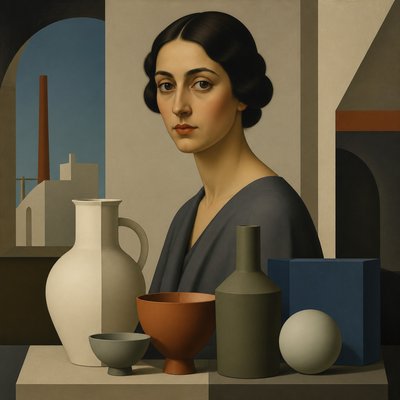
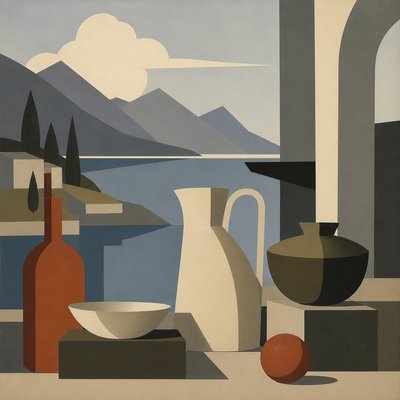
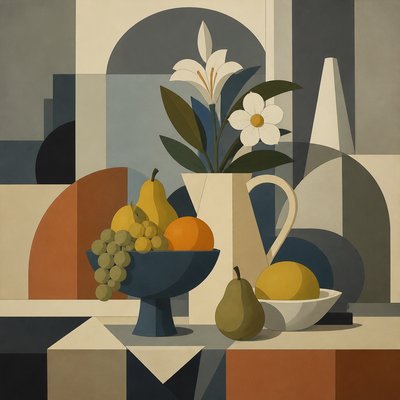
Explore dry brush painting: broken pigment, scratchy bristles, earthy color, and tactile paper grain for rugged, understated imagery.
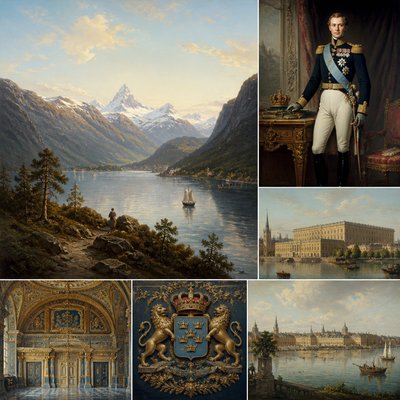
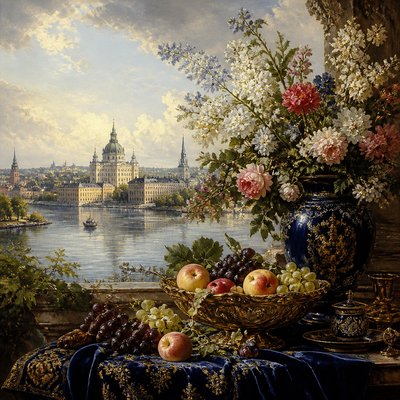
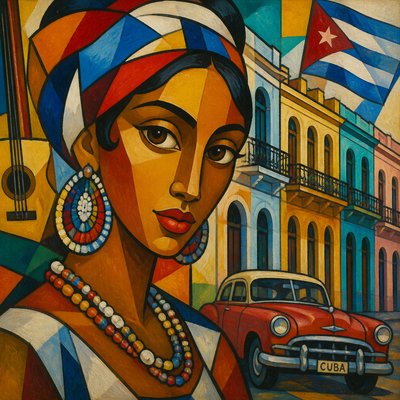
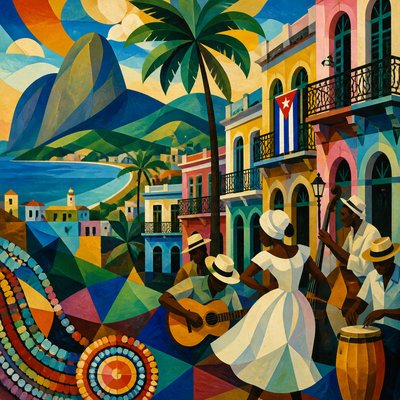
Instantly rendered in Dry Brush Painting — or transform a photo
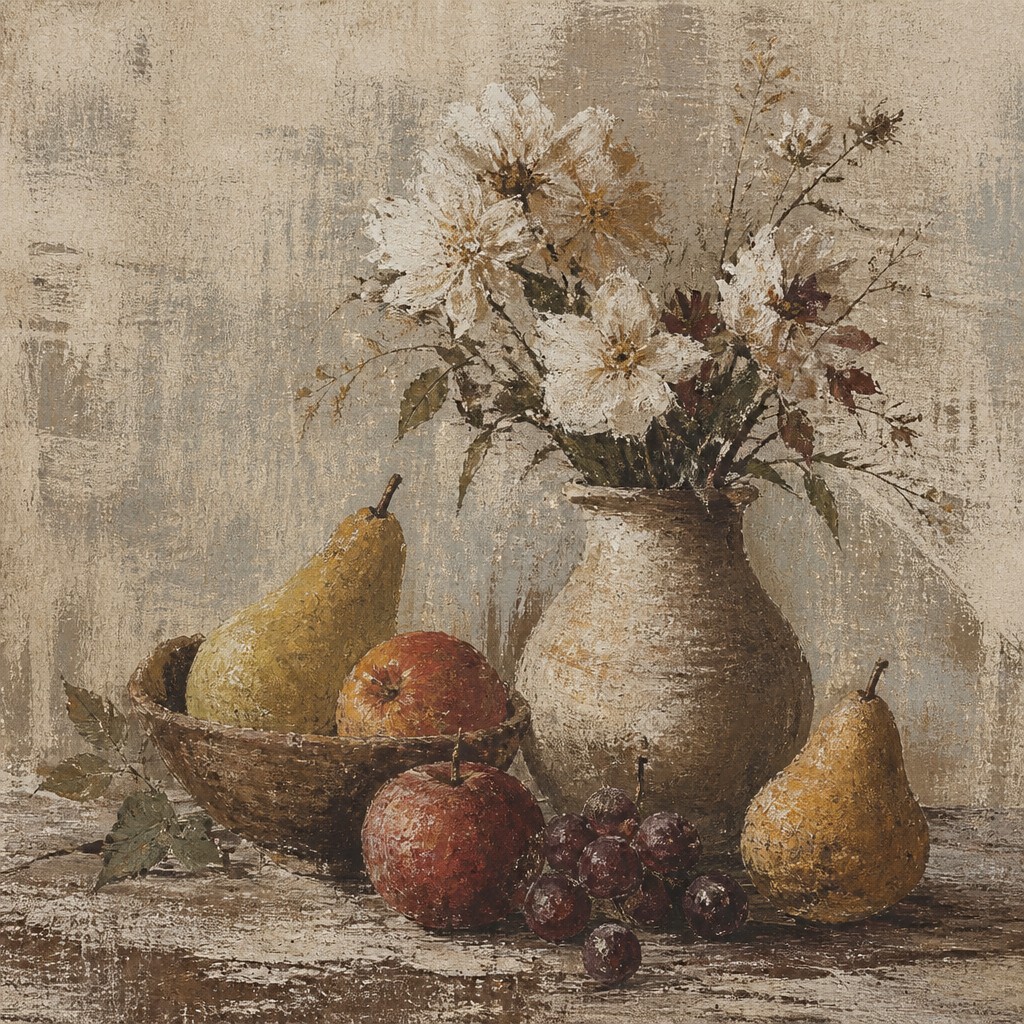
Dry Brush Painting Gallery
Tap any artwork to explore it
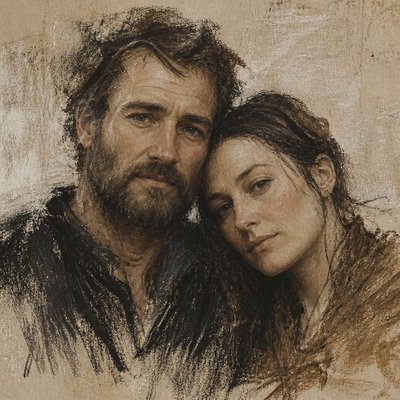
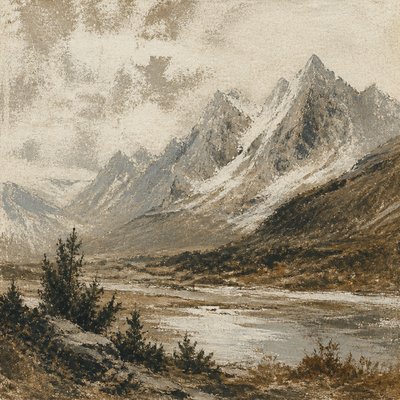
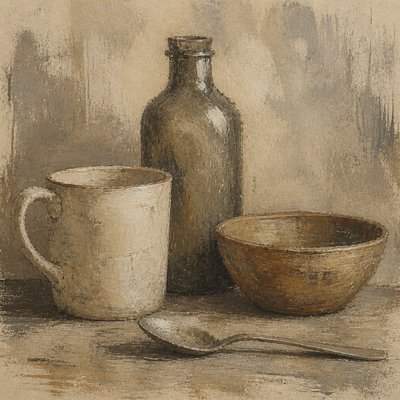
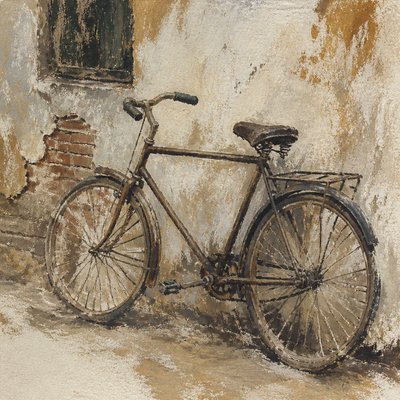
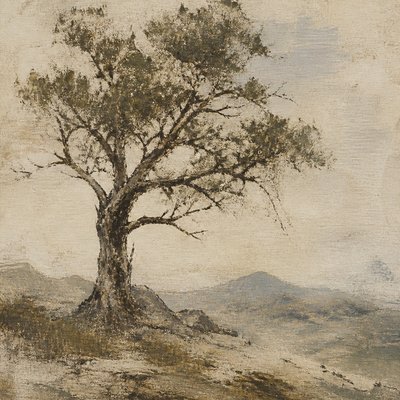
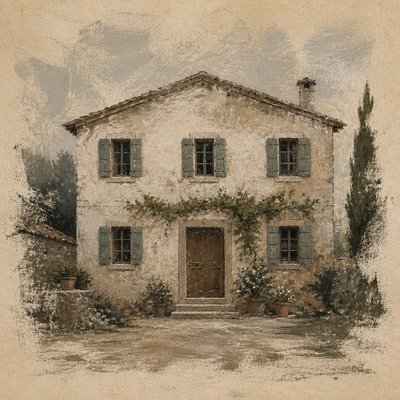
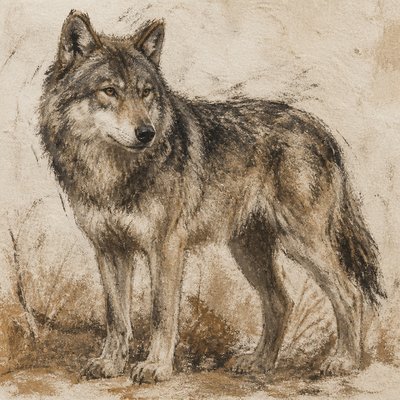
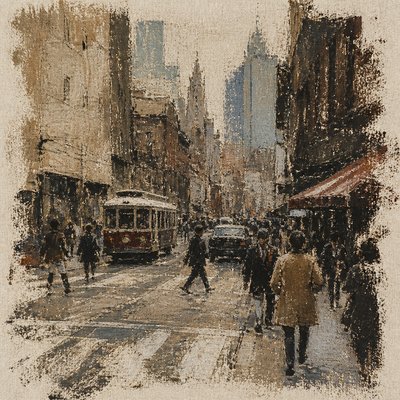
What is Dry Brush Painting Style?
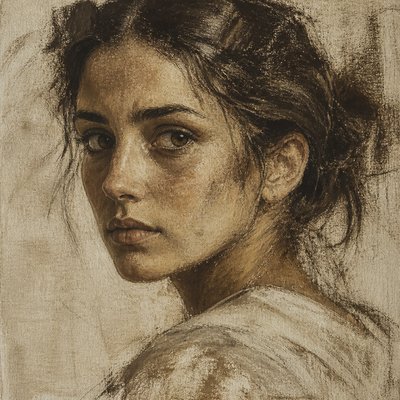
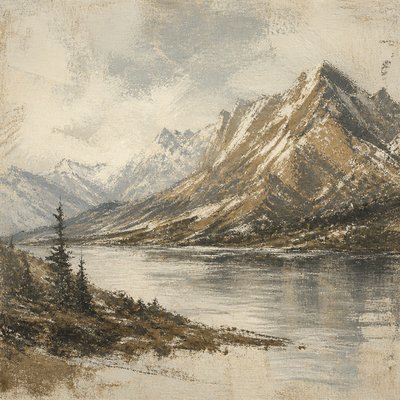
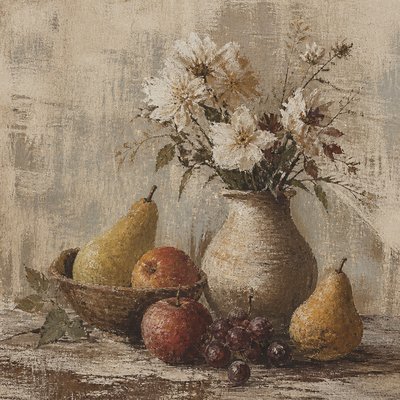
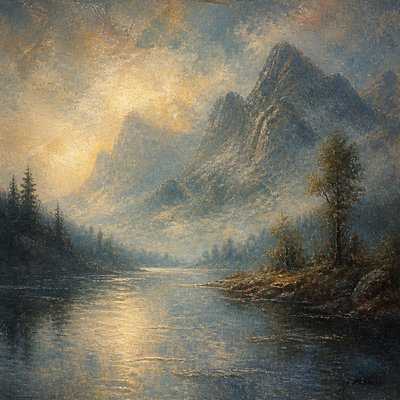
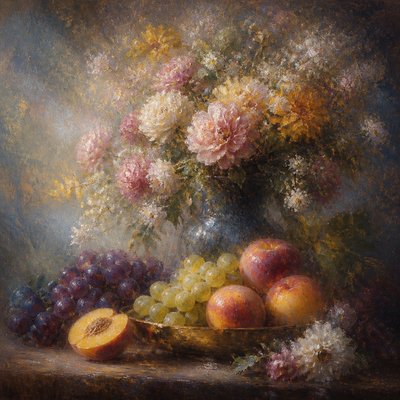
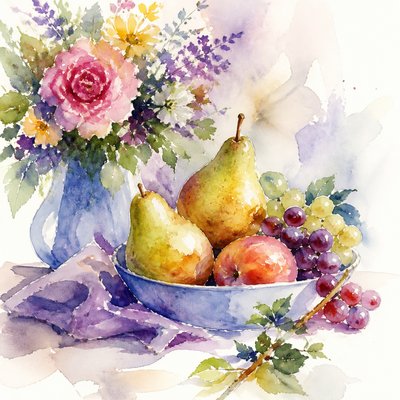
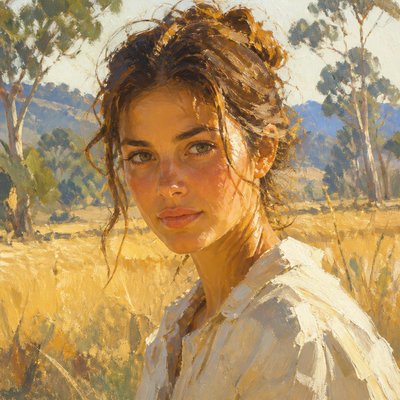
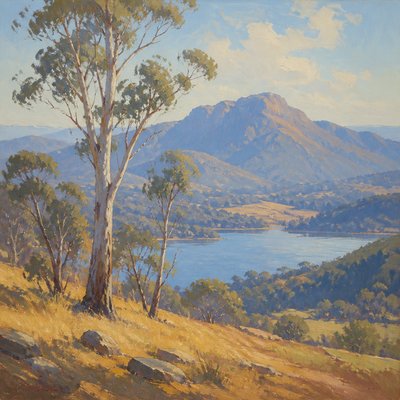
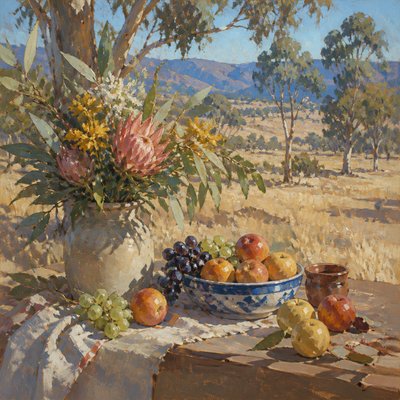
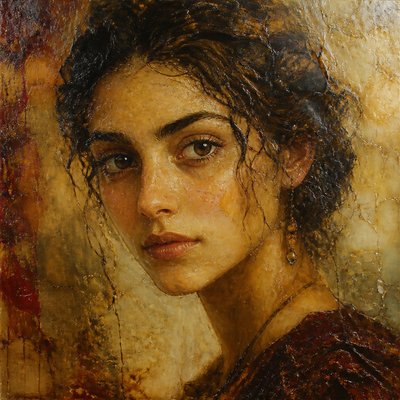
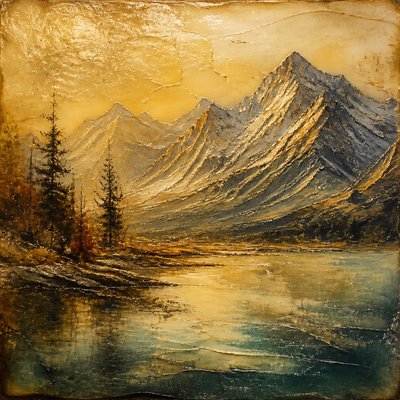
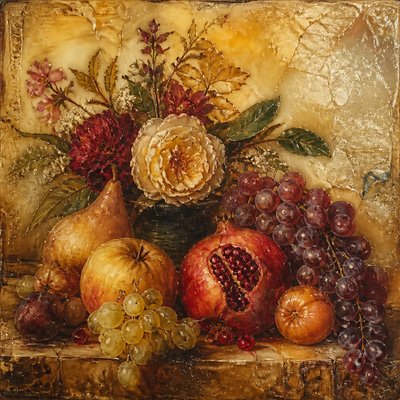
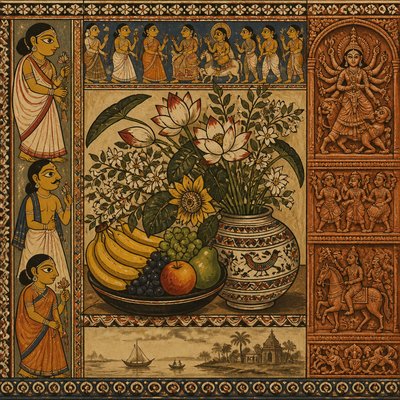
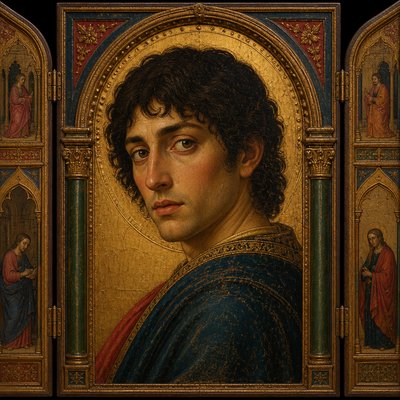
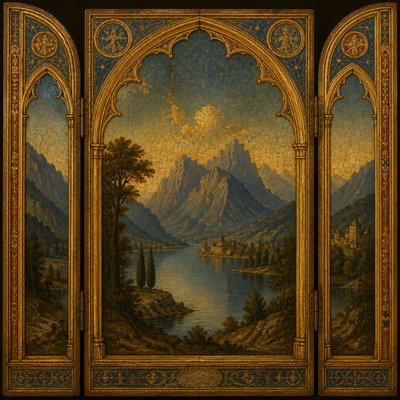
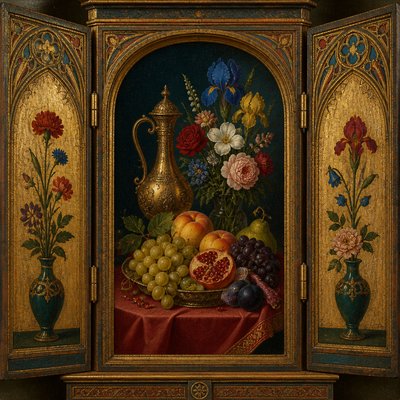
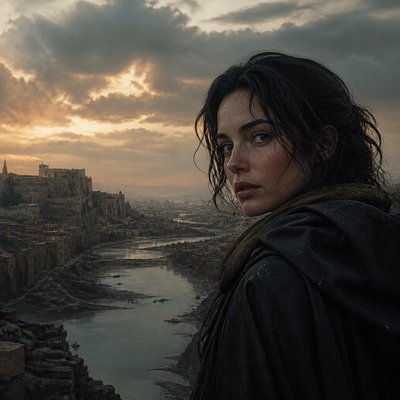
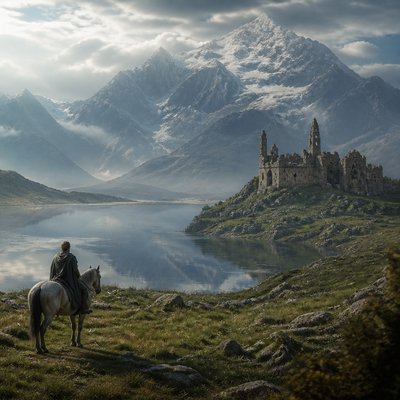
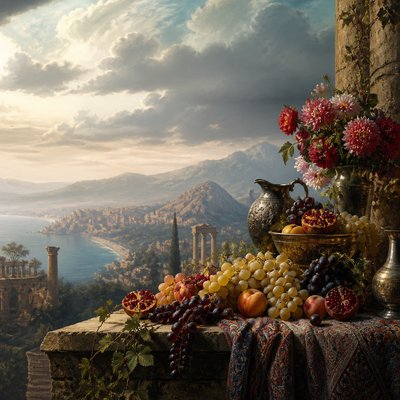
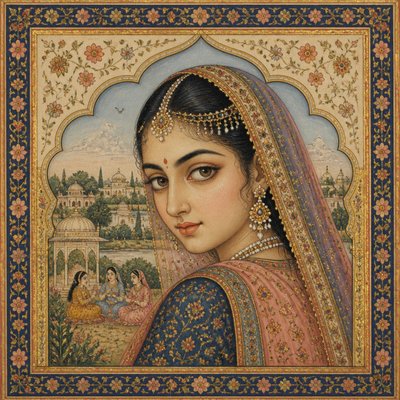
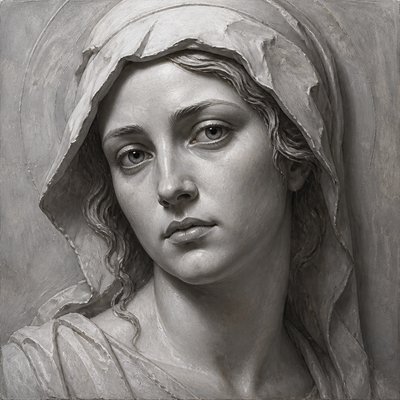
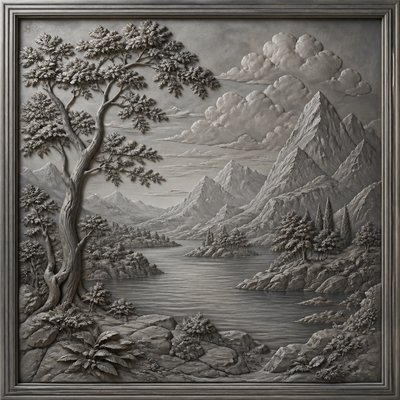
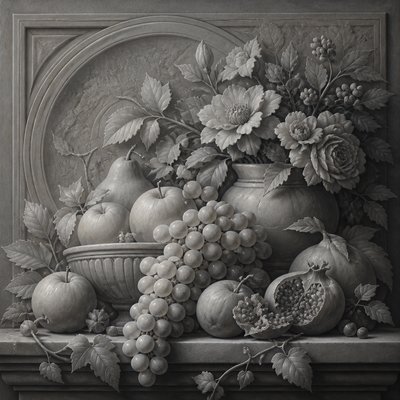
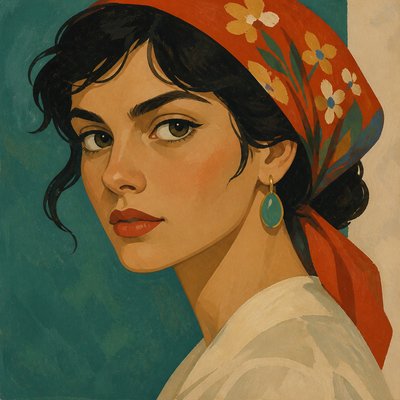
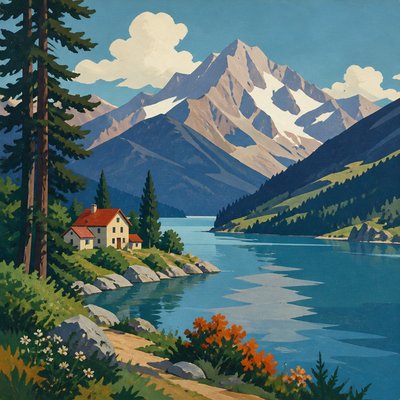
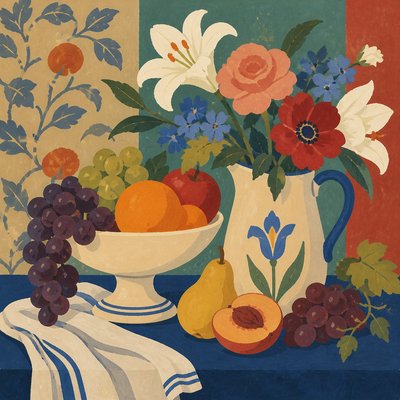
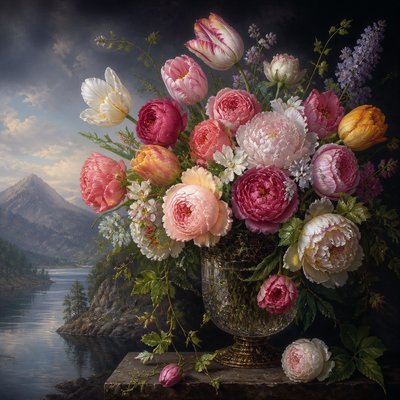
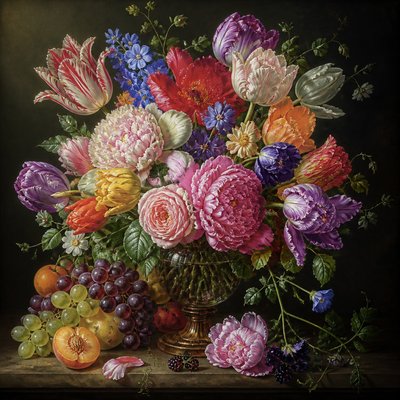
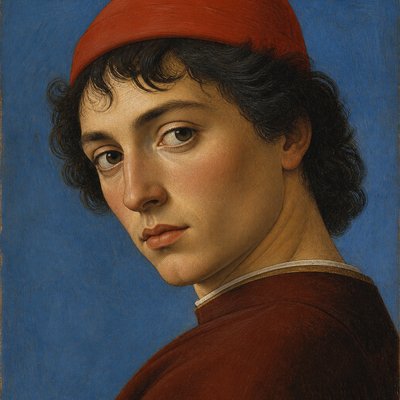
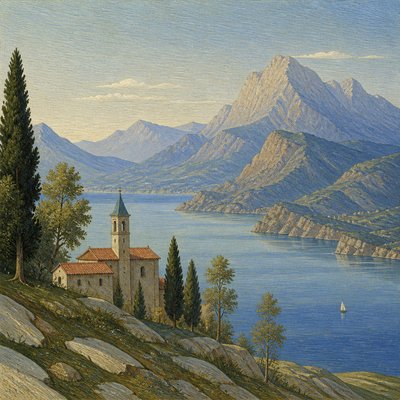
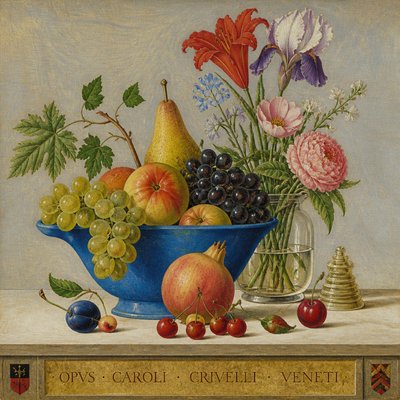
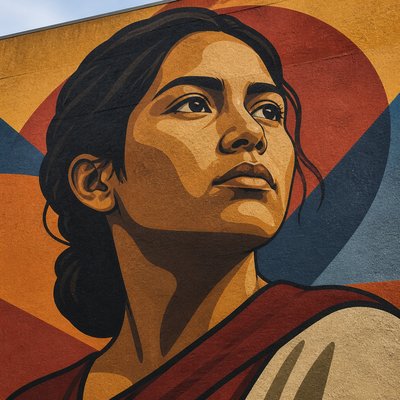
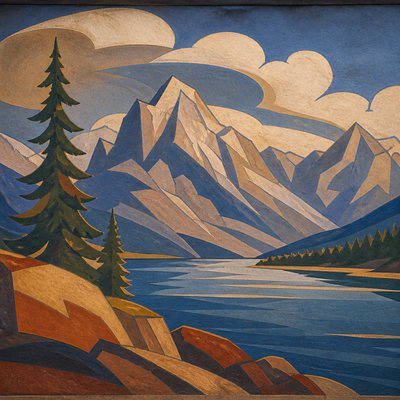
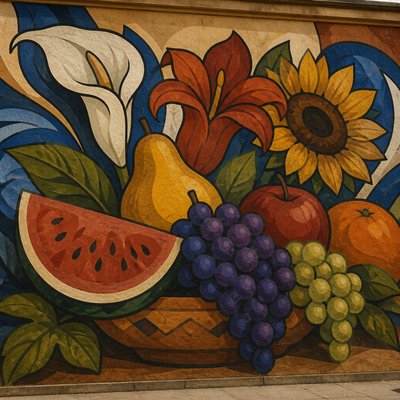
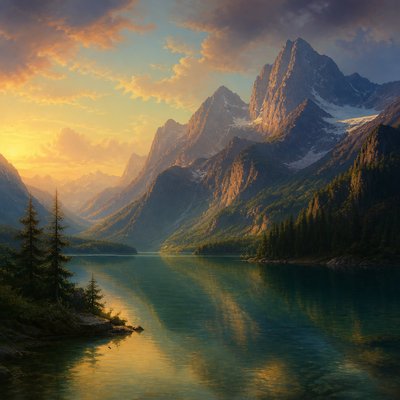
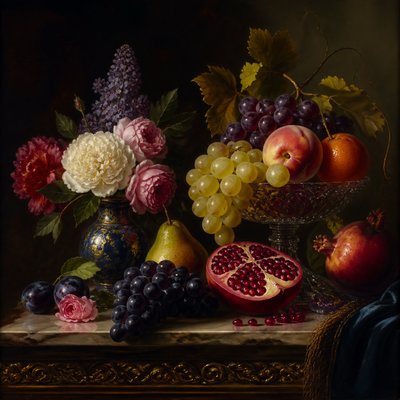
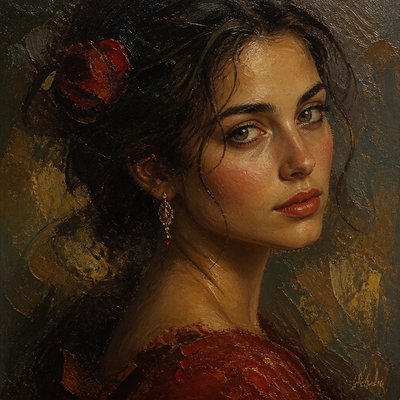
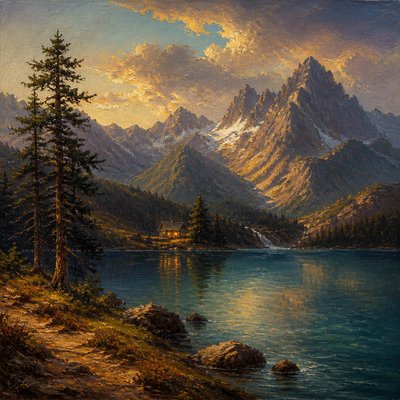
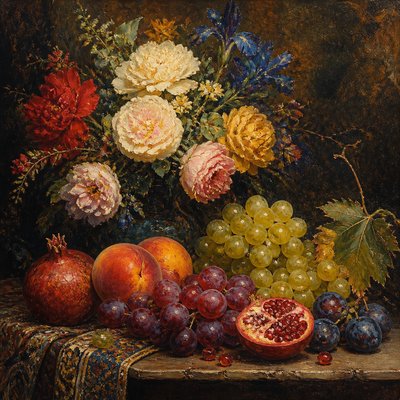
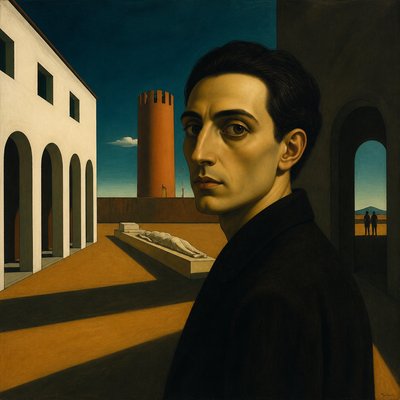
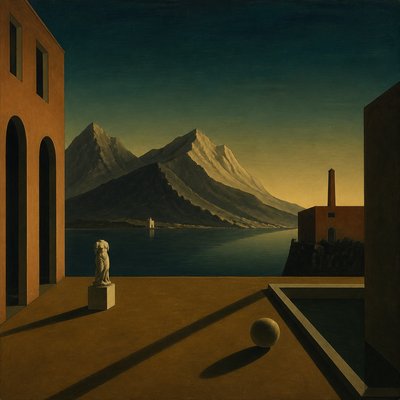
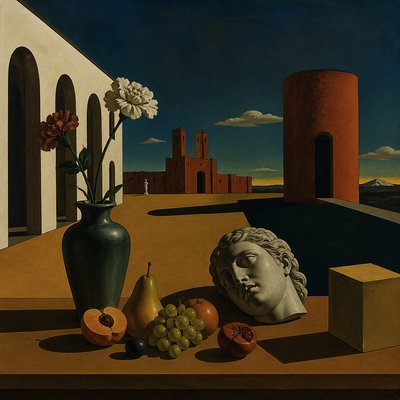
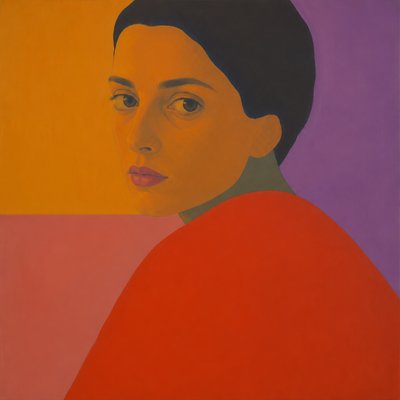
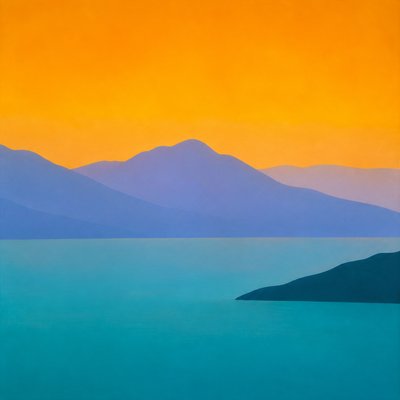
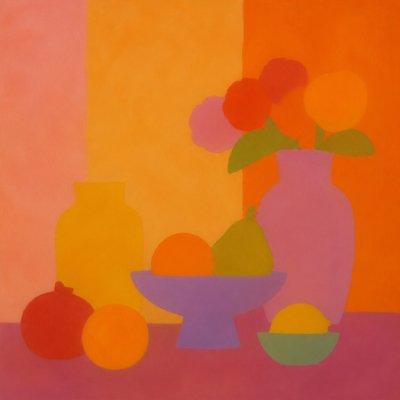
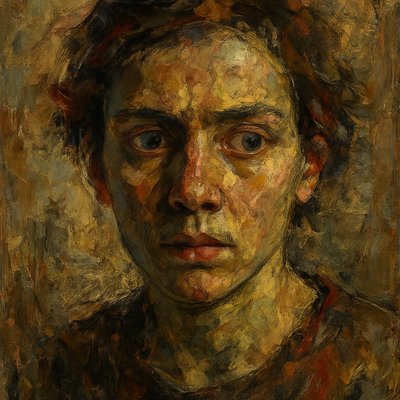
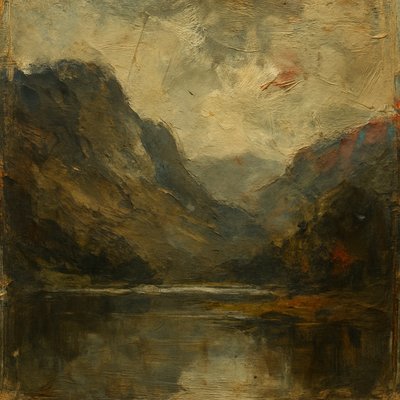
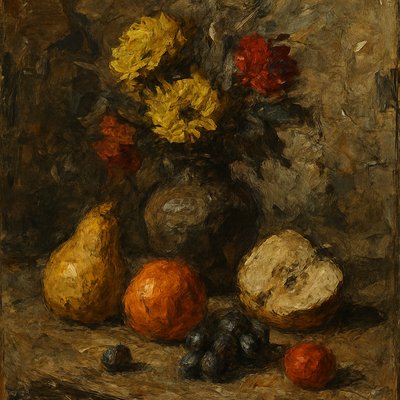
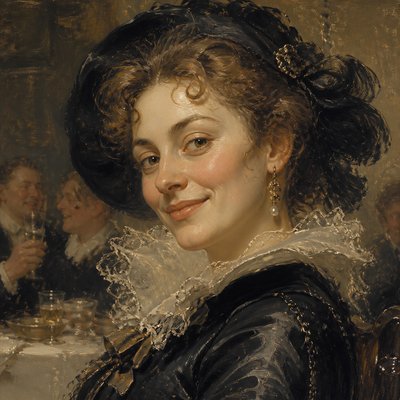
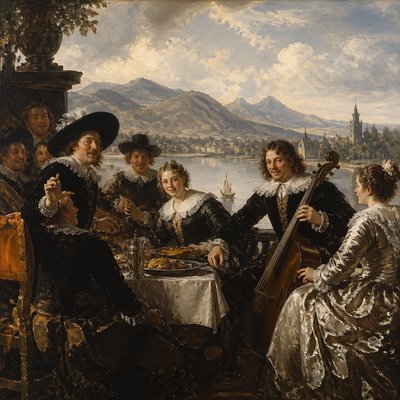
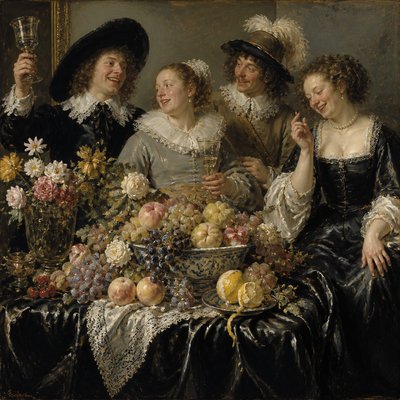
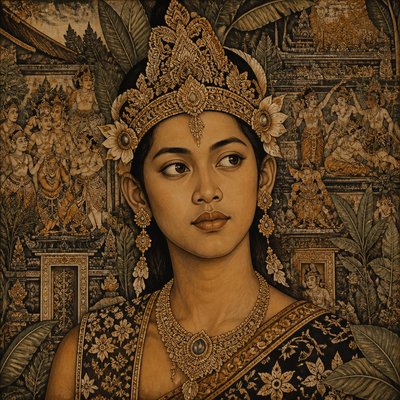
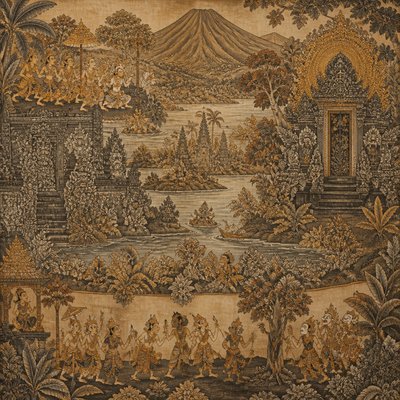
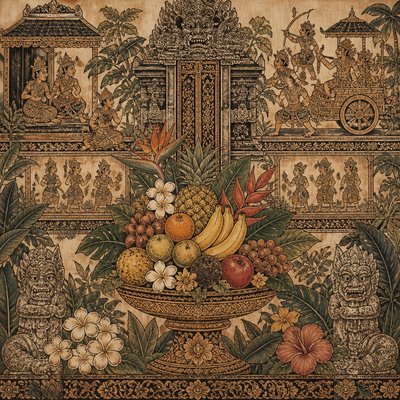
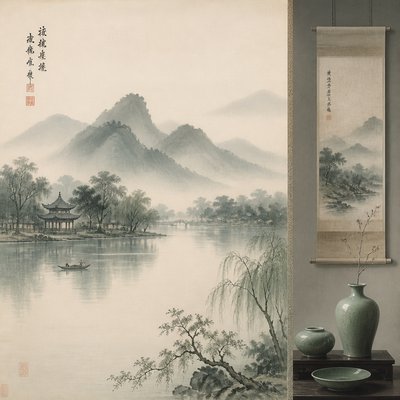
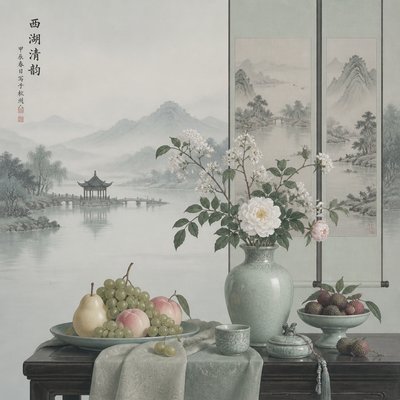
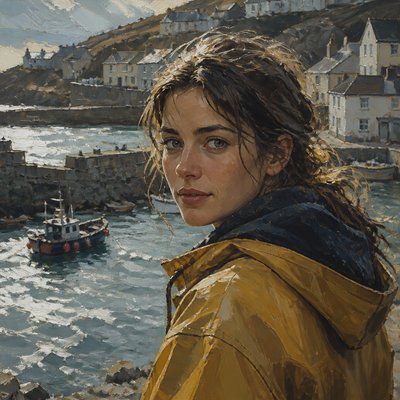
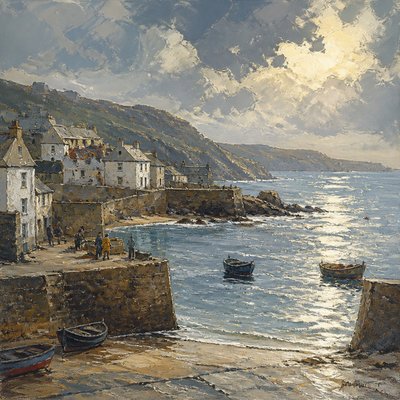
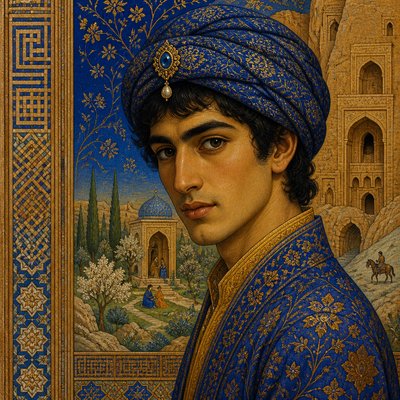
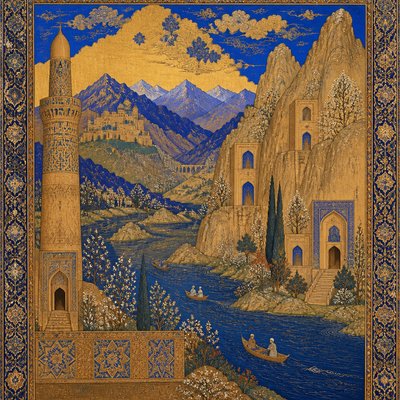
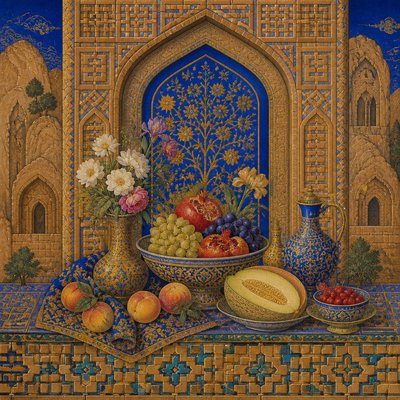
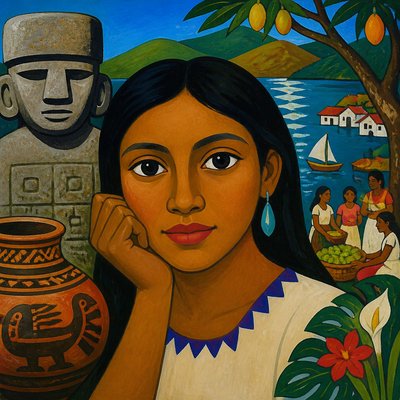
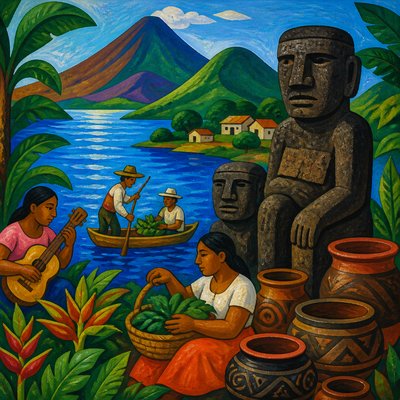
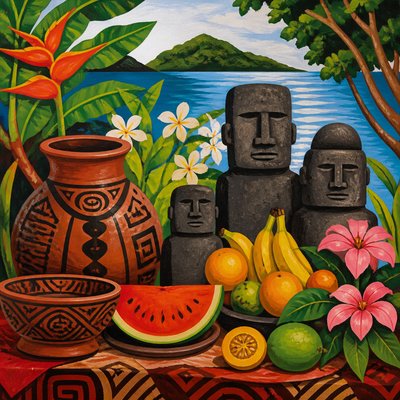
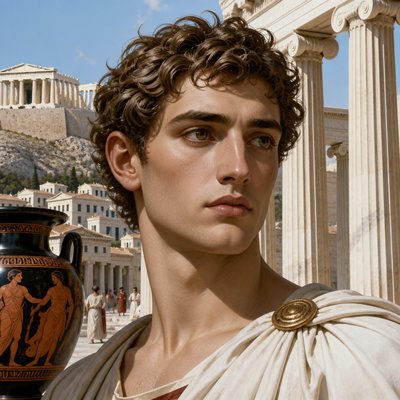
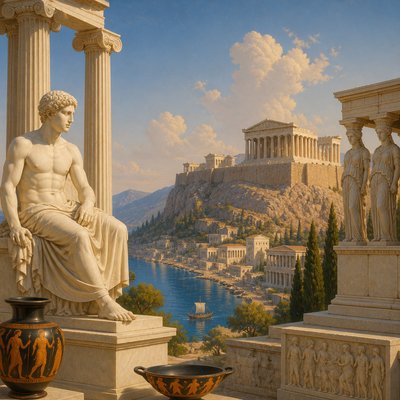
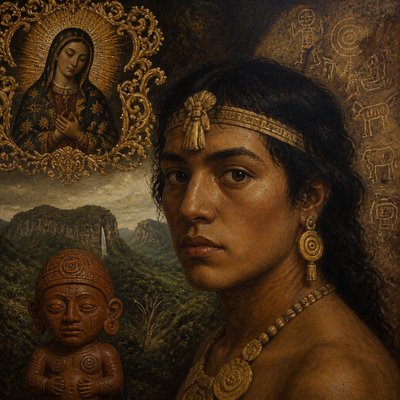
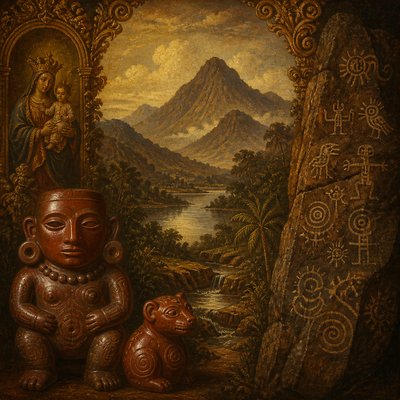
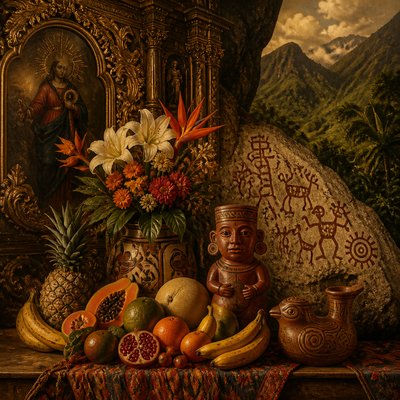
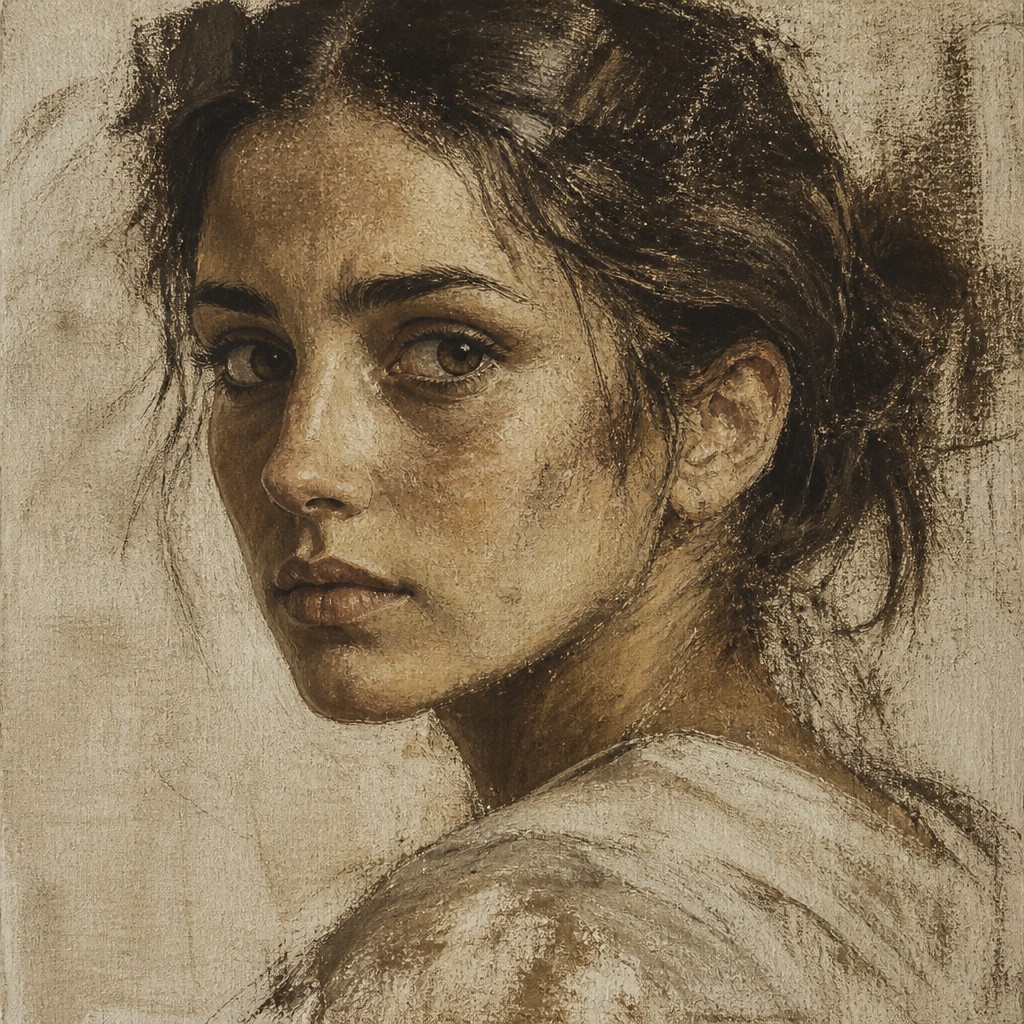
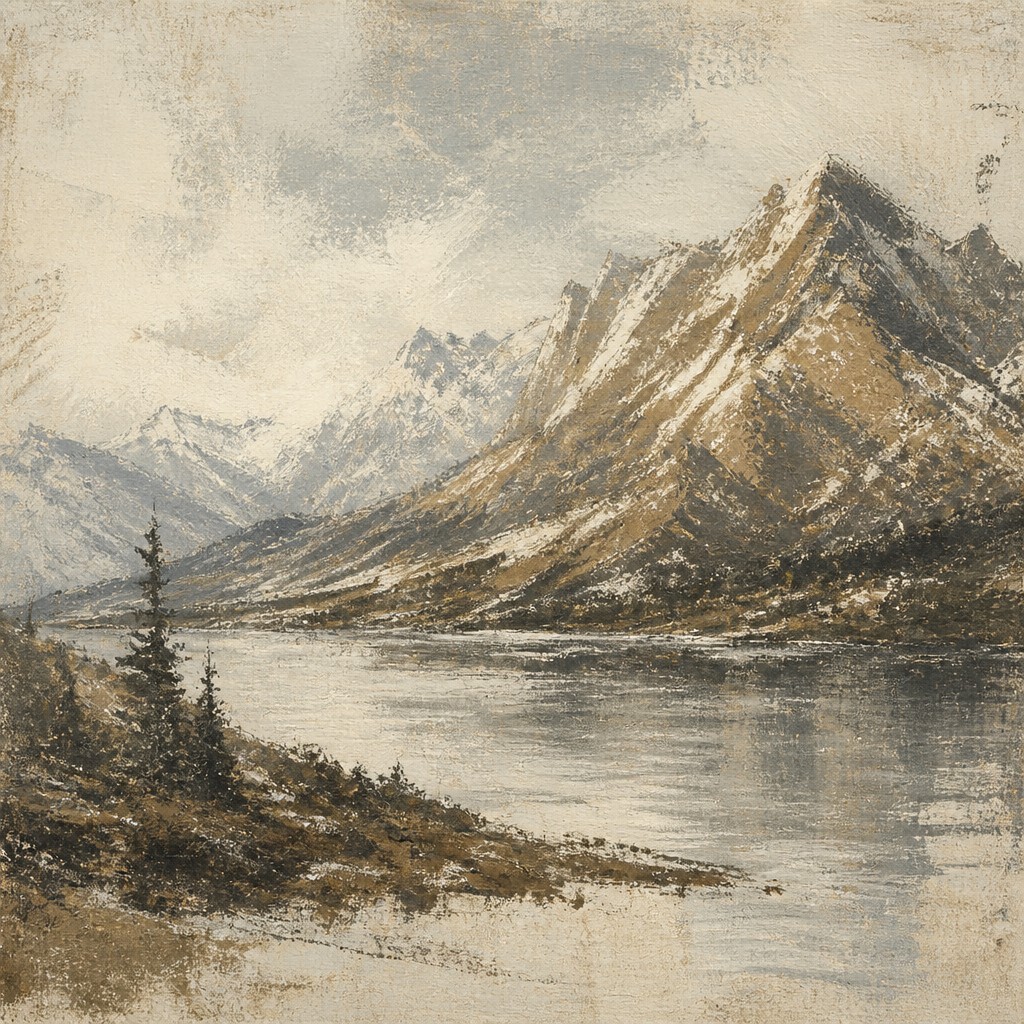
Dry brush painting is a surface-conscious technique in which a brush carrying very little fluid pigment is dragged across paper, canvas, panel, or another textured ground. Instead of forming an even coat, the nearly empty bristles catch on the surface, leaving broken marks, exposed tooth, irregular gaps, and rough, feathered edges.
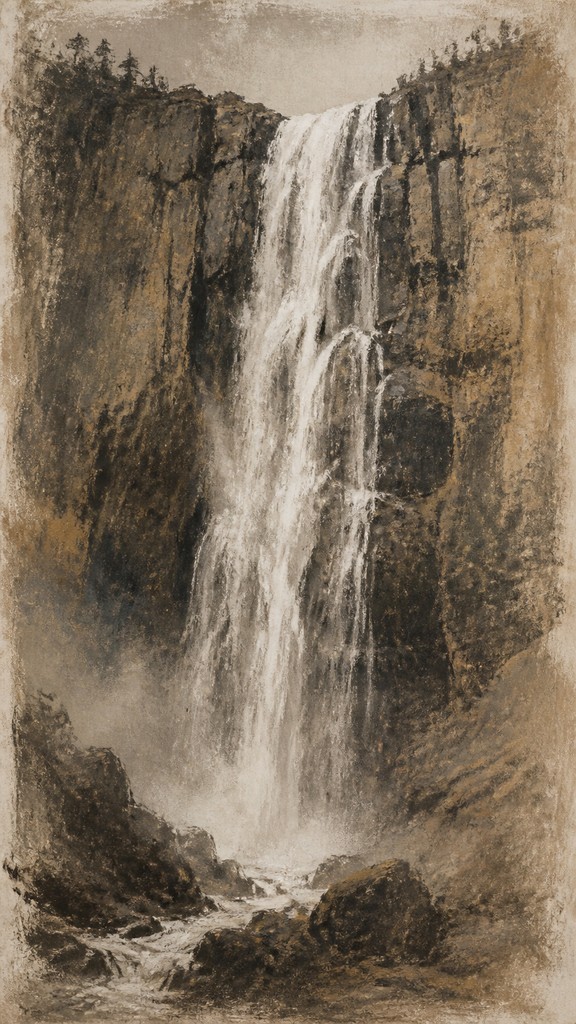
The resulting image is tactile, restrained, and often weathered in appearance. Tonal structure is built from overlapping scratches, scumbles, dry deposits, and selective areas of denser paint rather than smooth blending. Earth colors and muted contrasts emphasize the material character of the marks, though the technique can also support brighter or more graphic palettes.
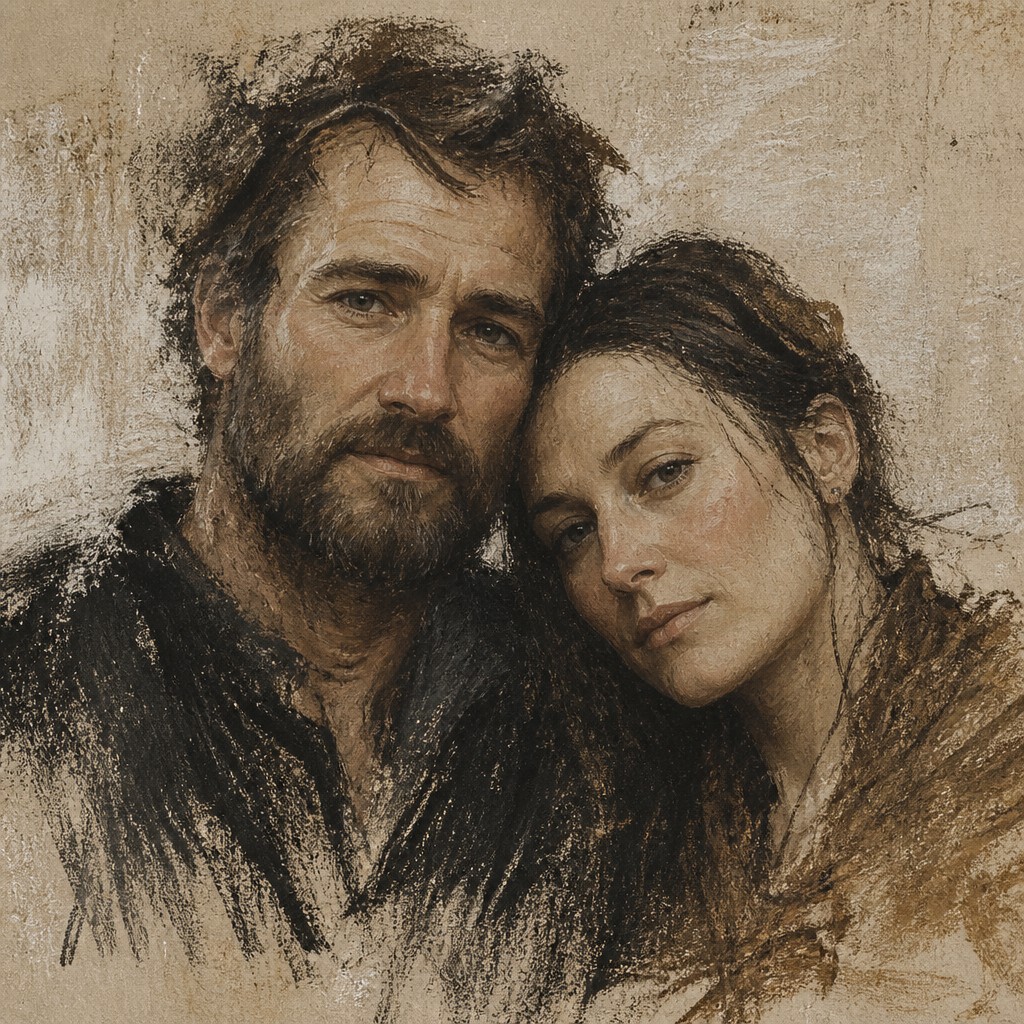
Try It On Your Photos
Upload any photo and convert it into Dry Brush Painting Style — drag the sliders to compare before and after.
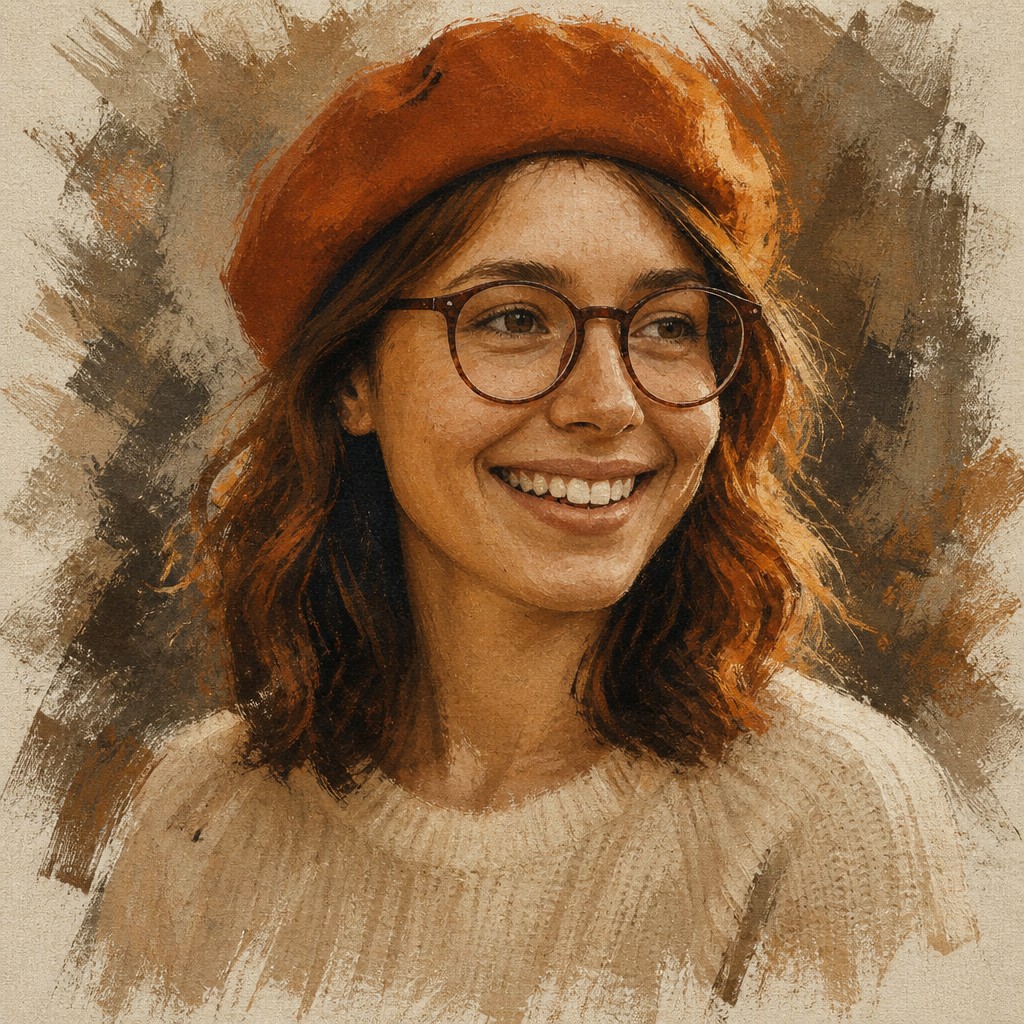

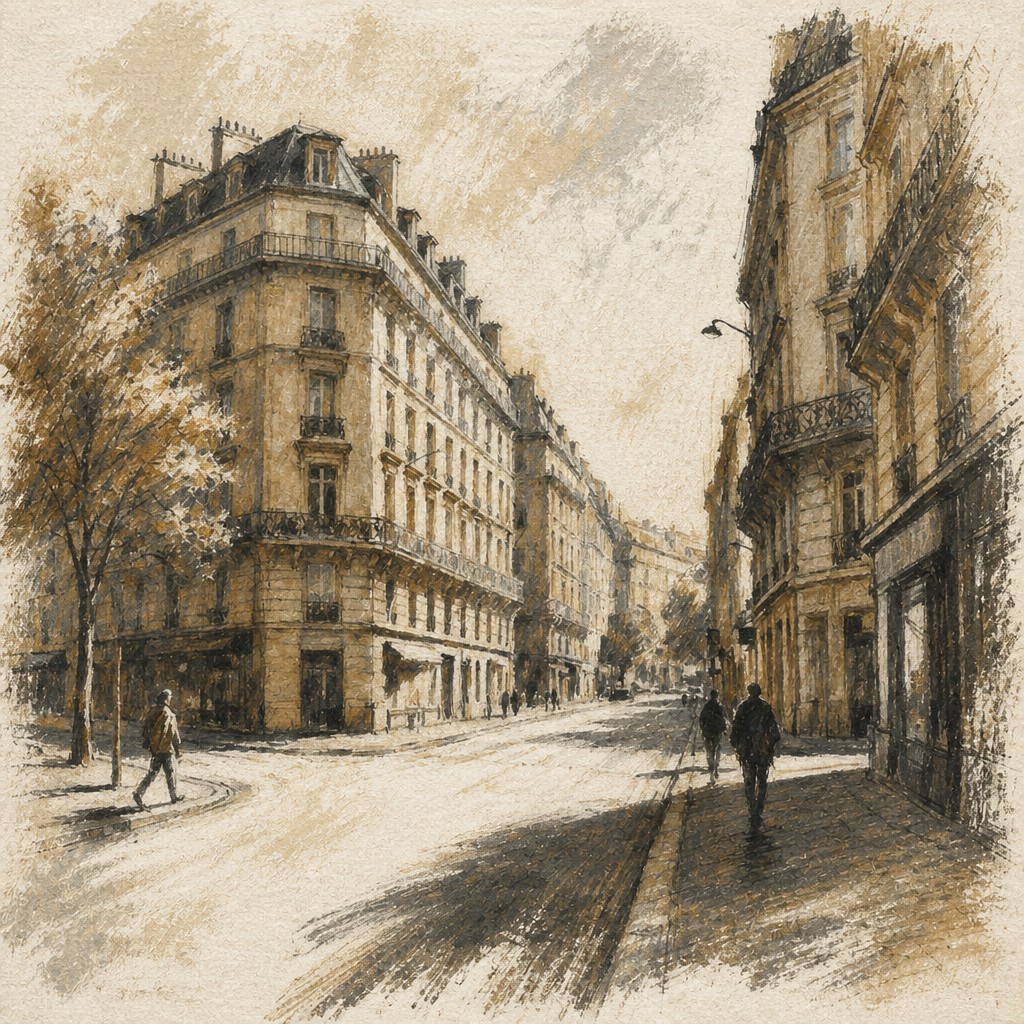

What Defines Dry Brush Painting Style
The signature details, up close
Broken pigment coverage
Paint appears in interrupted deposits rather than a continuous film. Gaps reveal the underlying paper, canvas, or digital grain and become part of the image's structure.
Scratchy, directional marks
Visible bristle paths give the surface a strong sense of movement. Marks may run in parallel, cross-hatched, swept, or irregular directions according to the form being described.
Rough and feathered edges
Contours are softened by stray bristles and uneven pressure, producing edges that feel worn, fibrous, and less mechanically precise than hard-edged painting.
Visible ground texture
Tooth and grain remain optically active, especially in unpainted passages and thin layers. Coarse paper or textured canvas intensifies the technique's characteristic skips and interruptions.
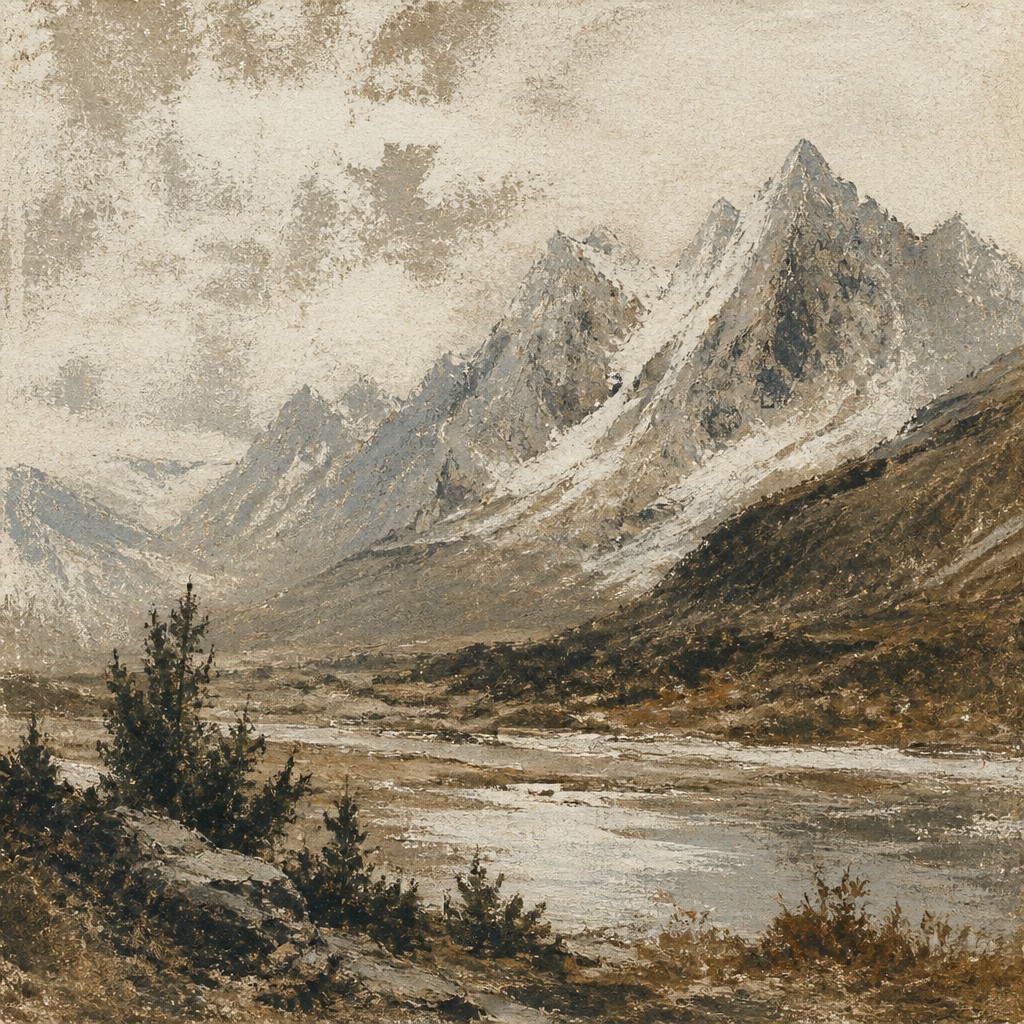
Sparse, earthy color
Muted ochres, umbers, siennas, gray-greens, charcoal tones, and off-whites are common because they reinforce the rustic, weathered effect. Color can remain limited so texture carries much of the visual interest.
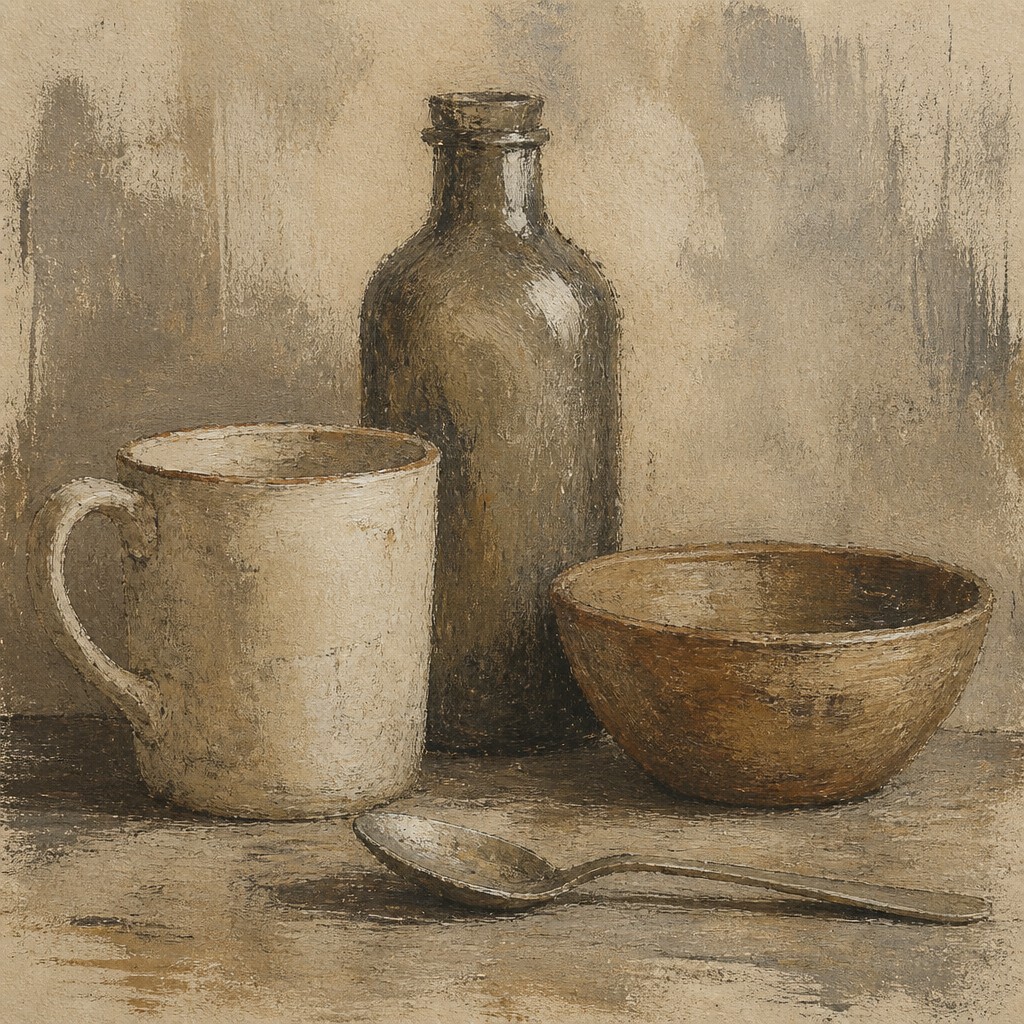
Layered scumbling
Multiple dry passes can build value and atmosphere while preserving the marks beneath. Light colors dragged over darker passages create a dusty, rubbed, or aged surface.
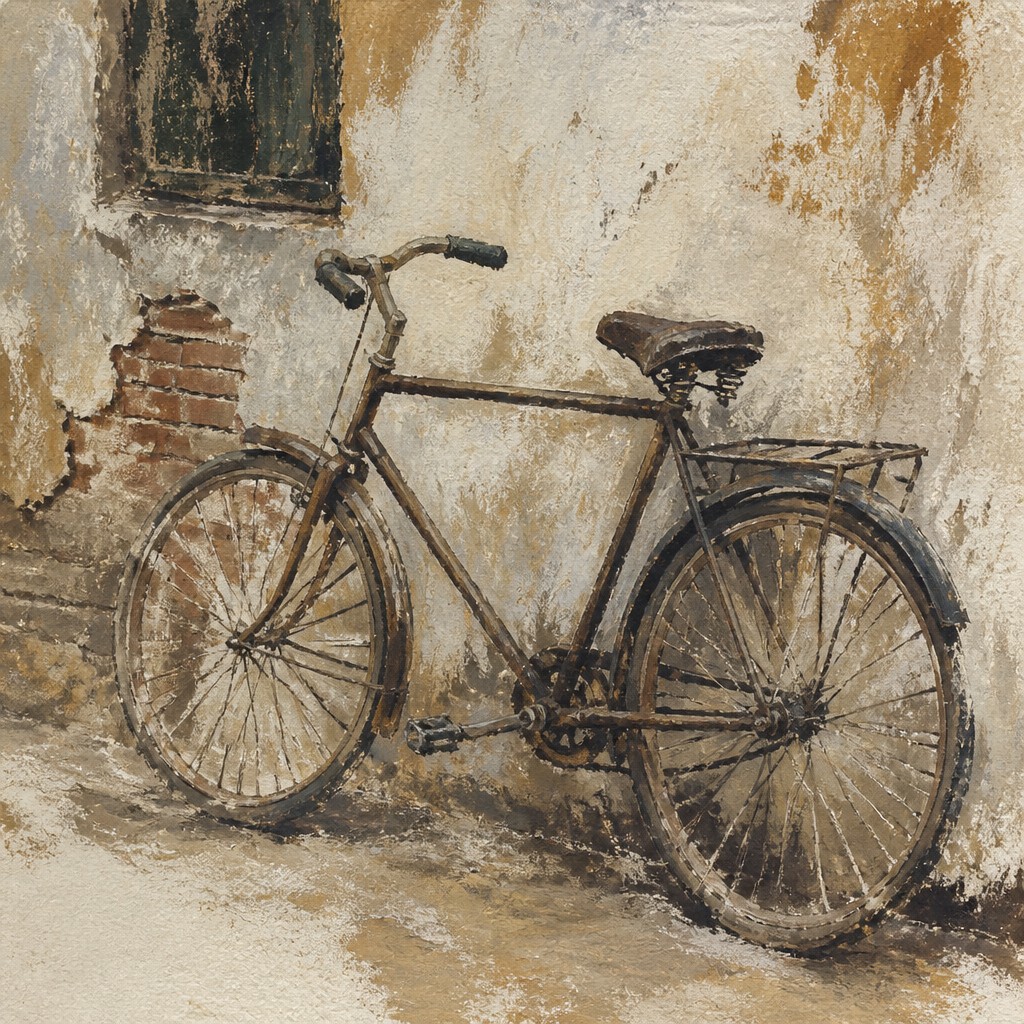
Restrained realism
Forms are often recognizable but selectively described, with detail concentrated at focal points. The method favors suggestion, material presence, and tactile mood over polished uniformity.
Try It
Create Videos in Dry Brush Painting Style
Styles aren't just for stills — describe a scene or animate an image and get a short video rendered in Dry Brush Painting. Press play to see this pond come to life.
Make a VideoDry Brush Painting Prompt Ideas
Start from an idea — each one opens the generator with the style ready to go. See all 40 Dry Brush Painting prompts →
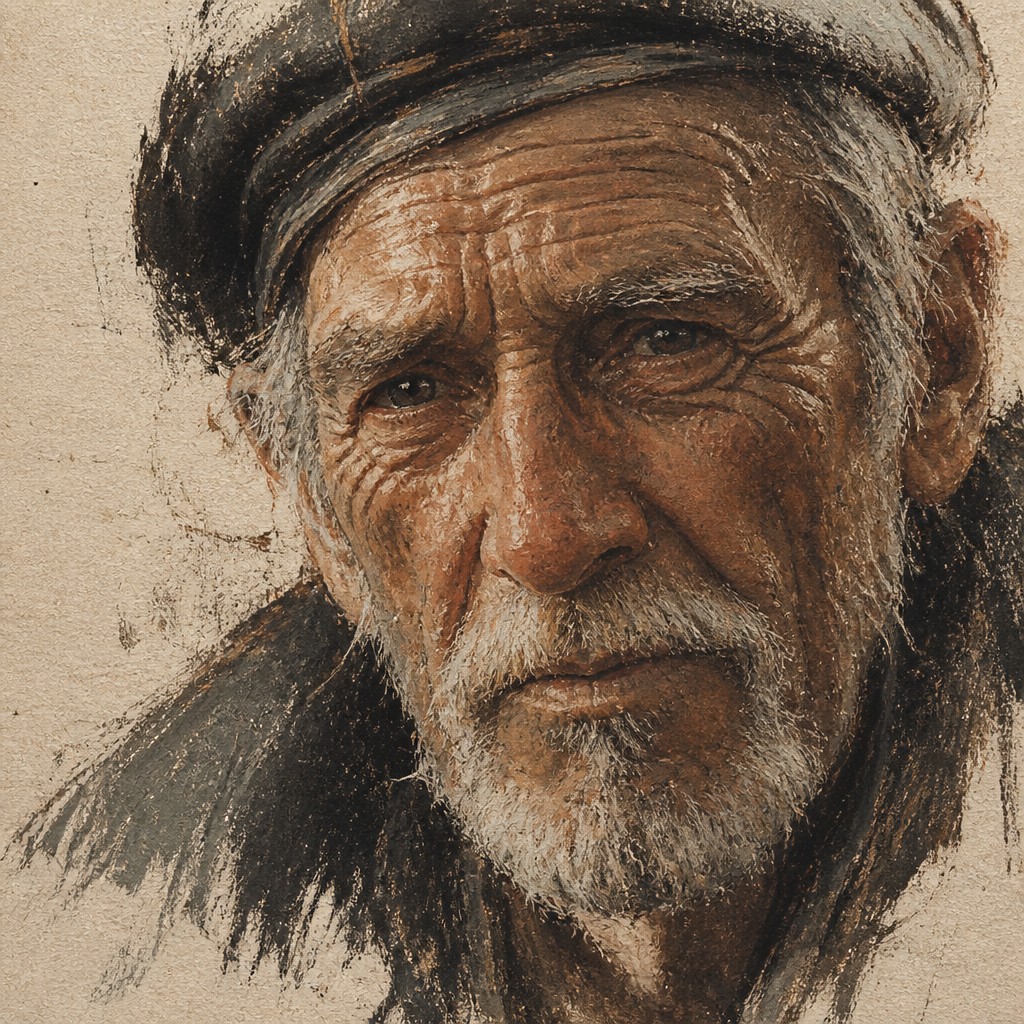
“close-up portrait of an elderly person with expressive weathered features”
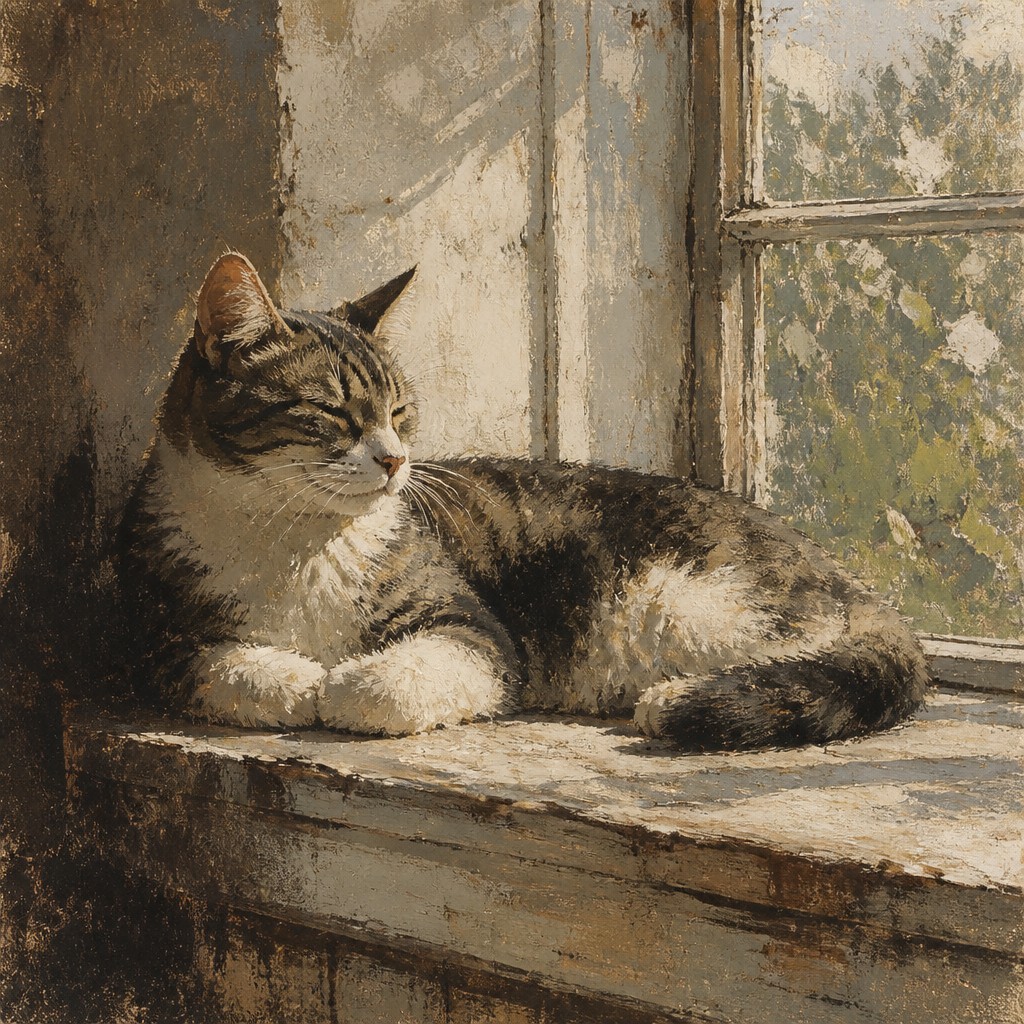
“a cat lounging in a sunlit window”
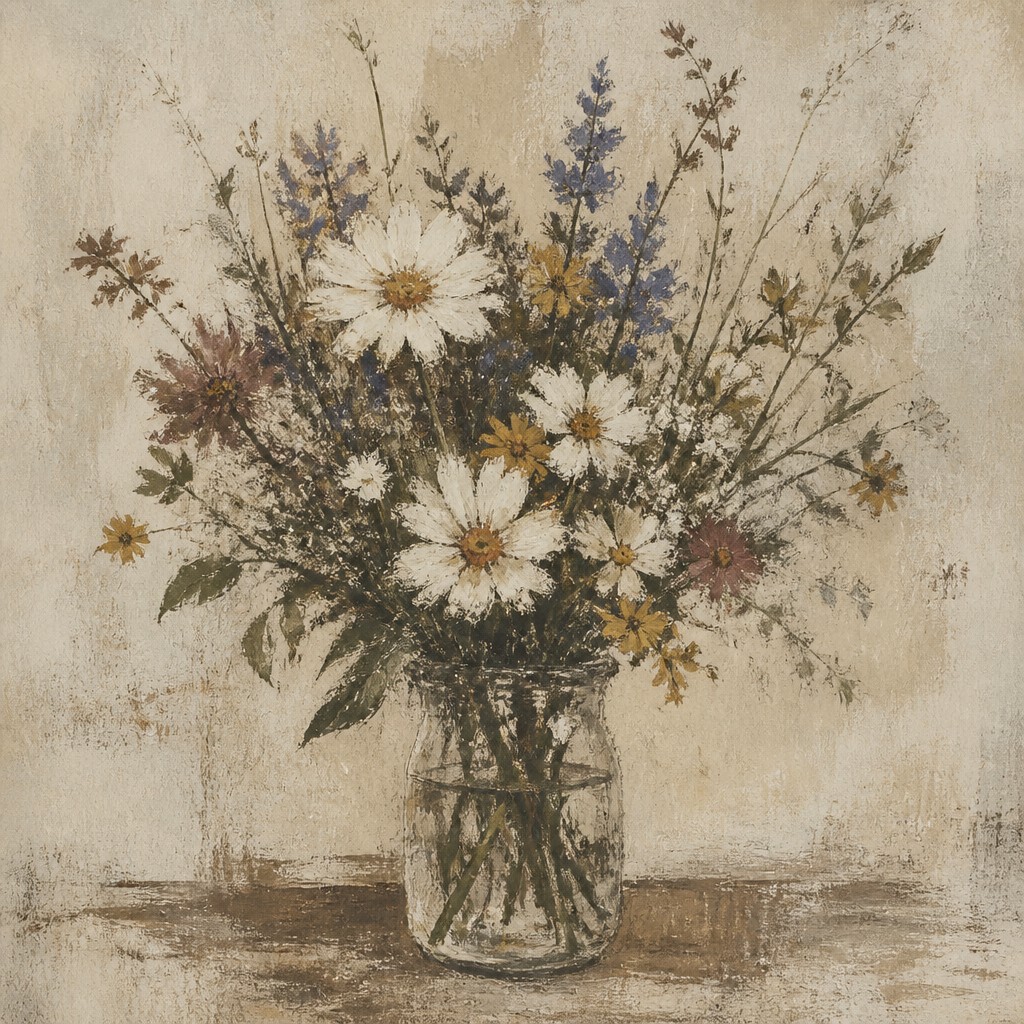
“bouquet of flowers in a glass vase”
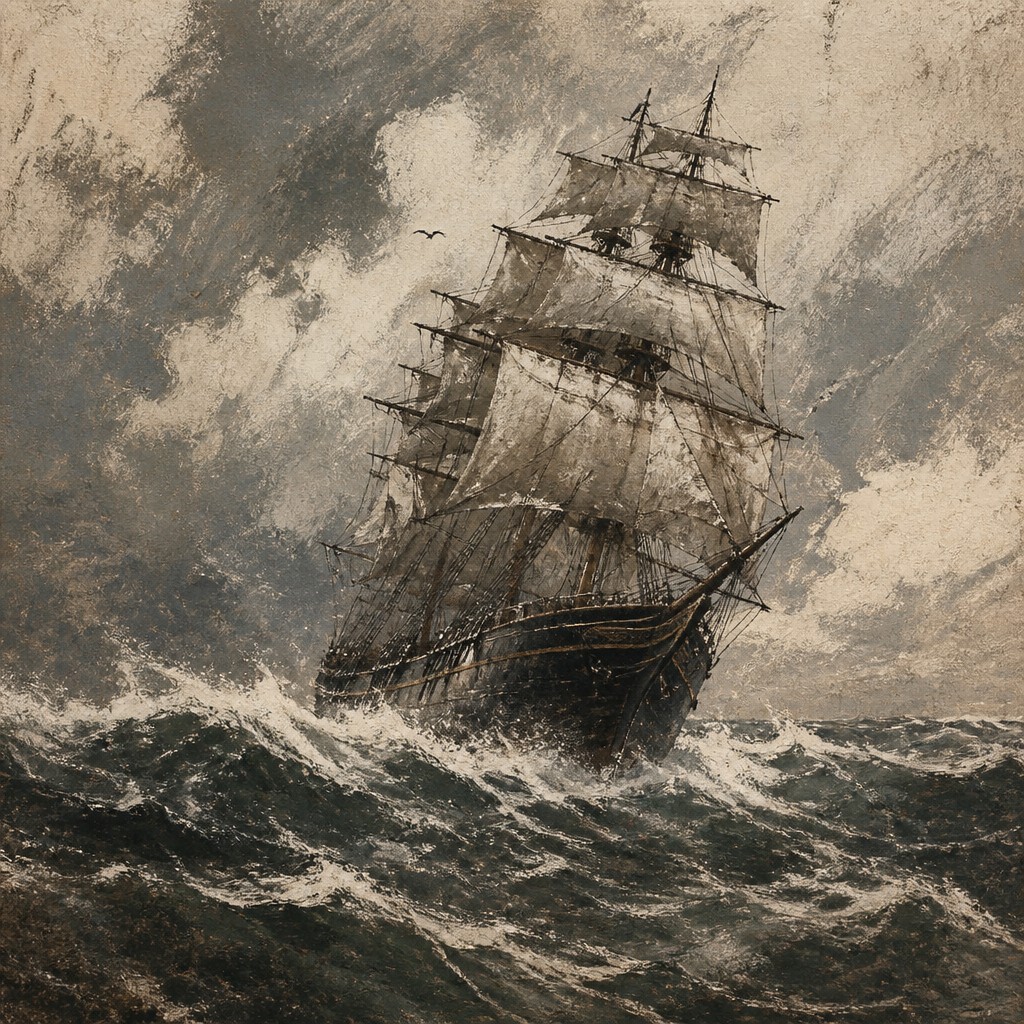
“sailing ship on a stormy sea”
How to Create Dry Brush Painting Art
Master the craft step by step — or skip straight to creating. Read the full guide →
- 1
Prepare a receptive surface
Use coarse watercolor paper, canvas, board, or a textured ground that can catch the bristles. In digital work, choose a paper-grain layer or brush with visible tooth and uneven opacity.
- 2
Load very little medium
Remove excess water, oil, or acrylic medium before touching the surface; the brush should feel nearly dry rather than wet. A worn, stiff, flat, or splayed brush produces especially broken coverage.
- 3
Control pressure and direction
Use light pressure for scattered hairline marks and slightly firmer pressure for broader deposits, varying the stroke direction to describe planes and texture. Avoid repeatedly smoothing the same passage, which removes the dry-brush character.
- 4
Build values in layers
Begin with a sparse block-in, then add successive scumbled passes to deepen shadows and clarify focal forms. Leave selected areas untouched so the ground provides highlights and visual breathing room.
- 5
Use digital texture deliberately
Combine a textured brush with low opacity, pressure-sensitive size, and a subtle paper overlay, then mask or erase selectively to preserve irregular gaps. Keep edges varied rather than applying a uniform distressed filter.
- 6
Write material-focused prompts
For prompt-based generation, specify nearly dry pigment, broken bristle marks, exposed paper tooth, muted earthy colors, rough edges, and restrained detail. Name the subject and lighting separately so the texture supports rather than obscures the composition.
The Story
History & Origins of Dry Brush Painting
Dry brush is best understood as a recurring painting and illustration technique rather than a single historical movement with a fixed period or place of origin. Its effects arise from the relationship between a relatively dry brush, a small amount of pigment, and a receptive surface, making it adaptable to oil, acrylic, watercolor, gouache, ink, and modern digital brushes.
The aesthetic lineage includes dry-brush watercolor and ink practices, scumbling in Western painting, distressed print textures, charcoal and graphite drawing, and the expressive brushwork of modern and contemporary illustration. In digital art, texture-sensitive brush engines reproduce the broken coverage and paper resistance associated with physical media without claiming a separate historical school.
Influences: The style relates to dry-brush watercolor and ink, gouache and acrylic scumbling, oil-painting surface effects, charcoal and graphite mark-making, distressed printmaking, plein-air sketching, and rustic editorial illustration. It also shares the broken contour and selective description of expressive modern painting, while digital texture brushes and procedural paper grain extend these physical traditions into contemporary image-making.
Frequently Asked Questions
What defines dry brush painting?
Its defining feature is pigment dragged with a brush that contains very little liquid. The brush skips across the surface, creating broken coverage, visible grain, scratchy marks, and irregular edges rather than smooth fills.
Is dry brush painting a historical art movement?
No. Dry brush is primarily a technique and surface effect used across several media and periods. It has many historical precedents, but it does not describe one unified school with a single founding date or geographic origin.
Which materials work best for dry brush?
Stiff or worn brushes and textured surfaces are especially effective. Acrylic, oil, gouache, watercolor, ink, charcoal, and graphite can all produce related results when moisture or binder is controlled.
How is dry brush different from watercolor wash?
A wash uses relatively fluid paint to create continuous, transparent areas and soft transitions. Dry brush uses limited moisture, so the pigment breaks across the surface and leaves more of the paper texture visible.
How can I keep a dry-brush image from looking messy?
Establish clear large shapes and value groups before adding texture, and reserve the densest marks for focal areas. Vary stroke direction with the form, limit the palette, and leave intentional quiet passages between textured sections.
Where is this style commonly used?
It is well suited to landscape studies, portraits, natural-history imagery, editorial illustration, concept art, book art, and atmospheric still lifes. Its tactile irregularity is useful whenever a handmade, rustic, aged, or understated visual character is desired.
Create your first Dry Brush Painting artwork
Describe anything — or upload a photo — and see it in Dry Brush Painting Style in seconds.
Related Styles
Discover similar art styles