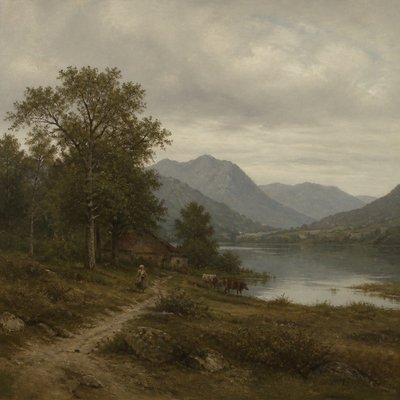
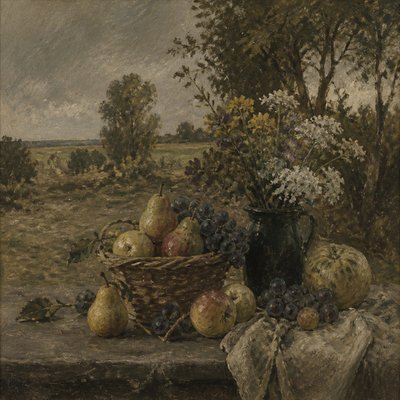
Cornwall Plein Air Art Style
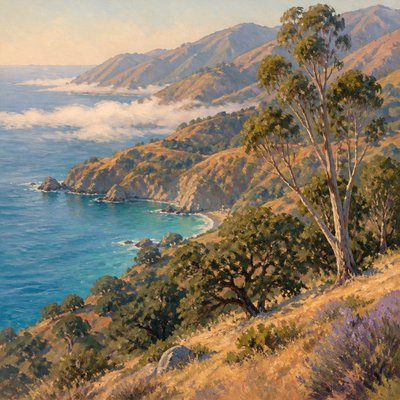
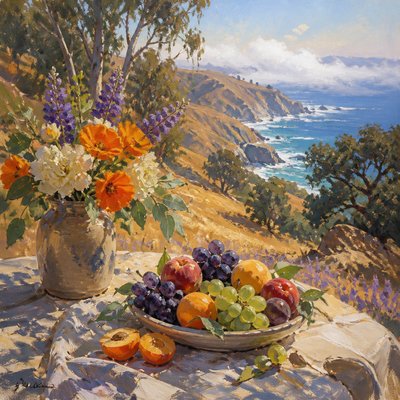
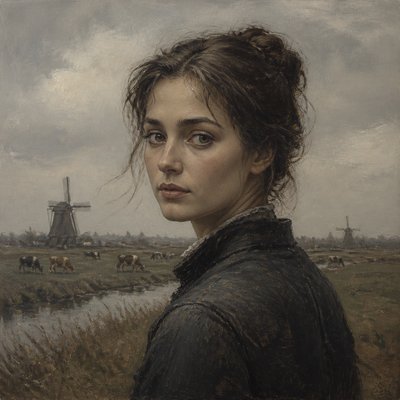
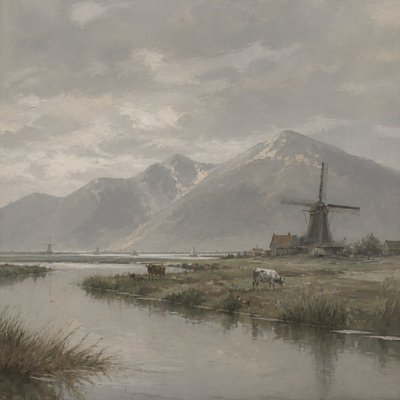
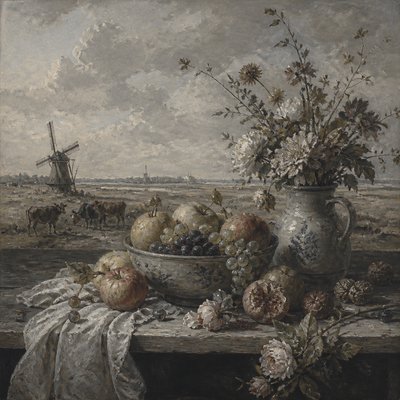
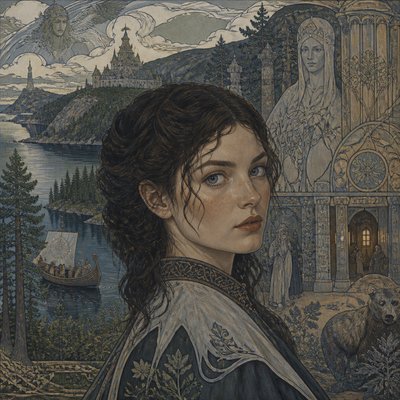
Explore Cornwall plein air art: quick square-brush paintings of fishing harbors, granite quays, slate seas, and sudden coastal light.
Instantly rendered in Cornwall Plein Air — or transform a photo
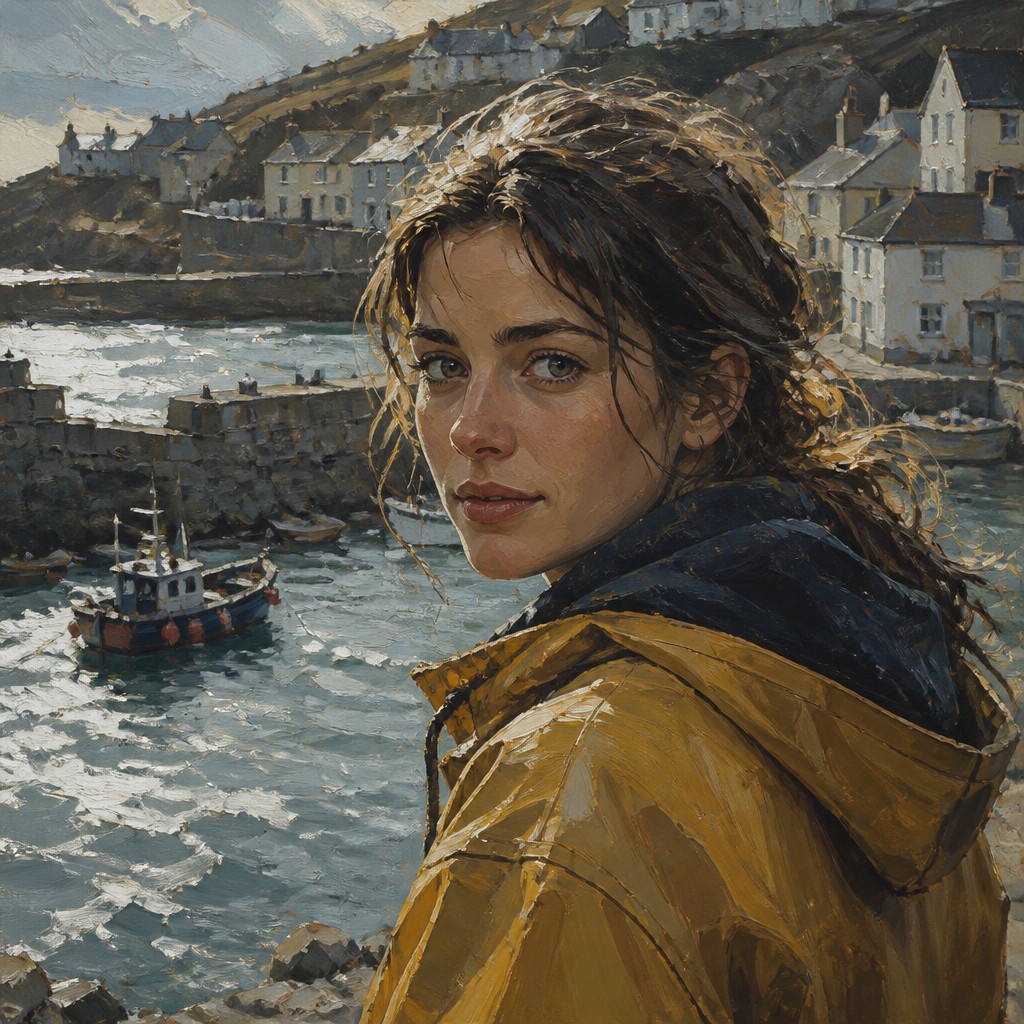
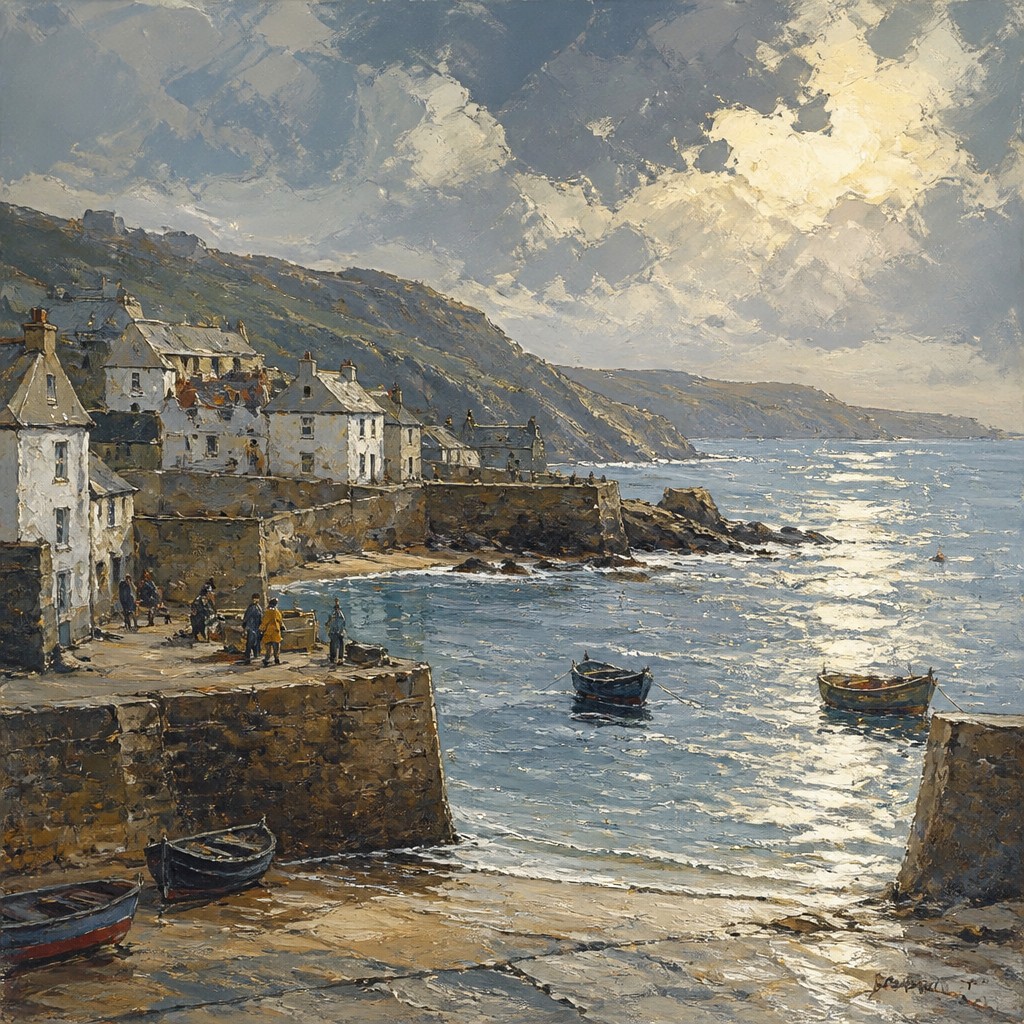
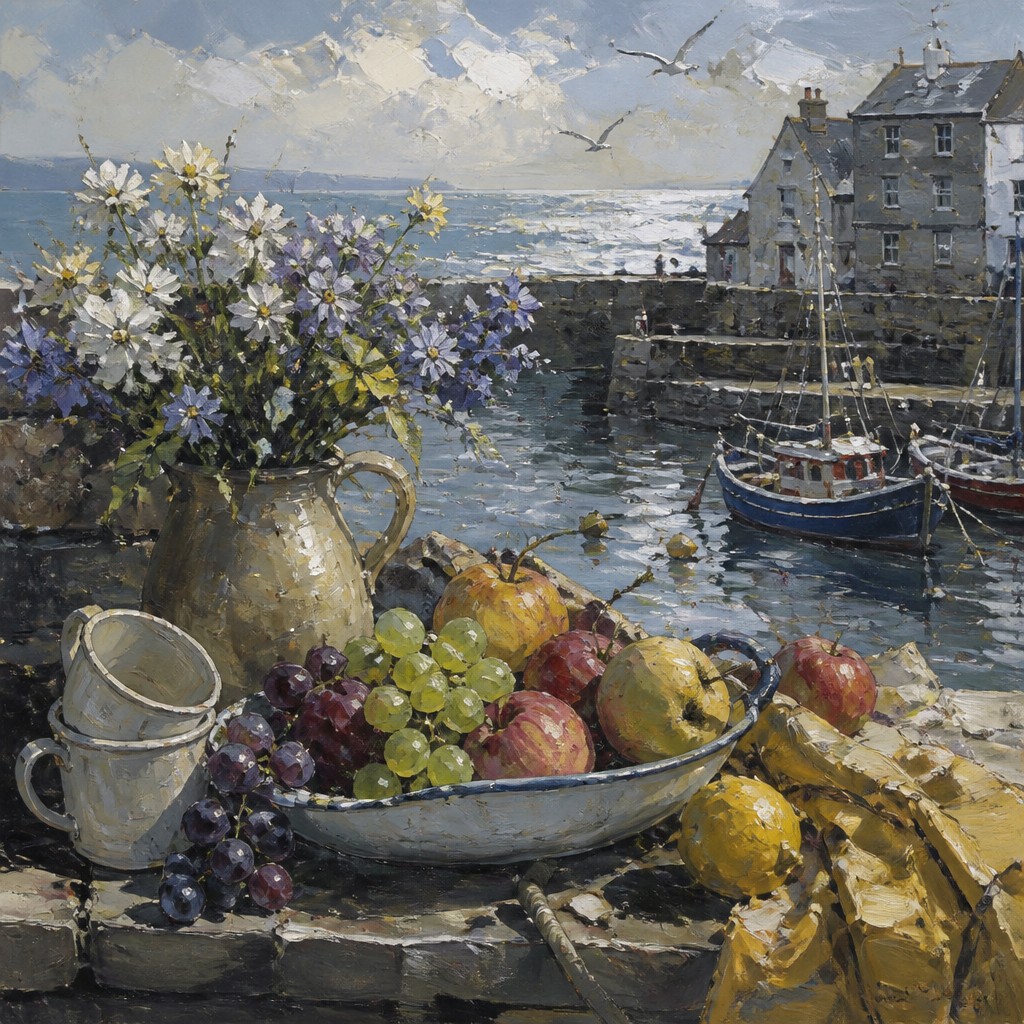
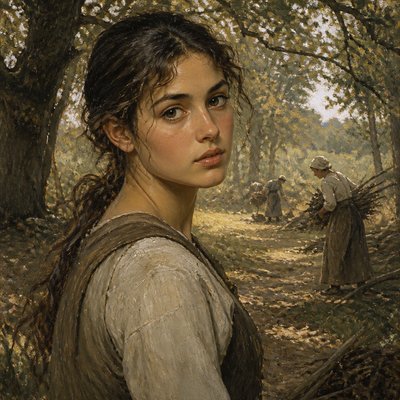
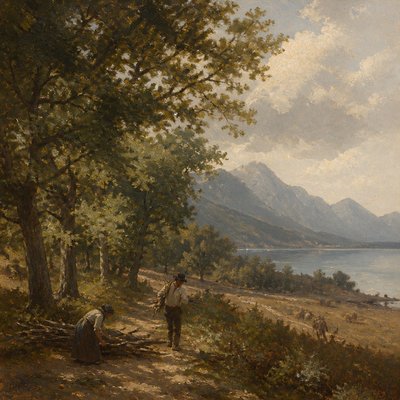
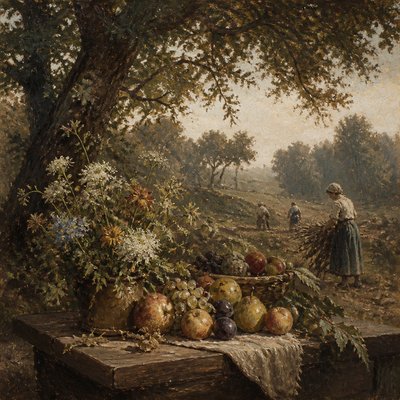
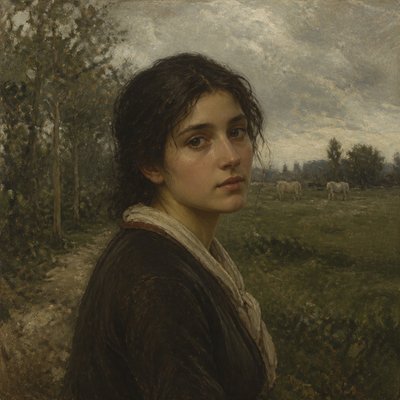
Cornwall Plein Air Gallery
Tap any artwork to explore it
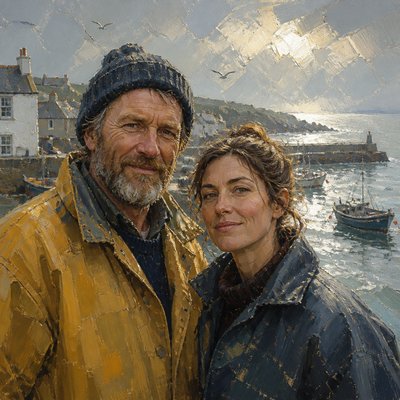
What is Cornwall Plein Air Art Style?
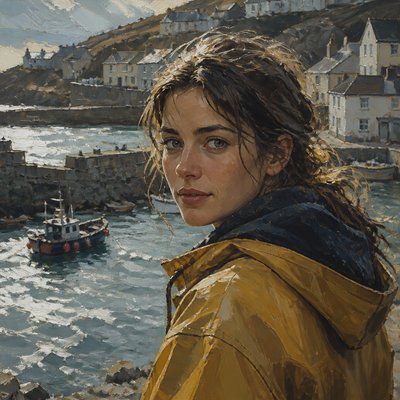
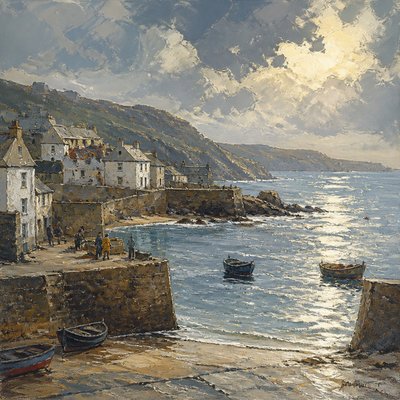
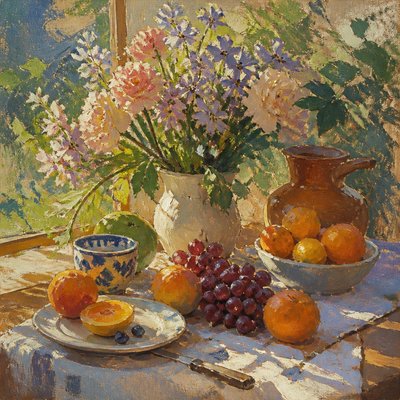
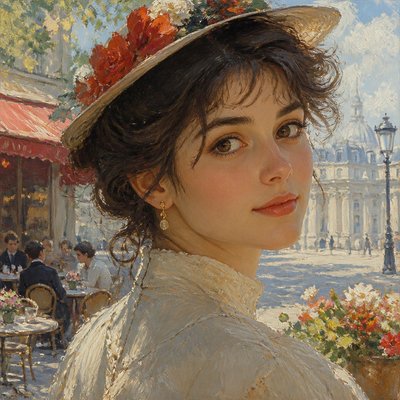
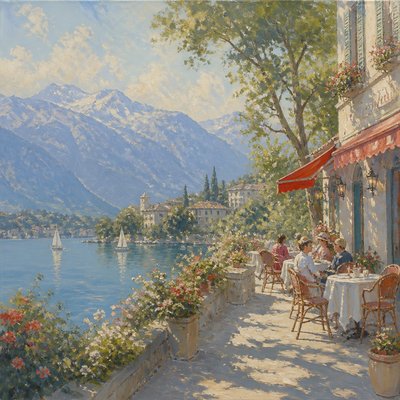
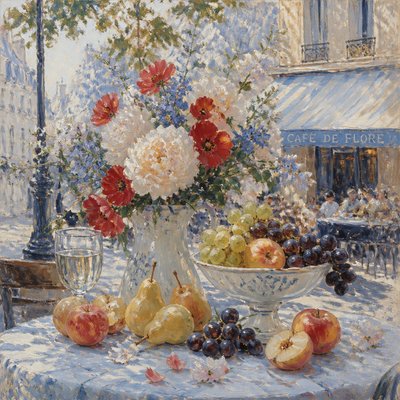
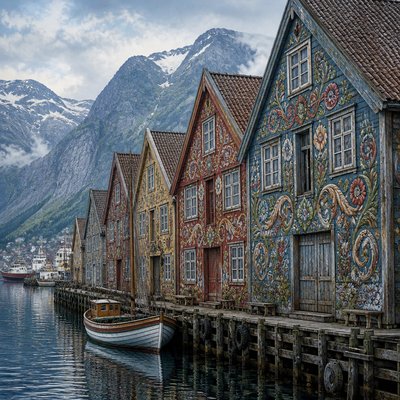
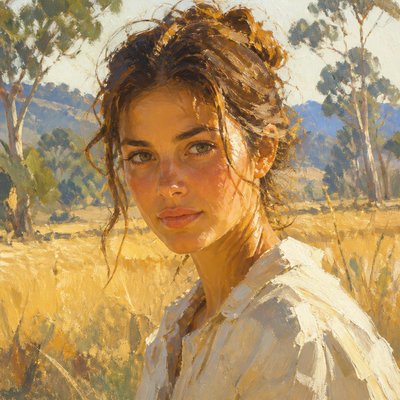
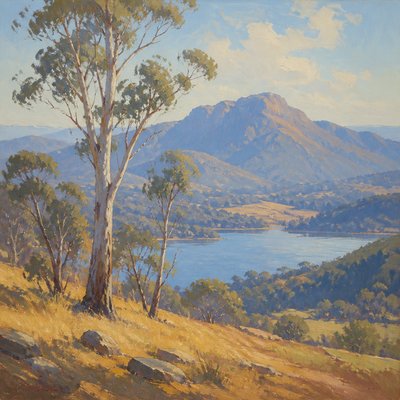
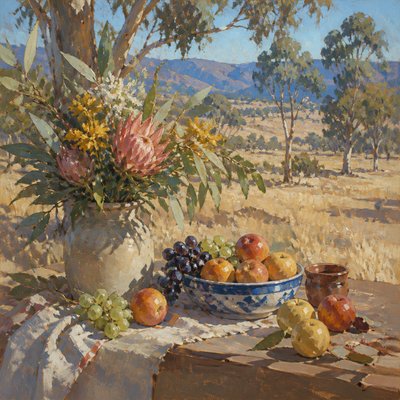
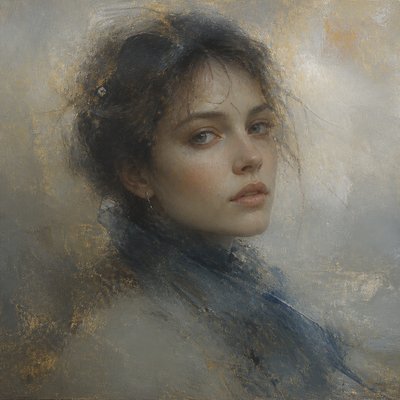
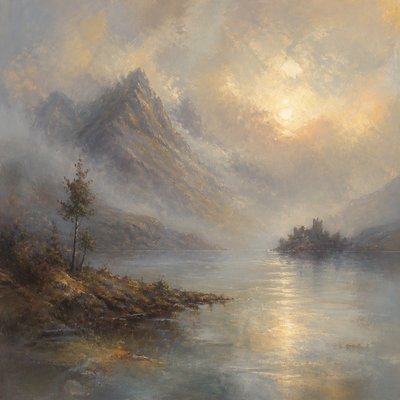
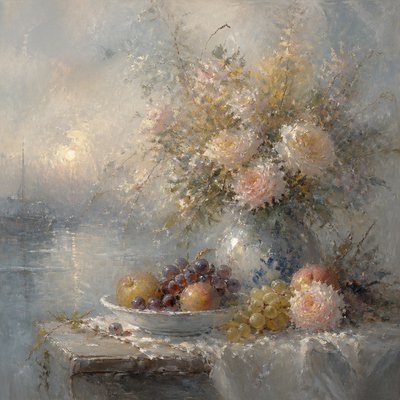
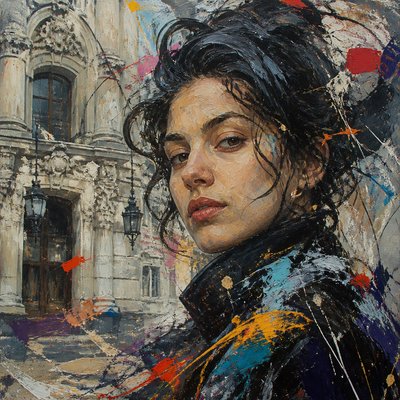
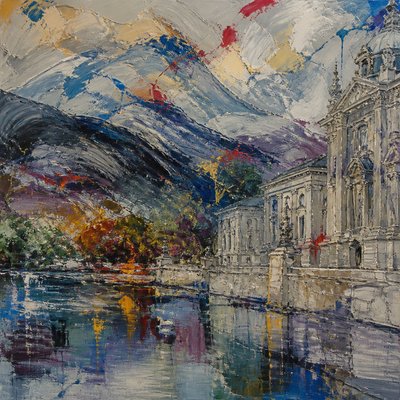
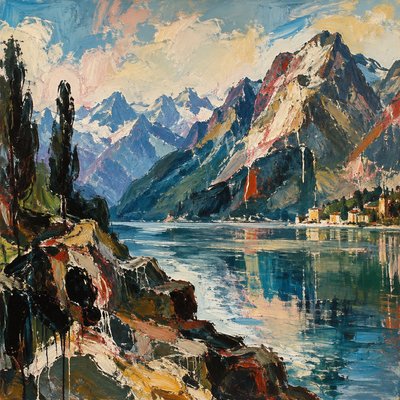
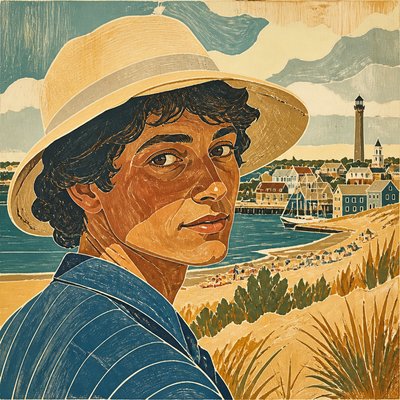
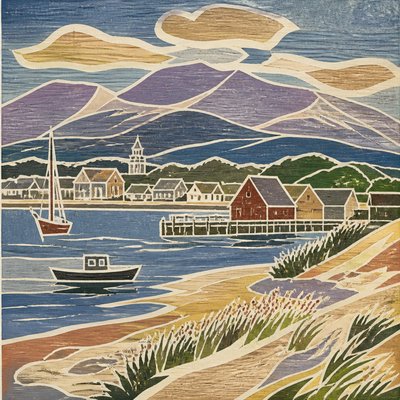
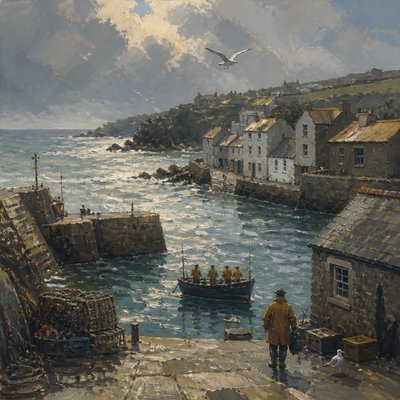
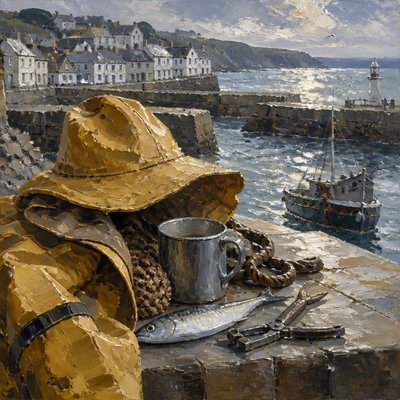
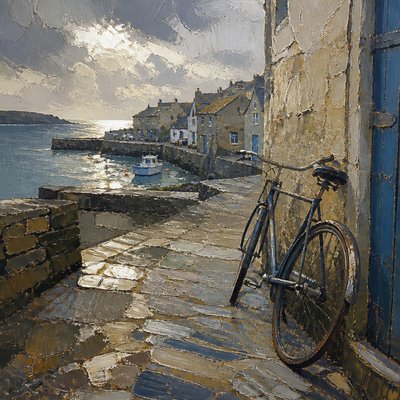
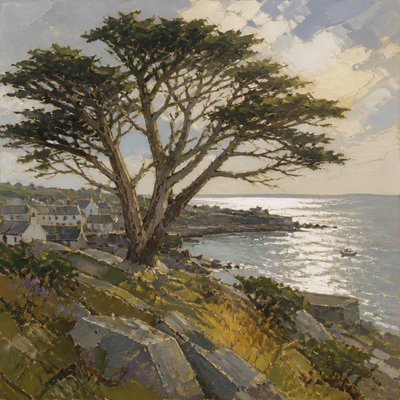
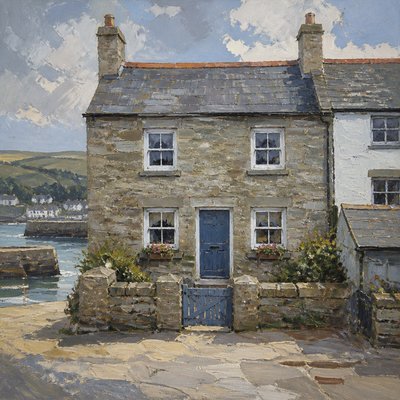
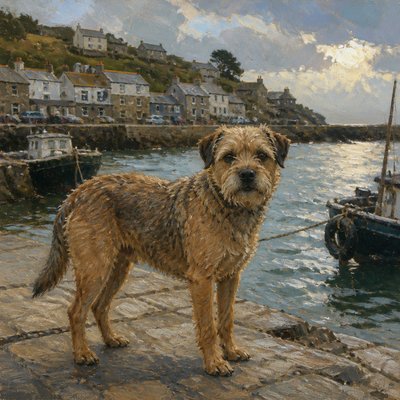
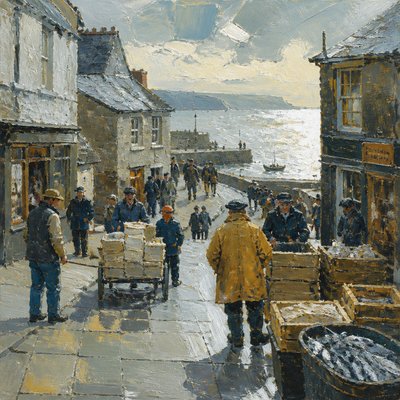
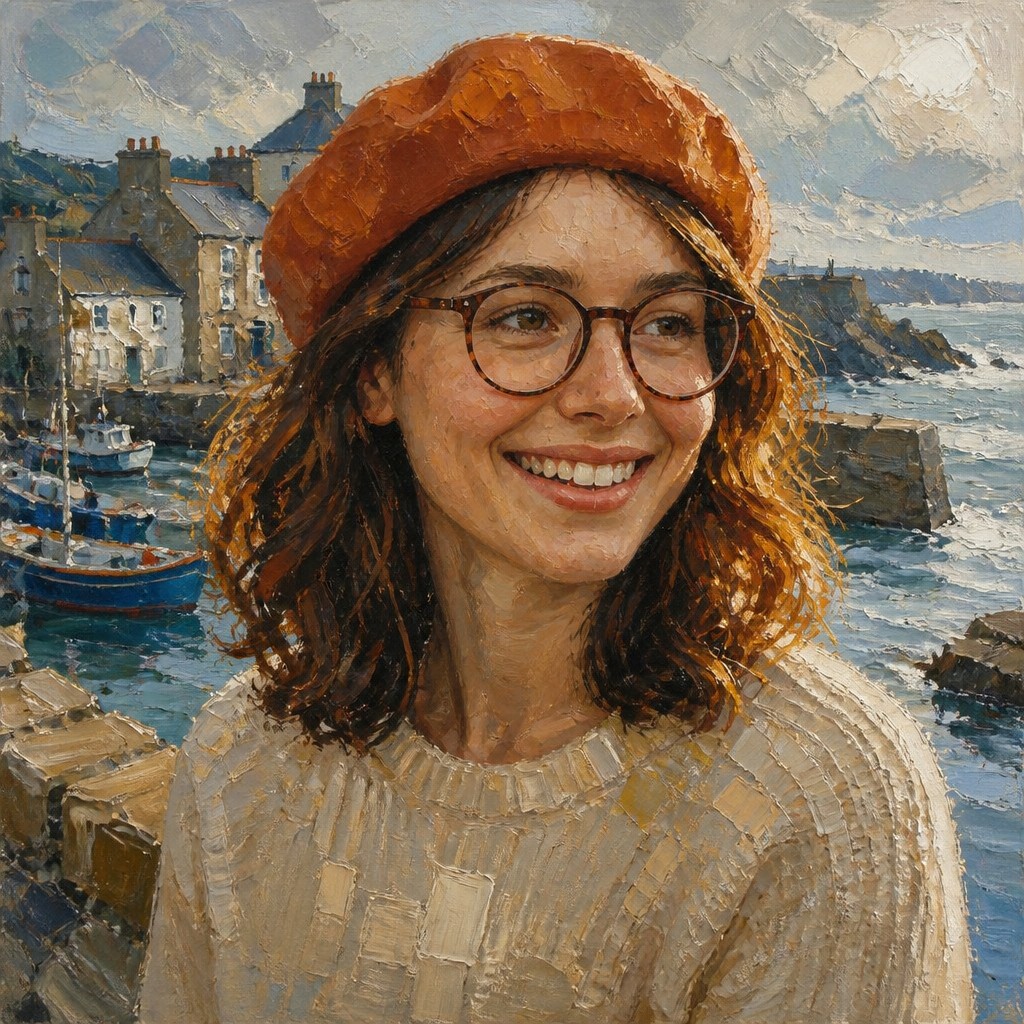
Cornwall Plein Air Art Style is a contemporary descriptive style centered on the immediate experience of coastal weather, working harbors, and changing maritime light. Its typical subjects include granite quays, fishing boats, harbor walls, cottages, nets, gulls, and slate-blue water illuminated by brief flashes of silver sun.
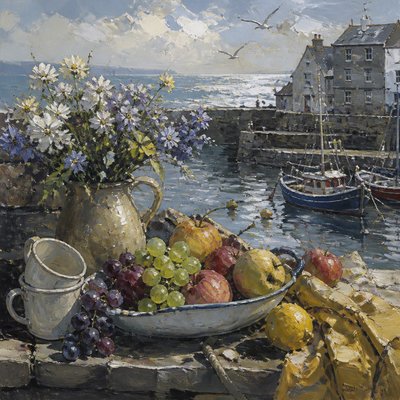
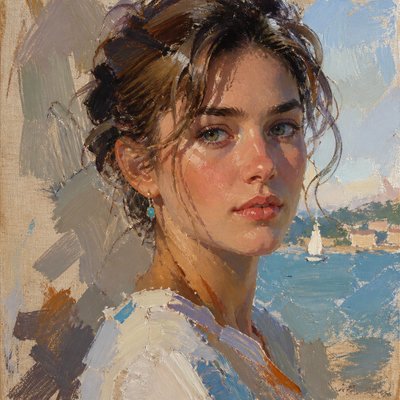
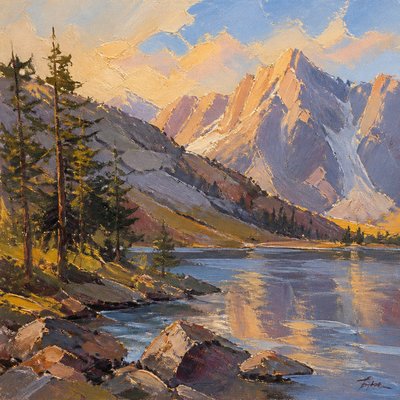
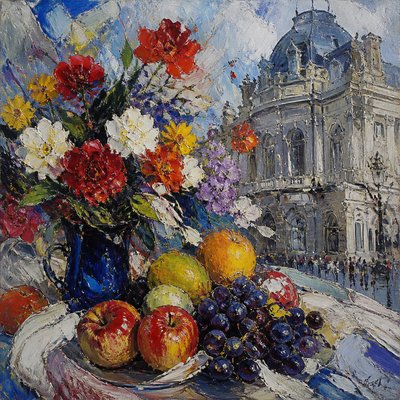
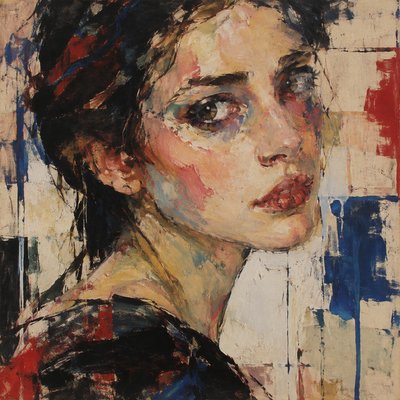
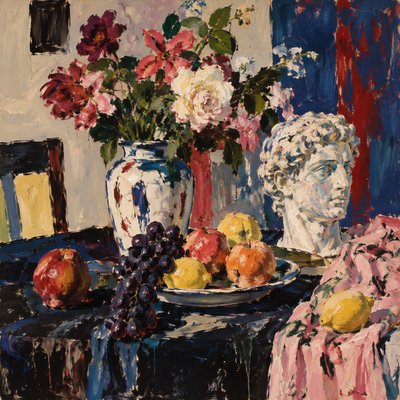
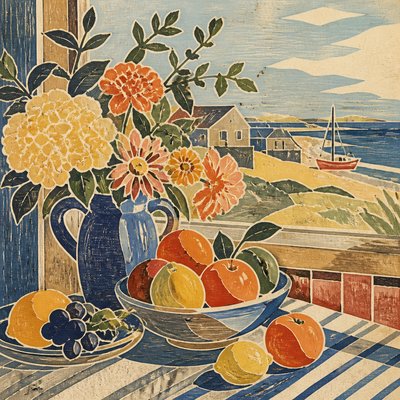
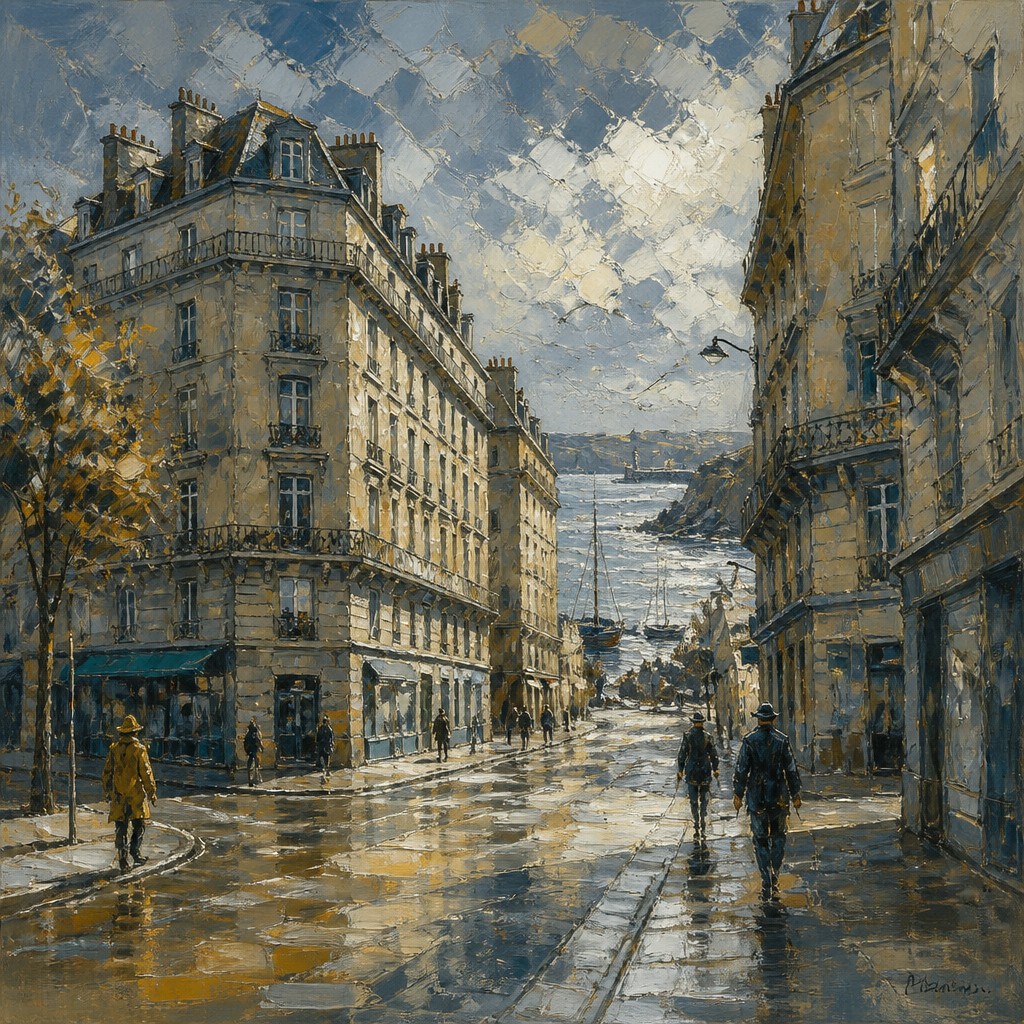
The style looks direct and energetic rather than meticulously finished. Fresh square-brush strokes preserve the speed of observation, while ochre, rust, cream, slate, and blue-grey create a palette associated with oilskins, weathered stone, sea haze, and working boats. Forms are simplified into solid masses, with atmosphere and light taking priority over fine detail.
Try It On Your Photos
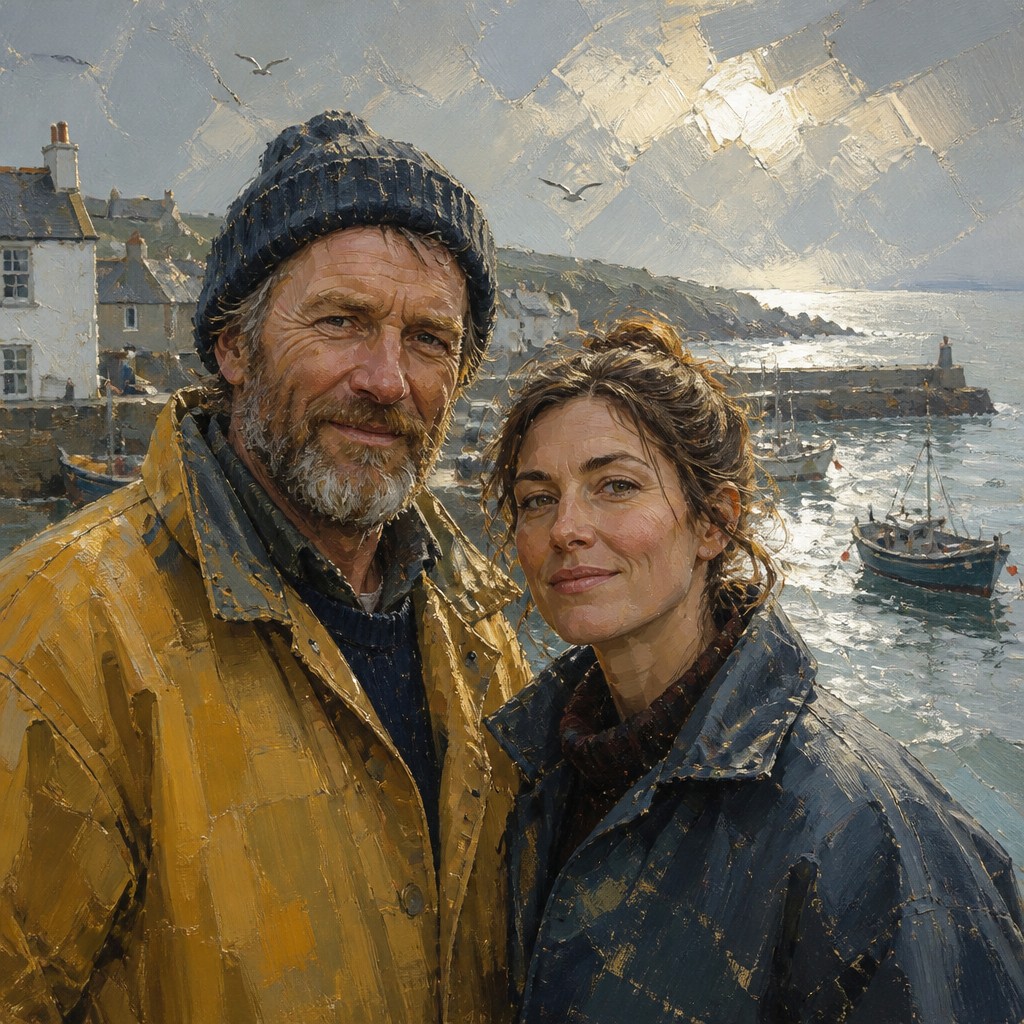
Upload any photo and convert it into Cornwall Plein Air Art Style — drag the sliders to compare before and after.


What Defines Cornwall Plein Air Art Style
The signature details, up close
Square, visible brushwork
Short, squared strokes build boats, walls, clouds, and water without excessive blending. The marks remain legible, giving the image a brisk, observed quality.
Granite and harbor architecture
Quays, breakwaters, cottages, slipways, and harbor walls appear as weighty blocks with irregular edges. Their mineral surfaces anchor the softer movement of sea and sky.
Coastal working palette
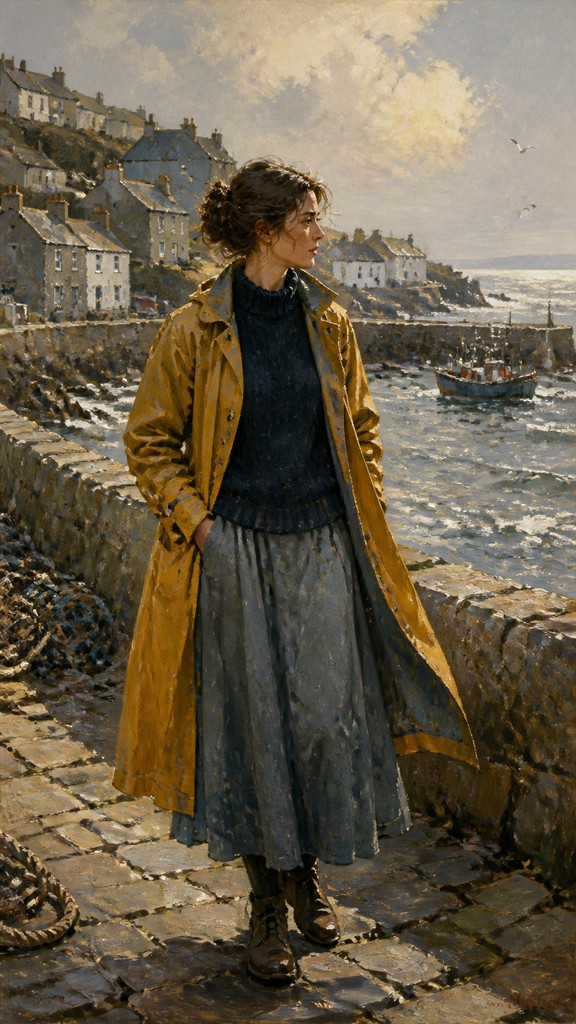
Slate blues, blue-greys, ochres, muted creams, rusts, and oilskin yellows dominate. Small warm accents often stand against cool water and stone.
Sudden maritime light
Cloud-filtered illumination may break into sharp silver or pale gold highlights. Shadows stay cool and broad, emphasizing rapidly changing coastal conditions.
Simplified observational forms
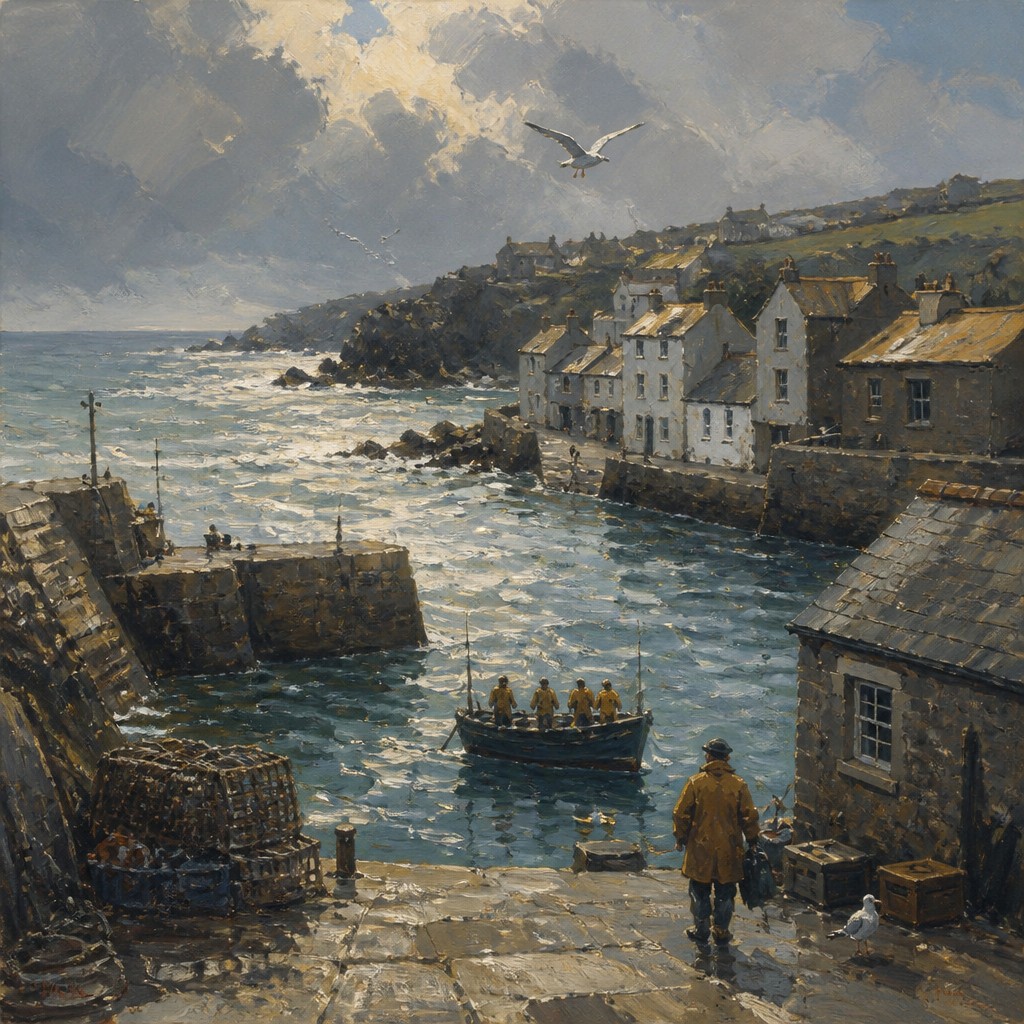
Boats, figures, ropes, and buildings are reduced to readable shapes rather than rendered with photographic precision. Essential silhouettes and color relationships carry the scene.
Weather and atmosphere
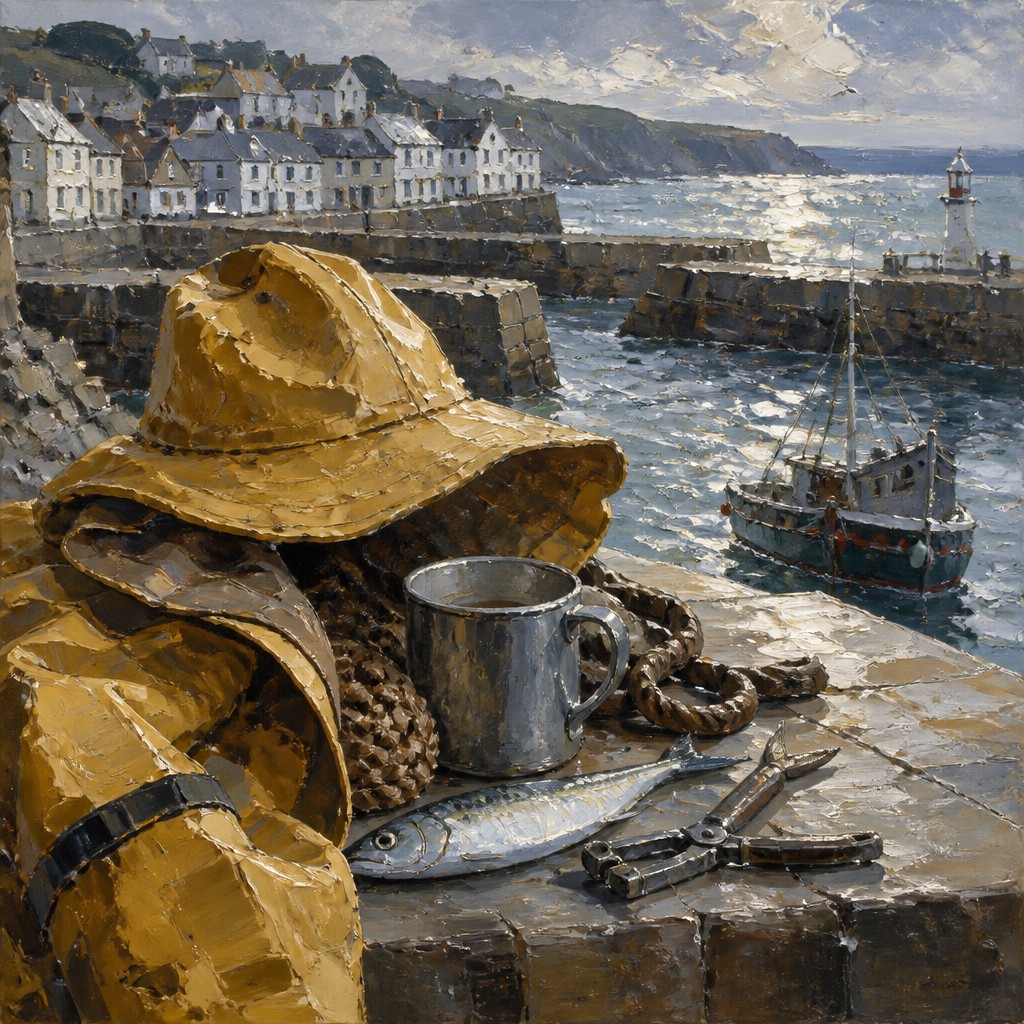
Sea haze, wind, rain breaks, foam, and low cloud are treated as structural elements. The atmosphere softens distant forms while keeping nearby brushwork firm.
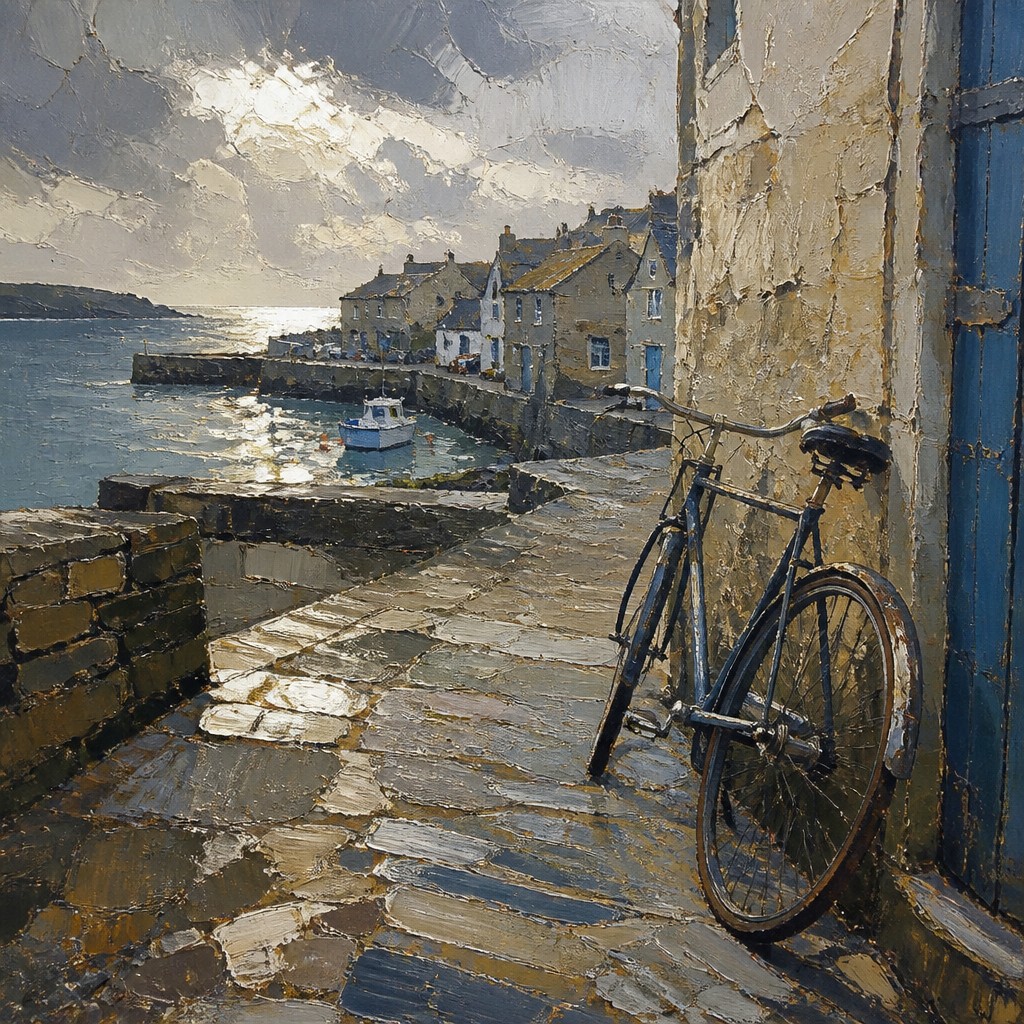
Plein air immediacy
Compositions feel selected from a passing moment, often with an off-center horizon or cropped foreground. The effect is candid, fast, and grounded in place.
Try It
Create Videos in Cornwall Plein Air Art Style
Styles aren't just for stills — describe a scene or animate an image and get a short video rendered in Cornwall Plein Air. Press play to see this pond come to life.
Make a VideoCornwall Plein Air Prompt Ideas
Start from an idea — each one opens the generator with the style ready to go. See all 40 Cornwall Plein Air prompts →
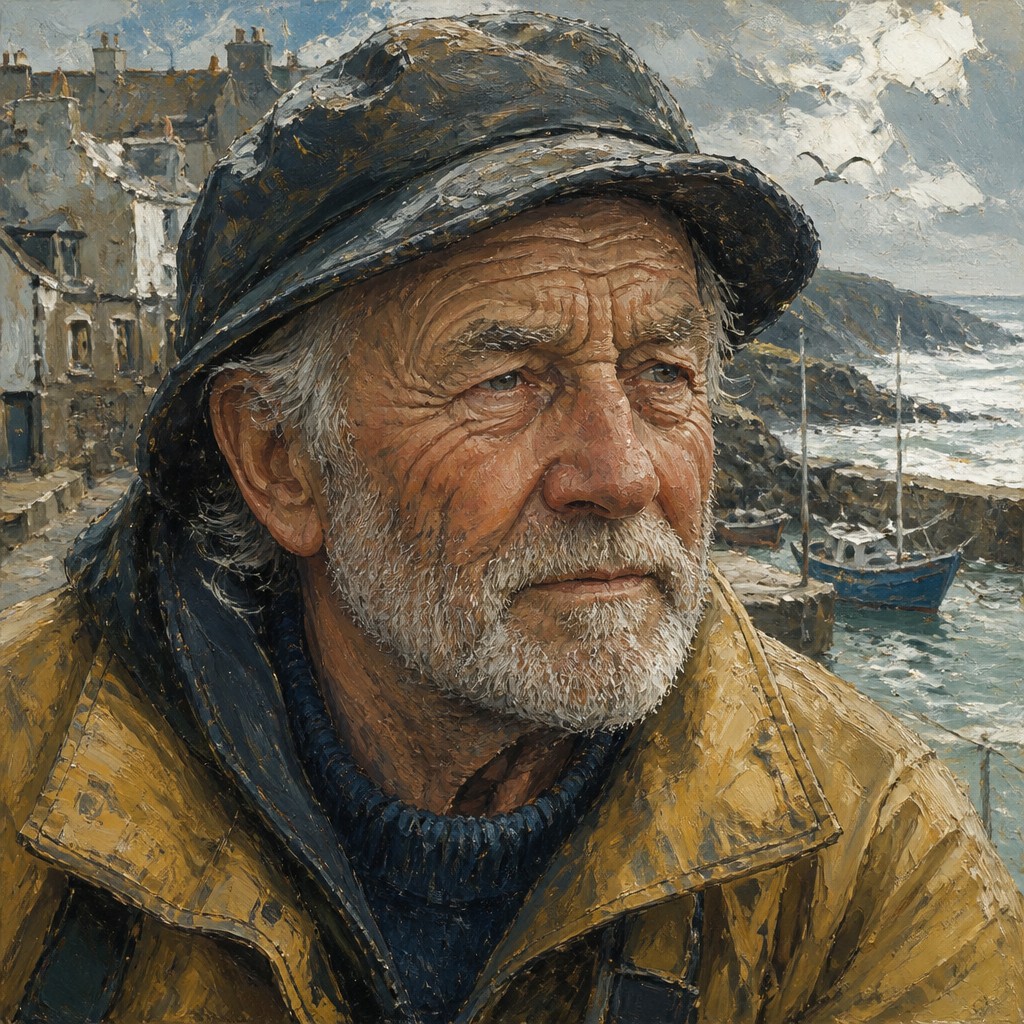
“close-up portrait of an elderly person with expressive weathered features”
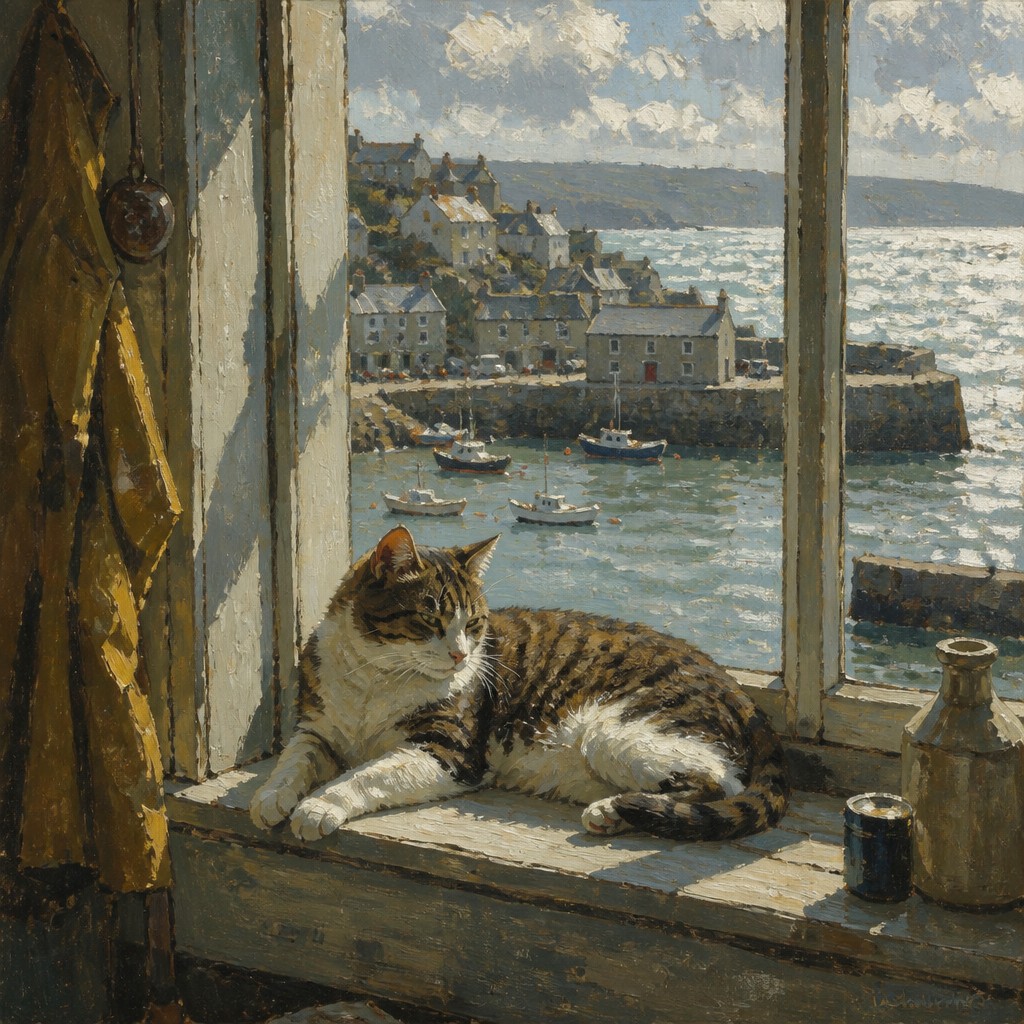
“a cat lounging in a sunlit window”
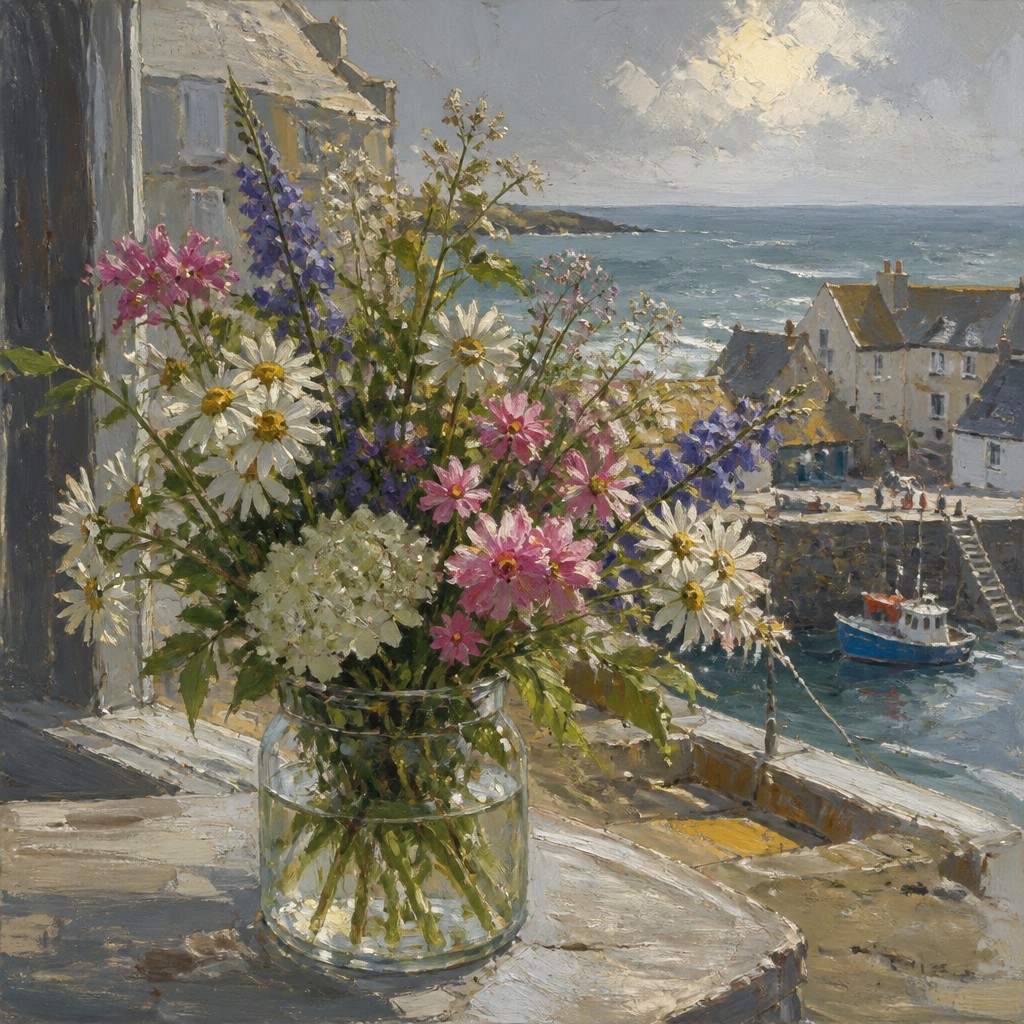
“bouquet of flowers in a glass vase”
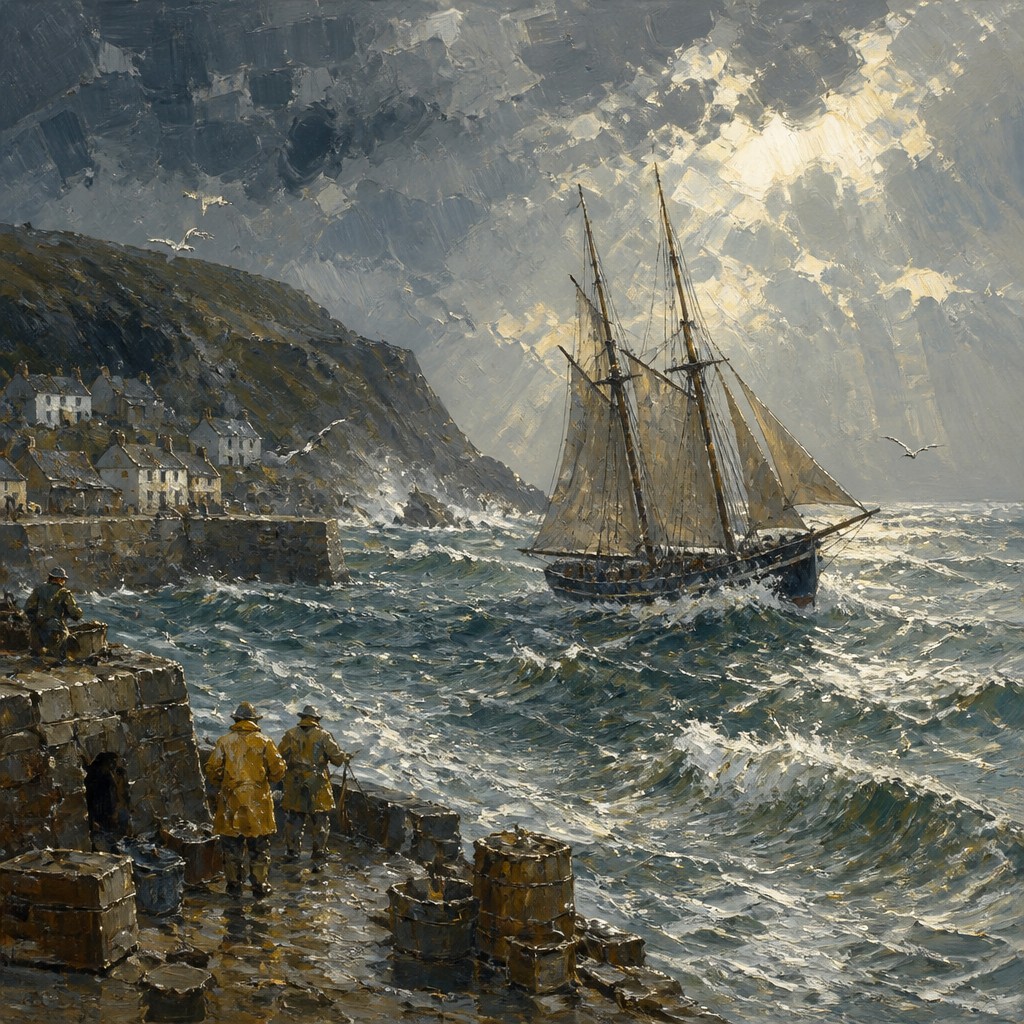
“sailing ship on a stormy sea”
How to Create Cornwall Plein Air Art
Master the craft step by step — or skip straight to creating. Read the full guide →
- 1
Block in large masses first
Establish the sky, sea, harbor, and main buildings with broad opaque shapes before adding boats or details. Keep the composition readable from a distance.
- 2
Use a restrained palette
Begin with slate blue, blue-grey, granite neutral, ochre, rust, cream, and a dark accent. Mix variations from these colors instead of introducing many unrelated hues.
- 3
Preserve square marks
With oils or acrylics, use a flat or square-ended brush and apply paint in separate strokes. Avoid overworking transitions; let adjacent marks create the modeling.
- 4
Reserve the brightest light
Place the palest values on reflected water, wet stone, cloud openings, or sunlit boat surfaces. Add them late so they retain visual force.
- 5
Work from observation or reference
Sketch a harbor on location or use a reference photograph, concentrating on the weather, light direction, and silhouette of the working landscape rather than inventorying every object.
- 6
Guide digital or prompt-based creation
Specify a coastal fishing village, granite harbor, slate-blue sea, ochre oilskins, fresh square-brush strokes, simplified forms, and sudden silver sunlight. For image transformation, preserve the source composition while asking for opaque brush texture and maritime atmosphere.
The Story
History & Origins of Cornwall Plein Air
Cornwall Plein Air Art Style is best understood as a modern aesthetic label, not a formally established historical movement with a fixed manifesto. Its lineage draws on nineteenth-century plein air painting, when artists increasingly worked outdoors to record transient light, weather, and color directly from nature.
It also reflects the coastal painting traditions associated with Cornwall, including the Newlyn School and later modernist approaches connected with the St Ives area. These traditions contributed an interest in fishing communities, luminous maritime atmosphere, broad brushwork, and the tension between observed landscape and simplified form.
Influences: The style relates to nineteenth-century plein air painting, British landscape and marine painting, and the coastal realism of the Newlyn School. It also borrows from the atmospheric color and structural simplification associated with modernist painting in Cornwall, while retaining the tactile immediacy of alla prima oil technique, field sketching, and documentary views of working communities.

Frequently Asked Questions
What defines Cornwall Plein Air Art Style?
It combines coastal fishing-village subjects with quick, visible square-brush strokes and a restrained maritime palette. Granite, slate water, oilskin ochres, sea haze, and sudden reflective light are central visual cues.
Is Cornwall Plein Air Art Style a historical art movement?
No. The term is best treated as a contemporary descriptive style rather than a canonical movement with a fixed founding date. It synthesizes established traditions of plein air painting and Cornish coastal art.
How does it differ from Impressionism?
Both styles respond to changing natural light and favor visible brushwork. Cornwall Plein Air Art Style is more specifically tied to working harbors, granite architecture, maritime weather, and a cooler, earthier coastal palette.
What materials work best for making this style traditionally?
Oil and acrylic are well suited because they support opaque layering and distinct brush marks. A limited palette, flat or square brushes, and a quick alla prima approach help maintain its direct appearance.
Can photographs be transformed into this style?
Yes. A photograph with strong harbor shapes, dramatic weather, or clear directional light provides a useful foundation. Preserve the main composition while introducing simplified forms, square-brush texture, granite neutrals, and maritime color.
Where is this style most effective?
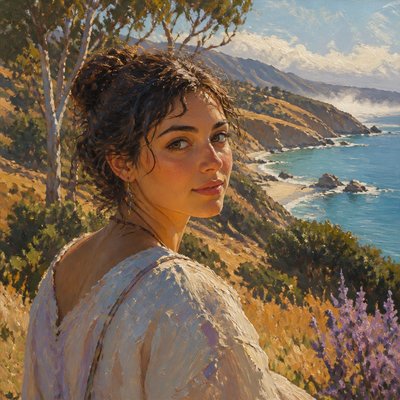
It works especially well for seascapes, fishing villages, coastal travel scenes, harbor studies, maritime heritage subjects, and atmospheric landscape illustrations. It can also give portraits or still lifes a grounded coastal setting when local textures and colors are retained.
Create your first Cornwall Plein Air artwork
Describe anything — or upload a photo — and see it in Cornwall Plein Air Art Style in seconds.
Related Styles
Discover similar art styles