French Art Style
Explore French Art Style: salon polish, café light, soft brushwork, pearly color, gardens, boulevards, and effortless painterly elegance.
Instantly rendered in French — or transform a photo
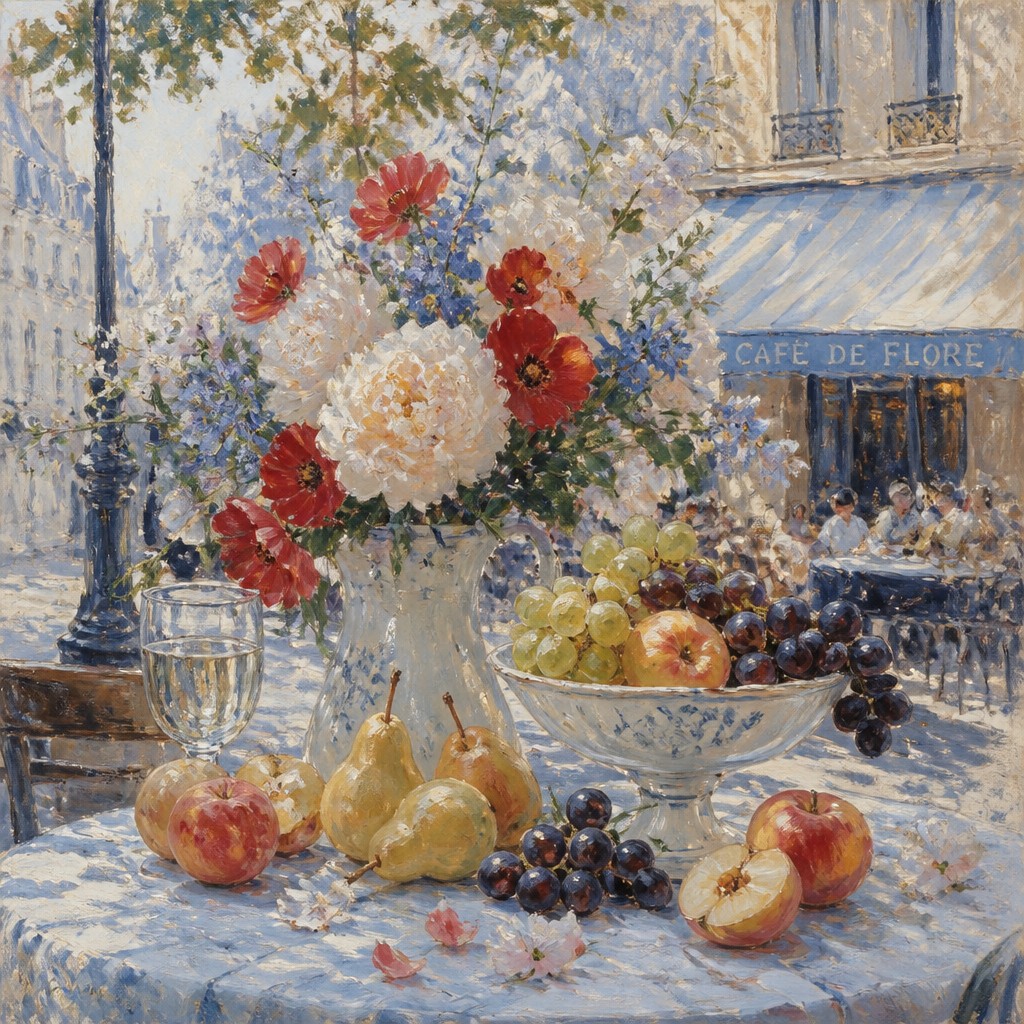
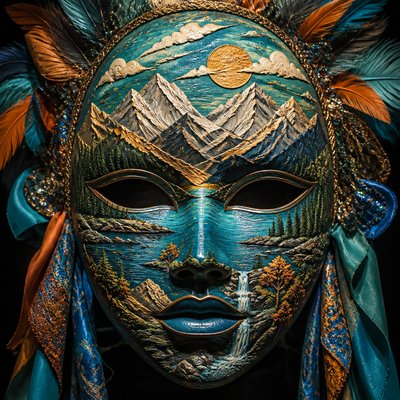
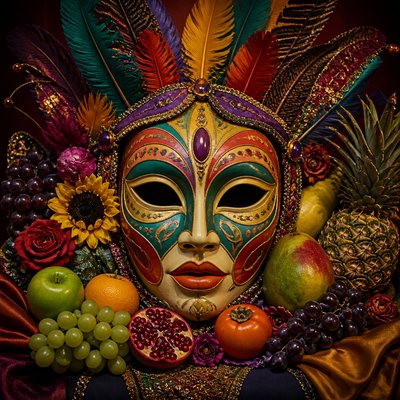
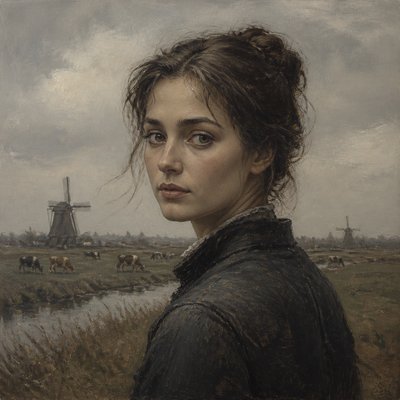
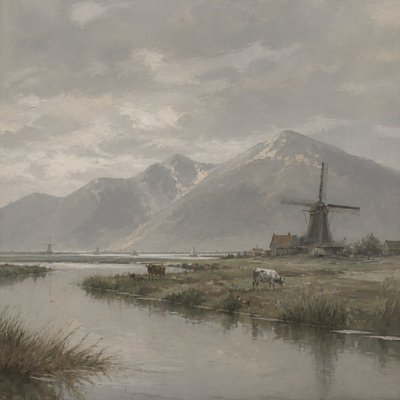
French Gallery
Tap any artwork to explore it
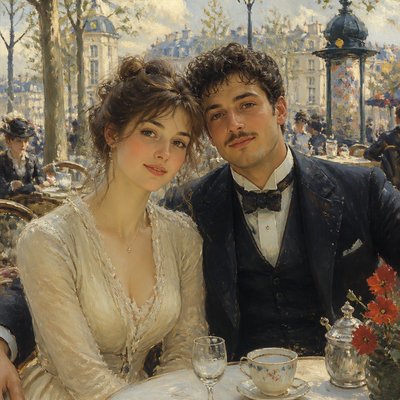
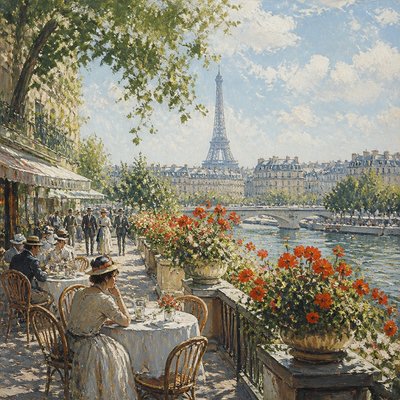
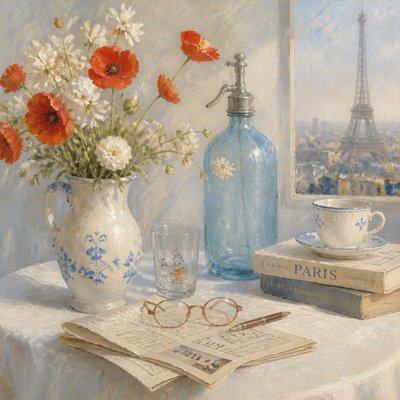
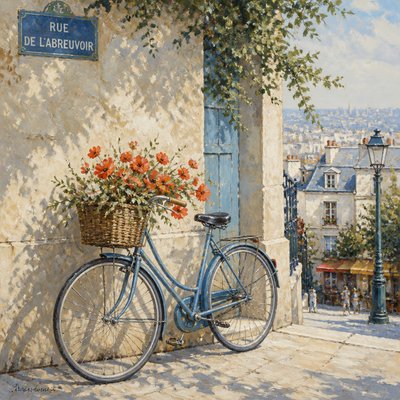
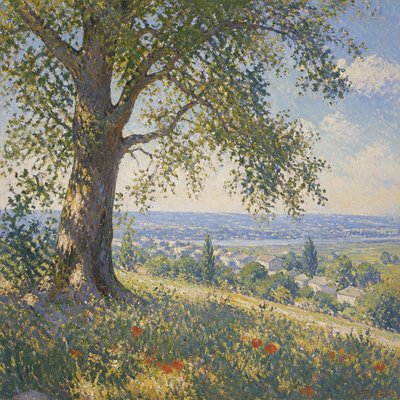
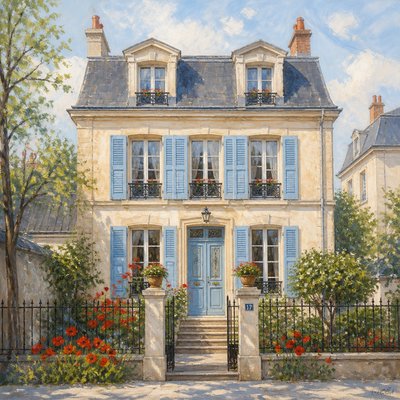
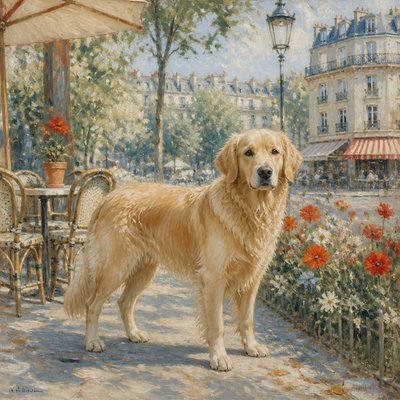
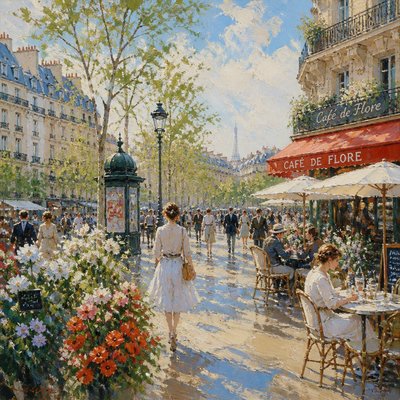
What is French Art Style?
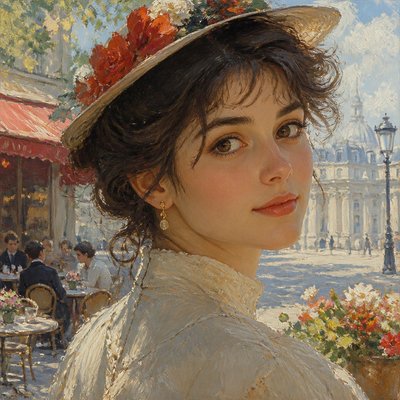
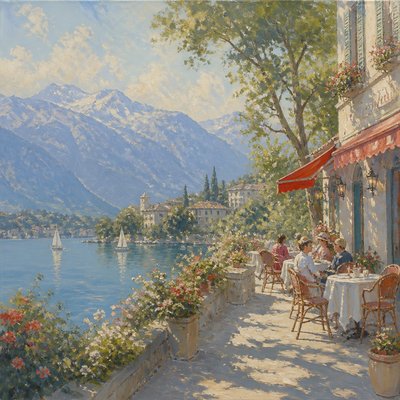
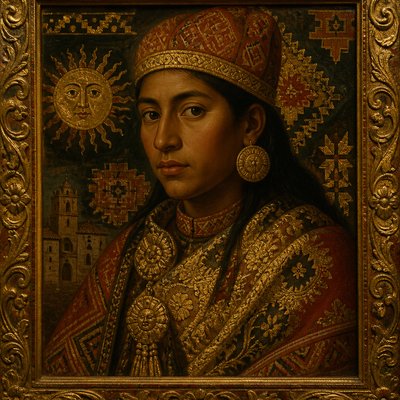
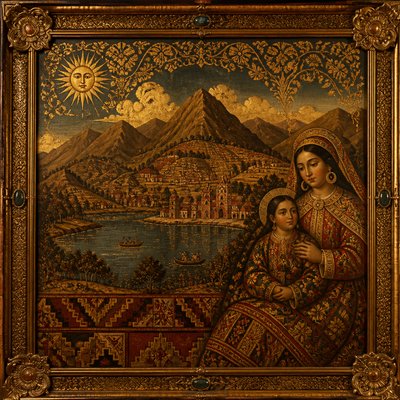
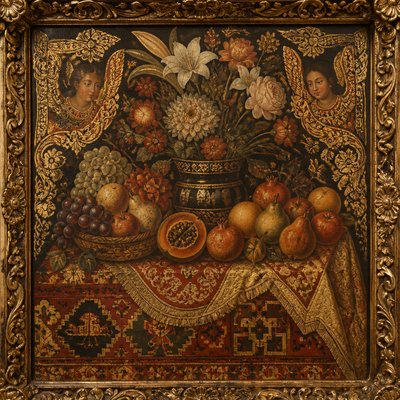
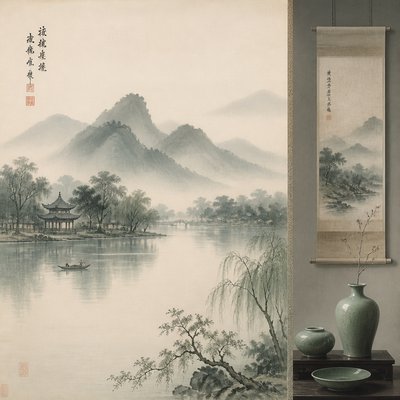
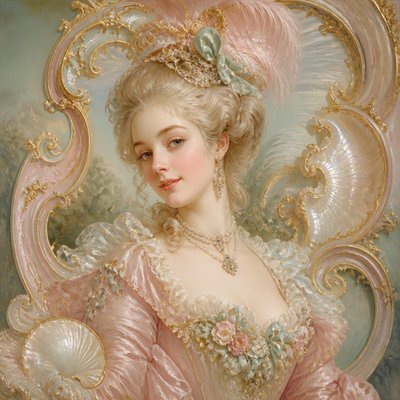
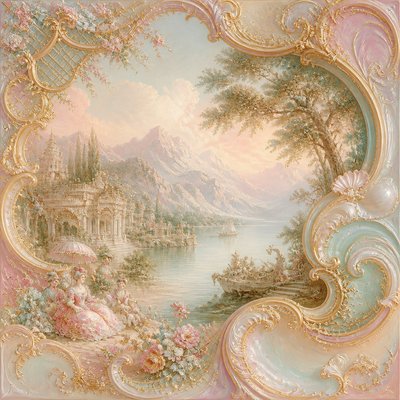
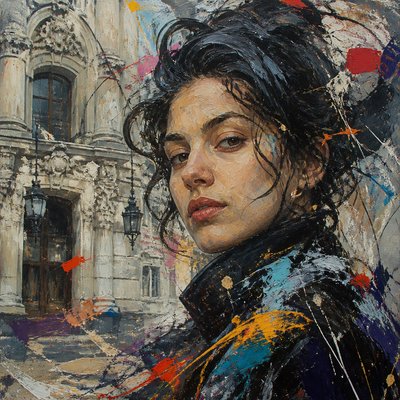
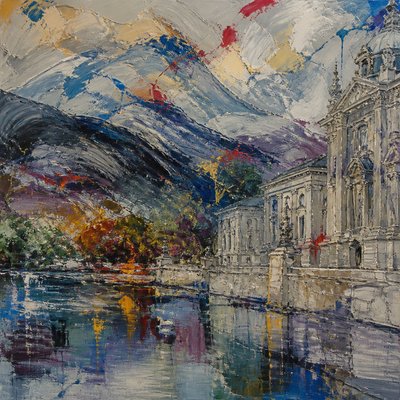
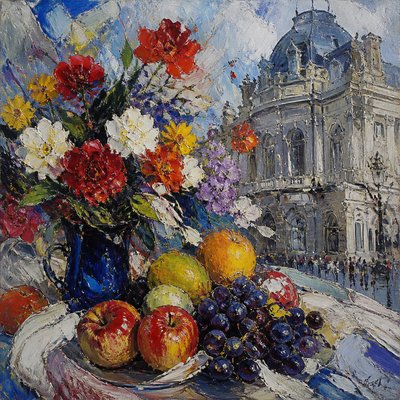
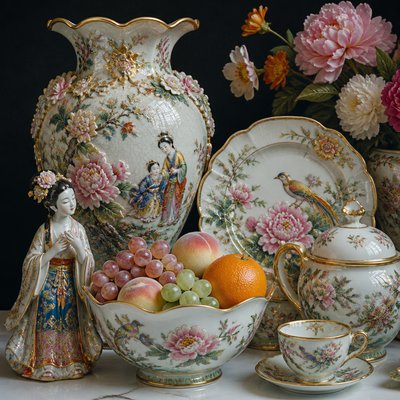
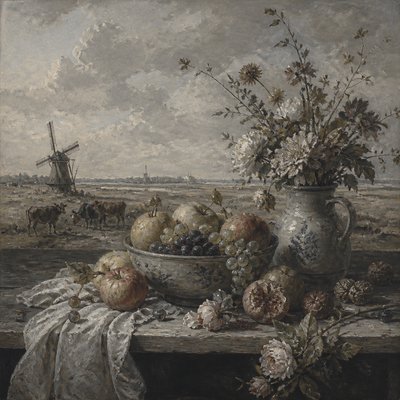
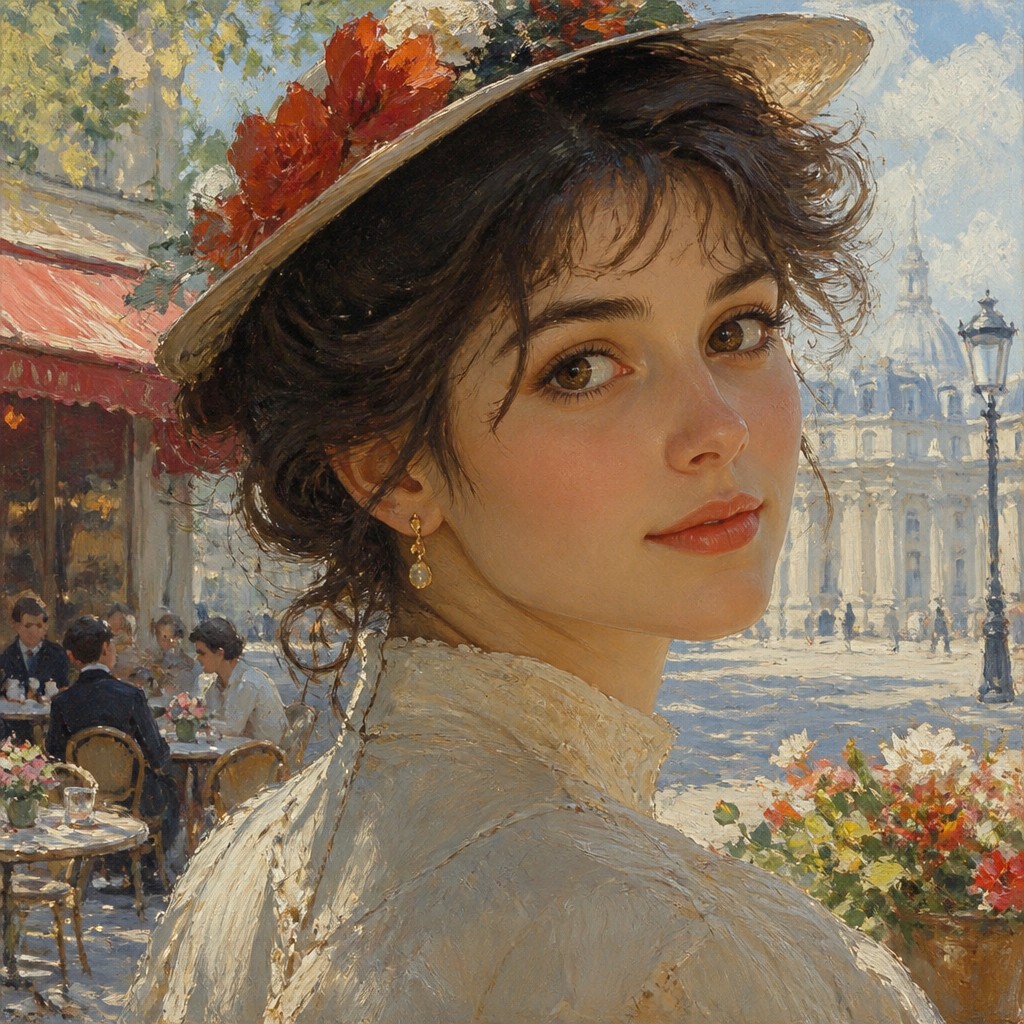
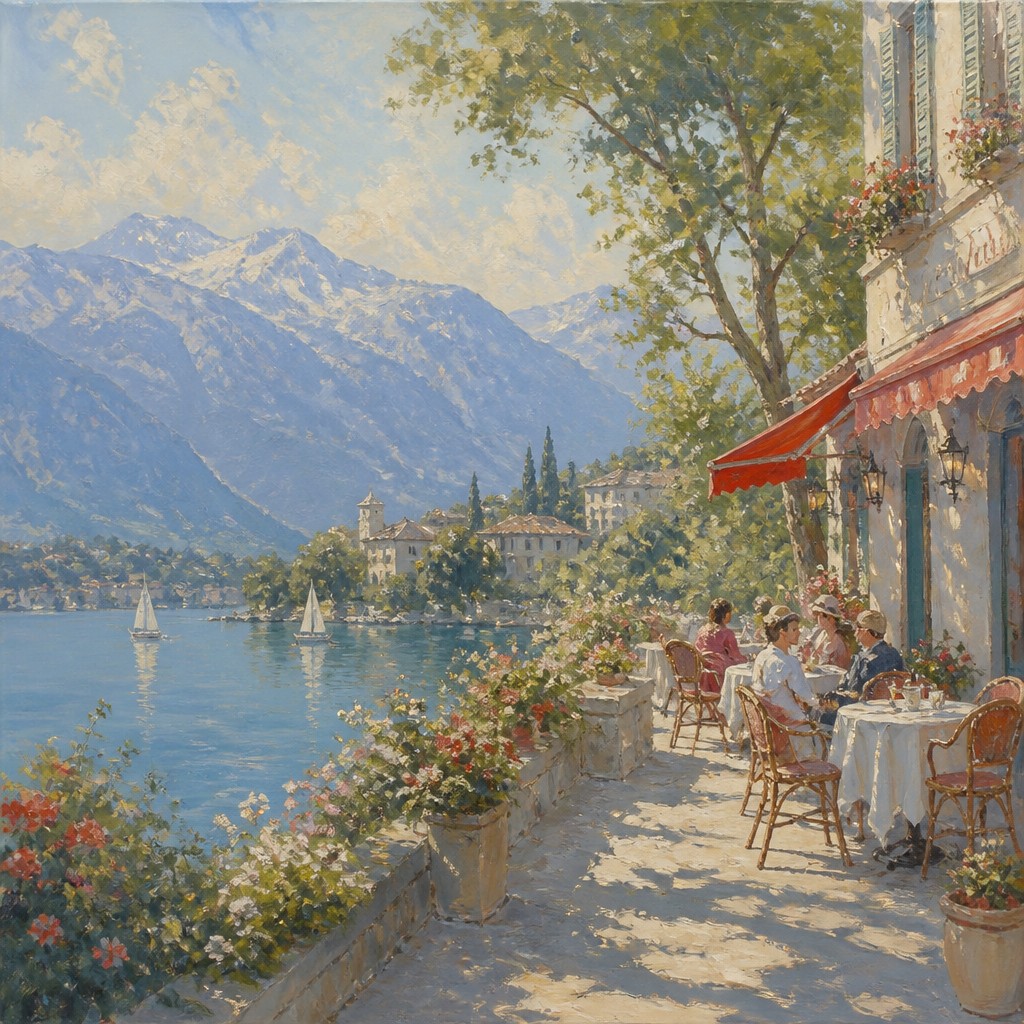
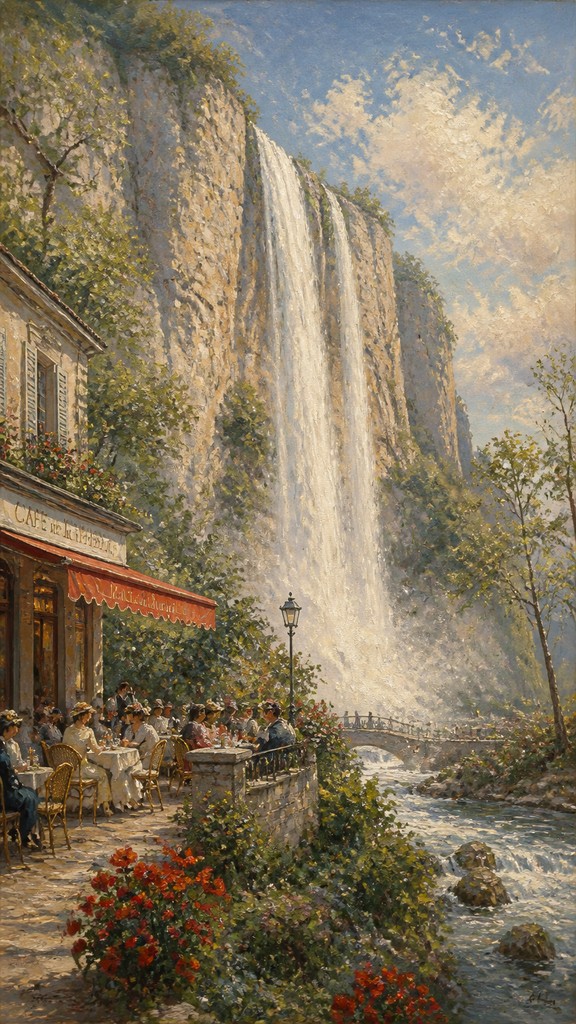
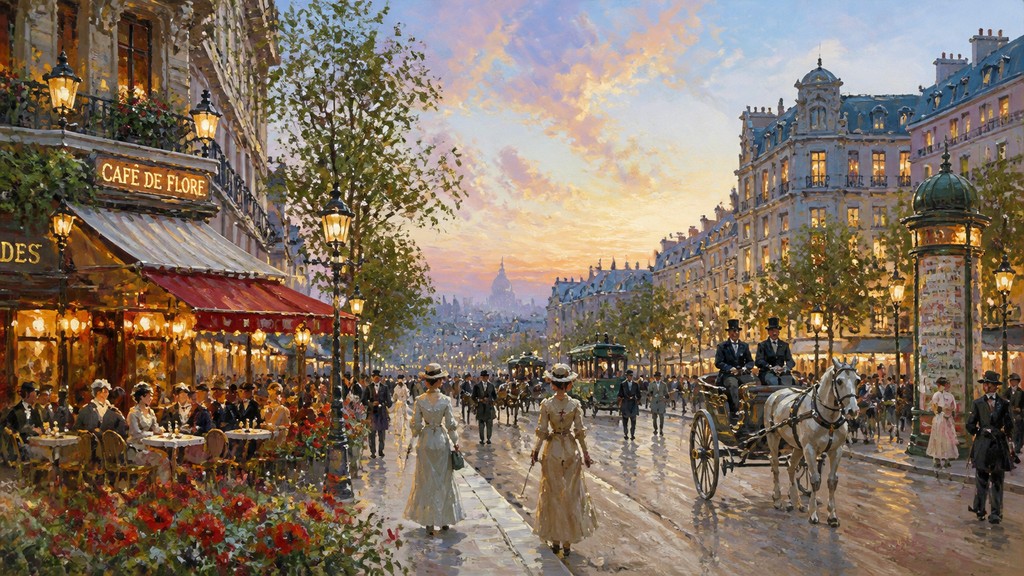
French Art Style is a contemporary descriptive aesthetic rather than a single historical movement. It combines the refined composition and controlled finish associated with French salon painting with the atmospheric immediacy of plein-air and café-based image-making. Typical subjects include terraces, gardens, boulevards, still lifes, elegant interiors, and quietly observed scenes of daily life.
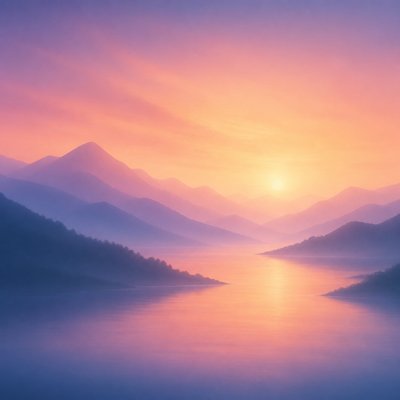
Its visual identity depends on the meeting of polish and freshness. Soft broken brushwork keeps surfaces lively, while pearly Île-de-France light unifies the scene in powder blue, cream, warm gray, and restrained poppy red. The result is painterly but accessible: graceful without being rigid, atmospheric without dissolving into abstraction, and urban or domestic without losing a sense of romance.
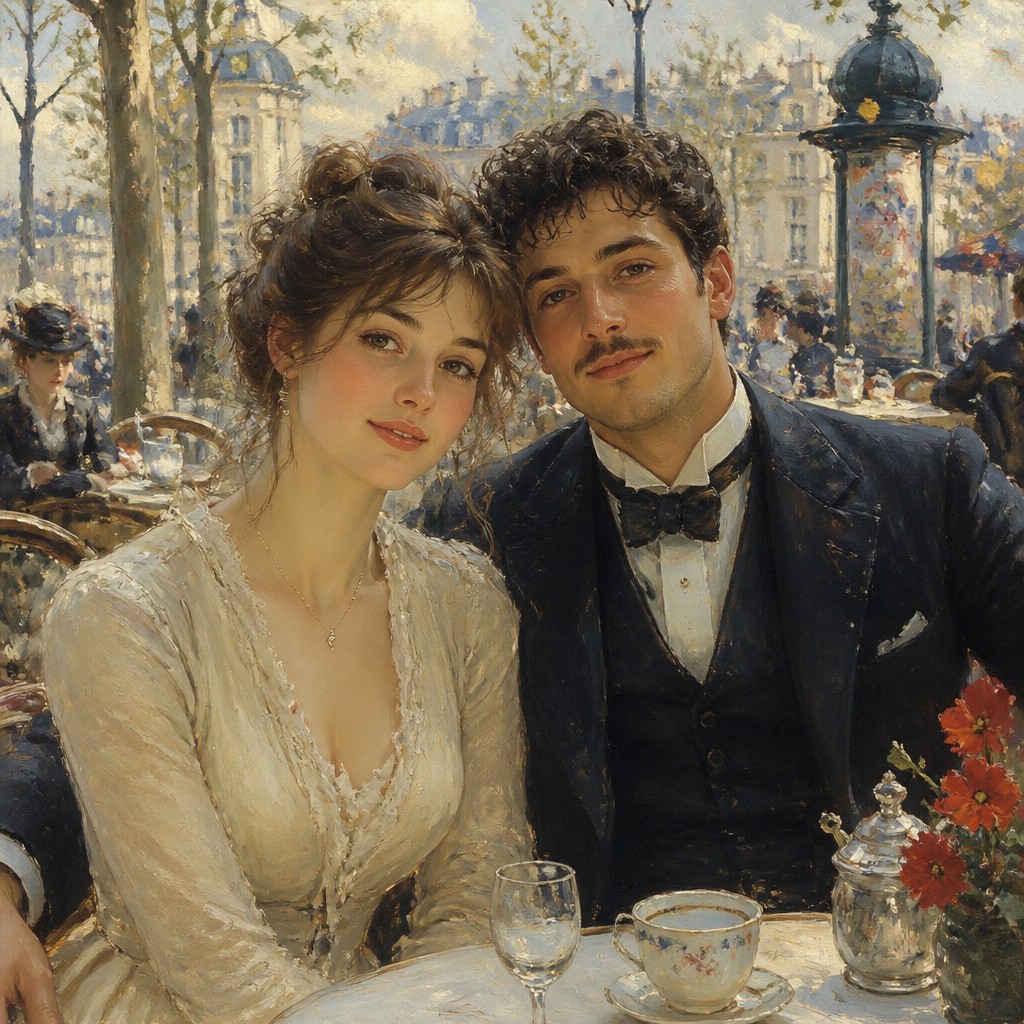
Try It On Your Photos
Upload any photo and convert it into French Art Style — drag the sliders to compare before and after.
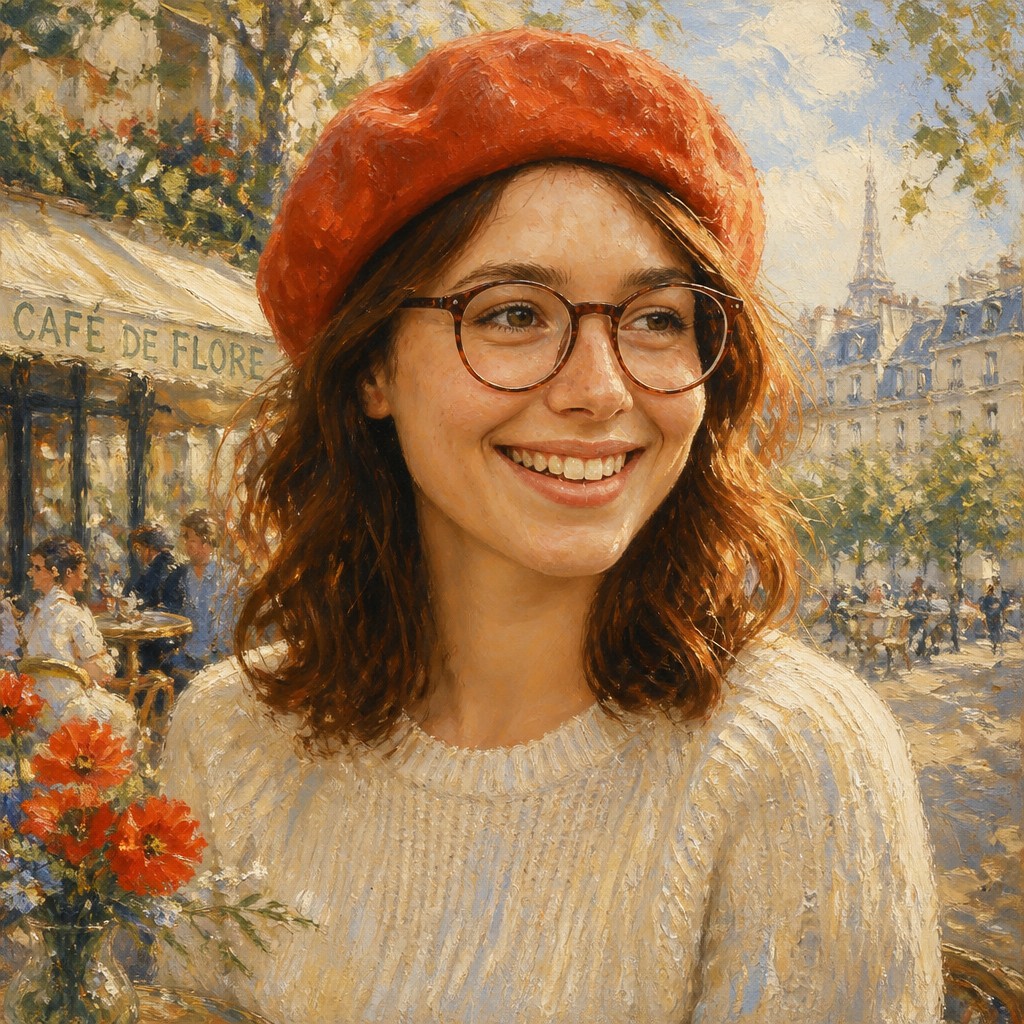

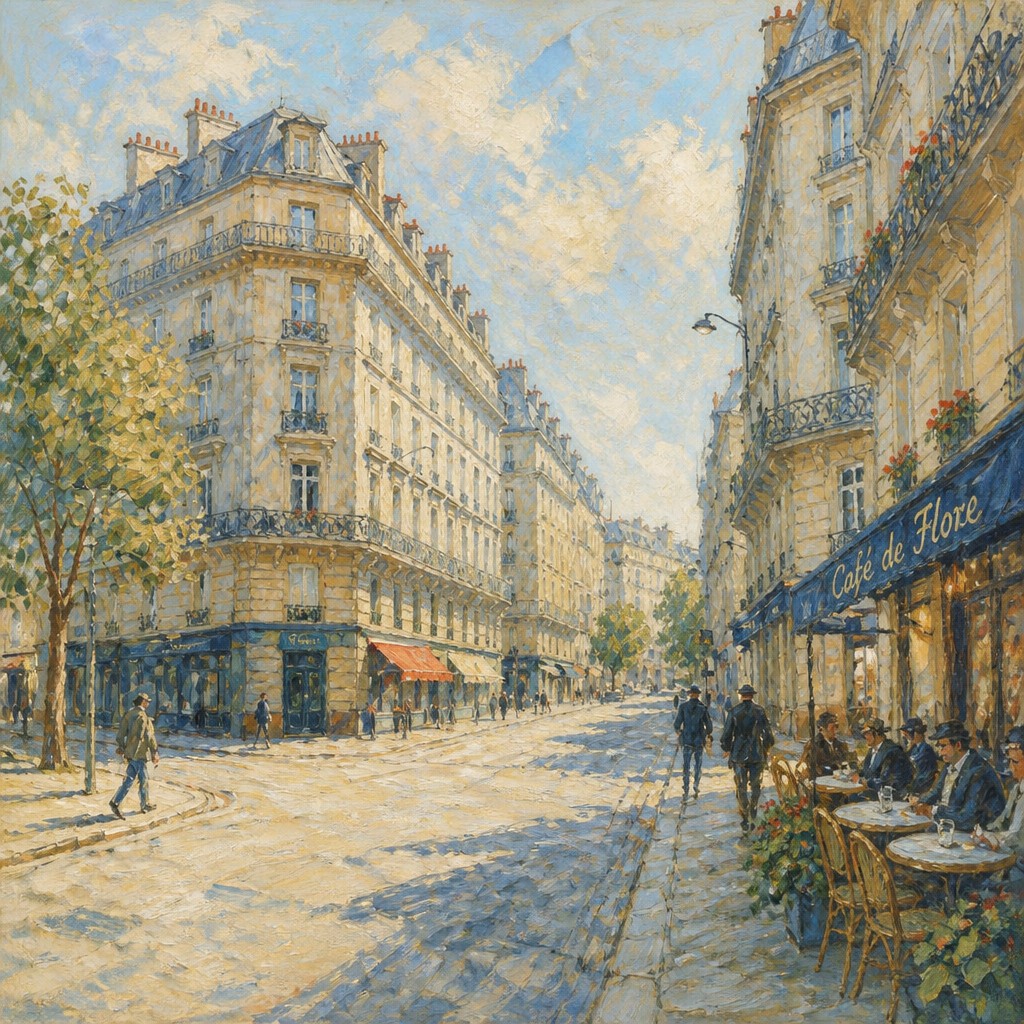

What Defines French Art Style
The signature details, up close
Pearly natural light
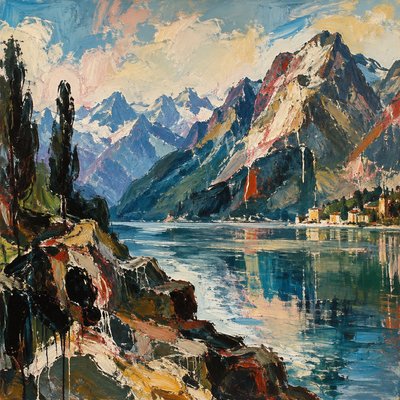
Scenes are modeled with cool, diffused illumination resembling an overcast or lightly sunlit day in northern France. Shadows tend toward lavender, blue-gray, or muted mauve rather than deep black.
Soft broken brushwork
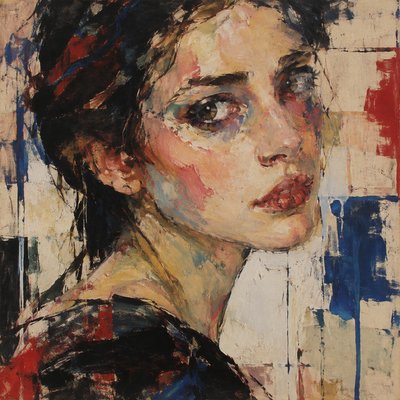
Visible, separated strokes suggest foliage, fabric, stone, and reflected light without outlining every form. Edges alternate between gently defined focal areas and atmospheric passages.
Salon-informed composition
The arrangement feels balanced and intentional, often using elegant diagonals, framing architecture, or carefully placed figures. Decorative harmony remains important even when the surface is loose and plein-air inspired.
Powdered color palette
Powder blue, cream, pearl gray, sage, dusty rose, and muted ocher create the base palette. Poppy red or vermilion accents provide controlled emphasis in umbrellas, flowers, signage, clothing, or tableware.
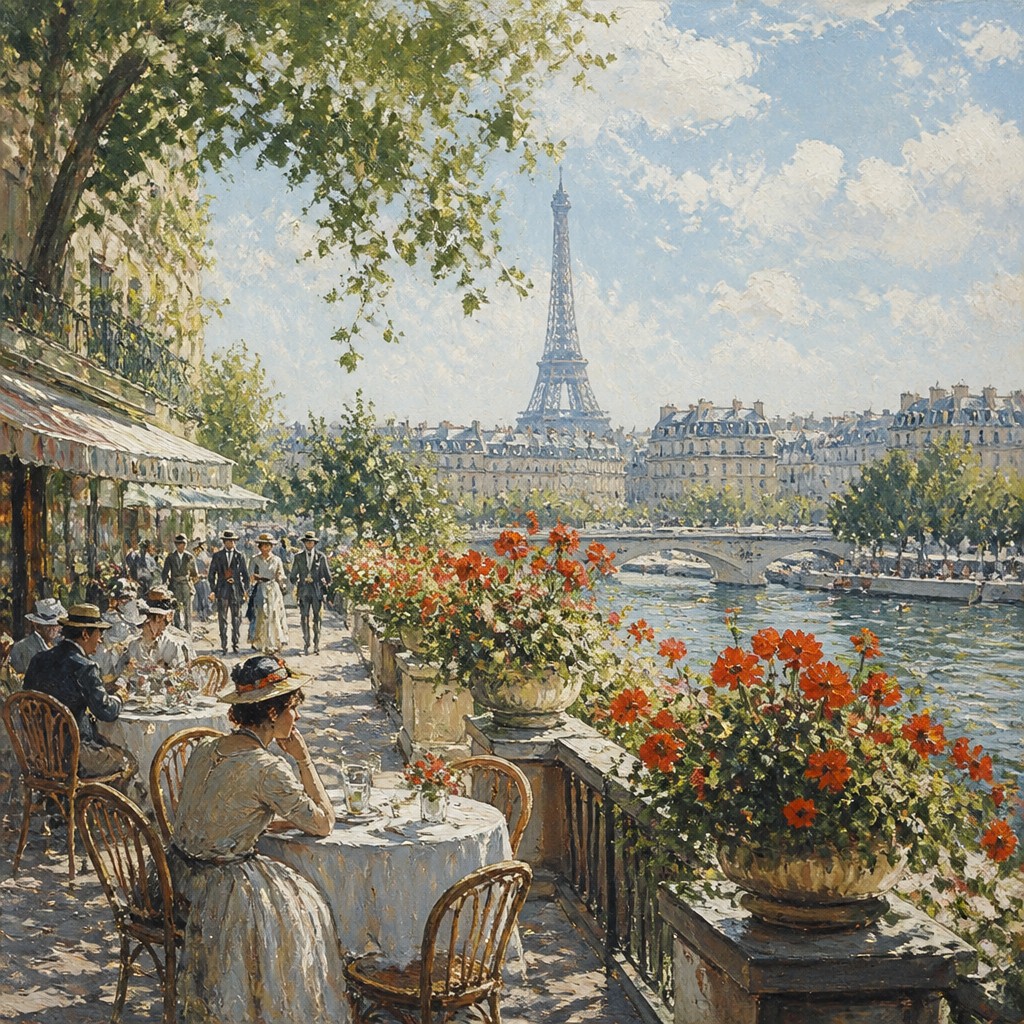
Café and boulevard imagery
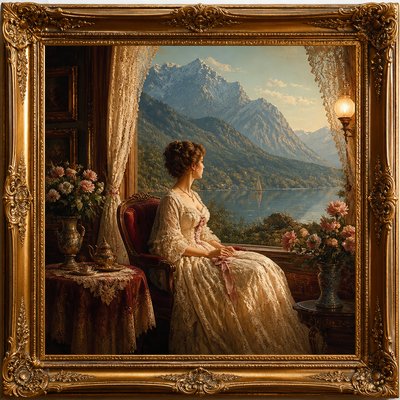
Terraces, awnings, wrought-iron furniture, tree-lined streets, market stalls, and elegant public spaces are recurring environmental motifs. These settings support both intimate observation and a sense of cultivated urban life.
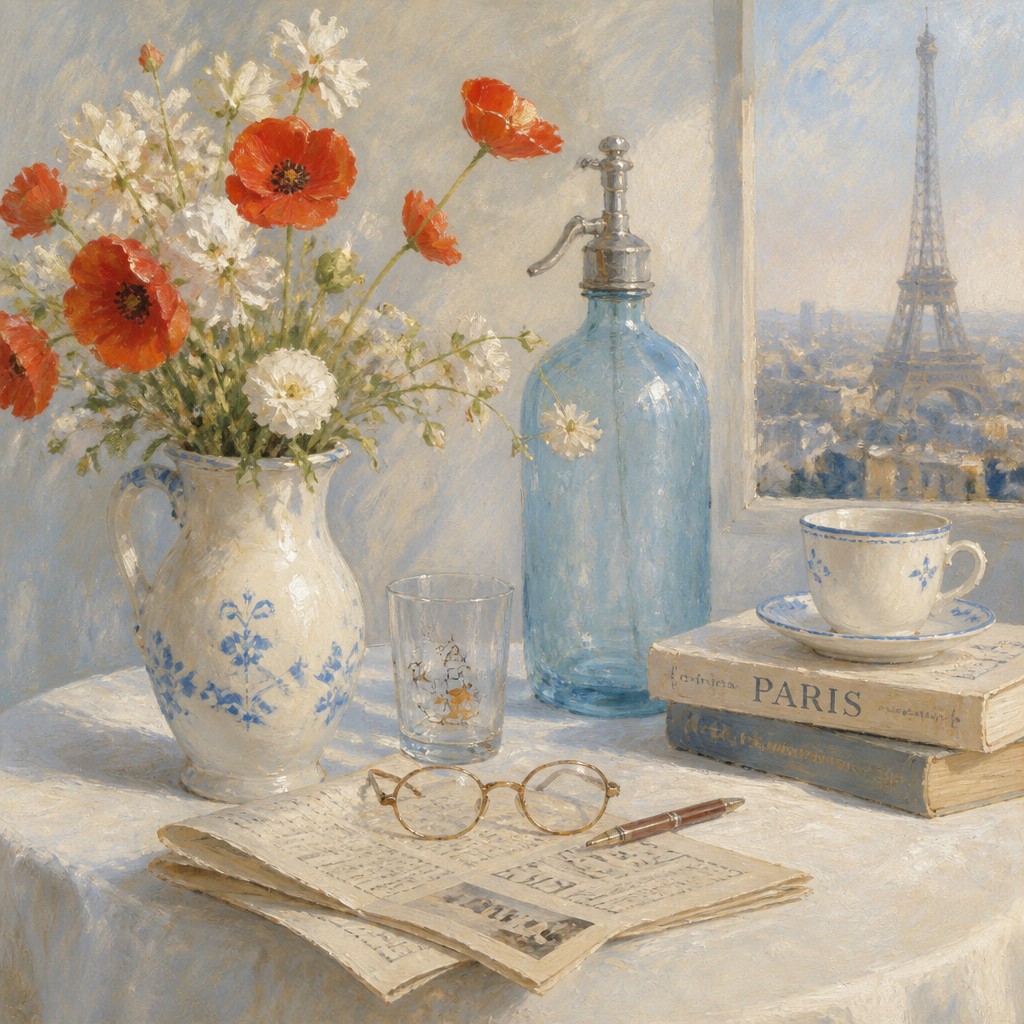
Decorative naturalism
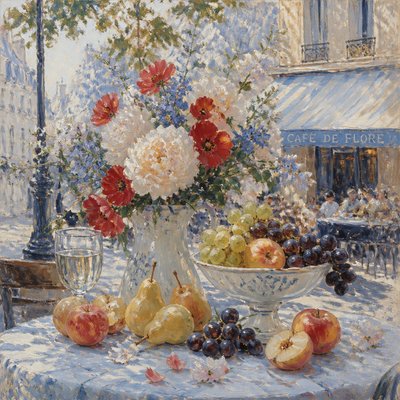
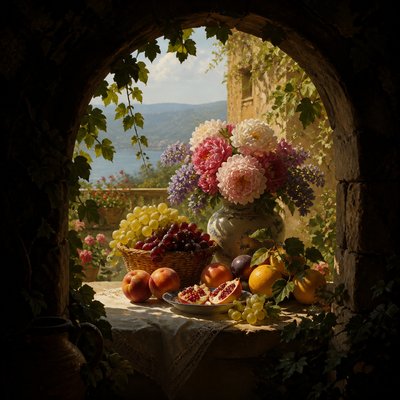
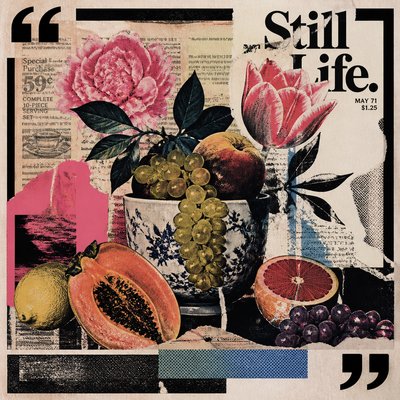
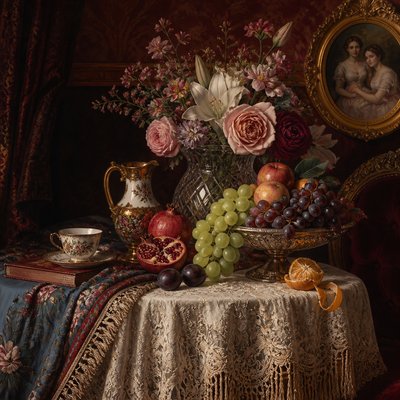
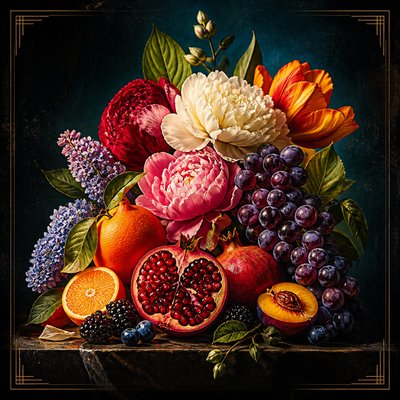
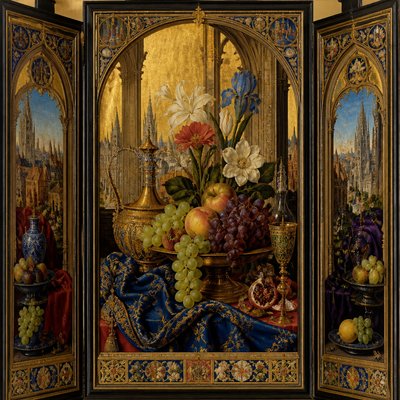
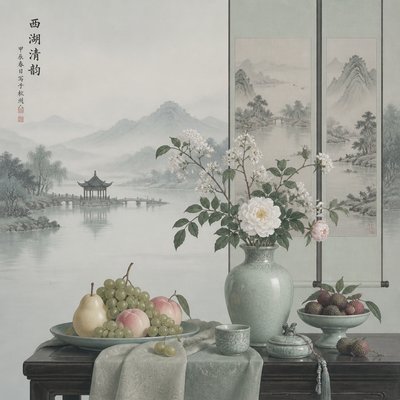
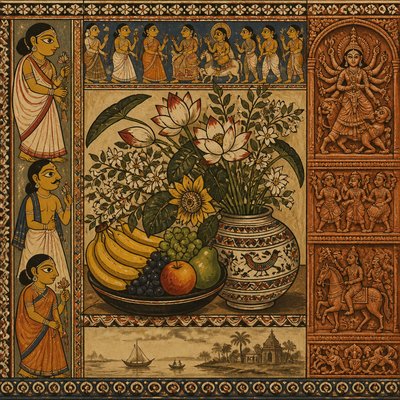
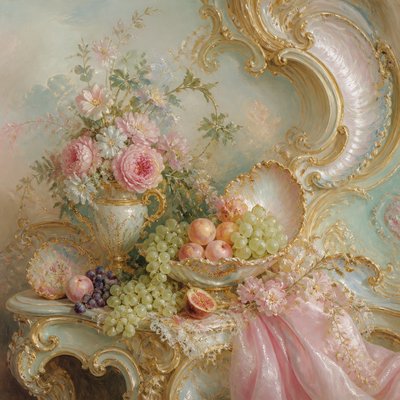
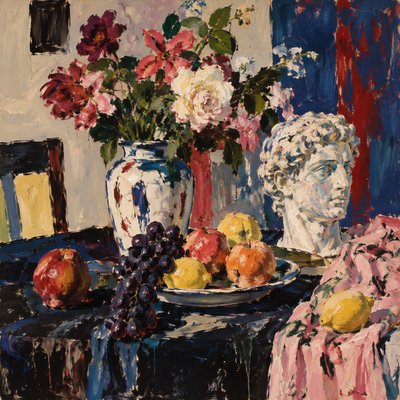
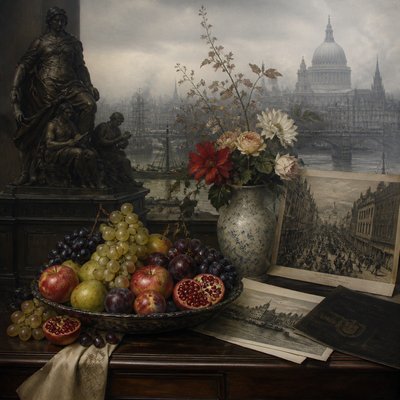
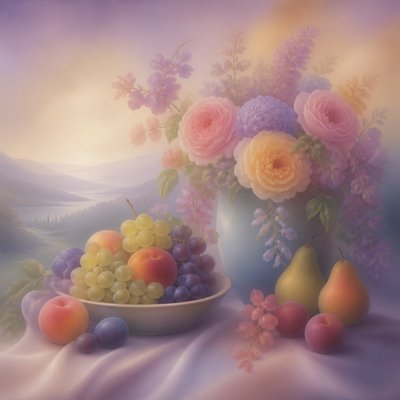
Gardens, floral arrangements, fruit, and patterned textiles are rendered with enough structure to remain legible while retaining painterly softness. Nature is observed, but it is also arranged for visual rhythm.
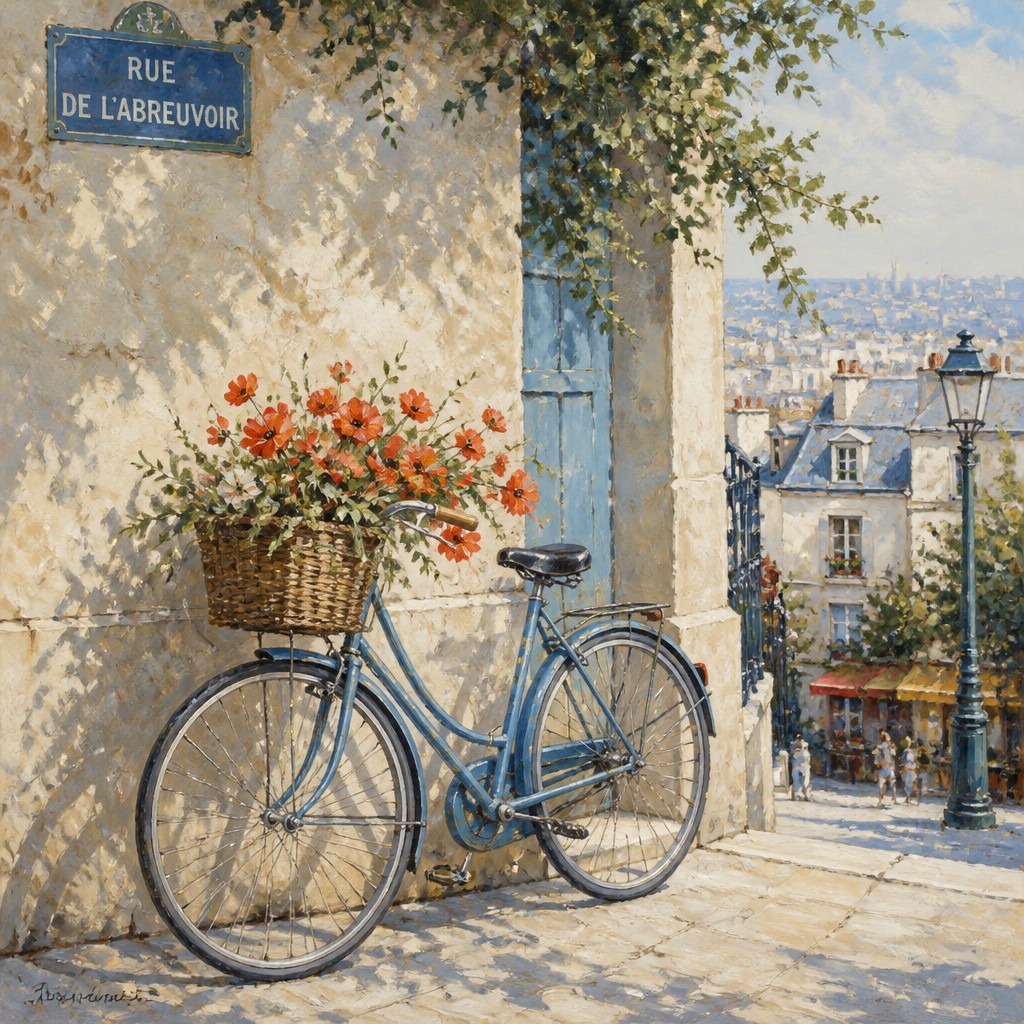
Effortless elegance
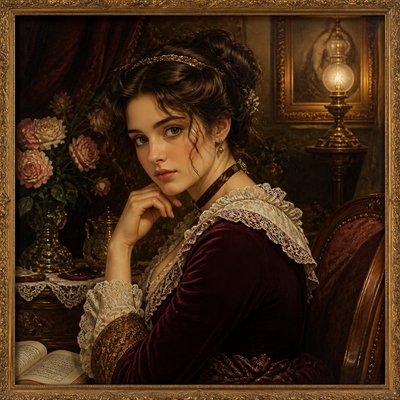
Figures, objects, and interiors appear refined without excessive theatricality. The style favors relaxed posture, understated detail, and a finish that feels considered rather than mechanically precise.
Try It
Create Videos in French Art Style
Styles aren't just for stills — describe a scene or animate an image and get a short video rendered in French. Press play to see this pond come to life.
Make a VideoFrench Prompt Ideas
Start from an idea — each one opens the generator with the style ready to go. See all 40 French prompts →
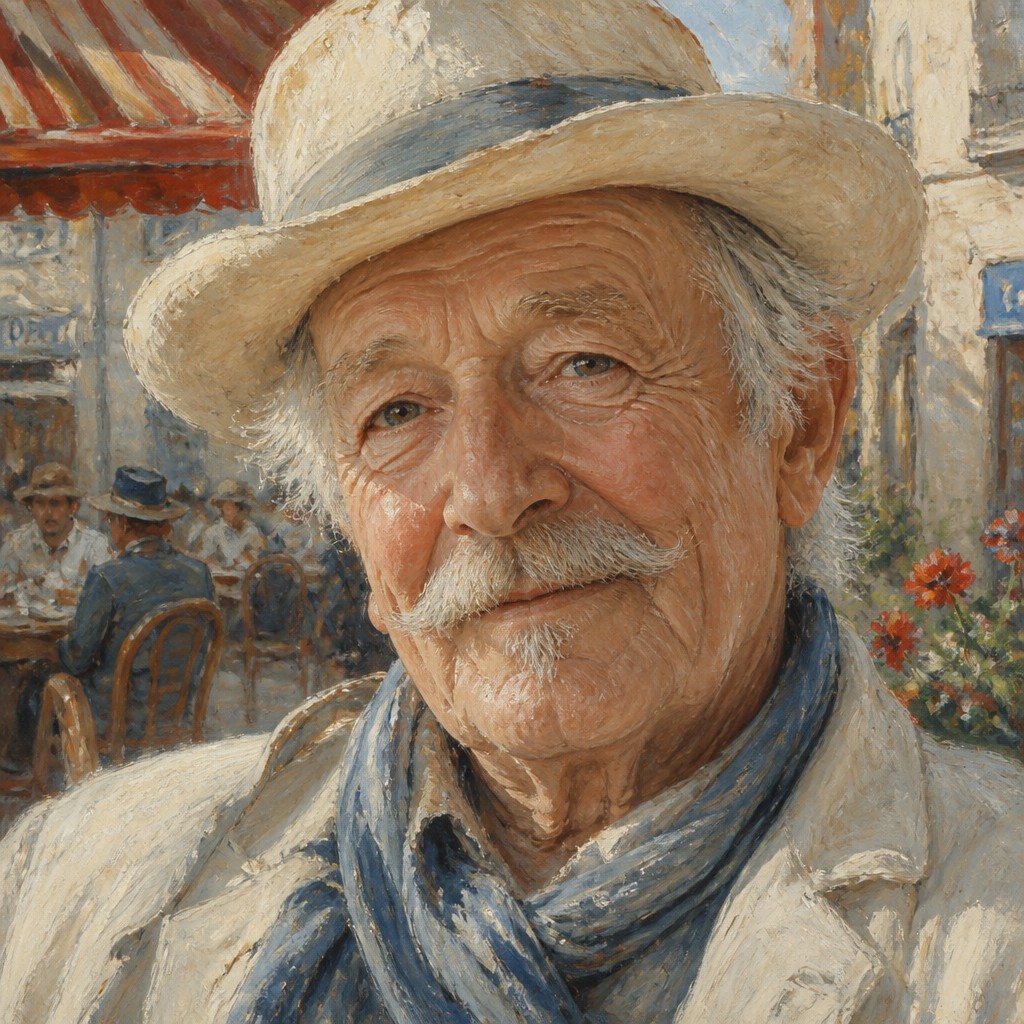
“close-up portrait of an elderly person with expressive weathered features”
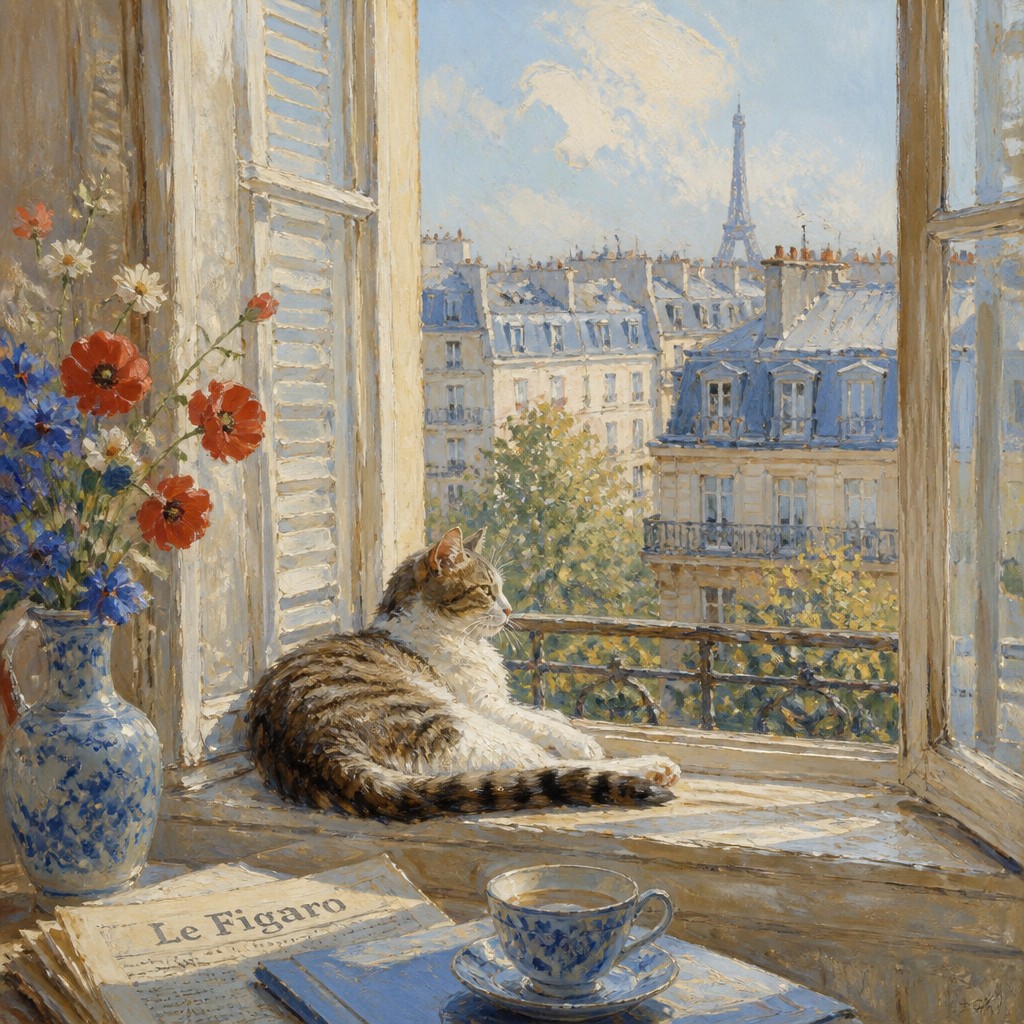
“a cat lounging in a sunlit window”
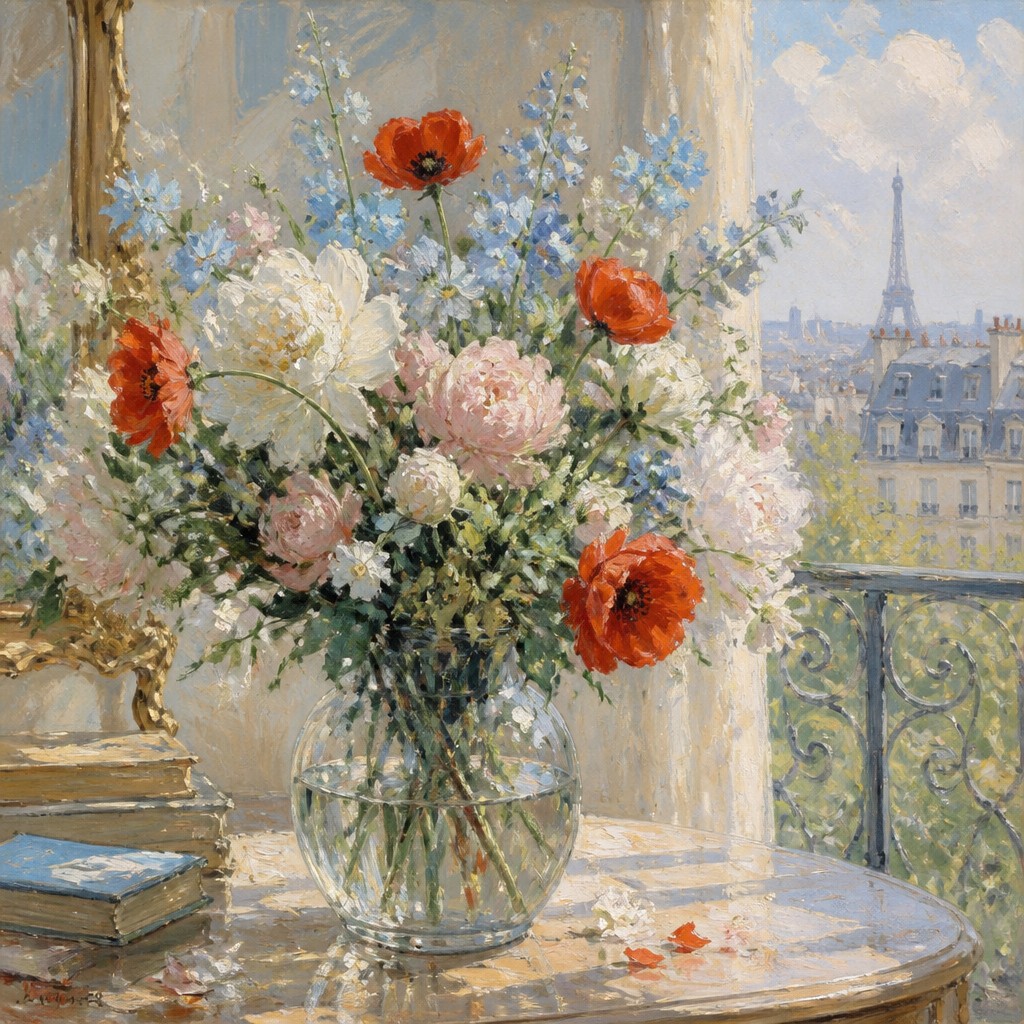
“bouquet of flowers in a glass vase”
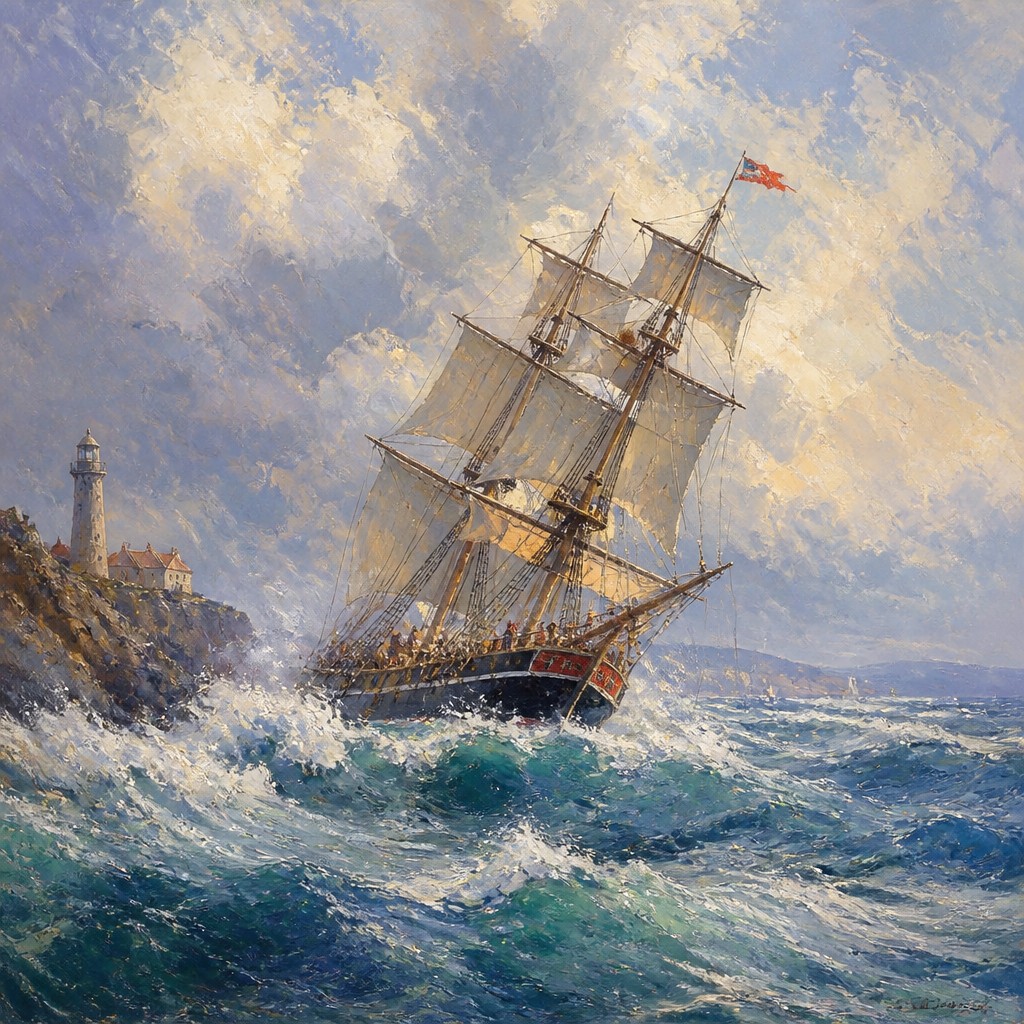
“sailing ship on a stormy sea”
How to Create French Art
Master the craft step by step — or skip straight to creating. Read the full guide →
- 1
Establish a restrained palette
Begin with cream, pearl gray, powder blue, and muted green, then reserve warm red for a few focal accents. Avoid highly saturated color across the entire image, since contrast is most effective when concentrated.
- 2
Build light before detail
Block in the large masses of sky, architecture, foliage, and ground using thin, luminous layers. Add local detail only after the overall light temperature and atmospheric depth are convincing.
- 3
Use broken edges and varied strokes
In traditional media, alternate short touches with longer directional strokes and allow some underpainting to remain visible. Digitally, use textured brushes, low-opacity layers, and selective edge softness rather than uniform blur.
- 4
Compose around a lived-in setting
Place the subject in a café terrace, garden path, boulevard, market, or softly appointed room, and include small contextual details such as chairs, flowers, umbrellas, or windows. These elements create the style's sense of place without overcrowding the image.
- 5
Specify atmosphere in a text prompt
Describe the subject first, then request luminous painterly handling, soft broken brushwork, pearly northern light, a powder-blue and cream palette, and restrained red accents. Add composition and medium terms such as oil painting, gouache, textured digital brushwork, or plein-air freshness as needed.
- 6
Refine an existing image selectively
For image-to-image work, preserve the subject's main silhouette and perspective while asking for softened edges, painterly light, and a coordinated palette. Reduce excessive micro-detail and protect important facial features, architecture, or lettering with targeted masking.
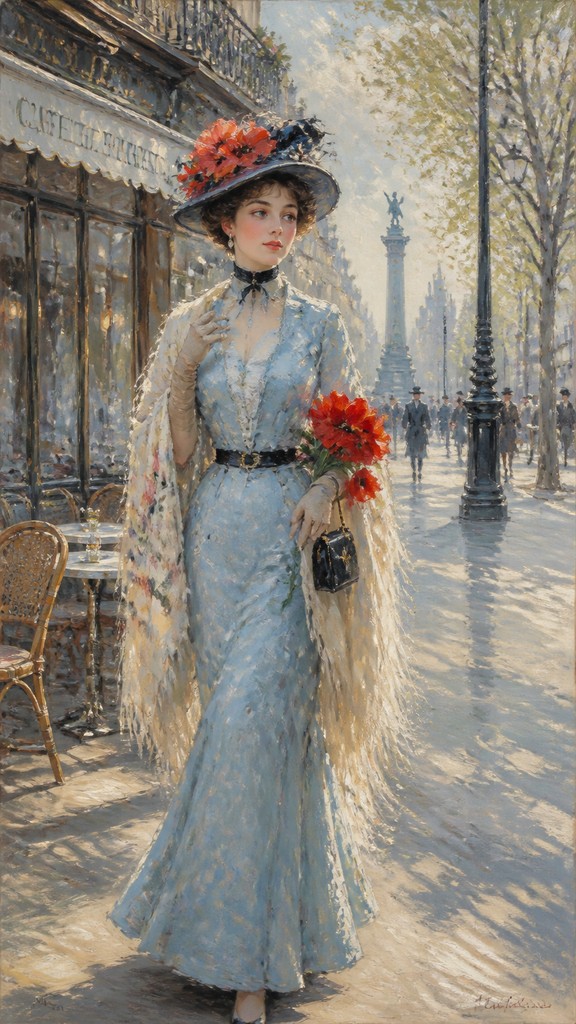
The Story
History & Origins of French
French Art Style does not designate a formally recognized historical school with a fixed period or manifesto. It is best understood as a modern synthesis of several French and Francophone visual traditions, especially nineteenth-century academic and salon painting, Impressionism, Post-Impressionism, and later traditions of urban illustration and decorative painting.
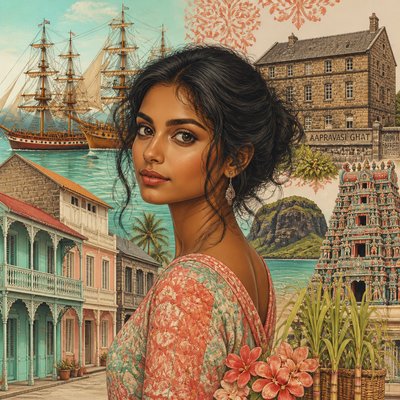
The style also draws on the cultural imagery of Parisian cafés, formal gardens, river boulevards, domestic interiors, and the cultivated leisure associated with French visual culture. In contemporary digital practice, these references are blended into a flexible look that can be applied to portraits, travel scenes, still lifes, editorial images, and imagined settings.
Influences: The style draws on French academic and salon traditions for its compositional order and finish, Impressionism for its attention to changing light and open-air observation, and Post-Impressionism for its more deliberate color structure and expressive stroke. It also relates to French decorative arts, café culture, garden painting, urban poster illustration, gouache travel imagery, and contemporary editorial painting. These influences are combined selectively rather than reproduced as a historically exact period style.
Frequently Asked Questions
What defines French Art Style?
It is defined by the combination of polished composition and loose, luminous brushwork. Common features include pearly light, powder blue and cream tones, restrained red accents, elegant public or domestic settings, and an atmosphere of relaxed refinement.
Is French Art Style a historical art movement?
No. The name is a contemporary umbrella term for a French-inspired painterly aesthetic, not a formal movement with a fixed founding date. Its lineage includes salon painting, Impressionism, Post-Impressionism, decorative arts, and café or boulevard imagery.
How does it differ from Impressionism?
Both styles value natural light and visible brushwork, but French Art Style usually places greater emphasis on salon-like elegance, decorative harmony, and recognizable lifestyle settings. It may use Impressionist freshness while retaining a more controlled finish and coordinated palette.
What subjects work best in this style?
Café terraces, gardens, boulevards, markets, riverside walks, floral still lifes, refined interiors, and quiet portraits are especially suitable. Ordinary subjects become effective when they offer appealing light, color relationships, and a sense of cultivated place.
How can I make an image look more painterly in this style?
Use visible textured strokes, softened transitions, and a limited palette instead of uniform sharp detail. Establish broad light and color masses first, then add selective accents around the focal subject while leaving some atmospheric passages unresolved.
Can this style be used for photography or digital art?
Yes. Photographs can be graded toward pearly highlights, cool shadows, muted saturation, and selective red accents, then combined with brush-textured overlays. Digital paintings and text-to-image workflows can achieve the look by specifying the setting, palette, lighting, and broken-brush surface separately.
Create your first French artwork
Describe anything — or upload a photo — and see it in French Art Style in seconds.
Related Styles
Discover similar art styles