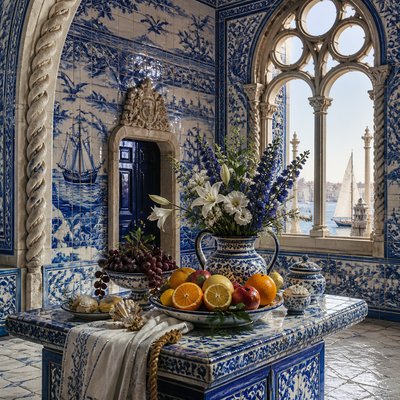
Mauritian Art Style
Discover Mauritian art style: handcrafted model ships, colonial verandas, heritage stone, temple patterns, lagoon light, and island color.
Instantly rendered in Mauritian — or transform a photo
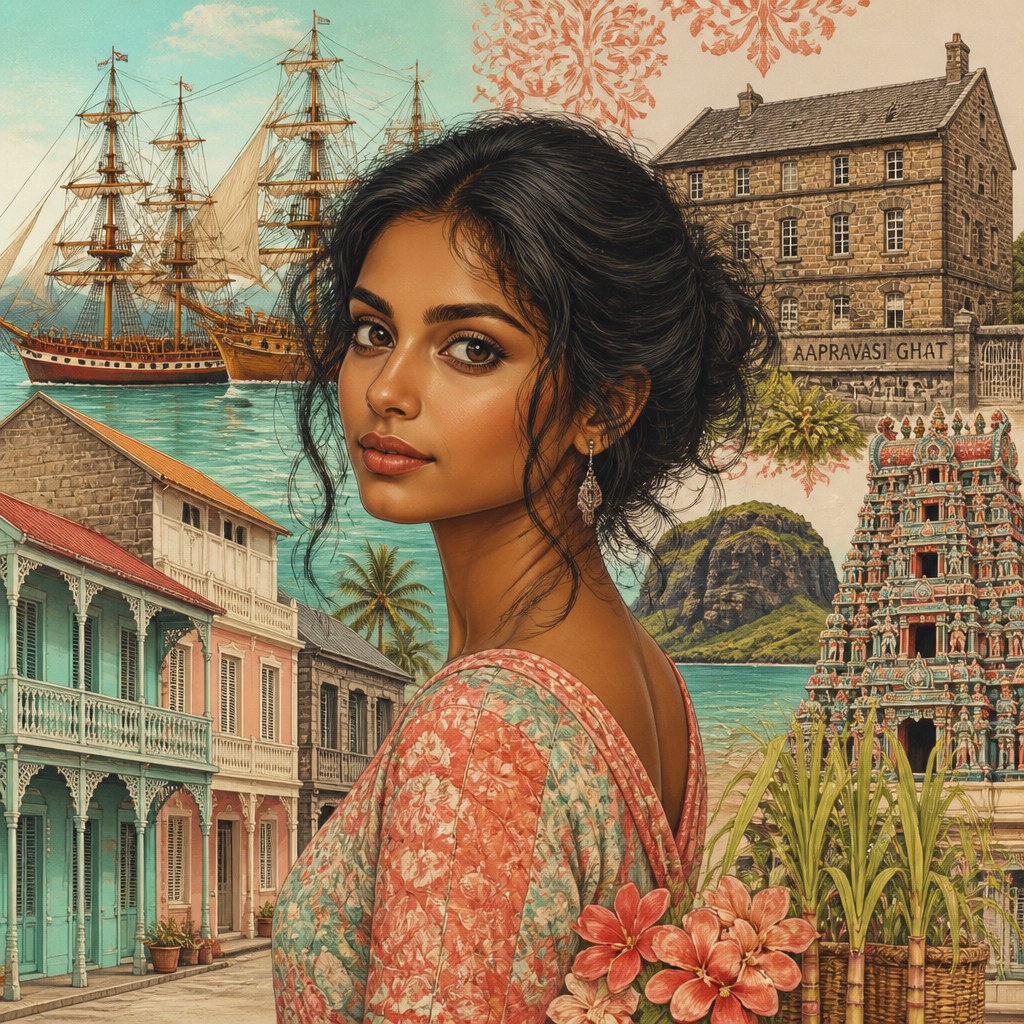
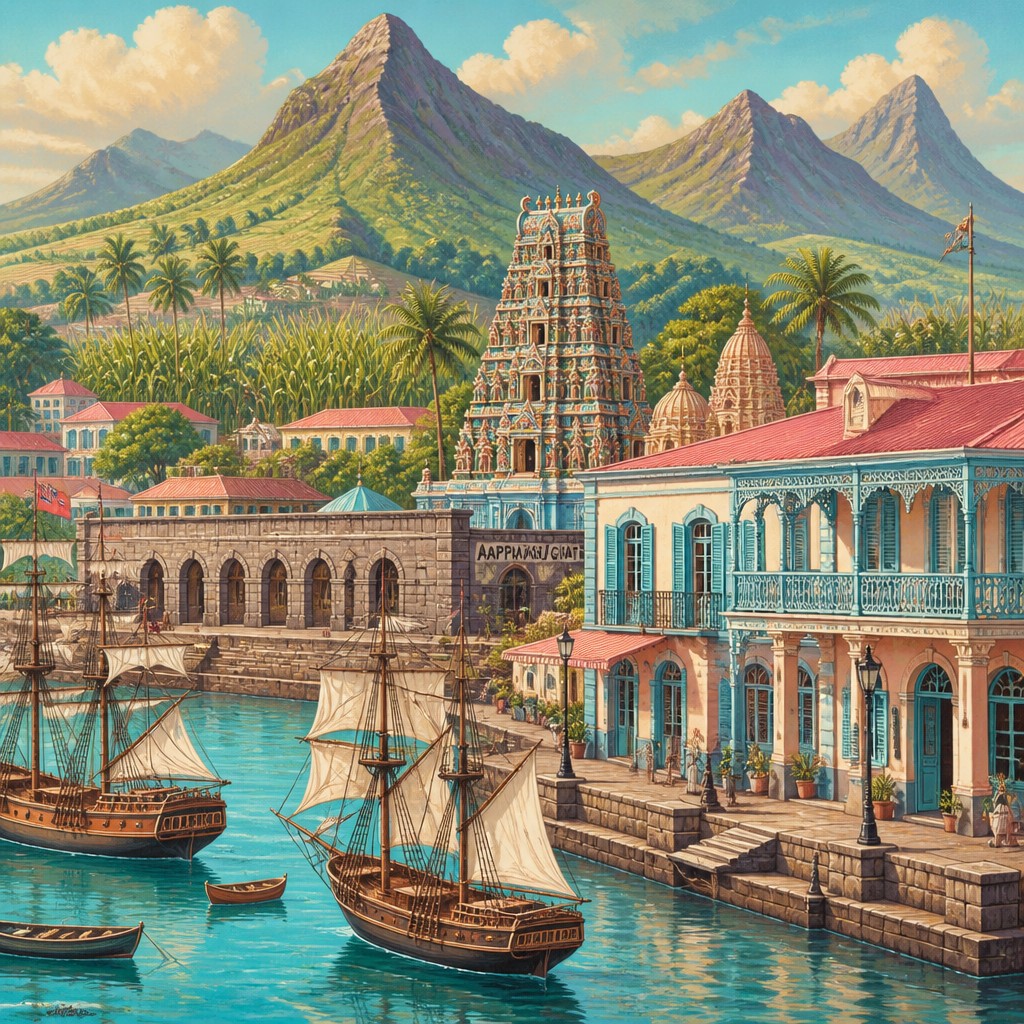
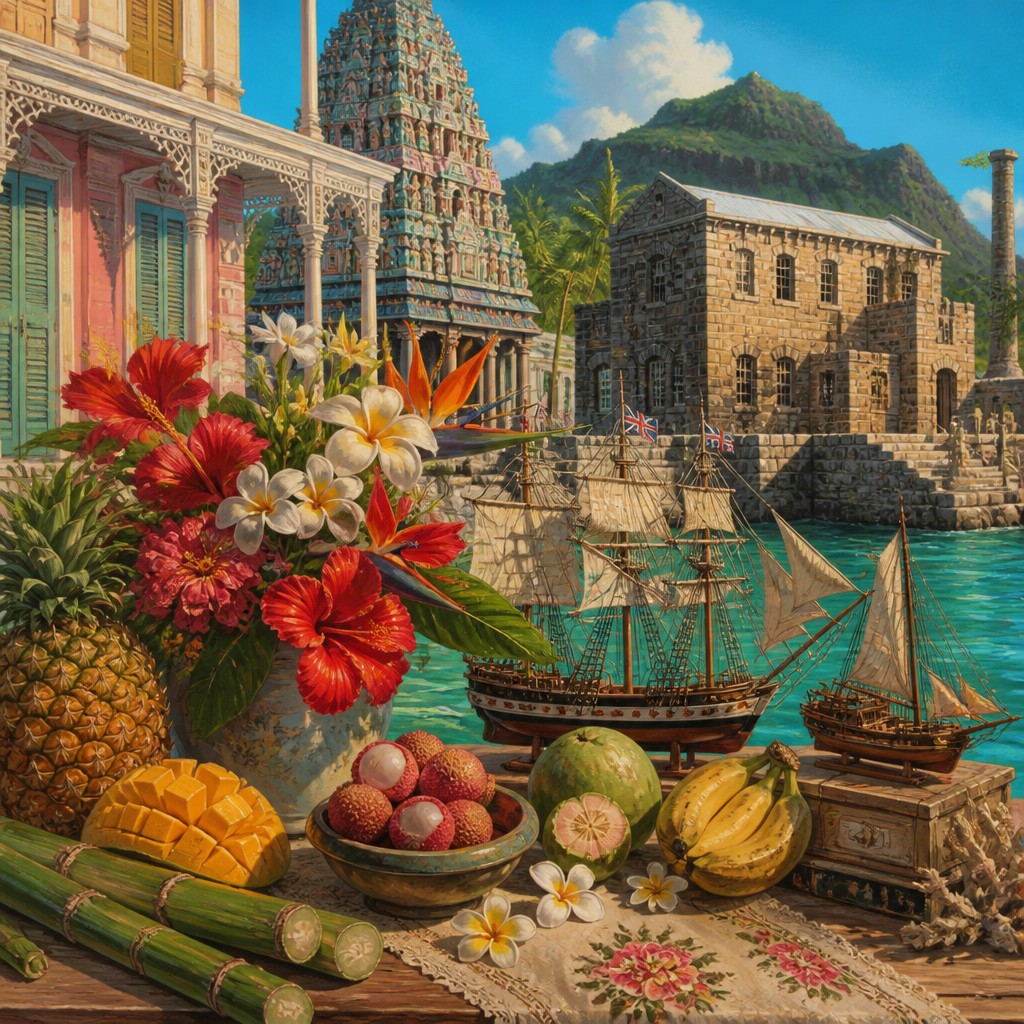
Mauritian Gallery
Tap any artwork to explore it
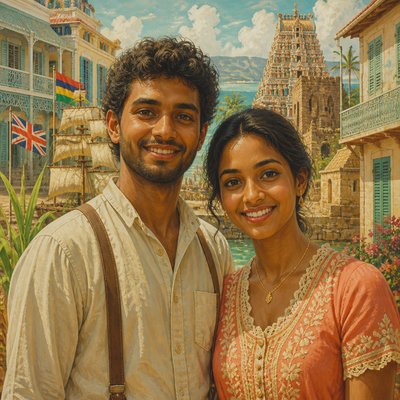
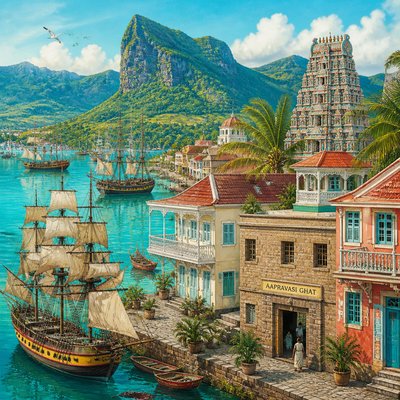
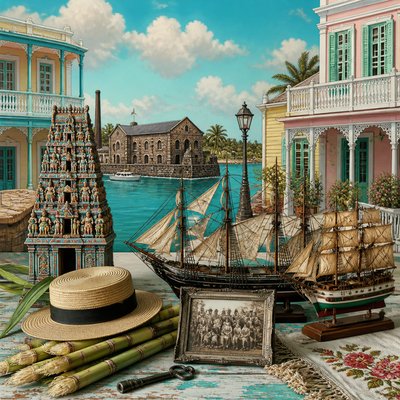
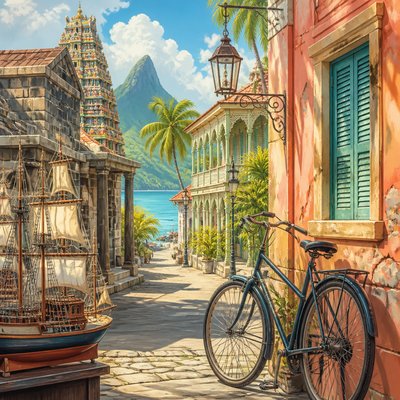
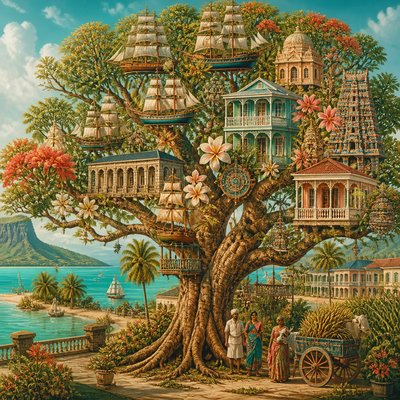
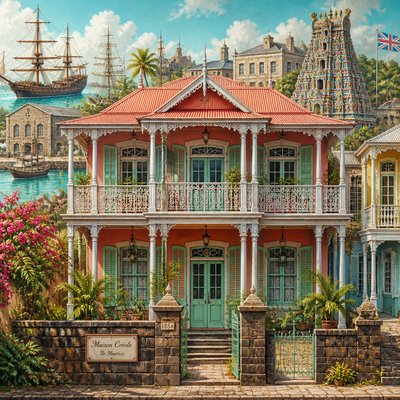
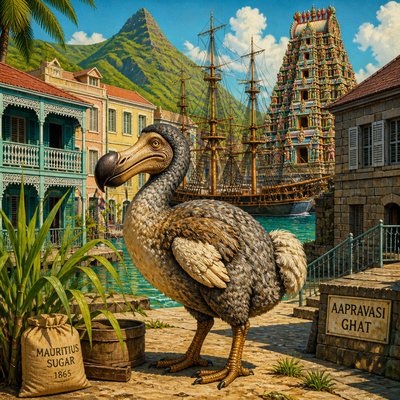
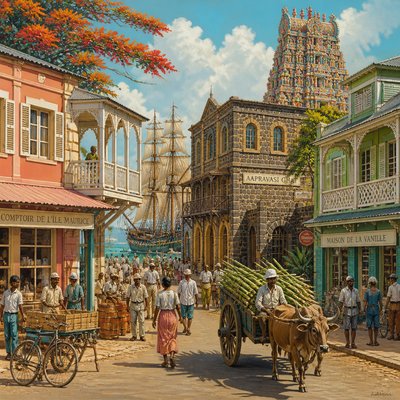
What is Mauritian Art Style?
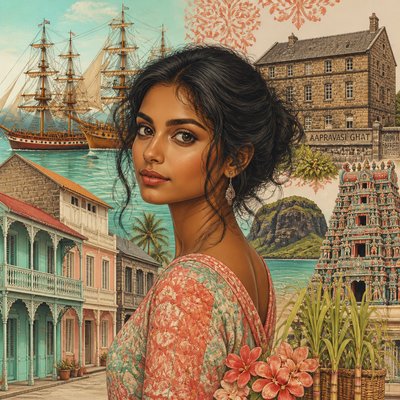
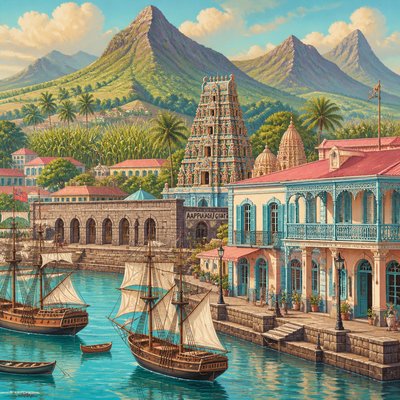
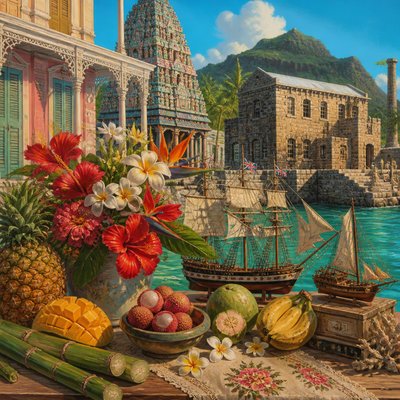
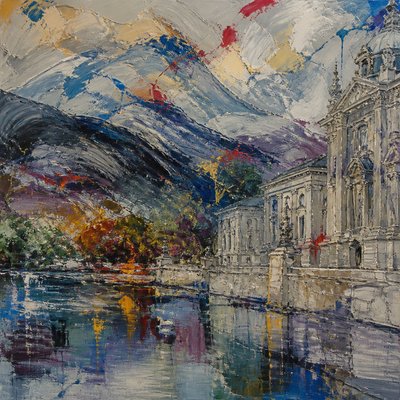
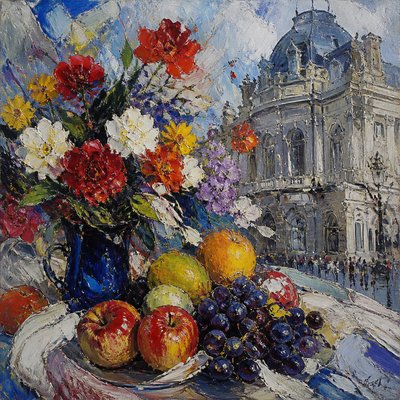
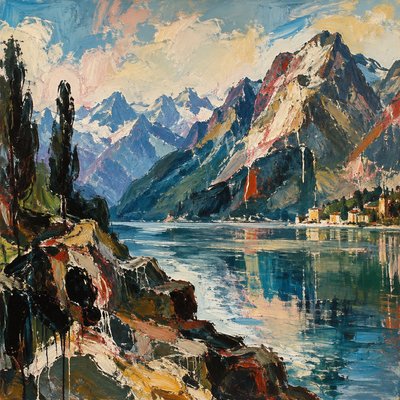
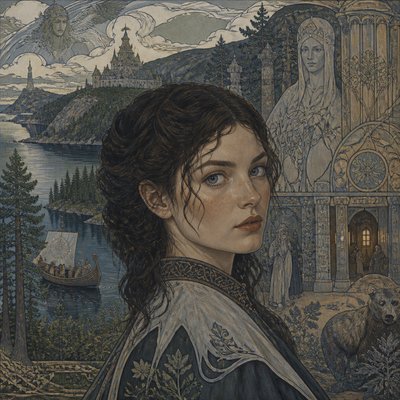
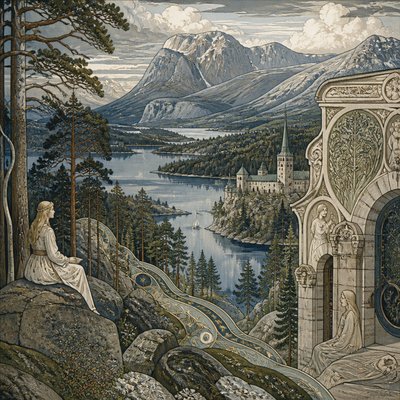
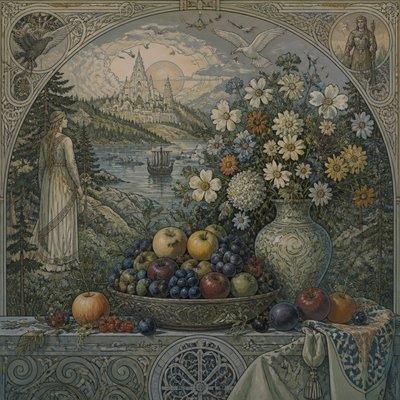
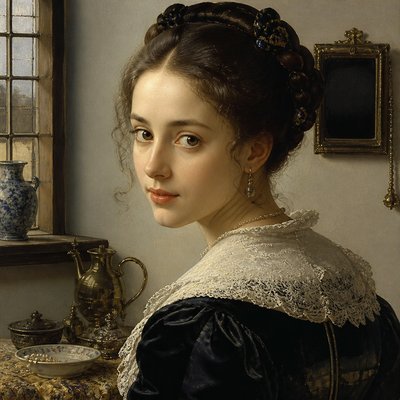
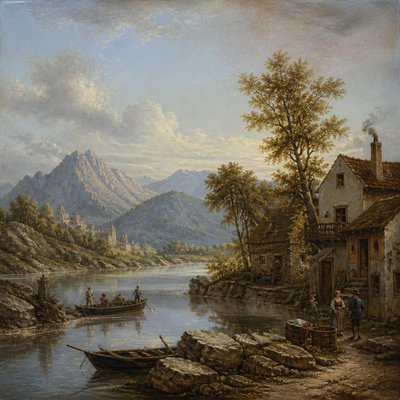
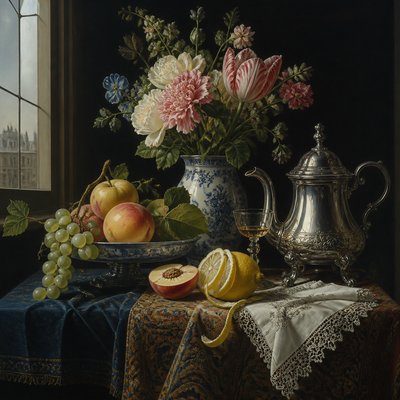
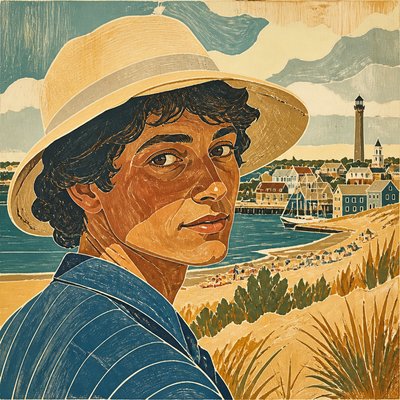
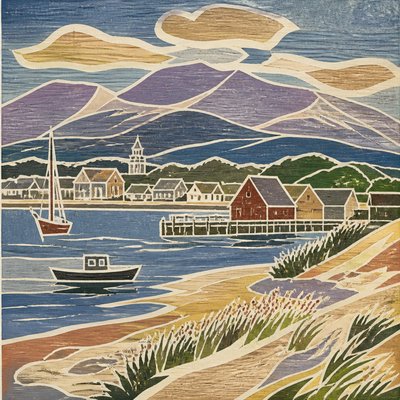
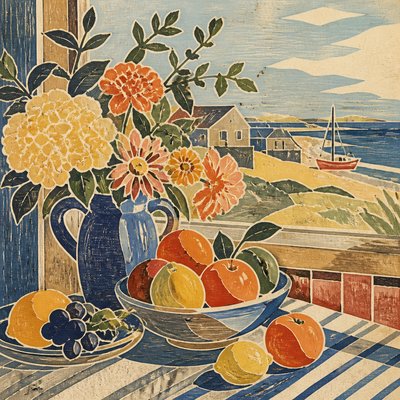
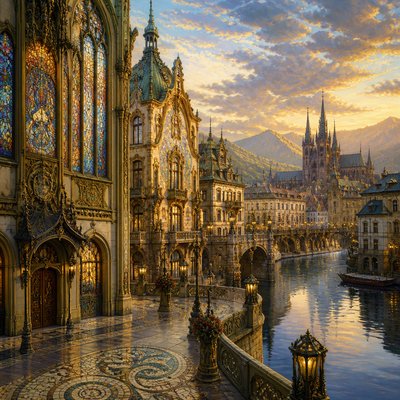
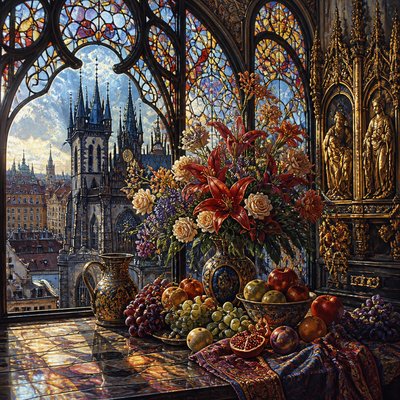
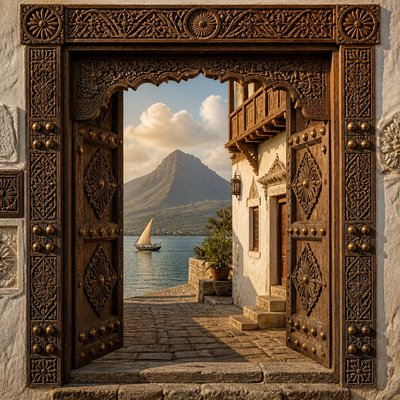
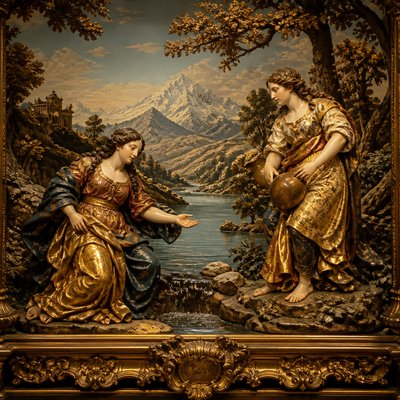
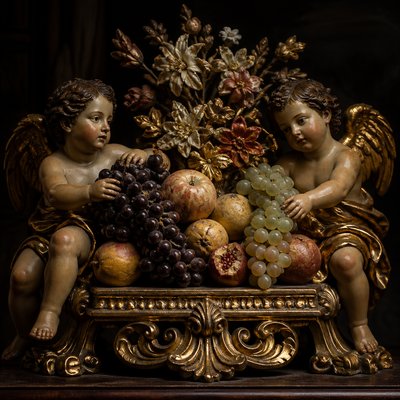
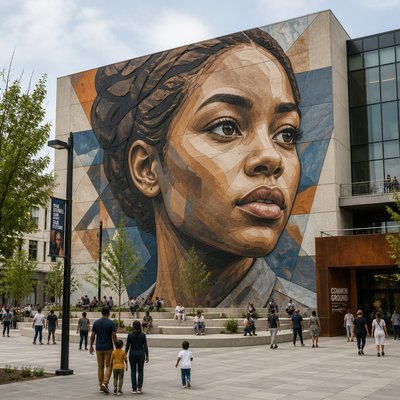
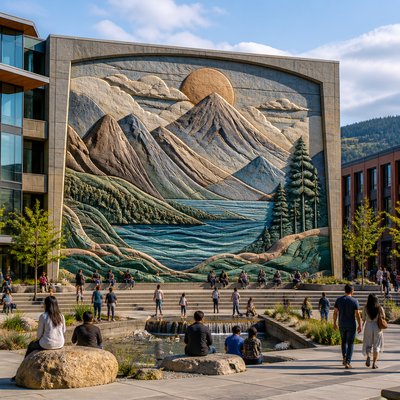
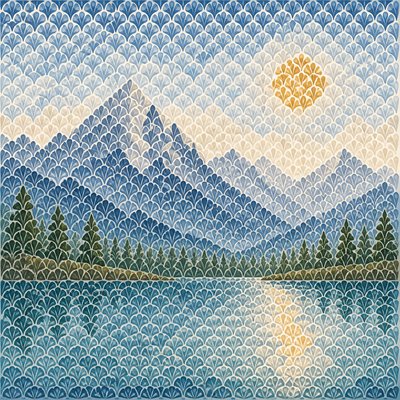
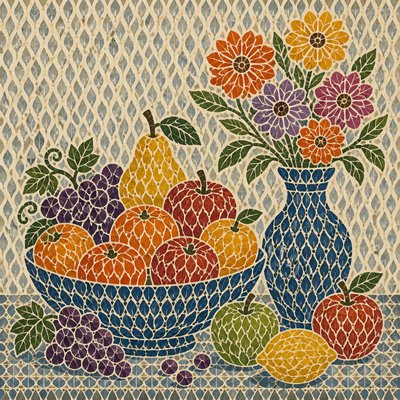
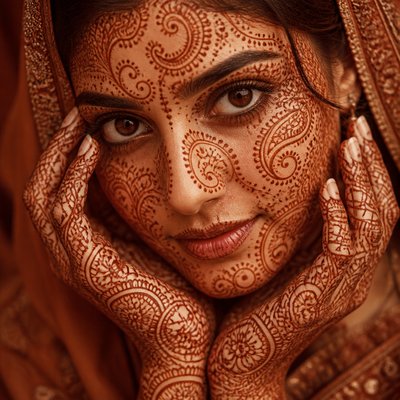
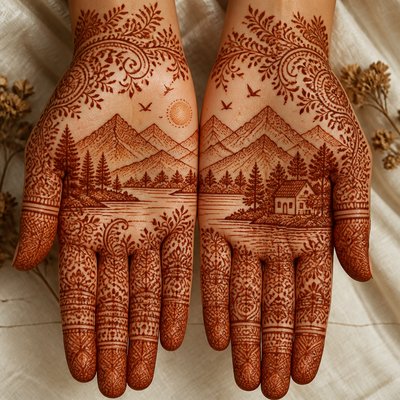
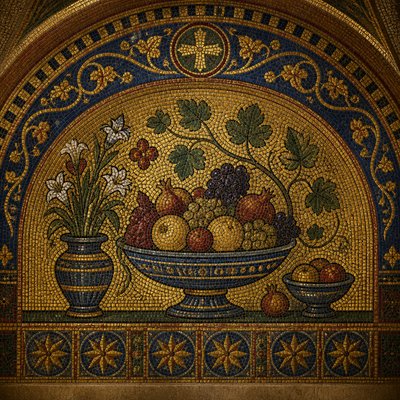
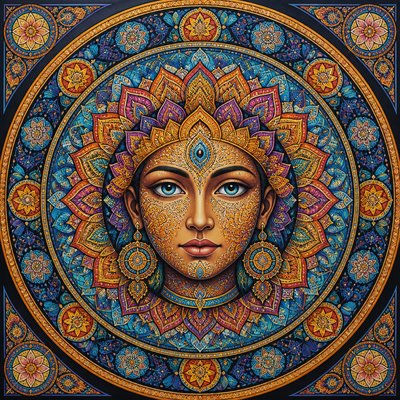
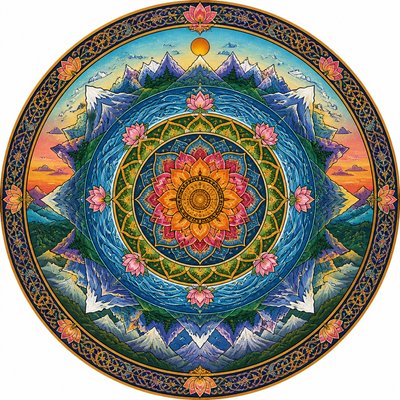
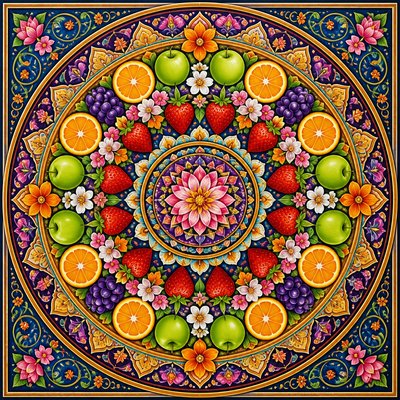
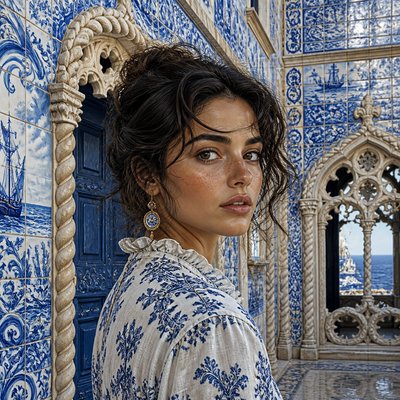
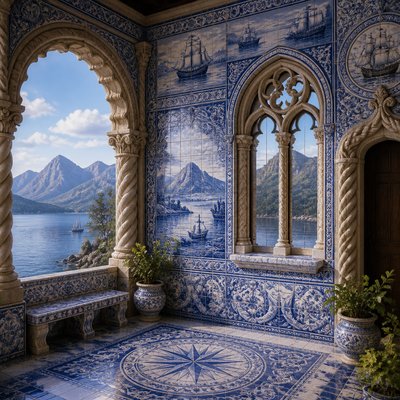
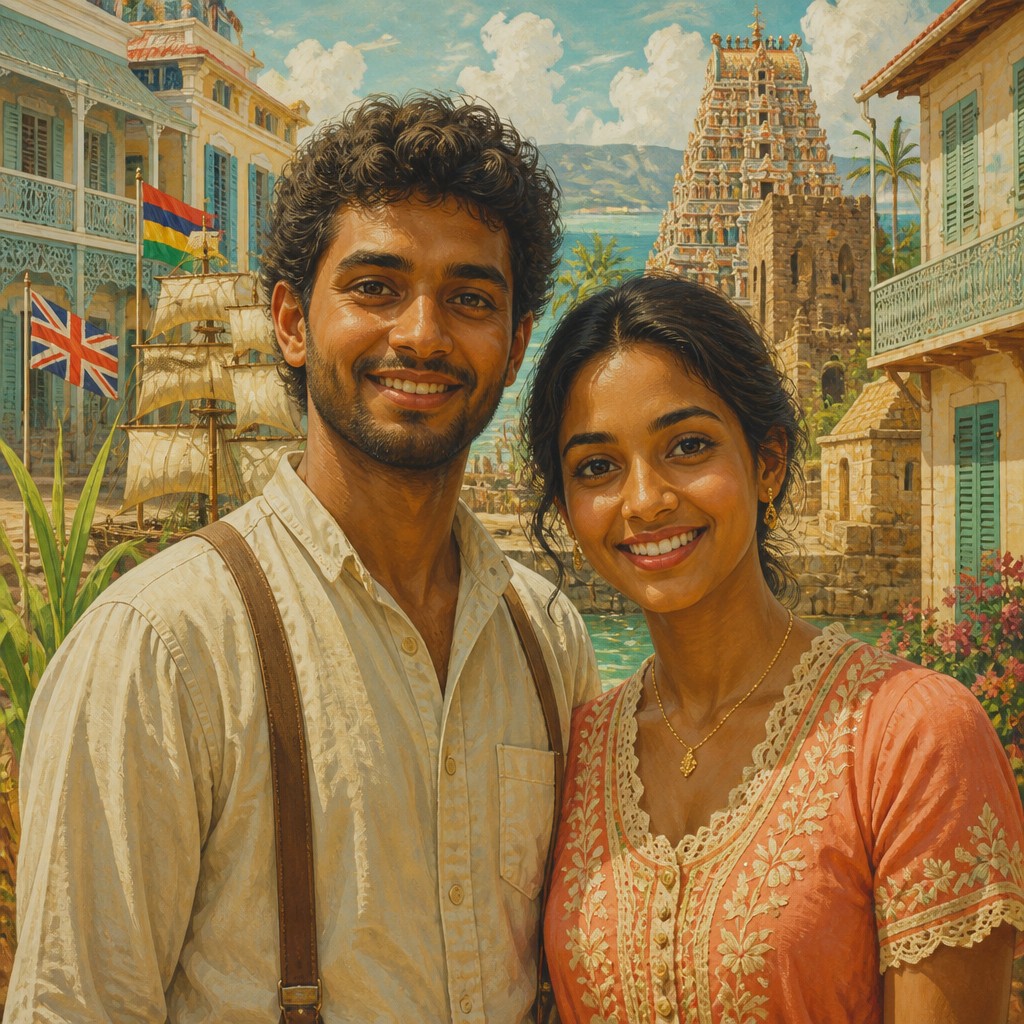
Mauritian art style is a contemporary, place-based visual synthesis inspired by the island’s maritime history, multicultural society, colonial architecture, and tropical environment. Its signature imagery combines finely made model sailing ships, pastel French and British verandas, shuttered facades, weathered heritage masonry, ornate temple-tower motifs, turquoise lagoon light, coral hues, and sugarcane greens.
The style often presents Mauritius as a tactile miniature world: buildings appear carefully crafted, ships carry intricate rigging, and architectural details are treated almost like decorative pattern. Bright equatorial sunlight sharpens edges and reveals worn plaster, aged stone, painted wood, carved ornament, and polished water, creating a balance between historical memory and luminous island atmosphere.
Try It On Your Photos
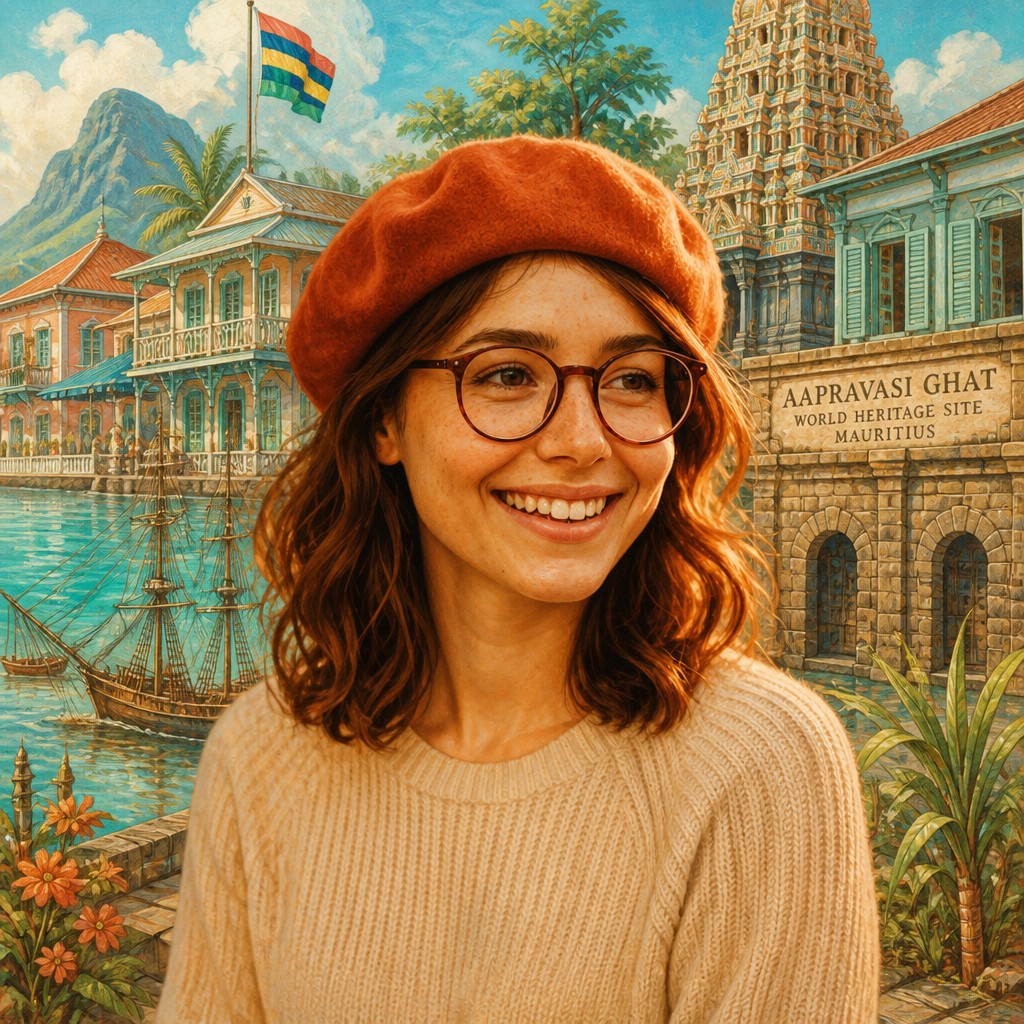
Upload any photo and convert it into Mauritian Art Style — drag the sliders to compare before and after.


What Defines Mauritian Art Style
The signature details, up close
Handcrafted sailing ships
Rigged masts, fine ropes, wooden hulls, and layered sails give the style a strong maritime identity. Ships may appear as museum-like miniatures, harbor subjects, or symbolic vessels of migration and trade.
Colonial verandas and shutters
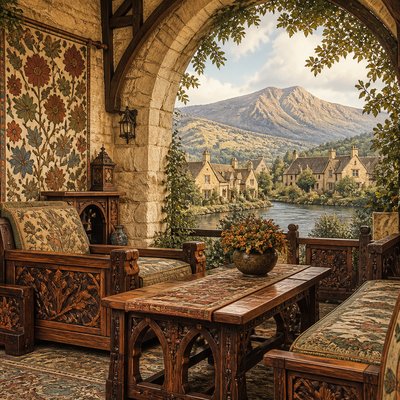
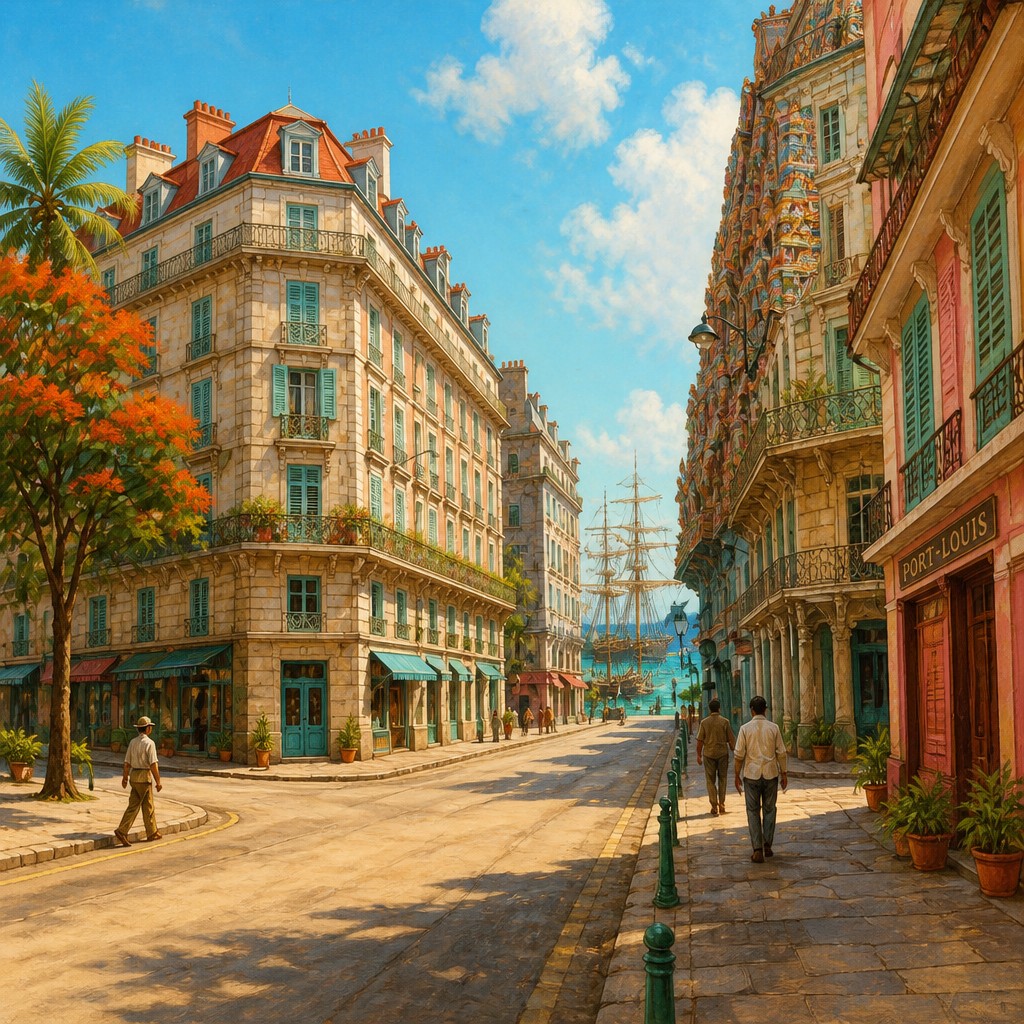
Pastel facades, deep verandas, louvered shutters, balustrades, and pitched roofs reference French and British architectural legacies adapted to a tropical climate.
Weathered heritage masonry
Aged stone, softened edges, peeling plaster, and irregular textures evoke historic urban and port environments, including the masonry associated with Aapravasi Ghat.
Temple-inspired ornament
Decorative tower silhouettes, repeated geometric borders, floral details, and saturated accents draw on the visual patterning of Hindu religious architecture without requiring a literal temple scene.
Lagoon illumination
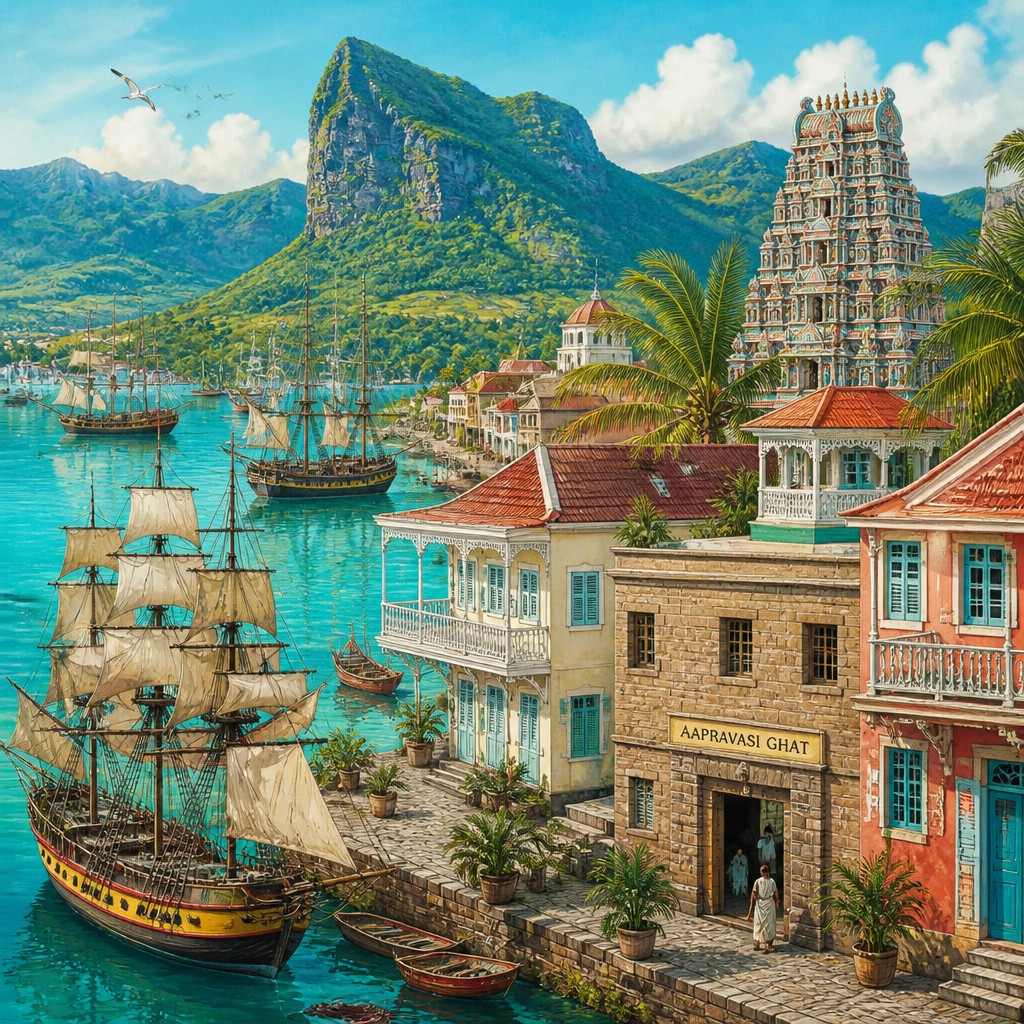
Clear turquoise water, reflective highlights, and bright island sunlight establish a luminous tropical atmosphere. Shadows are generally crisp but softened by humid coastal air.
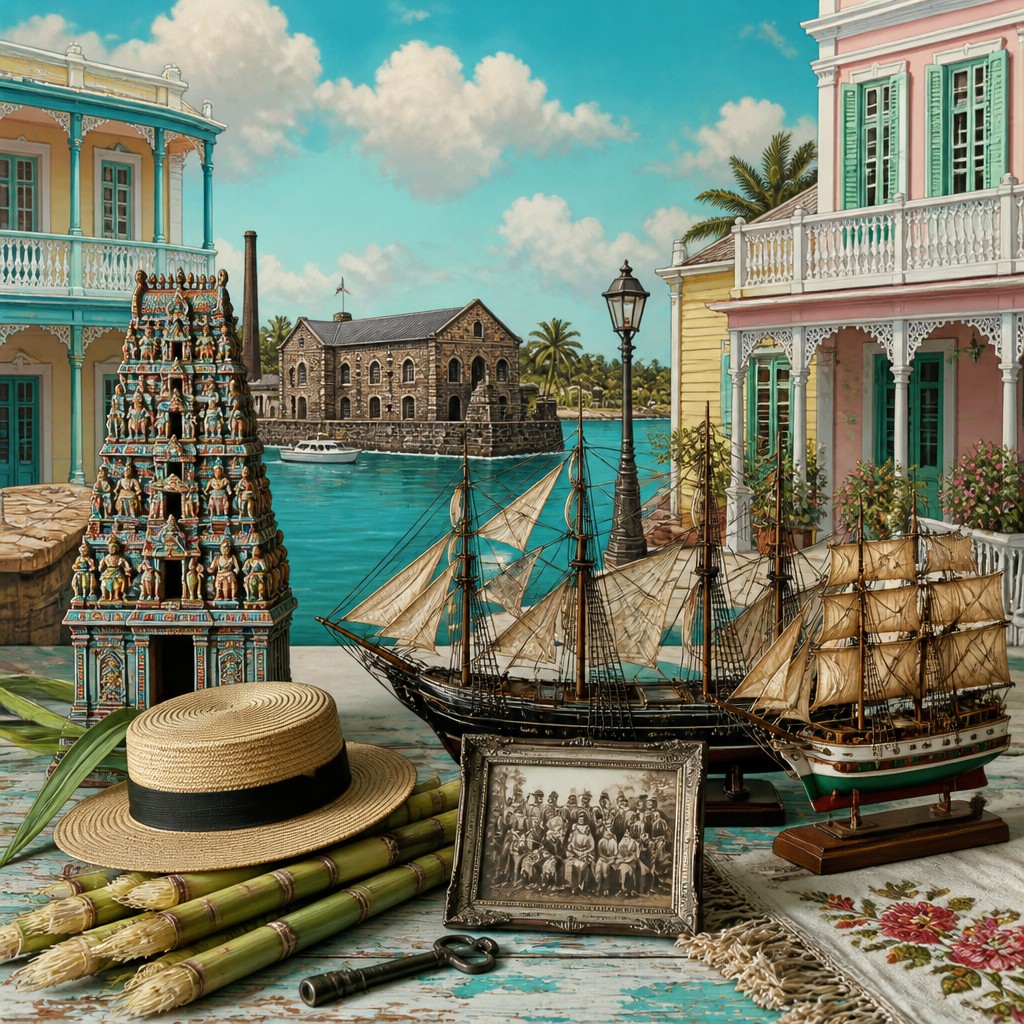
Coral and sugarcane palette
Warm coral, faded terracotta, cream, sea blue, turquoise, and sugarcane green create a palette that feels both sunlit and gently weathered.
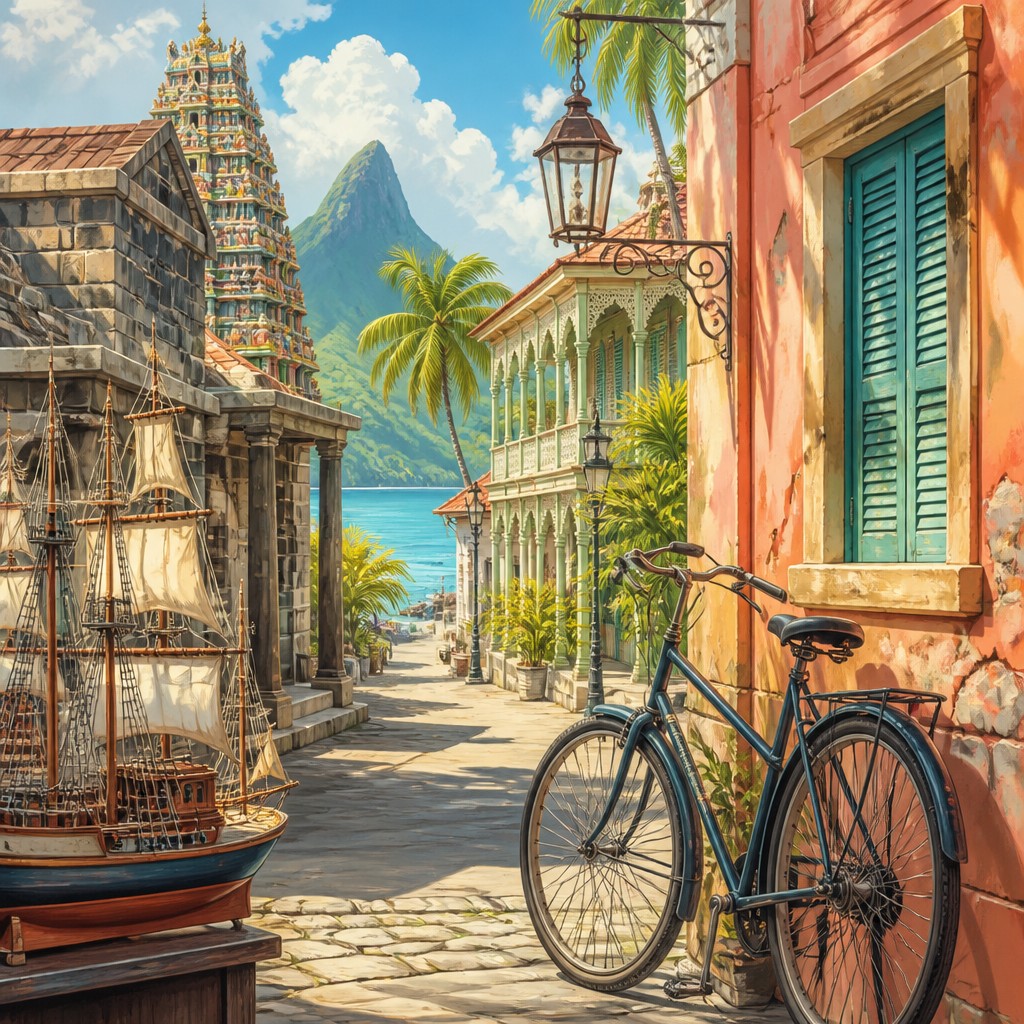
Miniature and diorama precision
The visual language favors careful craftsmanship, shallow depth of field, finely resolved surfaces, and an intimate scale reminiscent of a museum model or architectural maquette.
Mauritian Prompt Ideas
Start from an idea — each one opens the generator with the style ready to go. See all 40 Mauritian prompts →
How to Create Mauritian Art
Master the craft step by step — or skip straight to creating. Read the full guide →
- 1
Build a clear island composition
Begin with one dominant subject, such as a ship, veranda, harbor street, or heritage building, then place lagoon, sugarcane, or temple-inspired details in supporting roles. Keep the composition readable rather than filling every area with ornament.
- 2
Use tactile miniature techniques
For physical work, combine carved or assembled wood, painted card, plaster, thread, wire, and textured stone effects. Layer dry-brushed wear and small imperfections so the object feels handcrafted rather than digitally sterile.
- 3
Control tropical color and light
Use turquoise and blue-green for water, coral and terracotta for focal accents, and pale cream or faded pink for facades. Add strong overhead sunlight, compact shadows, and restrained weathering to avoid making the scene look artificially saturated.
- 4
Detail architecture selectively
Describe shutters, verandas, balustrades, masonry joints, rooflines, and decorative borders with enough specificity to establish place. A few accurate details are more effective than an indiscriminate mixture of architectural motifs.
- 5
Create a digital or photographic maquette
In 3D software or photography, use miniature-scale props, close framing, controlled perspective, and selective focus to suggest a handcrafted model. Rough plaster, painted wood, thread rigging, and subtle surface dust help sell the material illusion.
- 6
Write a precise generation prompt
Specify the subject first, then request handcrafted model detail, colonial tropical architecture, heritage stone, temple-tower patterning, turquoise lagoon light, and a coral-and-sugarcane palette. Add terms such as finely textured, museum diorama, bright island sun, and realistic rigging when those qualities are important.
The Story
History & Origins of Mauritian
Mauritian art style is not a formally documented historical movement or a single traditional school. It is an invented contemporary aesthetic lineage that draws on Mauritius’s layered cultural landscape: French and British colonial building traditions, Indian Ocean maritime culture, the heritage site of Aapravasi Ghat, Hindu temple ornament, sugarcane agriculture, and the visual language of handcrafted ship models.
Its development reflects a broader interest in regional storytelling, architectural heritage, diorama construction, and digitally combined cultural motifs. Rather than presenting colonial architecture as isolated nostalgia, the style can frame it within Mauritius’s complex histories of migration, labor, trade, religious life, and cultural exchange.
Influences: The style draws from Indian Ocean maritime imagery, French and British colonial architecture, tropical vernacular design, Hindu temple ornament, architectural model-making, museum dioramas, miniature painting, heritage photography, and contemporary digital world-building. Its color and light also relate to coastal landscape painting and travel illustration, while its material precision recalls ship modeling, scale sculpture, and handcrafted decorative arts.
Frequently Asked Questions
What defines the Mauritian art style?
It is defined by a synthesis of maritime miniatures, tropical colonial architecture, heritage stone, temple-inspired ornament, and luminous lagoon color. Handcrafted precision and a coral, turquoise, cream, and sugarcane-green palette are especially characteristic.
Is Mauritian art style a historical art movement?
No. The term describes a contemporary, invented aesthetic rather than a formally established historical movement. It is best understood as a visual interpretation of Mauritius’s architecture, maritime history, cultural plurality, and tropical environment.
How is it different from generic tropical or colonial art?
Generic tropical art may focus mainly on beaches, foliage, or bright color, while this style connects tropical atmosphere to specific built heritage and maritime objects. Its combination of model ships, verandas, Aapravasi Ghat-inspired masonry, and temple-patterned ornament gives it a distinctly Mauritian framework.
Can I create this style with traditional materials?
Yes. A small diorama, architectural maquette, ship model, or mixed-media painting can use wood, card, plaster, thread, wire, pigment, and textured paper. Emphasize careful construction, painted wear, miniature scale, and controlled tropical lighting.
What subjects work best in this style?
Strong subjects include sailing ships, harbor scenes, historic streets, colonial verandas, heritage buildings, temple courtyards, sugarcane landscapes, and lagoon settlements. Compositions that combine one architectural or maritime focal point with a few cultural details tend to remain most coherent.
Where is this style used?
It is suitable for cultural storytelling, heritage interpretation, travel illustration, architectural visualization, editorial art, diorama photography, game environments, and decorative scenes. It can also support educational imagery when historical context and cultural symbols are represented carefully.
Create your first Mauritian artwork
Describe anything — or upload a photo — and see it in Mauritian Art Style in seconds.
Related Styles
Discover similar art styles