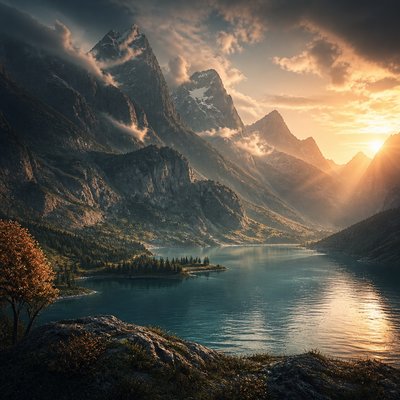
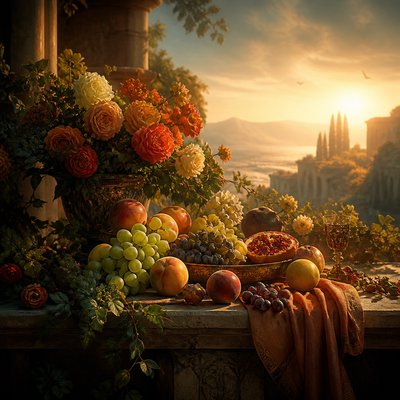
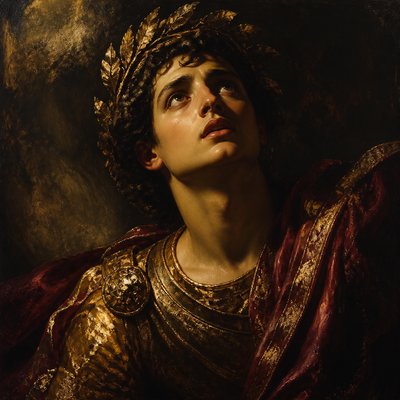
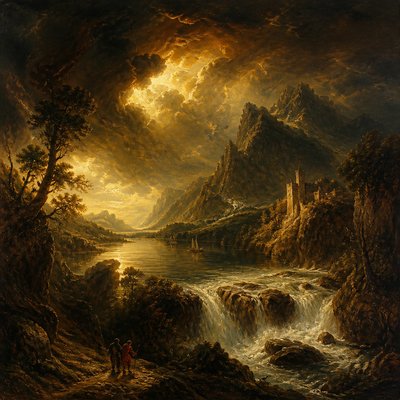
Grisaille Painting Style
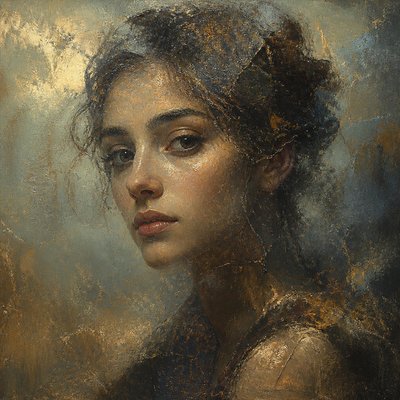
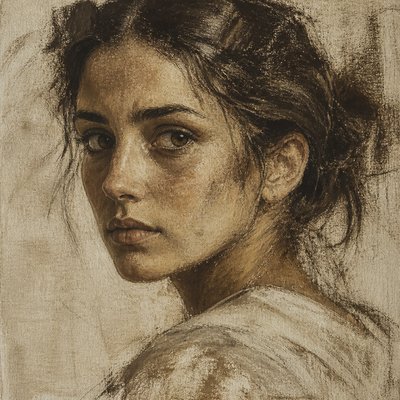
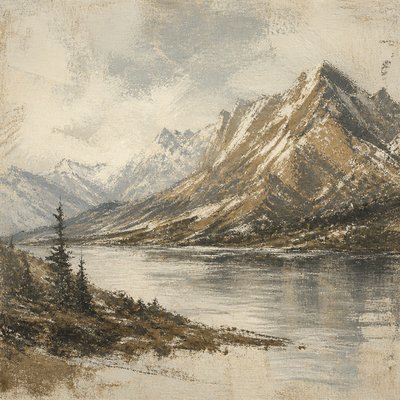
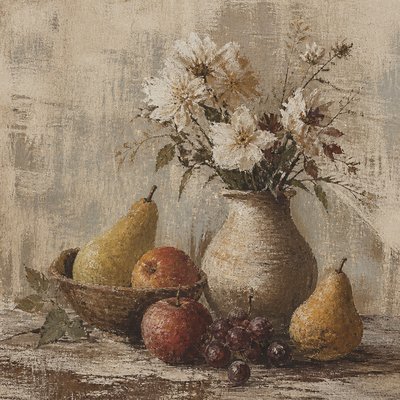
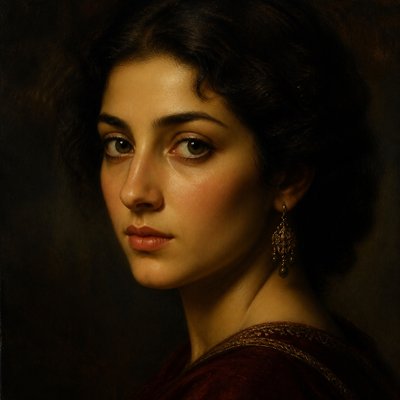
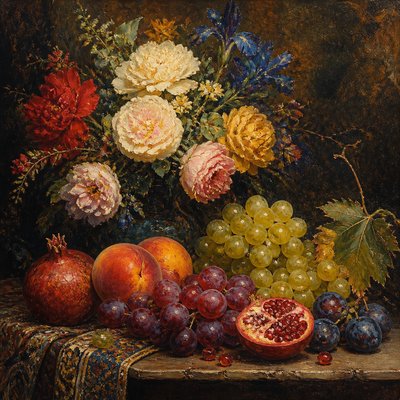
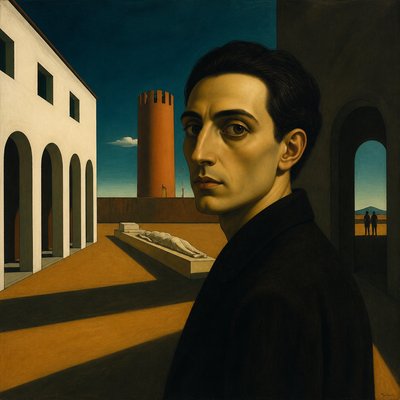
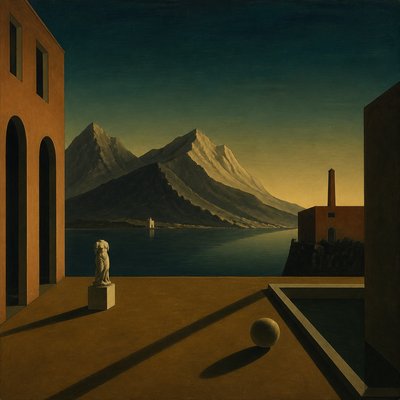
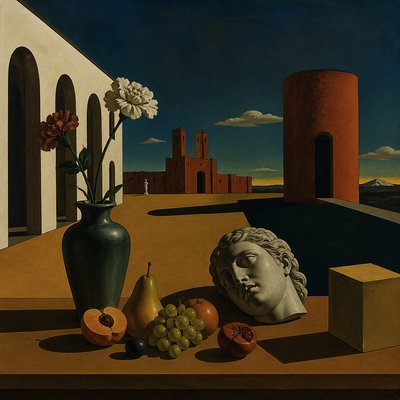
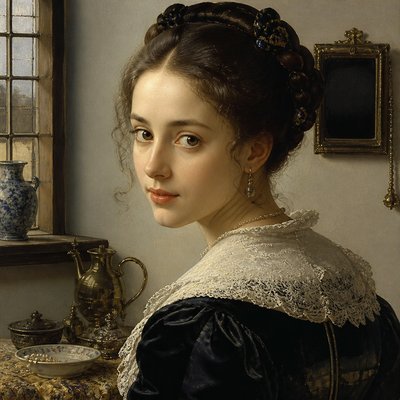
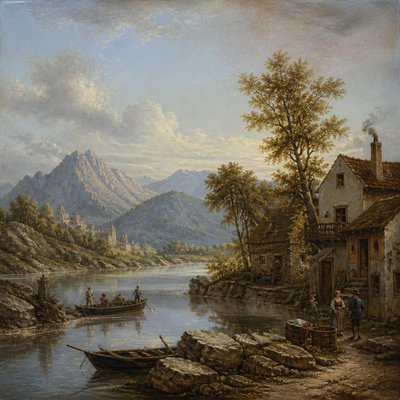
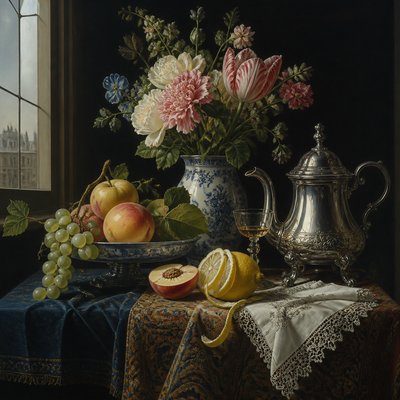
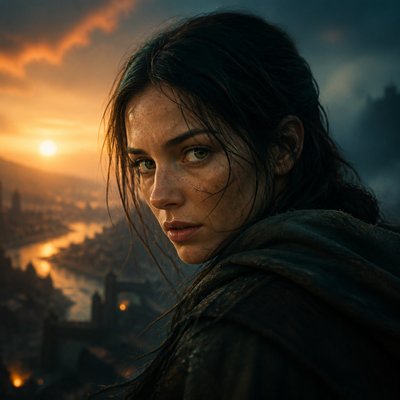
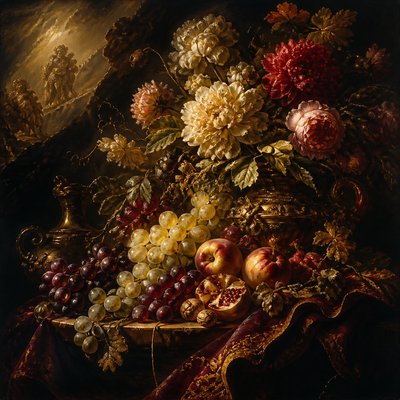
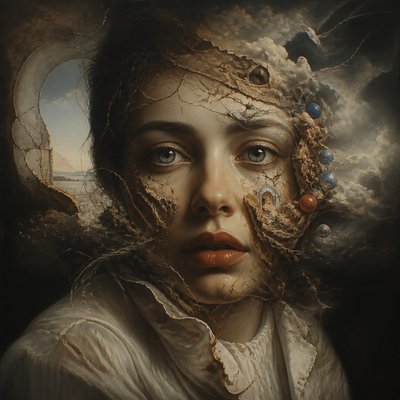
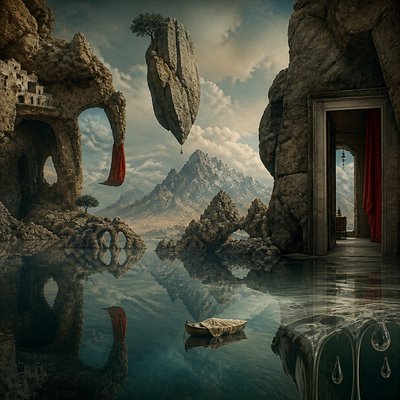
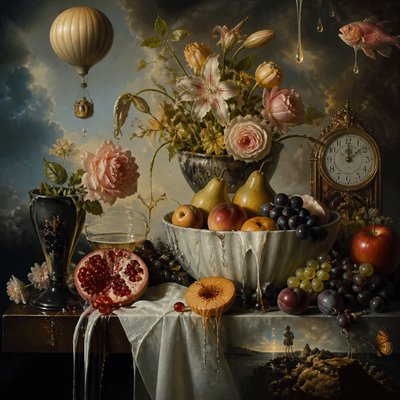
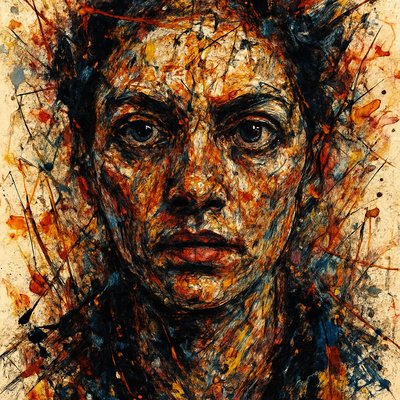
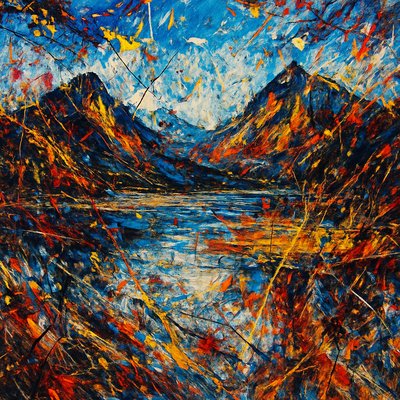
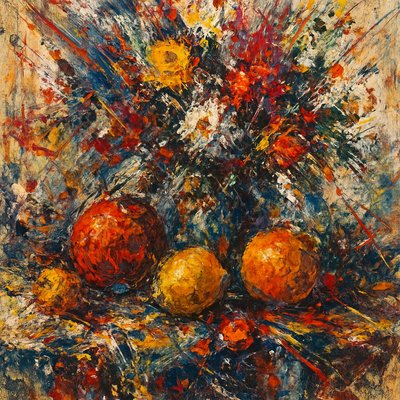
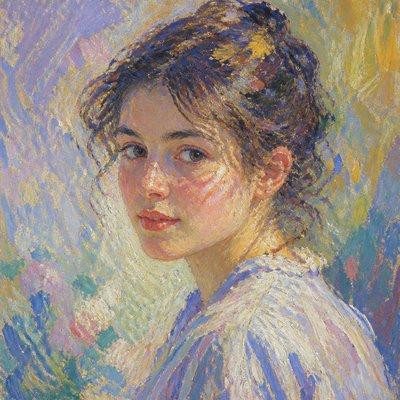
Explore grisaille painting: monochrome gray images modeled as carved stone, with classical volume, relief-like shading, and trompe-l’oeil depth.
Instantly rendered in Grisaille Painting — or transform a photo
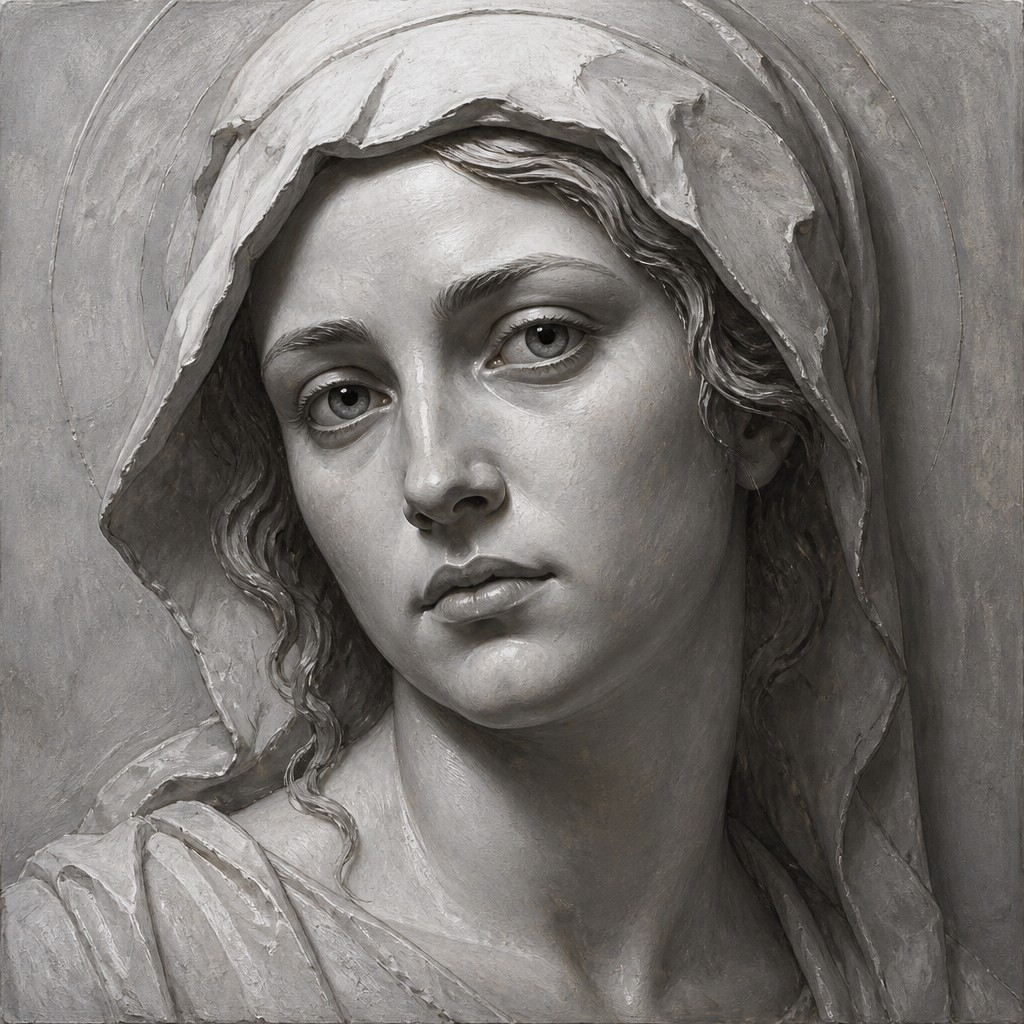
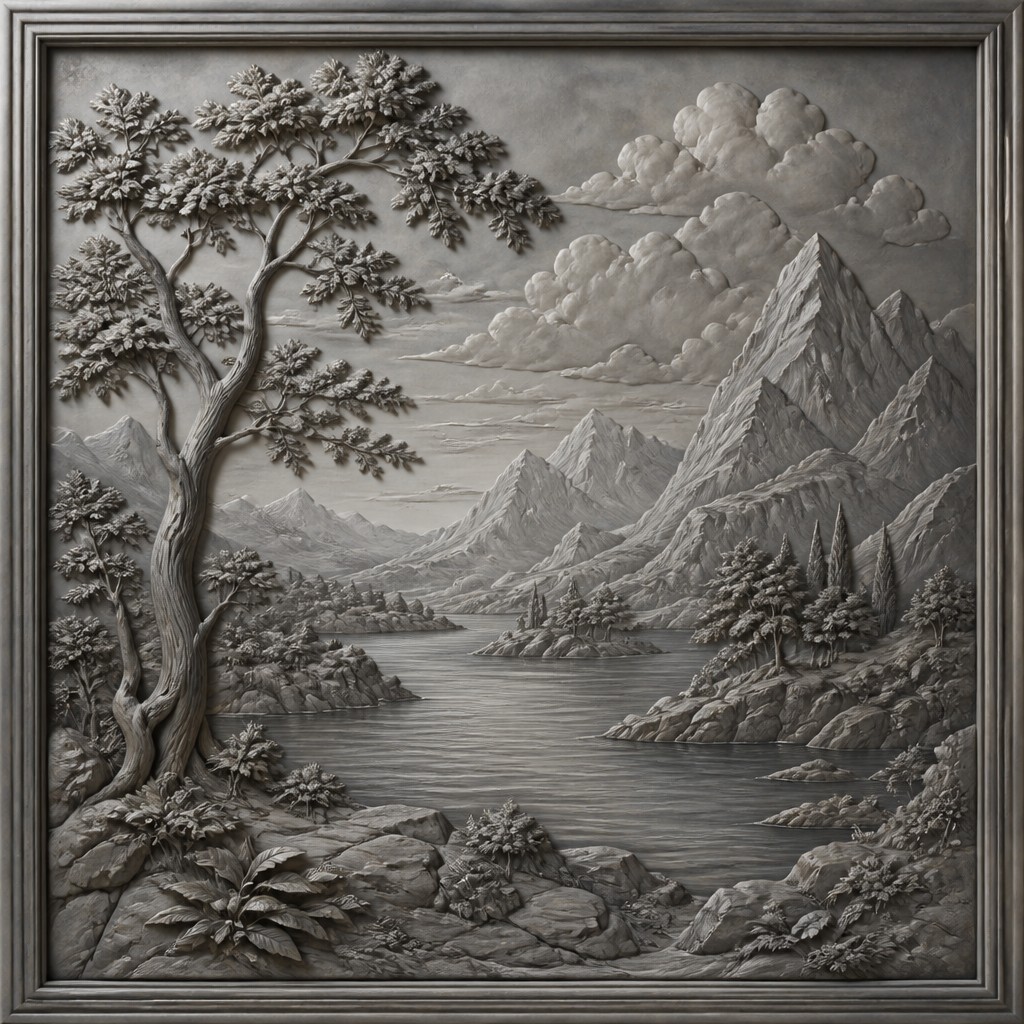
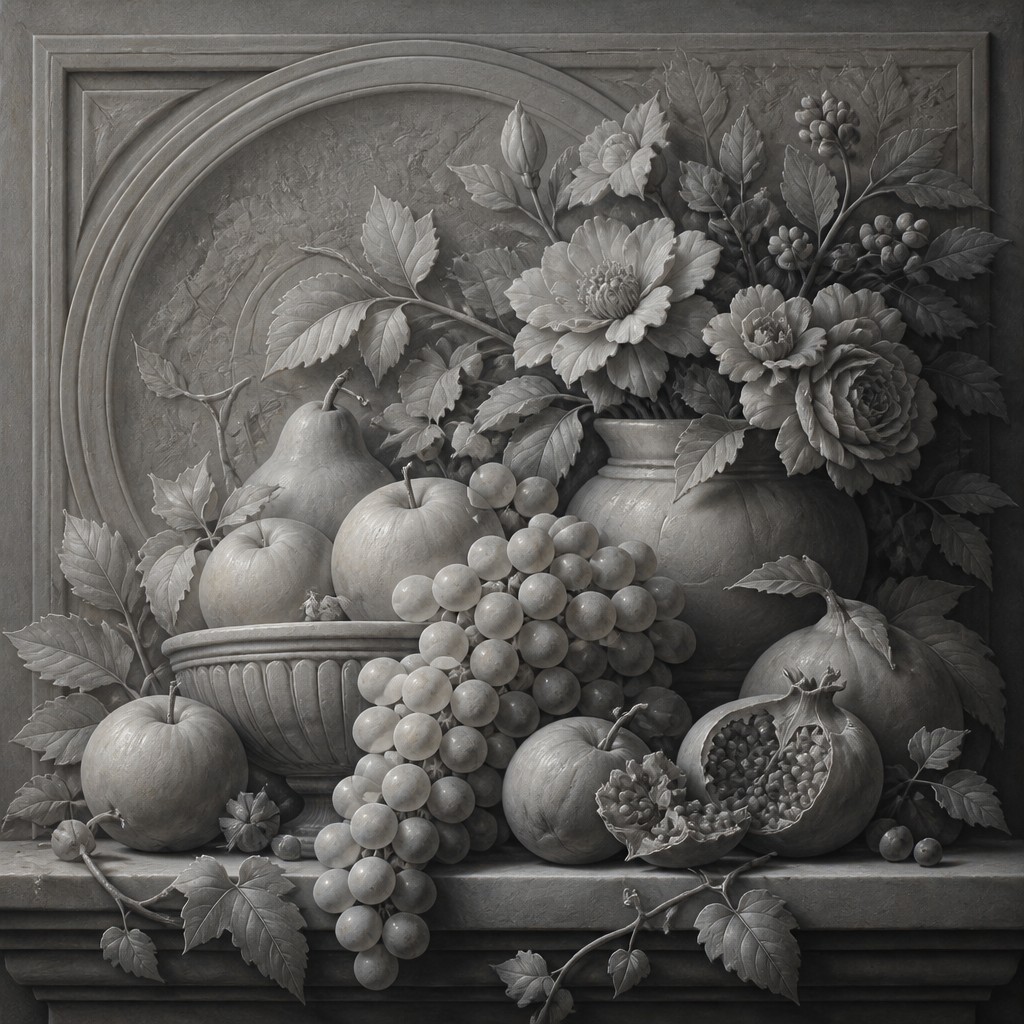
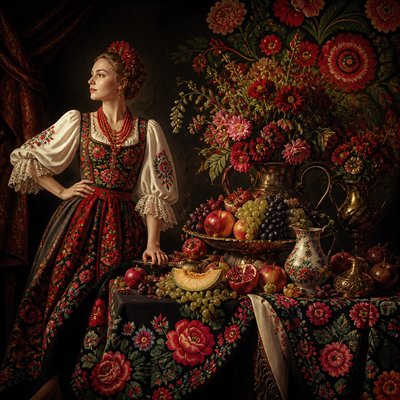
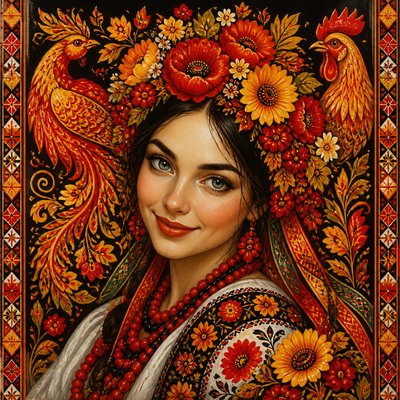
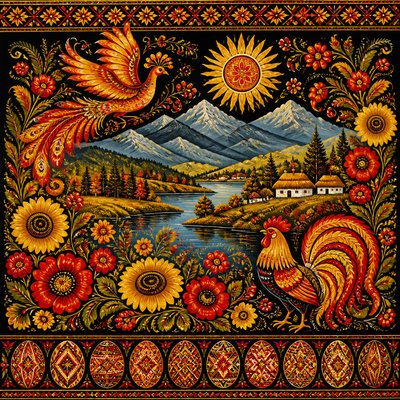
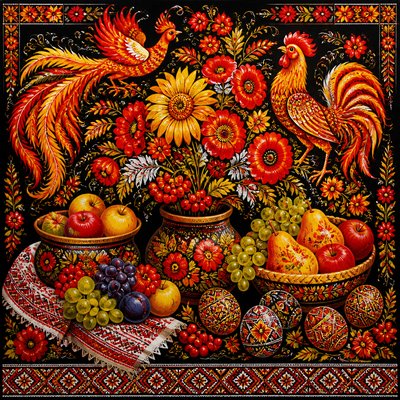
Grisaille Painting Gallery
Tap any artwork to explore it
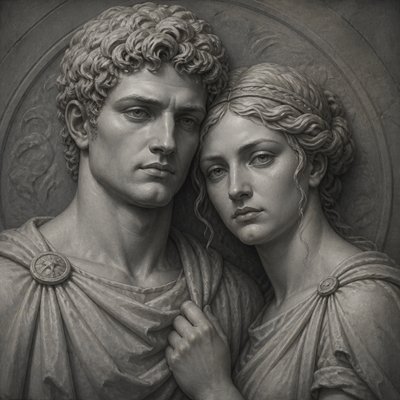
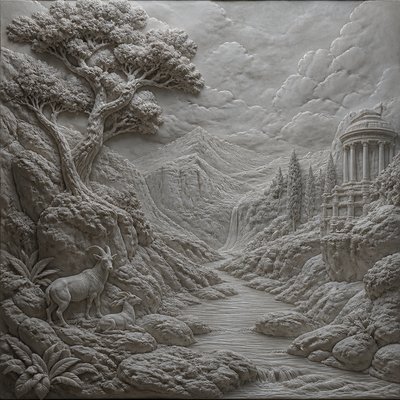
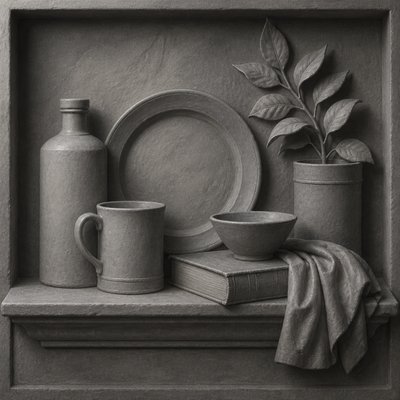
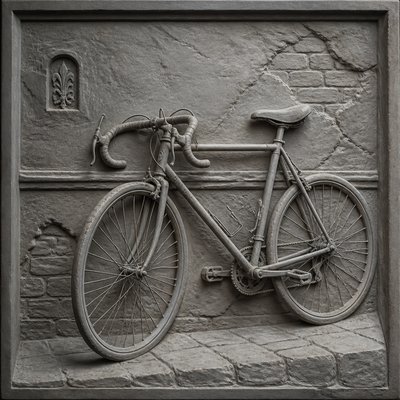
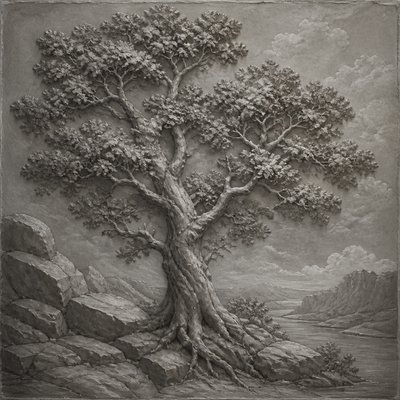
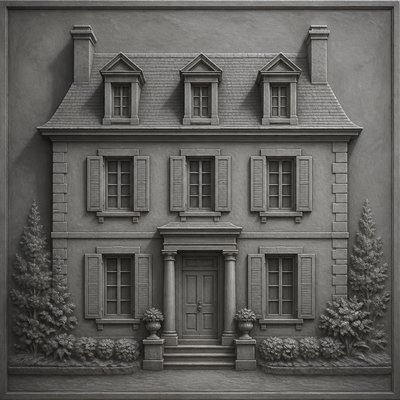
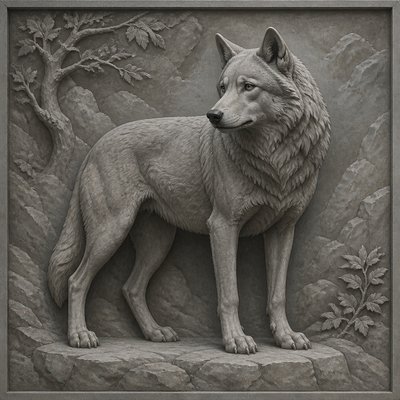
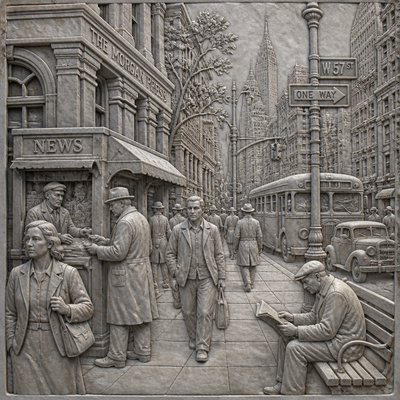
What is Grisaille Painting Style?
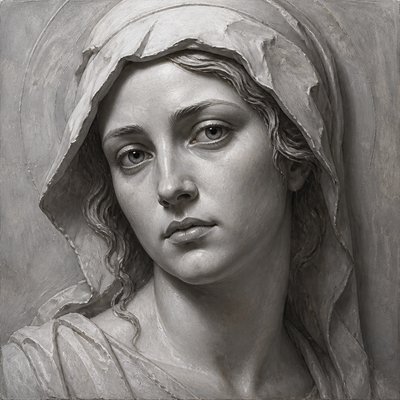
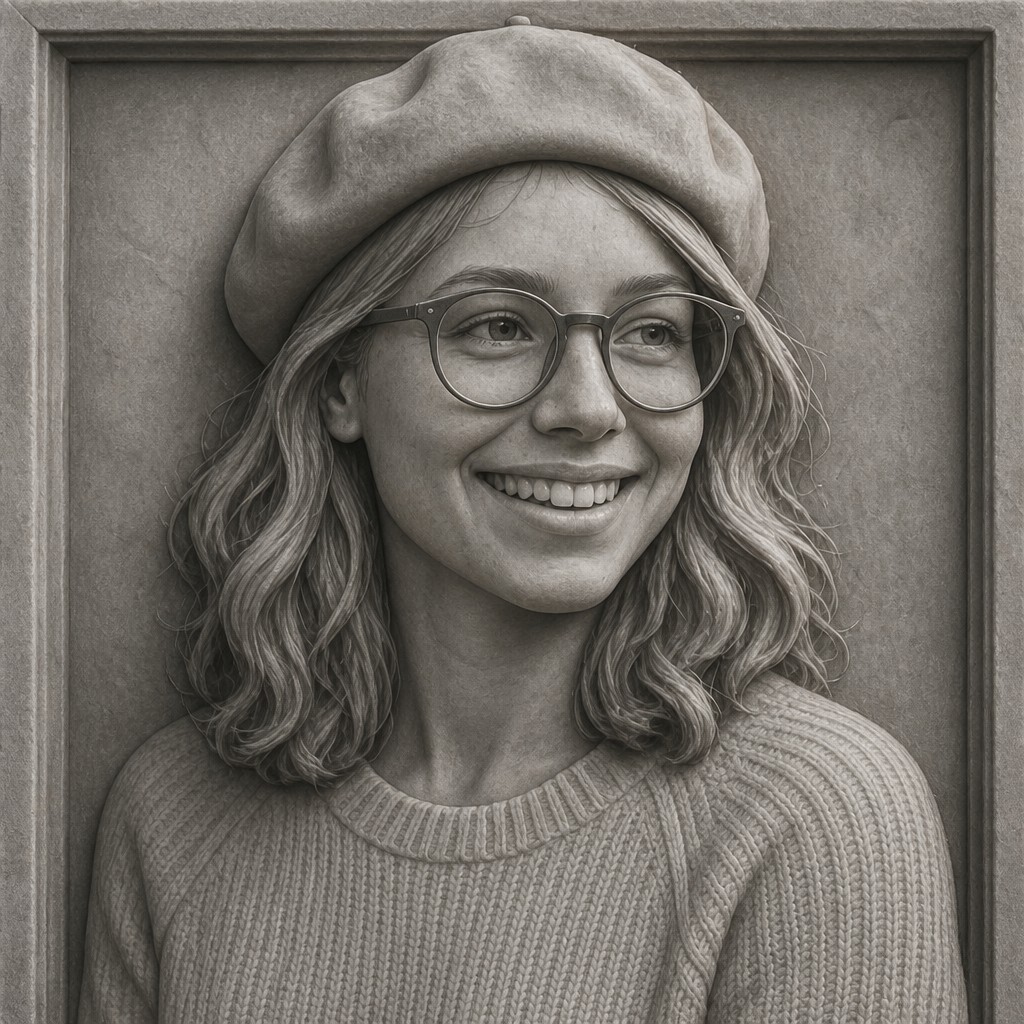
Grisaille is a monochrome painting method in which an image is built almost entirely from grays, ranging from deep charcoal and near-black to chalk white. Instead of relying on hue, the artist uses value, edge control, and tonal modeling to describe anatomy, architecture, fabric, and space. The result can resemble a stone relief, a plaster cast, or a sculpture illuminated from one side.
The term comes from the French word gris, meaning gray. Grisaille may function as a finished painting, an imitation of sculpture, a preparatory underpainting, or a decorative device within a larger work. Its visual identity depends on restrained color, solemn tonal unity, and sculptural transitions between light and shadow. Subtle warm or cool shifts may be present, but they remain subordinate to the gray scale.
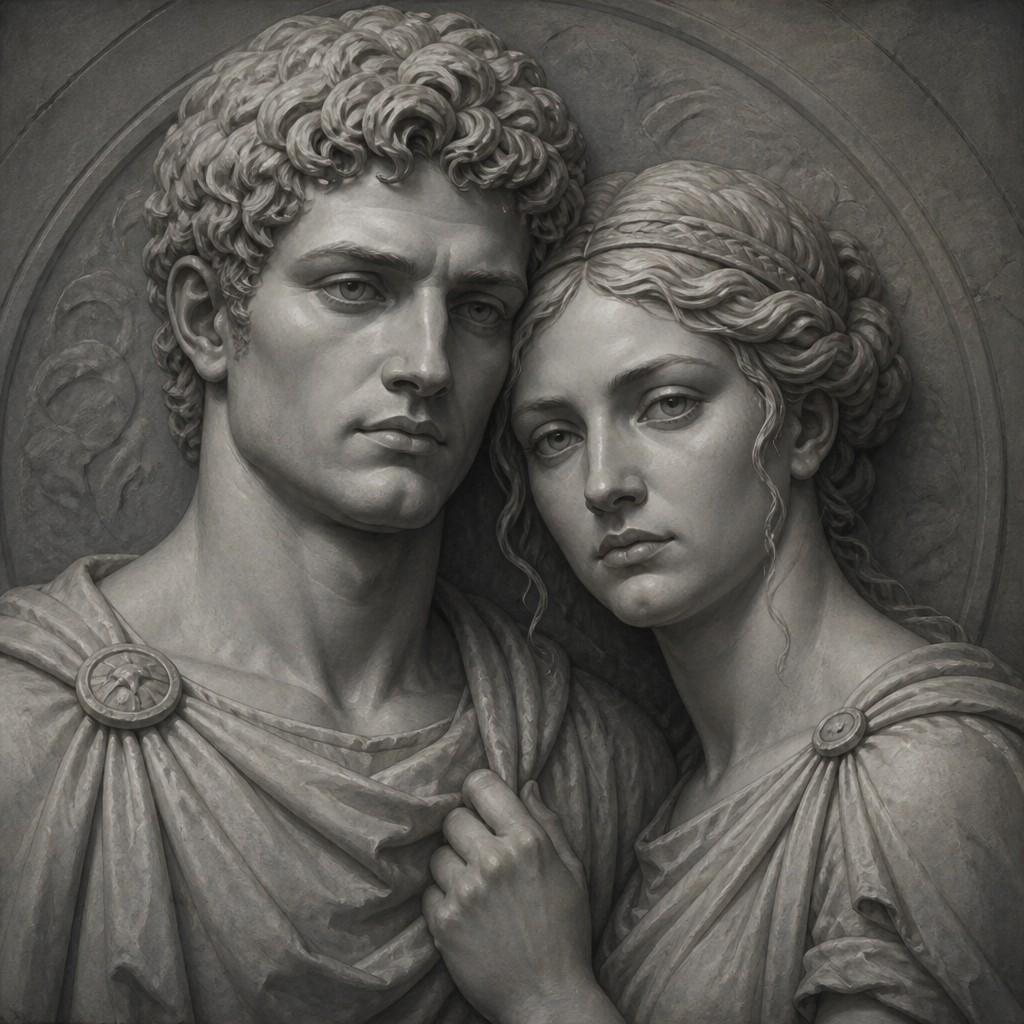
Try It On Your Photos
Upload any photo and convert it into Grisaille Painting Style — drag the sliders to compare before and after.


What Defines Grisaille Painting Style
The signature details, up close
Restricted gray scale
The palette runs from near-black through cool and neutral grays to white or chalk-like highlights. Color is absent or reduced to extremely subtle temperature shifts.
Sculptural modeling
Forms are built with gradual value transitions that make them appear carved, cast, or physically solid. Rounded anatomy and architectural planes receive especially careful tonal treatment.
Relief-like composition
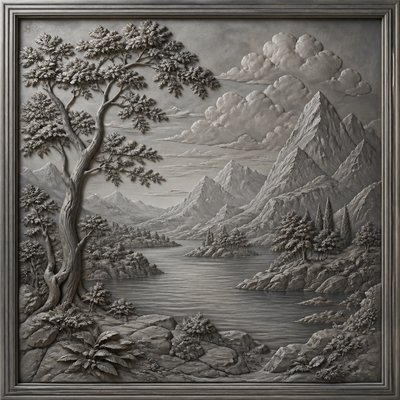
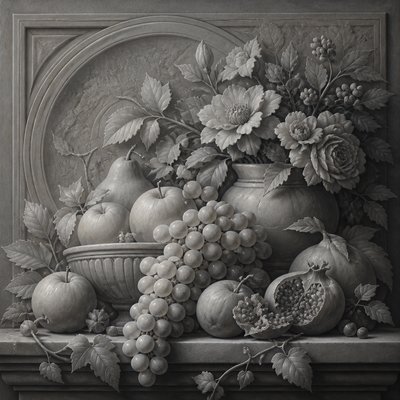
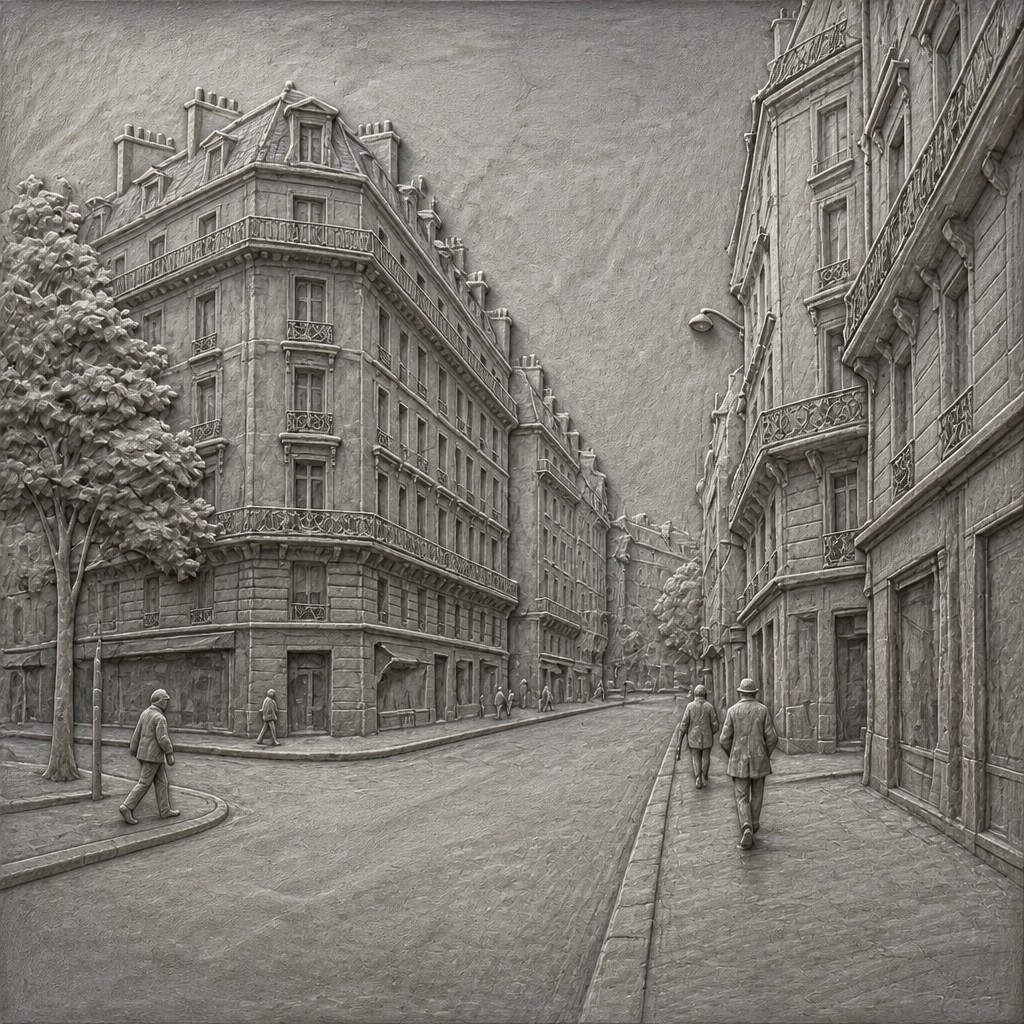
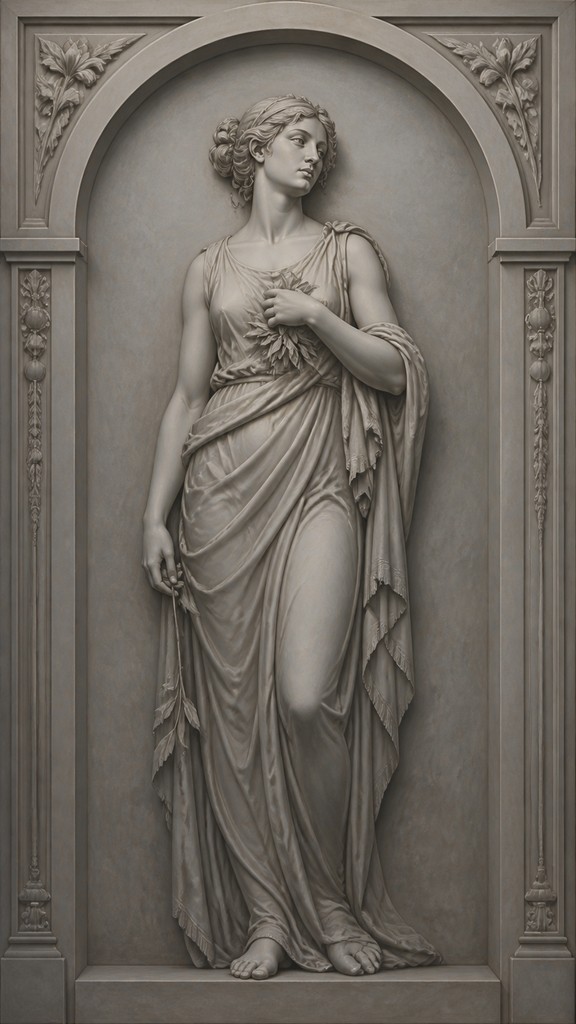
Subjects are often arranged as though they project from a shallow plane, with overlapping forms, compressed depth, and shadows that suggest carved stone or plaster.
Trompe-l’oeil illusion
Painted shadows, ledges, frames, niches, and cast edges create the impression that the image occupies real architectural space. The illusion may be subtle or deliberately theatrical.
Solemn atmosphere
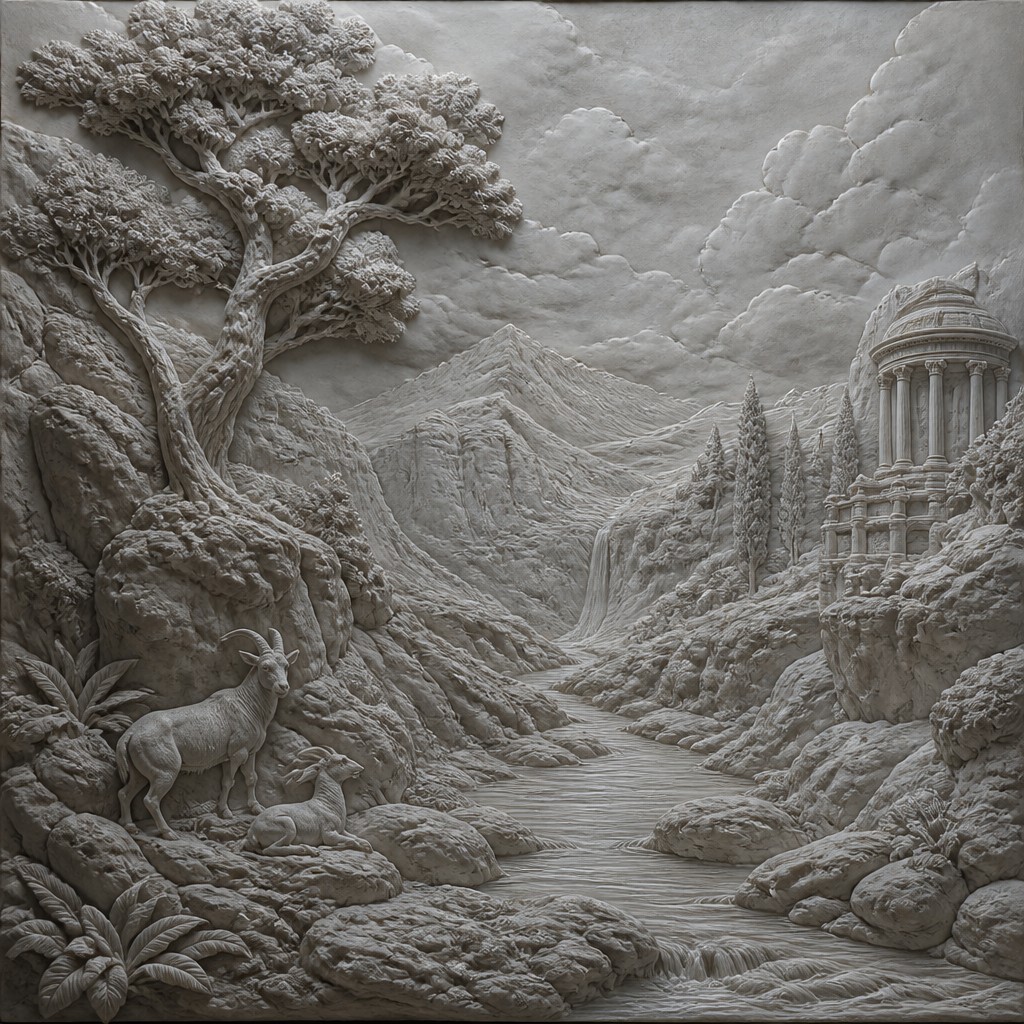
The absence of bright color produces a restrained, contemplative mood associated with monuments, classical studies, ruins, and devotional imagery.
Controlled edges and texture
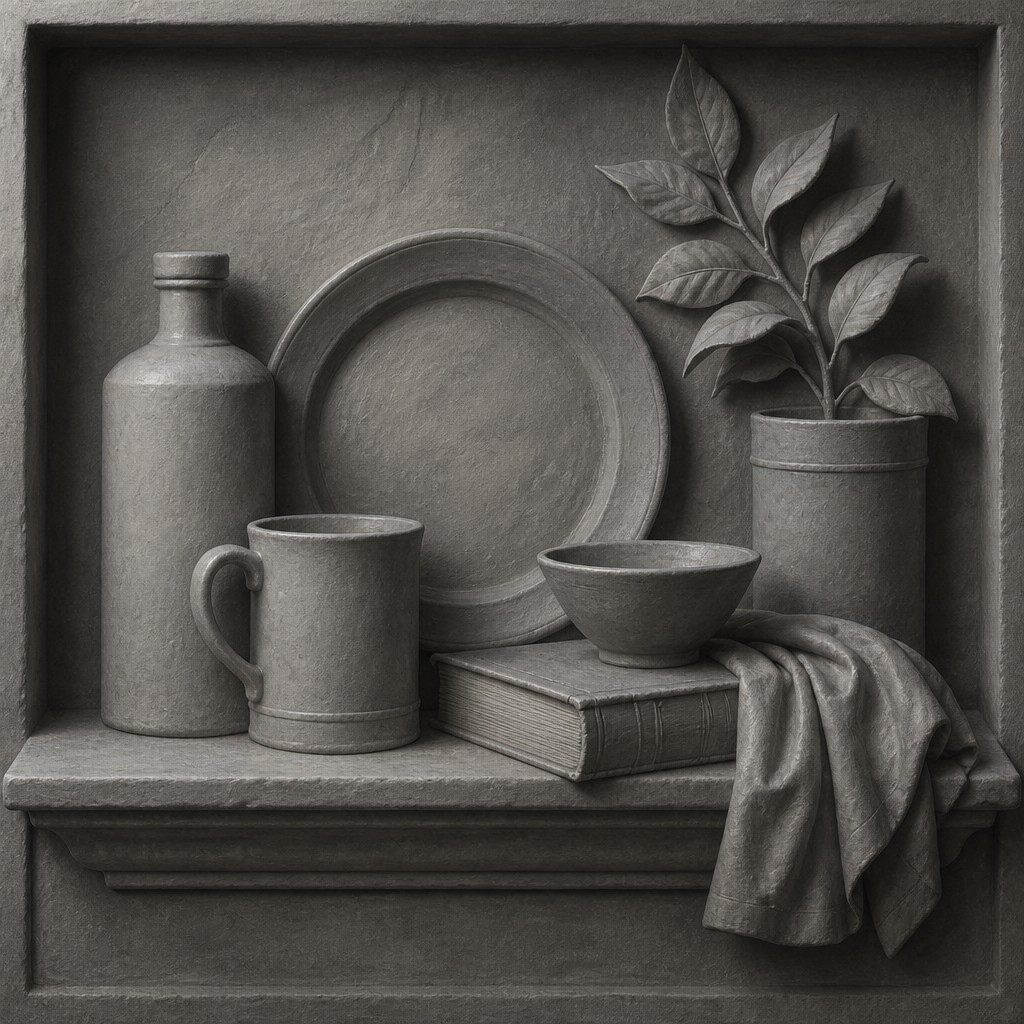
Hard edges clarify carved contours and architectural structure, while softened transitions describe rounded volumes. Brush texture may imitate stone grain, plaster, chalk, or aged paint.
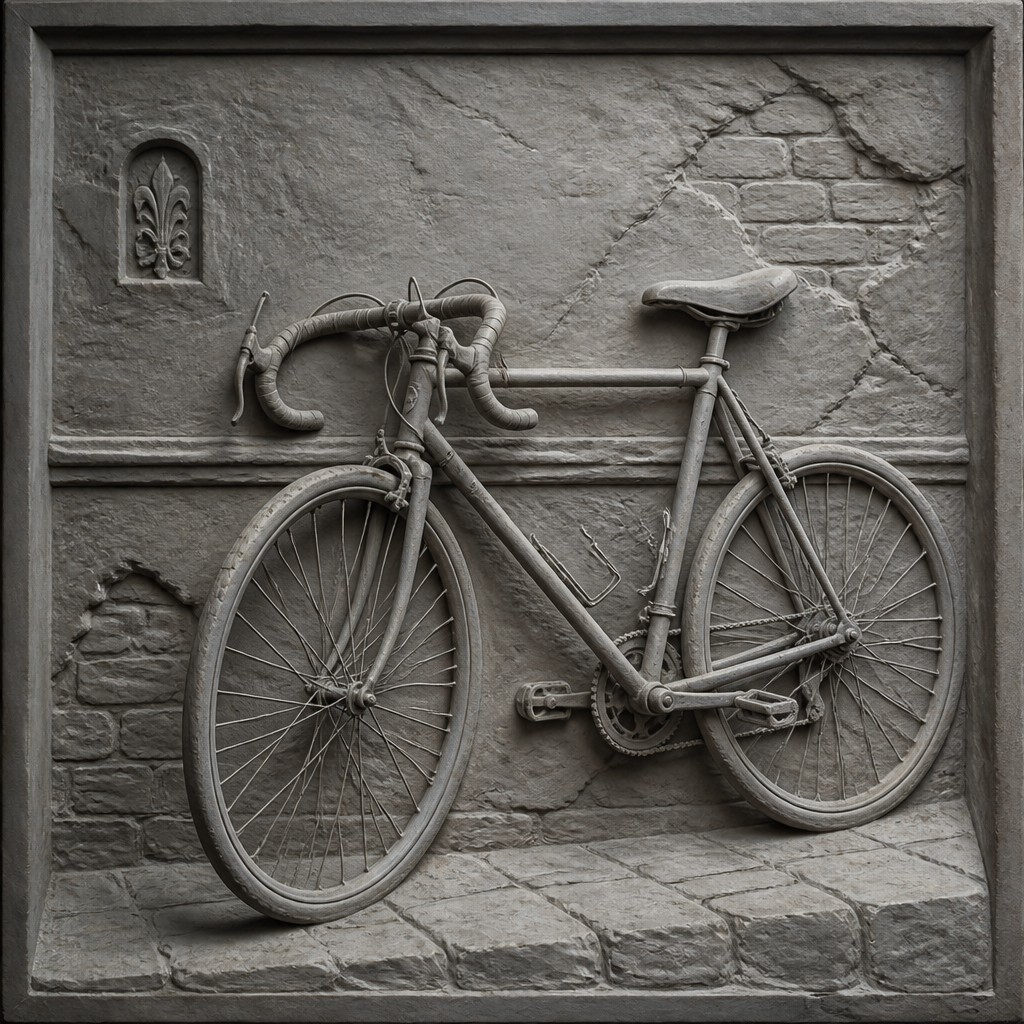
Strong value hierarchy
The composition depends on the organization of lights, middle tones, and darks rather than on color contrast. Highlights are placed selectively to articulate the most important forms.
Try It
Create Videos in Grisaille Painting Style
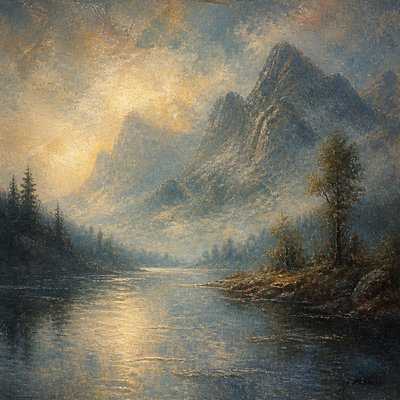
Styles aren't just for stills — describe a scene or animate an image and get a short video rendered in Grisaille Painting. Press play to see this pond come to life.
Make a VideoGrisaille Painting Prompt Ideas
Start from an idea — each one opens the generator with the style ready to go. See all 40 Grisaille Painting prompts →
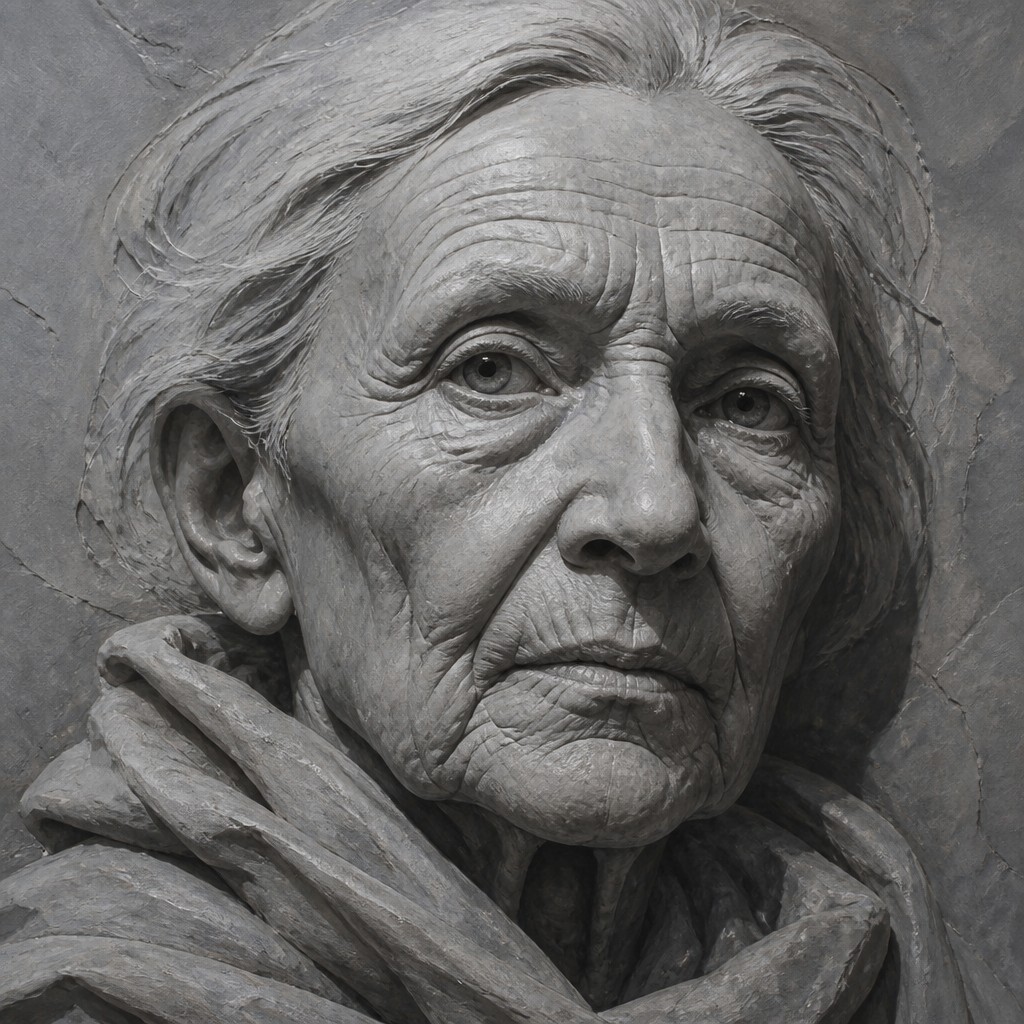
“close-up portrait of an elderly person with expressive weathered features”
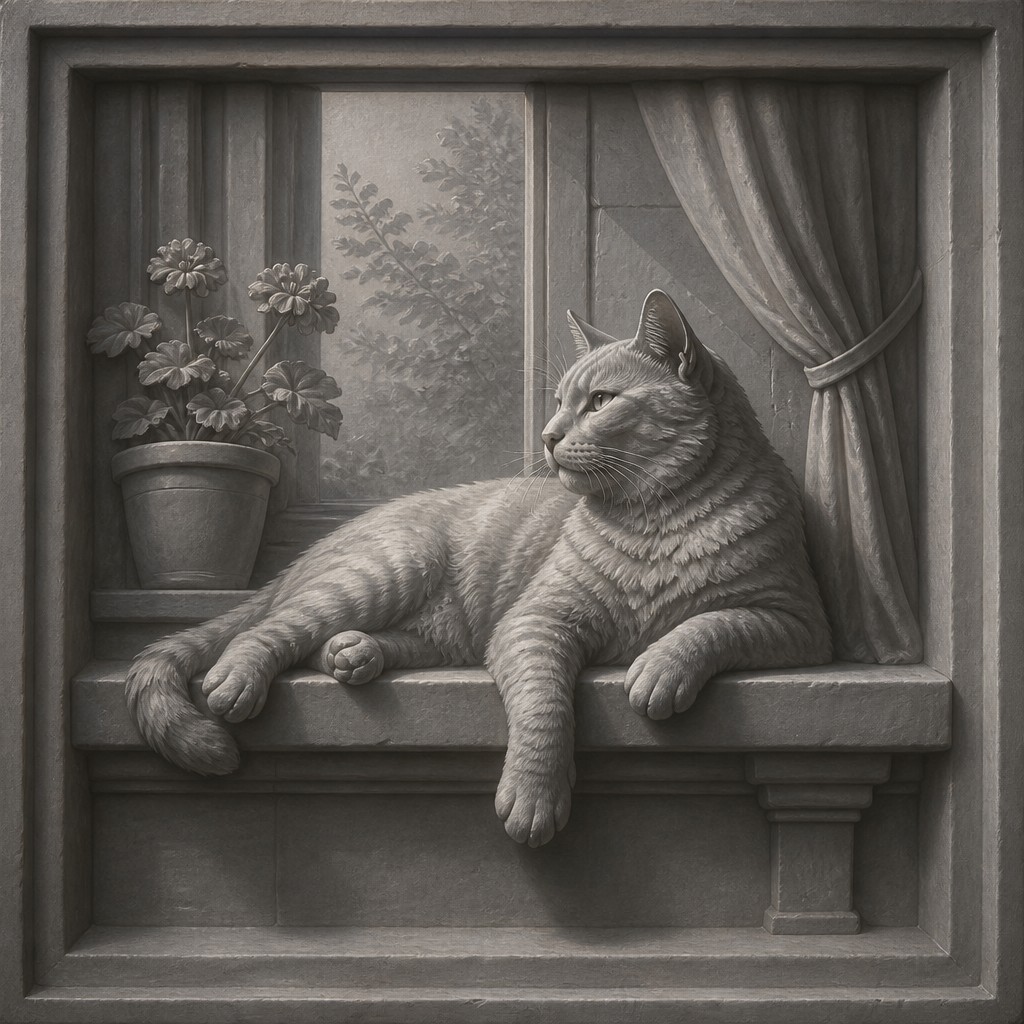
“a cat lounging in a sunlit window”
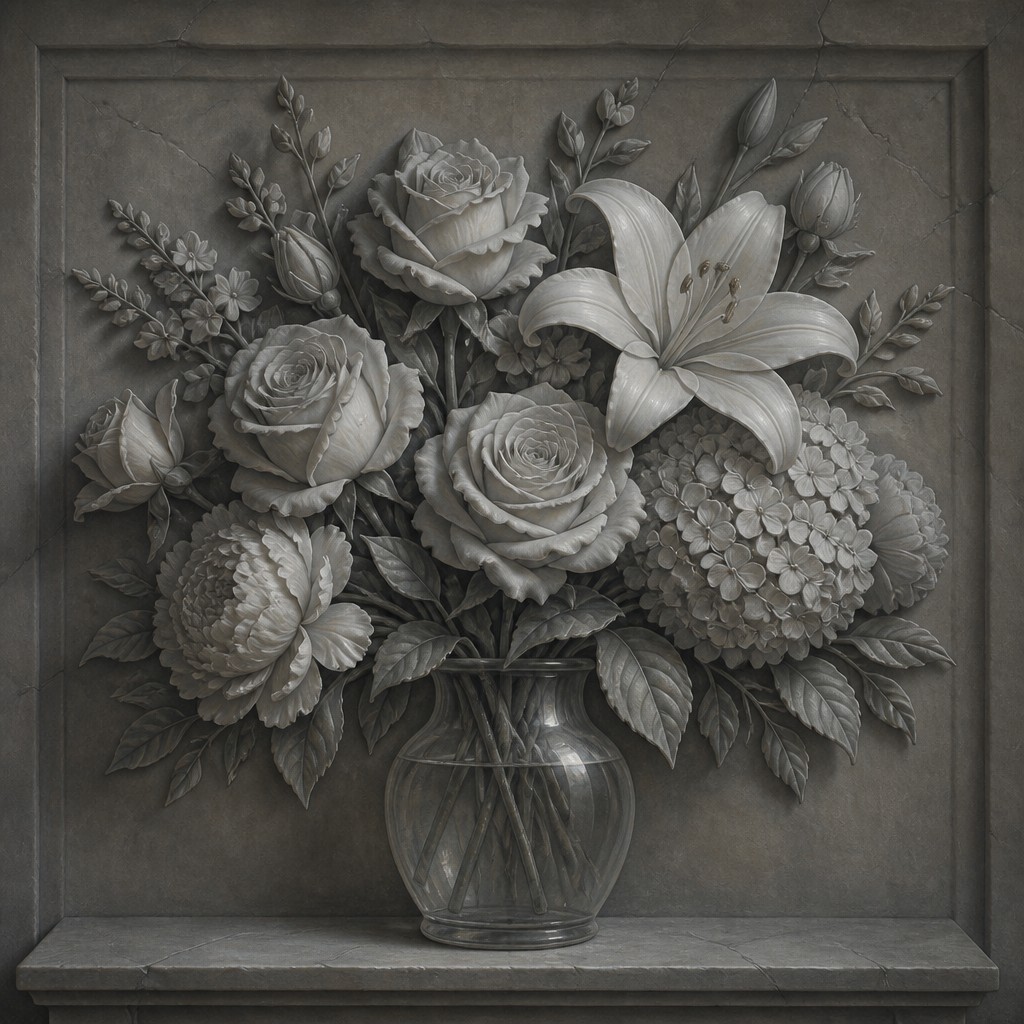
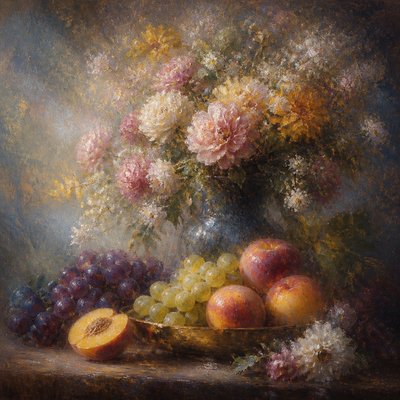
“bouquet of flowers in a glass vase”
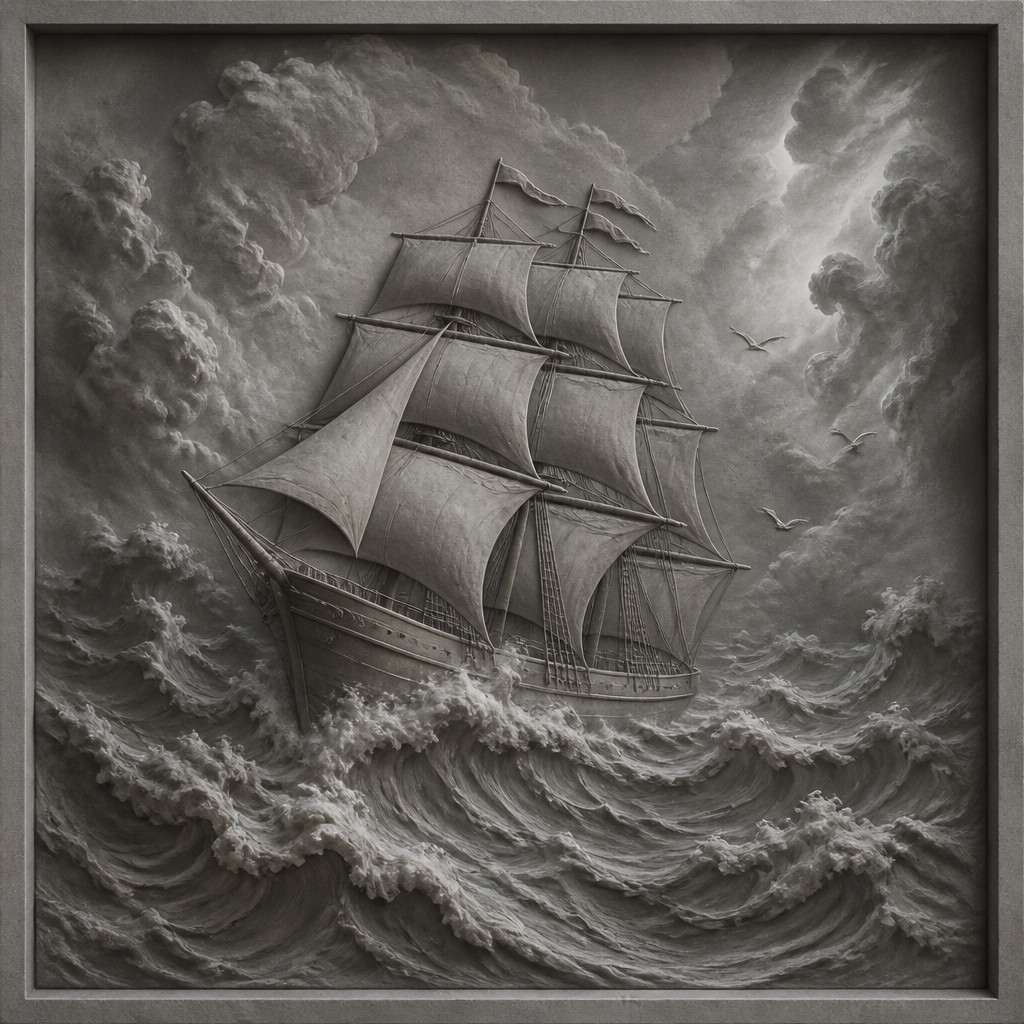
“sailing ship on a stormy sea”
How to Create Grisaille Painting Art
Master the craft step by step — or skip straight to creating. Read the full guide →
- 1
Begin with a value design
Reduce the subject to three or five major tonal groups before adding detail. Establish the darkest masses and light direction first so the image reads clearly without color.
- 2
Model forms as solid volumes
Use broad, gradual strokes to describe planes and rounded surfaces, then reinforce contact shadows and cast shadows. Think of the subject as a relief or plaster model under a single controlled light.
- 3
Use a restrained palette
Traditional painters can work with black, white, and a neutral or warm gray mixture; digital artists can use a grayscale layer or tightly limited swatches. Keep any warm shadows or cool highlights subtle.
- 4
Add material through texture
For a stone-like result, introduce restrained grain, porous marks, chipped edges, or powdery brushwork after the main modeling is complete. Avoid letting texture obscure the value structure.
- 5
Build depth with illusionistic shadows
Paint narrow occlusion shadows where forms meet and broader cast shadows beneath projections, frames, or ledges. These cues are central to the trompe-l’oeil effect.
- 6
Describe the visual constraints in prompts
Specify full monochrome grays, carved-stone modeling, relief depth, sculptural lighting, controlled value range, and solemn classical volume. Name the subject and composition separately, and exclude bright color if a strict result is desired.
The Story
History & Origins of Grisaille Painting
Grisaille has roots in medieval European manuscript illumination, wall painting, and stained-glass design, where restricted palettes were used to suggest stone architecture, carved ornament, or architectural framing. During the Renaissance and later European painting traditions, artists also used monochrome studies and underpaintings to establish composition, anatomy, and light before applying color.
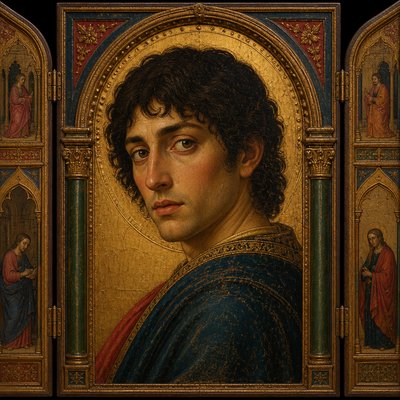
The technique became especially associated with illusionistic decoration, painted architectural elements, and panels designed to resemble relief sculpture. It continued through Baroque, Neoclassical, academic, and nineteenth-century practices, appearing in murals, altarpiece wings, decorative interiors, prints, and studies. Contemporary usage often treats grisaille as an aesthetic language in its own right, combining historical monochrome modeling with digital painting, photographic manipulation, and three-dimensional visual references.
Influences: Grisaille is related to medieval manuscript and stained-glass traditions, Renaissance monochrome studies, European illusionistic mural painting, trompe-l’oeil decoration, academic figure modeling, Neoclassical restraint, and the visual language of carved relief sculpture. It also shares methods with charcoal drawing, monochromatic oil underpainting, lithographic value structure, plaster casts used in art education, and contemporary digital matte painting. These connections explain its emphasis on volume, controlled light, architectural framing, and material illusion.
Frequently Asked Questions
What defines grisaille painting?
Grisaille is defined by a predominantly monochrome gray palette and by modeling that describes form through value rather than color. It often makes painted subjects resemble stone, plaster, or carved relief, although not every grisaille work is strictly illusionistic.
Is grisaille the same as black-and-white painting?
Not exactly. Black-and-white imagery can use stark graphic contrast, while grisaille generally depends on a broad range of intermediate grays and carefully controlled modeling. Traditional examples may also contain extremely subtle warm or cool variations.
How does grisaille differ from monochrome painting?
Monochrome painting can be made in any single hue, such as blue or red. Grisaille specifically centers on gray and is historically associated with imitating sculpture, establishing tonal structure, or creating architectural and devotional decoration.
Can grisaille be used as an underpainting?
Yes. Artists have used gray underpainting to establish light, shadow, anatomy, and composition before applying transparent or opaque color layers. In this role, the grisaille may remain partially visible beneath the finished painting.
What subjects work well in this style?
Classical figures, portraits, statues, ruins, architecture, drapery, animals, and botanical forms all suit the style because their volumes can be clearly described through light and shadow. Strong directional lighting and solid silhouettes usually produce the most convincing results.
How can I create a convincing digital version?
Start with a grayscale value study, use sculptural directional lighting, and separate large tonal masses from surface texture. Prompts should emphasize a full gray scale, carved or plaster-like modeling, relief depth, and controlled shadows while excluding saturated color.

Create your first Grisaille Painting artwork
Describe anything — or upload a photo — and see it in Grisaille Painting Style in seconds.
Related Styles
Discover similar art styles