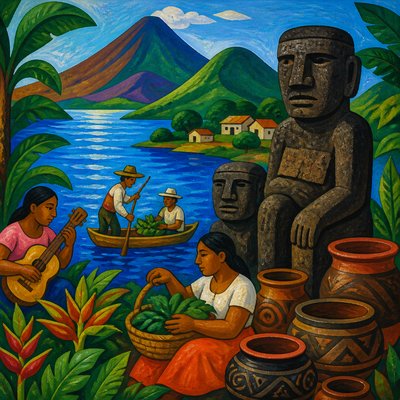
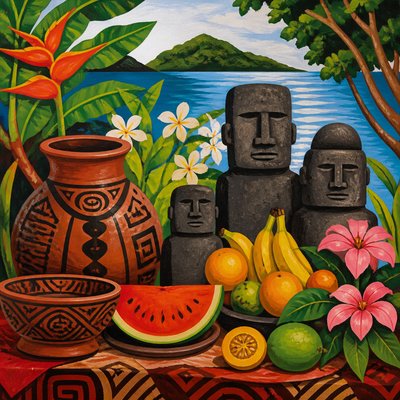
Oil Glazing Painting Style
Explore oil glazing painting: luminous color, jewel-toned shadows, and old-master depth built from transparent layers of oil paint.
Instantly rendered in Oil Glazing Painting — or transform a photo
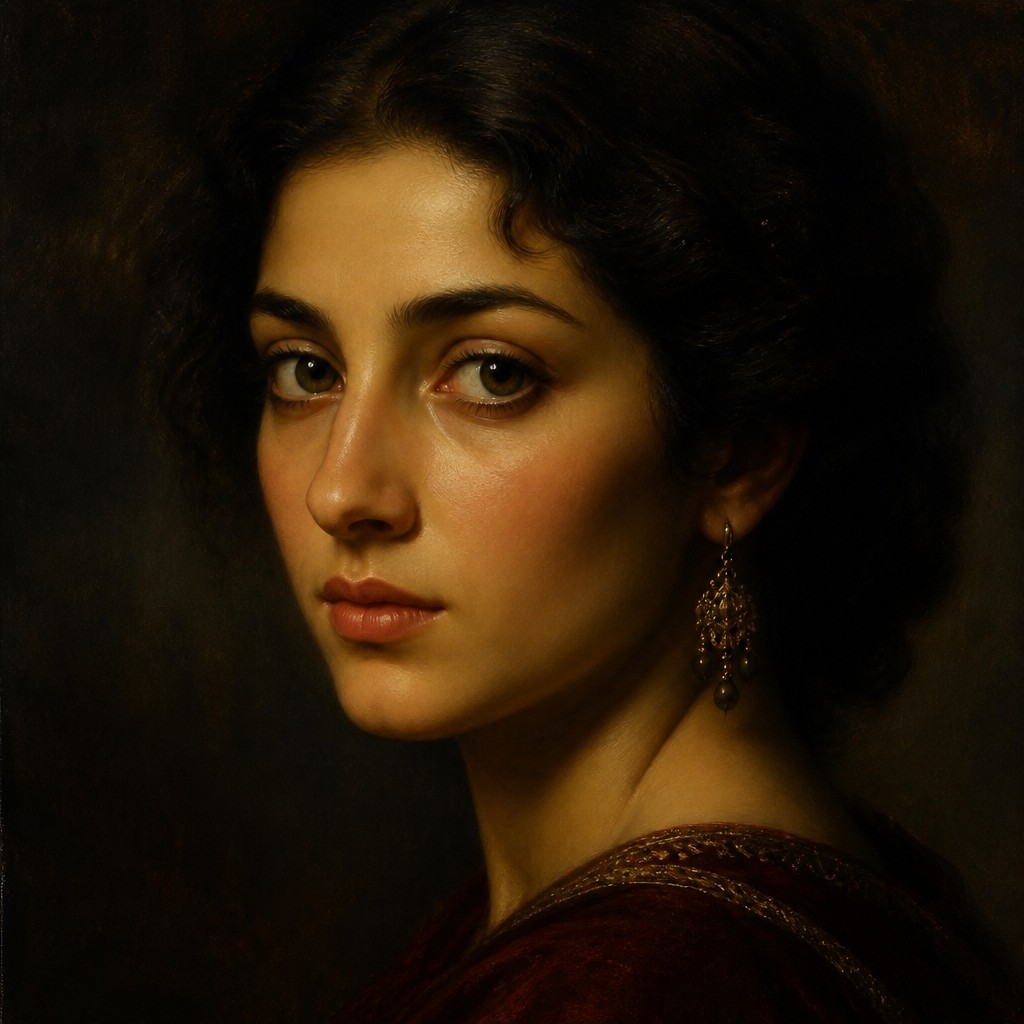
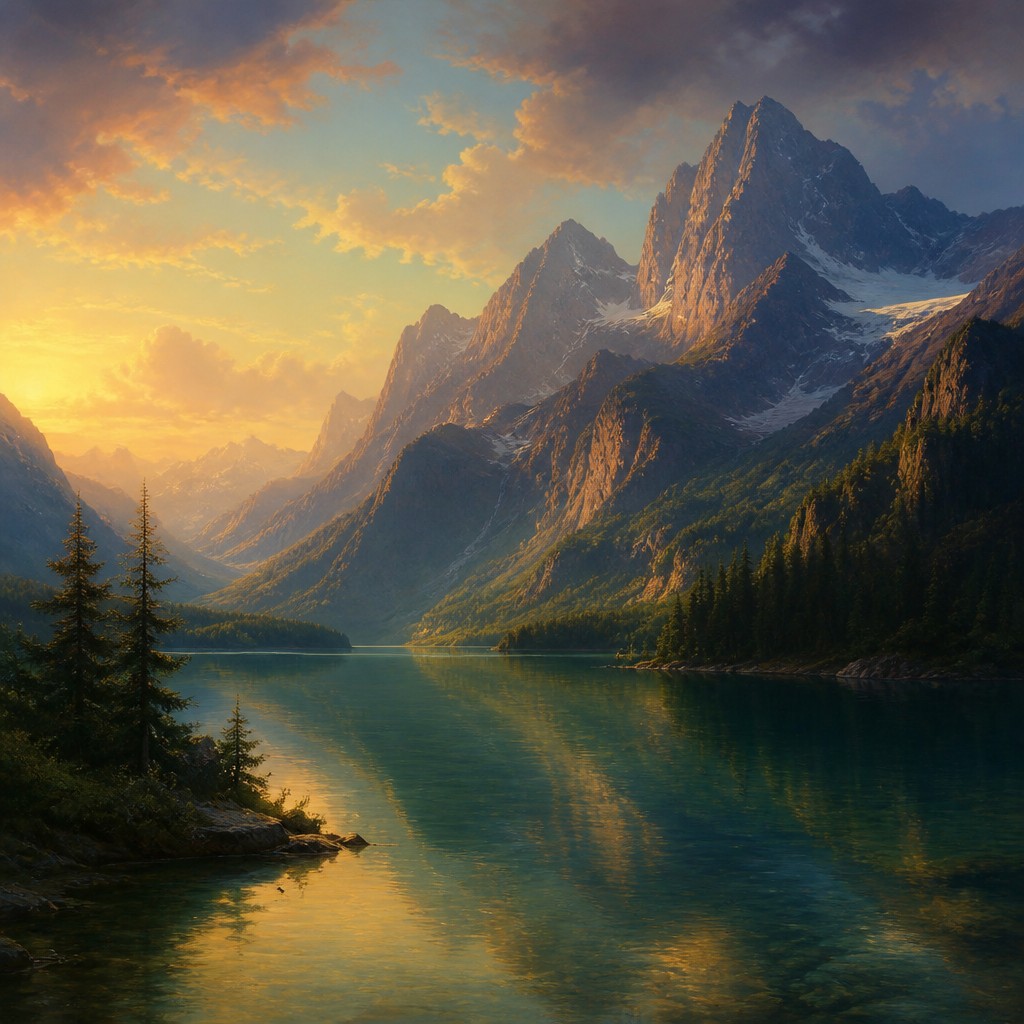
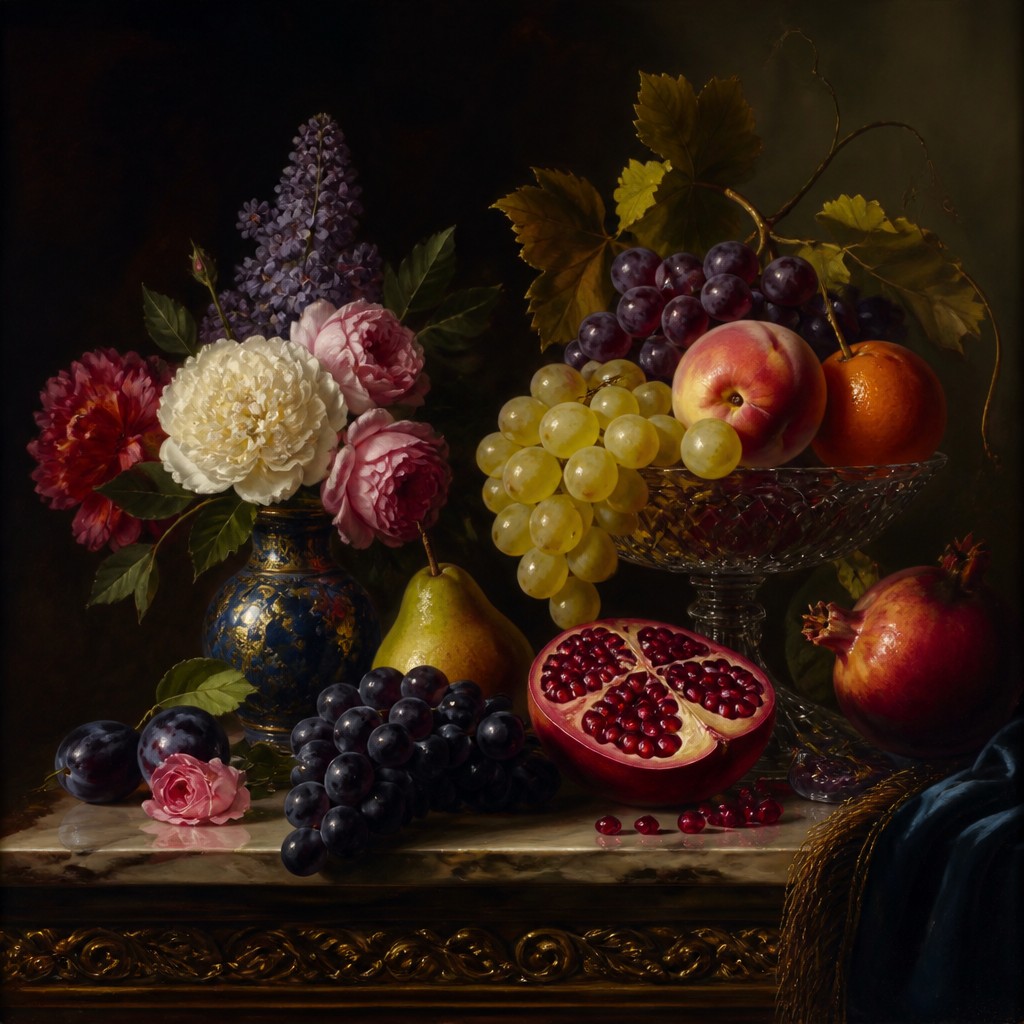
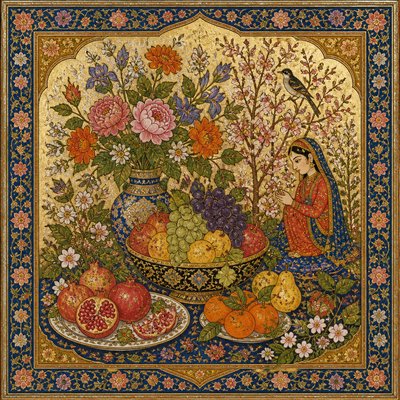
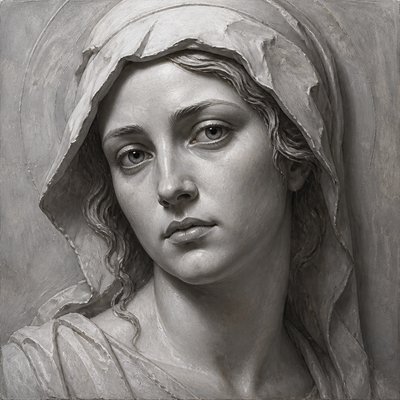
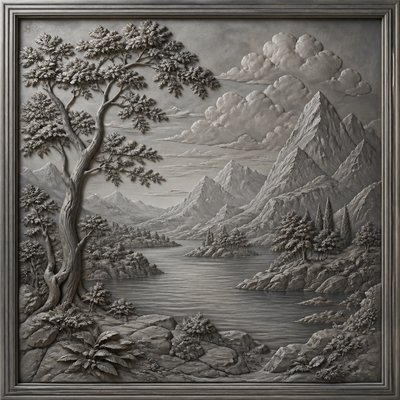
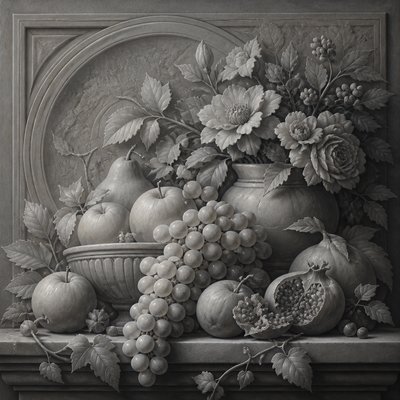
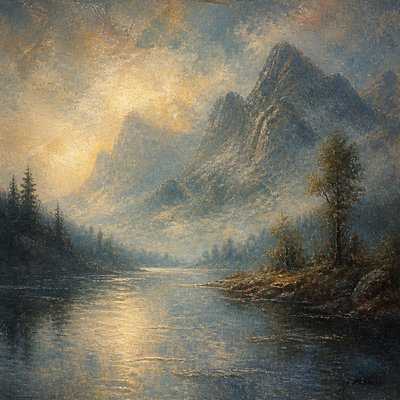
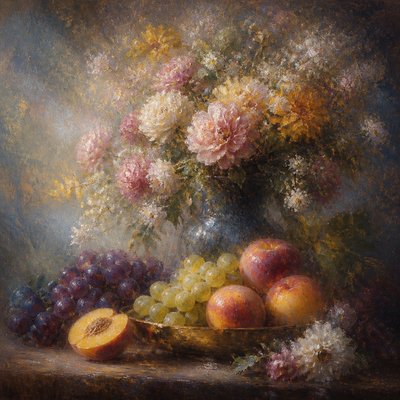
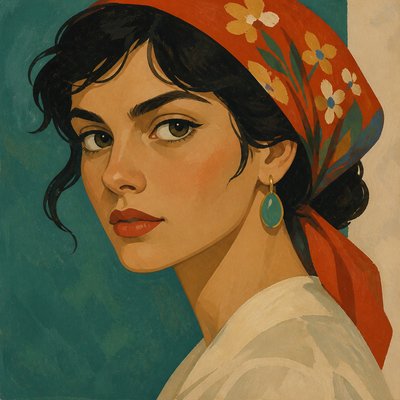
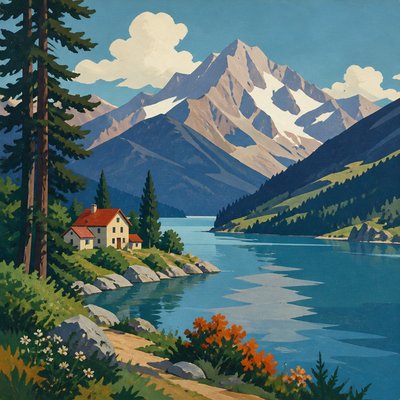
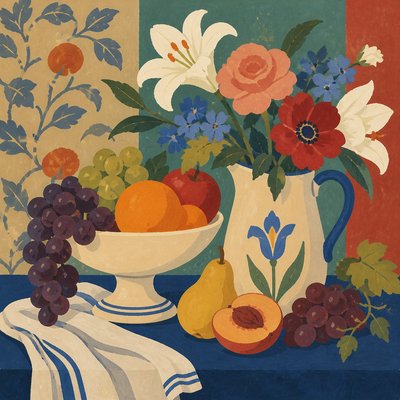
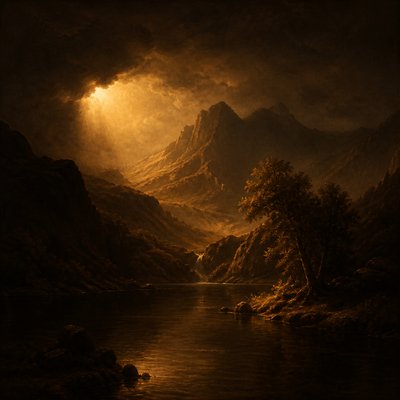
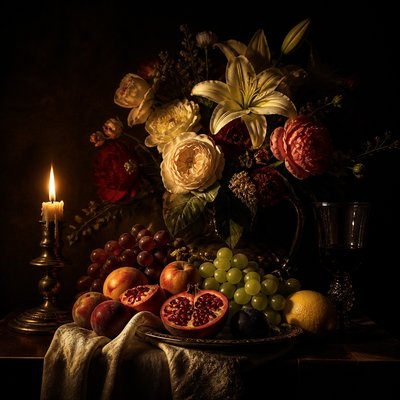
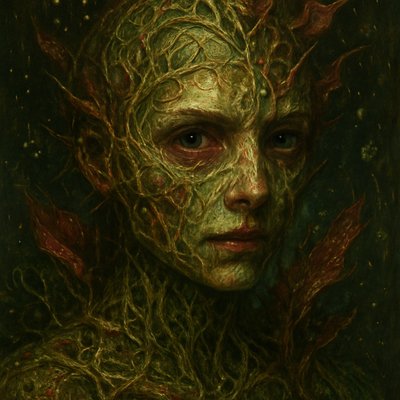
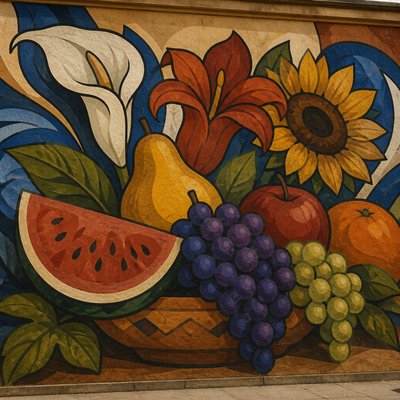
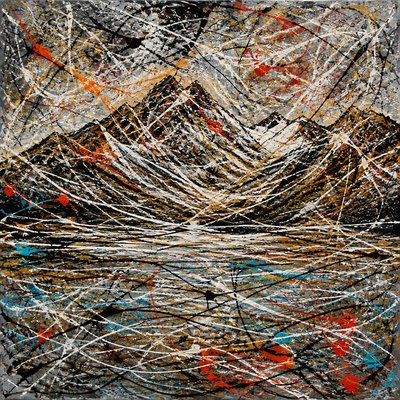
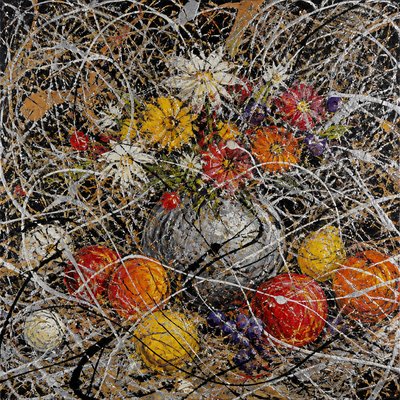
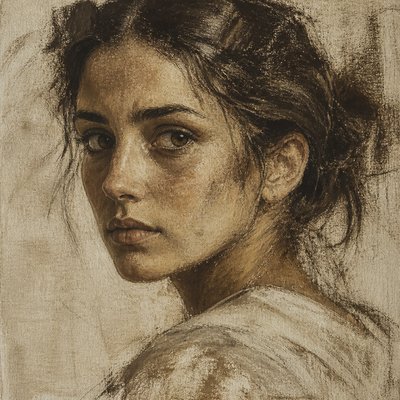
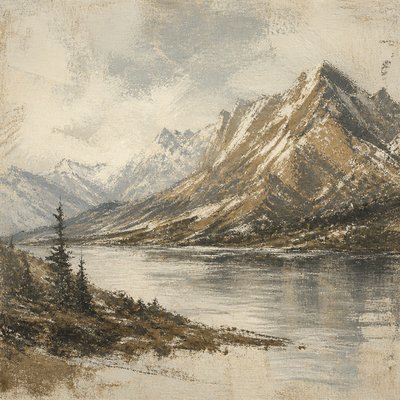
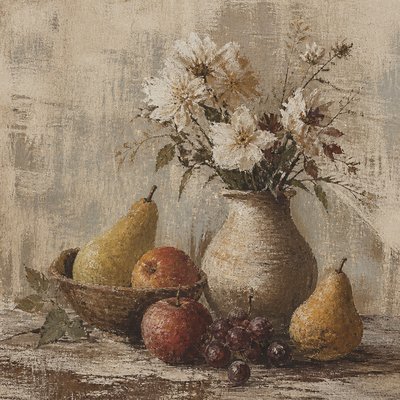
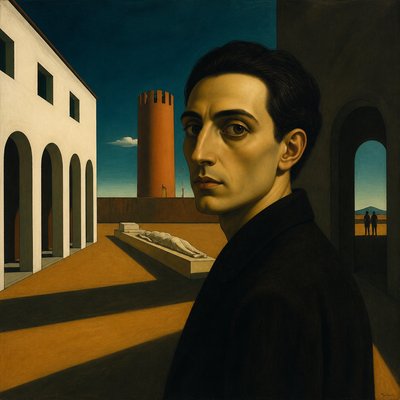
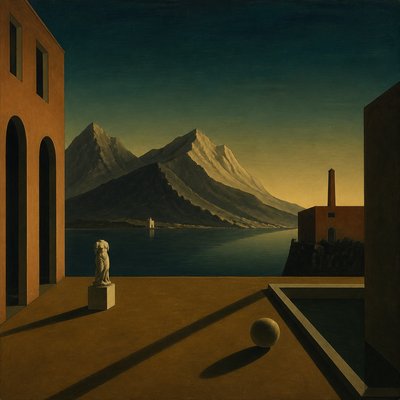
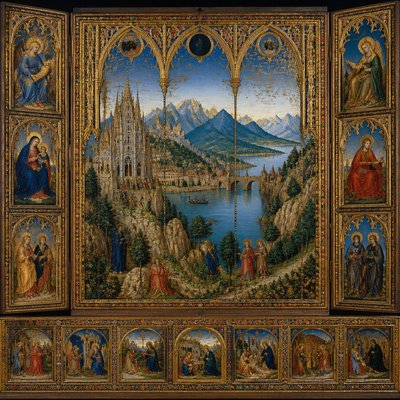
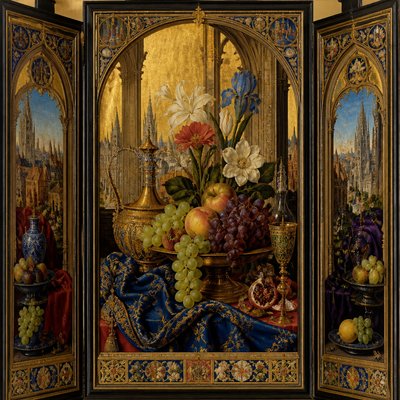
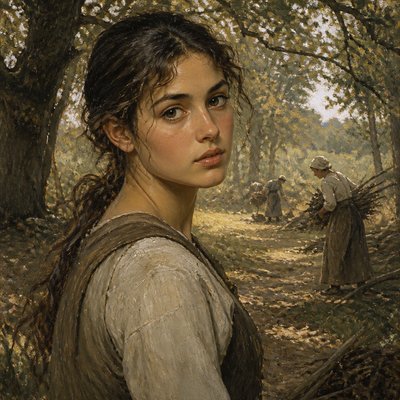
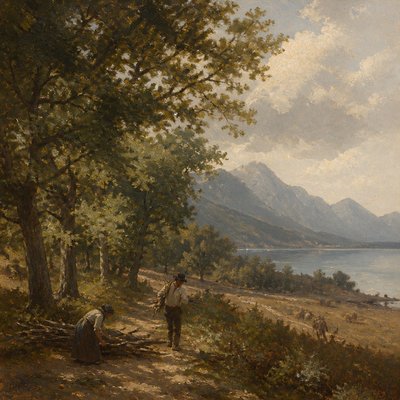
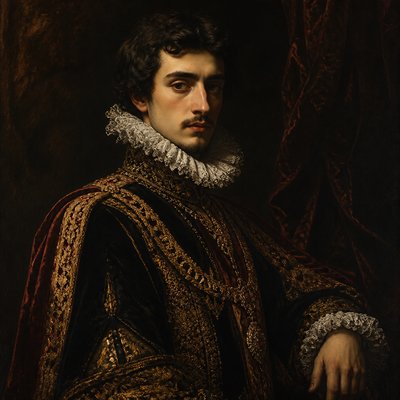
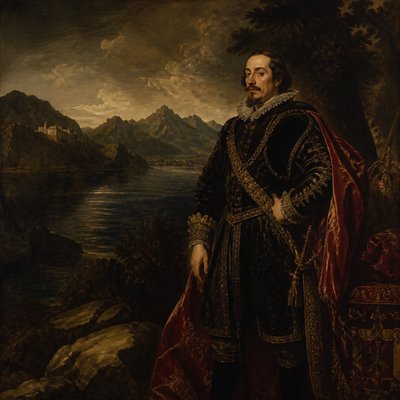
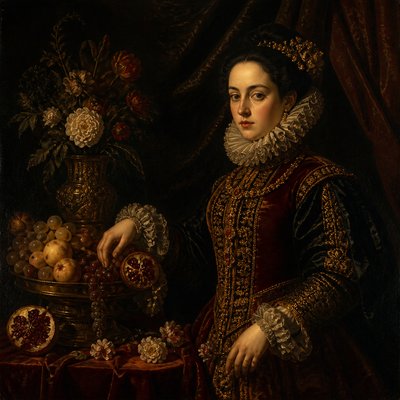
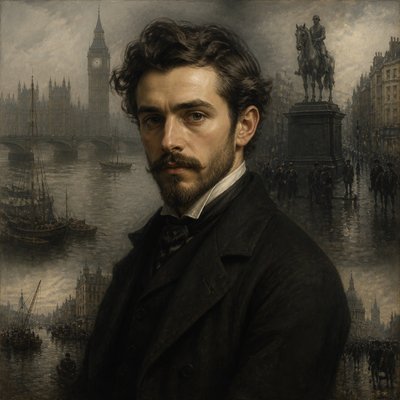
Oil Glazing Painting Gallery
Tap any artwork to explore it
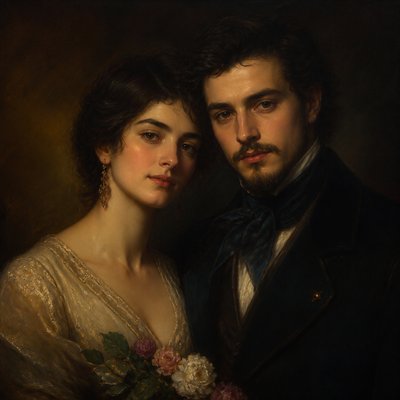
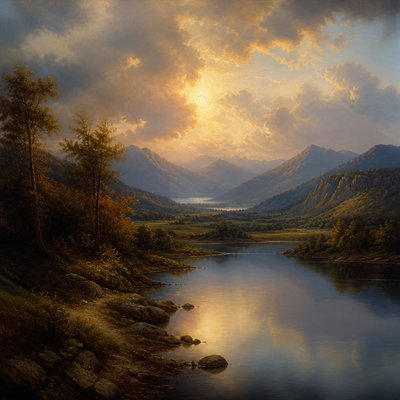
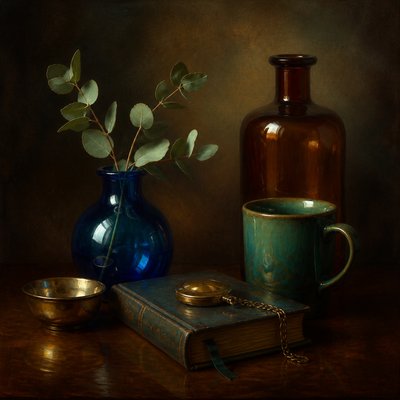
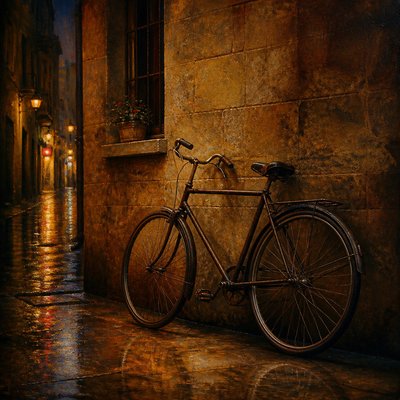
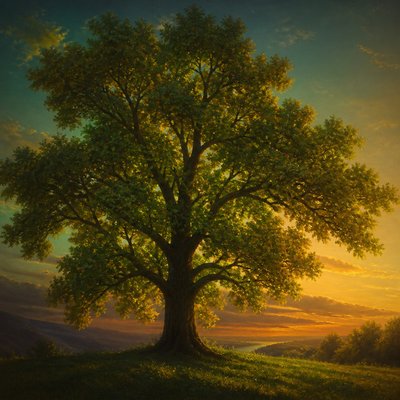
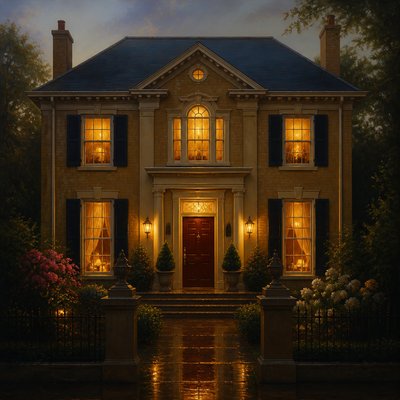
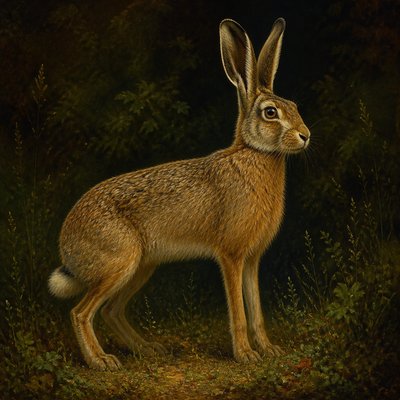
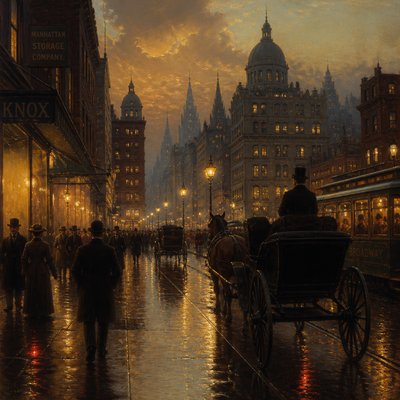
What is Oil Glazing Painting Style?
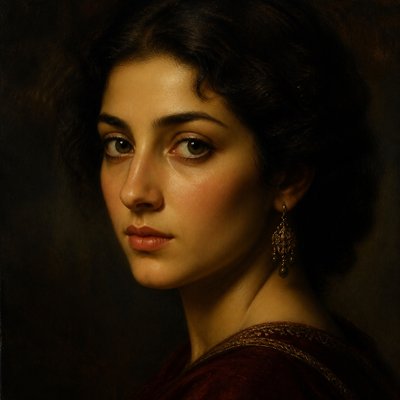
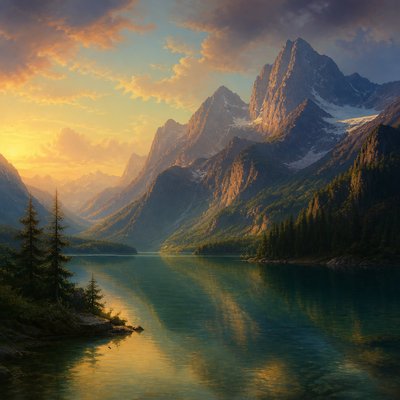
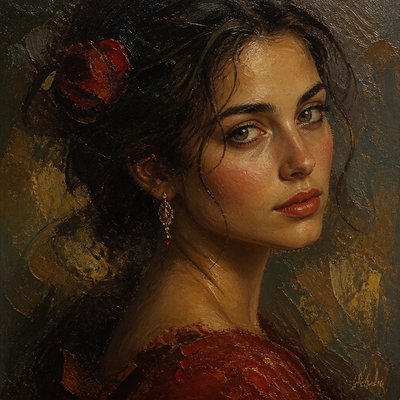
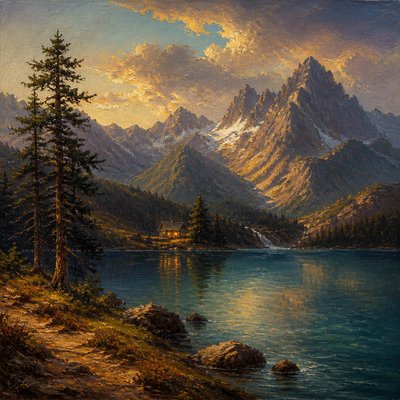
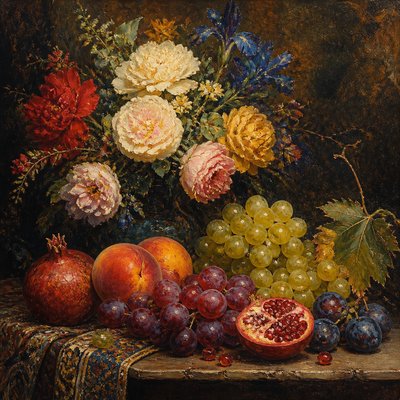
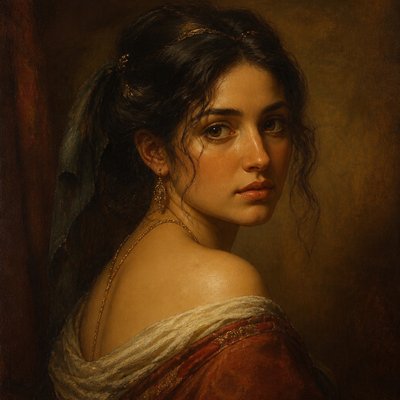
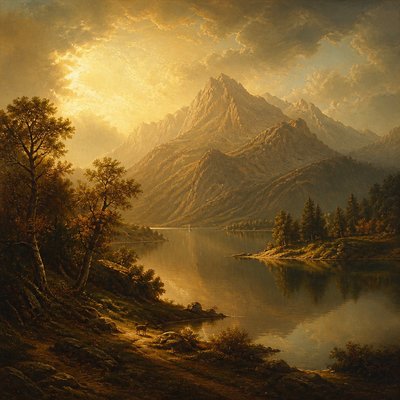
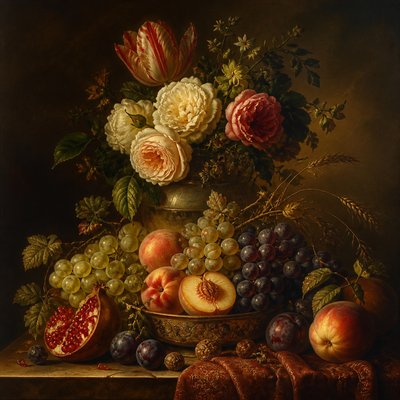
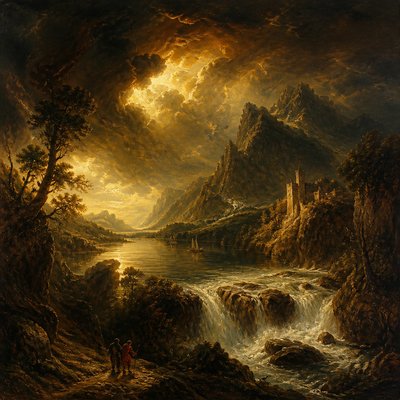
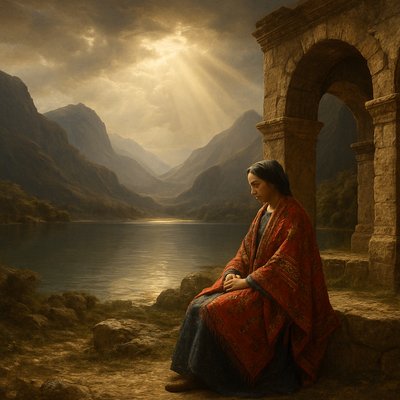
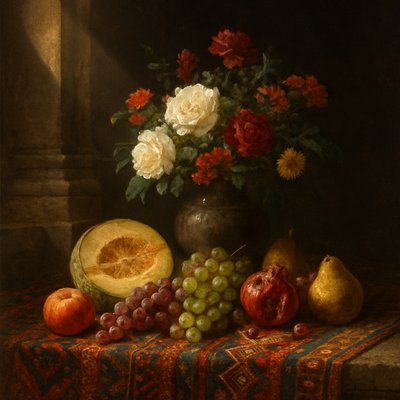
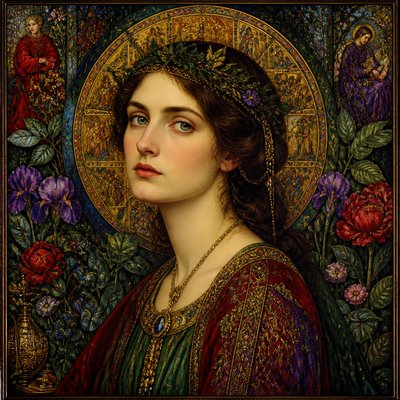
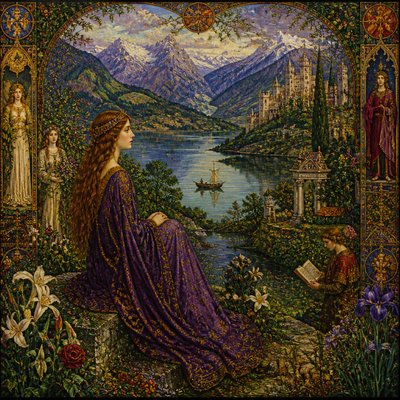
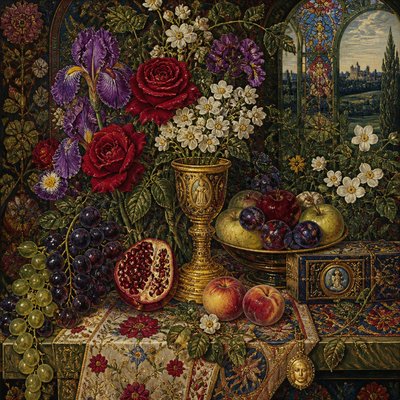
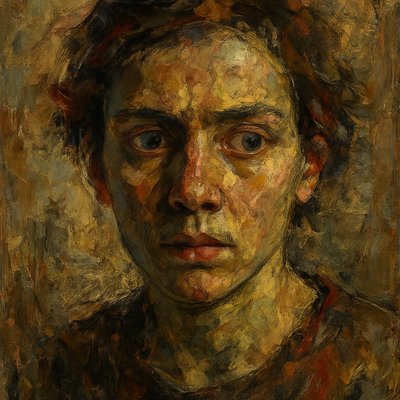
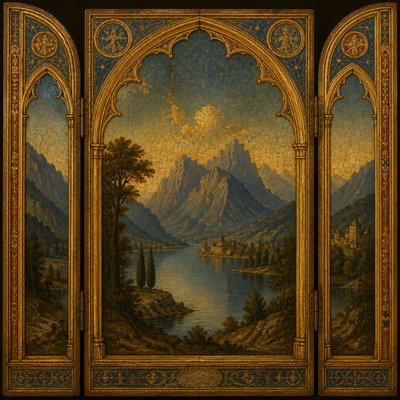
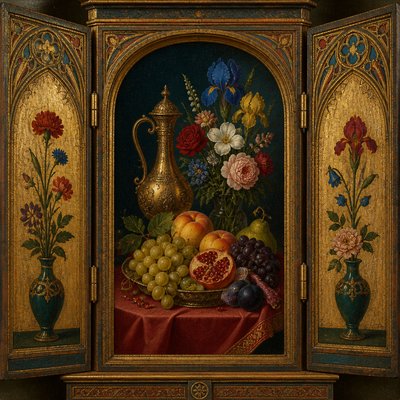
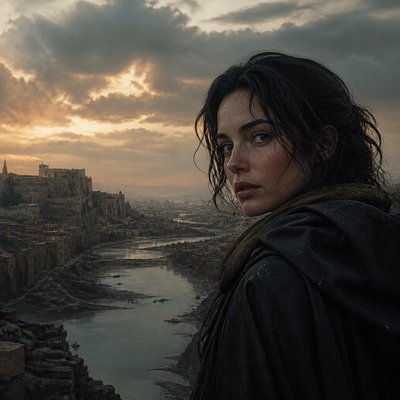
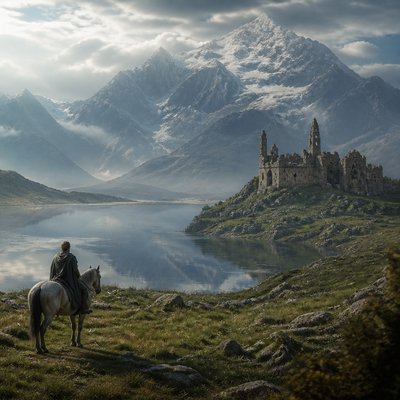
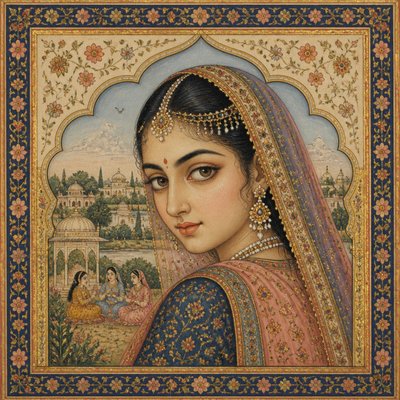
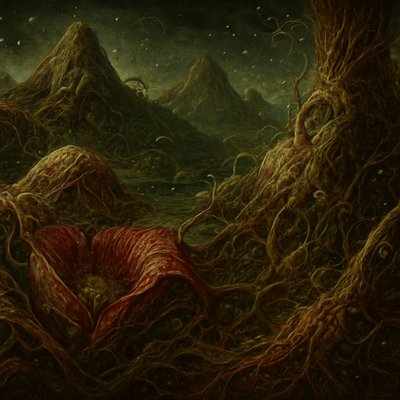
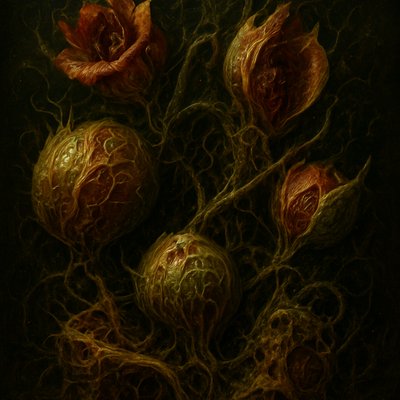
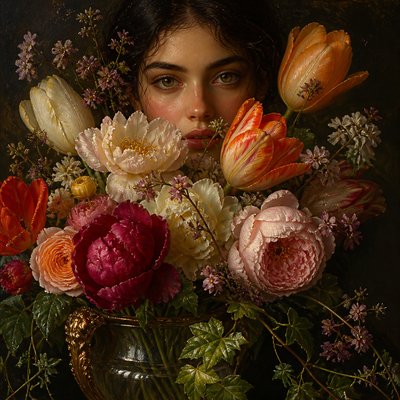
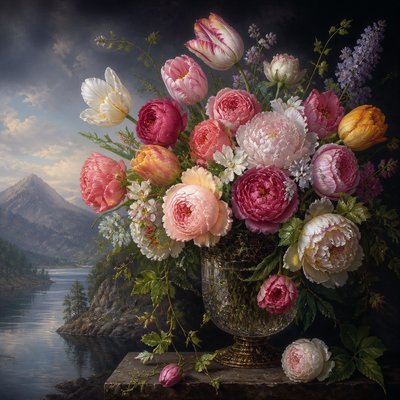
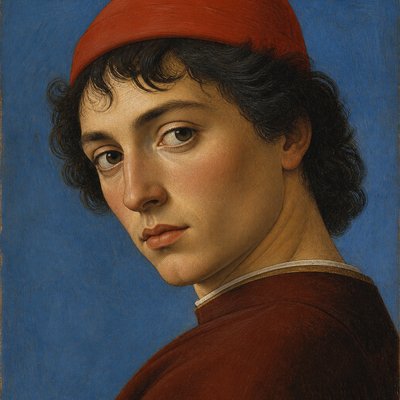
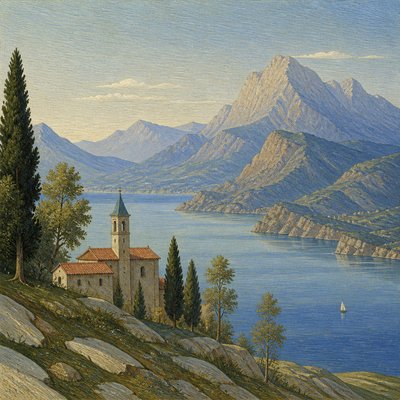
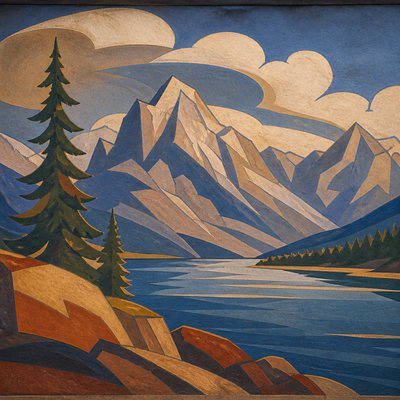
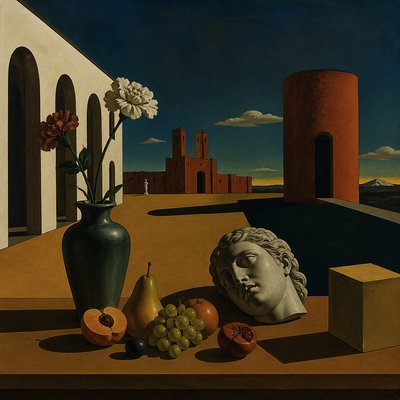
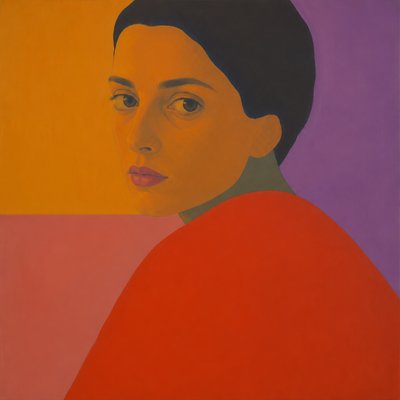
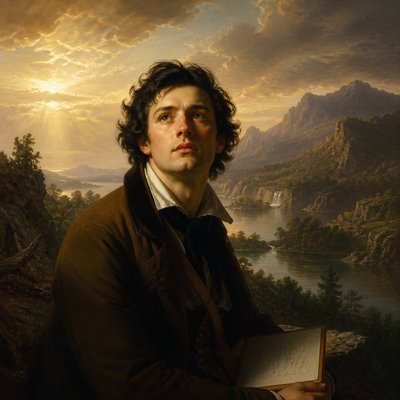
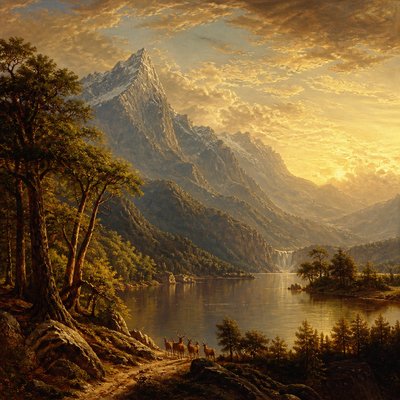
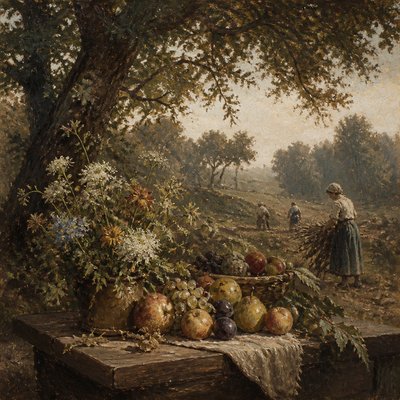
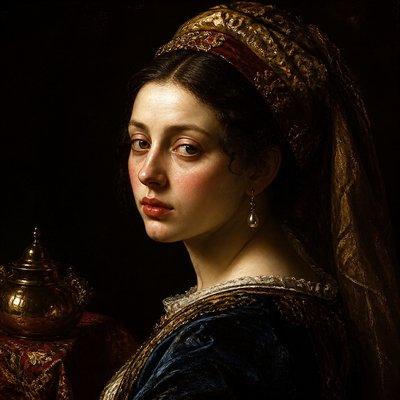
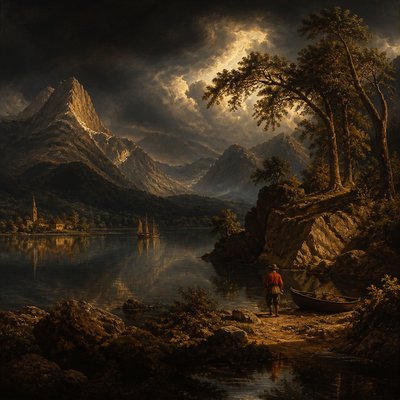
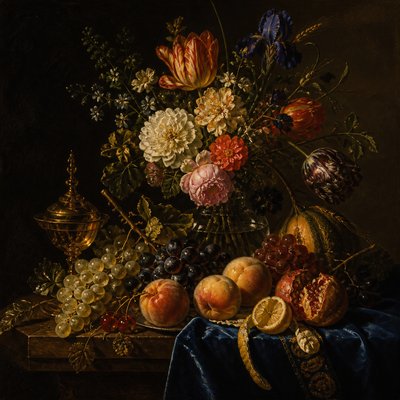
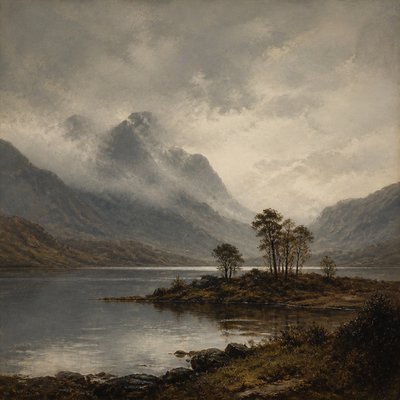
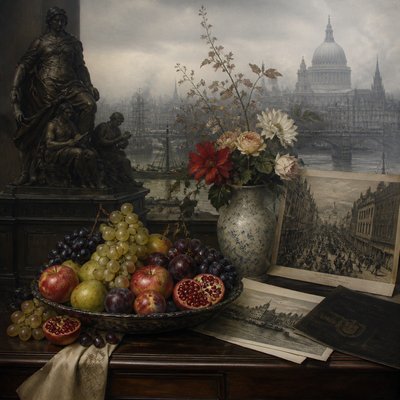
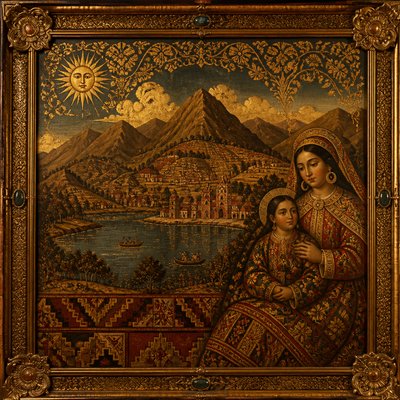
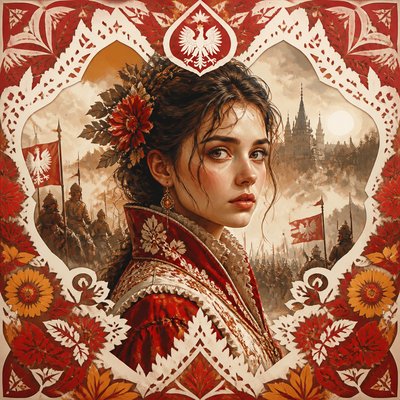
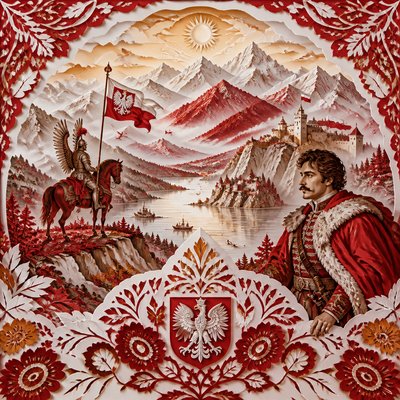
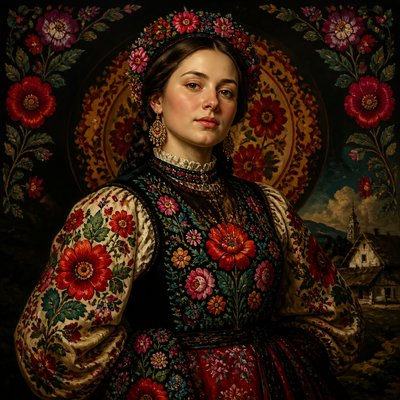
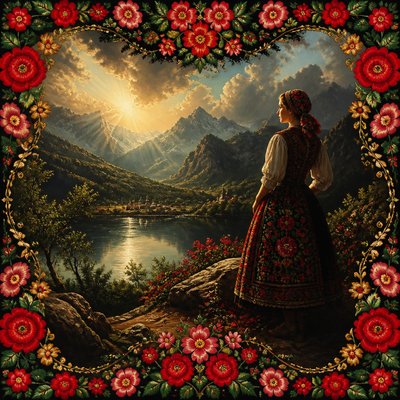
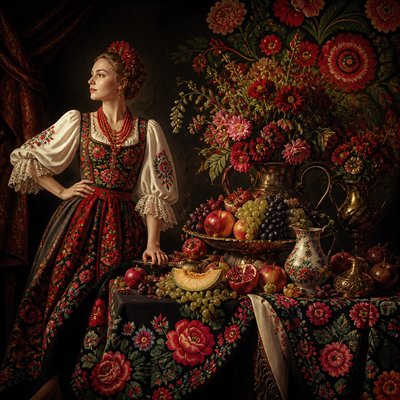
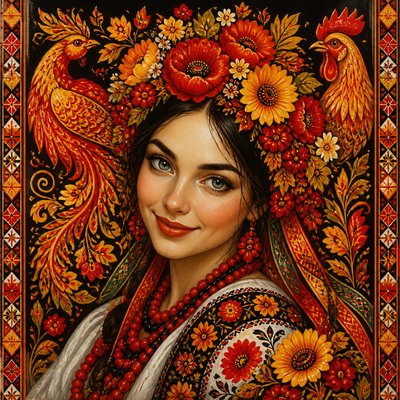
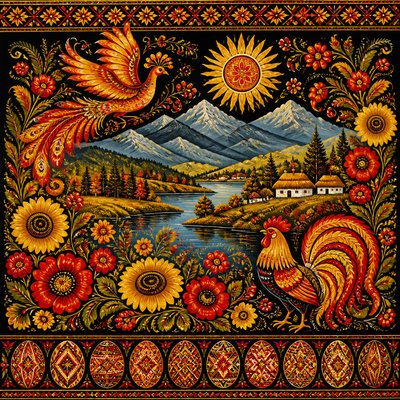
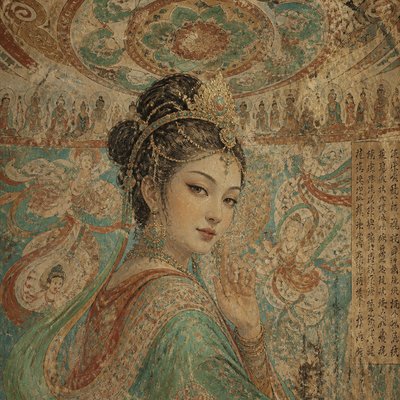
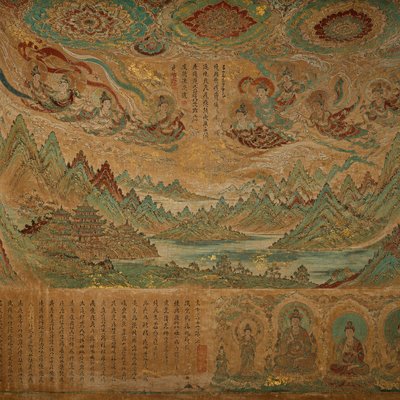
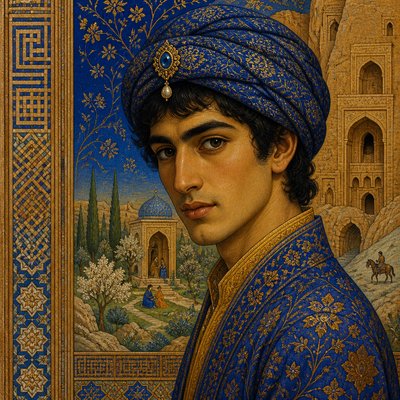
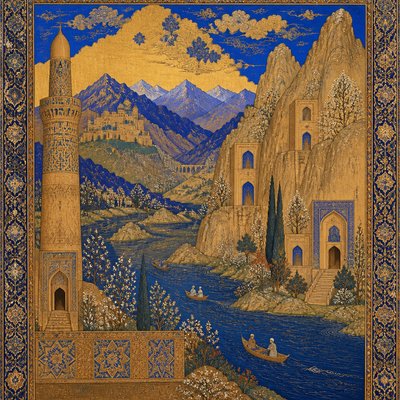
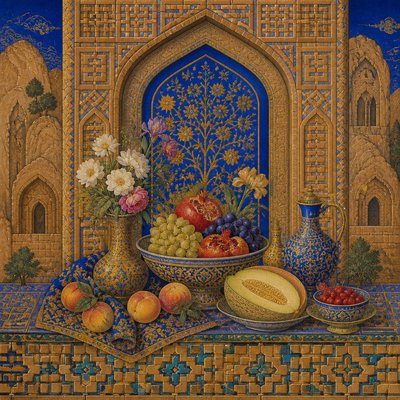
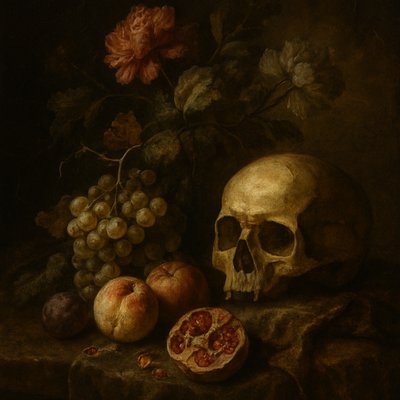
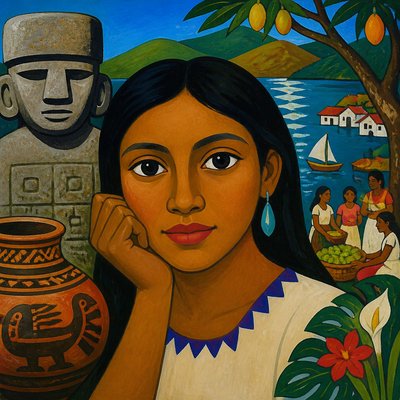
Oil Glazing Painting Style is an aesthetic centered on luminous color constructed from successive transparent or semi-transparent veils of pigment. Instead of relying on visible strokes and opaque mixtures, it builds form through layered color, allowing light to appear as though it travels into and back out of the painted surface. The result is a polished, enamel-like finish with saturated shadows, glowing highlights, and unusually deep tonal transitions.
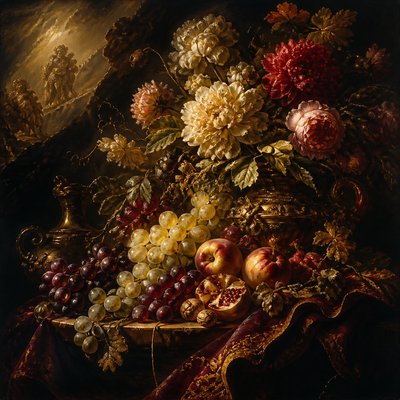
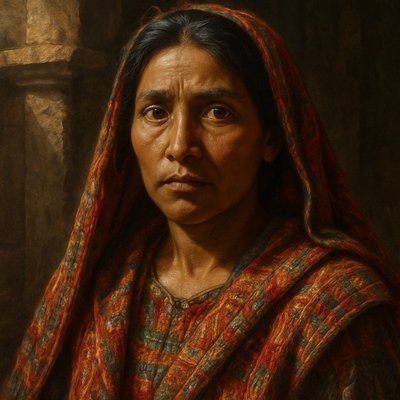
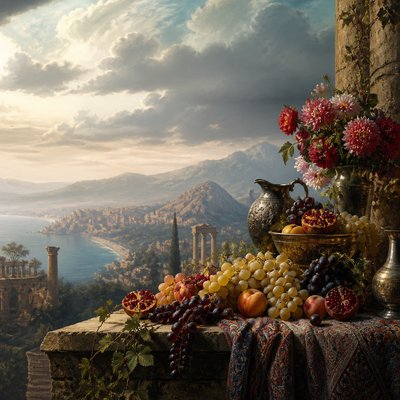
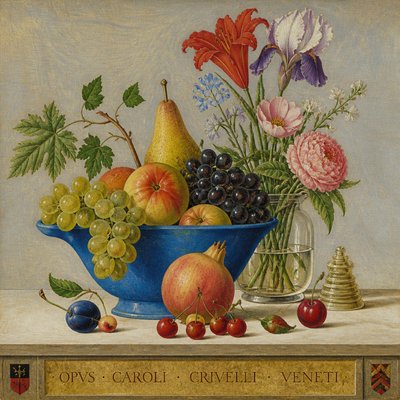
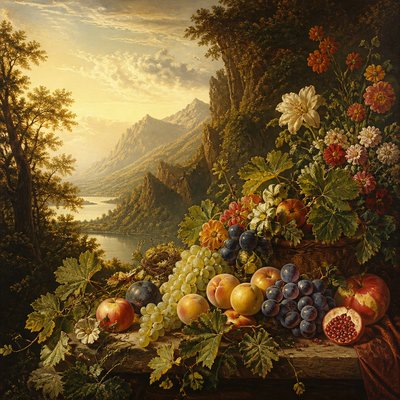
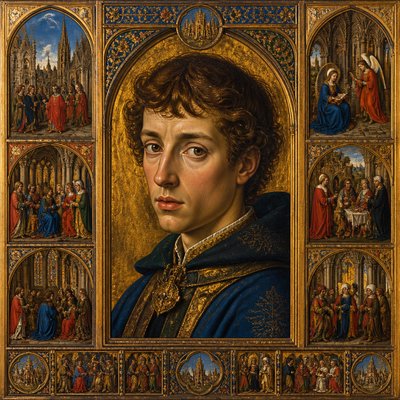
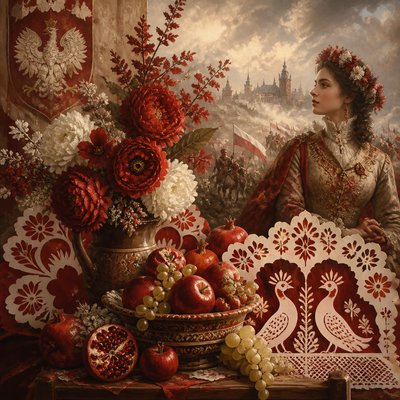
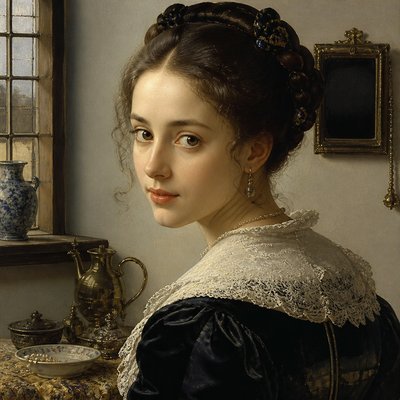
The style emphasizes atmosphere, material richness, and controlled radiance. Faces, fabrics, architecture, and still-life objects often appear softly modeled yet highly dimensional, while dark passages retain jewel-like color rather than becoming flat black. In digital interpretations, the same visual logic is simulated through stacked translucent layers, subtle color blending, controlled specular highlights, and the suppression of obvious brush texture.
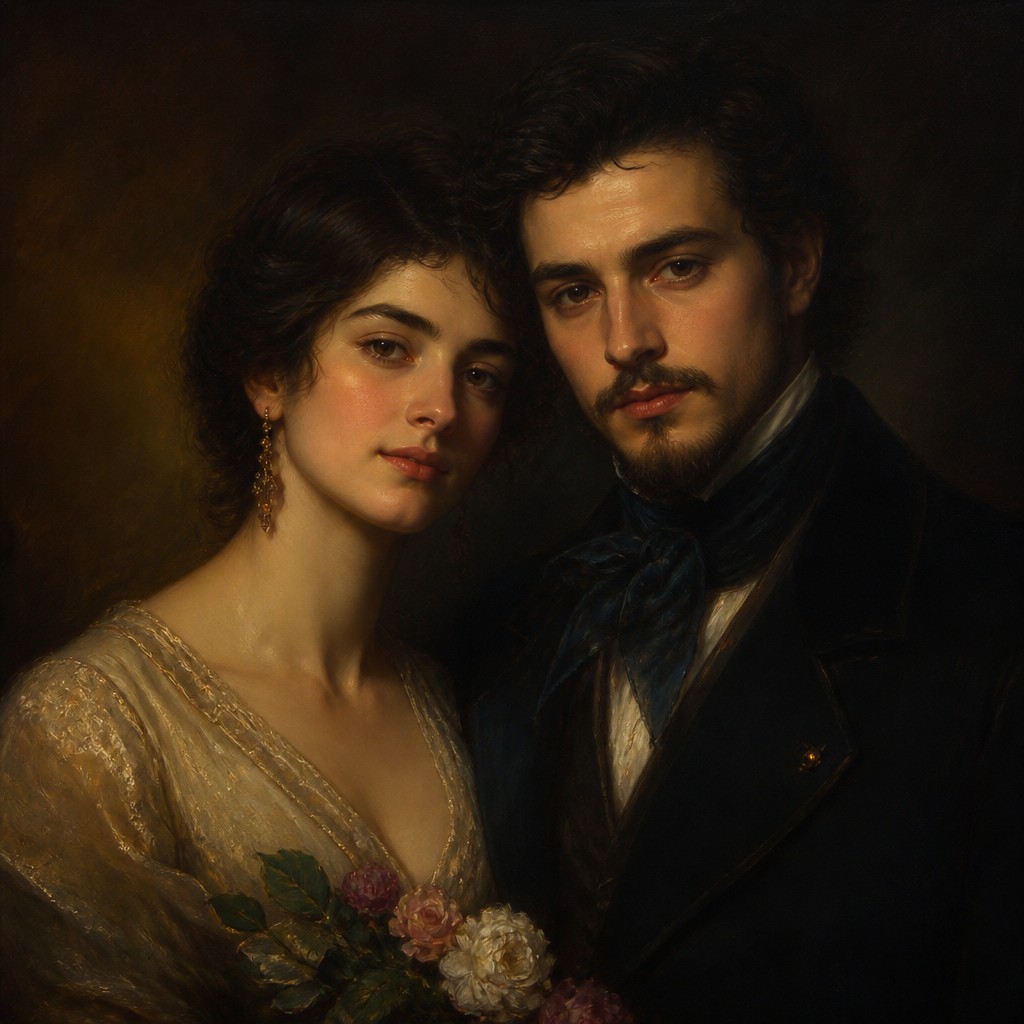
Try It On Your Photos
Upload any photo and convert it into Oil Glazing Painting Style — drag the sliders to compare before and after.


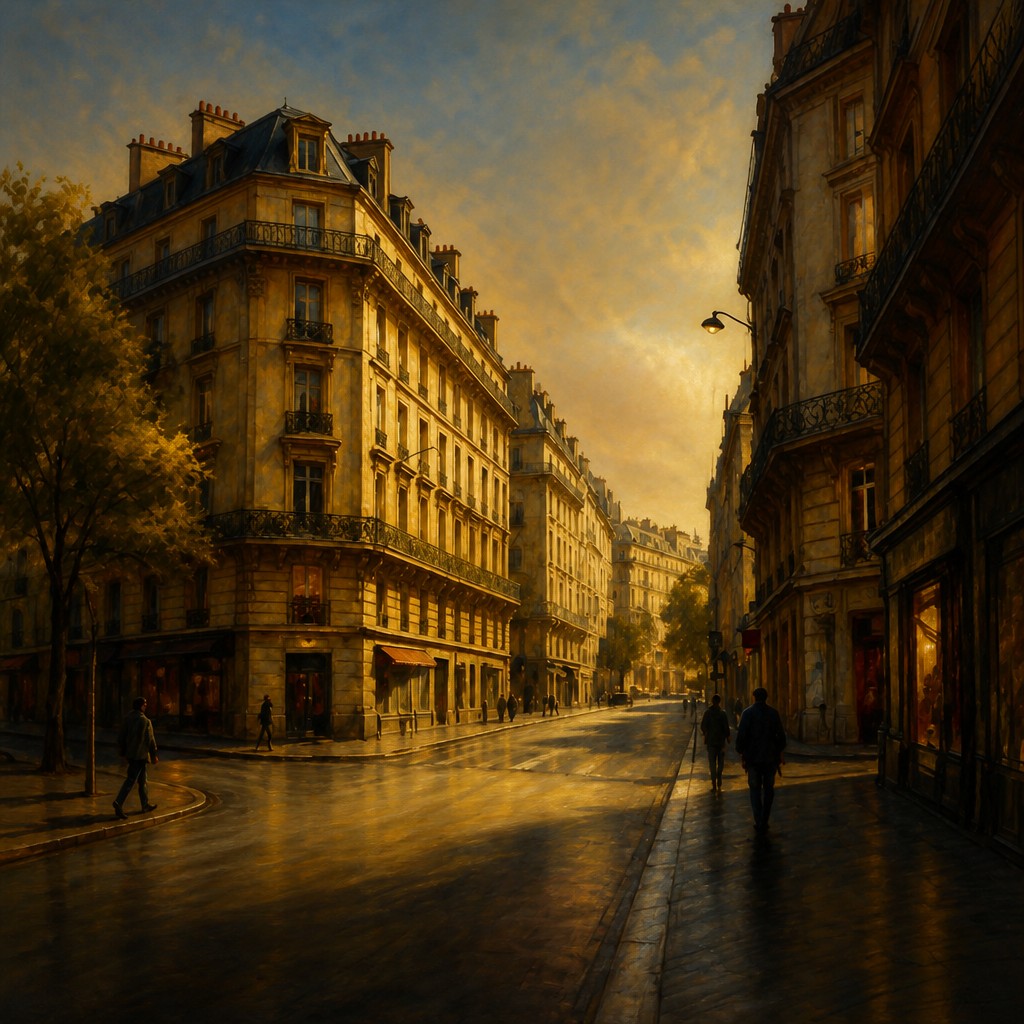

What Defines Oil Glazing Painting Style
The signature details, up close
Layered transparency
Color appears to be built from many thin, translucent films rather than a single opaque application. Overlapping warm and cool glazes create complex optical mixtures and gradual tonal depth.
Luminous color
Highlights and midtones have an inner radiance, as though light is passing through the paint. Saturated reds, ambers, blues, and greens remain rich without becoming harsh.
Jewel-toned shadows
Dark areas are colored and nuanced rather than neutralized into flat black or gray. Deep burgundy, indigo, emerald, umber, and violet commonly enrich the shadow structure.
Enamel-smooth surface
The finish is refined and continuous, with little or no visible brushwork. Edges may be softly fused in atmospheric areas while focal details remain clean and carefully modeled.
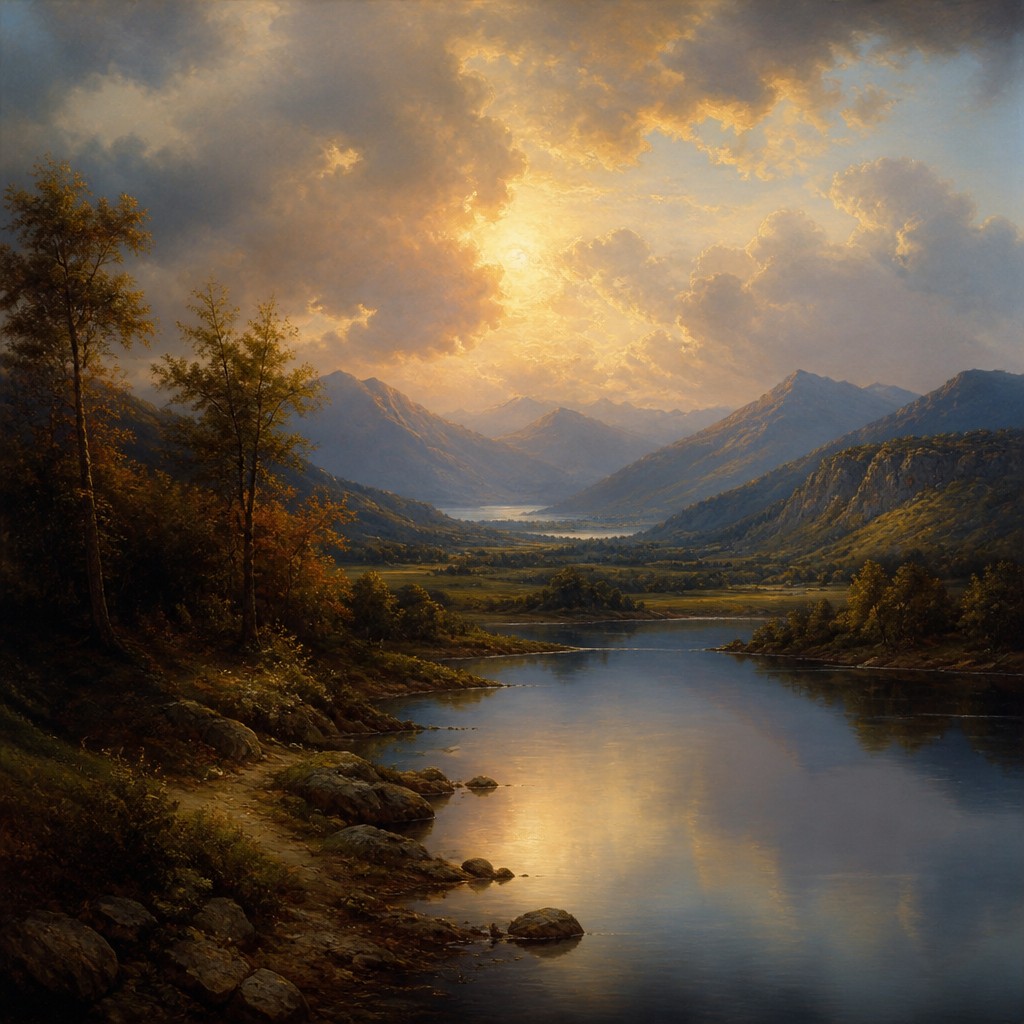
Old-master modeling
Forms are shaped through restrained value transitions, selective highlights, and controlled reflected color. The effect suggests convincing volume without requiring strongly outlined contours.
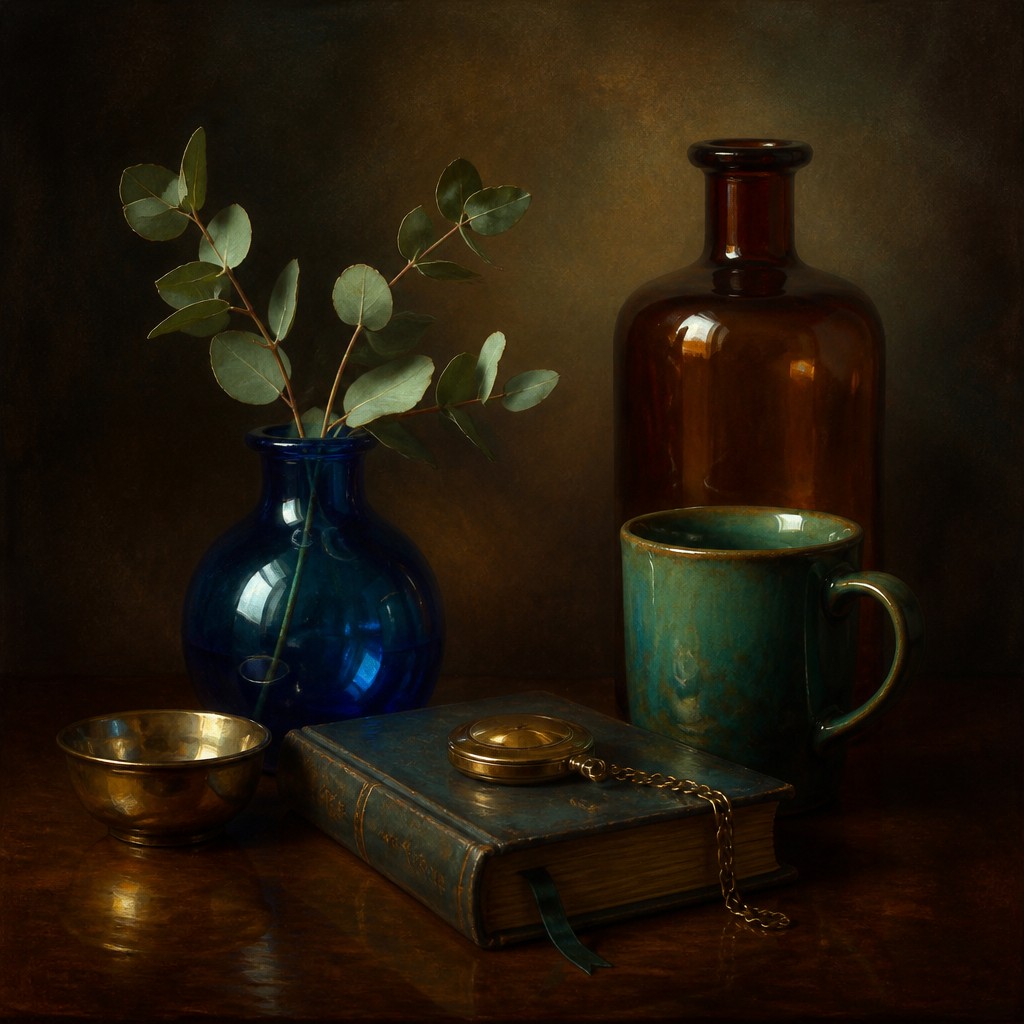
Atmospheric depth
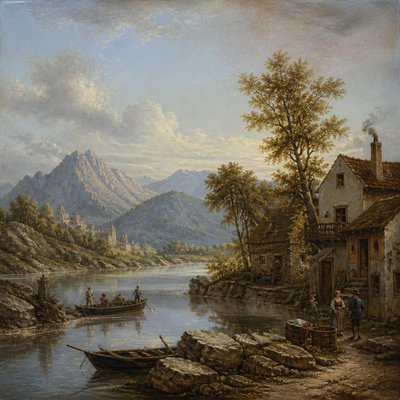
Receding forms often become softer, cooler, or less contrasty, while foreground subjects receive richer color and sharper tonal definition. This creates spatial depth through both value and chroma.
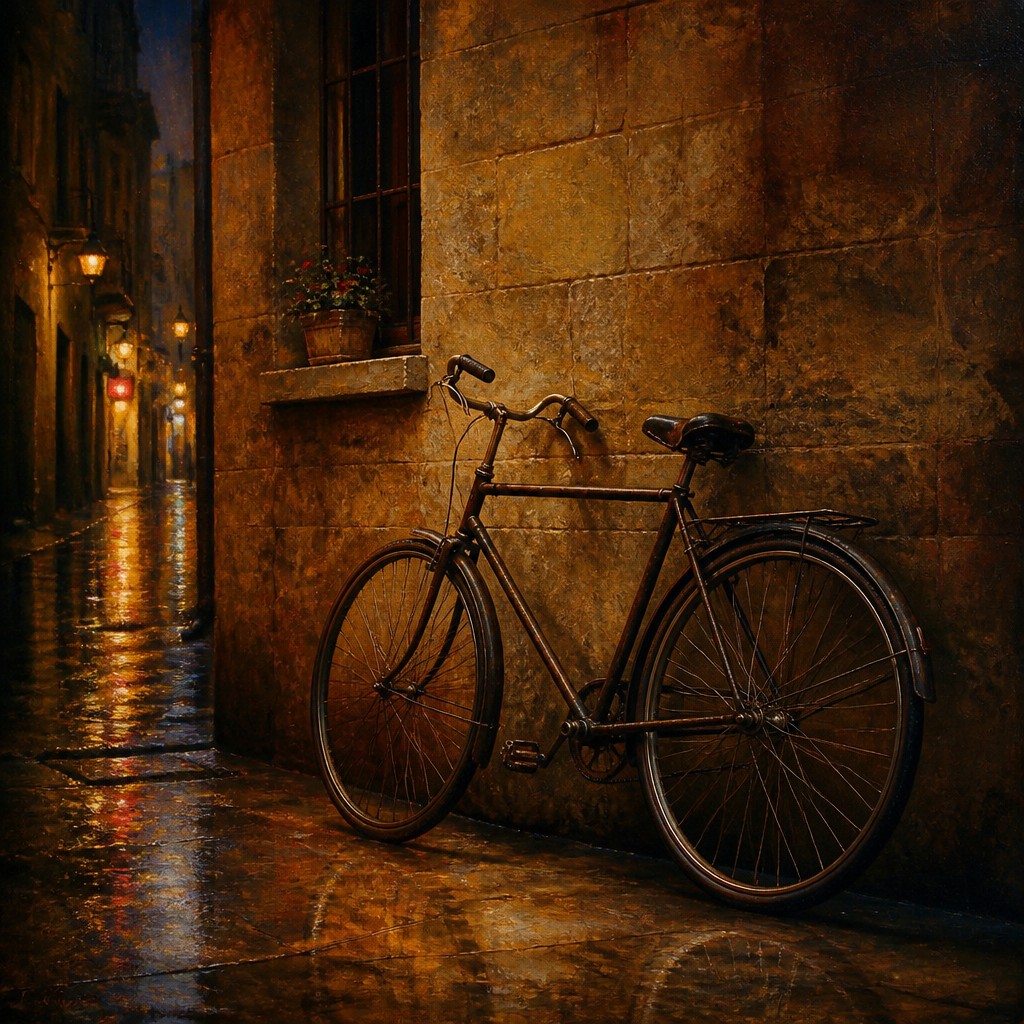
Material richness
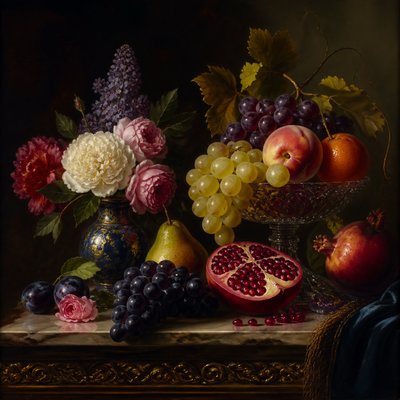
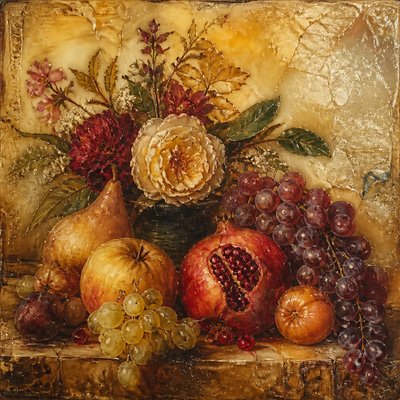
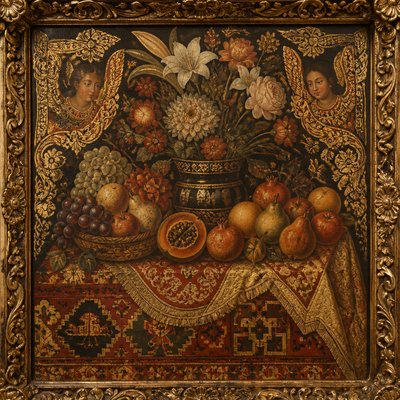
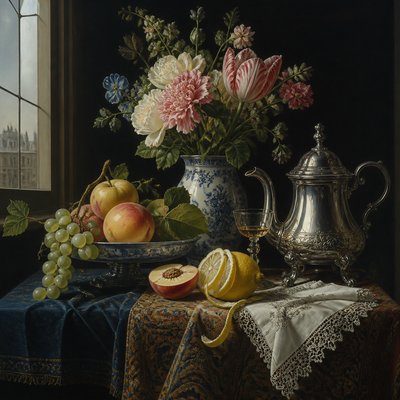
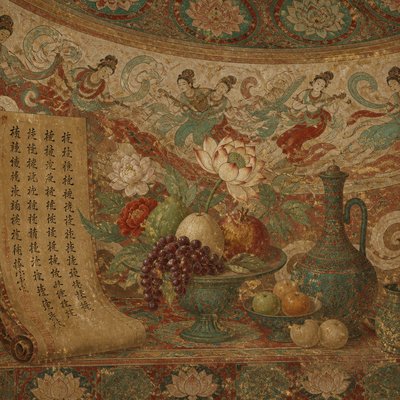
The treatment favors surfaces that reward nuanced color variation, including velvet, polished metal, skin, glass, stone, fruit, and richly decorated interiors.
Try It
Create Videos in Oil Glazing Painting Style
Styles aren't just for stills — describe a scene or animate an image and get a short video rendered in Oil Glazing Painting. Press play to see this pond come to life.
Make a VideoOil Glazing Painting Prompt Ideas
Start from an idea — each one opens the generator with the style ready to go. See all 40 Oil Glazing Painting prompts →
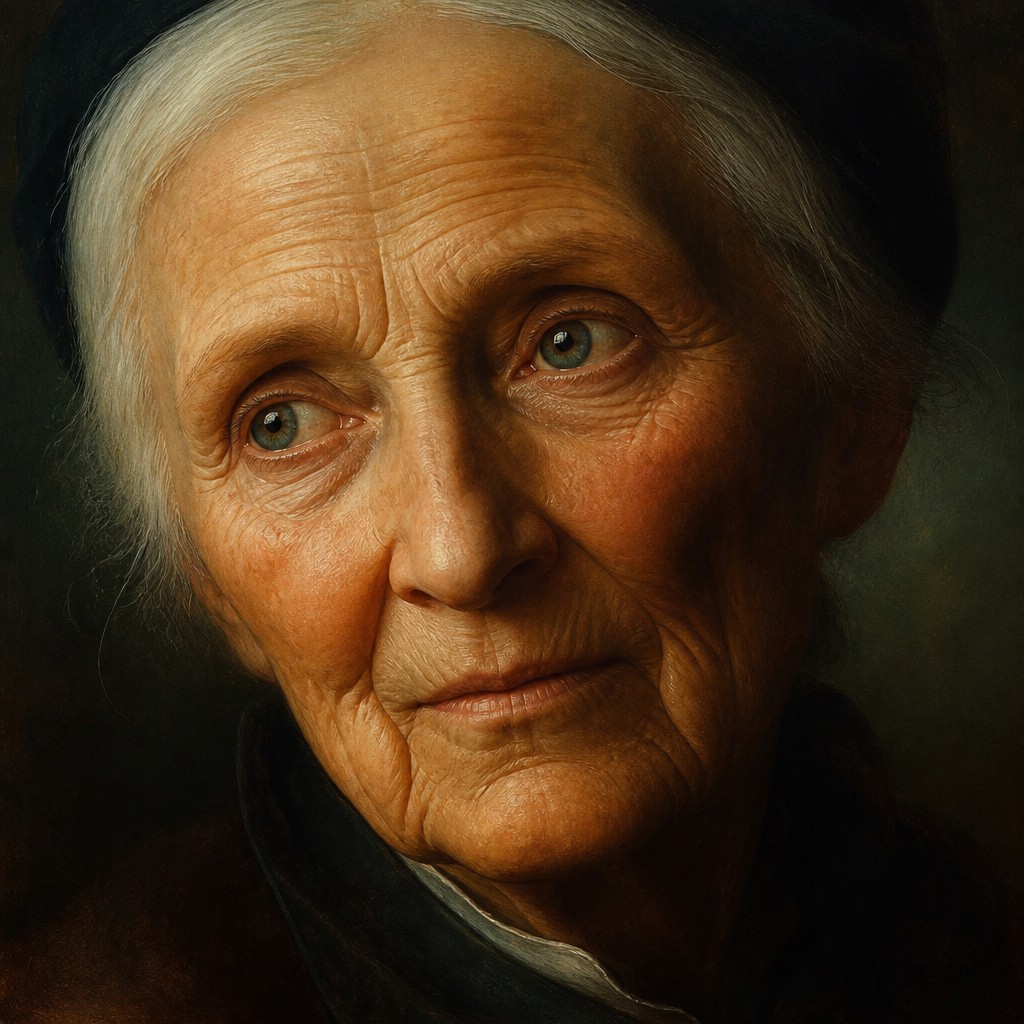
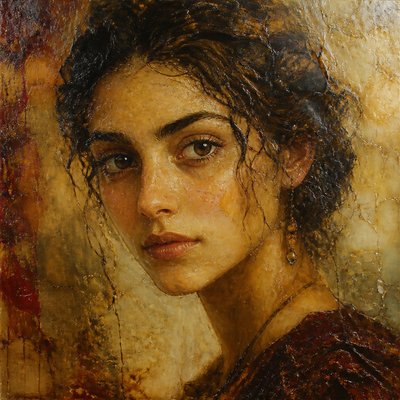
“close-up portrait of an elderly person with expressive weathered features”
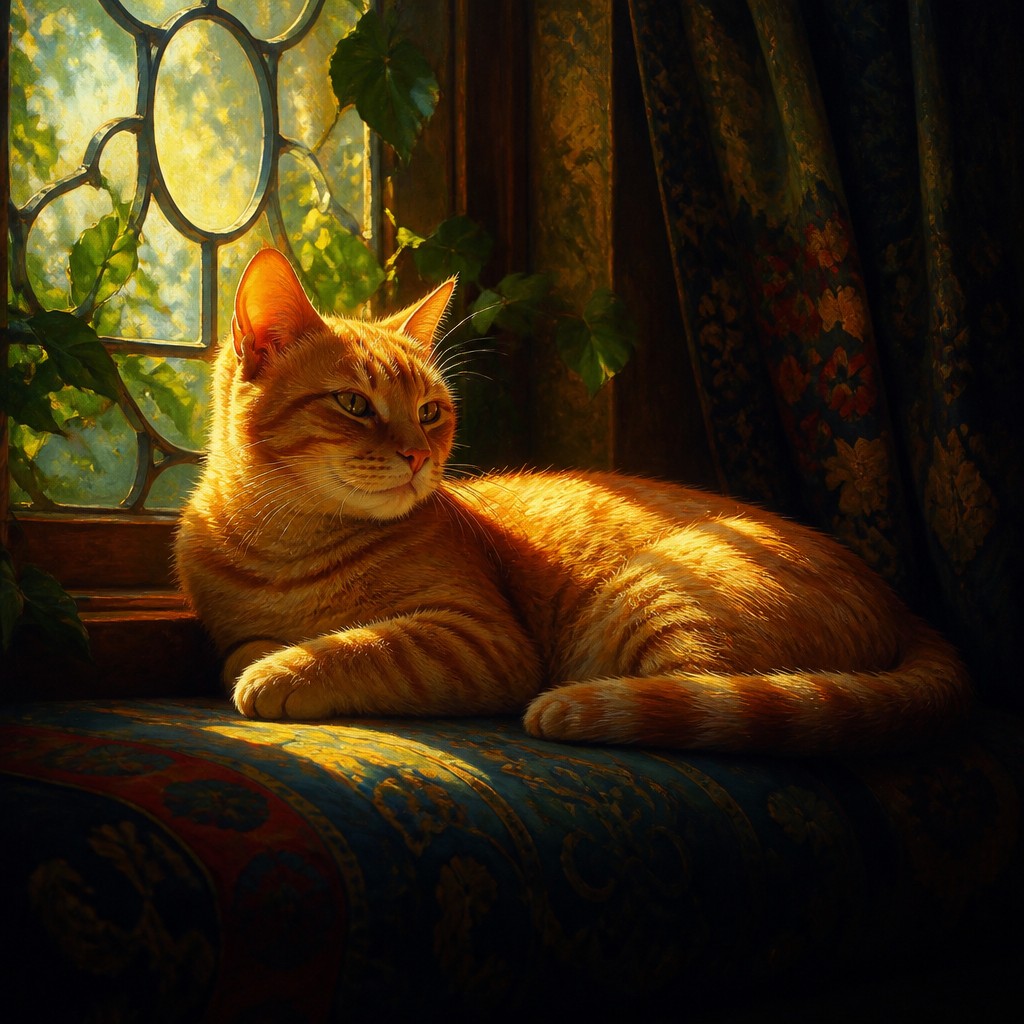
“a cat lounging in a sunlit window”
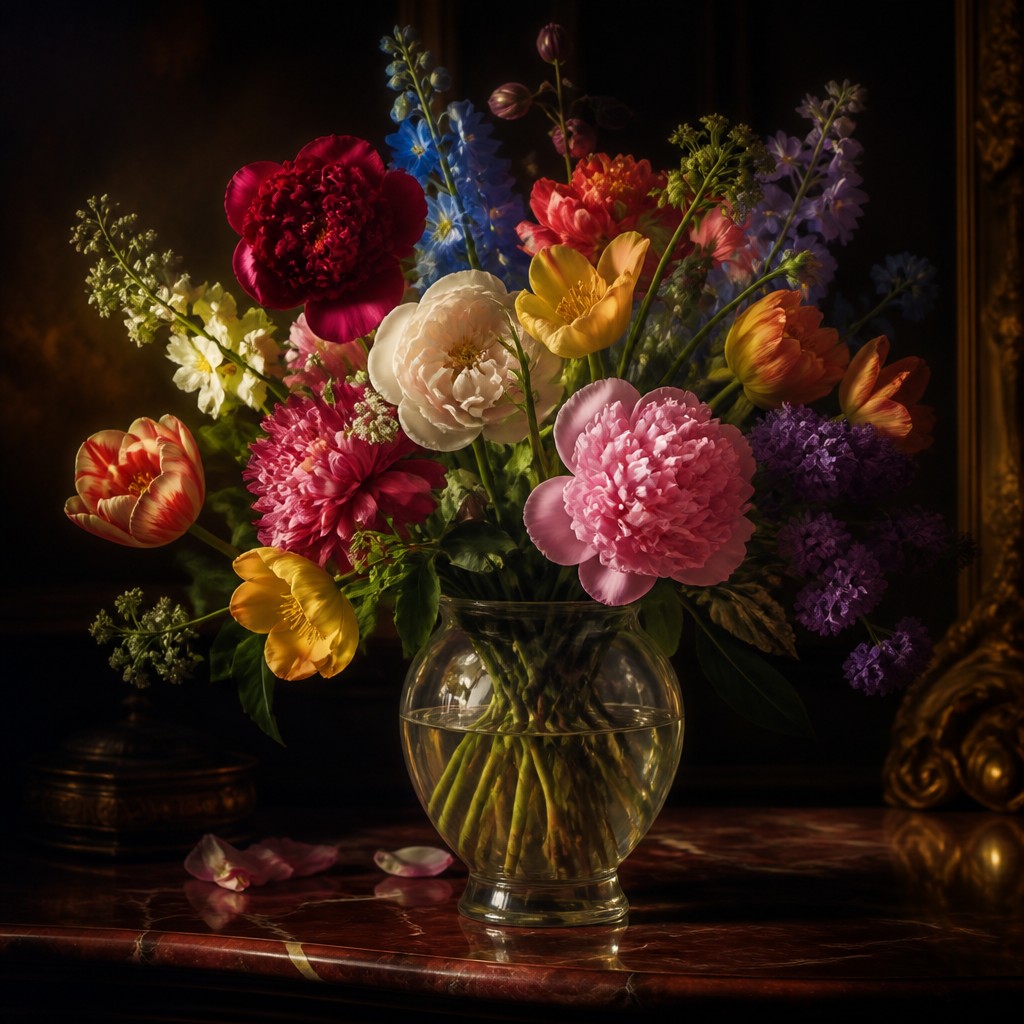
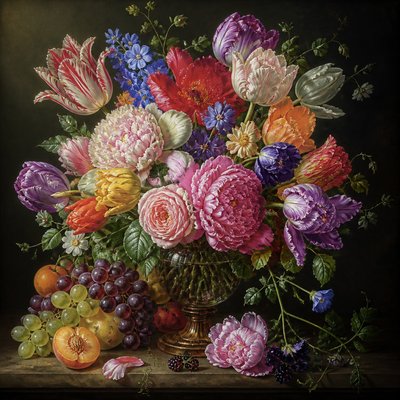
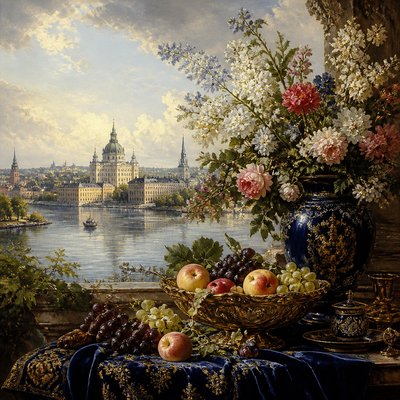
“bouquet of flowers in a glass vase”
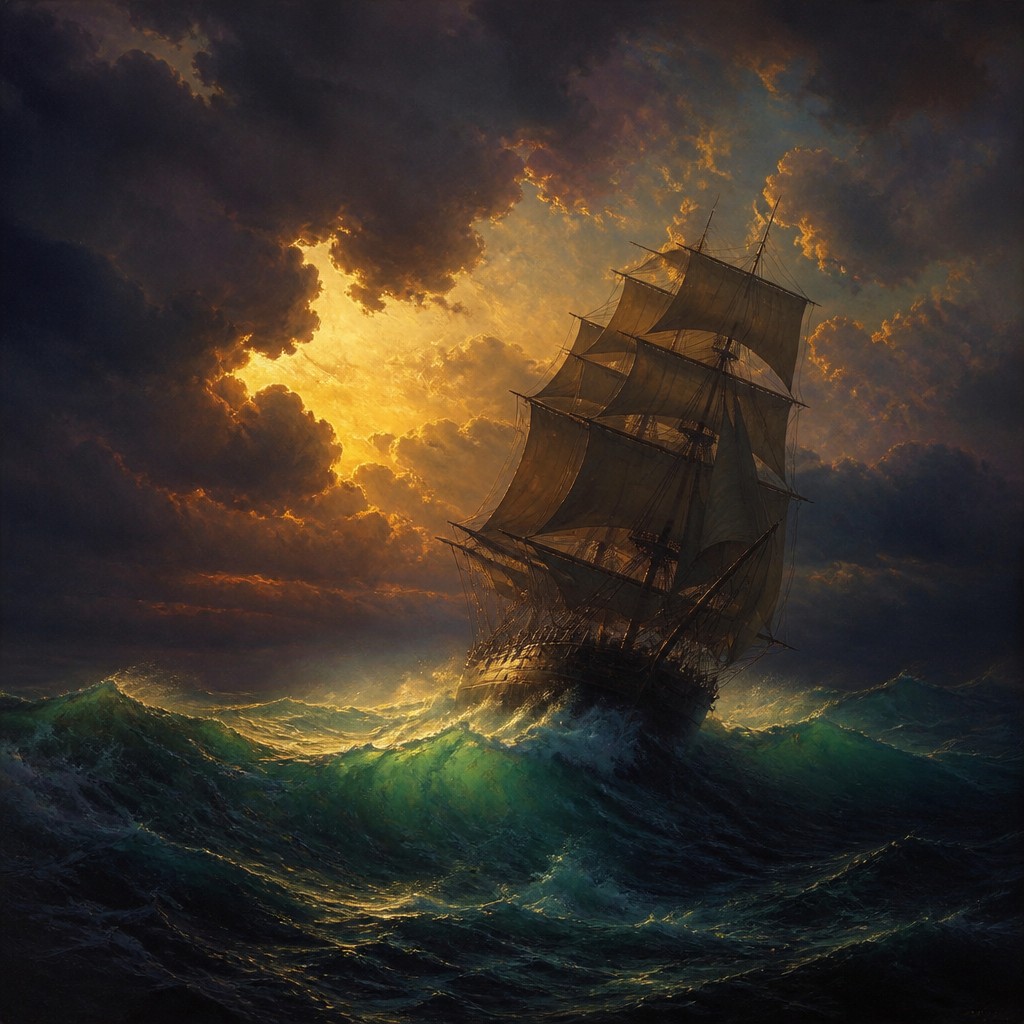
“sailing ship on a stormy sea”
How to Create Oil Glazing Painting Art
Master the craft step by step — or skip straight to creating. Read the full guide →
- 1
Build a restrained underpainting
Begin with a monochromatic or limited-color value structure that establishes the major light and dark masses. Keep the drawing and composition stable before adding saturated color.
- 2
Apply transparent color gradually
In traditional oil, use thin, medium-rich glazes over fully or partially dried passages, allowing each layer to alter the color beneath it. In digital work, recreate this with low-opacity layers, blending modes used sparingly, and repeated color adjustments.
- 3
Separate warm and cool layers
Use warm transparent layers to enrich flesh, light, and reflected color, and cool layers to deepen recesses and atmospheric distance. Avoid mixing every hue into a uniform brown.
- 4
Control edges and highlights
Keep transitions soft in shadow and background areas, but reserve precise edges and small high-value accents for the focal subject. Highlights should be selective so the surface retains a sense of depth.
- 5
Protect luminosity
Do not overwork the lightest passages or cover them with excessive opaque paint. Leave room for the underpainting and earlier color layers to influence the final optical effect.
- 6
Write prompts around light behavior
For prompt-based creation, specify transparent pigment layers, glowing color, colored shadows, polished surfaces, soft inner radiance, and minimal visible brushwork. Name the subject, lighting direction, palette, and desired degree of atmospheric depth.
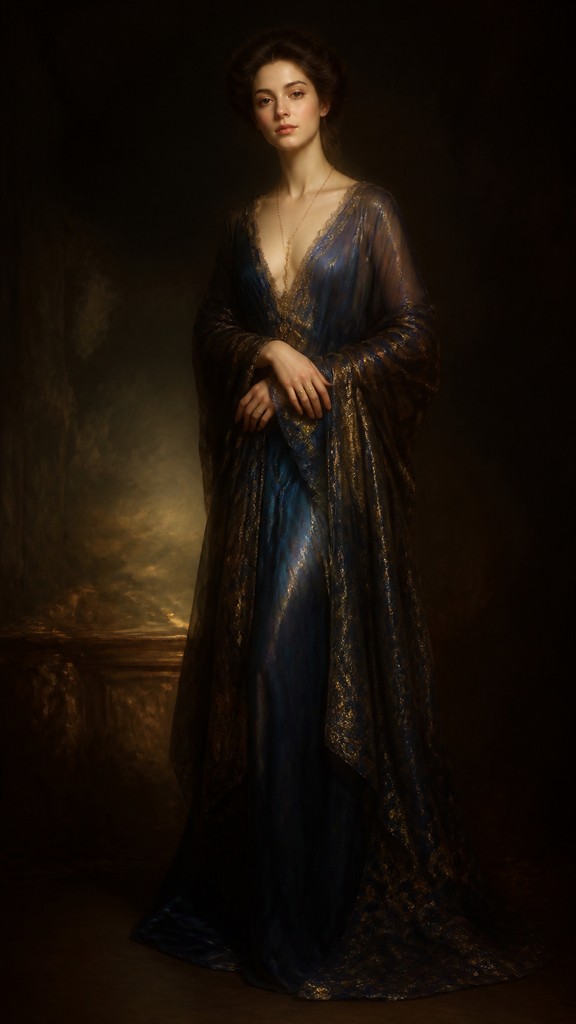
The Story
History & Origins of Oil Glazing Painting
Oil Glazing Painting Style is a contemporary descriptive label rather than a distinct historical movement. Its aesthetic lineage comes from the glazing methods developed in European oil painting, particularly the layered techniques associated with Renaissance, Baroque, and later academic traditions. In those practices, artists established an underpainting and gradually deepened or modified it with transparent films of color, using the optical interaction between layers to create depth and luminosity.
The modern style also draws on the polished surfaces of old-master painting, the chromatic drama of Baroque art, and digital compositing techniques. It should therefore be understood as a hybrid visual language: historically grounded in oil glazing, but adapted into a generalized image-making style that can be applied to subjects far beyond traditional portraiture, religious painting, or still life.
Influences: The style is related to Renaissance and Baroque oil painting, especially traditions of underpainting, chiaroscuro, sfumato, and transparent glazing. It also intersects with academic portraiture, symbolist color, polished still-life painting, and contemporary digital compositing. Its emphasis on colored darkness and atmospheric radiance distinguishes it from purely opaque alla prima methods, visible-brush Impressionist approaches, and flat graphic rendering.

Frequently Asked Questions
What defines the Oil Glazing Painting Style?
It is defined by luminous color built through transparent or semi-transparent layers, softly modeled forms, colored shadows, and a smooth surface with little visible brushwork. The style aims to make light seem embedded within the image rather than simply placed on top of it.
Is this a historical art movement?
No. Oil Glazing Painting Style is a modern descriptive style label, not a formally recognized historical movement. It draws on genuine historical glazing techniques from European oil painting while combining them with contemporary digital and image-making conventions.
How is it different from traditional old-master painting?
It borrows the layered depth and polished modeling associated with old-master methods but applies them as a flexible aesthetic to many subjects and formats. It may be produced digitally and often exaggerates color luminosity or surface smoothness beyond historically typical practice.
Can this style be created with physical oil paint?
Yes. A painter can use a value-based underpainting followed by thin, transparent glazes once earlier layers are sufficiently dry. Medium choice, drying time, pigment transparency, and careful control of solvent and oil are important for maintaining clarity.
How can digital artists reproduce the effect?
Use a detailed value foundation, multiple low-opacity color layers, subtle glazing or color blending, and selective sharpening. Reduce obvious brush texture, preserve colored shadows, and avoid flattening all layers into uniform airbrushed gradients.
What subjects work well with this style?
Portraits, dramatic interiors, still lifes, historical scenes, landscapes, fantasy environments, and reflective materials all benefit from its emphasis on depth and rich color. Subjects with translucent, polished, or richly textured surfaces are particularly effective.
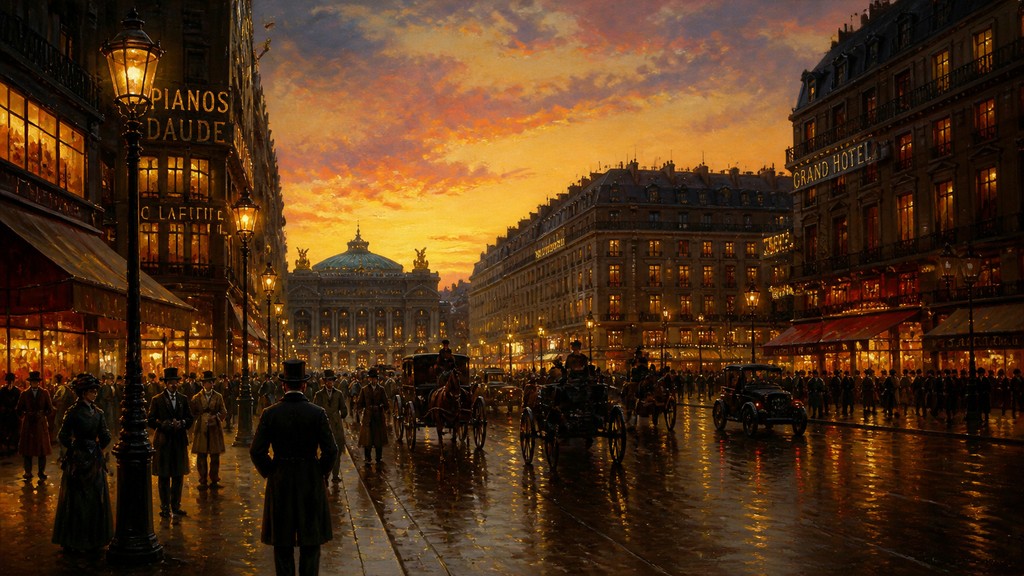
Create your first Oil Glazing Painting artwork
Describe anything — or upload a photo — and see it in Oil Glazing Painting Style in seconds.
Related Styles
Discover similar art styles