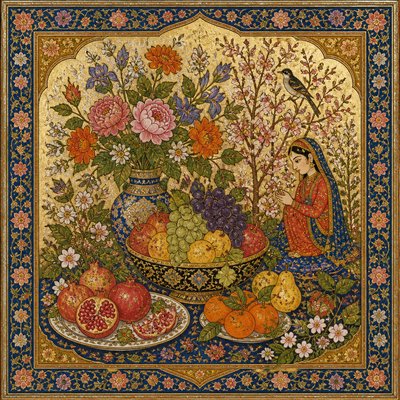
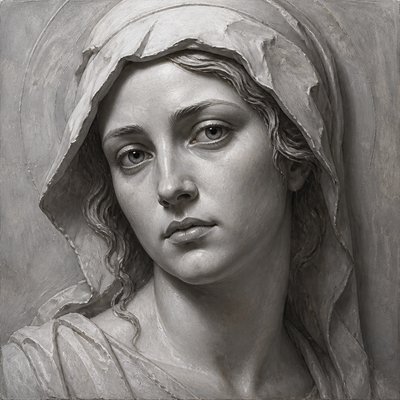
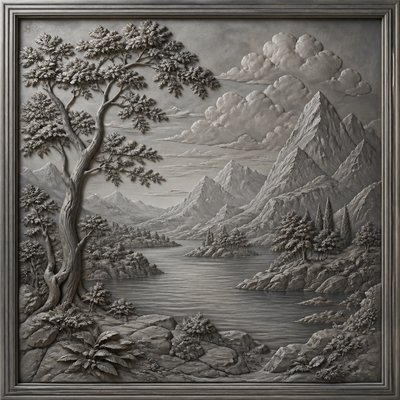
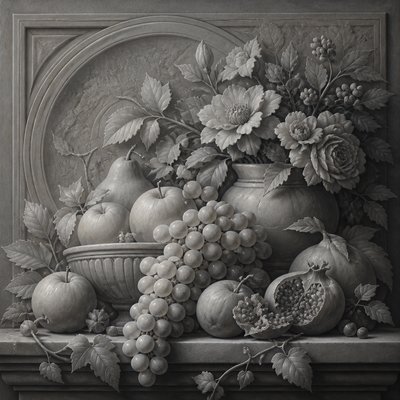
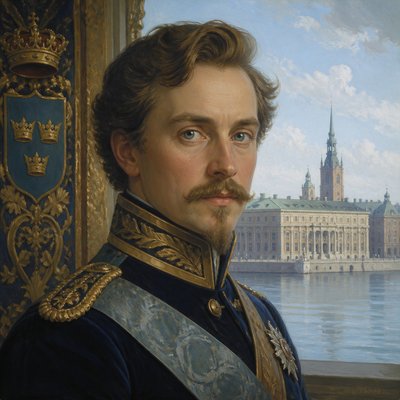
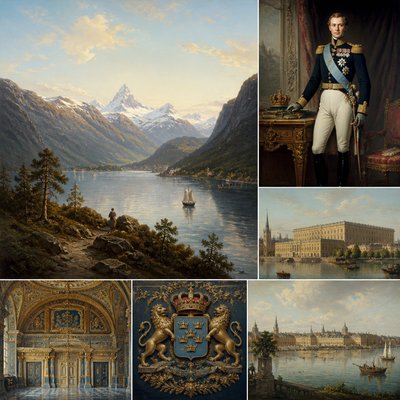
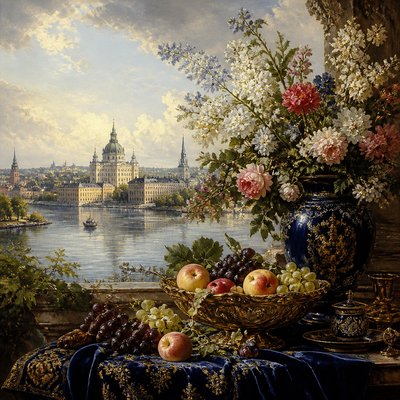
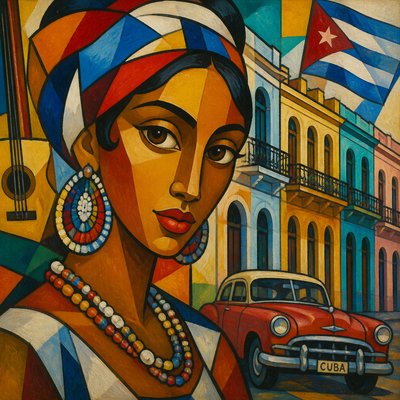
Chiaroscuro Painting Style
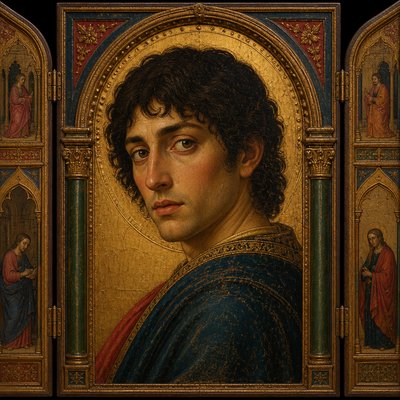
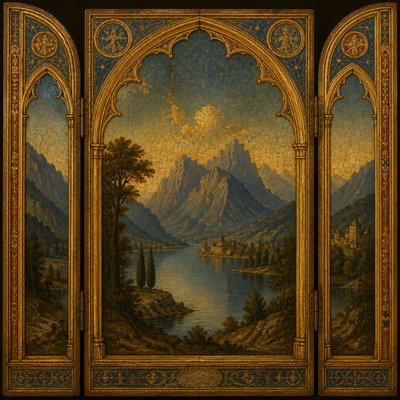
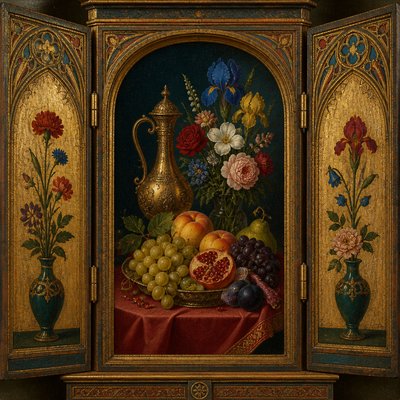
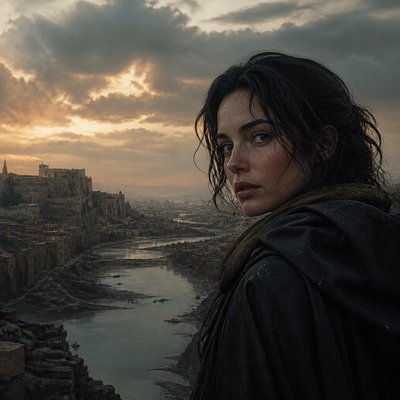
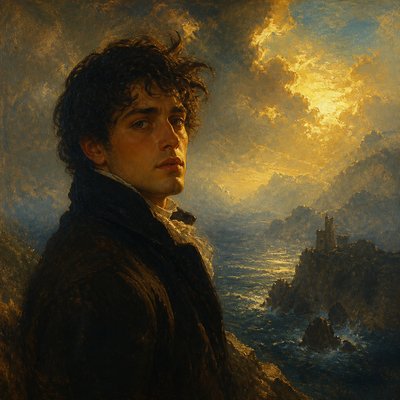
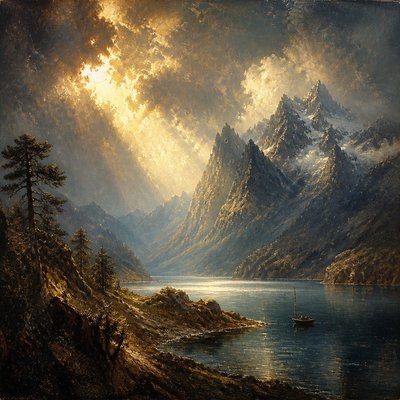
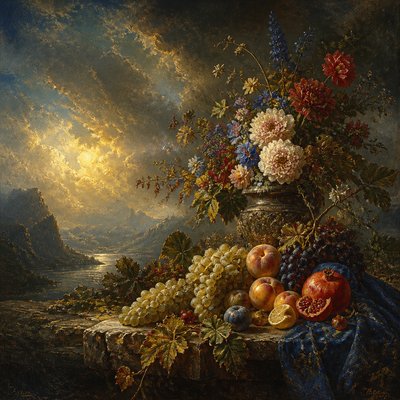
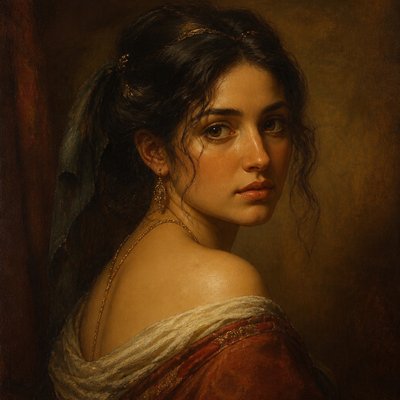
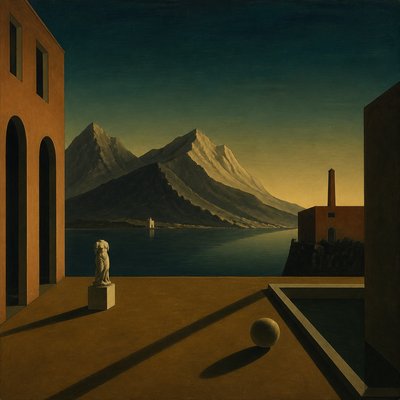
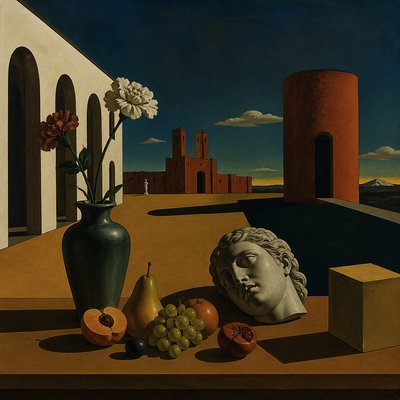
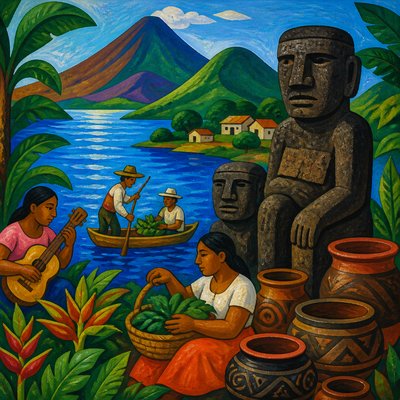
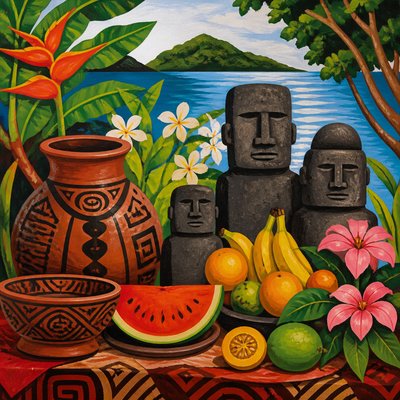
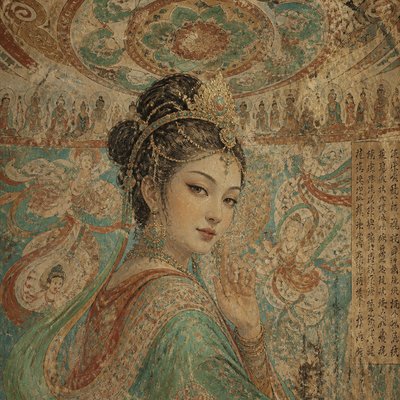
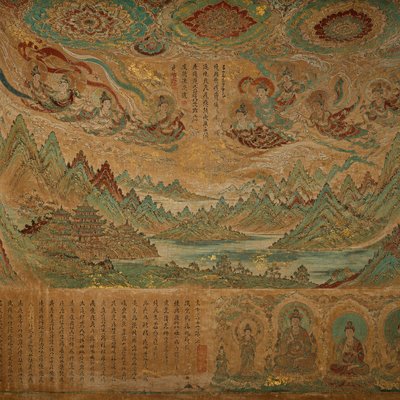
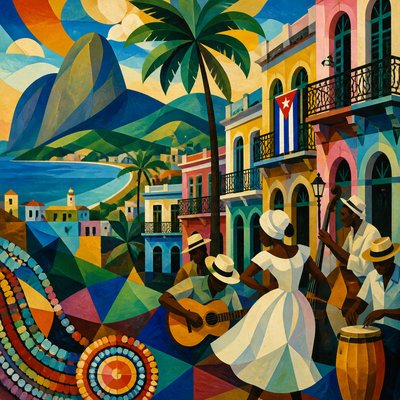
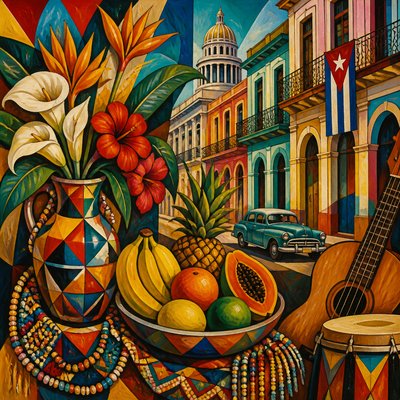
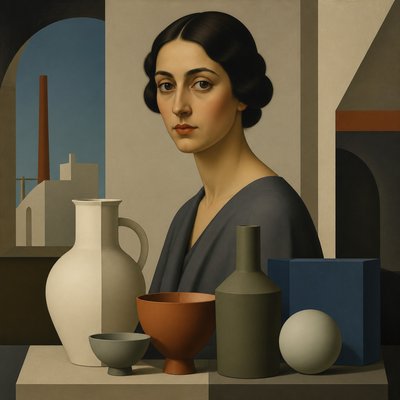
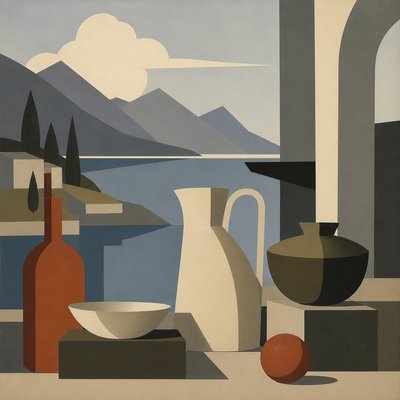
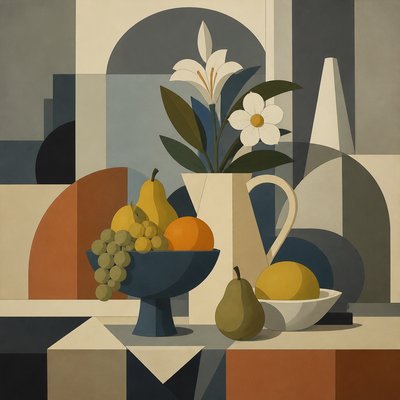
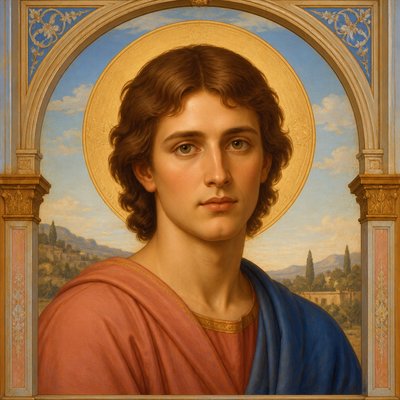
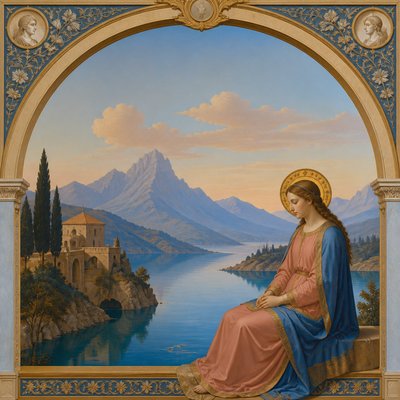
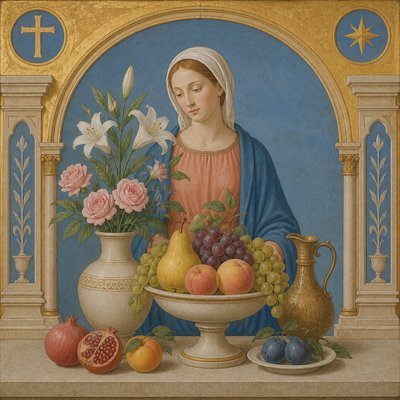
Explore chiaroscuro painting: dramatic single-source light, deep shadow, warm tonal modeling, and theatrical three-dimensional form.
Instantly rendered in Chiaroscuro Painting — or transform a photo
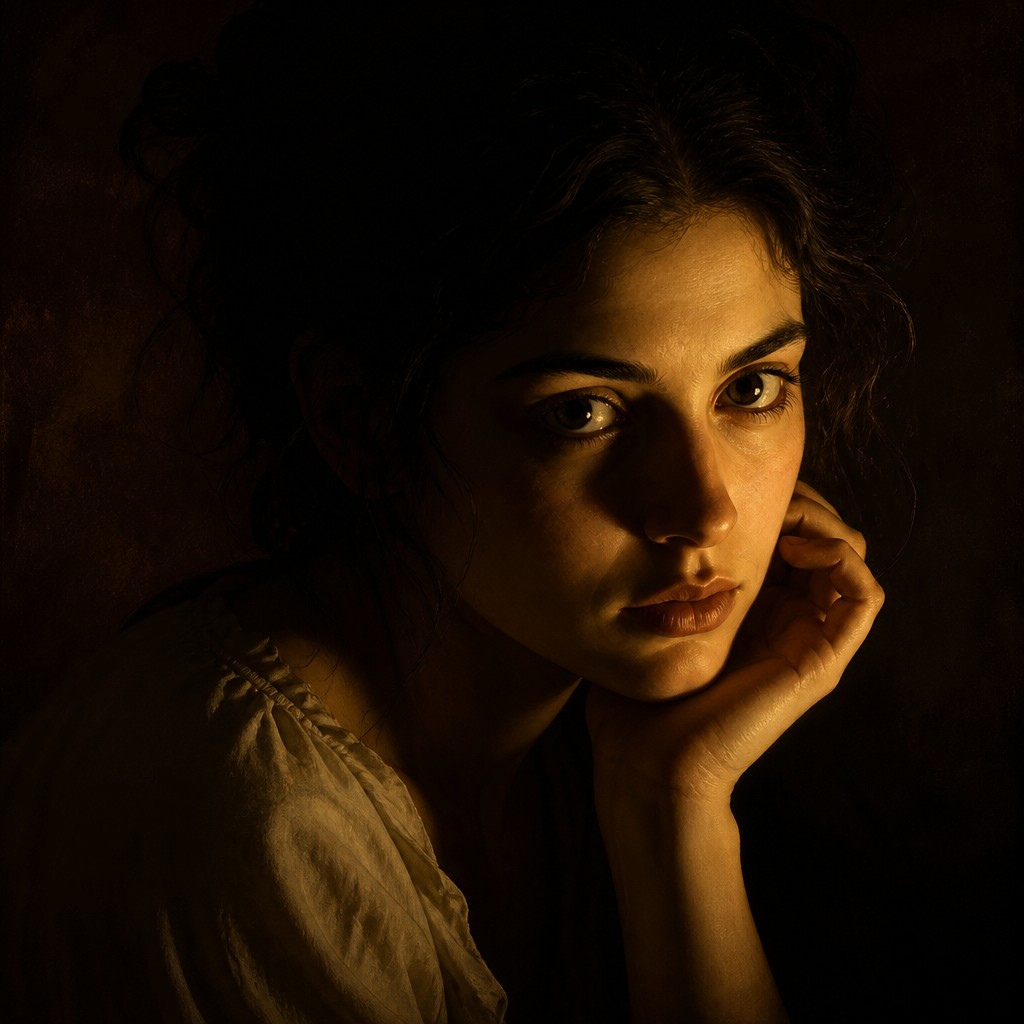
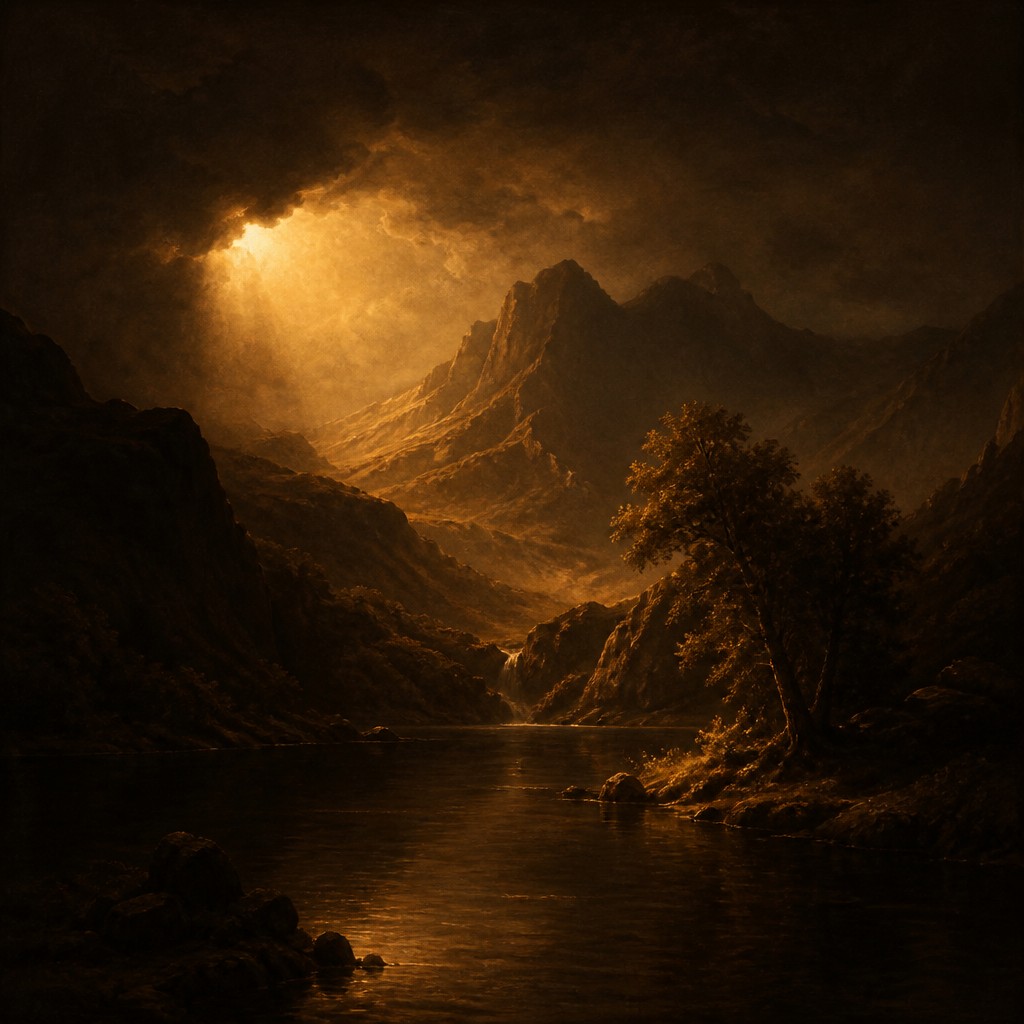
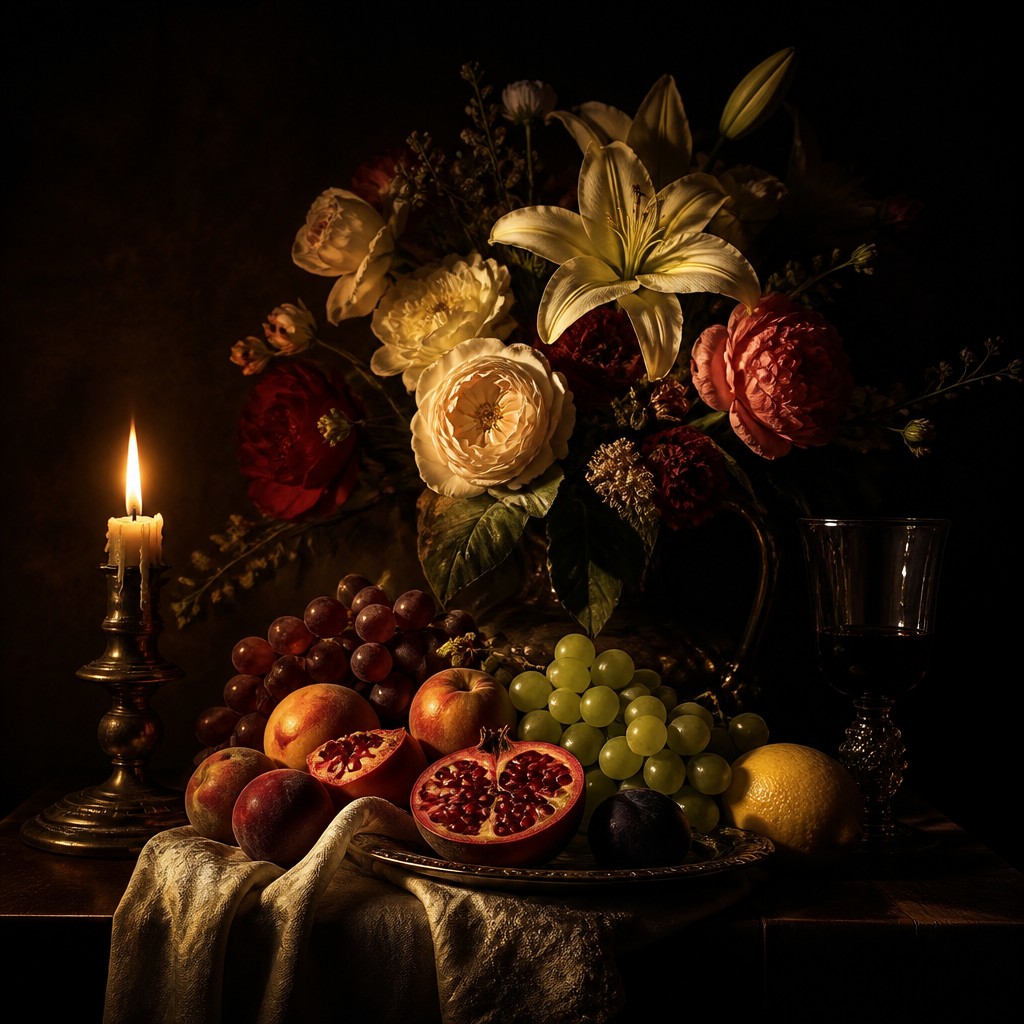
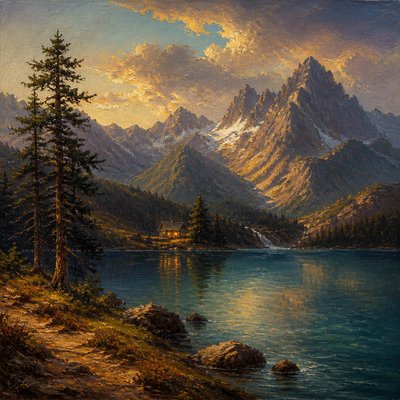
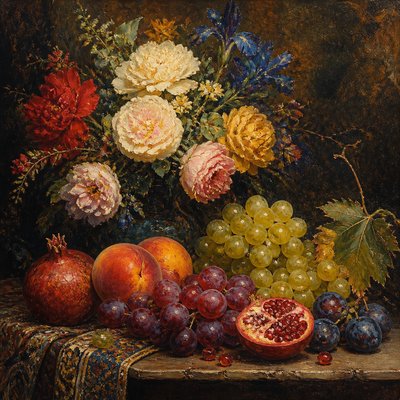
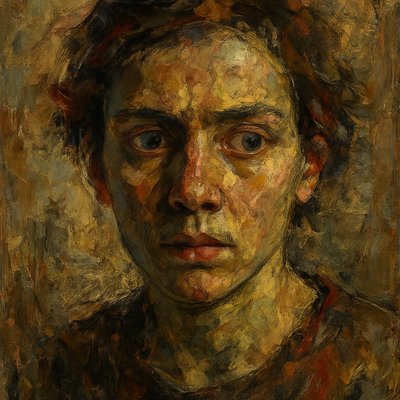
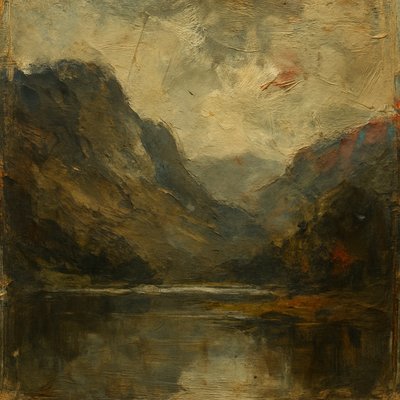
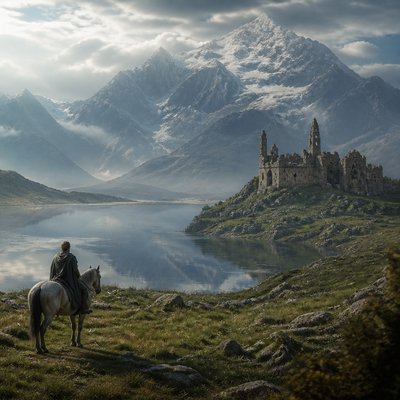
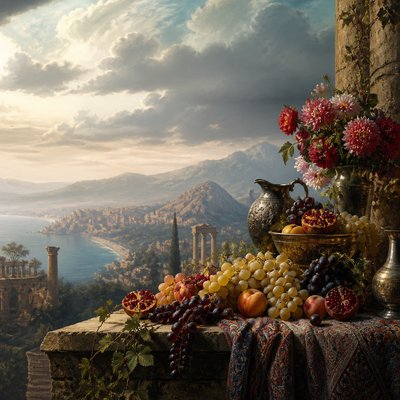
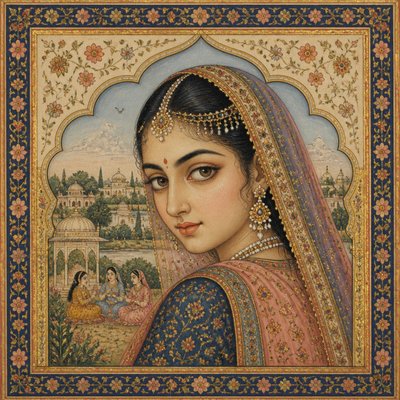
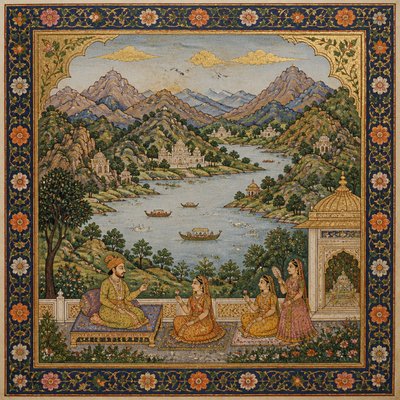
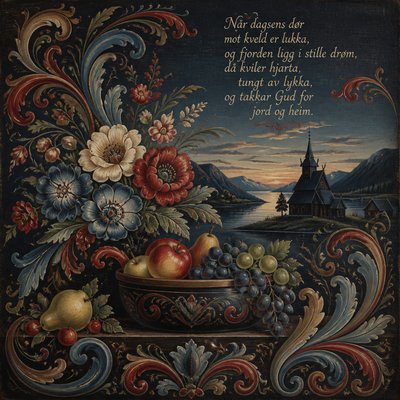
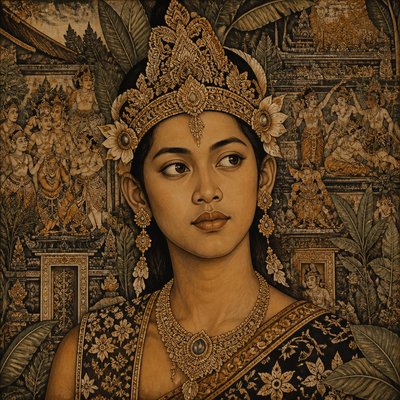
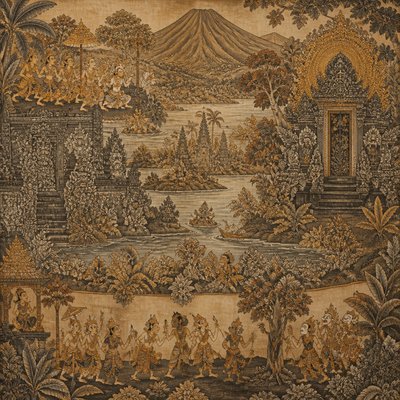
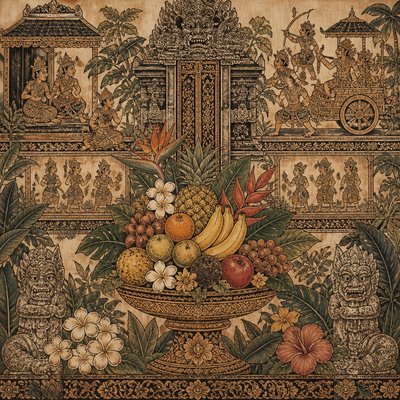
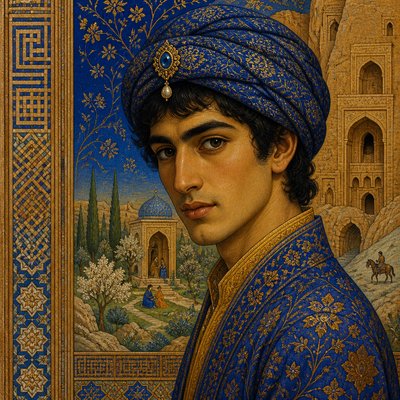
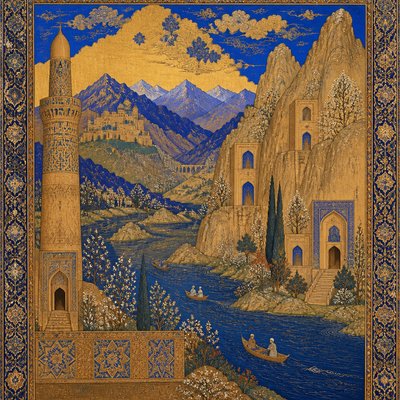
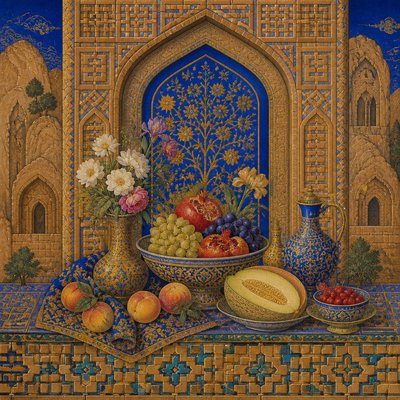
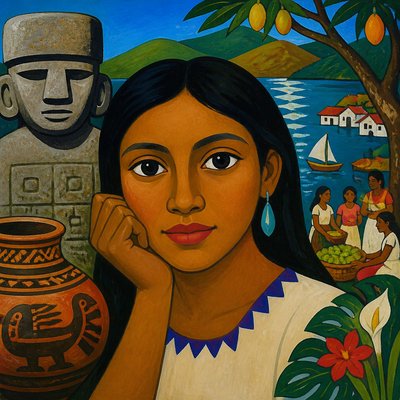
Chiaroscuro Painting Gallery
Tap any artwork to explore it
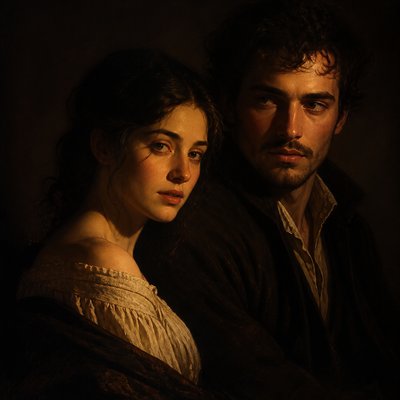
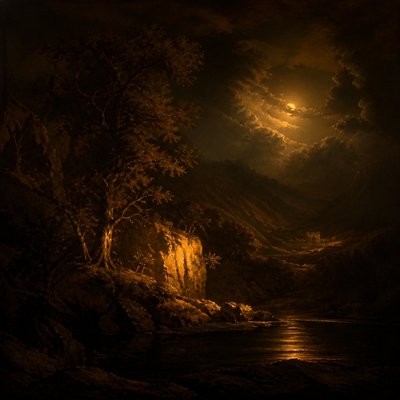
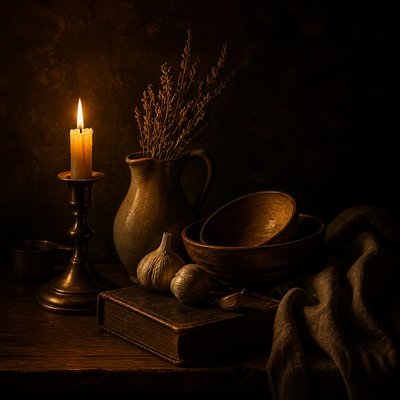
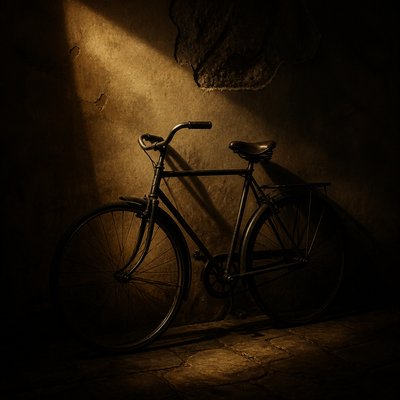
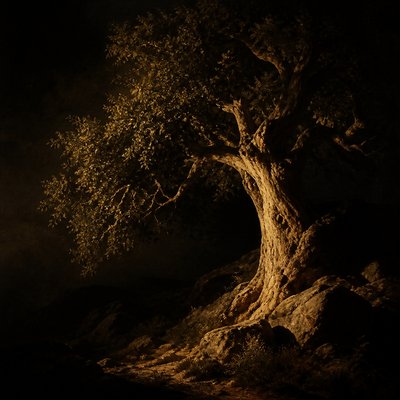
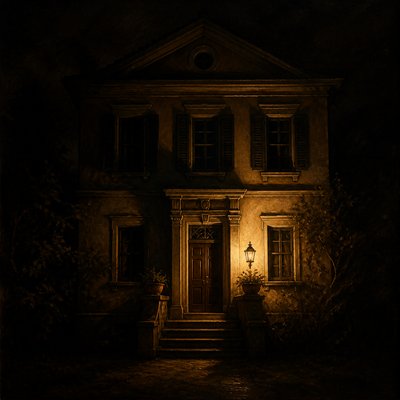
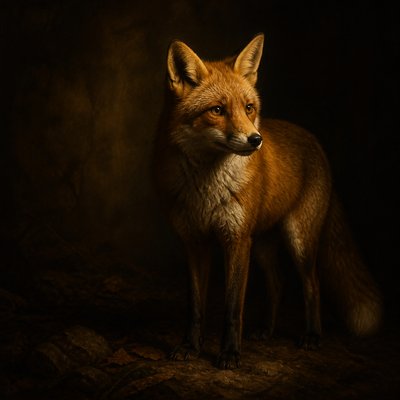
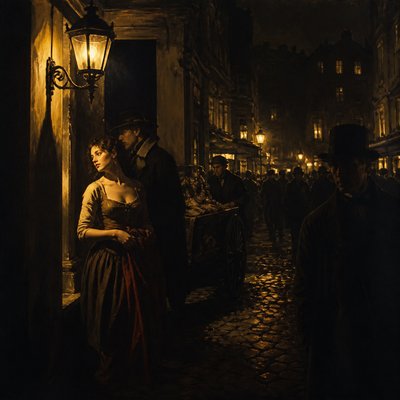
What is Chiaroscuro Painting Style?
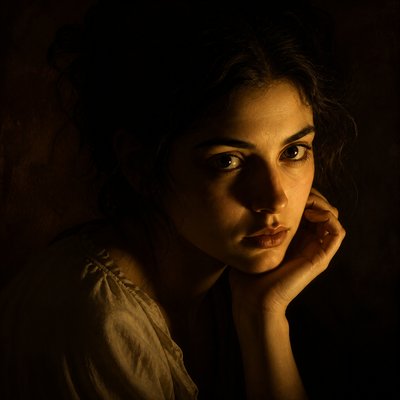
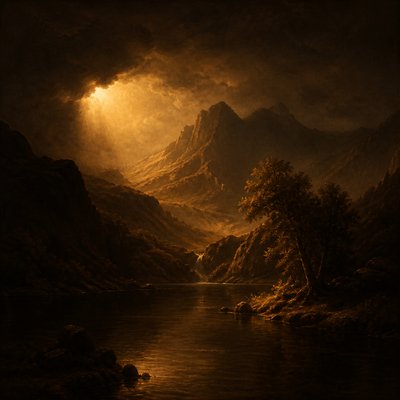
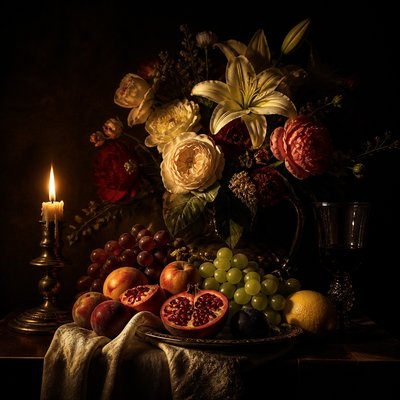
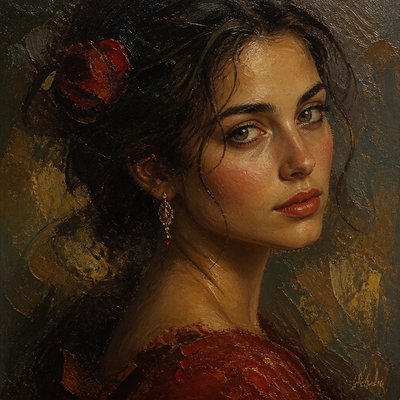
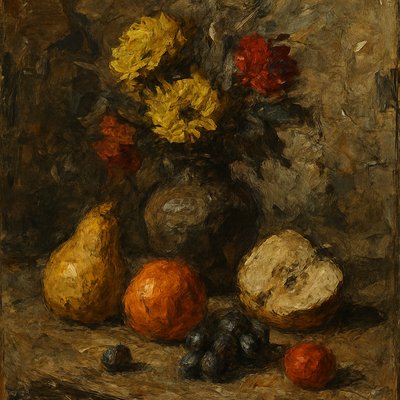
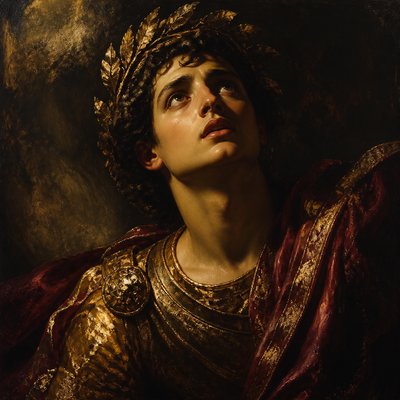
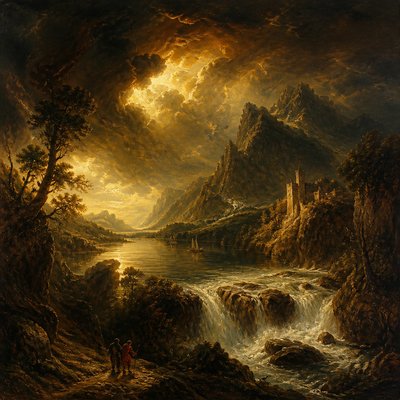
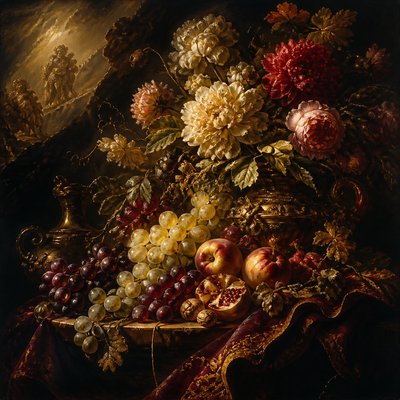
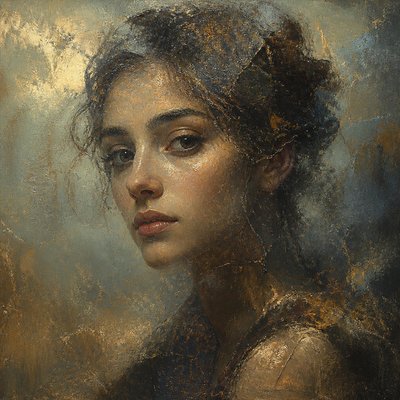
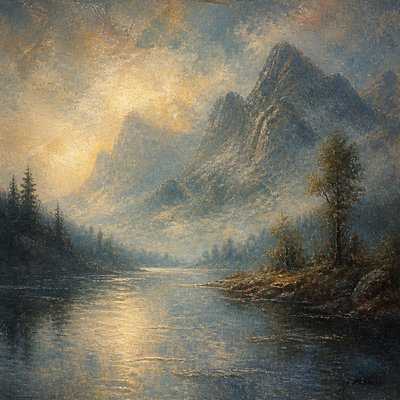
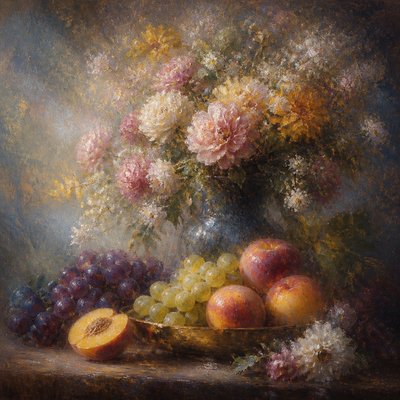
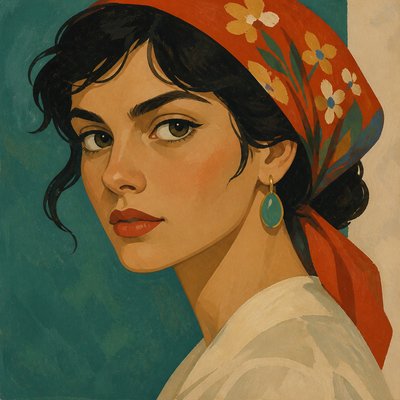
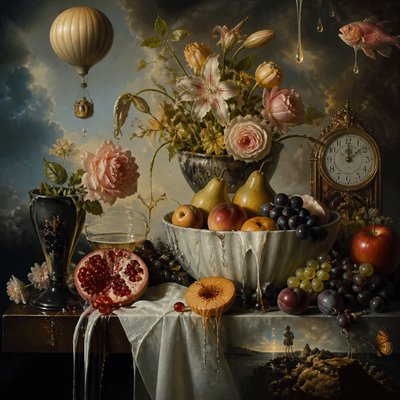
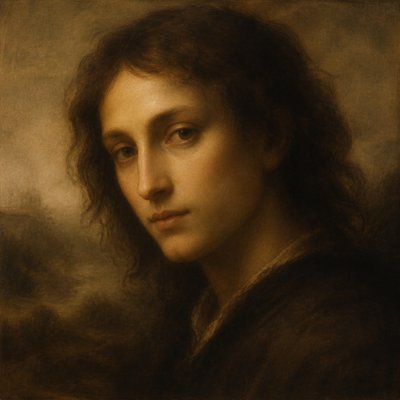
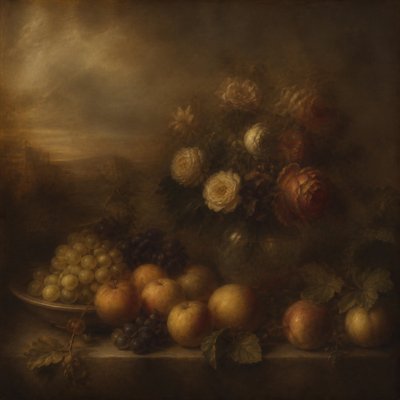
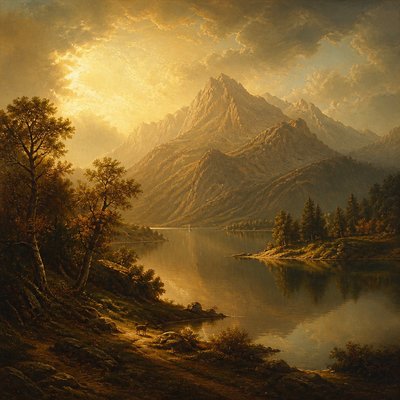
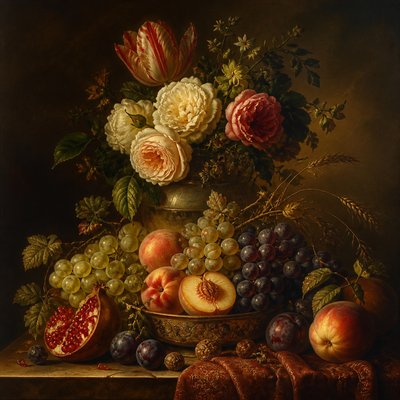
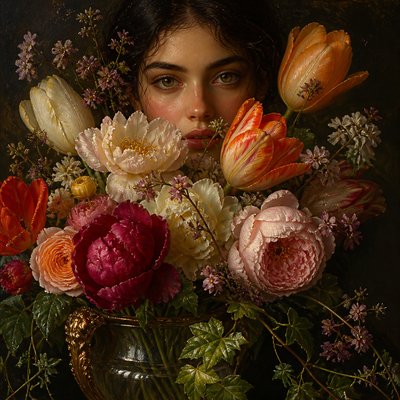
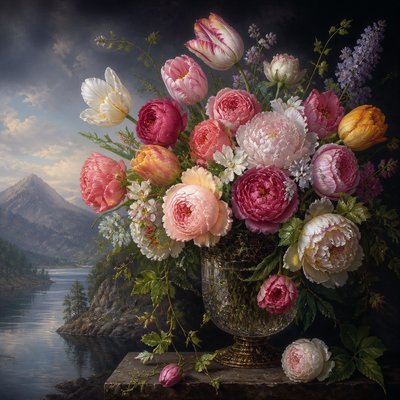
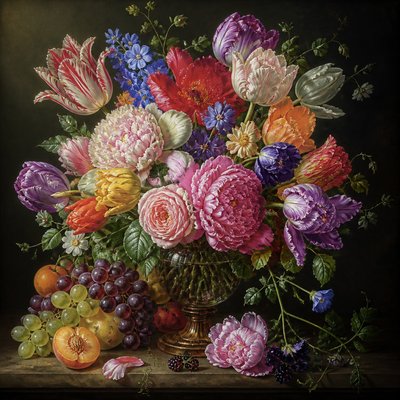
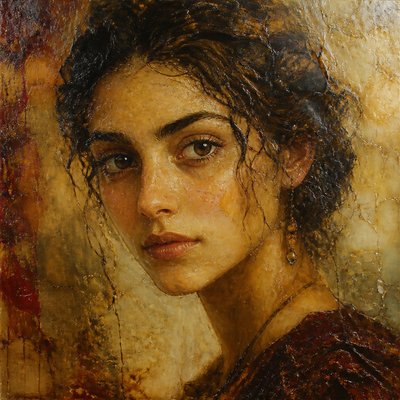
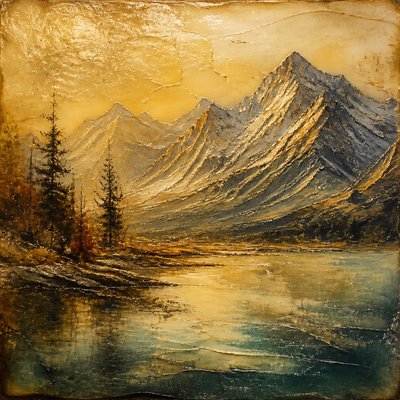
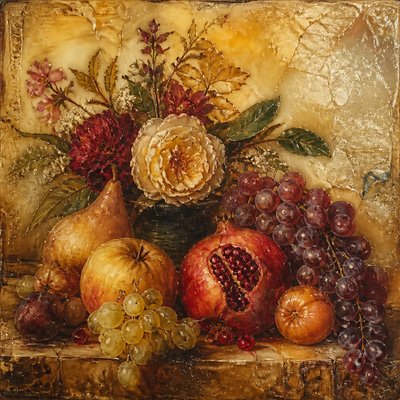
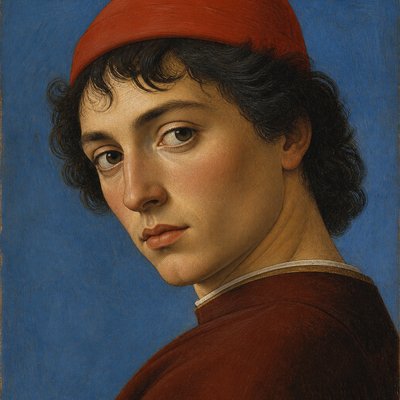
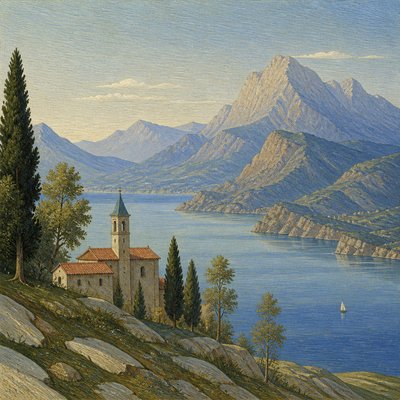
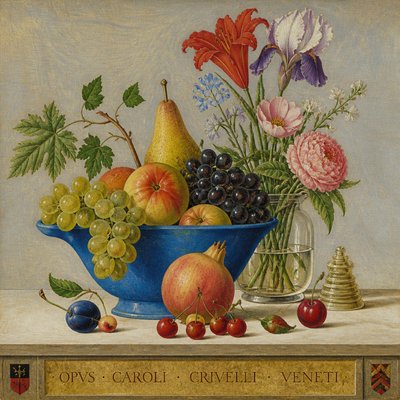
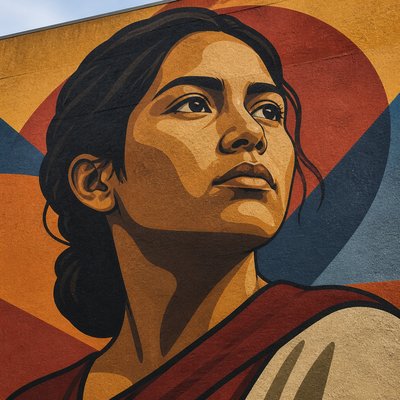
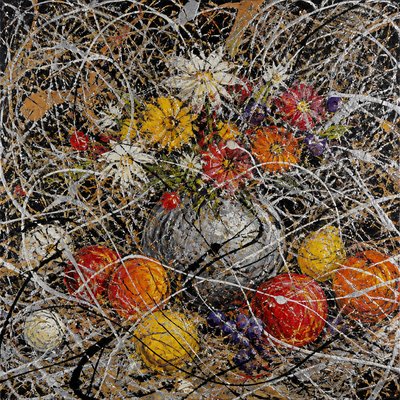
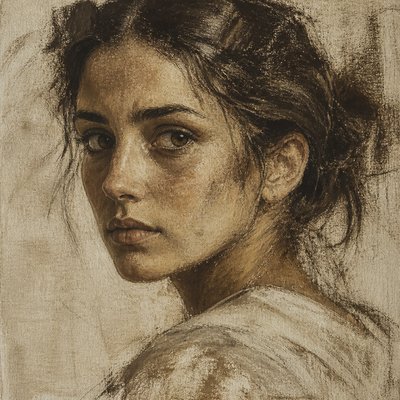
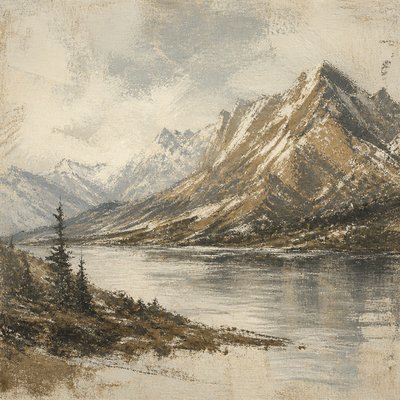
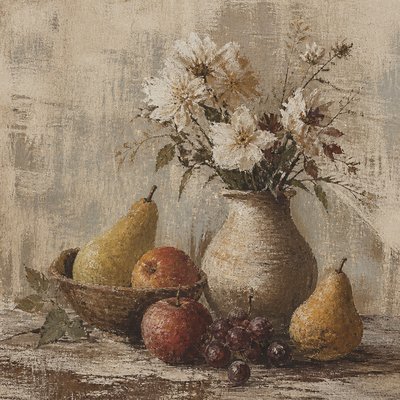
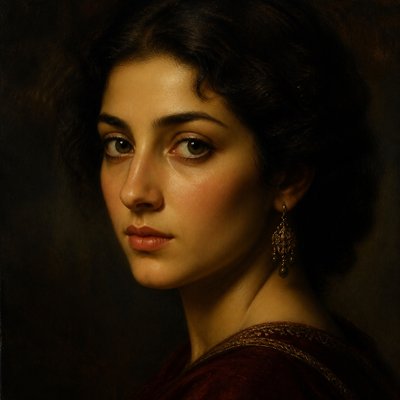
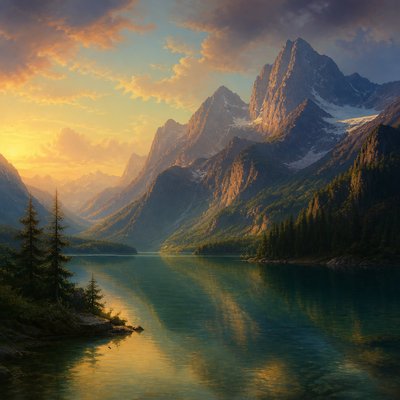
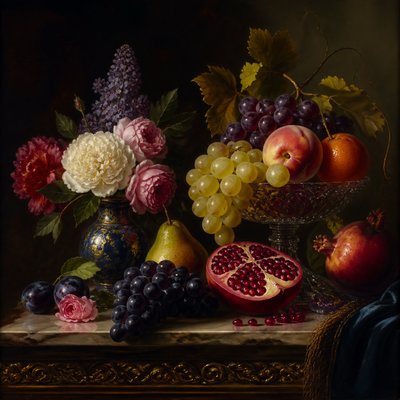
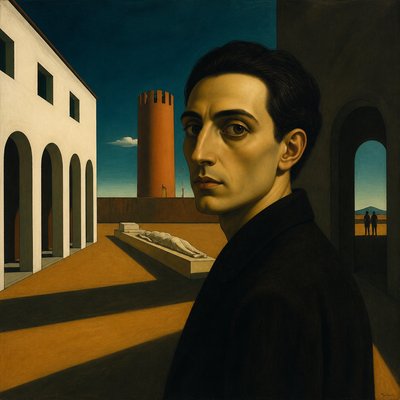
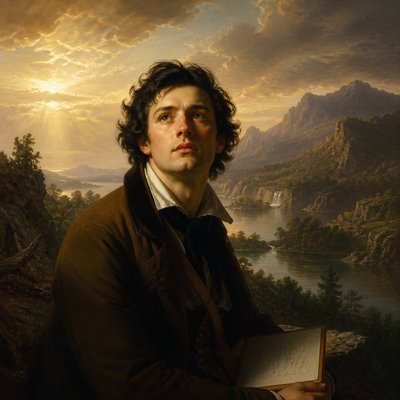
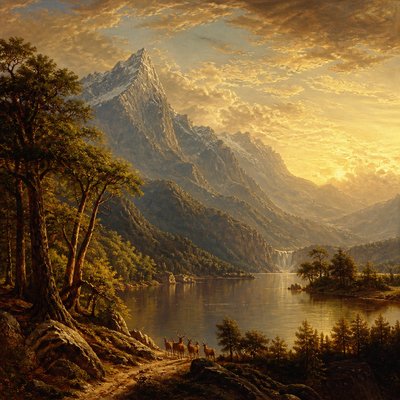
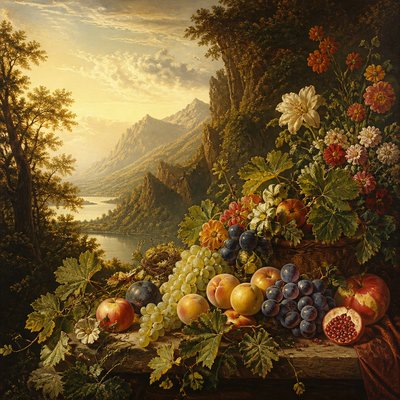
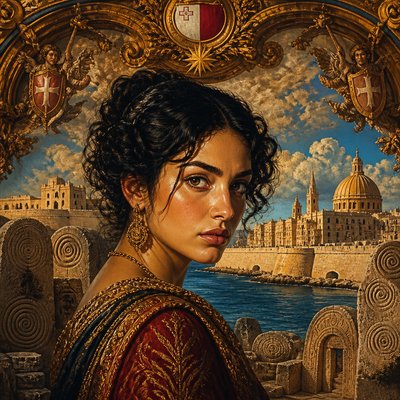
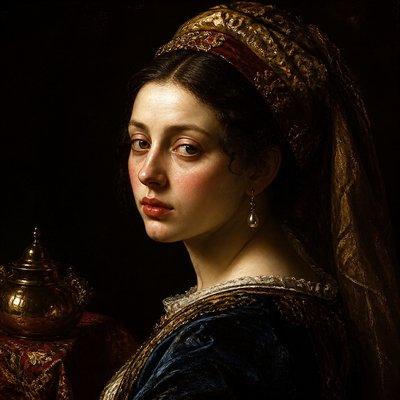
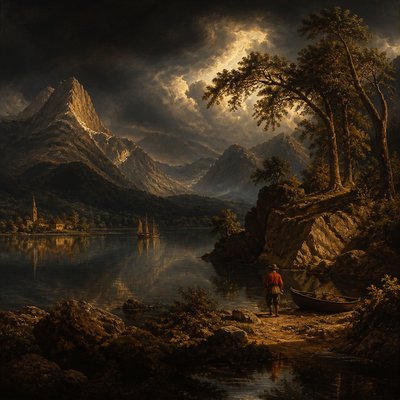
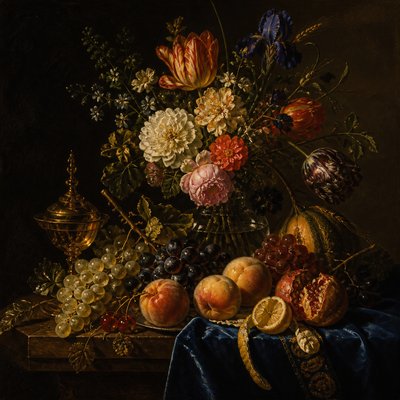
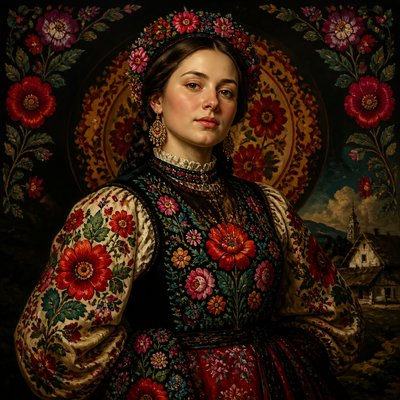
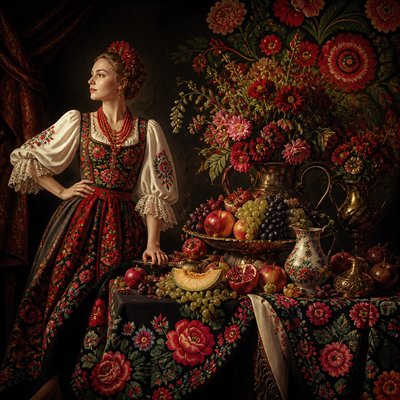
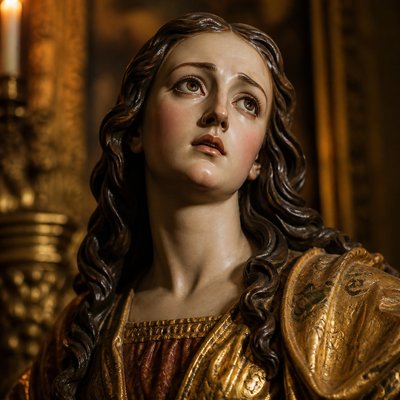
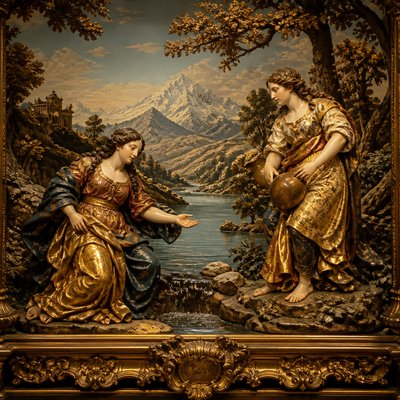
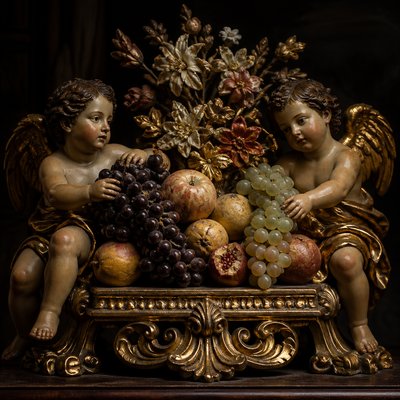
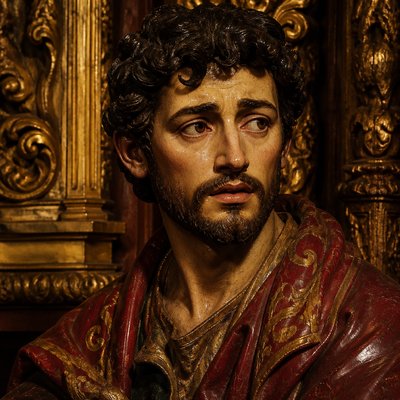
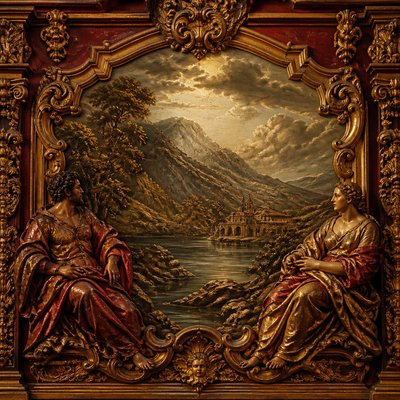
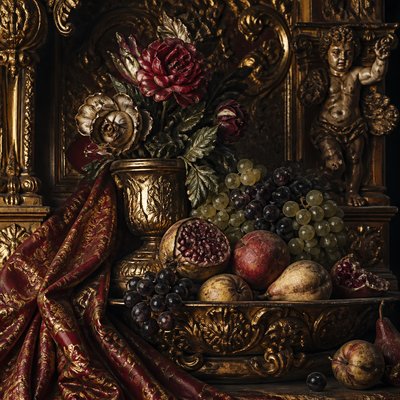
Chiaroscuro painting is an approach to image-making in which strong contrasts between light and darkness define volume, focus attention, and create emotional intensity. Forms appear to emerge from a deep, often brown-black ground, while a concentrated light source illuminates selected faces, hands, fabrics, objects, or architectural details.
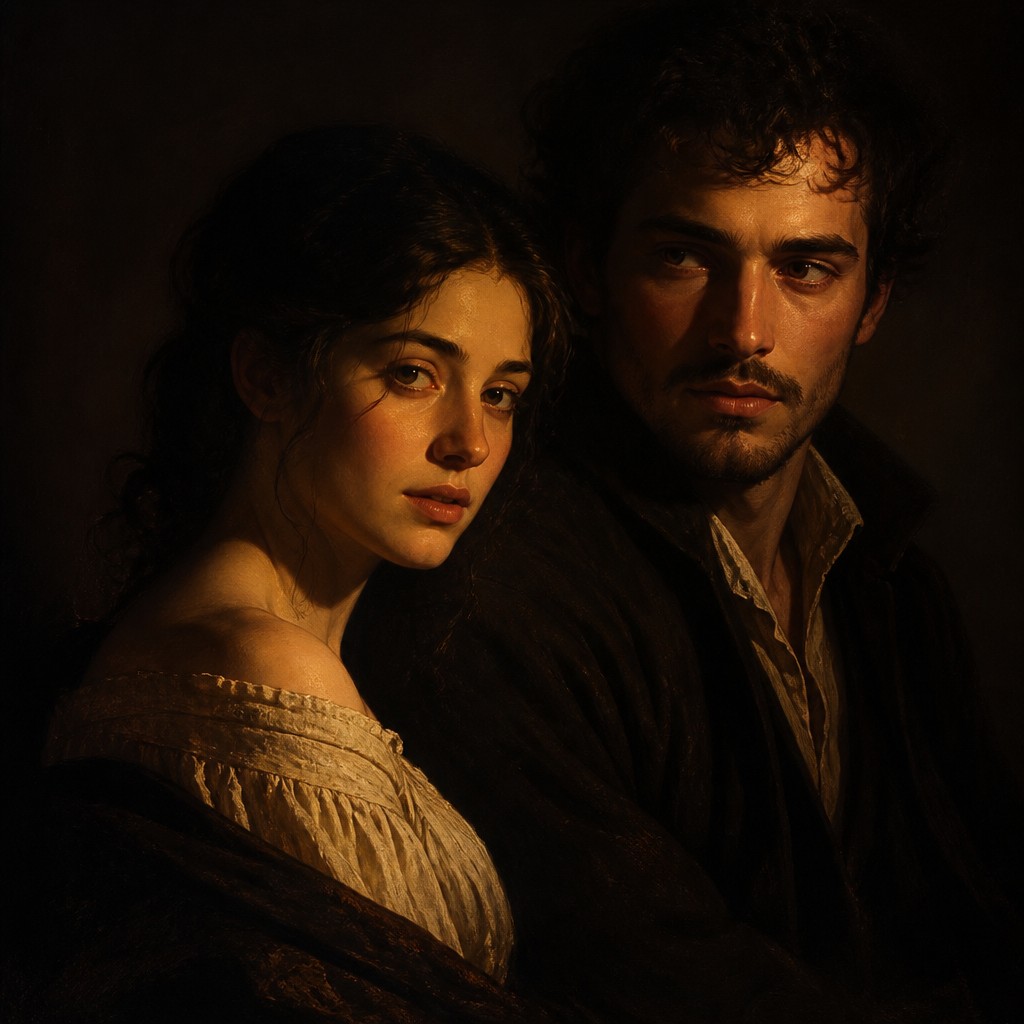
Try It On Your Photos
Upload any photo and convert it into Chiaroscuro Painting Style — drag the sliders to compare before and after.
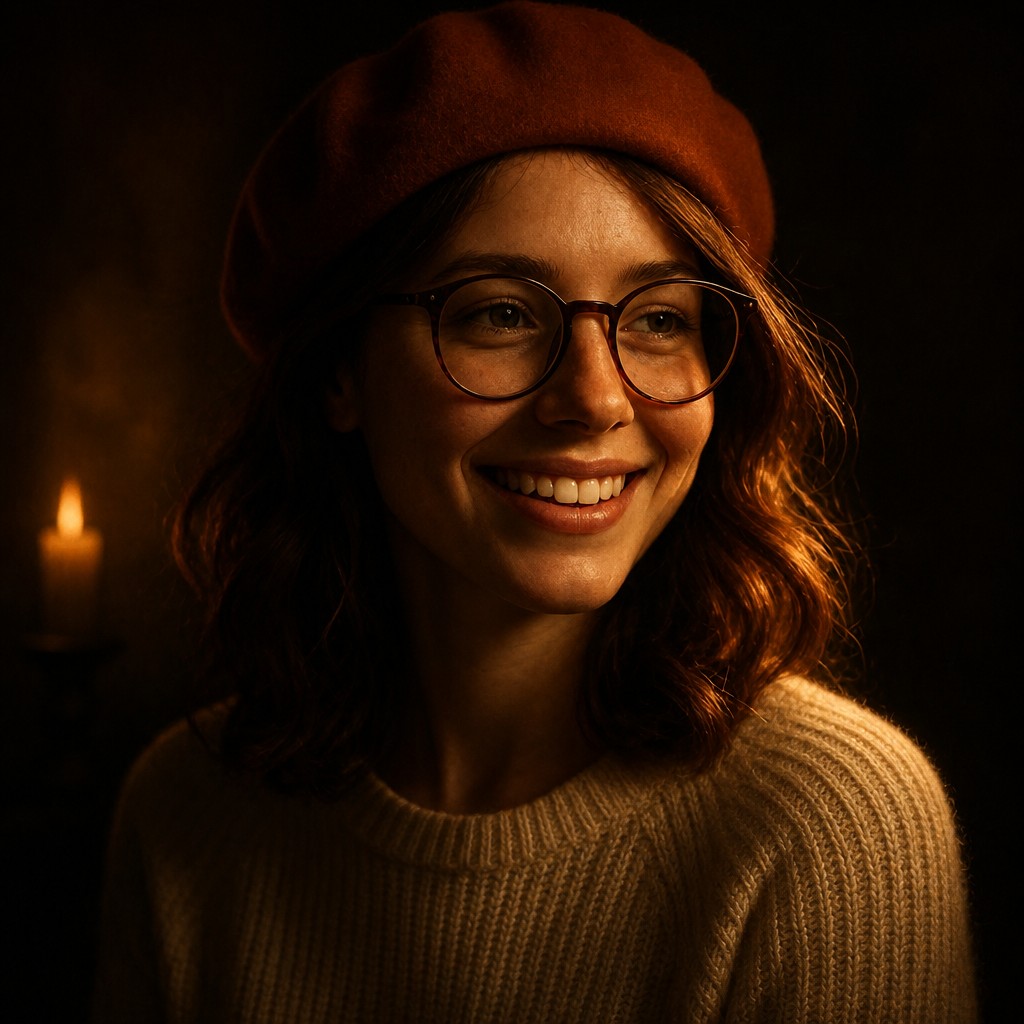

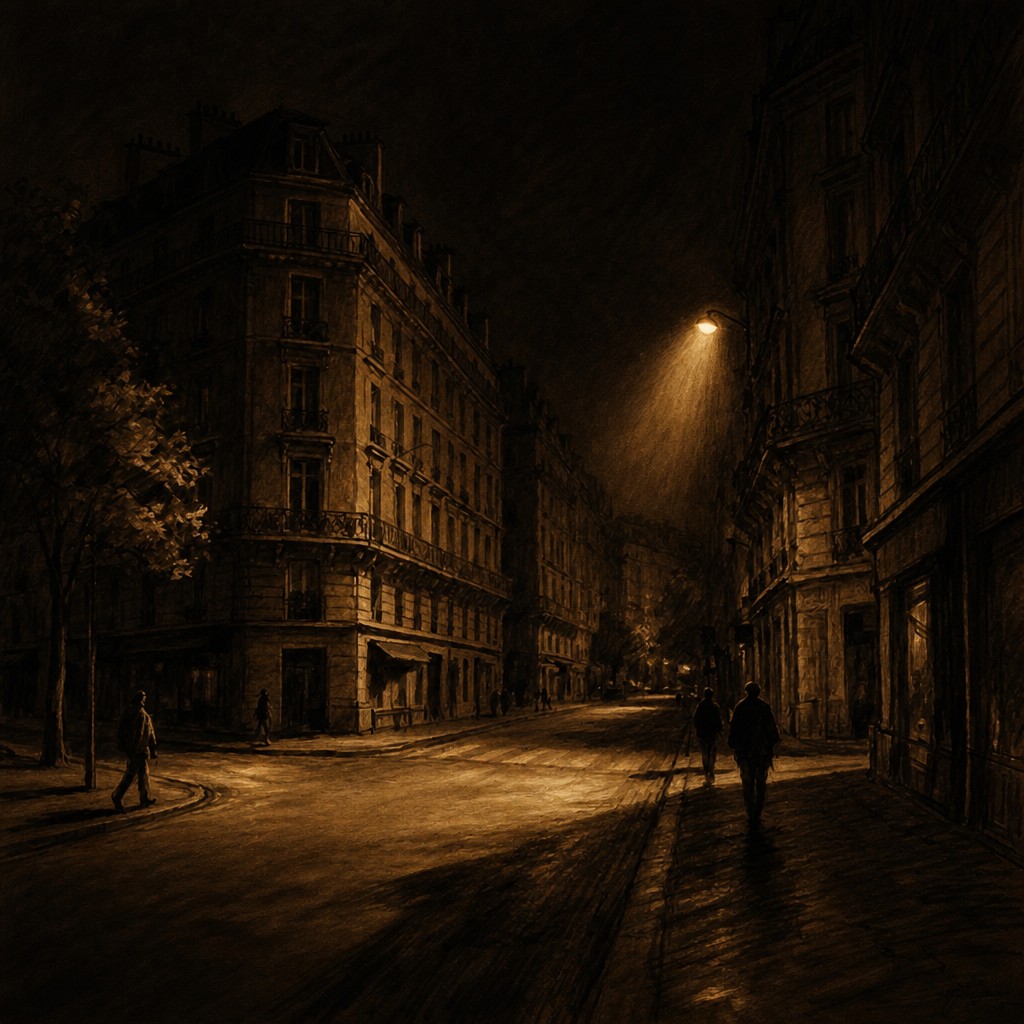

What Defines Chiaroscuro Painting Style
The signature details, up close
Single-source illumination
A dominant light appears to come from one candle, window, lamp, or unseen directional source. This creates a coherent pattern of highlights, cast shadows, and reflected light.
Deep tonal contrast
Bright illuminated passages are set against dense, carefully controlled darkness. Shadows are usually substantial but retain enough variation to suggest space and material.
Sculptural modeling
Gradual transitions from light to midtone to shadow describe the rounded structure of bodies, faces, drapery, and objects. Form is built primarily through value rather than outline.
Warm limited palette
Ochers, umbers, siennas, muted reds, and amber highlights commonly dominate the image. Cool colors may appear, but they are often subdued by the warm, candlelit atmosphere.
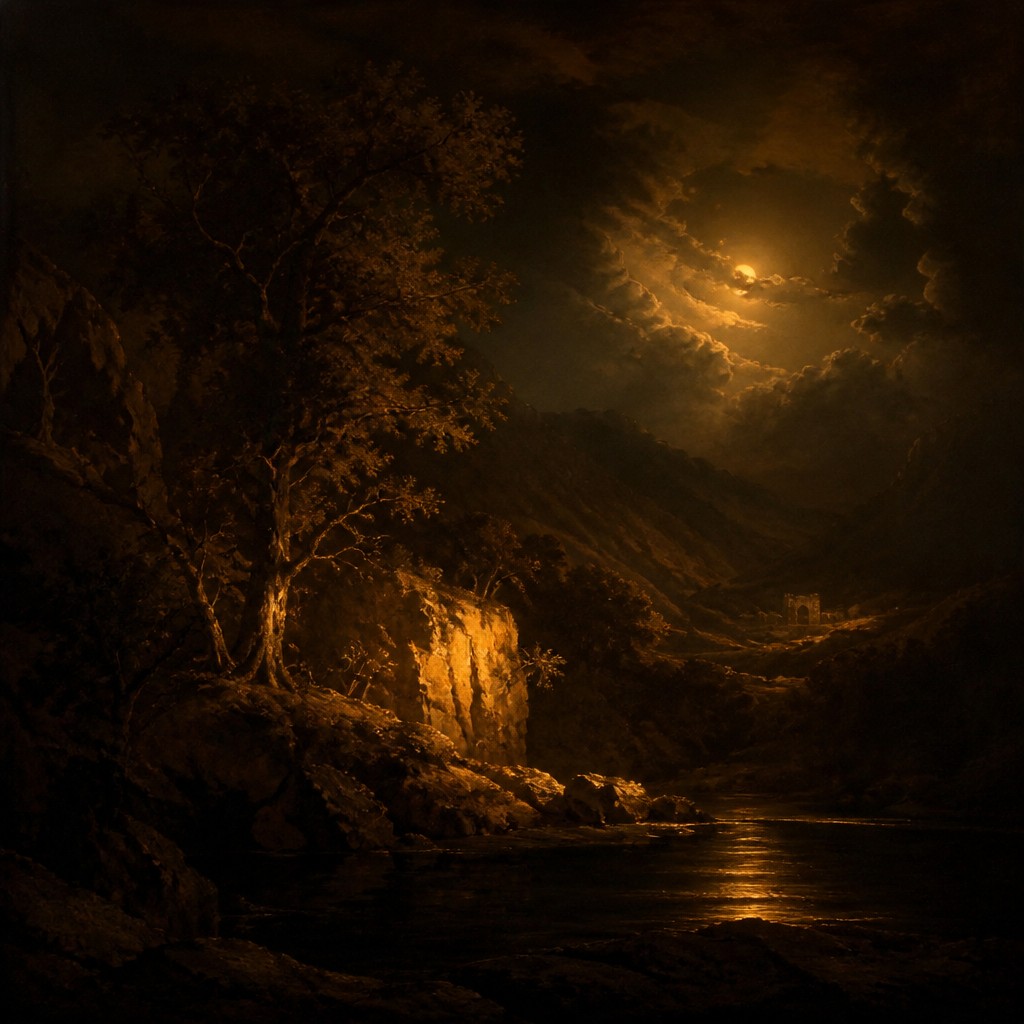
Theatrical composition
The light directs the viewer toward a focal action, expression, or object, much like a stage spotlight. Cropped figures, dark backgrounds, and concentrated gestures heighten visual drama.
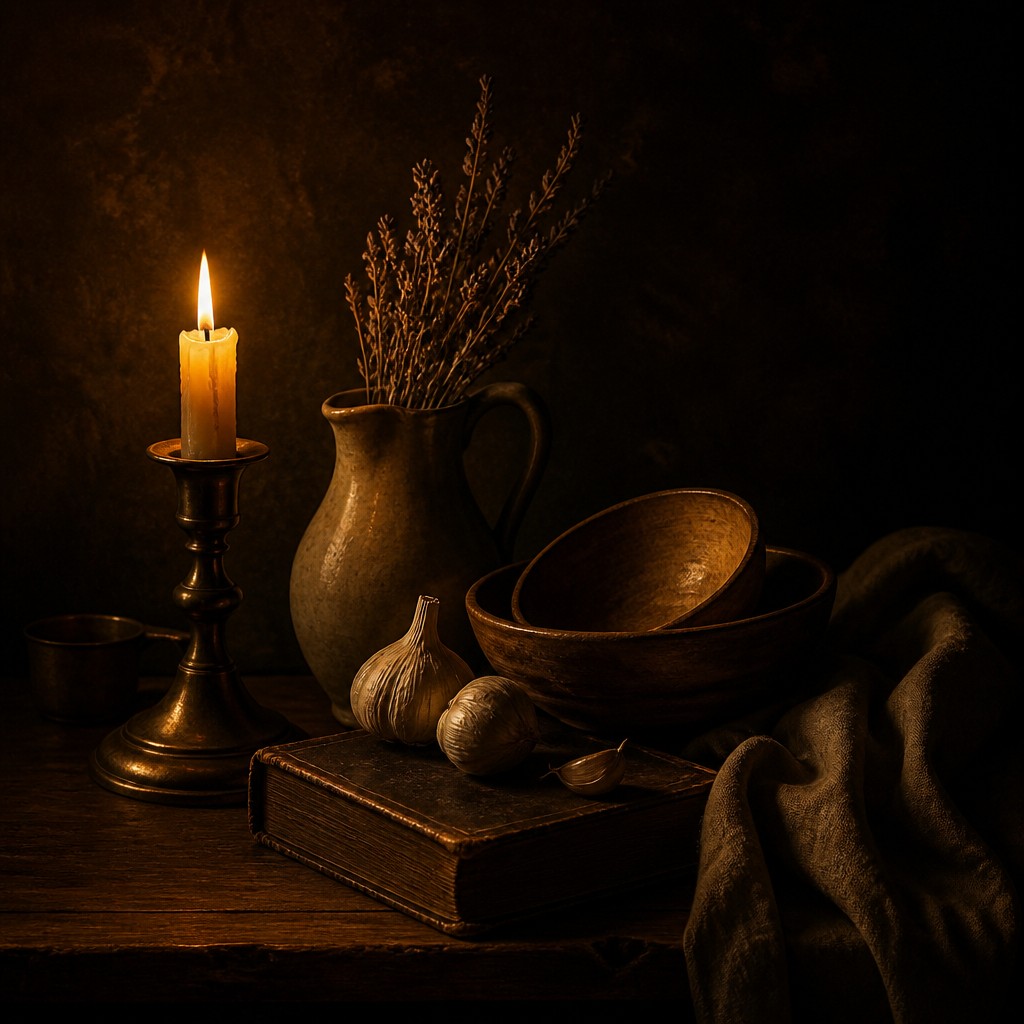
Atmospheric shadow
Dark areas function as active compositional space rather than empty background. Edges may disappear into shadow, allowing the image to feel intimate, mysterious, and selectively revealed.
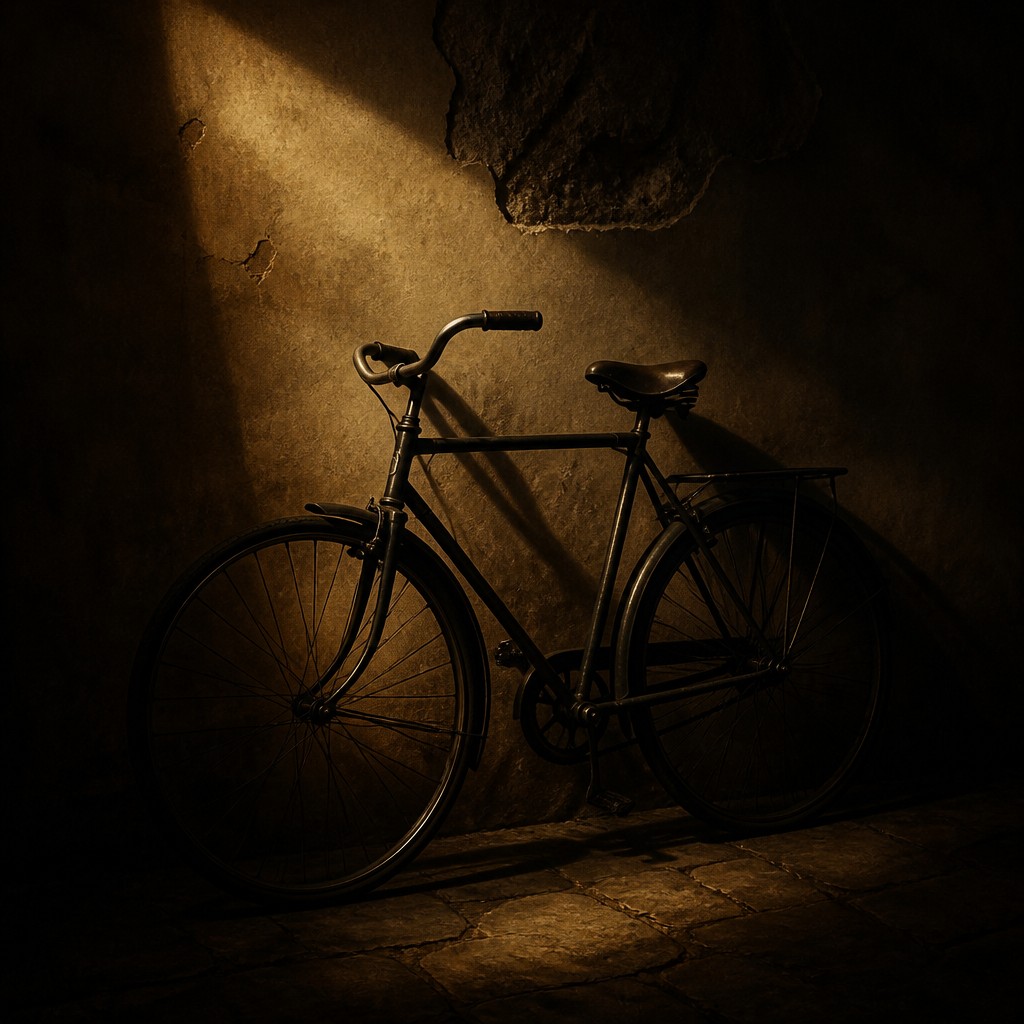
Tactile surface
Visible brushwork, layered glazes, softened edges, and subtle reflected light can give skin, metal, wood, and fabric distinct physical presence.
Try It
Create Videos in Chiaroscuro Painting Style
Styles aren't just for stills — describe a scene or animate an image and get a short video rendered in Chiaroscuro Painting. Press play to see this pond come to life.
Make a VideoChiaroscuro Painting Prompt Ideas
Start from an idea — each one opens the generator with the style ready to go. See all 40 Chiaroscuro Painting prompts →
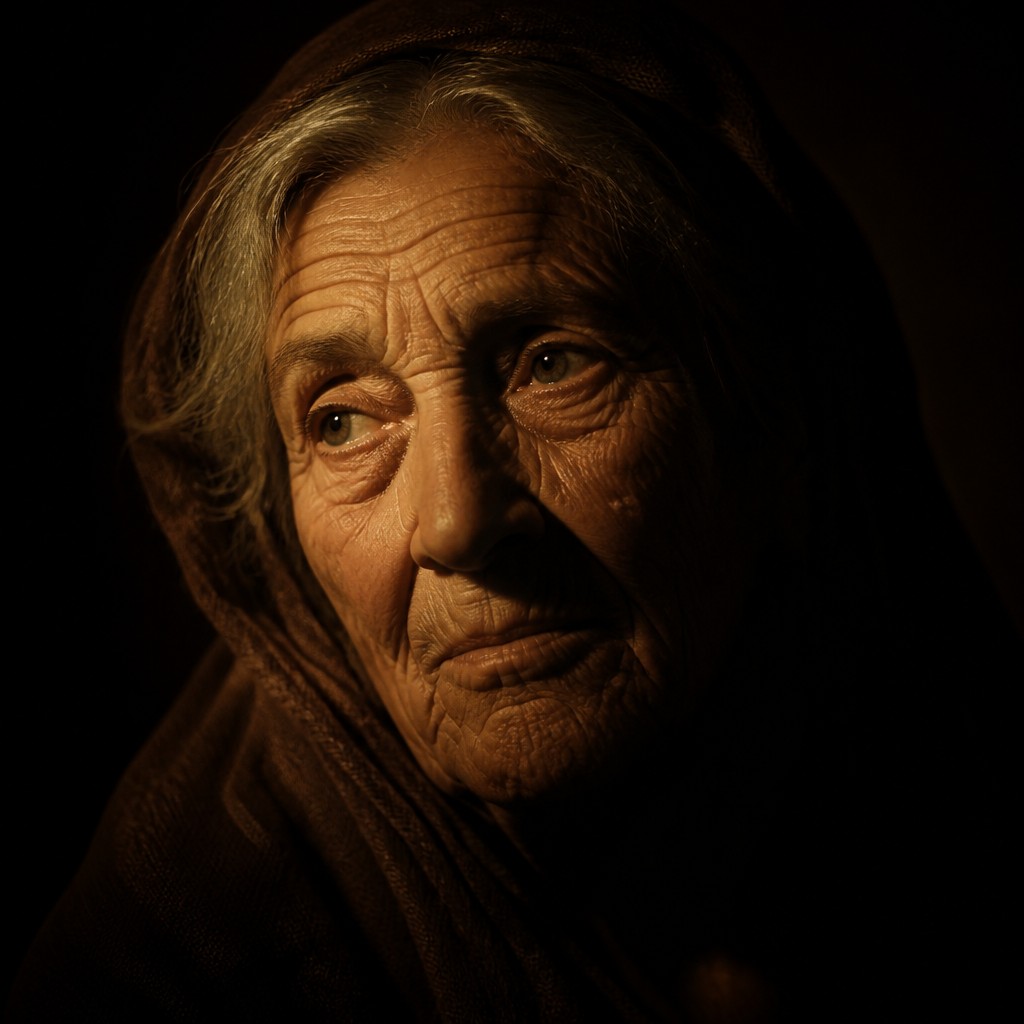
“close-up portrait of an elderly person with expressive weathered features”
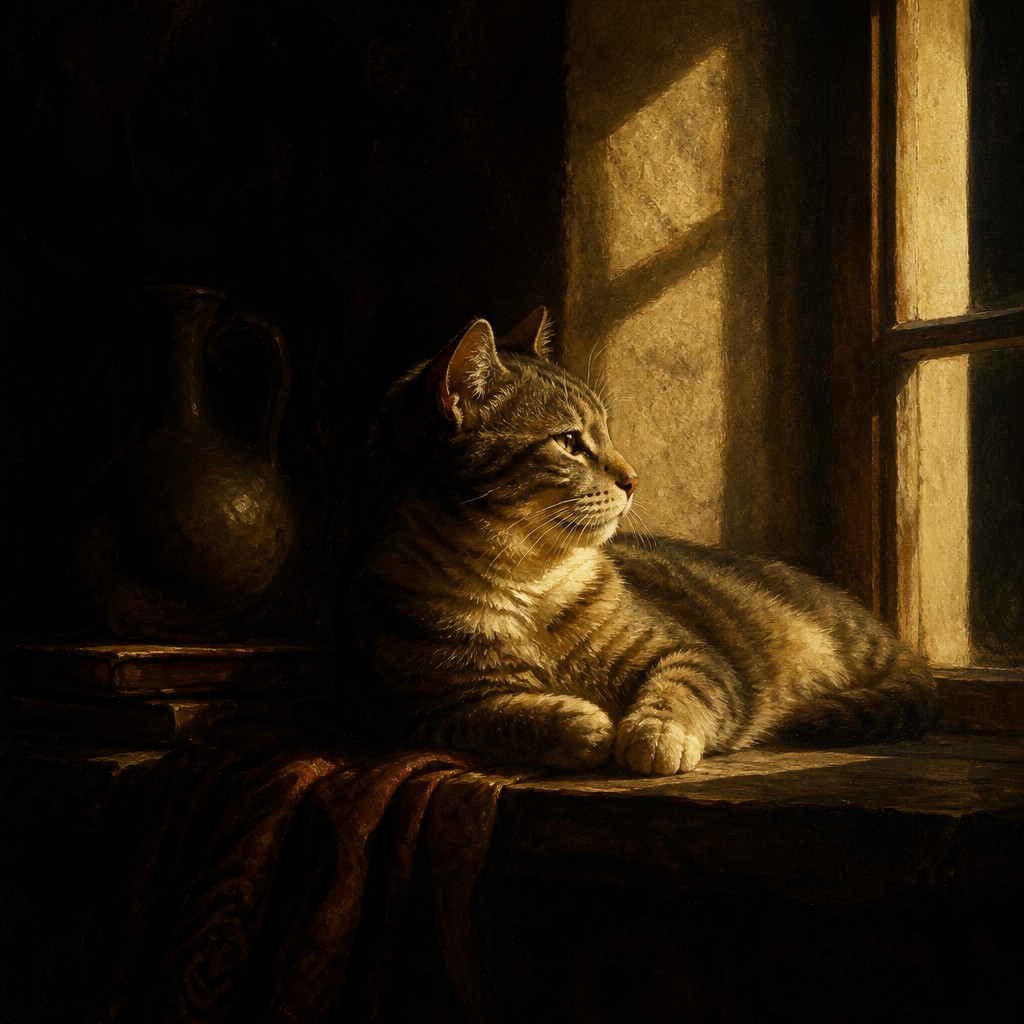
“a cat lounging in a sunlit window”
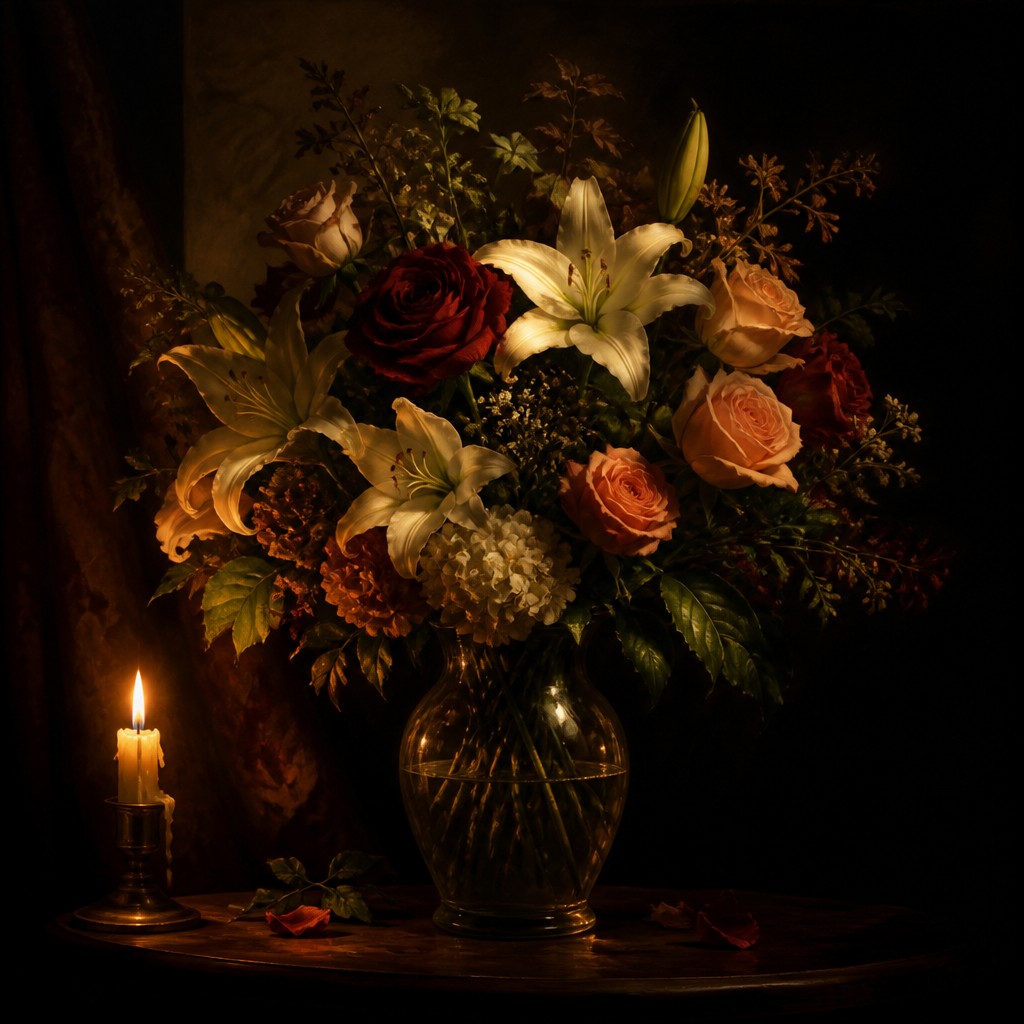
“bouquet of flowers in a glass vase”
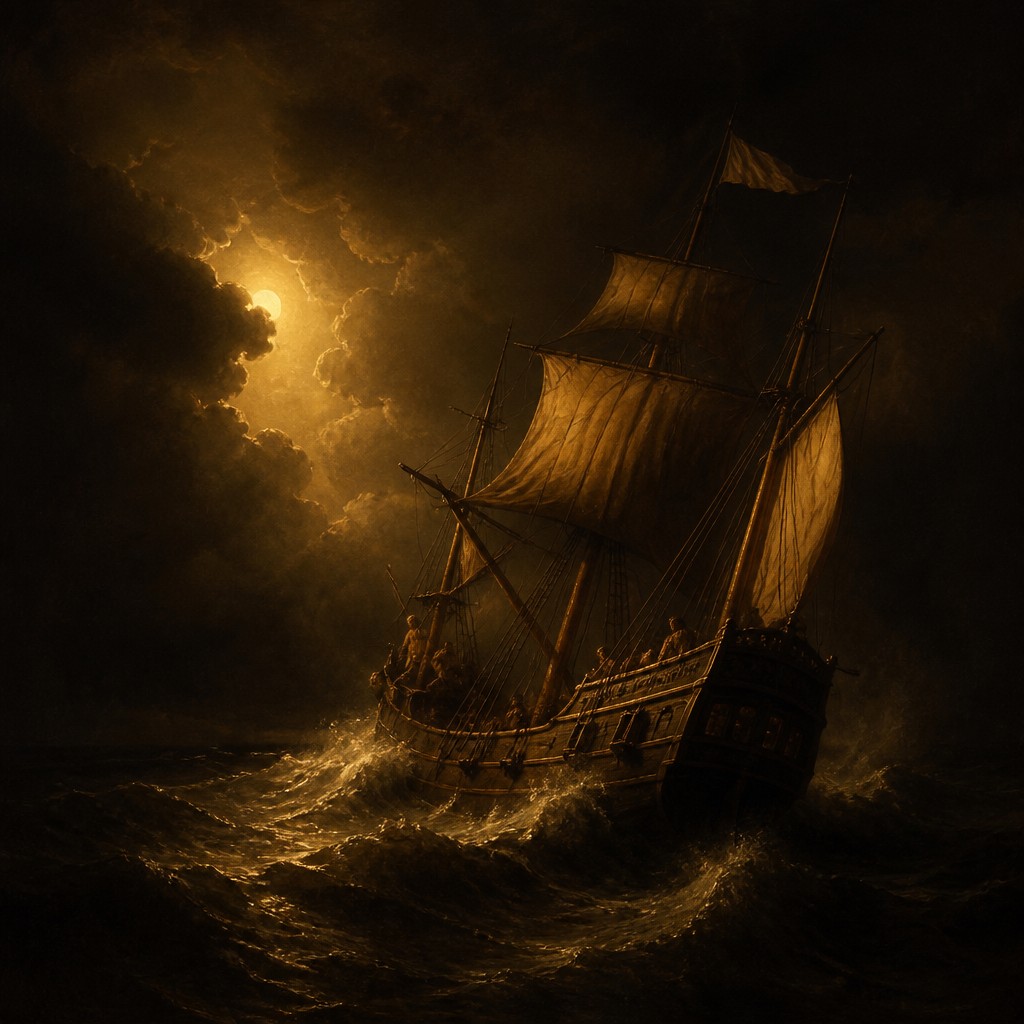
“sailing ship on a stormy sea”
How to Create Chiaroscuro Painting Art
Master the craft step by step — or skip straight to creating. Read the full guide →
- 1
Establish a value structure
Begin with a small grayscale study and decide where the brightest light and deepest dark will occur. Keep the main subject readable through a clear hierarchy of values before adding color.
- 2
Use one dominant light
Place a candle, window, or lamp to one side and maintain consistent cast-shadow directions. Add only restrained bounce light so the scene does not become evenly illuminated.
- 3
Build form gradually
In traditional painting, work from a dark ground through opaque midtones and transparent glazes, softening transitions across rounded forms. Digitally, use a low-opacity brush, layered masks, and carefully controlled edge hardness.
- 4
Control the palette
Favor umber, sienna, ocher, muted crimson, and warm ivory, reserving the lightest values for focal accents. Avoid pure white and saturated color unless it is intentionally used as a dramatic emphasis.
- 5
Design the composition around the light
Arrange faces, hands, gestures, and significant objects within the illuminated zone. Let peripheral forms merge into shadow, but preserve selective details that clarify depth and narrative.
- 6
Write focused generation prompts
Specify the subject, a single candlelit or window-lit source, deep brown-black shadows, soft tonal transitions, warm highlights, and an intimate theatrical mood. Include material details and composition so the lighting supports the subject rather than overwhelming it.
The Story
History & Origins of Chiaroscuro Painting
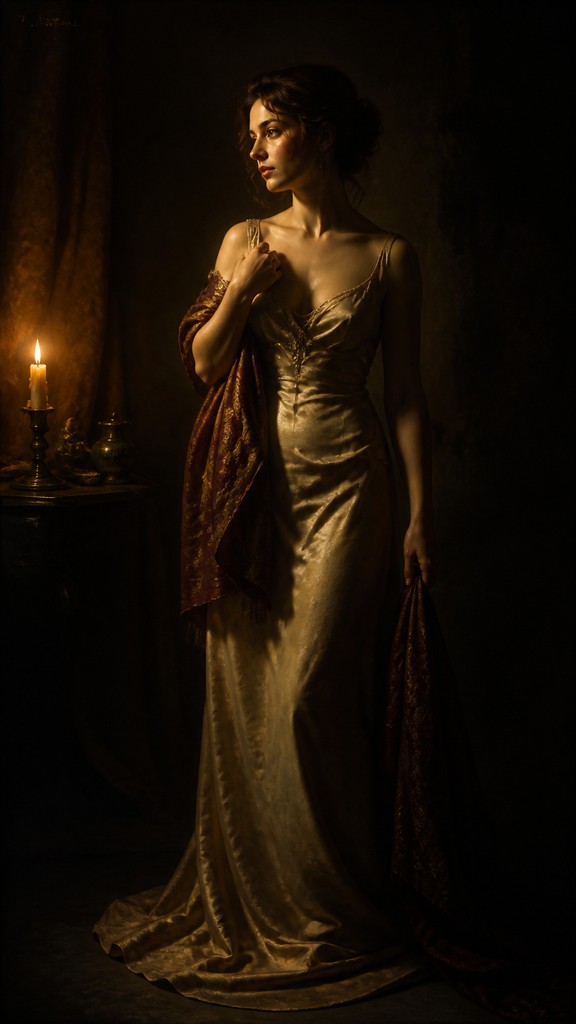
The term derives from Italian words meaning light and dark and originally described the modeling of form through tonal contrast. Its foundations developed in Renaissance painting, where controlled shifts between illuminated and shaded passages helped create convincing volume. During the Baroque period, the technique became more theatrical, often using a single apparent light source and broad fields of darkness; this intensified form of contrast is frequently called tenebrism.
Chiaroscuro is not limited to one period or medium. It has continued through oil painting, printmaking, drawing, photography, cinema, stage lighting, and contemporary digital art. The version represented here is an aesthetic synthesis of historical chiaroscuro: intimate candlelit transitions, warm highlights, and dramatic forms isolated against rich darkness.
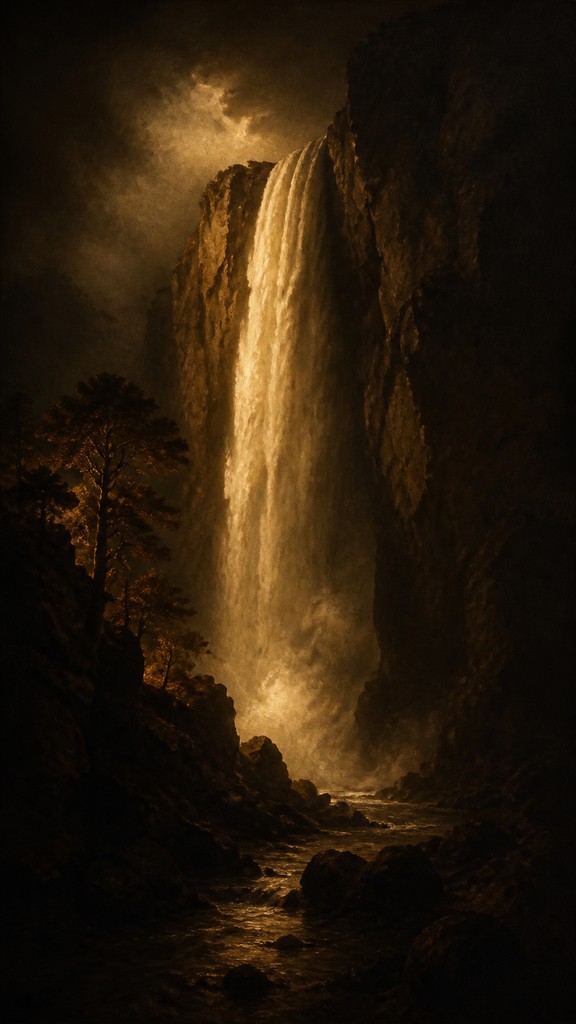
Influences: This style draws from Renaissance tonal modeling, Baroque theatrical composition, and the intensified shadow treatment associated with tenebrism. It also relates to candlelit genre painting, Dutch interior scenes, academic figure studies, dramatic portrait photography, film noir, stage lighting, and contemporary digital matte painting. Across these traditions, light is used not merely to reveal a subject but to organize space, emotion, and narrative attention.
Frequently Asked Questions
What defines chiaroscuro painting?
It is defined by the deliberate use of light-dark contrast to model volume and guide attention. A concentrated light source, deep shadow, and gradual tonal transitions are more important than any particular subject or color scheme.
Is chiaroscuro a historical art movement?
Chiaroscuro is primarily a technique and visual principle rather than a single movement with fixed dates or membership. It developed prominently in Renaissance and Baroque art and has since been adapted across many media and periods.
What is the difference between chiaroscuro and tenebrism?
Both rely on strong light-dark contrast, but tenebrism generally pushes the darkness further, surrounding isolated illuminated forms with large areas of near-black shadow. Chiaroscuro can be subtler, with more visible modeling and tonal information throughout the shaded areas.
How can I paint a chiaroscuro scene traditionally?
Start with a dark or middle-toned ground, establish a single directional light, and map the composition in grayscale. Build the subject through layered midtones and glazes, reserving the highest highlights for focal areas and keeping reflected light weaker than the main source.
Can chiaroscuro work with colorful subjects?
Yes. The defining feature is the value structure, not a strictly monochrome palette. Strong colors can be used, but they are usually subordinated to the light source and integrated with a controlled, often warm tonal range.
Where is this style commonly used today?
Chiaroscuro is used in portraiture, narrative painting, editorial illustration, photography, cinema, theatrical design, concept art, and digital image-making. It is especially effective when atmosphere, psychological tension, or material texture is central to the image.
Create your first Chiaroscuro Painting artwork
Describe anything — or upload a photo — and see it in Chiaroscuro Painting Style in seconds.
Related Styles
Discover similar art styles