Miniature Painting Style
Explore miniature painting: jewel-toned gouache, gold accents, flattened narratives, and intricate borders inspired by historic manuscript traditions.
Instantly rendered in Miniature Painting — or transform a photo
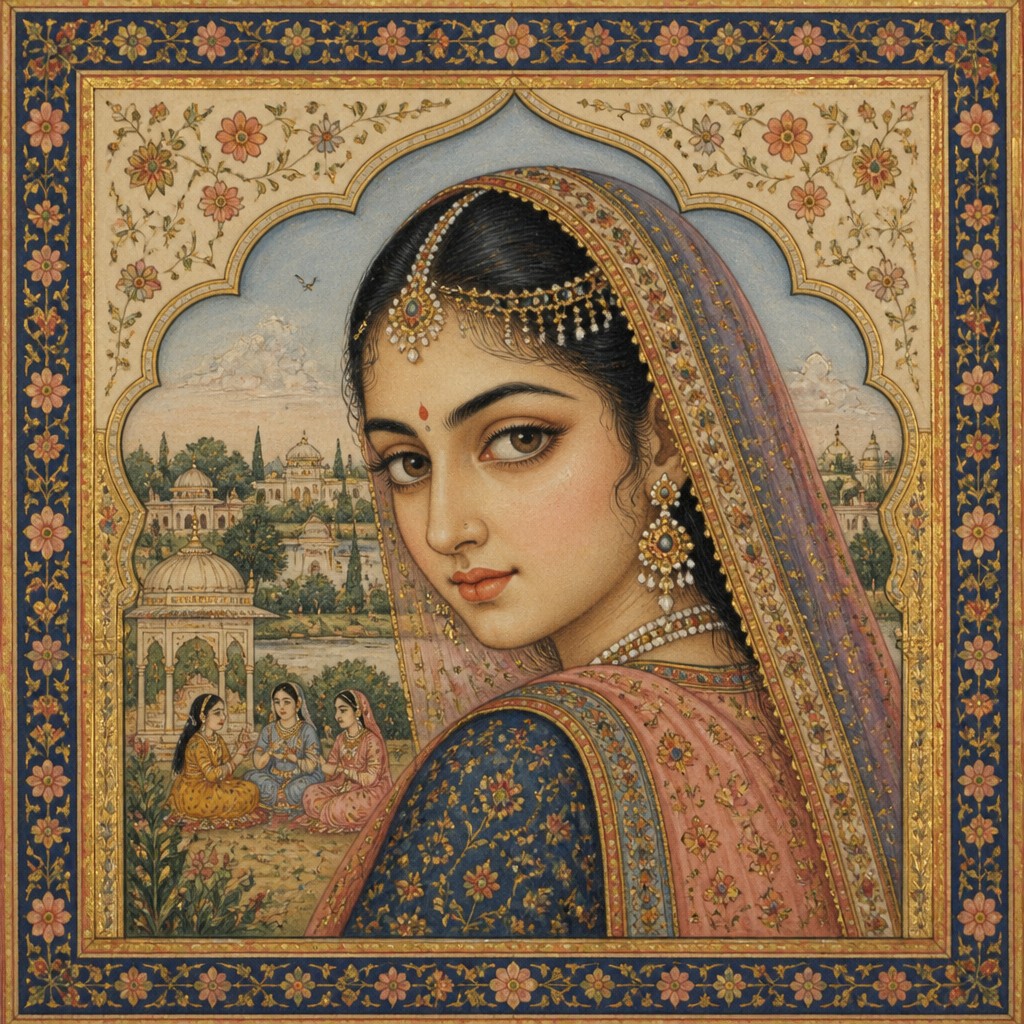
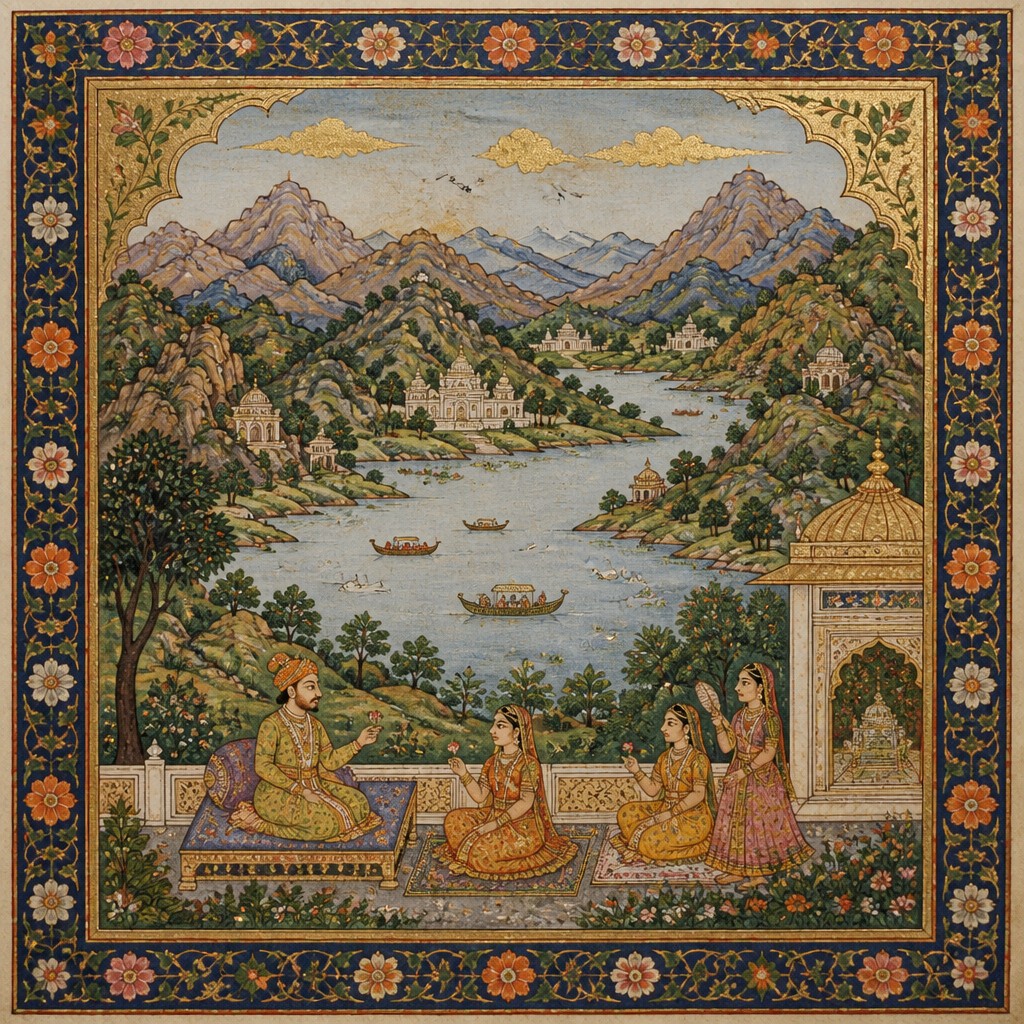
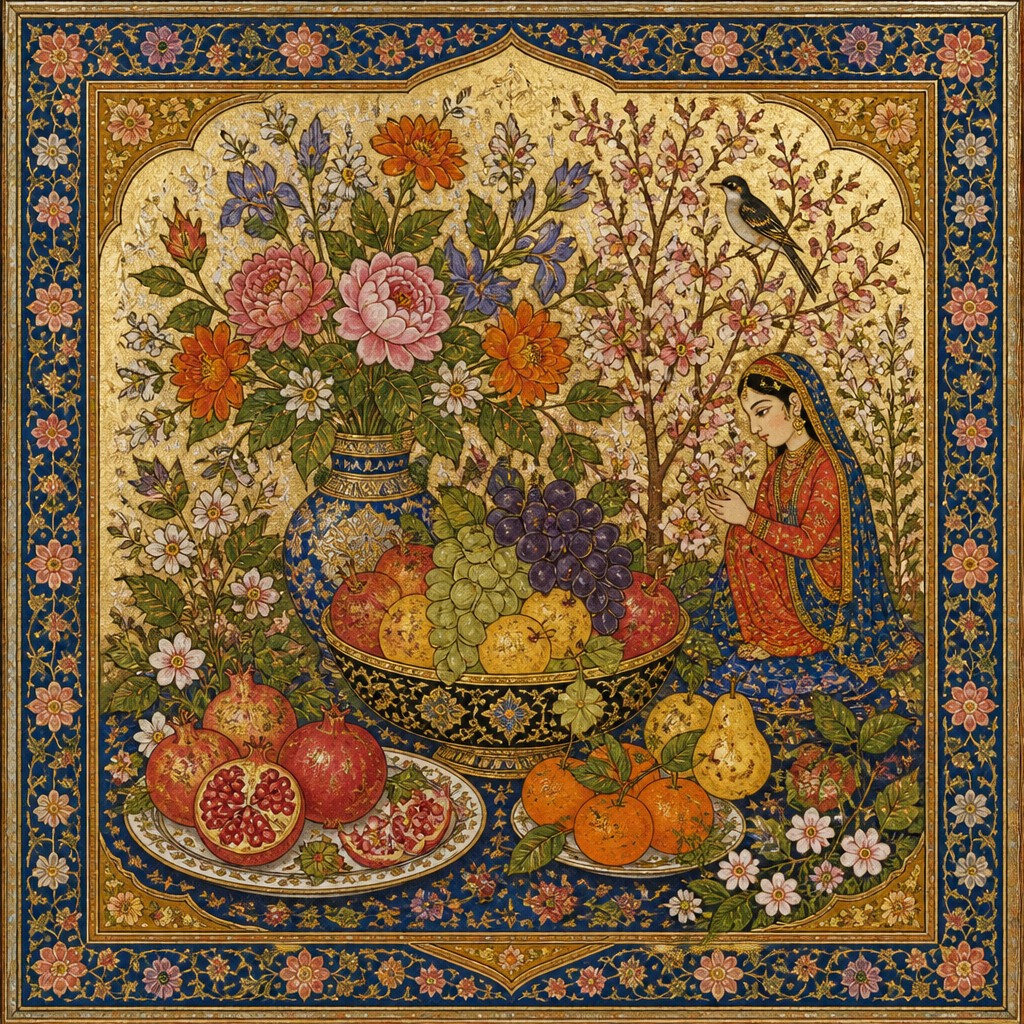
Miniature Painting Gallery
Tap any artwork to explore it
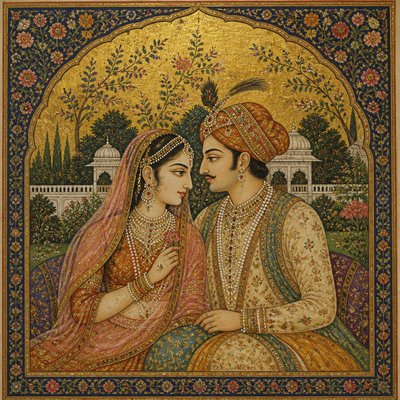
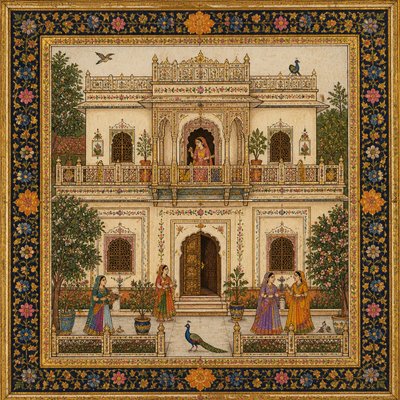
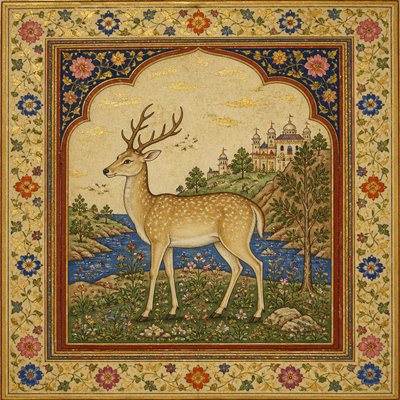
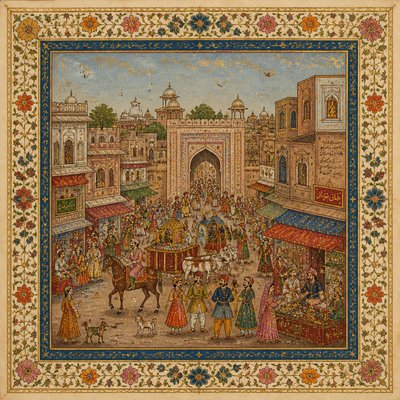
What is Miniature Painting Style?
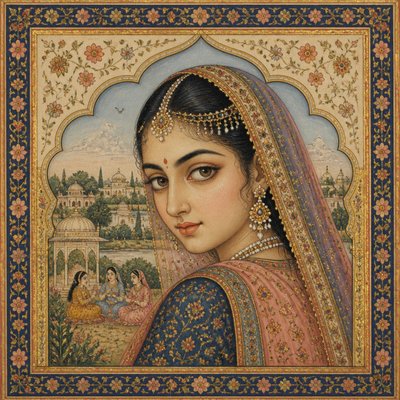
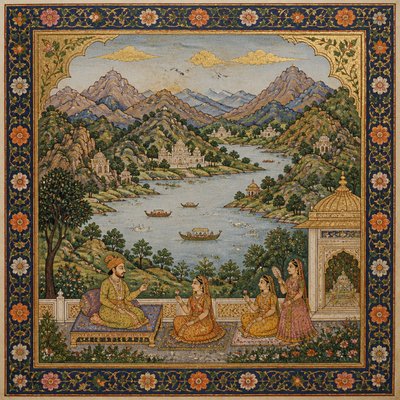
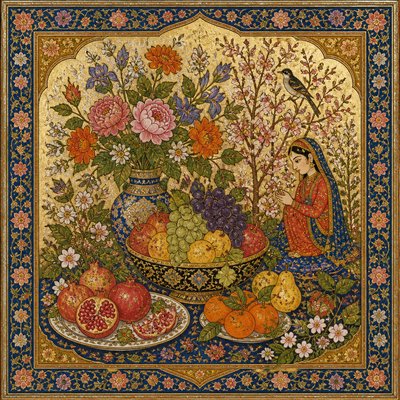
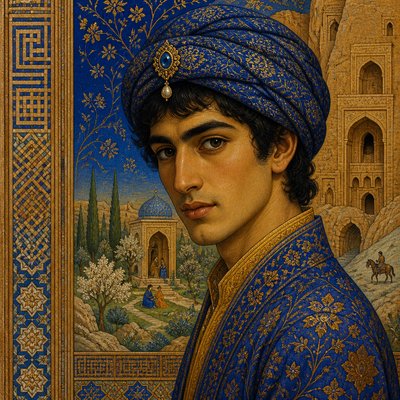
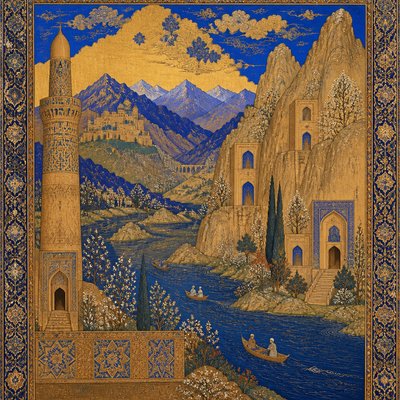
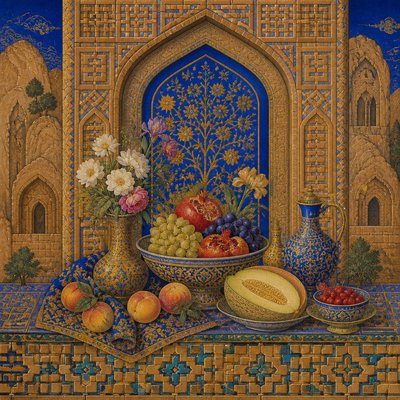
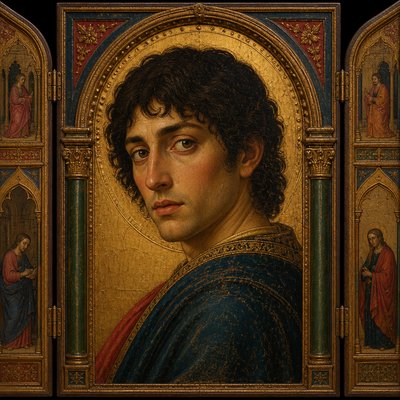
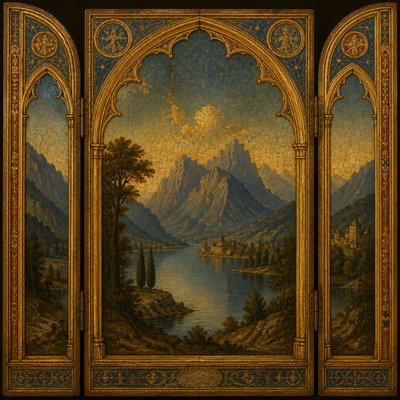
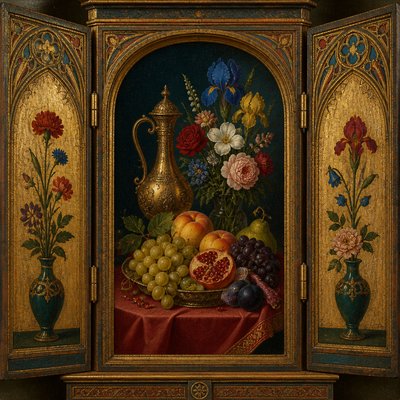
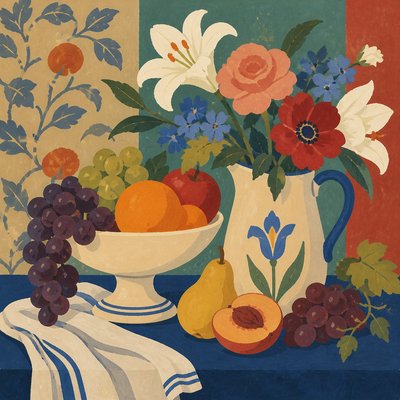
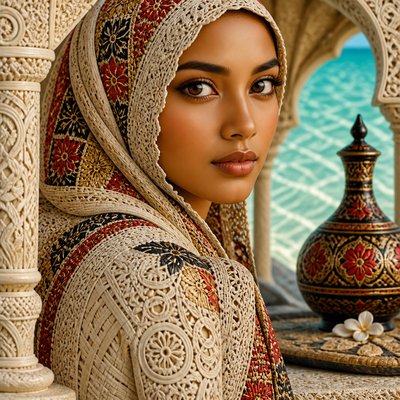
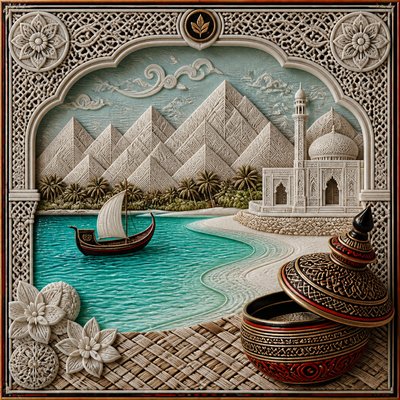
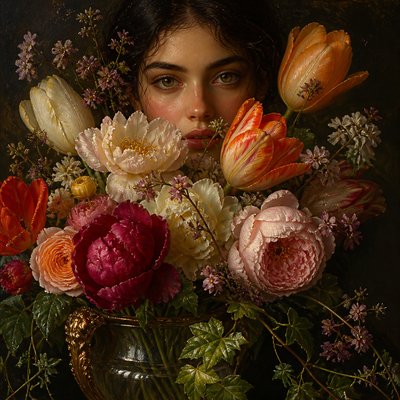
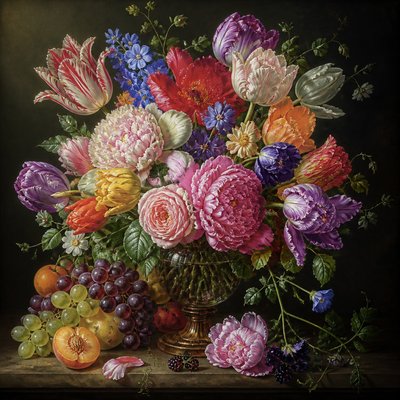
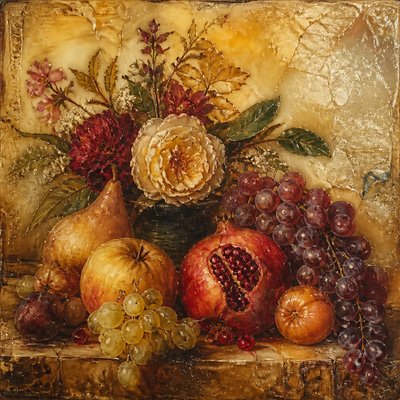
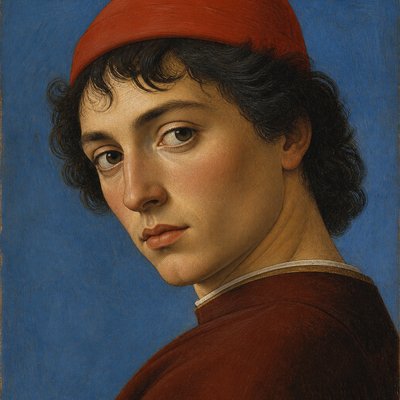
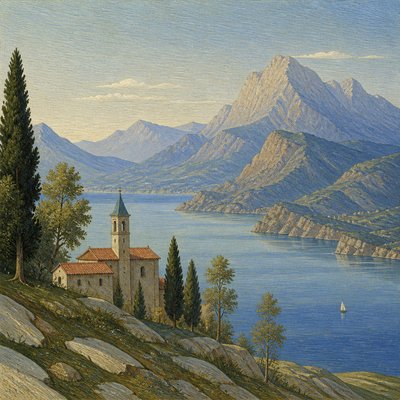
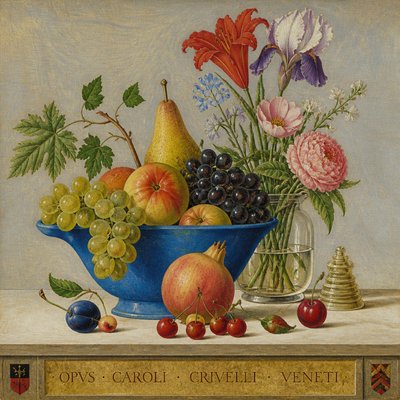
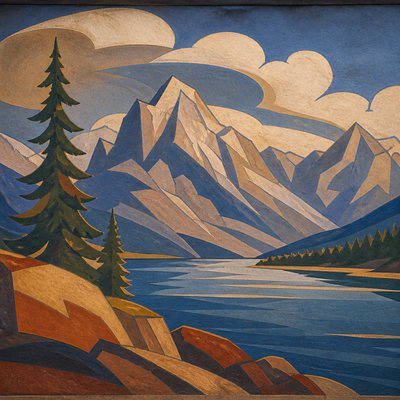
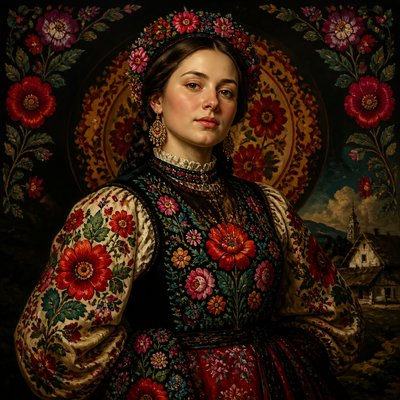
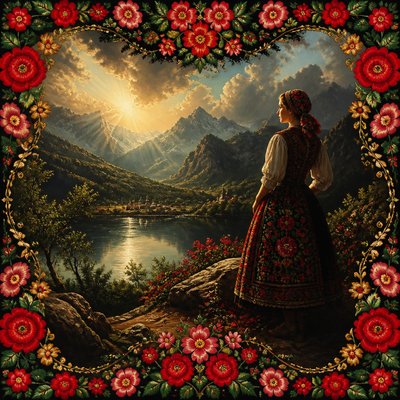
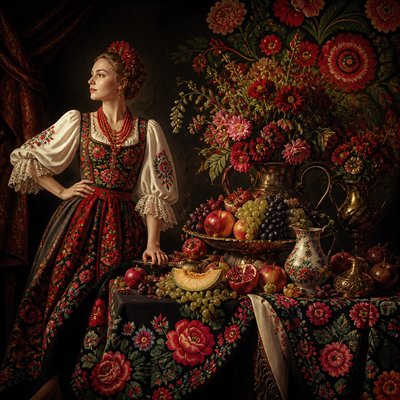
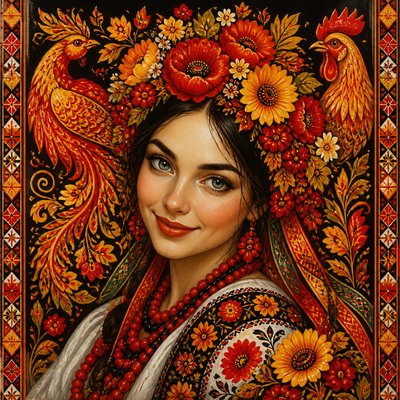
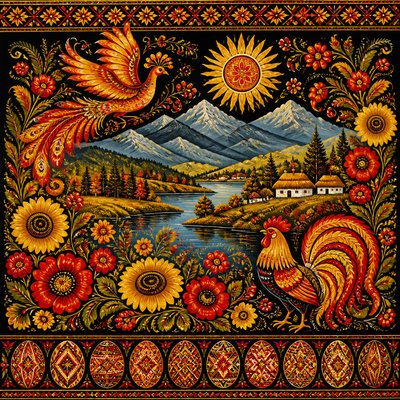
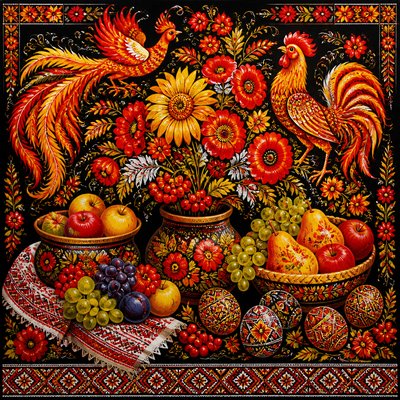
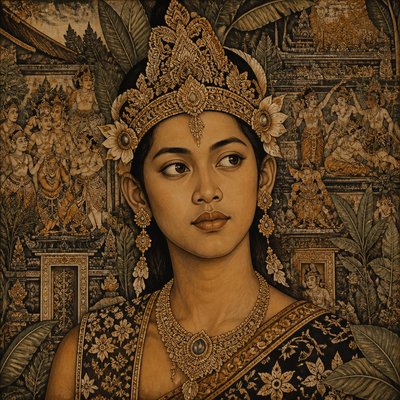
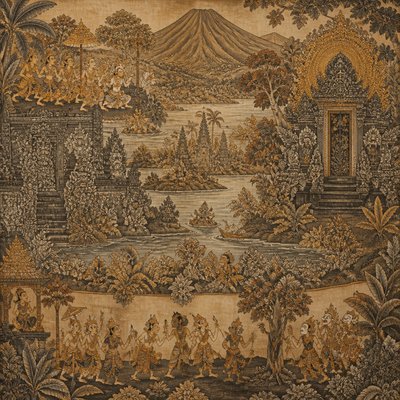
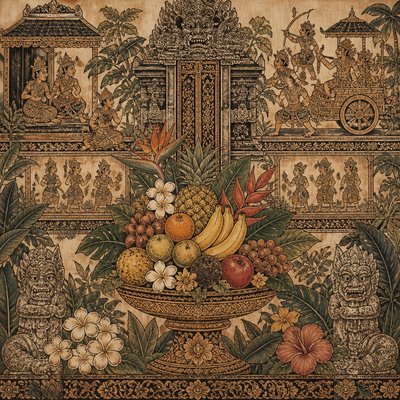
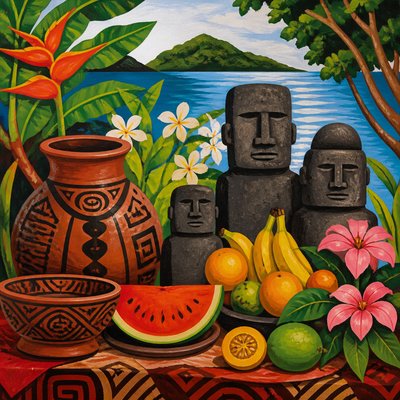
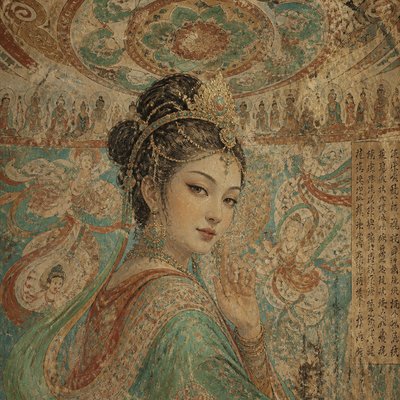
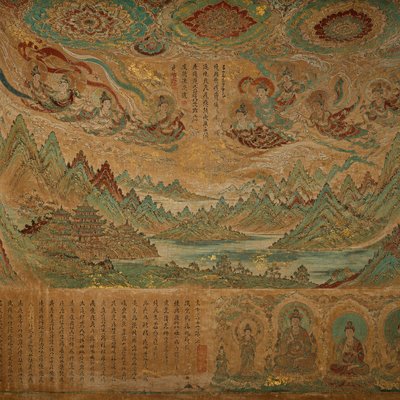
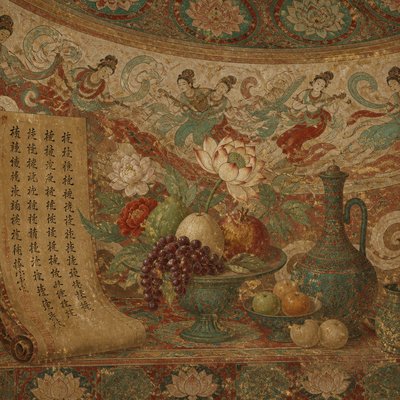
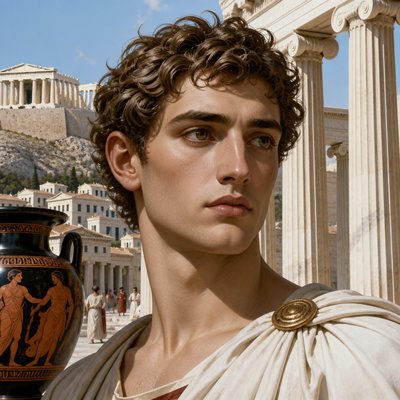
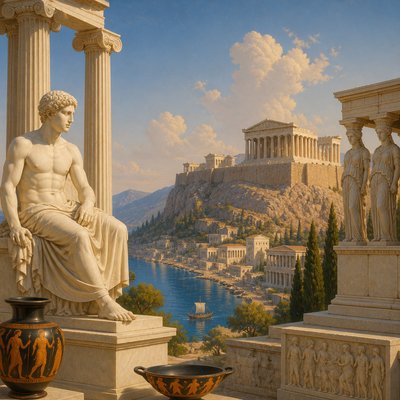
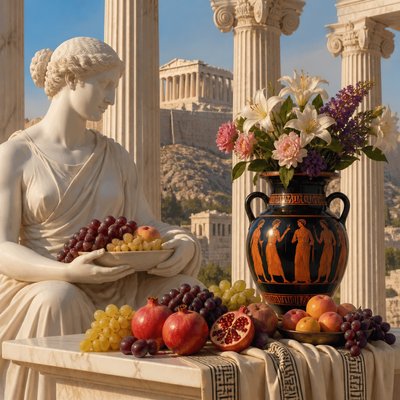
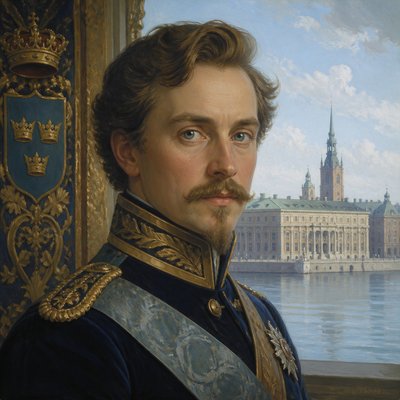
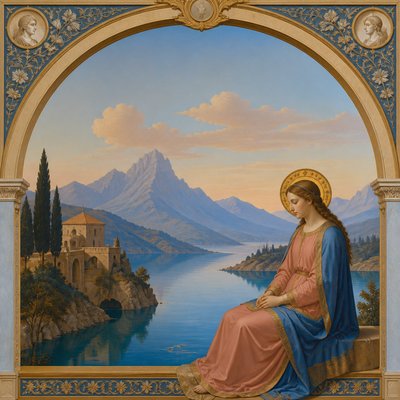
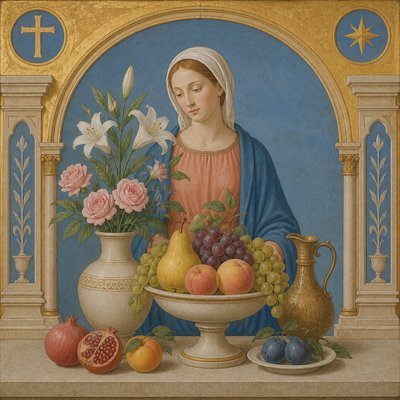
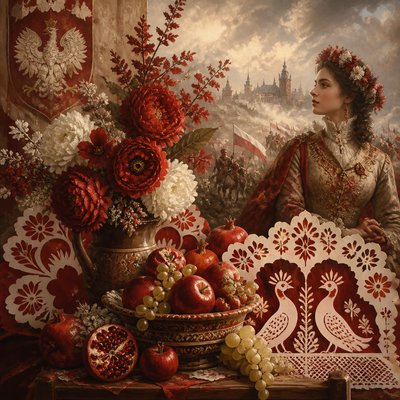
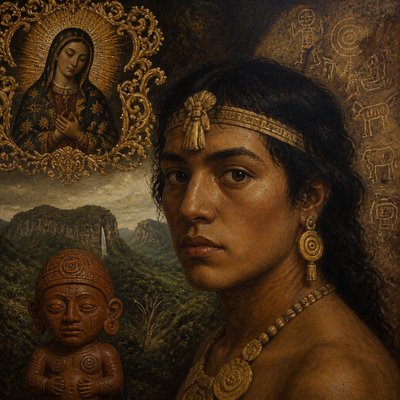
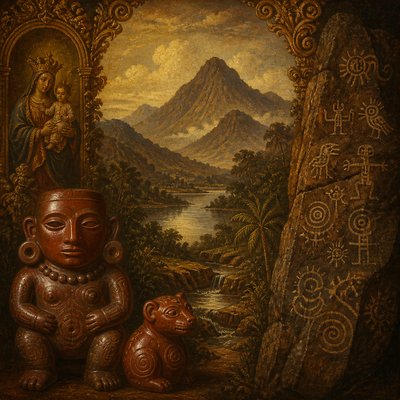
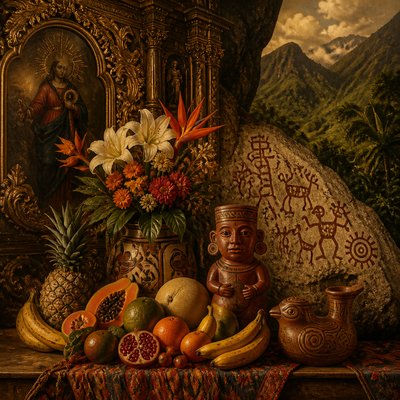
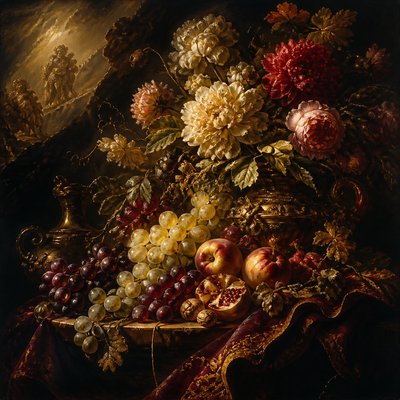
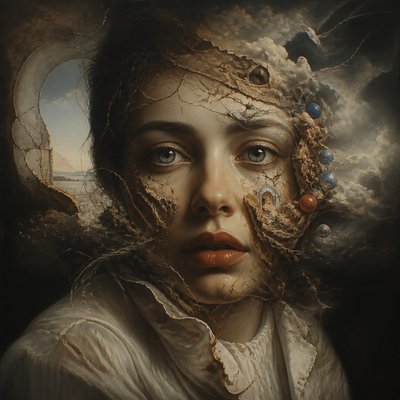
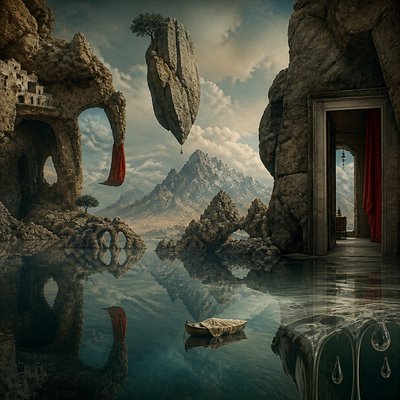
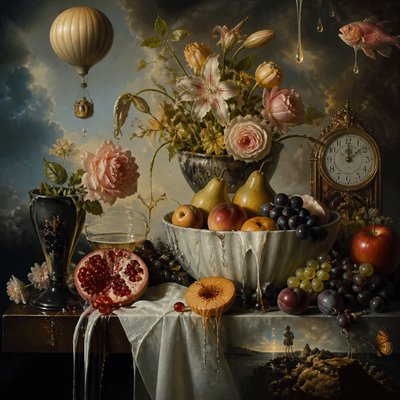
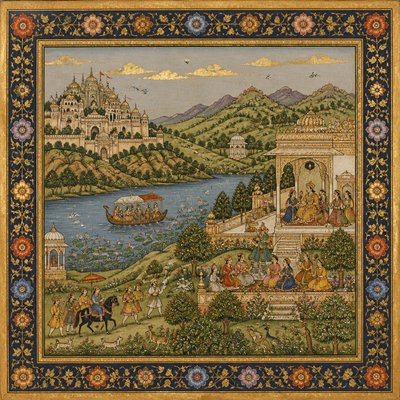
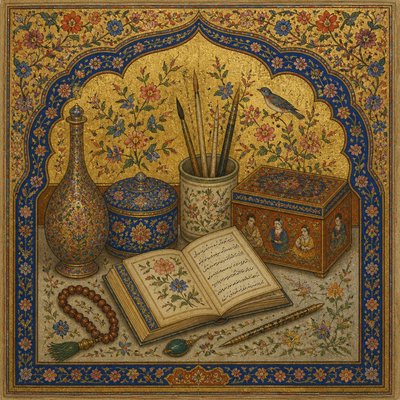
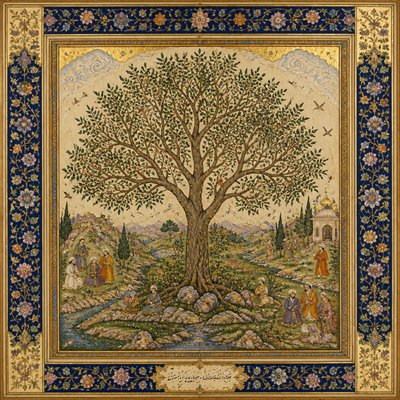
Miniature painting is a highly detailed image style built around compact scale, jewel-like color, flattened space, and exceptionally controlled mark-making. Scenes often combine densely arranged figures, patterned textiles, ornamental plants, architecture, animals, and fine decorative borders within a confined rectangular or circular format. Gold accents, opaque gouache, and carefully articulated facial and textile details give the surface the character of a small illuminated object.
In contemporary usage, the term can describe a hybrid aesthetic rather than one single historical school. This version draws on manuscript illumination and courtly painting traditions while emphasizing magnifying-glass precision, layered narrative detail, and a decorative relationship between image and border. Its compressed perspective makes every motif legible at once, encouraging the viewer to inspect the picture rather than read it as a single distant view.
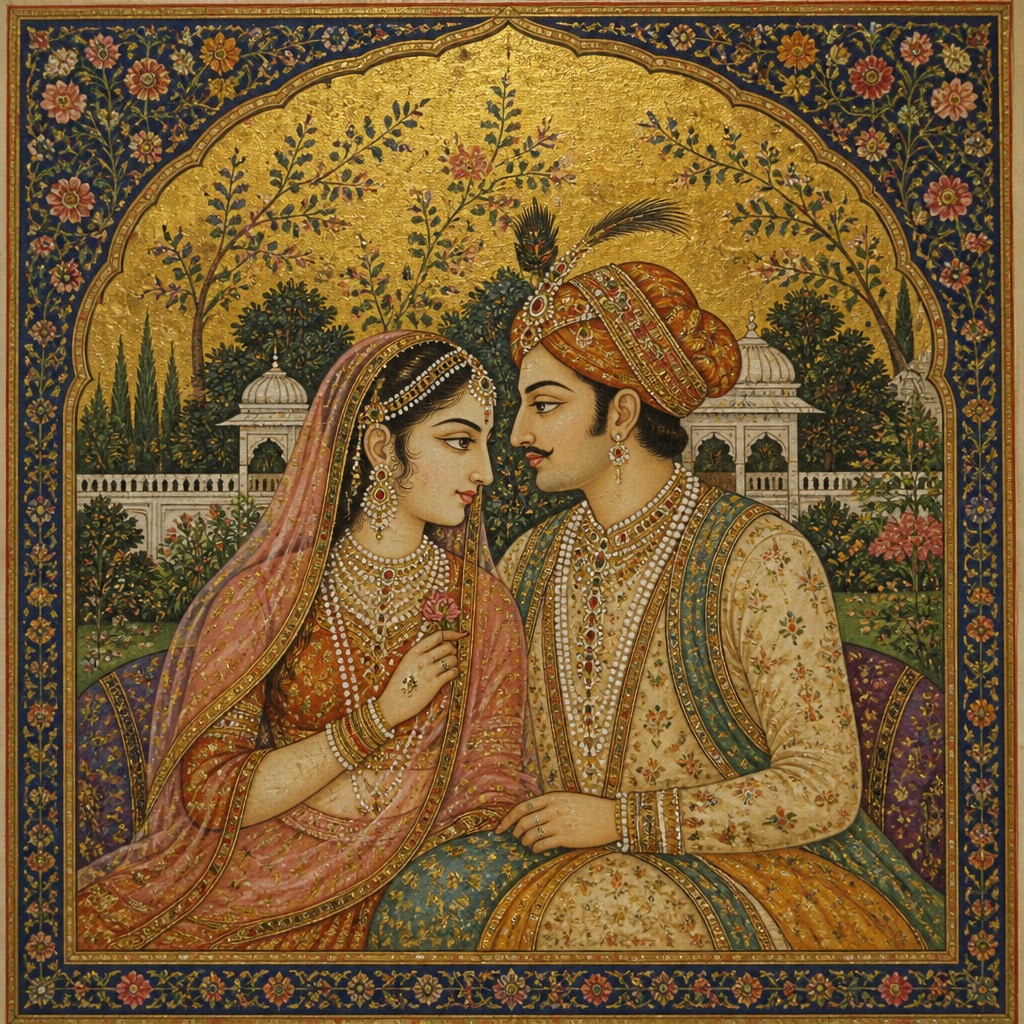
Try It On Your Photos
Upload any photo and convert it into Miniature Painting Style — drag the sliders to compare before and after.
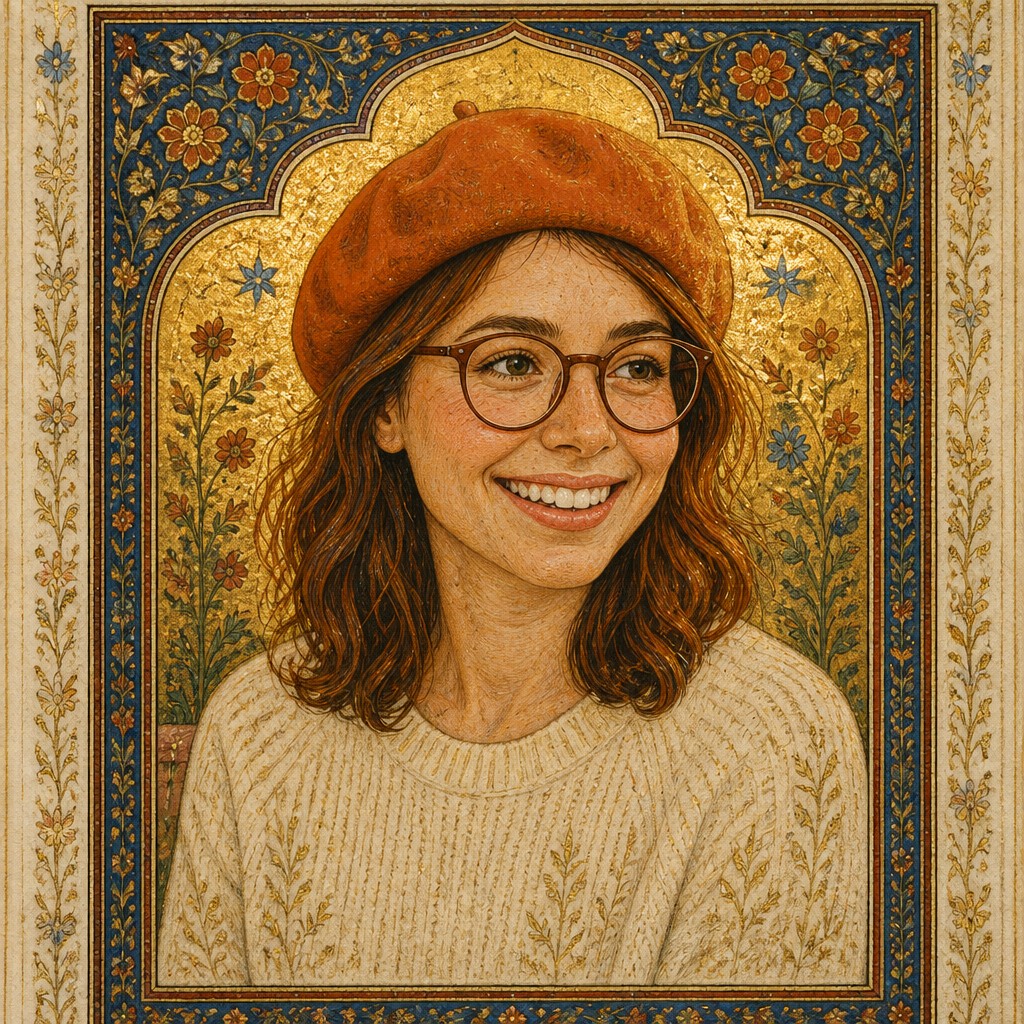

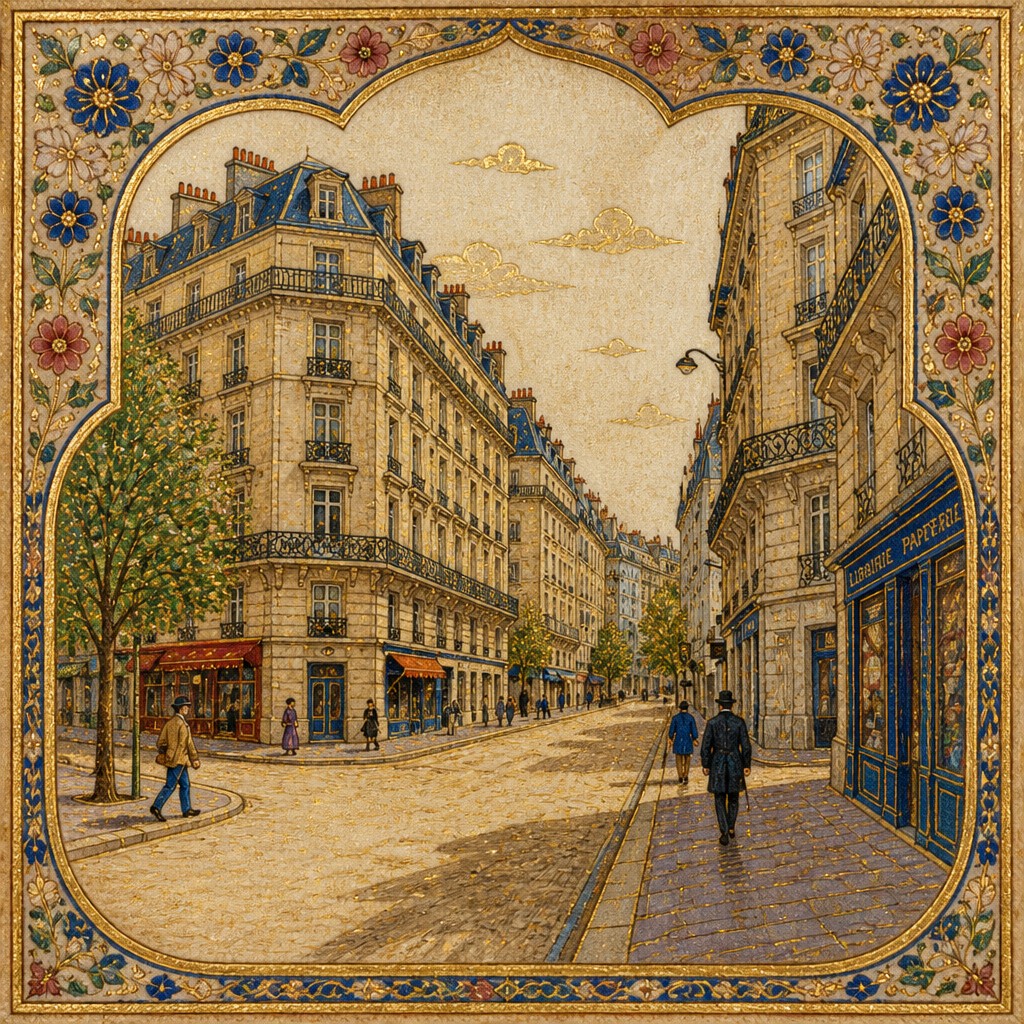

What Defines Miniature Painting Style
The signature details, up close
Jewel-toned opaque color
Saturated reds, lapis-like blues, malachite greens, warm ochres, and ivory grounds create a precious, enamel-like surface. Gouache or digitally simulated opaque paint keeps colors dense rather than transparent.
Flattened perspective
Depth is organized through overlapping figures, stacked ground planes, elevated viewpoints, and patterned surfaces instead of atmospheric recession. Multiple events may occupy the same compact field without following one realistic vanishing point.
Hairline precision
Faces, eyelashes, foliage, animal anatomy, jewelry, and textile motifs are articulated with extremely fine marks. The style depends on controlled edges and repeated details that reward close inspection.
Gold and metallic accents
Gold leaf, shell gold, or carefully placed digital highlights define halos, borders, ornaments, architecture, and selected patterns. Metallic details should be selective so they function as visual punctuation rather than flattening the entire image.
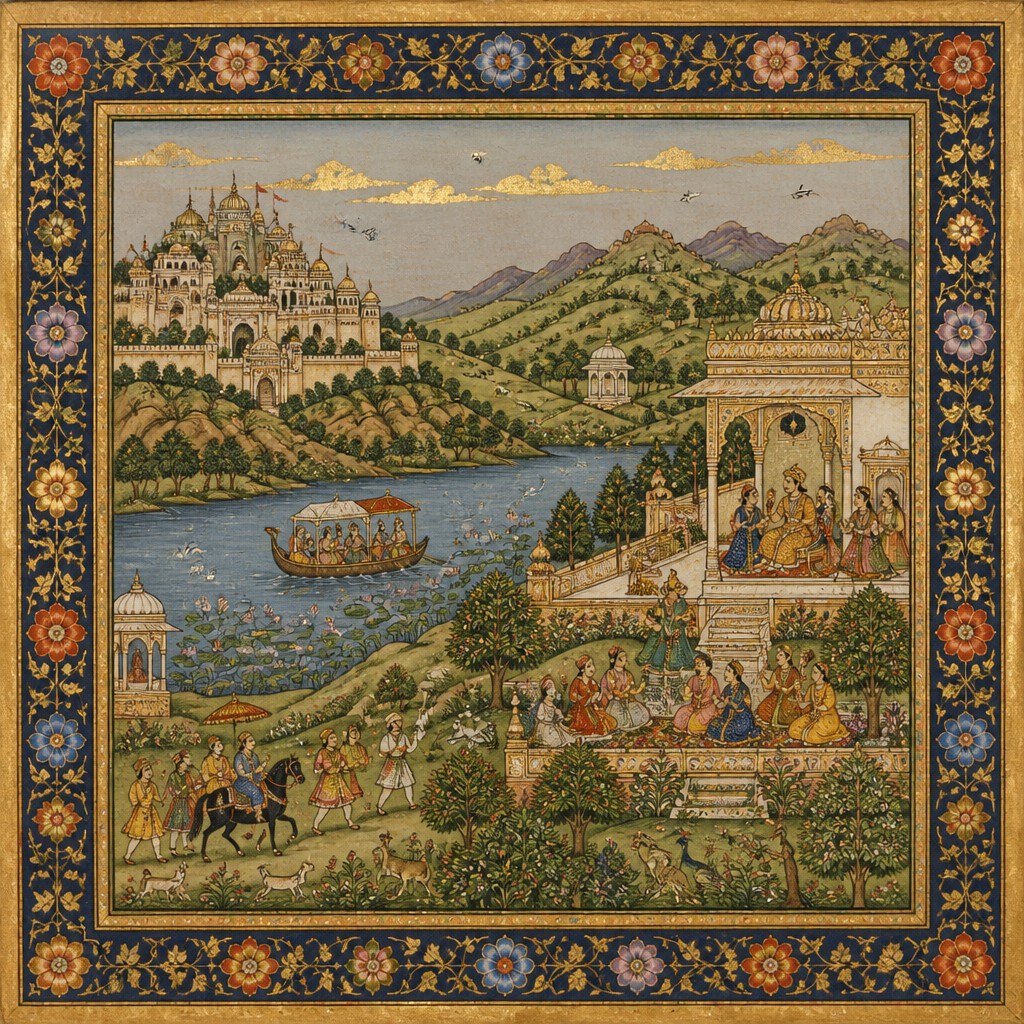
Dense narrative composition
Several figures, objects, or actions are arranged within a small frame, often with symbolic or sequential relationships. Empty space is limited but purposeful, helping separate important motifs within the crowded scene.
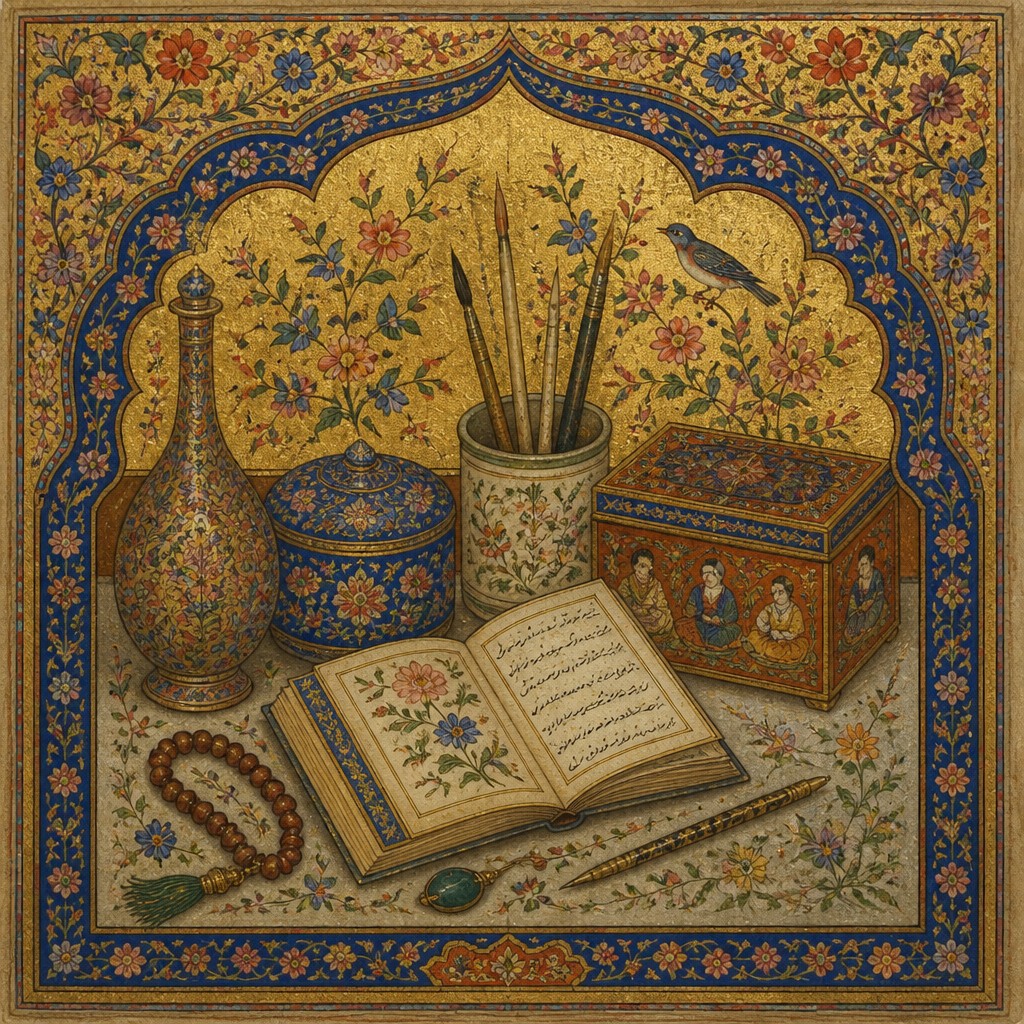
Ornamental framing
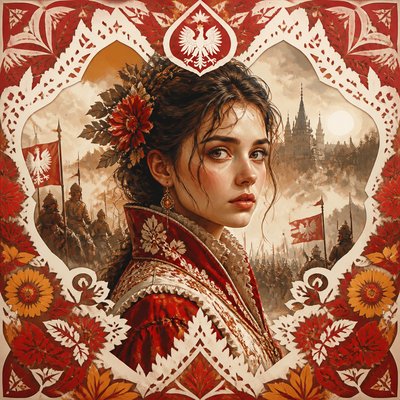
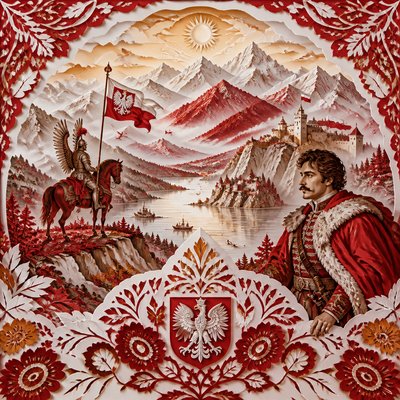
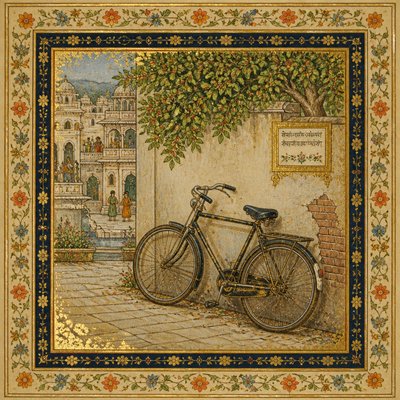
Floral arabesques, geometric bands, foliage, cartouches, or patterned margins surround the central image. Borders can echo colors and motifs from the scene while reinforcing its manuscript-like object quality.
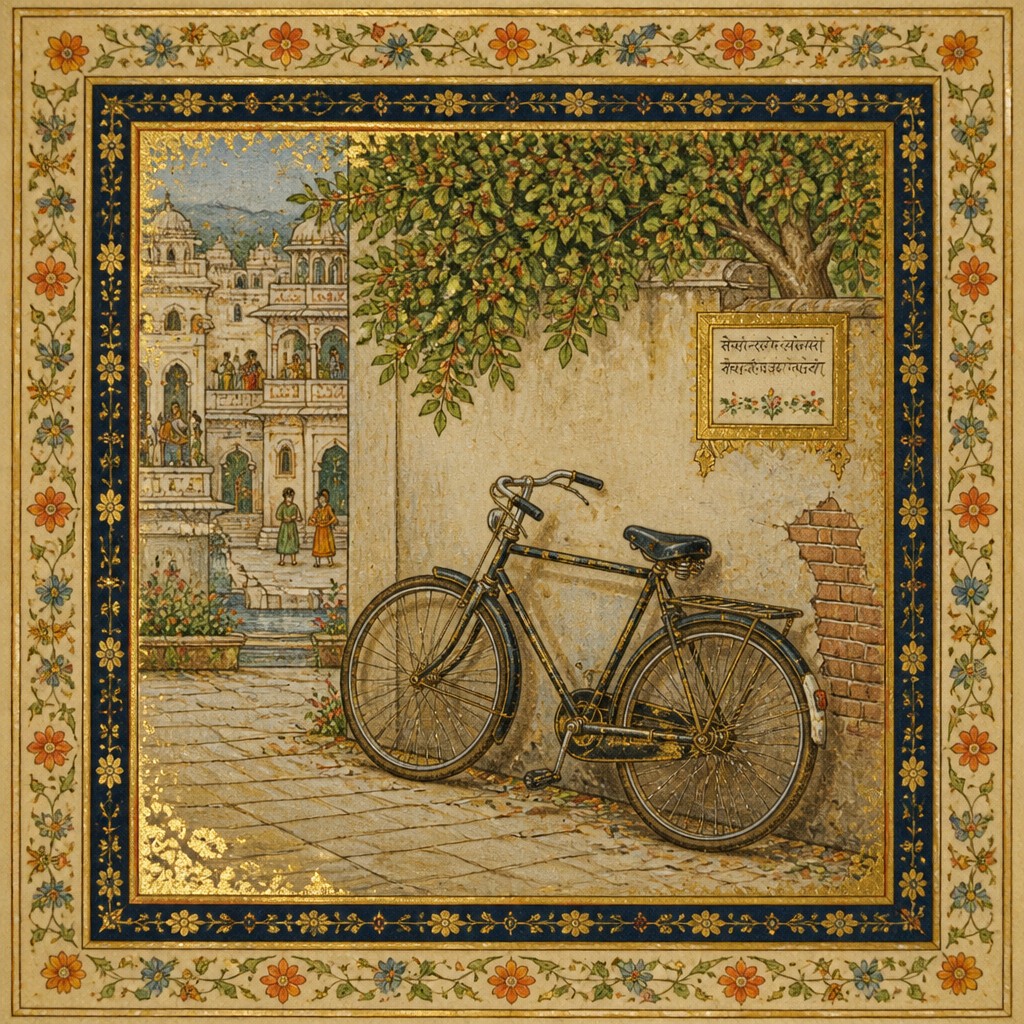
Decorative surface pattern
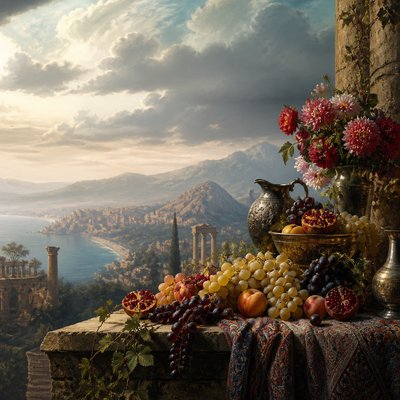
Garments, rugs, walls, clouds, vegetation, and architecture carry repeated motifs rather than broad unmodulated fields. Pattern supplies rhythm, cultural context, and much of the style's visual richness.
Miniature Painting Prompt Ideas
Start from an idea — each one opens the generator with the style ready to go. See all 40 Miniature Painting prompts →
How to Create Miniature Painting Art
Master the craft step by step — or skip straight to creating. Read the full guide →
- 1
Plan the miniature format
Begin with a compact rectangle, medallion, or manuscript page and decide how the major figures and narrative zones will interlock. Establish the border and large color masses before adding small ornaments.
- 2
Build with opaque layers
Traditionally, apply finely ground opaque watercolor or gouache over prepared paper, vellum, or ivory, allowing each layer to dry before adding details. Digitally, use hard-edged brushes, texture-sensitive opacity, and separate layers for ground, figures, patterns, and metallic accents.
- 3
Use controlled linework
Reserve the finest brush or pen for facial features, hair, textile motifs, foliage, and architectural tracery. Work from broad shapes to hairline details, and zoom out frequently to ensure the dense marks still read as a coherent composition.
- 4
Design a restrained palette
Choose a small group of jewel tones with an ivory, parchment, or deep-colored ground, then use warm metallic accents sparingly. Strong value contrast helps tiny figures remain legible despite the flattened space.
- 5
Add symbolic pattern and border logic
Repeat selected flowers, geometric motifs, garments, or architectural forms so the scene feels designed rather than randomly crowded. Let the border frame the subject without competing with the most important faces or actions.
- 6
Write precise generation prompts
Specify the subject, compact composition, flattened perspective, opaque gouache texture, jewel-toned palette, hairline details, ornamental border, paper or vellum ground, and selective gold accents. For image transformation, request preservation of the source subject's pose and identity while converting surfaces, edges, patterns, and spatial depth into a miniature manuscript aesthetic.
The Story
History & Origins of Miniature Painting
The modern style described here has no single historical origin; it is an aesthetic synthesis of several miniature traditions. Its lineage includes European illuminated manuscripts, Persianate and Mughal manuscript painting, Rajput and other South Asian court painting traditions, and Ottoman manuscript arts. These practices varied considerably in materials, subject matter, composition, and religious or courtly function, but commonly valued portable formats, precise brushwork, mineral or earth pigments, layered ornament, and carefully ordered narrative scenes.
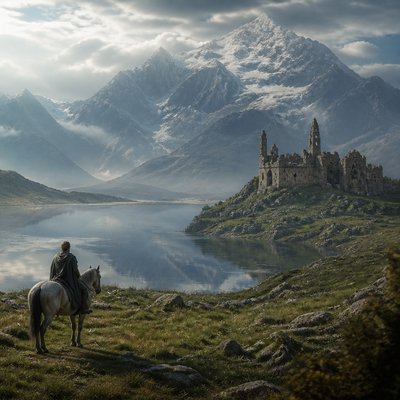
Historically, the word miniature is connected to minium, the red pigment used in manuscript decoration, rather than simply to small size. Across later revival, illustration, and contemporary decorative art, miniature methods became associated with intimate scale, opaque color, gold embellishment, and painstaking detail. The present formulation applies those visual principles to new subjects, including imagined landscapes, portraits, natural-history scenes, and fantasy narratives.
Influences: This aesthetic is related to European manuscript illumination, Persianate miniature painting, Mughal court painting, Rajput and other South Asian miniature traditions, Ottoman manuscript illustration, and later revivalist decorative arts. It also shares concerns with icon painting, botanical illustration, heraldic design, and highly detailed contemporary fantasy illustration. These sources contribute different elements—portable scale, flattened narrative space, ornamental borders, precise pattern, symbolic color, and metallic embellishment—rather than forming one uniform historical style.
Frequently Asked Questions
What defines miniature painting style?
It is defined by compact scale, opaque jewel-toned color, flattened or layered perspective, extremely fine detail, and a decorative relationship between the central scene and its border. Gold or metallic accents and patterned textiles are common, though not mandatory.
Is miniature painting one historical art movement?
No. Miniature painting refers to multiple historical traditions as well as a broader descriptive technique. The contemporary style presented here is a synthesis inspired by manuscript illumination and courtly painting traditions from Europe, the Middle East, South Asia, and the Ottoman world.
How is it different from illuminated manuscript art?
Illuminated manuscript art is a specific historical category involving decorated handwritten books, often with text, initials, marginalia, and gold. Miniature painting can appear within illuminated manuscripts, but the term also covers standalone paintings and modern images that borrow their scale, detail, palette, and ornament.
What materials are traditionally used?
Traditional works may use finely prepared paper, vellum, or other smooth grounds; opaque watercolor or gouache; very fine brushes; mineral, earth, or organic pigments; and gold leaf or shell gold. Exact materials differ among regional traditions and historical periods.
Can a portrait be made in this style?
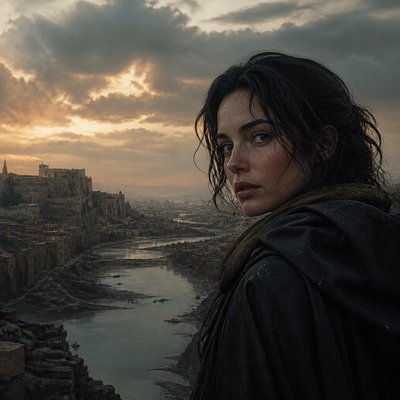
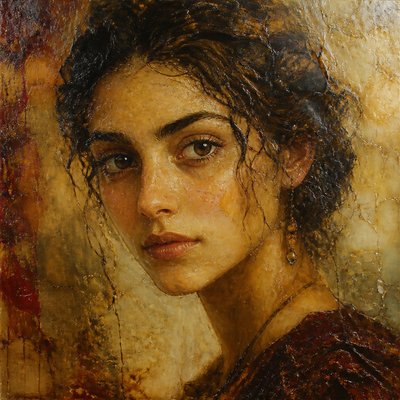
Yes. A portrait works especially well when the face remains clearly recognizable while clothing, jewelry, background architecture, and botanical motifs receive meticulous patterning. A frontal or gently turned pose and a shallow, ornamental setting usually support the style better than dramatic photographic perspective.
Where is miniature painting style used today?
It appears in editorial illustration, book and album art, decorative painting, fantasy world-building, historical visualization, packaging, stationery, and digital artwork. It is also useful for transforming ordinary subjects into compact narrative scenes with a handcrafted, archival character.
Create your first Miniature Painting artwork
Describe anything — or upload a photo — and see it in Miniature Painting Style in seconds.
Related Styles
Discover similar art styles