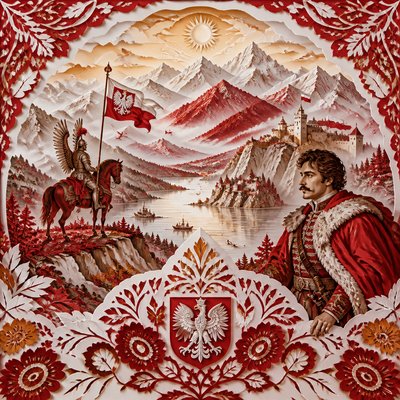
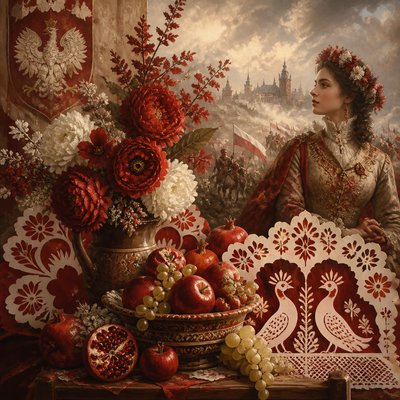
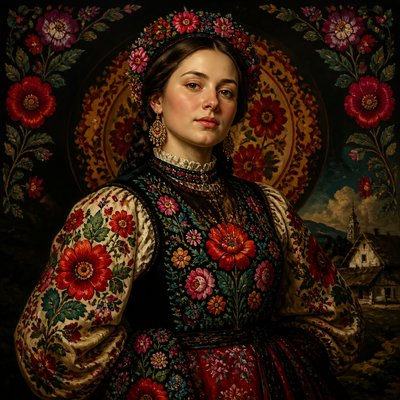
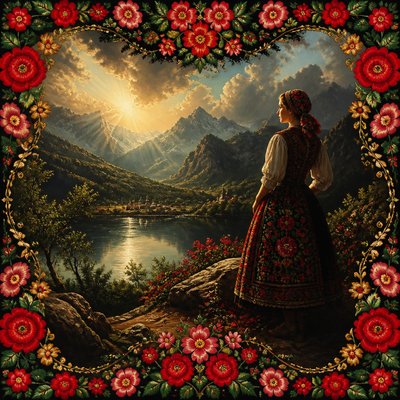
Egg Tempera Painting Style
Explore egg tempera painting: luminous matte pigments, fine hatching, crisp detail, and the disciplined beauty of gessoed panel painting.
Instantly rendered in Egg Tempera Painting — or transform a photo
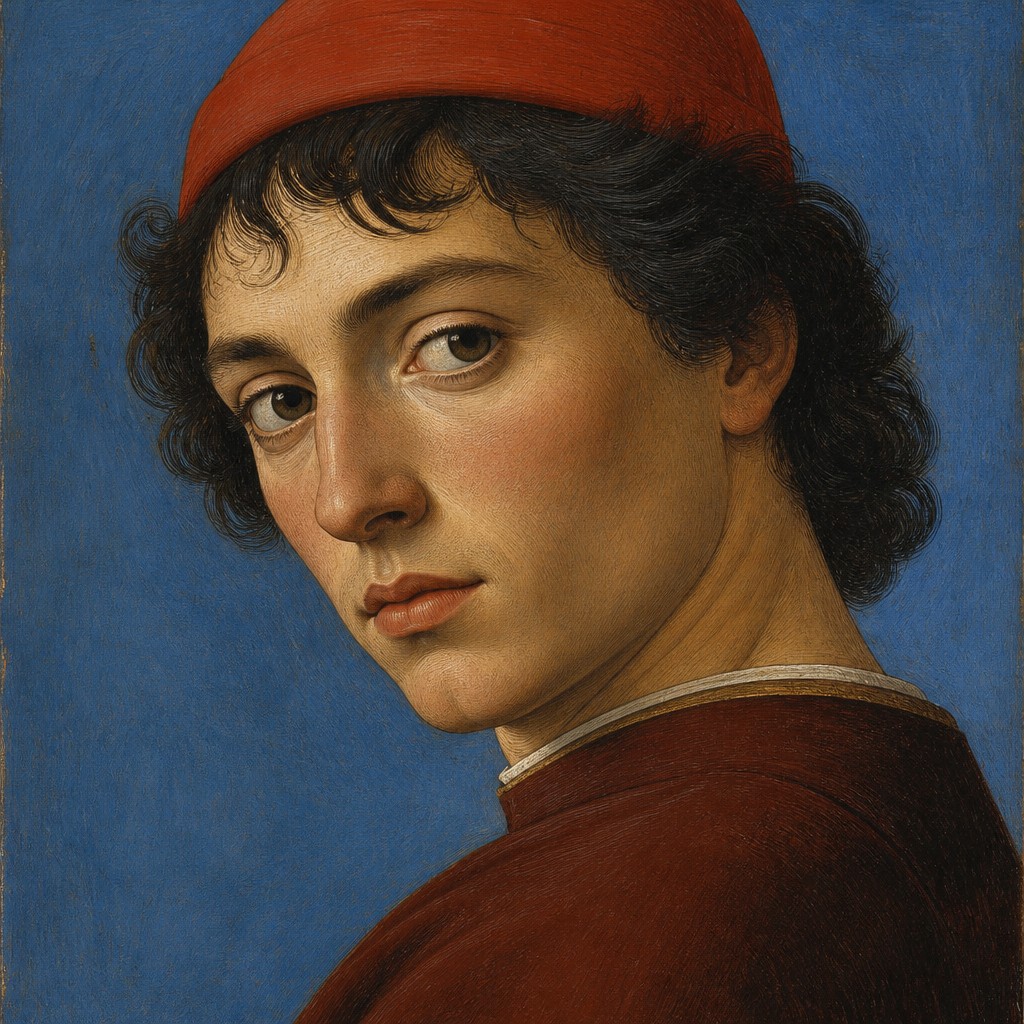
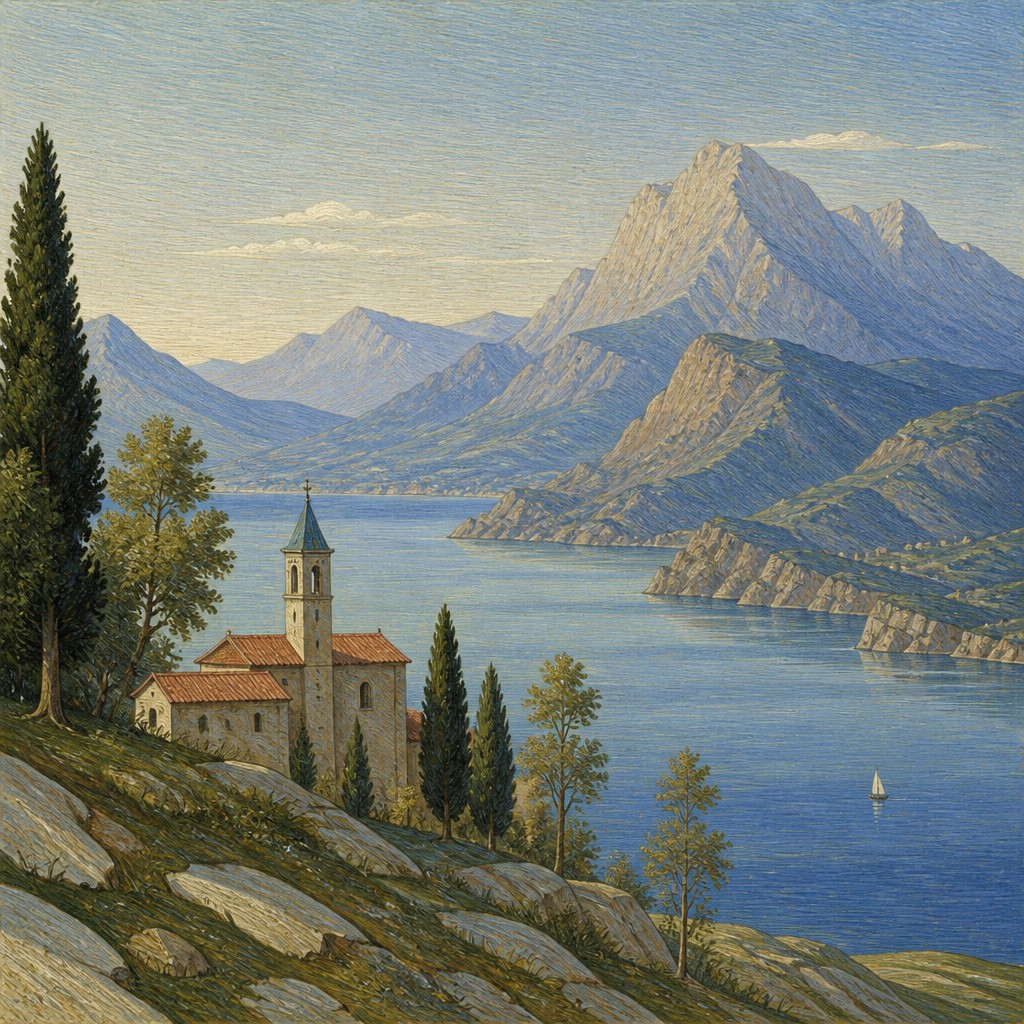
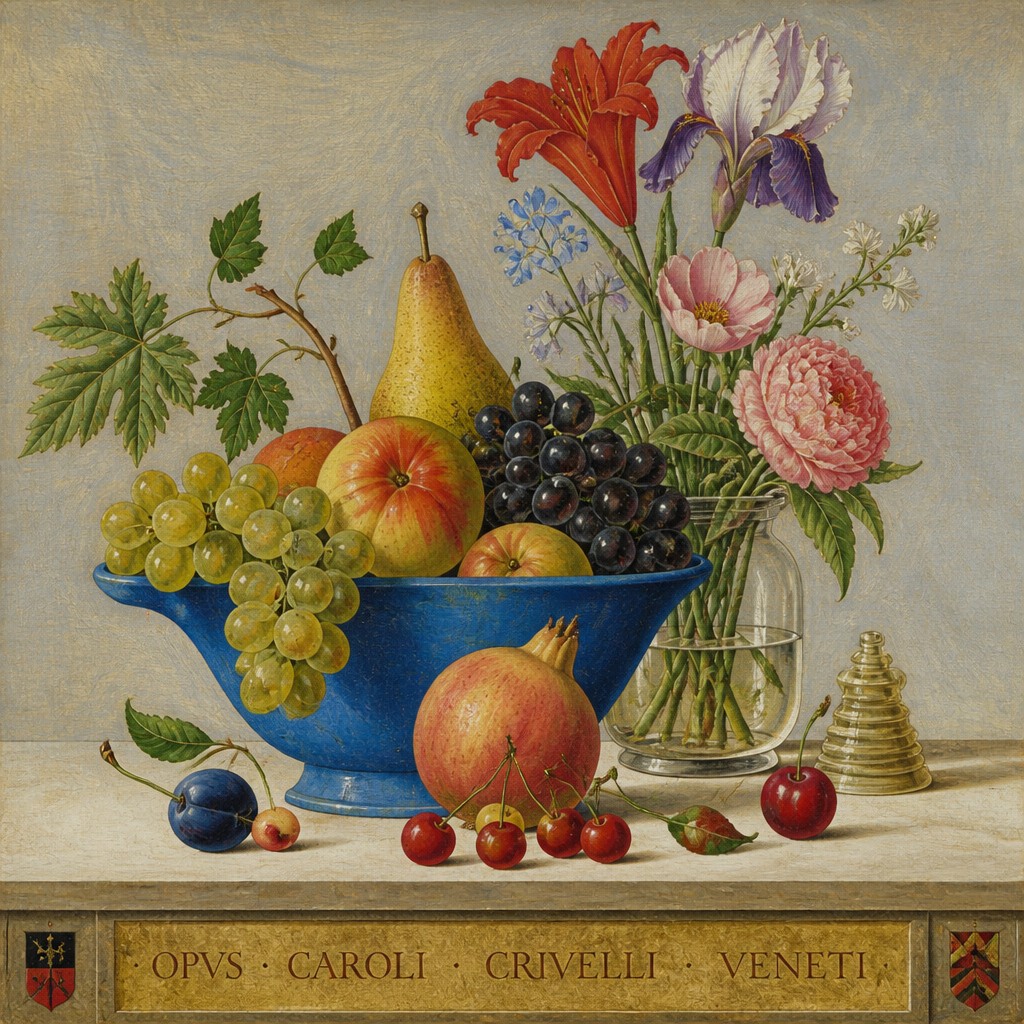
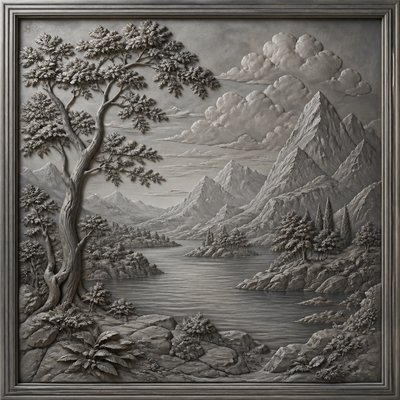
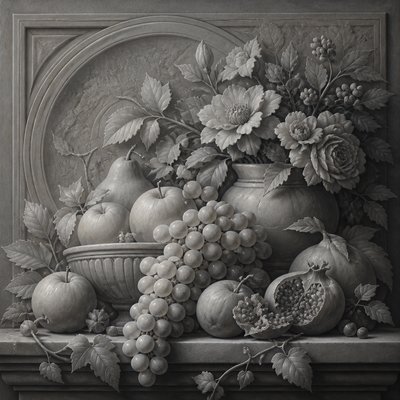
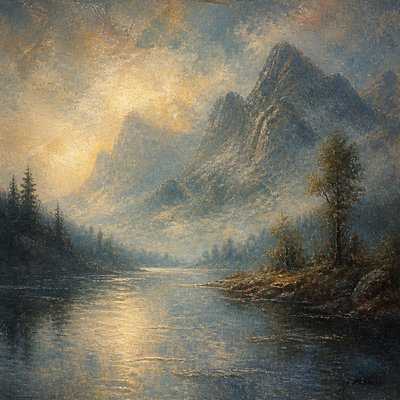
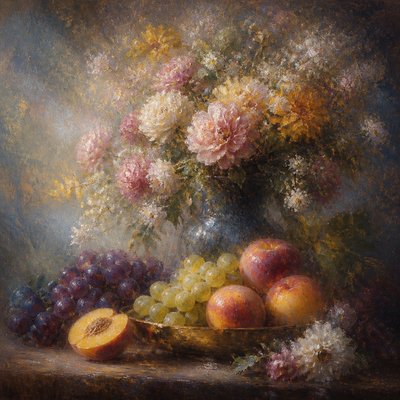
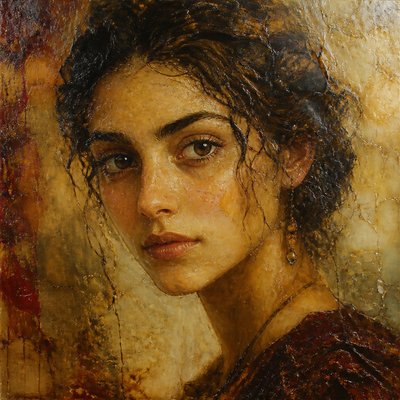
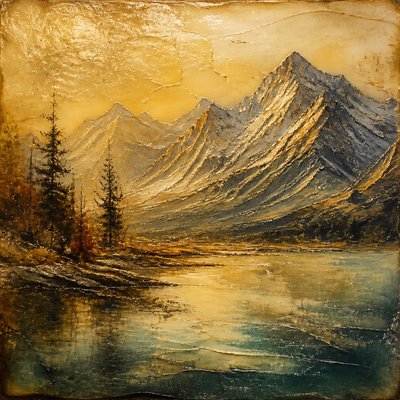
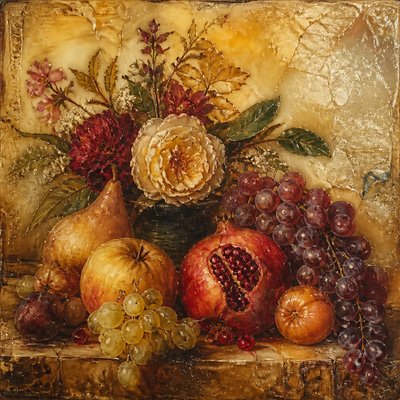
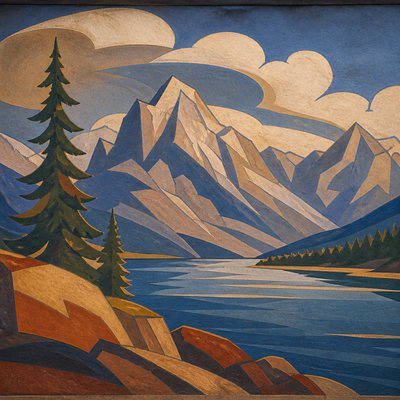
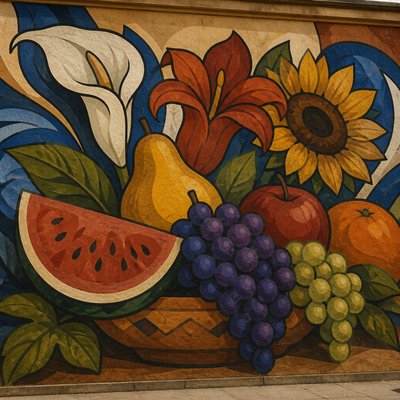
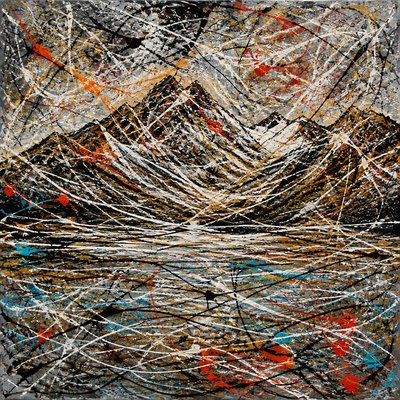
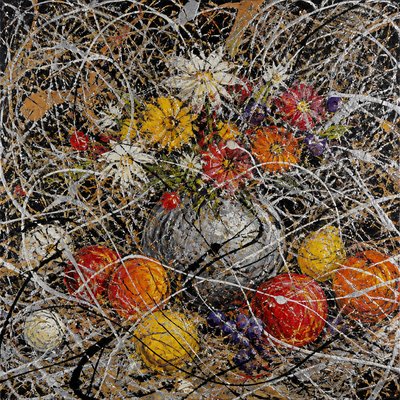
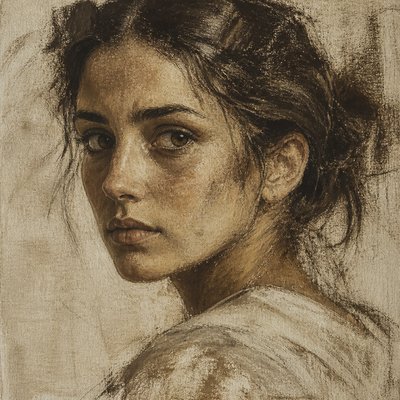
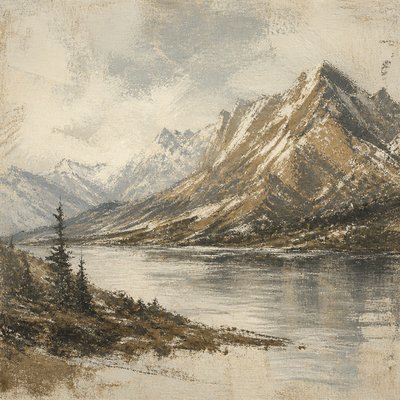
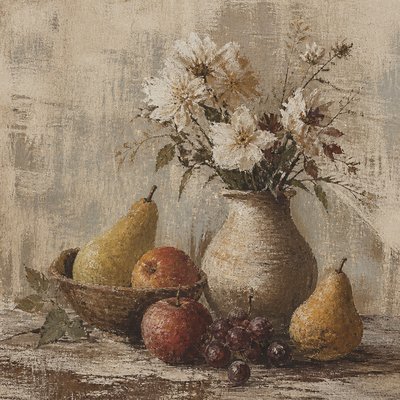
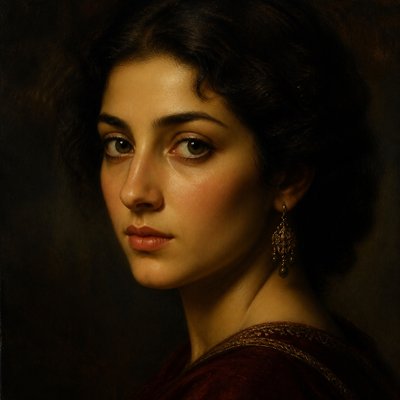
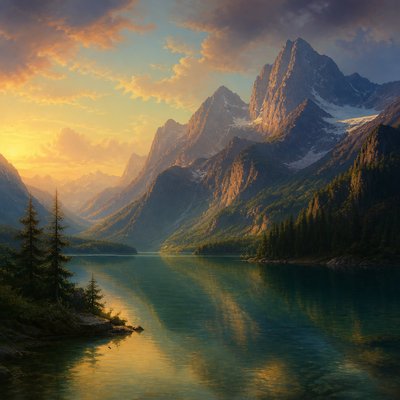
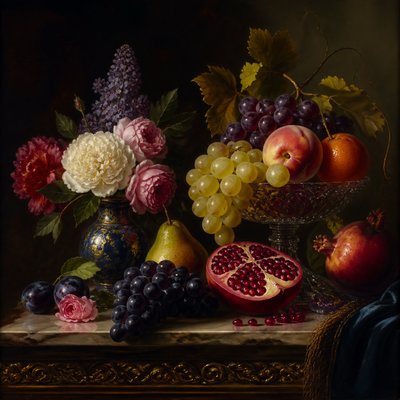
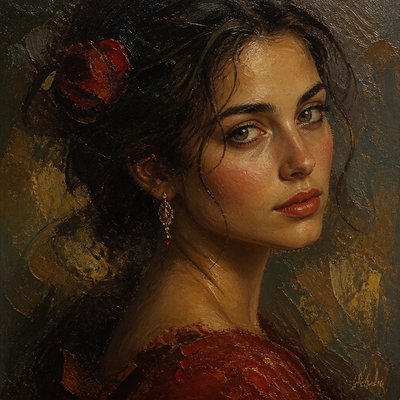
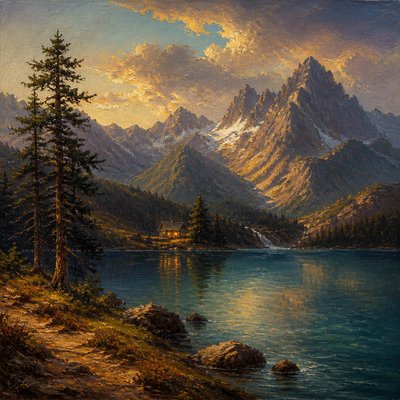
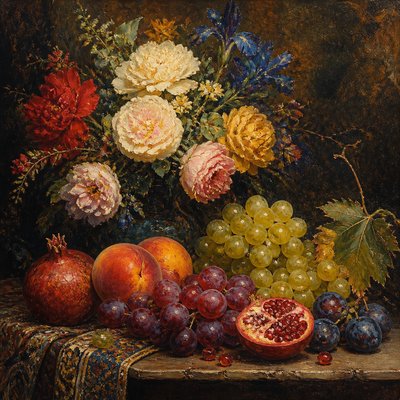
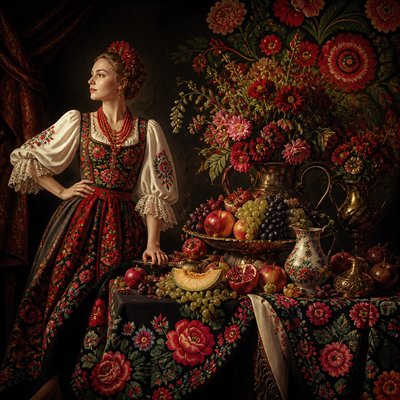
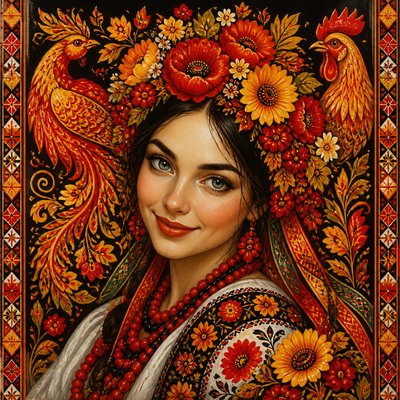
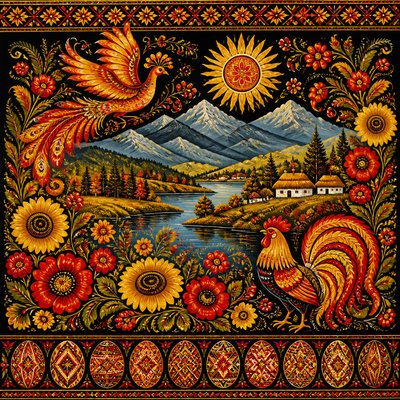
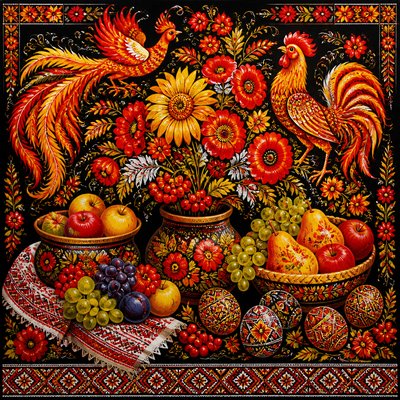
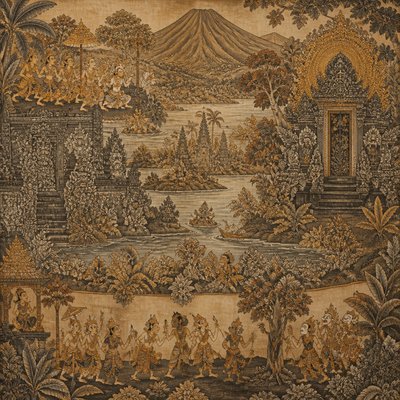
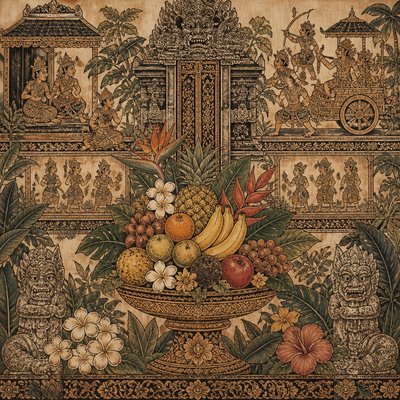
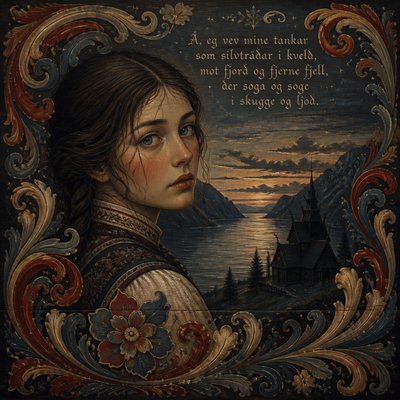
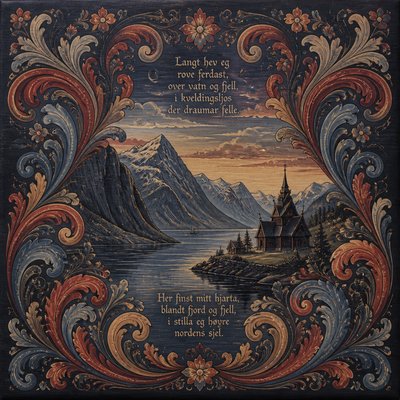
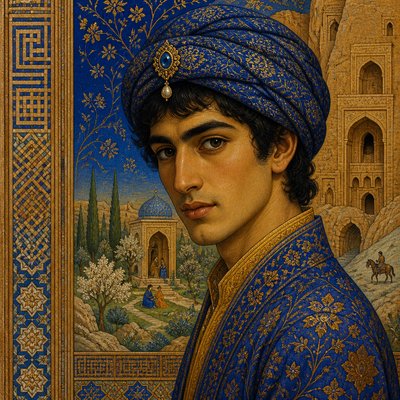
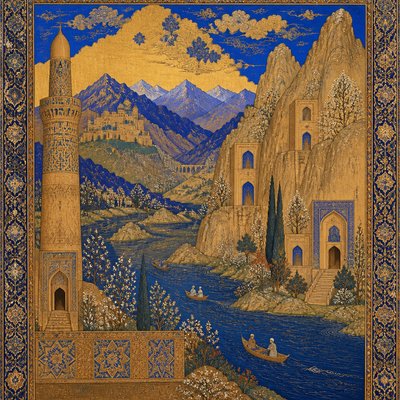
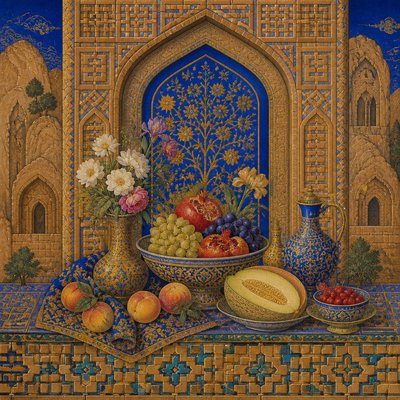
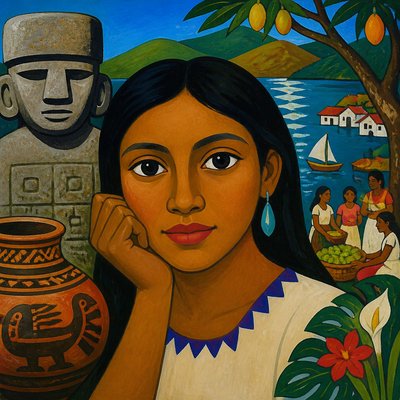
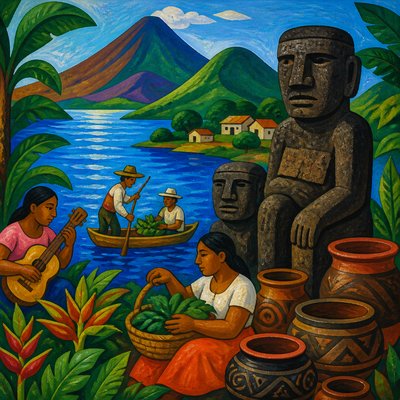
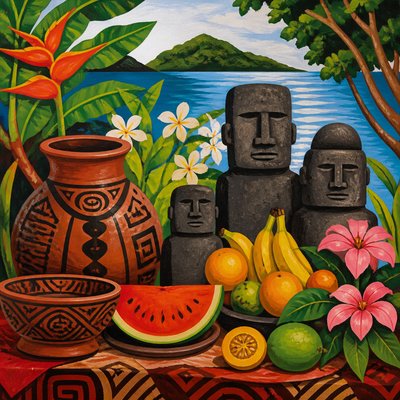
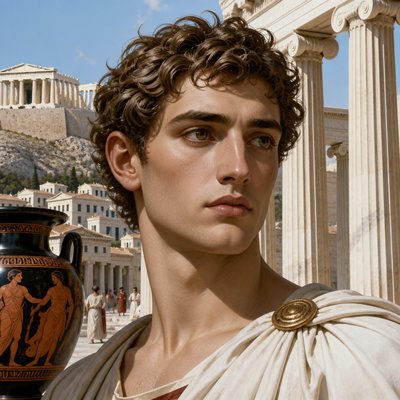
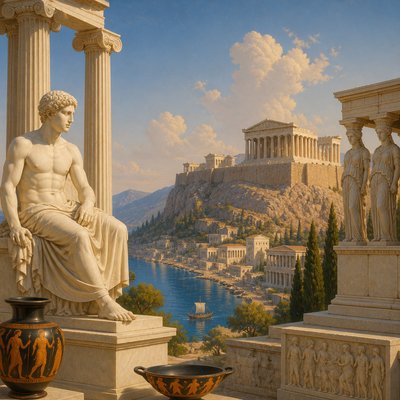
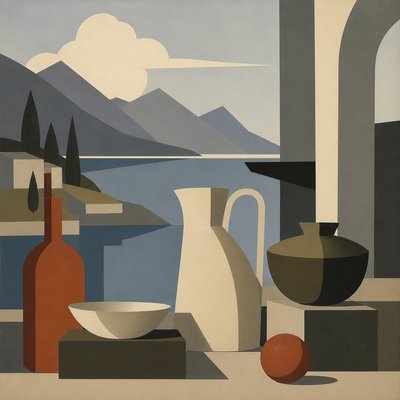
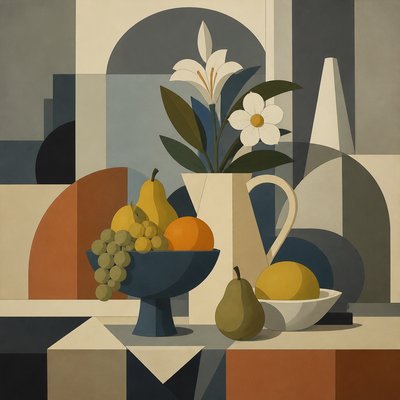
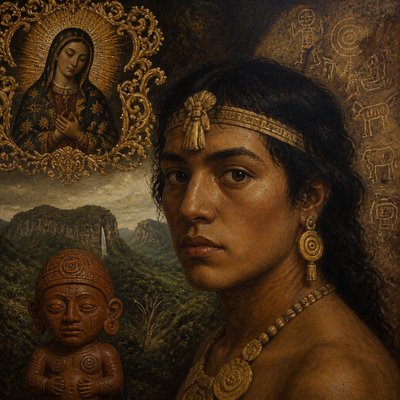
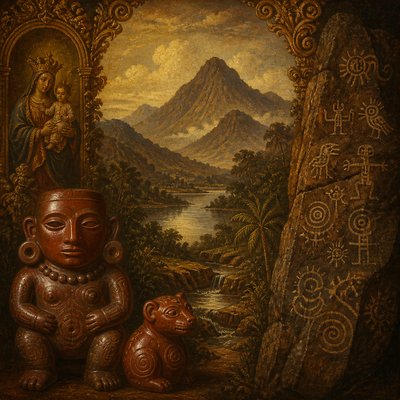
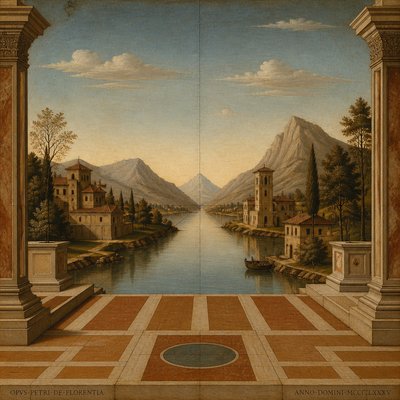
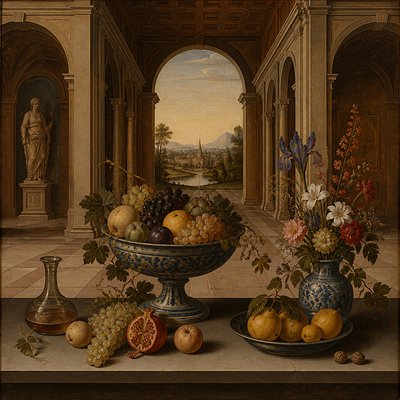
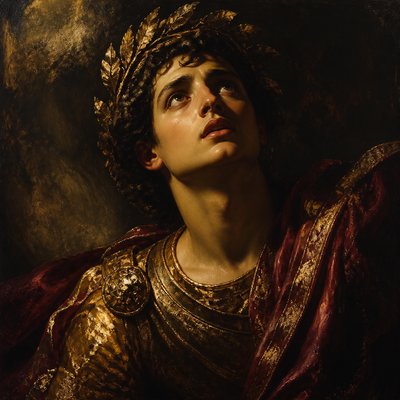
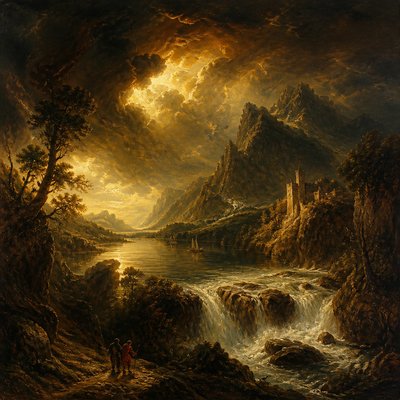
Egg Tempera Painting Gallery
Tap any artwork to explore it
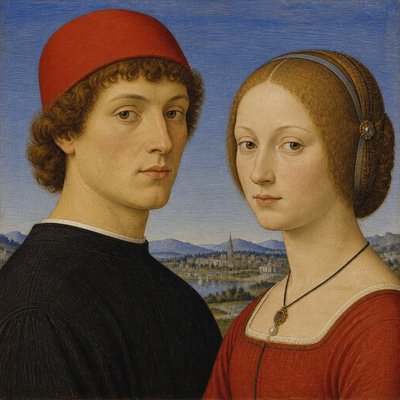
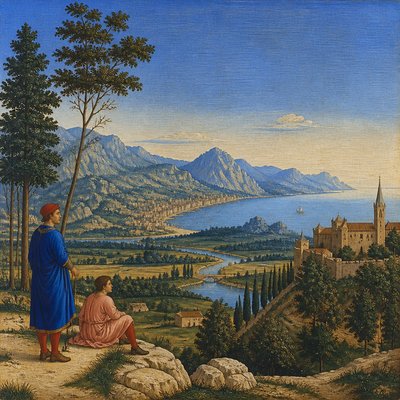
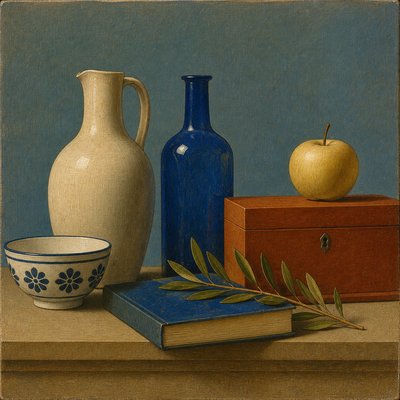
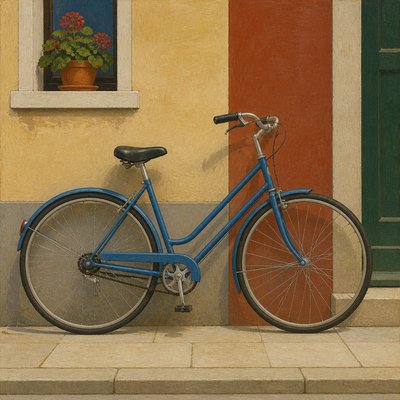
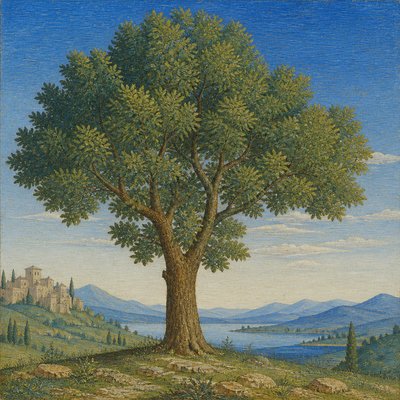
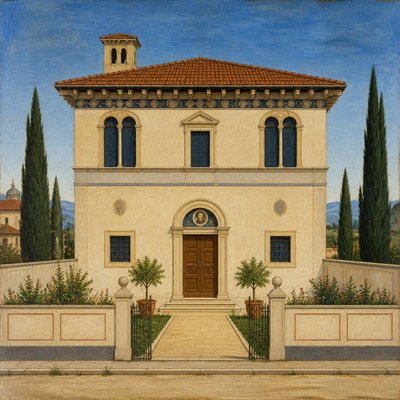
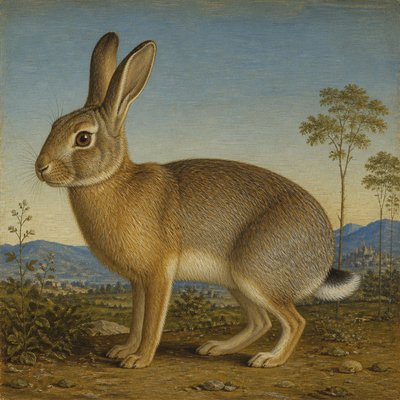
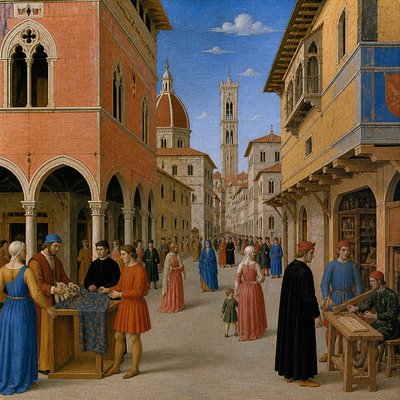
What is Egg Tempera Painting Style?
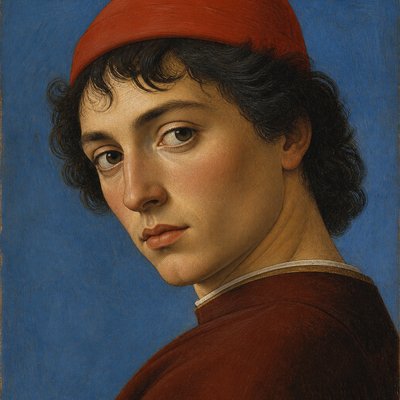
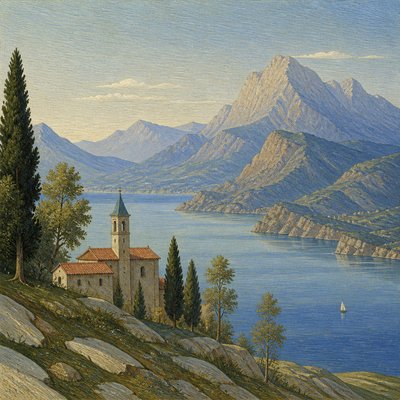
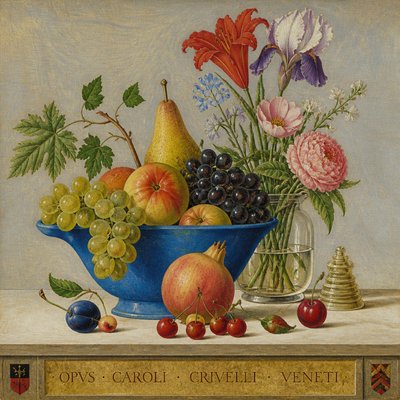
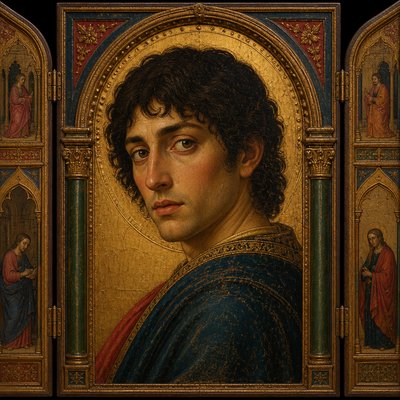
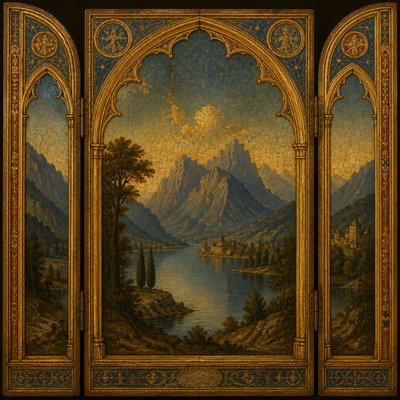
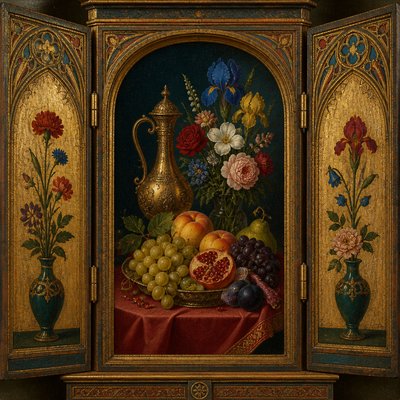
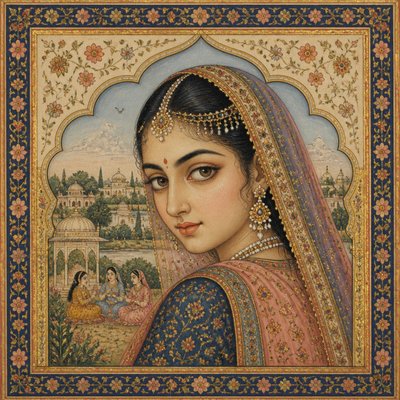
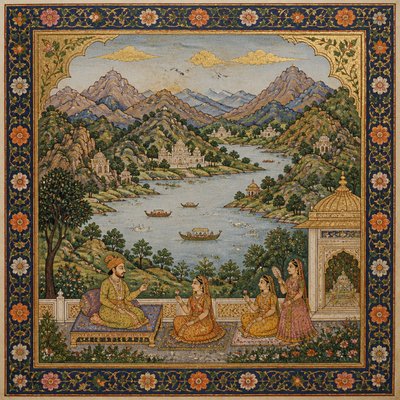
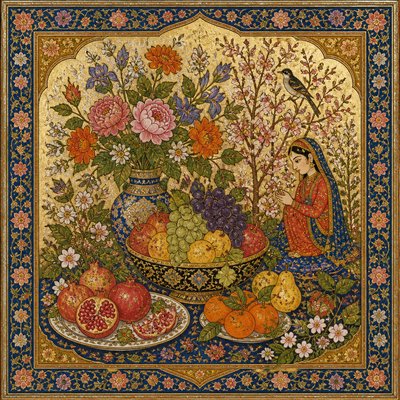
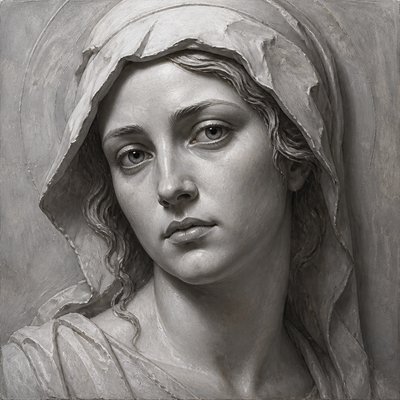
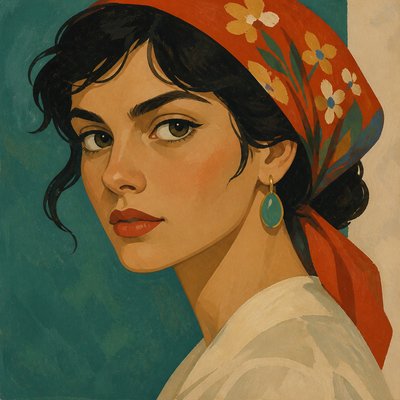
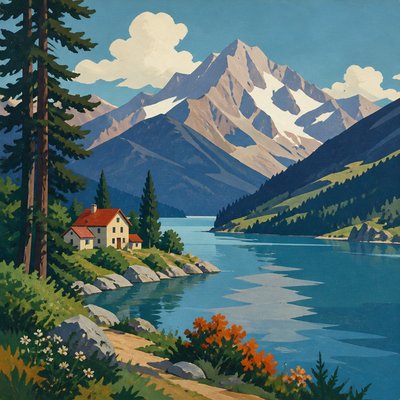
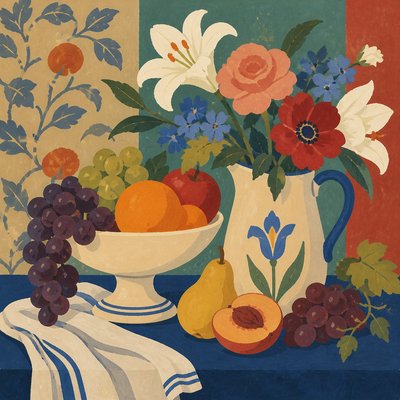
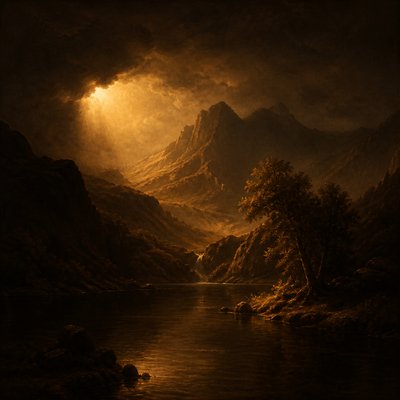
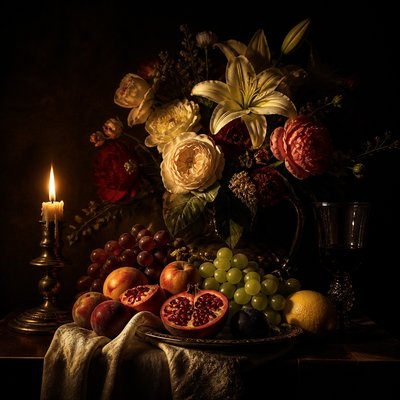
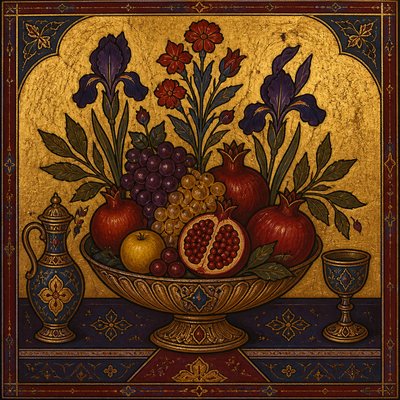
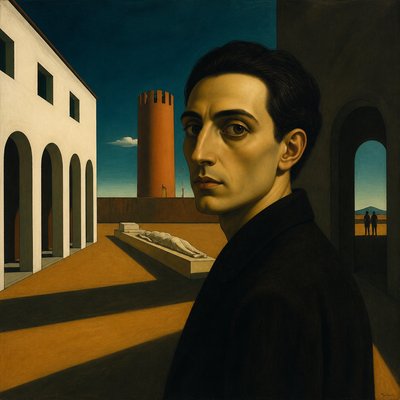
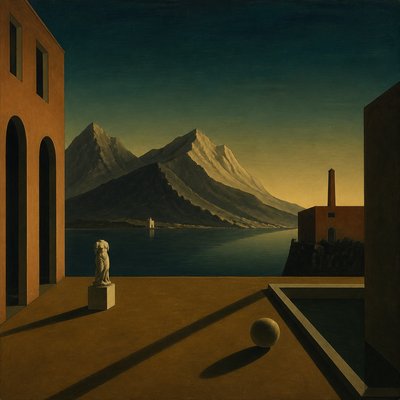
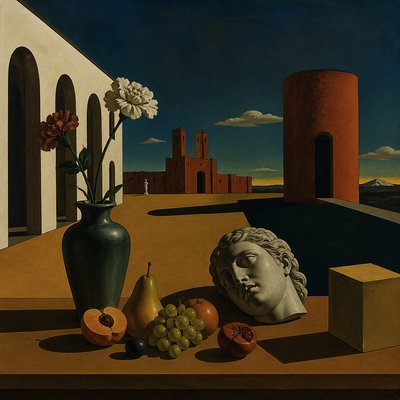
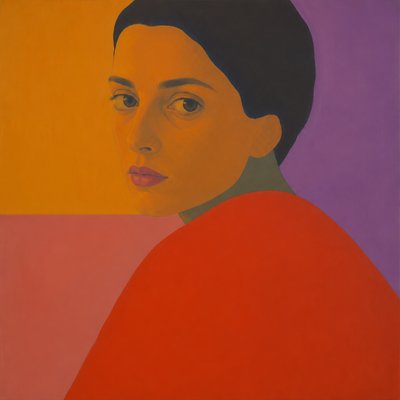
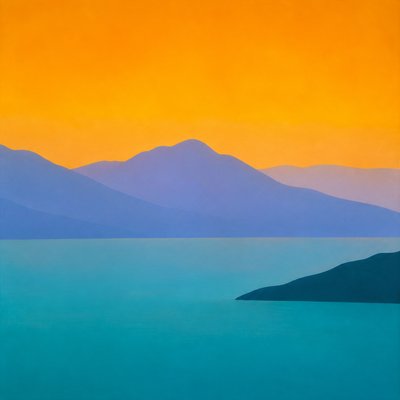
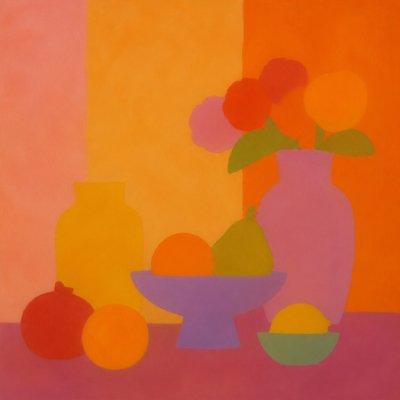
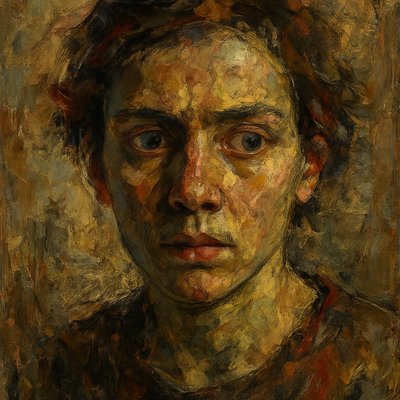
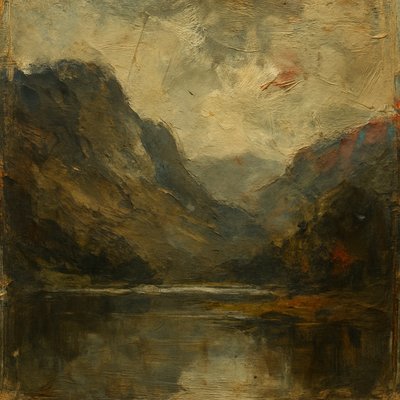
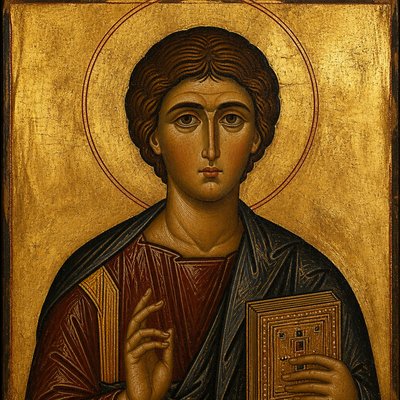
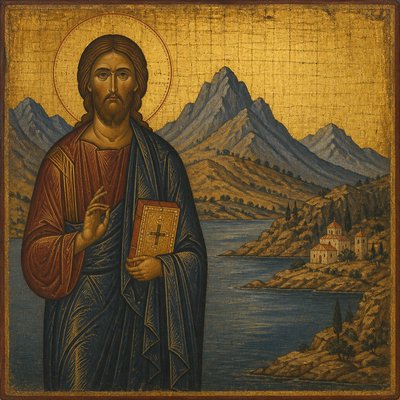
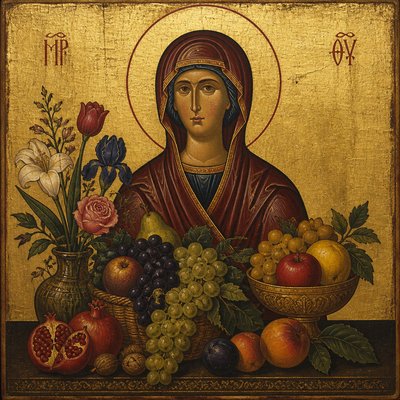
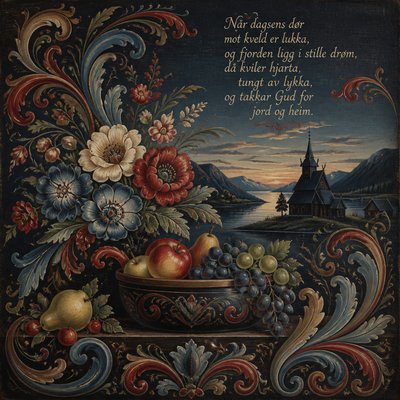
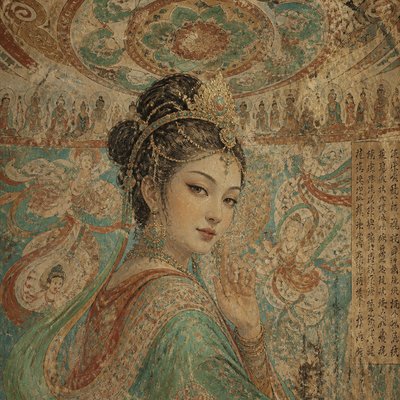
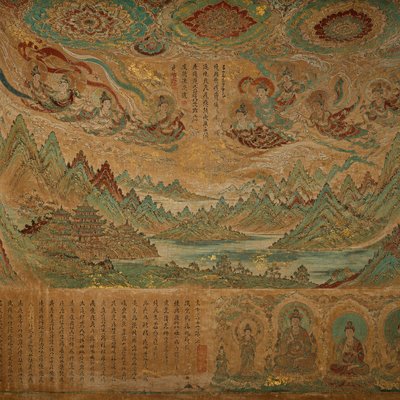
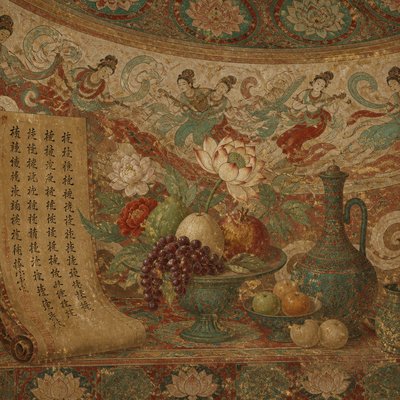
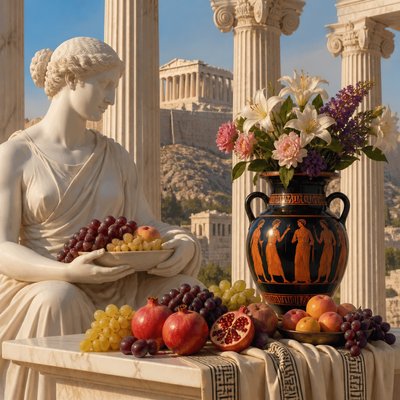
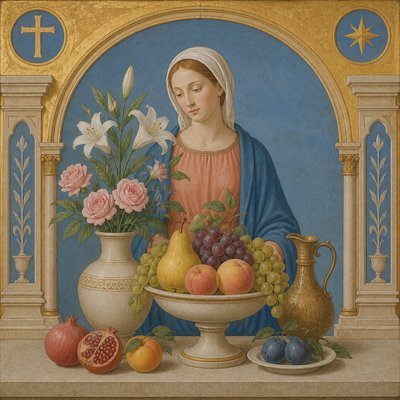
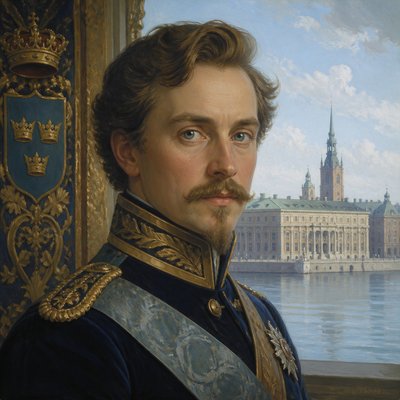
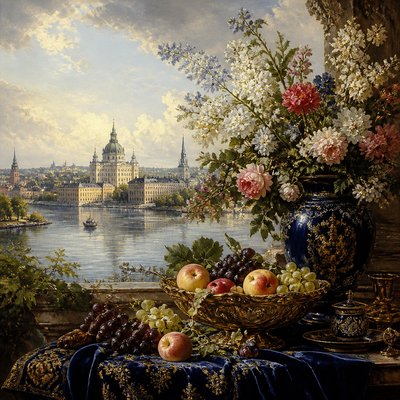
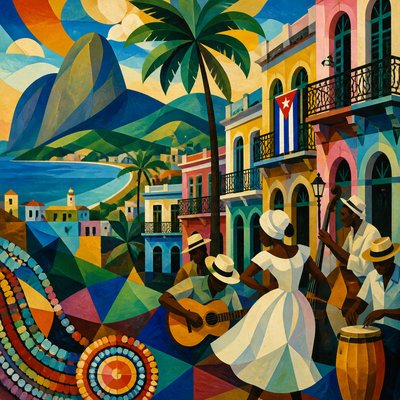
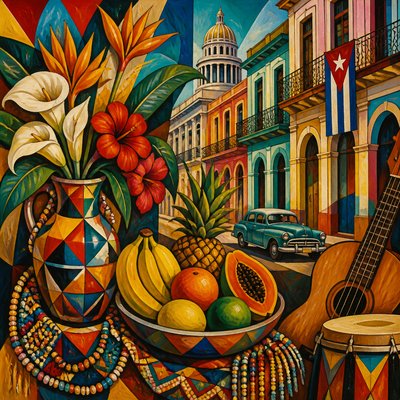
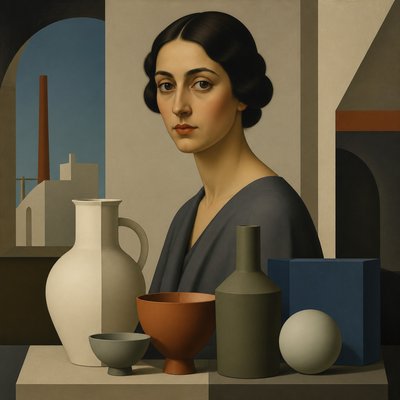
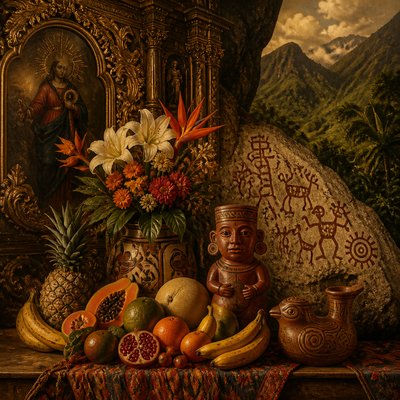
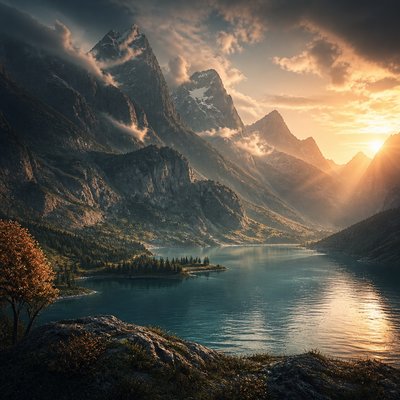
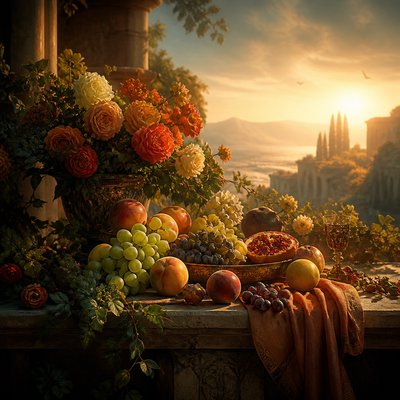
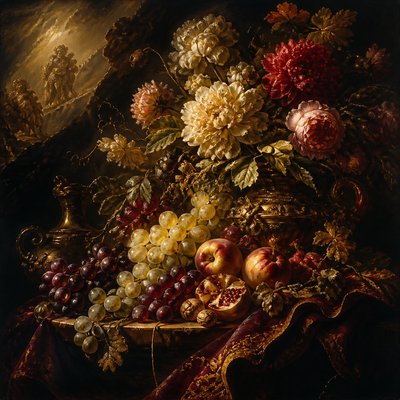
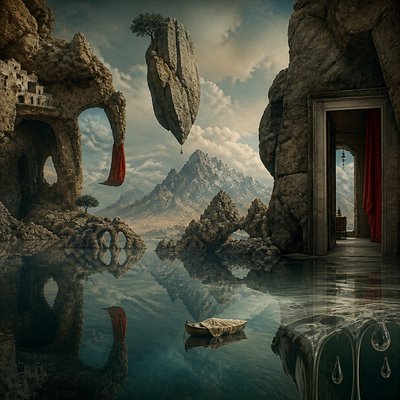
Egg tempera painting is a precise, luminous painting method in which dry pigments are bound with egg yolk and applied in thin layers, traditionally to a rigid gessoed wood panel. The medium dries quickly to a distinctive matte surface, allowing exceptionally crisp edges, fine linear detail, and controlled color modeling.
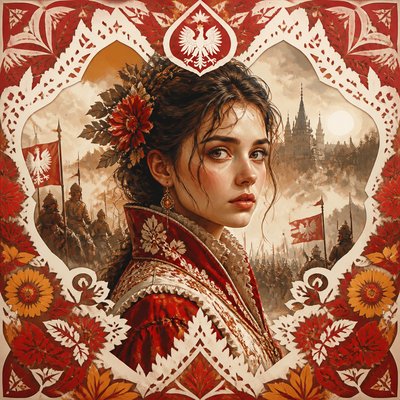
Its visual identity depends on accumulation rather than broad, fluid blending. Parallel hatching, cross-hatching, translucent glazes, and small opaque strokes build volume gradually, producing clear forms, jewel-like colors, delicate contours, and a quiet, polished surface. The result is often associated with devotional panels and early Renaissance clarity, although the technique can depict contemporary subjects with equal effectiveness.
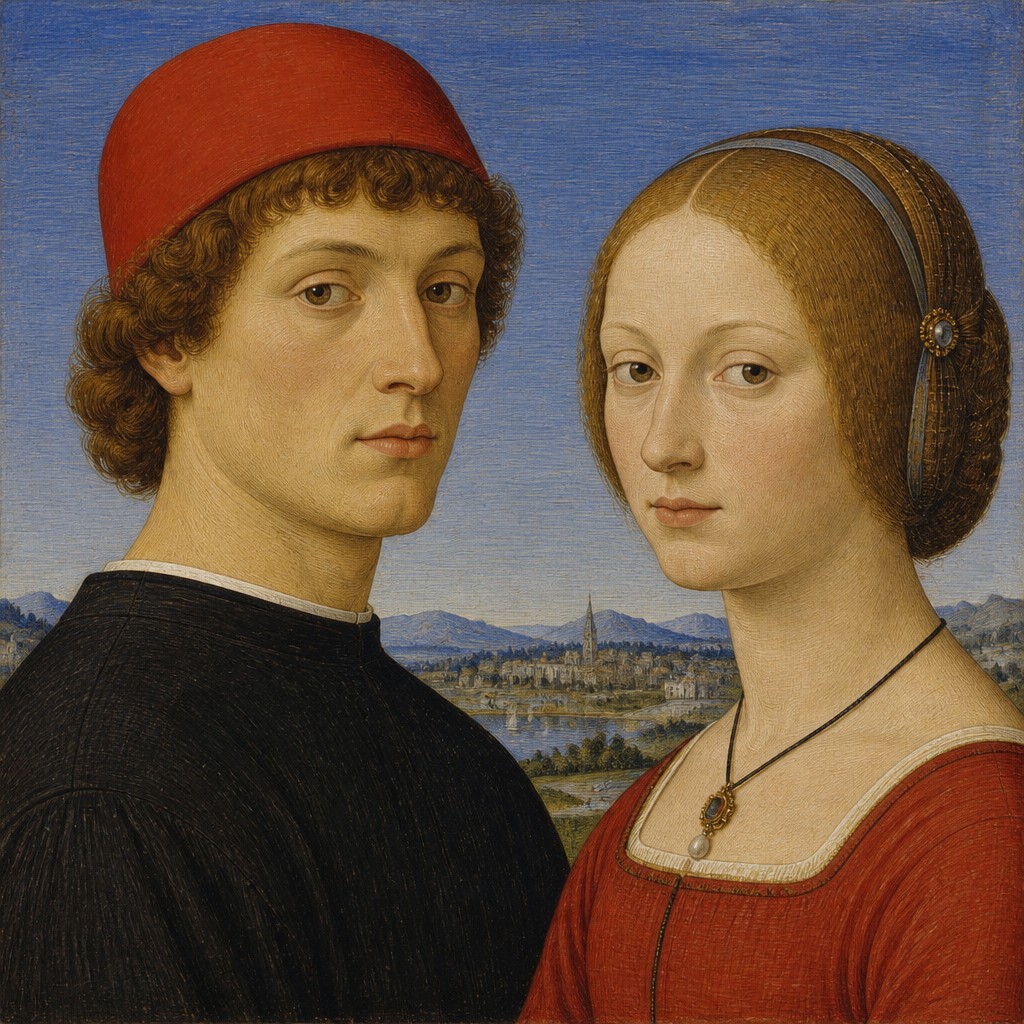
Try It On Your Photos
Upload any photo and convert it into Egg Tempera Painting Style — drag the sliders to compare before and after.
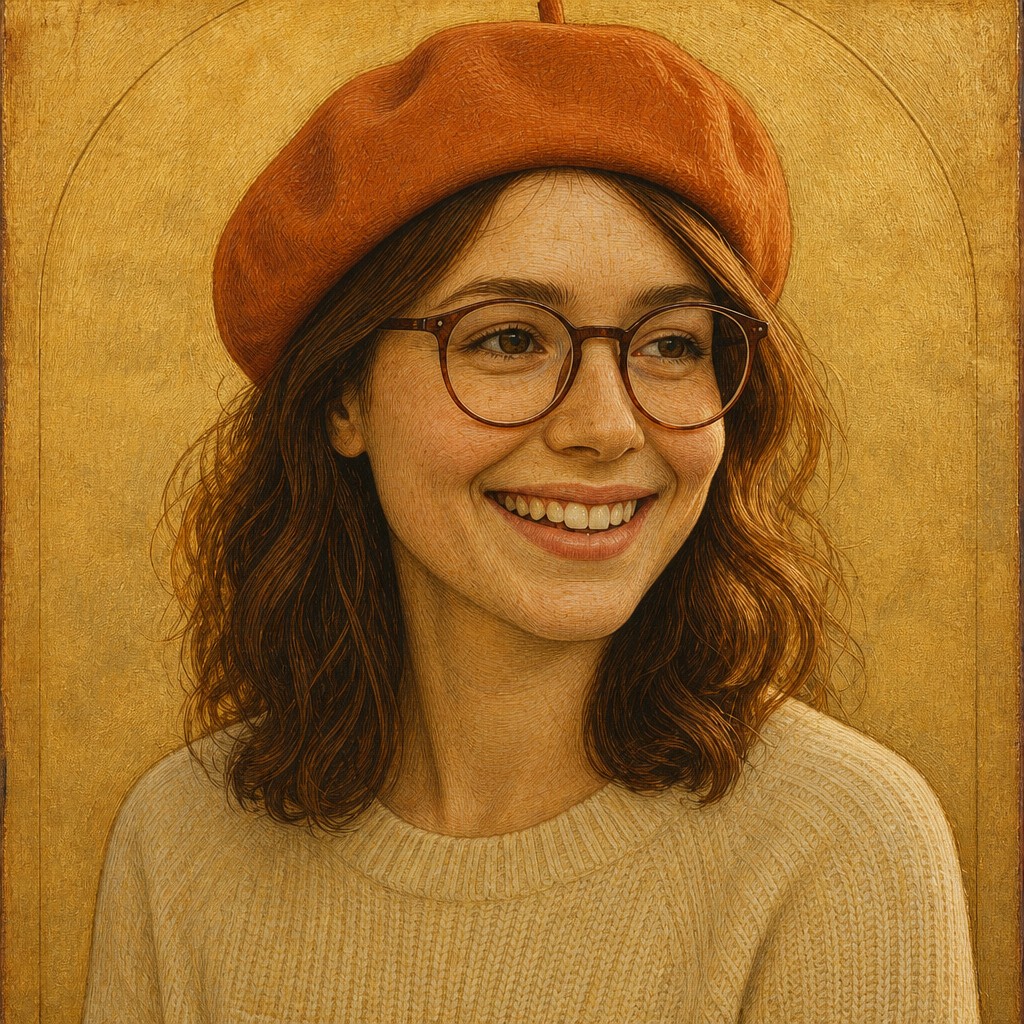

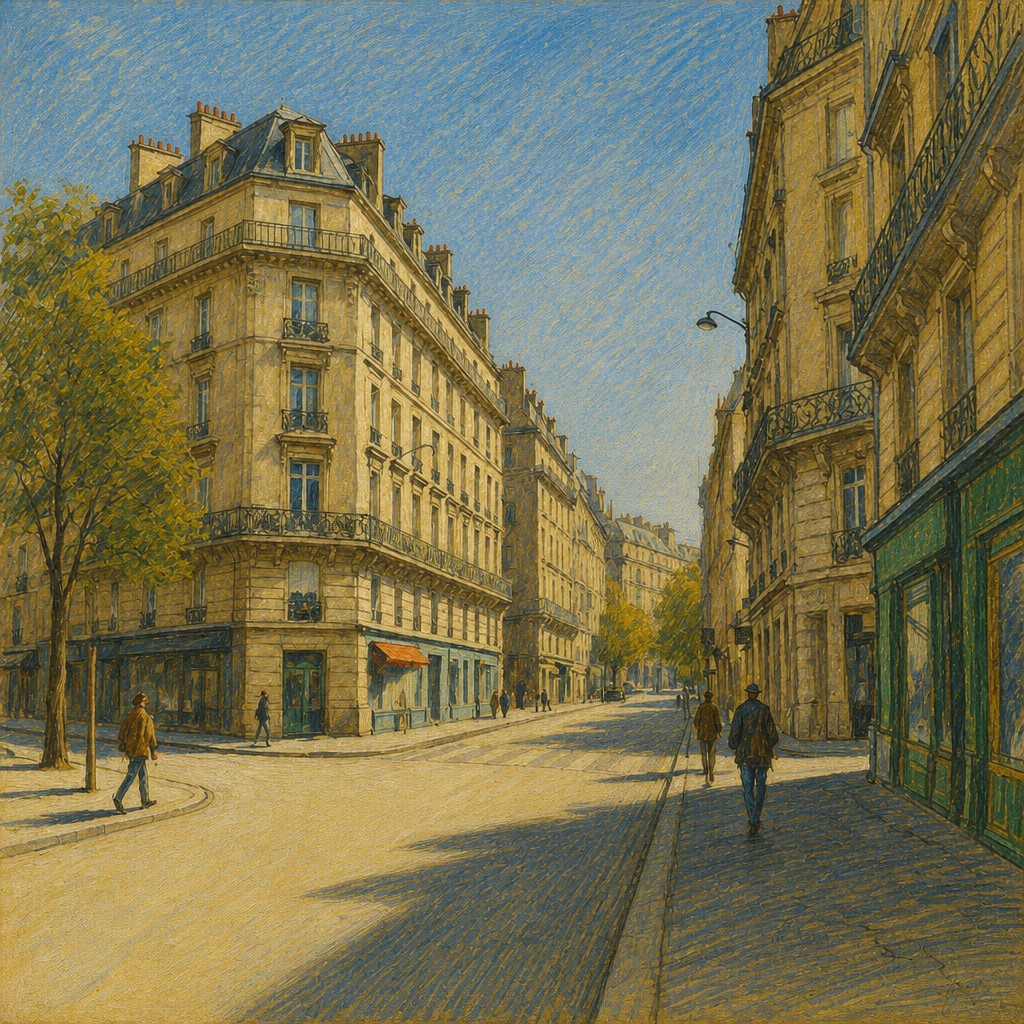

What Defines Egg Tempera Painting Style
The signature details, up close
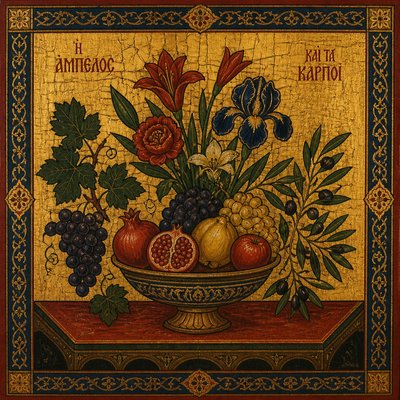
Luminous matte color
Pigments bound with egg yolk produce clear, light-reflective color without the deep gloss associated with oil. The surface usually appears velvety, dry, and softly luminous.
Fine hatching
Parallel and cross-hatched strokes model faces, fabric, architecture, and landscape through controlled directional marks. The strokes may remain visible, giving the image a finely worked linear texture.
Gesso panel ground
Traditional works are painted on a rigid wood panel coated with smooth gesso. This stable, absorbent surface supports crisp edges and thin successive layers.
Crisp linear modeling
Forms are defined through deliberate contours, tonal steps, and carefully placed highlights rather than loose blending. Volume tends to feel measured, articulate, and architecturally organized.
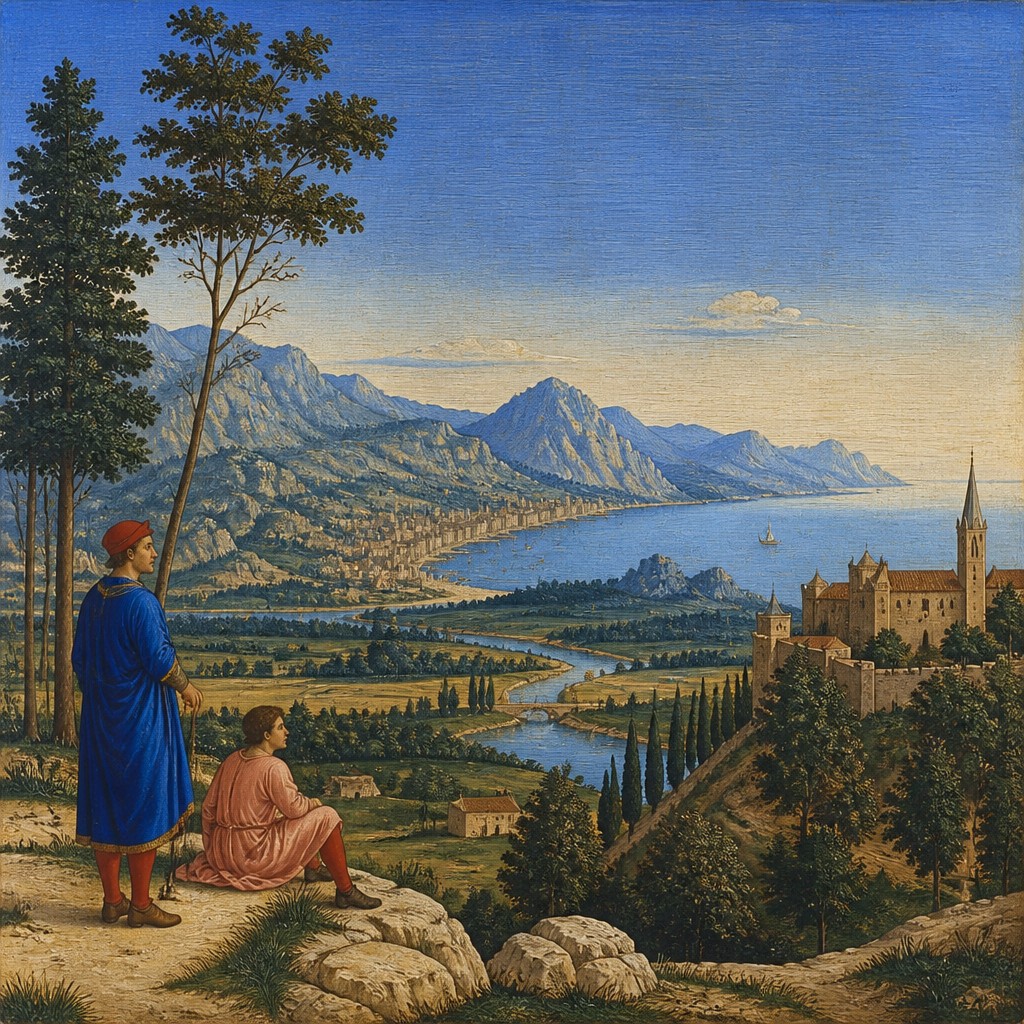
Clear mineral pigments
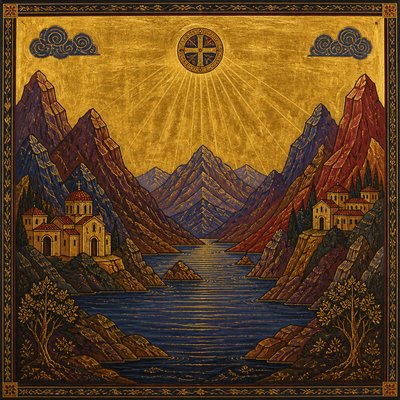
The style favors clean, saturated colors resembling mineral and earth pigments, including azures, vermilions, ochres, greens, and deep blacks. Color relationships are often balanced and distinct.
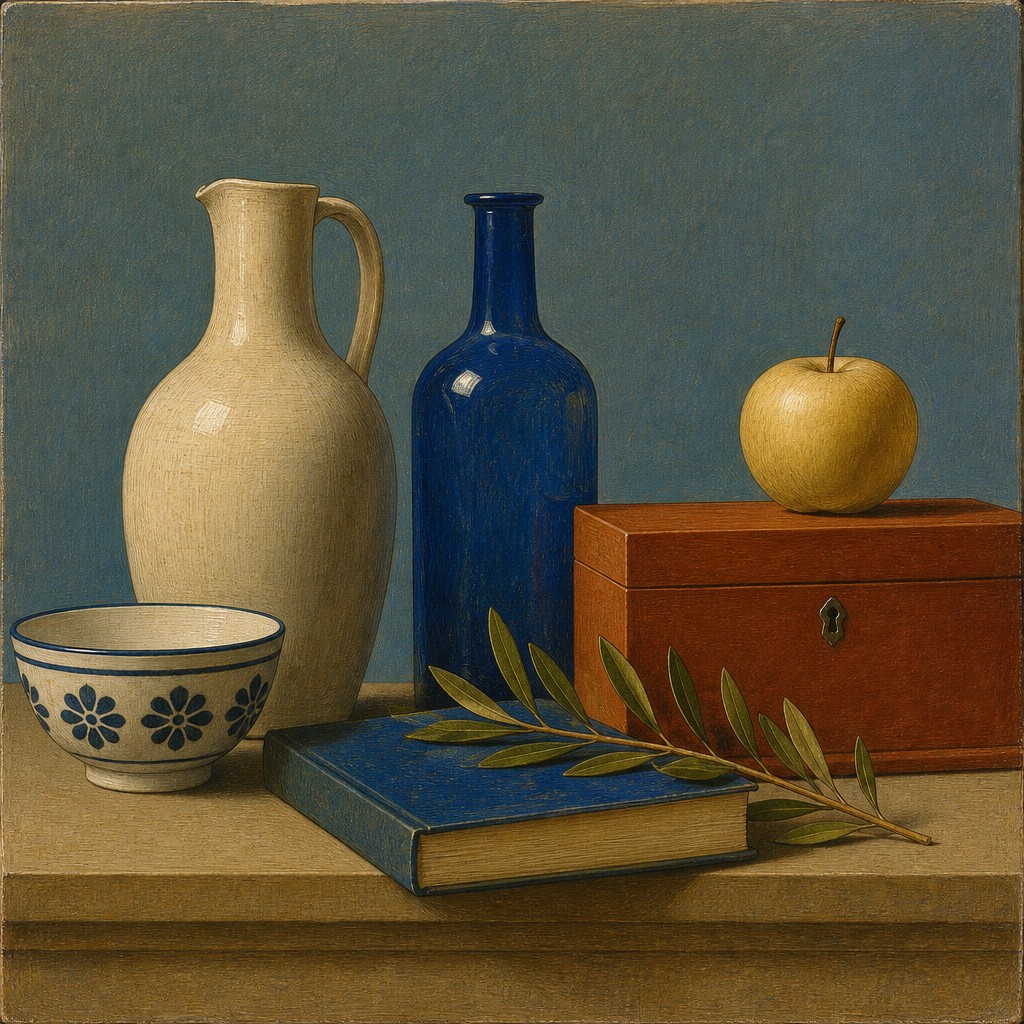
Layered translucency
Thin glazes and semi-opaque strokes can be layered to enrich shadows and create depth. Because each layer dries rapidly, transitions are built incrementally.
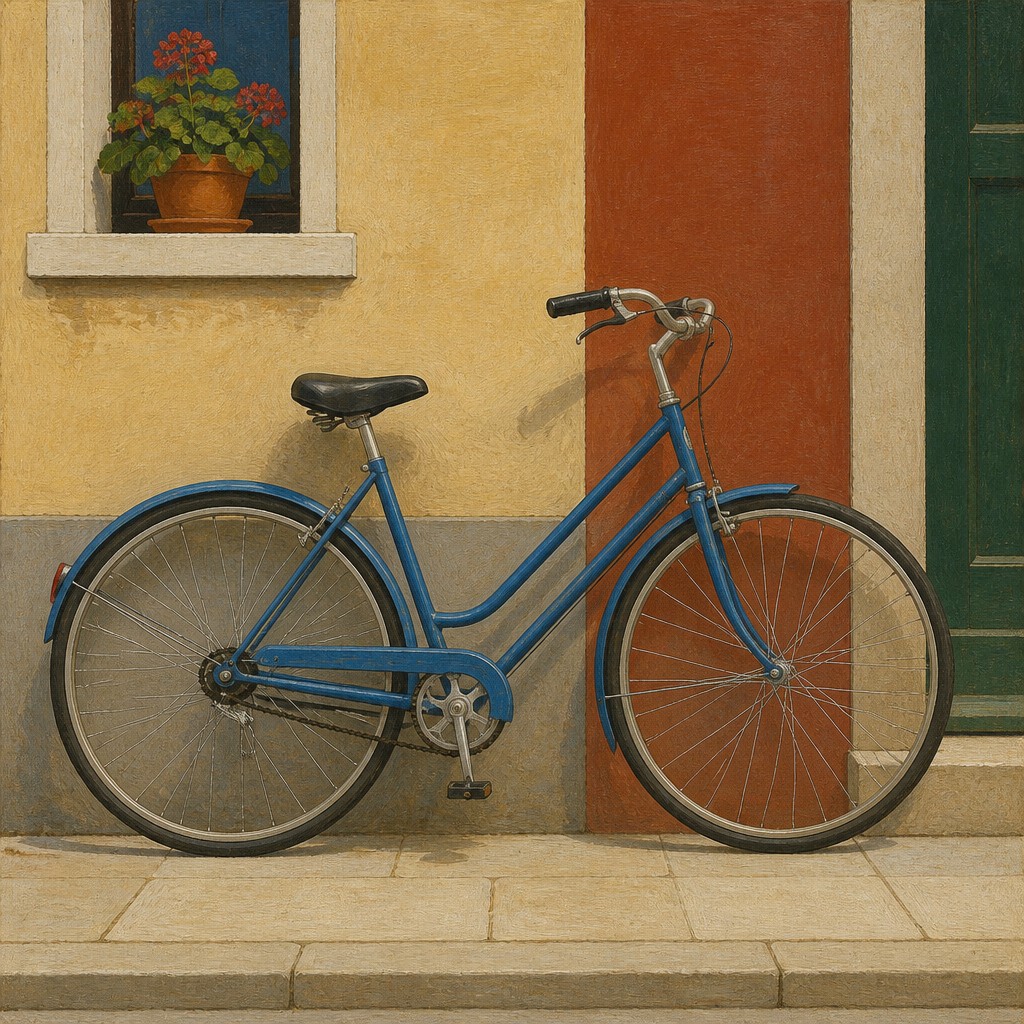
Quattrocento-like clarity
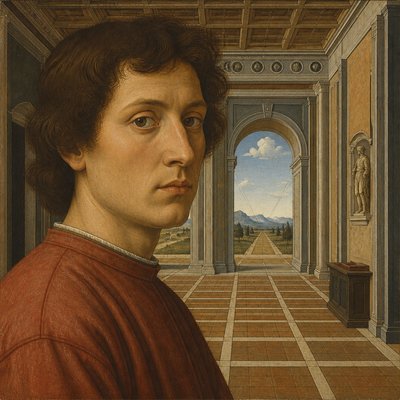
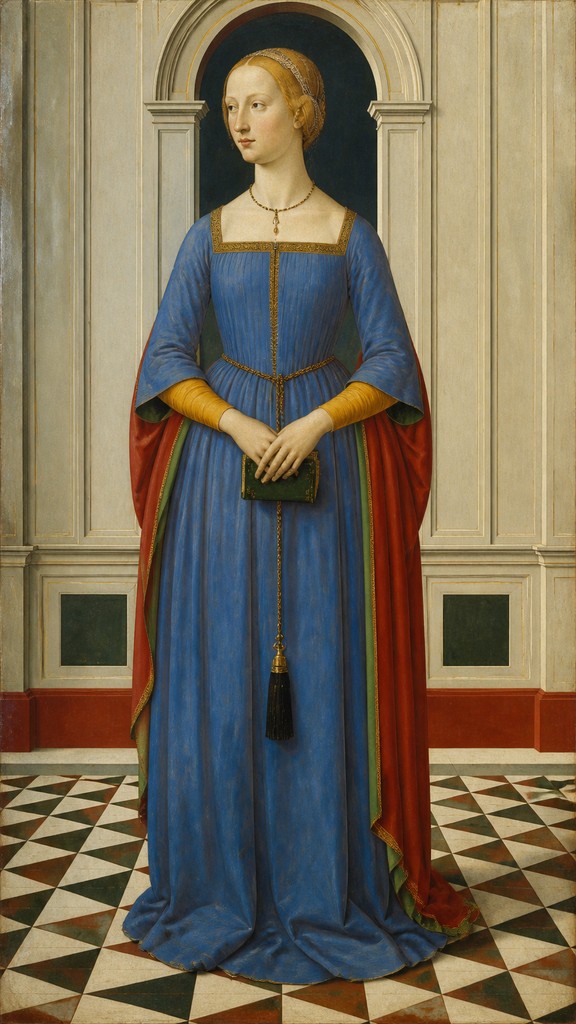
Many examples evoke the ordered compositions, lucid space, symbolic detail, and restrained elegance of fifteenth-century Italian panel painting. This historical association is stylistic rather than a requirement for religious subject matter.
Try It
Create Videos in Egg Tempera Painting Style
Styles aren't just for stills — describe a scene or animate an image and get a short video rendered in Egg Tempera Painting. Press play to see this pond come to life.
Make a VideoEgg Tempera Painting Prompt Ideas
Start from an idea — each one opens the generator with the style ready to go. See all 40 Egg Tempera Painting prompts →
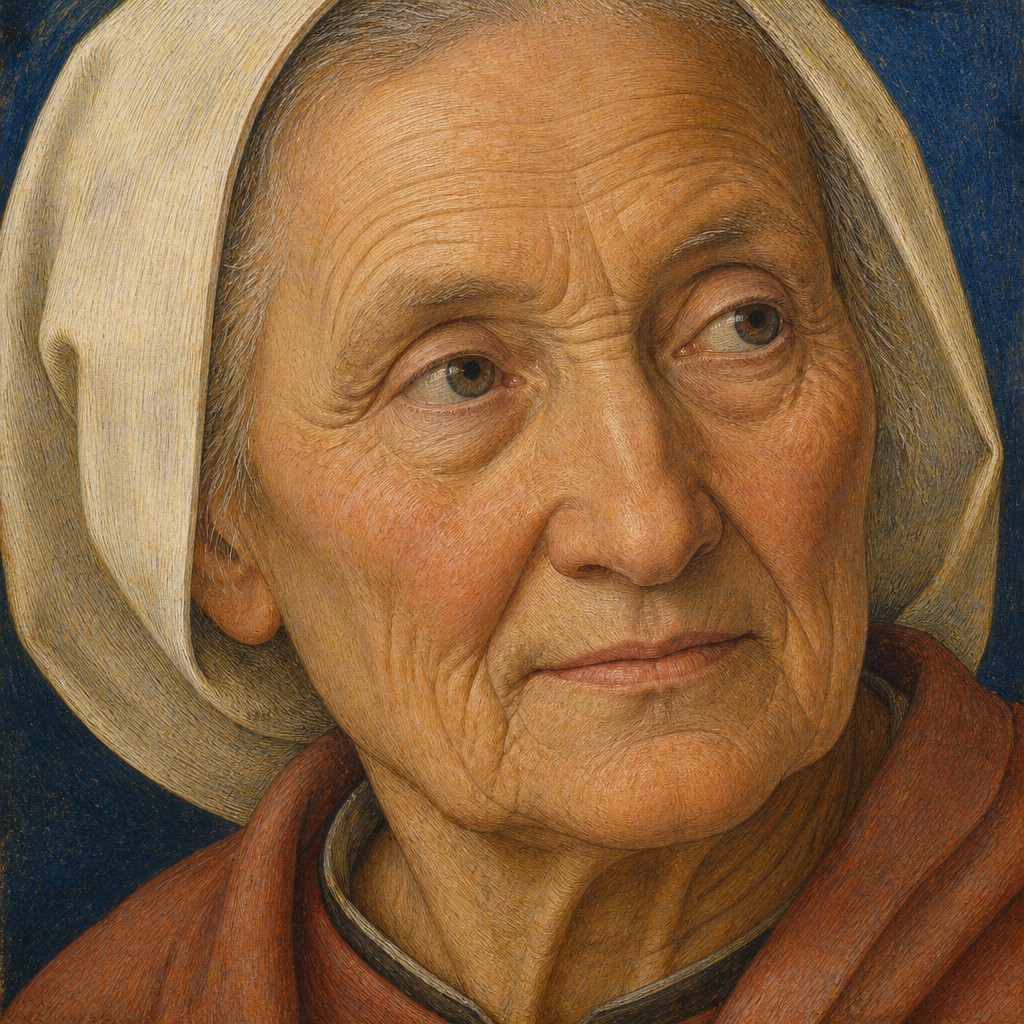
“close-up portrait of an elderly person with expressive weathered features”
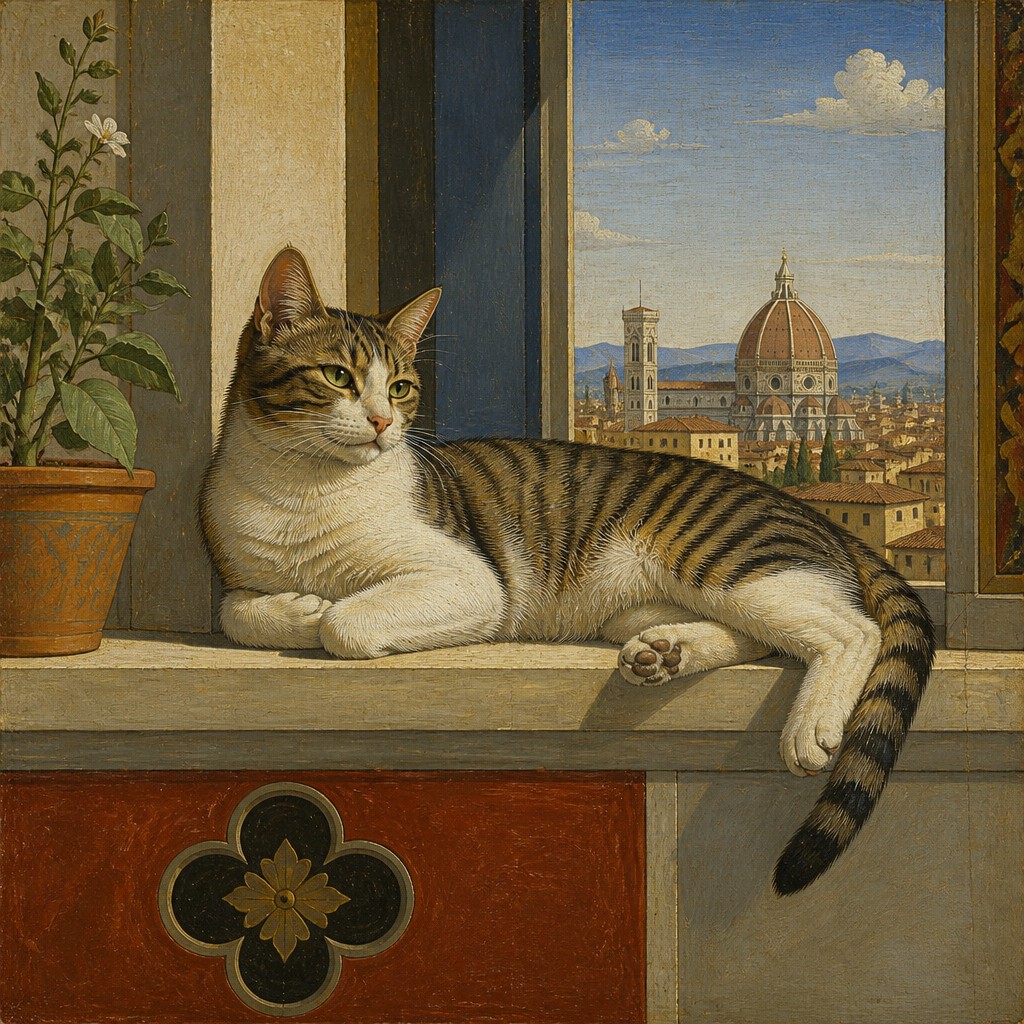
“a cat lounging in a sunlit window”
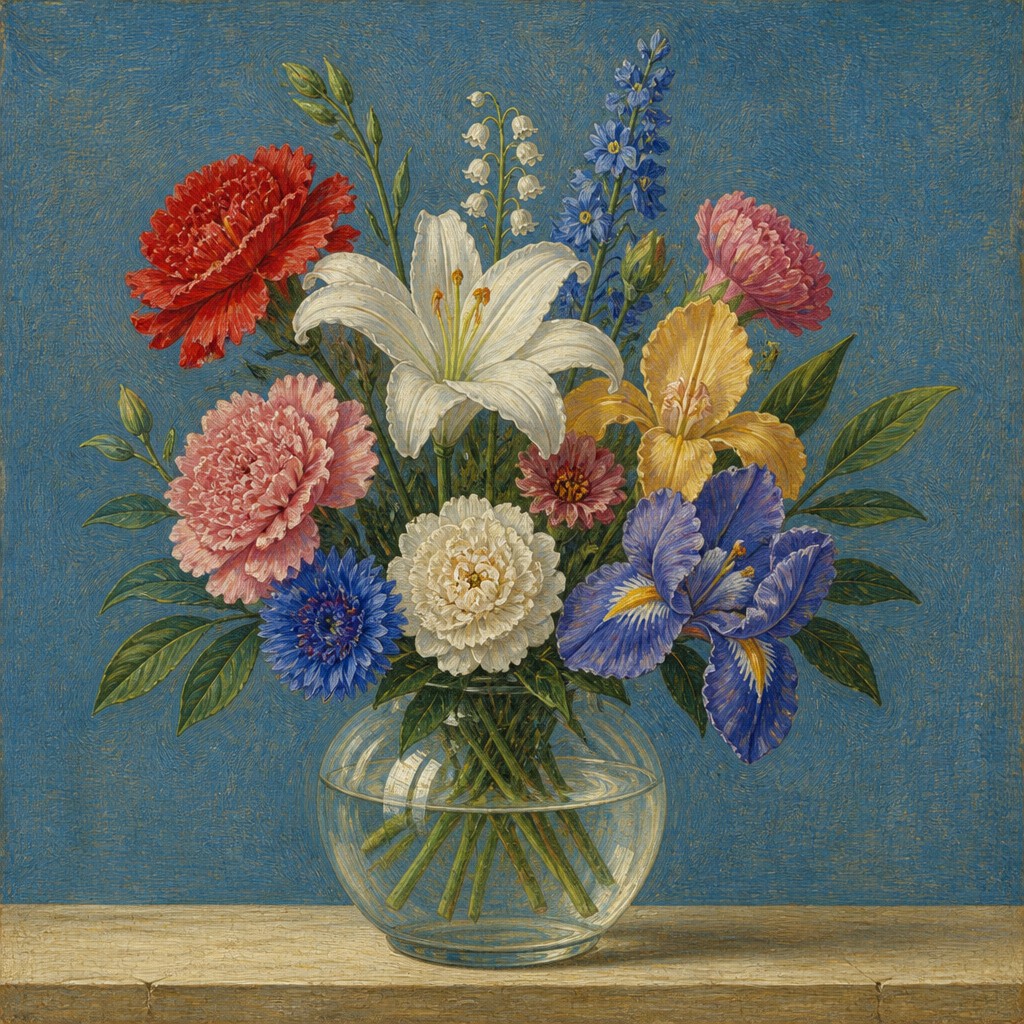
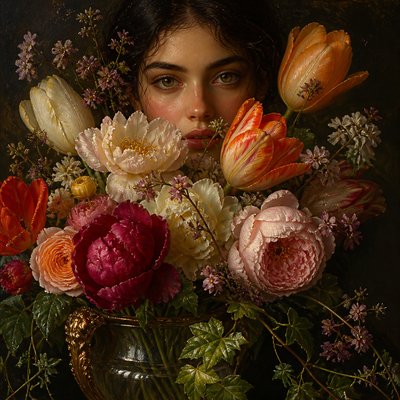
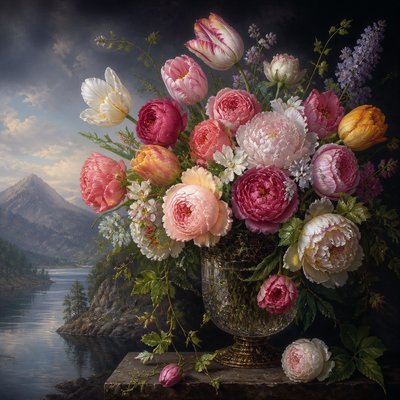
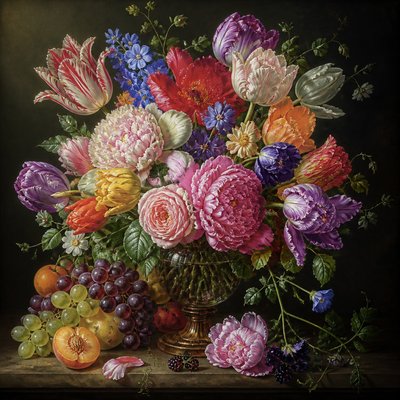
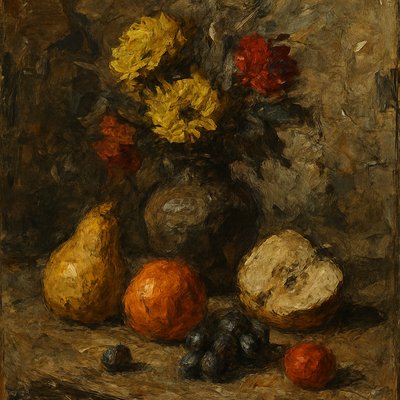
“bouquet of flowers in a glass vase”
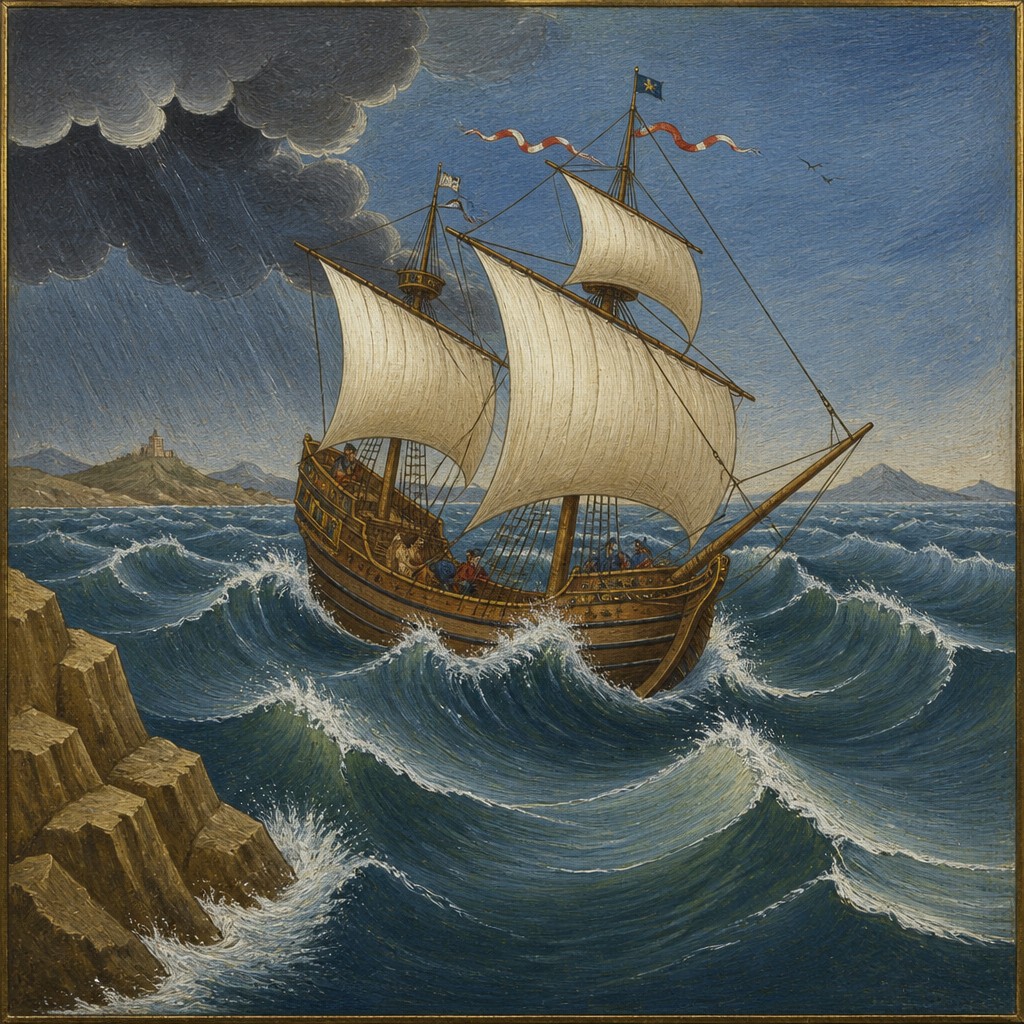
“sailing ship on a stormy sea”
How to Create Egg Tempera Painting Art
Master the craft step by step — or skip straight to creating. Read the full guide →
- 1
Prepare a rigid ground
For traditional work, use a sealed wood panel with several layers of gesso, sanding between coats until the surface is smooth and absorbent. A fine drawing can then be transferred before painting.
- 2
Mix and apply thin paint
Combine finely ground pigment with a small amount of egg yolk emulsion and water, adjusting the mixture so it flows without becoming watery. Apply many thin strokes instead of one heavy layer.
- 3
Build value before detail
Establish the main light and dark structure first, then add local color, glazes, hatching, and highlights. Let each passage dry before placing delicate marks over it.
- 4
Control the stroke direction
Use parallel hatching that follows the curvature of the subject, reserving cross-hatching for deeper shadows. Keep contours clean and use small, deliberate accents for jewelry, foliage, hair, or architectural detail.
- 5
Translate the look digitally
In digital painting, work on a lightly textured panel-colored ground with opaque, low-blend brushes, sharp edges, and layered hatch marks. Avoid excessive airbrushing, glossy effects, and soft photographic gradients.
- 6
Write focused generation prompts
Describe the subject, a smooth gesso panel, matte mineral color, fine parallel hatching, crisp contours, and delicate linear modeling. Add specific lighting and composition details while excluding glossy oil paint, heavy impasto, and photorealistic blur.
The Story
History & Origins of Egg Tempera Painting
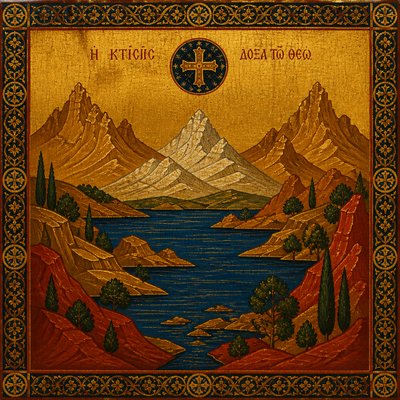
Egg-based painting materials were used in antiquity, and egg tempera became especially important in Byzantine icon painting and medieval European panel painting. In Western Europe, it was a principal technique for religious images and illuminated or panel-based works before the widespread adoption of oil painting during the later medieval and early Renaissance periods.
The method remained valued for its permanence, precise handling, and luminous color even as oil became dominant. Modern painters, conservators, illustrators, and contemporary artists have continued to use egg tempera, often combining its historical discipline with modern subjects, abstract compositions, and experimental grounds.
Influences: Egg tempera is closely related to Byzantine icon painting, medieval European devotional panels, illuminated manuscript traditions, and the precise spatial and compositional language of early Renaissance painting. Its emphasis on contour and hatching also connects with panel drawing, manuscript illumination, and graphic illustration. Contemporary interpretations may incorporate modern portraiture, still life, symbolism, fantasy art, and digital painting while retaining the medium's matte finish and disciplined layering.

Frequently Asked Questions
What defines egg tempera painting?
Egg tempera is defined by pigment bound primarily with egg yolk, rapid drying, thin layered application, and a matte, finely controlled surface. Visually, it is recognized through crisp contours, luminous color, and hatching or other delicate linear modeling.
Is egg tempera the same as oil painting?
No. Egg tempera dries quickly and generally produces a dry, matte surface, while oil paint dries more slowly and supports richer blending, thicker passages, and a glossier finish. Egg tempera favors precision and accumulation of small strokes rather than broad wet-in-wet manipulation.
Why was egg tempera traditionally painted on panels?
The medium works best on a rigid, absorbent ground such as gessoed wood. A properly prepared panel reduces flexing and provides the smooth surface needed for fine lines, thin layers, and controlled detail.
Can egg tempera painting be made without egg yolk?
Strictly speaking, traditional egg tempera uses egg yolk as its binder, often mixed with water and sometimes other stabilizing ingredients. Many commercial products labeled tempera use different binders, so they may resemble the medium visually without having the same material properties.
How can a digital image look like egg tempera?
Use a matte, lightly absorbent-looking ground, crisp edges, opaque color blocks, restrained blending, and visible parallel or cross-hatched strokes. Prompts should emphasize gessoed panel texture, mineral pigments, layered translucency, and precise linear detail while excluding gloss and heavy impasto.
Where is egg tempera painting commonly used?
It is used for icons, devotional panels, portraits, still lifes, botanical studies, illustration, and contemporary symbolic or narrative painting. Its clarity and durability also make it useful when intricate detail and a controlled matte finish are central to the design.
Create your first Egg Tempera Painting artwork
Describe anything — or upload a photo — and see it in Egg Tempera Painting Style in seconds.
Related Styles
Discover similar art styles