Icon Art Style
Explore Icon Art Style: Byzantine-inspired gold grounds, solemn frontal figures, egg tempera textures, halos, and devotional visual symbolism.
Instantly rendered in Icon — or transform a photo
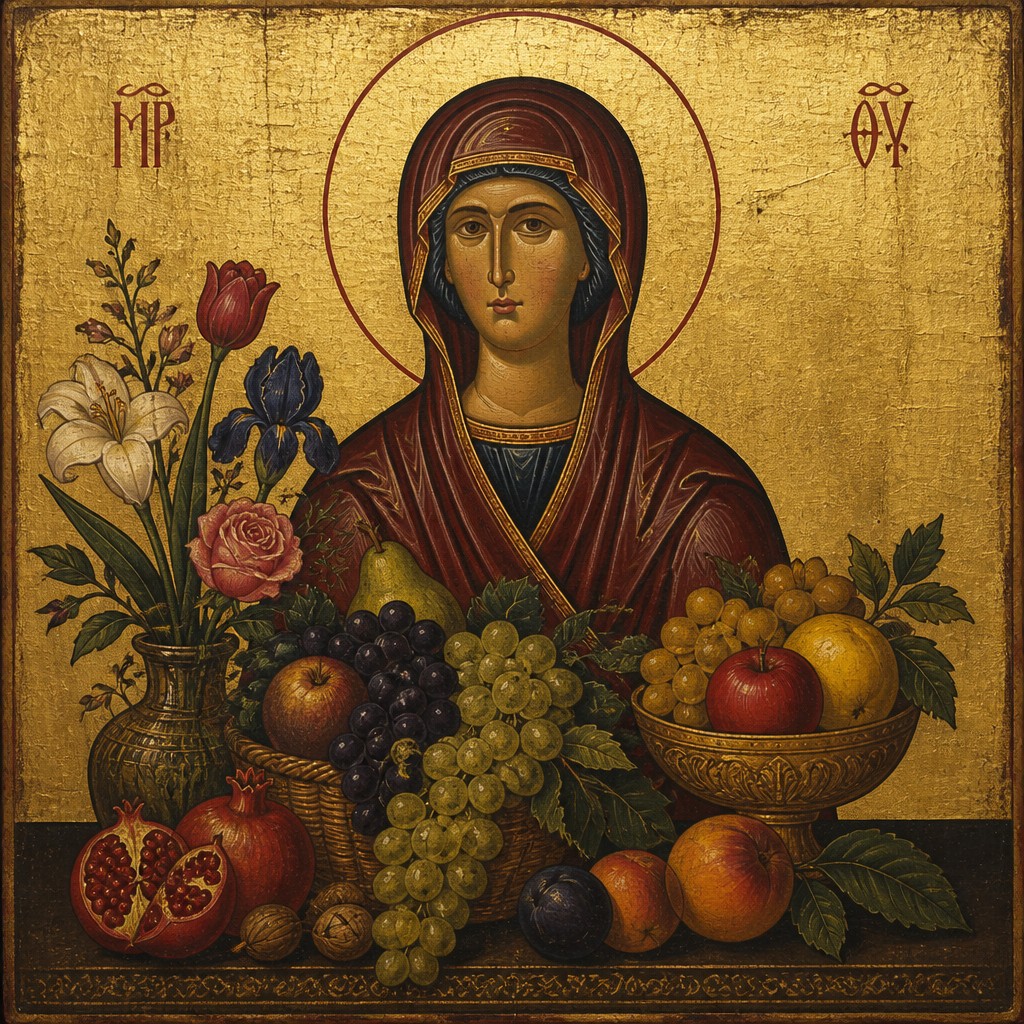
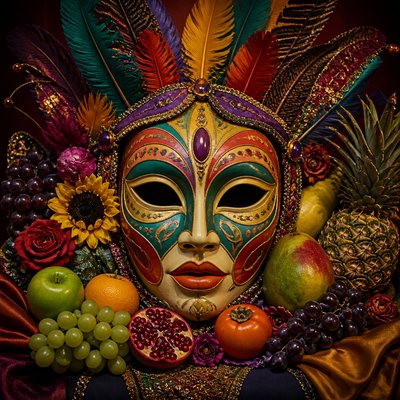
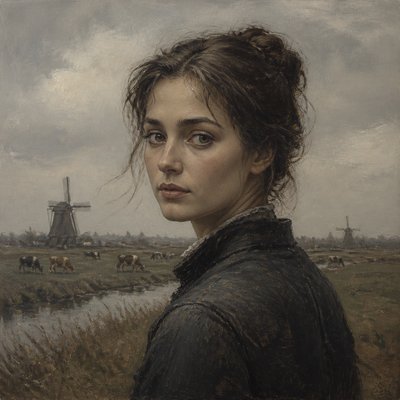
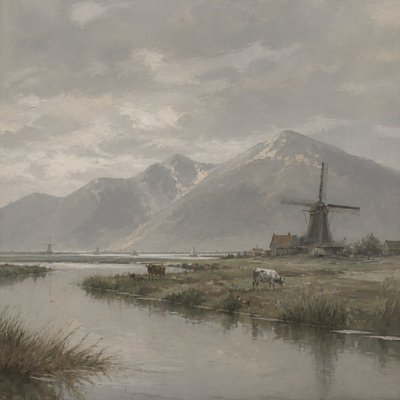
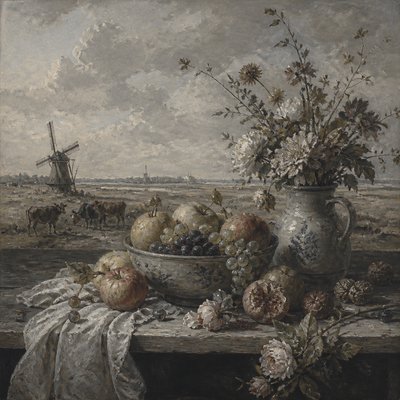
Icon Gallery
Tap any artwork to explore it
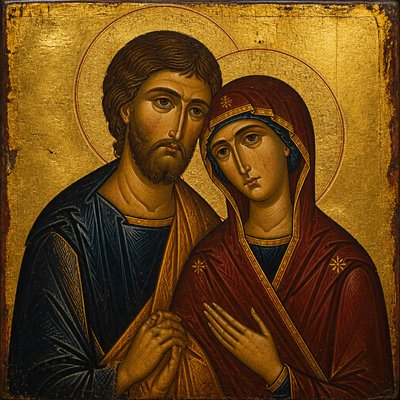
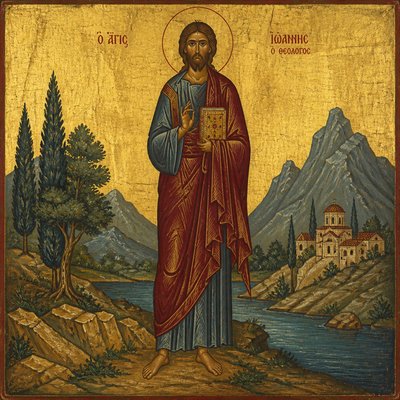
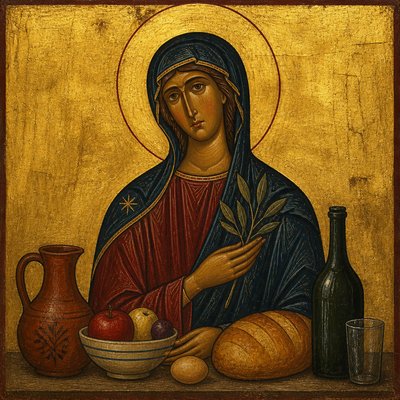
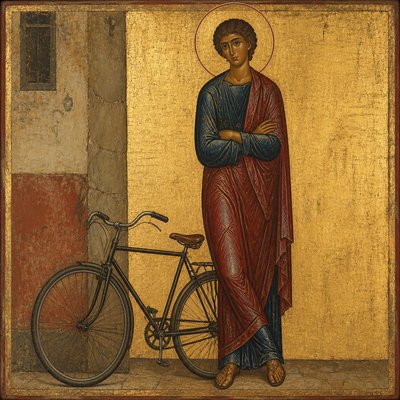
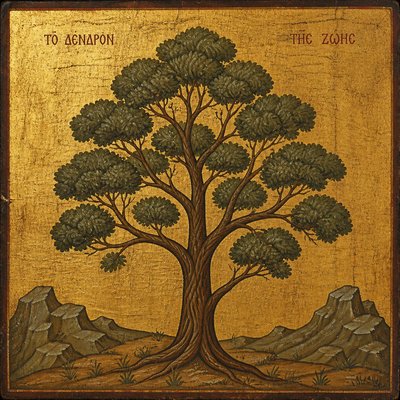
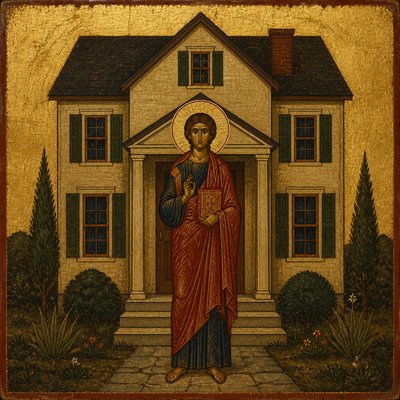
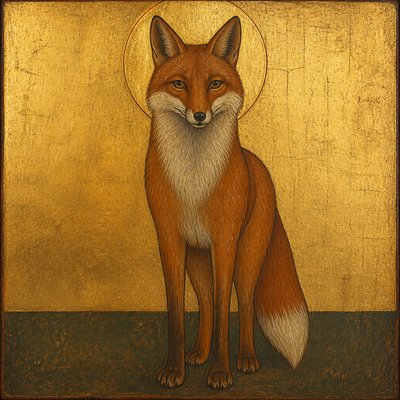
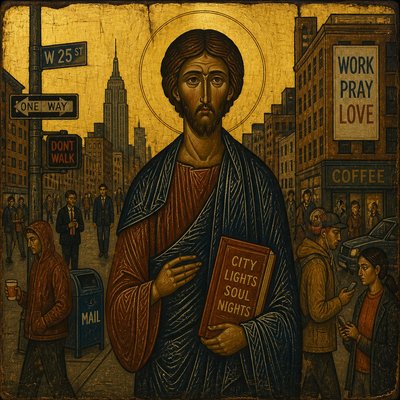
What is Icon Art Style?
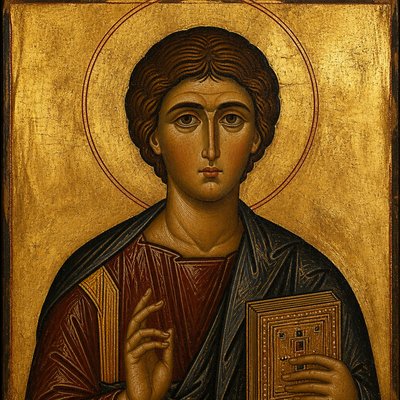
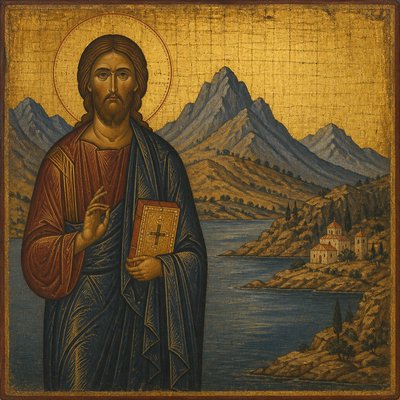
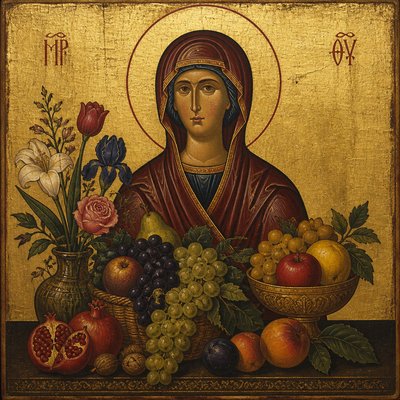
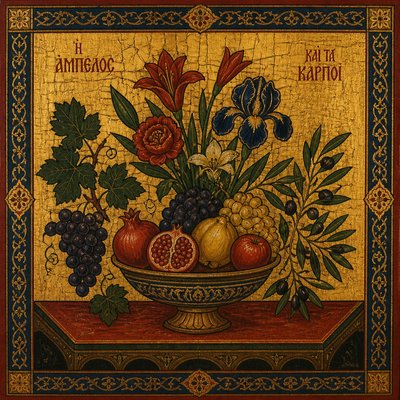
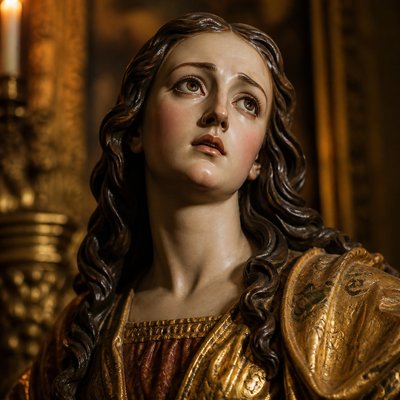
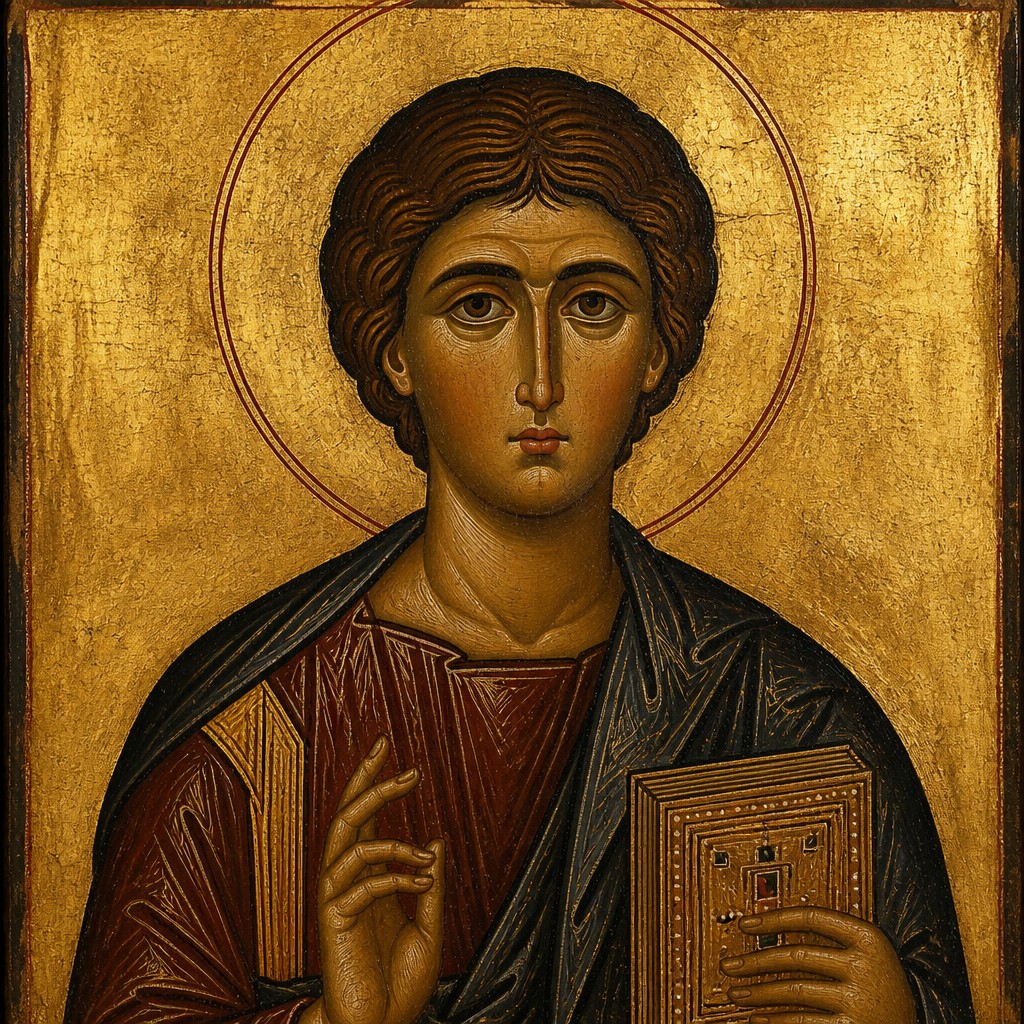
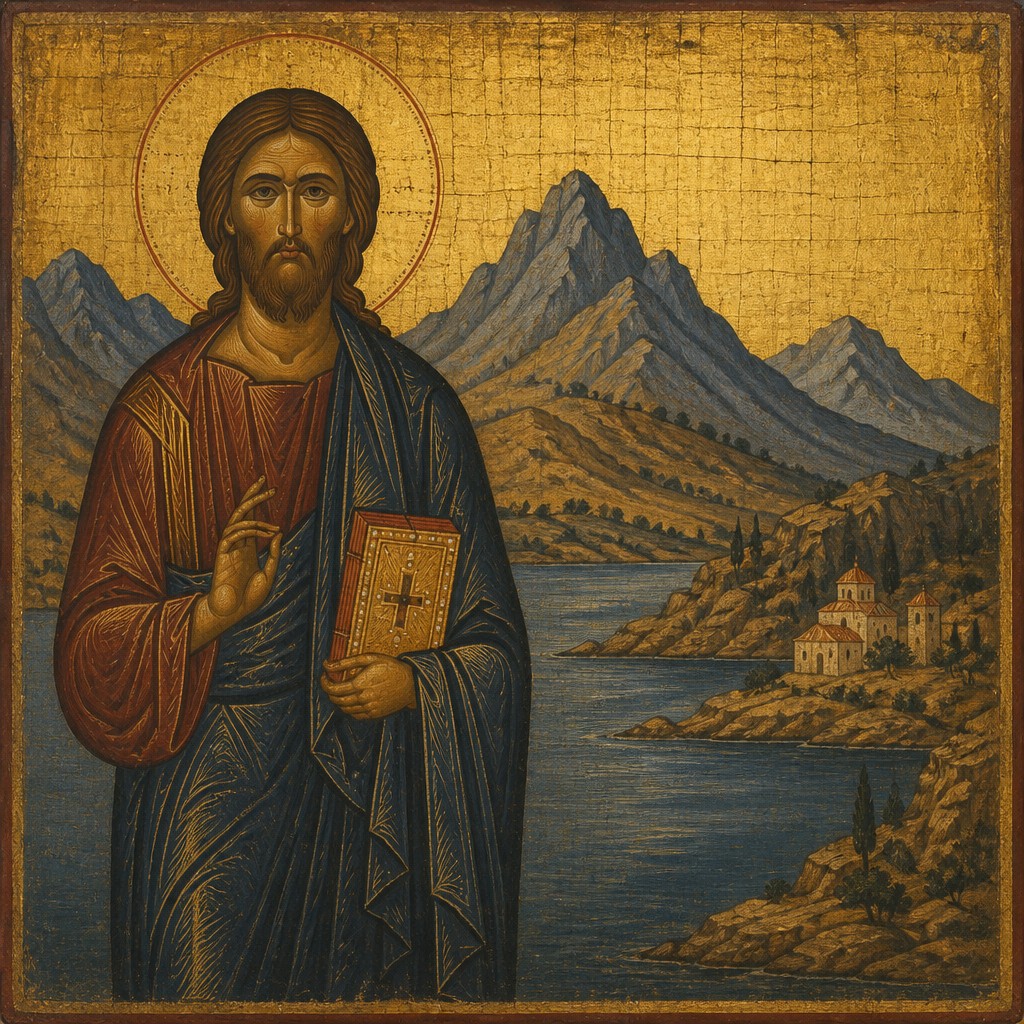
Its characteristic surface combines the look of egg tempera on a prepared wood panel with visible gesso, fine hatched highlights, flat areas of saturated color, narrow halos, and an aged varnish or craquelure patina. Gold functions not as ordinary scenery but as a symbolic, timeless field, while the flattened space and lack of ordinary perspective make the image feel outside everyday time. In contemporary use, the style can be applied to religious, historical, mythological, or entirely secular subjects.
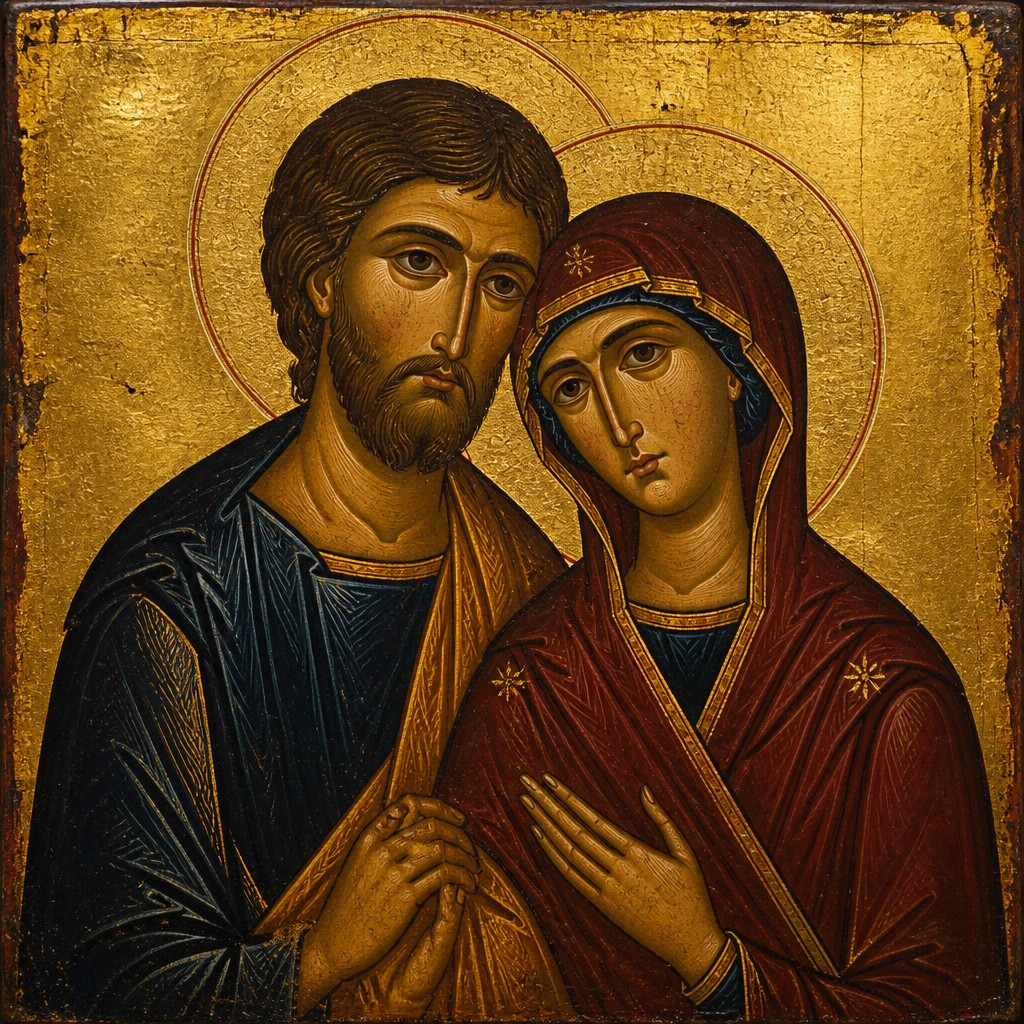
Try It On Your Photos
Upload any photo and convert it into Icon Art Style — drag the sliders to compare before and after.
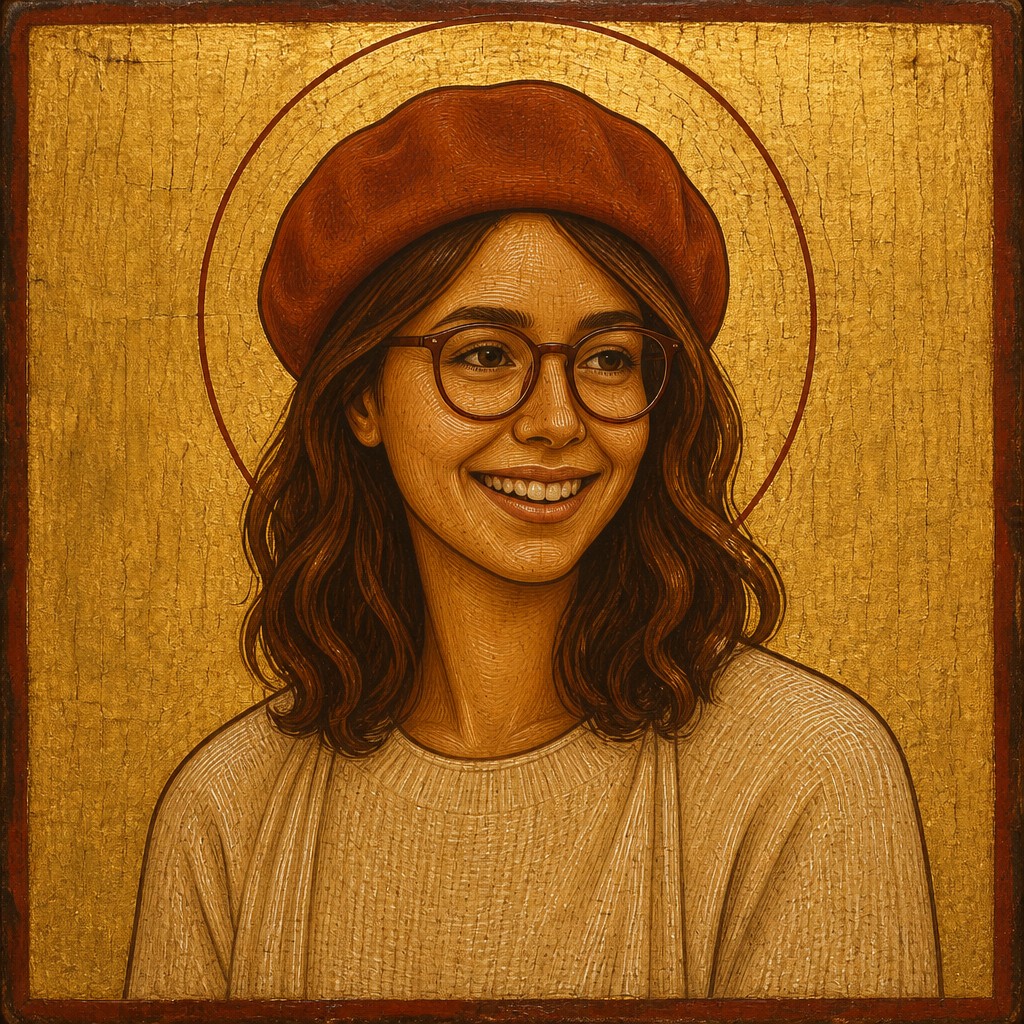

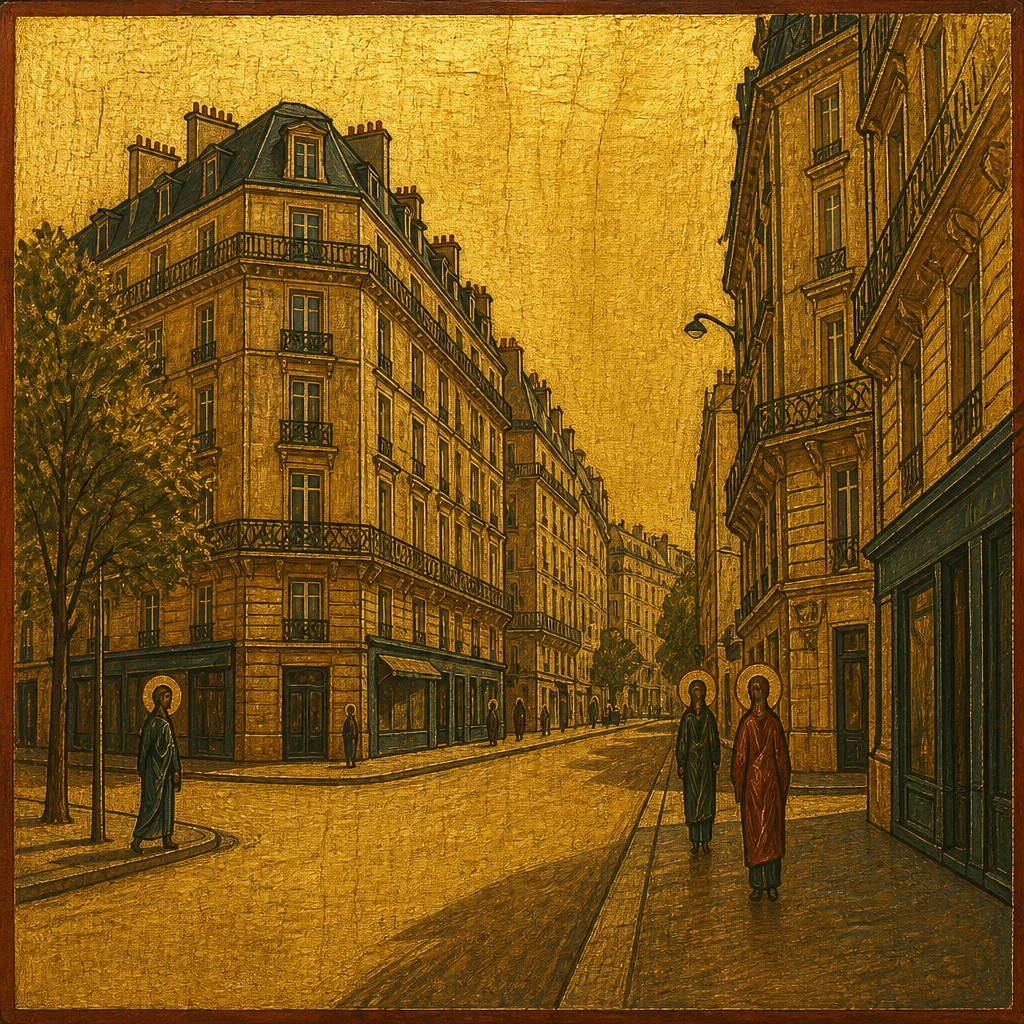

Or use the free Icon photo filter
What Defines Icon Art Style
The signature details, up close
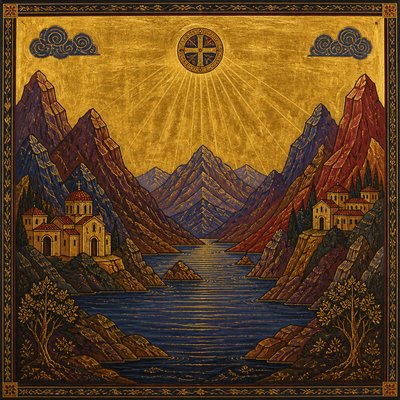
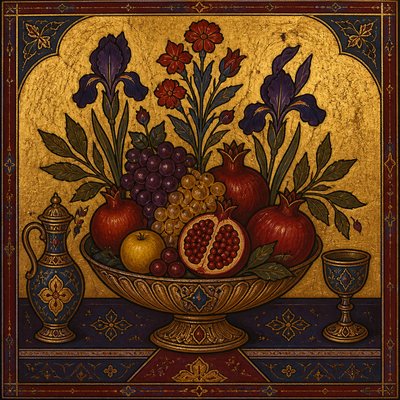
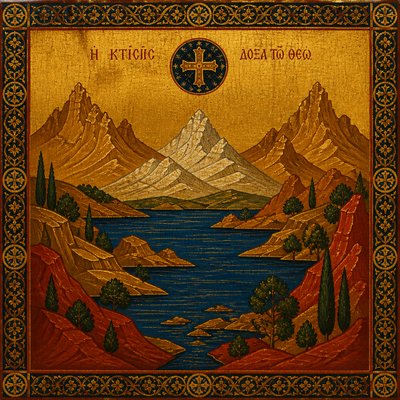
Luminous gold ground
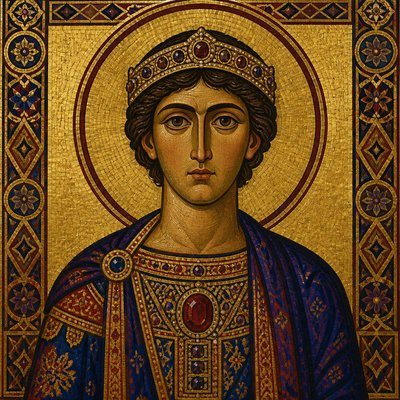
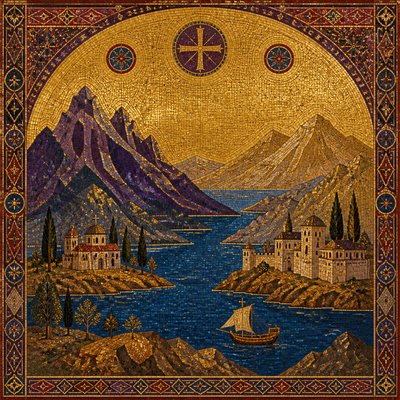
A field of gold leaf or gold-like luminosity replaces conventional landscape or architectural space. It suggests sacred radiance and a timeless realm rather than a literal setting.
Frontal, elongated figures
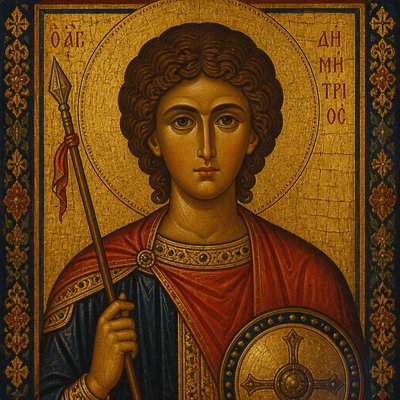
Figures are presented in a stable frontal or near-frontal pose, with vertically extended proportions and limited bodily movement. This abstraction prioritizes spiritual dignity and recognition over anatomical realism.
Tempera and gesso surface
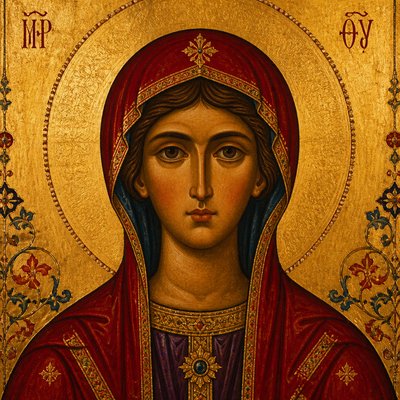
The look recalls egg tempera layered over a pale gessoed wood panel, producing opaque color, crisp edges, and a dry mineral texture. Fine transitions are subordinate to controlled planes of color.
Dark linear contours
Strong outlines separate figures, garments, and facial features from the background. These lines create visual clarity and reinforce the deliberate, diagrammatic character of the composition.
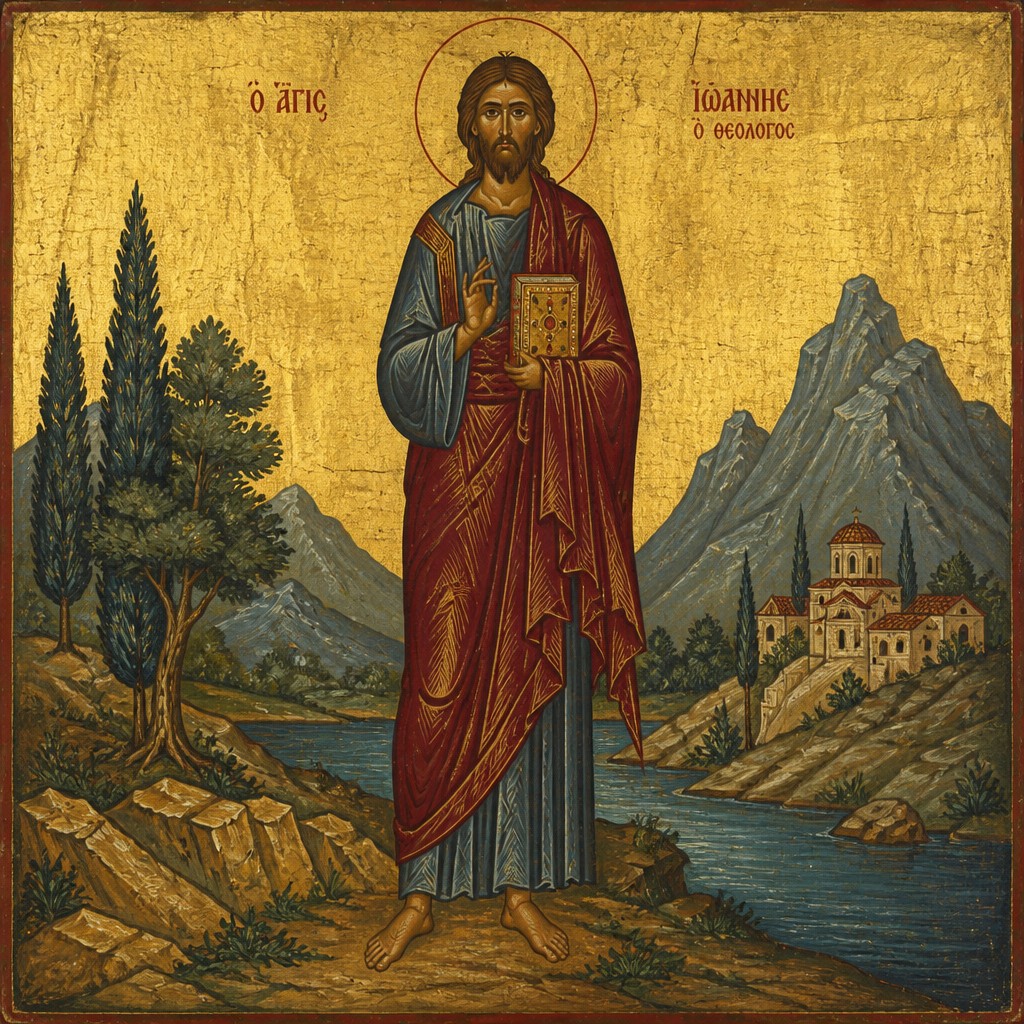
Symbolic halo motif
A narrow circular or elliptical halo encircles the head, typically in gold or a related luminous tone. The halo identifies sanctity, authority, illumination, or exceptional status, even when the subject is secular.
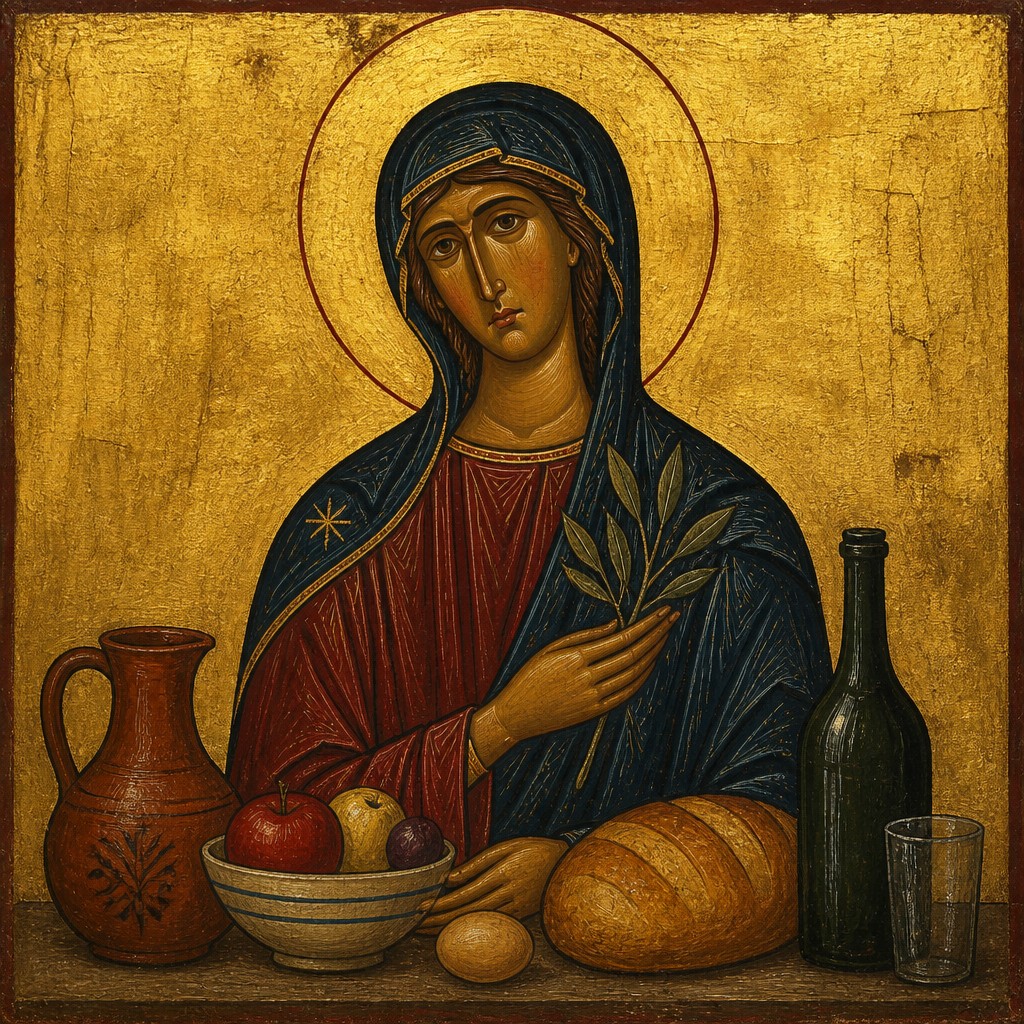
Hatched drapery highlights
Short, fine strokes articulate folds and raised surfaces in robes, sleeves, and mantles. The patterned highlights add volume without introducing fully naturalistic shading.
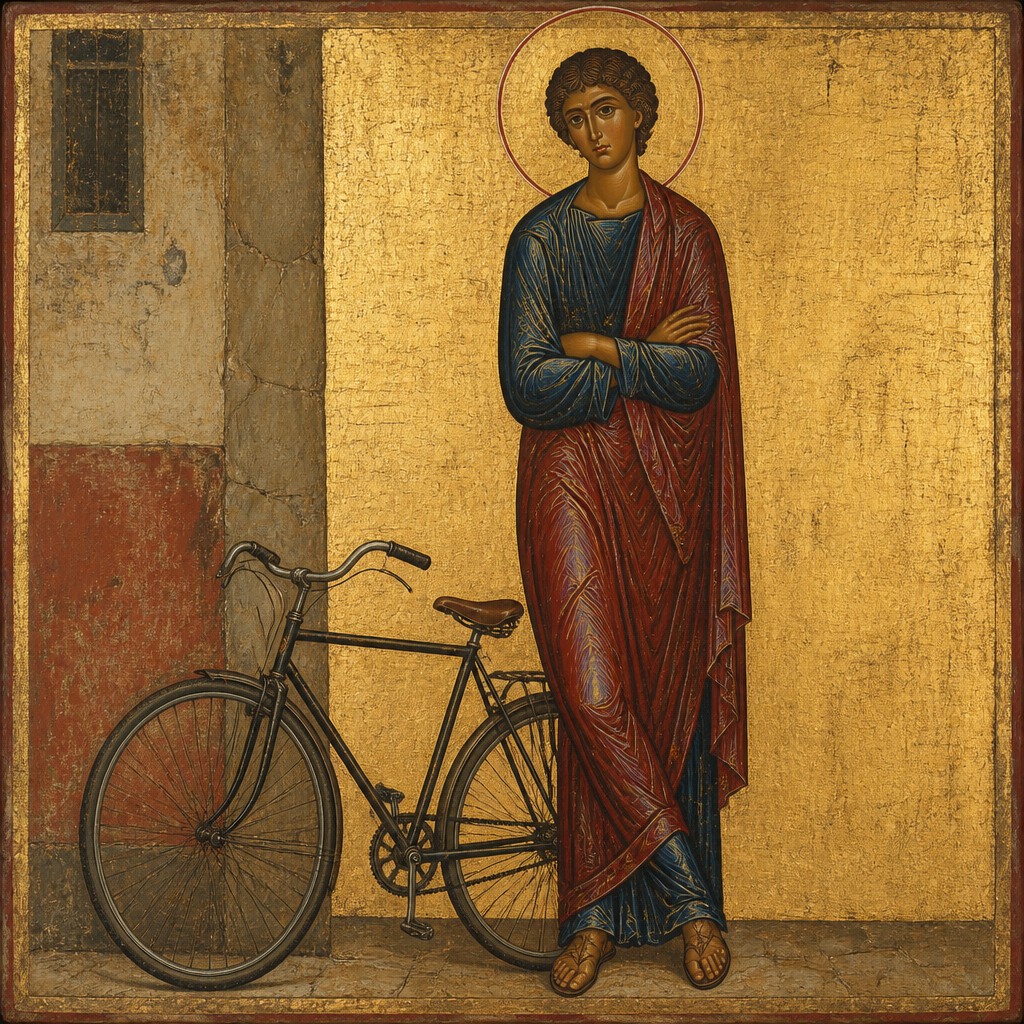
Aged devotional patina
Craquelure, darkened varnish, softened gold, panel grain, and small irregularities suggest an old surviving object. These effects should remain subordinate to the image's clarity rather than overwhelm the subject.
Icon Prompt Ideas
Start from an idea — each one opens the generator with the style ready to go. See all 40 Icon prompts →
How to Create Icon Art
Master the craft step by step — or skip straight to creating. Read the full guide →
- 1
Prepare a panel-like ground
Traditionally, work on a rigid wood panel coated with gesso and sanded to a smooth surface, then apply bole and gold leaf where appropriate. Digitally, begin with a warm gesso texture and a separate luminous gold background layer.
- 2
Build flattened symbolic forms
Use a limited palette, elongated proportions, frontal poses, and simplified anatomy. Avoid deep perspective, photographic modeling, and casual gestures unless you intentionally want to depart from the icon-derived language.
- 3
Use tempera-like edges and contour
Apply opaque, matte color in controlled shapes and reinforce important boundaries with dark, slightly irregular lines. Add restrained hatching to describe drapery and facial planes rather than smooth airbrushed gradients.
- 4
Design the gold field and halo
Keep the background visually continuous and place a precisely centered halo around the head. In digital work, combine gold texture, subtle variation, and a soft metallic glow without turning the field into a realistic reflective environment.
- 5
Add age selectively
Introduce fine craquelure, faint panel grain, worn edges, and a lightly ambered varnish overlay at low opacity. Excessive cracks or artificial distress can obscure the calm geometry and devotional focus.
- 6
Write a focused generation prompt
Specify the subject, frontal pose, gold-leaf ground, egg tempera on gessoed wood, elongated proportions, dark contours, hatched drapery, halo, and restrained aged patina. For image transformation, describe which features must remain recognizable while requesting the flattened composition and material surface.
The Story
History & Origins of Icon
The visual vocabulary continued through Orthodox traditions after the Byzantine period, with regional variations in Russia, the Balkans, the Caucasus, and the eastern Mediterranean. The contemporary version emphasizes recognizable features such as gold backgrounds, frontal poses, halos, solemn expressions, and aged tempera surfaces, while adapting them for nonreligious subjects and digital image-making.
Influences: The style draws on Byzantine panel icons, Eastern Orthodox devotional painting, late antique sacred portraiture, and post-Byzantine regional icon traditions. It also relates to medieval manuscript illumination, Romanesque and Gothic frontal imagery, gold-ground painting, and modern primitivist approaches that value symbolic structure over optical realism. Contemporary digital treatments often add the visual language of museum conservation photography, scanned wood grain, and controlled surface distress.
Frequently Asked Questions
What defines the Icon Art Style?
It is defined by a luminous gold ground, a frontal and elongated figure, solemn expression, dark contouring, symbolic halo, flattened space, and a surface resembling egg tempera on gessoed wood. Fine hatching and restrained craquelure often reinforce the panel-painted appearance.
Is Icon Art Style the same as historical Byzantine icon painting?
No. Icon Art Style is a contemporary descriptive synthesis based on Byzantine and Eastern Christian visual traditions. It may borrow their formal traits while depicting secular, fictional, or unrelated subjects outside their original devotional context.
Why do icons use gold backgrounds?
Gold backgrounds traditionally signify divine radiance and a realm beyond ordinary physical space. They also create a unified, luminous surface that emphasizes the sacred status of the depicted figure rather than presenting a naturalistic landscape.
What materials are associated with this look?
Historical examples commonly use wooden panels, gesso, bole, gold leaf, and egg tempera, although earlier icons may use encaustic or other media. Digital artists can approximate the appearance with matte opaque layers, metallic texture, wood grain, and subtle crackle overlays.
How can I keep a generated image from looking like ordinary fantasy art?
Emphasize frontal symmetry, limited depth, elongated anatomy, solemn stillness, opaque tempera color, and a continuous gold ground. Avoid cinematic lighting, dramatic foreshortening, glossy 3D rendering, and highly realistic scenery unless they are deliberately requested as contrasts.
Where can this style be used?
It works well for portraits, symbolic animals, mythological figures, historical subjects, book covers, posters, editorial illustration, character concepts, and devotional or ceremonial designs. When using religious imagery, respectful contextual framing is important because the visual language remains connected to living traditions.
Create your first Icon artwork
Describe anything — or upload a photo — and see it in Icon Art Style in seconds.
Related Styles
Discover similar art styles