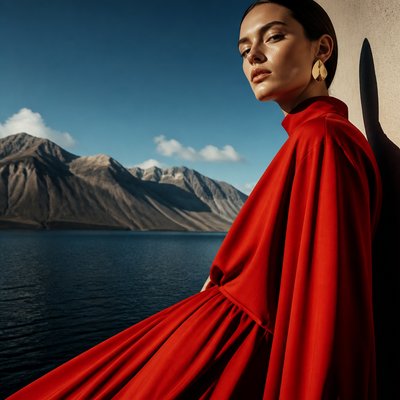
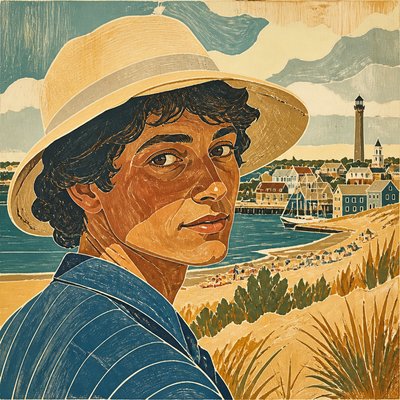
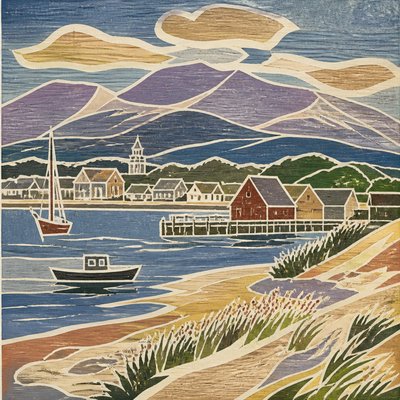
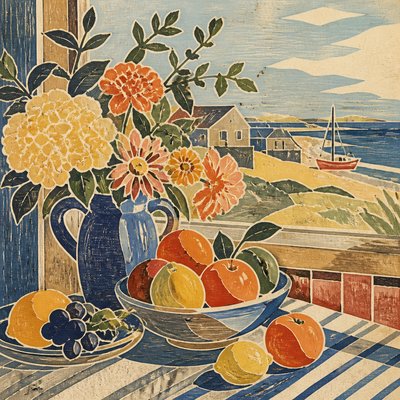
Moscow Avant-Garde Art Style
Explore Moscow avant-garde art: revolutionary red, geometric abstraction, photomontage, and dynamic Constructivist visual energy.
Instantly rendered in Moscow Avant-Garde — or transform a photo
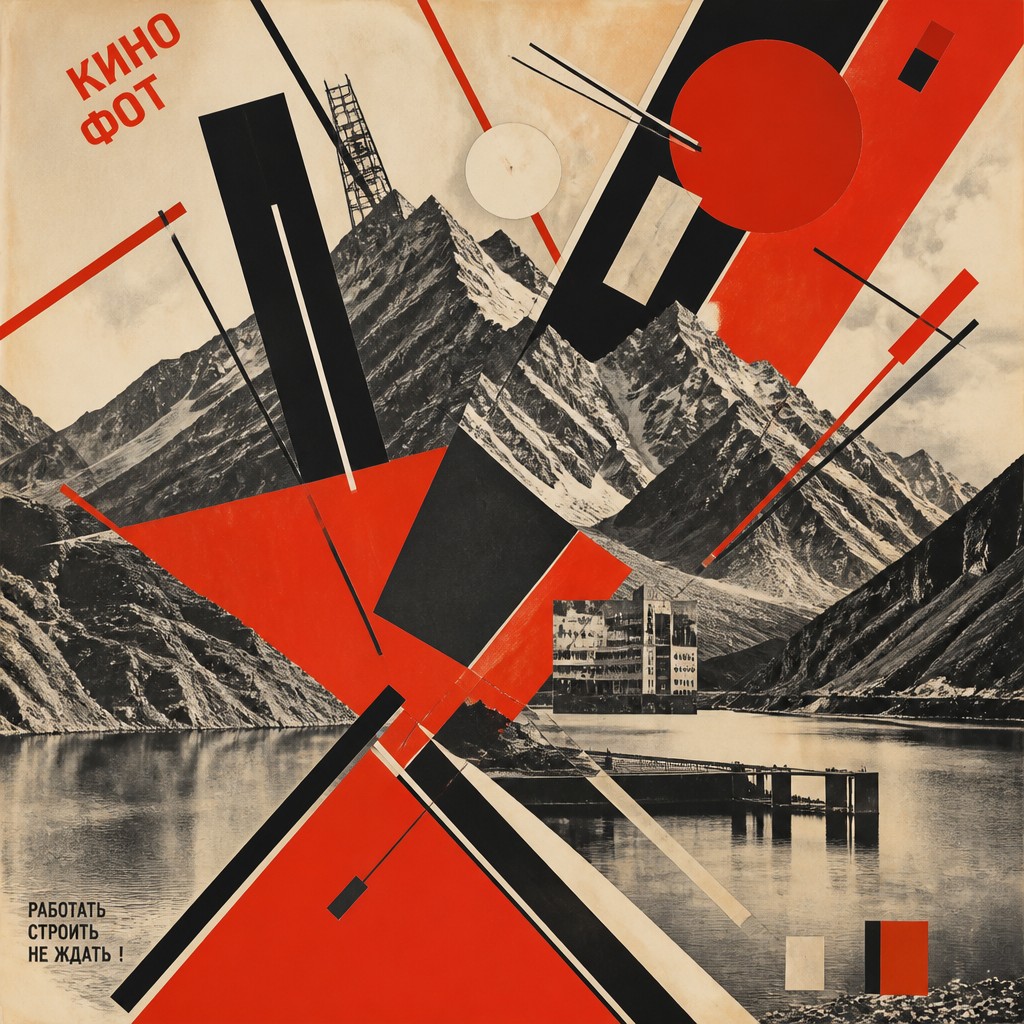
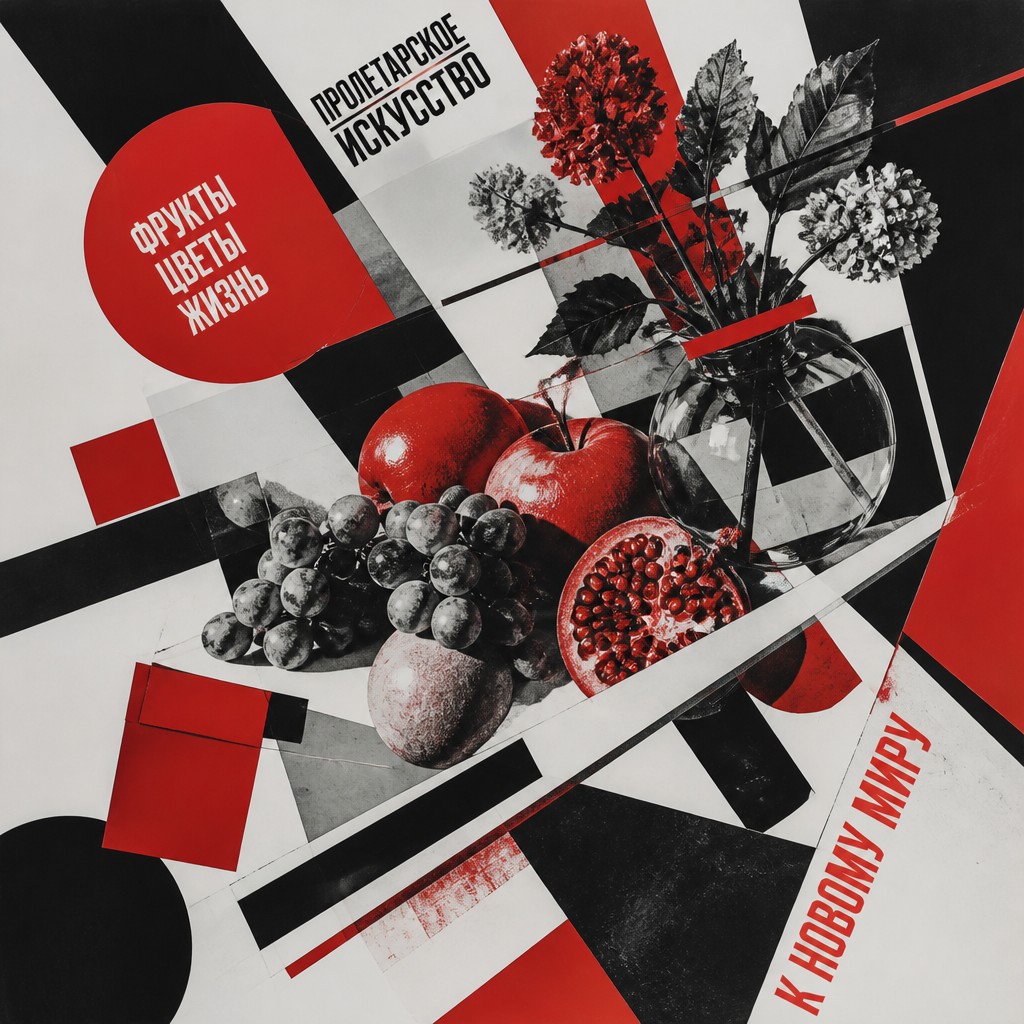
Moscow Avant-Garde Gallery
Tap any artwork to explore it
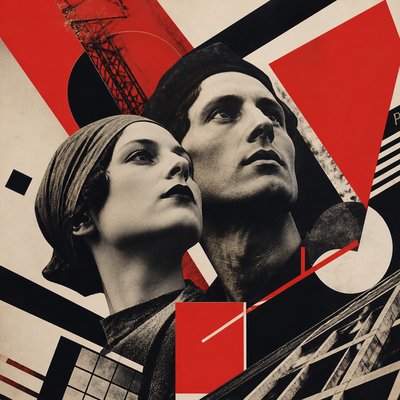
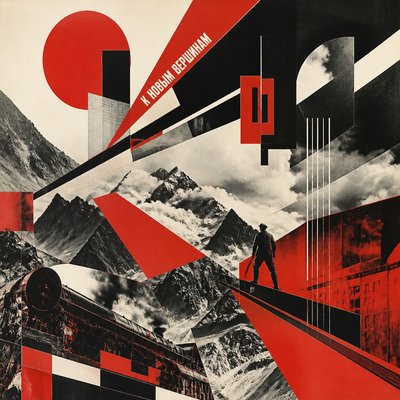
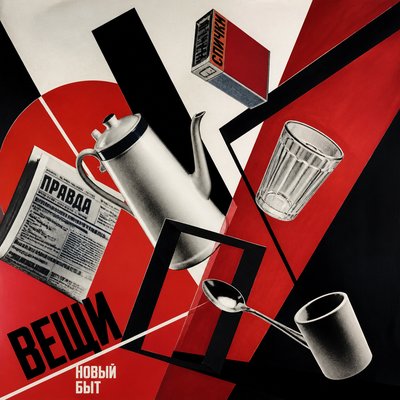
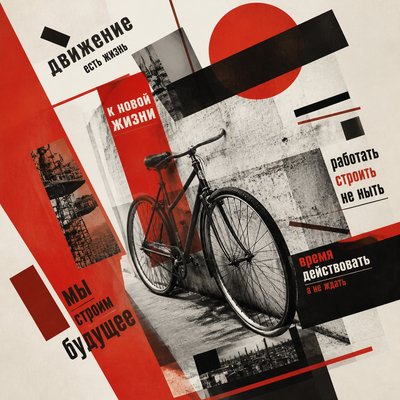
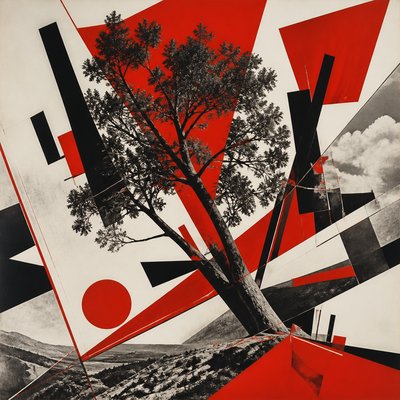
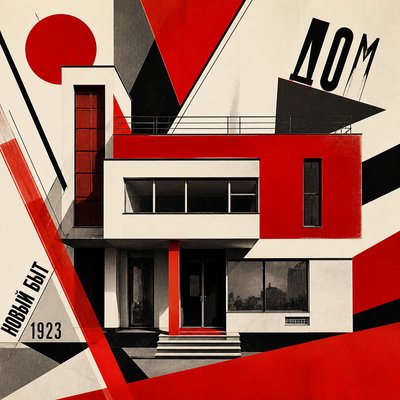
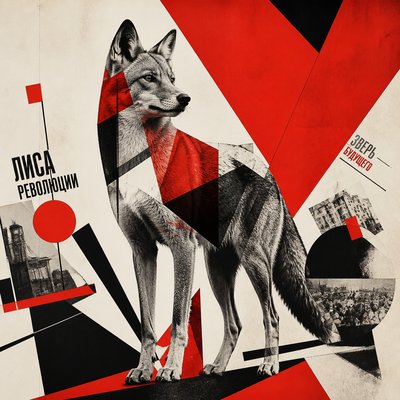
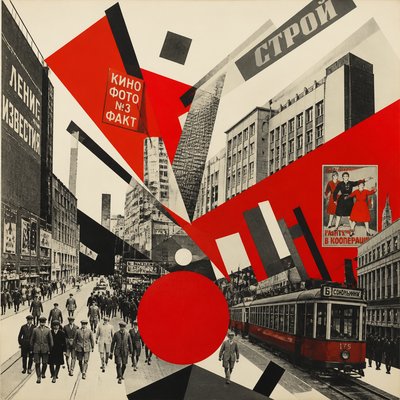
What is Moscow Avant-Garde Art Style?
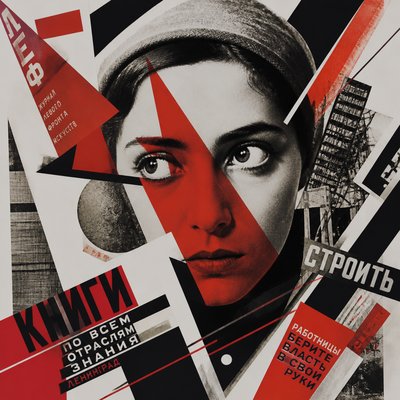
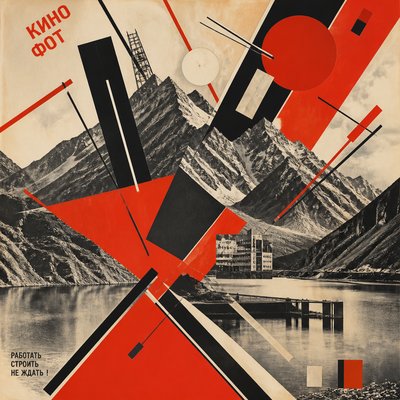
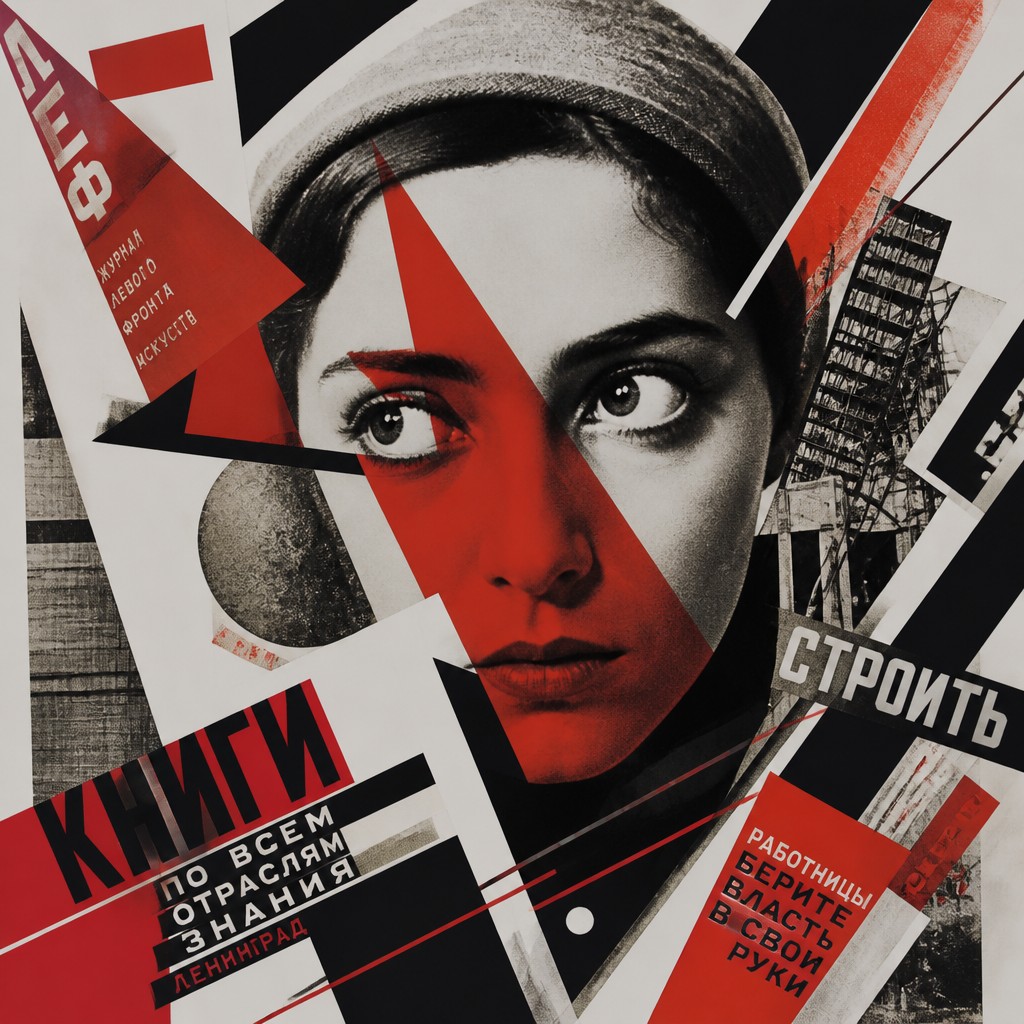
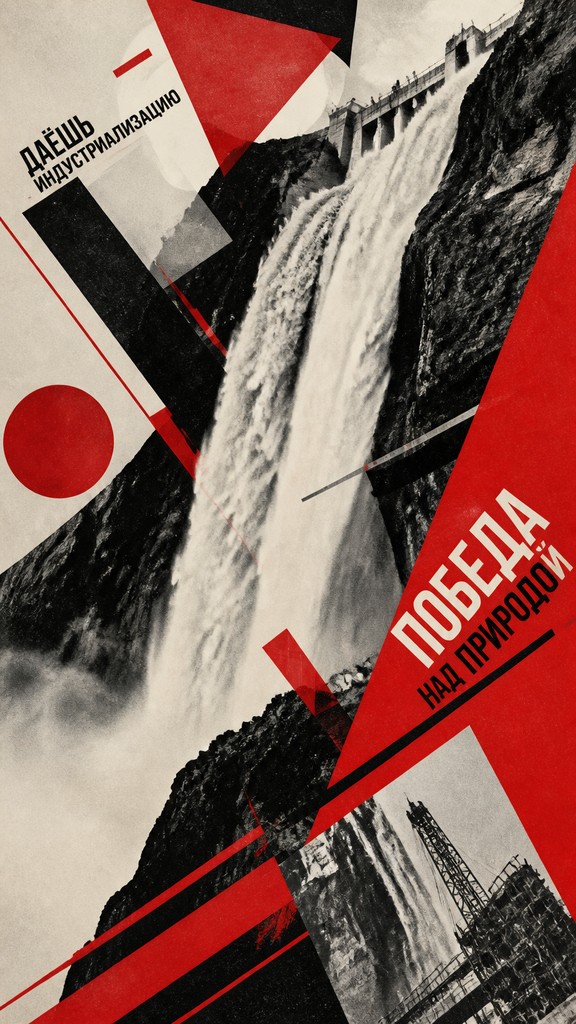
Moscow Avant-Garde Art Style refers to a concentrated, high-energy visual language associated with Russian avant-garde experimentation in the 1910s and 1920s, especially the geometric abstraction, Constructivist design, Suprematist reduction, and revolutionary graphic culture that developed in Moscow. Its signature vocabulary uses red, black, and white, sharp diagonals, floating planes, cropped forms, bold typography, and the visual logic of engineered construction rather than naturalistic depiction.
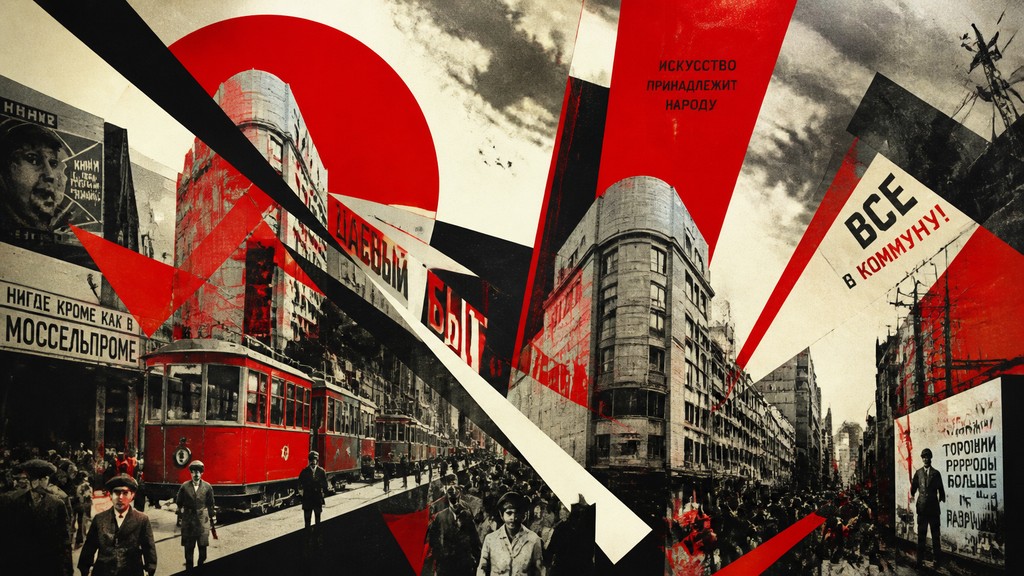
This style converts political and industrial energy into pure visual structure. Circles, rectangles, bars, wedges, and fragmented photographic elements appear to move across the picture plane, producing a sense of acceleration, conflict, and collective purpose. In contemporary use, the historical vocabulary is often synthesized into an adaptable aesthetic of icon-red intensity, dynamic geometry, poster-like contrast, and photomontage-driven composition.
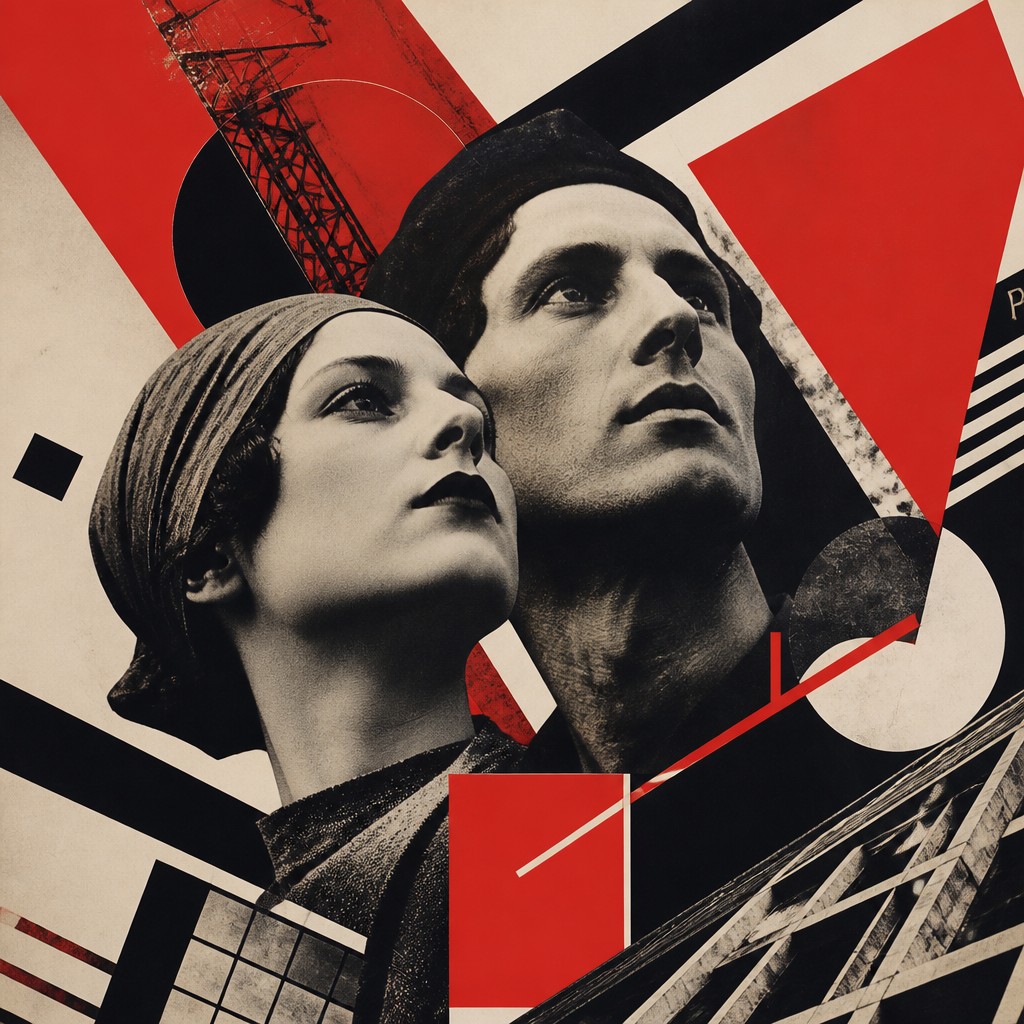
Try It On Your Photos
Upload any photo and convert it into Moscow Avant-Garde Art Style — drag the sliders to compare before and after.
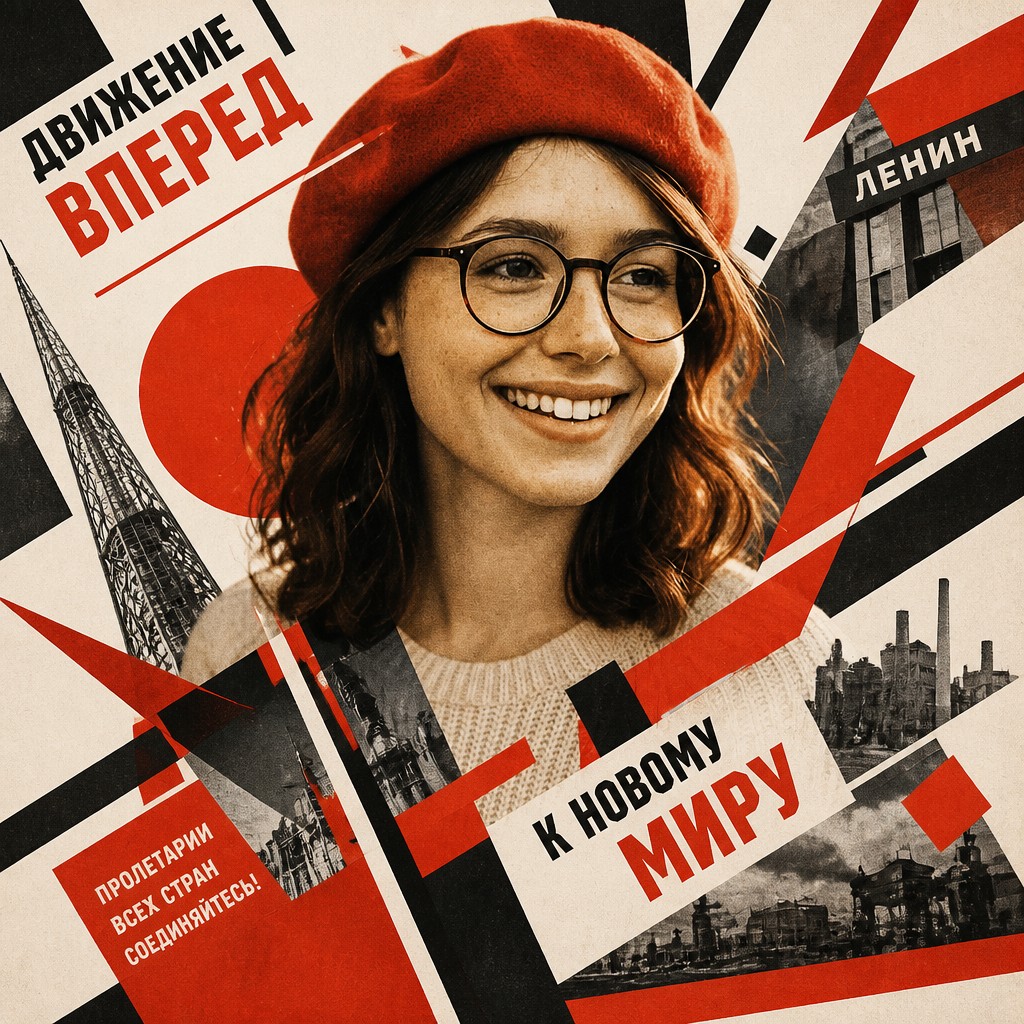


What Defines Moscow Avant-Garde Art Style
The signature details, up close
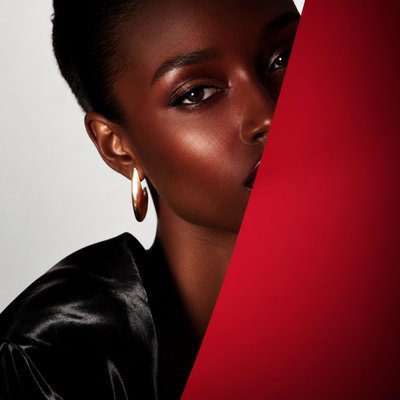
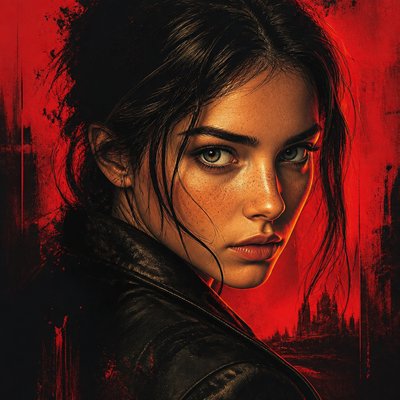
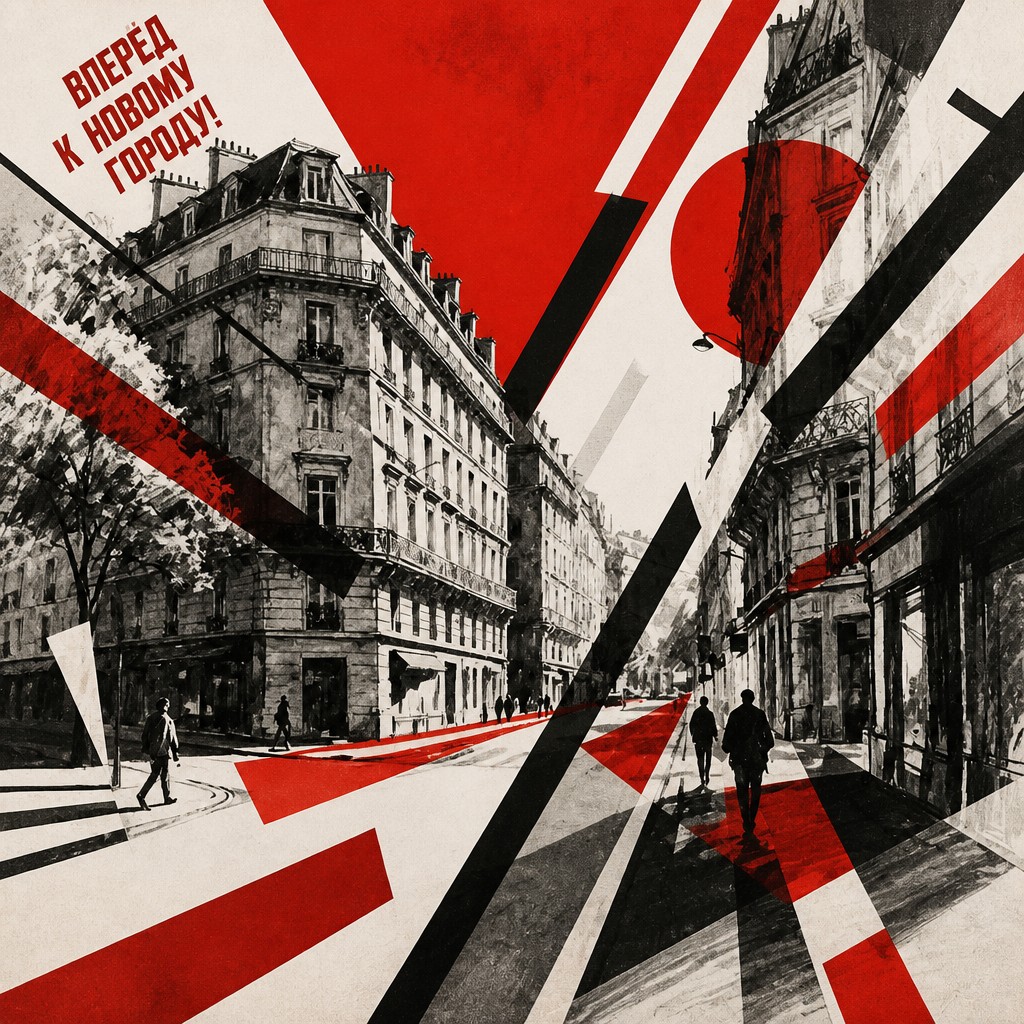
Revolutionary red, black, and white
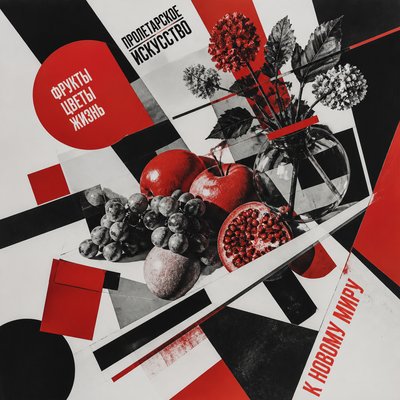
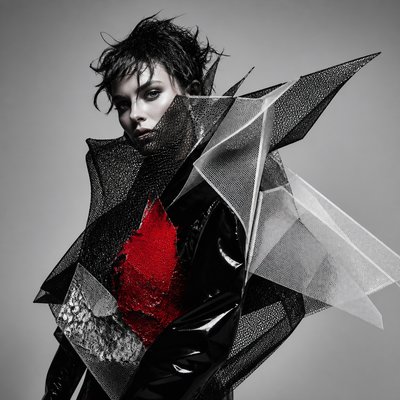
A restricted palette creates immediate visual impact and strong symbolic contrast. Saturated red functions as an active structural force, while black and white establish weight, separation, and print-like clarity.
Diagonal thrust
Slanting bars, wedges, cropped planes, and ascending axes make the composition feel accelerated and unstable. Diagonals replace the calm horizontals and verticals of conventional pictorial space.
Constructed geometry
Circles, squares, triangles, grids, and rectangular fragments are arranged as if engineered or assembled. Forms may overlap, interlock, or float independently rather than describe a continuous natural scene.
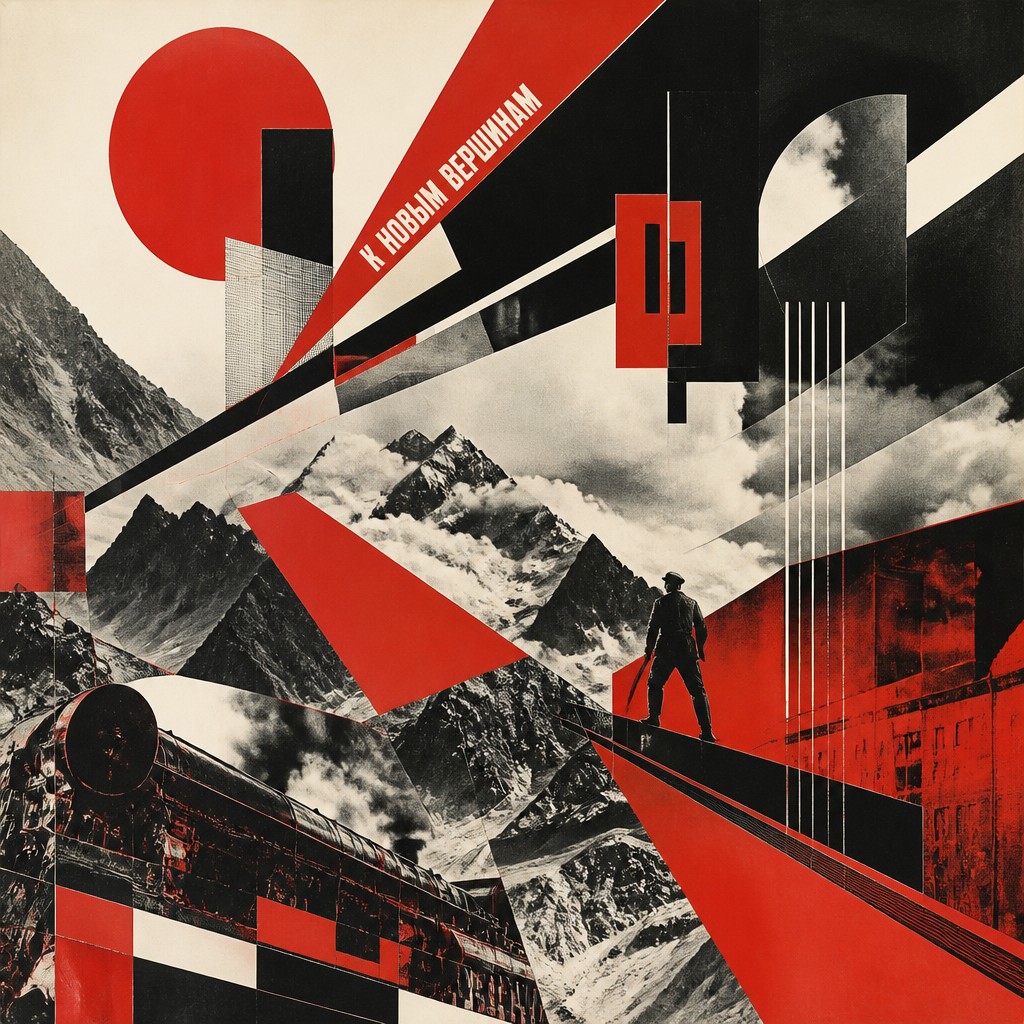
Photomontage energy
Photographic fragments, silhouettes, textures, and documentary details can be inserted into an abstract framework. Scale shifts and abrupt cropping create a tense relationship between mechanical reality and geometric design.
Flat, hard-edged planes
Large areas of unmodulated color and crisp contours give the image a printed, poster-like surface. Shading is limited or replaced by overlapping shapes, tonal blocks, and directional contrast.
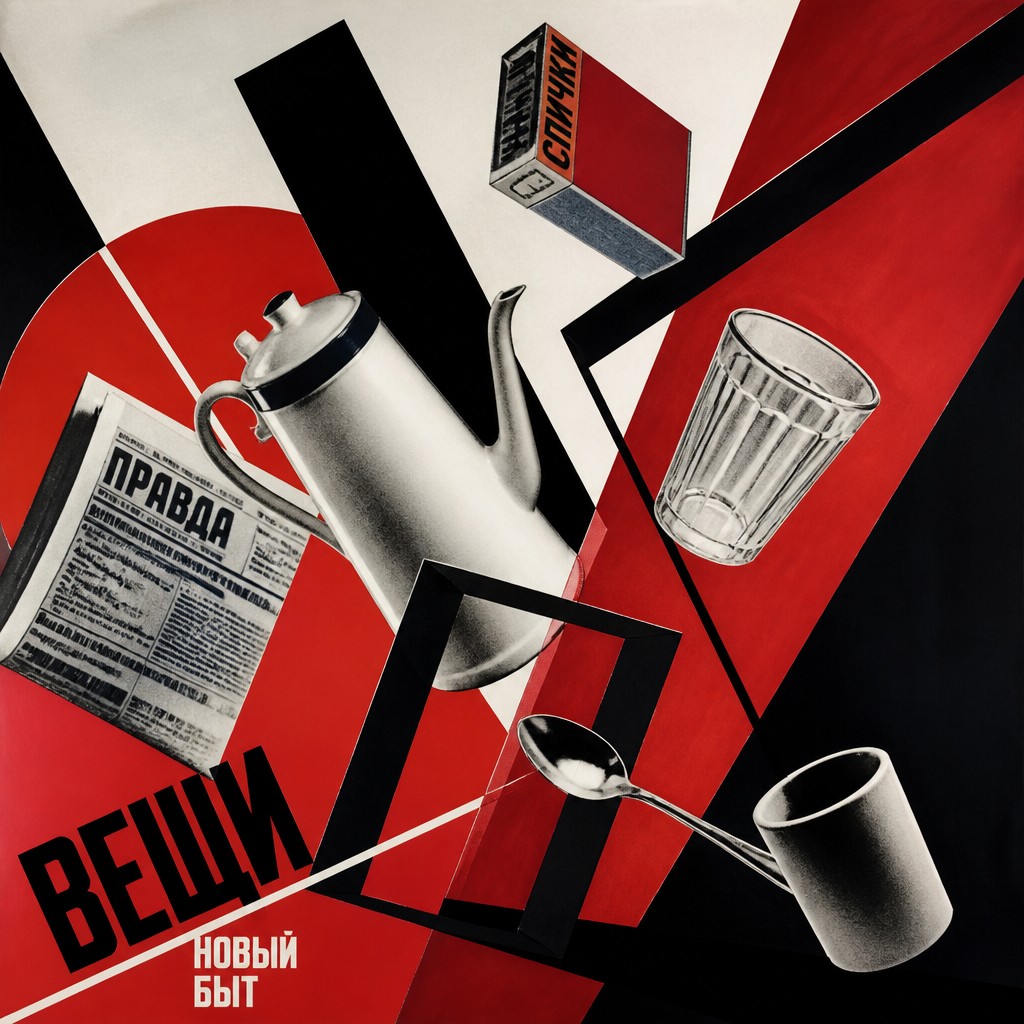
Typographic and graphic structure
Bold lettering, cropped words, numerical marks, and publication-like alignment may become compositional objects. Text is treated as shape, rhythm, and visual mass rather than merely as readable information.
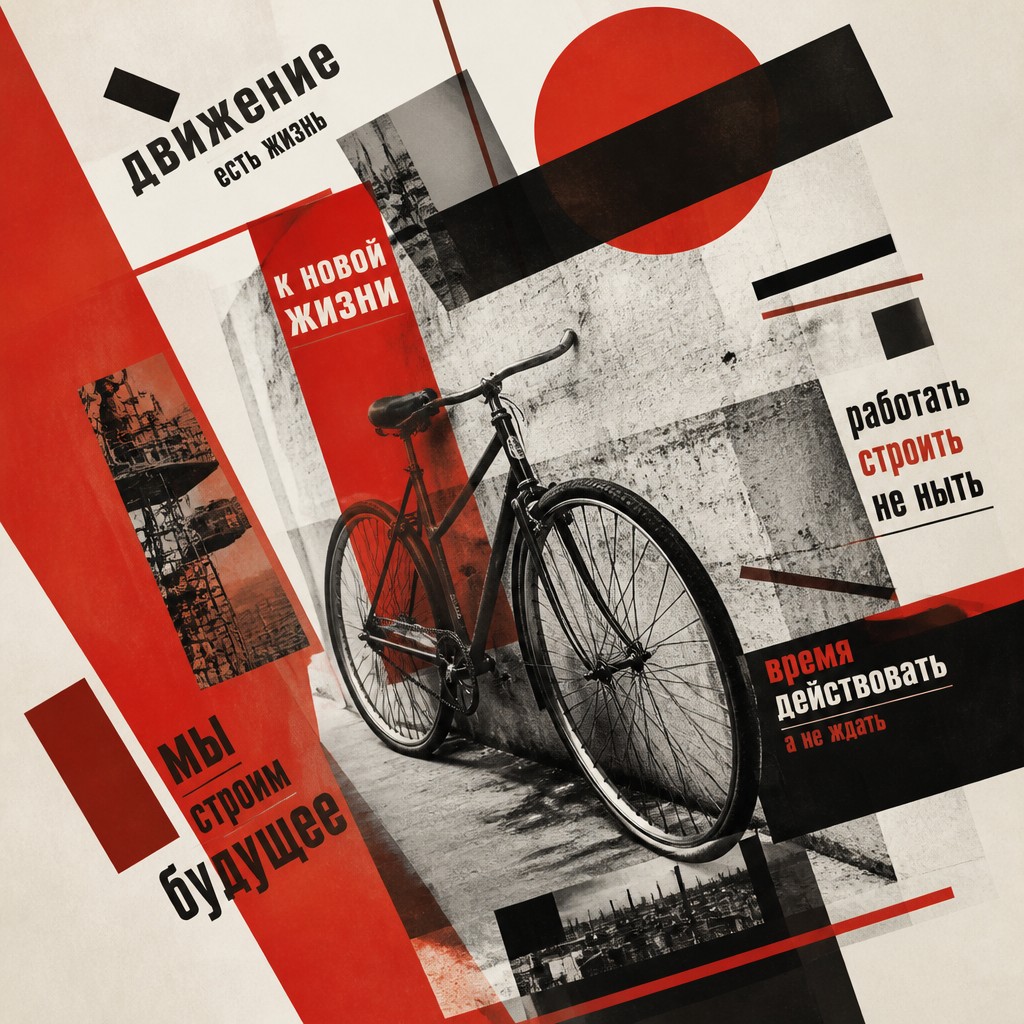
Utopian mechanical rhythm
The overall arrangement suggests machinery, flight, broadcasting, construction, or collective movement. Repetition and directional force imply a future-oriented world organized by technology and social transformation.
Try It
Create Videos in Moscow Avant-Garde Art Style
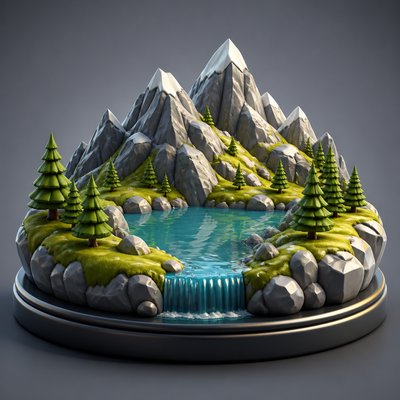
Styles aren't just for stills — describe a scene or animate an image and get a short video rendered in Moscow Avant-Garde. Press play to see this pond come to life.
Make a VideoMoscow Avant-Garde Prompt Ideas
Start from an idea — each one opens the generator with the style ready to go. See all 40 Moscow Avant-Garde prompts →
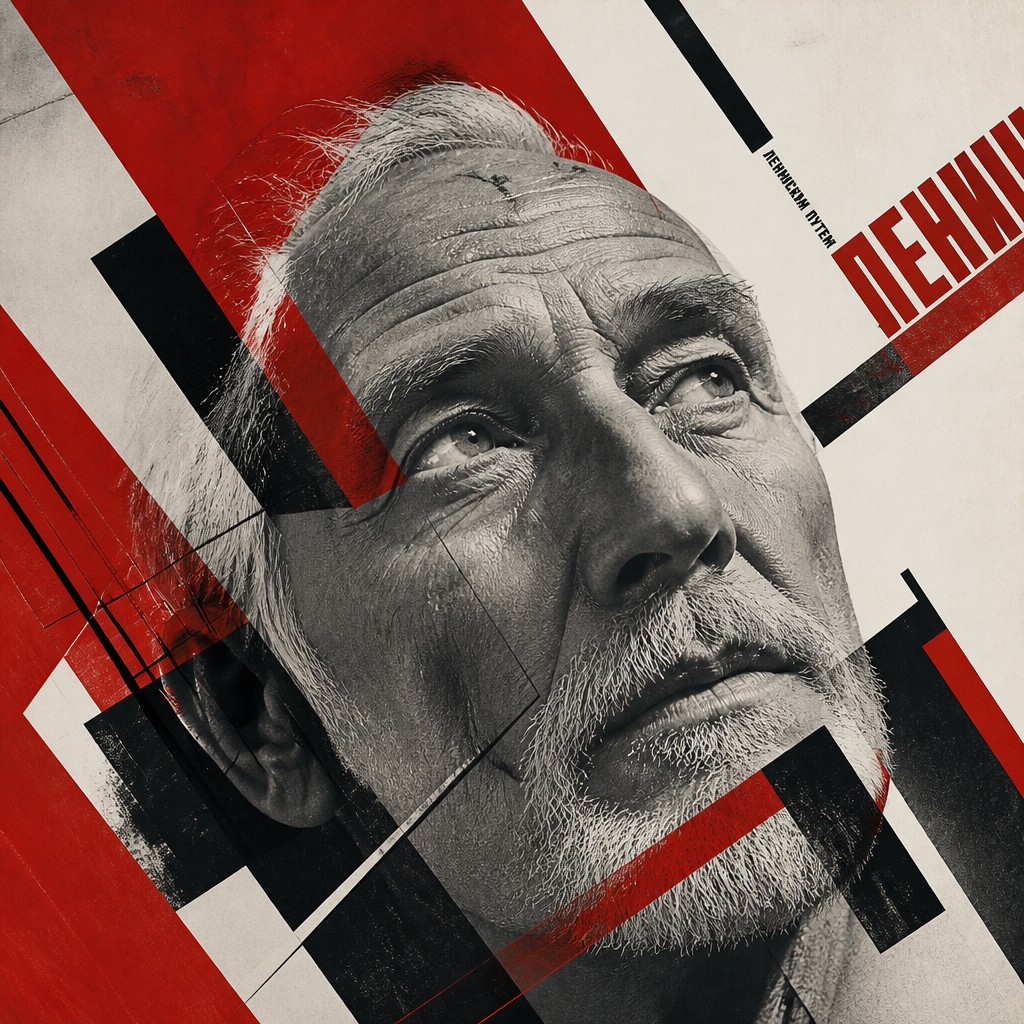
“close-up portrait of an elderly person with expressive weathered features”
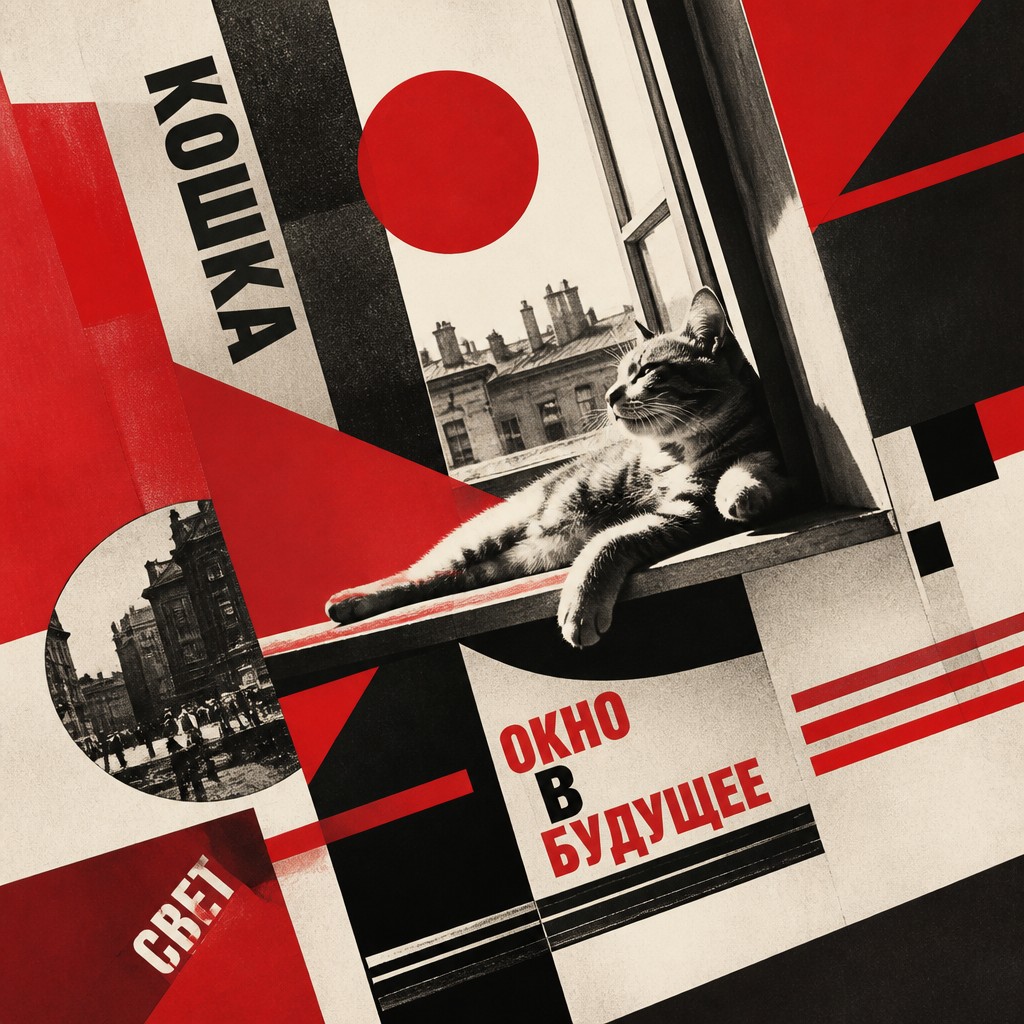
“a cat lounging in a sunlit window”
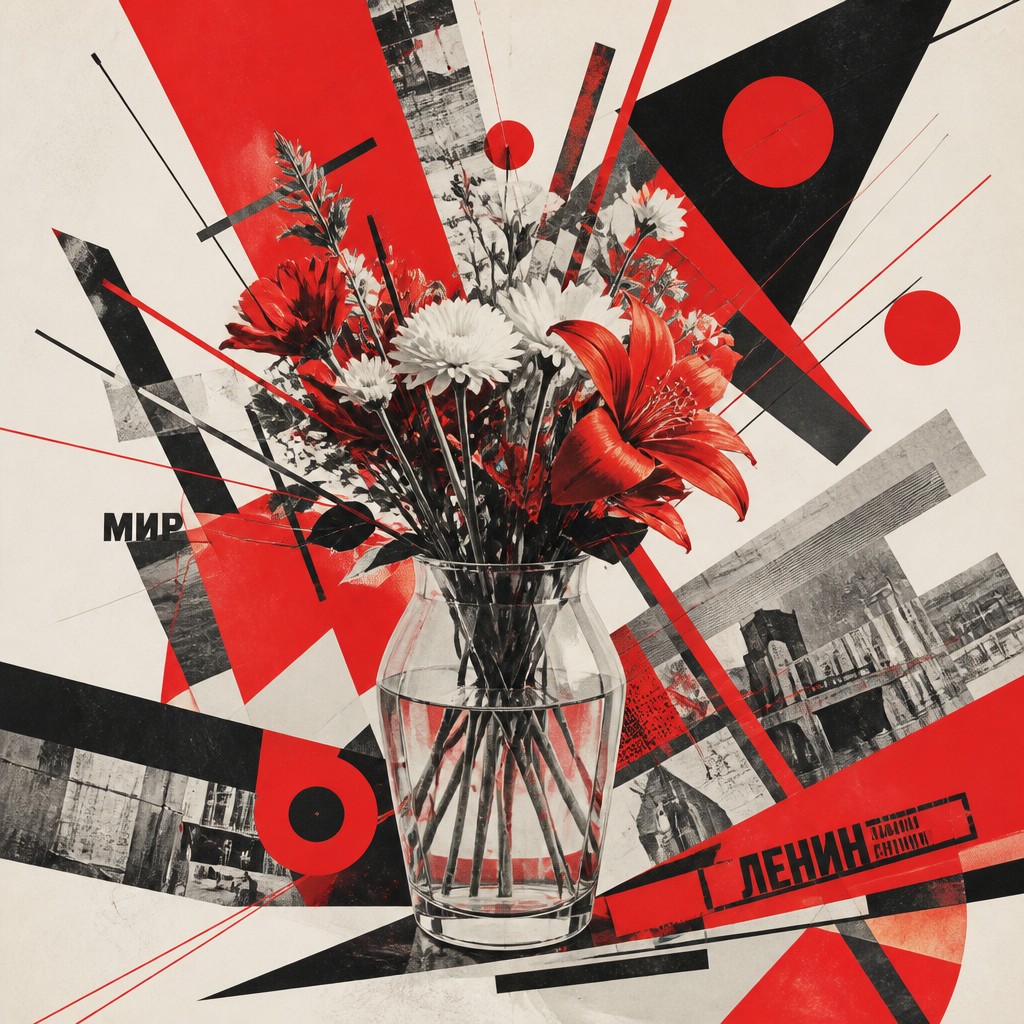
“bouquet of flowers in a glass vase”
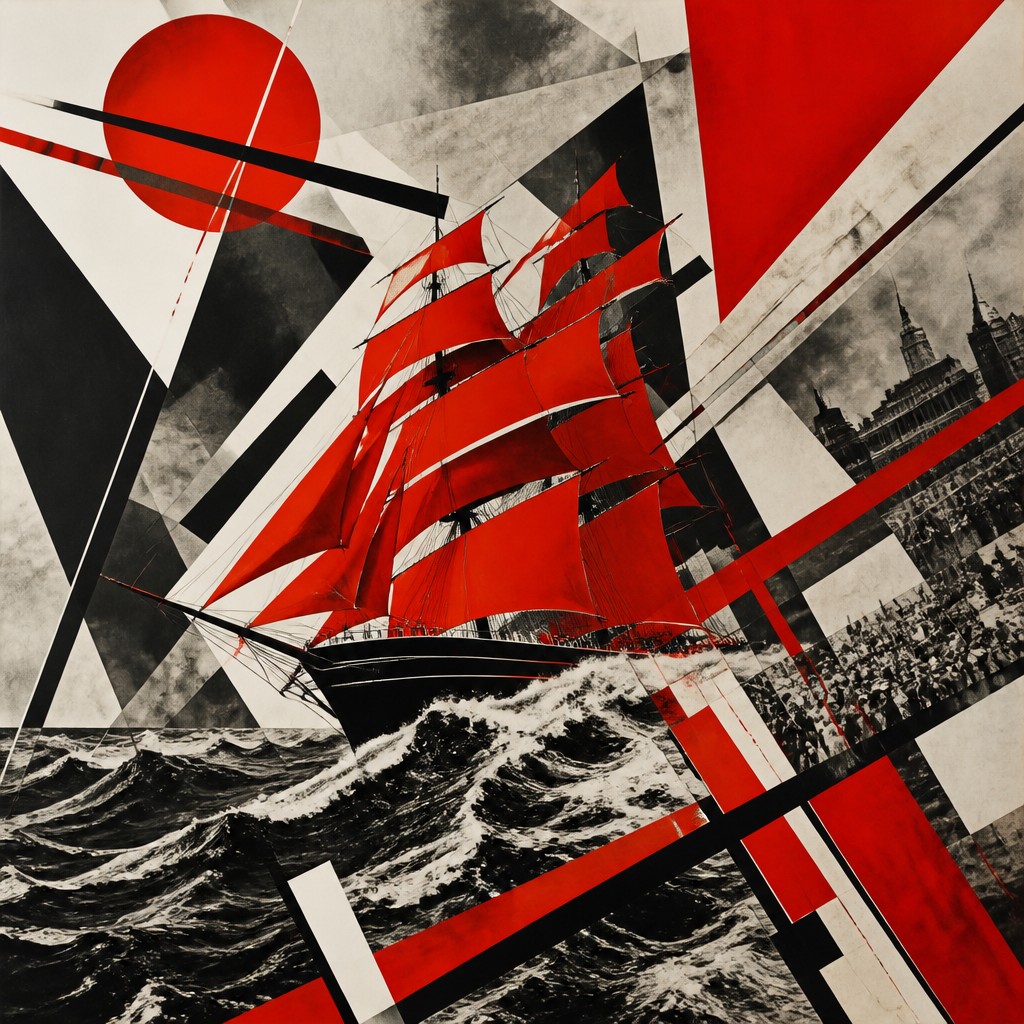
“sailing ship on a stormy sea”
How to Create Moscow Avant-Garde Art
Master the craft step by step — or skip straight to creating. Read the full guide →
- 1
Build a limited palette
Begin with revolutionary red, deep black, and warm or cool white, adding gray only when necessary. Reserve the brightest red for the main directional force or focal geometric cluster.
- 2
Construct the composition from diagonals
Lay in a strong slanting axis before adding detail, then attach circles, bars, wedges, and rectangular planes to it. Crop several forms at the edges so the design appears to continue beyond the frame.
- 3
Use collage and overprinting
Combine flat painted shapes with scanned paper, grain, photographic silhouettes, newsprint, or architectural fragments. In digital work, vary opacity and blend modes sparingly so the image retains the authority of a printed poster.
- 4
Treat typography as geometry
Add condensed sans-serif lettering, numerals, or fragmented words as structural elements, keeping alignment forceful and legibility secondary to rhythm. Avoid decorative typefaces that soften the engineered character.
- 5
Create depth without realism
Suggest space through overlap, scale changes, and sharp intersections rather than atmospheric perspective. Keep surfaces relatively flat, with only restrained grain, shadow, or tonal variation.
- 6
Guide prompt-based generation precisely
Specify the subject first, then request red-black-white geometric abstraction, diagonal composition, flat hard-edged planes, revolutionary poster contrast, and constructed photomontage. Add exclusions such as soft pastel colors, painterly realism, and decorative ornament when a cleaner result is needed.

The Story
History & Origins of Moscow Avant-Garde
The Moscow avant-garde emerged within the wider Russian avant-garde during the late 1900s and 1910s, when artists, poets, designers, and architects challenged academic realism and explored abstraction, experimental typography, collage, and nontraditional exhibition formats. After the 1917 Revolution, geometric design became closely connected with public communication, theater, publishing, education, and propaganda. Constructivist production methods emphasized materials, structure, utility, and the integration of art with social life, while Suprematist abstraction pursued a more autonomous language of basic geometric forms.
By the 1920s, photomontage, bold sans-serif lettering, diagonal layouts, and limited-color printing had become influential across posters, journals, book covers, stage design, and architectural proposals. The contemporary label “Moscow avant-garde” is broad rather than a single historical school; it commonly describes a synthesis of these interrelated experiments, often reinterpreted through digital composition and motion-oriented graphic design.
Influences: The style draws on Russian Suprematism, Constructivism, revolutionary poster design, photomontage, experimental typography, Futurist ideas about speed and machinery, Cubist fragmentation, and the geometric language of modernist architecture. It also relates to Bauhaus-era graphic reduction, De Stijl-like primary-color structure, editorial collage, and contemporary motion graphics, while retaining a specifically Russian revolutionary association through its red-black-white palette and public graphic function.
Frequently Asked Questions
What defines the Moscow avant-garde art style?
It is defined by geometric abstraction, diagonal movement, hard-edged planes, limited red-black-white color, and a strong connection to poster, collage, and industrial design. The image usually feels constructed and kinetic rather than observational or painterly.
Is Moscow avant-garde the same as Constructivism?
No. Constructivism is one of the major movements within the broader Russian avant-garde, and it strongly informs this style. The contemporary label may also include Suprematist abstraction, revolutionary photomontage, experimental typography, and related Moscow-based design practices.
Why is red so prominent in this style?
Red became a powerful political and visual color in revolutionary Russia, particularly in posters, flags, publications, and public communications. In this aesthetic it also serves a formal purpose, creating a concentrated focal force against black and white.
How can I make an image look more authentic to the style?
Use a restricted palette, strong diagonals, flat geometric shapes, cropped edges, and limited shading. Add restrained paper grain, photographic fragments, or bold typography, but keep the composition functional and structurally tense rather than ornate.
How does this style differ from ordinary geometric abstraction?
Ordinary geometric abstraction may focus primarily on balance, color relationships, or formal purity. Moscow avant-garde-influenced work tends to add directional force, mechanical associations, public-poster clarity, photomontage, and a sense of social or technological urgency.
Where is this visual language commonly used?
It is well suited to posters, editorial covers, title sequences, album artwork, cultural campaigns, interfaces, book design, murals, and speculative architectural graphics. Its limited palette and strong silhouettes also make it effective at small sizes and in motion.
Create your first Moscow Avant-Garde artwork
Describe anything — or upload a photo — and see it in Moscow Avant-Garde Art Style in seconds.
Related Styles
Discover similar art styles