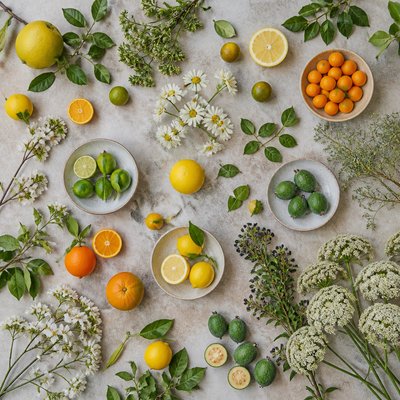
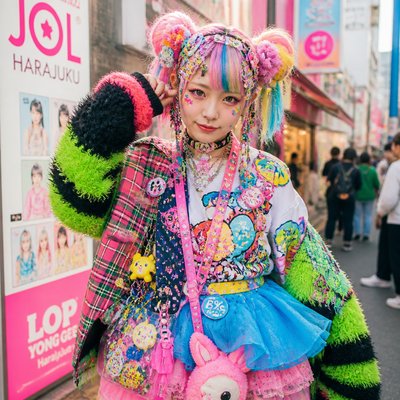
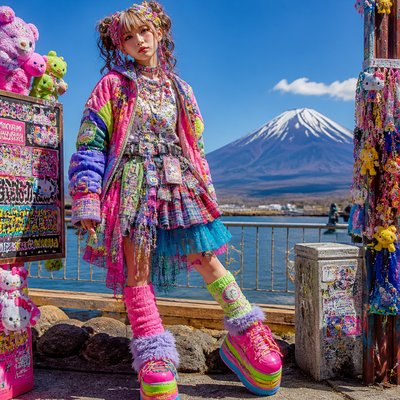
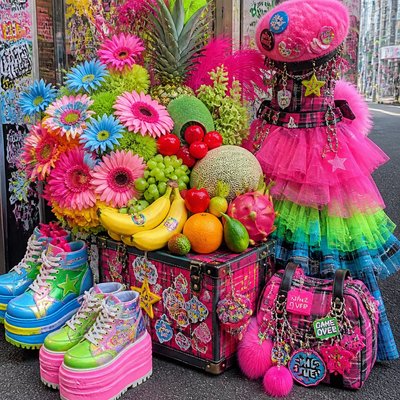
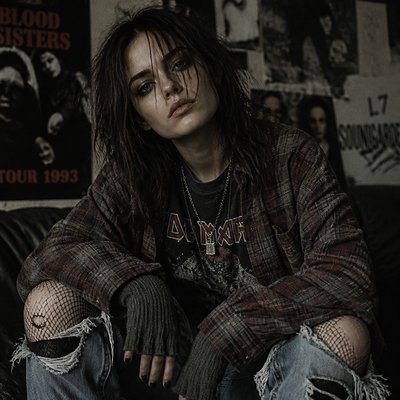
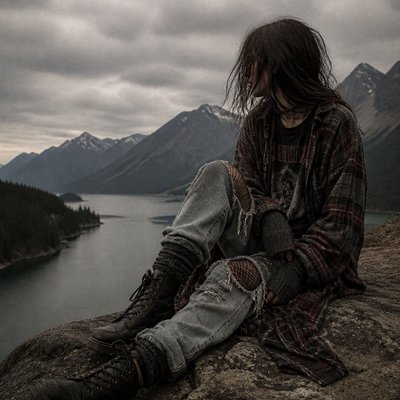
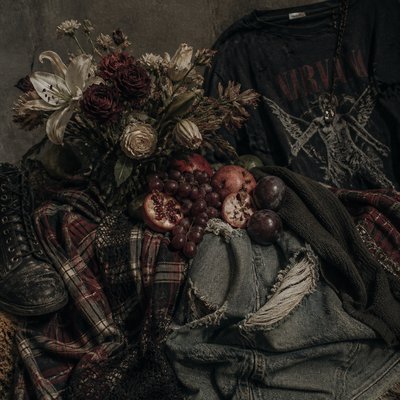
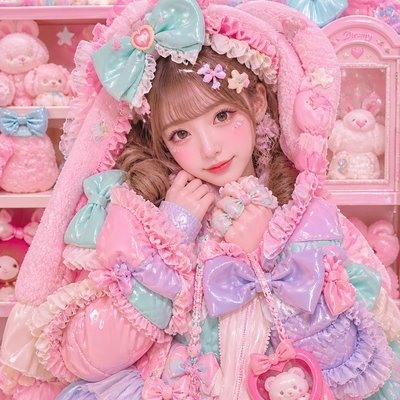
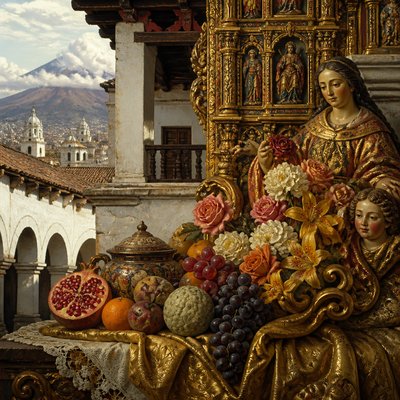
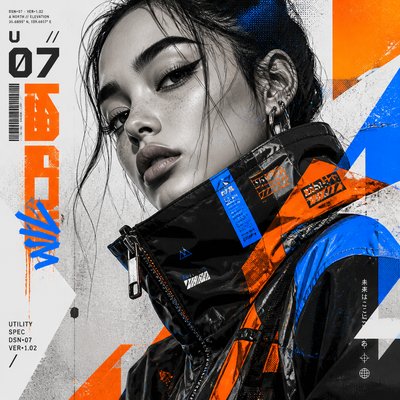
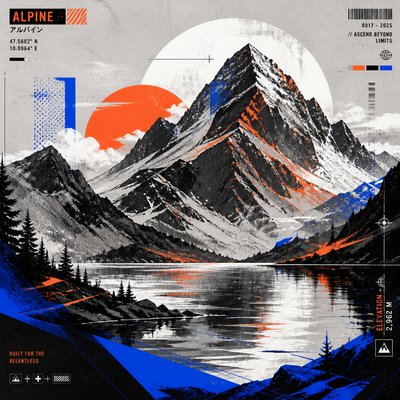
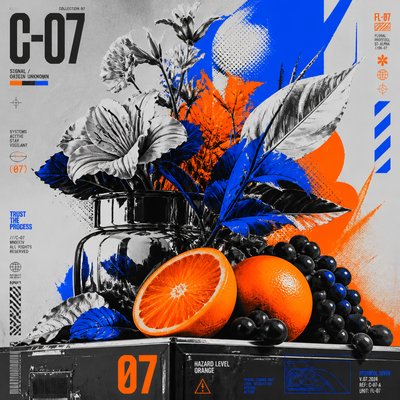
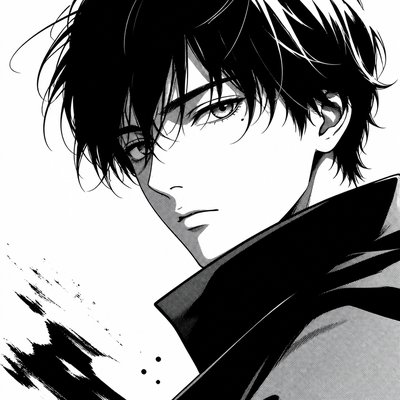
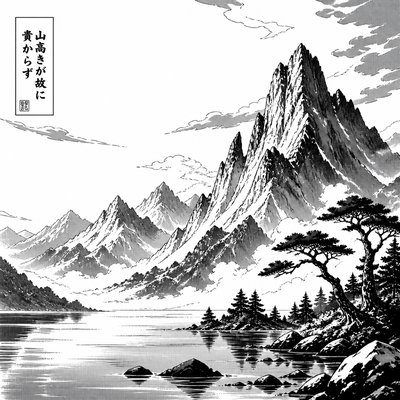
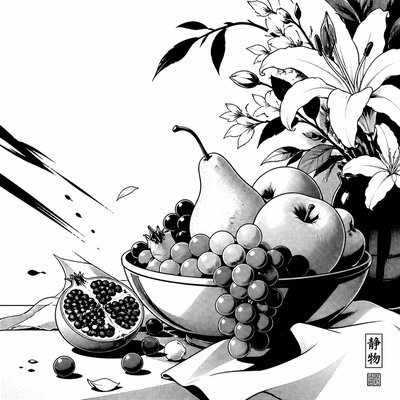
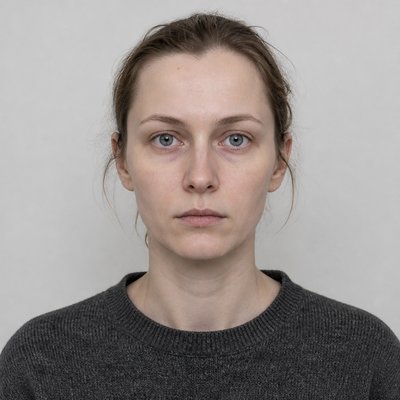
High Fashion Photography Style
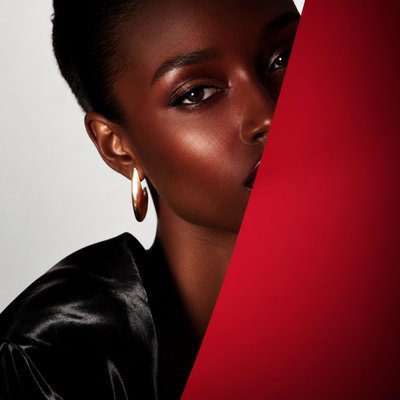
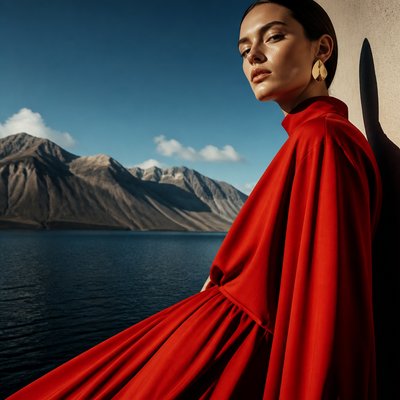
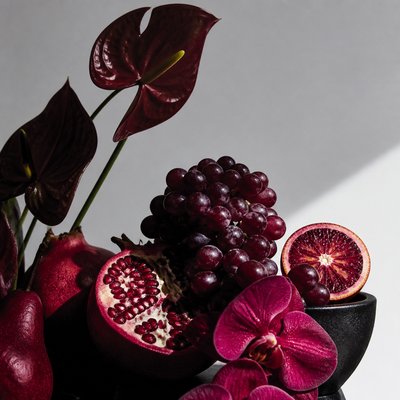
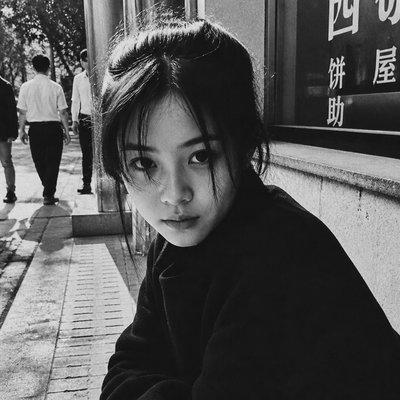
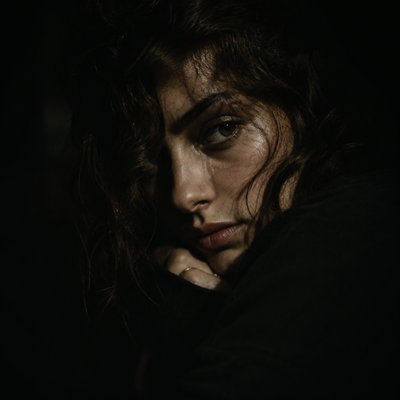
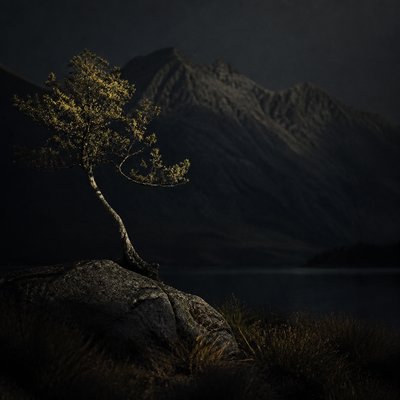
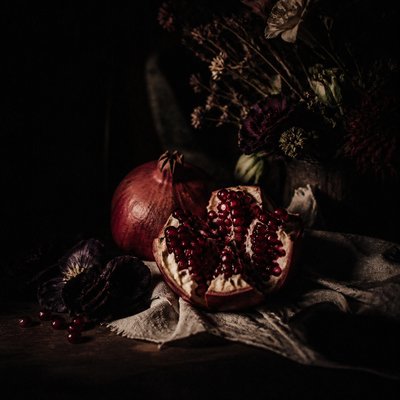
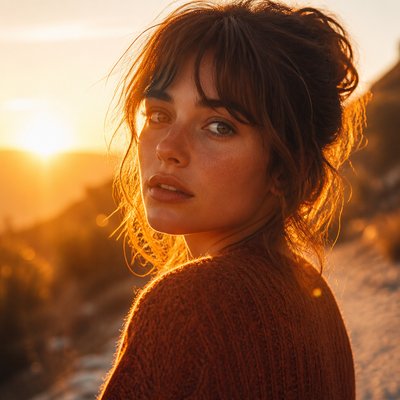
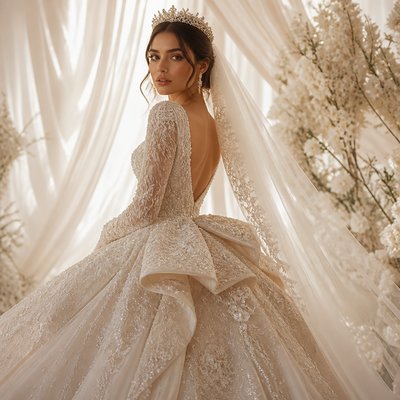
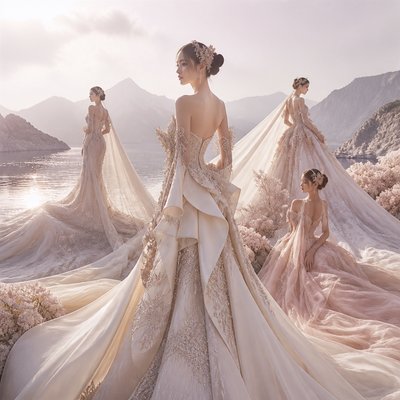
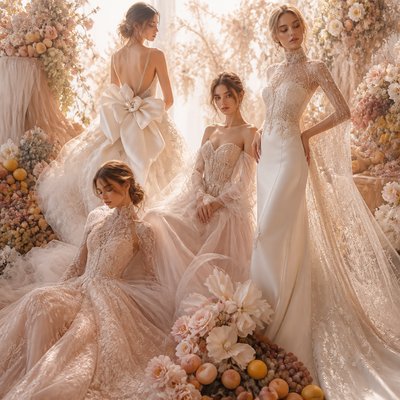
Editorial fashion photography with dramatic lighting, bold poses, sharp contrast, and polished magazine-grade styling.
Instantly rendered in High Fashion Photography — or transform a photo
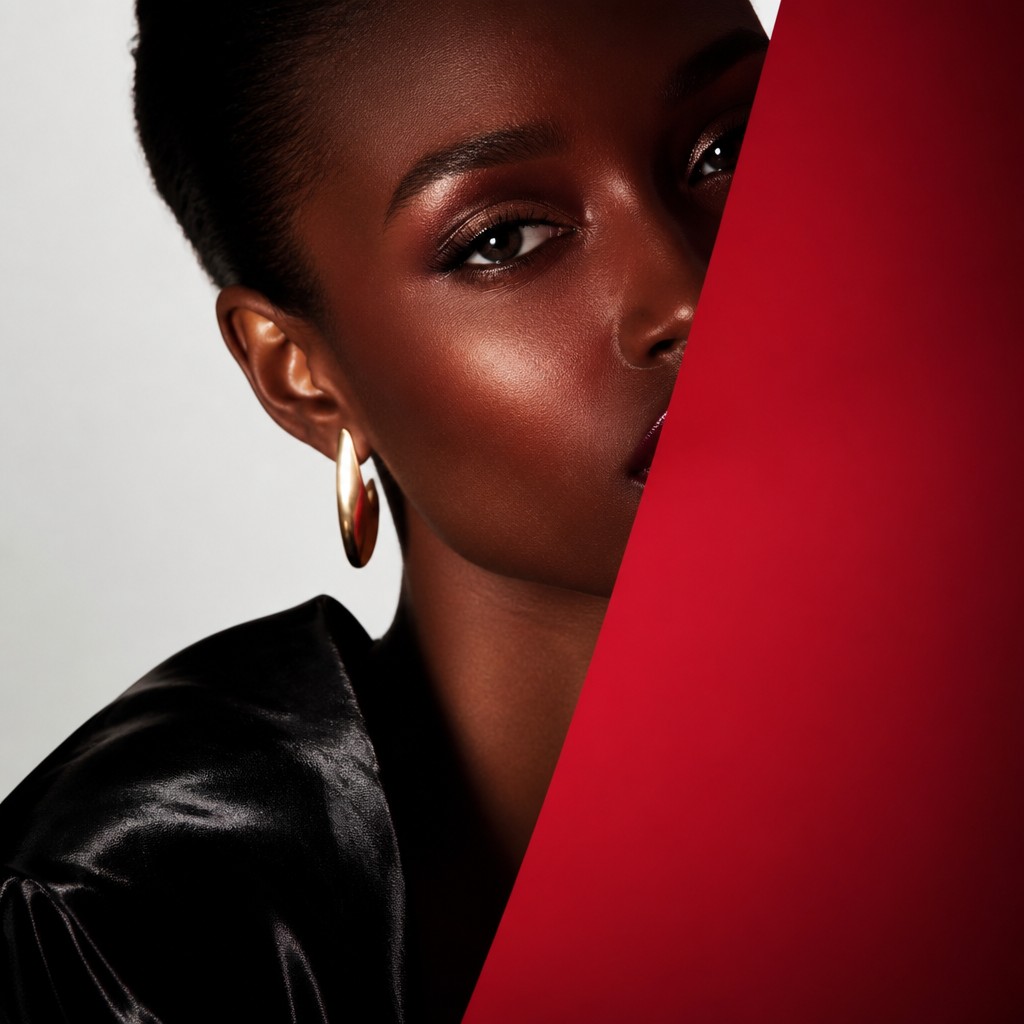
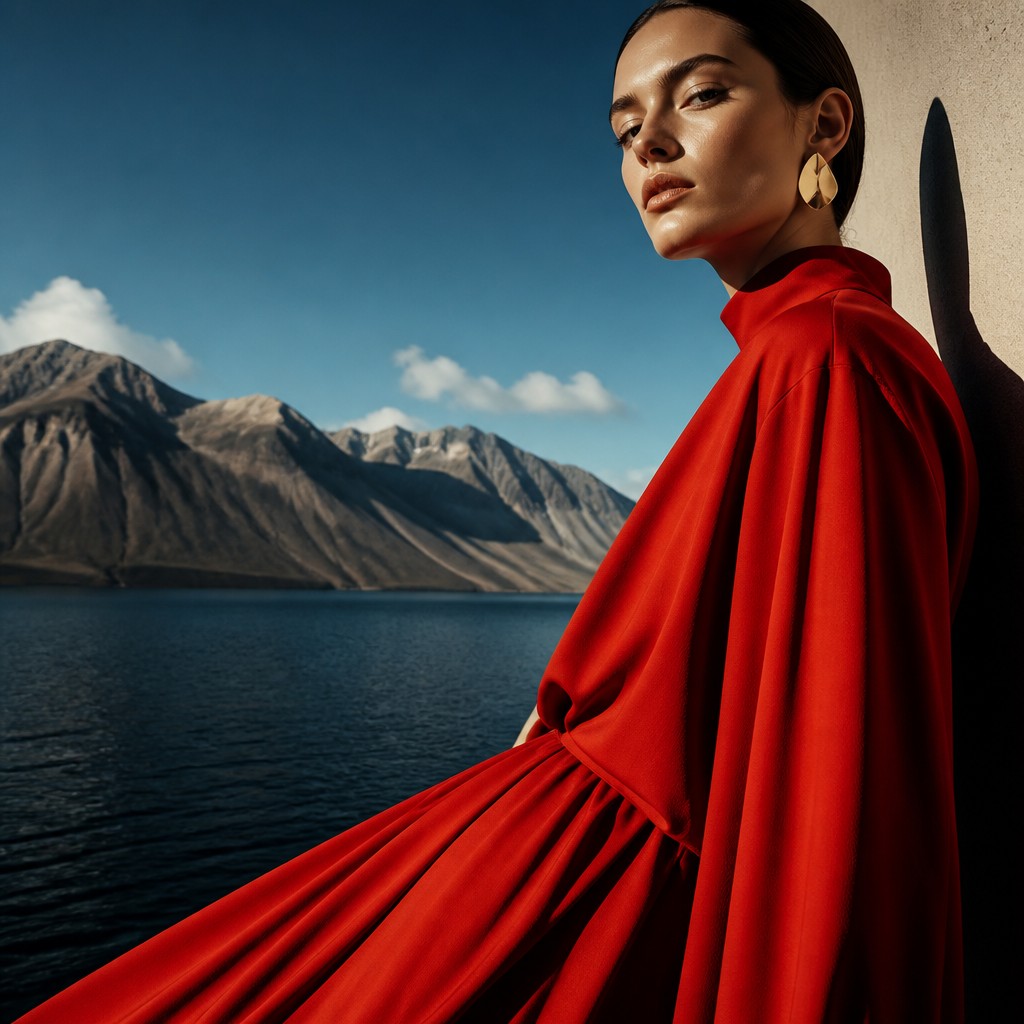
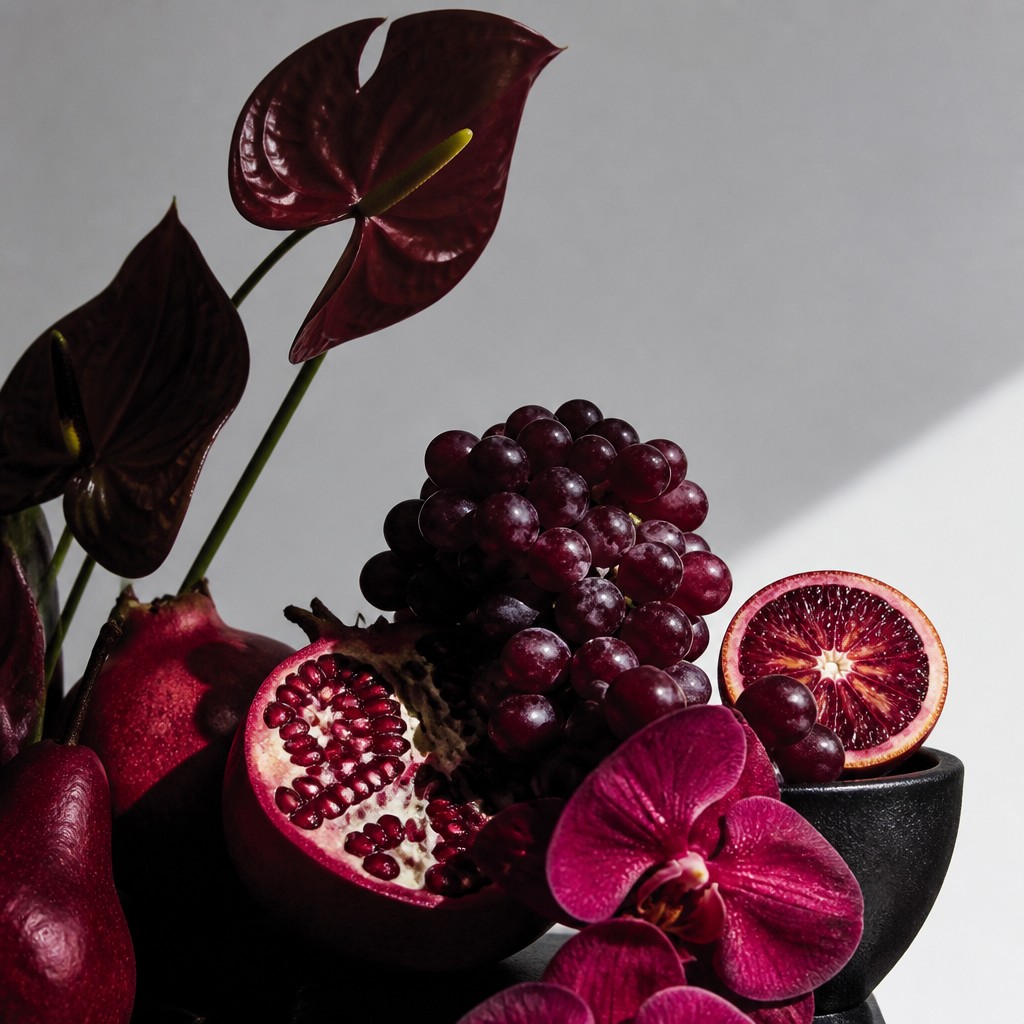
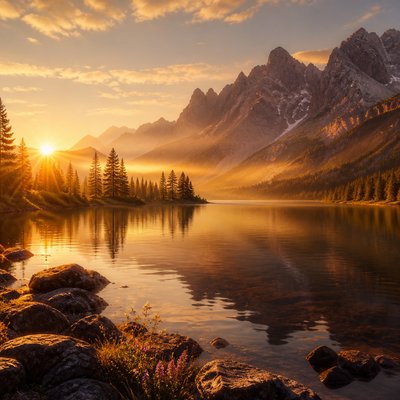
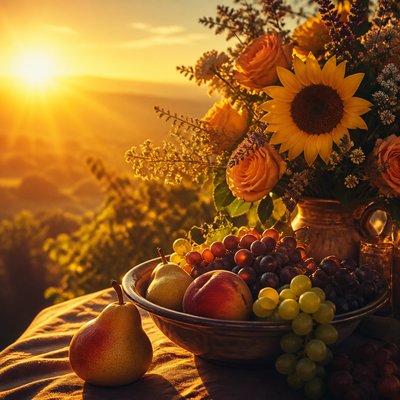
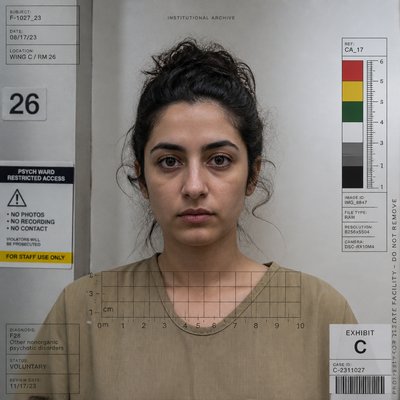
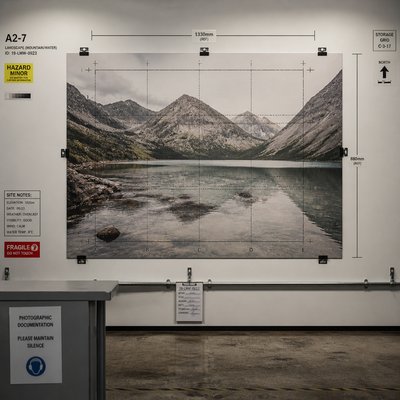
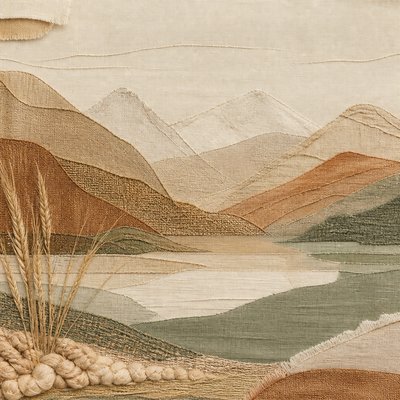
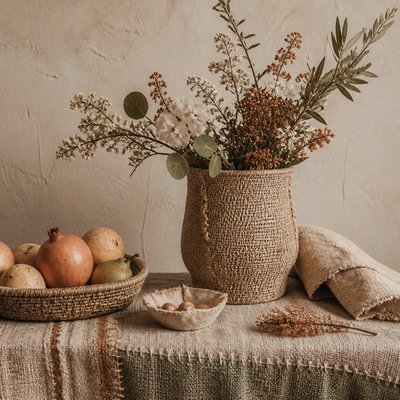
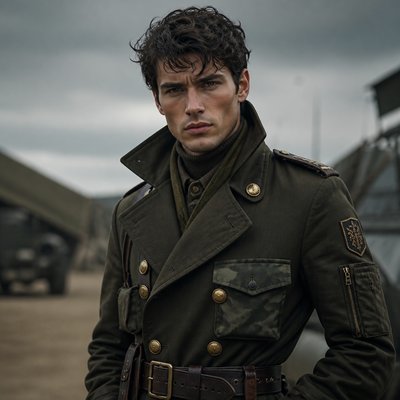
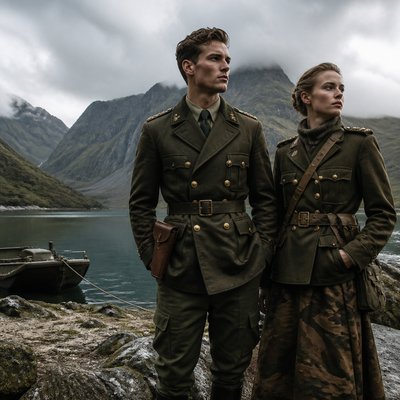
High Fashion Photography Gallery
Tap any artwork to explore it
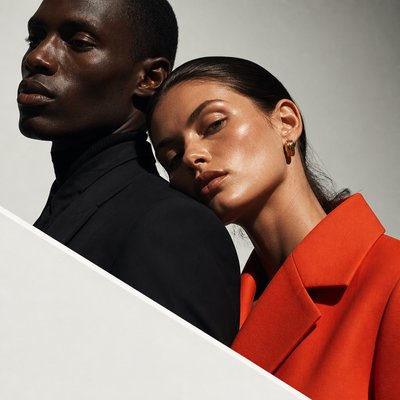
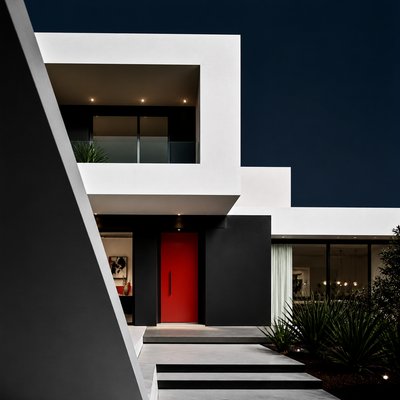
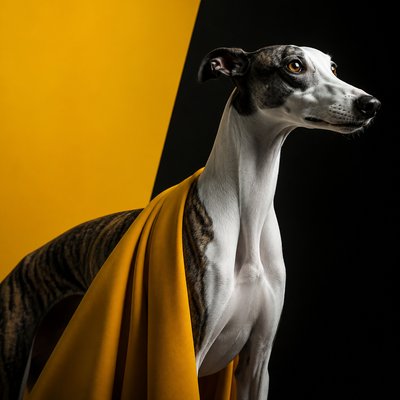
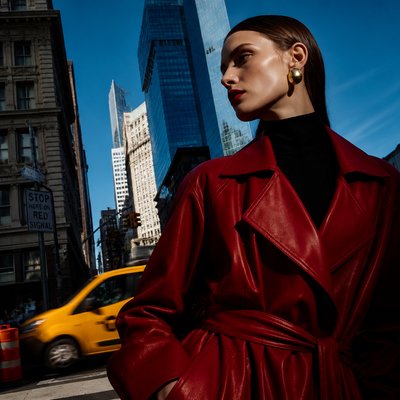
What is High Fashion Photography Style?
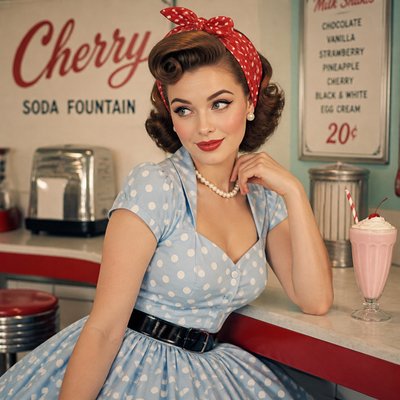
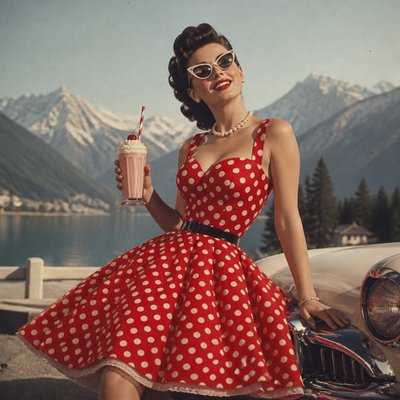
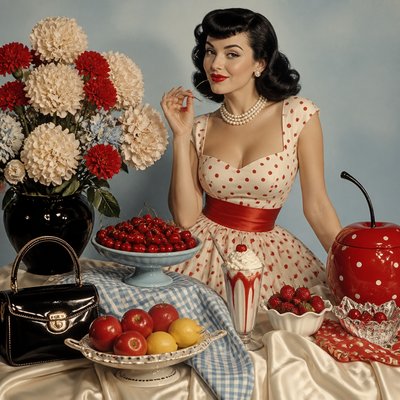
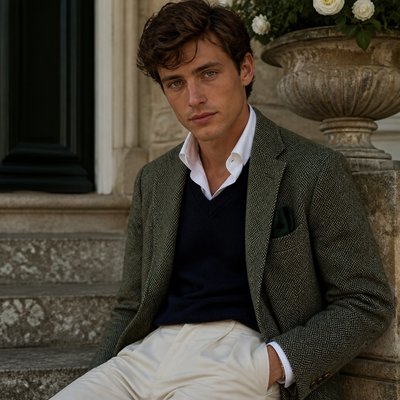
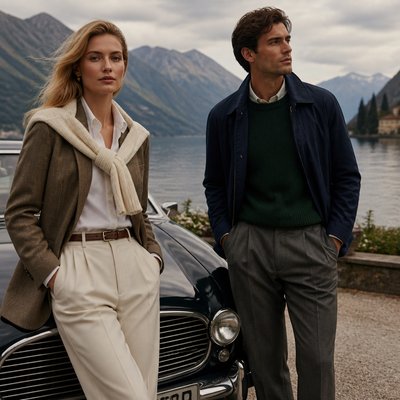
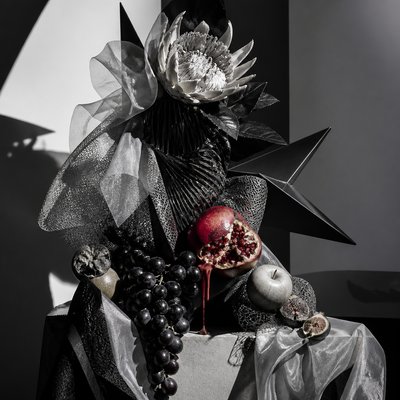
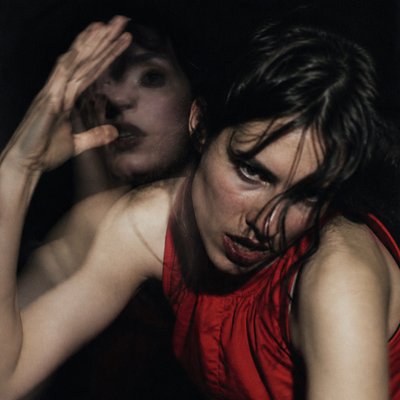
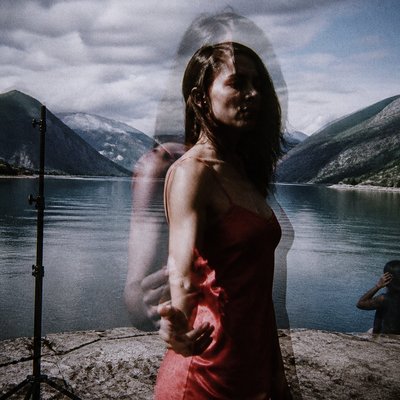
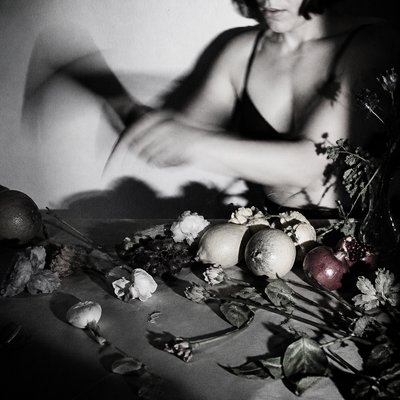
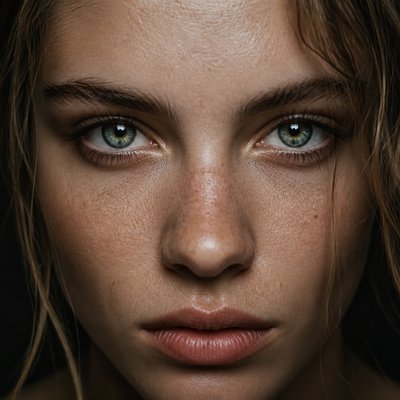
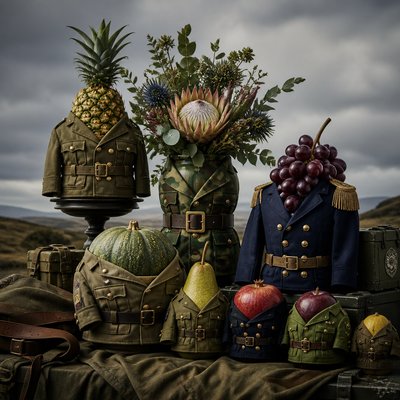
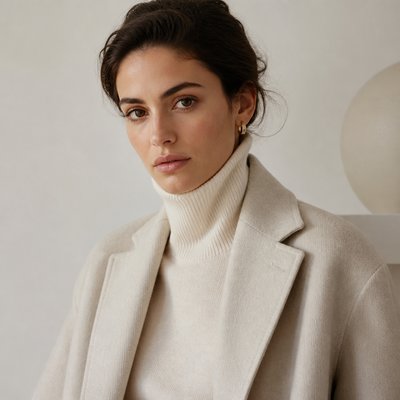
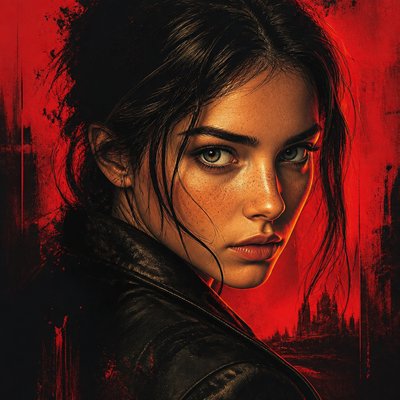
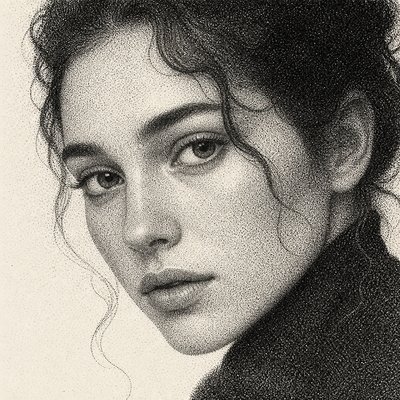
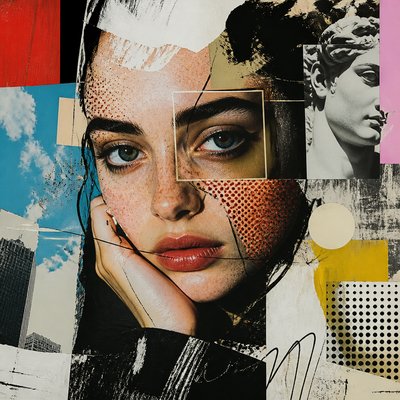
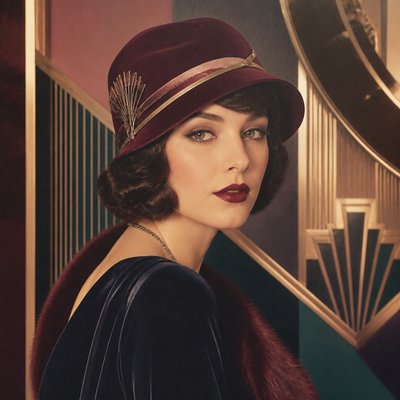
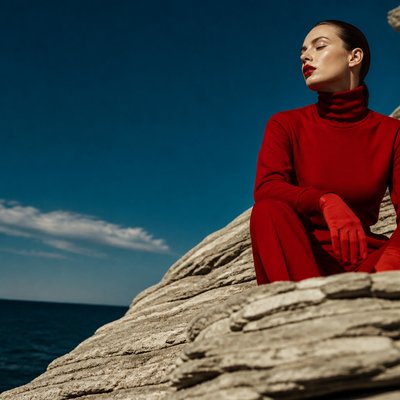
High fashion photography is an editorial image style built around clothing, beauty, attitude, and controlled visual drama. It emphasizes striking poses, carefully styled wardrobe and makeup, and a finished look that feels designed for magazine pages, campaign imagery, or luxury brand storytelling.
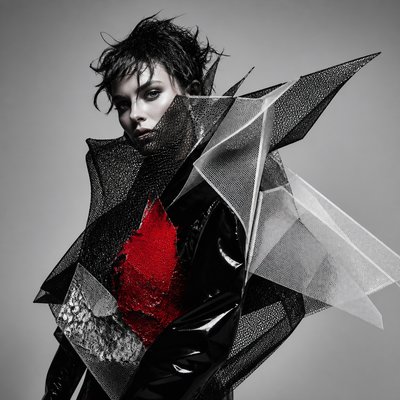
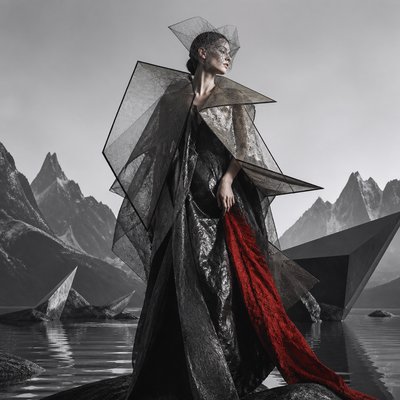
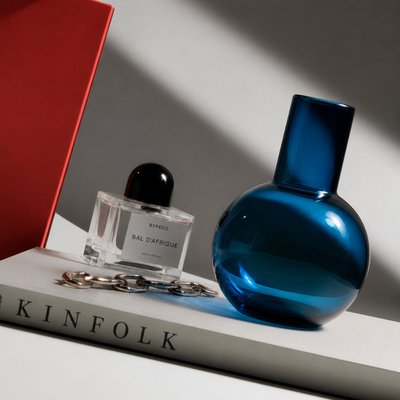
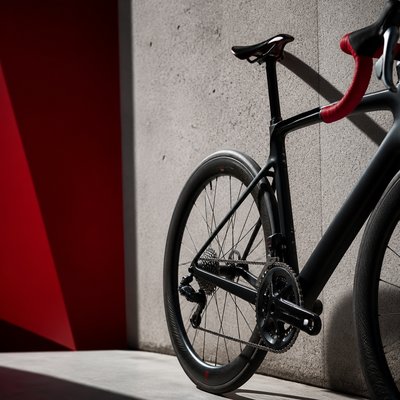
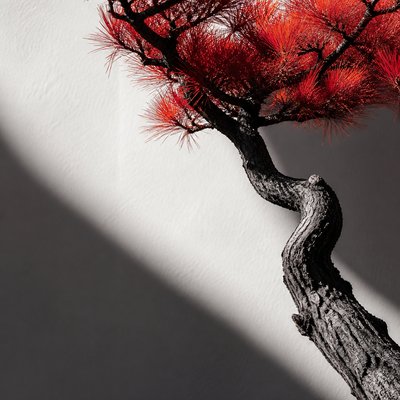
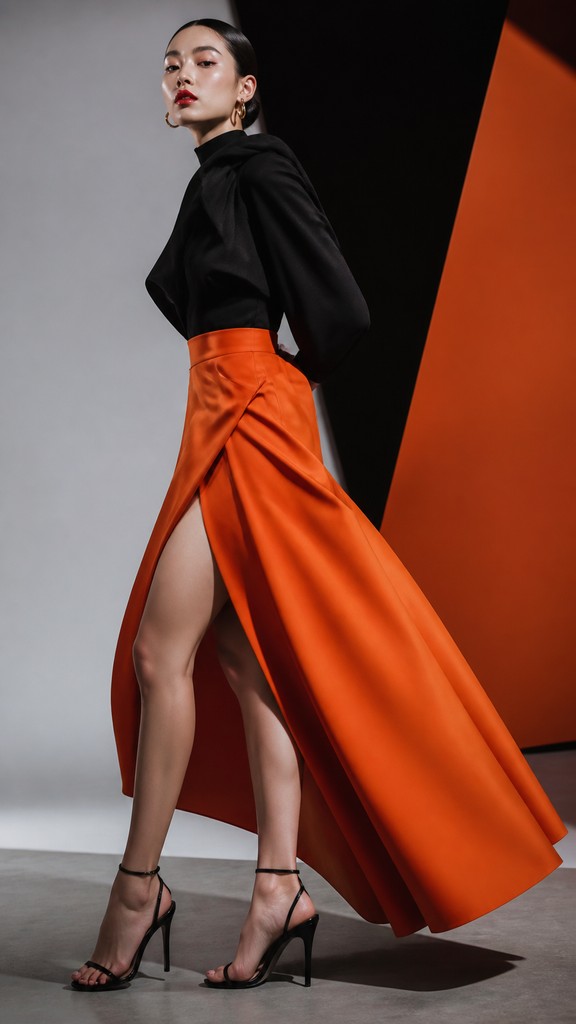
Its visual identity comes from tension: precise lighting against strong shadows, elegant subjects against abstract or minimal backgrounds, and polished surfaces set beside matte textures. The result is not documentary realism but a highly constructed image where every element—pose, crop, light, and color—supports the presentation of fashion as a form of visual art.
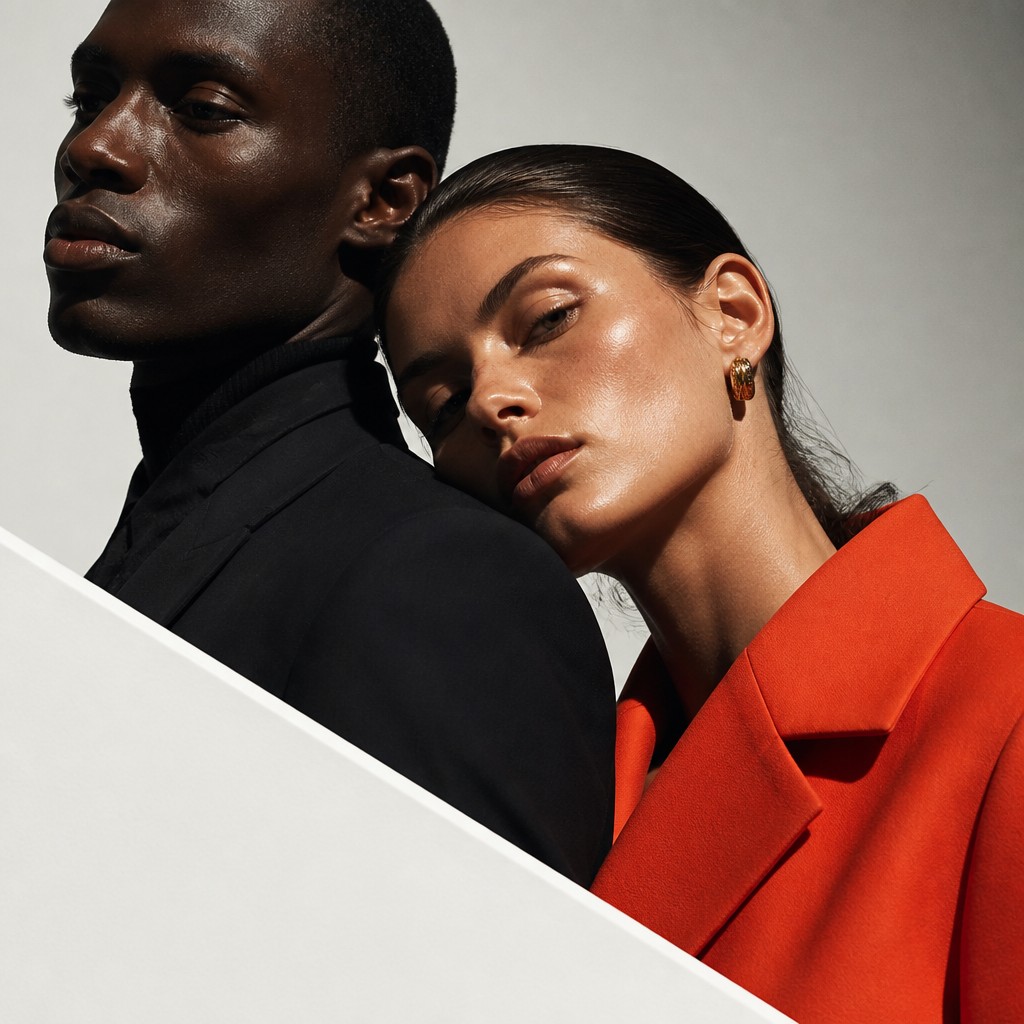
Try It On Your Photos
Upload any photo and convert it into High Fashion Photography Style — drag the sliders to compare before and after.
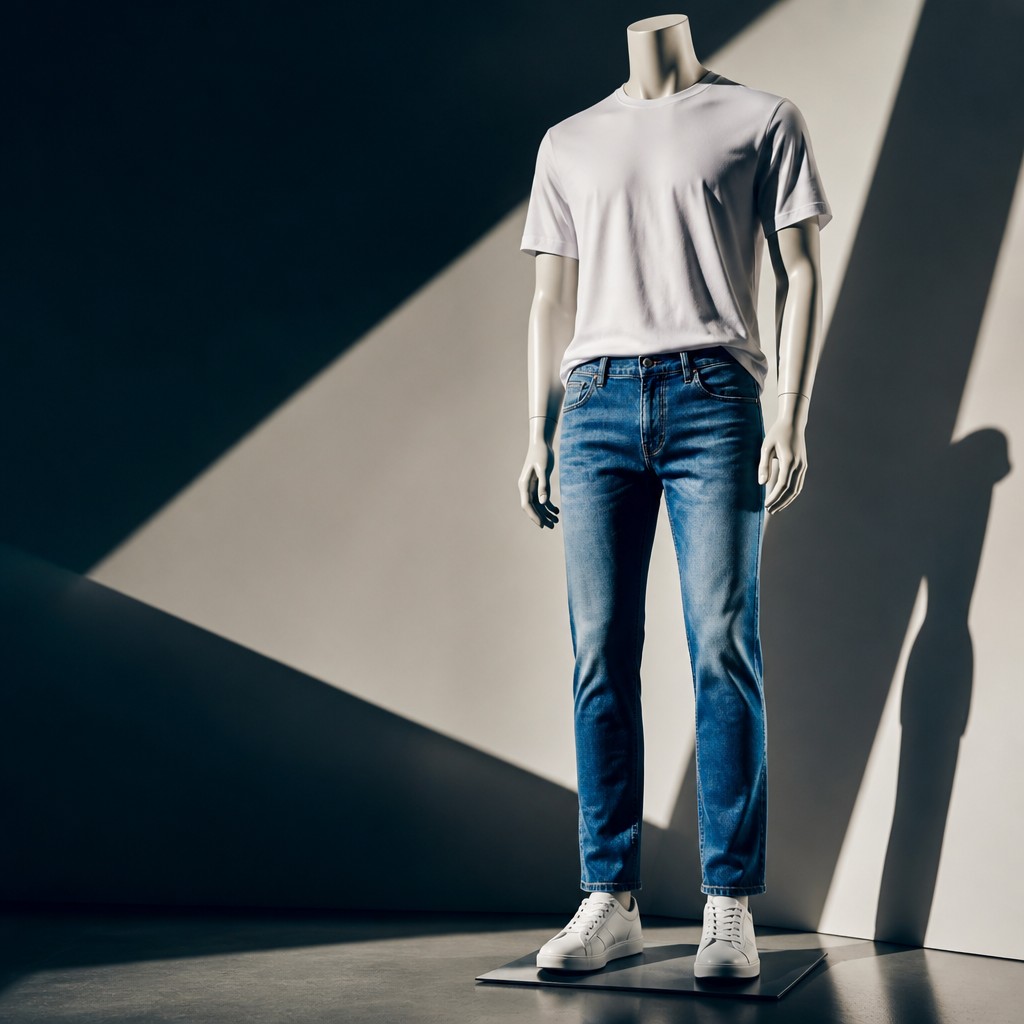
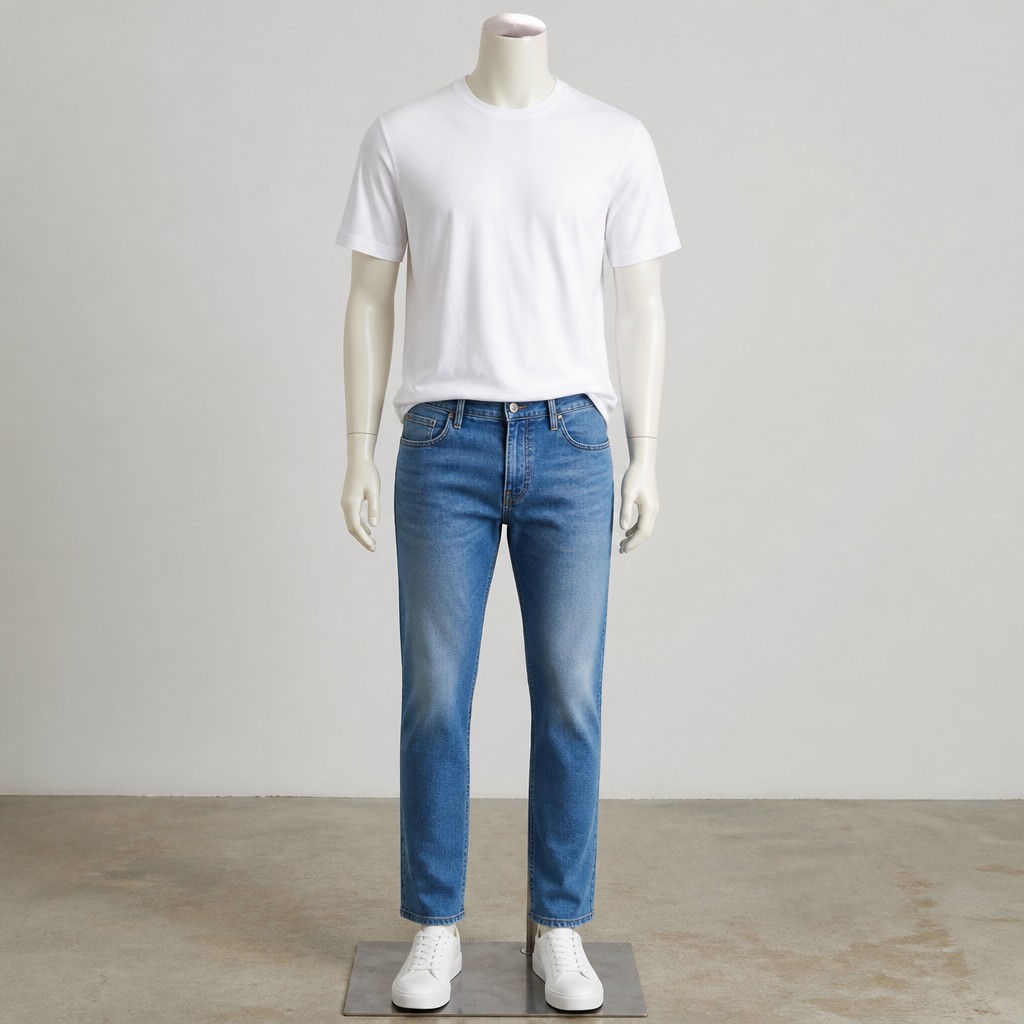
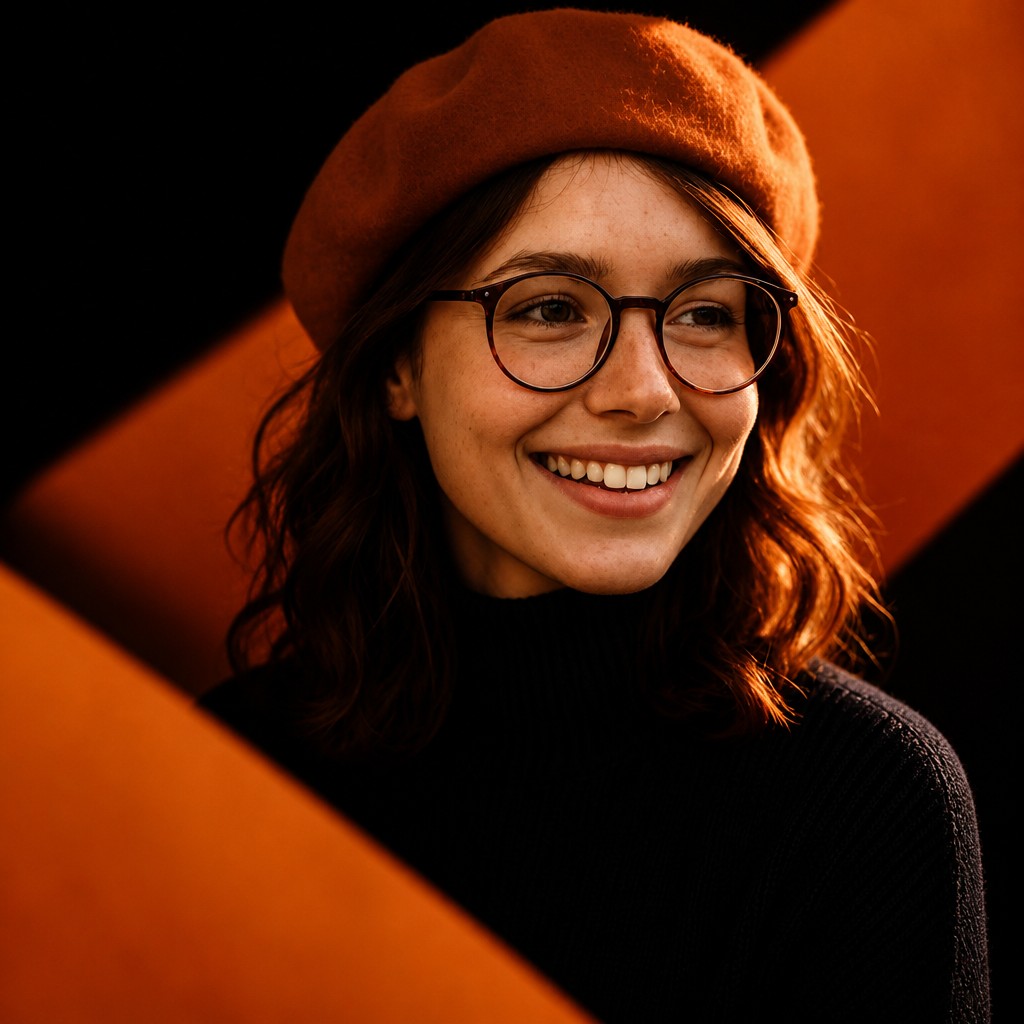

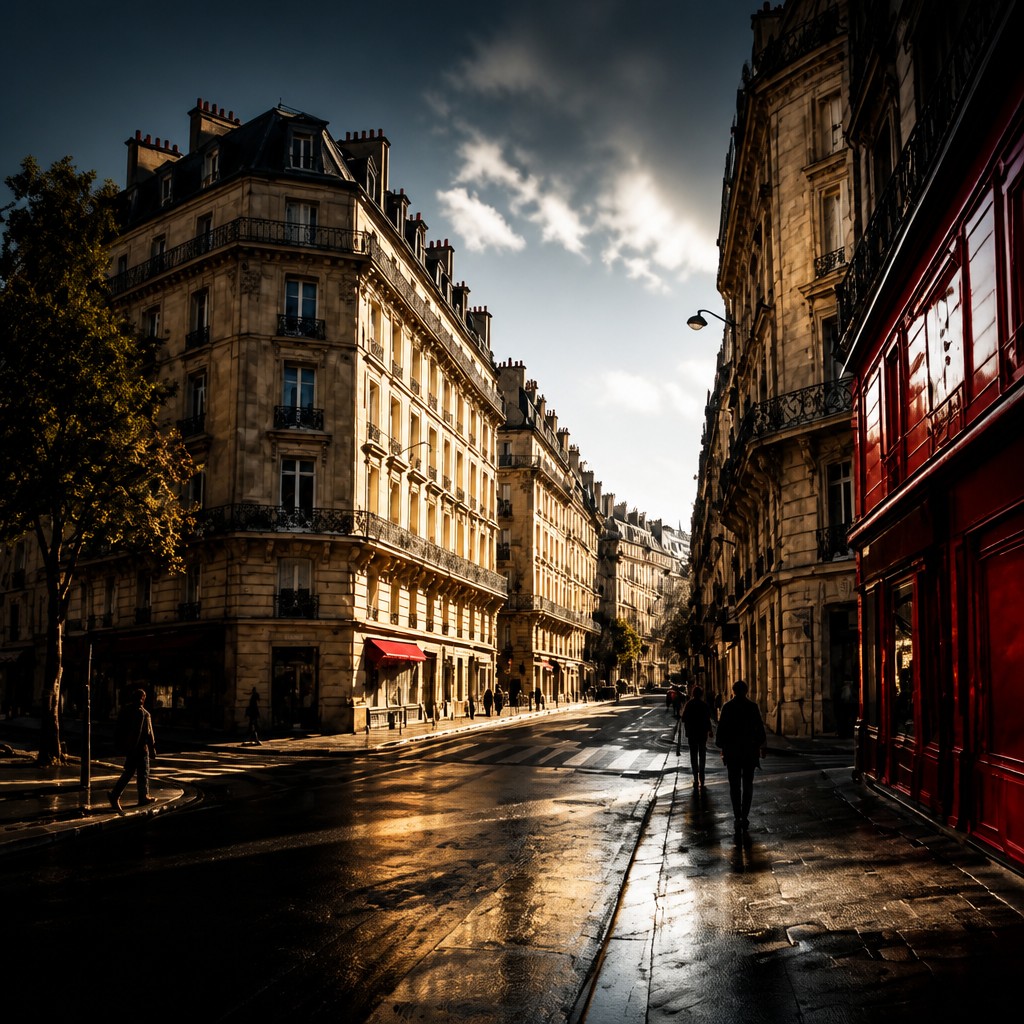

What Defines High Fashion Photography Style
The signature details, up close
Dramatic studio lighting
Lighting is usually controlled and directional, with strong highlights, deep shadows, and crisp rim light that model the body and clothing. This produces clear separation between subject and background and gives garments a sculptural presence.
Editorial posing
Poses are deliberate, angular, and often asymmetrical, with elongated limbs, lifted chins, and expressive hand placement. The body is treated as a compositional element rather than a neutral subject.
Fashion-first styling
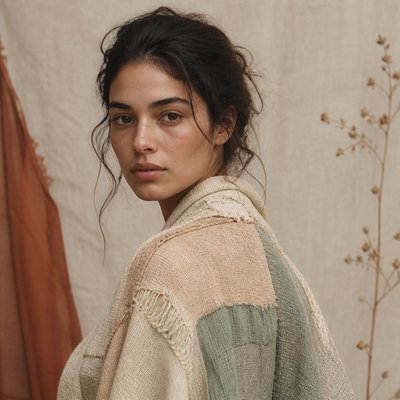
Wardrobe, hair, and makeup are central to the image and often push toward the theatrical, luxurious, or avant-garde. Styling choices are designed to read clearly at a glance and to communicate identity, status, or mood.
Bold composition
Frames often use diagonals, unconventional cropping, negative space, and off-center placement to create motion and visual tension. The composition frequently feels designed for a magazine spread rather than a single centered portrait.
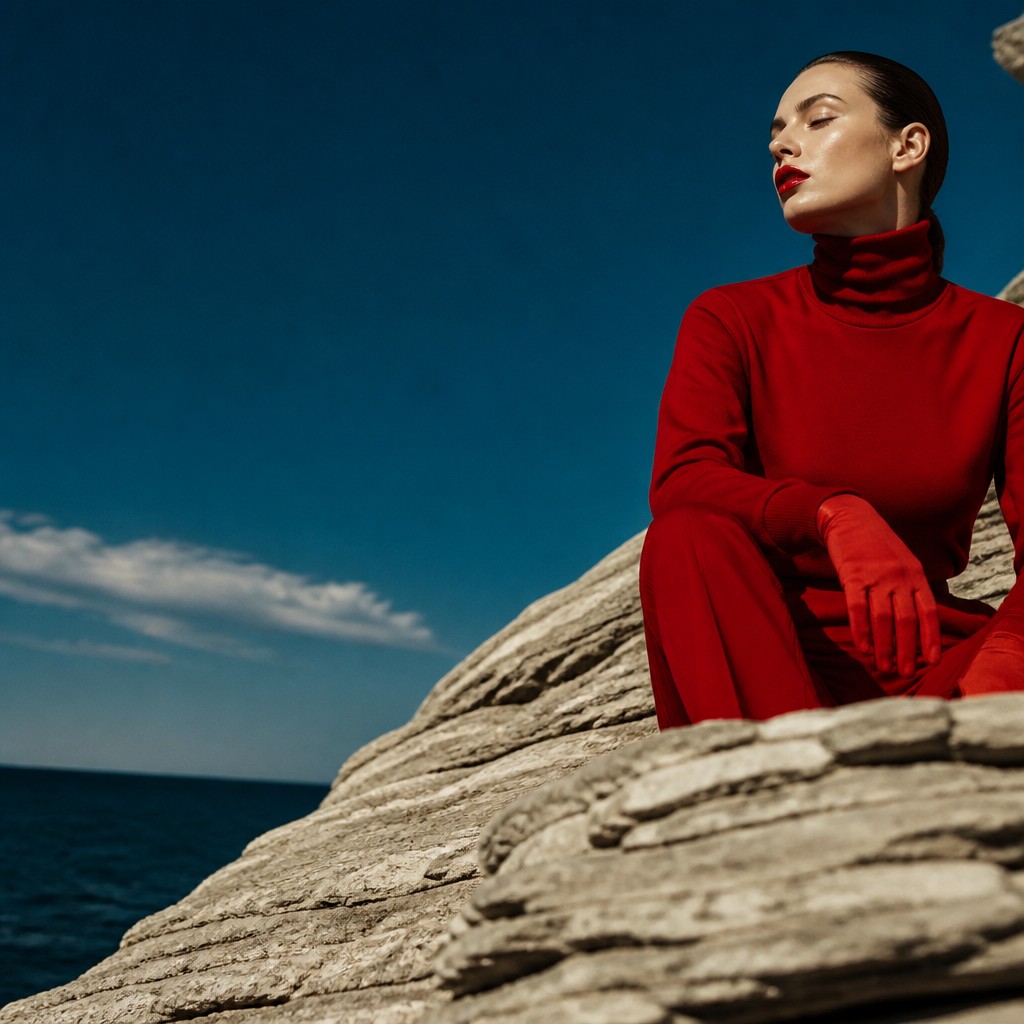
High polish finish
Retouching is clean and intentional, with smooth skin rendering, controlled texture, and careful color grading. The image usually retains realism while suppressing distractions and enhancing the clarity of form.
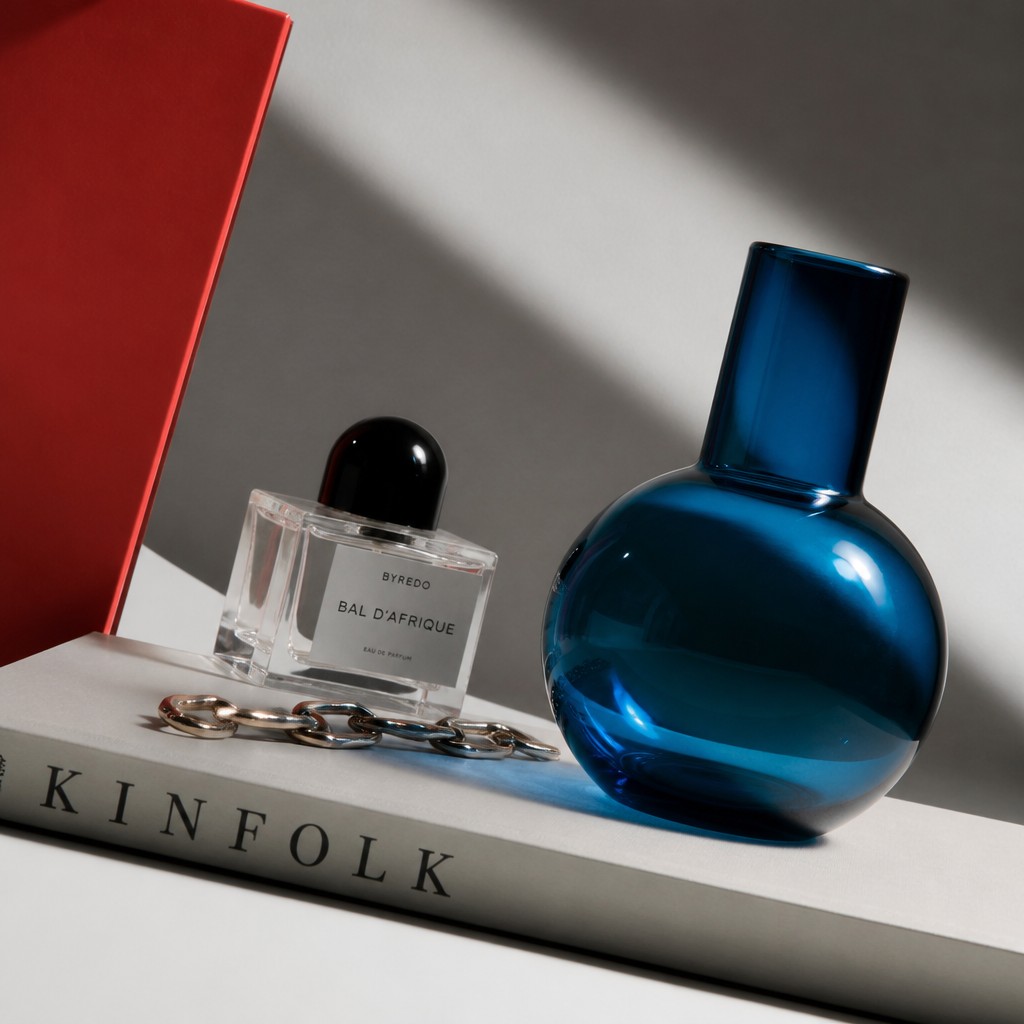
Material contrast
Glossy fabrics, reflective accessories, skin, and makeup are often contrasted with matte backgrounds or simpler surfaces. This interplay helps fashion details stand out and gives the image a luxury-art direction.
Try It
Create Videos in High Fashion Photography Style
Styles aren't just for stills — describe a scene or animate an image and get a short video rendered in High Fashion Photography. Press play to see this pond come to life.
Make a VideoHigh Fashion Photography Prompt Ideas
Start from an idea — each one opens the generator with the style ready to go. See all 40 High Fashion Photography prompts →
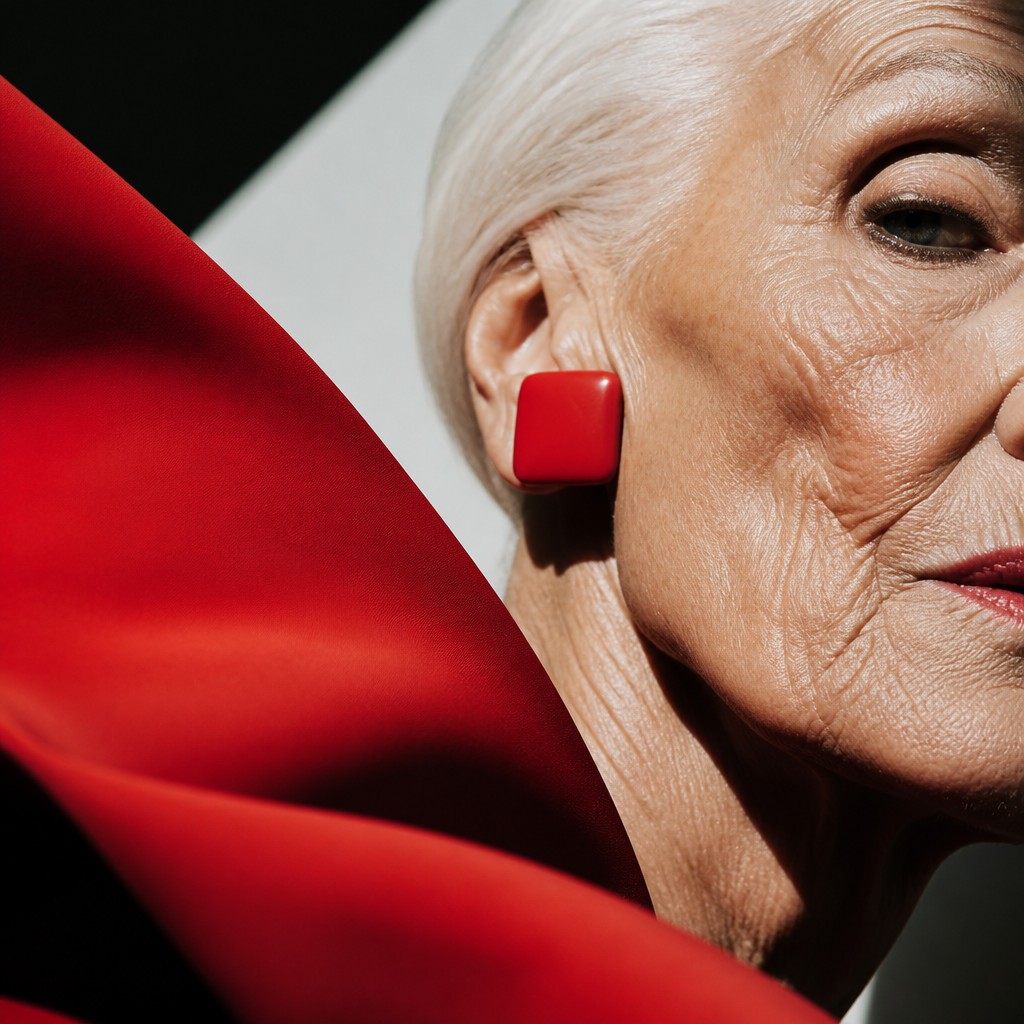
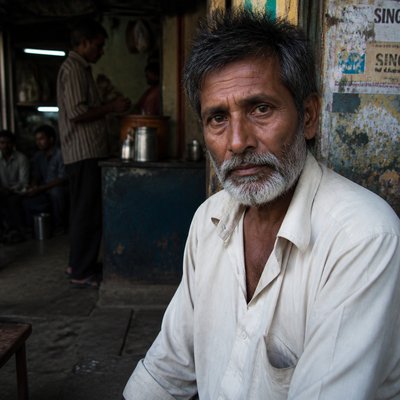
“close-up portrait of an elderly person with expressive weathered features”
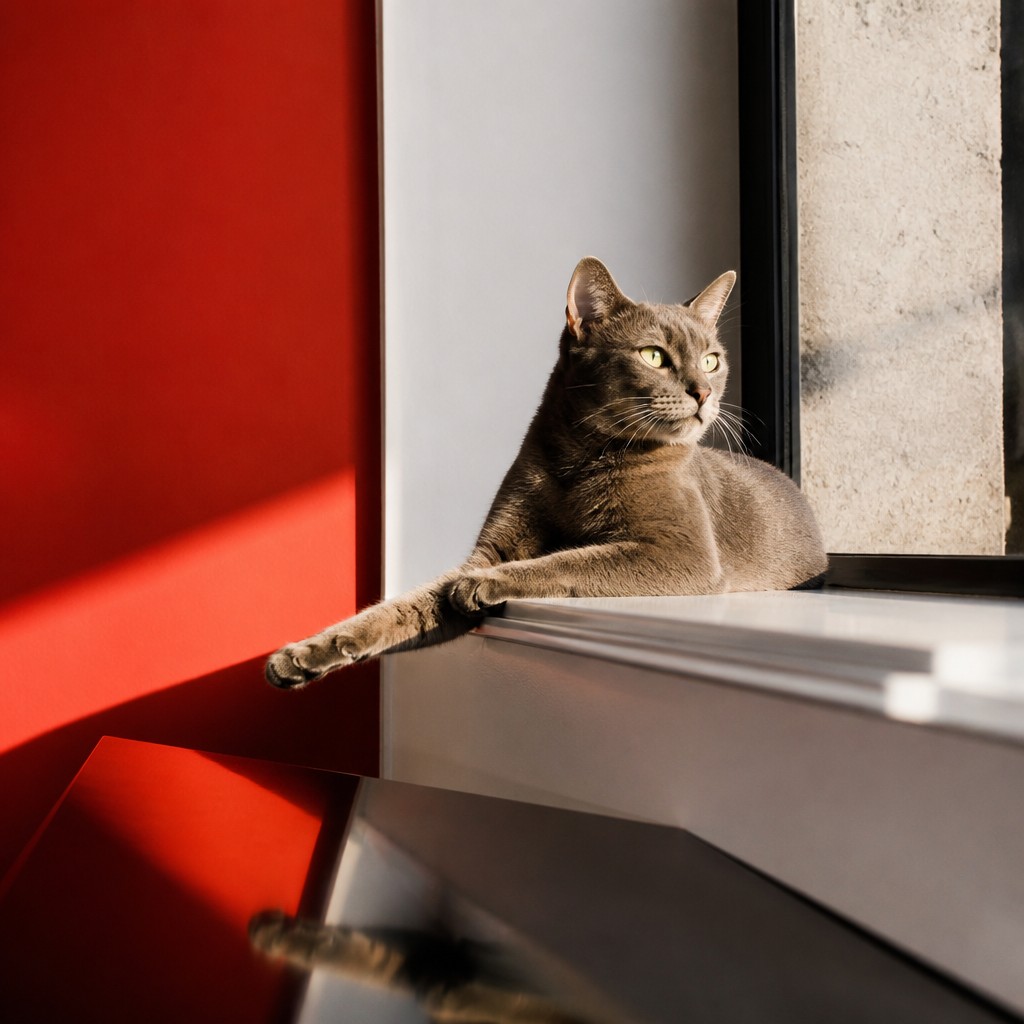
“a cat lounging in a sunlit window”
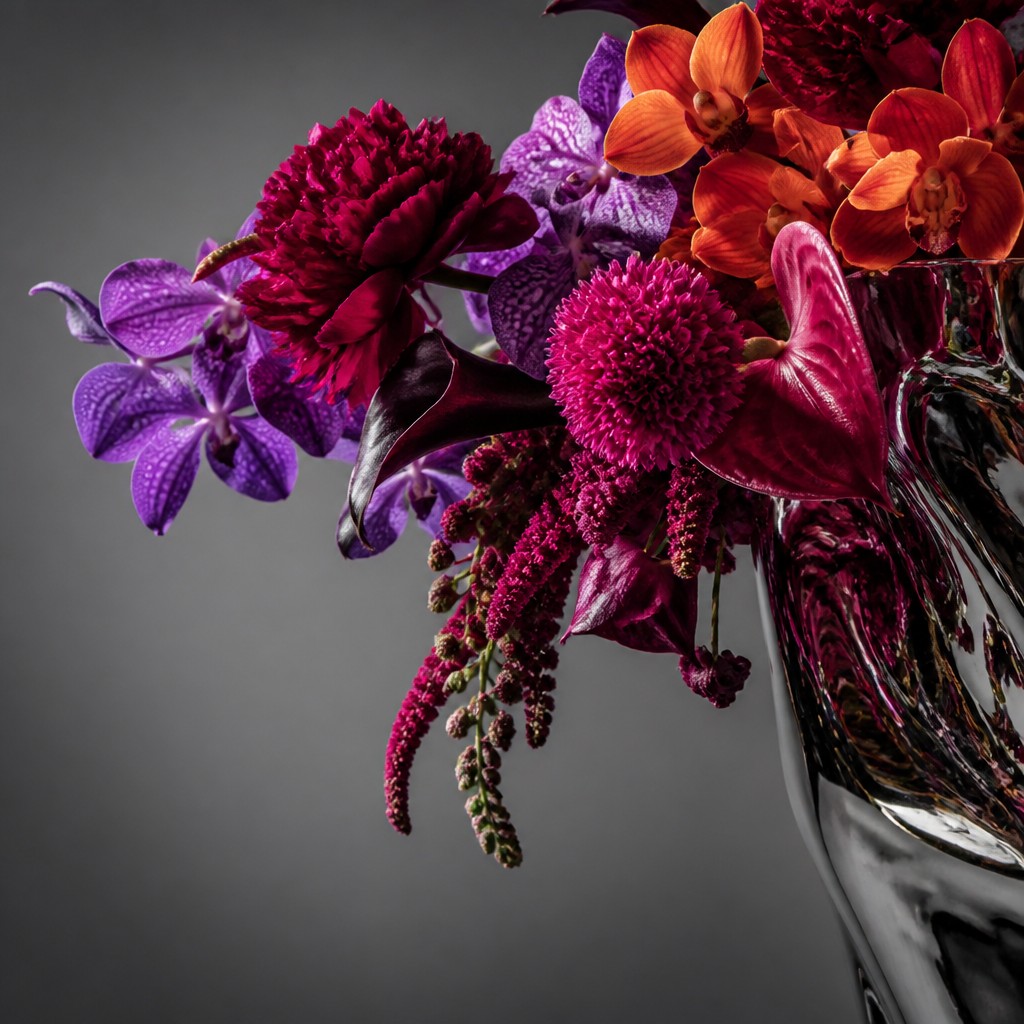
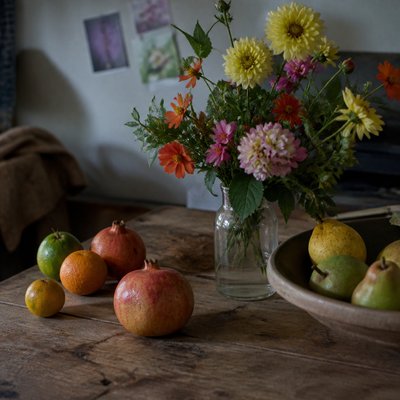
“bouquet of flowers in a glass vase”
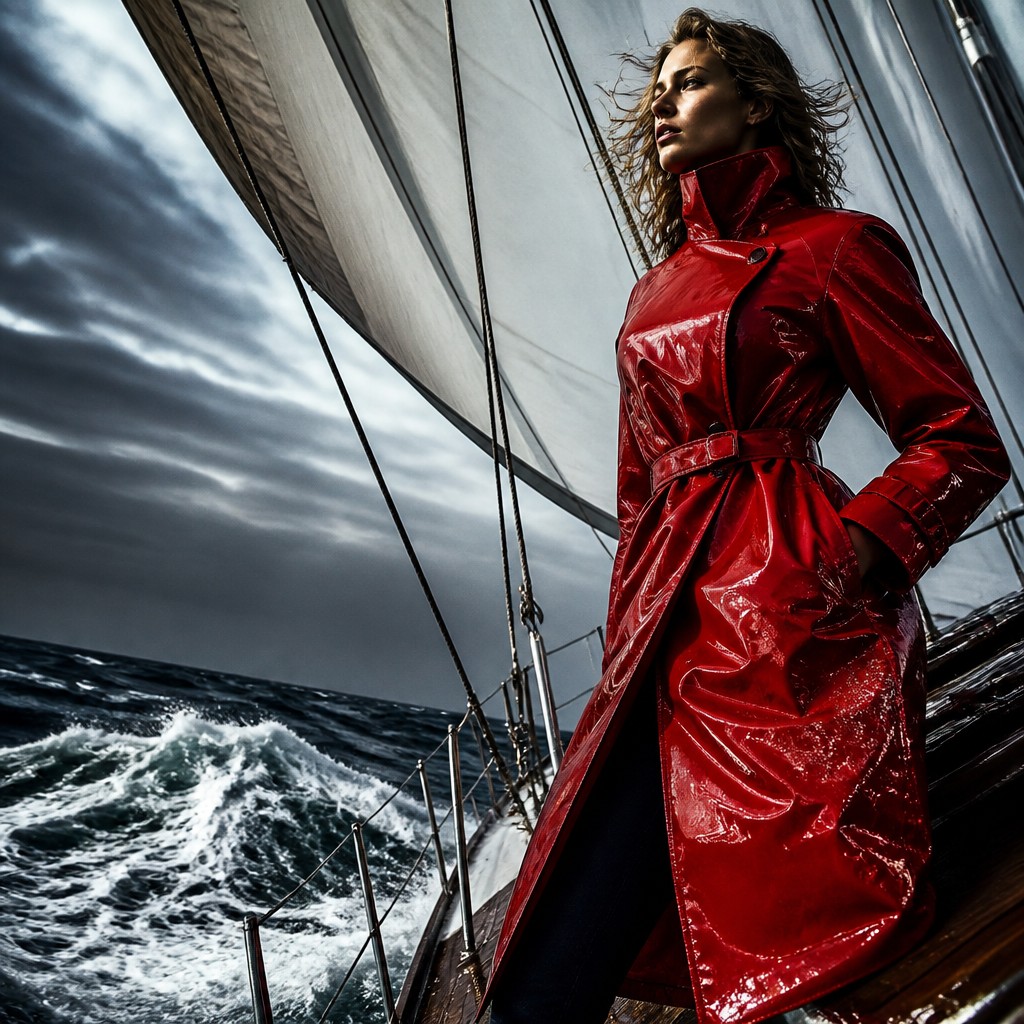
“sailing ship on a stormy sea”
How to Create High Fashion Photography Art
Master the craft step by step — or skip straight to creating. Read the full guide →
- 1
Build the image around styling
Start with a clear fashion concept: couture, street-luxury, monochrome minimalism, or experimental editorial. In a traditional shoot, collaborate closely on wardrobe, hair, makeup, and props so every choice supports the visual story.
- 2
Use directional light with purpose
Shape the subject with key light, rim light, or hard-edged studio sources to create depth and emphasis. In digital or AI-based creation, specify strong contrast, crisp highlights, and sculpted shadows to avoid flat, catalog-like lighting.
- 3
Pose for line and attitude
Direct the subject into angular, confident positions that create diagonals and negative space. Elongate the body, separate limbs, and use facial expression to suggest attitude rather than overt narrative.
- 4
Design the frame like an editorial spread
Crop unexpectedly, leave breathing room where it heightens tension, and avoid center-only compositions unless the concept demands symmetry. Think in terms of cover image, feature opener, or full-page fashion spread.
- 5
Control texture and finish
Retouch carefully so skin, fabric, and makeup remain refined without looking plastic or overprocessed. In prompts, include polished magazine-grade finishing, selective shallow depth of field, and crisp focus where needed.
- 6
Specify the visual code in prompts
For text-to-image generation, describe the garment, pose, lighting, background, camera feel, and color palette rather than only the subject. Phrases like "editorial studio lighting," "avant-garde composition," and "luxurious color grading" help produce the right aesthetic.
The Story
History & Origins of High Fashion Photography
High fashion photography emerged from 20th-century fashion publishing and commercial image-making, especially in the pages of magazines and the studios of fashion photographers working for couture houses, designers, and advertising clients. As fashion moved from simple product display toward image-driven branding, the photograph became a stage for personality, aspiration, and experimentation.
Its lineage draws on studio portraiture, modernist composition, avant-garde photography, and the editorial culture of magazines such as Vogue and Harper’s Bazaar. Influential fashion photographers associated with the development of the genre include major postwar fashion and portrait photographers, each helping define different facets of the style: elegance, graphic simplicity, provocation, colorism, and stripped-down intensity.
Influences: This style draws from studio portraiture, modern fashion magazine design, and avant-garde photography. Its visual language is related to the work of leading postwar fashion and portrait photographers, along with broader influences from modernist composition, glamor photography, and commercial advertising aesthetics.
Frequently Asked Questions
What defines high fashion photography style?
It is defined by editorial presentation, strong styling, and highly controlled lighting and composition. The subject is usually posed to emphasize attitude, garment shape, and visual drama rather than casual realism.
How is it different from regular portrait photography?
Regular portraits often prioritize likeness, comfort, or emotional intimacy, while high fashion photography prioritizes design, styling, and a polished editorial look. The pose, lighting, and framing are usually more intentional and theatrical.
What kind of lighting works best in this style?
Directional studio lighting is most common, especially setups that create contrast, clean edges, and separation from the background. Soft light can work too, but it usually needs to be controlled and shaped so the image still feels deliberate and fashion-forward.
Where is this style commonly used?
It is widely used in fashion magazines, designer campaigns, beauty advertising, lookbooks, and luxury branding. It also appears in album artwork, celebrity portraits, and conceptual editorial projects.
How can I make an image feel more editorial?
Use expressive poses, unexpected framing, and a strong relationship between clothing and background. Keep styling intentional and avoid clutter, since editorial images usually depend on clarity and visual hierarchy.
Can this style be created digitally?
Yes. A digital workflow can combine photography, retouching, color grading, and compositing to achieve the look. When generating images from text, be specific about pose, lighting, wardrobe, and composition so the result feels like a designed fashion spread.

Create your first High Fashion Photography artwork
Describe anything — or upload a photo — and see it in High Fashion Photography Style in seconds.
Make Something with High Fashion Photography
Compare High Fashion Photography
Related Styles
Discover similar art styles