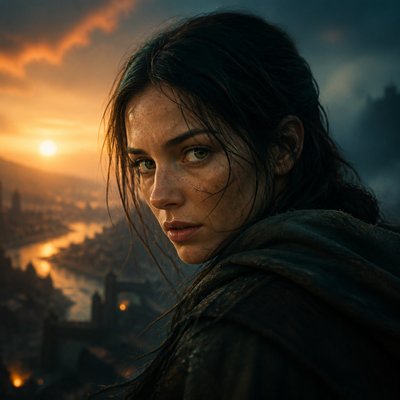
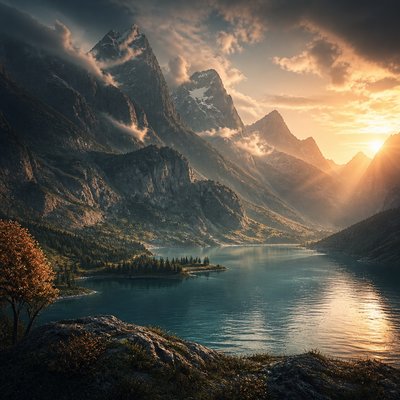
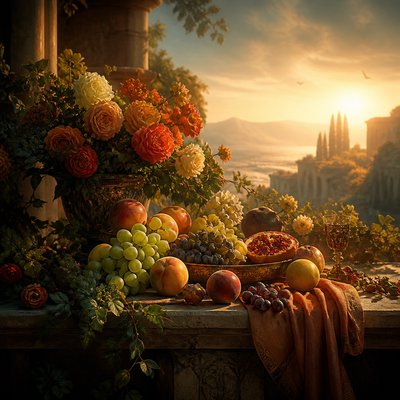
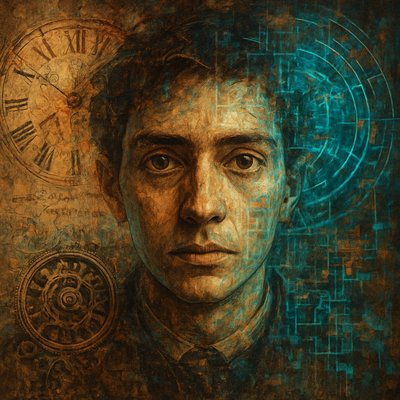
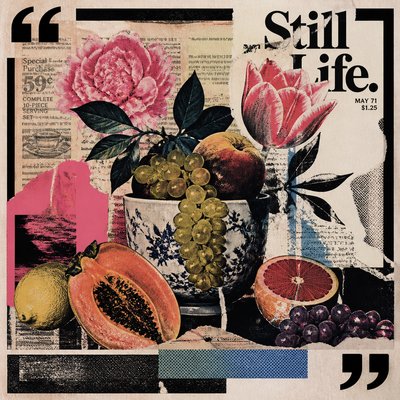
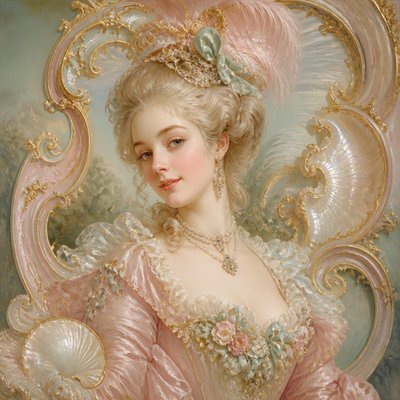
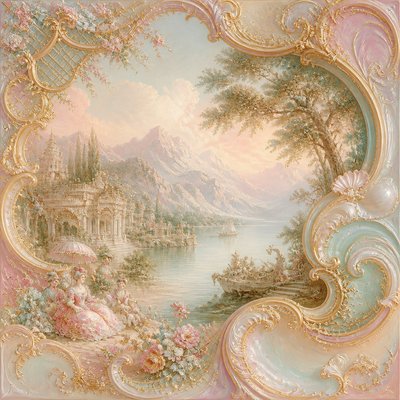
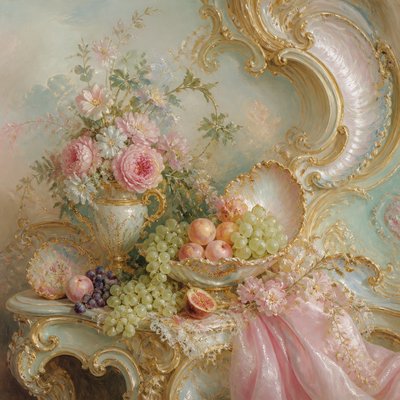
Long Exposure Photography Style
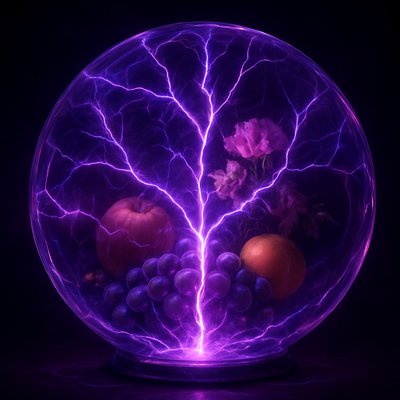
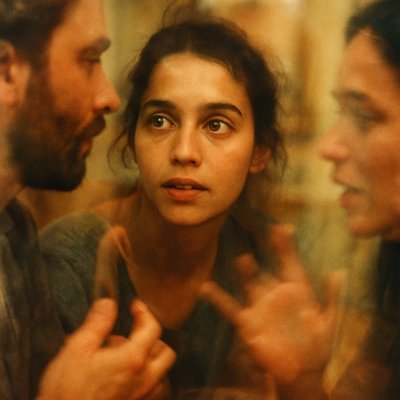
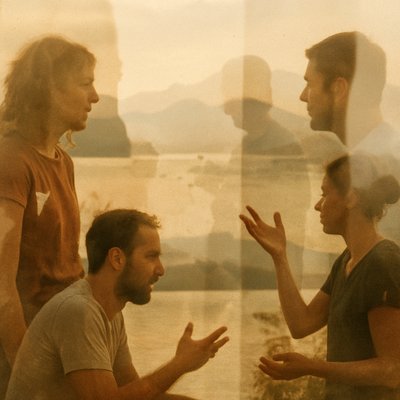
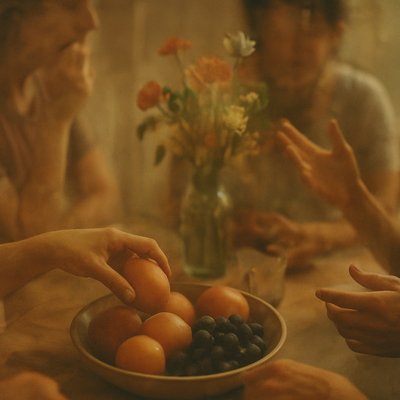
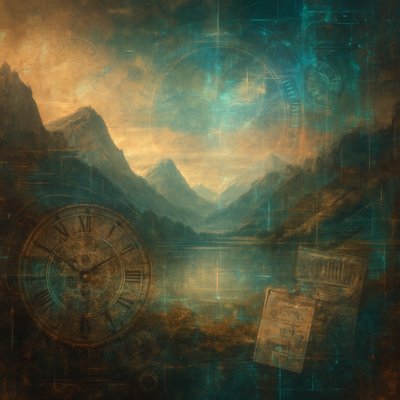
Extended-shutter photography with silky water, light trails, blurred motion, and a dreamlike sense of time passing.
Instantly rendered in Long Exposure Photography — or transform a photo
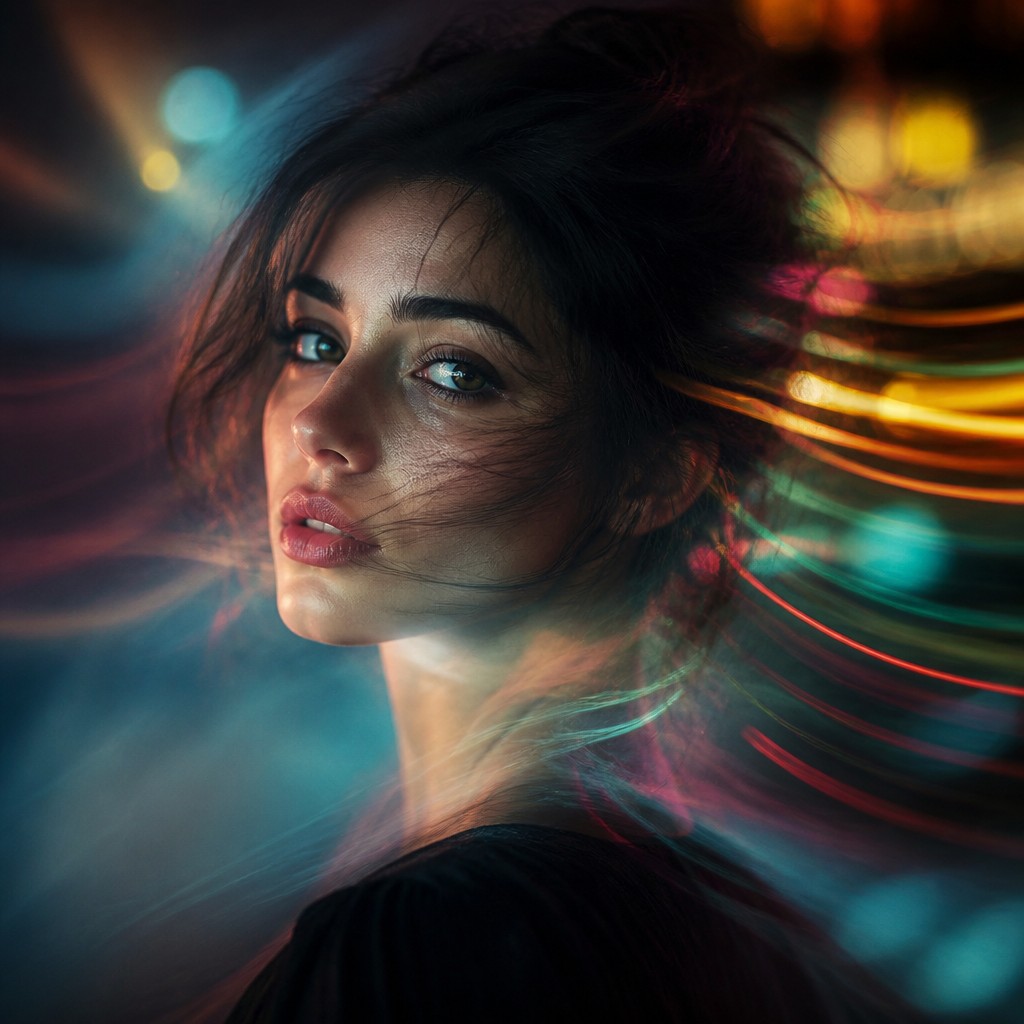
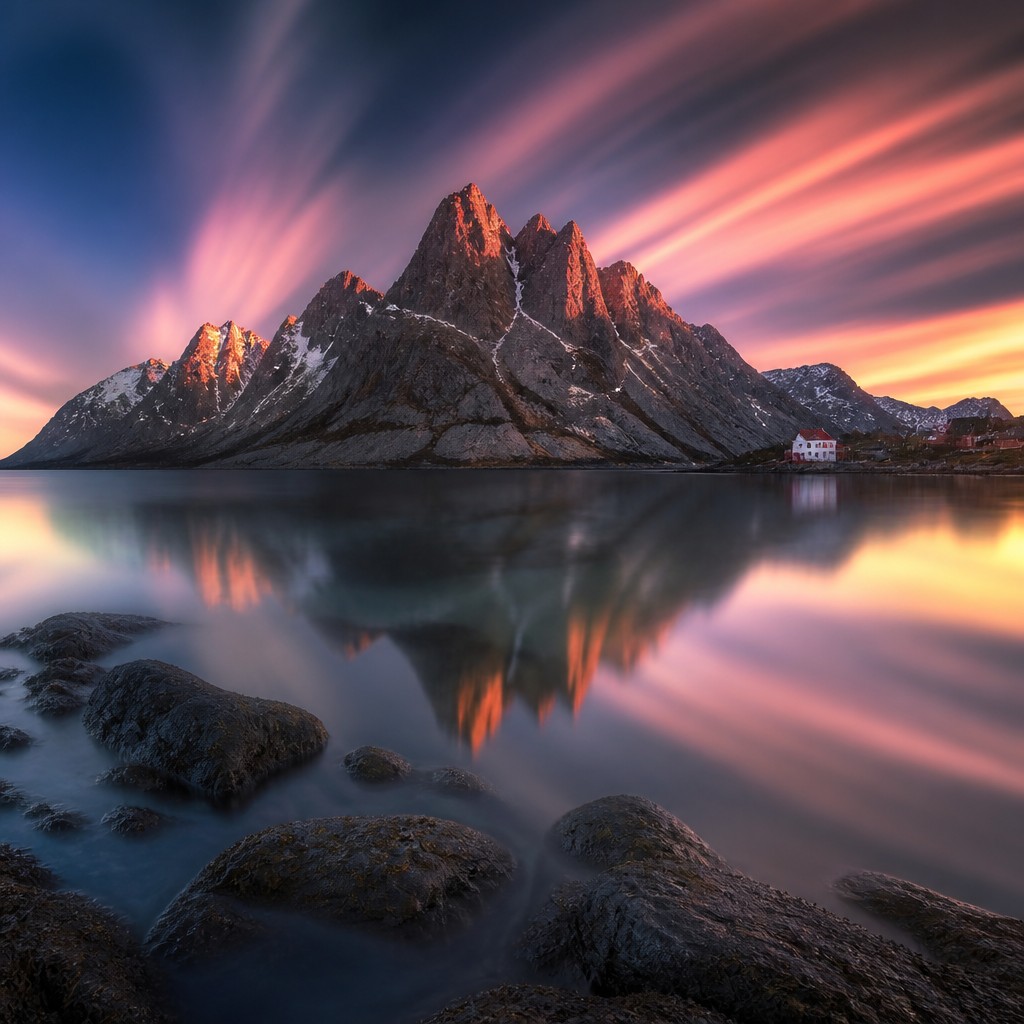
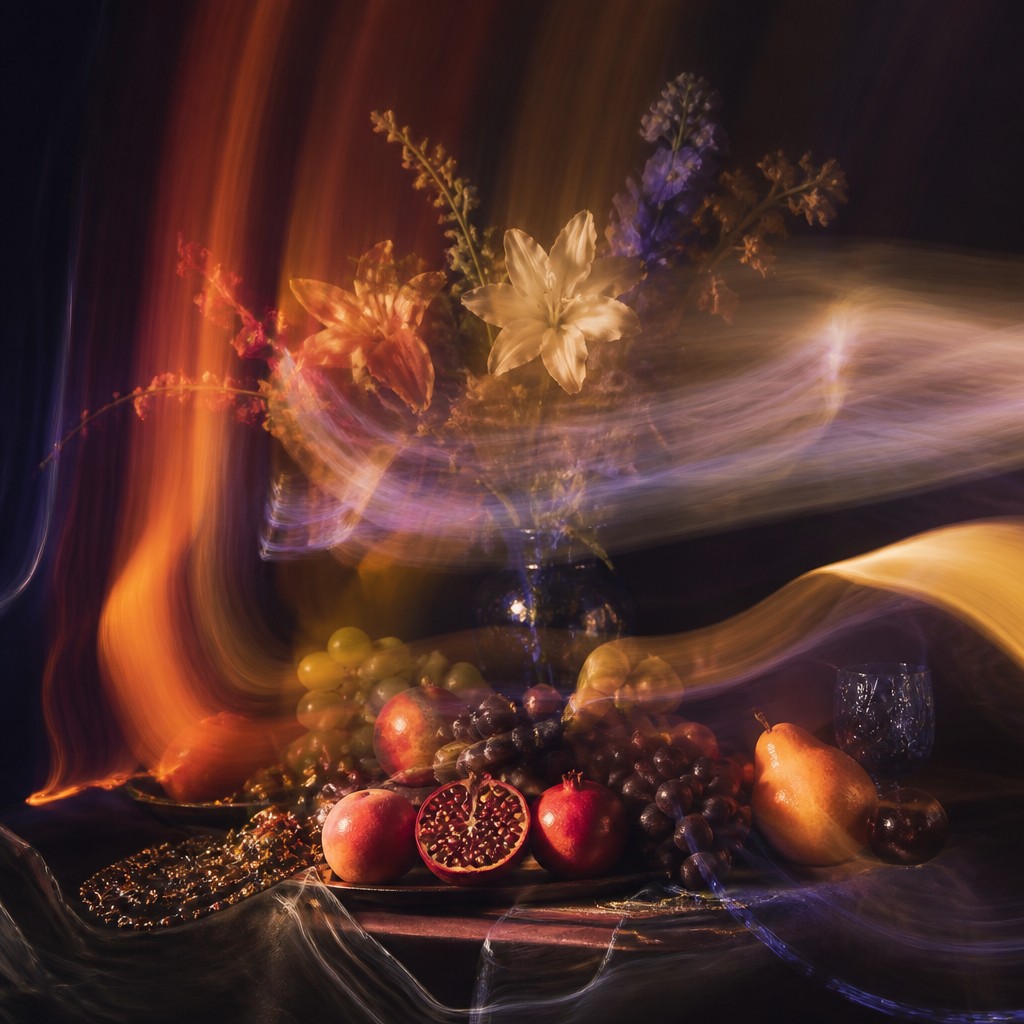
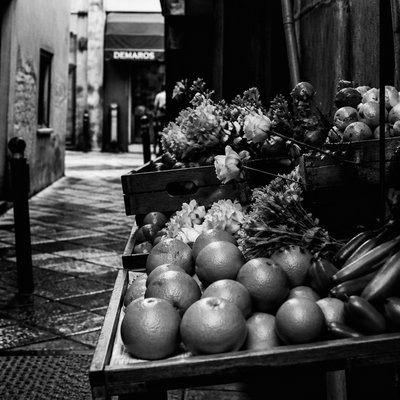
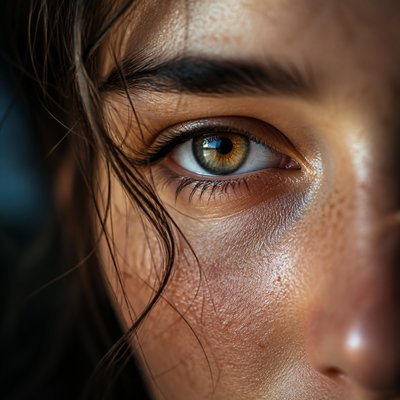
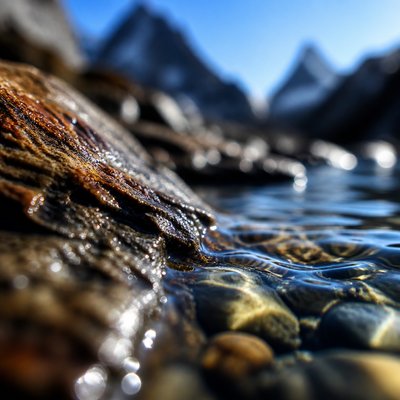
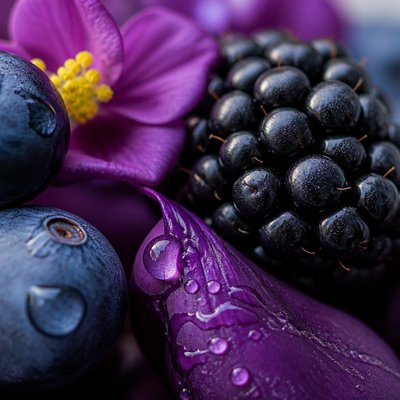
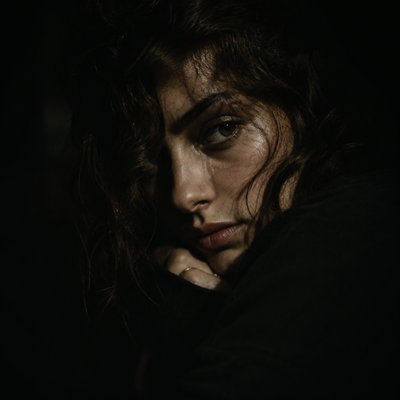
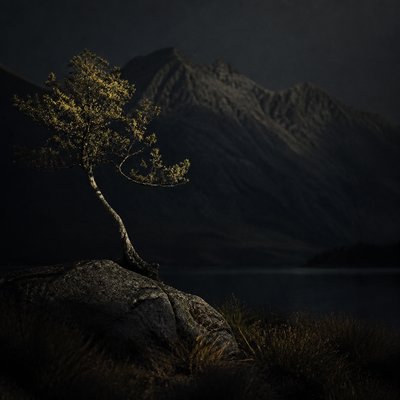
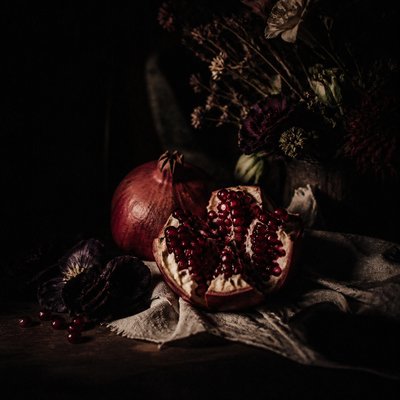
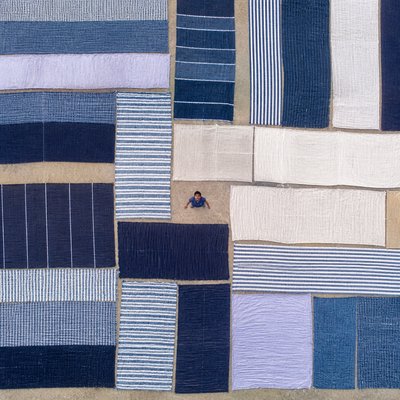
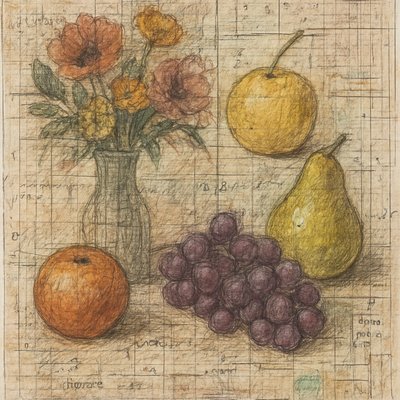
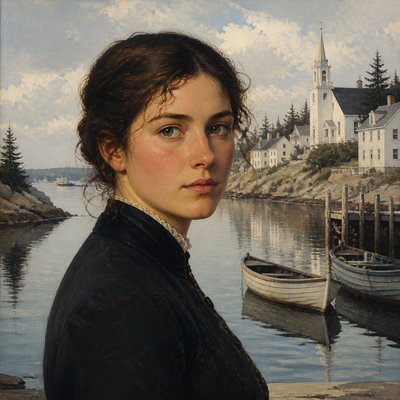
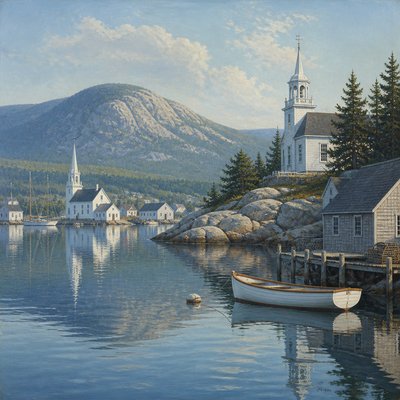
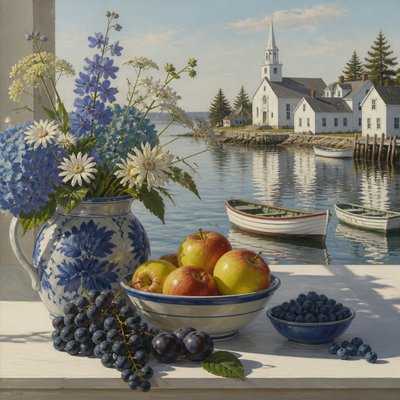
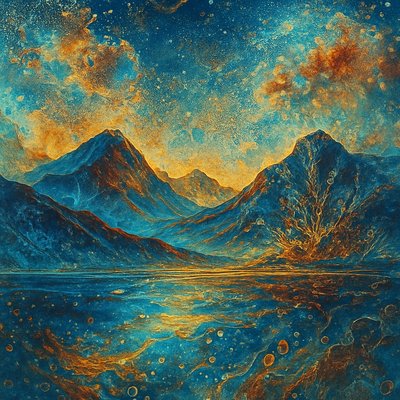
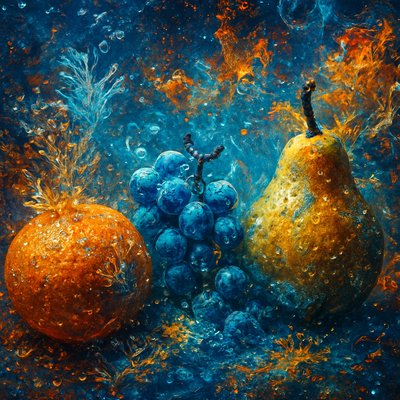
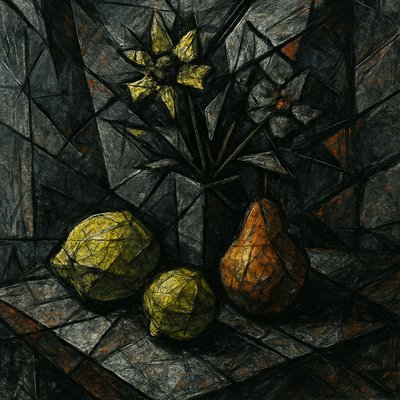
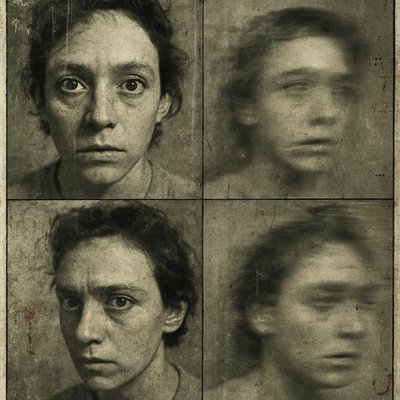
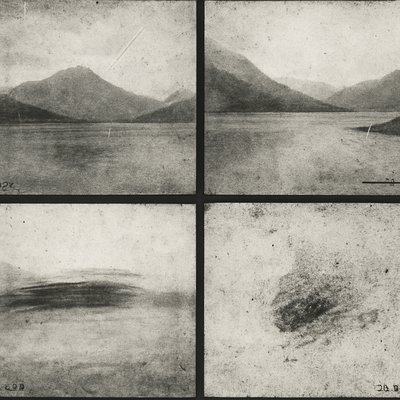
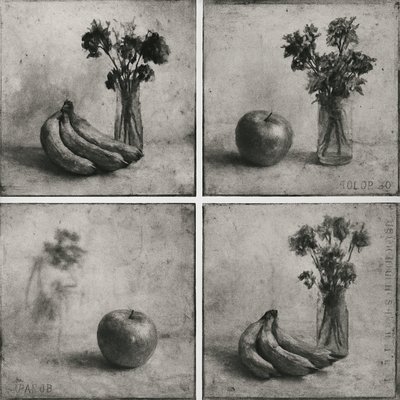
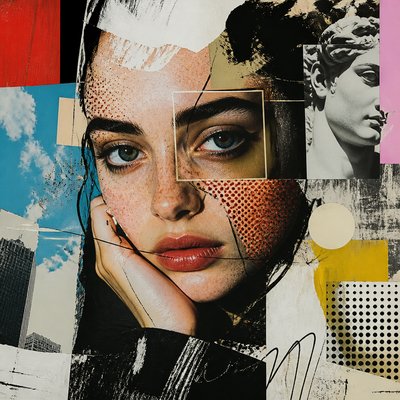
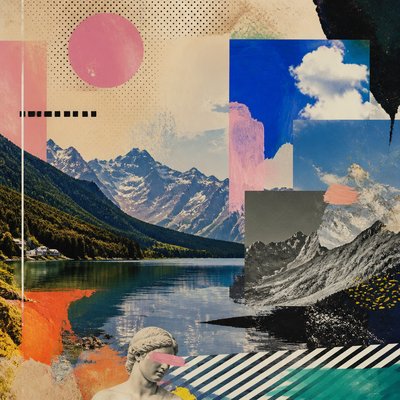
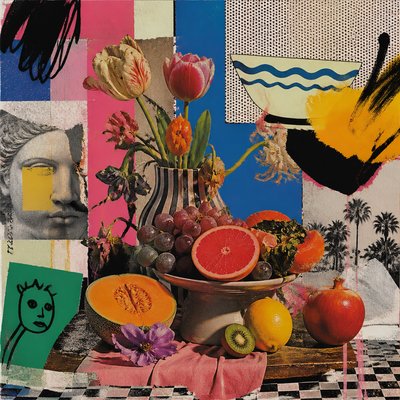
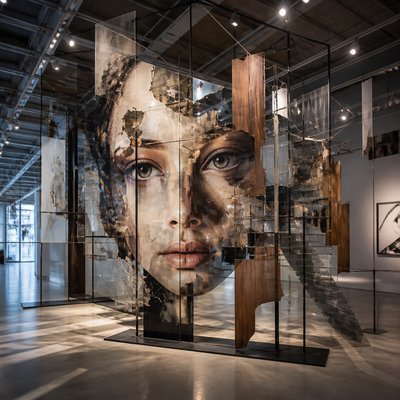
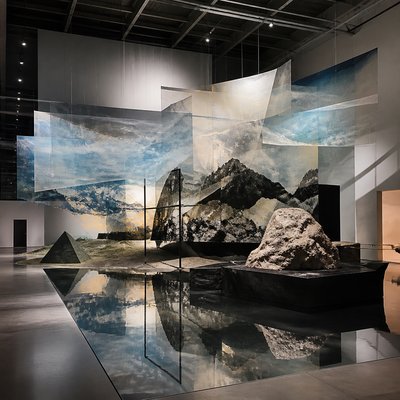
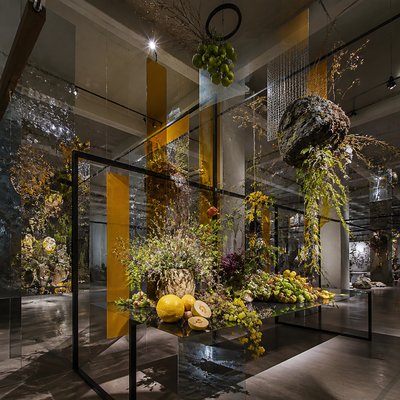
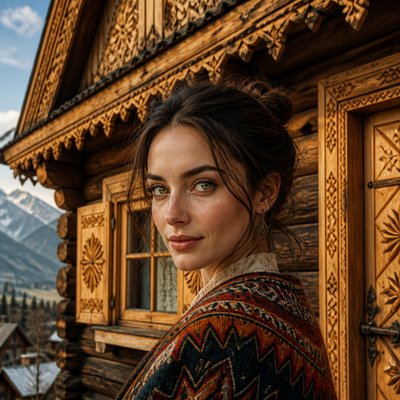
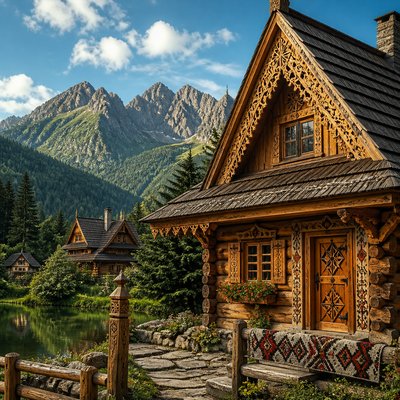
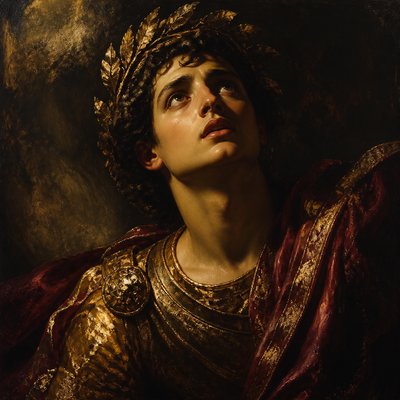
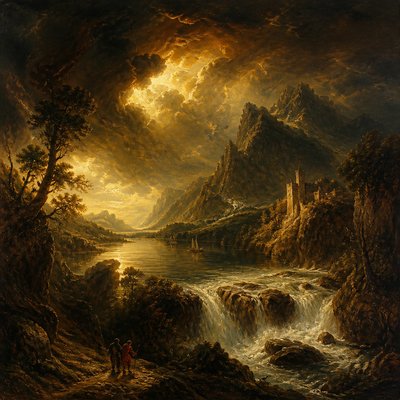
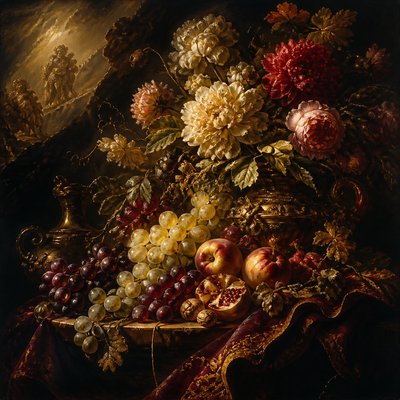
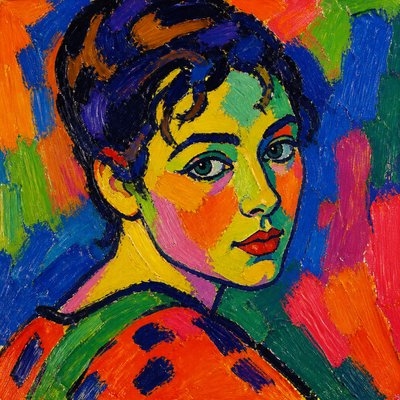
Long Exposure Photography Gallery
Tap any artwork to explore it
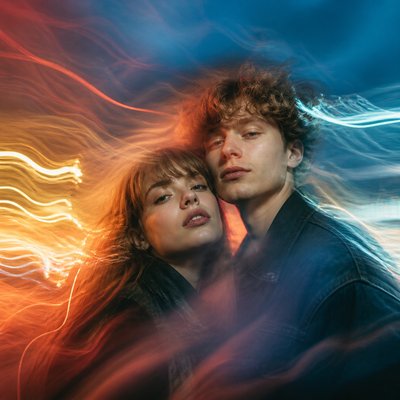
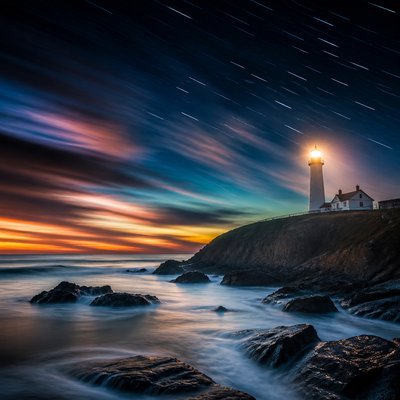
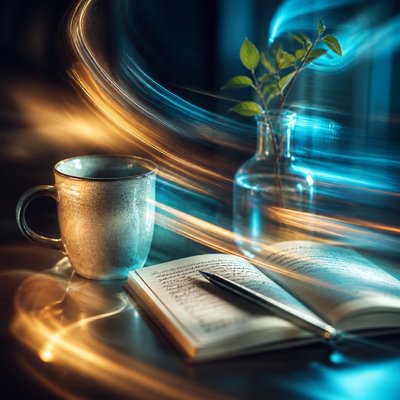
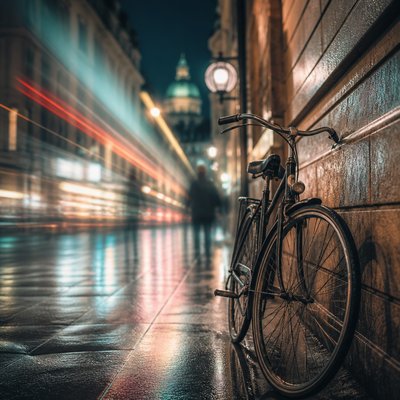
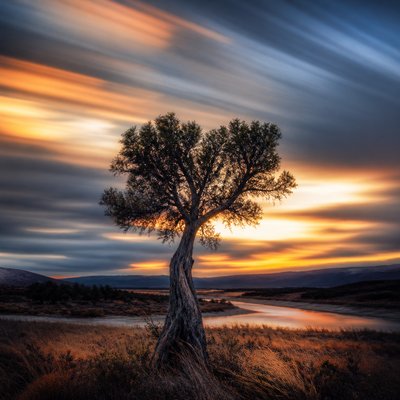
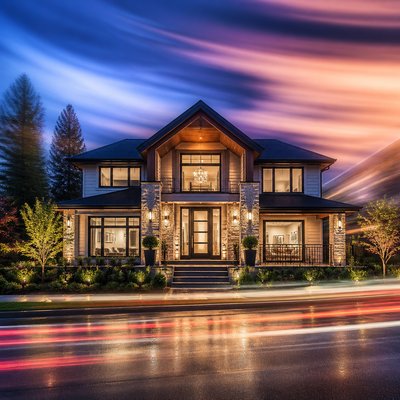
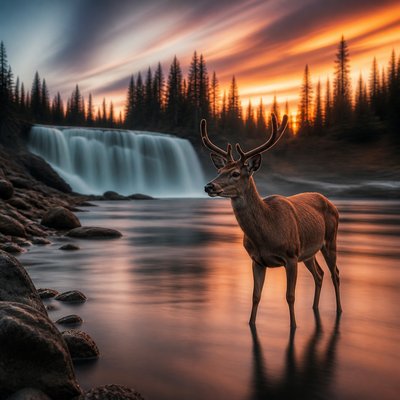
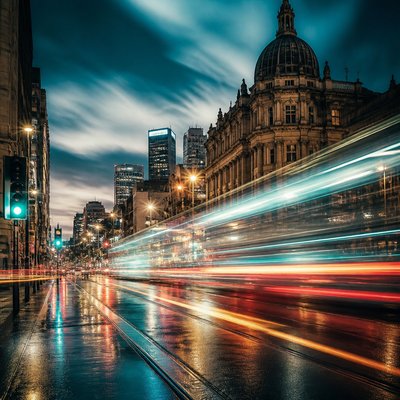
What is Long Exposure Photography Style?
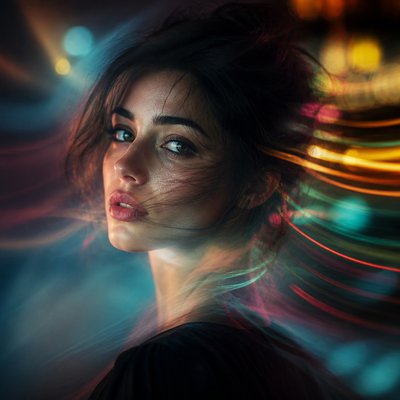
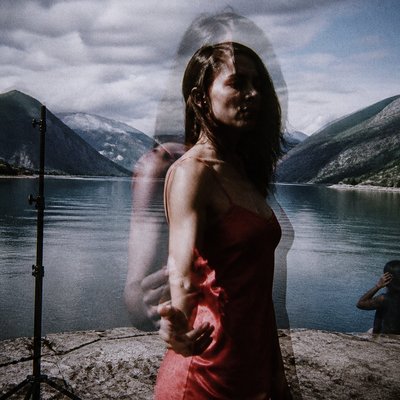
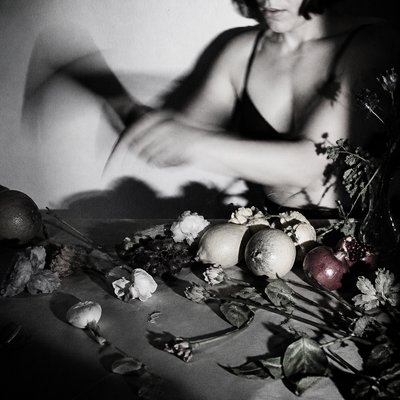
Long exposure photography is a photographic approach that uses a slow shutter speed to record motion over time rather than freezing a single instant. The result is a single image in which moving subjects become blurred, stretched, or turned into luminous traces, while still objects remain crisp and anchored in place.
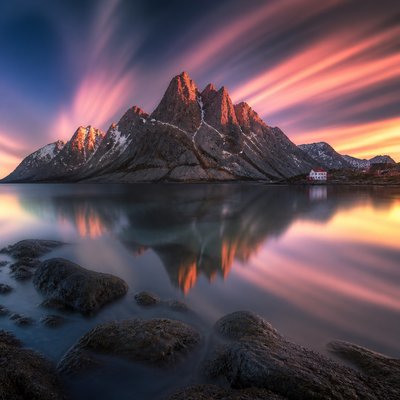
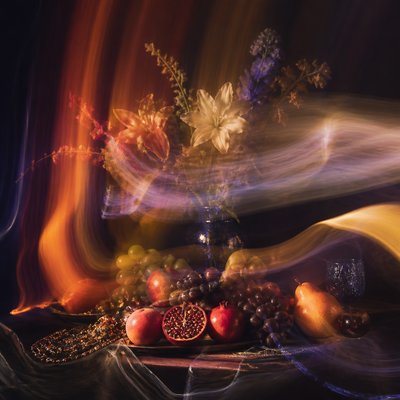
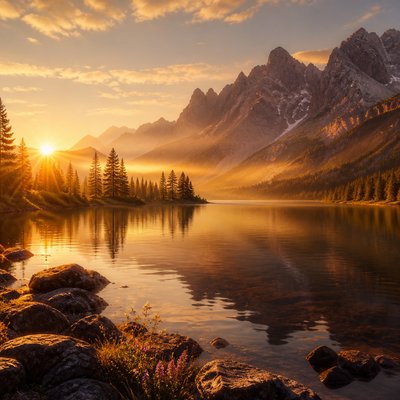
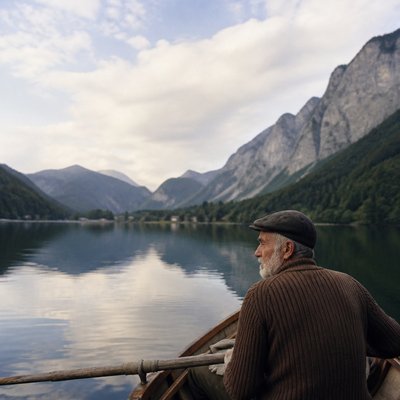
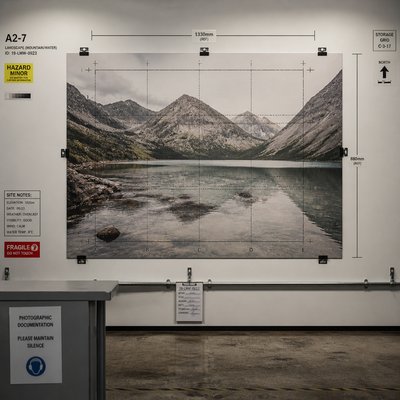
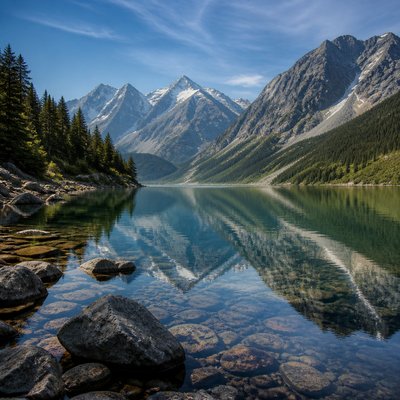
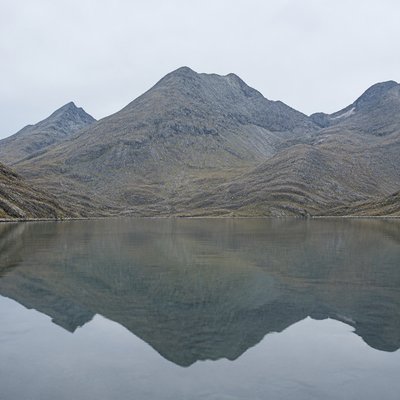
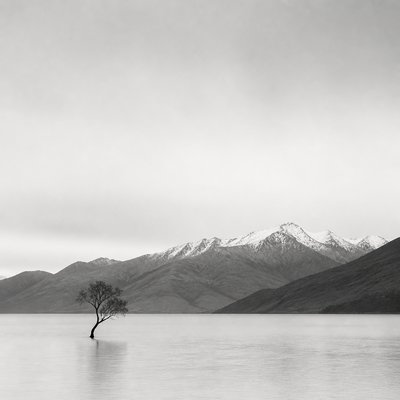
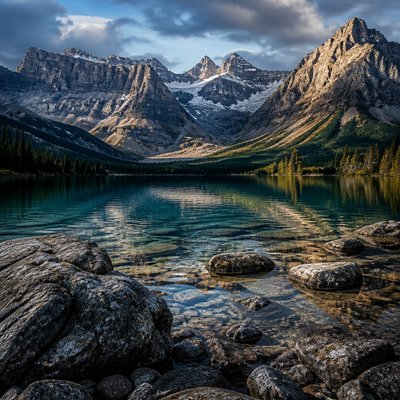
Its visual identity is defined by contrasts: smooth, milky water against sharp rocks or piers, streaking headlights across dark streets, cloud bands flowing through the sky, and light sources dragged into ribbons or halos. Because the camera accumulates information over seconds or even minutes, the image can show a kind of time compression that the human eye cannot perceive directly, giving the scene an ethereal, often cinematic quality.
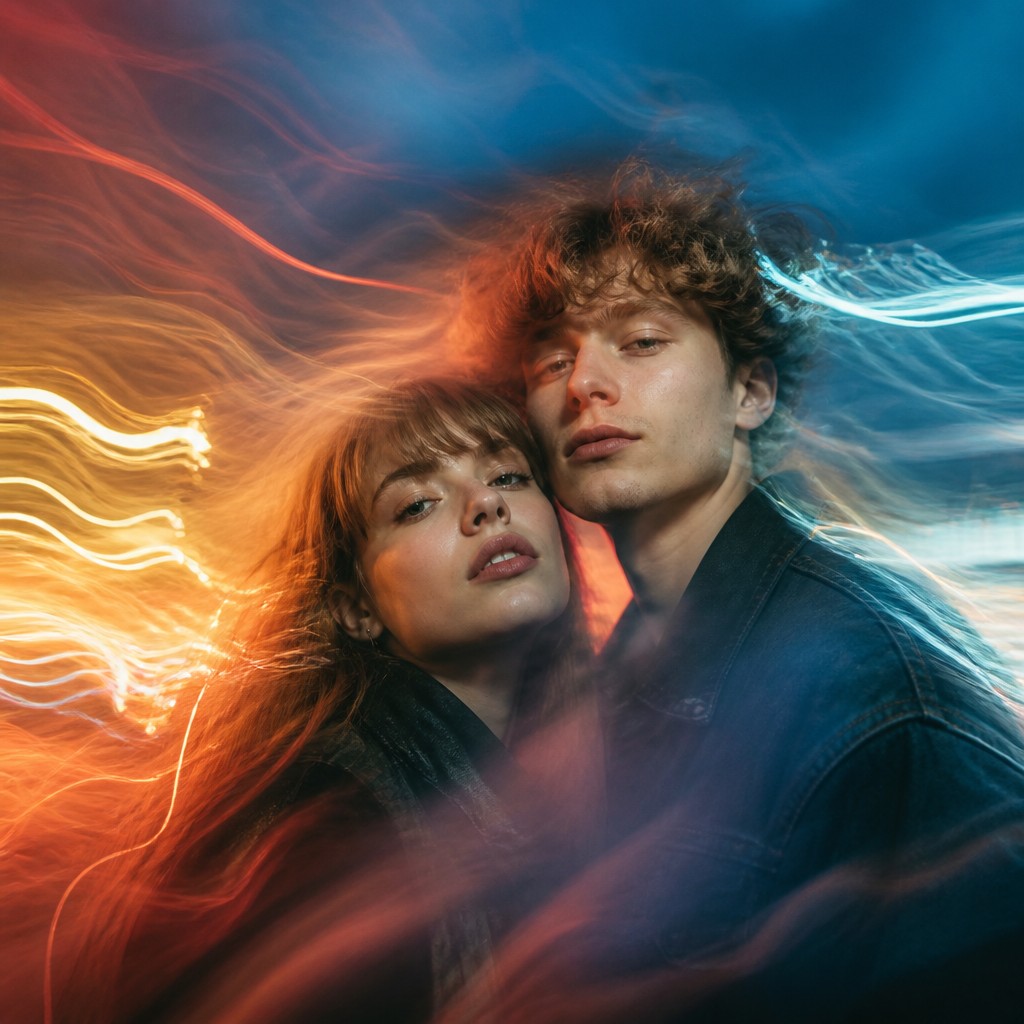
Try It On Your Photos
Upload any photo and convert it into Long Exposure Photography Style — drag the sliders to compare before and after.
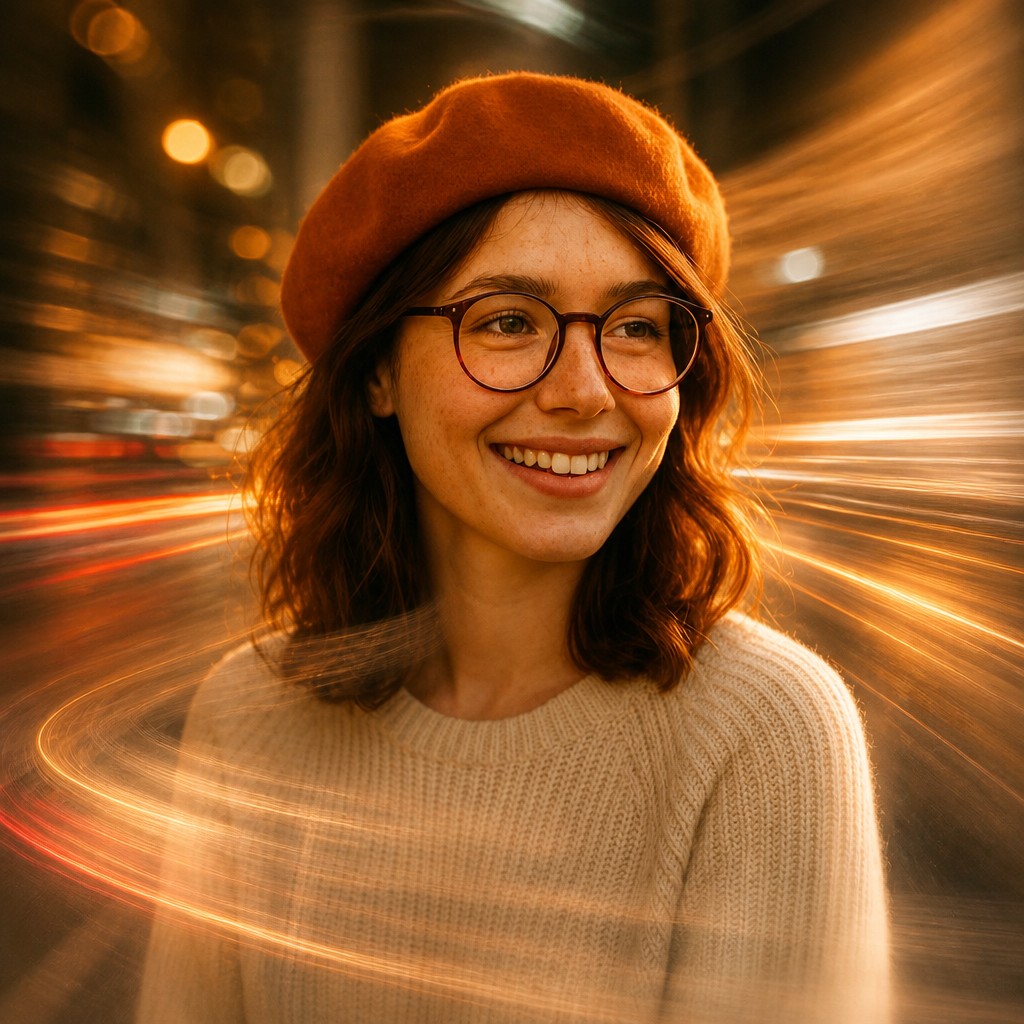


What Defines Long Exposure Photography Style
The signature details, up close
Motion transformed into blur
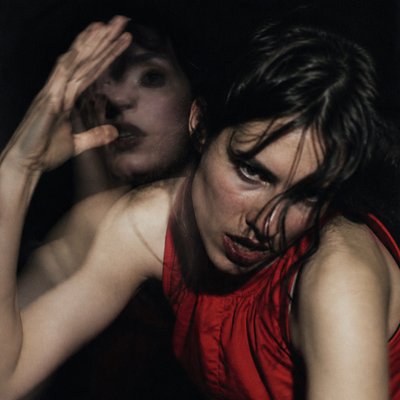
Anything moving during the exposure may become soft, streaked, or translucent instead of sharply defined. This creates a visible record of movement rather than a single frozen pose.
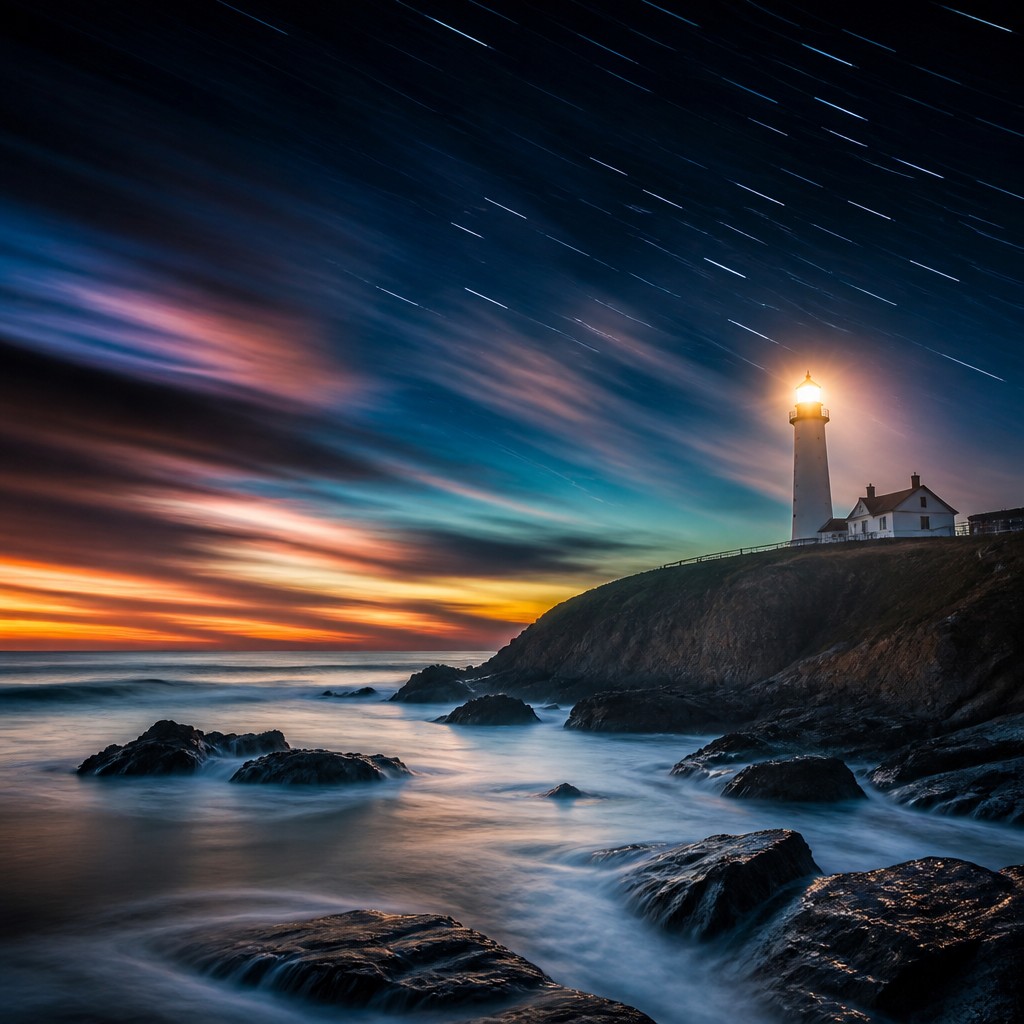
Silky water and fog-like surfaces
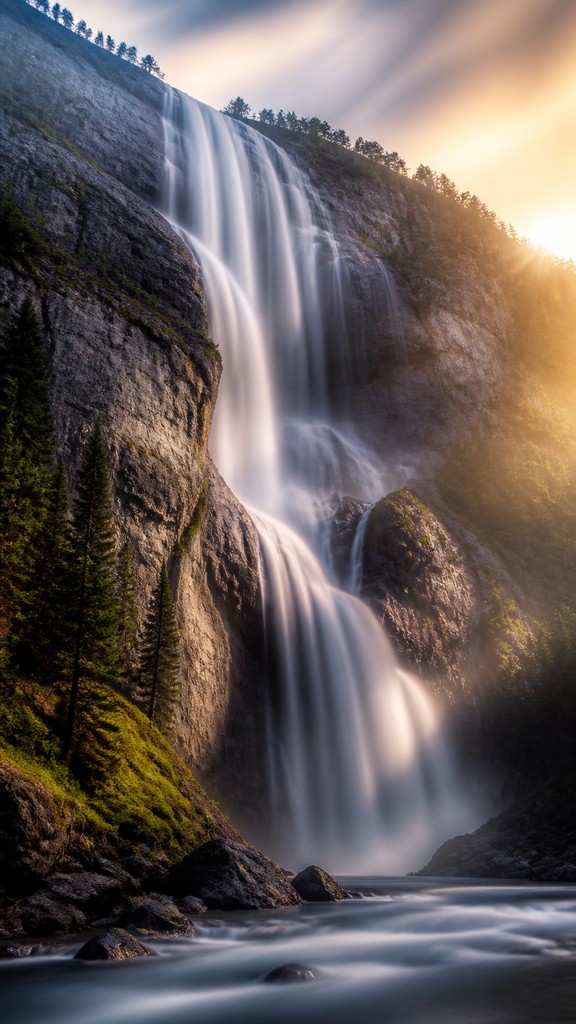
Rivers, waterfalls, waves, and surf often turn into smooth, glassy textures. The effect suggests calm and continuity, even in places that are physically turbulent.
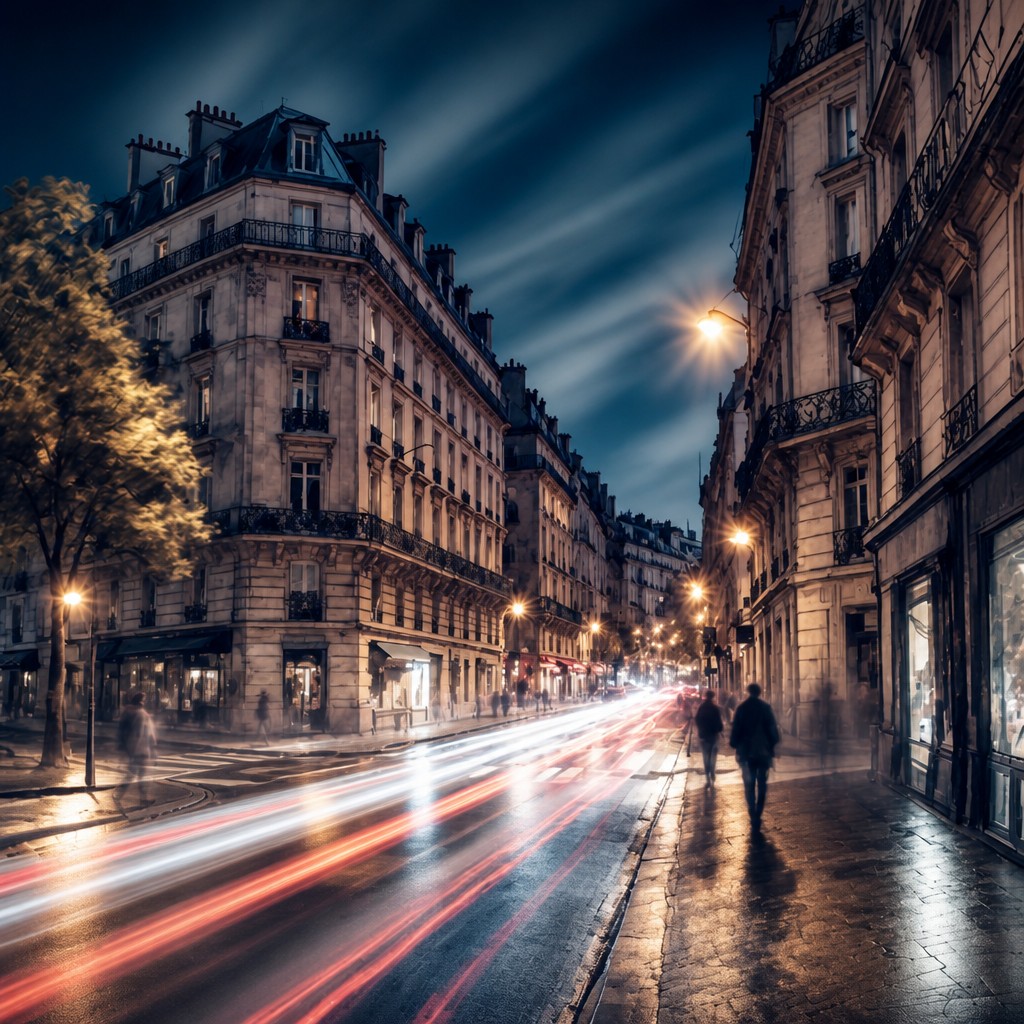
Light trails and luminous streaks
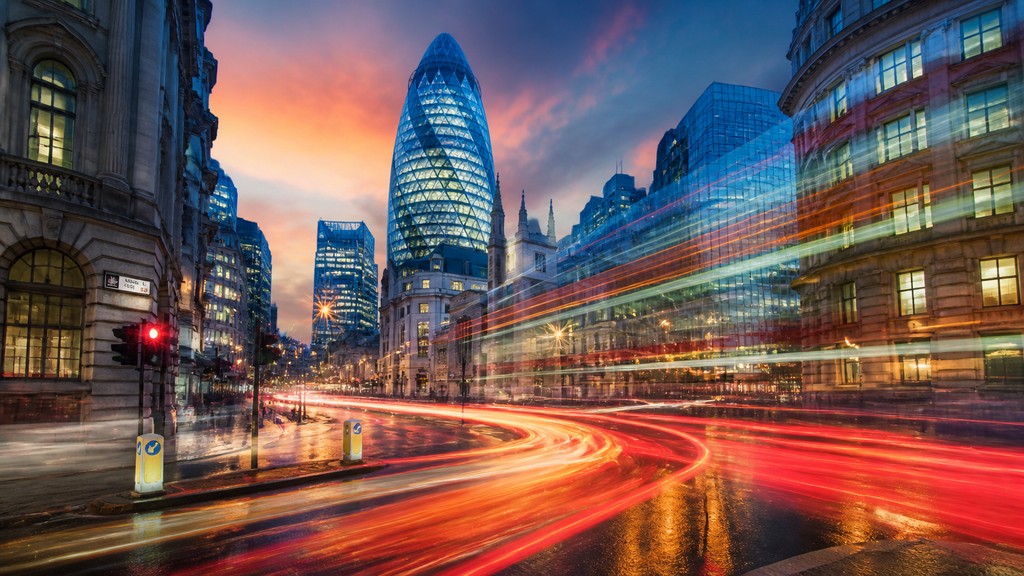
Cars, trains, fireworks, stars, and handheld lights can leave elongated traces across the frame. These trails are one of the most recognizable signatures of the style.
Sharp static anchors
Buildings, rocks, trees, and other immobile elements often stay relatively crisp. The contrast between fixed objects and blurred motion makes the composition feel spatially and temporally layered.
Soft atmospheric diffusion
Mist, rain, cloud motion, and reflected light often produce veils, glows, and tonal gradients. The image may feel quieter and more dreamlike than a standard fast-shutter photograph.
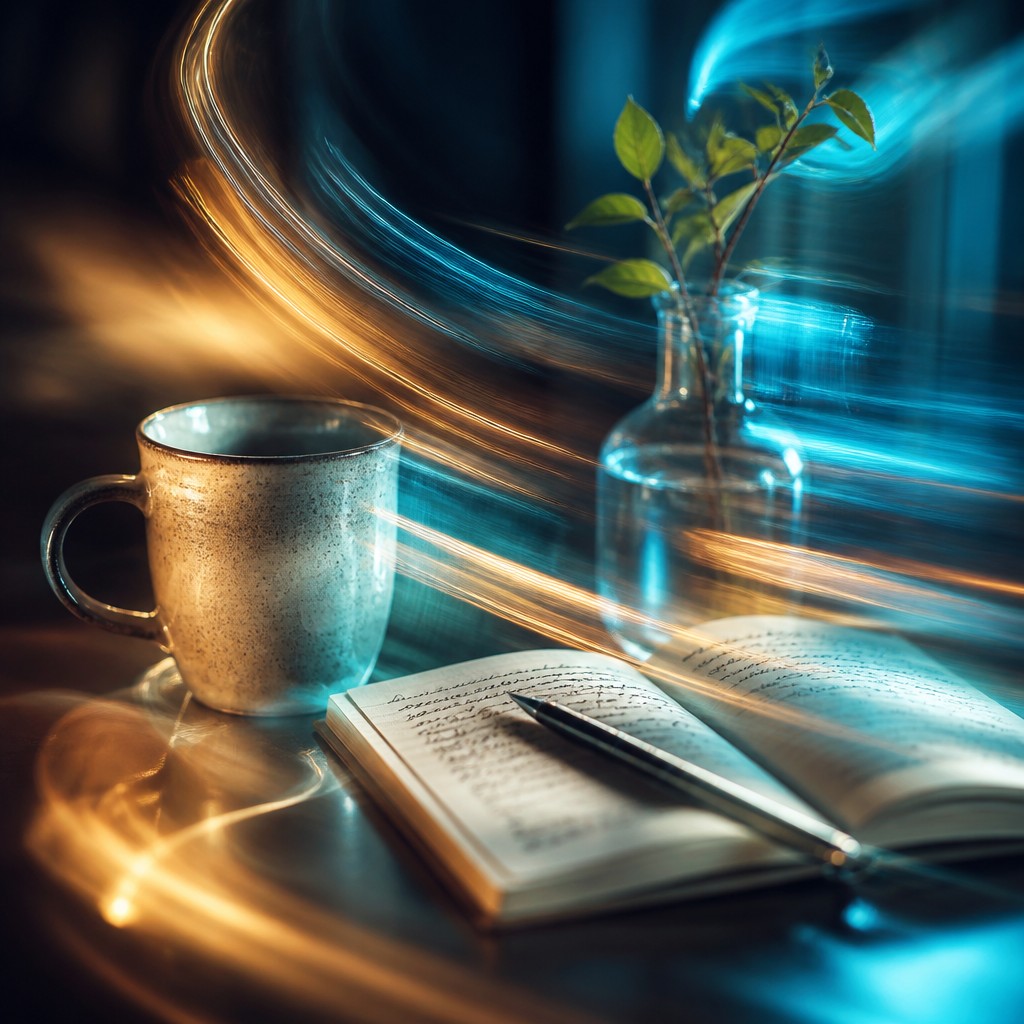
Temporal compression
Multiple instants are merged into one frame, so the picture reads as both a document and an abstraction. The visual effect is as much about duration as about subject matter.
Try It
Create Videos in Long Exposure Photography Style
Styles aren't just for stills — describe a scene or animate an image and get a short video rendered in Long Exposure Photography. Press play to see this pond come to life.
Make a VideoLong Exposure Photography Prompt Ideas
Start from an idea — each one opens the generator with the style ready to go. See all 40 Long Exposure Photography prompts →
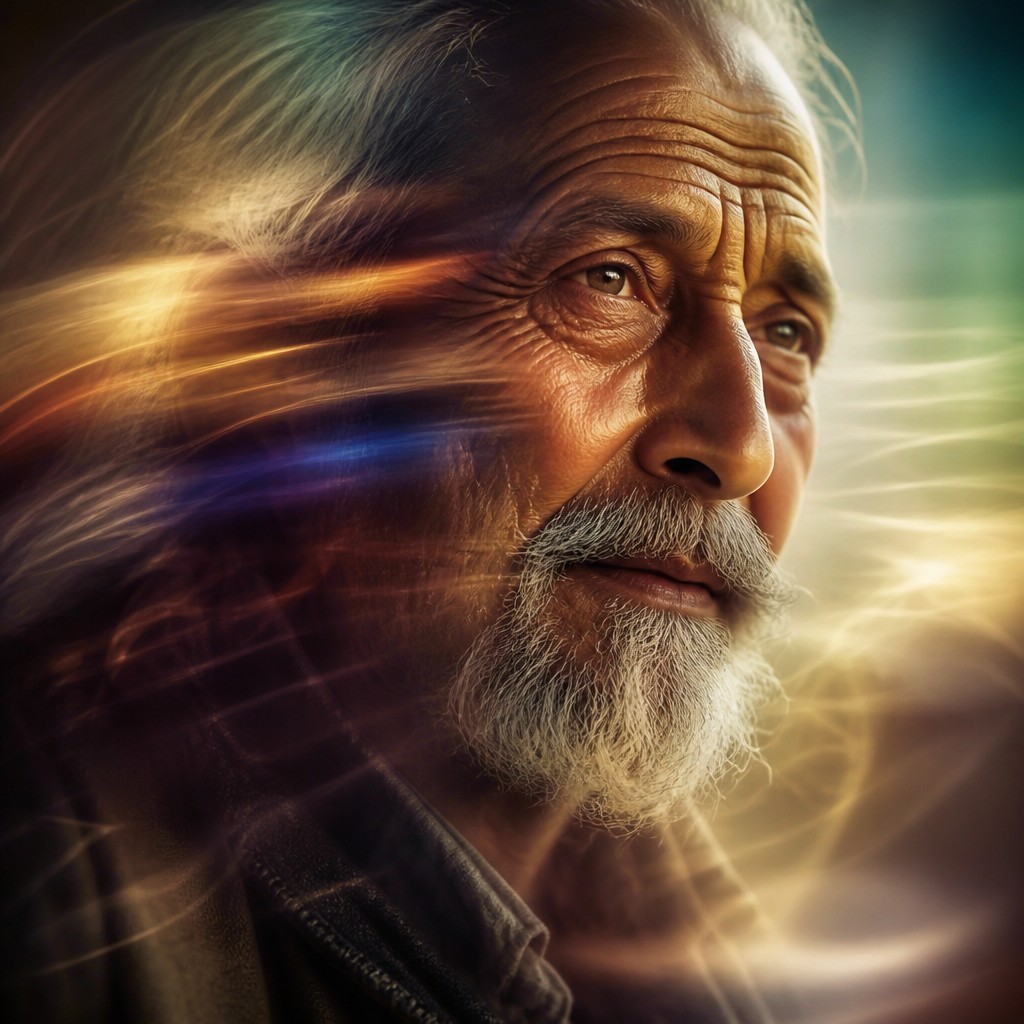
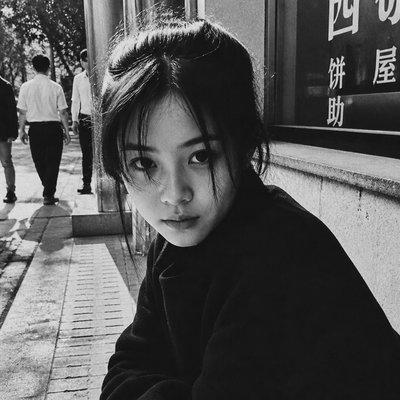
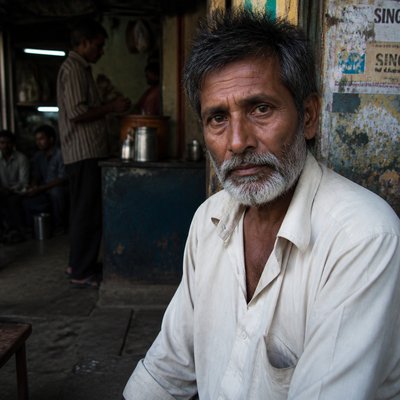
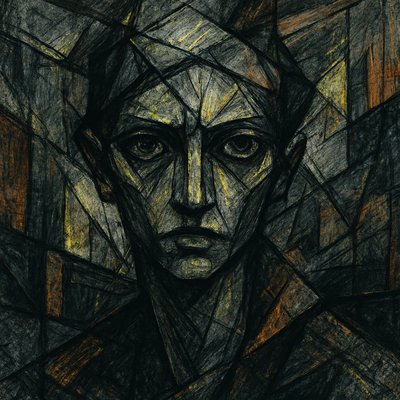
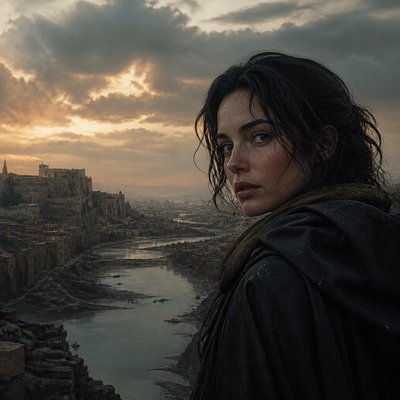
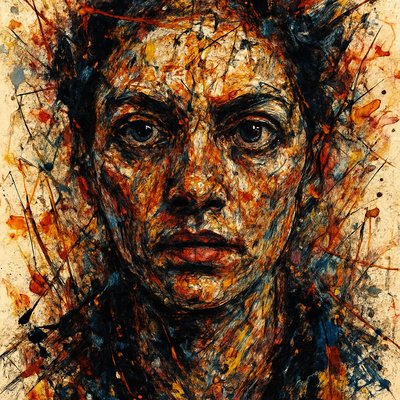
“close-up portrait of an elderly person with expressive weathered features”
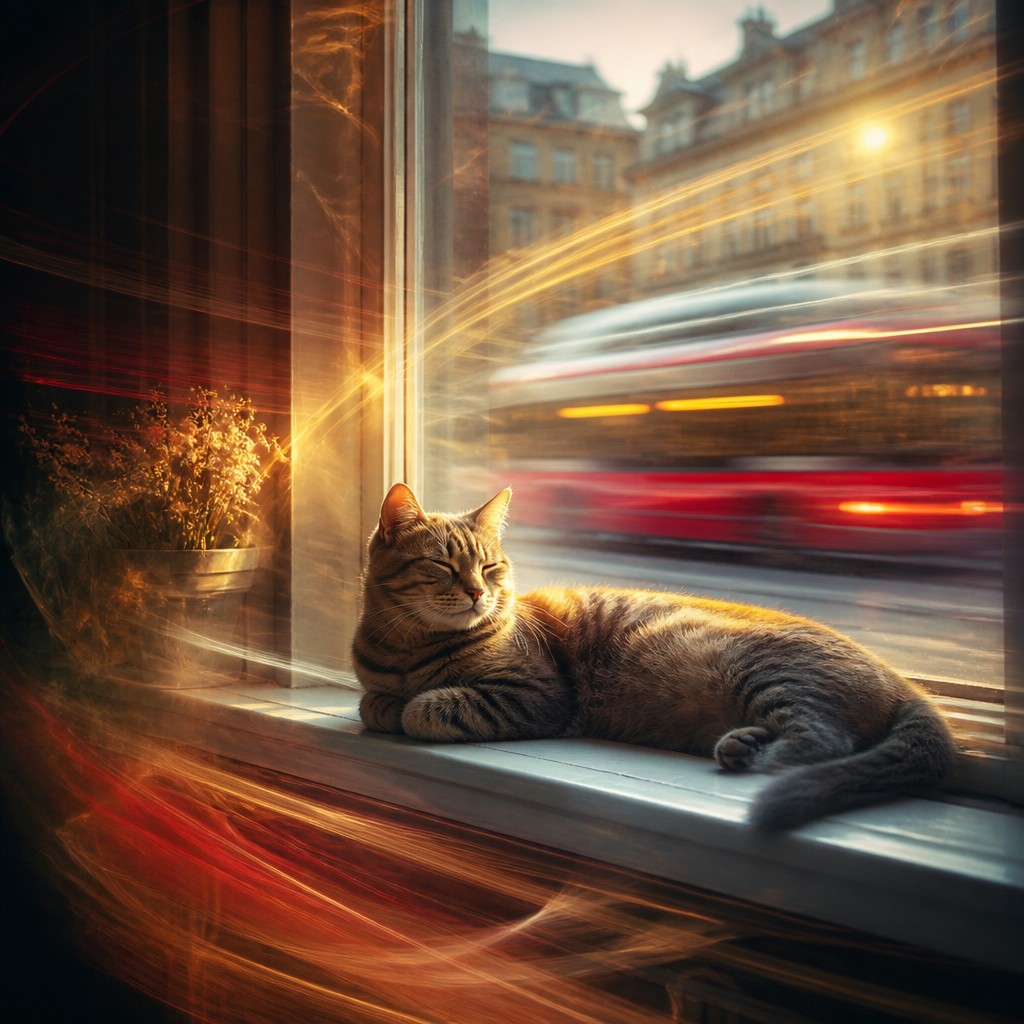
“a cat lounging in a sunlit window”
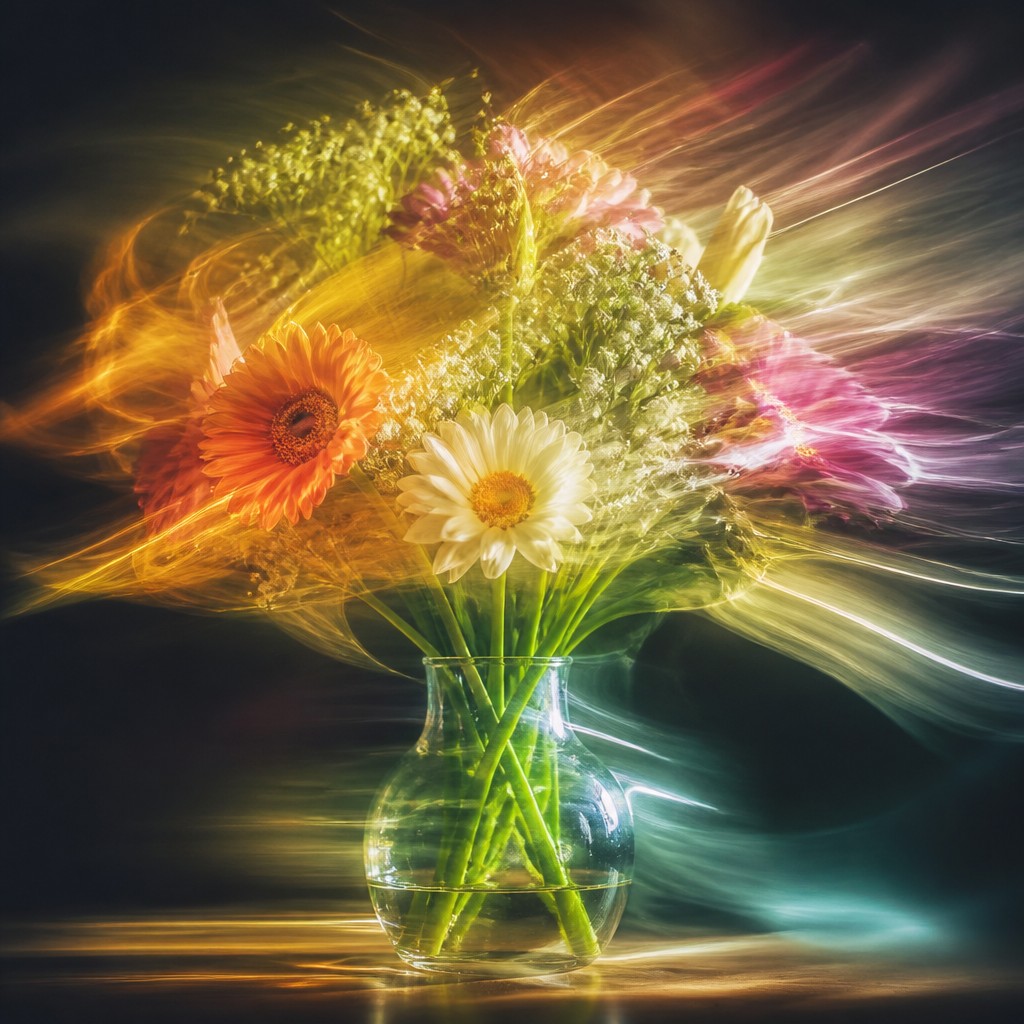
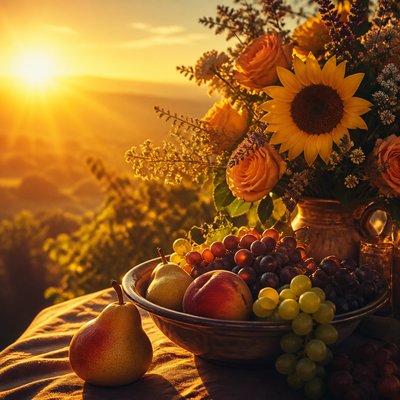
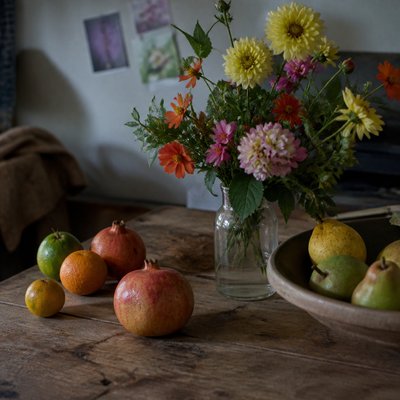
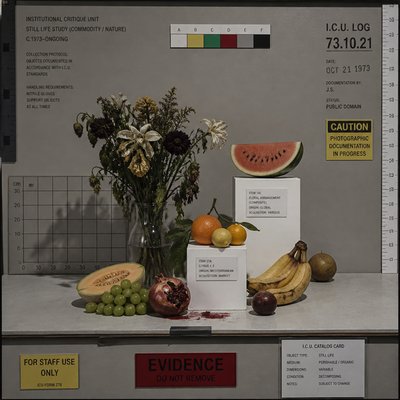
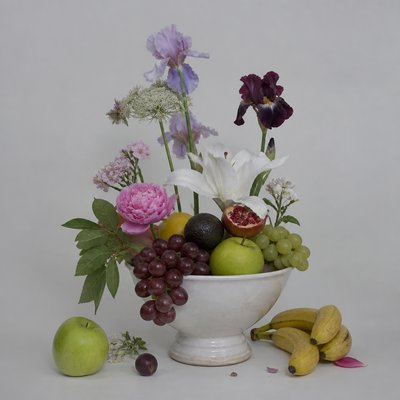
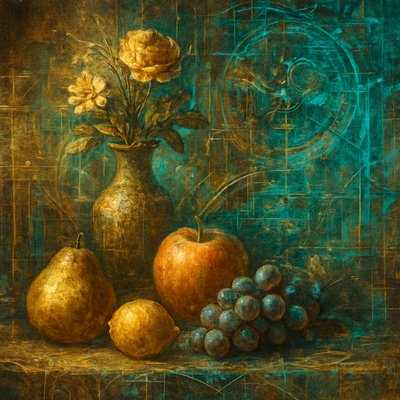
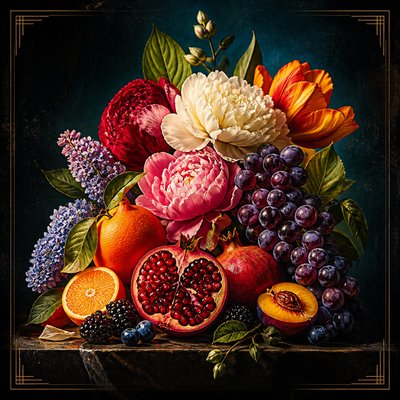
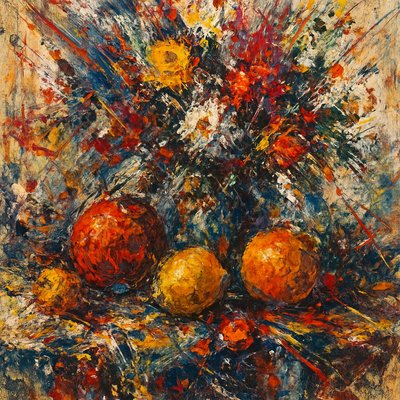
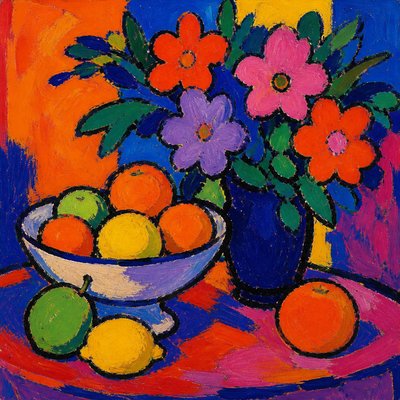
“bouquet of flowers in a glass vase”
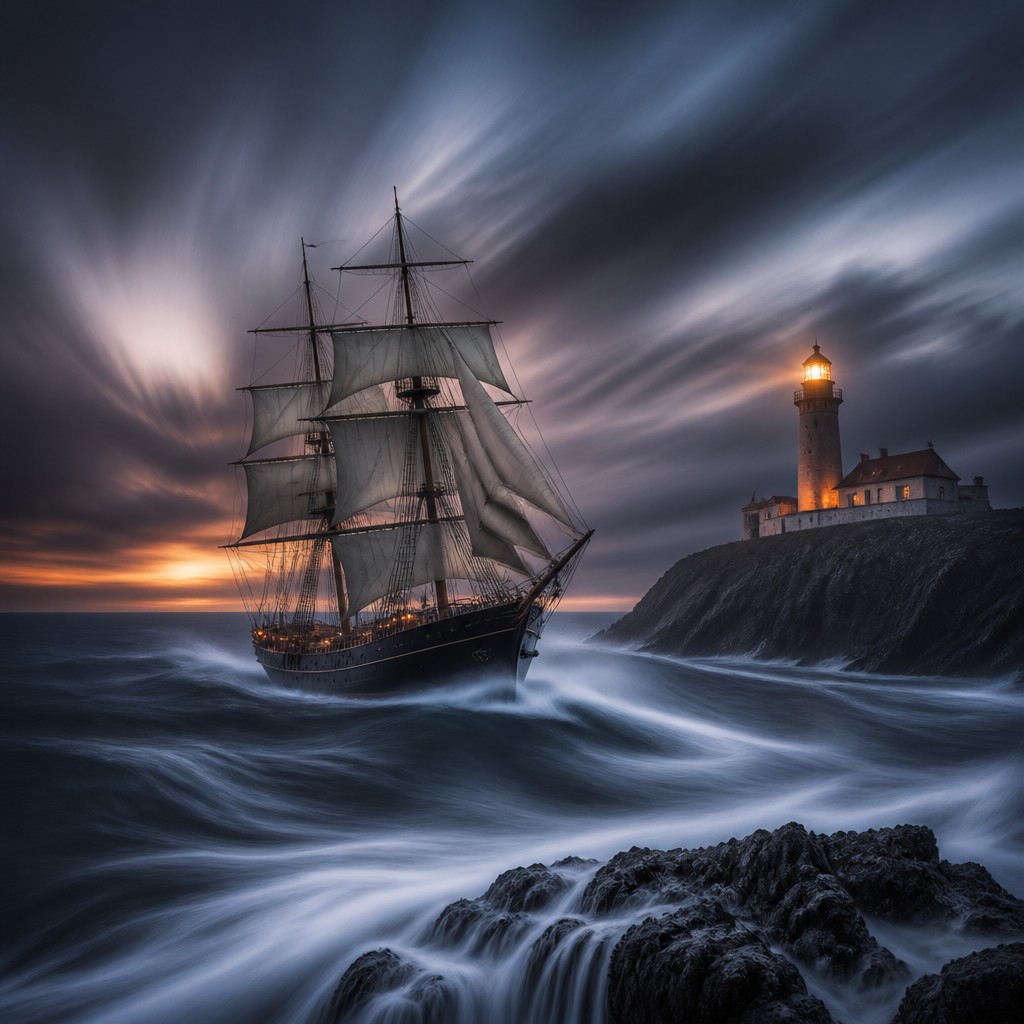
“sailing ship on a stormy sea”
How to Create Long Exposure Photography Art
Master the craft step by step — or skip straight to creating. Read the full guide →
- 1
Use a tripod and slow shutter speed
For traditional photography, stabilize the camera and lower the shutter speed enough to register motion over time. The exact setting depends on the subject: a few seconds may blur water, while traffic or stars can require much longer exposures.
- 2
Control light carefully
Because long exposures gather more light, use a narrow aperture, low ISO, or ND filters in daylight to avoid overexposure. At night, plan for strong point light sources if you want clean trails and distinct glowing lines.
- 3
Compose around contrast
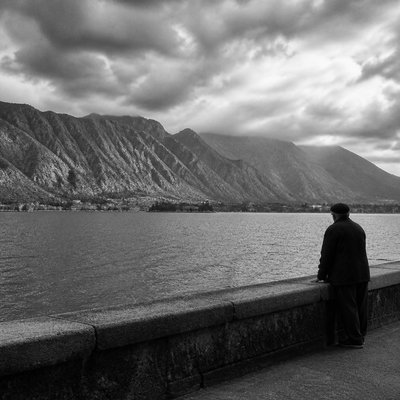
Place static subjects such as rocks, architecture, or a lone figure against moving elements like water, clouds, or traffic. The style works best when the viewer can clearly read what stayed still and what moved.
- 4
Decide what should blur and what should remain readable
If photographing people, ask them to hold still or embrace the blur intentionally; if photographing landscapes, time the exposure to emphasize wave flow or cloud drift. Selective motion is what makes the image feel controlled rather than merely soft.
- 5
In digital or prompt-based creation, specify motion behavior precisely
Describe the moving elements as silky, streaked, ghosted, or fluid, and the still elements as razor-sharp or fixed. Mention shutter duration, light trails, smooth water, cloud movement, or cinematic time-lapse-like compression to guide the result.
The Story
History & Origins of Long Exposure Photography
Long exposure is rooted in the technical history of photography itself. Early photographers already used lengthy exposures because light-sensitive materials were slow, and the method later became an artistic choice as cameras improved and shutter control became more precise. In the 19th and early 20th centuries, long exposures were often a practical necessity, but photographers increasingly used them to study motion, atmosphere, and the passage of time.
As a distinct aesthetic, it developed through landscape, nocturnal, and experimental photography, especially in work that emphasized water, clouds, city lights, or human movement as transient phenomena. Its lineage connects to both documentary photography and pictorial concerns with mood and atmosphere, while contemporary digital editing and stabilized tripods have expanded its use in fine art, travel, urban, and conceptual image-making.
Influences: Long exposure photography draws from the broader traditions of landscape photography, night photography, and experimental image-making, including concerns shared with pictorial photography’s emphasis on mood and atmosphere. It also overlaps conceptually with chronophotography and other studies of motion, though its visual language is most closely associated with photographers who explored time, movement, and light as central subjects rather than incidental effects.
Frequently Asked Questions
What defines long exposure photography?
It is defined by a slow shutter speed that records motion over time within one frame. Moving elements blur, streak, or dissolve, while stationary elements remain relatively sharp. The key idea is that the image shows duration, not just an instant.
What kinds of subjects work best in this style?
Water, clouds, traffic, fireworks, stars, and moving people are especially effective because they create visible traces over time. Static foregrounds like rocks, buildings, bridges, or lighthouses help anchor the composition. The strongest images often combine both.
How is this different from motion blur?
Motion blur can happen unintentionally in many photos when the shutter is too slow. Long exposure photography uses that effect deliberately and often with careful composition, turning blur into a primary visual feature rather than an error. The result is usually more controlled and more atmospheric.
Do you need special equipment to make it?
A camera with manual shutter control and a tripod are the most useful basics. Neutral density filters are important in bright light, because they let you keep the shutter open longer without overexposing the image. For digital image-making, clear instructions about blur, streaks, and time accumulation can simulate the look.
Where is this style commonly used?
It is common in landscape, coastal, urban night, travel, and architectural photography. It also appears in fine art and conceptual work when artists want to represent time, movement, or atmosphere more poetically than a standard snapshot can.
Why does it look so dreamlike?
Because the camera gathers multiple moments into one frame, familiar scenes become less literal and more atmospheric. Smooth transitions, glowing trails, and softened motion create an image that feels suspended between documentation and abstraction.
Create your first Long Exposure Photography artwork
Describe anything — or upload a photo — and see it in Long Exposure Photography Style in seconds.
Make Something with Long Exposure Photography
Related Styles
Discover similar art styles