Aerial Drone Photography Style
Bird's-eye drone photography with geometric patterns, abstract landscapes, and crisp documentary clarity from high overhead.
Instantly rendered in Aerial Drone Photography — or transform a photo

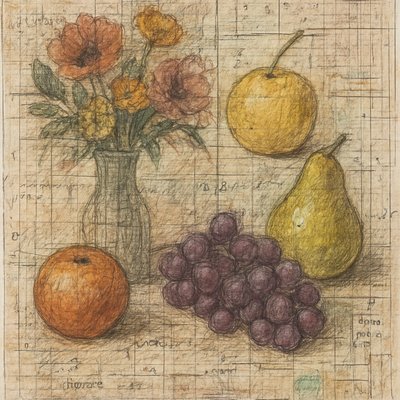
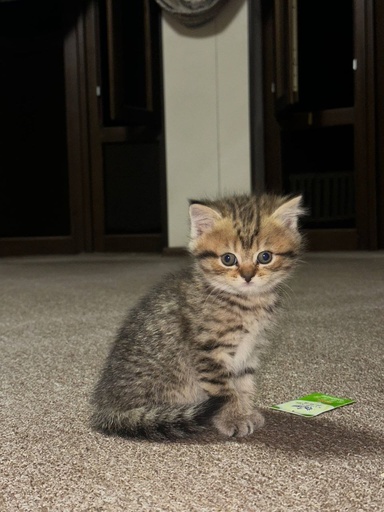
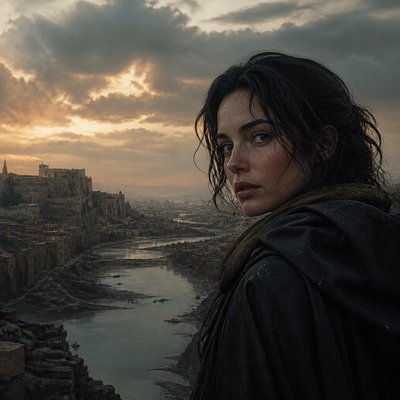
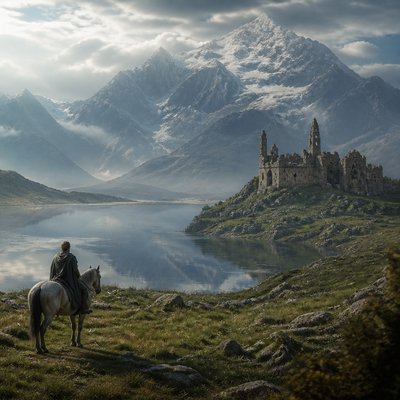
Aerial Drone Photography Gallery
Tap any artwork to explore it
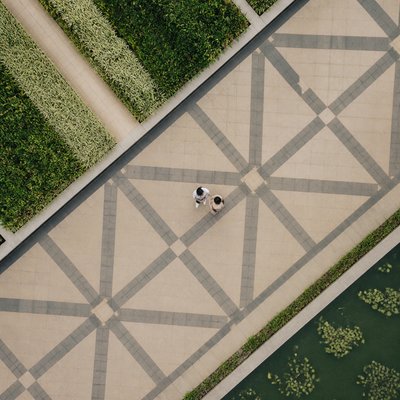
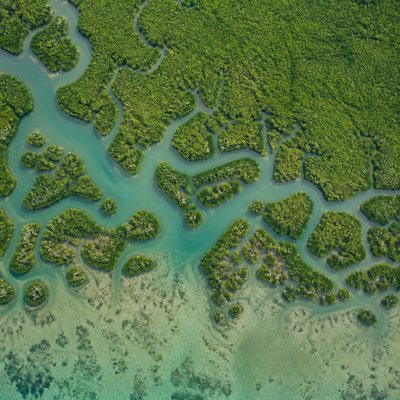
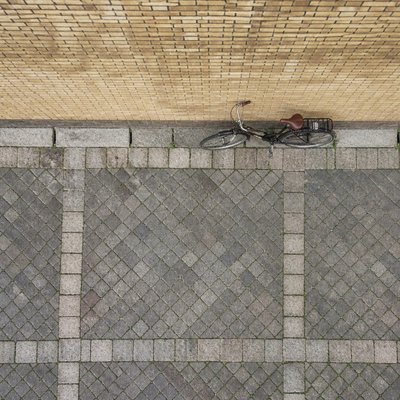
What is Aerial Drone Photography Style?
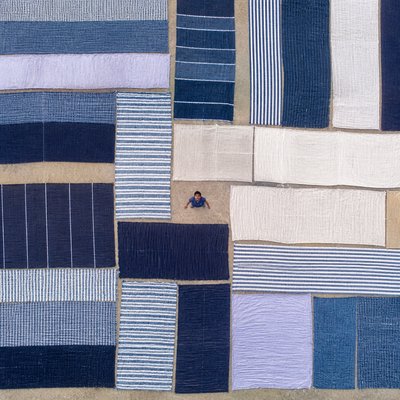
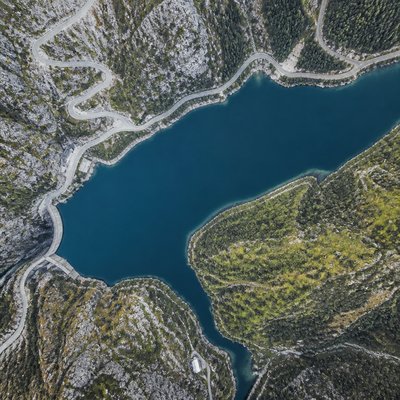
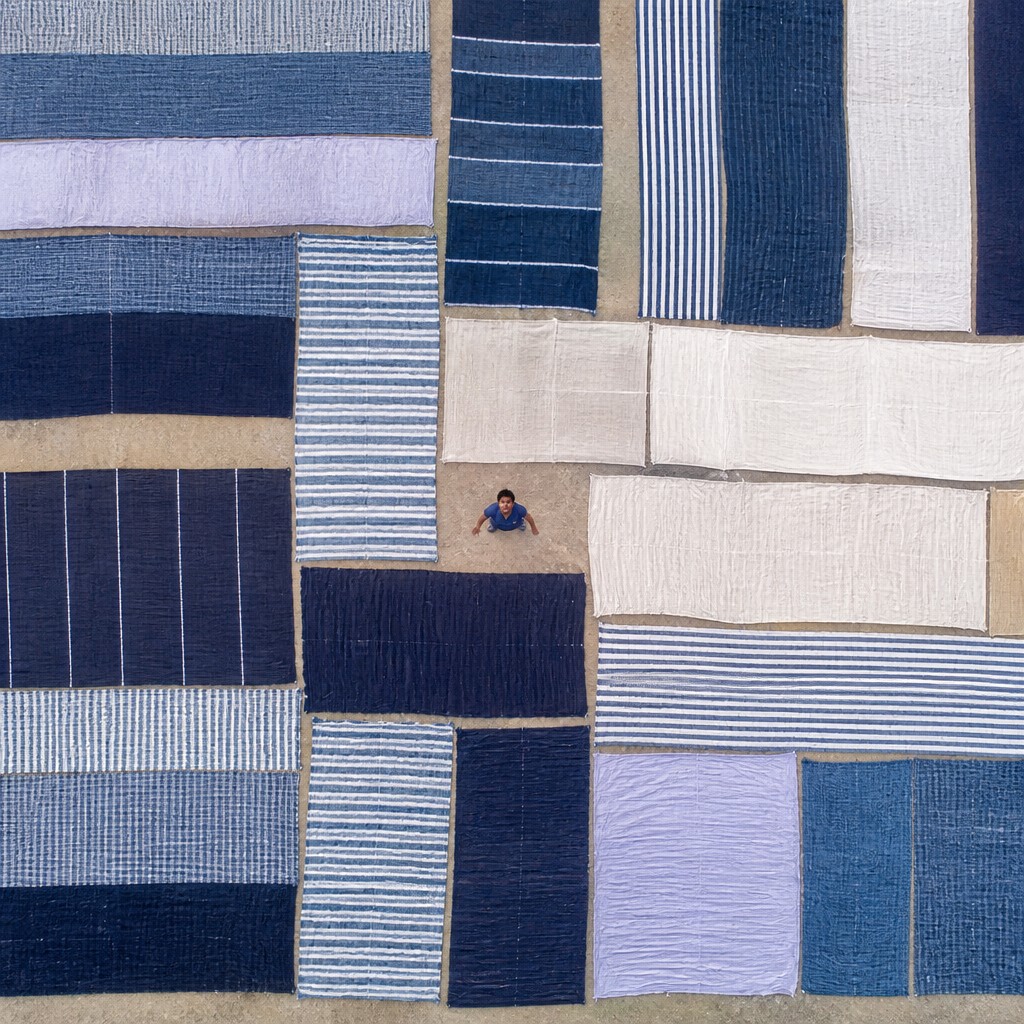
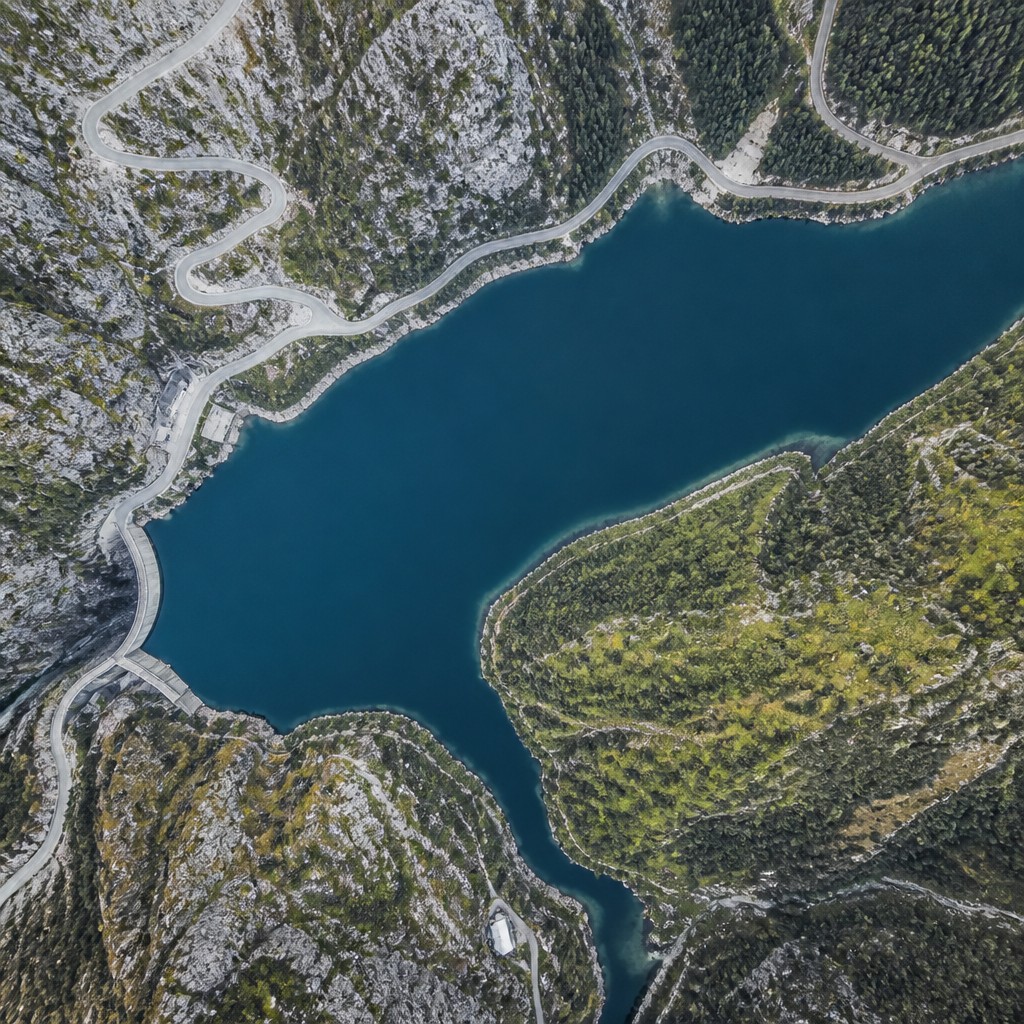
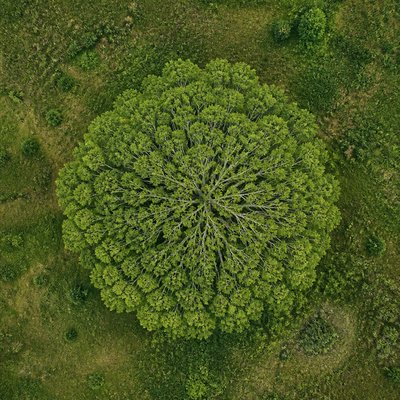
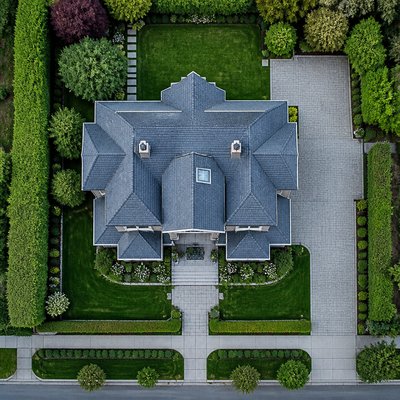
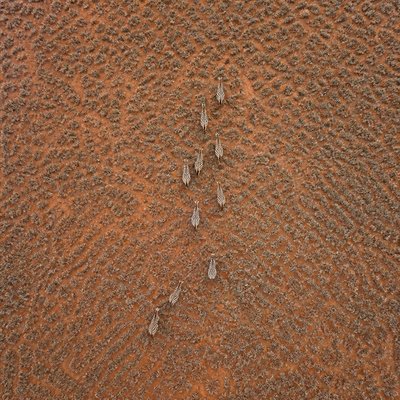
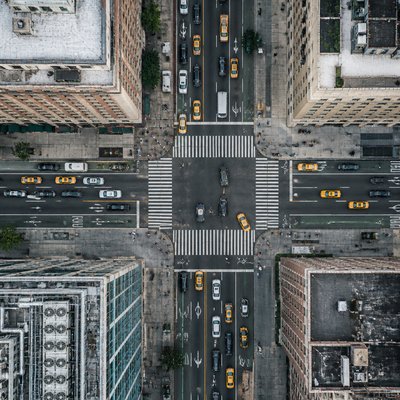
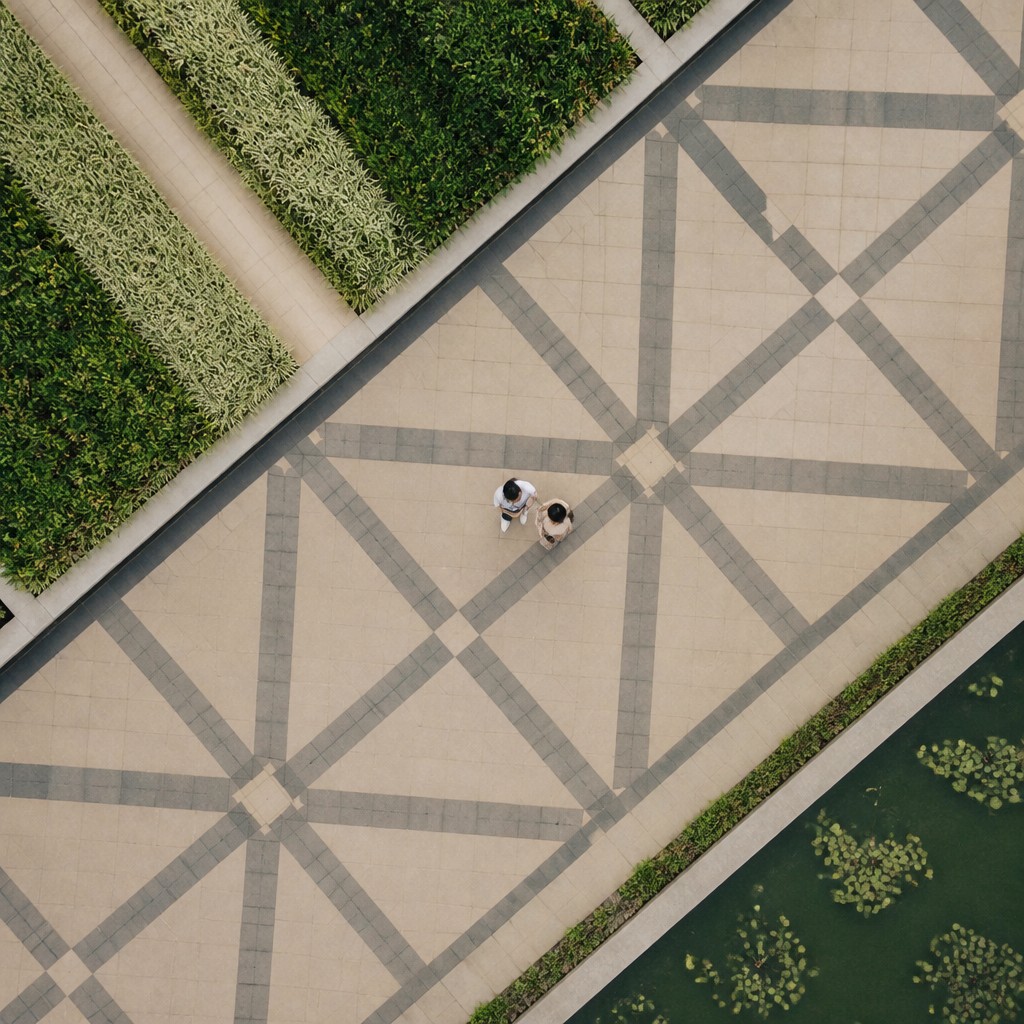
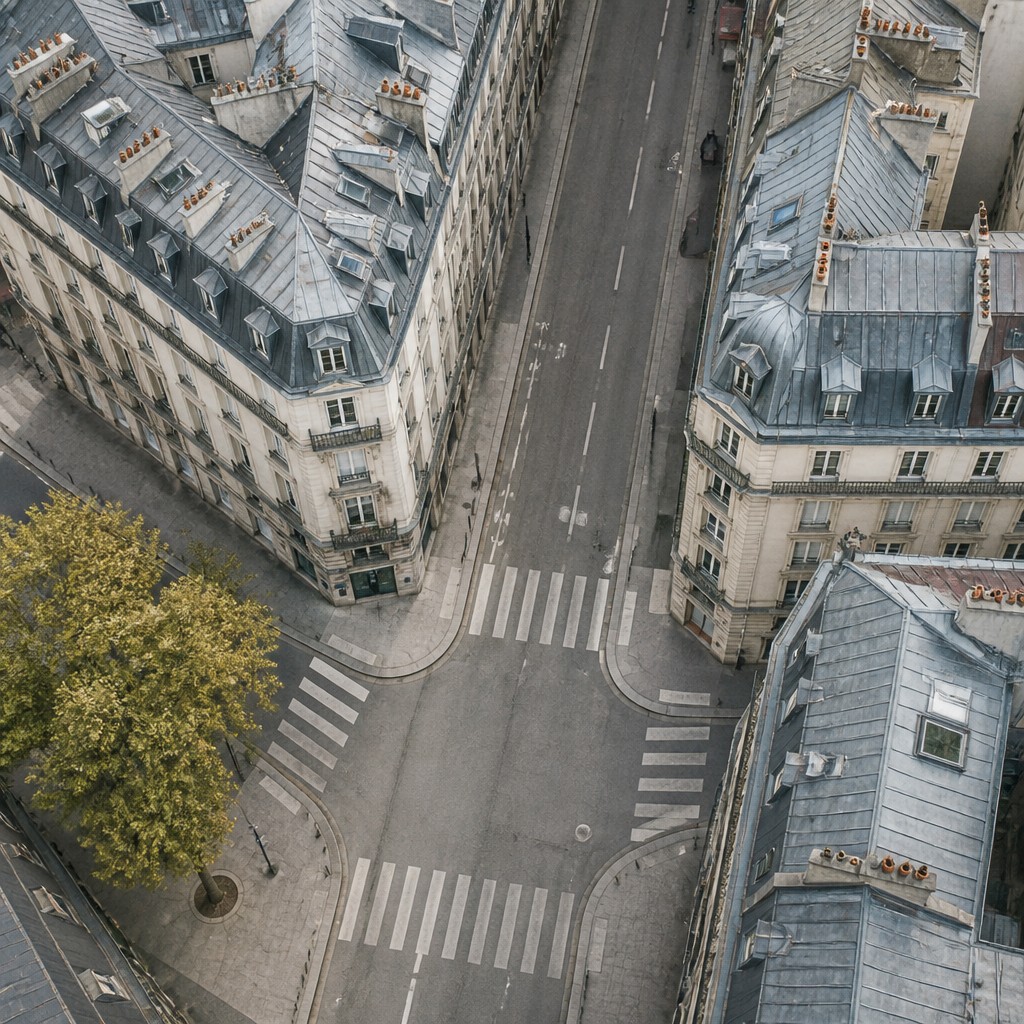
Aerial drone photography is a visual style built around looking straight down or steeply over a scene from above, turning ordinary places into compositions of pattern, shape, and texture. Roads become lines, fields become grids, rivers become ribbons, rooftops become tessellations, and shorelines become abstract edges. The style depends on the elevated viewpoint: it compresses depth, reduces familiar objects to graphic forms, and makes the landscape read almost like a map or a design rather than a conventional scene.
Its visual identity is defined by clarity and structure. Strong geometry, repetition, and negative space are central, along with deep depth of field, even daylight, and a documentary-like rendering of color and surface detail. Because the camera is positioned far above the subject, perspective cues are minimized and the scene appears flatter than eye-level photography, which is why aerial drone images often feel both realistic and abstract at once.
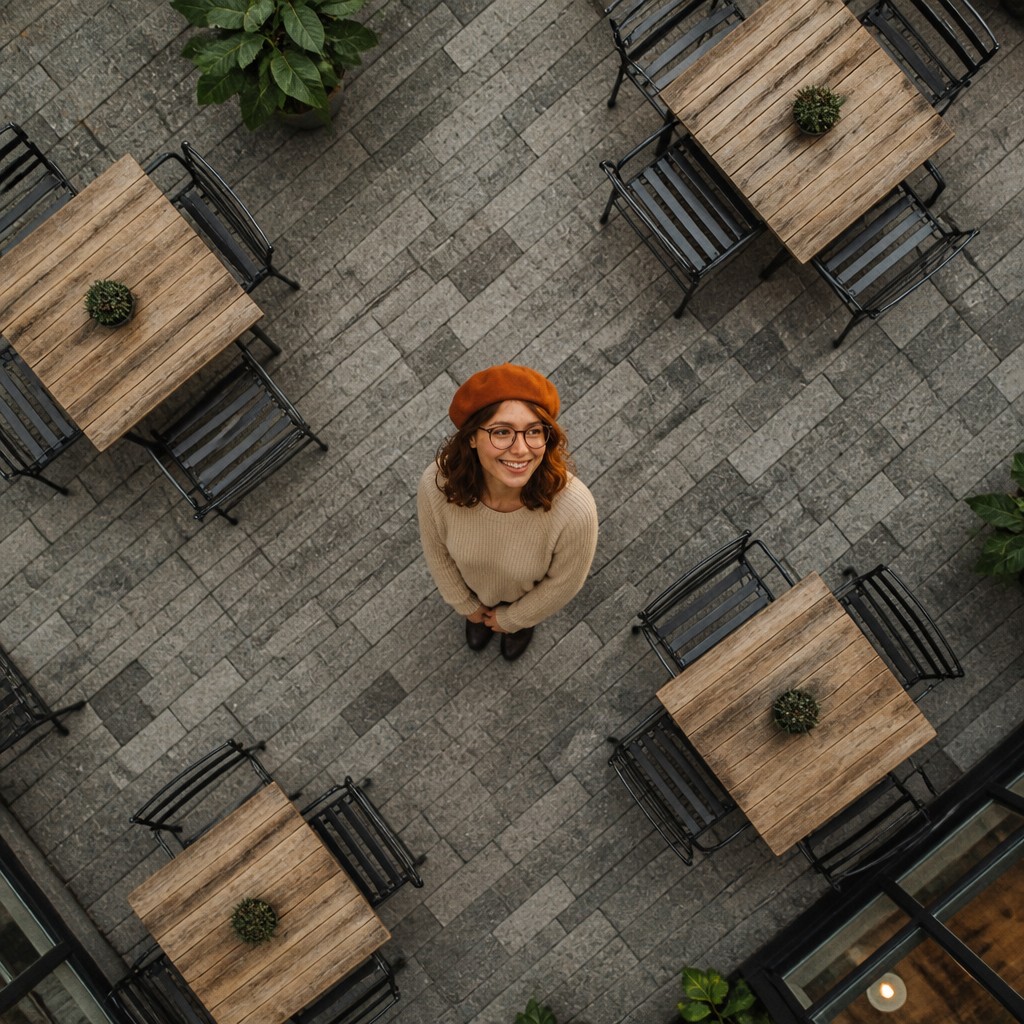
Try It On Your Photos
Upload any photo and convert it into Aerial Drone Photography Style — drag the sliders to compare before and after.


What Defines Aerial Drone Photography Style
The signature details, up close
Bird's-eye viewpoint
The camera looks downward from high above, often nearly perpendicular to the ground. This top-down angle is the defining feature that turns terrain and built environments into legible shapes.
Geometric composition
Fields, roads, buildings, and shorelines are arranged as lines, blocks, arcs, and grids. The best images often feel composed around symmetry, repetition, or strong directional structure.
Flattened spatial reading
Height reduces perspective distortion and compresses depth, so scenes appear more graphic than immersive. Objects are read as surfaces and outlines rather than as three-dimensional forms.
Negative space
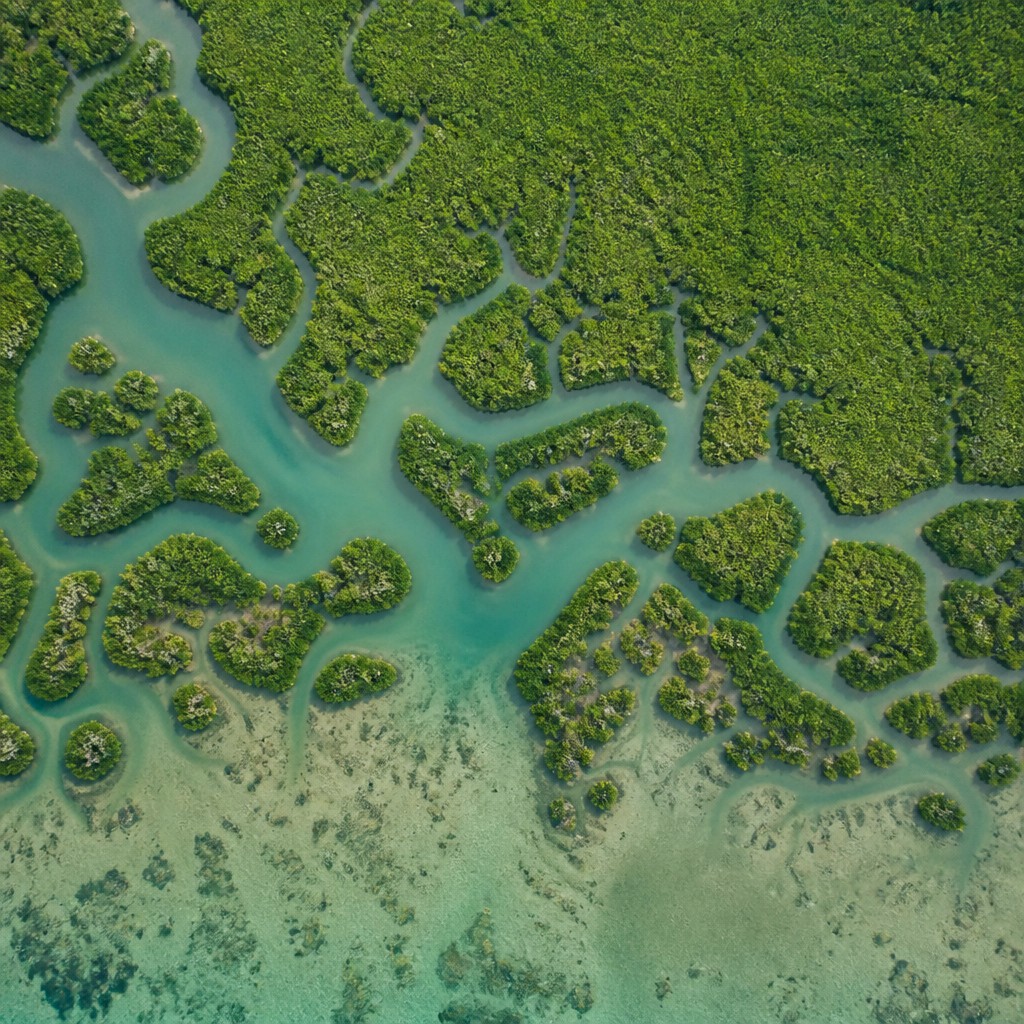
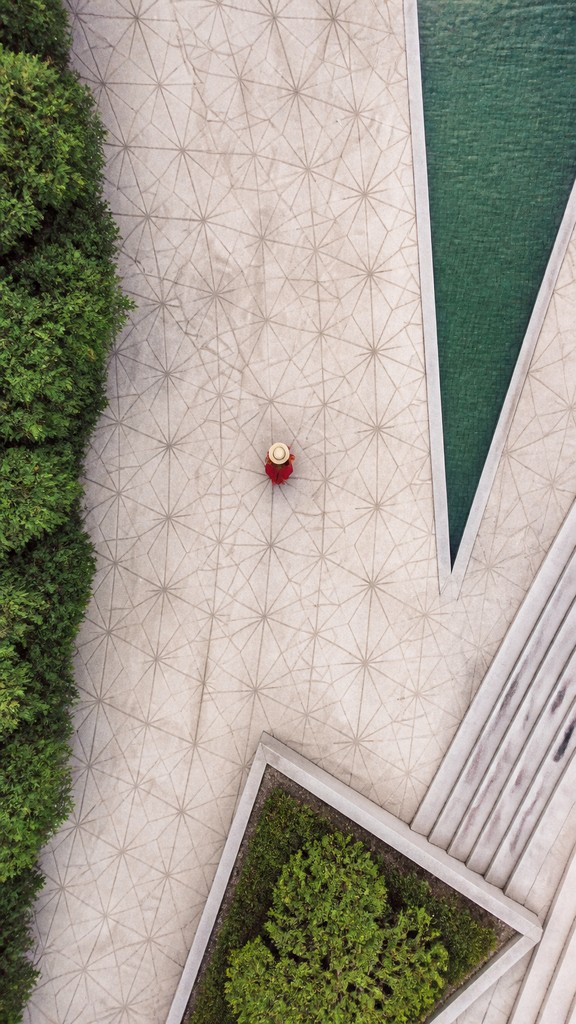
Empty areas such as water, sand, snow, pavement, or open field are used as compositional pauses. These voids sharpen the visual rhythm and help isolate the main pattern.
Uniform, natural light
Diffuse daylight with minimal shadow is common because it preserves surface detail and avoids dramatic contrast. Soft light helps the image read like a clear survey rather than a theatrical scene.
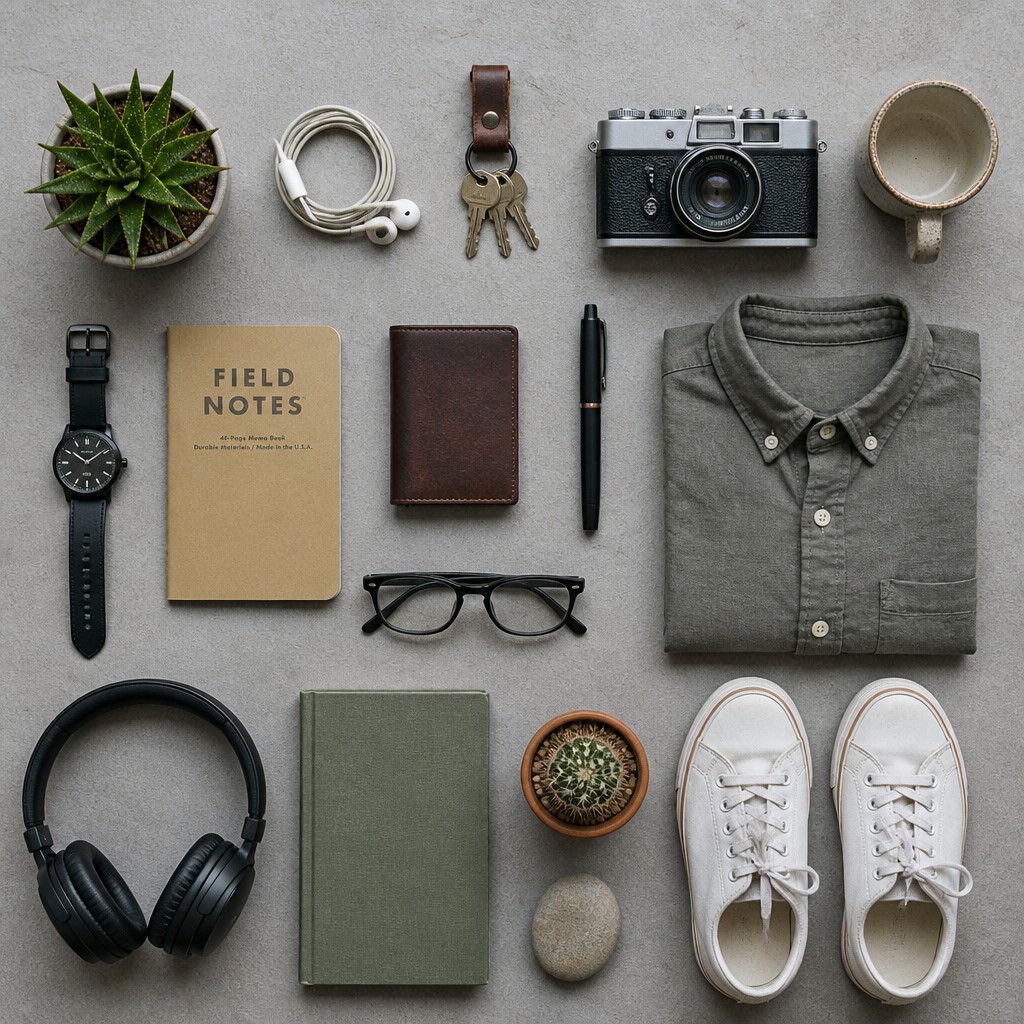
Documentary color and detail
Colors tend to remain naturalistic, with restrained grading that respects the real materials and landscape conditions. Sharp focus across the frame keeps textures, edges, and small variations readable.
Try It
Create Videos in Aerial Drone Photography Style
Styles aren't just for stills — describe a scene or animate an image and get a short video rendered in Aerial Drone Photography. Press play to see this pond come to life.
Make a VideoAerial Drone Photography Prompt Ideas
Start from an idea — each one opens the generator with the style ready to go. See all 40 Aerial Drone Photography prompts →
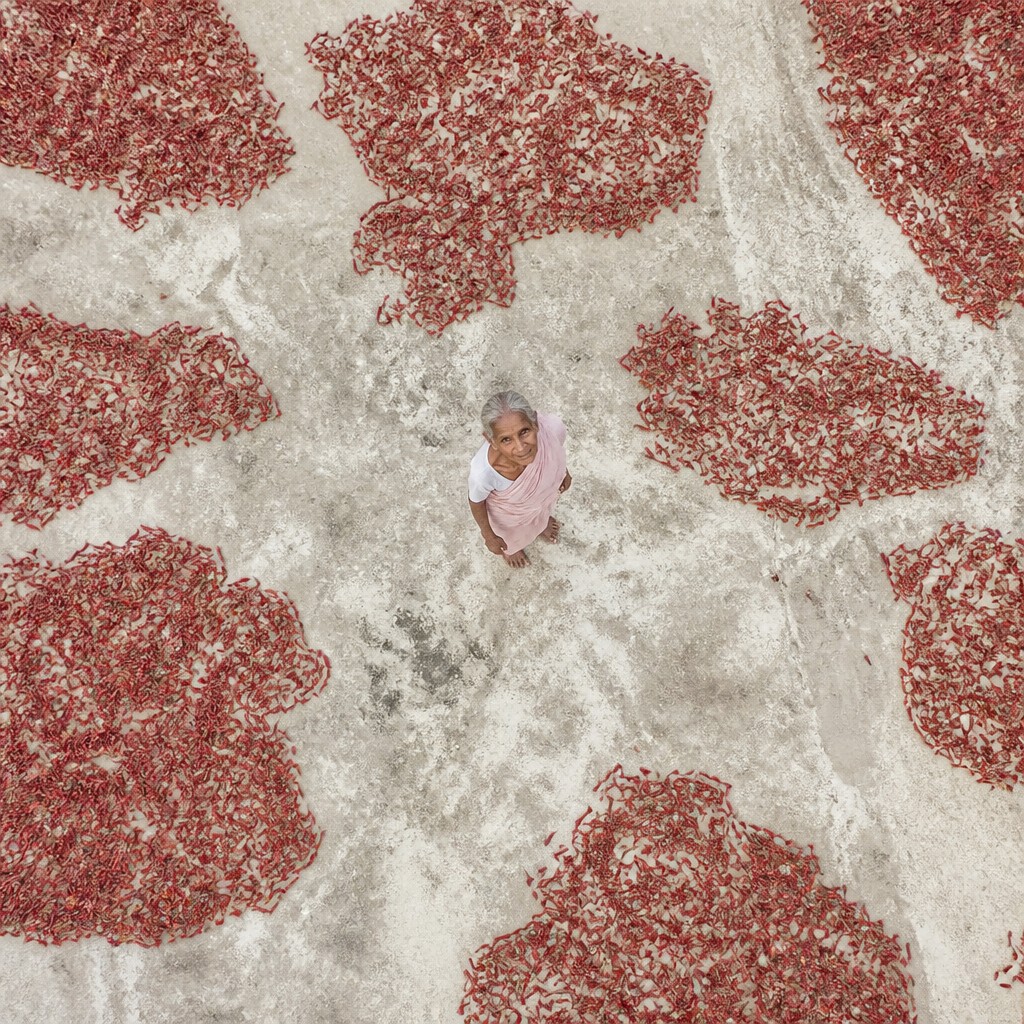
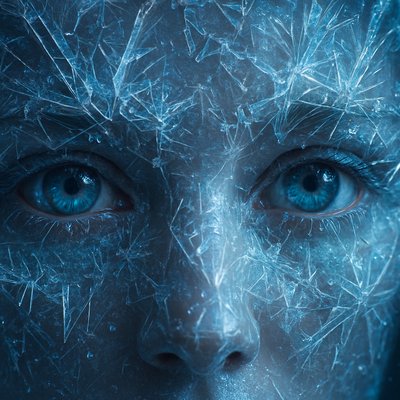
“close-up portrait of an elderly person with expressive weathered features”
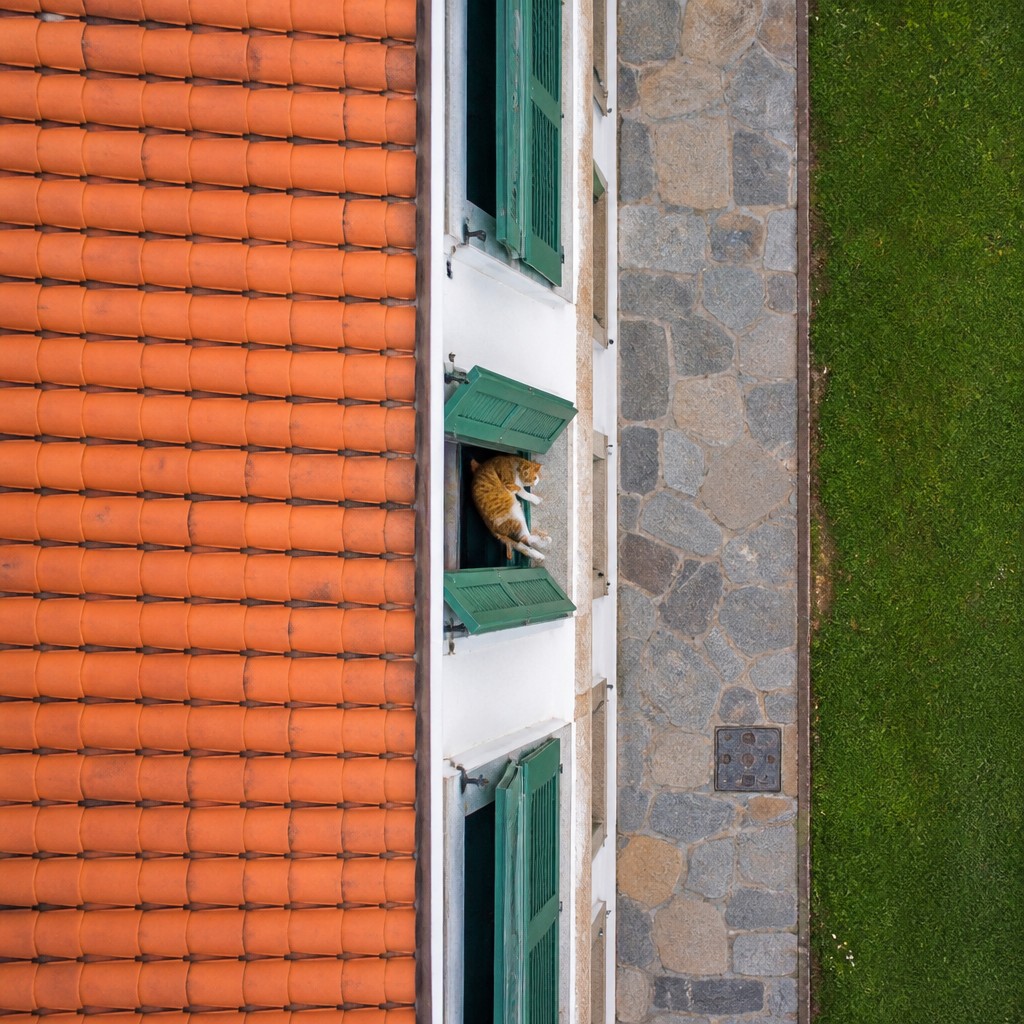
“a cat lounging in a sunlit window”
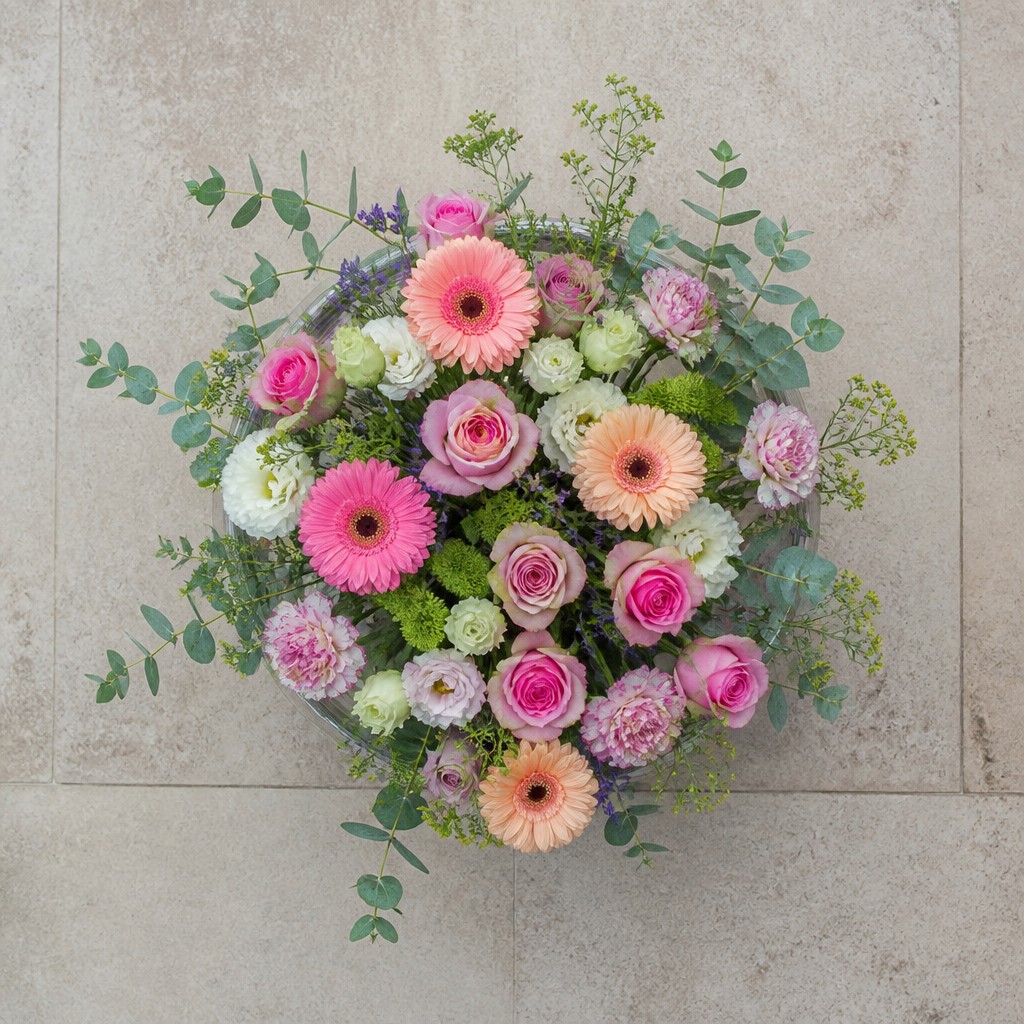
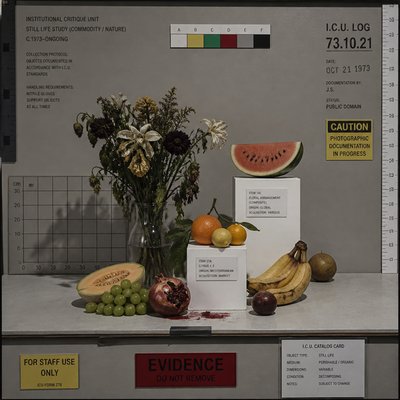
“bouquet of flowers in a glass vase”
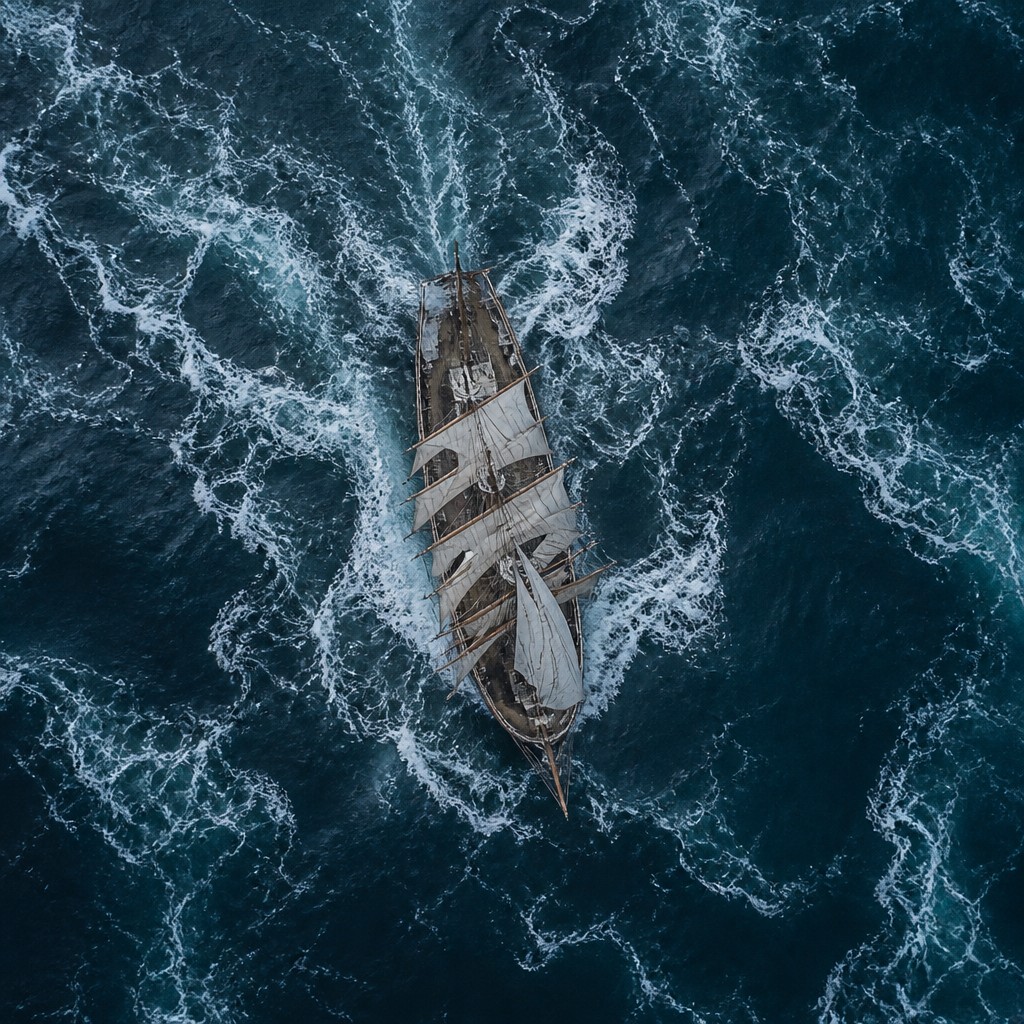
“sailing ship on a stormy sea”
How to Create Aerial Drone Photography Art
Master the craft step by step — or skip straight to creating. Read the full guide →
- 1
Choose subjects with strong surface patterns
Look for fields, parking lots, beaches, salt flats, rooftops, farmland, river deltas, tide pools, harbors, or sports courts. Subjects with repeated shapes or contrasting textures will translate best from above.
- 2
Plan for a near-vertical composition
Fly high enough to reduce perspective and keep the camera pointed straight down or only slightly angled. In traditional aerial work, careful position and timing matter; in digital image-making, prompt for a crisp bird's-eye or top-down view.
- 3
Use even light and sharp capture settings
Shoot in soft daylight when shadows are short and details are evenly lit. Use a deep depth of field, stable camera movement, and high resolution so the entire frame remains readable.
- 4
Compose around geometry and negative space
Before shooting, identify the strongest lines, curves, and empty areas in the scene. Crop or frame to emphasize repetition, abstraction, and the balance between dense texture and open space.
- 5
Keep color natural and restrained
Avoid heavy stylization unless the goal is a more conceptual image. In editing or prompt wording, ask for documentary clarity, subtle color grading, and realistic surface detail.
- 6
For text-to-image or image transformation
Specify an aerial drone photograph, overhead perspective, geometric patterning, deep focus, minimal shadow, and map-like abstraction. If transforming a photo, choose scenes with visible structure; if generating from text, name concrete landscapes or urban surfaces so the model has a clear spatial subject.
The Story
History & Origins of Aerial Drone Photography
Aerial photography predates drones by more than a century, beginning with balloon and kite photography in the 19th century and developing through military reconnaissance, surveying, and landscape documentation in the 20th century. The modern drone version emerged with small stabilized cameras and consumer multirotors in the early 21st century, making low-cost, precise overhead imaging widely accessible to photographers, filmmakers, and designers.
Aesthetically, the style draws from several traditions: cartography, topographic imaging, documentary landscape photography, and modernist abstraction. Its appeal also connects to the way overhead views were used in surveillance and mapping, but in artistic practice the emphasis is usually on pattern, spatial order, and visual revelation rather than navigation alone.
Influences: Aerial drone photography sits at the intersection of documentary photography, cartography, and modern abstract composition. It shares interests with the overhead studies of landscape in works by a leading contemporary German large-scale photographer, the typological and pattern-based approach of influential German typological photographers, and the broader modernist fascination with geometry, repetition, and surface order, while also inheriting the practical history of reconnaissance and surveying imagery.

Frequently Asked Questions
What defines aerial drone photography style?
It is defined by a high overhead viewpoint, usually looking down onto a landscape or built environment. The image emphasizes pattern, geometry, and surface texture more than depth or human-scale perspective.
How is it different from regular landscape photography?
Traditional landscape photography usually uses eye-level or elevated but angled views to create depth and atmosphere. Aerial drone photography flattens the scene from above, making the subject read more like a pattern or map.
What kinds of subjects work best in this style?
Subjects with strong natural or man-made structure work especially well, such as farmland, beaches, roads, ports, rooftops, and industrial sites. The more visible the repeating shapes and contrasting surfaces, the stronger the aerial image tends to be.
Why do aerial drone images often look abstract?
From above, familiar objects lose their everyday context and become simple forms: lines, blocks, curves, and textures. This abstraction comes from distance, angle, and the reduction of perspective cues.
How can I make my own images in this style?
Use a drone or elevated platform, frame the camera nearly straight down, and shoot in even daylight with careful attention to geometry. For digital or prompt-based creation, describe a crisp bird's-eye view, deep focus, minimal shadow, and graphic patterning.
Where is this style commonly used?
It is used in landscape and travel photography, architecture, surveying, environmental documentation, editorial design, and fine art. It is especially effective when the goal is to show spatial relationships that are not visible from the ground.
Create your first Aerial Drone Photography artwork
Describe anything — or upload a photo — and see it in Aerial Drone Photography Style in seconds.
Make Something with Aerial Drone Photography
Compare Aerial Drone Photography
Related Styles
Discover similar art styles