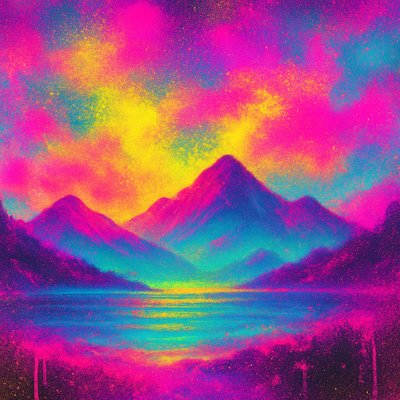
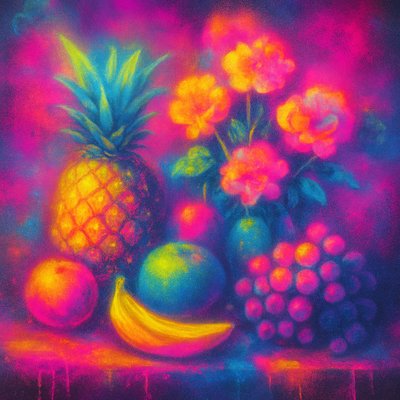
Neon Outline Style
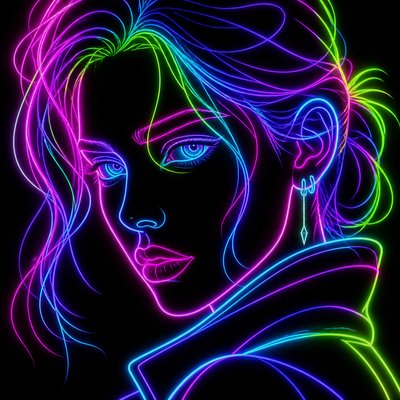
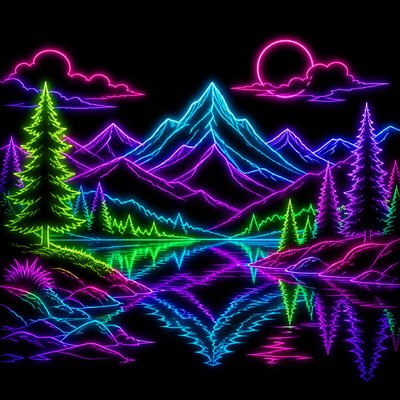
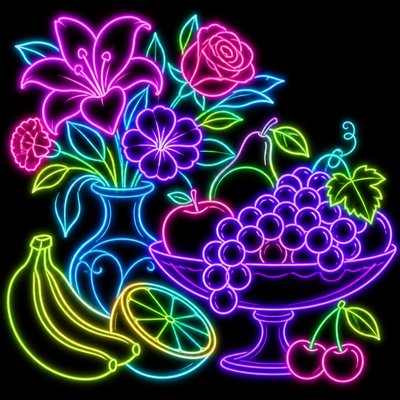
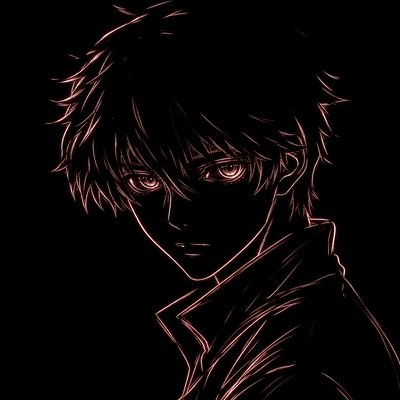
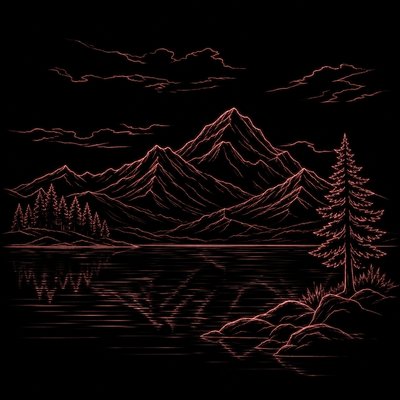
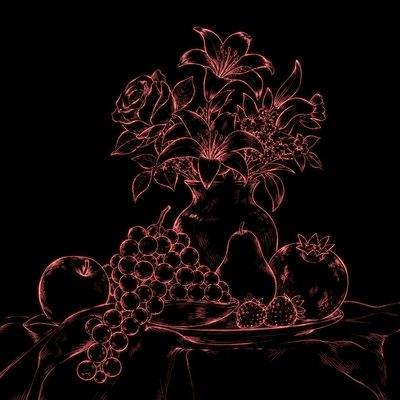
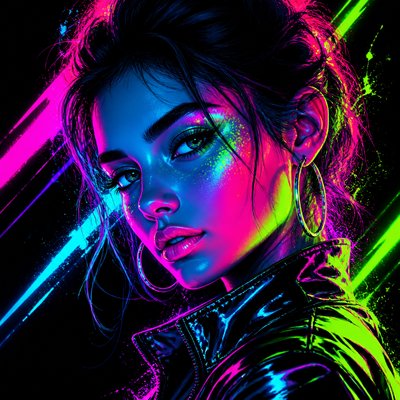
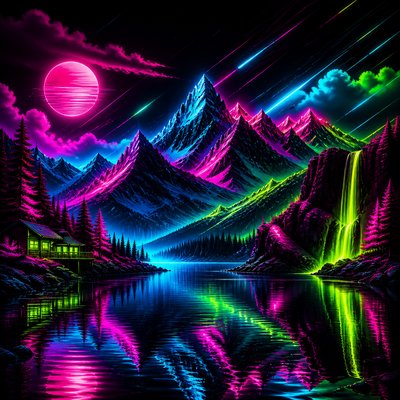
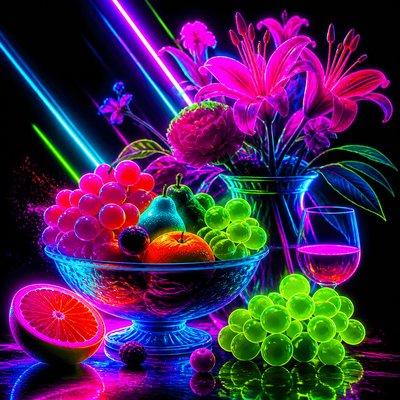
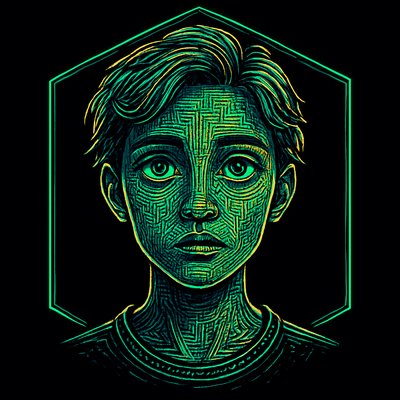
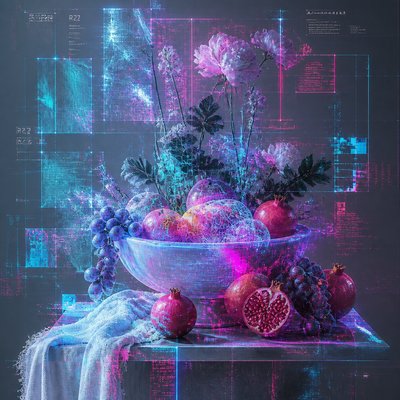
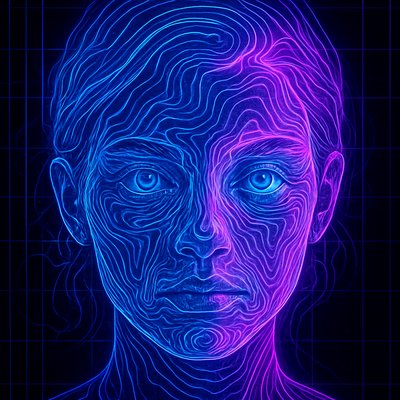
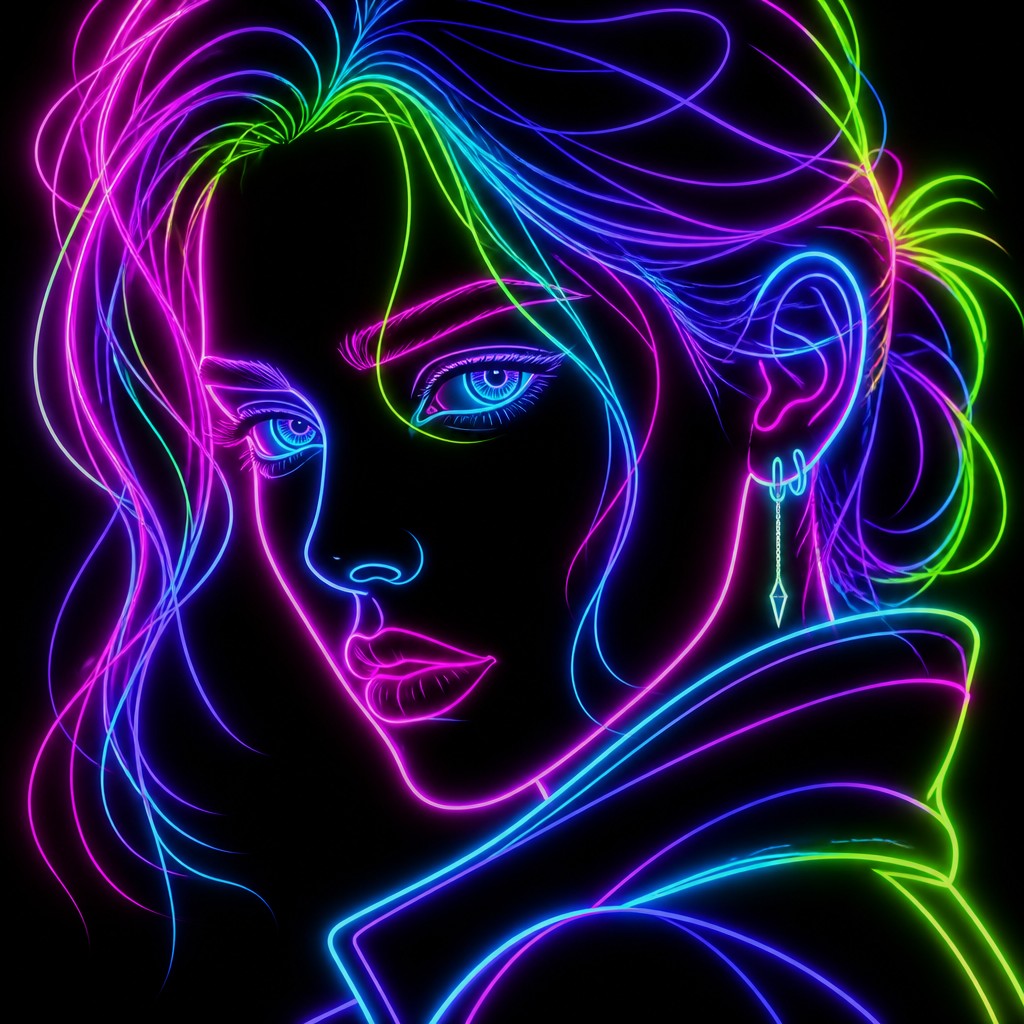
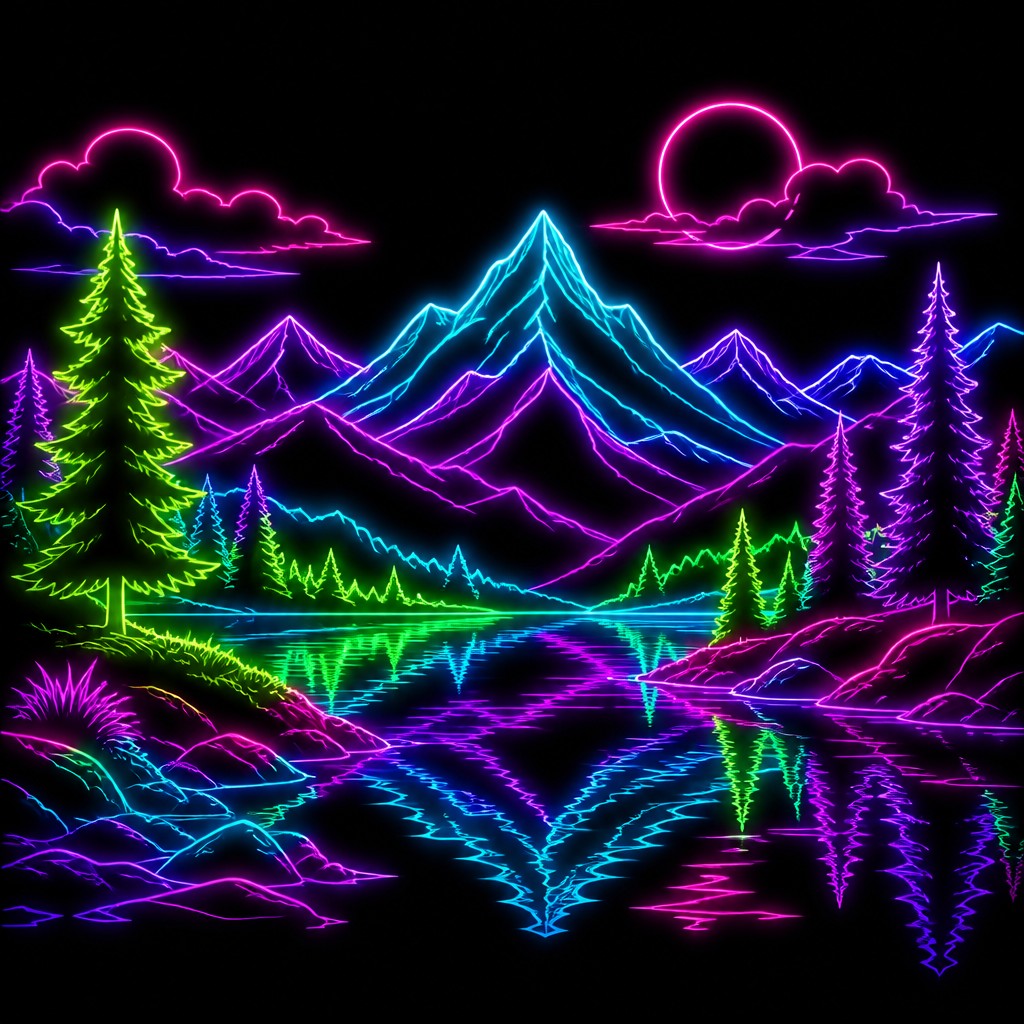
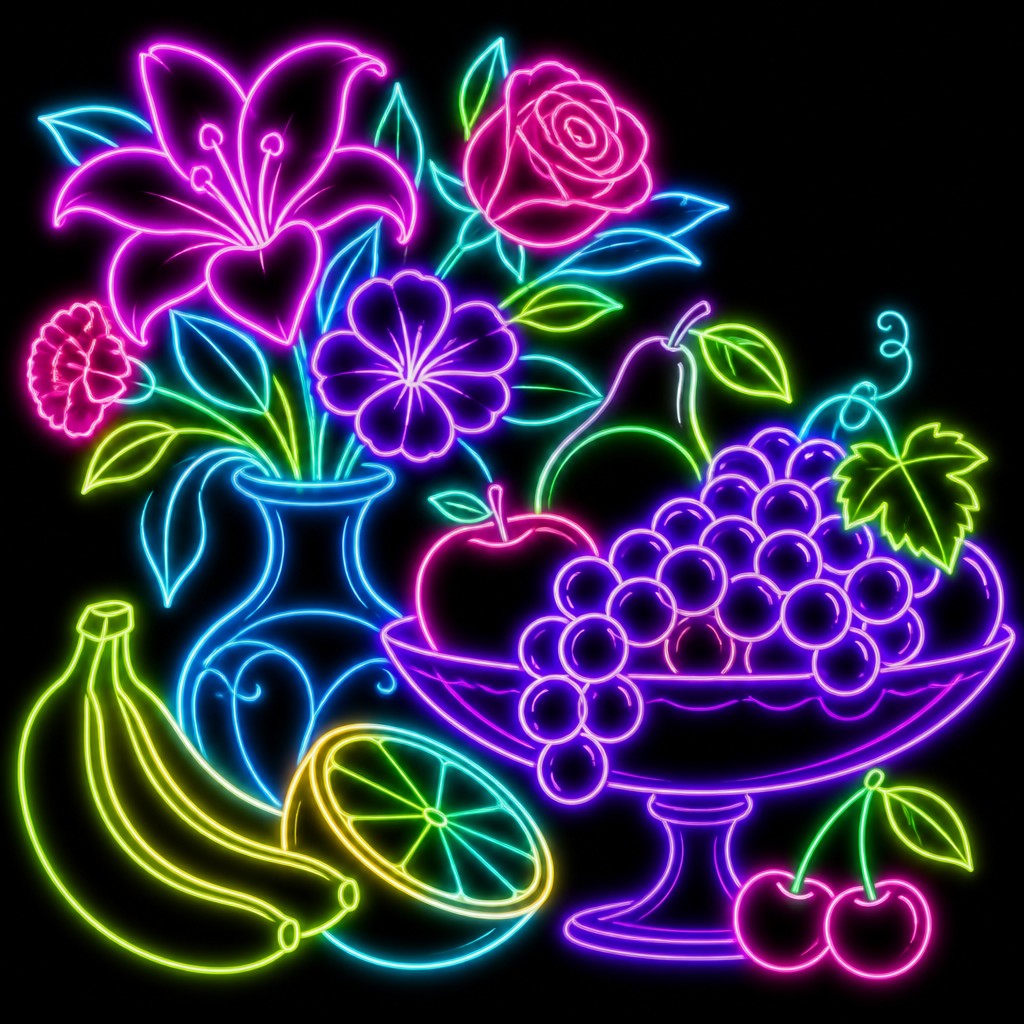
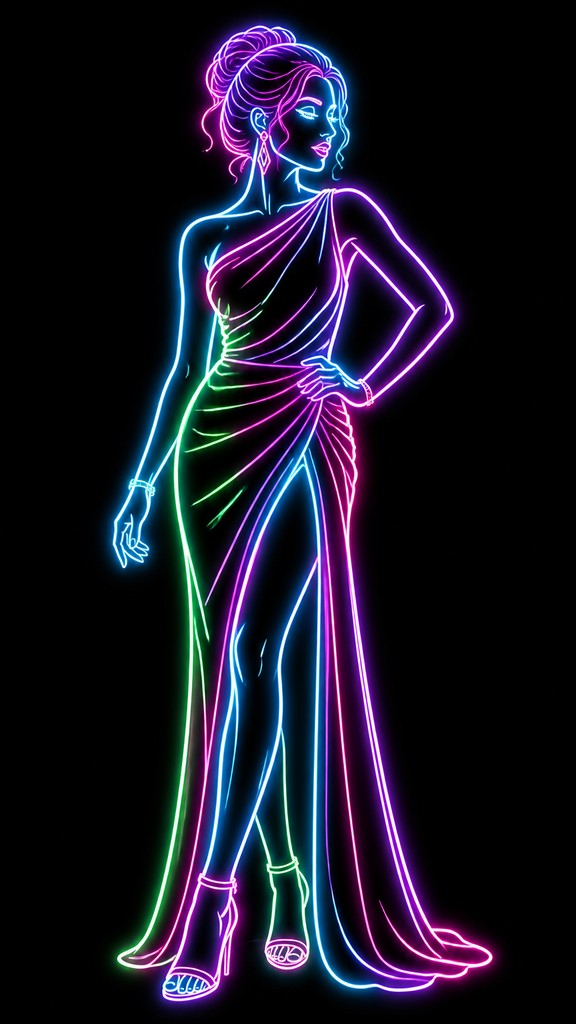
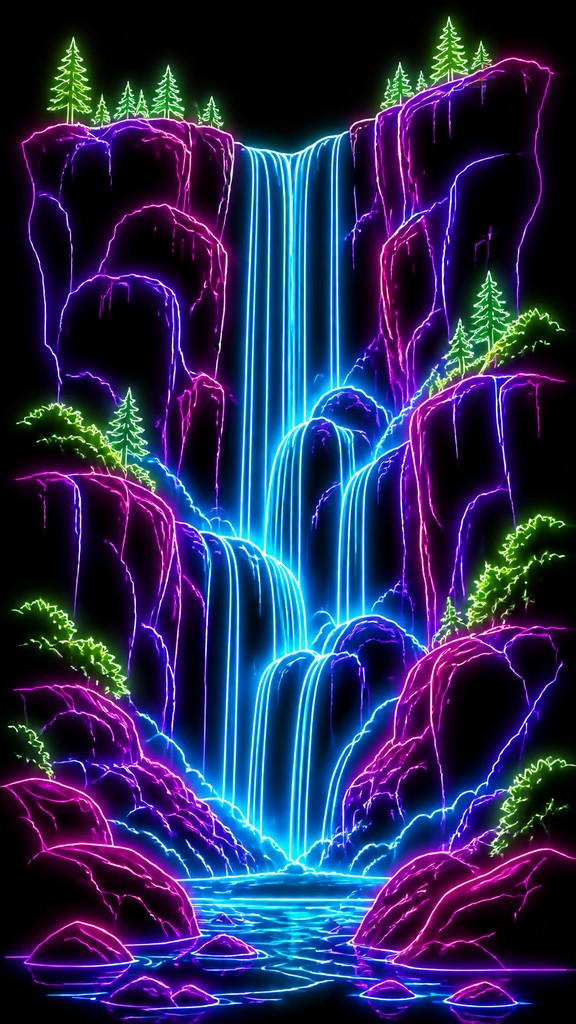
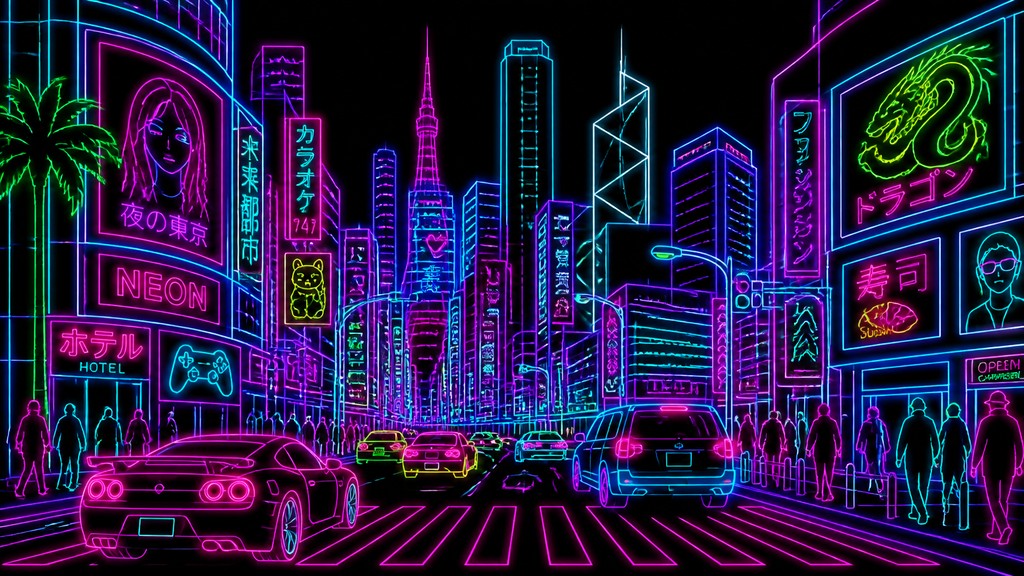
Pure black backgrounds with glowing neon outlines in cyan, magenta, green, and violet; a retro-futuristic electric line-art style.
Instantly rendered in Neon Outline — or transform a photo
Neon Outline Gallery
Tap any artwork to explore it
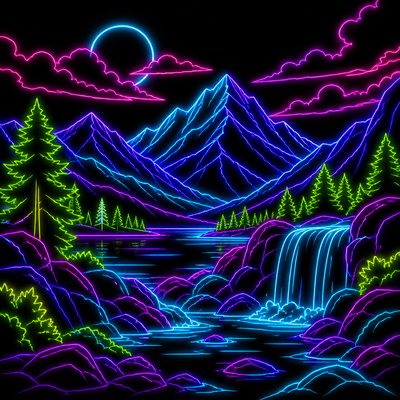

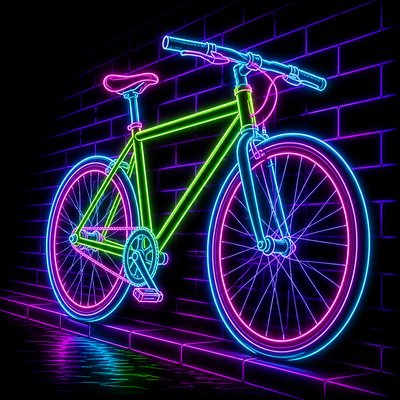
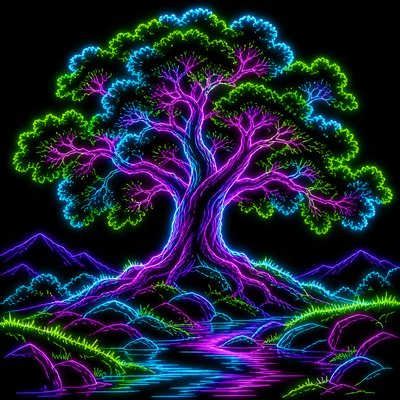
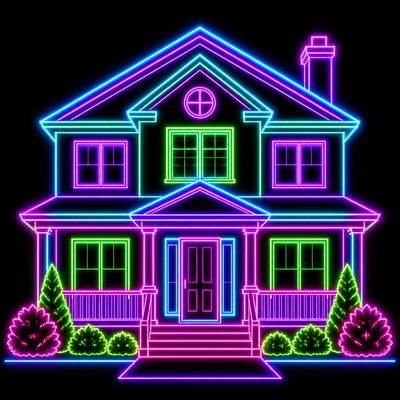
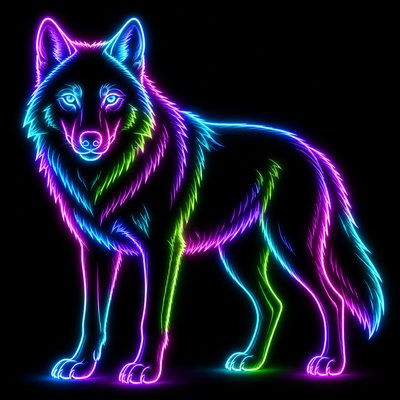
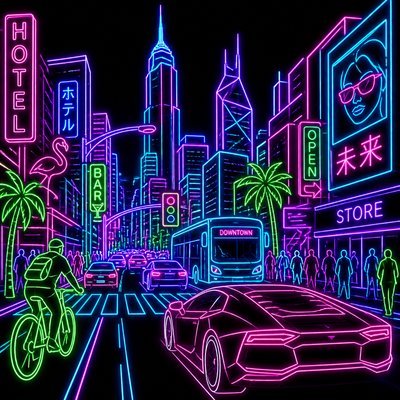
What is Neon Outline Style?
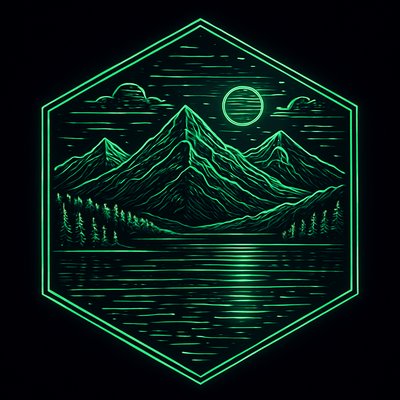
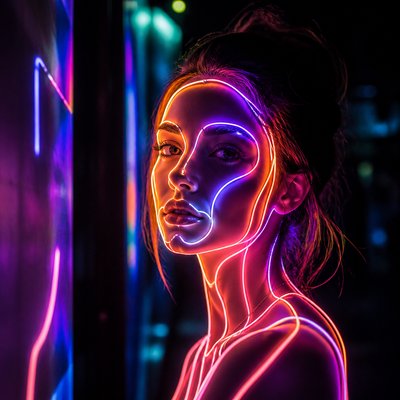
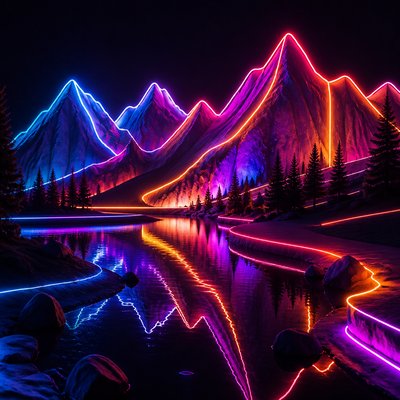
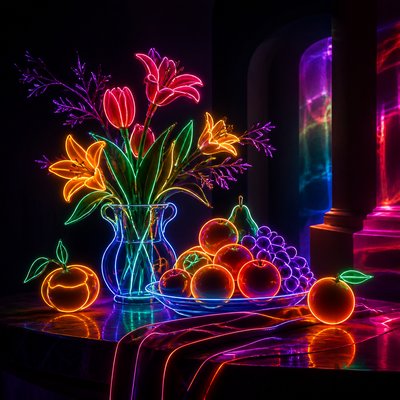
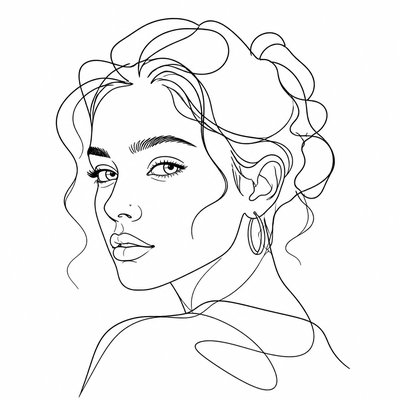
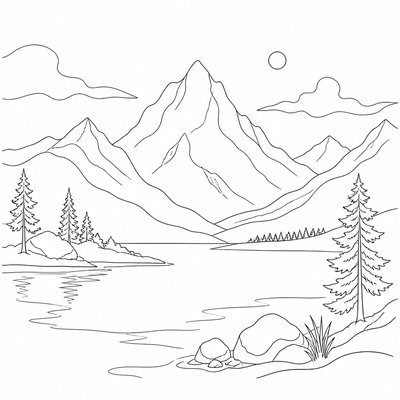
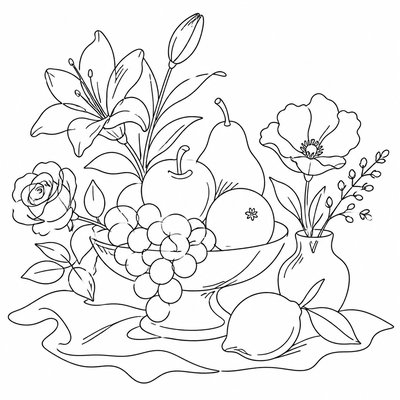
Neon Outline Style is a high-contrast visual language built almost entirely from luminous contours against a black field. Subjects are reduced to their edges: faces, figures, objects, architecture, and landscapes are described by bright, electrically colored lines that seem to emit light rather than merely depict form. The result is strikingly minimal in fill but rich in atmosphere, relying on glow, halo, and color separation to define depth and energy.
Its visual identity comes from the logic of signage, nightclub lighting, and electronic display media rather than painterly shading. Because interior surfaces are usually left empty or nearly empty, the style emphasizes silhouette, motion, and contour hierarchy. The black background is not just a backdrop; it functions as negative space that intensifies every stroke, making the image feel suspended in a void and charged with a synthetic, retro-futuristic pulse.
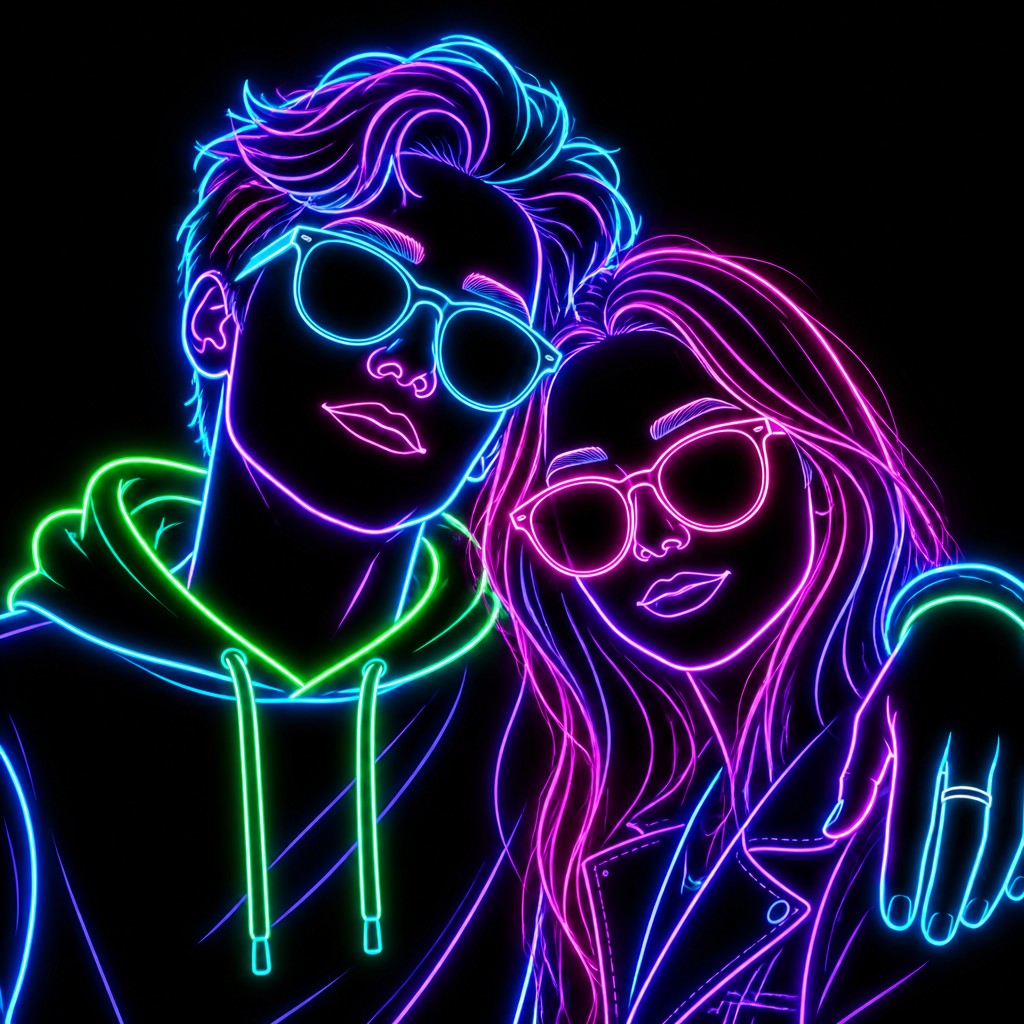
Try It On Your Photos
Upload any photo and convert it into Neon Outline Style — drag the sliders to compare before and after.
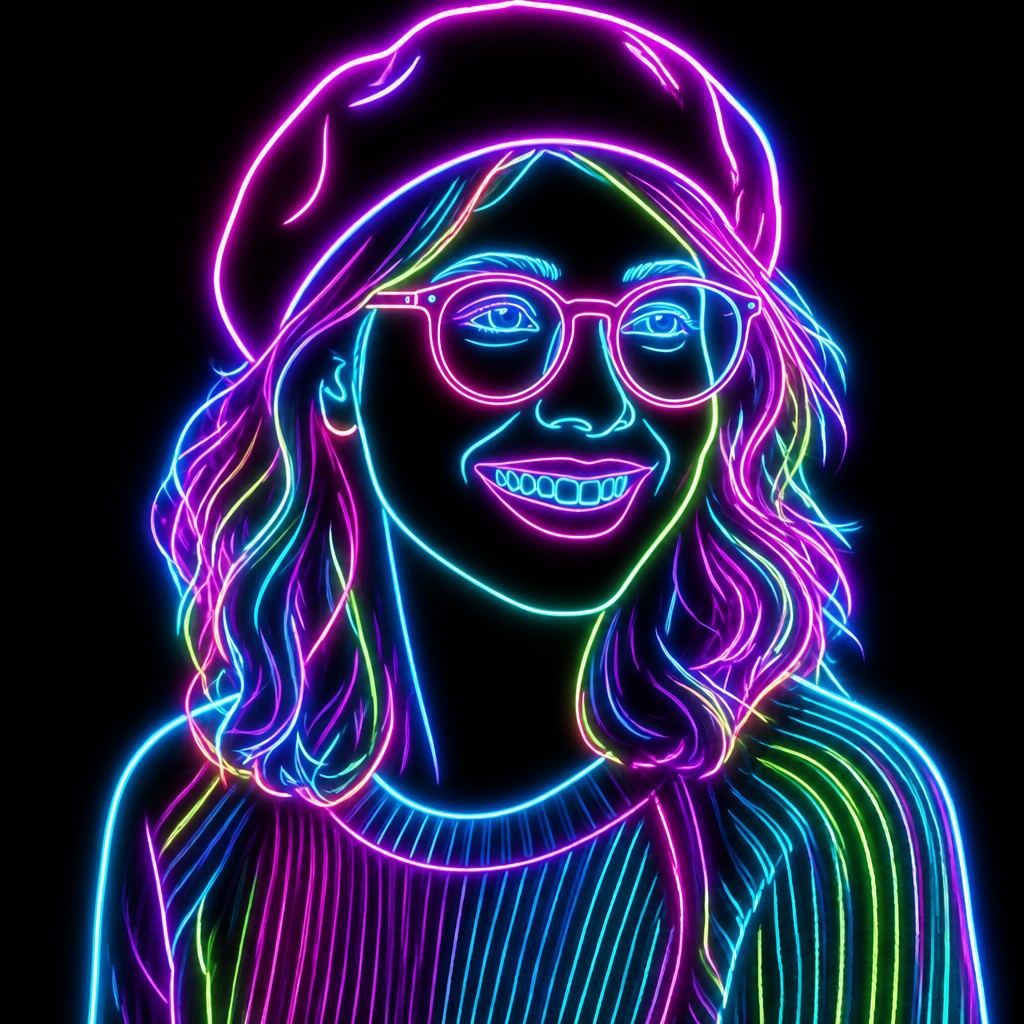

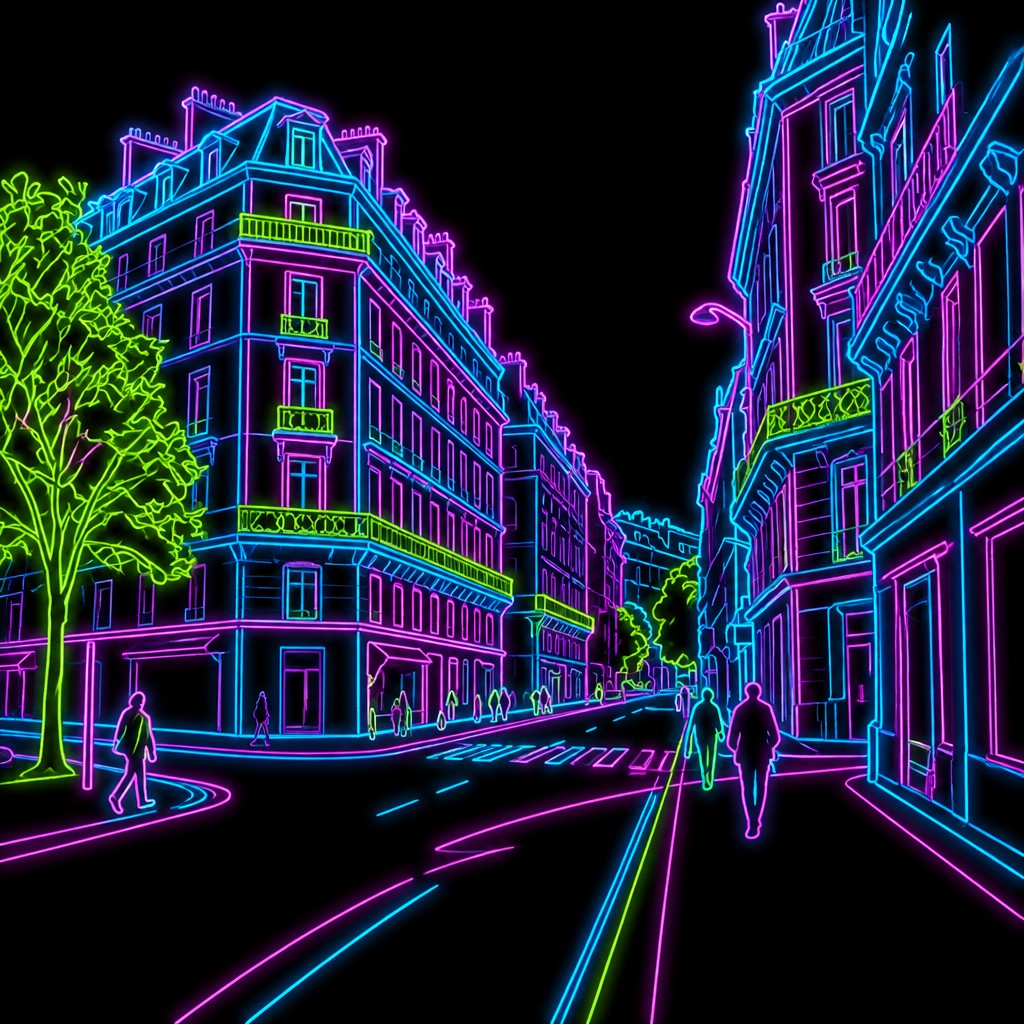

What Defines Neon Outline Style
The signature details, up close
Pure black ground
The background is typically absolute black or near-black, creating maximal contrast and making the luminous edges appear self-illuminated. This emptiness is essential to the style’s dramatic reading.
Neon contour tracing
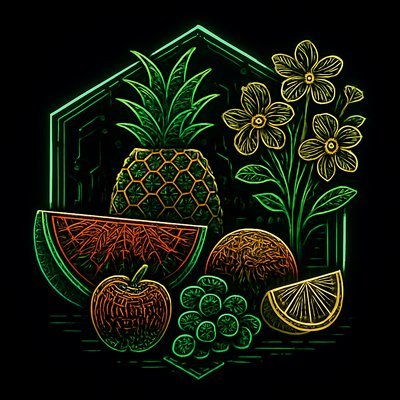
Forms are defined primarily by bright outlines rather than filled masses. The linework traces edges, folds, and silhouettes with precise, continuous strokes.
Electric color palette
Common hues include cyan, magenta, lime green, and violet, often pushed to maximum saturation. Color shifts may be used to separate overlapping forms or suggest depth.
Glow and halo bloom
Each line usually radiates a soft outer aura, imitating the diffusion of light through haze or glass. This bloom gives the image its signature sense of energy and vibration.
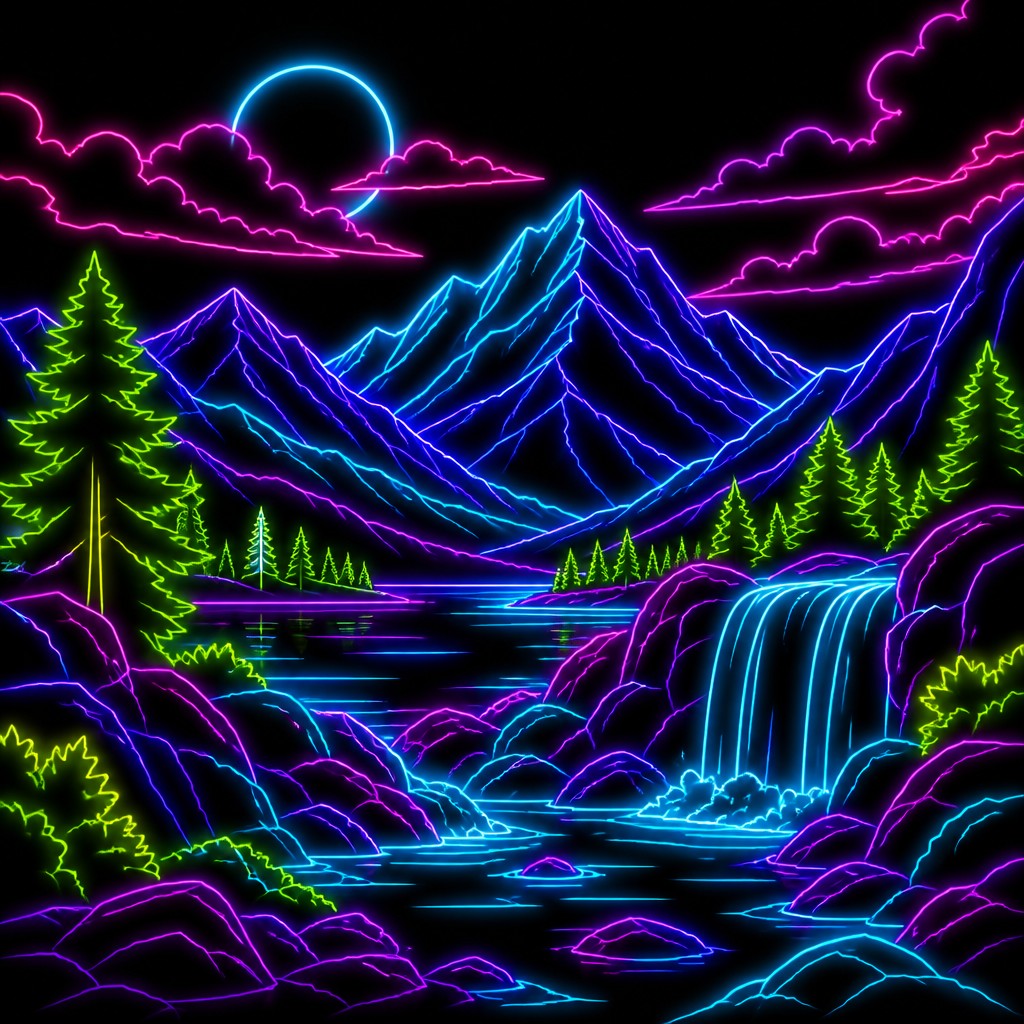
Minimal interior detail
Inside shapes, there is often little to no texture, shading, or fill. The style depends on outline logic, so the image reads as an energized drawing rather than a painted surface.
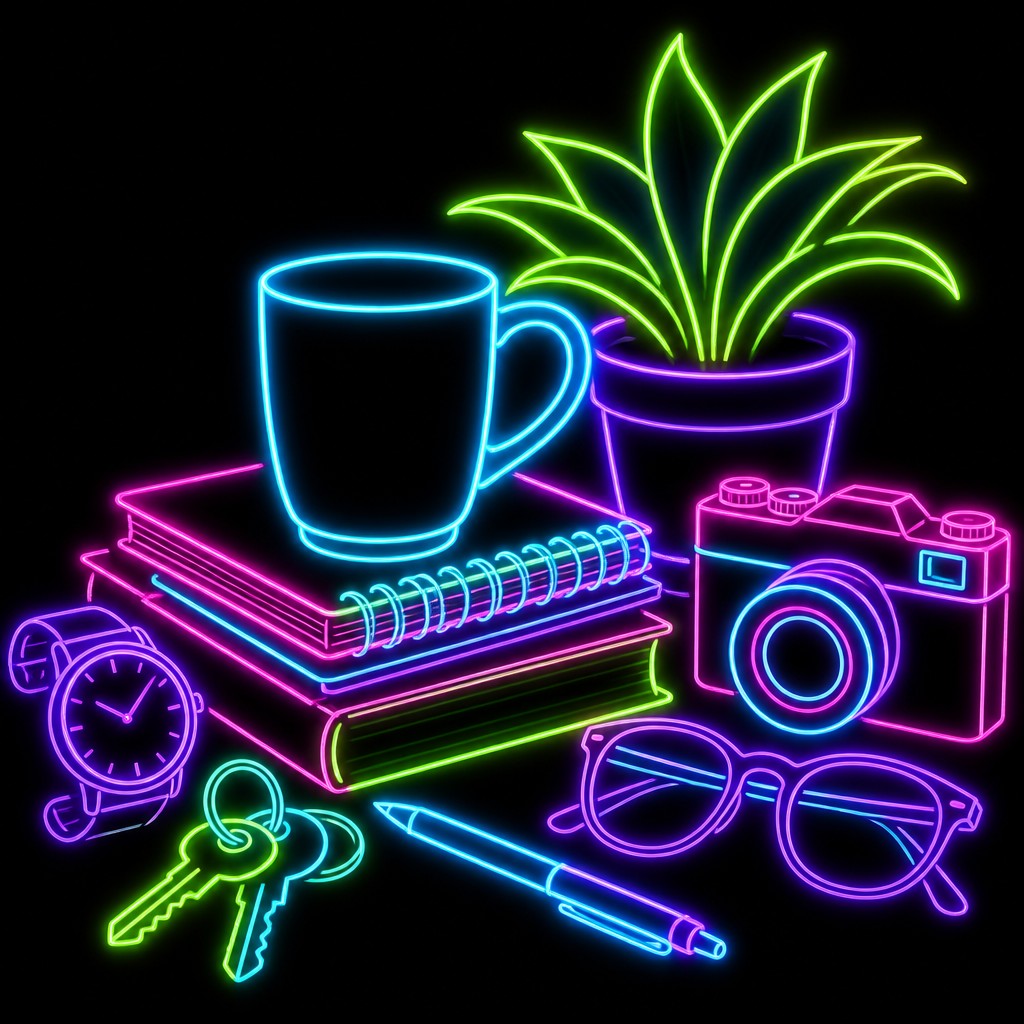
Vector-like precision
Even when rendered loosely, the forms tend to feel crisp and clean. The effect recalls graphic design, tracing, and digital line art more than brushwork.
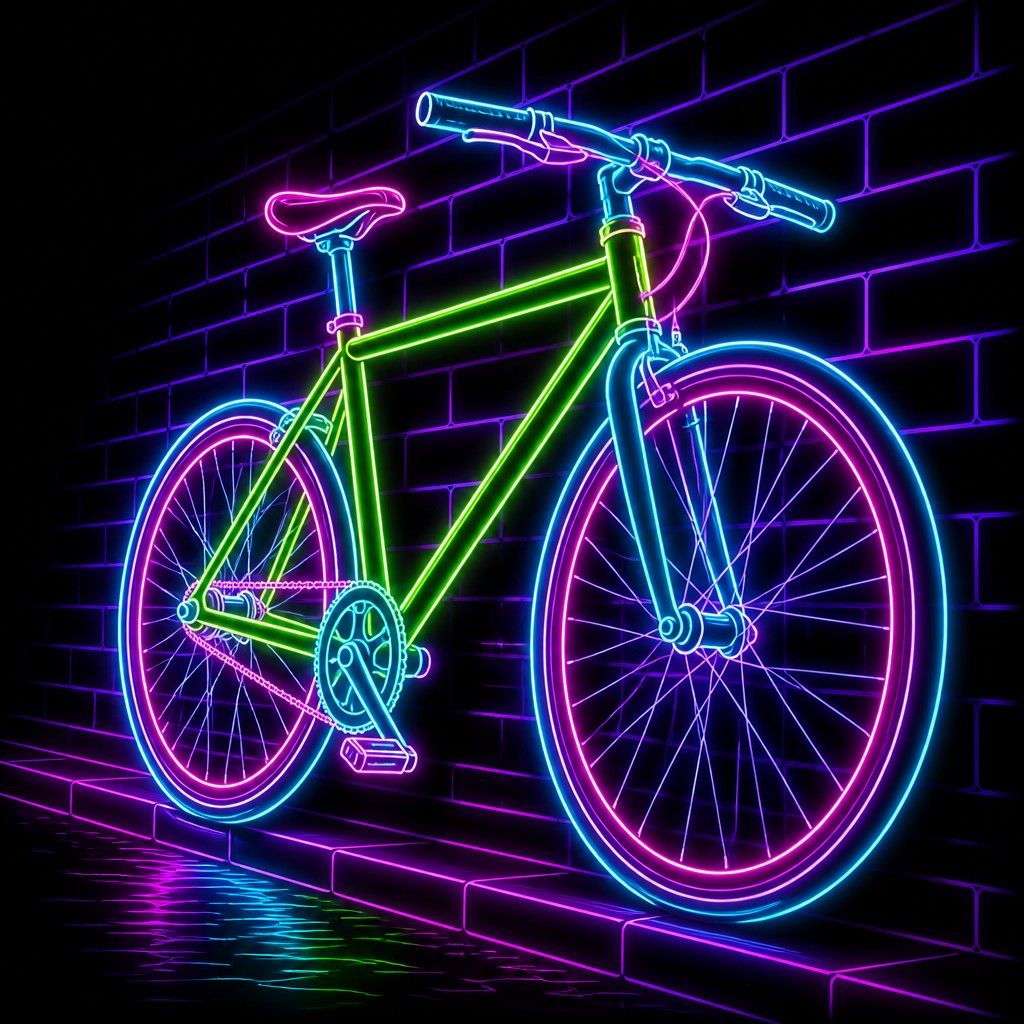
Retro-futuristic intensity
The style often suggests nightlife, circuitry, sci-fi interfaces, and electronic music culture. Its mood is sleek, synthetic, and charged with motion.
Try It
Create Videos in Neon Outline Style
Styles aren't just for stills — describe a scene or animate an image and get a short video rendered in Neon Outline. Press play to see this pond come to life.
Make a VideoNeon Outline Prompt Ideas
Start from an idea — each one opens the generator with the style ready to go. See all 40 Neon Outline prompts →
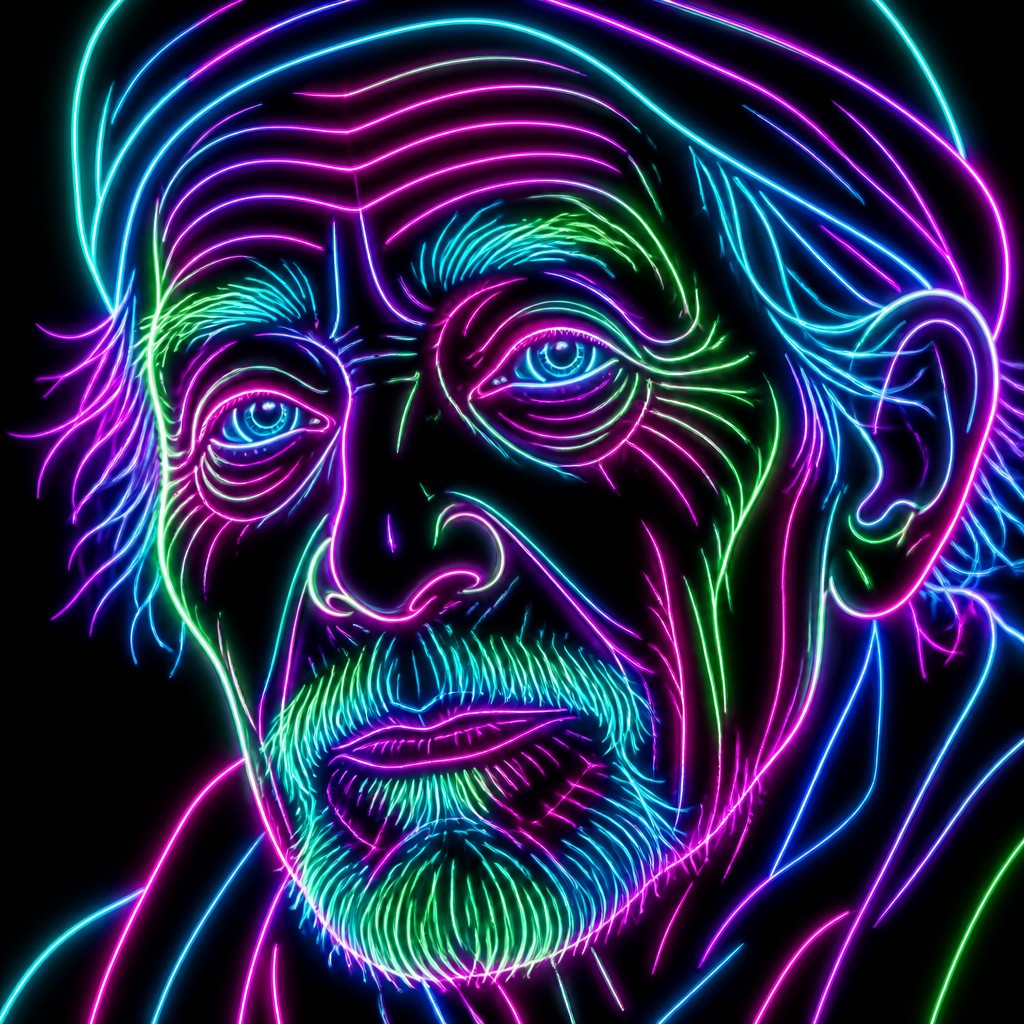
“close-up portrait of an elderly person with expressive weathered features”
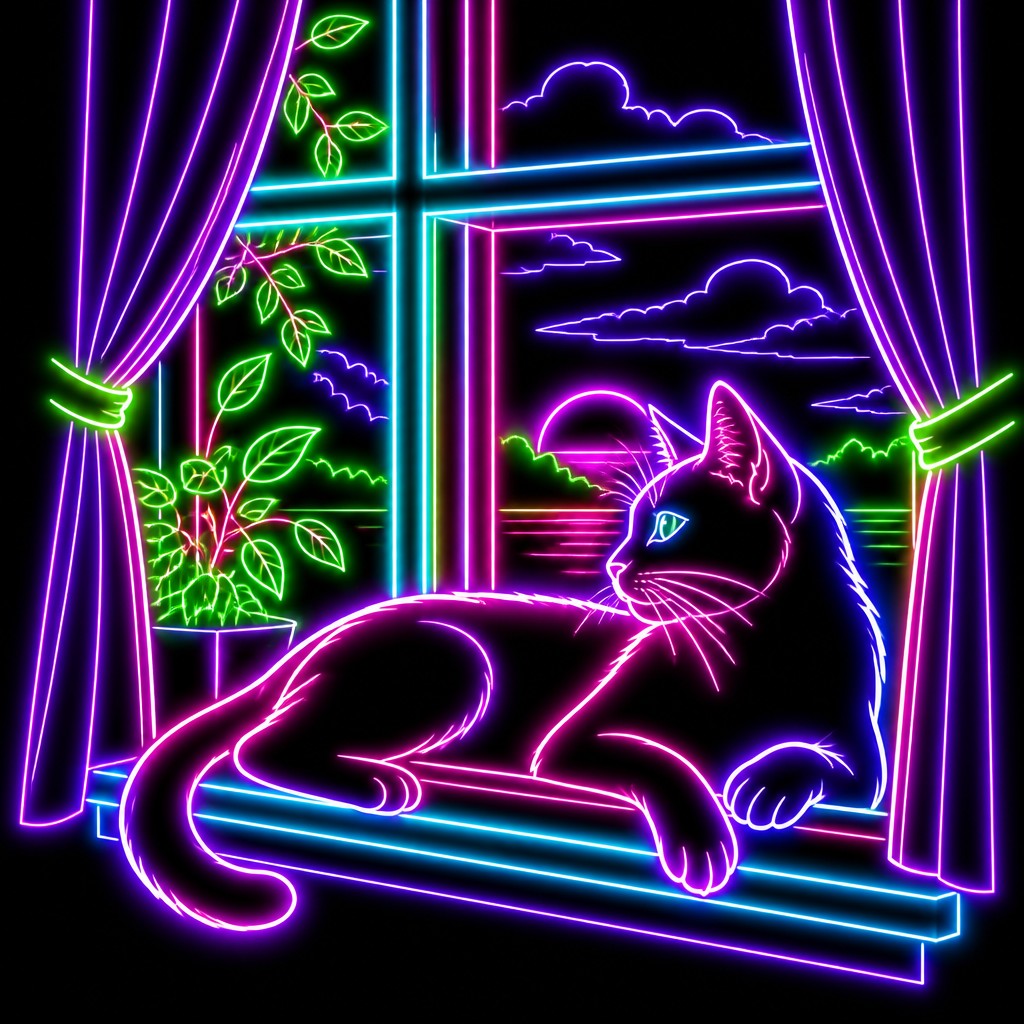
“a cat lounging in a sunlit window”
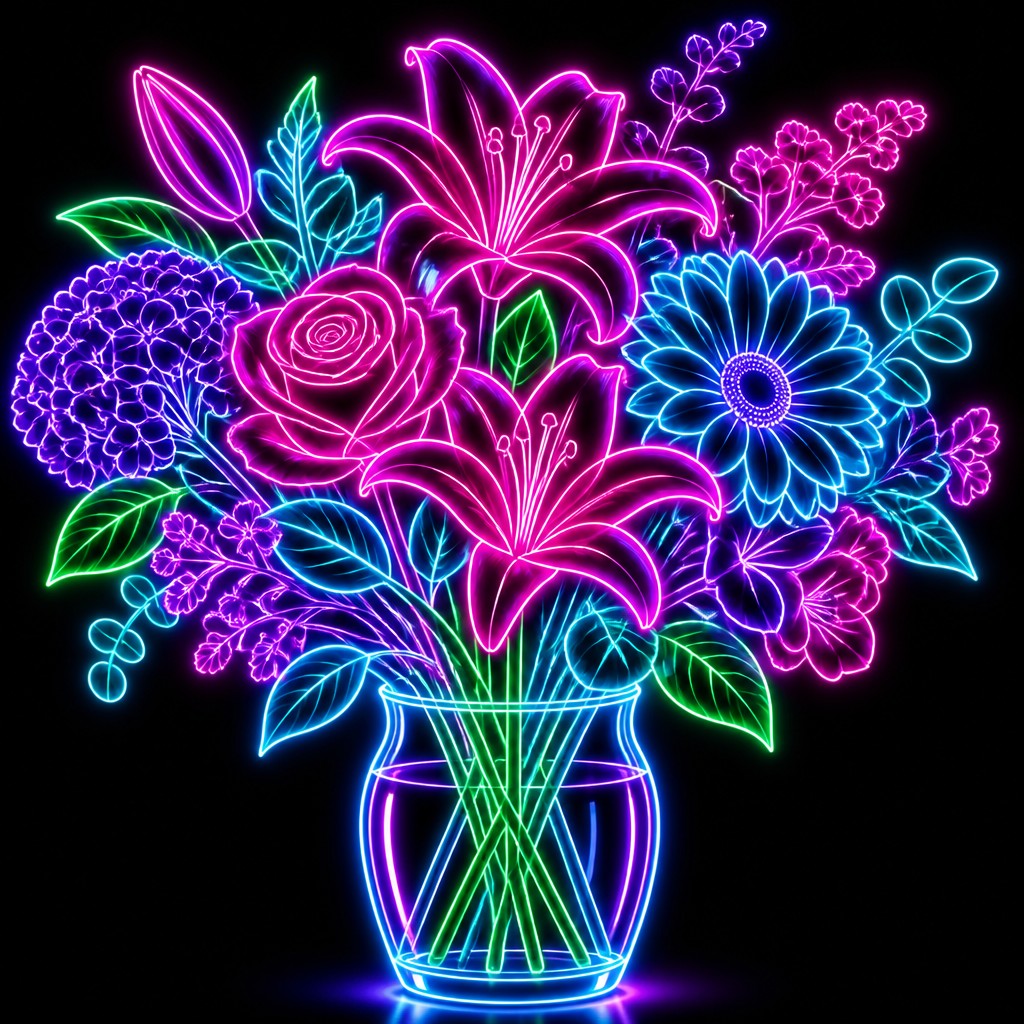
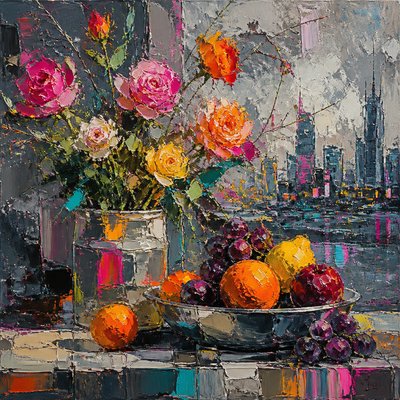
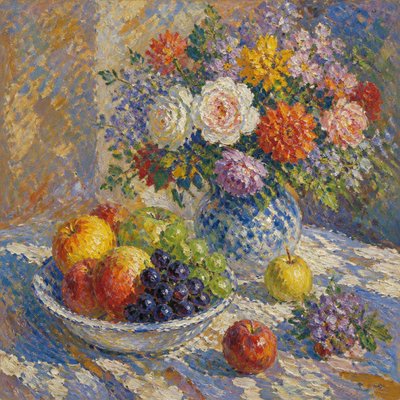
“bouquet of flowers in a glass vase”
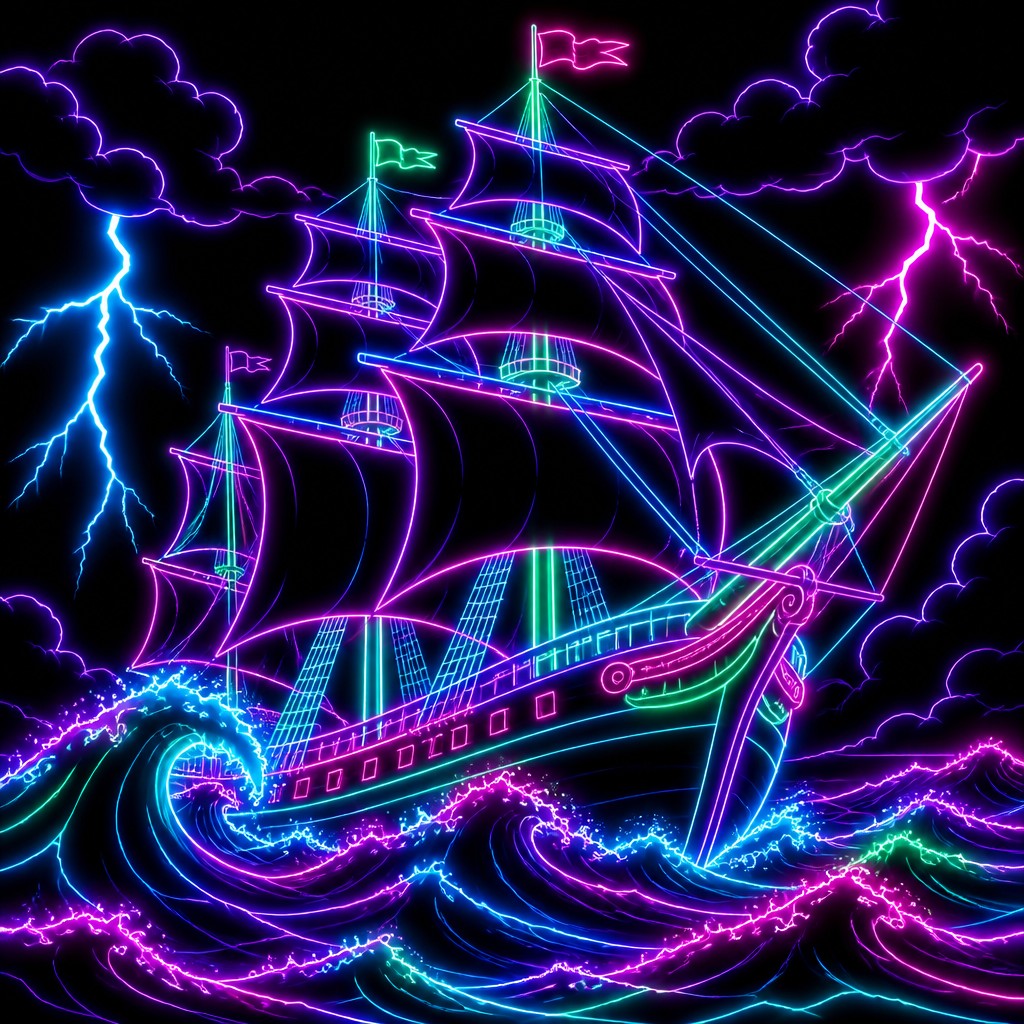
“sailing ship on a stormy sea”
How to Create Neon Outline Art
Master the craft step by step — or skip straight to creating. Read the full guide →
- 1
Start with silhouettes and contour hierarchy
Begin by simplifying the subject into its most readable edges, since the style depends on contour rather than shading. Decide which lines are primary and which can be omitted so the figure remains clear against black.
- 2
Use bright spectral colors sparingly but decisively
Build the image with a limited set of highly saturated neon hues such as cyan, magenta, lime, and violet. Keep the values high and avoid muted tones, because the style relies on electric brightness rather than natural color.
- 3
Add controlled outer glow
In digital work, duplicate or soften the line layer to create bloom around each contour. The glow should be visible but not so heavy that it obscures the underlying precision of the tracework.
- 4
Preserve black negative space
Do not fill every area; let the void remain active. The darkness should frame the neon edges and make the subject feel suspended, almost like signage lit in the night.
- 5
For traditional media, simulate emission with layered highlights
Use fluorescent inks, markers, gel pens, or airbrushed accents over black paper or a black-painted surface. Layering translucent color over crisp light lines can mimic the luminous edge effect without digital tools.
- 6
For prompt-based generation, specify outline-only lighting
Describe the subject first, then instruct that it is rendered as glowing neon outlines on pure black with no interior fill or texture. Mention the desired colors, halo bloom, and vector-like precision to keep the result aligned with the style.
The Story
History & Origins of Neon Outline
Neon Outline Style is an invented contemporary aesthetic, but it draws on several established visual traditions. Its strongest lineage comes from neon signage, which became especially prominent in the 20th century in commercial streetscapes and entertainment districts, as well as from graphic line art, vector illustration, and glow effects associated with digital design. It also echoes the visual economy of technical drawing and contour-based illustration, where form is conveyed through edges rather than modeling.
A second source is the broader retro-futurist imagination: the idea of electricity, circuitry, and night-lit cityscapes as symbols of modernity. In contemporary use, the style often appears in posters, album art, sci-fi imagery, motion graphics, and game-inspired visuals. Its appeal lies in the tension between simplicity and spectacle—an image stripped down to outlines, yet made dramatic through luminous color, bloom, and the suggestion of energized circuitry or holographic light.
Influences: This style draws from neon signage, vector line art, and the visual language of electronic media, while also echoing poster design and graphic abstraction. Its retro-futurist mood aligns loosely with late-20th-century sci-fi illustration and nightclub graphics. Unlike historical movements with a fixed canon, it synthesizes elements that can be seen in the crisp contour sensibility of technical drawing, the electric color of commercial neon, and the atmospheric black void of modern digital effects.
Frequently Asked Questions
What defines Neon Outline Style?
The defining feature is the use of glowing neon contours to describe form on a black background, with little or no interior fill. Instead of modeling objects with shading, the style relies on bright edge tracing, halo bloom, and saturated electric colors. The overall effect is minimal in structure but visually intense.
How is it different from neon art or cyberpunk art?
Neon Outline Style is more specific than general neon art because it emphasizes outlines rather than illuminated scenes or signage-like objects. It can overlap with cyberpunk, but cyberpunk usually includes narrative settings, technology, and urban detail, while this style can be applied to any subject as a purely graphic treatment.
Can this style be used for portraits?
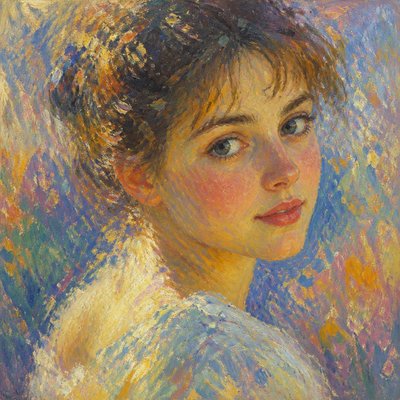
Yes. Portraits work especially well because facial contours, hair, and clothing edges can be traced with luminous lines against black. To keep the portrait legible, emphasize key features like eyes, jawline, and profile while avoiding too much interior detail.
What media can be used to make it traditionally?
It can be created with neon markers, fluorescent inks, gel pens, airbrush, or digital painting on a black ground. In traditional media, black paper or a dark painted surface helps preserve the glow illusion, while layered bright strokes simulate light emission.
Why does it look so futuristic?
The futuristic feel comes from its association with electronics, LEDs, holograms, circuitry, and vector graphics. The crisp linework and synthetic colors suggest technological interfaces rather than organic light, which gives the style its retro-futuristic charge.
What prompts help generate better results?
Effective prompts name the subject clearly and then specify glowing neon outlines, pure black background, no fills, and strong color choices like cyan, magenta, lime green, and violet. Adding terms such as halo glow, bloom, and crisp vector precision helps preserve the style’s defining edge-based look.
Create your first Neon Outline artwork
Describe anything — or upload a photo — and see it in Neon Outline Style in seconds.
Make Something with Neon Outline
Related Styles
Discover similar art styles