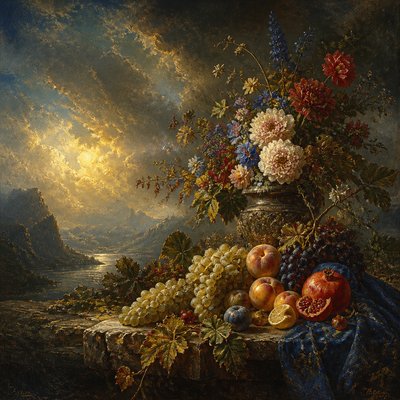
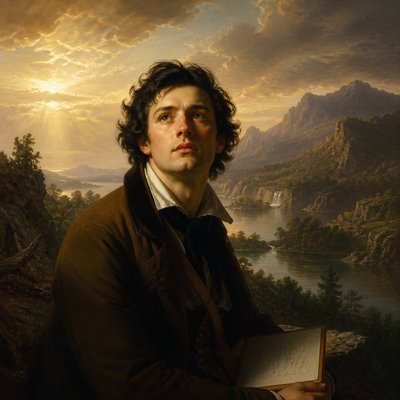
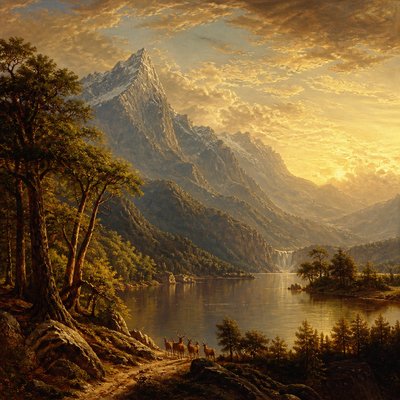
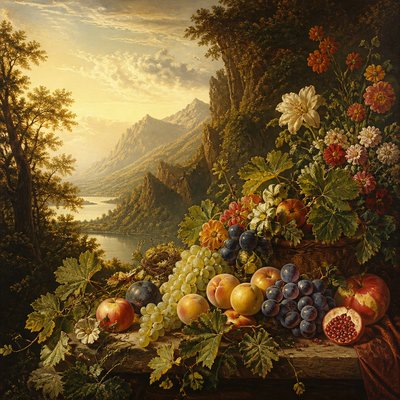
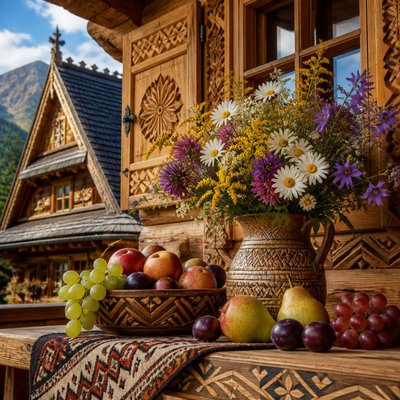
Golden Hour Landscape Photography Style
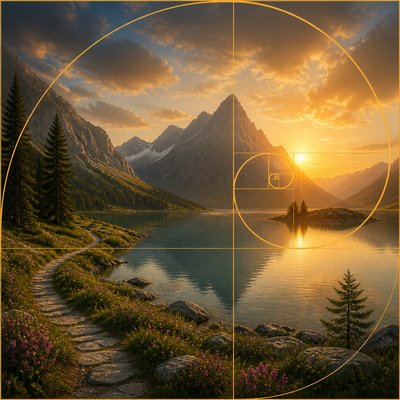
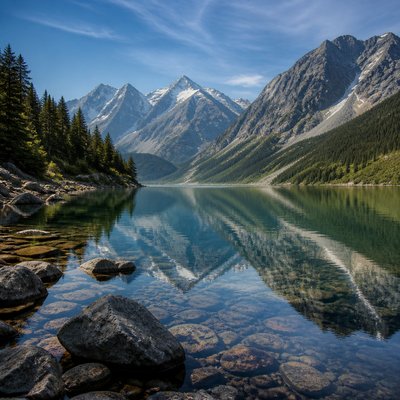
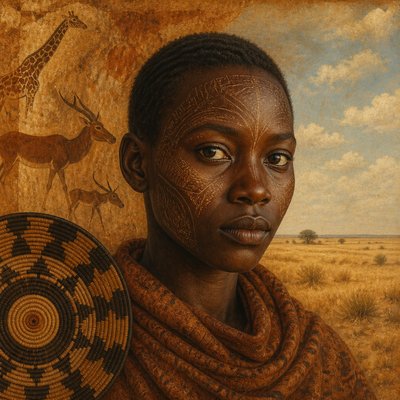
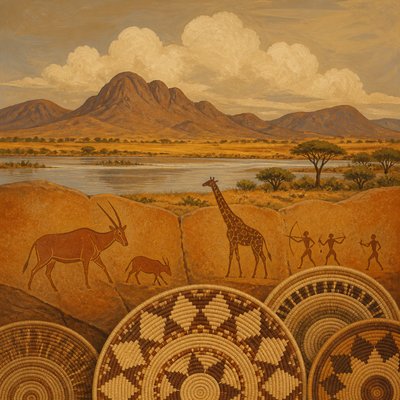
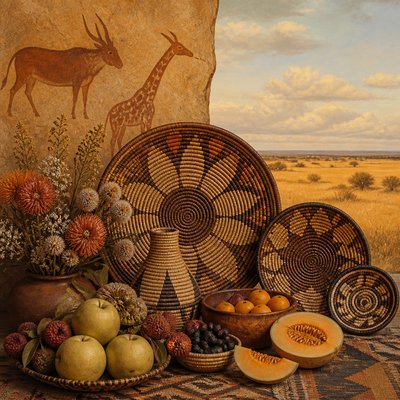
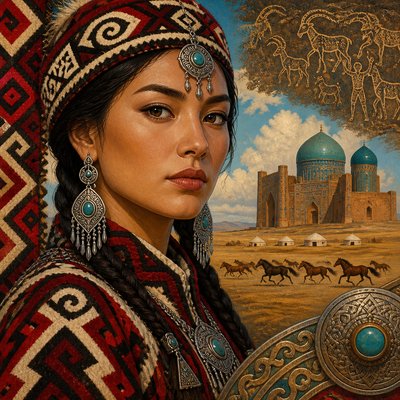
Warm, cinematic landscape photos made in golden hour light with glowing skies, long shadows, haze, and rich amber tones.
Instantly rendered in Golden Hour Landscape Photography — or transform a photo
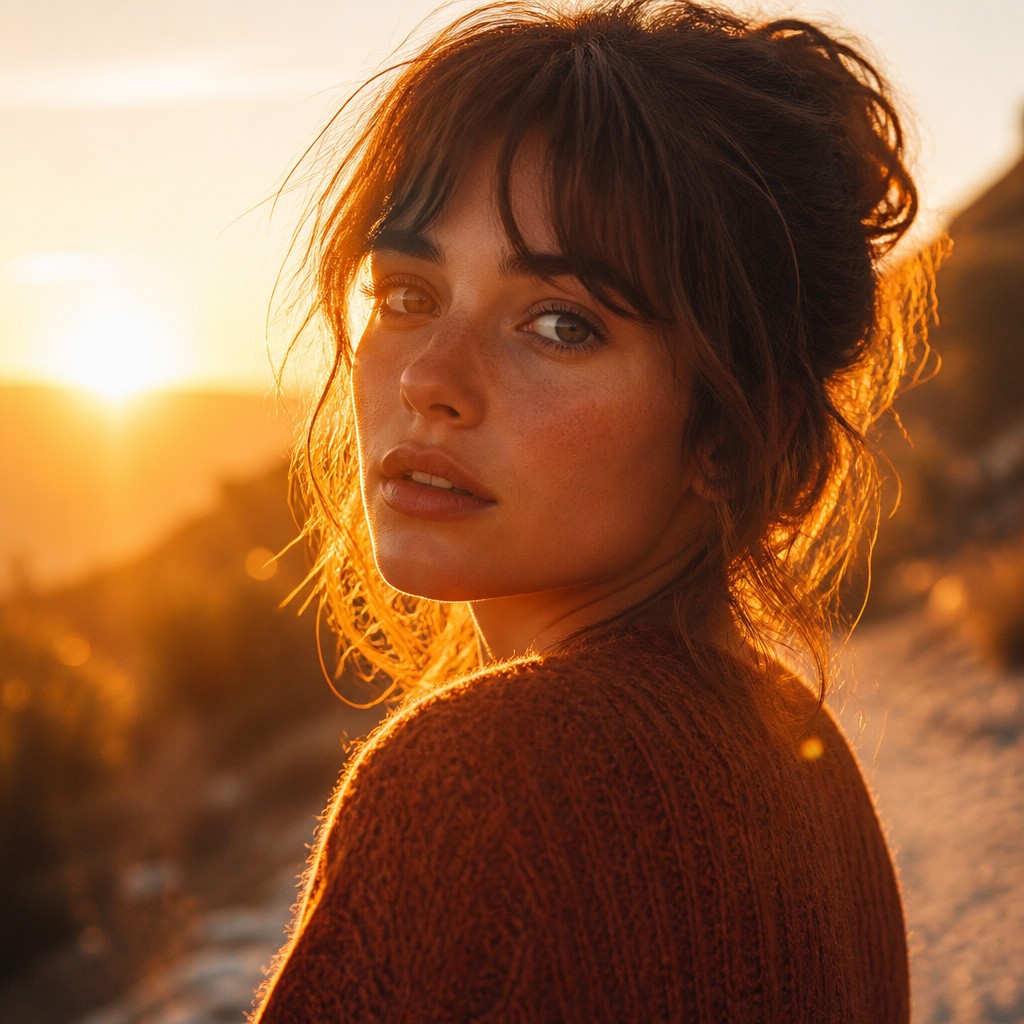
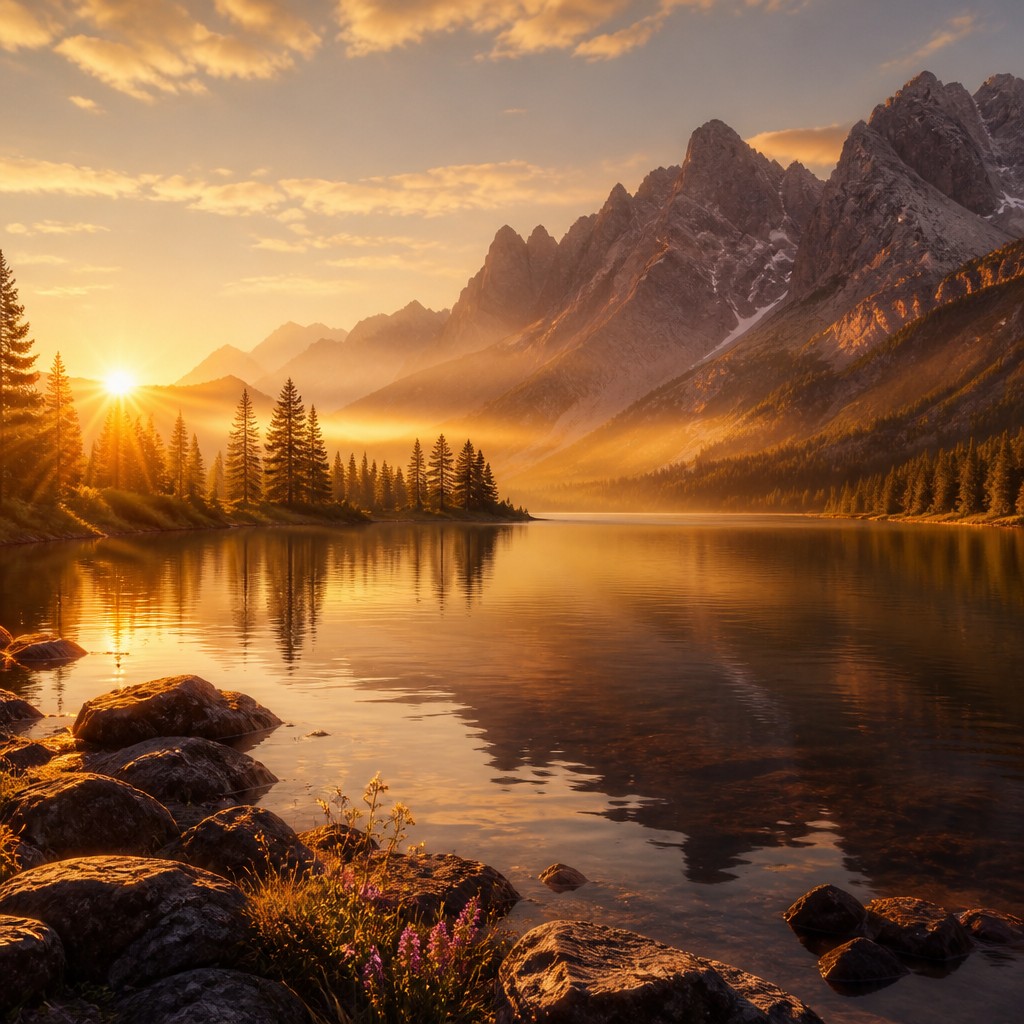
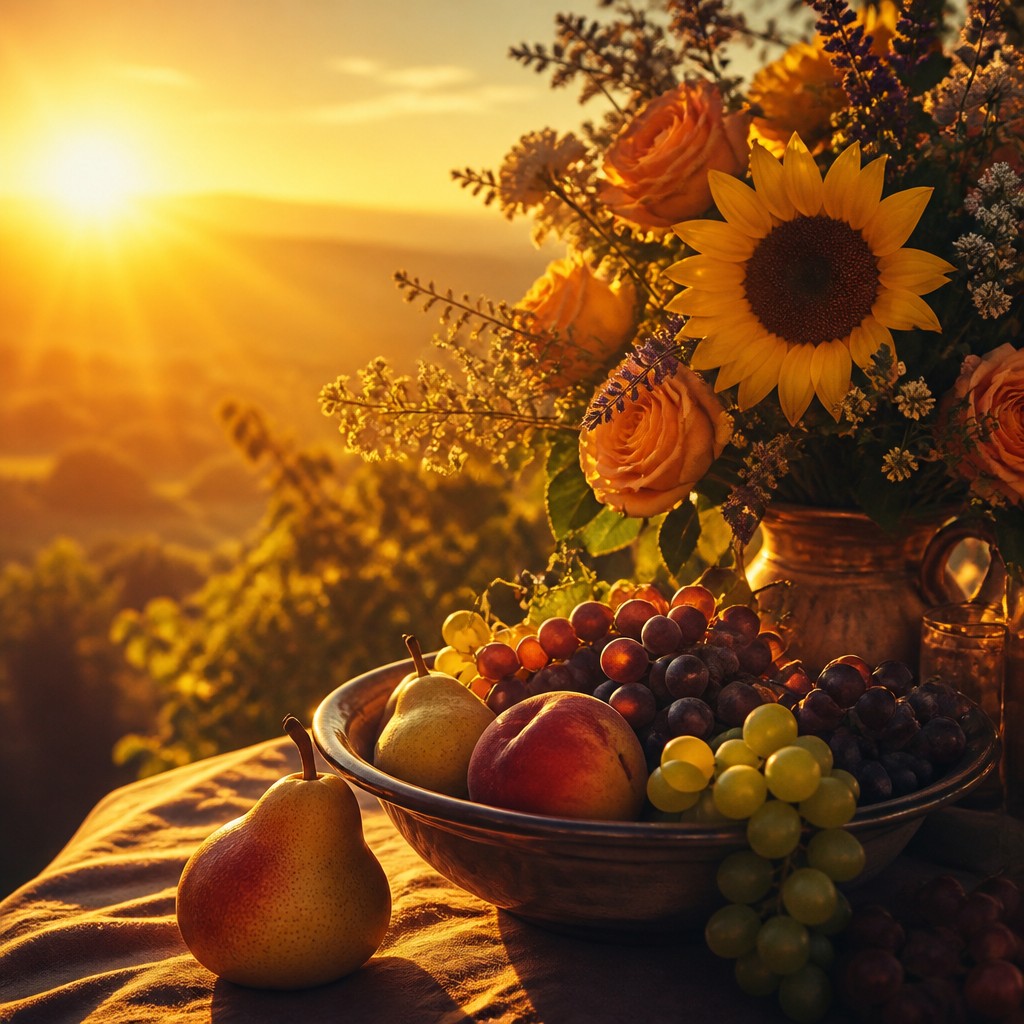
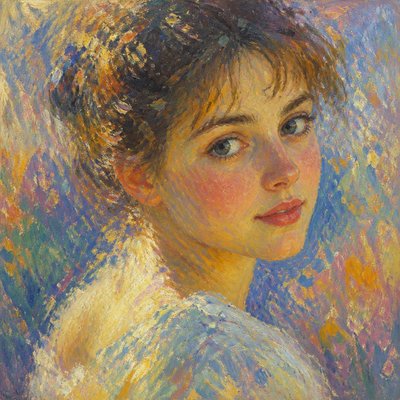
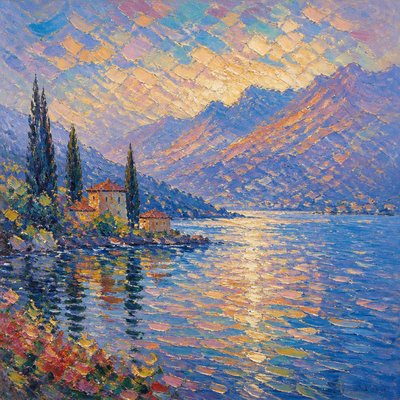
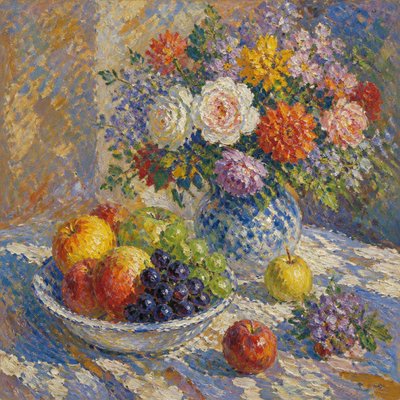
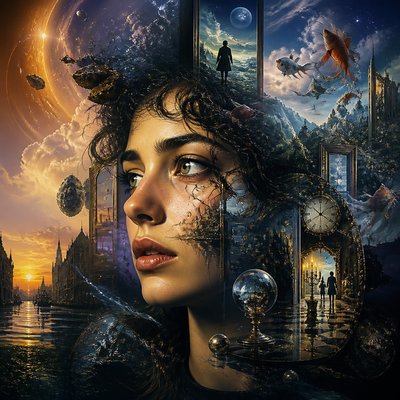
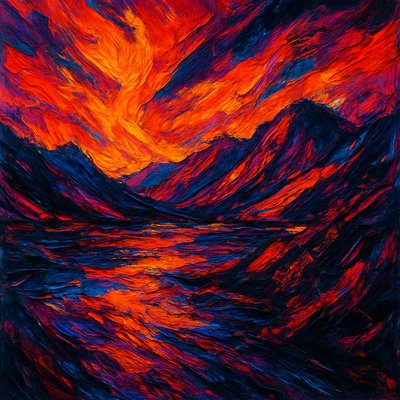
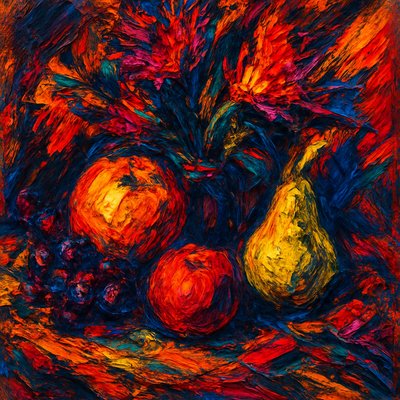
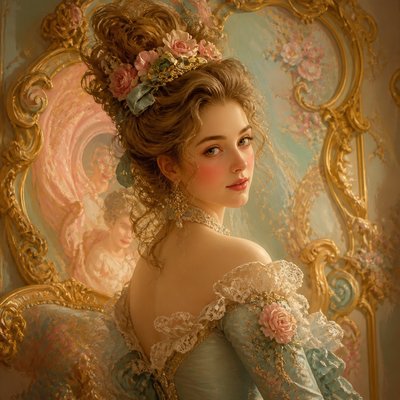
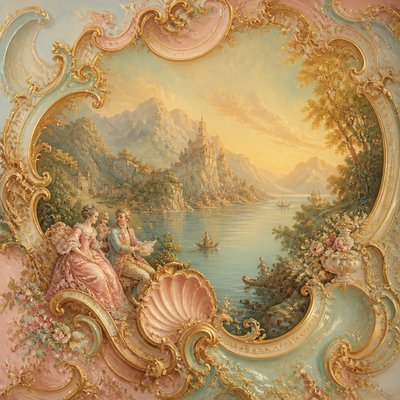
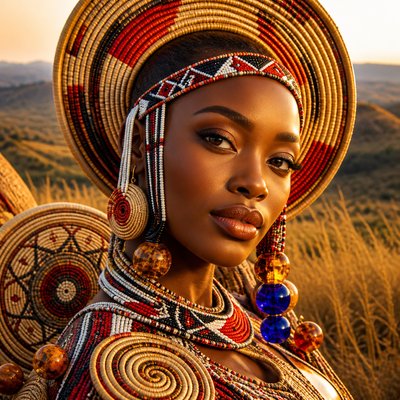
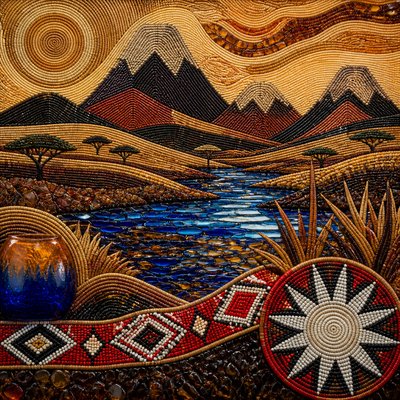
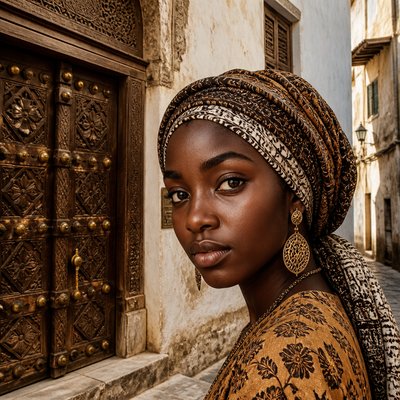
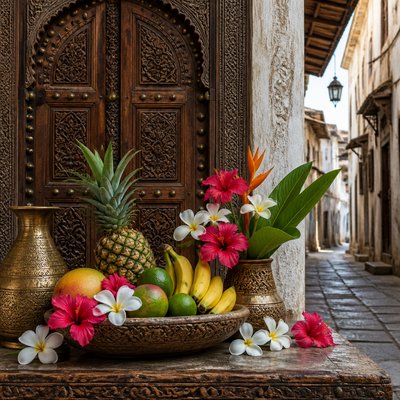
Golden Hour Landscape Photography Gallery
Tap any artwork to explore it
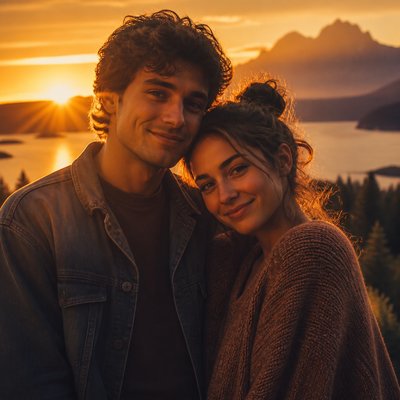
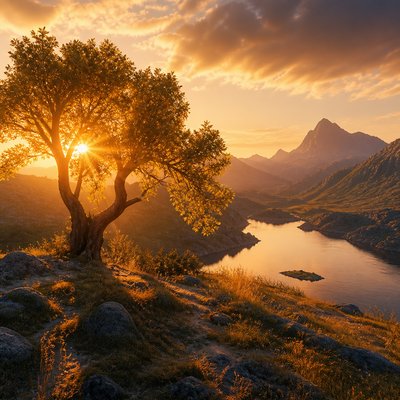
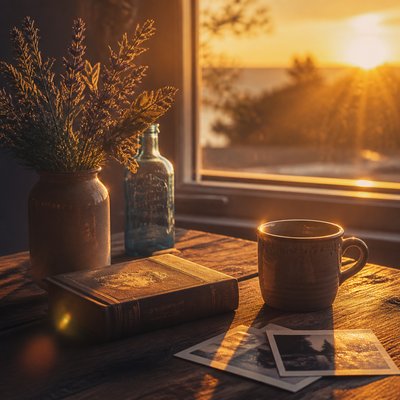
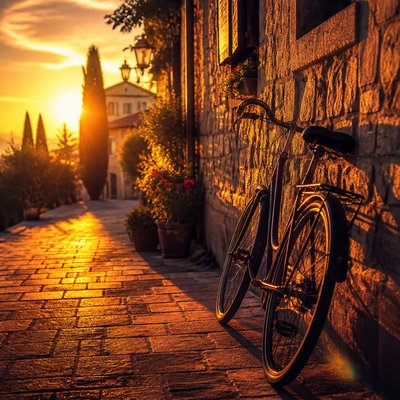
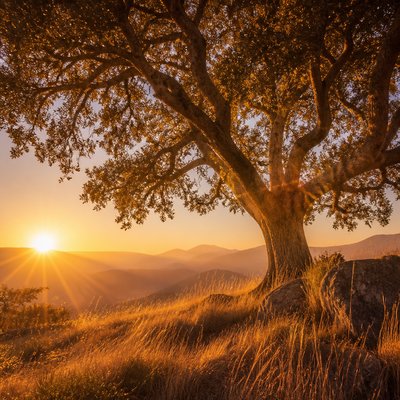
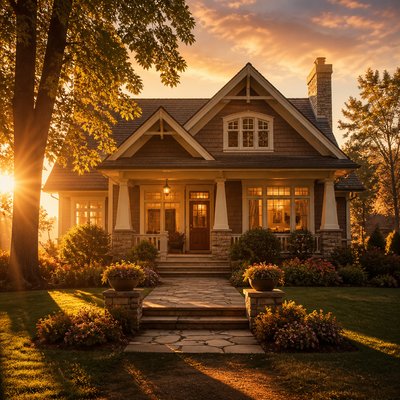
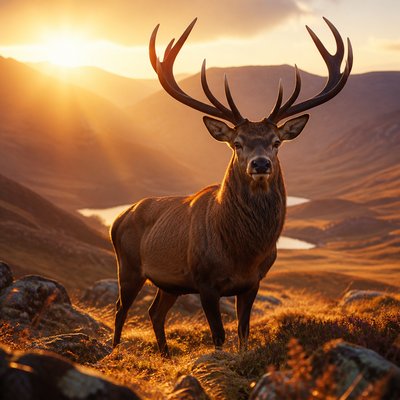
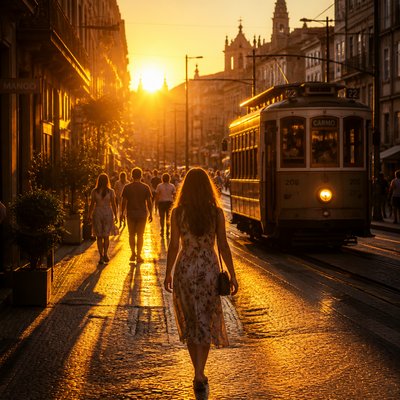
What is Golden Hour Landscape Photography Style?
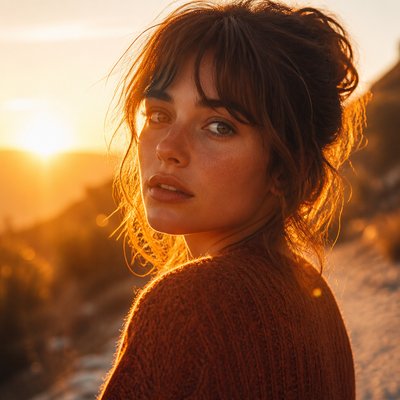
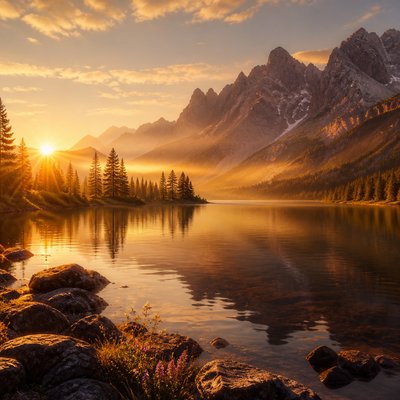
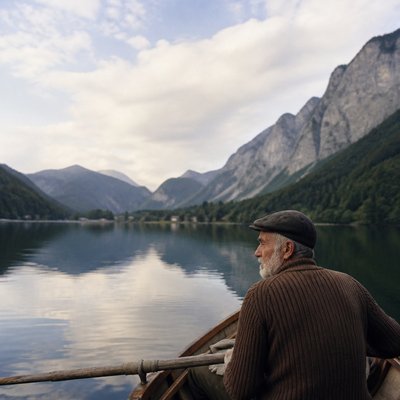
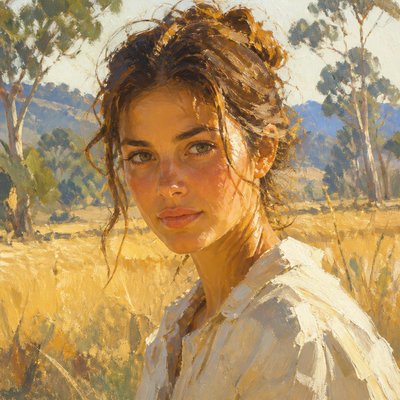
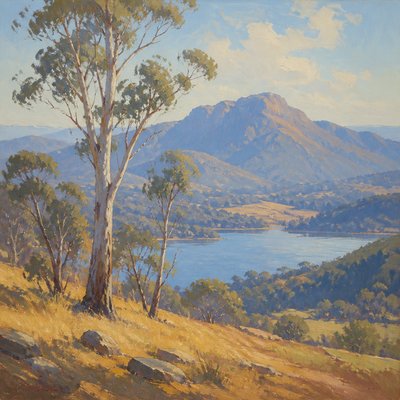
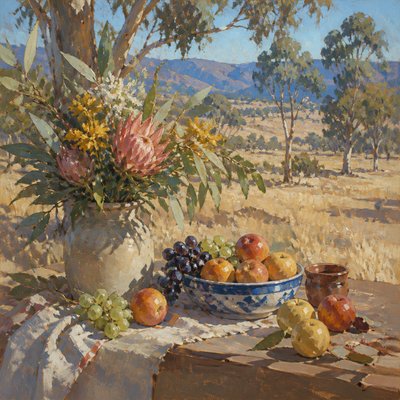
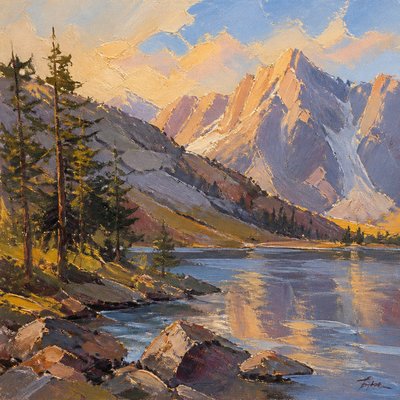
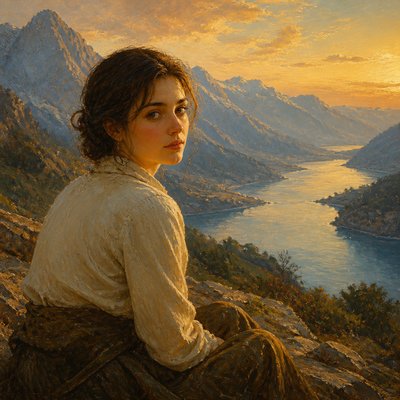
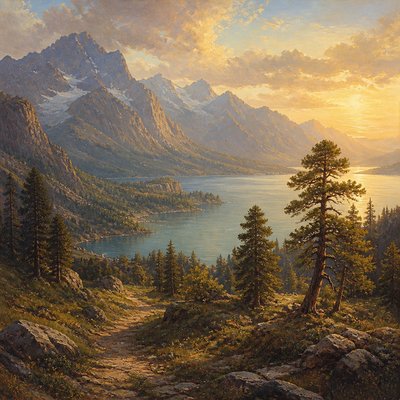
Golden hour landscape photography is a natural-light style centered on the period shortly after sunrise and before sunset, when the sun sits low and casts warm, directional light across the land. The result is a distinctive visual language of amber highlights, elongated shadows, softened contrast, and glowing skies that can make even familiar terrain feel expansive and quietly dramatic.
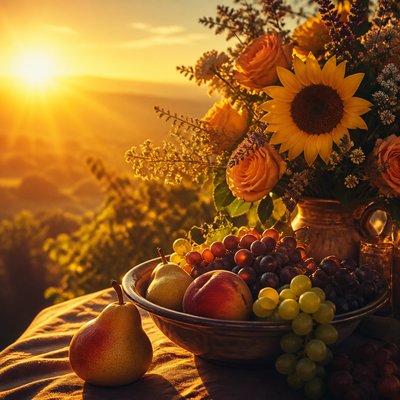
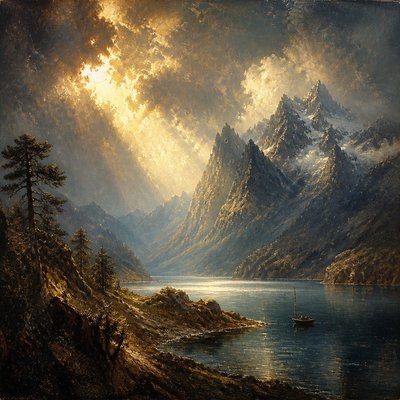
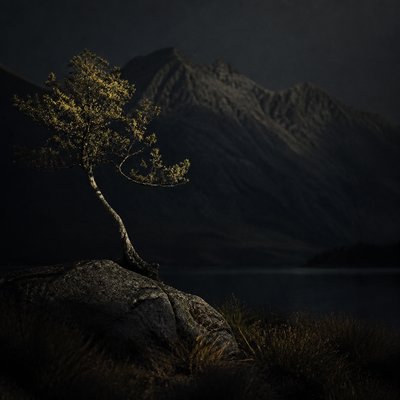
Its appeal comes from the way low-angle sunlight interacts with atmosphere, terrain, and color. Backlit edges, atmospheric haze, and raking light reveal texture in fields, rocks, water, and trees, while the cooler shadow areas deepen the scene and intensify the warmth of illuminated surfaces. The style often feels cinematic and nostalgic because it captures a brief transitional moment in which light changes rapidly and ordinary landscapes take on heightened atmosphere.
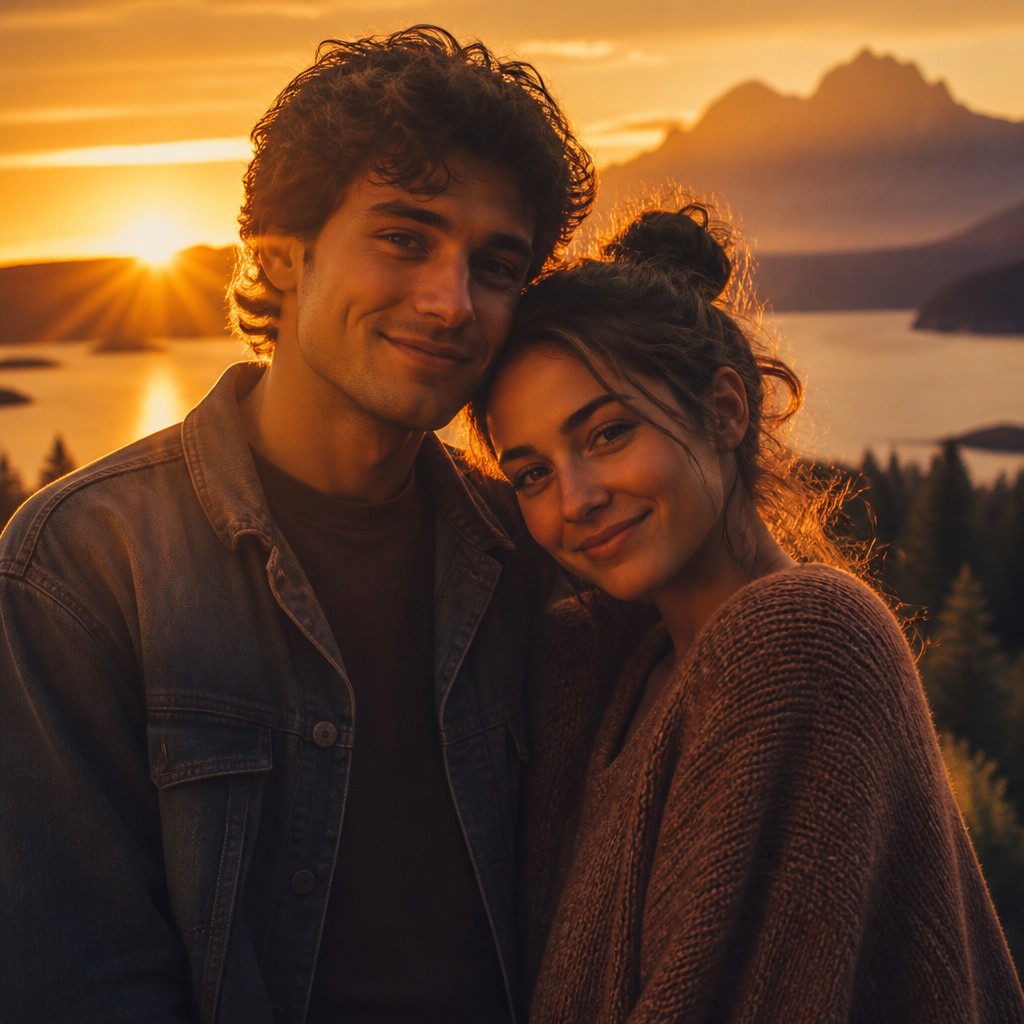
Try It On Your Photos
Upload any photo and convert it into Golden Hour Landscape Photography Style — drag the sliders to compare before and after.
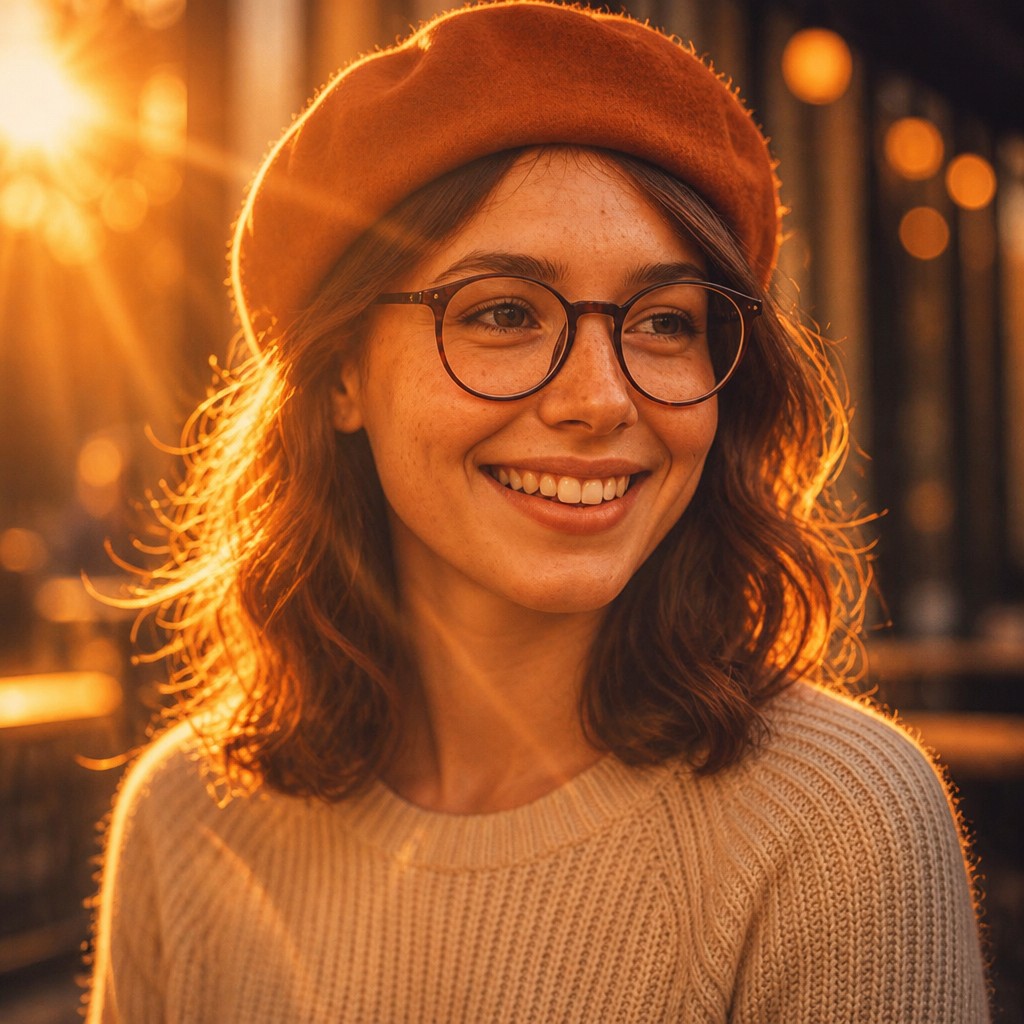

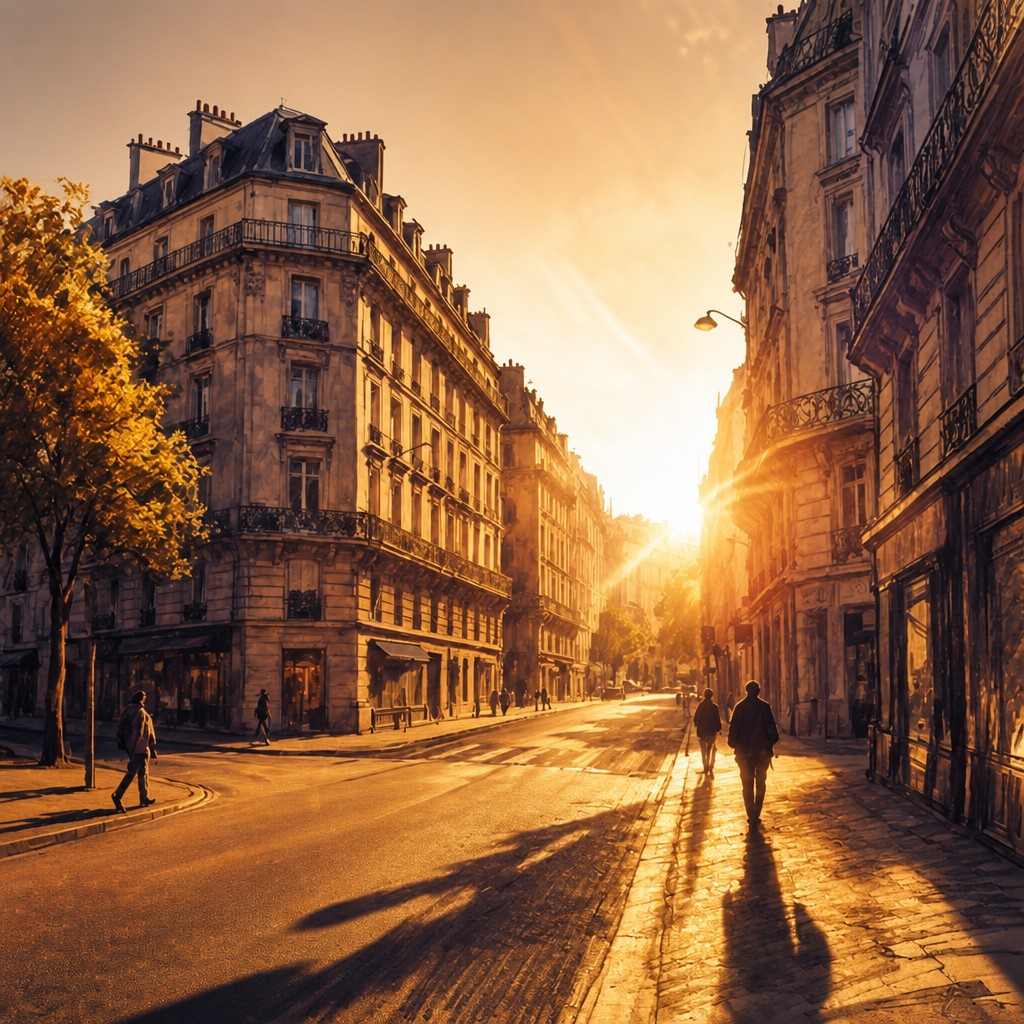

What Defines Golden Hour Landscape Photography Style
The signature details, up close
Warm directional light
The sun is low in the sky, so light travels at a slant and reads as amber, honey, or soft gold. This creates a unified warmth across the illuminated parts of the landscape.
Long shadows and strong form
Objects cast stretched shadows that emphasize contours, slopes, and depth. These shadows help landscape features look more sculptural and dimensional.
Backlit glow and rim light
Edges of trees, grasses, cliffs, and buildings often catch a luminous outline when lit from behind. This rim light separates subjects from the background and adds visual clarity.
Atmospheric haze and softened distance
Light mist, dust, moisture, or general atmospheric scatter reduces clarity in the far distance. This creates layered depth and a gentle transition from sharp foreground to soft horizon.
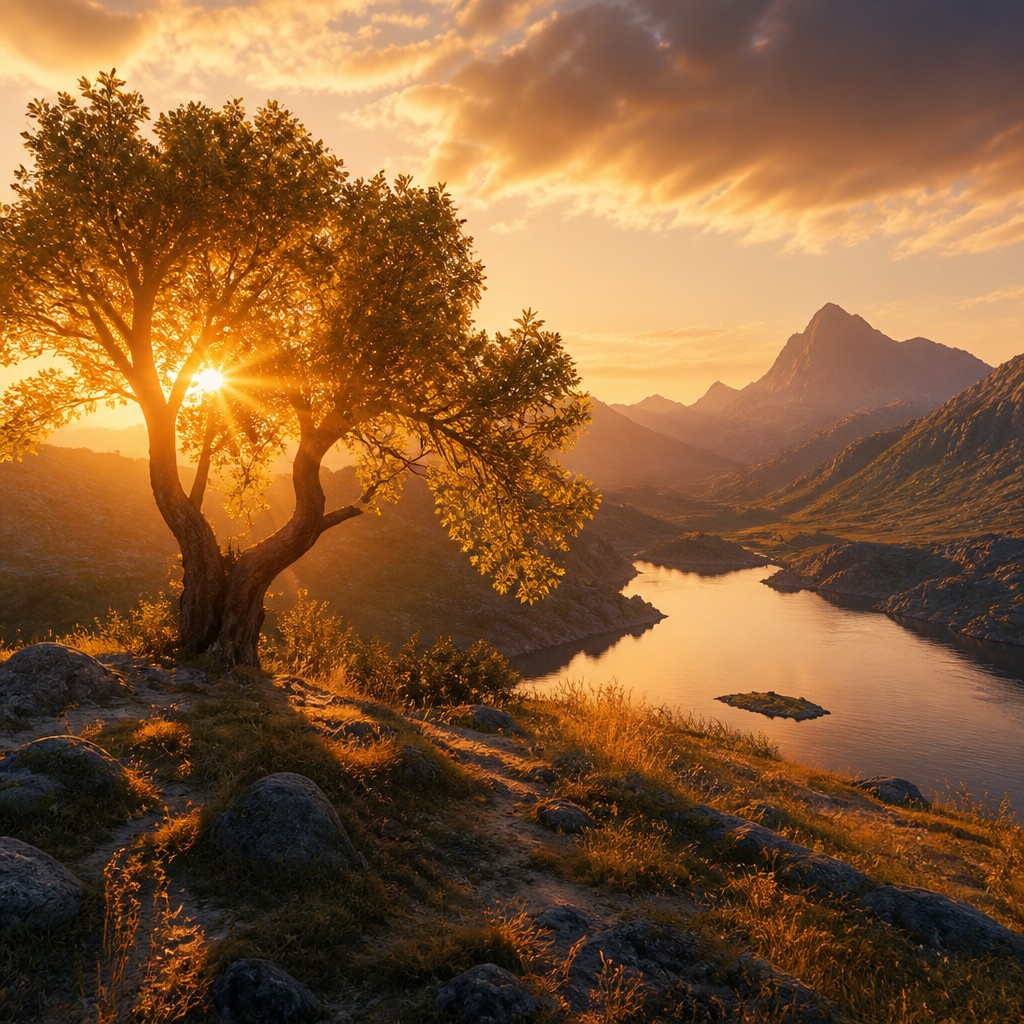
Rich warm-cool color contrast
Highlights tend toward yellows, oranges, and golds, while shadows lean into muted blues, violets, or cool grays. The warm/cool contrast is a major reason the style feels vivid and balanced.
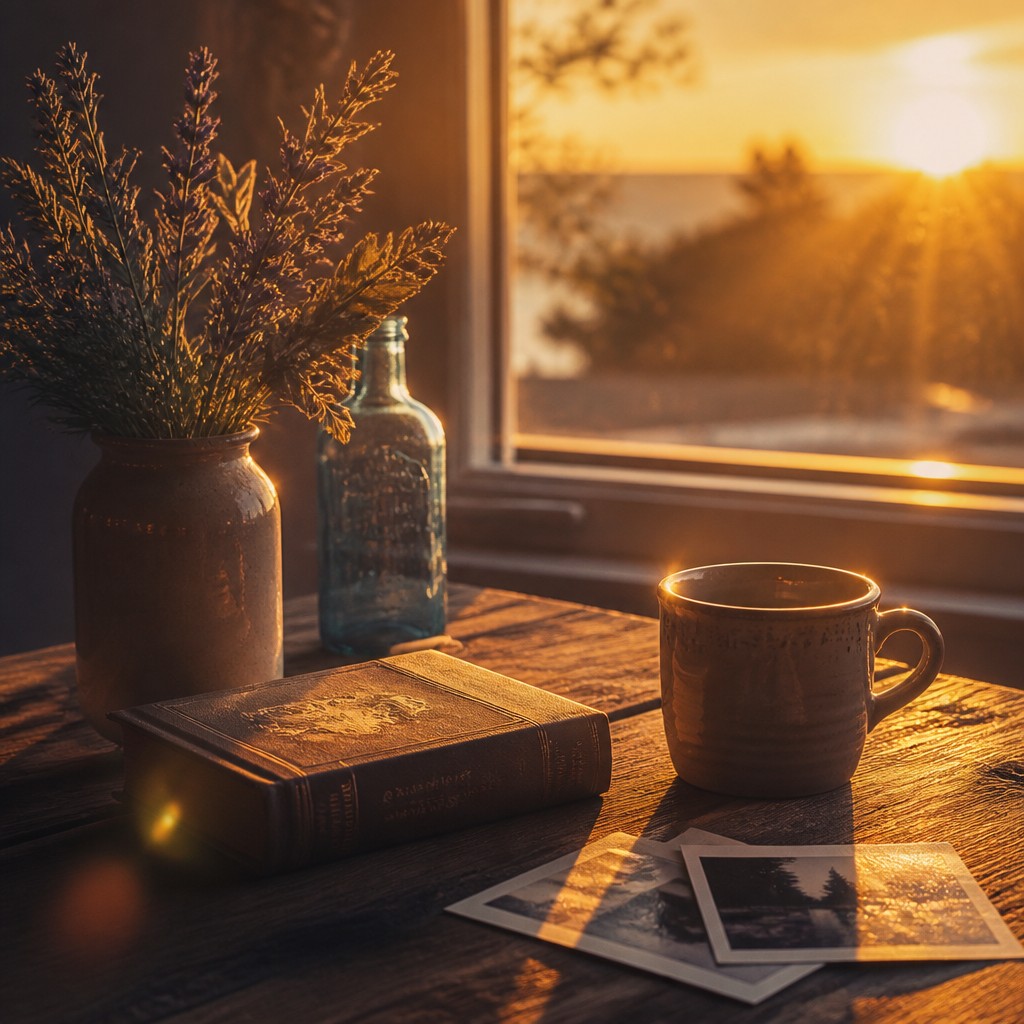
Textural detail under raking light
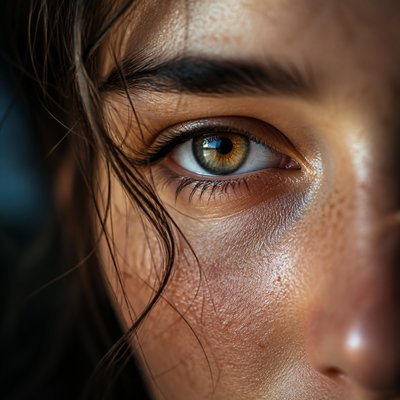
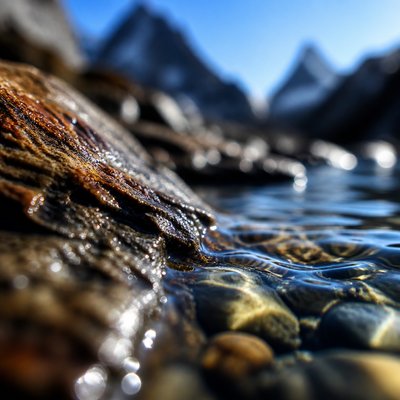
Because the light comes in at a low angle, surface texture becomes more visible on grass, stone, water, and bark. The result is tactile and detailed without needing harsh contrast.
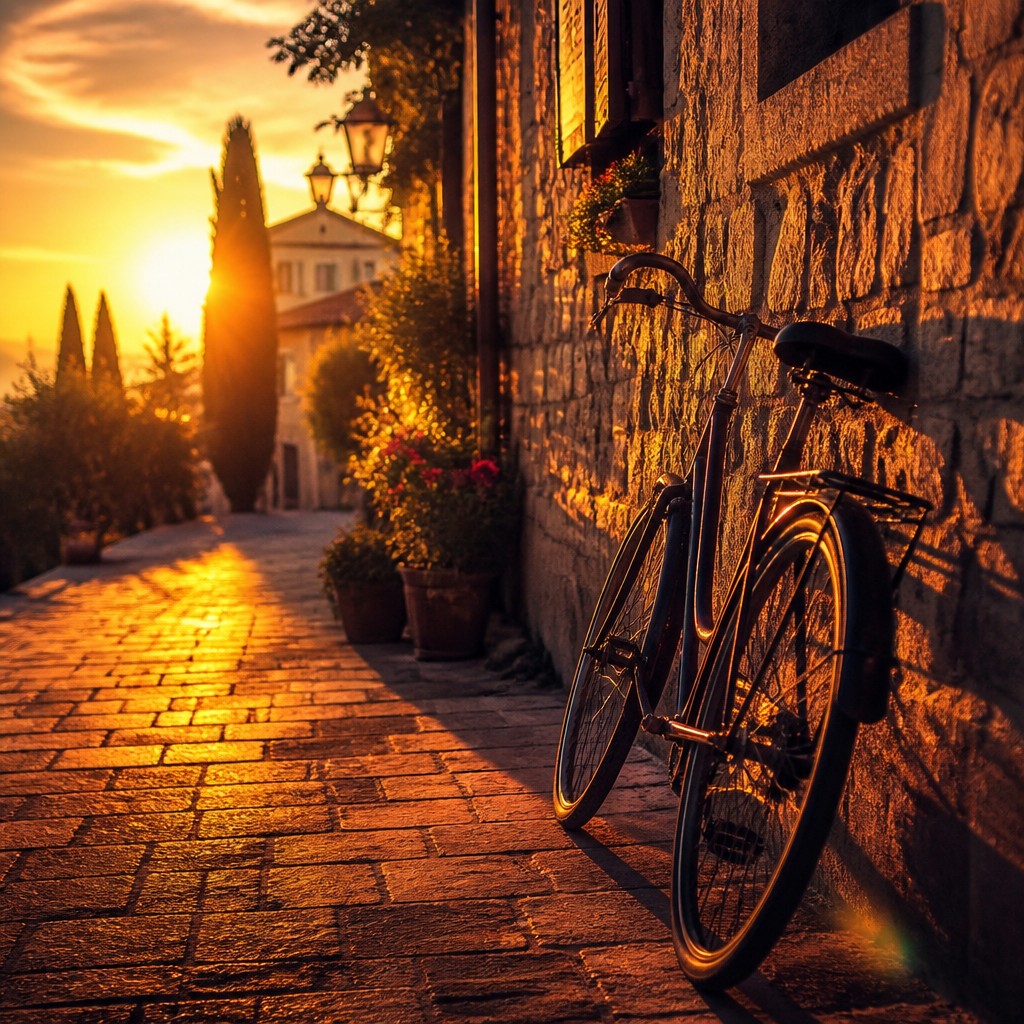
Cinematic, fleeting mood
The image often feels temporary and emotionally charged, as if it captures a brief, beautiful pause before the light changes. This gives the style its nostalgic, contemplative character.
Try It
Create Videos in Golden Hour Landscape Photography Style
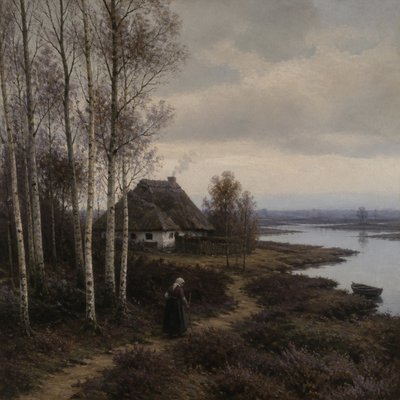
Styles aren't just for stills — describe a scene or animate an image and get a short video rendered in Golden Hour Landscape Photography. Press play to see this pond come to life.
Make a VideoGolden Hour Landscape Photography Prompt Ideas
Start from an idea — each one opens the generator with the style ready to go. See all 40 Golden Hour Landscape Photography prompts →
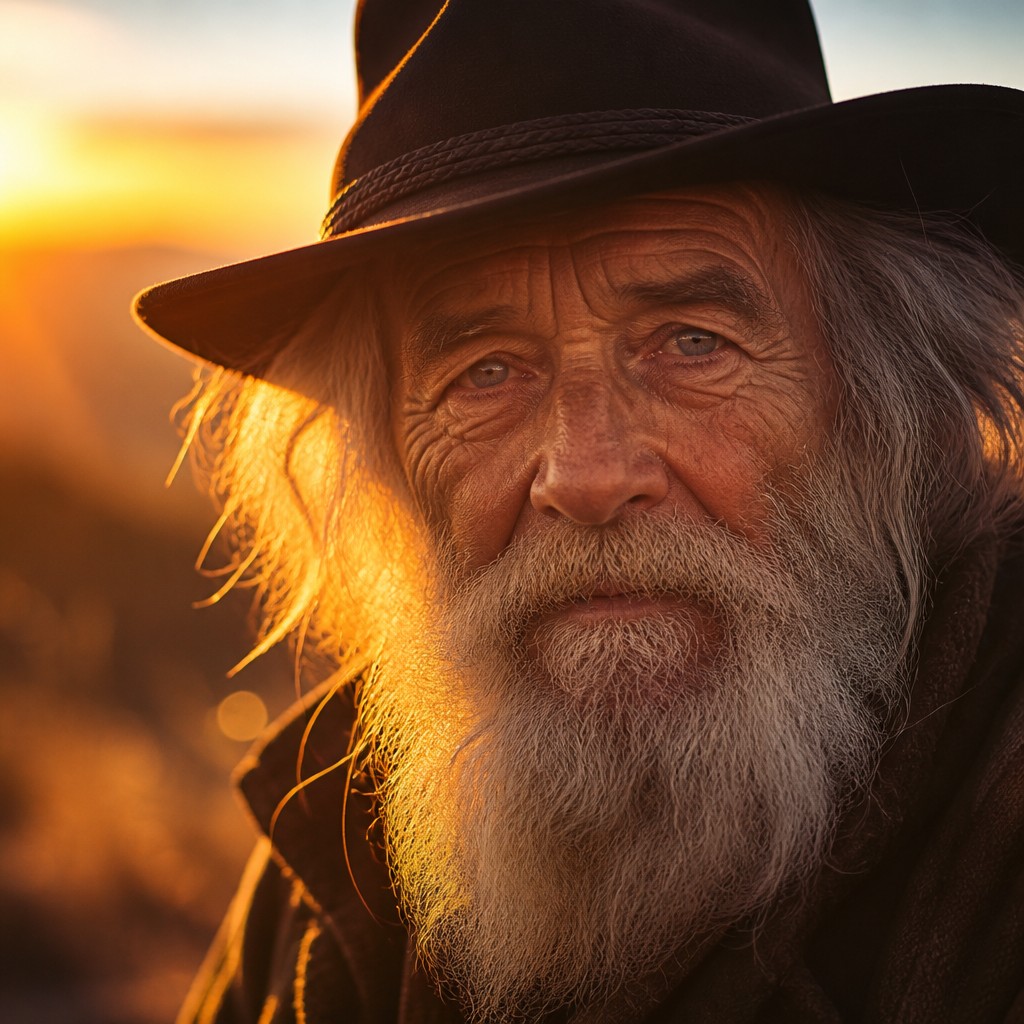
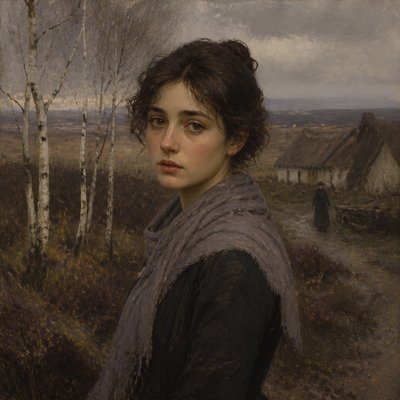
“close-up portrait of an elderly person with expressive weathered features”
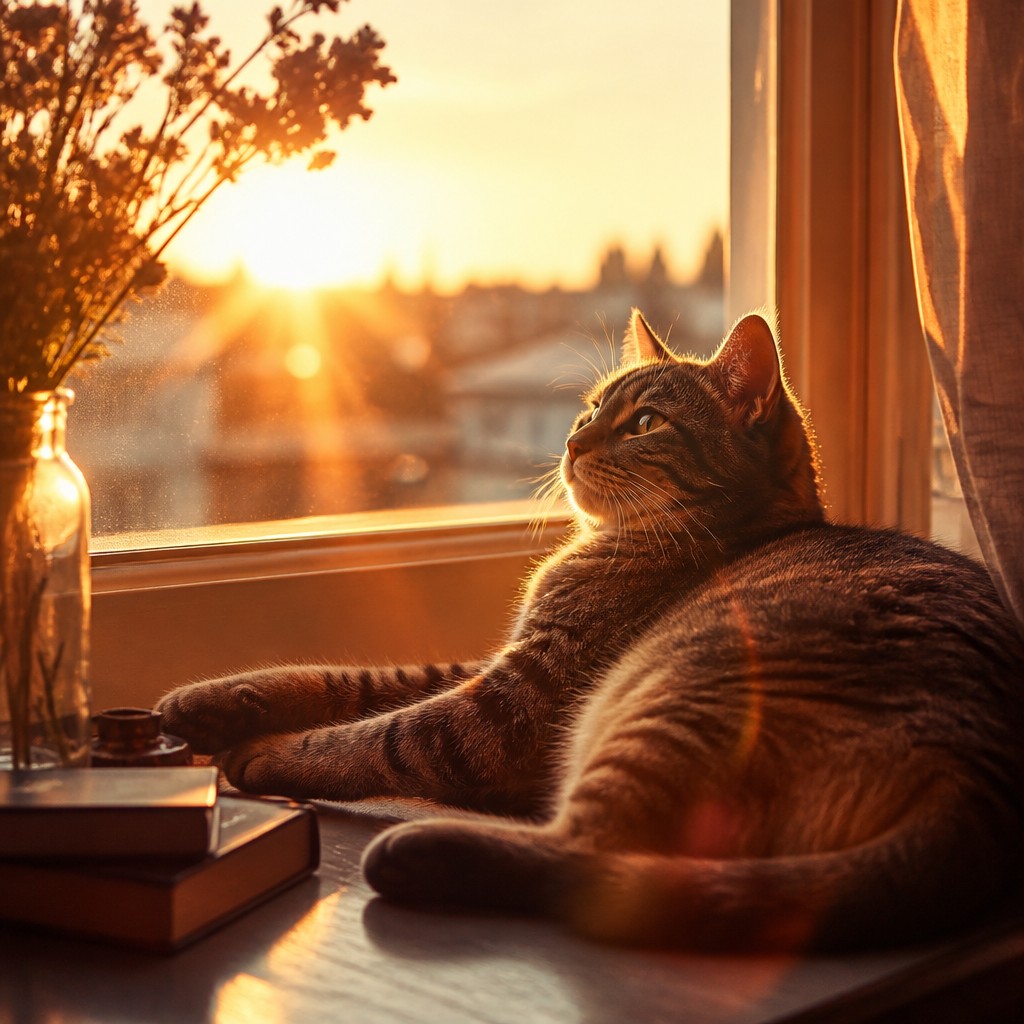
“a cat lounging in a sunlit window”
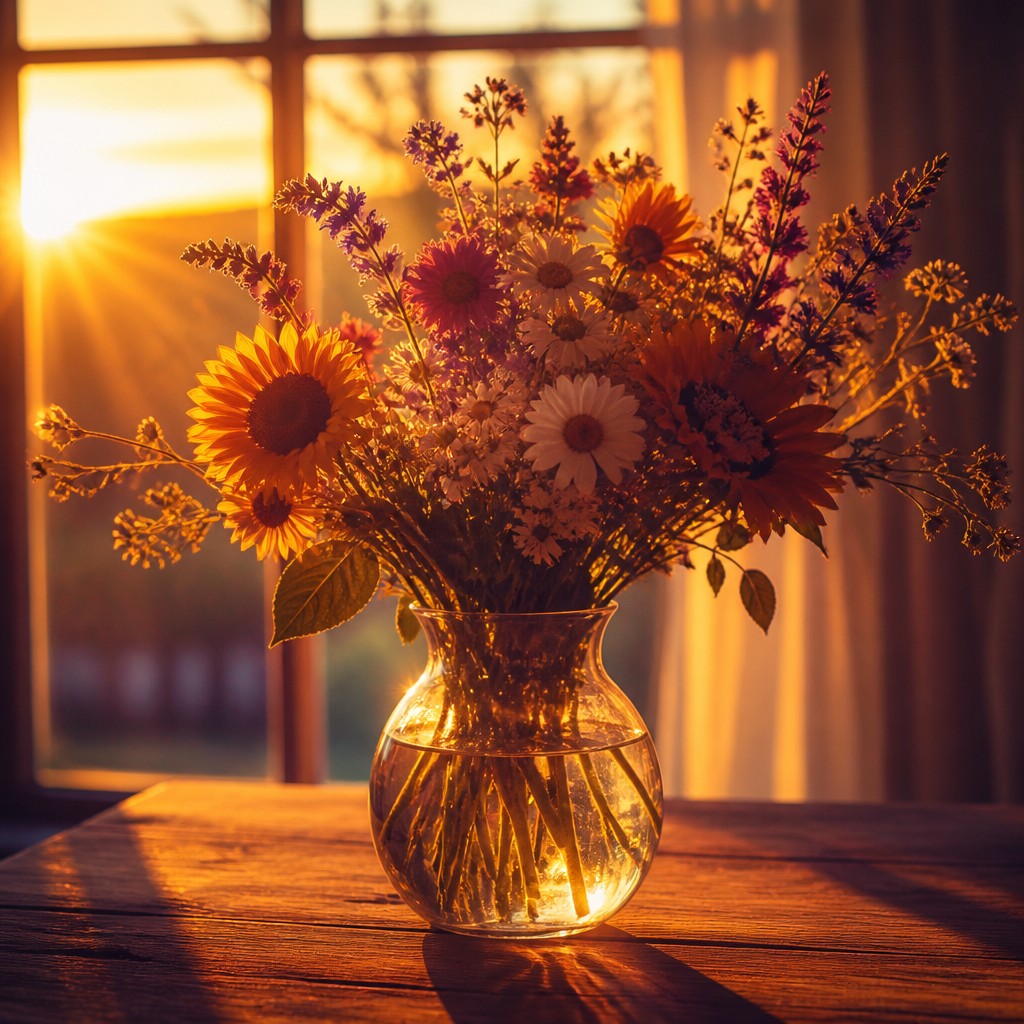
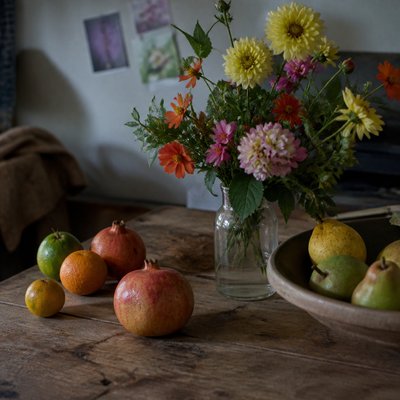
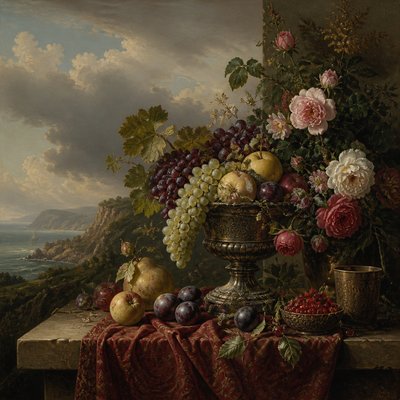
“bouquet of flowers in a glass vase”
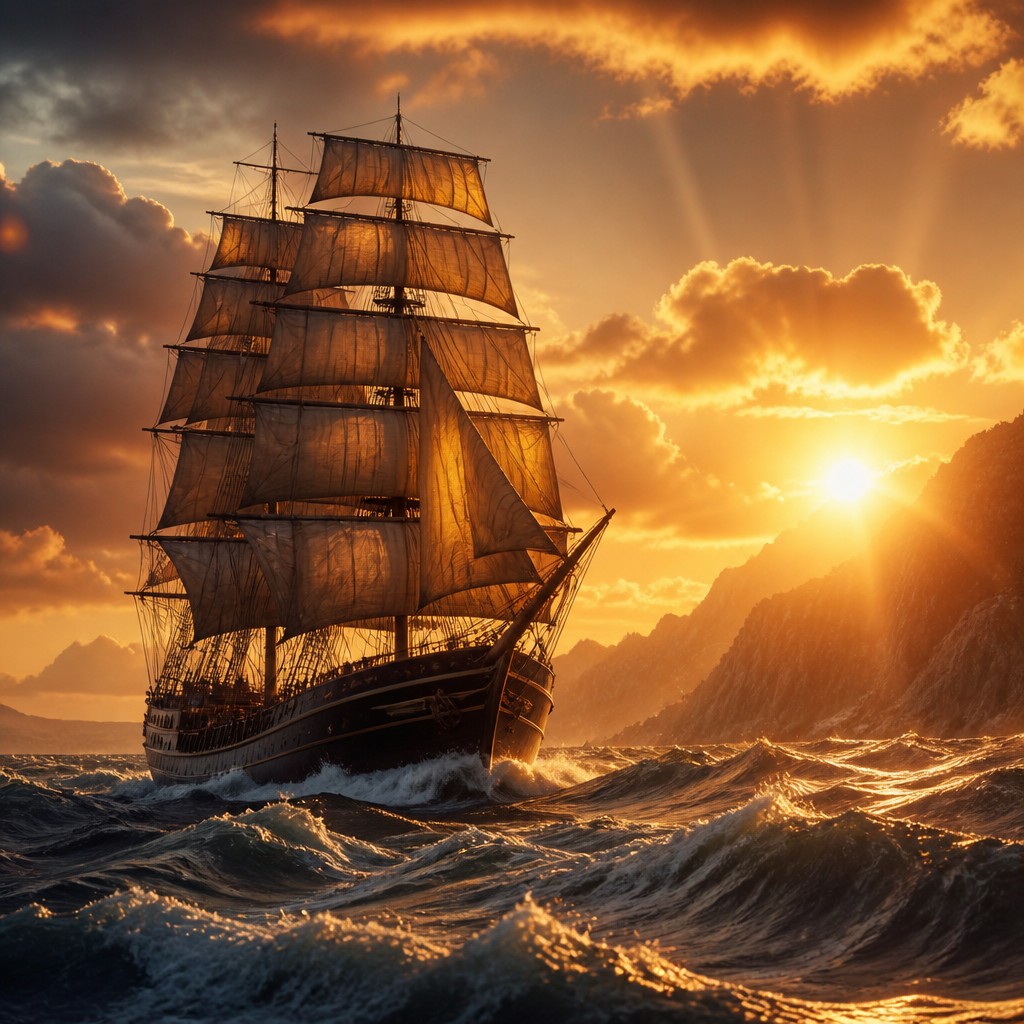
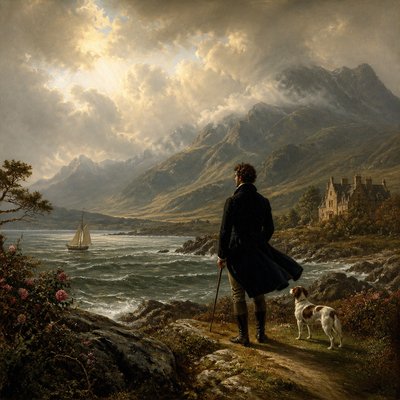
“sailing ship on a stormy sea”
How to Create Golden Hour Landscape Photography Art
Master the craft step by step — or skip straight to creating. Read the full guide →
- 1
Shoot during the right window
Work within roughly the first hour after sunrise or the last hour before sunset, when the sun is low and warm. Position yourself so the light can skim across the scene rather than hit it frontally.
- 2
Use the landscape’s geometry
Look for ridgelines, tree lines, fences, paths, or water surfaces that can carry shadows and highlight separation. A strong foreground-to-background structure helps the light read as dimensional.
- 3
Expose for highlights, then recover gently
Protect bright skies and sunlit areas from clipping, since golden hour scenes can have high dynamic range. In editing, lift shadows sparingly and preserve the natural warmth instead of pushing saturation too far.
- 4
Enhance atmosphere without losing realism
A touch of haze, reduced clarity in the distance, and controlled contrast can strengthen depth. Keep the effect subtle so the image still feels like a photograph rather than an over-processed illustration.
- 5
Compose a prompt around light behavior
When generating an image, describe the subject and the light separately: specify the landscape, the low-angle sun, amber highlights, long shadows, backlit edges, and distant haze. These light cues are more important than decorative adjectives.
- 6
Reference time, weather, and material qualities
Add terms such as "sunrise," "sunset," "misty," "backlit," "raking light," or "dust in the air" to guide the mood. Include surface textures like grass, rock, water, or fields so the lighting has something to reveal.

The Story
History & Origins of Golden Hour Landscape Photography
Golden hour photography is not a formal historical art movement but a practice rooted in landscape photography, travel photography, and natural-light picture making. As photographic equipment improved through the 20th century, photographers increasingly sought out sunrise and sunset light for its color, shape, and depth, and the term "golden hour" became common in photographic instruction and popular usage.
Its aesthetic lineage also connects to pictorial landscape painting and plein air traditions, where artists studied changing natural light and atmospheric effects. In photography, the style became especially prominent with color film, then spread widely through digital cameras and social media, where its warm palette and dramatic contrast made it a favored look for outdoor scenes, editorial imagery, and personal travel photographs.
Influences: This look draws from landscape photography, outdoor adventure imagery, and plein air painting traditions that value changing natural light and atmospheric depth. In art history, it has affinities with the color and light studies of Impressionism and with the tonal attention to nature seen in leading Impressionist painters, though the photographic style is not a direct historical movement. It also overlaps with modern travel photography and cinematic cinematography, especially where warm color grading and low-angle light are used to heighten mood.

Frequently Asked Questions
What defines golden hour landscape photography?
It is defined by low-angle sunlight, warm color temperatures, and strong directional shadows. The light usually creates glowing highlights, visible texture, and a softer, more atmospheric distance than midday photography.
How is it different from sunset photography?
Sunset photography focuses on the sun going down and often emphasizes the sky itself, while golden hour is about the broader quality of light before and after that moment. Golden hour can include scenes with the sun still above the horizon, especially when the light is warm and angled.
Why do golden hour images look so cinematic?
The combination of warm highlights, cool shadows, haze, and long shadows creates visual depth similar to film lighting. Because the light feels temporary and directional, the image naturally suggests mood and narrative.
What kinds of subjects work best in this style?
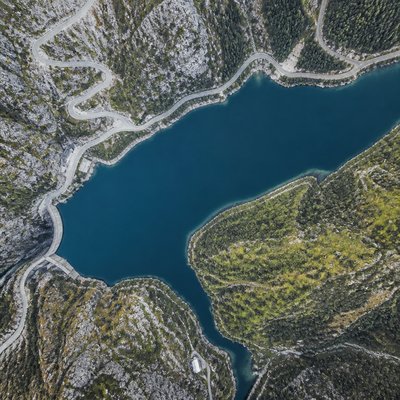
Landscapes with texture and depth work especially well: mountains, forests, fields, coastlines, deserts, and water edges. Subjects with edges, layers, or repeated forms benefit most from the rim light and shadow structure.
How can I make a photo look more like this in editing?
Warm the highlights, keep the shadows slightly cool, and preserve a natural contrast curve. Gentle dehaze, subtle glow, and restrained saturation usually work better than heavy filters.
Is this style only for outdoor photography?
It is primarily associated with outdoor landscapes because the look depends on natural low-angle sunlight and atmospheric conditions. However, the same visual language can be applied to outdoor portraits, travel scenes, and even digitally created environments.
Create your first Golden Hour Landscape Photography artwork
Describe anything — or upload a photo — and see it in Golden Hour Landscape Photography Style in seconds.
Make Something with Golden Hour Landscape Photography
Related Styles
Discover similar art styles