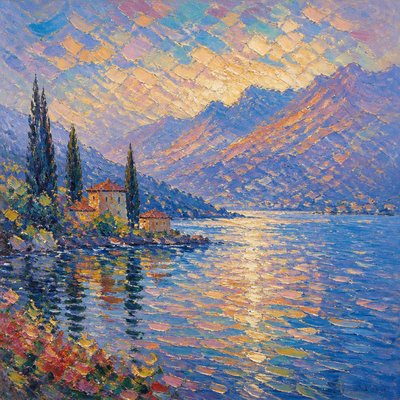
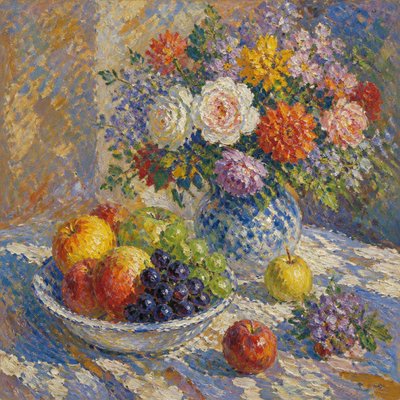
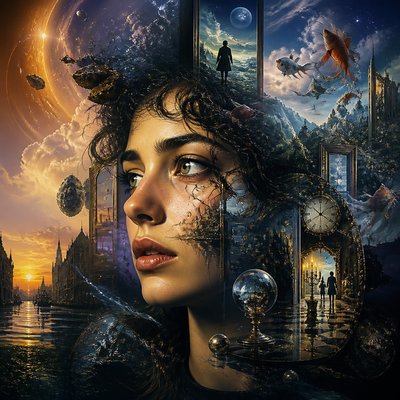
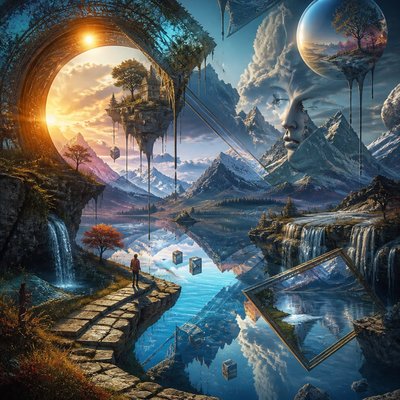
Minimalist Landscape Art Style
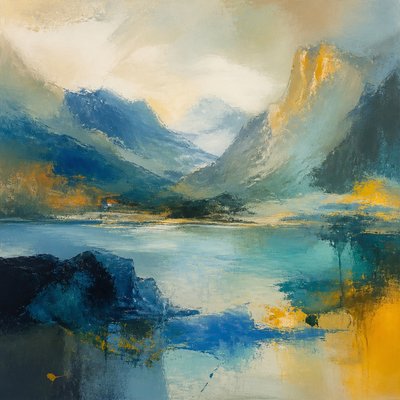
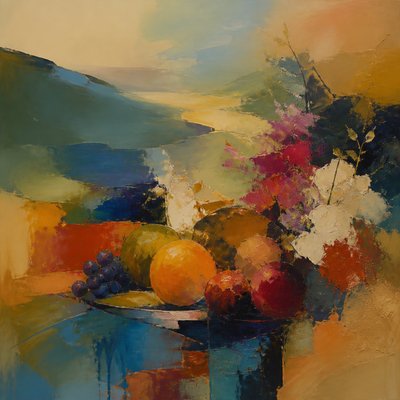
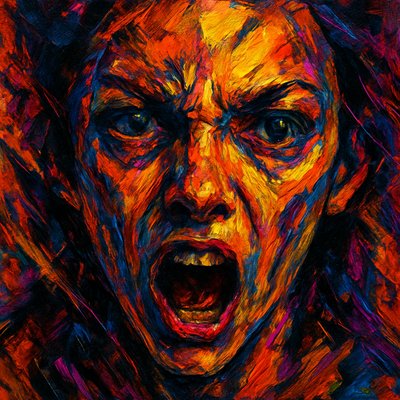
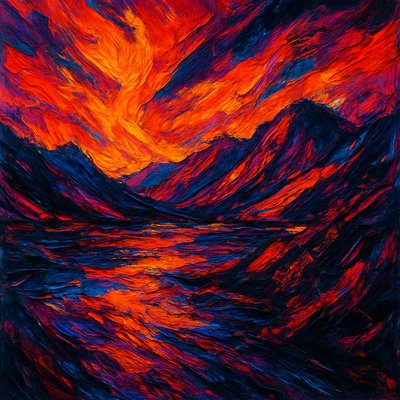
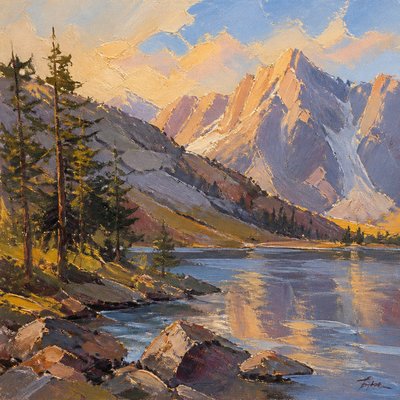
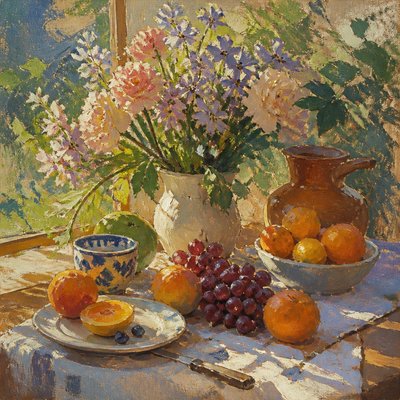
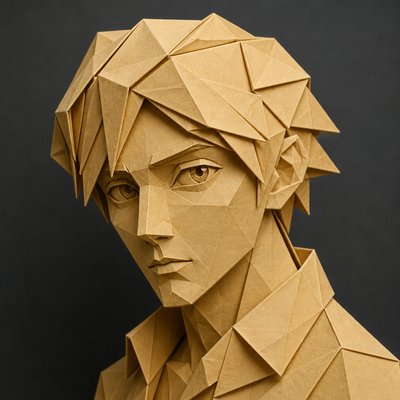
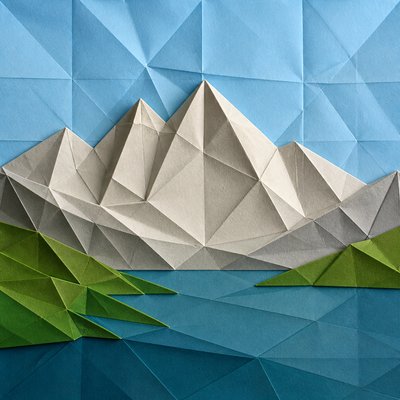
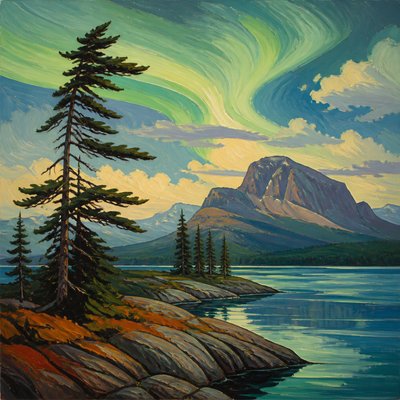
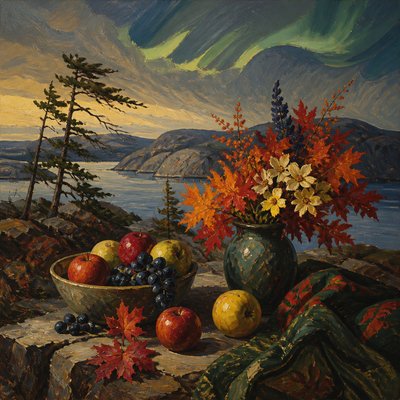
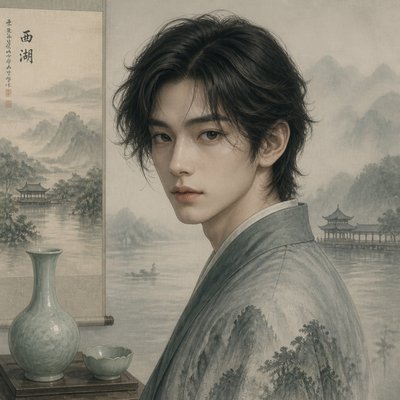
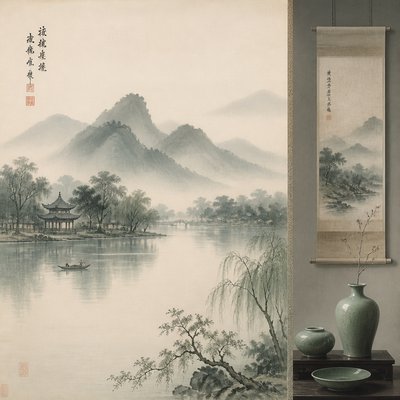
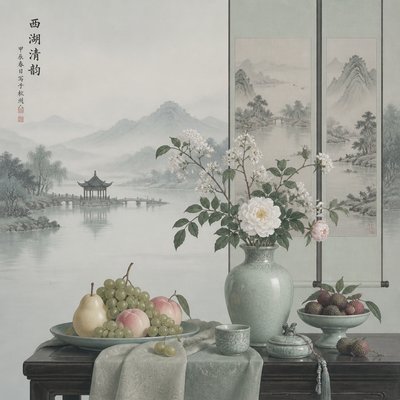
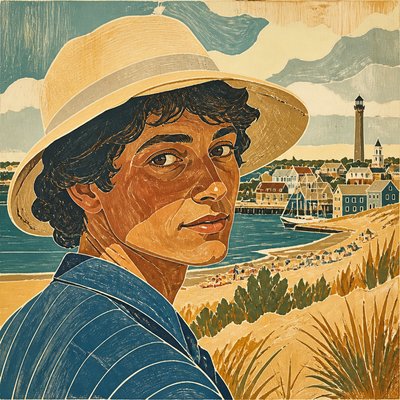
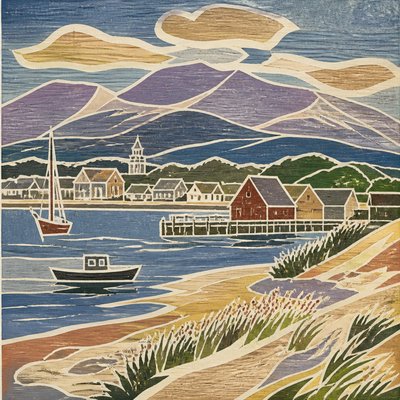
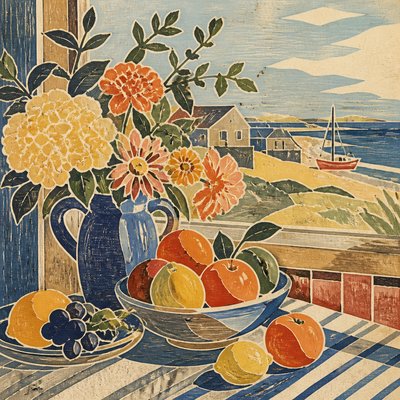
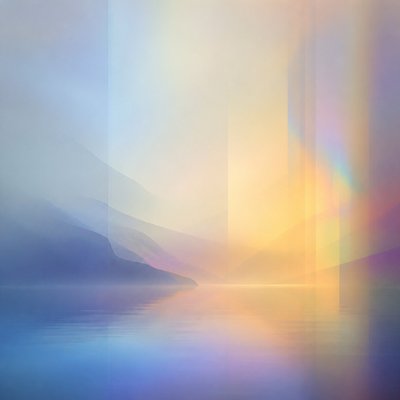
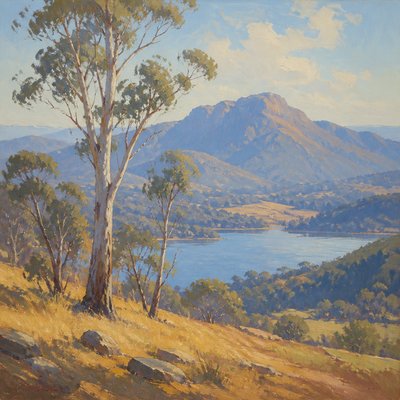
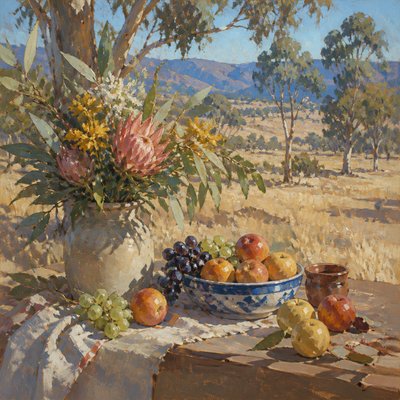
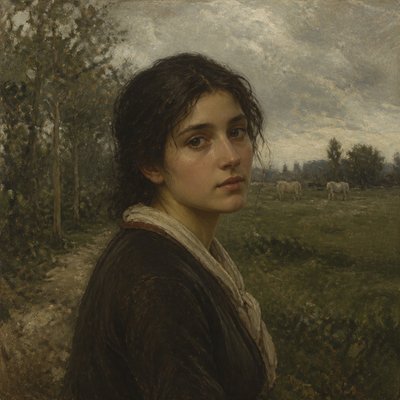
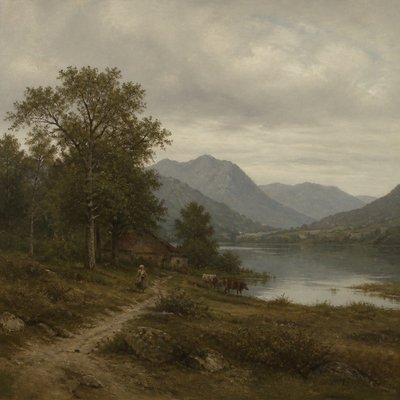
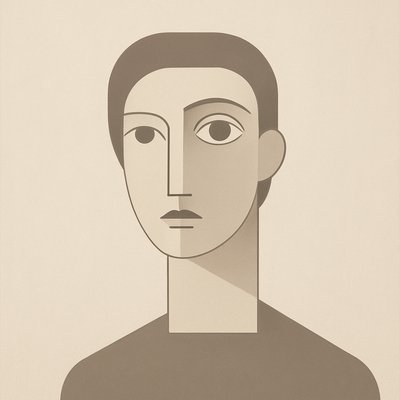
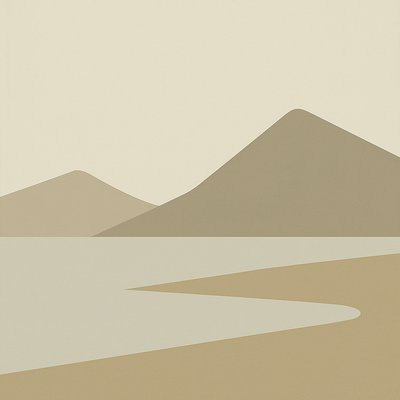
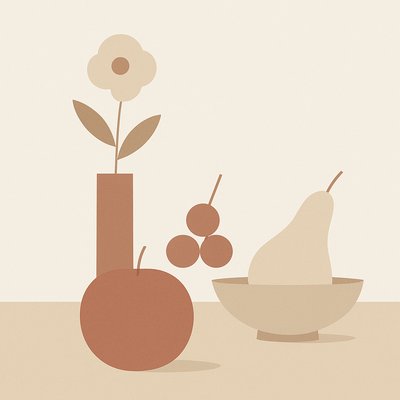
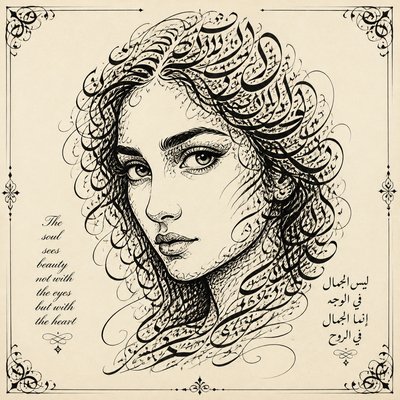
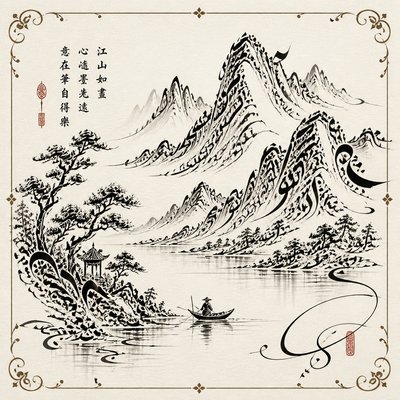
Sparse landscapes with simple horizons, muted palettes, and vast negative space for a calm, meditative visual mood.
Instantly rendered in Minimalist Landscape — or transform a photo
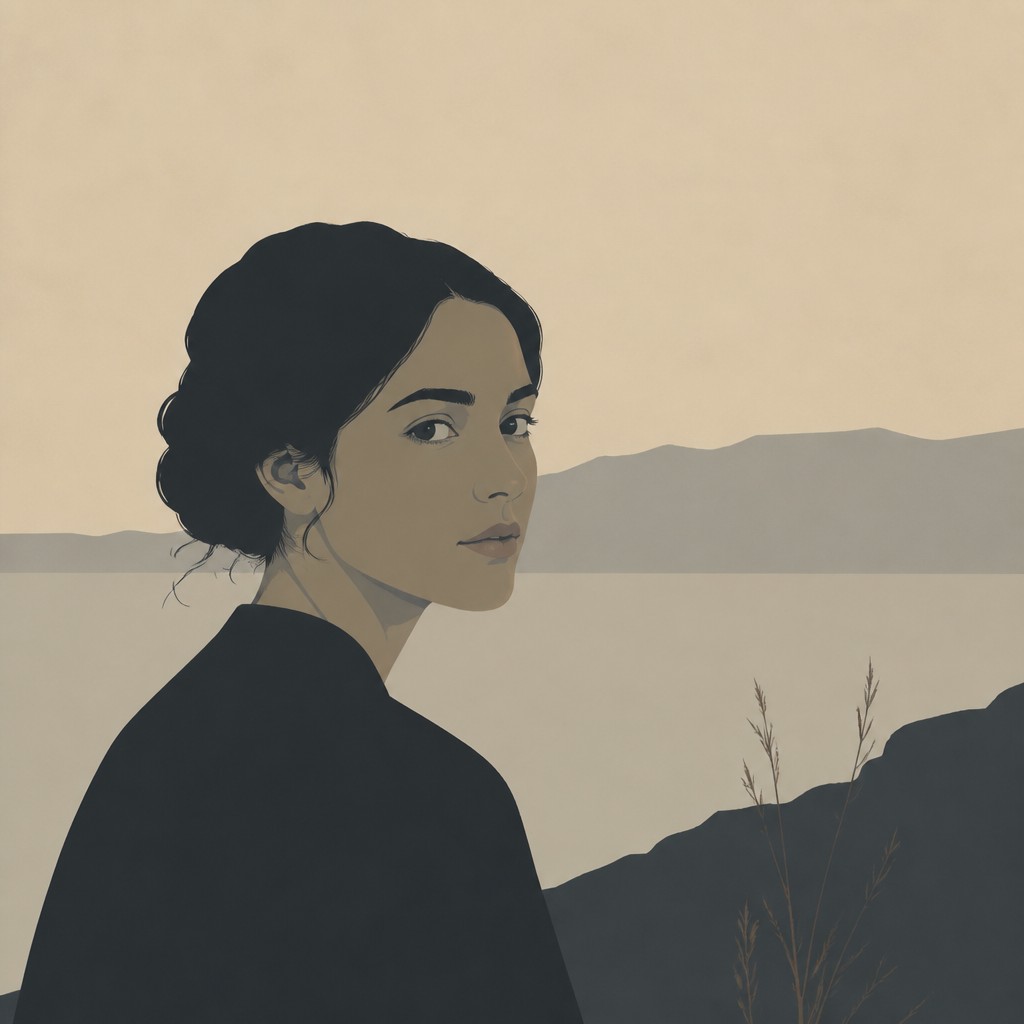
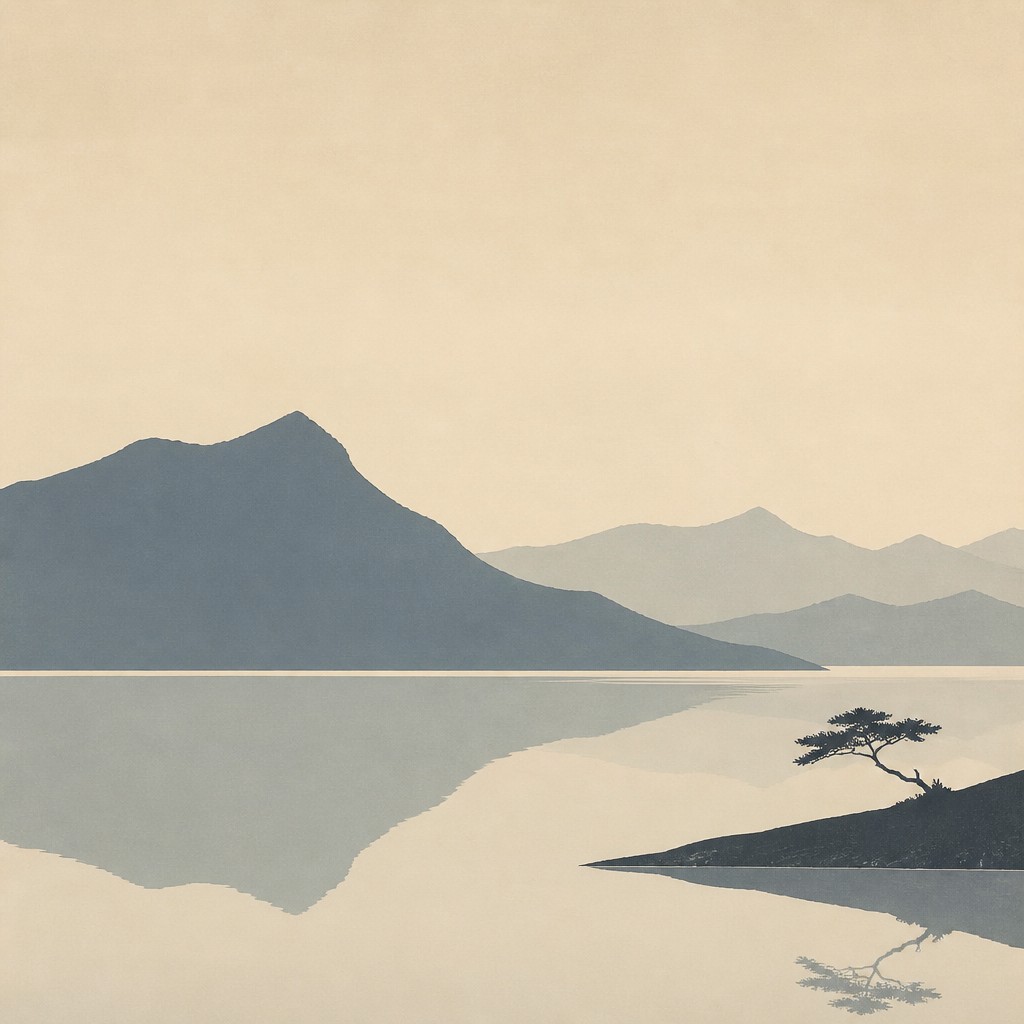
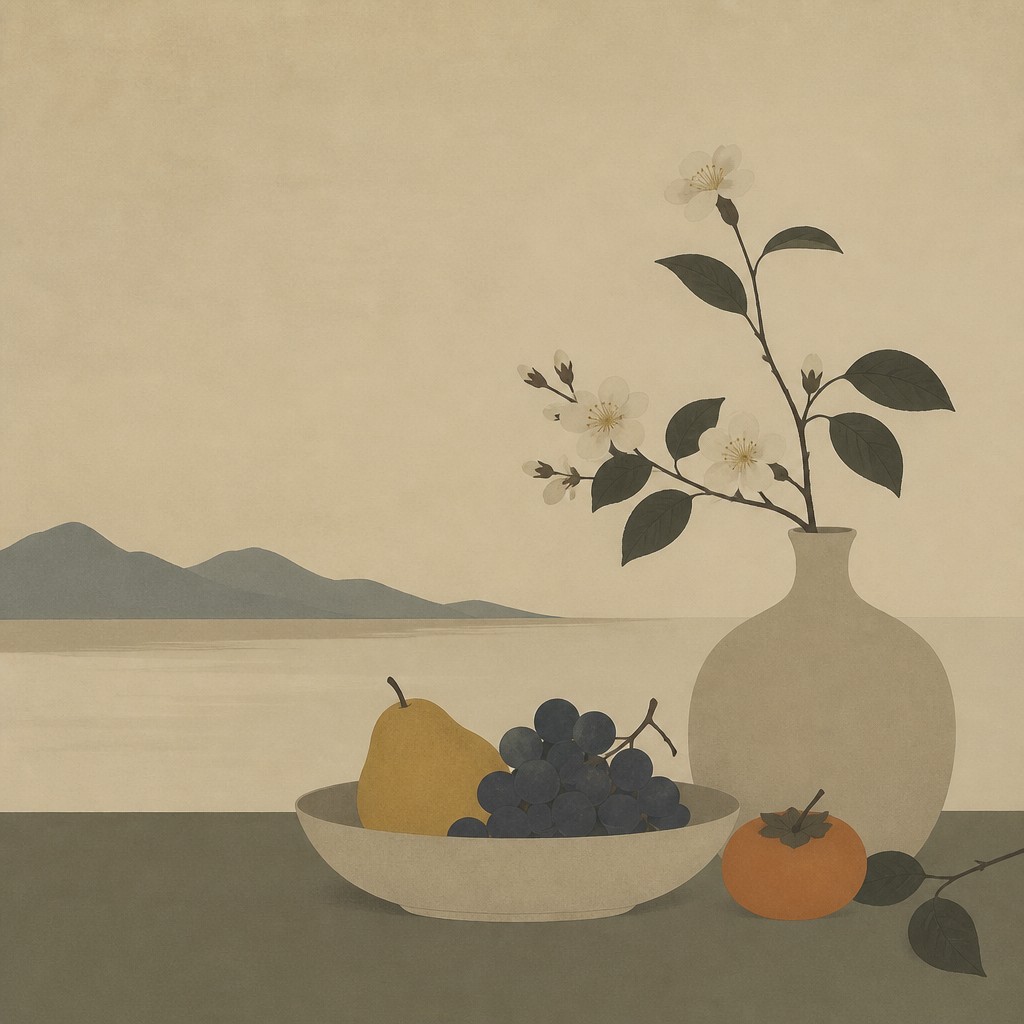
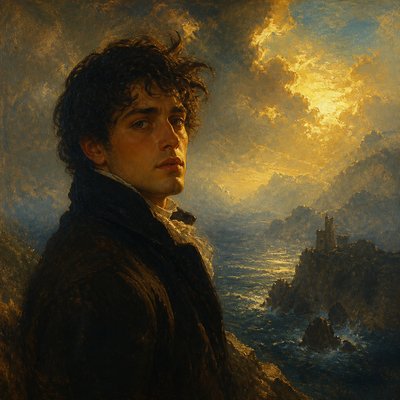
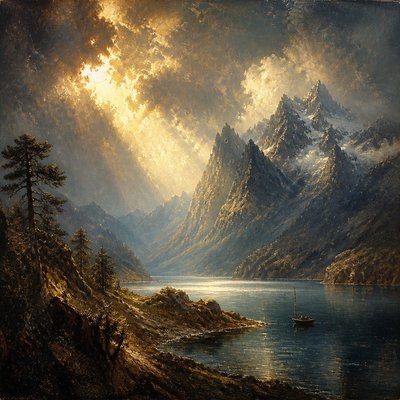
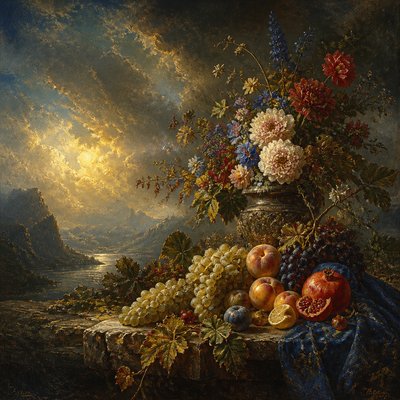
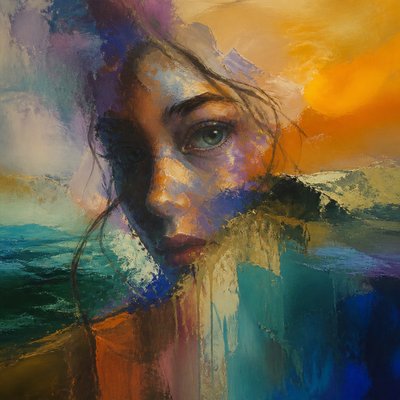
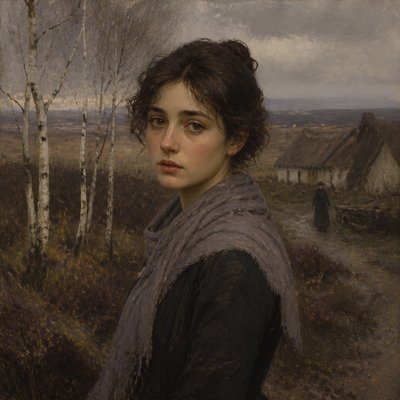
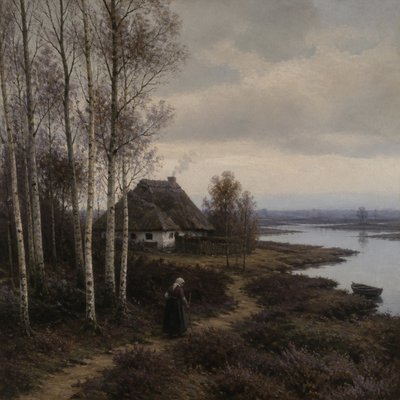
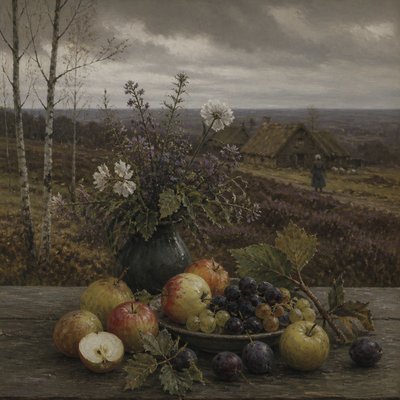
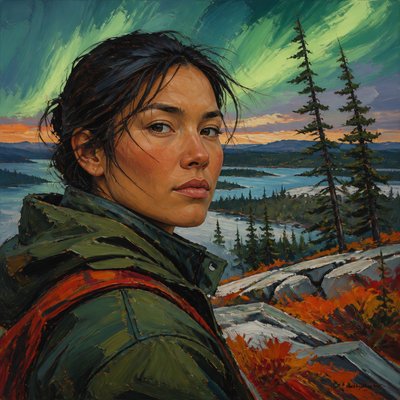
Minimalist Landscape Gallery
Tap any artwork to explore it
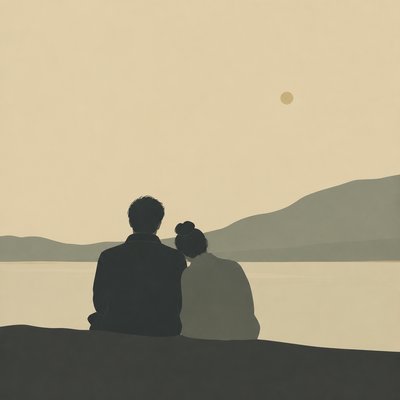
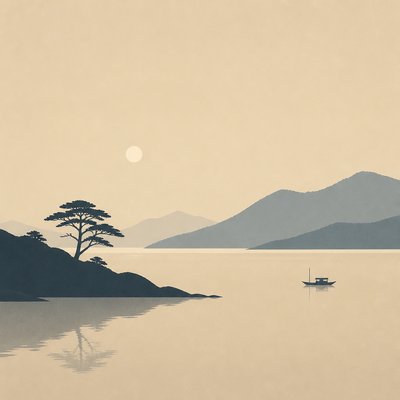
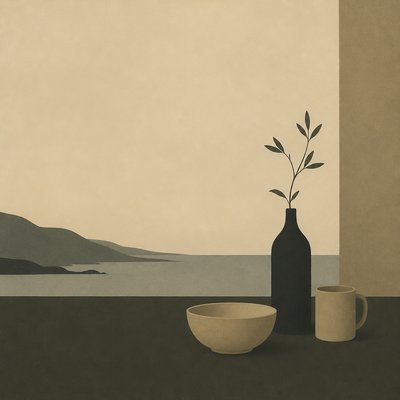
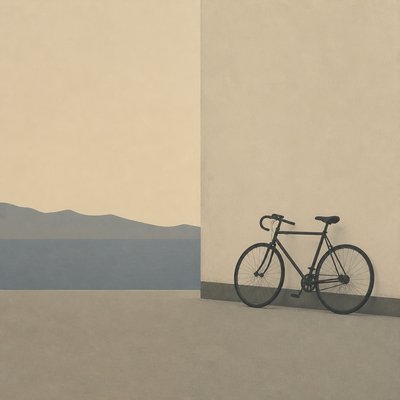
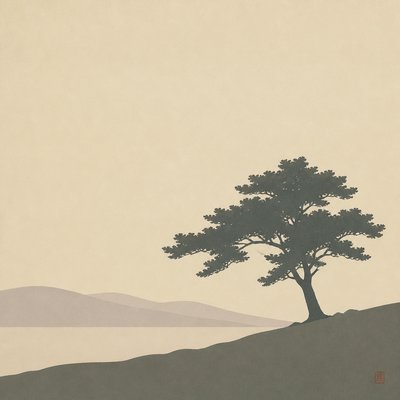
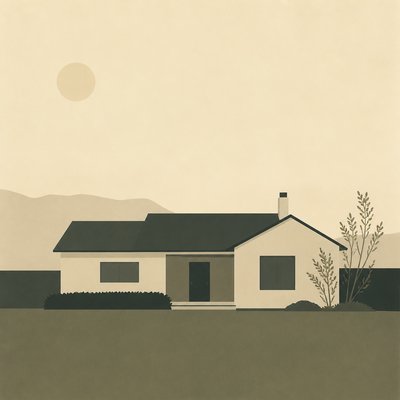
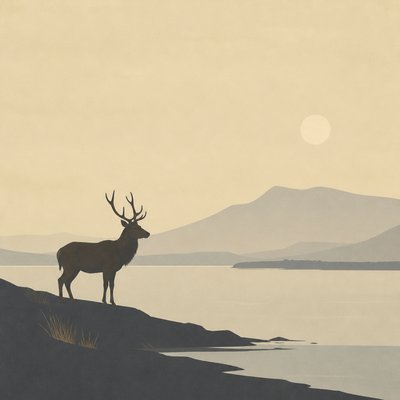
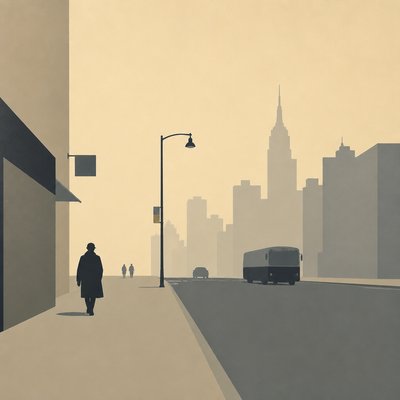
What is Minimalist Landscape Art Style?
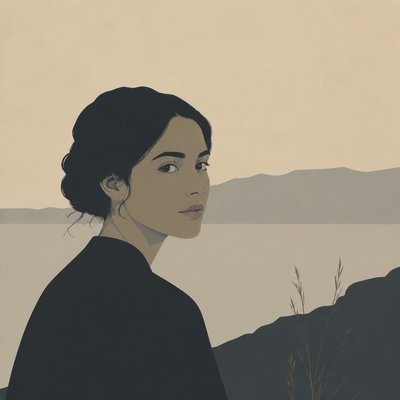
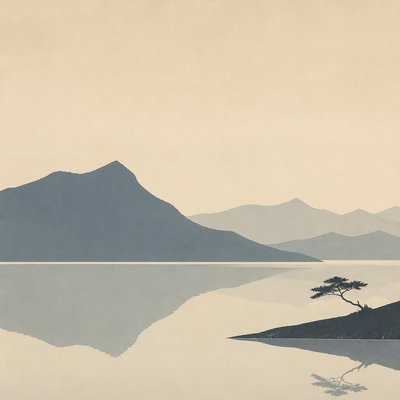
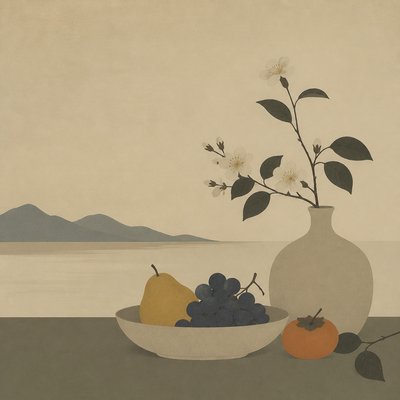
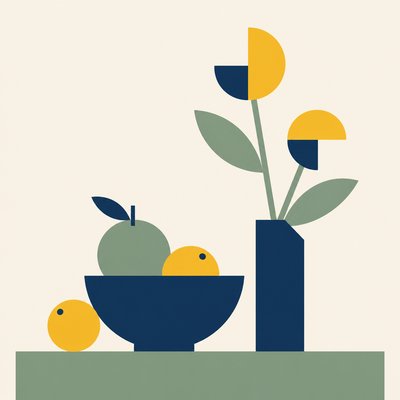
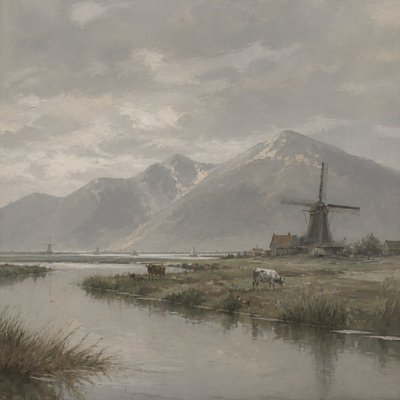
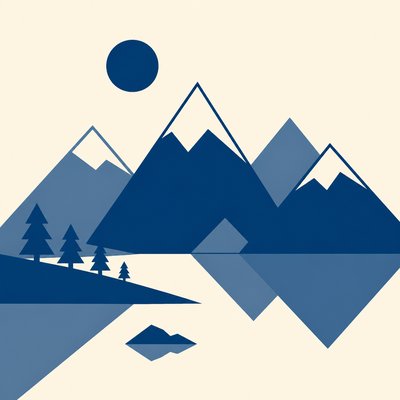
Minimalist landscape art reduces the natural world to a few essential forms: a horizon line, a sky or ground plane, a tree, a ridge, a field, a body of water. Rather than describing every leaf, cloud, or rock, it emphasizes shape, spacing, and tonal restraint, allowing large areas of emptiness to become part of the composition. The result is often quiet, balanced, and contemplative.
This style is defined by economy. Color palettes are usually limited to two or three muted tones, edges are clean, and details are pared down to silhouette and mass. Depth may be suggested through subtle value shifts, but the overall effect remains flat, calm, and deliberate. The visual appeal comes from restraint: by removing visual noise, the image creates room for atmosphere, stillness, and focused attention.
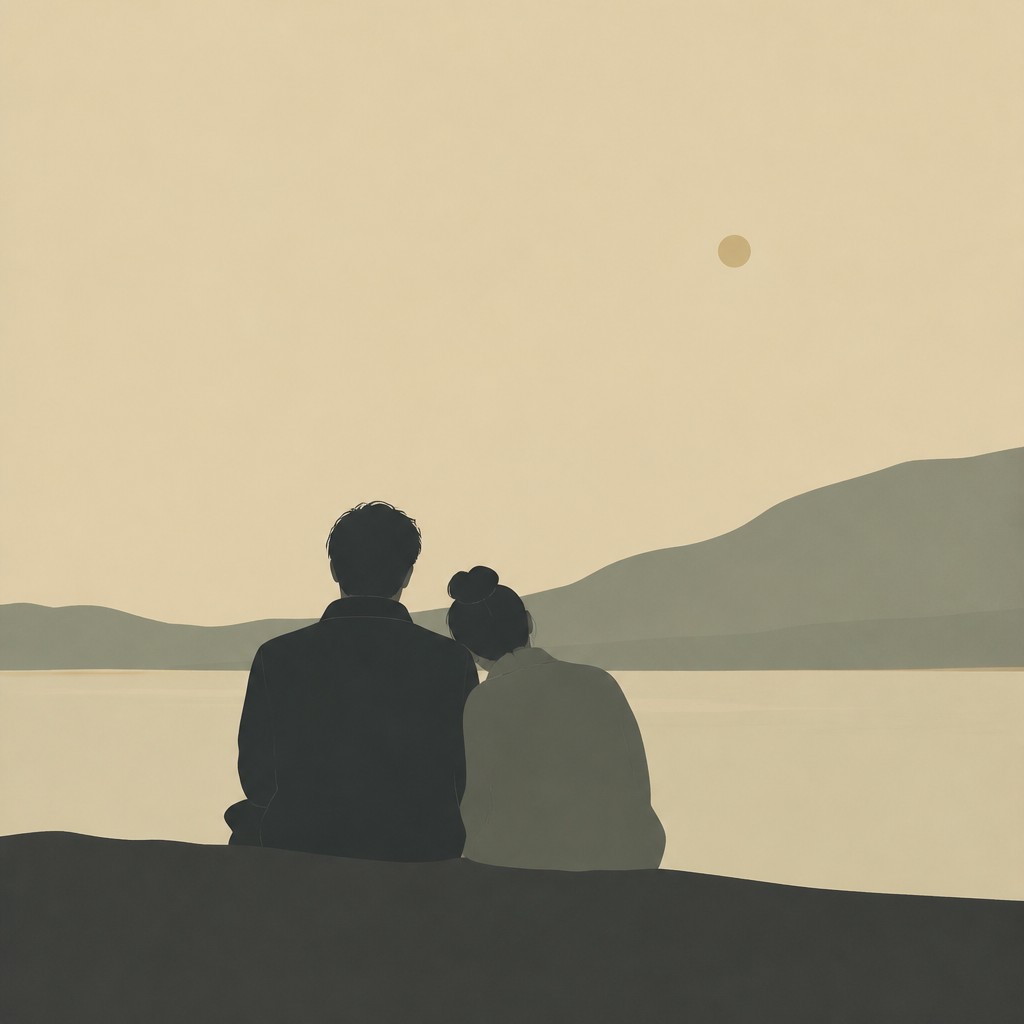
Try It On Your Photos
Upload any photo and convert it into Minimalist Landscape Art Style — drag the sliders to compare before and after.
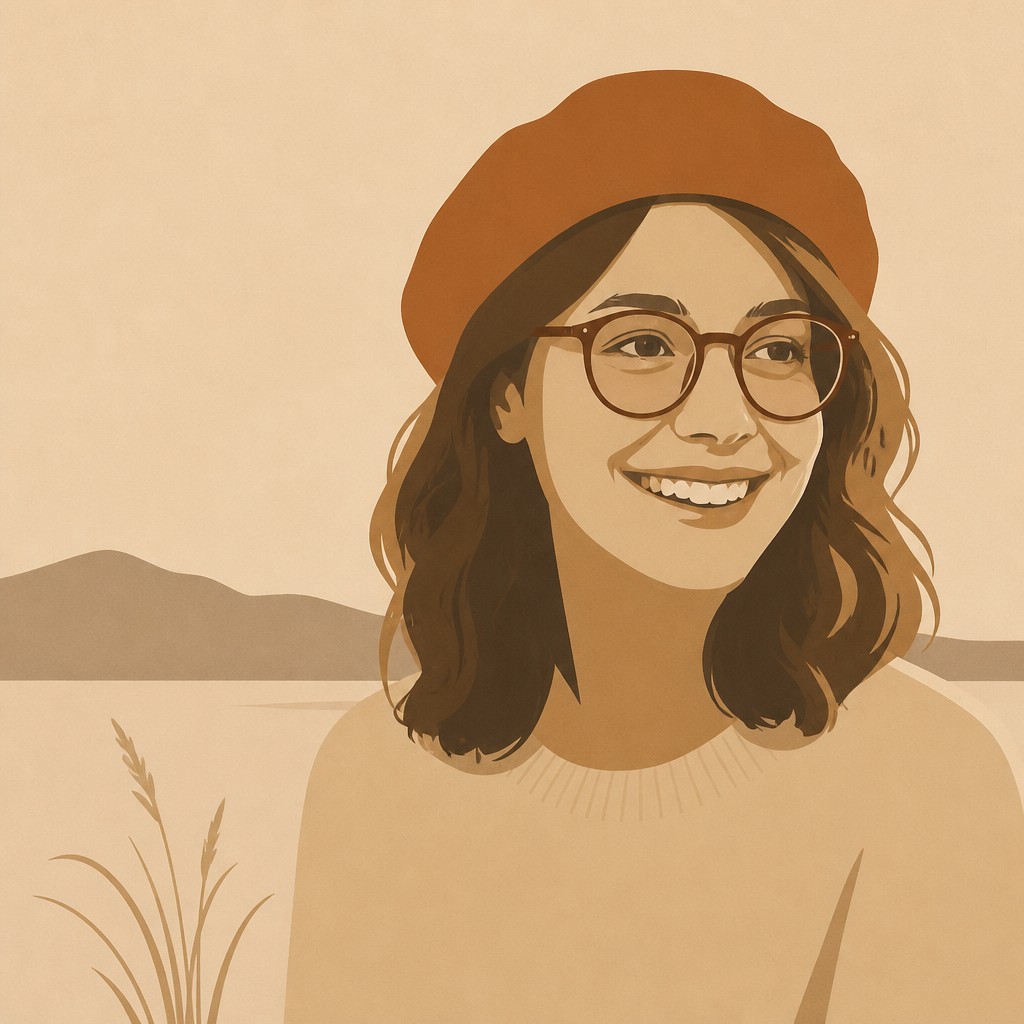

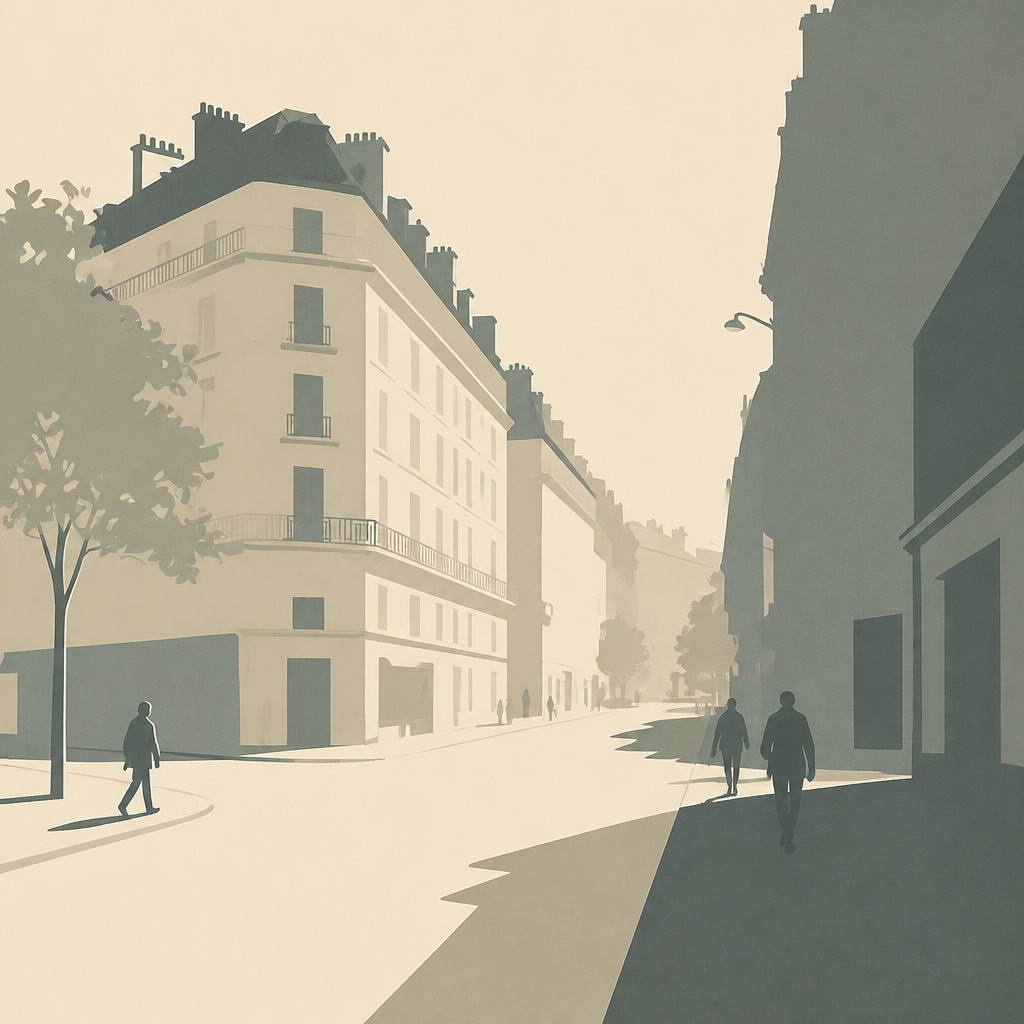

What Defines Minimalist Landscape Art Style
The signature details, up close
Limited color palette
Most works rely on two or three subdued colors, such as ochre, gray, off-white, muted green, or dusty blue. The restrained palette helps preserve the calm, uncluttered feeling of the image.
Strong horizontal structure
A simple horizon or layered bands of land, water, and sky often organize the composition. This horizontal stability gives the image a quiet, grounded presence.
Large areas of negative space
Empty sky, blank water, or open ground are not filler; they are central to the composition. Negative space creates breathing room and heightens the sense of stillness.
Simplified forms
Trees, hills, mountains, and coastlines are reduced to clear silhouettes or broad masses. The image communicates place through outline and proportion rather than fine detail.
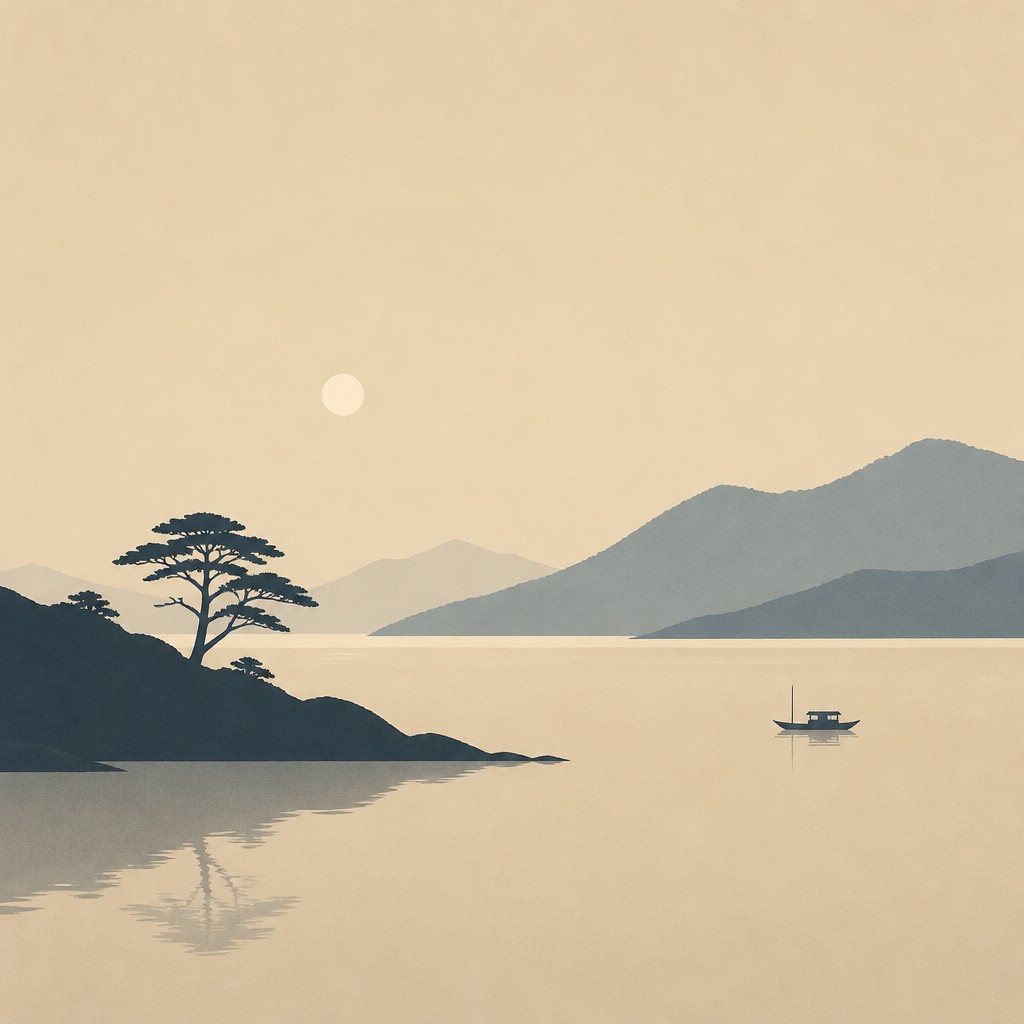
Flat matte surfaces
Color is usually applied in even, non-reflective fields with only gentle tonal transitions. This avoids drama and keeps the image visually quiet.
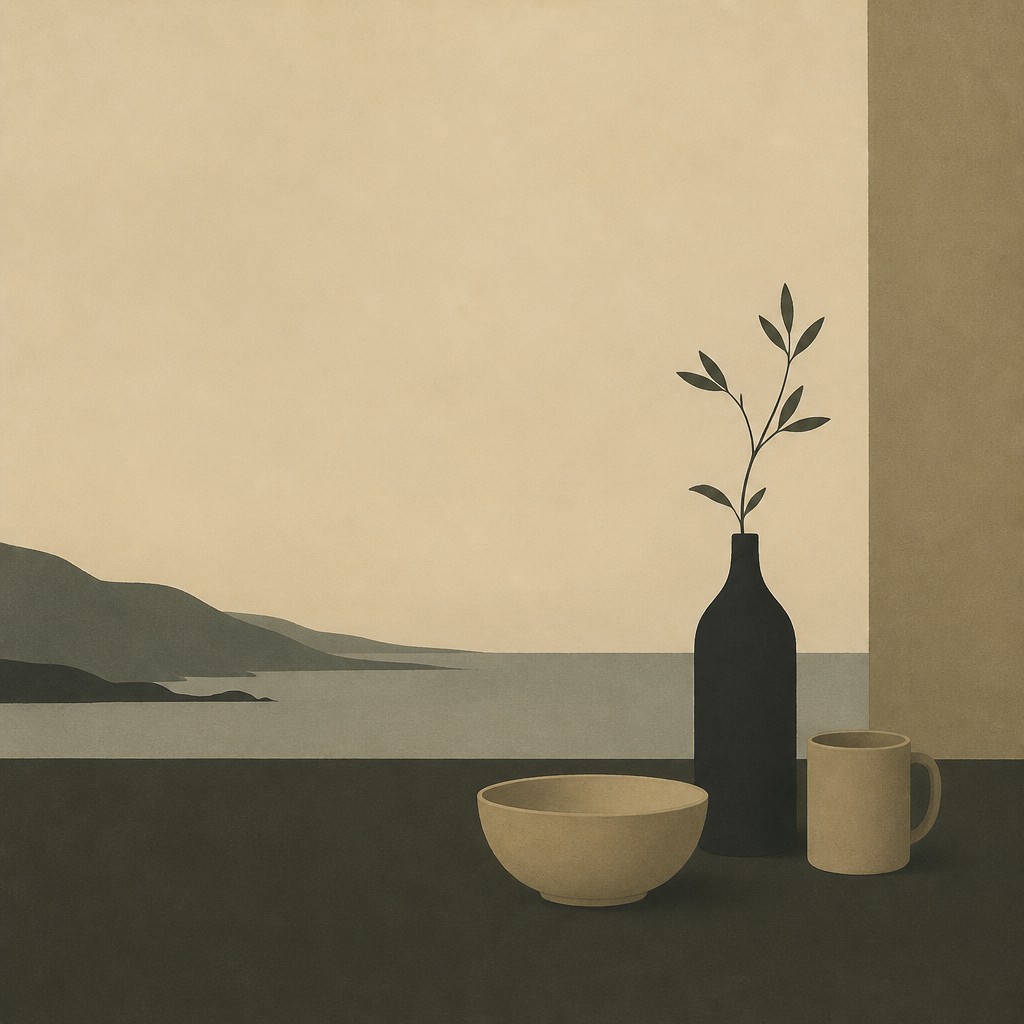
Balanced asymmetry
Elements are often placed off-center, with careful attention to visual weight. The asymmetry feels natural and deliberate rather than rigidly symmetrical.
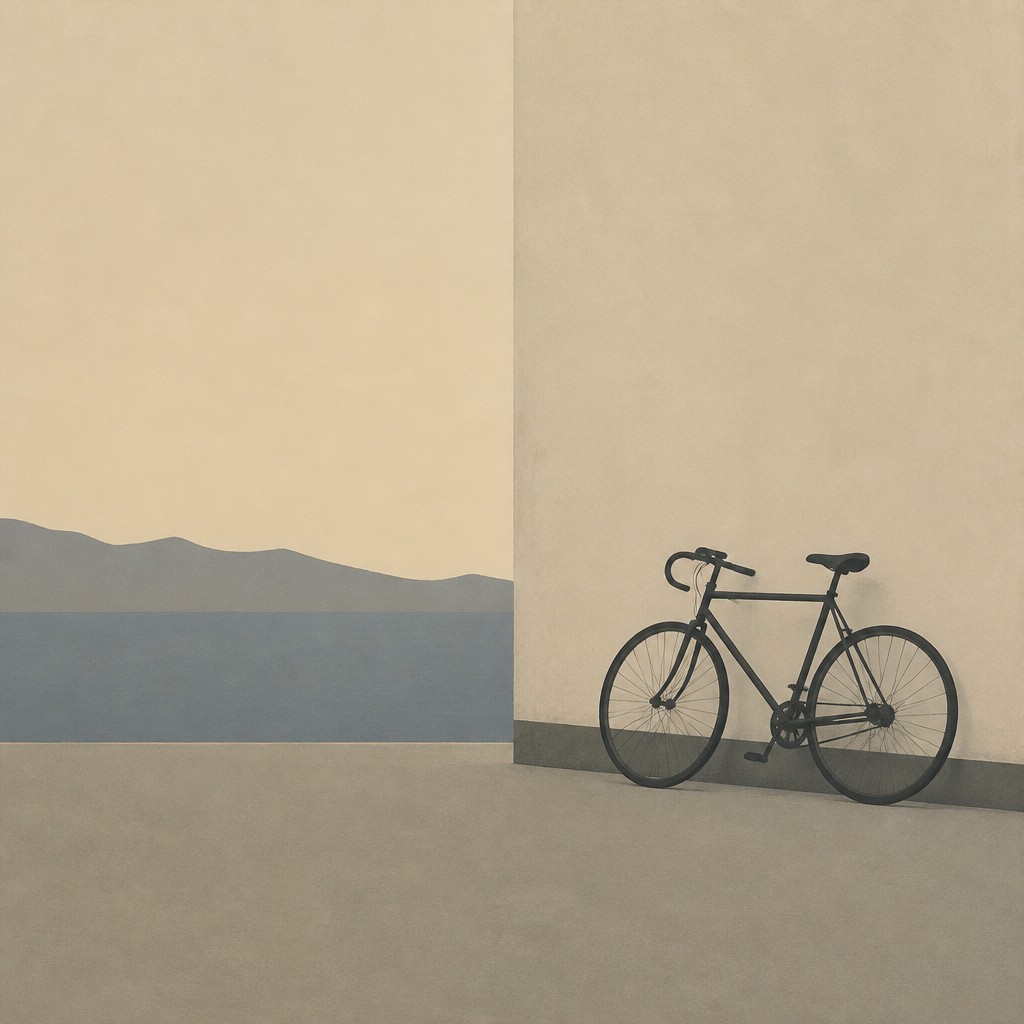
Meditative atmosphere
The overall impression is one of pause, silence, and reflection. The image tends to invite slow looking instead of immediate narrative reading.
Try It
Create Videos in Minimalist Landscape Art Style
Styles aren't just for stills — describe a scene or animate an image and get a short video rendered in Minimalist Landscape. Press play to see this pond come to life.
Make a VideoMinimalist Landscape Prompt Ideas
Start from an idea — each one opens the generator with the style ready to go. See all 40 Minimalist Landscape prompts →
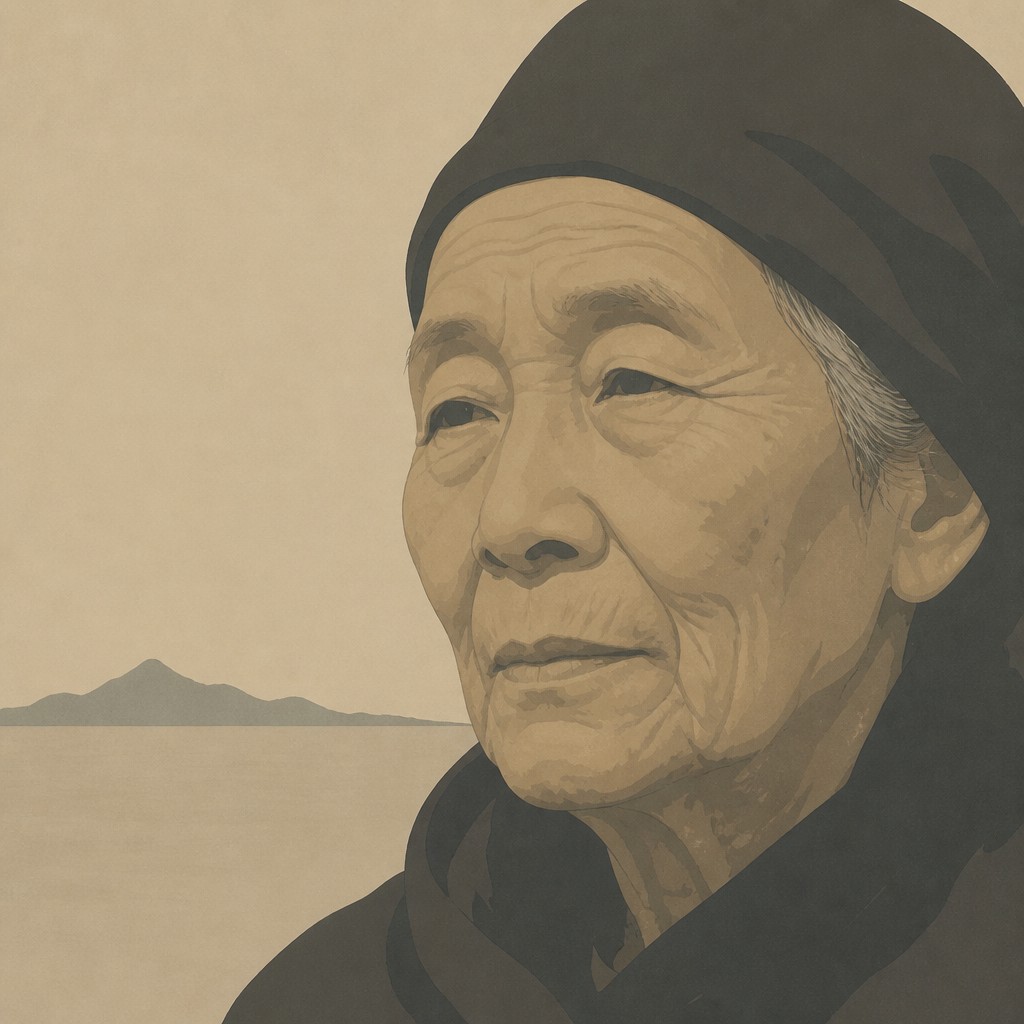
“close-up portrait of an elderly person with expressive weathered features”
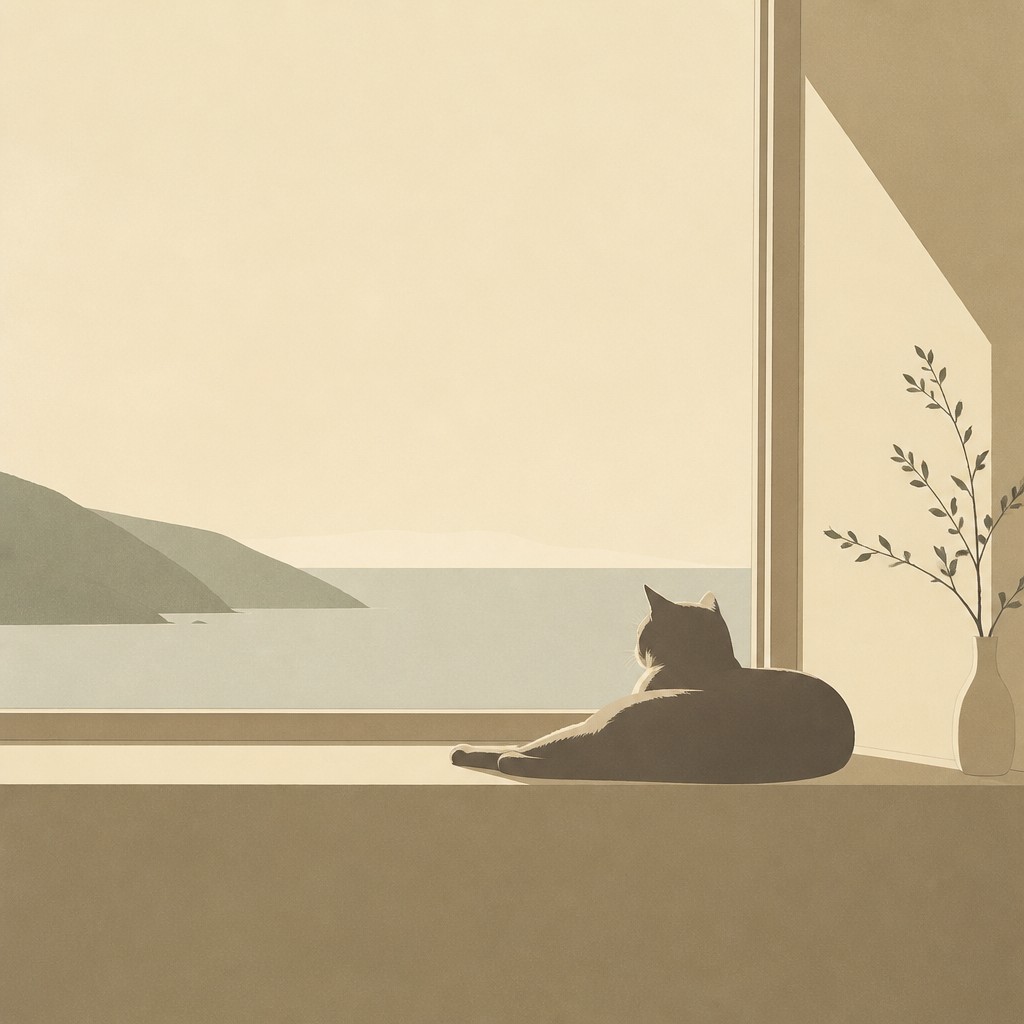
“a cat lounging in a sunlit window”
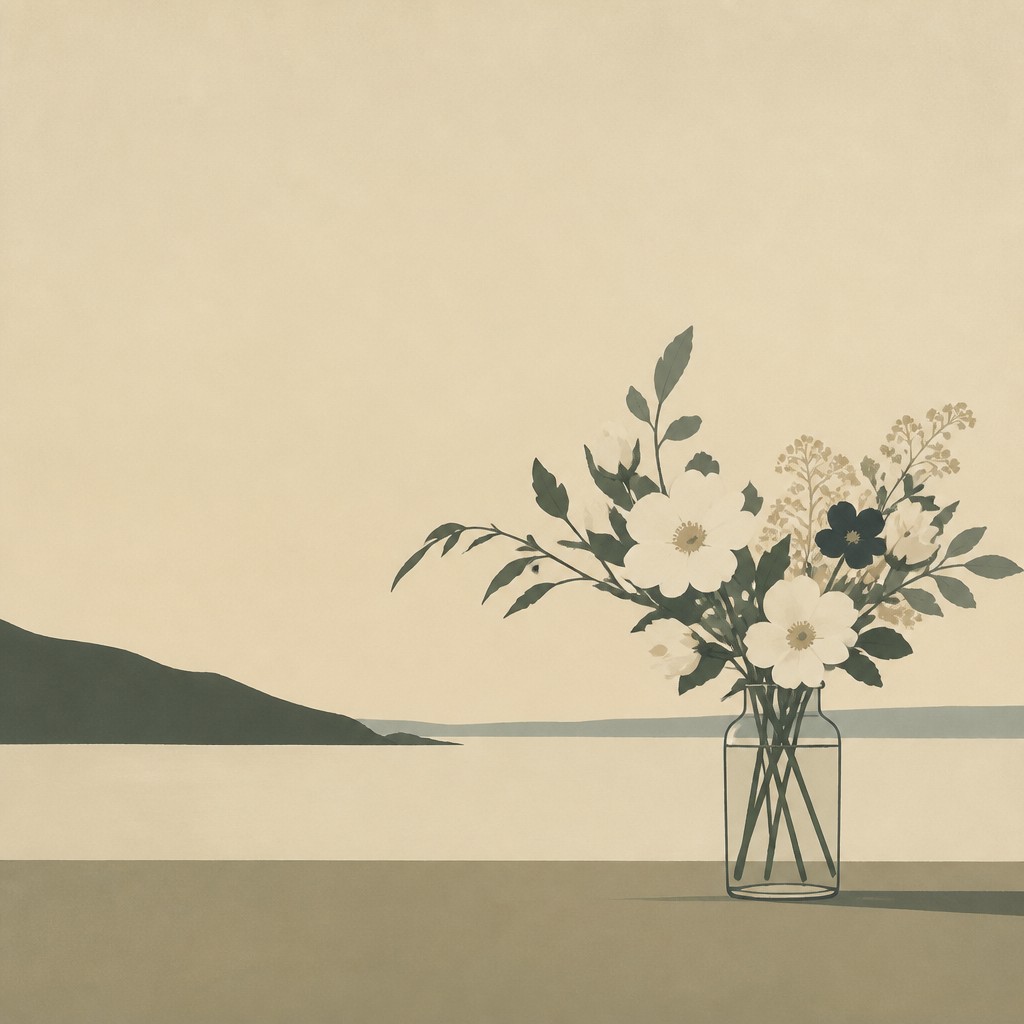
“bouquet of flowers in a glass vase”
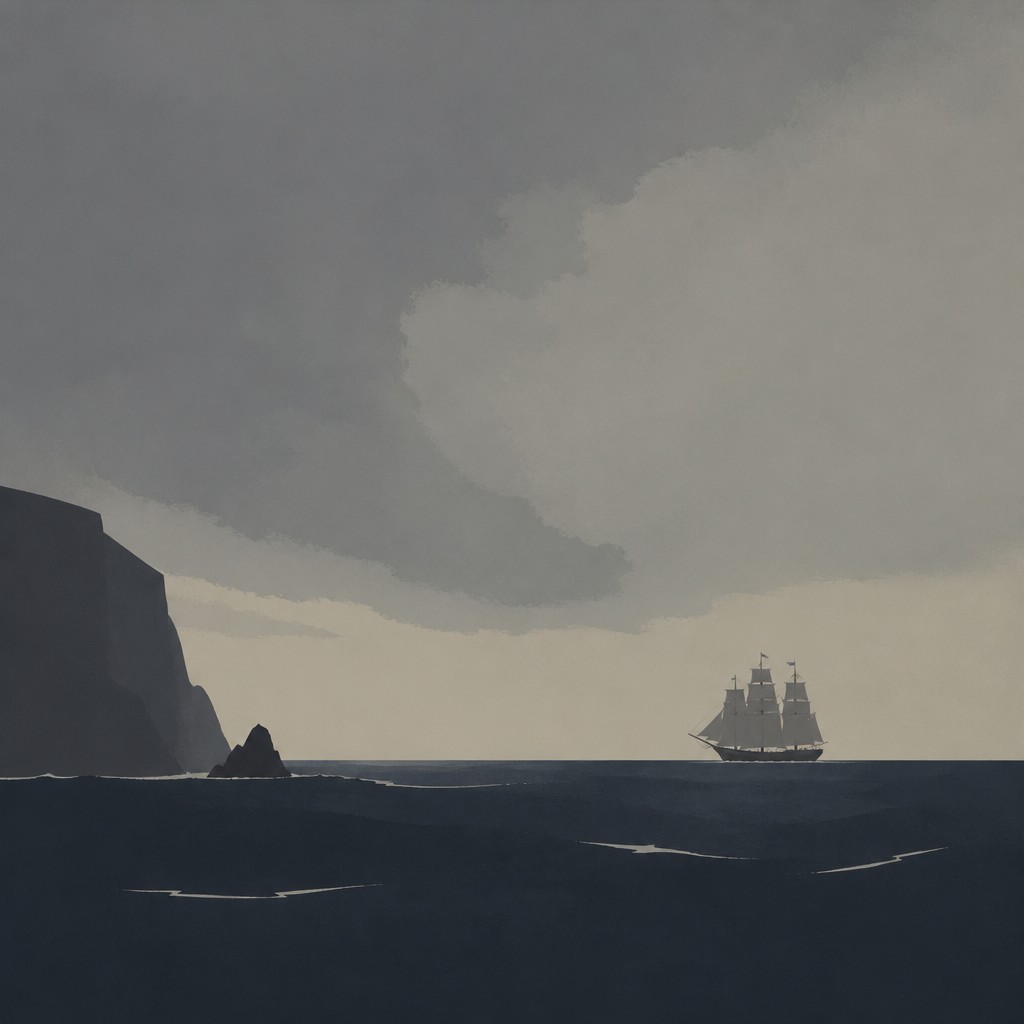
“sailing ship on a stormy sea”
How to Create Minimalist Landscape Art
Master the craft step by step — or skip straight to creating. Read the full guide →
- 1
Start with composition, not detail
Block in the horizon, main landmass, and a few large shapes before considering any texture. Aim to make the composition work even if everything smaller than a tree were removed.
- 2
Restrict the palette early
Choose a small set of muted colors and keep them consistent across the whole image. In traditional media, mix colors ahead of time; in digital work, limit swatches to preserve harmony.
- 3
Use negative space deliberately
Leave skies, fields, or water expanses open so they become active parts of the design. Avoid filling every area with incident; let emptiness create the mood.
- 4
Simplify natural forms into masses
Reduce mountains, trees, and coastlines to silhouettes, arcs, and broad value zones. If a shape does not strengthen the composition, remove it.
- 5
Keep edges clean and values subtle
Use precise boundaries and avoid heavy texturing, contrast spikes, or atmospheric effects that complicate the surface. For prompt-based generation, specify broad quiet fields, flat matte color, simple silhouettes, and minimal detail.
- 6
Refine with restraint
Add only a few carefully placed accents, such as a lone tree, distant bird, or small reflection, if they improve balance. In image generation prompts, describe the subject first and then ask for limited tones, vast empty space, and calm horizontal composition.
The Story
History & Origins of Minimalist Landscape
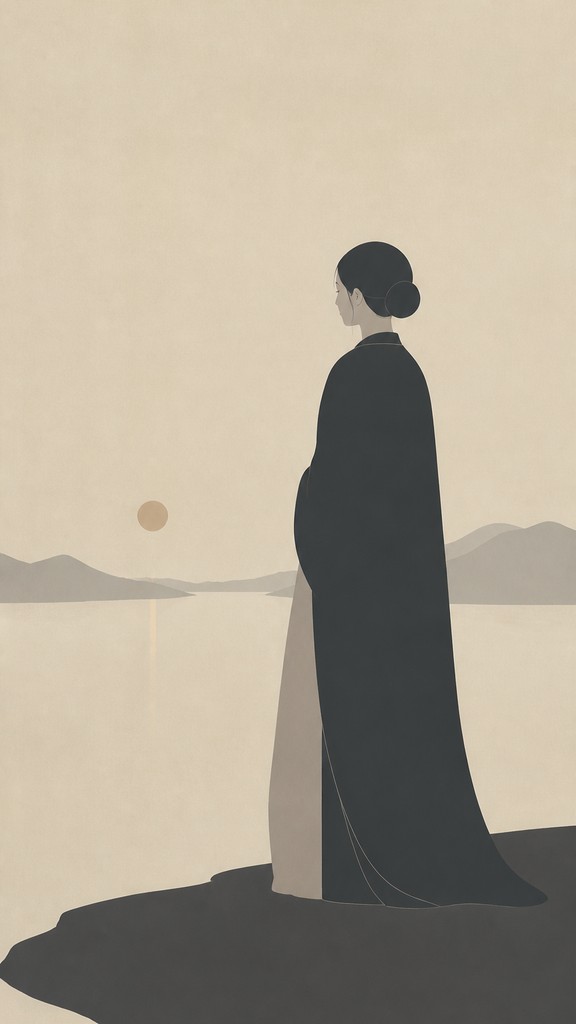
Minimalist landscape art is not a single historical movement so much as a contemporary aesthetic that draws from several established traditions. Its emphasis on reduction and empty space connects it to Minimalism, which emerged in the United States in the 1960s and favored basic forms, clarity, and stripped-down composition. It also overlaps with modernist landscape painting, East Asian ink traditions, and design languages that value balance, asymmetry, and silence in the image.
The style’s lineage can also be traced to printmaking, poster design, and photographic framing, where simplified silhouettes and strong negative space are used to create immediate visual impact. In contemporary practice, minimalist landscapes appear in painting, illustration, digital art, editorial imagery, and environmental branding. Across these media, the goal remains consistent: to condense landscape into an essential visual idea rather than a descriptive scene.
Influences: Minimalist landscape art draws from the reduction and spatial discipline of Minimalism, the compositional restraint of modernist painting, and the expressive use of emptiness found in East Asian ink and landscape traditions. It also shares visual principles with contemporary graphic design and editorial illustration, where clarity, negative space, and controlled palette are used to produce immediate, legible impact. In more painterly examples, the influence of artists associated with abstracted landscape and atmospheric simplification can be seen in the emphasis on mood over description.
Frequently Asked Questions
What defines minimalist landscape art?
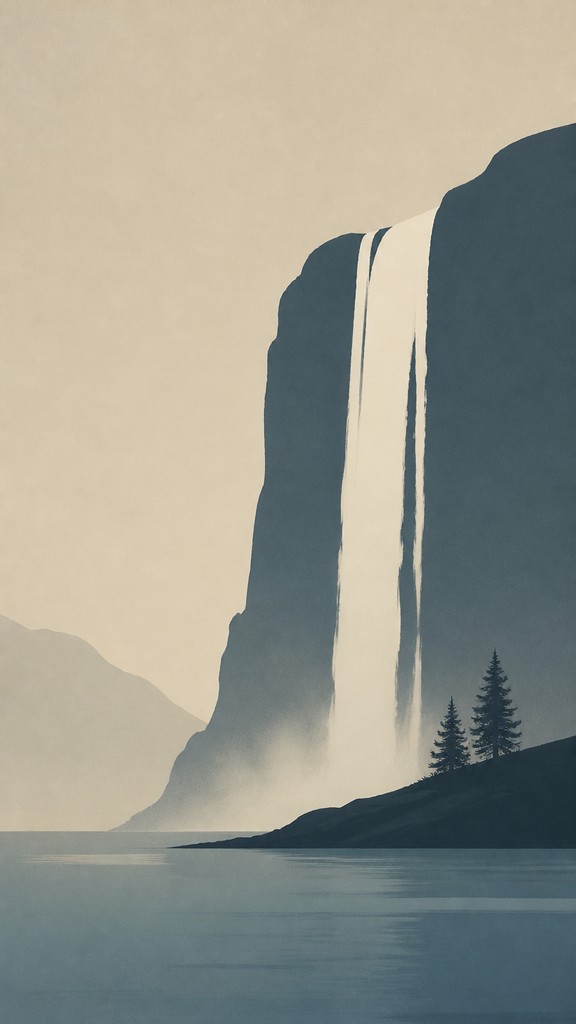
It is defined by reduction: simple horizons, sparse forms, limited colors, and large areas of empty space. The goal is to express the essence of a landscape without full naturalistic detail. The composition usually feels calm, balanced, and contemplative.
How is this different from abstract landscape art?
Minimalist landscape art usually remains readable as a place or terrain, even when heavily simplified. Abstract landscape art may dissolve the subject more completely into color, gesture, or geometry. Minimalist landscapes keep a clearer relationship to horizon, land, sky, or natural silhouette.
What colors work best in this style?
Muted and restrained colors tend to work best: off-white, gray, beige, slate blue, dusty green, soft brown, and charcoal. The palette usually contains only a few tones, so the spacing and value relationships matter more than saturation.
What kinds of subjects fit this style?
Simple subjects work best: a single tree, mountain ridge, coastline, field, lake, desert, or snowy plain. Scenes with strong horizontal structure and a clear relationship between foreground, middle ground, and sky are especially effective.
How do you make a landscape feel minimal without becoming empty?
Give the composition a clear structure and one or two focal masses, then remove unnecessary information. Negative space should feel intentional, not unfinished. Small differences in value, proportion, and placement can create interest without adding clutter.
Where is minimalist landscape art commonly used?
It is common in fine art prints, interior decor, editorial illustration, branding, album art, and calming digital imagery. Its clean structure also makes it suitable for covers, posters, packaging, and meditation-related visuals.
Create your first Minimalist Landscape artwork
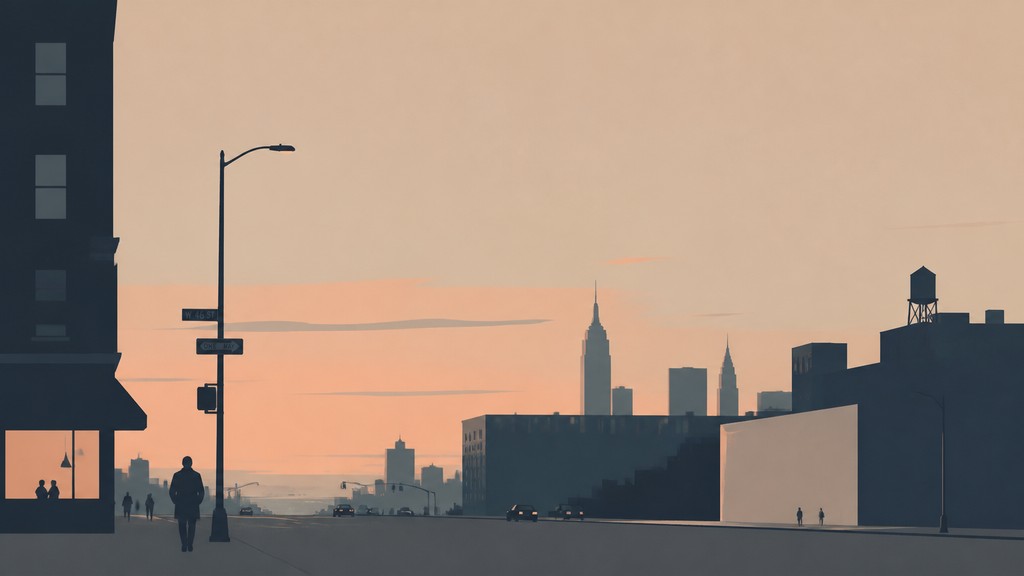
Describe anything — or upload a photo — and see it in Minimalist Landscape Art Style in seconds.
Make Something with Minimalist Landscape
Related Styles
Discover similar art styles