Vintage Film Burn
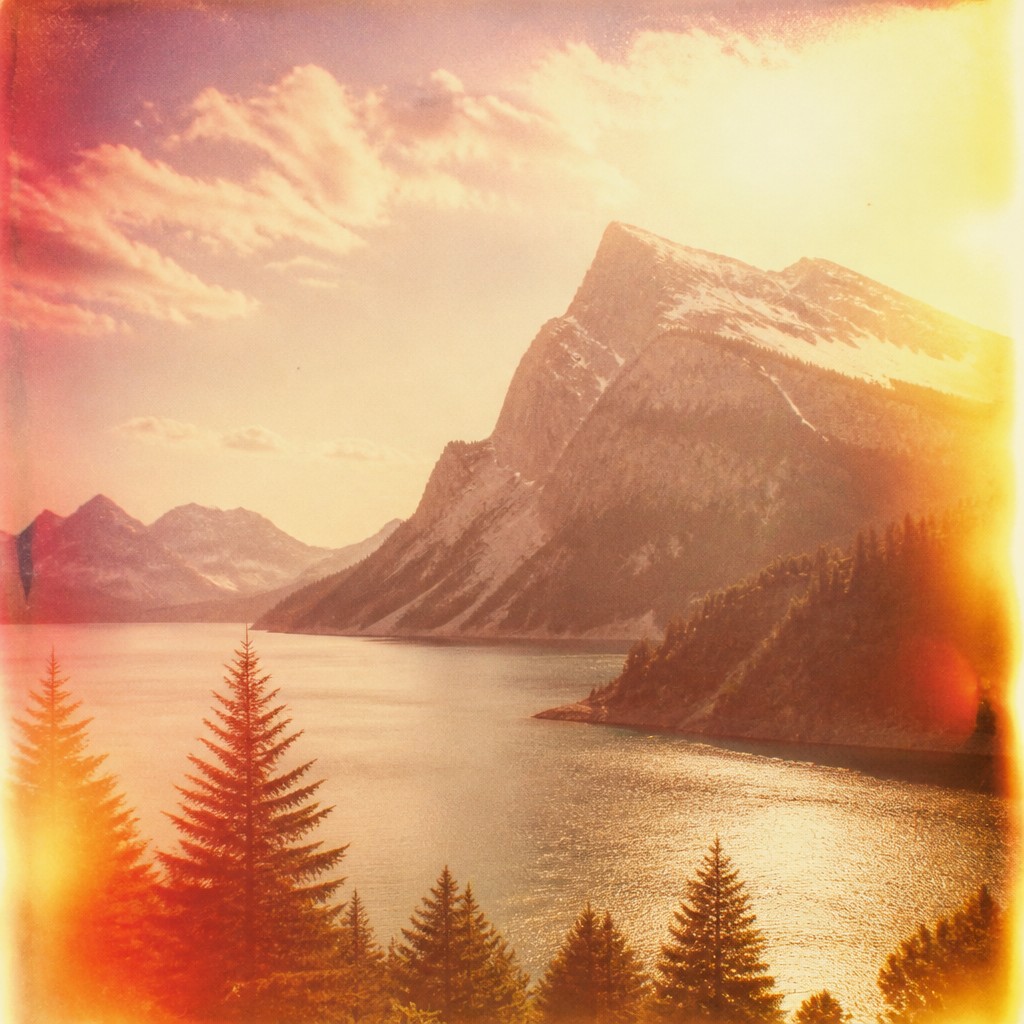
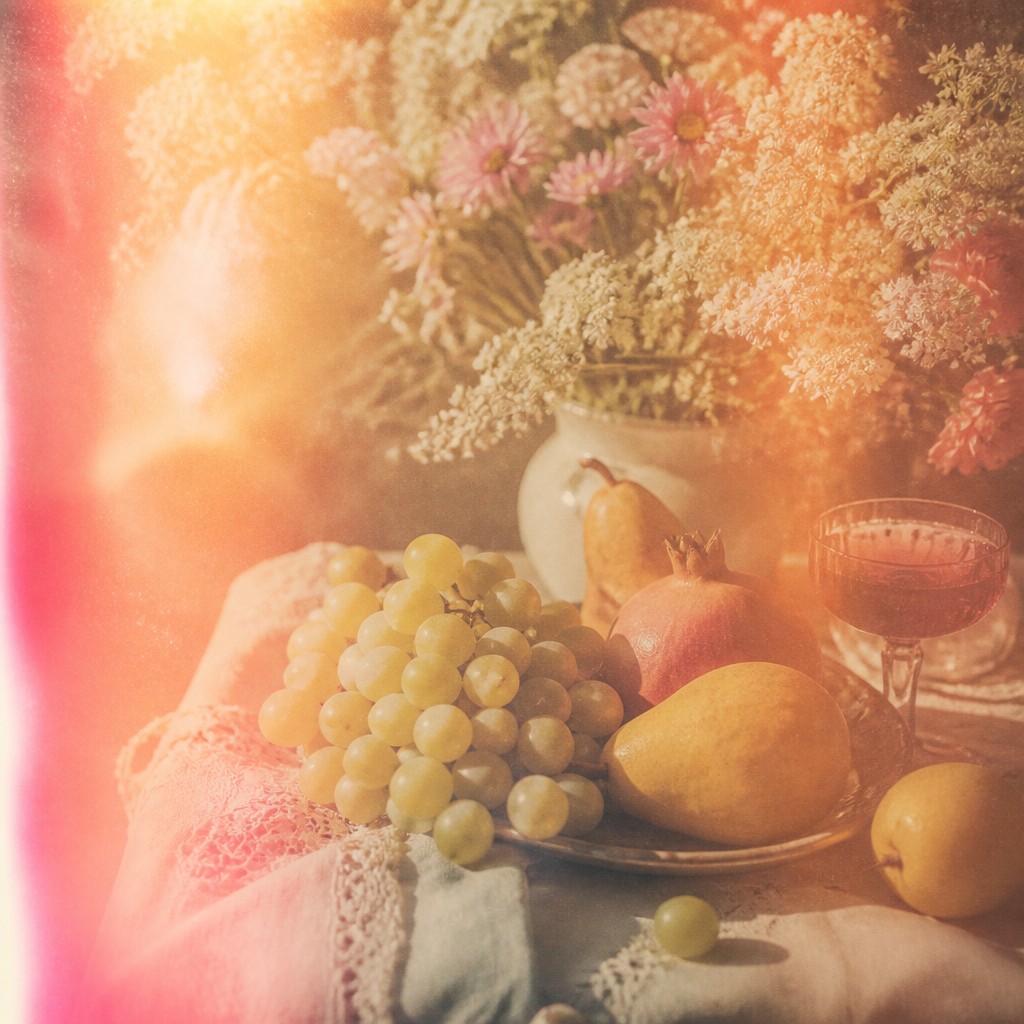
Faded film photos with light leaks, sun-bleached colors, grain, and warm nostalgic glow.
Instantly rendered in Vintage Film Burn — or transform a photo
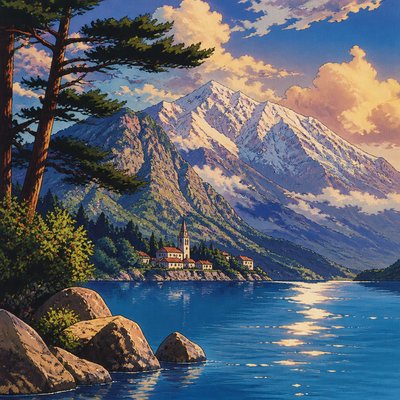
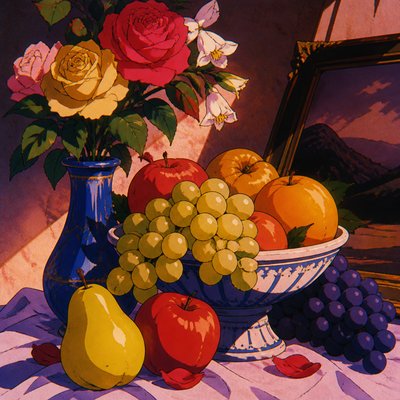
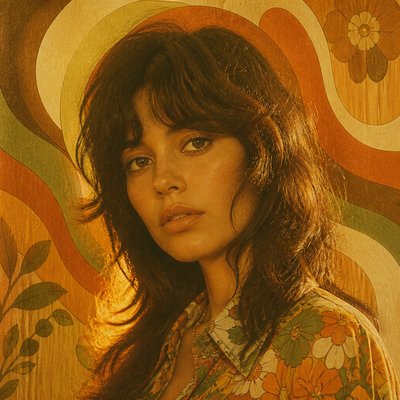
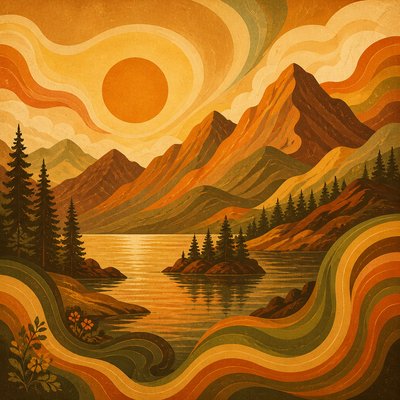
Vintage Film Burn Gallery
Tap any artwork to explore it
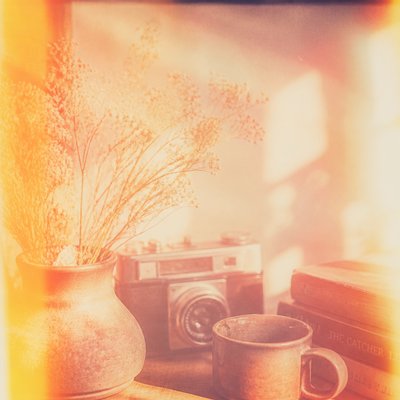
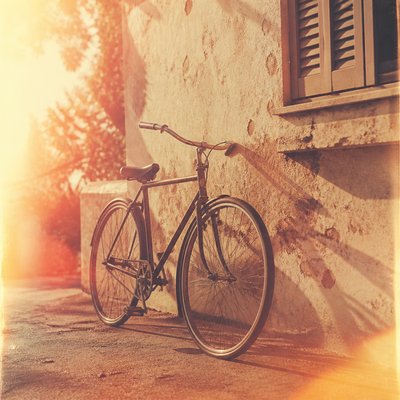
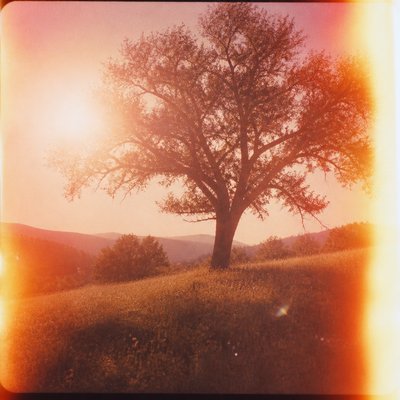
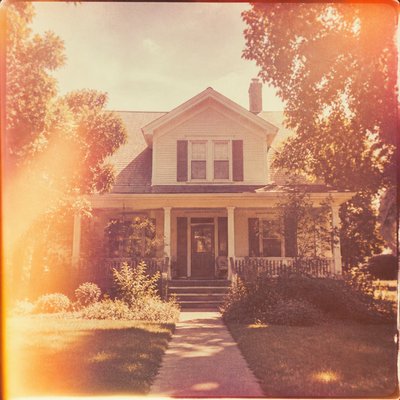
What is Vintage Film Burn?
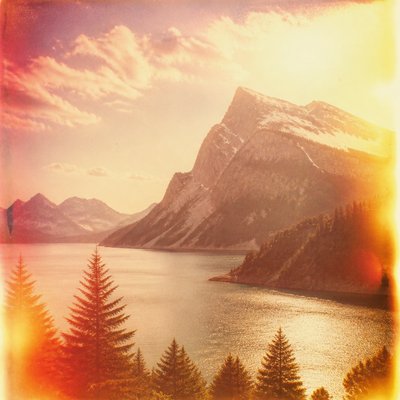
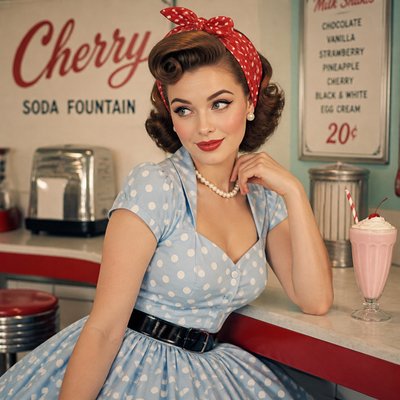
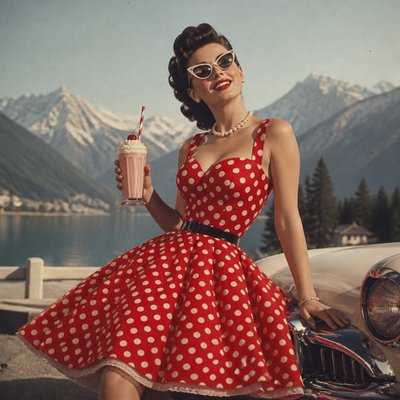
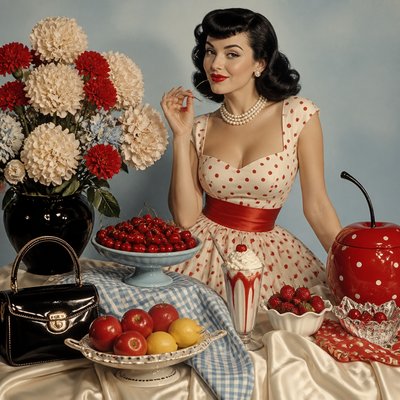
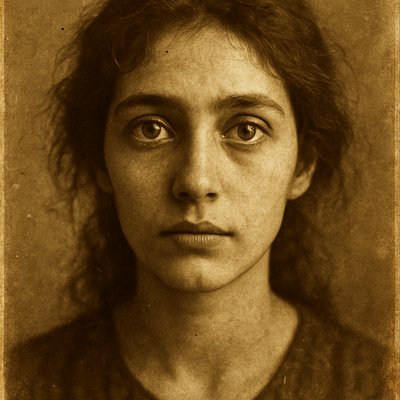
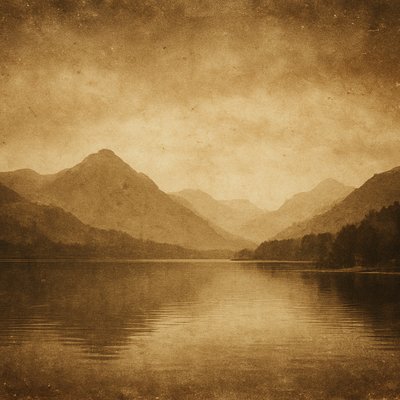
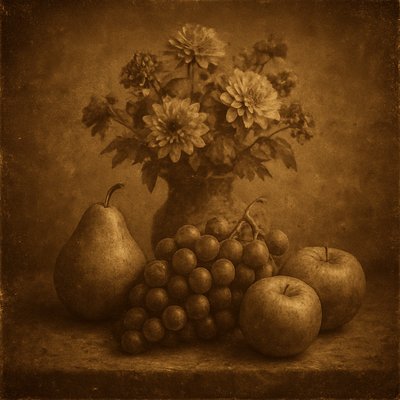
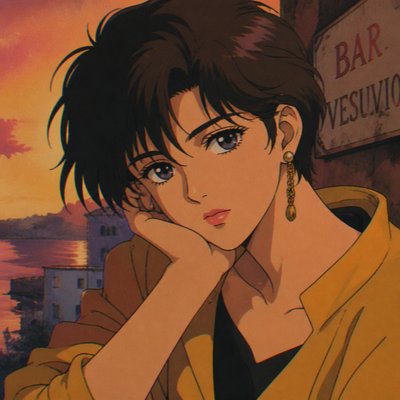
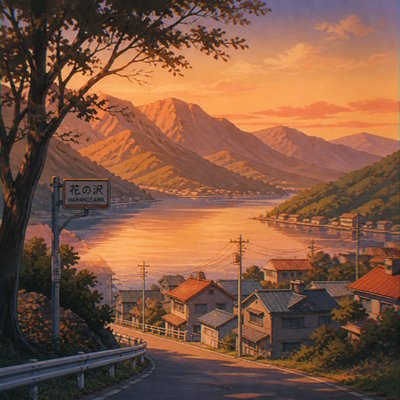
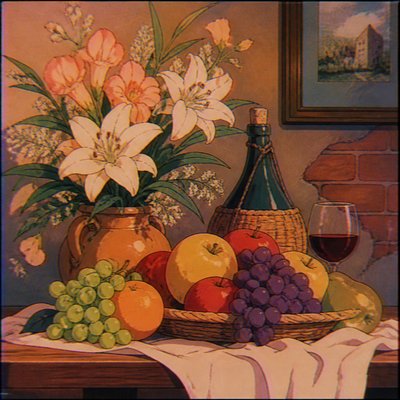
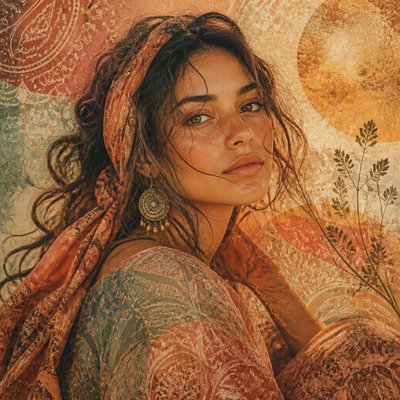
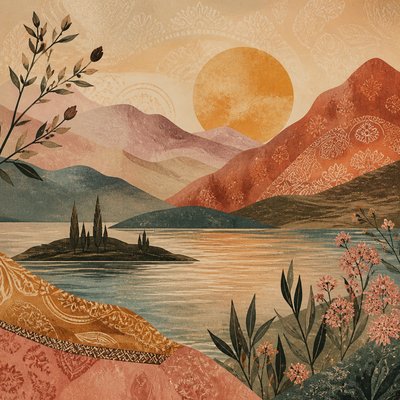
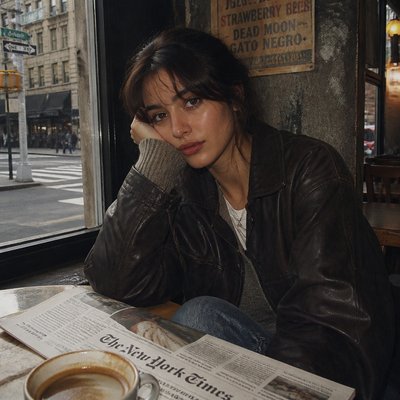
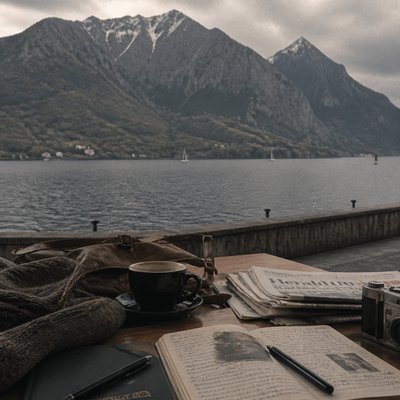
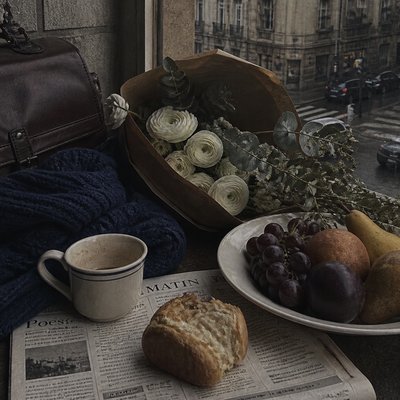
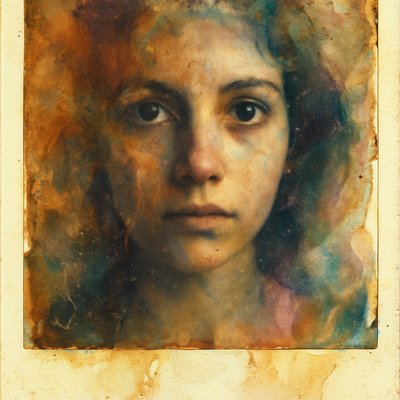
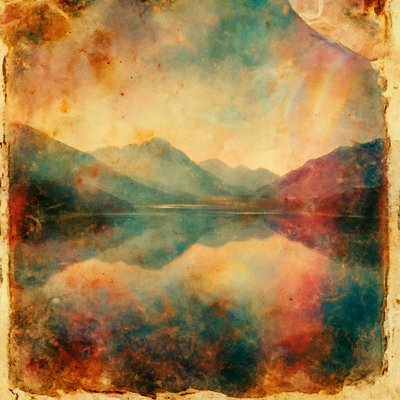
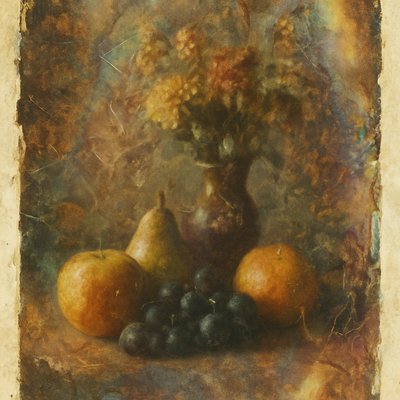
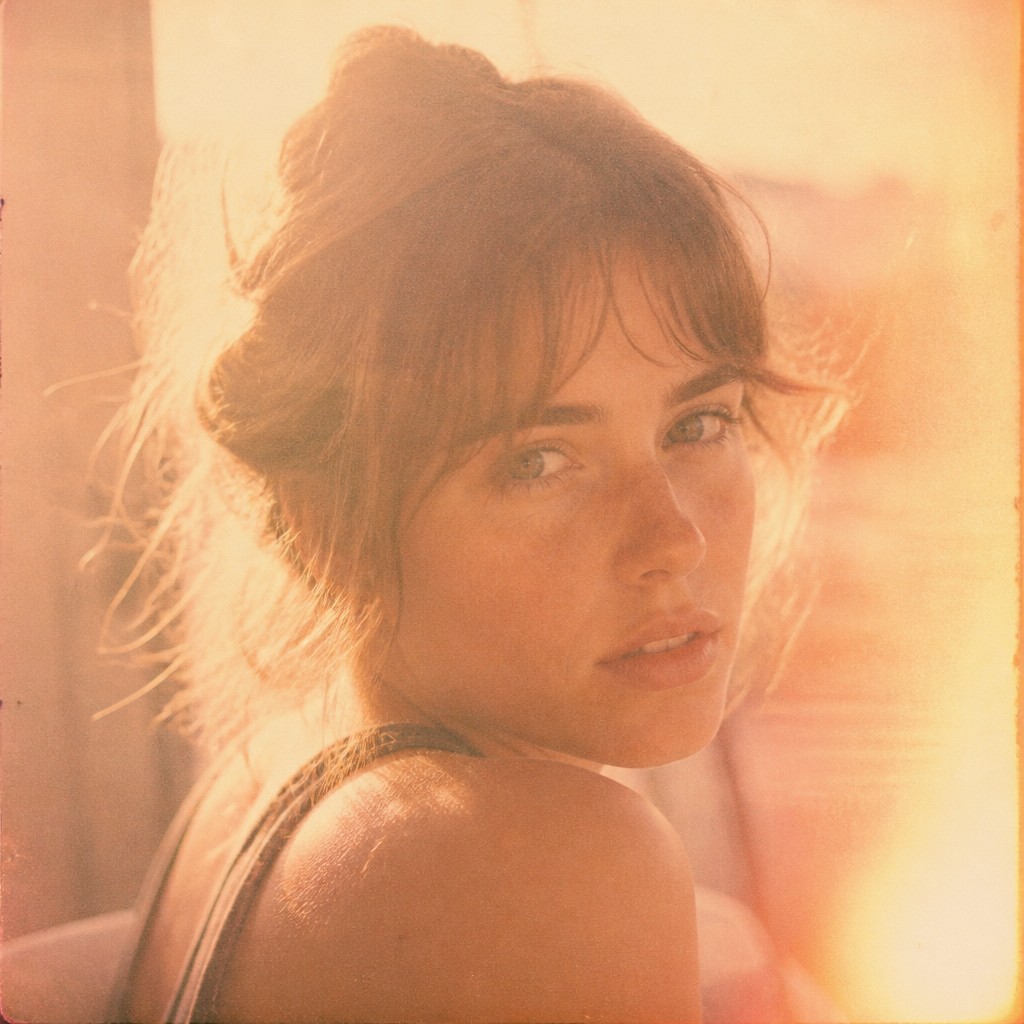
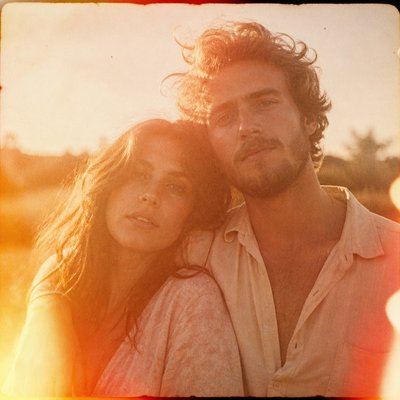
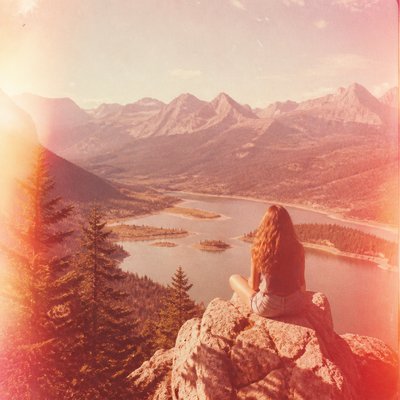
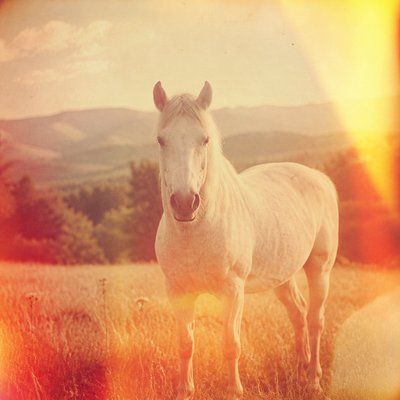
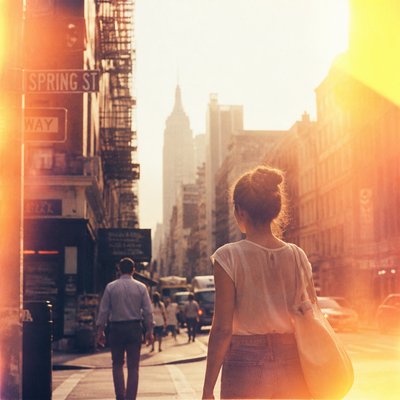
Vintage Film Burn is a photographic look built around the accidents and aging marks of analog film: sun-bleached color, warm light leaks, soft flares, grain, and gently blown highlights. The image often feels like a memory rather than a record, with dusty rose, amber, and honeyed tones replacing clean modern color.
Its visual identity comes from the physical behavior of film stock and processing. Light leaks, burn marks, crossover in color layers, and faded dyes create a soft instability across the frame, while overexposure and haze flatten contrast and give the scene a dreamy, summer-worn quality. The result is nostalgic without being strictly historical: it suggests a damaged print, a family snapshot, or an old roll of film rediscovered after years in storage.
Try It On Your Photos
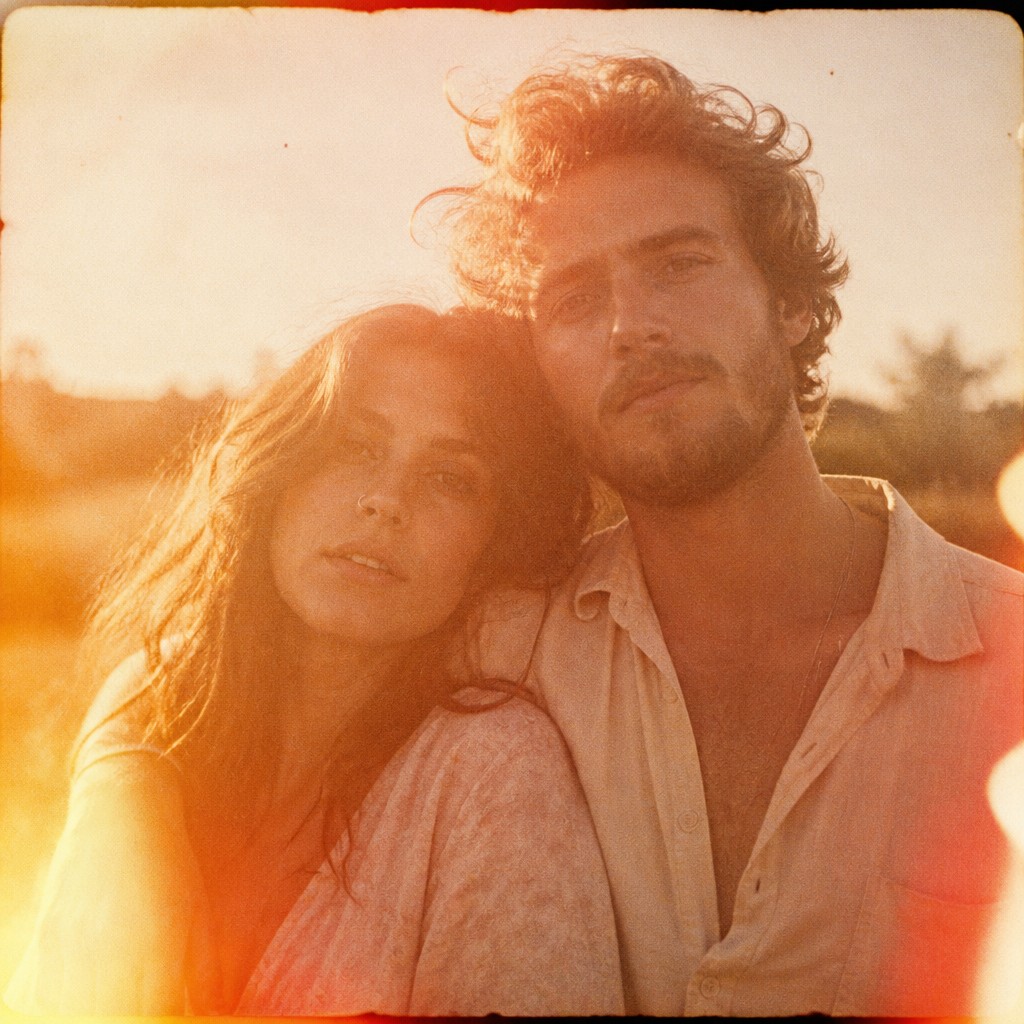
Upload any photo and convert it into Vintage Film Burn — drag the sliders to compare before and after.



What Defines Vintage Film Burn
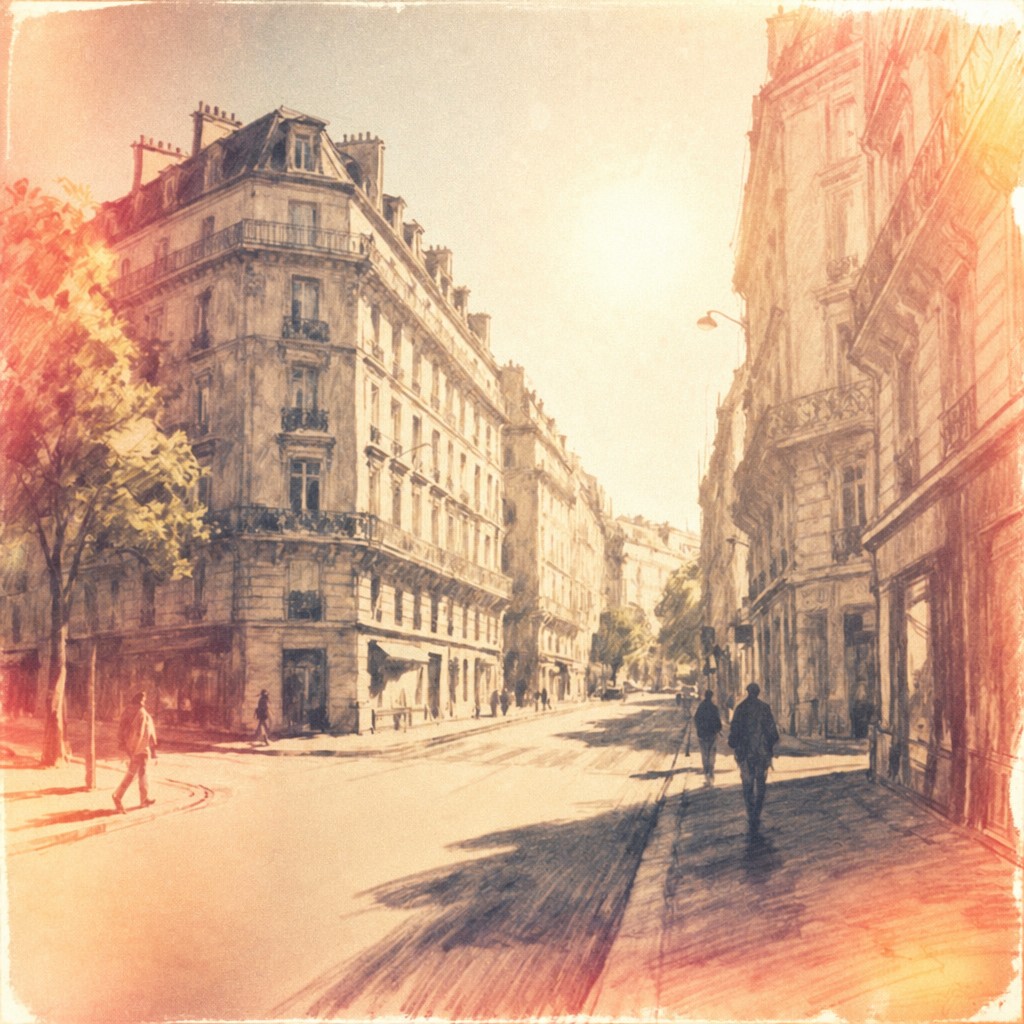
The signature details, up close
Sun-bleached color palette
Colors are softened and faded, often shifting toward dusty rose, amber, beige, and warm gold. Saturation is reduced so the image feels weathered rather than crisp.
Light leaks and burn marks
Bright orange, red, or white leaks spill across edges or corners of the frame. These irregular streaks suggest damaged film or accidental exposure to light.
Dreamy overexposure
Highlights bloom and lose detail, especially in skies, skin, and reflective surfaces. The effect creates a hazy, memory-like atmosphere.
Fine analog grain
Visible grain replaces clean digital smoothness and gives the image a tactile texture. It often appears more pronounced in shadows and midtones.
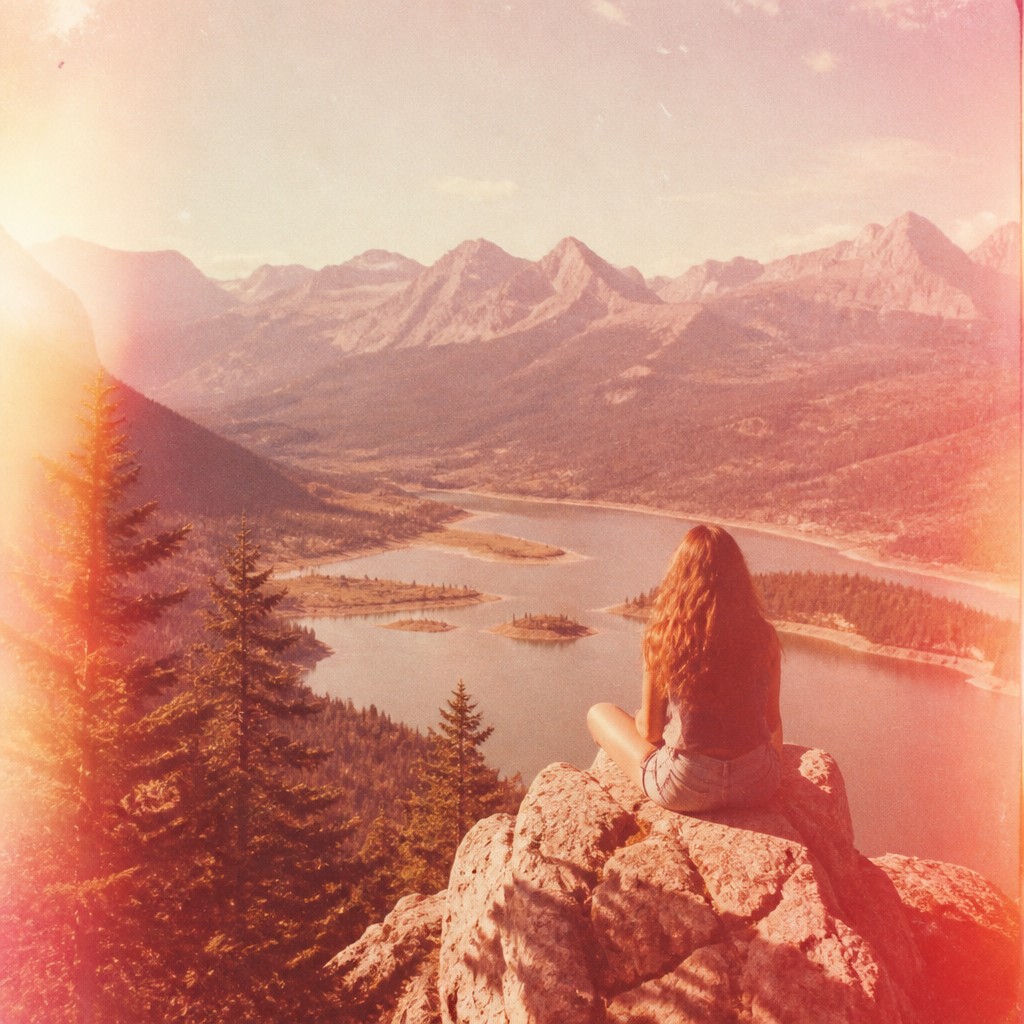
Subtle vignetting and soft flares
Edges darken gently or blur into the center, while lens flare-like blooms wash over bright areas. This helps frame the subject in an old-photo feel.
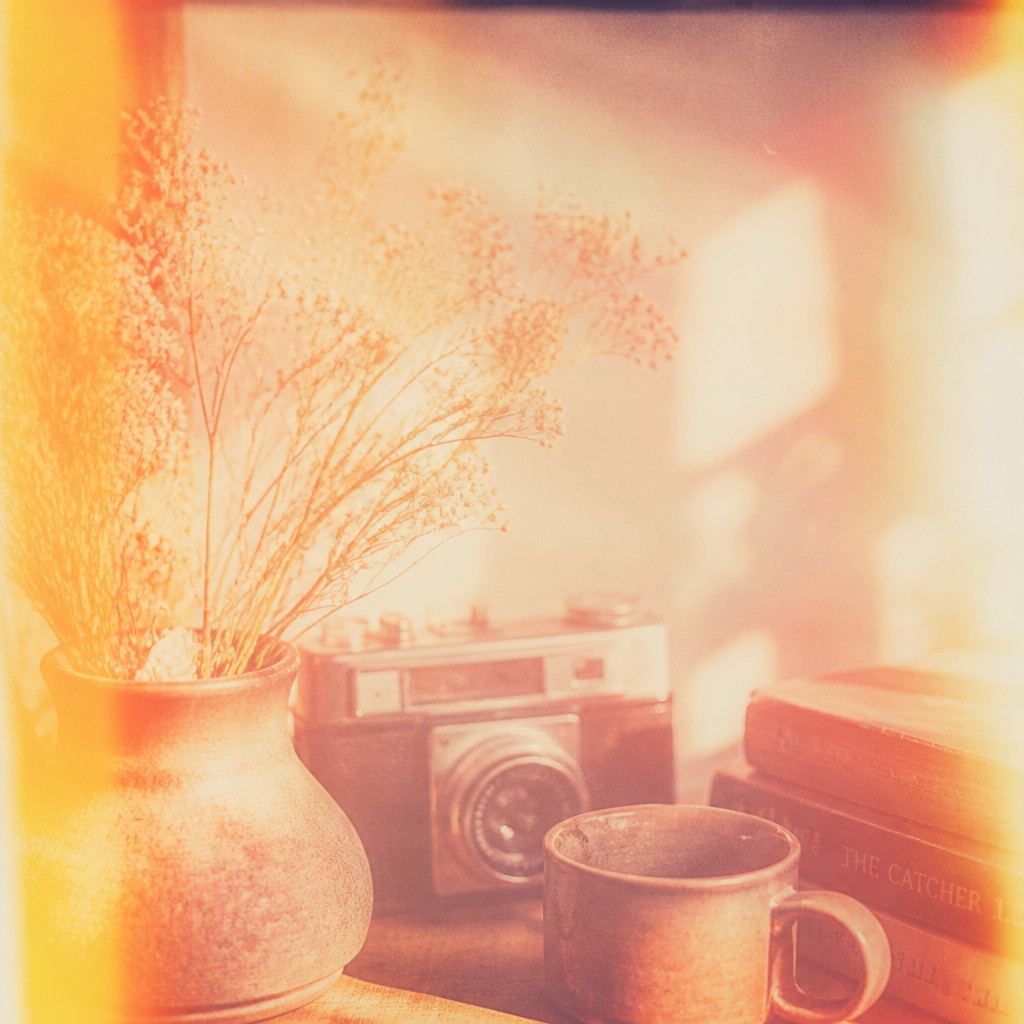
Color crossover and aged film shifts
Channels may drift so shadows, skin tones, and highlights do not align perfectly. The slight imbalance mimics old emulsion and scanning behavior.
Try It
Create Videos in Vintage Film Burn
Styles aren't just for stills — describe a scene or animate an image and get a short video rendered in Vintage Film Burn. Press play to see this pond come to life.
Make a VideoVintage Film Burn Prompt Ideas
Start from an idea — each one opens the generator with the style ready to go. See all 40 Vintage Film Burn prompts →
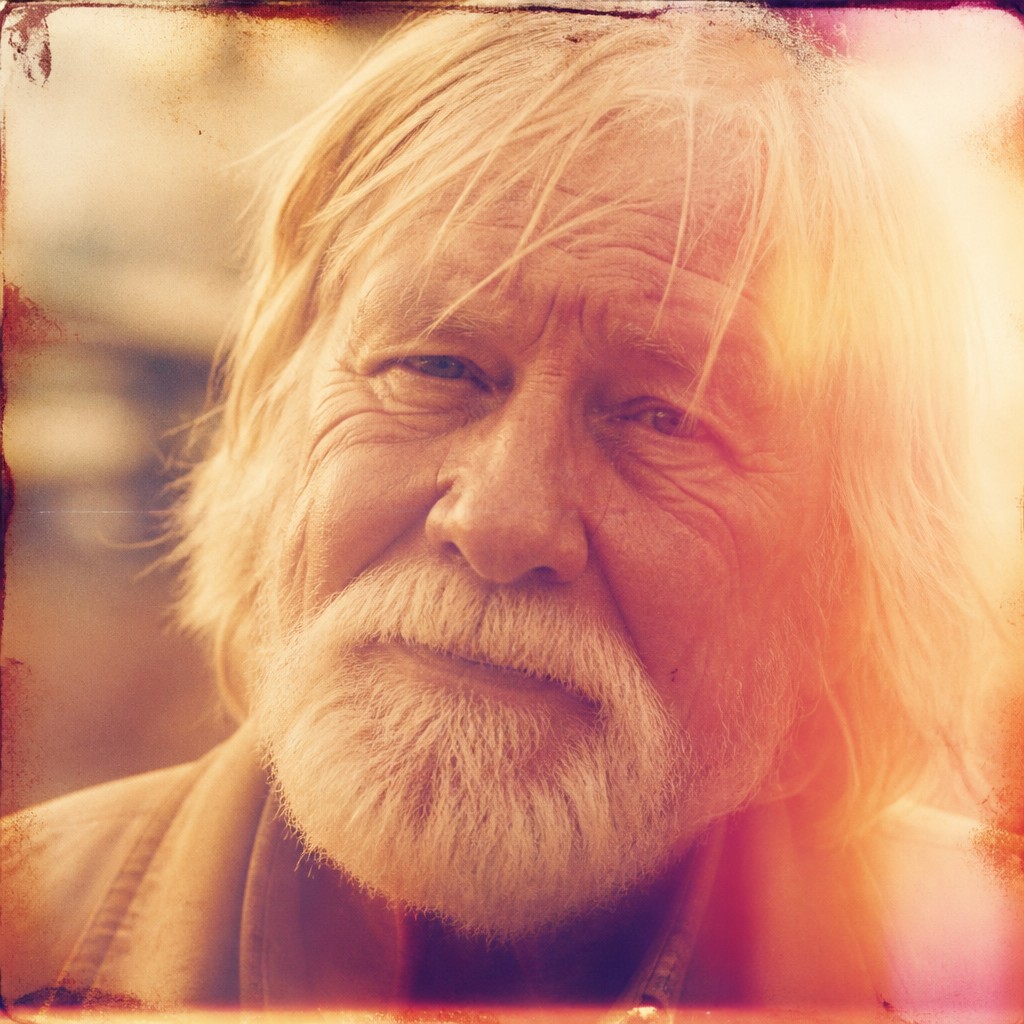
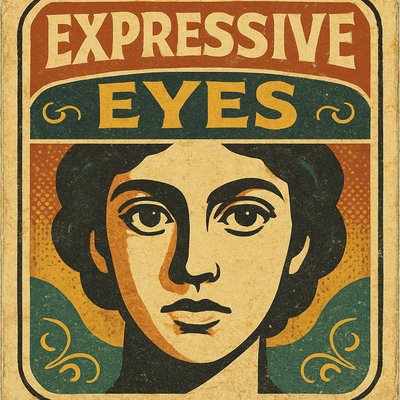
“close-up portrait of an elderly person with expressive weathered features”
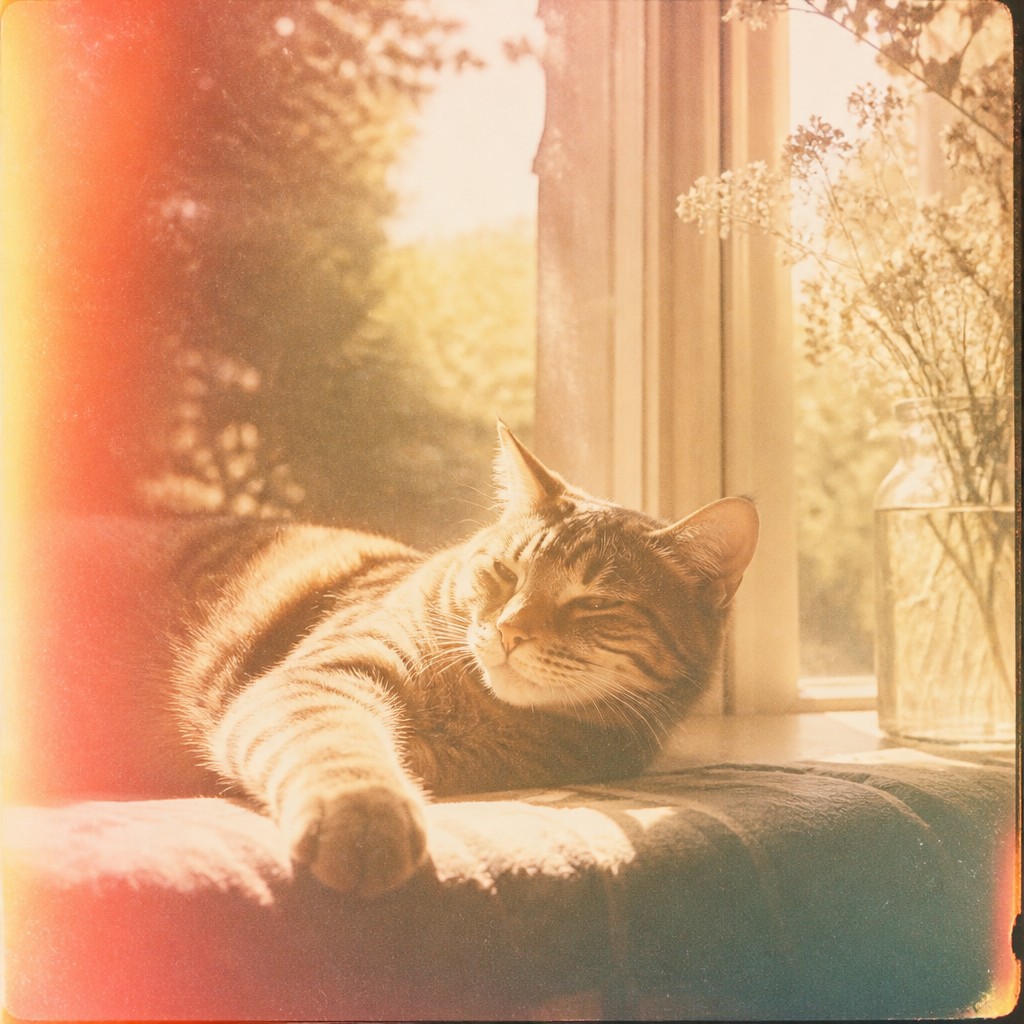
“a cat lounging in a sunlit window”
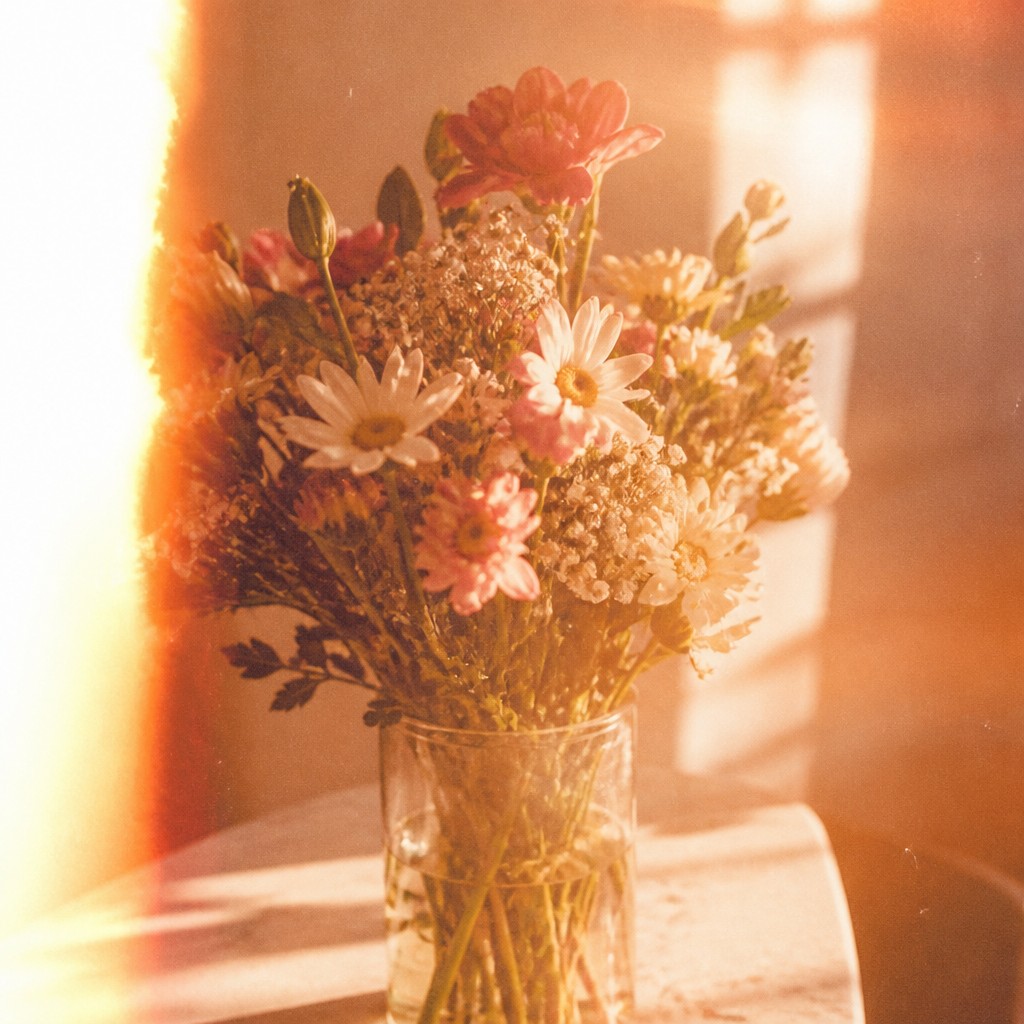
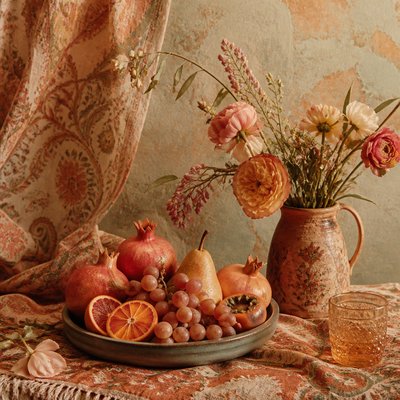
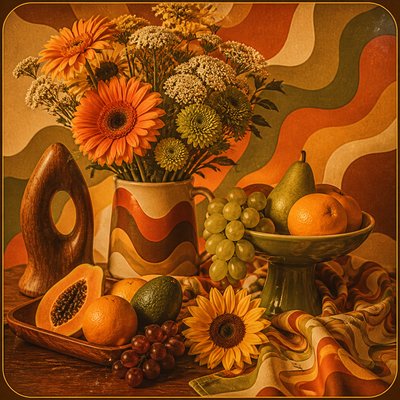
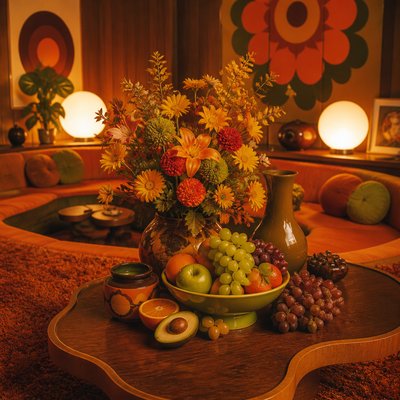
“bouquet of flowers in a glass vase”
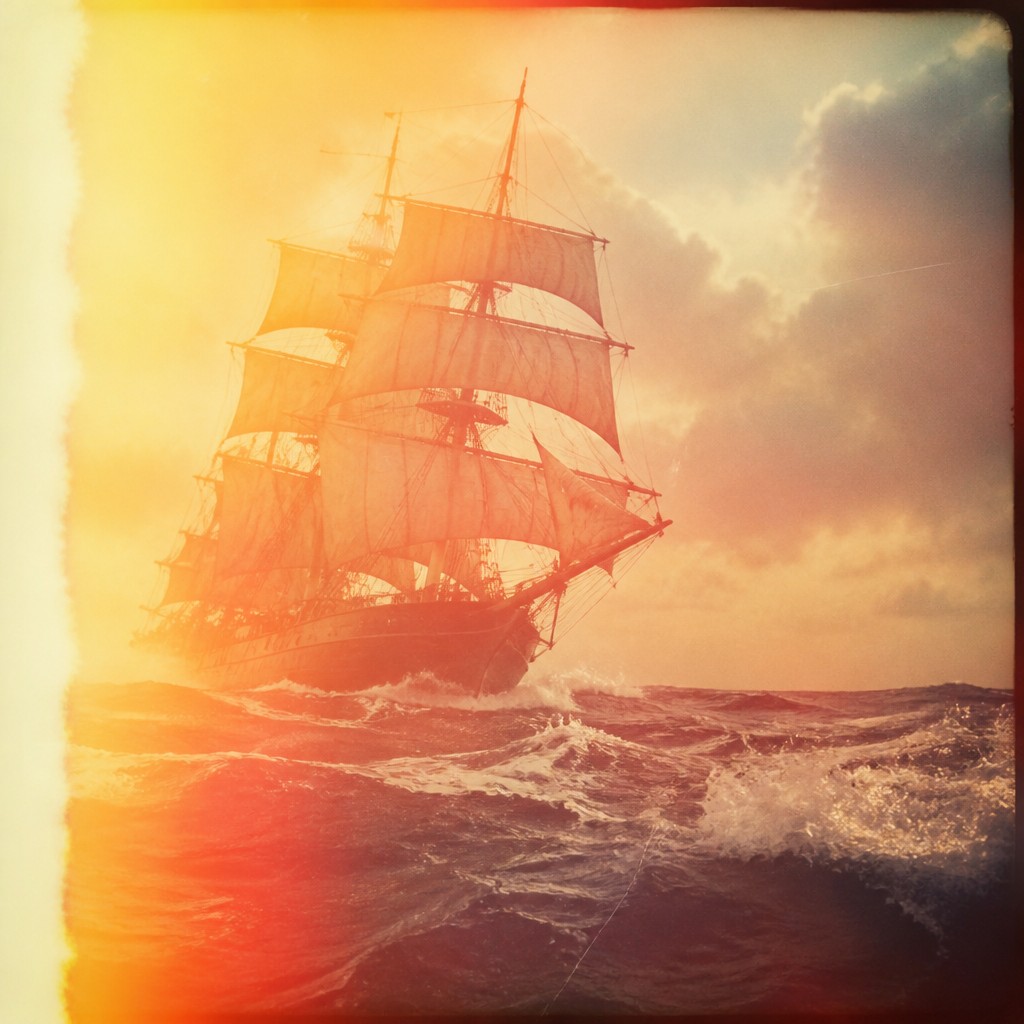
“sailing ship on a stormy sea”
How to Create Vintage Film Burn Art
Master the craft step by step — or skip straight to creating. Read the full guide →
- 1
Start with a bright, sunlit base
Use strong daylight, backlight, or golden-hour illumination so the image has natural bloom and potential for blown highlights. Scenes with sky, reflective surfaces, or skin tones benefit most from the look.
- 2
Reduce saturation and warm the palette
Shift colors away from clean neutrals toward faded pinks, amber, and honeyed yellows. Lower contrast slightly so the image reads as aged rather than heavily filtered.
- 3
Add film imperfections intentionally
Simulate grain, vignette, dust, flare, and light leaks with restraint so the image still feels photographic. Traditional artists can mimic the effect with translucent overlays, glazing, or scanned paper textures.
- 4
Let highlights breathe and edges soften
Avoid clinical sharpness; allow bright areas to wash out and transition gently. In digital editing or prompt-based creation, include words like faded, overexposed, light leak, grainy, and hazy.
- 5
Use subjects that suit memory and nostalgia
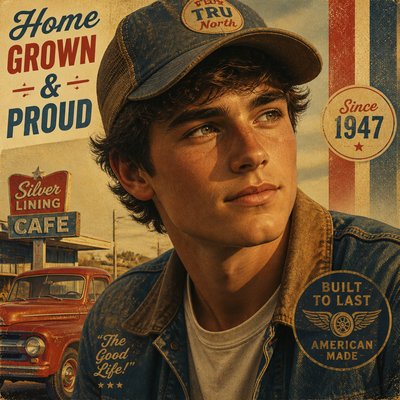
Portraits, road trips, beach scenes, childhood moments, and ordinary snapshots work especially well. The style is strongest when the subject feels intimate, casual, or personal.
- 6
If generating images, describe the film behavior explicitly
Prompt for aged film stock, organic burn, warm leaks, washed-out highlights, and dusty color crossover. Specific material cues produce a more convincing result than generic terms like 'retro.'

The Story
History & Origins of Vintage Film Burn
Vintage Film Burn is not a single historical movement but a contemporary aesthetic derived from analog photography and the visible imperfections of film materials. Its lineage includes consumer color film, slide film, cross-processing effects, darkroom exposure artifacts, and the later digital imitation of expired negatives and scanned prints. The look became especially familiar through lo-fi photography culture, where grain, leaks, and faded color were valued as expressive signs of time and memory.
The style also draws from broader visual traditions of nostalgic imaging: vacation snapshots, 1970s-1990s family photography, and the warm tonal bias often associated with aged prints. In digital form, it has been revived through filters and post-processing that simulate film burn, but its aesthetic logic remains rooted in analog imperfection rather than polished retouching.
Influences: Vintage Film Burn is closely related to analog color photography, especially consumer snapshots, expired film, and the imperfect scanning of negatives and prints. It also overlaps with nostalgic digital aesthetics such as lo-fi photography and the broader revival of film textures in contemporary image-making. Its emotional logic echoes the soft, attentive intimacy found in documentary and snapshot traditions rather than a single canonical fine-art school.
Frequently Asked Questions
What defines Vintage Film Burn?
It is defined by the visible signs of aging or exposure in film imagery: light leaks, sun bleaching, faded color, grain, and washed highlights. The overall impression is warm, nostalgic, and slightly damaged, like a cherished photo print that has softened over time.
Is this the same as retro or film photography?
Not exactly. Film photography can be clean, sharp, and modern-looking, while Vintage Film Burn emphasizes imperfections associated with aged or mishandled film. Retro is a broader category; this style is specifically about the look of light leaks, fading, and burn-like exposure artifacts.
Why does this style feel nostalgic?
The color palette and imperfections mimic old family albums, vacation snapshots, and prints that have been exposed to sun and time. Soft contrast and warm leaks also make the image feel less immediate and more like a remembered moment.
What subjects work best in this style?
Portraits, candid everyday scenes, landscapes at golden hour, and travel imagery are especially effective. Anything that benefits from an intimate, memory-like mood will usually suit the style well.
How do I make digital images look authentic in this style?
Combine faded warm color, grain, slight blur, and uneven exposure with believable light leaks or burn marks. Avoid overusing filters that make the image look sterile; the best results keep some unpredictability and softness.
Where is this style commonly used?
It appears in personal photography, album covers, editorial mood imagery, social media visuals, and nostalgic branding. It is often used anywhere an emotional, lived-in, analog feeling is more important than precision.
Create your first Vintage Film Burn artwork
Describe anything — or upload a photo — and see it in Vintage Film Burn in seconds.
Make Something with Vintage Film Burn
Related Styles
Discover similar art styles