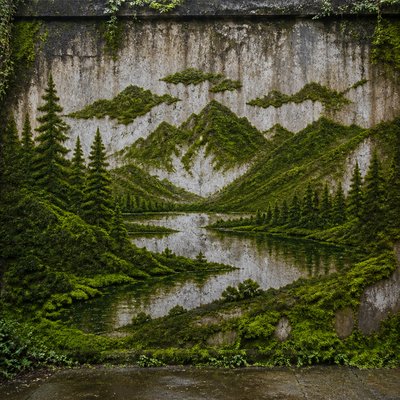
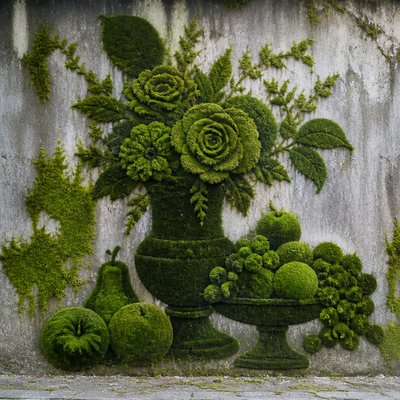
Botanical Nature Art
Scientific botanical illustrations with fine linework, watercolor washes, and antique specimen-plate elegance for plants and flowers.
Instantly rendered in Botanical Nature — or transform a photo
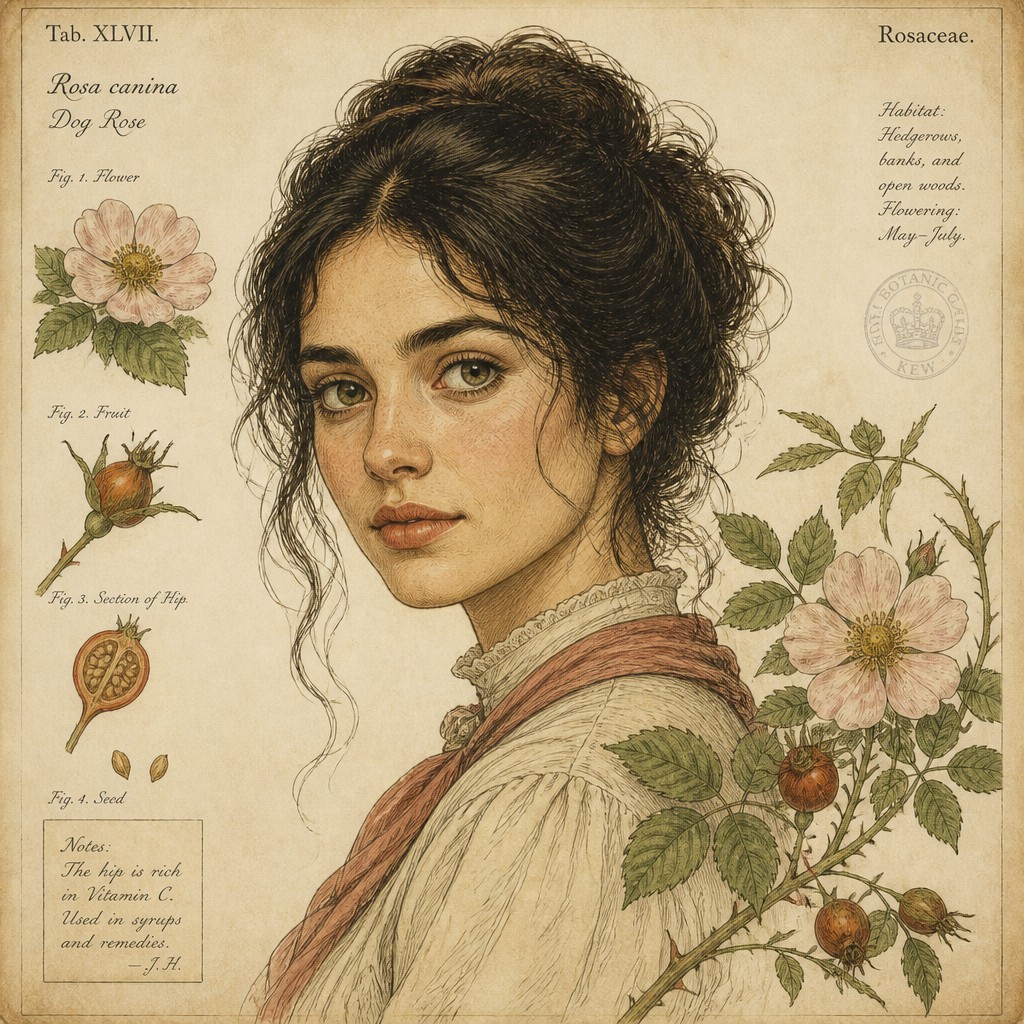
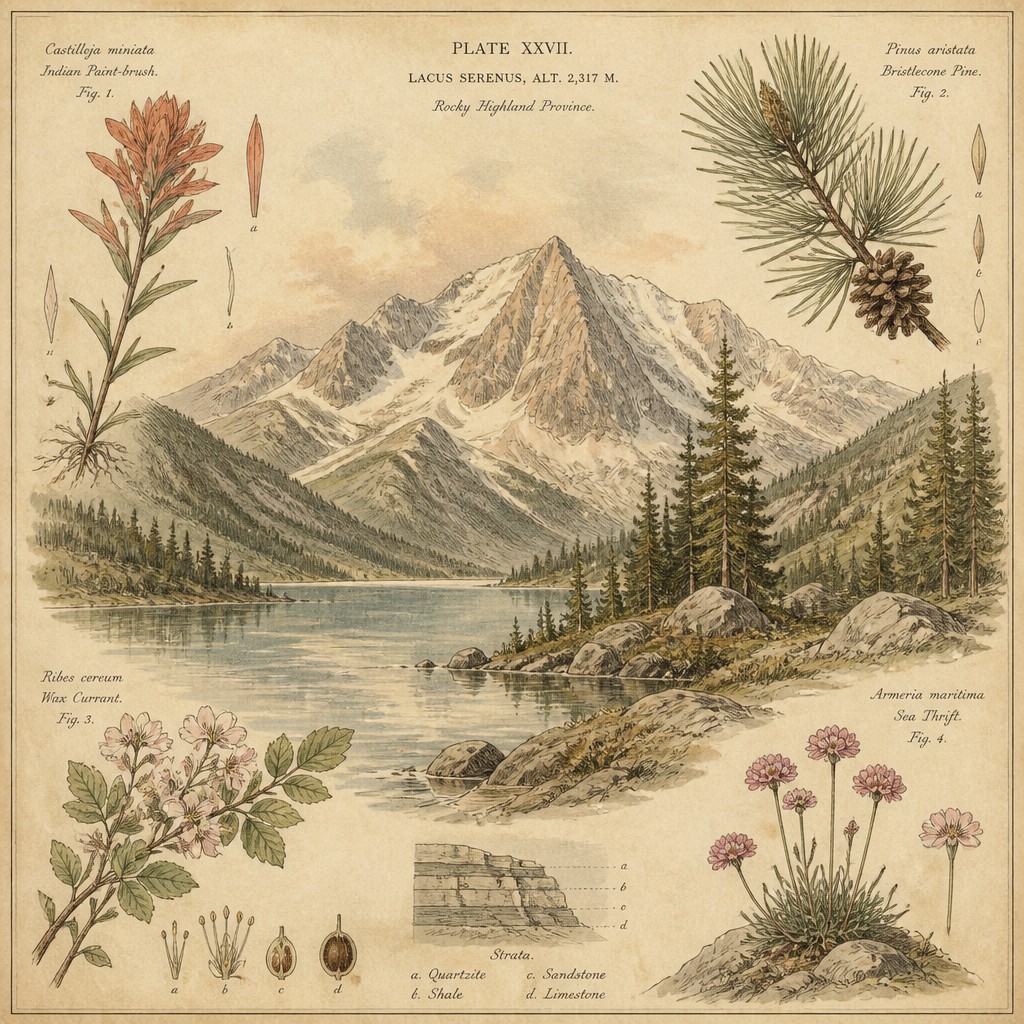
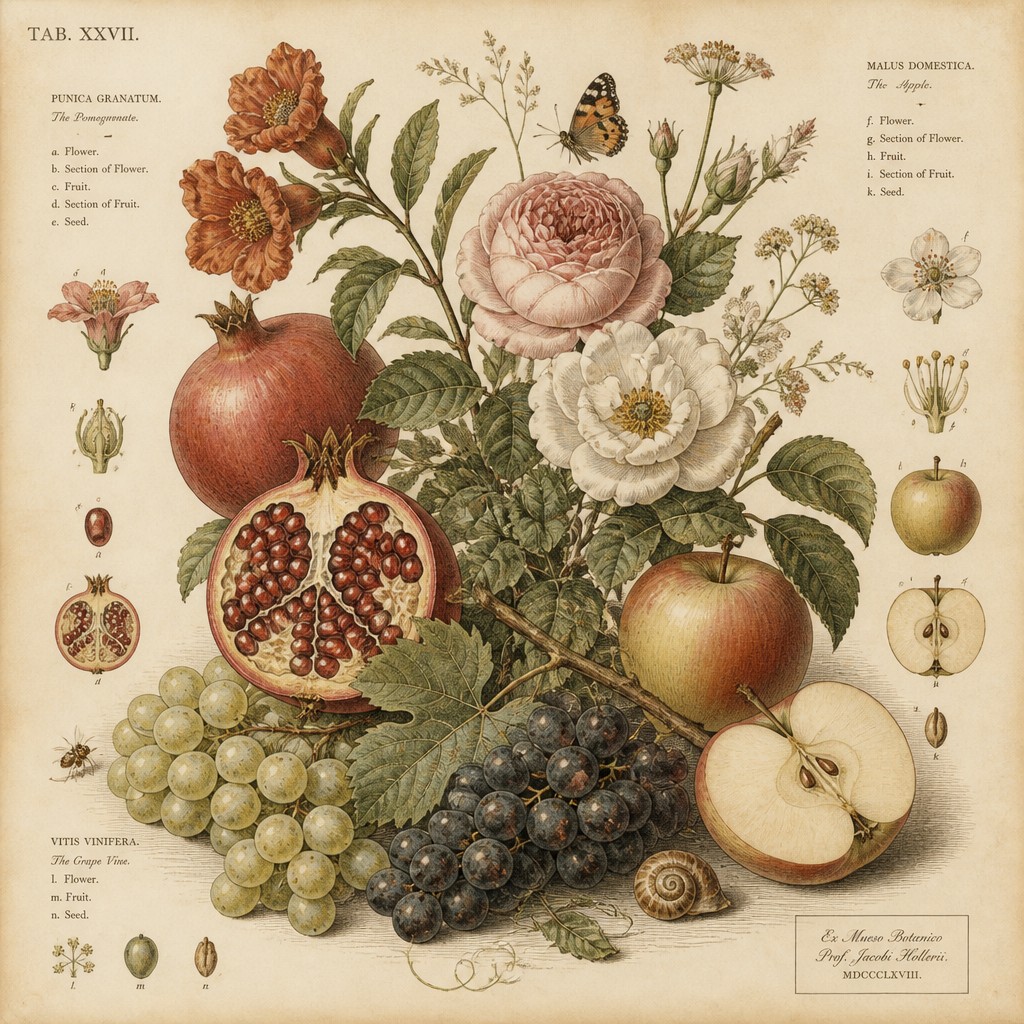
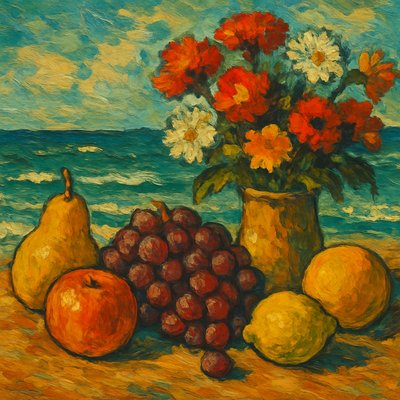
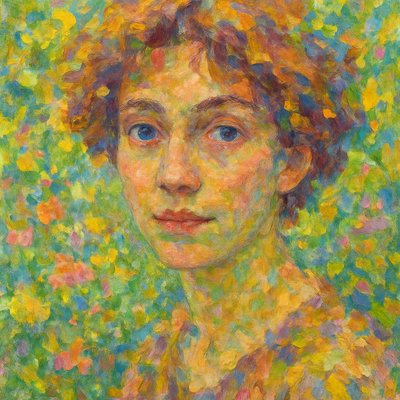
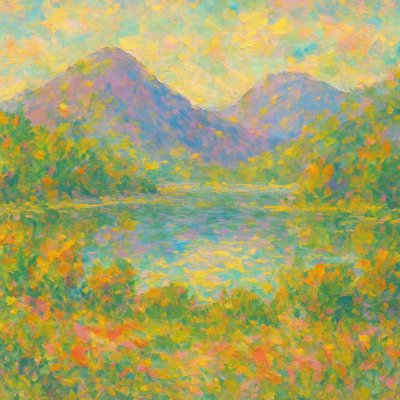
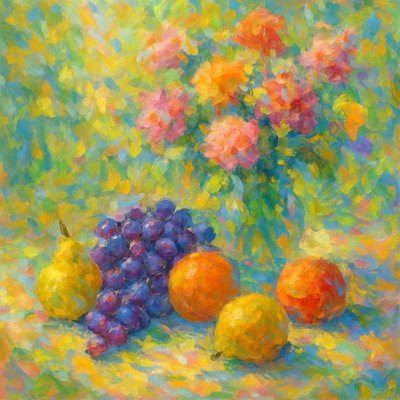
Botanical Nature Gallery
Tap any artwork to explore it
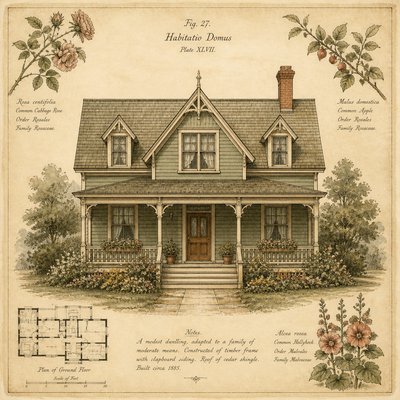
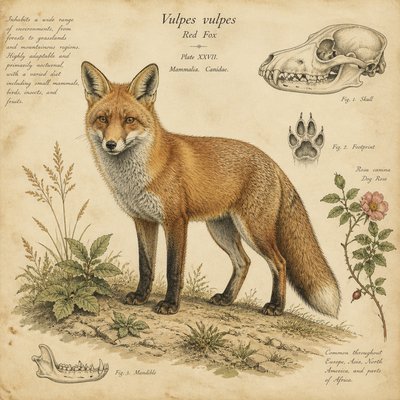
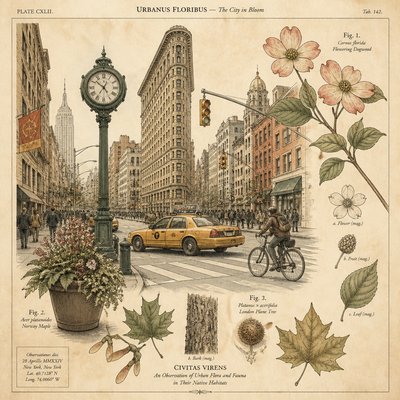
What is Botanical Nature Art?
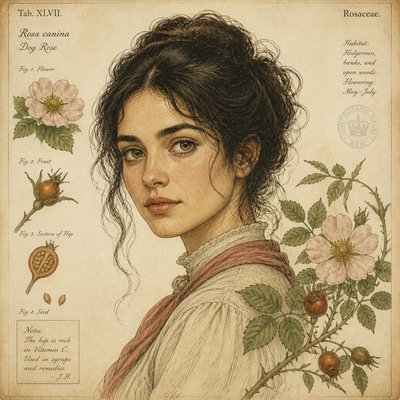
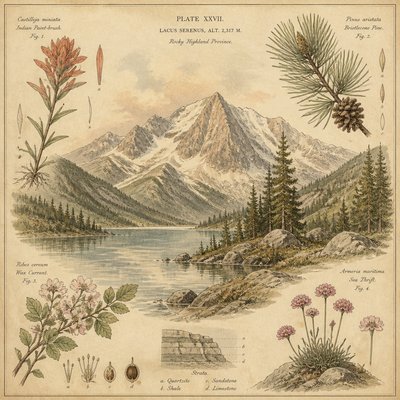
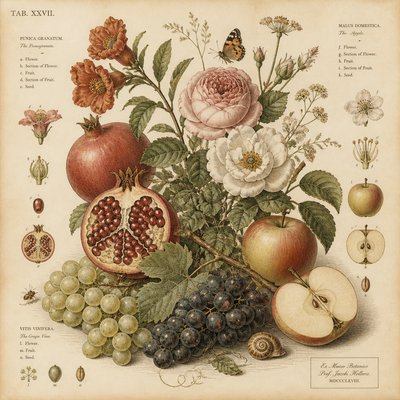
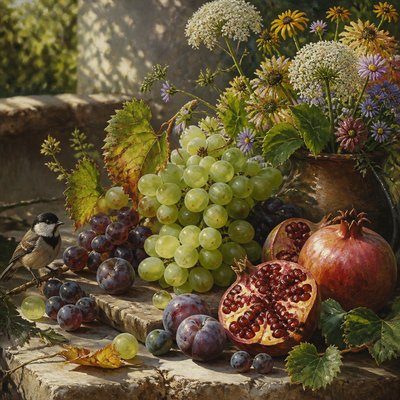
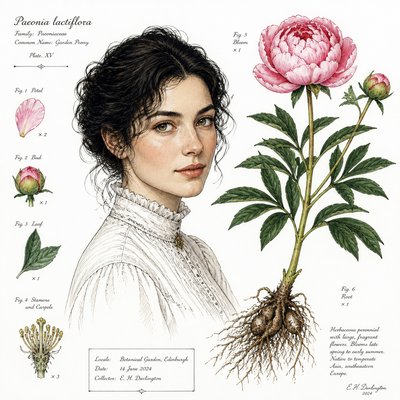
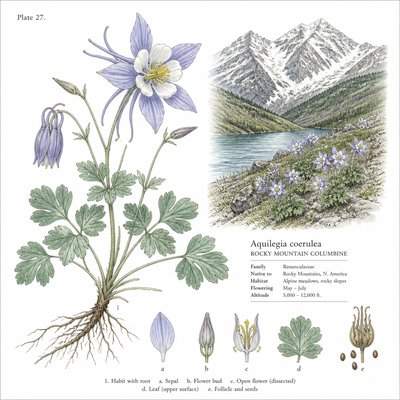
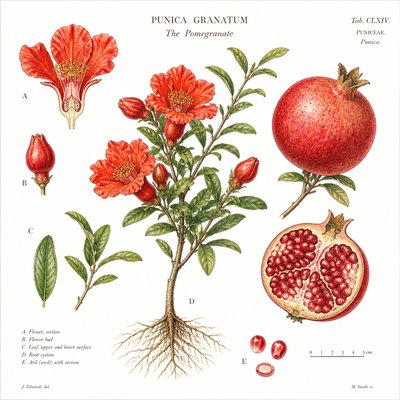
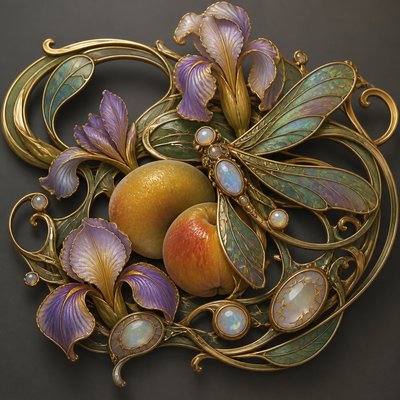
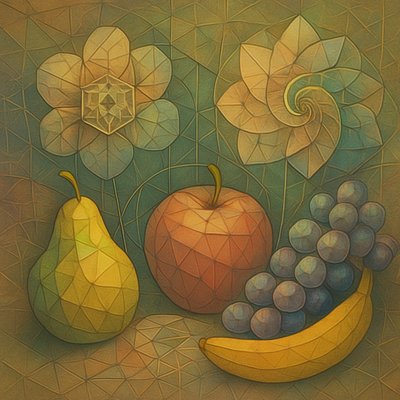
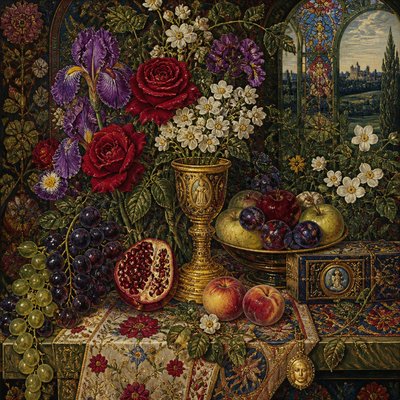
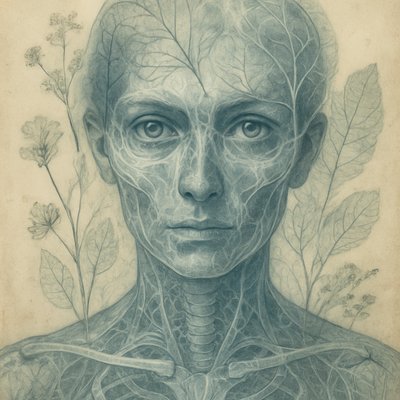
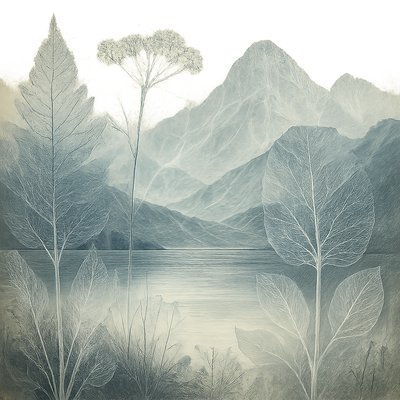
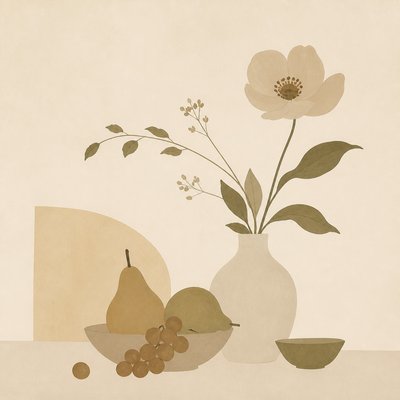
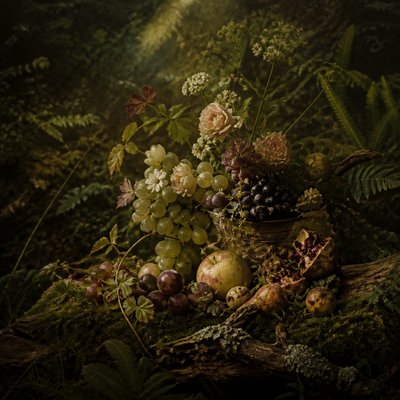
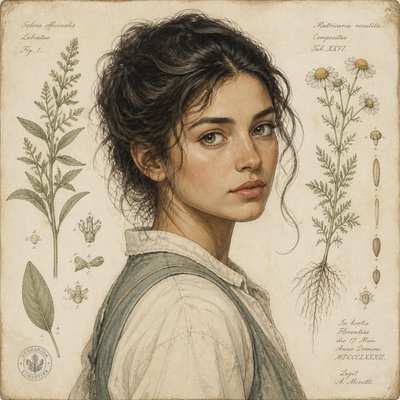
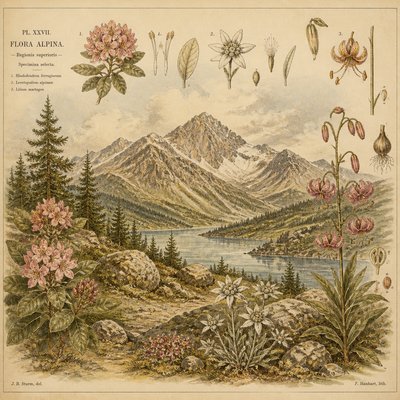
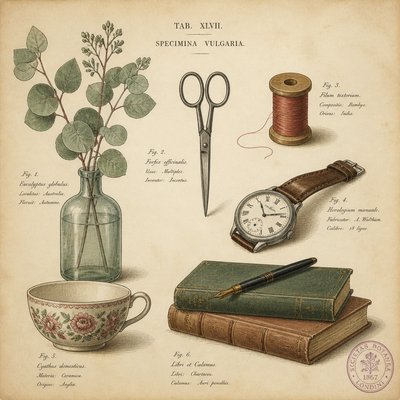
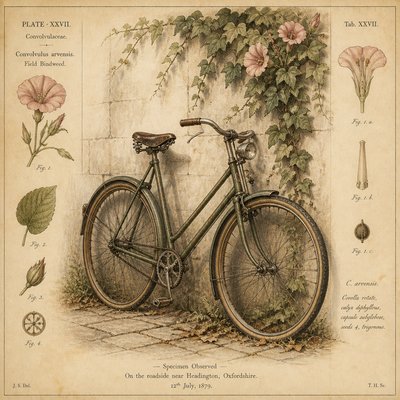
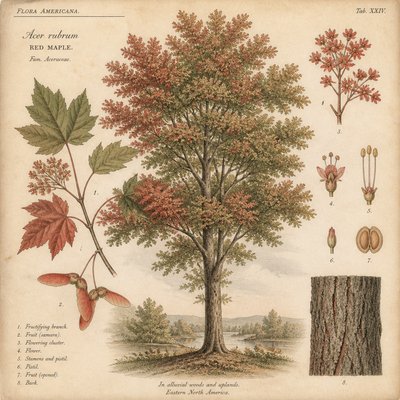
Botanical Nature Art is a visual style centered on the careful depiction of plants, flowers, leaves, stems, roots, seeds, and other botanical specimens. It aims to preserve recognizable scientific details while also presenting the subject with compositional grace, balanced spacing, and a refined sense of beauty. The result often feels part field guide, part decorative print, with each specimen isolated and clearly legible.
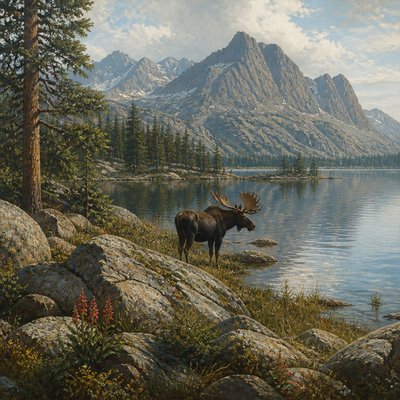
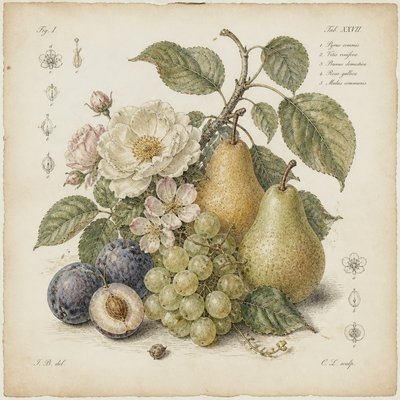
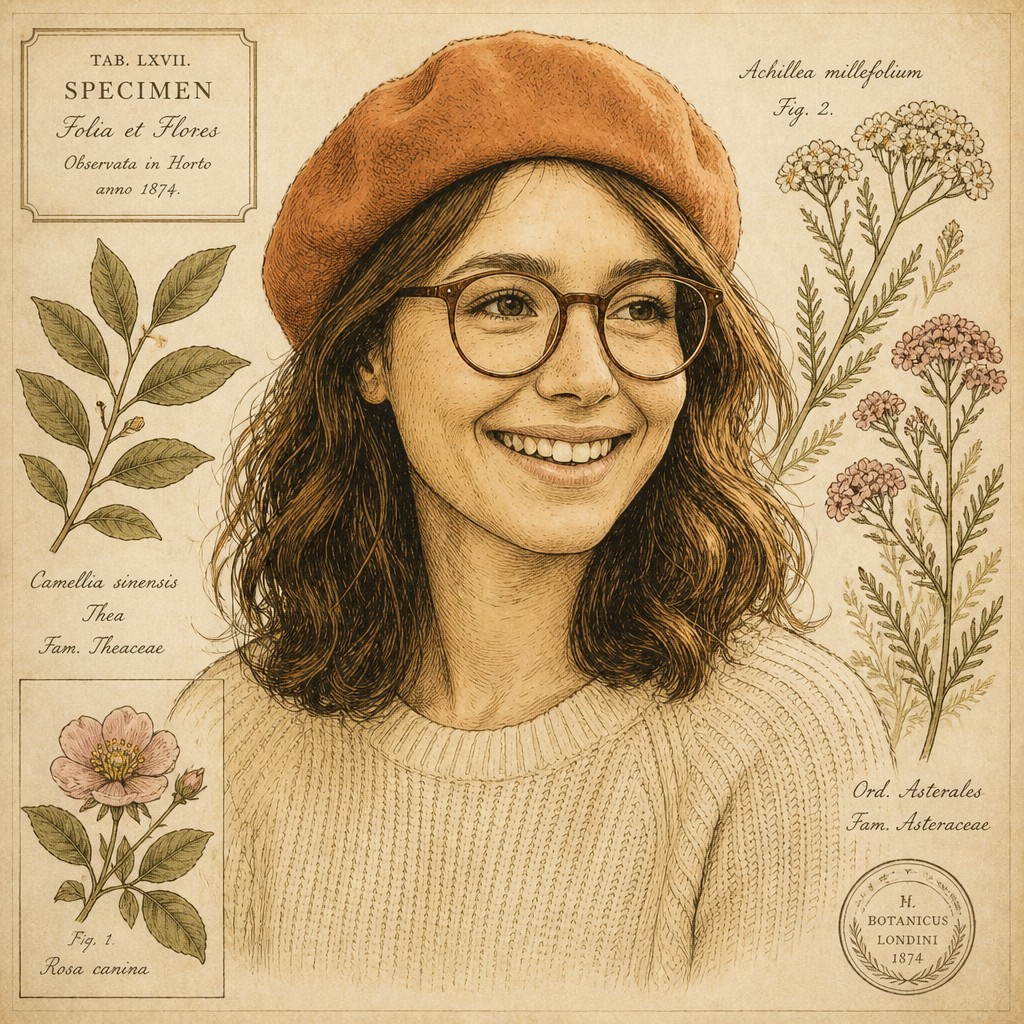
Its visual identity comes from the traditions of natural history illustration: precise outlines, delicate shading, translucent watercolor, and a restrained palette drawn from natural pigments. Cream or parchment-colored grounds, subtle aging, and careful modeling of form help give the work the character of an antique specimen plate. Even when the subject is stylized, the image typically retains an observational clarity that makes the plant feel studied rather than merely ornamental.
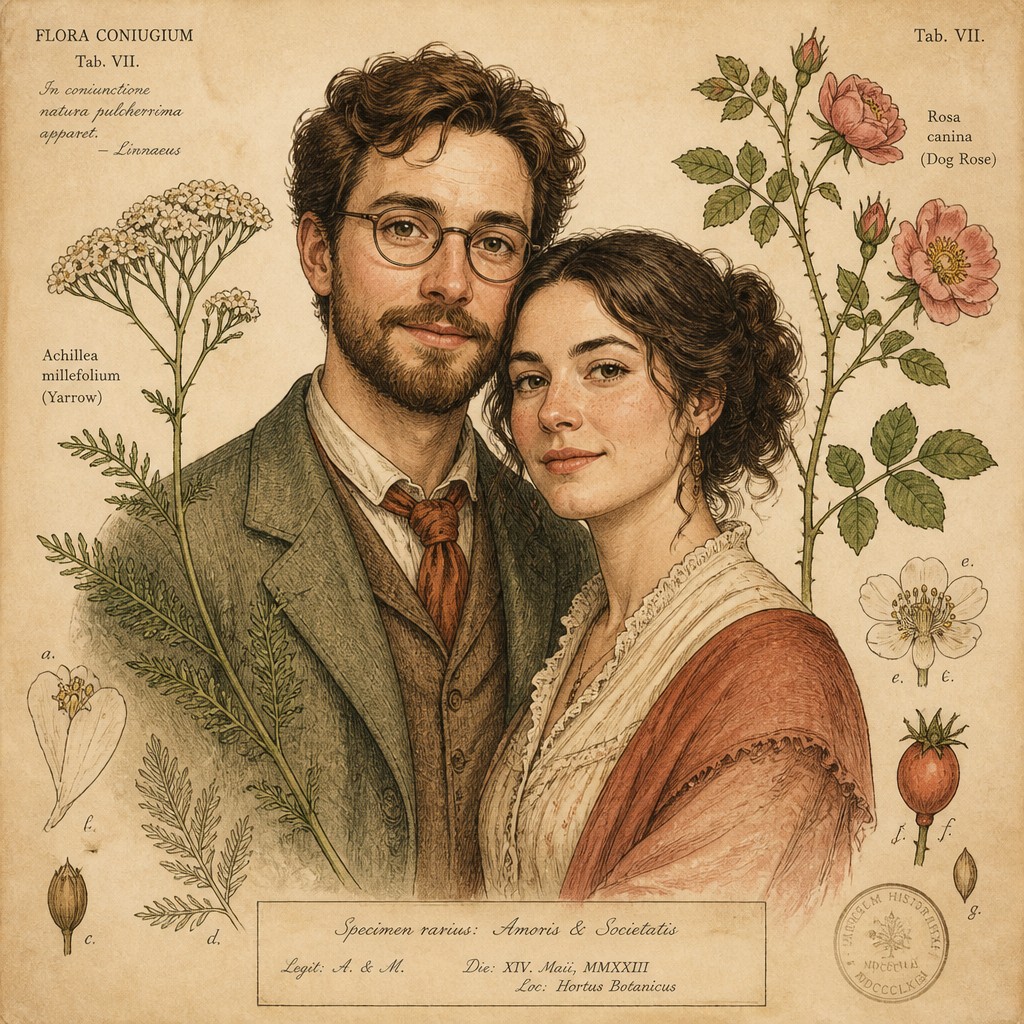
Try It On Your Photos
Upload any photo and convert it into Botanical Nature Art — drag the sliders to compare before and after.


What Defines Botanical Nature Art
The signature details, up close
Precise linework
Contours are drawn with controlled, thin lines that define petals, veins, stems, and leaf edges clearly. The drawing prioritizes botanical accuracy, so individual structures remain readable at close range.
Delicate cross-hatching and shading
Form is modeled with fine hatching, stippling, or soft tonal transitions rather than heavy shadows. This creates volume while preserving the crisp clarity associated with scientific illustration.
Watercolor transparency
Color is usually applied in thin, layered washes that allow the linework to remain visible. The paint often looks translucent, with subtle variation in density across petals and foliage.
Muted natural palette
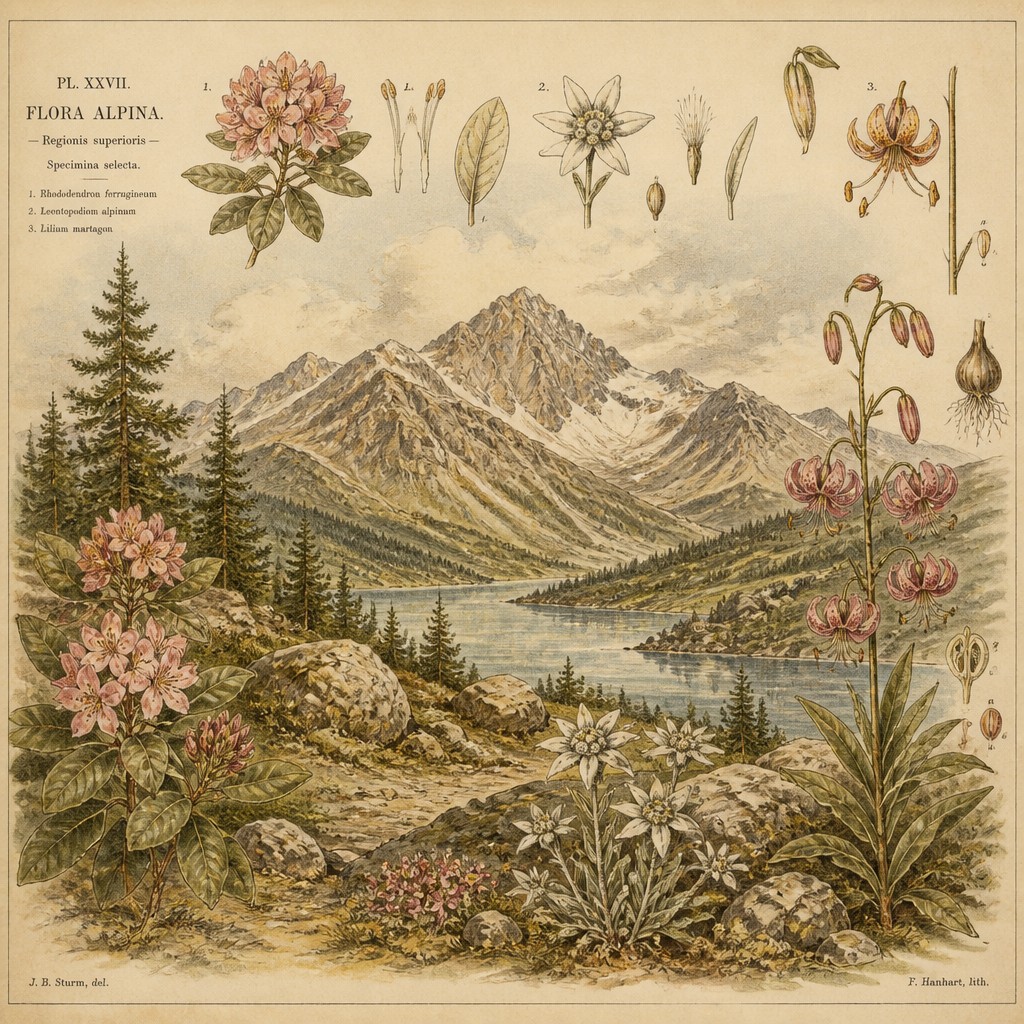
Common hues include sage green, burnt sienna, soft ochre, dusty rose, moss, umber, and faded gold. The palette tends to avoid saturated neon color in favor of pigments that feel plant-based and archival.
Cream or parchment background
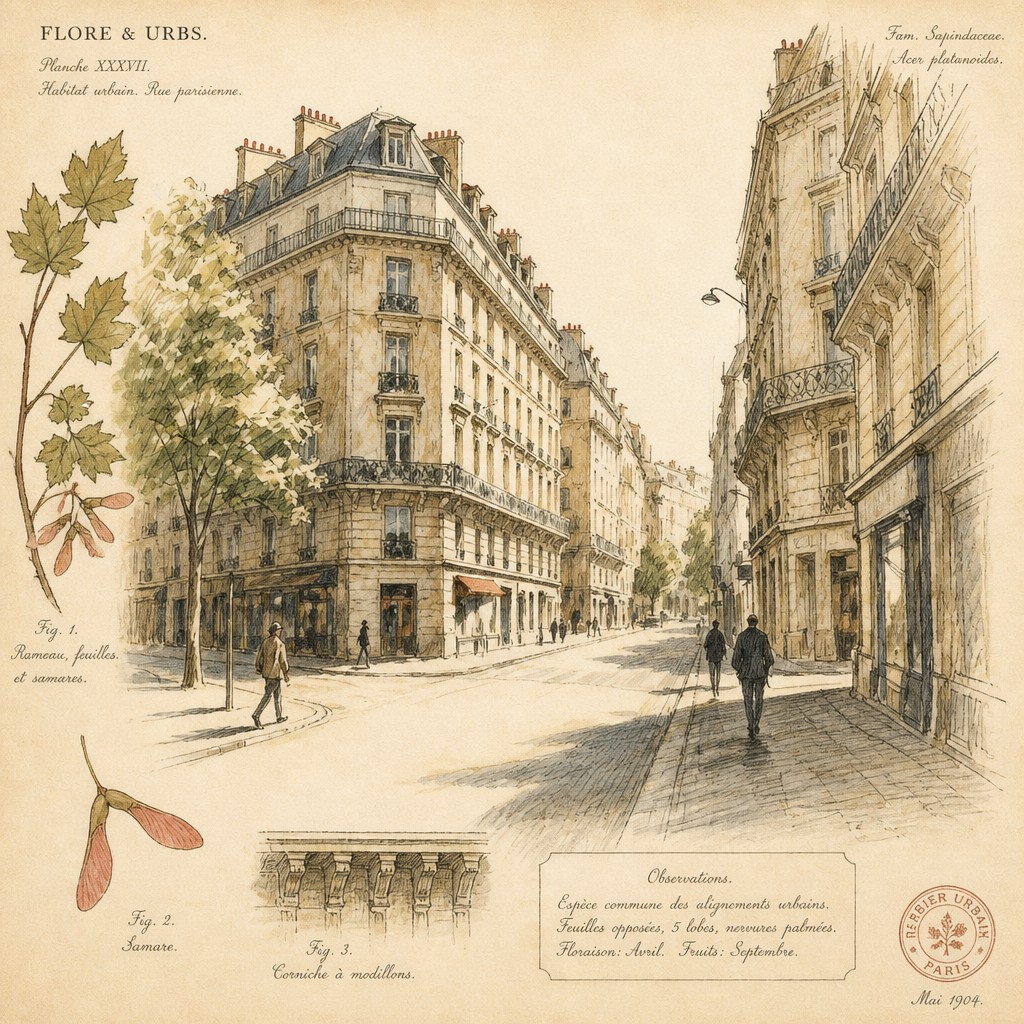
Images often sit on a warm, lightly textured ground rather than a pure white field. This antique paper effect strengthens the specimen-plate and archival atmosphere.
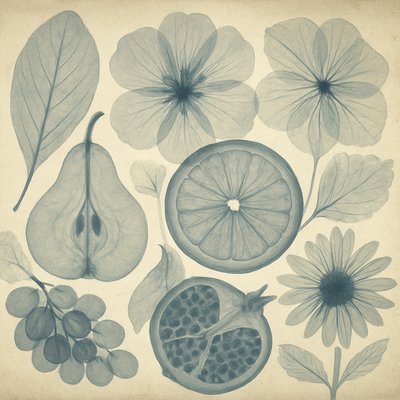
Specimen-focused composition
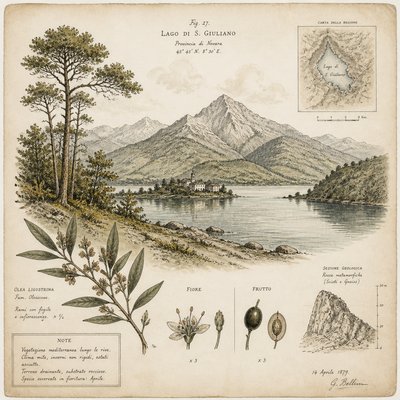
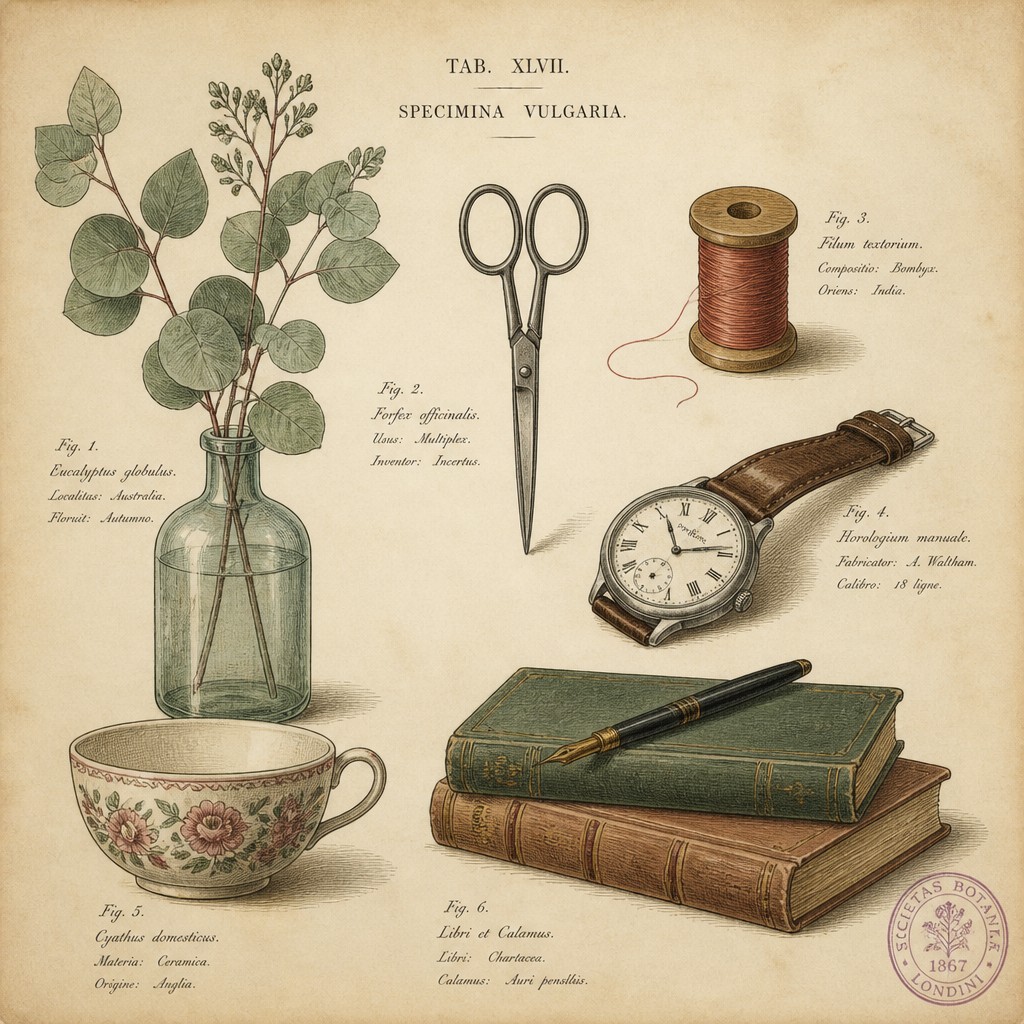
Subjects are usually isolated, centered, or arranged in a balanced study format. The composition makes the plant easy to identify and often includes blossoms, buds, fruit, roots, or cut sections for completeness.
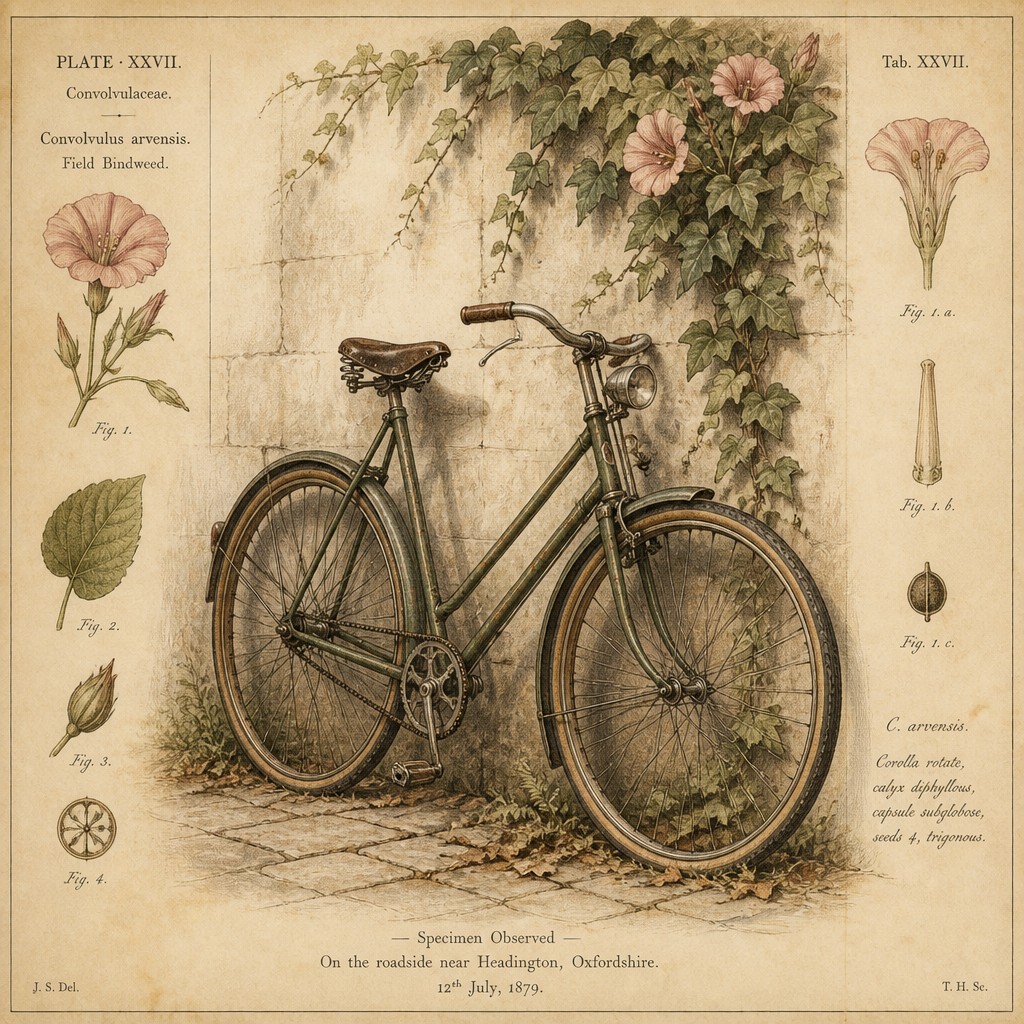
Refined antique finish
The overall impression is polished but slightly aged, as if sourced from an old herbarium or natural history volume. Subtle paper texture, gentle wear, and soft light help the image feel historical and collectible.
Try It
Create Videos in Botanical Nature Art
Styles aren't just for stills — describe a scene or animate an image and get a short video rendered in Botanical Nature. Press play to see this pond come to life.
Make a VideoBotanical Nature Prompt Ideas
Start from an idea — each one opens the generator with the style ready to go. See all 40 Botanical Nature prompts →
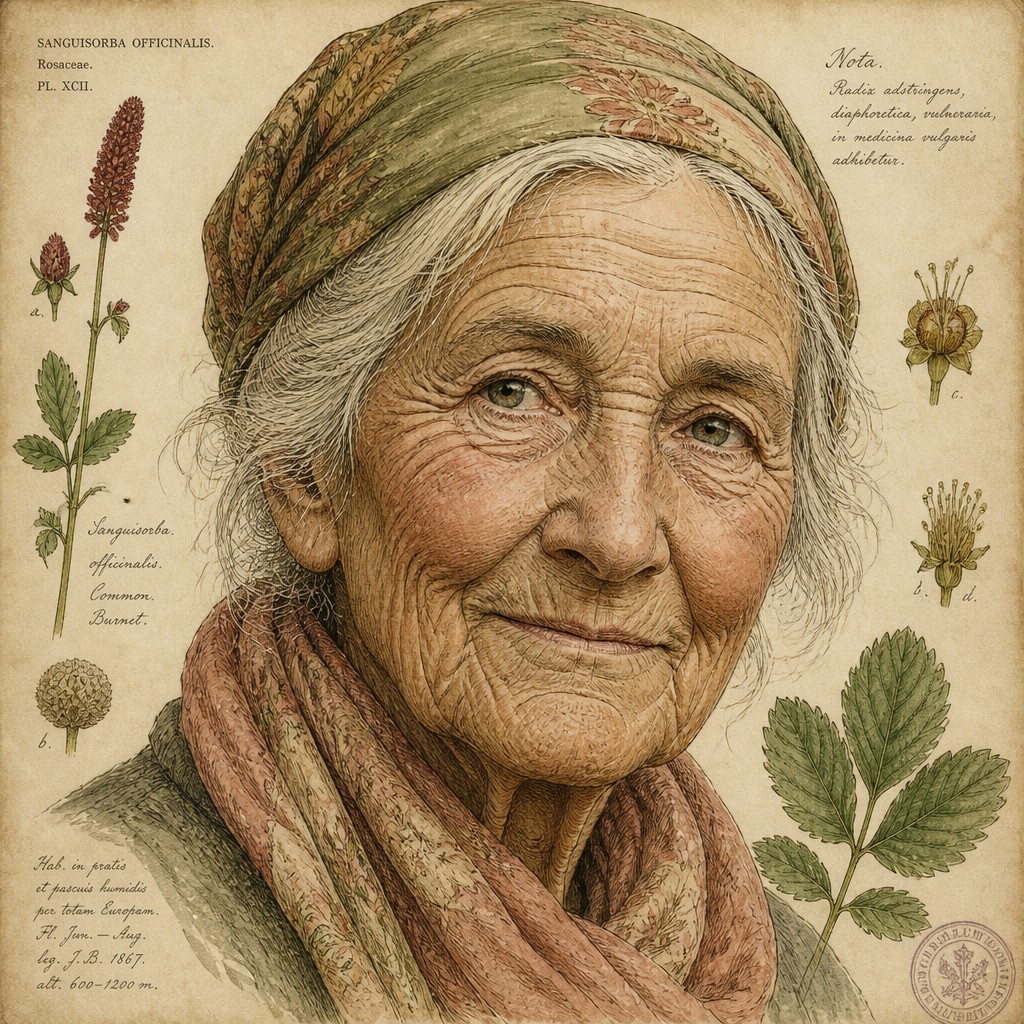
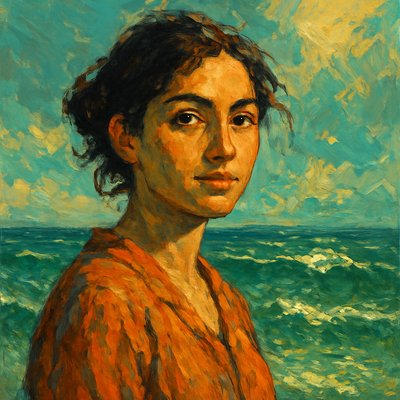
“close-up portrait of an elderly person with expressive weathered features”
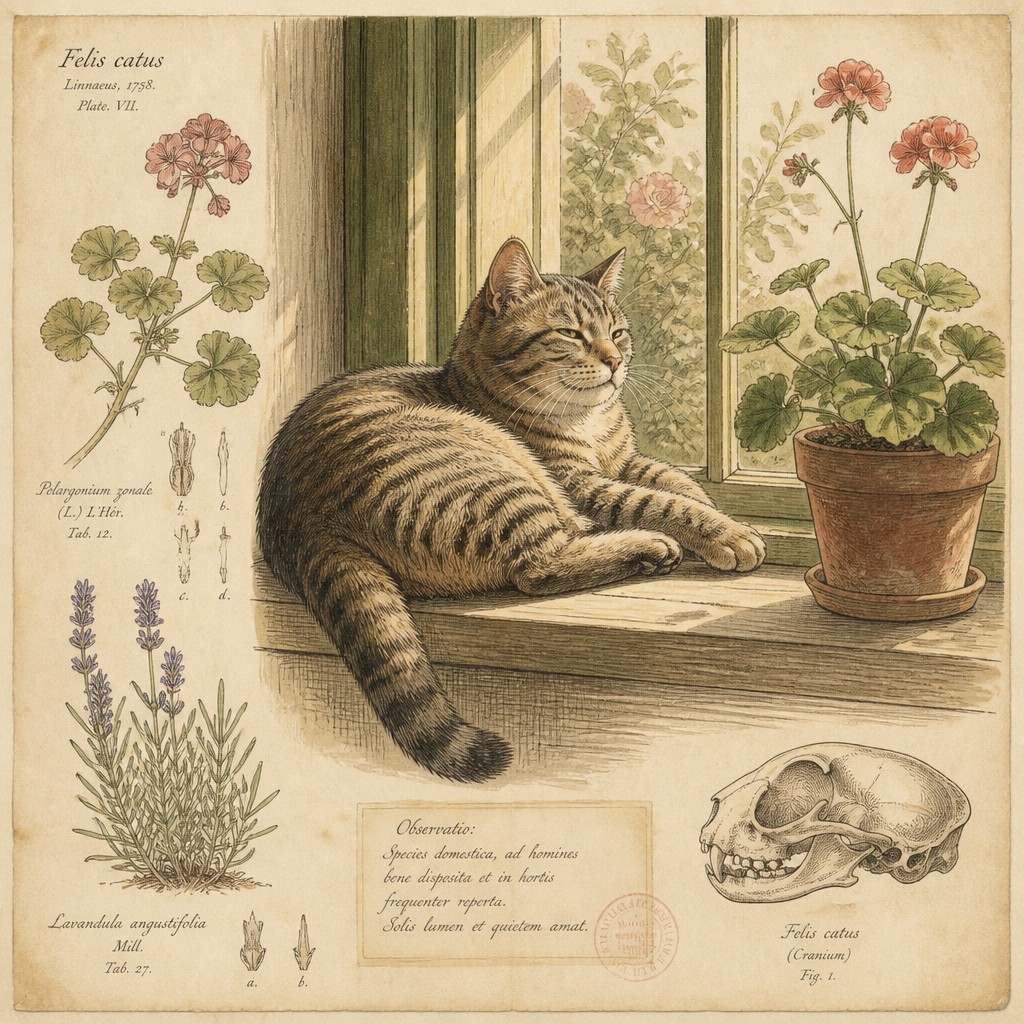
“a cat lounging in a sunlit window”
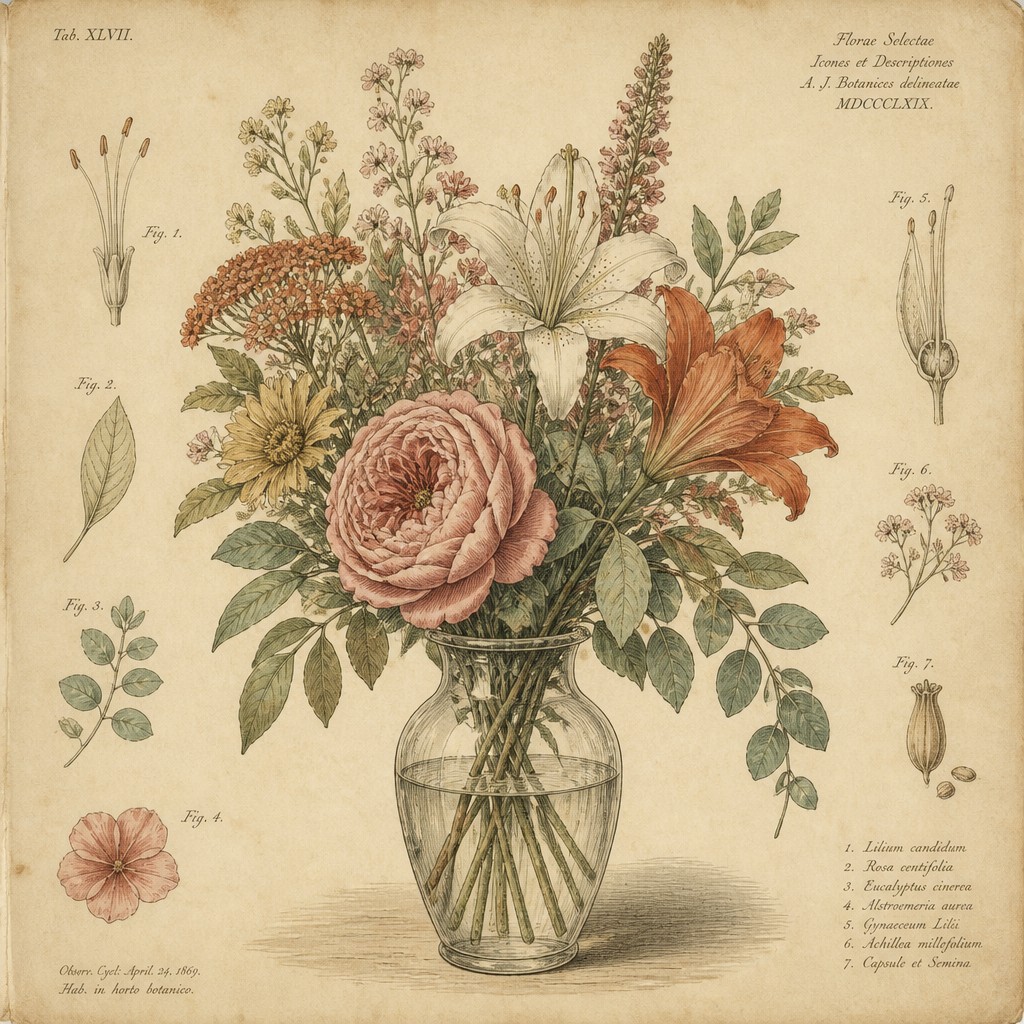
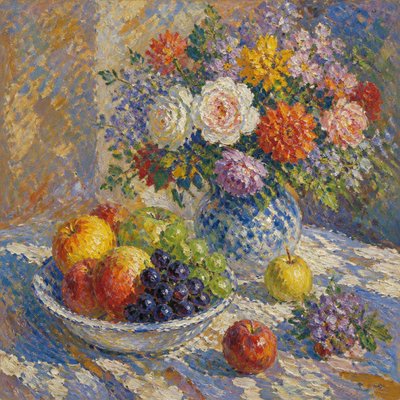
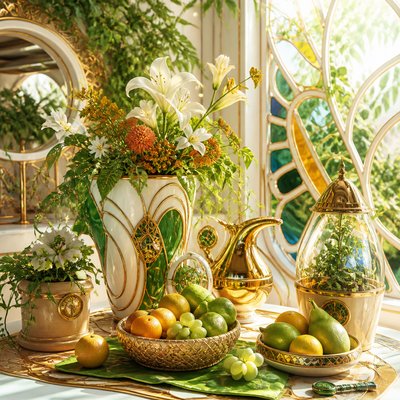
“bouquet of flowers in a glass vase”
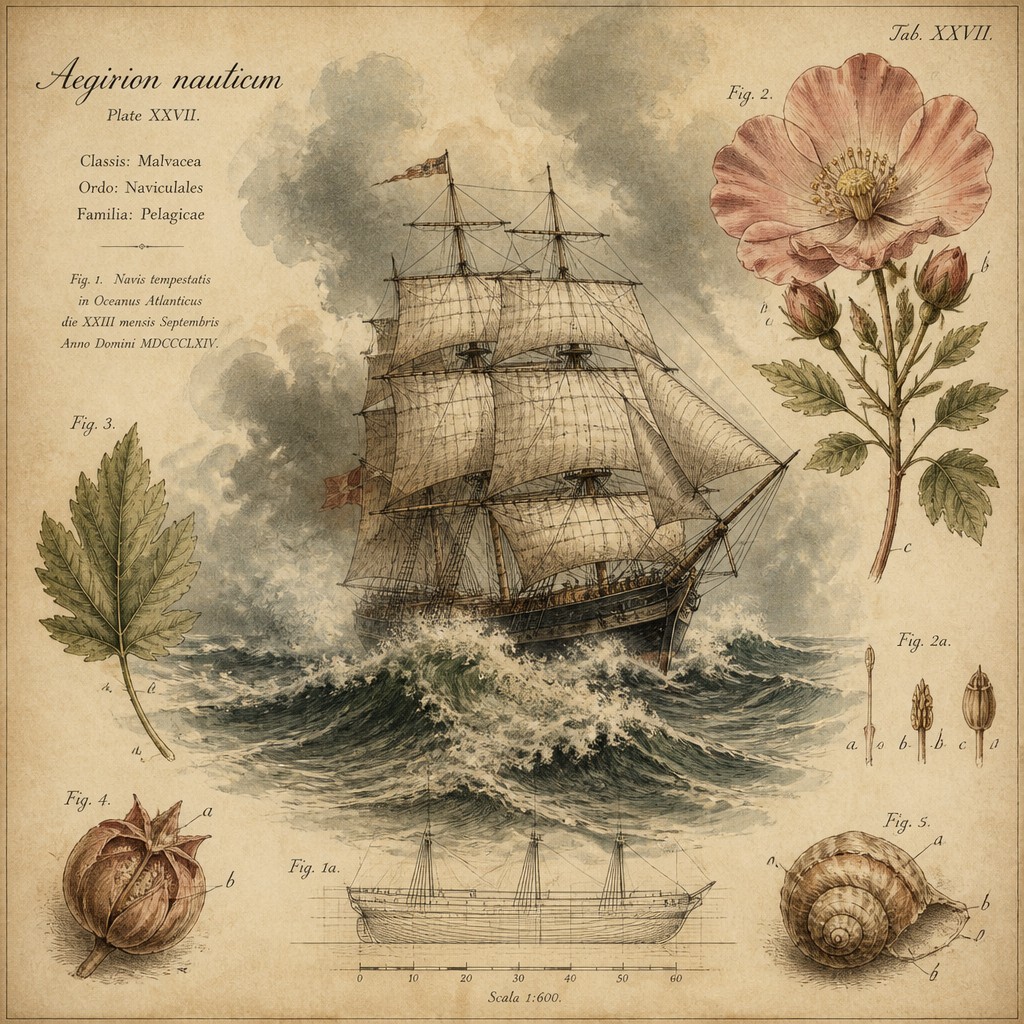
“sailing ship on a stormy sea”
How to Create Botanical Nature Art
Master the craft step by step — or skip straight to creating. Read the full guide →
- 1
Observe the plant structure first
Start from real botanical reference: note leaf arrangement, venation, flower symmetry, stem thickness, and reproductive parts. If you simplify the image, preserve the features that make the species identifiable.
- 2
Draw with controlled, thin outlines
Use precise contour lines and fine interior detailing rather than expressive brush marks. Keep the anatomy clean and readable, then add cross-hatching or stippled shading to suggest depth.
- 3
Build color with transparent washes
Apply watercolor or watercolor-like digital layers in thin passes, allowing the drawing beneath to remain visible. Restrict the palette to muted natural pigments so the image feels archival rather than decorative-pop.
- 4
Use a specimen-plate composition
Place the plant against a warm cream or parchment ground and give it breathing room. For more traditional results, center the specimen and keep the background uncluttered; for a plate-like layout, add a few supplementary views such as a flower, bud, seed pod, or root detail.
- 5
Emulate the antique print finish digitally
In digital work, combine crisp ink-like linework with soft brush textures and light paper grain. A subtle warm tint, mild edge aging, and restrained contrast can make the piece resemble an old botanical plate without looking artificially distressed.
- 6
Write prompts with specific botanical details
For prompt-based generation, name the plant species or structural features you want shown, and specify fine linework, watercolor washes, parchment paper, and scientific illustration cues. The more exact the botanical subject and viewpoint, the more convincing the result will be.
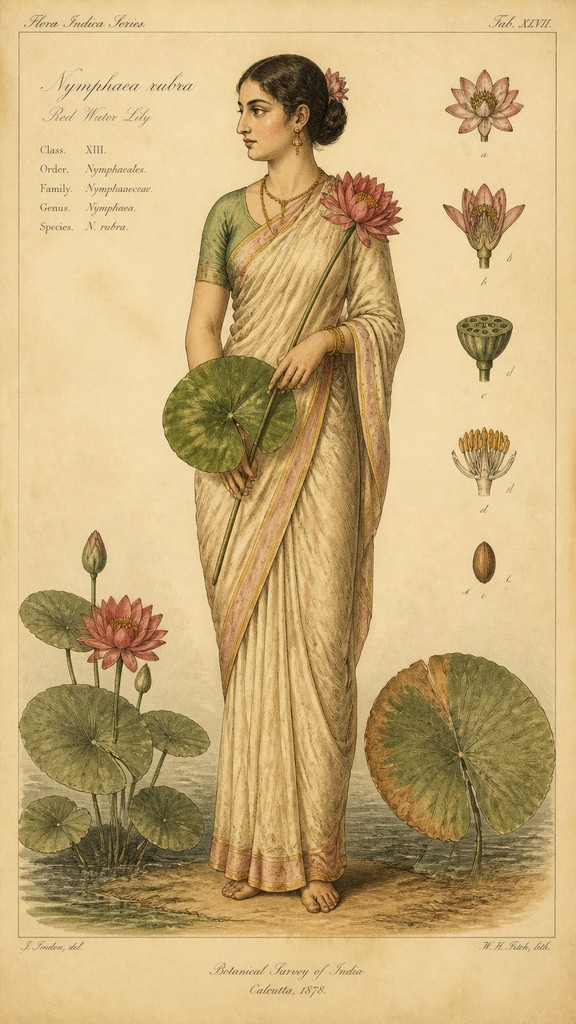
The Story
History & Origins of Botanical Nature
Botanical Nature Art is not a single historical movement so much as a contemporary name for a long-standing illustrated tradition. Its lineage runs through early modern herbals, Enlightenment-era natural history books, expedition plates, and 18th- and 19th-century botanical atlases created for study, classification, and collecting. Artists and scientific draftsmen developed a visual language that could communicate structure accurately while remaining elegant enough for publication and display.
The style draws most directly from European botanical illustration, especially the watercolors and engraved plates associated with scientific publishing in the 17th through 19th centuries. It also overlaps with the decorative legacy of naturalist prints and albumen-era specimen studies, which favored isolated subjects, restrained backgrounds, and careful tonal modeling. In contemporary use, the style continues this hybrid of documentation and ornament, now adapted for editorial design, educational materials, stationery, and digital image-making.
Influences: Botanical Nature Art is closely related to European natural history illustration, herbal manuscripts, and the engraved and watercolor specimen plates of the 17th through 19th centuries. Its aesthetic also overlaps with the observational traditions seen in the work of major early botanical watercolorists, whose botanical studies set a standard for elegance and accuracy, and pioneering women natural history illustrators, whose studies of plants and insects helped define the scientific-artistic hybrid. Beyond specific artists, it draws on the broader visual traditions of herbarium sheets, florilegia, and illustrated field guides.
Frequently Asked Questions
What defines Botanical Nature Art?
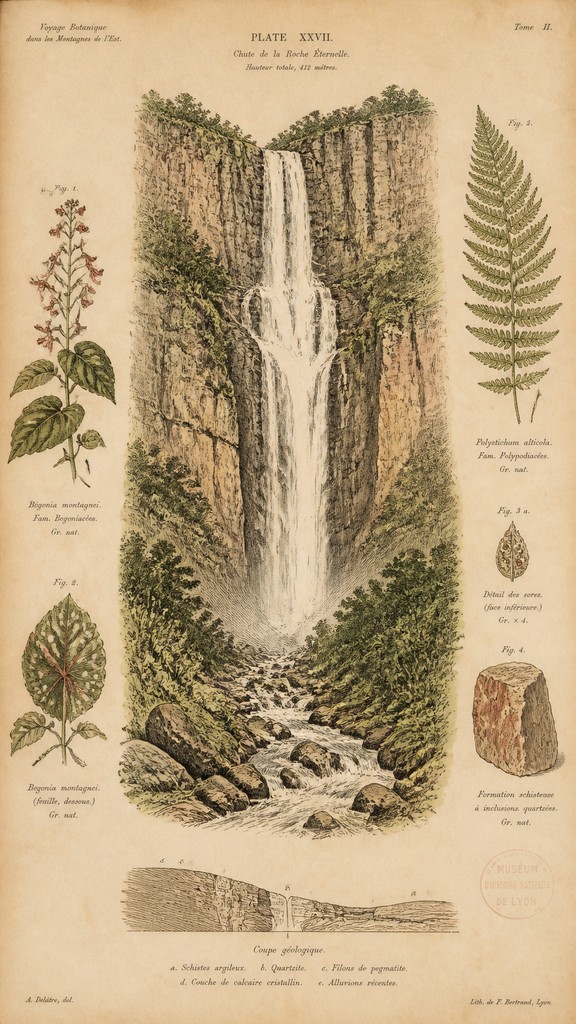
It is defined by the combination of scientific clarity and decorative refinement. The subject is usually a plant or flower shown with accurate structure, precise linework, and restrained watercolor color. The composition often looks like an antique specimen plate or natural history illustration rather than a loose floral painting.
How is this different from regular floral painting?
Floral painting can be expressive, atmospheric, or symbolic, while Botanical Nature Art usually emphasizes identification and structural accuracy. The leaves, petals, and stems are rendered carefully enough that the specimen can be studied, not just admired. It tends to use flatter, cleaner presentation and a more archival finish.
Is this the same as botanical illustration?
They are very close, and in many contexts the terms overlap. Botanical illustration is the broader historical and professional category, especially when used for scientific or educational purposes. Botanical Nature Art is a more descriptive style label that highlights the aesthetic side of that tradition.
What subjects work best in this style?
Flowers, herbs, ferns, branches, fruits, seed pods, medicinal plants, and leaves all work well. Subjects with clear structure and distinctive morphology are especially effective because the style depends on readable anatomy. Single specimens often feel strongest, though grouped study plates are also common.
Where is Botanical Nature Art commonly used?
It appears in books, field guides, museum materials, packaging, stationery, editorial design, home decor, and garden-related branding. It is also popular for prints and wall art because it combines educational clarity with timeless visual appeal.
How can I create this look digitally or with image generation?
Use a subject-specific prompt that names the plant and asks for fine ink lines, delicate cross-hatching, translucent watercolor, parchment paper, and muted natural pigments. If you are editing a photo, flatten the background, preserve botanical structure, and add paper texture and gentle aging rather than heavy stylization.
Create your first Botanical Nature artwork
Describe anything — or upload a photo — and see it in Botanical Nature Art in seconds.
Make Something with Botanical Nature
Compare Botanical Nature
Related Styles
Discover similar art styles