Art Nouveau Architecture Art
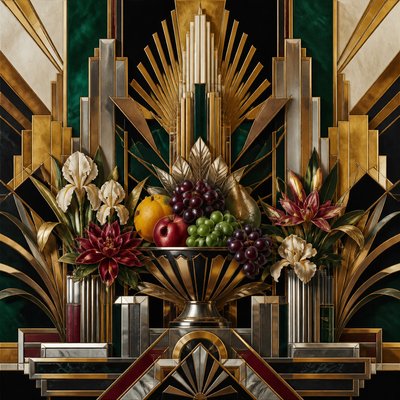
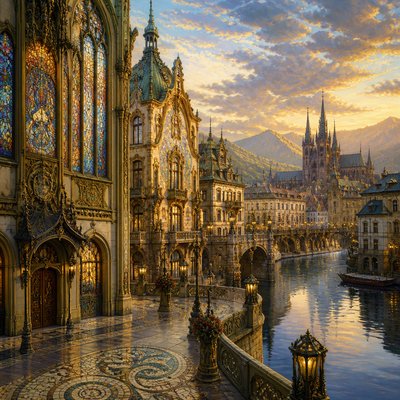
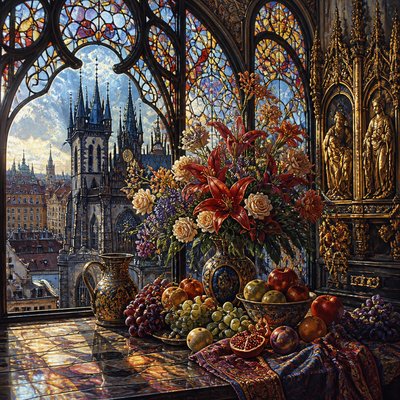
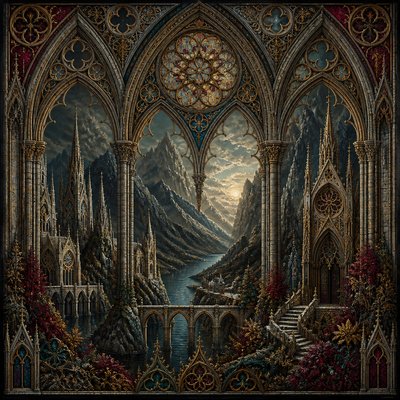
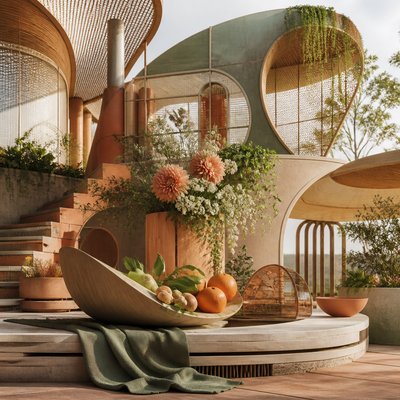
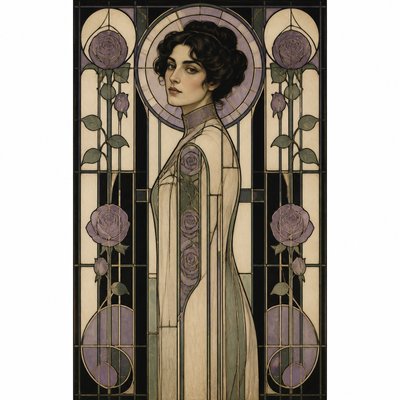
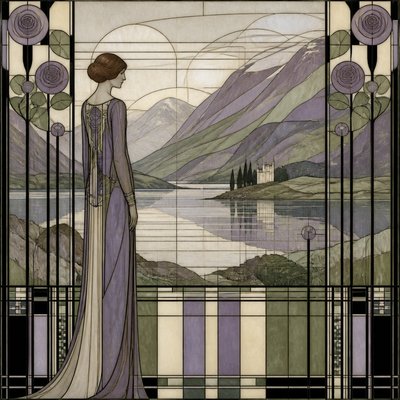
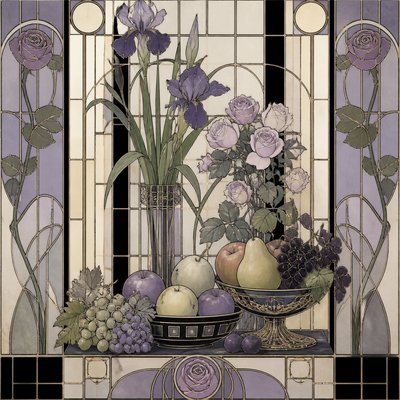
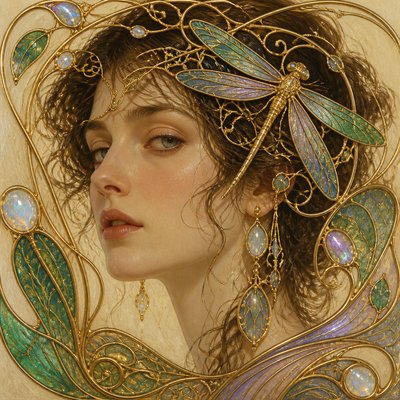
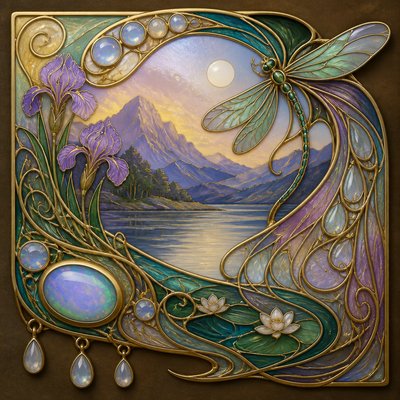
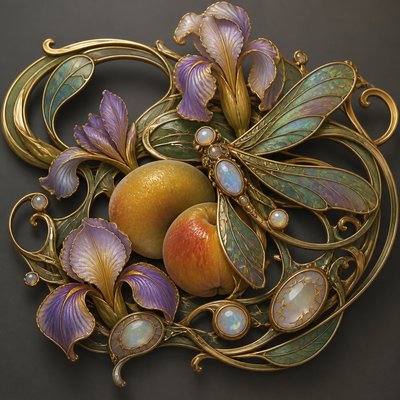
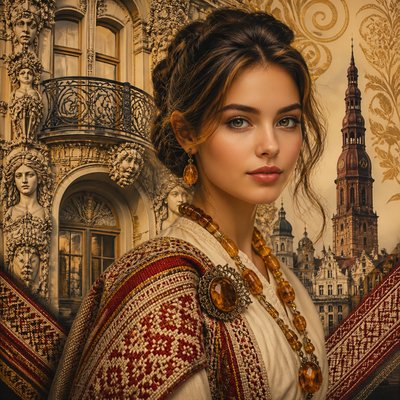
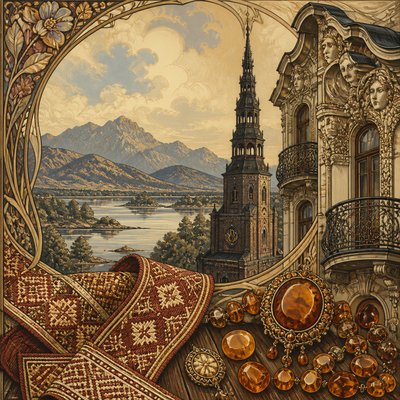
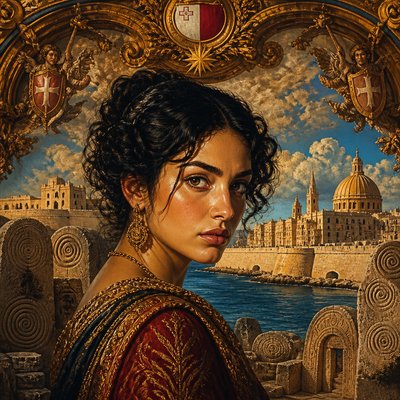
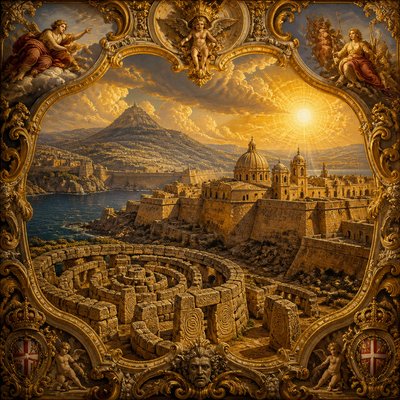
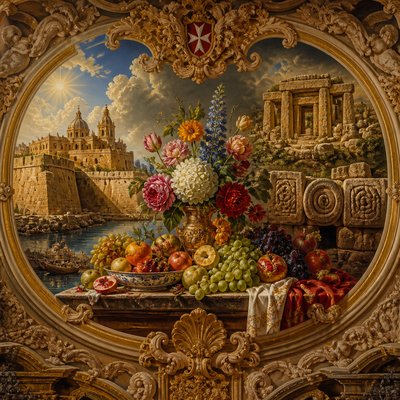
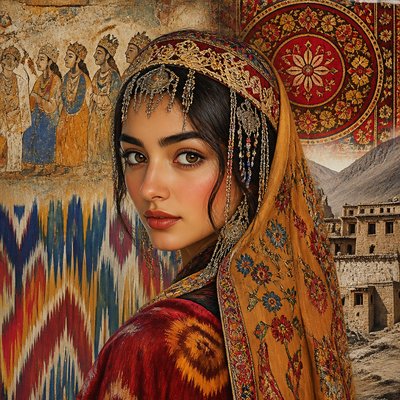
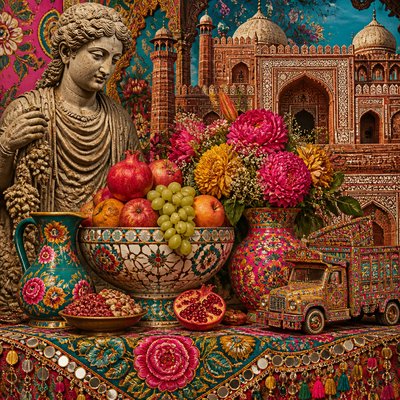
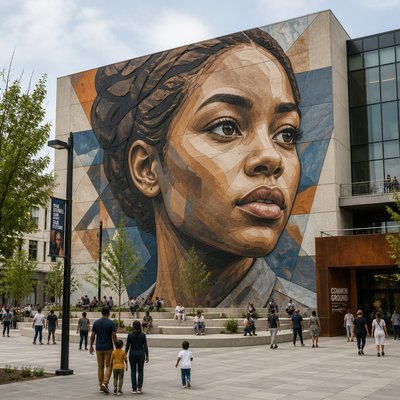
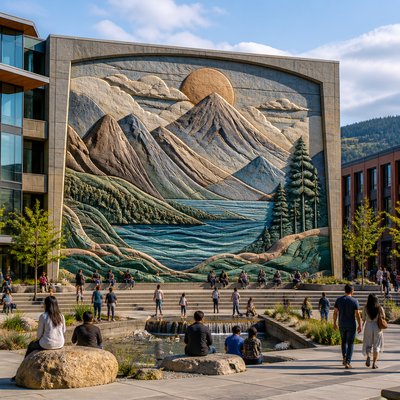
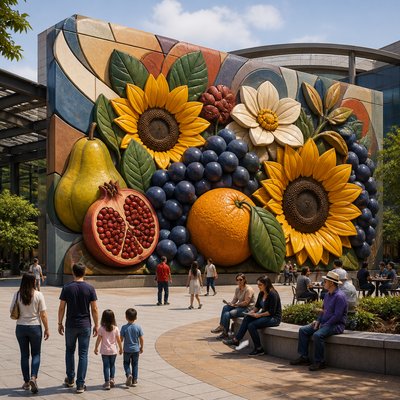
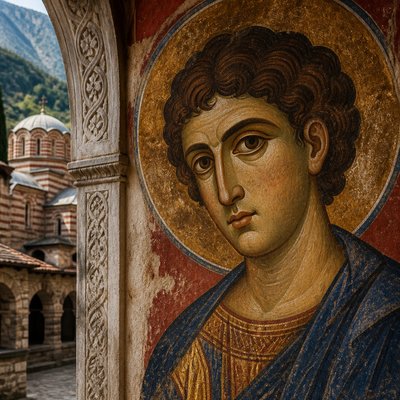
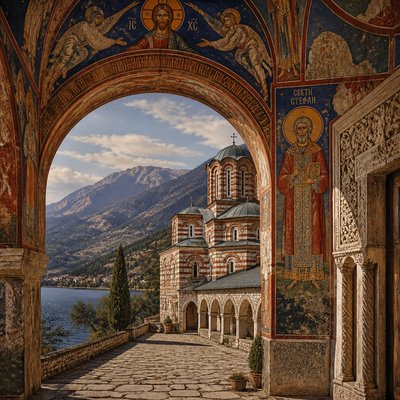
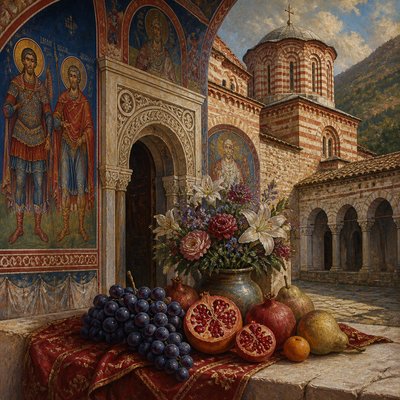
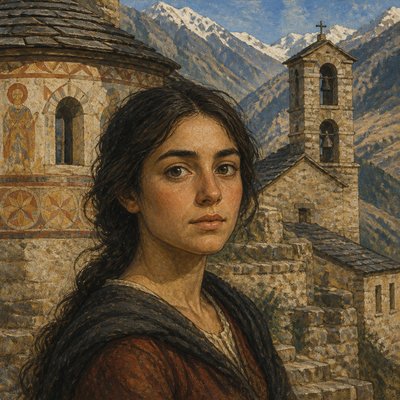
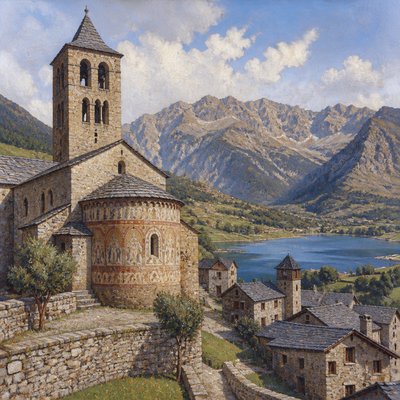
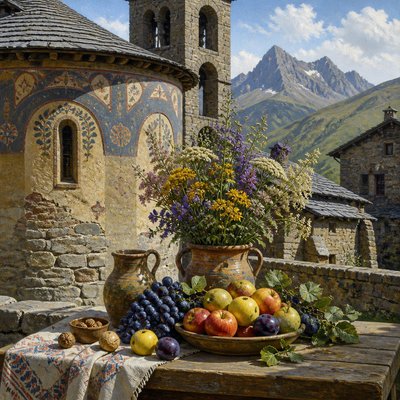
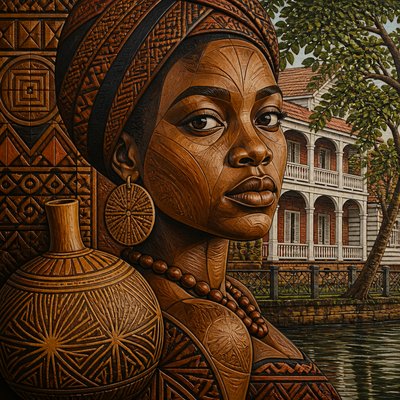
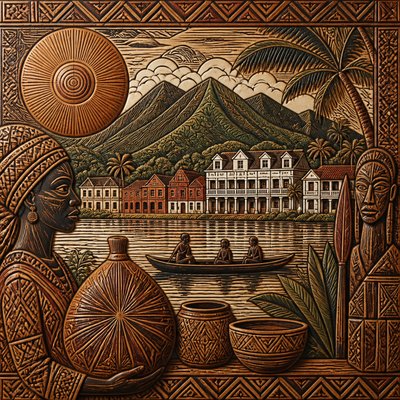
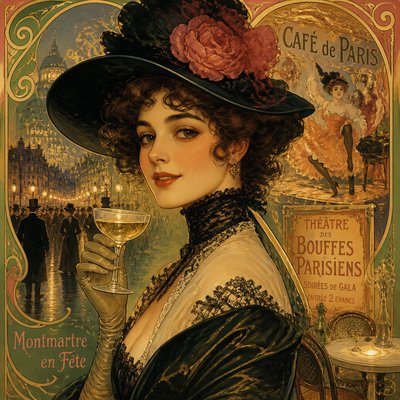
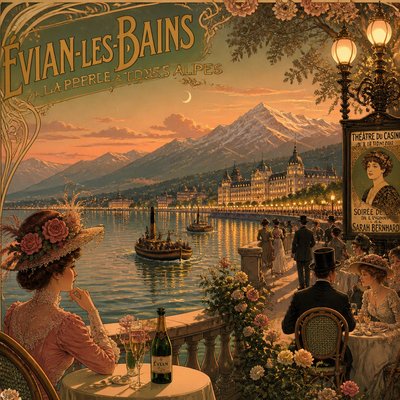
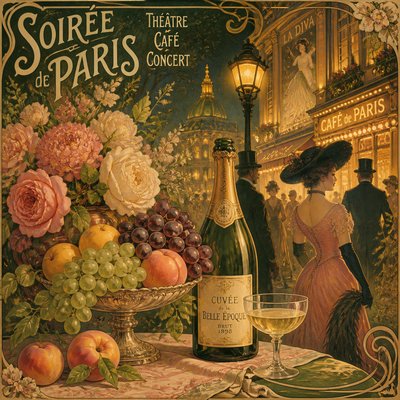
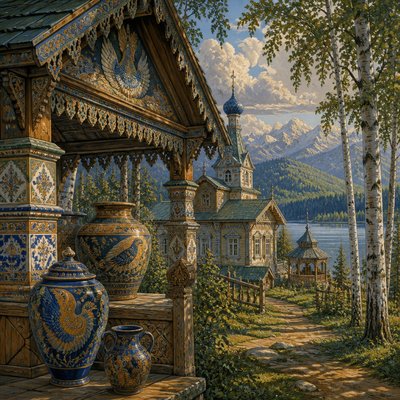
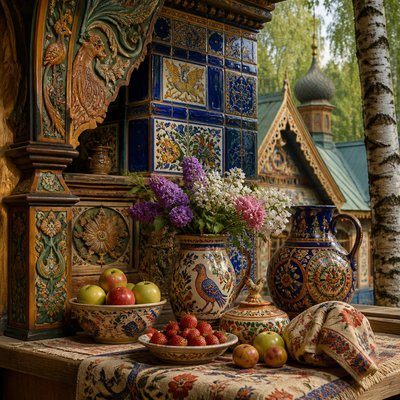
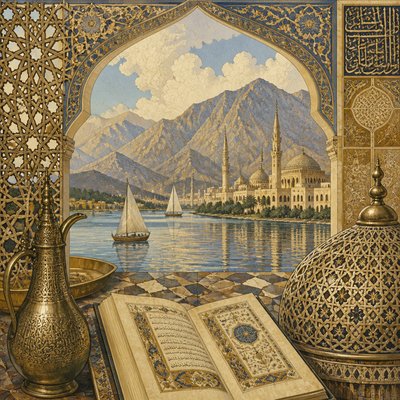
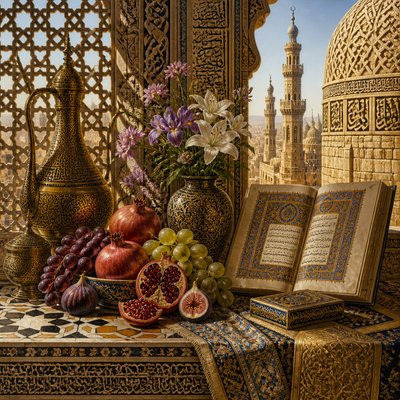
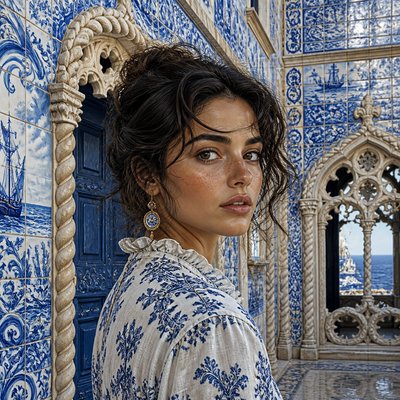
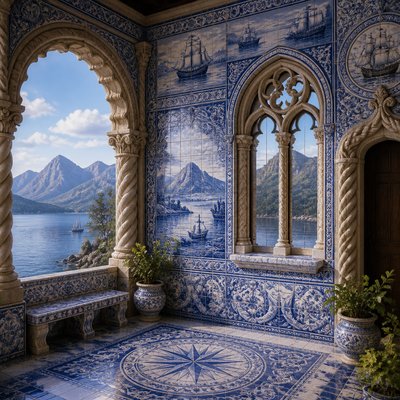
Early 20th-century architecture with organic curves, floral ornament, flowing lines, and handcrafted elegance.
Instantly rendered in Art Nouveau Architecture — or transform a photo
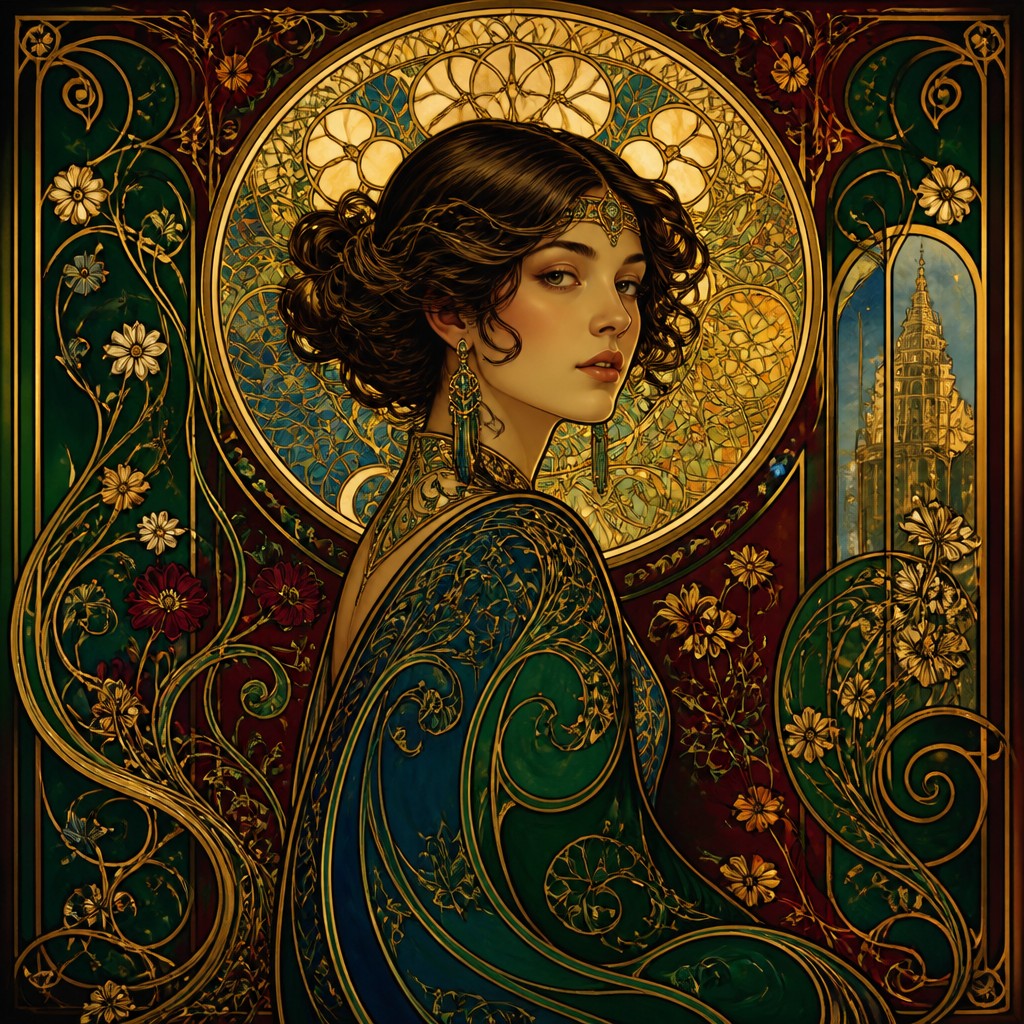
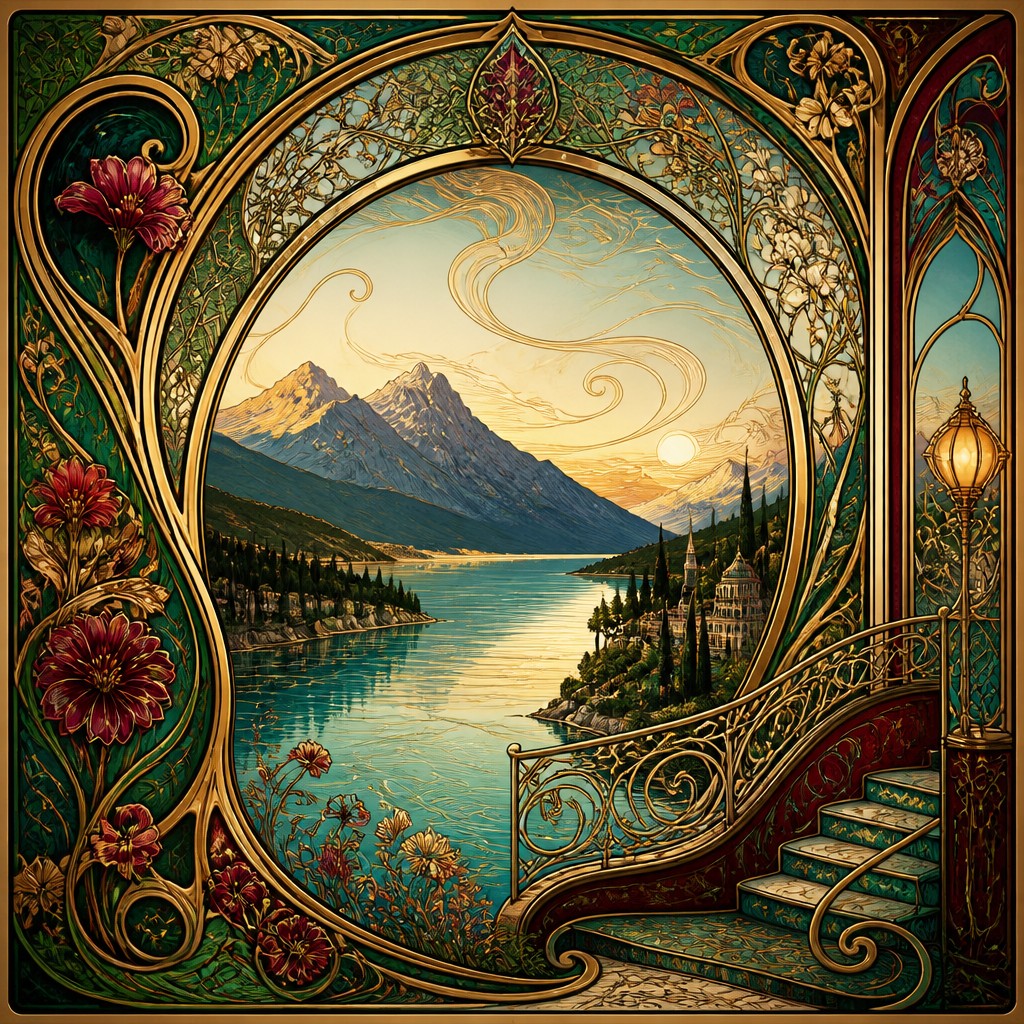
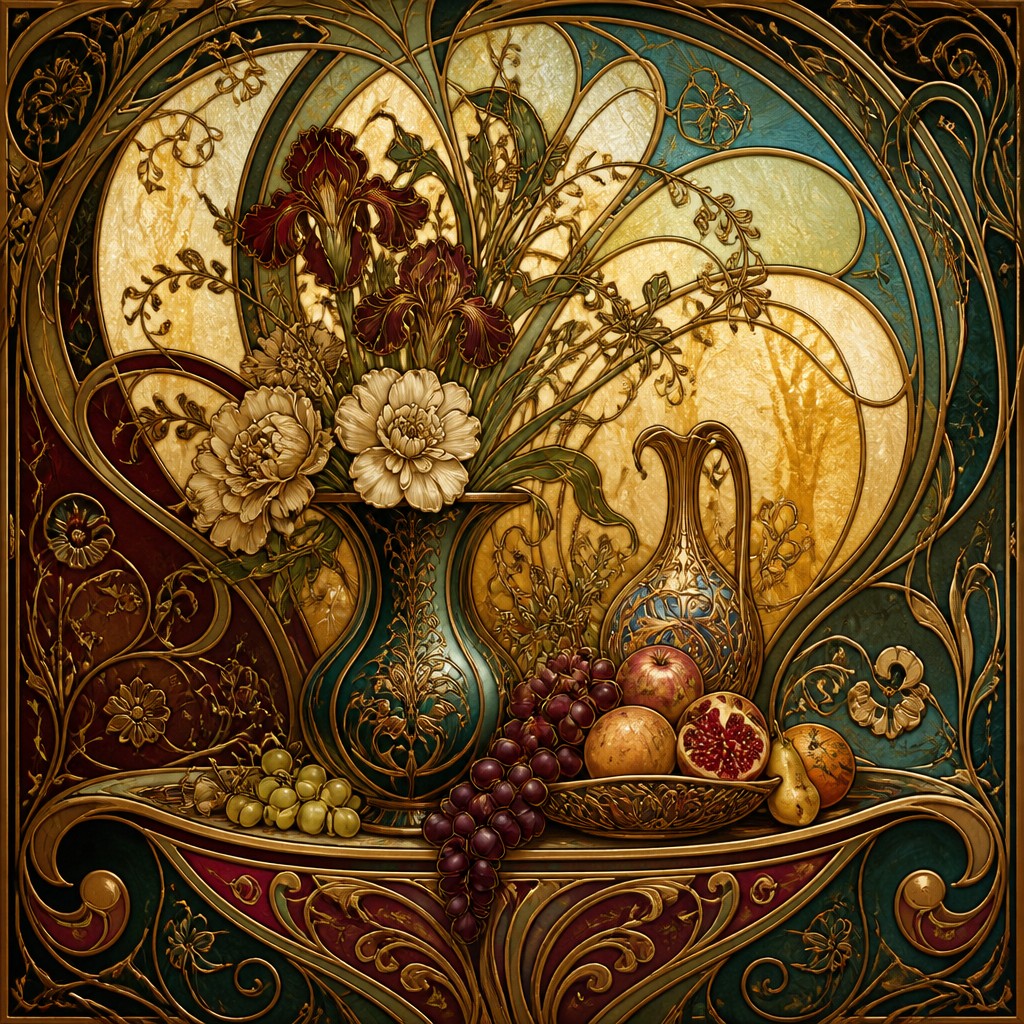
Art Nouveau Architecture Gallery
Tap any artwork to explore it
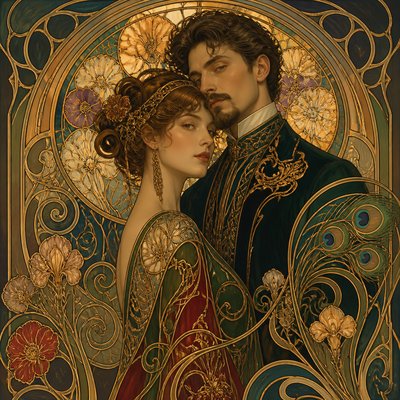
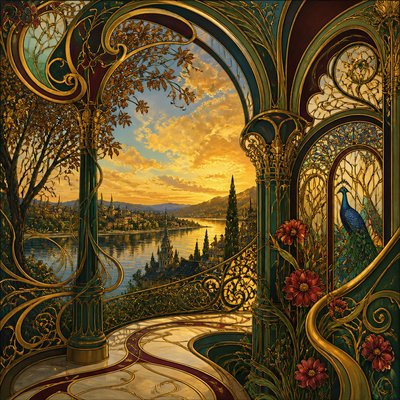
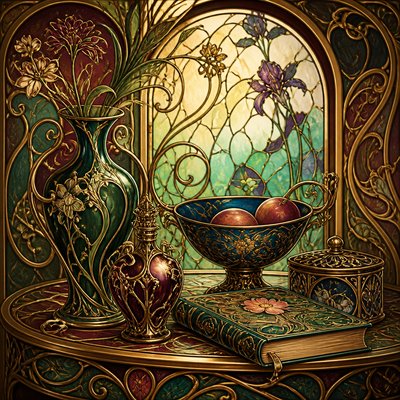
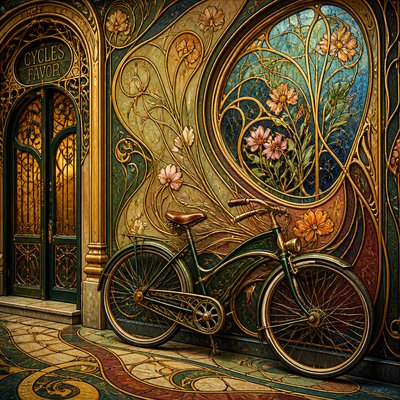

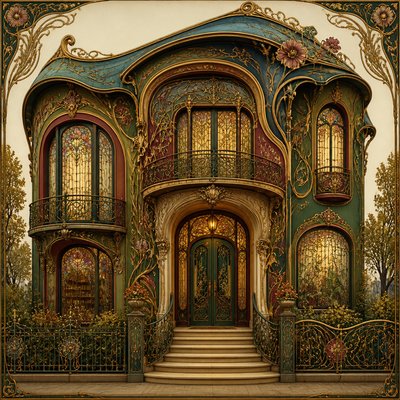
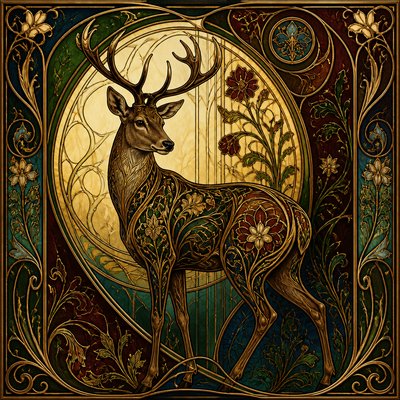
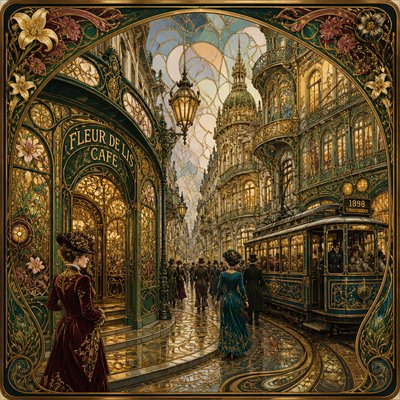
What is Art Nouveau Architecture Art?
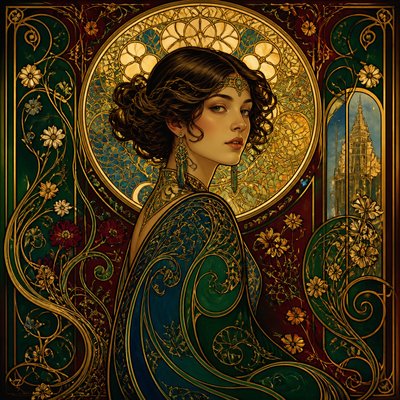
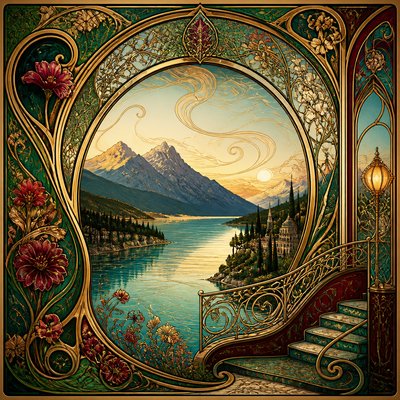
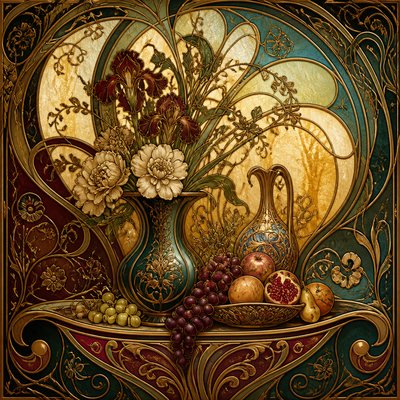
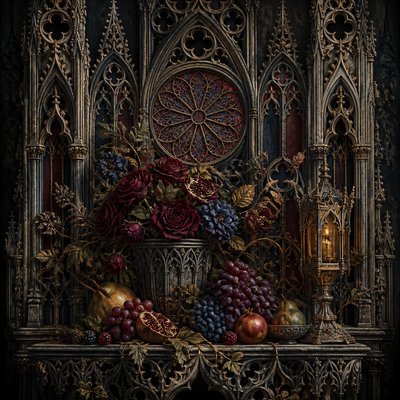
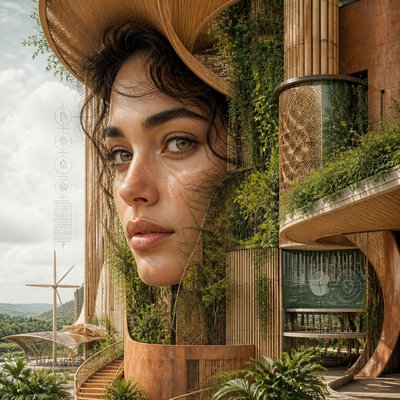
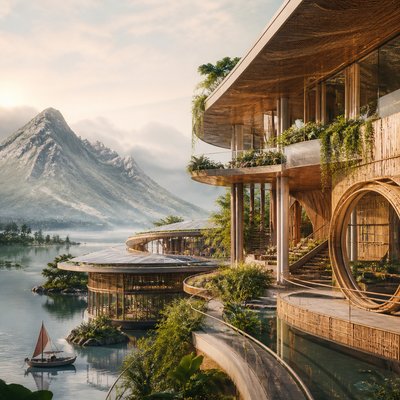
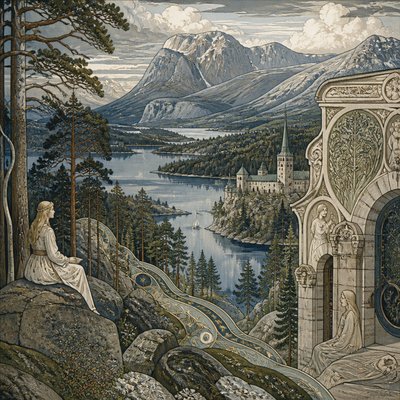
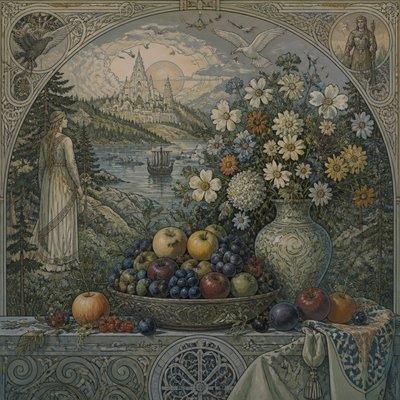
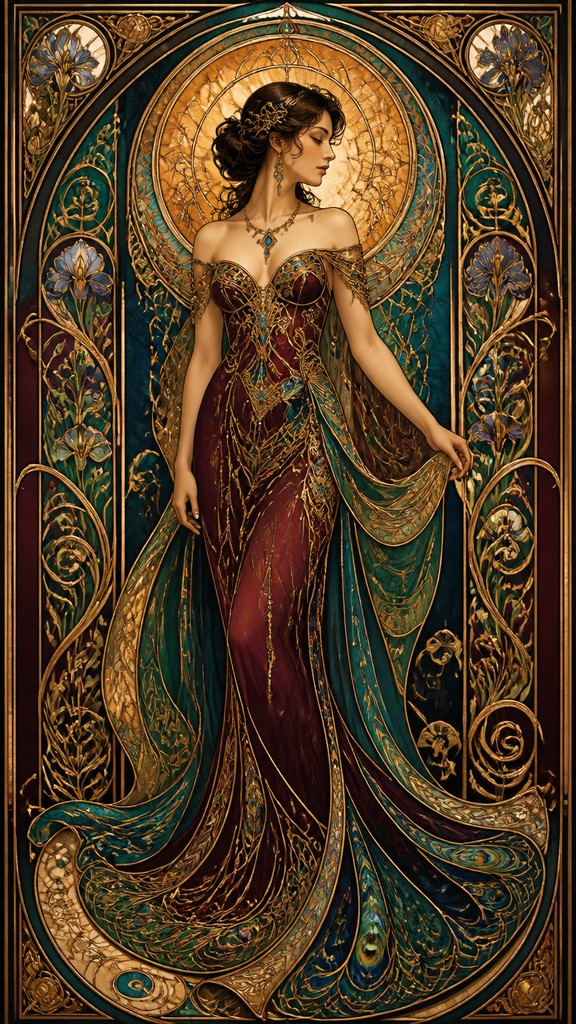
Art Nouveau Architecture Art is the architectural face of Art Nouveau, a late-19th- and early-20th-century design language built around living forms. It is recognized by whiplash curves, asymmetrical compositions, elongated proportions, and dense ornament drawn from vines, blossoms, insects, shells, and other natural structures. In architecture, this decorative vocabulary appears in façades, ironwork, stained glass, stair rails, mosaics, interiors, and signage, all integrated so that the building feels designed as a unified work of art.
Its visual identity comes from a desire to break away from rigid historic revival styles and industrial uniformity. Designers emphasized craftsmanship, fluid line, and the idea that structure and ornament should grow together like organic tissue. The result is a style that can look both elegant and theatrical: sweeping forms anchor the composition, while filigree detail, botanical motifs, and luminous material contrasts create a sense of movement and cultivated luxury.
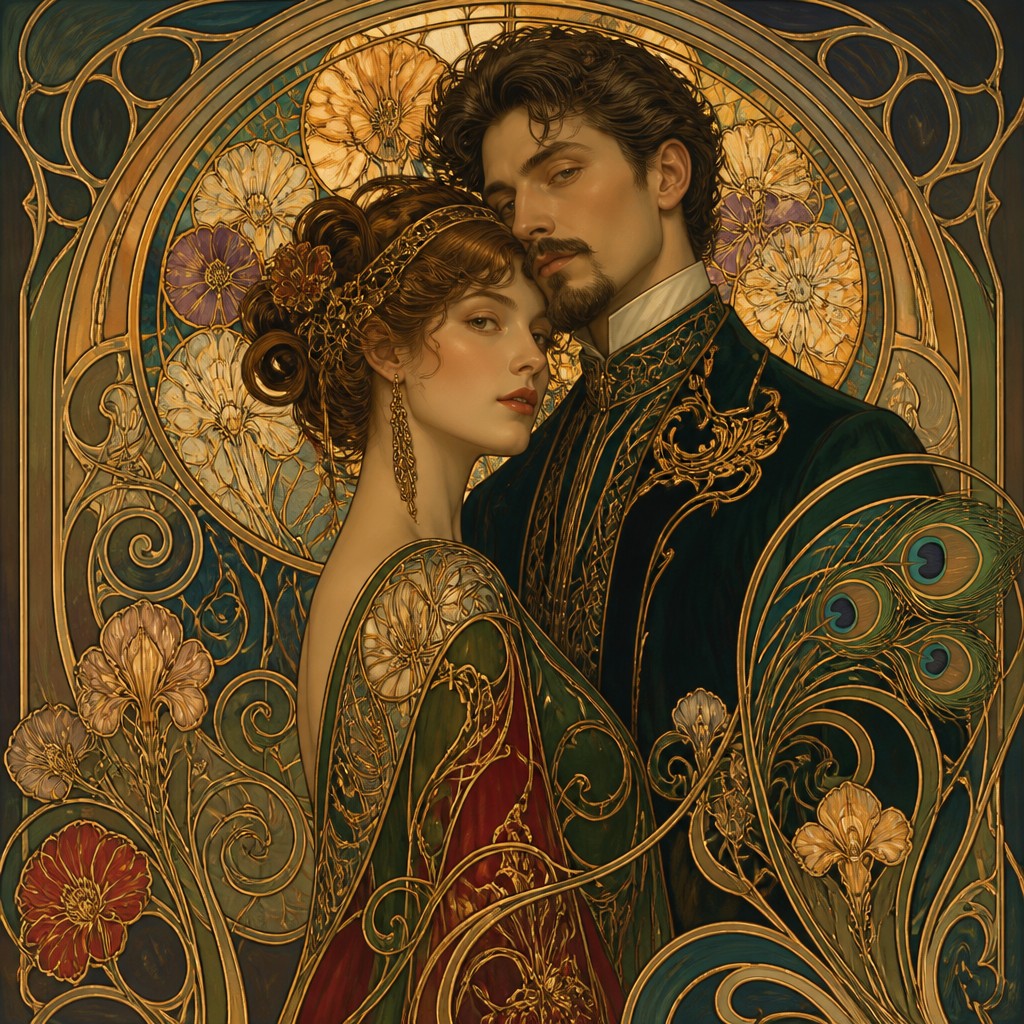
Try It On Your Photos
Upload any photo and convert it into Art Nouveau Architecture Art — drag the sliders to compare before and after.
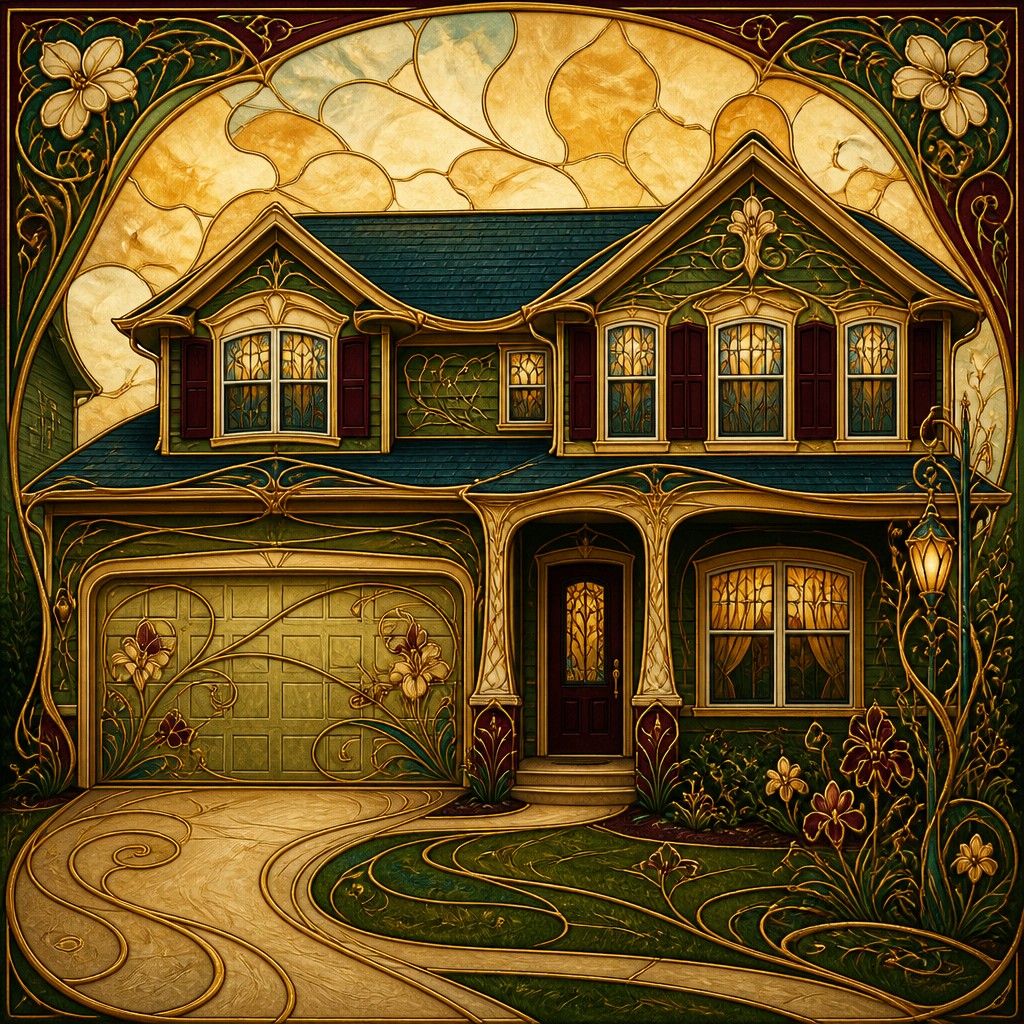
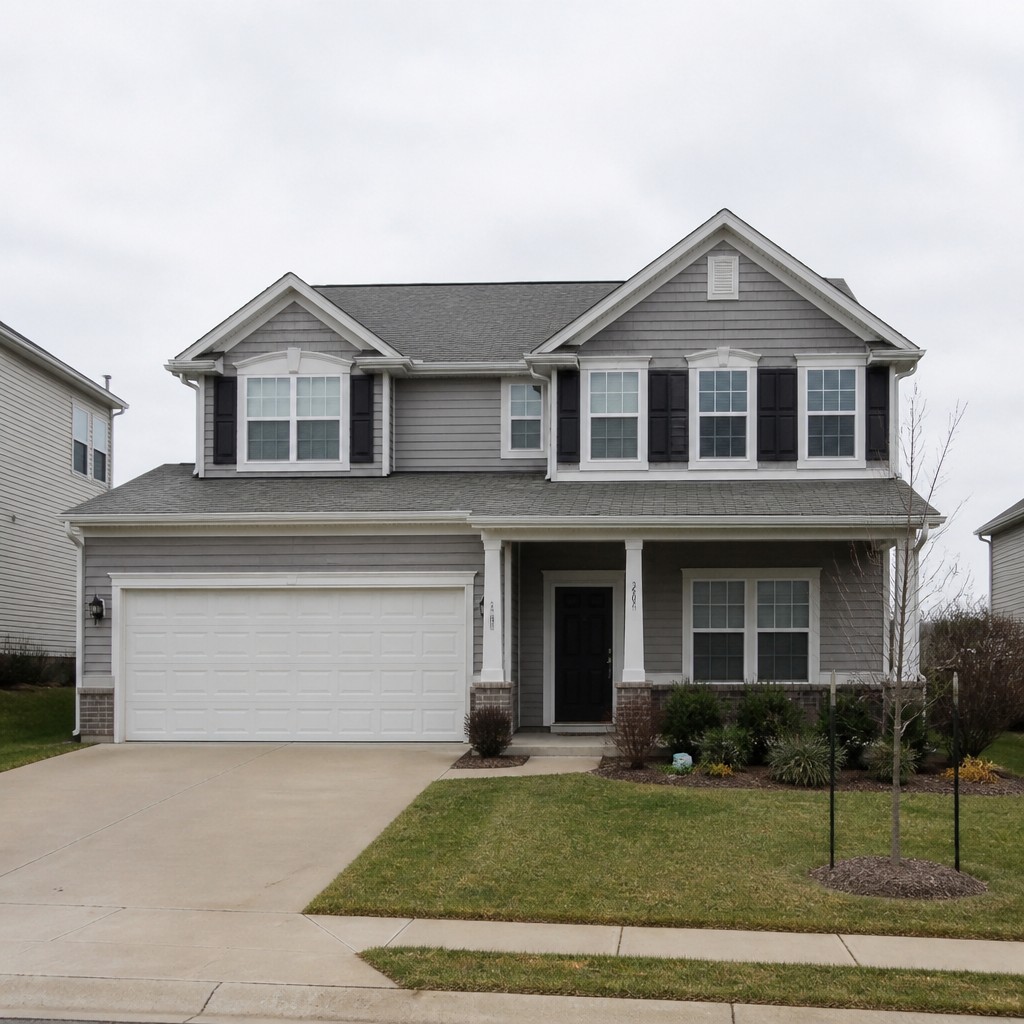


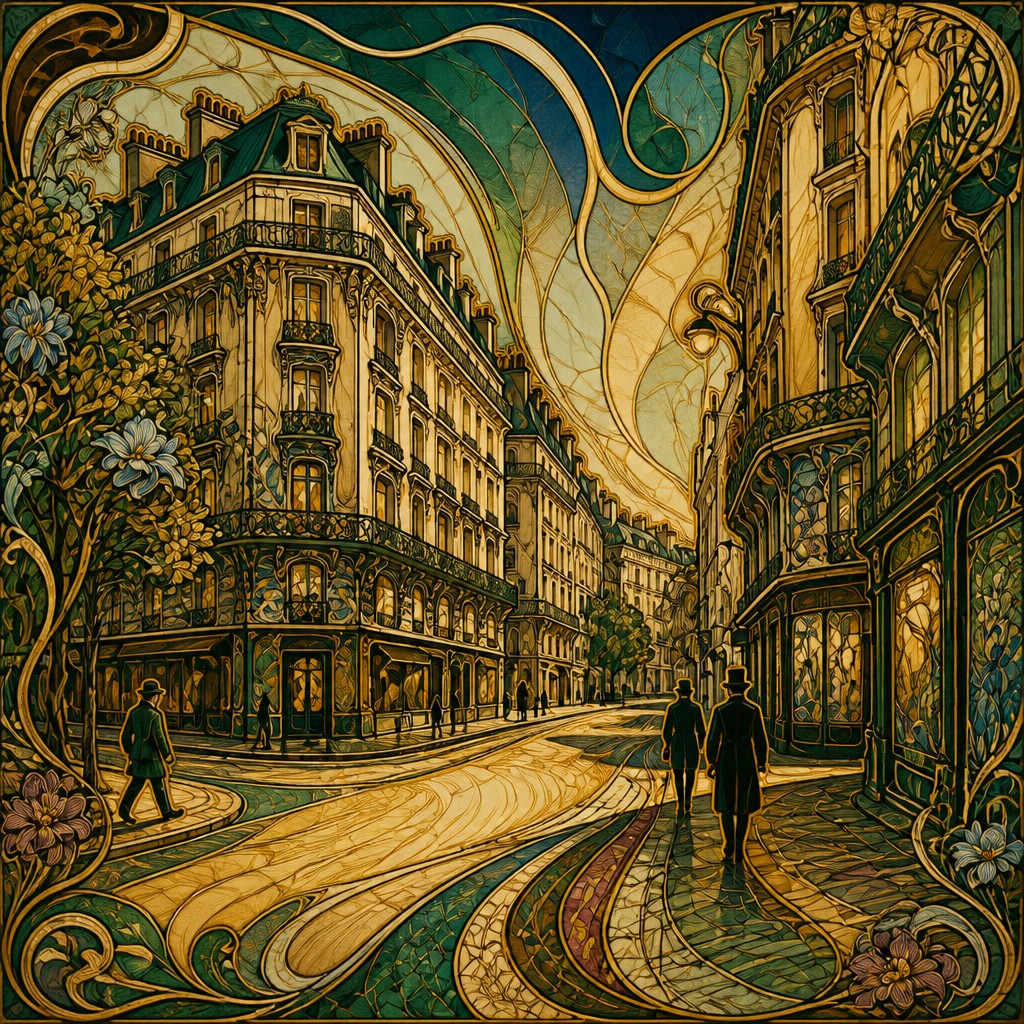

What Defines Art Nouveau Architecture Art
The signature details, up close
Whiplash curves
Sinuous, forceful curves animate façades, railings, window frames, and decorative borders. These lines often bend like stems, tendrils, or waves, giving the architecture a sense of organic motion.
Botanical ornament
Leaves, lilies, irises, vines, seed pods, and blossoms appear as carved, cast, painted, or stained-glass motifs. The natural forms are usually stylized rather than literal, arranged to become part of the building's structure.
Asymmetrical composition
Unlike classical symmetry, many Art Nouveau compositions balance masses and details unevenly. This produces a more alive, growing, and improvisational visual rhythm.
Integrated craft materials
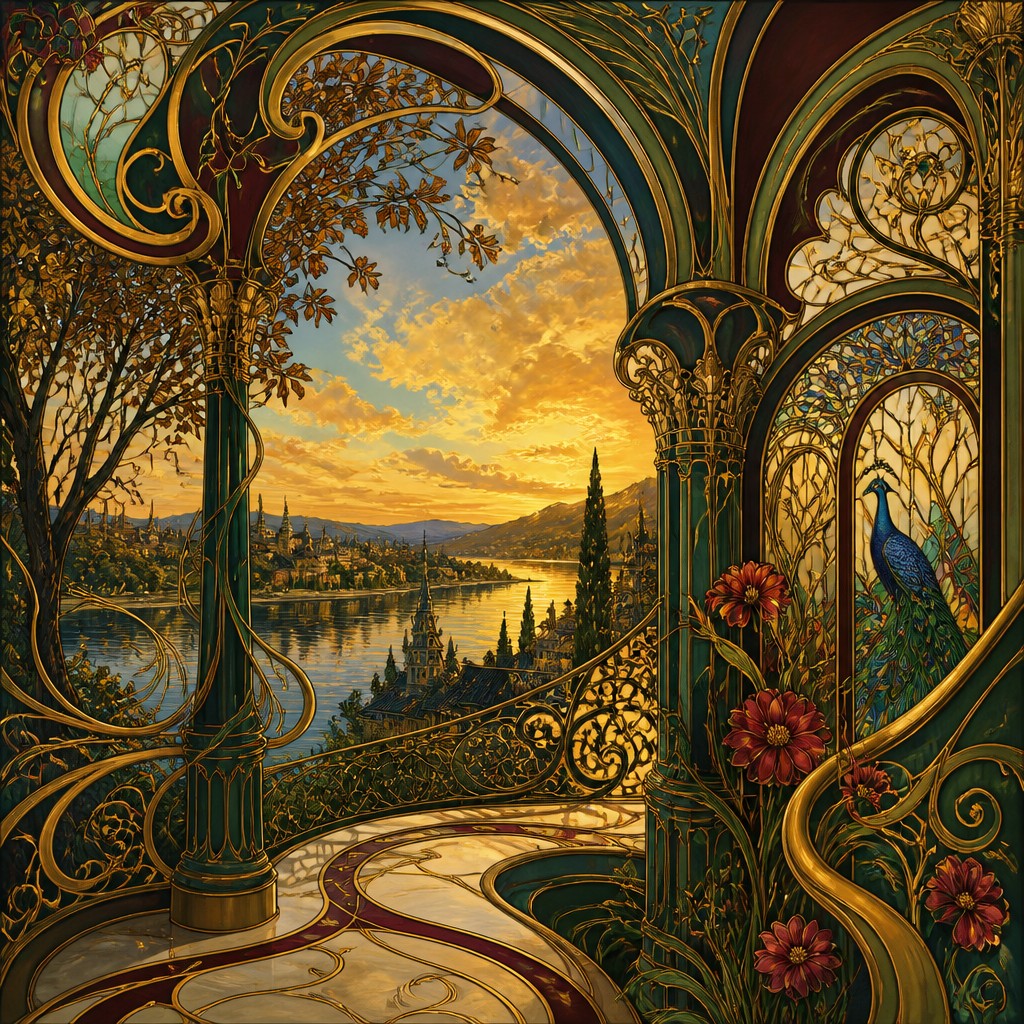
Wrought iron, carved stone, ceramic tile, mosaic, wood, and glass are often combined in a single design. The style depends on the visible quality of hand craftsmanship and the dialogue between different materials.
Elongated and elegant forms
Doors, windows, columns, figures, and interior elements are often stretched vertically or tapered gracefully. This elongation adds refinement and reinforces the style's decorative line.
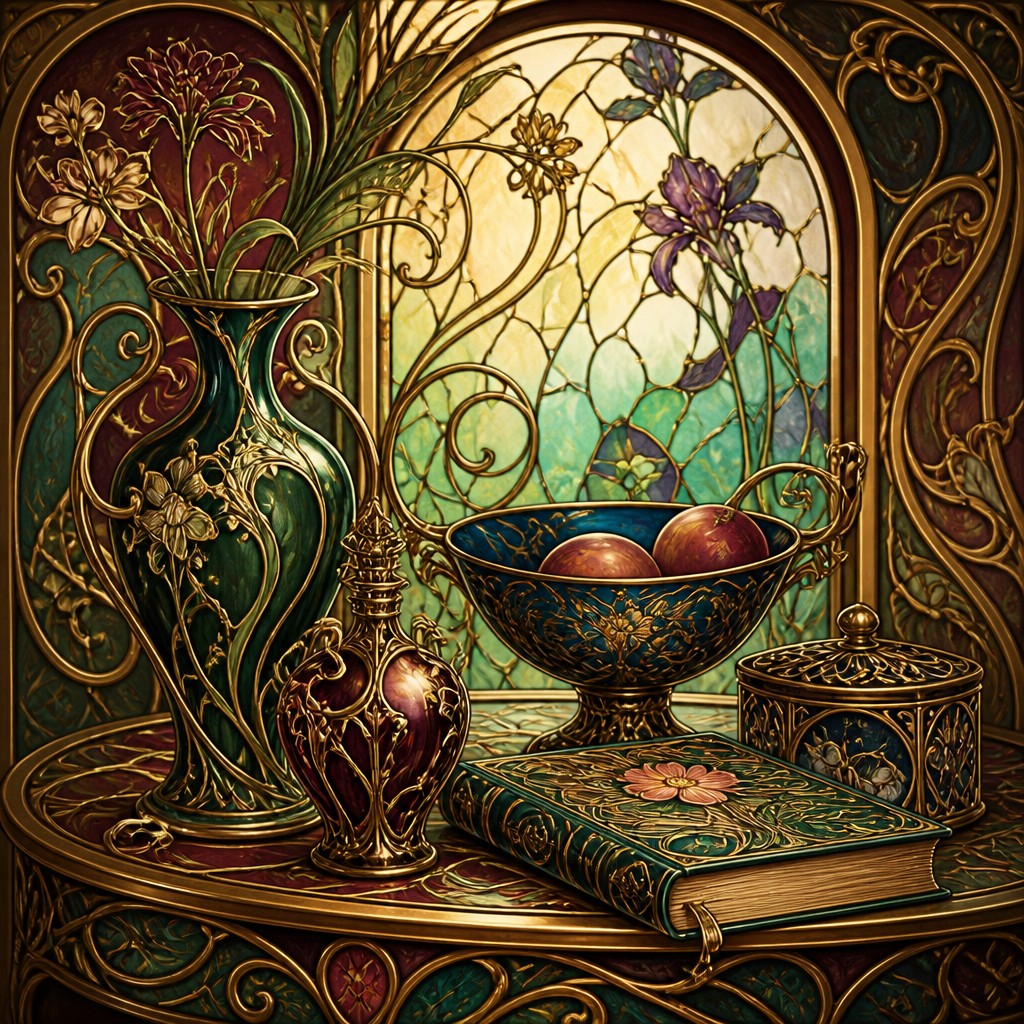
Luminous color and glass effects
Deep greens, burgundies, golds, peacock blues, and opalescent or stained-glass effects are common. The palette supports a sense of richness, translucency, and jewel-like atmosphere.
Try It
Create Videos in Art Nouveau Architecture Art
Styles aren't just for stills — describe a scene or animate an image and get a short video rendered in Art Nouveau Architecture. Press play to see this pond come to life.
Make a VideoArt Nouveau Architecture Prompt Ideas
Start from an idea — each one opens the generator with the style ready to go. See all 40 Art Nouveau Architecture prompts →

“close-up portrait of an elderly person with expressive weathered features”
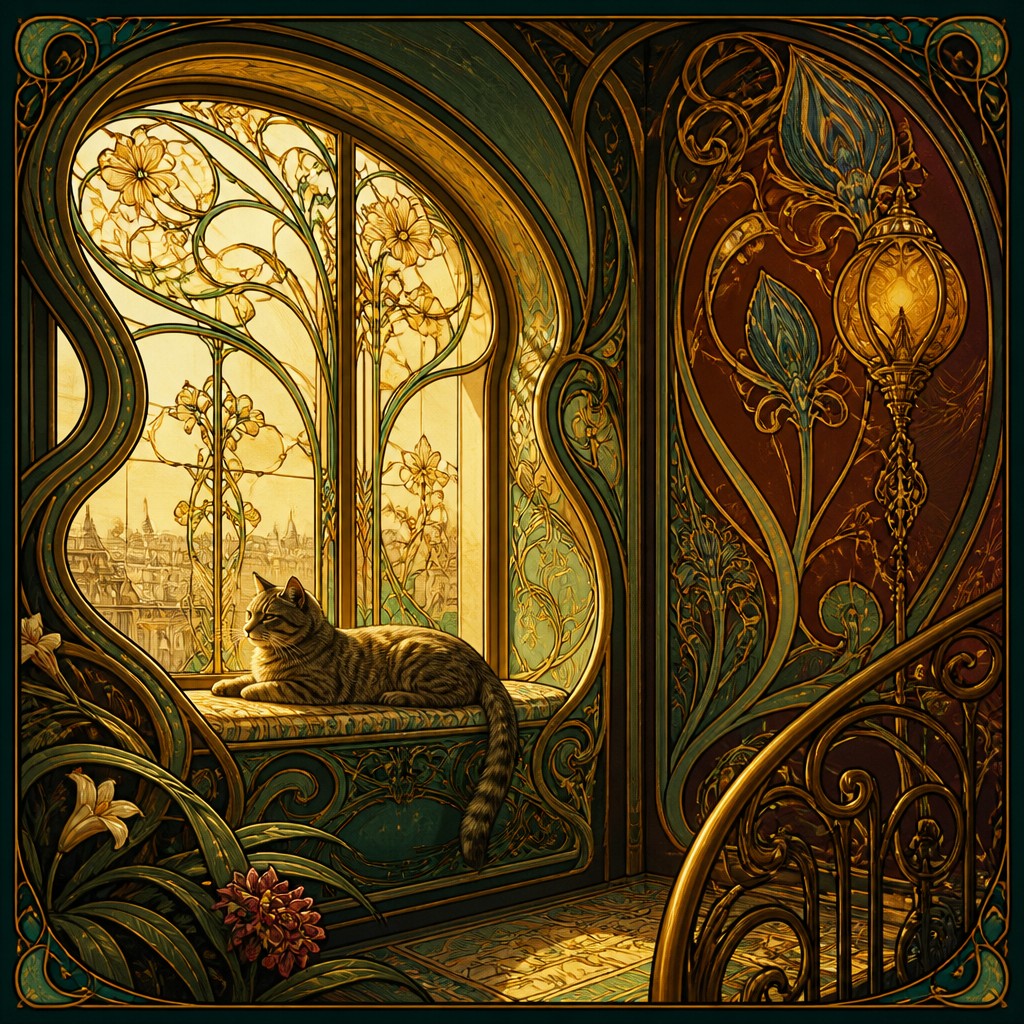
“a cat lounging in a sunlit window”
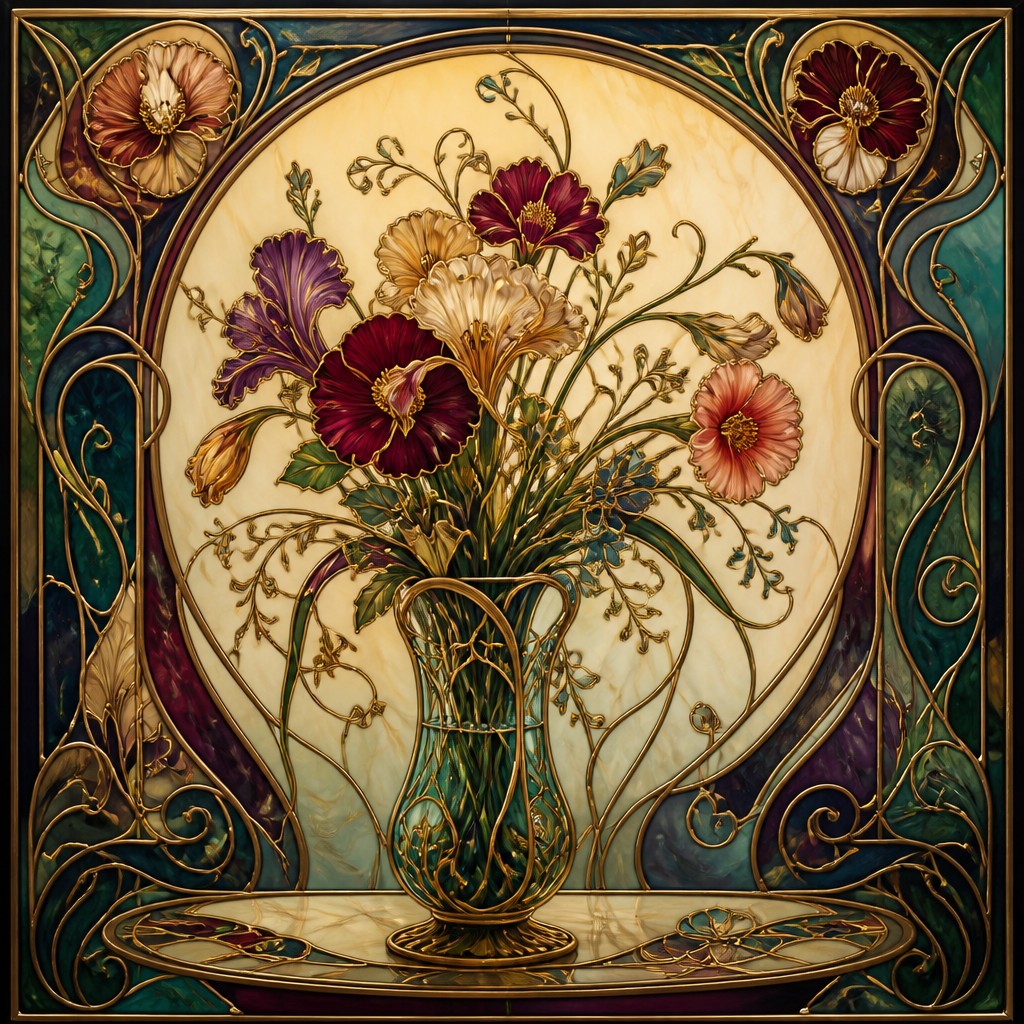
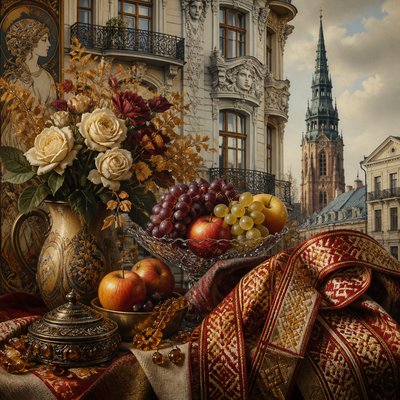
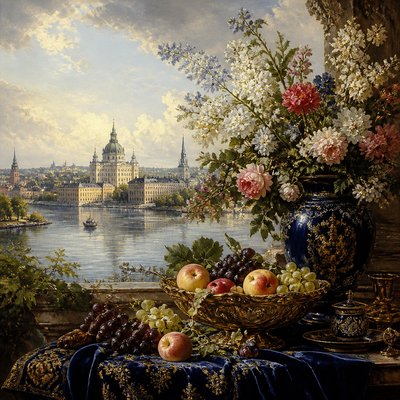
“bouquet of flowers in a glass vase”
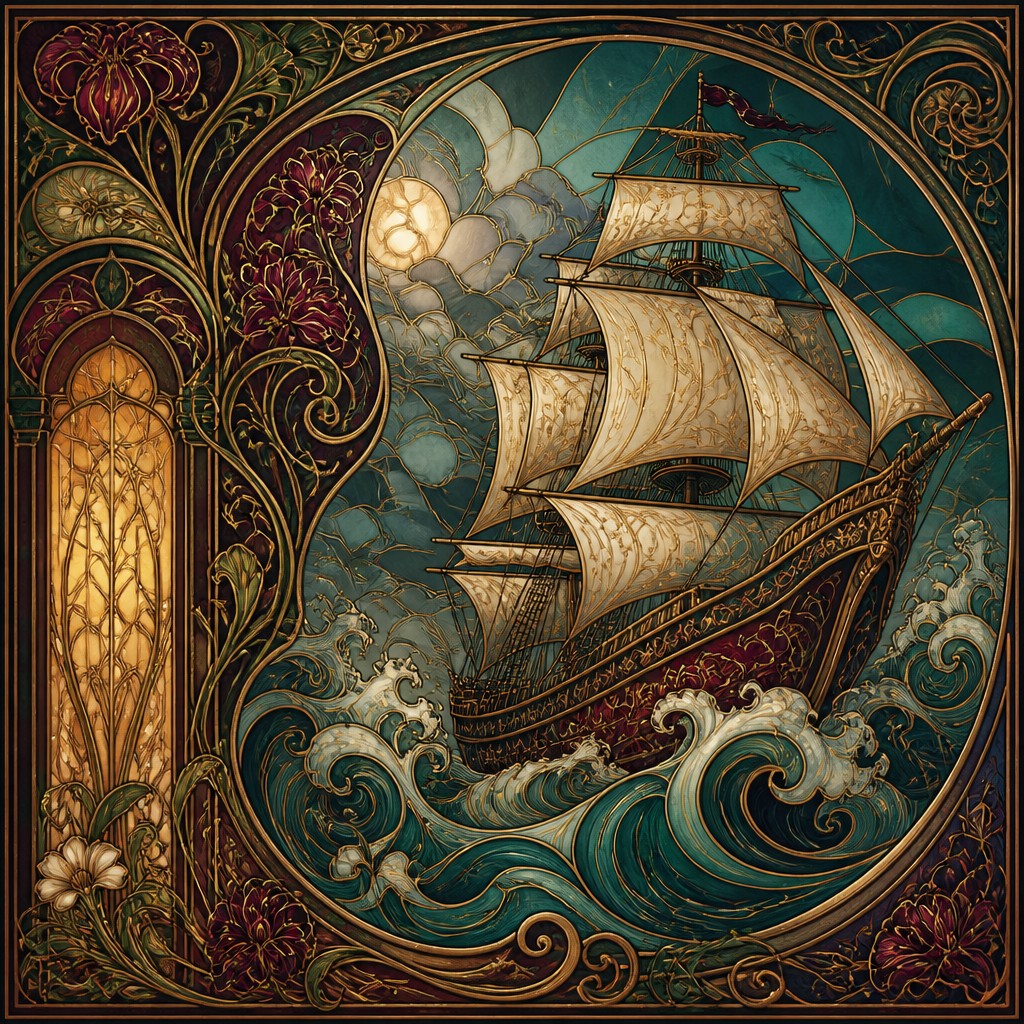
“sailing ship on a stormy sea”
How to Create Art Nouveau Architecture Art
Master the craft step by step — or skip straight to creating. Read the full guide →
- 1
Start with a flowing structural line
Begin by designing the main silhouette as a sequence of curves rather than straight axes. Even a simple building or interior should feel as if the structure is growing organically from the ground or wall.
- 2
Blend ornament into architecture
Use botanical motifs to shape railings, cornices, window surrounds, and wall panels instead of adding them afterward. In traditional media, sketch the ornament and structure together; in digital work, layer linework and decorative motifs so they interlock.
- 3
Balance bold masses with fine filigree
Pair strong curved volumes with delicate linear detail to create the characteristic contrast of the style. This can be done with heavy contour shapes, then refined with thin stems, scrolls, and patterned fills.
- 4
Choose a rich, restrained palette
Favor deep greens, blues, burgundy, warm gold, cream, and dark neutral tones rather than bright primary colors. Metallic highlights and glass-like glows help evoke the period materiality.
- 5
When prompting, specify architecture and surface treatment
Describe the subject and the ornamental language together, such as a façade, lobby, or staircase with wrought iron, stained glass, botanical relief, and flowing asymmetry. Strong prompts benefit from materials, mood, and line qualities, not just the style label.
- 6
Use image references carefully for transformations
For photo-to-style work, preserve the building's perspective and proportions while replacing plain details with curved ornament, floral tracery, and period materials. Keep key structural features readable so the result feels like a reinterpretation, not a blur of decoration.
The Story
History & Origins of Art Nouveau Architecture
Art Nouveau emerged in Europe and North America in the 1890s and flourished roughly until the First World War. It developed across architecture, graphic design, furniture, glass, metalwork, and interior decoration as part of a broader reaction against academic historicism and mass-produced ornament. The style took different names in different regions, including Jugendstil in German-speaking areas, Secession in Austria, and Modern Style in Britain, but shared a commitment to new forms inspired by nature, craftsmanship, and modern life.
In architecture, the style was shaped by leading designers and architects of the movement, though each interpreted it differently. Some works lean toward flowing vegetal line, others toward geometric restraint, but the movement as a whole transformed the relationship between structure and decoration by treating architecture as an integrated artistic environment rather than a container for applied ornament.
Influences: Art Nouveau architecture draws from the Arts and Crafts movement, Japanese woodblock prints, Gothic Revival line sensitivity, and 19th-century botanical illustration, while also responding to industrial cast iron and glass. Its architectural masters are often contrasted with more geometric successors such as the Vienna Secession and early modernism. Among canonical figures, leading architects and designers of the movement are central to understanding the style's range from lush curvilinear ornament to disciplined structural design.
Frequently Asked Questions
What defines Art Nouveau architecture?
It is defined by organic line, floral and vegetal ornament, asymmetrical composition, and a strong sense that structure and decoration belong together. Buildings often use curving ironwork, stained glass, mosaics, and carved surfaces to create a unified artistic environment. The style favors elegance, movement, and handcrafted detail over classical restraint.
How is it different from Art Deco?
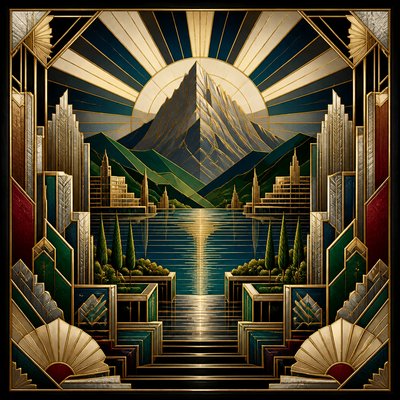
Art Nouveau usually uses flowing, plant-like curves and highly organic ornament, while Art Deco tends toward geometry, symmetry, and machine-age glamour. Art Nouveau feels more like growth and movement; Art Deco feels more like precision and monumentality. They can both be decorative, but their line language and structural rhythm are very different.
Is Art Nouveau the same as Jugendstil or Secession style?
They are regional variants and related branches of the same broad movement rather than identical styles. Jugendstil refers to German-language contexts, while Secession style is associated especially with Vienna. All share a rejection of academic historicism, but local designers emphasized different balances of ornament, geometry, and structure.
What materials are most associated with this style?
Wrought iron, stone, ceramic tile, stained glass, wood, and mosaic are especially important. These materials let designers combine structural function with ornamental pattern and luminous color. The handcrafted quality of the surfaces is a key part of the style's character.
Where is Art Nouveau architecture commonly seen today?
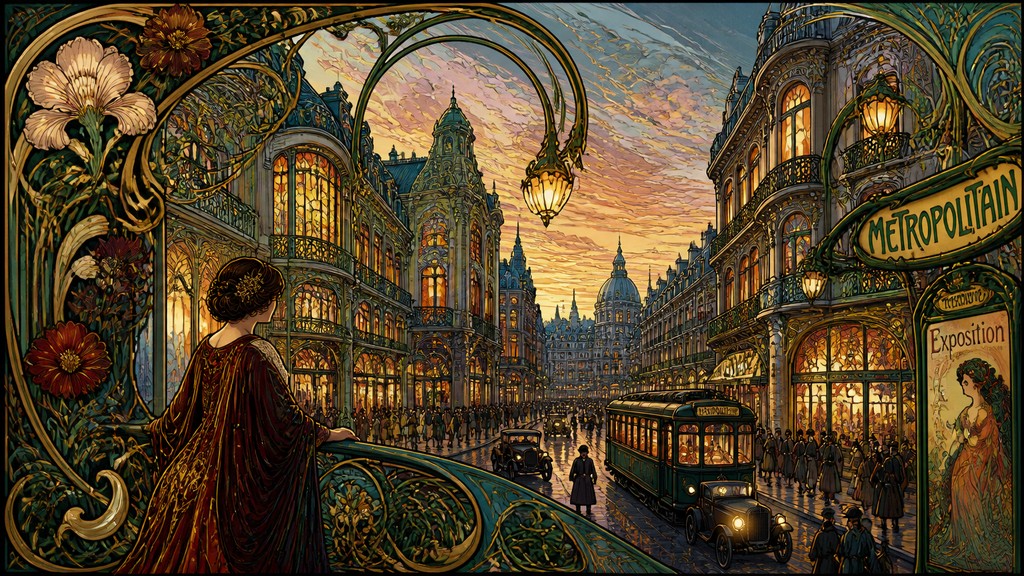
It is often found in historic city centers, especially in European capitals and regional arts districts where late-19th- and early-20th-century buildings survived urban change. Common building types include houses, apartment blocks, metro entrances, department stores, hotels, cafés, and theaters. Interiors such as stair halls and entryways are also important.
How can I make my own image look authentically Art Nouveau?
Focus on curves, botanical ornament, elegant asymmetry, and rich material cues like iron, glass, mosaic, and gilded detail. Avoid overly sharp geometry or minimalist emptiness unless you are intentionally blending styles. For digital work or prompt-based generation, describe the architectural subject and the decorative language together so the style is applied coherently.
Create your first Art Nouveau Architecture artwork
Describe anything — or upload a photo — and see it in Art Nouveau Architecture Art in seconds.
Make Something with Art Nouveau Architecture
Compare Art Nouveau Architecture
Related Styles
Discover similar art styles