Futuristic Architecture Art
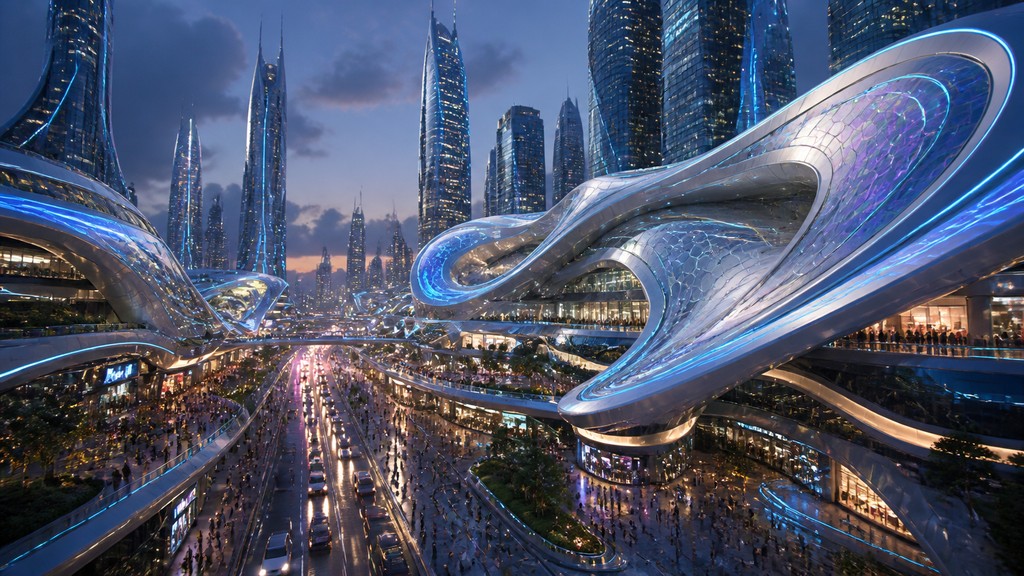
Visionary buildings with impossible curves, sustainable tech, and sci-fi elegance—an architectural style blending futurism and precision design.
Instantly rendered in Futuristic Architecture — or transform a photo


Futuristic Architecture Gallery
Tap any artwork to explore it



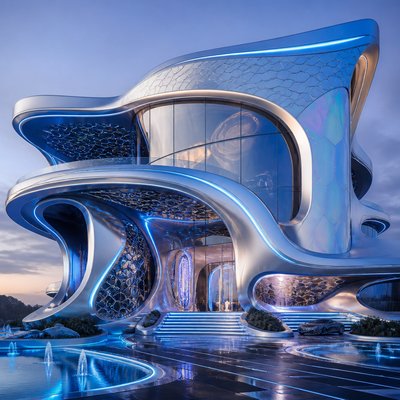
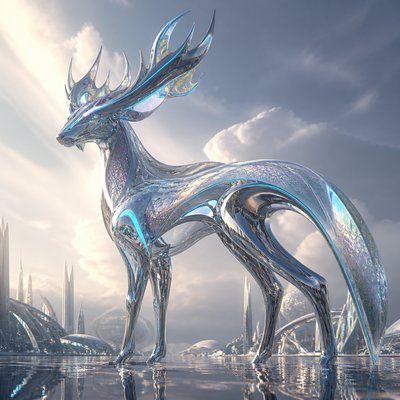
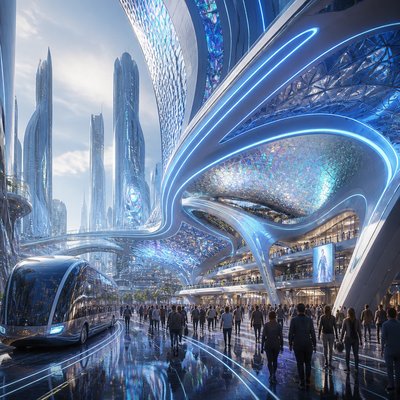
What is Futuristic Architecture Art?
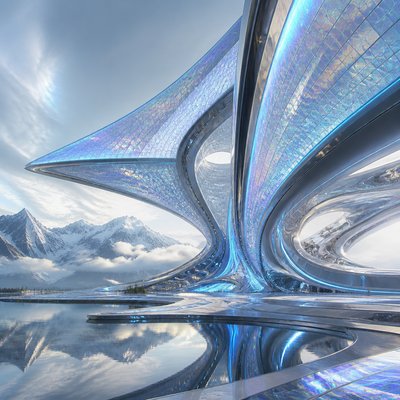
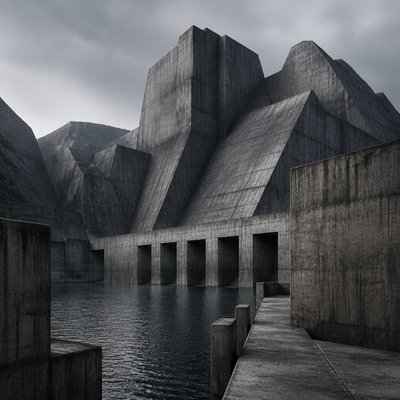
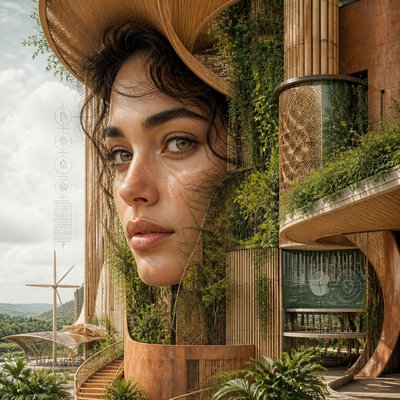
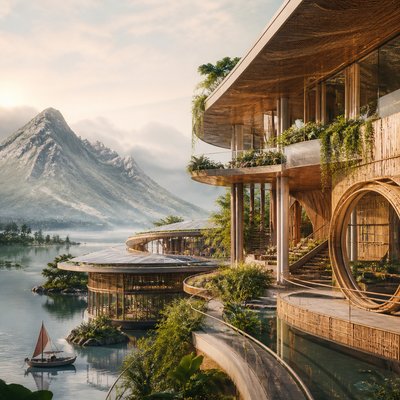
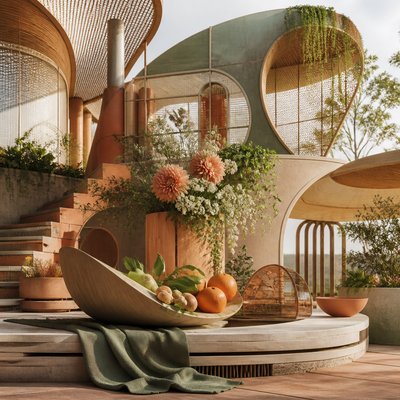
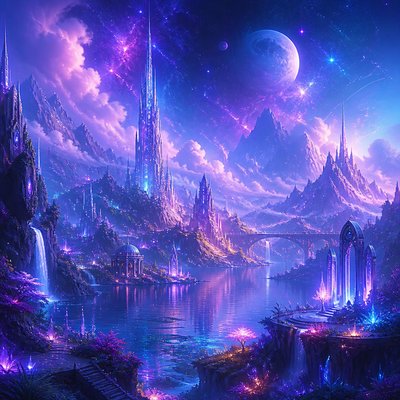
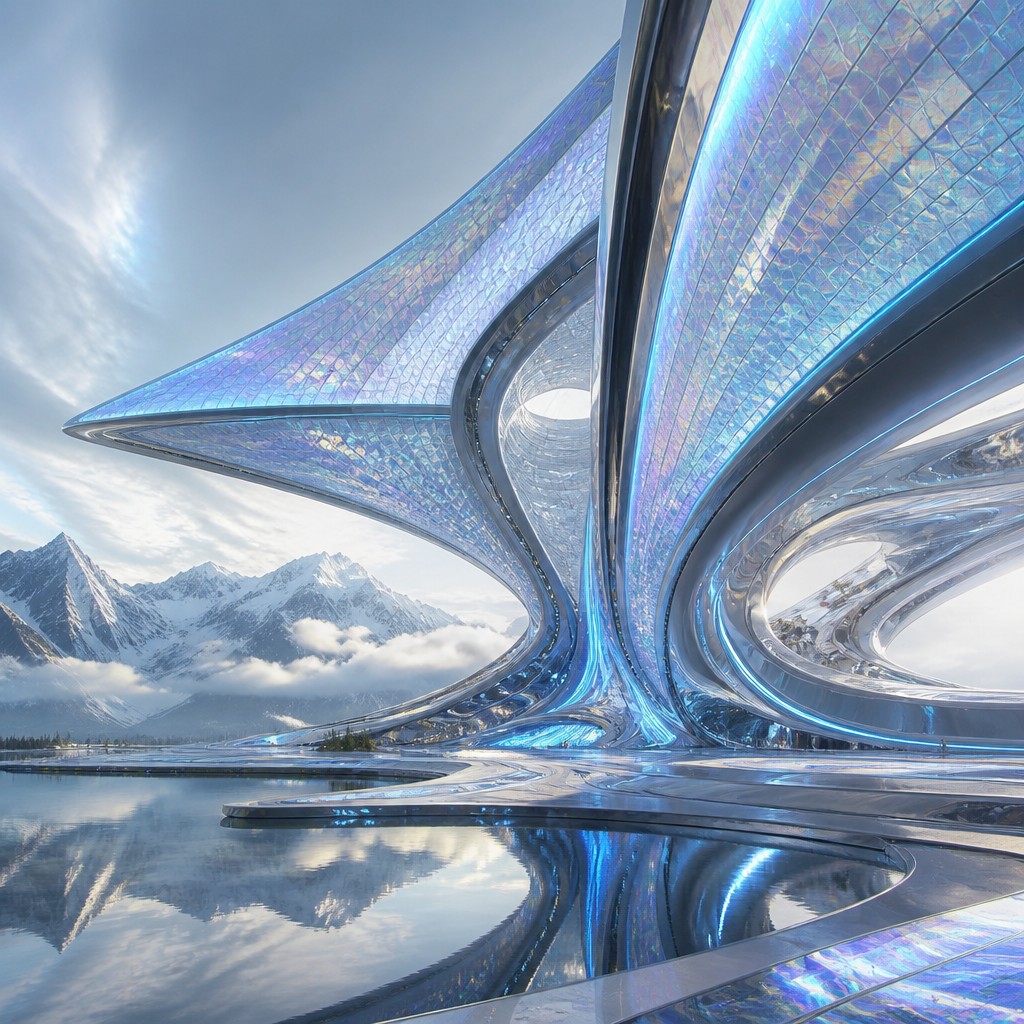
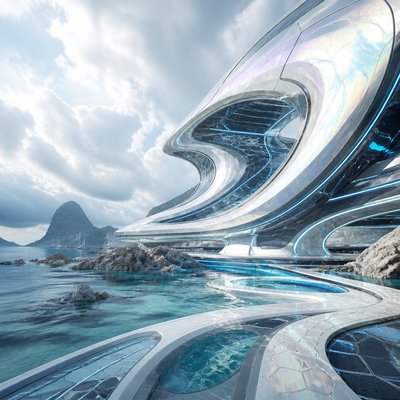
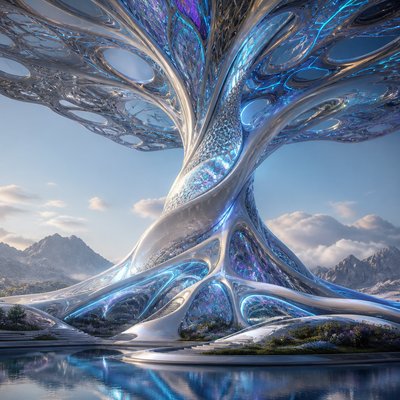
Futuristic Architecture Art depicts buildings and urban spaces as if they belong to a technologically advanced future. It emphasizes impossible or highly engineered curves, seamless surfaces, aerodynamic silhouettes, luminous interfaces, and a strong sense of scale. The style often presents architecture as a fusion of sculpture, machine, and ecological system rather than as conventional construction.
Its visual identity is shaped by contemporary digital design methods and science-fiction worldbuilding. Parametric modeling, environmental design, and advanced materials inspire the look of flowing structures, tessellated skins, glass-and-metal finishes, and integrated light. The result is typically clean, monumental, and speculative: architecture imagined not only for shelter, but as an expression of innovation, sustainability, and technological ambition.

Try It On Your Photos
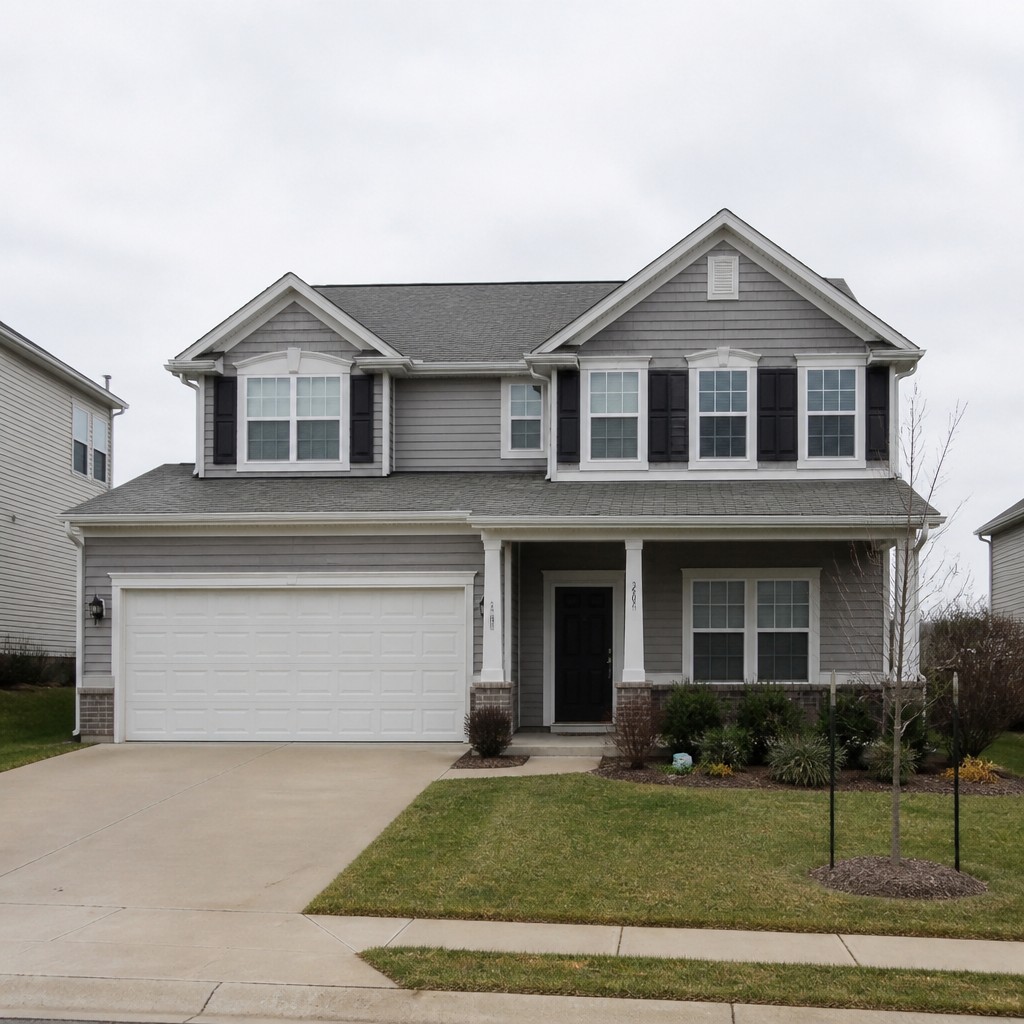
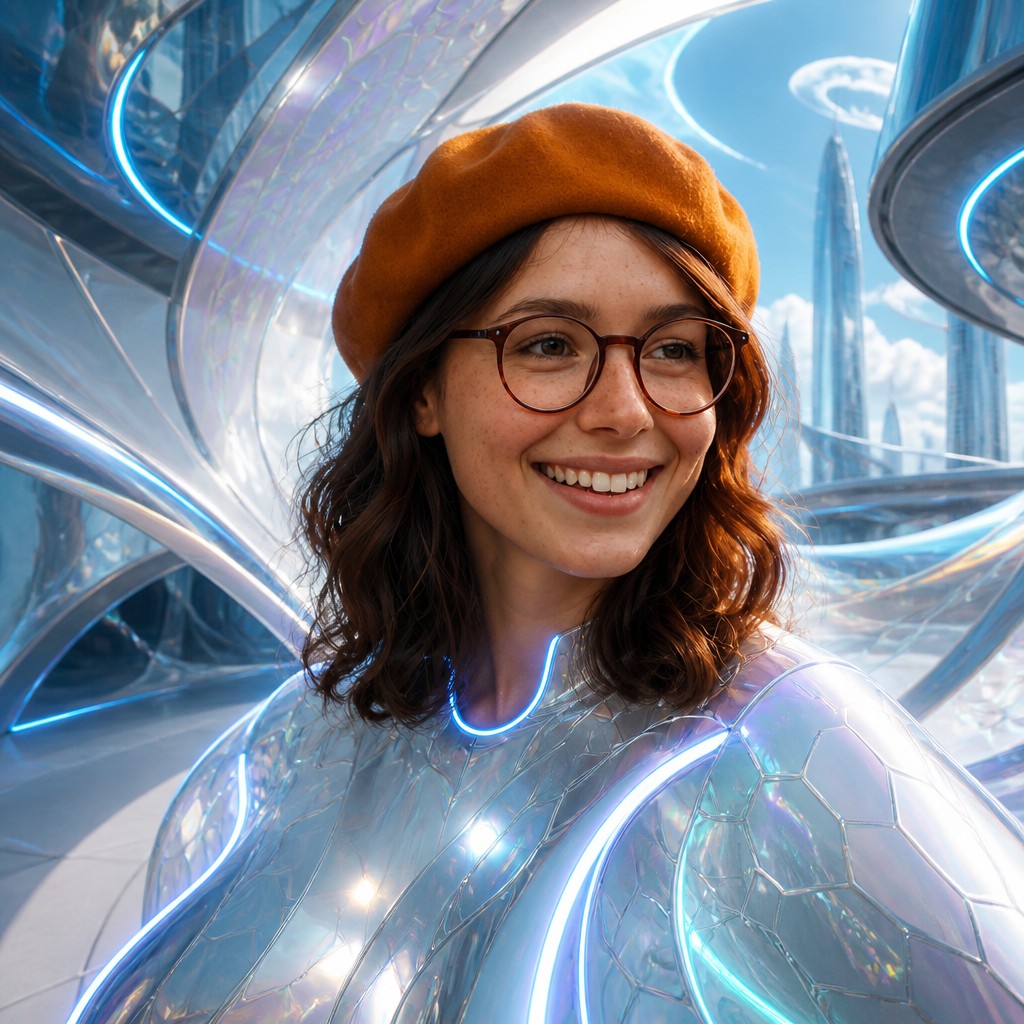
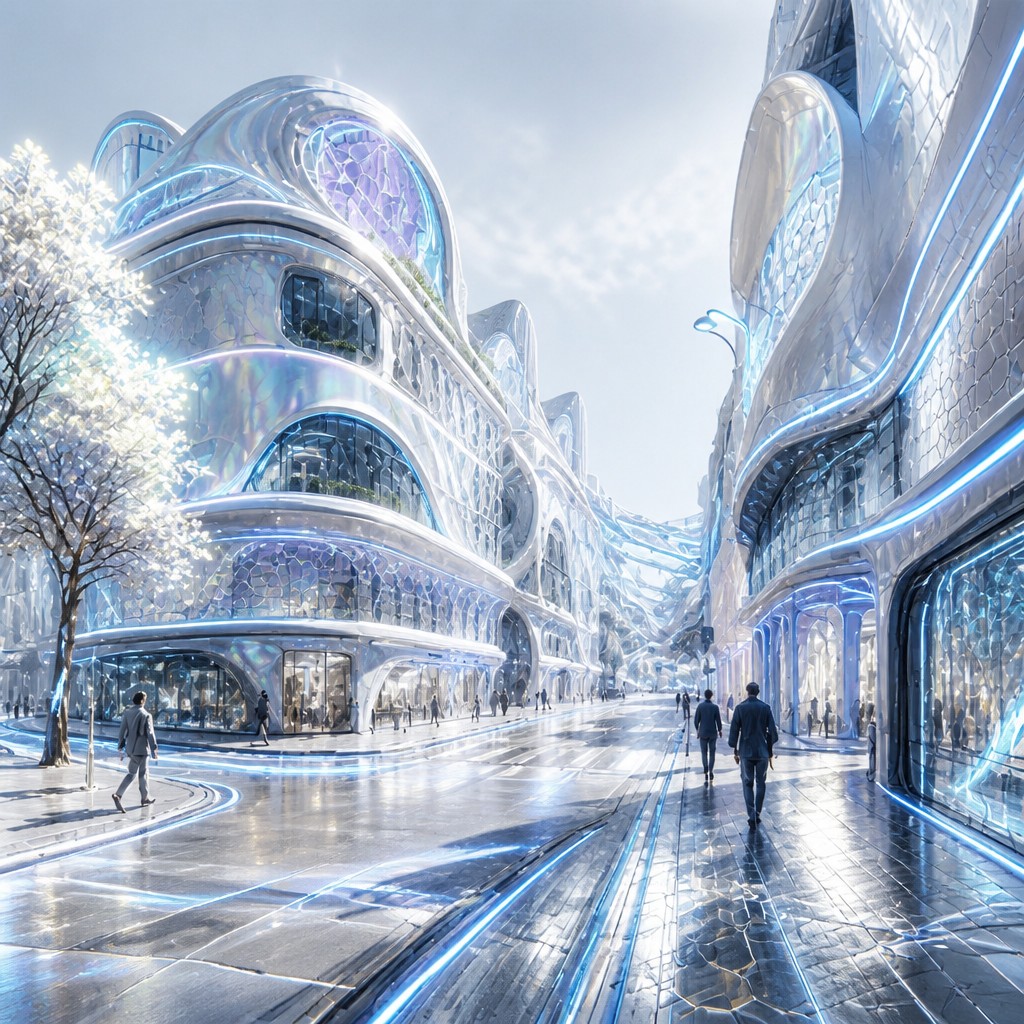
Upload any photo and convert it into Futuristic Architecture Art — drag the sliders to compare before and after.
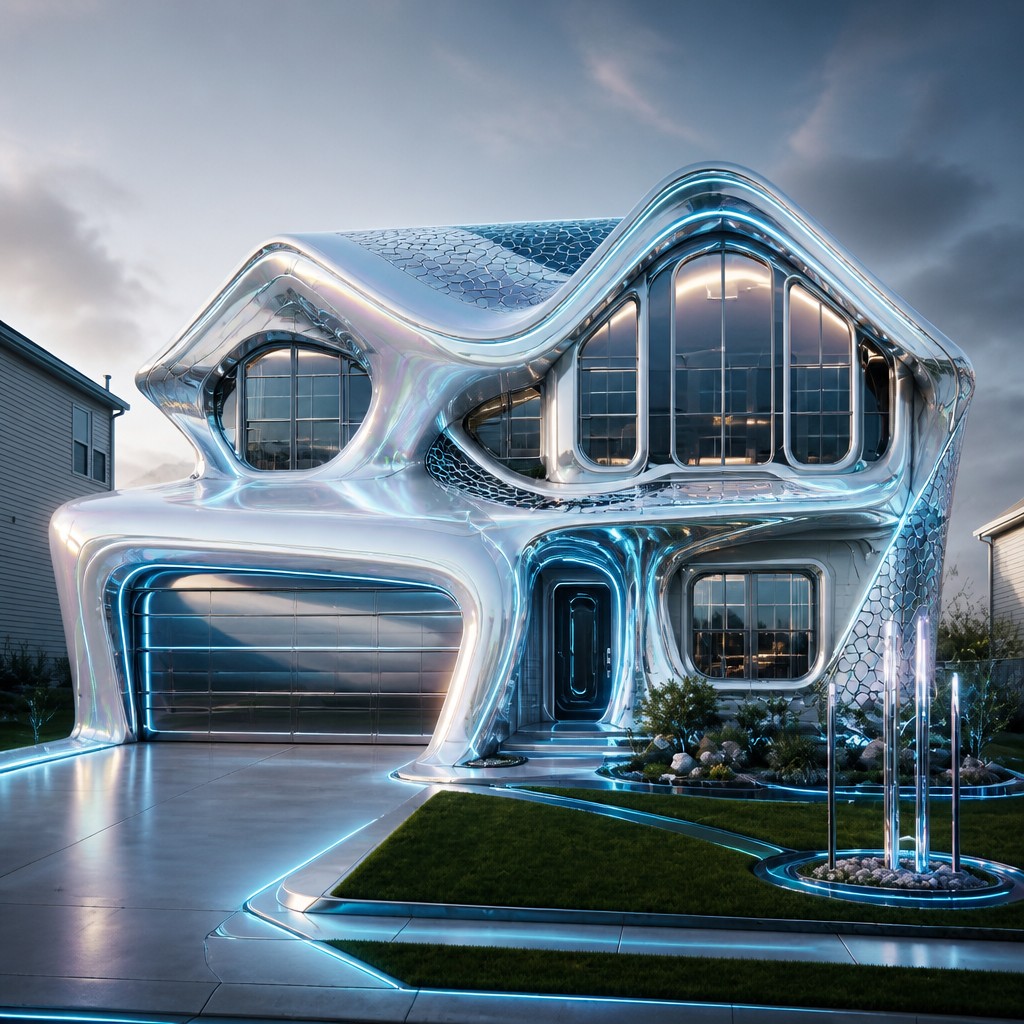


What Defines Futuristic Architecture Art
The signature details, up close
Parametric and fluid forms
Buildings often appear to be shaped by algorithms rather than straight construction logic. Curves, folds, shells, and continuous surfaces dominate over right angles.
Glass, chrome, and reflective materials
Surfaces frequently feature polished metal, translucent panels, and glossy glazing. These materials create a sense of precision, speed, and advanced fabrication.
Integrated lighting
Electric-blue, white, or neon accents are commonly embedded into edges, seams, and structural lines. Light acts as both ornament and a way to communicate technology.
Monumental scale
The architecture is usually presented as large, civic, and almost city-defining. Human figures, vehicles, or landscapes are often minimized to emphasize scale.
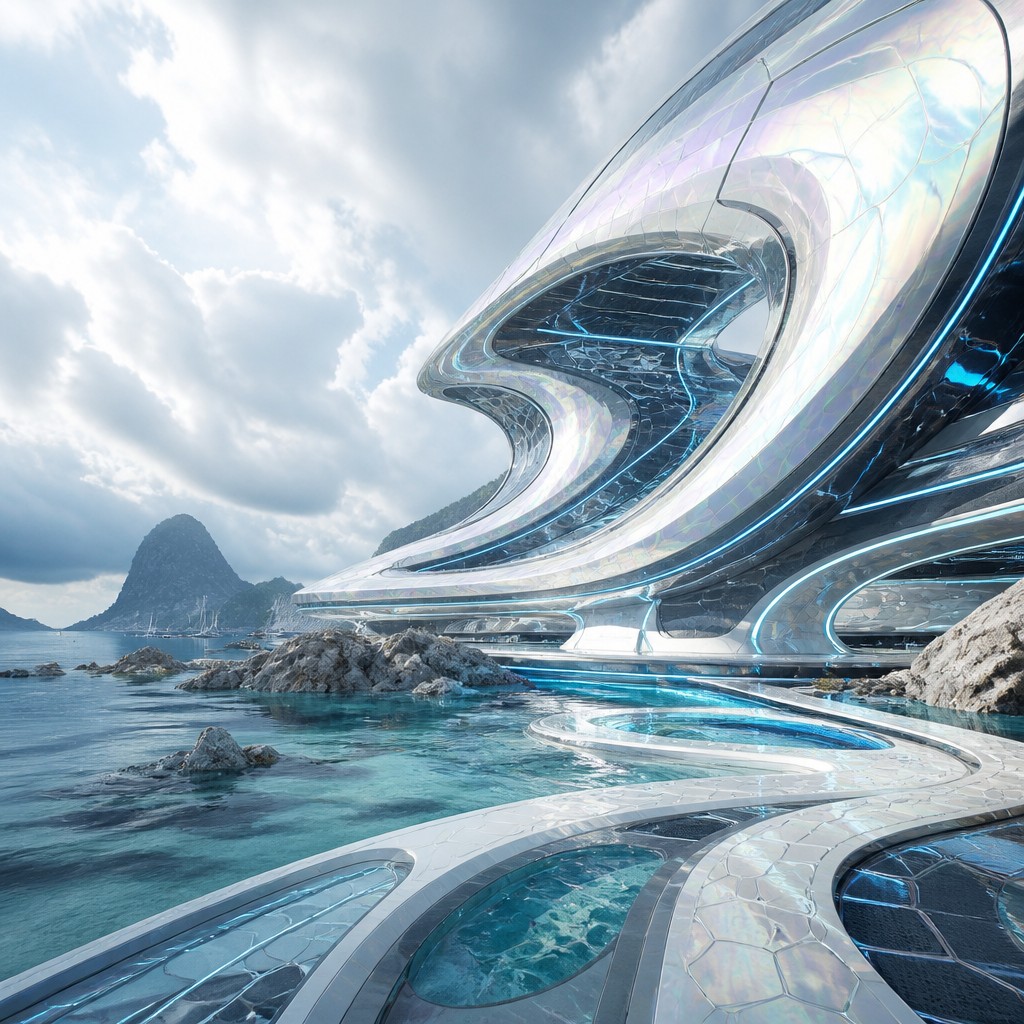
Algorithmic surface patterning
Facades may include tessellation, perforation, ribbing, or cellular patterns. These details suggest computational design and performance-driven construction.

Clean speculative realism
Even when the buildings are imaginary, they are rendered with photoreal clarity and disciplined composition. The visual tone is sleek rather than chaotic or dystopian.
Try It
Create Videos in Futuristic Architecture Art
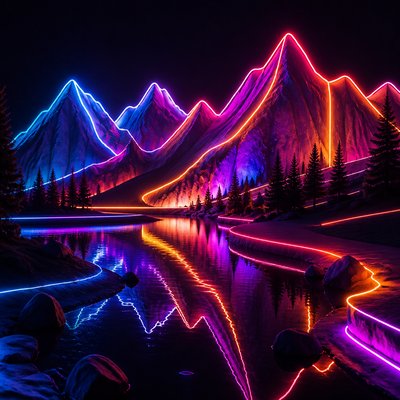
Styles aren't just for stills — describe a scene or animate an image and get a short video rendered in Futuristic Architecture. Press play to see this pond come to life.
Make a VideoFuturistic Architecture Prompt Ideas
Start from an idea — each one opens the generator with the style ready to go. See all 40 Futuristic Architecture prompts →
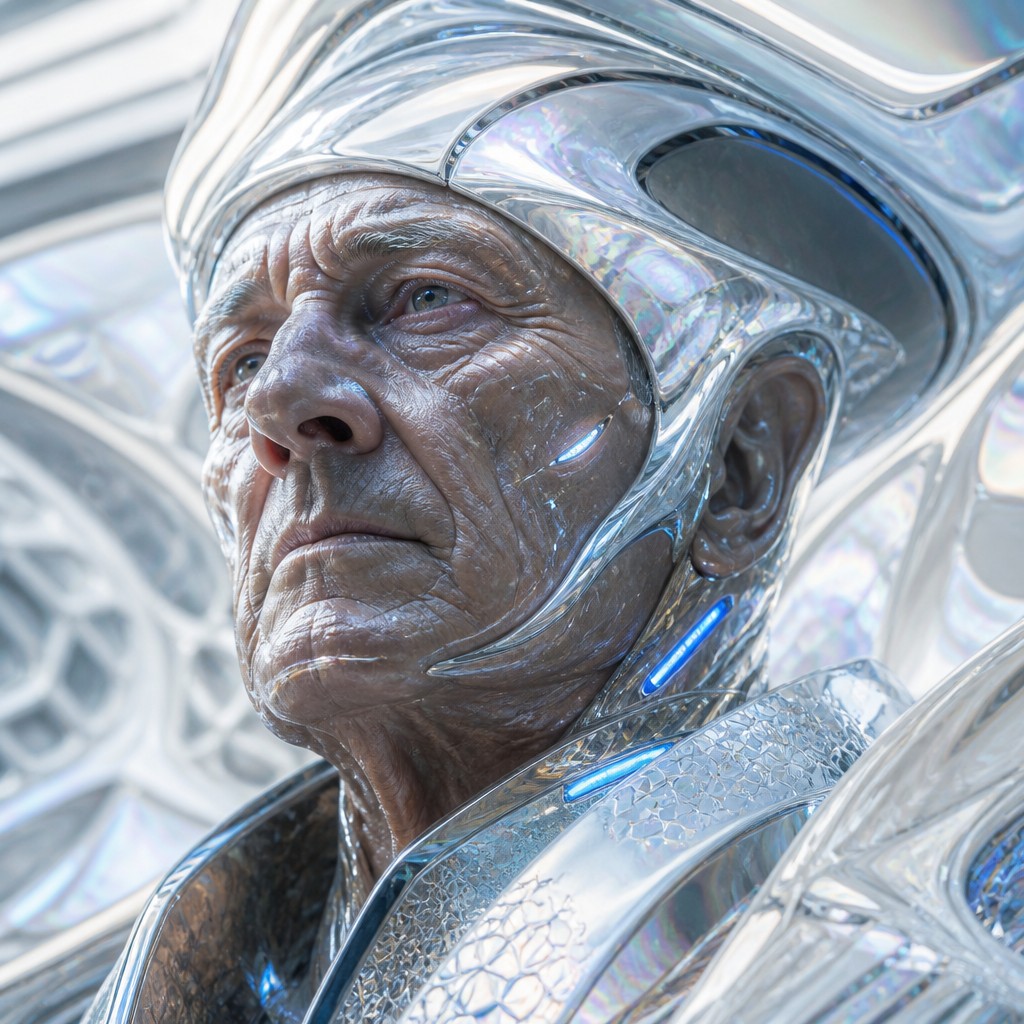
“close-up portrait of an elderly person with expressive weathered features”
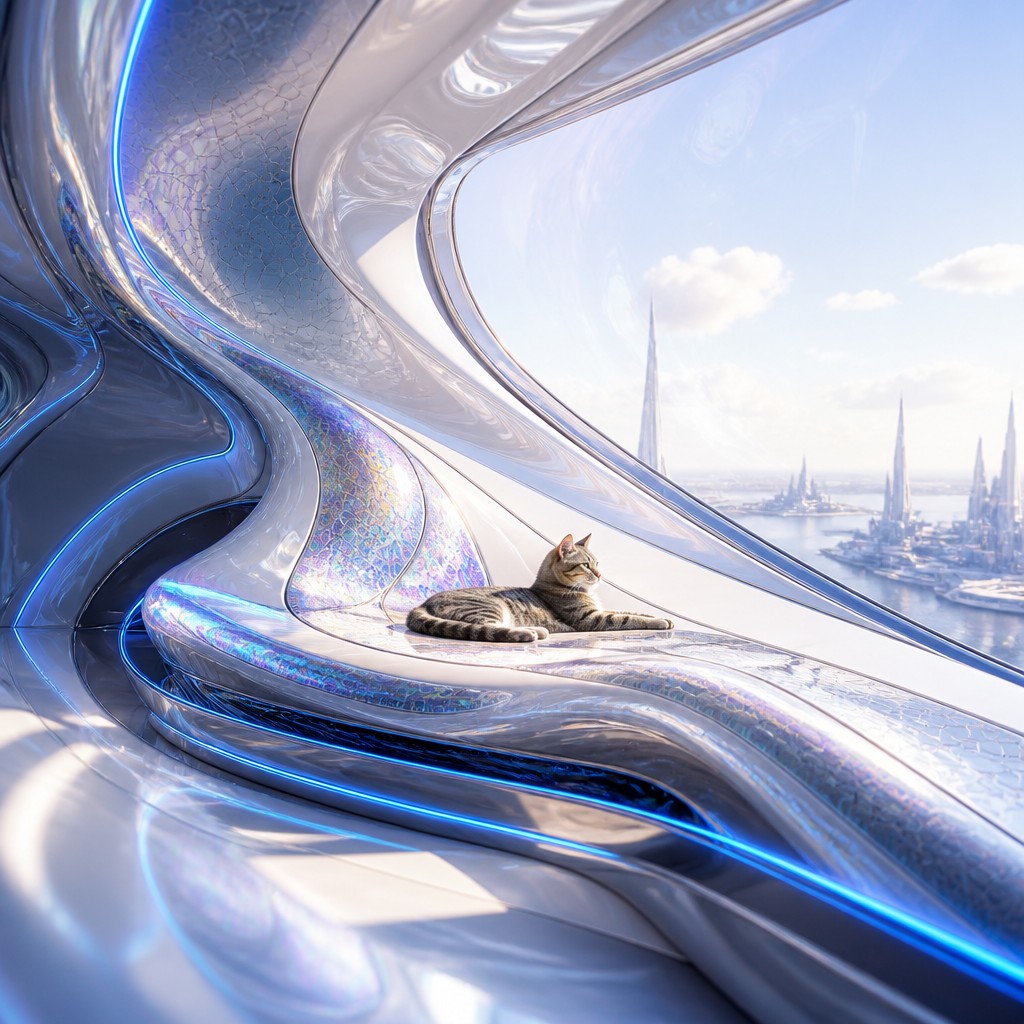
“a cat lounging in a sunlit window”
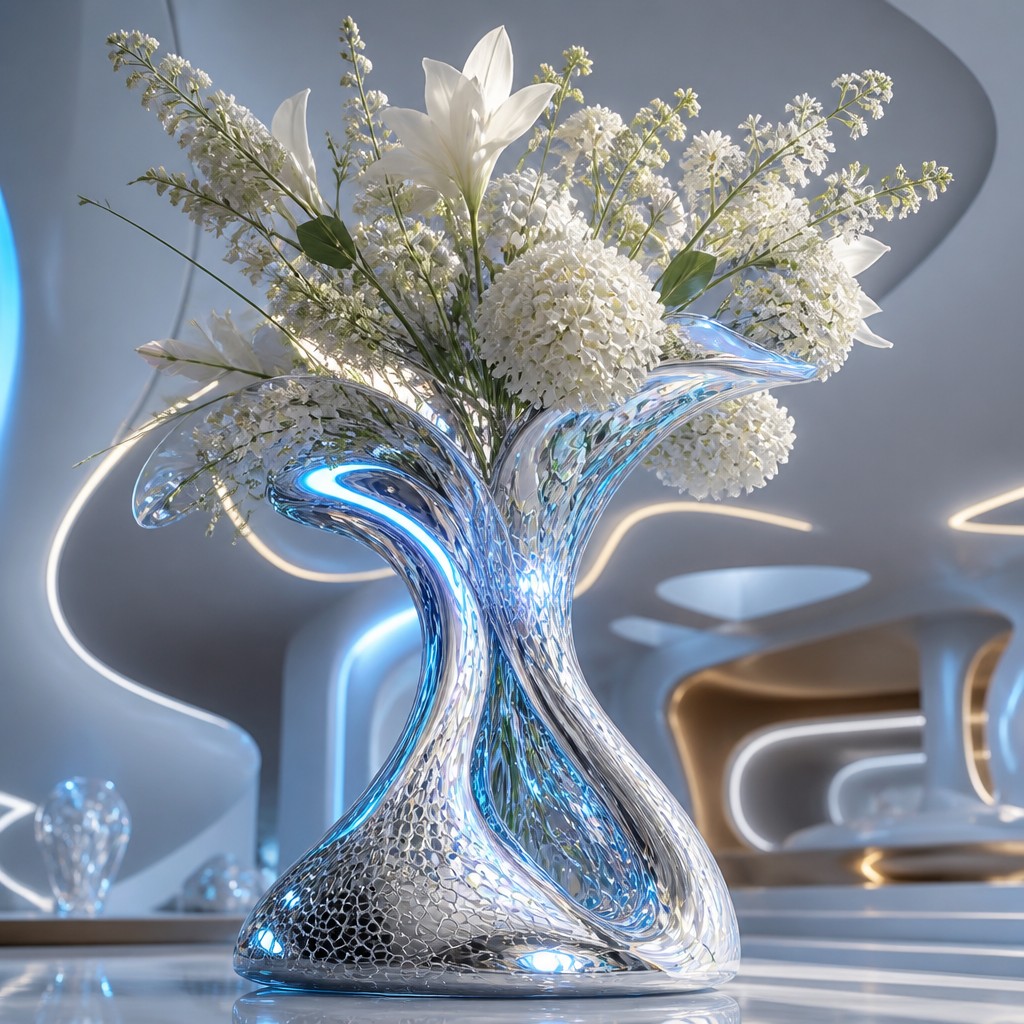
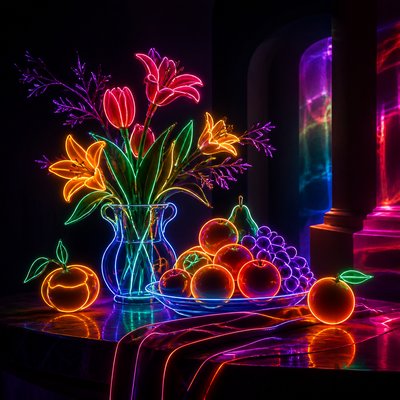
“bouquet of flowers in a glass vase”
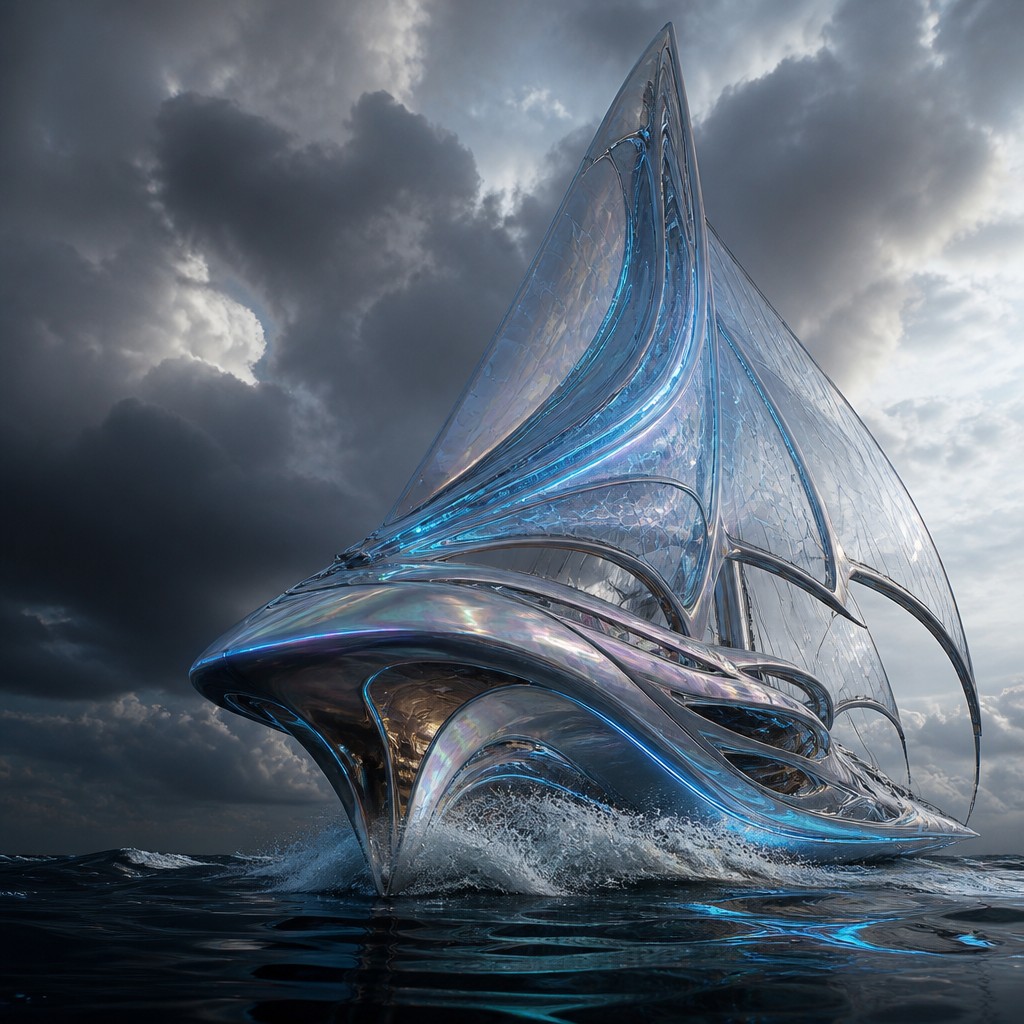
“sailing ship on a stormy sea”
How to Create Futuristic Architecture Art
Master the craft step by step — or skip straight to creating. Read the full guide →
- 1
Start with a clear architectural concept
Design the building as a functional object first: transit hub, museum, tower, pavilion, or research campus. In drawing or digital modeling, define the major silhouette before adding surface detail so the form reads as architecture rather than abstract sculpture.
- 2
Use flowing geometry and repeated systems
Build forms around arcs, shells, cantilevers, and layered envelopes, then add repeating panels, ribs, or perforations to imply engineered construction. In 3D software, parametric tools and subdivision modeling are especially useful; in illustration, use confident contour lines and controlled perspective.
- 3
Balance cool materials with luminous accents
Combine glass, brushed metal, ceramic whites, or pale composites with selective lines of blue, cyan, or neon illumination. The contrast between restrained structural color and glowing details is a major part of the style’s identity.
- 4
Suggest environmental intelligence
Include solar arrays, rooftop gardens, breathable facades, water collection systems, or shaded atria to communicate sustainable technology. These details make the design feel plausible as future architecture rather than pure fantasy.
- 5
Render with crisp light and depth
Use dramatic directional lighting, reflective highlights, and soft atmospheric glow to model surfaces and emphasize scale. For image generation, specify terms such as photorealistic, monumental scale, glossy materials, and futuristic design to guide the composition.
- 6
Keep the composition uncluttered
Avoid excessive debris, texture noise, or competing focal points. Futuristic architecture reads best when the image emphasizes form, material, and light with a clean presentation.

The Story
History & Origins of Futuristic Architecture
Futuristic Architecture Art is not a single historical movement so much as a visual language assembled from several modern and contemporary sources. Its lineage includes early twentieth-century Futurism, which celebrated speed, machinery, and dynamic form; mid-century modernism and high-tech architecture, which explored structural honesty and industrial materials; and late twentieth- and twenty-first-century digital architecture, where computer-aided design made complex curves and nonstandard geometries practical to imagine and, in some cases, build.
The style also draws from science fiction illustration, concept art, and speculative urban design. It became especially visible as architectural renderings moved from hand-drawn perspective drawings to digital visualizations capable of presenting glass, metal, light, and atmosphere with photorealistic precision. As sustainable design and advanced fabrication entered public discourse, images of futuristic buildings increasingly combined technological spectacle with ecological motifs such as solar skins, living facades, and integrated green systems.
Influences: This style sits at the intersection of Futurism, modernist architecture, high-tech architecture, and digital parametric design, with strong ties to science-fiction concept art. Early Futurist artists and architects who explored speed, machinery, and visionary built environments helped establish the association between modernity, velocity, and architectural imagination, while later architectural work by prominent deconstructivist and sculptural designers expanded the public imagination of fluid, nontraditional form. It also overlaps with cinematic and illustrated visions of the future, where architecture becomes a visual language for progress, power, and speculative urban life.

Frequently Asked Questions
What defines Futuristic Architecture Art?
It is defined by visionary buildings with sleek, often impossible forms, advanced materials, integrated lighting, and a strong sci-fi sensibility. The style usually treats architecture as a symbol of technological progress, environmental design, and speculative engineering.
How is it different from cyberpunk architecture?
Futuristic Architecture Art is often cleaner, brighter, and more optimistic than cyberpunk. Cyberpunk settings usually emphasize decay, crowding, signage, and urban grit, while futuristic architecture focuses on polished surfaces, innovation, and monumental design.
Can this style be realistic, or is it always фантаstic?
It can be either. Some works are pure speculation, while others resemble plausible concept renderings for buildings that could be fabricated with advanced materials and digital construction methods.
What subjects work best in this style?
Towers, museums, airports, transit centers, research campuses, spaceports, and eco-cities are especially effective because they allow large forms and clear structural systems. Any subject that benefits from scale, light, and engineered complexity can work well.
How do I make my image look more futuristic without becoming chaotic?
Use a limited palette, clean geometry, and a few clearly articulated futuristic details such as glowing seams, tessellated panels, or solar skins. Strong perspective and simple focal structure help the design feel intentional rather than overloaded.
Where is this style used in practice?
It appears in architectural concept art, speculative city design, film and game environments, branding for tech-forward developments, and visualization of future-oriented buildings. It is also common in presentation images for competition proposals and imagined urban masterplans.
Create your first Futuristic Architecture artwork
Describe anything — or upload a photo — and see it in Futuristic Architecture Art in seconds.
Make Something with Futuristic Architecture
Compare Futuristic Architecture
Related Styles
Discover similar art styles